Women of Rubies

Tag

Personal Branding

Browsing

As artificial intelligence continues to reshape how businesses communicate, market, and connect with customers, visibility alone is no longer enough. Entrepreneurs and professionals need to understand how to combine technology with strategy, authenticity, and a clear understanding of the audiences they want to reach.

This is an area Hava Maloku knows well. With more than 15 years of experience spanning lifecycle marketing, digital growth, customer retention, and strategic marketing, Hava has built a career helping organizations turn marketing into measurable business impact.

Now, as Founder and CEO of Maloku Marketing, she is bringing that experience to Media Visibility Bootcamp 6.0, taking place virtually on October 17–18, 2026.

Want to learn from Hava and the other experts joining Cohort 6?
Explore Media Visibility Bootcamp 6.0 and register

From Global Brands to Entrepreneurship

Before launching Maloku Marketing, Hava spent a decade at LinkedIn, where she led global lifecycle marketing initiatives and developed strategies focused on customer engagement, retention, and growth.

Her corporate career also includes marketing leadership experience with major brands including Expedia and LegalZoom.

Across these roles, Hava developed expertise at the intersection of customer behaviour, digital marketing, lifecycle strategy, and business growth experience she now brings to organizations and entrepreneurs through her own consultancy.

Building Maloku Marketing

Today, Hava is the Founder and CEO of Maloku Marketing, a boutique growth consultancy that helps organizations accelerate growth through AI, lifecycle marketing, customer retention, and strategic marketing systems.

Her move from corporate leadership into entrepreneurship represents another dimension of her expertise: understanding what it takes not only to execute marketing within established organizations, but also to build and position a business in an increasingly competitive digital environment.

Through her work, Hava helps organizations think more strategically about the relationship between marketing, technology, customers, and sustainable revenue growth.

Where AI Meets Marketing Strategy

Artificial intelligence has made it possible to create content, analyze information, automate processes, and reach audiences faster than ever before. But access to AI does not automatically create an effective marketing strategy. For founders and professionals, the bigger question is how to use these tools without losing the clarity, credibility, and human connection that make people trust a brand.

Hava’s work sits at this intersection. Her expertise in AI, marketing strategy, personal branding, visibility, and business growth offers a practical perspective for professionals navigating a rapidly changing digital landscape.

Personal Branding Is More Than Being Visible

Hava’s expertise also extends to personal branding — an increasingly important asset for founders, executives, and professionals.

A strong personal brand is not simply about posting frequently or accumulating followers. It is about creating a clear association between your name, expertise, values, and the problems you can help solve.

When that positioning is supported by the right marketing strategy, visibility can begin to create credibility, relationships, customers, partnerships, speaking opportunities, and other forms of professional growth.

That connection between visibility and opportunity is one of the conversations at the heart of Media Visibility Bootcamp 6.0.

Hava Maloku Joins Media Visibility Bootcamp 6.0

As one of the experts joining Cohort 6, Hava will bring her experience in strategic marketing, AI, personal branding, and business growth to the Media Visibility Bootcamp community.

Her perspective is particularly relevant for entrepreneurs and professionals asking questions such as:

  • How can I use AI strategically without losing my authentic voice?
  • How do I build a personal brand that establishes credibility?
  • How can marketing support greater visibility and business growth?
  • How do I turn increased attention into meaningful opportunities on LinkedIn?
  • What systems can help me build visibility more intentionally?

These are no longer questions reserved for marketing departments. They are increasingly important for anyone building a business, career, or professional reputation.

A Global Perspective on Marketing and Visibility

With a career spanning global organizations and entrepreneurship, Hava brings both corporate and founder perspectives to the conversation.

She also speaks internationally on AI, marketing strategy, personal branding, visibility, and business growth and holds a doctorate in Marketing and an MBA.

Her career demonstrates something particularly relevant to the Women of Rubies community: expertise becomes more powerful when people understand how to communicate, position, and leverage it.

Why Hava’s Perspective Matters for Cohort 6

Media Visibility Bootcamp 6.0 has been intentionally designed around the idea that visibility is an ecosystem.

Media exposure is one part of it. So are communication, personal branding, marketing, AI, business strategy, relationships, leadership, and positioning.

Hava brings the AI, strategic marketing, lifecycle growth, and personal-branding lens to that ecosystem.

For participants, the opportunity is not simply to hear another success story, but to learn from someone who has spent years working with the strategies and systems behind how organizations attract, engage, and retain audiences.

Learn From Hava Maloku at Media Visibility Bootcamp 6.0

Hava Maloku joins a diverse group of experts for the sixth cohort of the Women of Rubies Media Visibility Bootcamp, a two-day virtual learning experience designed to help entrepreneurs, professionals, creatives, and changemakers strengthen their visibility, credibility, communication, and positioning.

Media Visibility Bootcamp 6.0
October 17–18, 2026
Virtual

Early Bird registration is currently open.

Get your Media Visibility Bootcamp 6.0 Early Bird ticket

More speakers and special guests will be unveiled as Women of Rubies counts down to Cohort 6.

The Media Visibility Bootcamp 2026 speakers are bringing together expertise across media, communications, artificial intelligence, marketing, business strategy, leadership, personal branding, entrepreneurship and growth for the sixth cohort of the Women of Rubies Media Visibility Bootcamp.

Taking place virtually on October 17–18, 2026, Media Visibility Bootcamp 6.0 is designed for entrepreneurs, professionals, creatives, founders and changemakers who want to become more visible, communicate their value more effectively and position themselves for greater opportunities.

Ready to join Cohort 6? Explore the Bootcamp & Register → womenofrubies.com/mvbc2026

Now in its sixth cohort, the Media Visibility Bootcamp has grown into a practical learning platform where participants gain direct access to experts who understand what it takes to build credibility, strengthen positioning and turn visibility into meaningful results.

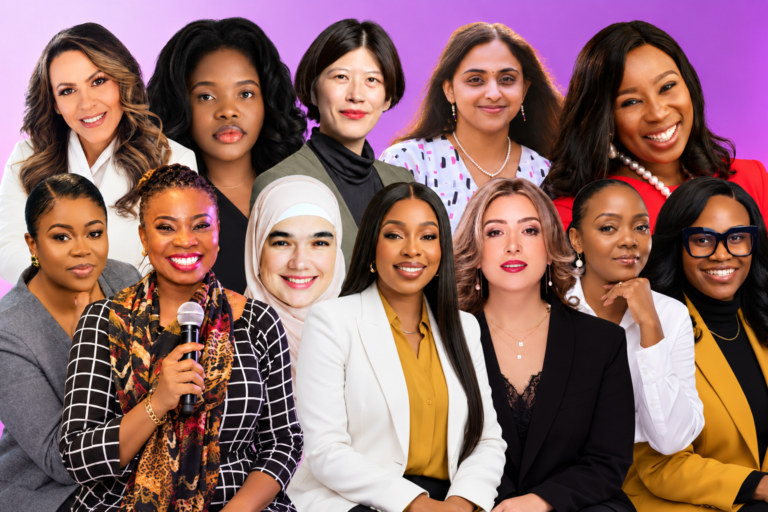
This year, Women of Rubies is bringing together a diverse group of experts with experience spanning global corporations, entrepreneurship, media, communications, AI, marketing, finance and leadership.

Meet the Media Visibility Bootcamp 2026 Speakers

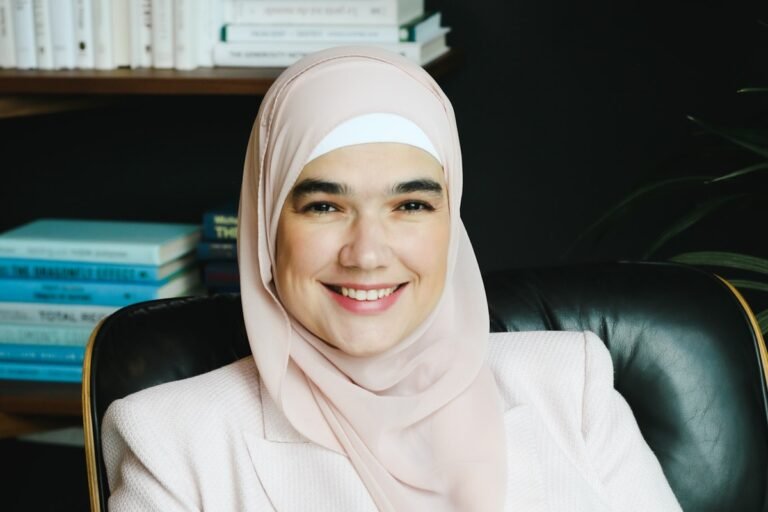
Hava Maloku, Founder and CEO of Maloku Marketing and Media Visibility Bootcamp 2026 speaker specializing in AI, marketing and personal branding.

Hava Maloku | Marketing & Personal Branding

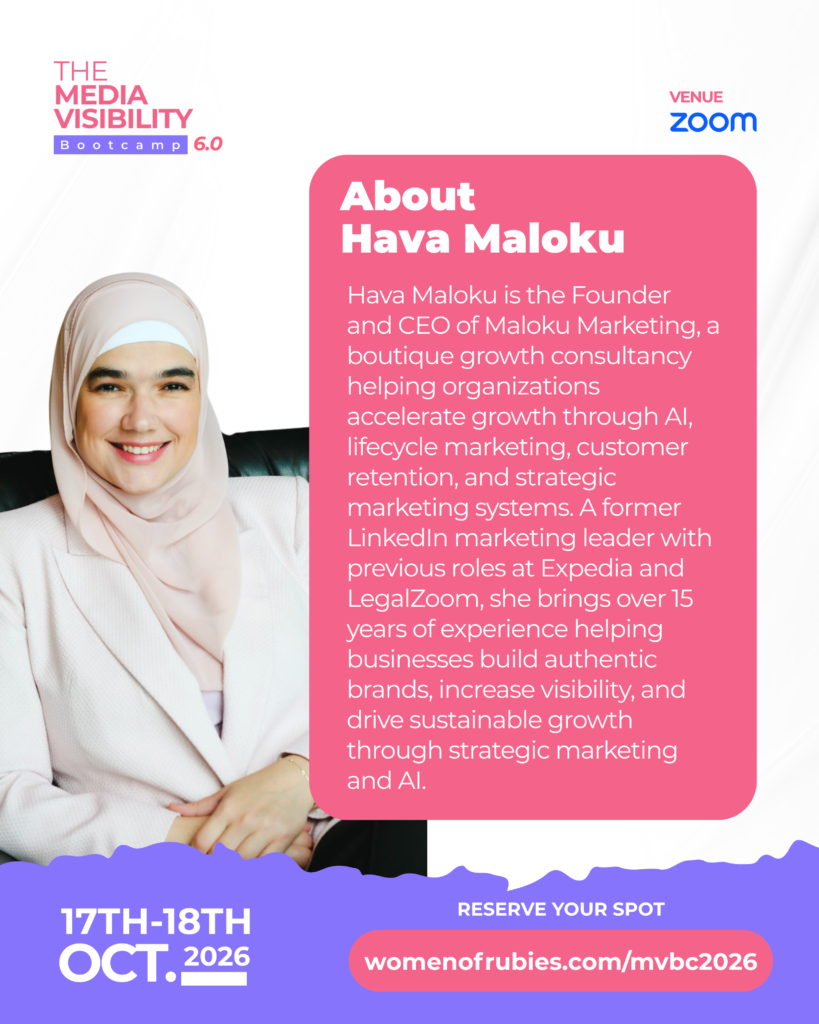
Hava Maloku is the Founder and CEO of Maloku Marketing and a digital growth and lifecycle marketing expert with more than 15 years of experience. Before launching her firm, Hava spent a decade at LinkedIn driving retention and digital marketing strategies, with previous marketing experience at Expedia Group and LegalZoom. Her expertise spans AI, marketing strategy, personal branding, visibility and business growth, bringing an important perspective on how professionals and entrepreneurs can use emerging tools and strategic marketing to build influence and attract opportunities.

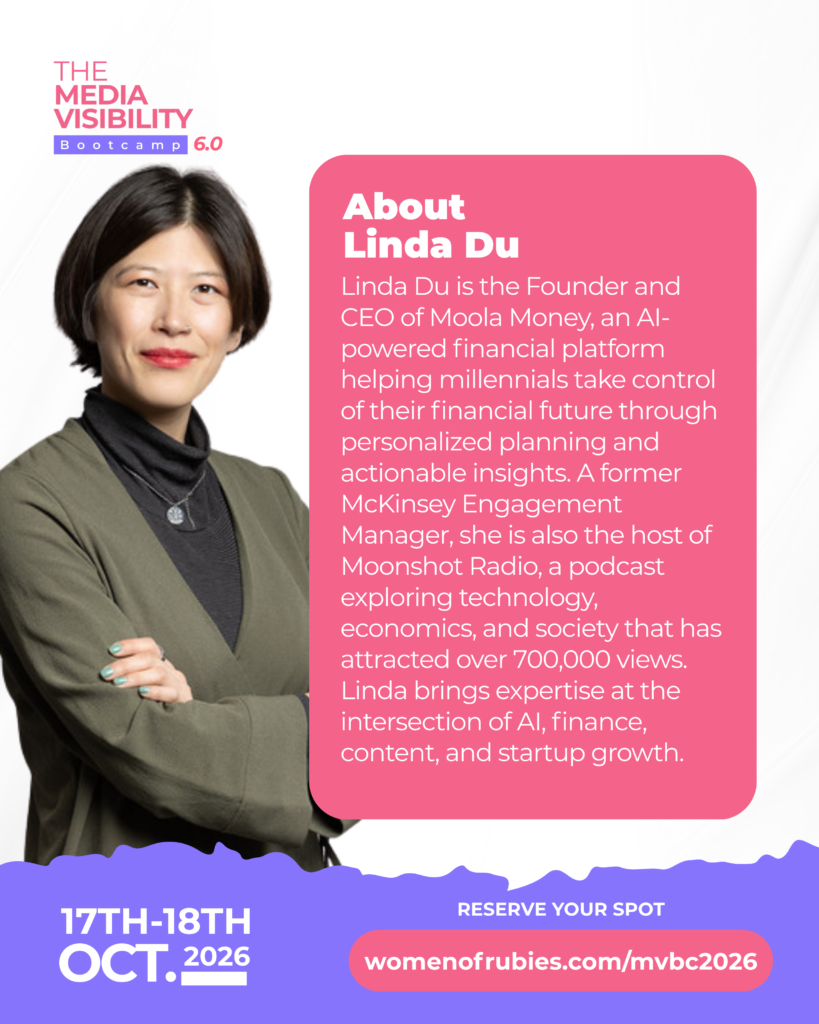
Linda Du, Founder of Moola Money and Media Visibility Bootcamp 2026 speaker bringing expertise in AI, business, finance and content.

Linda Du | AI, Business, Finance & Content

Linda Du is an entrepreneur and Founder of Moola Money whose experience combines strategy, technology, finance and content. A former McKinsey Engagement Manager, Linda has built a growing digital presence through Moonshot Radio while helping make conversations around money, entrepreneurship and emerging technology more accessible. At Cohort 6, her perspective adds an important dimension to conversations about leveraging AI, building businesses and using content strategically in an evolving digital economy.

Hosna Kadary, keynote speaker at Media Visibility Bootcamp 6.0, bringing expertise in entrepreneurship, access to capital and inclusive business growth.

Hosna Kadary

Hosna R. Kadary is a seasoned financial services leader with over two decades of experience advancing economic inclusion across Canada. As National Market Leader for Zero Barriers to Business at BMO, she leads initiatives expanding access to capital, mentorship, and financial literacy for women and underrepresented entrepreneurs. She is widely recognized for her leadership in equity-driven financial advocacy and economic empowerment.

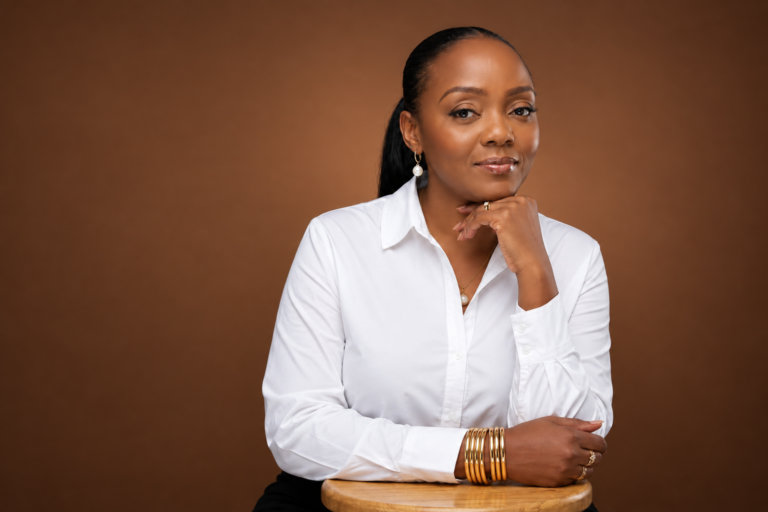
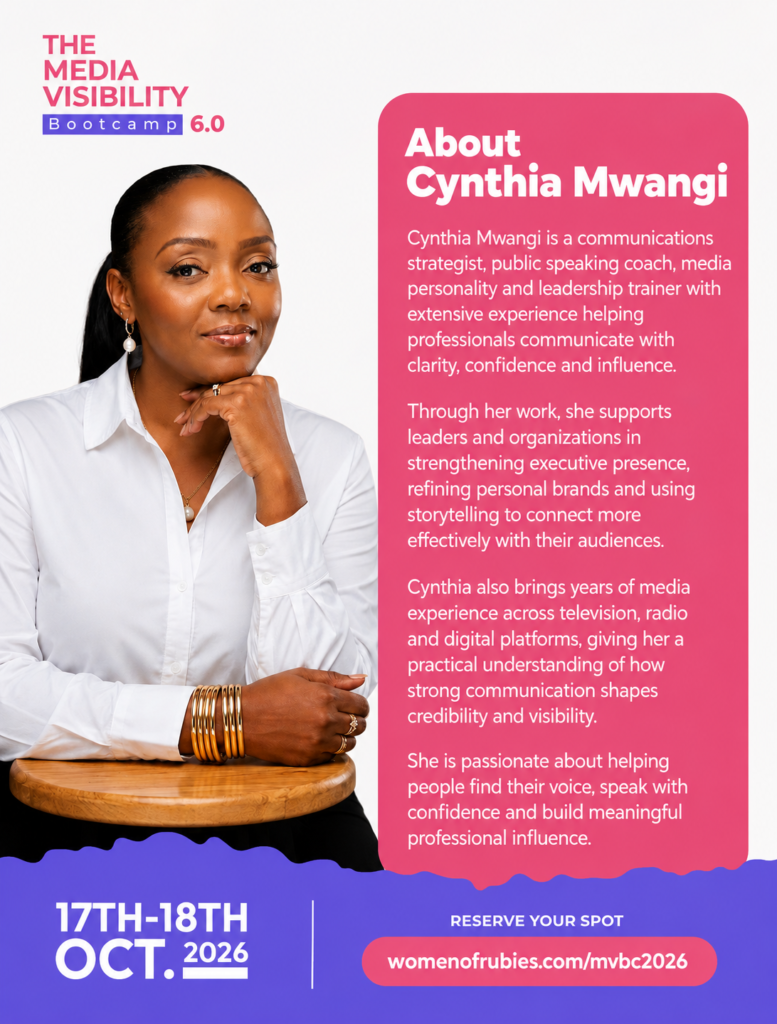
Cynthia Mwangi, media and communications expert joining Media Visibility Bootcamp 2026 to share expertise in storytelling, public speaking and personal branding.

Cynthia Mwangi | Communication, Storytelling & Public Speaking

Cynthia Mwangi is a seasoned media and communications professional whose expertise spans public speaking, storytelling, personal branding, media and executive presence. Her work focuses on helping leaders and professionals communicate with greater confidence, clarity and impact. For participants who know they have valuable expertise but struggle to articulate it effectively, Cynthia’s perspective connects visibility with one of its most important foundations: how you communicate when people are paying attention.

Cynthia Mwangi, media and communications expert joining Media Visibility Bootcamp 2026 to share expertise in storytelling, public speaking and personal branding.

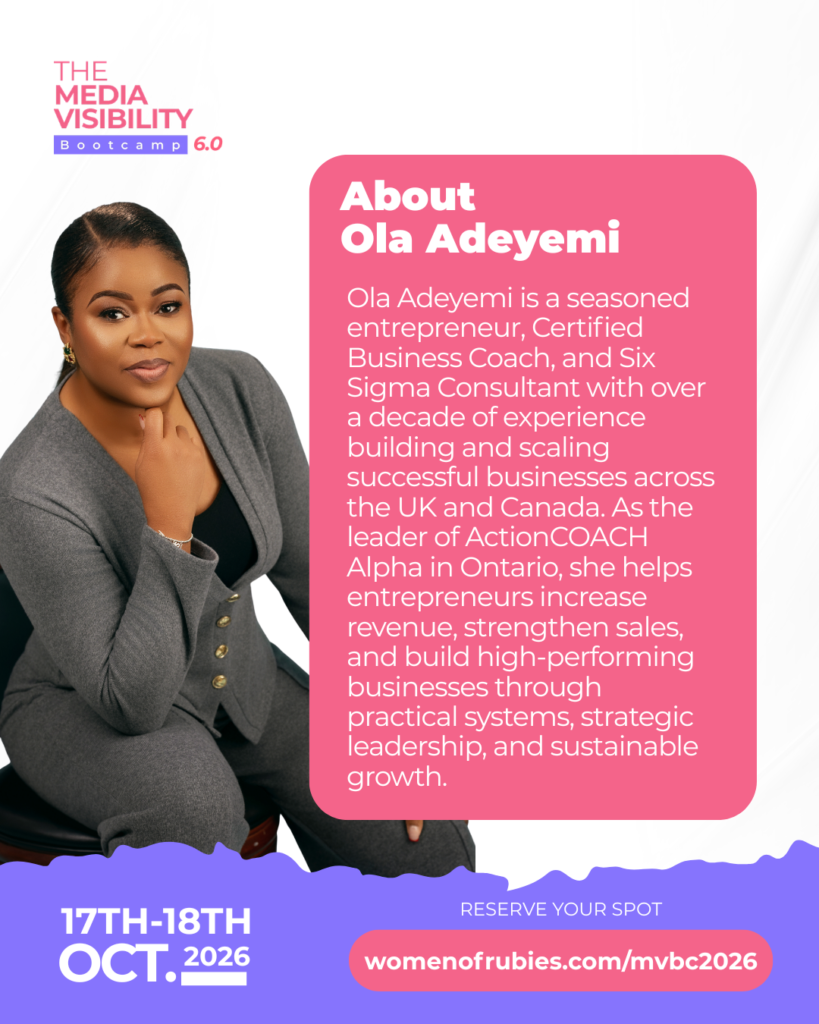
Ola Adeyemi |Business Growth, Sales & Strategy

Ola Adeyemi is a business growth strategist and ActionCOACH professional who works with entrepreneurs and business leaders to strengthen their businesses through strategy, systems, sales and execution. Her contribution to Media Visibility Bootcamp 6.0 reinforces an important principle: visibility should not exist separately from business growth. Being seen is valuable, but entrepreneurs must also understand how to convert increased attention into stronger businesses, customers and opportunities.

Preethi Balasubramanian, business strategist, author and Cohort 6 speaker focused on systems, founder mindset, leadership and sustainable growth.

Preethi Balasubramanian |Systems, Leadership & Founder Mindset

Preethi Balasubramanian is a Toronto-based business strategist, author, speaker and Founder of Wonder EA and Wondering Pages. With more than 15 years of international experience, she helps founders build intentional, systems-driven businesses. She is also the bestselling author of The Ease Equation and speaks on leadership, founder mindset and sustainable growth. Her expertise will help participants think beyond immediate visibility and consider the structures and mindset required to support the opportunities that increased visibility can create.

Princess Adetola Oluyede, Media Visibility Bootcamp 2026 speaker bringing expertise in marketing, media, communications and entrepreneurship.

Princess Adetola Oluyede | Marketing, Media & Visibility

Princess Adetola Oluyede brings expertise across marketing, media, communications and entrepreneurship. Her perspective explores the intersection between being visible and ensuring that visibility supports broader professional and business objectives. For entrepreneurs and professionals navigating increasingly crowded digital spaces, her insights will help connect strategic communication with audience building and opportunity.

Ibukun Omololu, Founder of Teal Tree and Media Visibility Bootcamp 2026 speaker focused on market expansion, partnerships and business ecosystems.

Ibukun Omololu | Market Expansion, Partnerships & Business Ecosystems

Ibukun Omololu is an entrepreneur, business strategist and Founder of Teal Tree, with extensive experience supporting businesses and leaders across Africa. Her work focuses on market expansion, strategic partnerships, business ecosystems and helping entrepreneurs identify new opportunities. Through Teal Tree, she supports founders in strengthening their positioning, expanding their reach and turning ideas into scalable ventures with wider market impact.

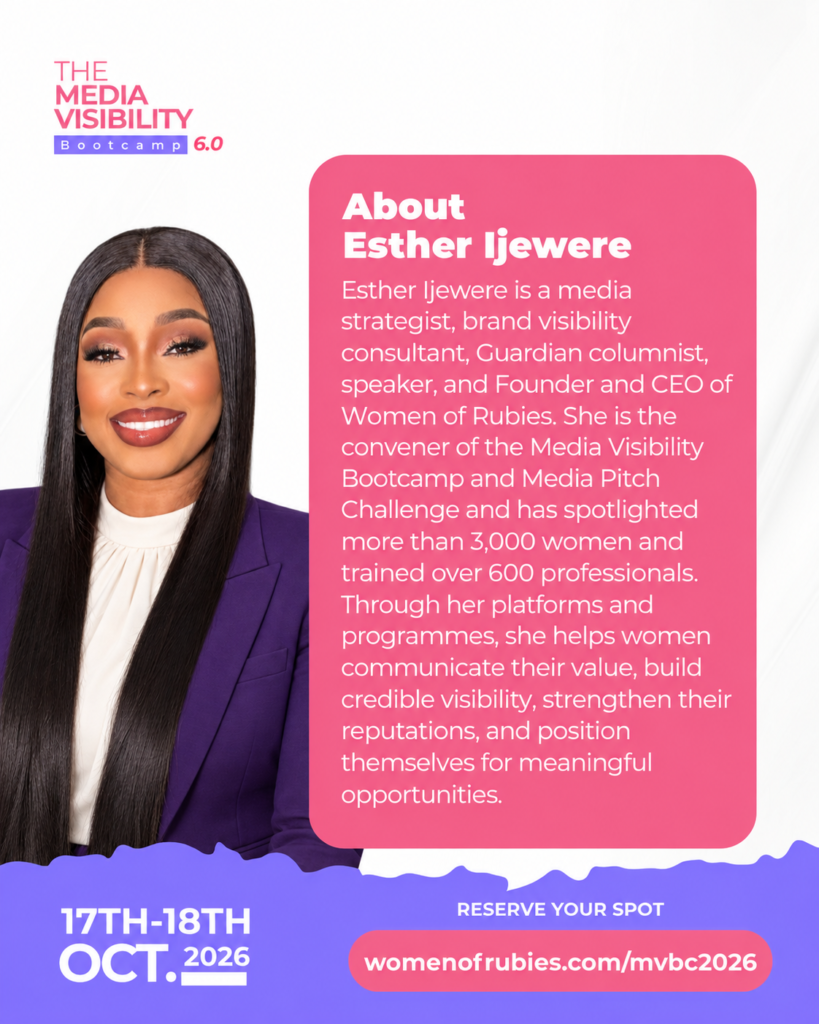
Esther Ijewere, Founder of Women of Rubies and Host of Media Visibility Bootcamp 2026

Esther Ijewere | Host & Founder

Esther Ijewere is a Media Strategist, Brand Visibility Consultant, Guardian Woman columnist, and Founder of Women of Rubies. Through Women of Rubies, she has spotlighted 3,000+ women globally, built a community of 200,000+ followers, and created visibility and learning initiatives that have trained 600+ entrepreneurs and professionals. Through the Media Visibility Bootcamp, Media Pitch Challenge, and Women of Rubies Academy, Esther helps founders, professionals, and changemakers strengthen their visibility, communicate their value, and position themselves for media, business, and leadership opportunities.

Join us for two days of practical conversations on visibility, media, AI, marketing, business, leadership, communication, and growth. Get Your Early Bird Ticket →womenofrubies.com/mvbc2026

Special Guest of Honour

Erelu Bisi Adeleye-Fayemi, special guest at Media Visibility Bootcamp 6.0 and global advocate for women's leadership and empowerment.

Erelu Bisi Adeleye-Fayemi |Special Guest of Honour

Erelu Bisi Adeleye-Fayemi is a globally respected gender and development specialist, feminist activist, policy advocate, leadership coach, and acclaimed author. She is Co-Founder of the African Women’s Development Fund (AWDF) and founded the African Women’s Leadership Institute, which has developed more than 10,000 women leaders across Africa. A former First Lady of Ekiti State, Nigeria, she continues to advance women’s leadership and social justice through academia, philanthropy, advocacy, and public policy.

More Than a Speaker Lineup

What sets the Media Visibility Bootcamp apart is the range of expertise brought into one learning experience. Each speaker contributes a different piece of the visibility journey, helping participants strengthen not just how they are seen, but how they communicate, position, and grow.

Some participants may need greater confidence in communicating their expertise. Others may be focused on building a stronger personal brand, turning visibility into business opportunities, strengthening the systems behind their growth, or using AI, media, strategic partnerships, and digital platforms more effectively.

Media Visibility Bootcamp 6.0 has been intentionally designed to bring these conversations together, giving participants practical insights they can apply across different stages of their visibility and growth journey.

From Visibility to Opportunity

Visibility is no longer simply about posting consistently on social media. Today’s professionals and entrepreneurs need to understand how to communicate their expertise, establish credibility, build meaningful relationships, leverage emerging technology, engage the media and position themselves in the right rooms.

That is the bigger conversation behind Cohort 6:

How do you turn being seen into being remembered, trusted and considered for opportunities?

The Media Visibility Bootcamp 2026 speakers will approach that question from different areas of expertise, giving participants practical perspectives they can apply to their careers, businesses and brands.

A Legacy of Expert-Led Learning

The sixth cohort builds on the foundation established through previous editions of the Media Visibility Bootcamp. Over the years, Women of Rubies has brought together experts and leaders from different industries to share practical knowledge with entrepreneurs and professionals seeking greater visibility and influence. As Cohort 6 approaches, Women of Rubies is also celebrating past speakers whose careers and impact continue to evolve  demonstrating that visibility is not a single campaign or moment, but something that can support a much longer professional journey.

Join Media Visibility Bootcamp 6.0

If you are ready to become more intentional about how you communicate, position yourself and pursue opportunities, Media Visibility Bootcamp 6.0 is designed to give you practical strategies and access to experts who have built credibility in their respective fields.

Dates: October 17–18, 2026
Format: Virtual
Early Bird: $59 until August 31, 2026

Register for Media Visibility Bootcamp 6.0: Visit the official MVBC 6.0 registration page

More Cohort 6 speakers and special guests will be unveiled as we count down to October.

Many entrepreneurs invest significant time and money into building their businesses, yet struggle to gain the visibility needed to grow. They may have an excellent product or service, but if the right people never hear about it, opportunities can easily pass them by.

This is where a public relations consultant becomes invaluable. Beyond writing press releases or securing media interviews, a PR consultant helps shape your reputation, strengthen your brand, and position you as a trusted authority in your industry.

What Is a Public Relations Consultant?

A public relations consultant is a communications professional who helps individuals, businesses, and organizations build positive public awareness through strategic storytelling and media relations.

Their role is to ensure your expertise reaches the right audience through earned media, thought leadership, speaking opportunities, partnerships, and digital visibility.

Unlike advertising, public relations focuses on building trust and credibility rather than paying for attention.

What Does a Public Relations Consultant Do?

A PR consultant supports businesses in several ways, including:

Media Relations

Developing relationships with journalists and media outlets while creating compelling story angles that increase your chances of being featured.

Press Releases

Writing and distributing professional press releases that announce business milestones, product launches, partnerships, awards, and events.

Brand Positioning

Helping define your message so your audience immediately understands who you are, what you do, and why your work matters.

Personal Branding

Positioning founders, executives, and professionals as thought leaders through interviews, articles, speaking engagements, and media opportunities.

Reputation Management

Building a positive public image while helping businesses communicate effectively during challenges or major announcements.

Strategic Communications

Developing communication plans that align with your business goals and support long-term visibility.

Why Every Entrepreneur Needs PR

Many founders believe PR is only for large corporations or celebrities. In reality, strategic public relations can benefit businesses of every size.

PR helps you:

  • Build credibility with customers
  • Increase brand awareness
  • Strengthen your online reputation
  • Position yourself as an industry expert
  • Generate quality media coverage
  • Create new partnership opportunities
  • Support sales through trust and visibility

When people repeatedly encounter your name through trusted media platforms, they are more likely to remember your business and choose your services.

When Should You Hire a PR Consultant?

You should consider hiring a public relations consultant if you are:

  • Launching a new business or product
  • Preparing for a major event
  • Looking to increase media coverage
  • Building your personal brand
  • Seeking speaking opportunities
  • Announcing funding, awards, or partnerships
  • Expanding into new markets

PR is most effective when it is proactive rather than reactive.

How Women of Rubies Can Help

At Women of Rubies, we help entrepreneurs, professionals, founders, and organizations increase their visibility through strategic public relations and storytelling.

Our services include:

  • Editorial Features
  • Press Release Writing & Distribution
  • Media Strategy
  • Founder Spotlights
  • Personal Branding
  • Event Publicity
  • Media Partnerships
  • Corporate Workshops
  • Media Visibility Training

Whether you’re launching a business, announcing an achievement, or positioning yourself as an industry leader, our team works with you to ensure your story reaches the people who matter most.

Visibility does not happen by chance. It is built through consistent communication, strategic positioning, and meaningful storytelling.

Working with a public relations consultant allows you to focus on running your business while your expertise gains the recognition it deserves.

If you’re ready to strengthen your visibility and build a trusted brand, investing in strategic public relations could be one of the smartest decisions you make.

Join the Women of Rubies Media Visibility Bootcamp 6.0 this October and learn how to pitch your story with clarity, confidence and a compelling media angle.

Every day, journalists receive hundreds of emails competing for their attention. While many business owners, entrepreneurs, nonprofit leaders, and professionals believe their work deserves media coverage, the reality is that even great stories can be overlooked if they are not presented effectively.

Getting featured in the media isn’t simply about sending a press release or introducing your business. It’s about understanding what journalists need, identifying a compelling story angle, and communicating your message in a way that is timely, relevant, and easy to understand.

These are some of the practical skills participants will develop at the Women of Rubies Media Visibility Bootcamp 6.0, happening this October. Designed for women entrepreneurs, founders, professionals, consultants, nonprofit leaders, and changemakers, the bootcamp equips participants with the tools to build visibility, strengthen their personal brand, and confidently position themselves for media opportunities.

If you’ve ever wondered why your pitch didn’t receive a response, here are three common reasons and how to fix them.

1. You’re Pitching Your Business Instead of Telling a Story

One of the biggest mistakes people make is treating journalists like potential customers. A journalist is not looking for an advertisement. They are looking for a story that will educate, inform, inspire, or solve a problem for their audience.

Instead of saying:

“I own a coaching business and would love to be featured.”

Think about the bigger story behind your work.

Ask yourself:

  • What problem am I helping people solve?
  • Why is this story relevant now?
  • What makes this different from similar businesses?
  • What conversation can I contribute to?

For example, instead of focusing on your company, you could share how your business is helping immigrant women rebuild careers, how you’re addressing a gap in healthcare, or how you’ve overcome significant challenges that others can learn from.

Stories create connection. Businesses sell products. Journalists publish stories.

2. Your Pitch Doesn’t Have a Clear News Angle

Not every interesting story is newsworthy. Journalists often ask one simple question:

“Why should people care about this right now?”

Your pitch needs to answer that question immediately.

Strong news angles often include:

  • A recent achievement or milestone
  • New research or industry insights
  • A community impact story
  • A timely event or awareness month
  • A unique perspective on a trending issue
  • A solution to a current challenge

The more relevant your story is to current conversations, the stronger your chances of receiving media attention. Before sending your pitch, ask yourself whether there is a timely reason for the media to cover your story today instead of six months from now.

3. You’re Making Journalists Work Too Hard

Journalists work under tight deadlines. If your email is long, confusing, or missing important information, chances are they will move on to the next pitch.

An effective media pitch should be:

  • Short and easy to read
  • Personalized to the journalist
  • Focused on one clear story
  • Supported with relevant facts or statistics
  • Accompanied by links to your website or media kit

Make it as easy as possible for the journalist to understand your story within the first few sentences.

The easier you make their job, the more likely they are to consider your pitch.

Media Visibility Is a Skill You Can Learn

Many people believe media coverage happens because someone is lucky or well connected. In reality, successful media visibility is built on strategy.

It requires understanding how newsrooms work, knowing how to position your expertise, communicating your value clearly, and building relationships with the media over time.

That’s exactly why the Women of Rubies Media Visibility Bootcamp was created. Since its launch, the bootcamp has empowered 600+ women entrepreneurs and professionals, featured 40+ expert speakers, and helped participants strengthen their visibility, storytelling, personal branding, and media readiness.

Whether you’re preparing to launch a business, establish yourself as a thought leader, secure speaking opportunities, or attract media attention, learning how to communicate your story effectively can open doors that traditional marketing alone cannot.

Join the Women of Rubies Media Visibility Bootcamp 6.0

If you’re ready to stop wondering why your pitches aren’t getting responses and start learning how to position yourself for meaningful media opportunities, the Women of Rubies Media Visibility Bootcamp 6.0 is for you.

This October, you’ll gain practical strategies from experienced media professionals, journalists, public relations experts, and communication leaders who understand what it takes to stand out in today’s media landscape.

You’ll learn how to:

  • Craft compelling media pitches.
  • Build a strong and authentic personal brand.
  • Tell stories that capture attention.
  • Position yourself for interviews, speaking engagements, and leadership opportunities.
  • Increase your visibility with confidence and purpose.

Your story deserves to be heard, but first, it needs to be positioned the right way.

Join the Media Visibility Bootcamp 6.0 waitlist today and take the next step toward becoming media-ready.

👉 Join the waitlist: bit.ly/MVBCwaitlist

When someone searches for your name on Google, what do they find?

For some people, it’s a website, a LinkedIn profile, and perhaps a few social media accounts. For others, Google displays an information box featuring their photo, biography, occupation, achievements, and official profiles. This is known as a Google Knowledge Panel.

A Google Knowledge Panel has become one of the strongest indicators of online credibility and authority. While many people assume there’s a form to apply for one, that’s not how it works. Google automatically creates Knowledge Panels when it has enough trusted information to confidently recognize a person, organization, or brand.

The good news is that you can improve your chances by intentionally building a strong digital footprint.

In this guide, we’ll explain what a Google Knowledge Panel is, why it matters, and the practical steps you can take to strengthen your online presence.

What Is a Google Knowledge Panel?

If you’ve never seen one before, here’s an example of what a Google Knowledge Panel typically looks like in Google Search.

Illustration showing the layout of a Google Knowledge Panel with labeled sections including a person's name, biography, photos, website, key information, and social media profiles.
An example of a Google Knowledge Panel showing the information Google may display about a recognized person, including their biography, website, images, and verified profiles.

A Google Knowledge Panel is an information box that appears on Google Search for recognized people, businesses, organizations, books, films, and other notable entities.

The information comes from Google’s Knowledge Graph, a system that connects trusted information from multiple sources across the web to better understand people, places, and things.

A personal Knowledge Panel may include:

  • Professional photo
  • Occupation
  • Biography
  • Employer
  • Website
  • Social media profiles
  • Awards
  • Books
  • Organizations
  • Notable achievements

Unlike regular search results, a Knowledge Panel represents Google’s confidence that it understands who you are.

Can Anyone Get a Google Knowledge Panel?

The short answer is yes—but there is no application process.

Google decides whether to create a Knowledge Panel based on the quality, consistency, and credibility of information available about a person across trusted websites.

Rather than trying to “get” a Knowledge Panel, focus on becoming someone Google can confidently recognize.

Why a Google Knowledge Panel Matters

A Google Knowledge Panel does more than make your search results look impressive. It helps establish trust, authority, and credibility. Some of the benefits include:

  • Builds instant credibility
  • Creates a stronger first impression
  • Helps journalists verify your identity
  • Increases opportunities for speaking engagements
  • Supports personal branding
  • Makes it easier for potential clients and partners to find reliable information about you

For entrepreneurs, professionals, consultants, nonprofit leaders, authors, and speakers, this level of visibility can open doors to new opportunities.

Your Digital Footprint Is the Foundation

Before you think about a Google Knowledge Panel, think about your digital footprint.

Your digital footprint is the collection of information that exists about you online. It includes your website, biographies, interviews, articles, podcast appearances, conference speaker pages, social media profiles, business directories, and every credible mention of your name.

Google doesn’t rely on just one website. Instead, it looks for patterns across multiple trusted sources.

When your online presence is consistent and well-established, search engines can more easily recognize you as a distinct entity.

Think of your digital footprint as your professional reputation on the internet. Every quality mention helps strengthen your authority.

At Women of Rubies, we often remind women leaders that visibility isn’t just about posting on social media. It’s about building a digital presence that reflects your expertise, achievements, and impact.

10 Ways to Increase Your Chances of Getting a Google Knowledge Panel

1. Create a Professional Website

Your website should serve as the central hub of your online identity. Include:

  • Professional biography
  • Media features
  • Awards
  • Speaking engagements
  • Press mentions
  • Contact information
  • Blog
  • Professional photos

Use the same version of your name throughout the website.

2. Earn Credible Media Coverage

One of the strongest signals Google uses is third-party recognition.

Seek opportunities to be featured by:

  • News publications
  • Industry magazines
  • Podcasts
  • Television
  • Online publications
  • Business websites

Independent coverage carries far more weight than publishing only on your own website.

3. Keep Your Information Consistent

Consistency matters.

Your name, job title, biography, and organization should appear the same across:

  • LinkedIn
  • Your website
  • Media interviews
  • Conference profiles
  • Author pages
  • Company website

This consistency helps Google connect all your online profiles.

4. Build Strong Professional Profiles

Create and maintain profiles on trusted platforms such as:

  • LinkedIn
  • Professional associations
  • Conference websites
  • Company leadership pages
  • Industry directories

Complete every profile with accurate information.

5. Publish Valuable Content

Google recognizes expertise over time.

Share content that demonstrates your knowledge.

Examples include:

  • Articles
  • Blogs
  • Opinion pieces
  • Research
  • Videos
  • Podcast interviews
  • Educational content

Thought leadership helps establish authority.

6. Speak at Events

Speaking engagements create valuable digital references.

Conference websites often include:

  • Professional biographies
  • Speaker photos
  • Session descriptions

These pages help strengthen your digital footprint.

7. Showcase Awards and Recognition

Awards add credibility to your online presence.

Display them on your website, biographies, and professional profiles.

Whether they are industry awards, leadership recognitions, or community honours, they all contribute to your professional reputation.

8. Monitor Your Search Results

Search your own name regularly.

Ask yourself:

  • What appears first?
  • Is the information accurate?
  • Are outdated pages ranking?
  • Are there duplicate profiles?

Managing your online presence should become a regular habit.

9. Strengthen Your Entity SEO

Entity SEO helps search engines understand who you are.

You can improve this by:

  • Using one professional name consistently
  • Linking your profiles together
  • Publishing authoritative content
  • Keeping biographies updated
  • Earning mentions on reputable websites

The easier it is for Google to verify your identity, the stronger your online authority becomes.

10. Be Patient

Building authority takes time. Some professionals receive a Knowledge Panel after several months, while others may wait years.The goal shouldn’t be quick results. The goal should be building lasting credibility.

Common Mistakes to Avoid

Avoid these common mistakes:

  • Having no personal website
  • Using different versions of your name
  • Relying only on social media
  • Buying fake media coverage
  • Publishing inconsistent biographies
  • Ignoring search engine optimization
  • Leaving outdated information online

A credible digital footprint is built through consistency and authenticity.

Does Having a Wikipedia Page Guarantee a Knowledge Panel?

No. While a Wikipedia page can sometimes contribute to Google’s understanding of a person, it does not guarantee a Google Knowledge Panel.

Many people have Knowledge Panels without Wikipedia pages, while others have Wikipedia pages but no Knowledge Panel.

Google considers many trusted sources before making its decision.

How Women of Rubies Can Help You Build Your Digital Footprint

At Women of Rubies, we believe visibility creates opportunity. Many talented women are doing exceptional work, but their online presence doesn’t reflect the impact they’re making.

Our media visibility and PR services help women entrepreneurs, executives, founders, nonprofit leaders, consultants, and professionals build stronger digital footprints through strategic storytelling, media placements, personal branding, and thought leadership.

Whether your goal is to become more discoverable online, attract speaking opportunities, secure media interviews, or increase your credibility, investing in your digital footprint is one of the smartest decisions you can make.

A Google Knowledge Panel isn’t built overnight, but every article, interview, website update, and media mention brings you one step closer.

Final Thoughts

A Google Knowledge Panel should be viewed as the result of a strong online presence, not the starting point. Focus on building a credible digital footprint through quality content, professional branding, media visibility, and consistent online information. As your authority grows, Google becomes more likely to recognize you as a trusted entity.

Remember, your digital footprint isn’t just about search engines; it’s about ensuring that when someone searches for your name, they find a story that truly reflects your expertise and impact.

Frequently Asked Questions

How long does it take to get a Google Knowledge Panel?

There is no official timeline. It depends on the quality and consistency of your digital footprint.

Can I apply for a Google Knowledge Panel?

No. Google automatically creates Knowledge Panels when it has enough trusted information about an entity.

Does media coverage help?

Yes. Credible third-party media coverage is one of the strongest signals that contributes to building your online authority.

Do I need a website?

Yes. A professional website acts as the foundation of your digital footprint and gives Google a trusted source of information about you.

Ready to Strengthen Your Digital Footprint?

At Women of Rubies, we help women entrepreneurs, founders, executives, consultants, and professionals increase their visibility through strategic PR, media features, storytelling, and personal branding.

If you’re ready to build a stronger digital footprint, enhance your online reputation, and position yourself for greater opportunities, including improving your chances of earning a Google Knowledge Panel, we’re here to help.

Visit our Work With Us page to learn how we can support your visibility journey or email us:info@womenofrubies.com

Your professional bio is often one of the first things people read about you. Whether you’re applying for a speaking opportunity, pitching the media, updating your LinkedIn profile, or introducing yourself at an event, your bio serves as your professional introduction.

Yet many professionals struggle to write one that truly reflects their value.

What Is a Professional Bio?

A professional bio is a concise summary of who you are, what you do, and why it matters. A strong bio should answer three questions:

  • Who are you?
  • What do you do?
  • Why should people care?

Common Mistakes

Many bios:

  • Read like resumes
  • Focus only on job titles
  • Lack personality
  • Fail to communicate impact

Your bio should tell a story, not simply list achievements.

Key Elements of a Strong Bio

Start with Your Positioning

Clearly define your role and expertise.

Example:

Esther Ijewere is a media strategist, journalist, and founder of Women of Rubies, a platform dedicated to amplifying the voices of women across the globe.”

Highlight Your Impact, Not Just Your Title

One of the most common mistakes professionals make when writing their bios is focusing solely on their job titles and responsibilities. A title tells people what you do. Impact tells people why it matters.

Instead of simply stating your position, take the opportunity to highlight the results you’ve achieved, the communities you’ve served, the businesses you’ve built, or the change you’ve helped create.

For example, rather than writing:

“Jane Doe is the founder of XYZ Consulting.”

You could write:

“Jane Doe is the founder of XYZ Consulting, a business development firm that has helped more than 200 entrepreneurs increase their revenue and strengthen their market presence.”

The second example immediately provides context, credibility, and value. Whenever possible, include measurable achievements such as:

  • Number of clients served
  • Years of experience
  • Awards received
  • Revenue generated
  • Communities impacted
  • Projects completed
  • Audiences reached

Numbers help transform a generic bio into a compelling one because they provide evidence of your expertise and accomplishments.

However, impact isn’t always about numbers. Sometimes it’s about the transformation you’ve created. Ask yourself:

  • What problem do I solve?
  • Who do I help?
  • What difference does my work make?

The answers to these questions can help shape a bio that feels meaningful and memorable.

Add a Human Element

While achievements are important, people don’t connect with resumes; they connect with stories. A strong professional bio should balance credibility with authenticity.

In today’s digital world, audiences want to know more than what you do. They want to understand what drives you. Adding a human element can help your audience relate to you on a deeper level.

For example, you might briefly mention:

  • Your mission
  • Your passion
  • The reason you started your business
  • A cause you care about
  • The impact you hope to create

This doesn’t mean sharing your entire life story. Rather, it means offering a glimpse into the values and purpose behind your work.

For example:

“Passionate about helping women amplify their voices, Esther founded Women of Rubies to create a platform where women’s stories, achievements, and contributions could be celebrated and shared with a global audience.”

This statement communicates not only what she does, but why she does it. Purpose creates connection, and connection builds trust.

Showcase What You’re Building Right Now

Your professional bio should not only reflect your past accomplishments, but it should also point toward your future. Many people write bios that focus exclusively on what they have already achieved. While accomplishments matter, readers are often interested in what you’re currently working on.

Consider including information about:

  • Current projects
  • Upcoming initiatives
  • New ventures
  • Books or programs
  • Speaking engagements
  • Community initiatives

This helps position you as someone active, evolving, and continuing to make an impact.

For example:

“She currently leads Women of Rubies, a global platform dedicated to amplifying women’s stories, and is expanding the organization’s educational offerings through the Women of Rubies Academy.”

This tells readers that your work is ongoing and growing.

Tailor Your Bio for Different Opportunities

Another important consideration is that one bio does not fit every situation. The bio you use for a conference speaking engagement may be different from the one you use on LinkedIn or your company website.

Consider creating:

A Short Bio (50–100 words)

Ideal for:

  • Event programs
  • Social media profiles
  • Speaker introductions

A Medium Bio (150–250 words)

Ideal for:

  • Professional websites
  • Media features
  • Award nominations

A Long Bio (300–500 words)

Ideal for:

  • Company websites
  • Press kits
  • Professional portfolios

Having multiple versions ensures you’re always prepared when opportunities arise.

Your professional bio is more than a summary of your career, it is one of your most powerful visibility tools.

A well-crafted bio helps people understand who you are, what you do, why your work matters, and how you’ve made an impact. It can open doors to speaking opportunities, media features, partnerships, leadership roles, and new business opportunities.

As your career evolves, your bio should evolve with it. Take time to review and update it regularly, ensuring it reflects your current expertise, achievements, and aspirations.

Remember: if your bio is often the first introduction people have to you, make it one that leaves a lasting impression.

In today’s digital world, building a strong personal brand is no longer optional. Whether you’re an entrepreneur, executive, coach, consultant, author, speaker, or nonprofit leader, your ability to share your expertise and connect with others can influence the opportunities that come your way.

While social media, blogs, and video content continue to play an important role in personal branding, podcasting has emerged as one of the most powerful tools for establishing authority, building trust, and creating meaningful connections with an audience.

What began as a niche medium has evolved into a global platform for education, storytelling, leadership, and influence. Today, millions of people listen to podcasts to learn new skills, stay informed, gain inspiration, and hear directly from experts and industry leaders.

For individuals looking to grow their visibility and expand their impact, podcasting offers a unique opportunity to amplify their voice and build a lasting personal brand.

Why Podcasting Matters in Today’s Digital Landscape

Unlike traditional forms of content, podcasts create an intimate listening experience. Listeners often tune in while commuting, exercising, working, or relaxing. They hear your voice, your stories, your perspectives, and your expertise over an extended period of time.

This creates a level of connection that is difficult to achieve through a social media post or a written article.

When people consistently hear your thoughts and insights, they begin to trust you. They become familiar with your work and view you as a credible source of information within your field.

This is one of the reasons many industry leaders, business owners, and public figures have embraced podcasting as part of their visibility strategy.

Podcasting is no longer simply a content creation tool; it has become a powerful platform for influence and thought leadership.

Podcasting Helps You Establish Authority

One of the biggest benefits of hosting a podcast is the opportunity to position yourself as an expert in your field.

Every episode provides an opportunity to share knowledge, discuss industry trends, answer questions, and provide value to your audience.

Over time, this consistency helps strengthen your credibility and authority.

When people search your name online and discover that you host a podcast, it immediately signals that you have something valuable to contribute to a conversation.

A podcast can help position you as:

  • A thought leader
  • A subject matter expert
  • An educator
  • A trusted voice
  • A resource for your community

Authority is built through consistency, and podcasting provides a platform for demonstrating expertise regularly.

Podcasting Expands Your Visibility

Many professionals struggle with visibility because they rely on a single platform to share their message.

Podcasting allows you to diversify your content and reach audiences in new ways.

Each podcast episode can be repurposed into:

  • Blog posts
  • Social media content
  • Short video clips
  • Quotes and graphics
  • Email newsletter content
  • Website resources

This creates multiple opportunities for your audience to discover and engage with your content.

Additionally, podcasts are distributed across platforms such as:

  • Spotify
  • Apple Podcasts
  • YouTube
  • Amazon Music
  • Google Podcasts
  • Podcast directories

This increases your discoverability and helps you reach people beyond your immediate network.

Podcasting Helps You Build Meaningful Relationships

One often-overlooked benefit of podcasting is the ability to connect with other professionals, experts, and leaders. Many successful podcasters use their platforms to interview guests from various industries.

These conversations often lead to:

  • Strategic partnerships
  • Business opportunities
  • Speaking engagements
  • Mentorship relationships
  • Collaborative projects

Every guest interview becomes an opportunity to expand your network and build authentic relationships. For entrepreneurs and professionals, these connections can be just as valuable as the audience itself.

Podcasting creates a reason to start meaningful conversations with people you may not otherwise have access to.

It Provides a Platform for Storytelling

Stories are one of the most powerful ways to connect with an audience. People may forget statistics and facts, but they often remember stories. Podcasting allows individuals to share:

  • Personal experiences
  • Lessons learned
  • Professional journeys
  • Industry insights
  • Challenges and successes

Storytelling helps audiences relate to you on a human level. It allows people to understand not only what you do but why you do it.

For founders, nonprofit leaders, advocates, and changemakers, podcasting can become a powerful platform for sharing purpose-driven stories that inspire and educate others.

Podcasting Can Support Business Growth

Many people assume podcasting is simply a passion project. While passion certainly plays a role, podcasts can also support business and career growth.

A podcast can help:

  • Generate leads
  • Build brand awareness
  • Promote products and services
  • Drive website traffic
  • Strengthen customer relationships
  • Increase speaking opportunities

When listeners consistently receive value from your content, they are more likely to trust your expertise and explore ways to work with you. Many business owners have successfully used podcasting to attract clients, build communities, and increase revenue.

The key is to focus on serving your audience first and selling second.

Common Podcasting Myths

Despite its growing popularity, many aspiring podcasters still hesitate to get started. Let’s address a few common myths.

Myth 1: You Need Expensive Equipment

Many successful podcasts began with simple equipment and basic recording tools.

While good audio quality matters, you do not need a professional studio to launch a podcast.

Myth 2: You Need Thousands of Listeners

A podcast does not need a massive audience to create impact.

In many cases, a smaller, engaged audience is more valuable than a large audience with little connection to your content.

Myth 3: The Market Is Too Saturated

While there are many podcasts available today, there is only one you.

Your experiences, expertise, personality, and perspective make your voice unique.

There is still room for authentic conversations and fresh ideas.

Getting Started With Podcasting

If you’ve been considering launching a podcast, the best time to start is often sooner than you think.

Begin by asking yourself:

  • What topics am I passionate about?
  • Who do I want to serve?
  • What conversations do I want to have?
  • What value can I provide?

Once you have clarity around your audience and purpose, you can begin developing your content strategy.

Remember that consistency is more important than perfection.

Many successful podcasts improve over time as hosts gain experience and confidence.

The most important step is simply getting started.

Podcasting is more than a content platform; it is a visibility tool, a relationship-building strategy, and a powerful vehicle for personal brand growth.

Whether your goal is to establish authority, expand your reach, share your expertise, or create meaningful impact, podcasting provides a unique opportunity to connect with audiences in a genuine and lasting way.

In a world where attention is increasingly fragmented, the ability to have someone’s undivided attention for 20, 30, or even 60 minutes is incredibly valuable.

Your voice matters.

Your story matters.

And podcasting may be one of the most effective ways to share both with the world.

Ready to Amplify Your Voice?

Women of Rubies is committed to helping women leaders, entrepreneurs, professionals, and changemakers increase their visibility and impact. Explore our resources, training opportunities, and expert-led learning experiences through the Women of Rubies Academy.

You may also be interested in:

Want to learn how to start and grow a podcast? Stay connected for upcoming masterclasses, workshops, and training opportunities designed to help you amplify your voice and build your brand.

For years, women were told that hard work alone would open doors.

Work hard.
Deliver results.
Stay humble.
Let your work speak for itself.

While competence remains important, today’s reality is different. In a world driven by digital platforms, media, networking, and personal brands, visibility has become a critical leadership skill.

The truth is simple: people cannot support, hire, promote, partner with, or recommend what they do not know exists.

Visibility Creates Opportunity

Many women are doing remarkable work behind the scenes, yet remain overlooked for speaking engagements, leadership positions, board appointments, media interviews, and business opportunities.

Visibility helps bridge that gap.

When people understand who you are, what you do, and the value you bring, opportunities become easier to attract.

Visibility is not about seeking attention. It is about ensuring your expertise, ideas, and contributions are seen by the people who matter.

Visibility Builds Trust

Before making decisions, people research.

Potential clients search your name.
Event organizers review your online presence.
Media professionals look for credible sources.
Employers evaluate professional brands.

A strong and consistent presence builds confidence and trust. When your story, expertise, and accomplishments are visible, people are more likely to view you as an authority in your field.

Visibility Amplifies Impact

Many women are driven by purpose. Whether you are an entrepreneur, nonprofit leader, executive, educator, or community advocate, your ability to influence change often depends on your ability to reach people.

The greater your visibility, the greater your opportunity to create meaningful impact.

How to Increase Your Visibility

  • Share your expertise consistently
  • Speak at events and conferences
  • Build relationships with media professionals
  • Create thought leadership content
  • Invest in your personal brand
  • Join professional communities
  • Tell your story with confidence

Visibility is no longer a luxury reserved for celebrities and public figures.

It is a strategic tool for leadership, growth, and influence.

Women who learn to own their stories and share their expertise position themselves for greater opportunities and long-term impact.

At Women of Rubies, we believe every woman has a story worth telling and a voice worth hearing.

Visibility for women

Ready to Increase Your Visibility?

Visibility doesn’t happen by accident, it happens through intentional positioning, strategic storytelling, and consistent action.

Whether you’re an entrepreneur, professional, speaker, nonprofit leader, or aspiring thought leader, investing in your visibility can help open doors to new opportunities, partnerships, speaking engagements, media features, and career growth.

At Women of Rubies, we help women amplify their voices and increase their impact through:

✅ Media Visibility Strategy Sessions

✅ Press Release Writing & Distribution

✅ Personal Brand Positioning

✅ Media Features & Spotlights

✅ Visibility Training & Workshops

✅ Women of Rubies Academy Learning Programs

If you’re ready to become more visible and position yourself for greater opportunities, we’d love to support you.

Learn More About Our Services
📩 Email: info@womenofrubies.com

Interested in being featured?
Visit: womenofrubies.com

Too many women doing impactful, community-shaping work are still invisible.

Across industries, women founders, creatives, nonprofit leaders, and advocates are building powerful solutions, driving change, and serving their communities, yet their stories often go unseen and unheard. The issue is rarely a lack of talent, effort, or preparation. More often, it is a lack of access to visibility.

In today’s media-driven world, visibility determines whose work is recognized, funded, and supported. And for many women, especially Black women and women from underrepresented communities, that access remains limited.

Visibility Is the Difference Between Impact and Opportunity

Visibility is often treated as optional, something to pursue later, once the work is “bigger” or “more established.” In reality, visibility is a growth tool. It shapes perception, credibility, and opportunity.

When women doing impactful work gain visibility, they unlock:

  • Increased trust and legitimacy

  • Access to partnerships and funding

  • Opportunities for media coverage and speaking

  • Broader community reach and influence

Without visibility, even the most meaningful work can remain confined to small circles, limiting its ability to scale and create lasting change.

Why Women Doing Impactful Work Remain Invisible

The visibility gap is not accidental. Many women face systemic barriers that limit their exposure to media platforms, industry gatekeepers, and decision-makers.

Some of the most common challenges include:

  • Limited access to media and storytelling platforms

  • Lack of guidance on how to pitch their work effectively

  • Confidence gaps shaped by exclusion, not capability

  • Few spaces designed to amplify women’s voices intentionally

As a result, women are often encouraged to “keep building” without being shown how to position their stories in ways that attract attention, support, and opportunity.

Shifting the Narrative Through Visibility

Addressing invisibility requires more than encouragement, it requires structure, access, and intentional platforms. Women need spaces that help them clarify their stories, communicate their impact, and be seen by the right audiences.

This is where visibility initiatives play a critical role. When women are supported to articulate their work clearly and confidently, they are better positioned to claim space, attract support, and expand their reach.

Introducing the Media Pitch Challenge

In celebration of Black History Month, Women of Rubies is hosting the Media Pitch Challenge, a visibility-focused initiative created to spotlight women whose work deserves greater recognition.

The Media Pitch Challenge is designed to help women doing impactful work move from preparation to exposure. It is not about perfection or polished PR language. It is about clarity, confidence, and learning how to communicate your story in a way that resonates with media, audiences, and opportunities.

Participants receive guided support to refine their pitch and share their work within a curated visibility ecosystem.

What Participants Gain

Women who take part in the Media Pitch Challenge receive:

  • A Media Pitch Workbook to structure and strengthen their story

  • Access to a live group pitch coaching session led by visibility coaches

  • The opportunity to pitch before industry and media judges

  • A certificate of participation from Women of Rubies

One standout participant will receive a $2,500 Media Visibility Package, including featured content, interviews, social amplification, and strategic visibility support.

Who This Is For

The Media Pitch Challenge is open to women who are:

  • Founders and entrepreneurs

  • Creatives and storytellers

  • Nonprofit and NGO leaders

  • Advocates and community builders

  • Professionals with meaningful work to share

If you are doing impactful work and feel your story deserves to be seen more widely, this initiative was created with you in mind.

Why This Matters During Black History Month

Black History Month is a time to honor leadership, contribution, and excellence, not only from the past, but in the present. Spotlighting women doing impactful work today is part of continuing that legacy.

Visibility is not about attention for attention’s sake. It is about representation, access, and creating pathways for women’s work to be recognized and supported.

Step Into the Spotlight

The Media Pitch Challenge takes place on February 28, and participation is now open.

If you are ready to:

  • Clarify your story

  • Strengthen your visibility

  • Share your impact with confidence

You are invited to learn more and apply.

👉 Learn more and apply here: womenofrubies.com/mediapitch
📩 Questions: pitch@womenofrubies.com

Because impactful work deserves visibility,  and your story deserves to be seen.

I have  always believed that our stories are not just for survival, they’re for service. But last week, my own story gave me a pause.

I had planned to host a storytelling session for women from all over the world. I was excited, prepared, and ready to pour out. But hours before the session, my body reminded me of something I often preach to others but sometimes forget to apply to myself: rest is part of the story too.

That unexpected pause gave me clarity and a reminder:
We don’t need to wait for our lives to be perfect before we show up and speak up.

Storytelling Is More Than Just Talking

Over the years, I have seen how storytelling has become one of the most powerful tools for visibility. Women I have worked with have turned their lived experiences into platforms, partnerships, and media recognition not because they had it all figured out, but because they dared to show up honestly.

And here’s the beautiful thing: you can too.

3 Ways to Start Turning Your Story Into an Opportunity

Even if you’re not joining the session (though I hope you do!), here are three simple things you can do to start using your story more intentionally:

  1. Start with one moment
    Don’t try to tell your whole life story. Choose one defining moment that shaped your values, beliefs, or direction.
  2. Connect the dots
    Ask yourself: How does this experience relate to what I do or who I serve today? That’s how your story becomes a message.
  3. Give it a purpose
    Are you sharing to inspire? To educate? To connect? Knowing your intention helps you choose the right platform and audience.
Esther Ijewere on turning story to spotlight moment
Esther Ijewere, Media Strategist and Founder, Women of Rubies

Join Me on August 8: Your Story Deserves the Spotlight

🟣 Turning Storytelling Into Spotlight Opportunities
       Thursday, August 8th
       12PM EST 
📍 Live on Zoom
🔗 Register here; bit.ly/Storytospotlight

Whether you’re a business owner, creative, professional, advocate, or simply someone who has something to say , this class will help you use your voice as a tool for growth.

You’re Invited, and So Is Someone You Know

Bring your story. Bring your questions. Bring a friend who’s been sitting on something powerful but quiet.

I promise you will leave feeling clearer, more confident, and ready to take that first step.

Let’s turn your journey into something that opens doors not just for you, but for others who need your voice.