Author

Women of Rubies

Browsing

In January 2020, the Duke and Duchess of Sussex, Prince Harry and Meghan Markel stunned the world with the unexpected announcement  of their decision to “step back” as senior members of the royal family, and divide their time between the United Kingdom and North America, to enable them to be financially independent.

The announcement prompted Buckingham Palace to release a statement on their official website, saying discussions about the couple’s future are “at an early stage” and “complicated.”

Another statement which indicated that Prince Harry and Meghan will no longer use their royal titles, will forgo public funds and repay sovereign grant expenditure used to refurbish their official residence in Windsor was later released by Buckingham Palace in the same month.

After the 12-month review which they agreed to, Buckingham Palace, the Duke and Duchess of Sussex, on Friday, released statements confirming that Harry and Meghan will not be taking back their roles as working royals. Although the Palace is “saddened by their decision, The Duke and Duchess remain much-loved members of the family”.

As a result of this, all of Harry’s honorary appointments with RAF Honington, Royal Navy Small Ships and Diving, Royal Marines, his formal association with The Queen’s Commonwealth Trust, The Rugby Football League, The Rugby Football Union, and Meghan’s patronage of The Royal National Theatre and The Association of Commonwealth Universities will therefore be returned to Her Majesty to be handed over to other working members of the Royal Family.

However, Prince Harry will remain a patron of the Invictus Games and WellChild charity while Meghan will still be a patron of  The Mayhew and Smart Works as these organizations were accepted in a more personal inclination. The couple stated that they will “remain committed to their duty and service” and in conclusion, “We can all live a life of service. Service is universal.”

Read the statement from Buckingham Palace:

The Duke and Duchess of Sussex have confirmed to Her Majesty The Queen that they will not be returning as working members of The Royal Family.

Following conversations with The Duke, The Queen has written confirming that in stepping away from the work of The Royal Family it is not possible to continue with the responsibilities and duties that come with a life of public service. The honorary military appointments and Royal patronages held by The Duke and Duchess will therefore be returned to Her Majesty, before being redistributed among working members of The Royal Family.

While all are saddened by their decision, The Duke and Duchess remain much loved members of the family.

How often have you said something simple, only to have the person who you said this to misunderstand it or twist the meaning completely around? Nodding your head in affirmative? Then this means that you are being unclear in your communication.

Communication should be simple, right? It’s all about two people or more talking and explaining something to the other. The problem lies in the talking itself, somehow we end up being unclear, and our words, attitude or even the way of talking becomes a barrier in communication, most of the times unknowingly. We give you six common barriers to communication, and how to get past them; for you to actually say what you mean, and or the other person to understand it as well…

The 6 Walls You Need to Break Down to Make Communication Effective

Think about it this way, a simple phrase like “what do you mean” can be said in many different ways and each different way would end up “communicating” something else entirely. Scream it at the other person, and the perception would be anger. Whisper this is someone’s ear and others may take it as if you were plotting something. Say it in another language, and no one gets what you mean at all, if they don’t speak it… This is what we mean when we say that talking or saying something that’s clear in your head, many not mean that you have successfully communicated it across to your intended audience – thus what you say and how, where and why you said it – at times become barriers to communication.

Perceptual Barrier

The moment you say something in a confrontational, sarcastic, angry or emotional tone, you have set up perceptual barriers to communication. The other person or people to whom you are trying to communicate your point get the message that you are disinterested in what you are saying and sort of turn a deaf ear. In effect, you are yelling your point across to person who might as well be deaf!

The problem: When you have a tone that’s not particularly positive, a body language that denotes your own disinterest in the situation and let your own stereotypes and misgivings enter the conversation via the way you talk and gesture, the other person perceives what you saying an entirely different manner than say if you said the same while smiling and catching their gaze.

The solution: Start the conversation on a positive note, and don’t let what you think color your tone, gestures of body language. Maintain eye contact with your audience, and smile openly and wholeheartedly…

Attitudinal Barrier

Some people, if you would excuse the language, are simply badass and in general are unable to form relationships or even a common point of communication with others, due to their habit of thinking to highly or too lowly of them. They basically have an attitude problem – since they hold themselves in high esteem, they are unable to form genuine lines of communication with anyone. The same is true if they think too little of themselves as well.

The problem: If anyone at work, or even in your family, tends to roam around with a superior air – anything they say is likely to be taken by you and the others with a pinch, or even a bag of salt. Simply because whenever they talk, the first thing to come out of it is their condescending attitude. And in case there’s someone with an inferiority complex, their incessant self-pity forms barriers to communication.

The solution: Use simple words and an encouraging smile to communicate effectively – and stick to constructive criticism, and not criticism because you are a perfectionist. If you see someone doing a good job, let them know, and disregard the thought that you could have done it better. It’s their job so measure them by industry standards and not your own.

Language Barrier

This is perhaps the commonest and the most inadvertent of barriers to communication. Using big words, too much of technical jargon or even using just the wrong language at the incorrect or inopportune time can lead to a loss or misinterpretation of communication. It may have sounded right in your head and to your ears as well, but if sounded gobbledygook to the others, the purpose is lost.

The problem: Say you are trying to explain a process to the newbies and end up using every technical word and industry jargon that you knew – your communication has failed if the newbie understood zilch. You have to, without sounding patronizing, explain things to someone in the simplest language they understand instead of the most complex that you do.

The solution: Simplify things for the other person to understand you, and understand it well. Think about it this way: if you are trying to explain something scientific to a child, you tone it down to their thinking capacity, without “dumbing” anything down in the process.

Emotional Barrier

Sometimes, we hesitate in opening our mouths, for fear of putting our foot in it! Other times, our emotional state is so fragile that we keep it and our lips zipped tightly together lest we explode. This is the time that our emotions become barriers to communication.

The problem: Say you had a fight at home and are on a slow boil, muttering, in your head, about the injustice of it all. At this time, you have to give someone a dressing down over their work performance. You are likely to transfer at least part of your angst to the conversation then, and talk about unfairness in general, leaving the other person stymied about what you actually meant!

The solution: Remove your emotions and feelings to a personal space, and talk to the other person as you normally would. Treat any phobias or fears that you have and nip them in the bud so that they don’t become a problem. And remember, no one is perfect.

Cultural Barrier

Sometimes, being in an ever-shrinking world means that inadvertently, rules can make cultures clash and cultural clashes can turn into barriers to communication. The idea is to make your point across without hurting anyone’s cultural or religious sentiments.

The problem: There are so many ways culture clashes can happen during communication and with cultural clashes; it’s not always about ethnicity. A non-smoker may have problems with smokers taking breaks; an older boss may have issues with younger staff using the Internet too much.

The solution: Communicate only what is necessary to get the point across – and eave your personal sentiments or feelings out of it. Try to be accommodative of the other’s viewpoint, and in case you still need to work it out, do it one to one, to avoid making a spectacle of the other person’s beliefs.

Gender Barrier

Finally, it’s about Men from Mars and Women from Venus. Sometimes, men don’t understand women and women don’t get men – and this gender gap throws barriers in communication. Women tend to take conflict to their graves, literally, while men can move on instantly. Women rely on intuition, men on logic – so inherently, gender becomes a big block in successful communication.

The problem: A male boss may inadvertently rub his female subordinates the wrong way with anti-feminism innuendoes, or even have problems with women taking too many family leaves. Similarly, women sometimes let their emotions get the better of them, something a male audience can’t relate to.

The solution: Talk to people like people – don’t think or classify them into genders and then talk accordingly. Don’t make comments or innuendos that are gender biased. Keep gender out of it.

And remember, the key to successful communication is simply being open, making eye contact and smiling intermittently. The battle is usually half won when you say what you mean in simple, straightforward words and keep your emotions out of it.

A Sunday well spent brings a week of content. Rather than sulking over weekdays, cultivating these 11 Sunday habits will help you to have a great week and a great Sunday. Read on to know about the 11 amazing Sunday habits you need to have from now on.

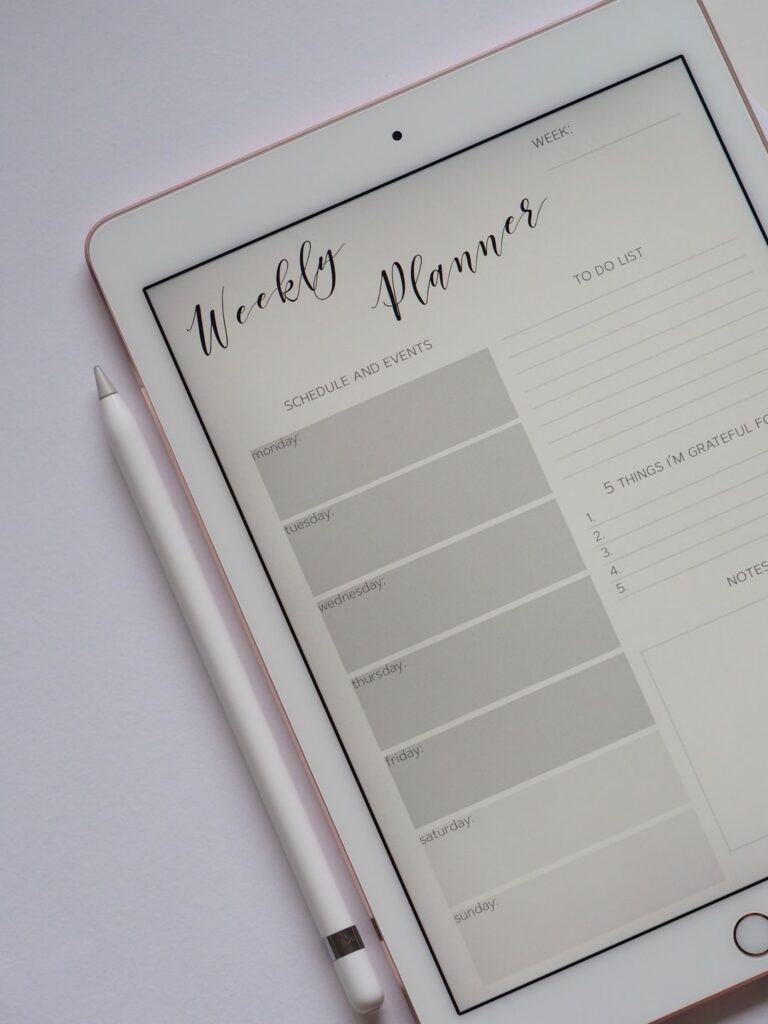
CREATE A TO-DO LIST.

Write down everything you need to get done during the upcoming week. By doing so, you will be able to plan each day effectively, and deadlines will not make you feel like you have to die.

Take out a notepad, grab a pen, or download an excellent note-taking app and fill in all that you want to accomplish during the week. That way, you will be well-prepared for everything that will come your way during the new week.

GO GROCERY SHOPPING.

By gathering all your supplies at the beginning of each week, you will not have to take out extra time for grocery shopping during the week. You will not have to spend those extra bucks too.

Make sure that you have enough groceries at home before the week starts. That way, you will end up having quality time for yourself during weekdays.

 PRIORITISE.

Larger stones go first into the bucket, then come in the smaller ones. Prioritizing will help you to finish the essential tasks first. When you prioritize and work accordingly, you will have plenty of time for all those little tasks, and you will also have some handful of time for yourself.

From now onwards, start prioritizing and make a list of all the large stones that need to go into the bucket as soon as possible.

DECLUTTER AND CLEAN YOUR SURROUNDINGS.

Take out some time on a Sunday afternoon and organize everything. Arrange your bag. Dispose of unnecessary papers, documents, and things. Check whether all your pens are in working condition or not, and throw away the ones that are lying as waste in your bag.

Get all your project files and assignment papers lined up orderly. Run some Vacuum all over the house. Remove everything that stinks in the fridge and clean your kitchen. Such decluttering and cleaning will help you to start your week on a clean slate.

PREPARE YOUR MEALS.

Rather than relying entirely on processed and packed foods throughout the week, take out some time on a Sunday for some meal prep. You can prepare some salads with vegetables and fruits, or you can make some snacks with dry fruits so that you will be able to grab and go throughout the week.

DO THE LAUNDRY.

This habit is a must. By doing laundry before a new week, you can plan out your outfits in advance. Make sure that your formal clothes, as well as your casual clothes, are washed and ironed.

That way, you will save some time, instead of staring at your wardrobe forever and wondering, “What should I wear today?”

CLEAN UP YOUR INBOX.

An overflowing inbox is a pain in the neck. So, delete all those unnecessary messages and e-mails. Only keep those which you might need for a future reference. And, trust me, there will be at least a couple of e-mail lists that you can unsubscribe.

Instead of keeping your fingers lazy, tell them to press the delete button for all the unnecessary mailing lists waiting in your inbox.

EXERCISE.

You read that, right! Exercise. Weekdays leave you with only a little amount of time for you to exercise. Physical activity is vital to stay mentally and physically active. It will also help reduce the effect of those nasty stress hormones.

Next Sunday, grab your shoes, get out and sweat out a bit! Not only will you burn some calories but also end up feeling better and great!

TAKE A LOOK AT YOUR FINANCES.

Sunday is the best time to review your finances. We don’t bother to take a look at our finances because, most of the time, we are in a hurry.

Take hold of your Sunday time and assess your spending and other financial activities. Also, make a note of how much money you may have to spend in the coming week.

GET ENOUGH SLEEP.

A decent night of sleep is essential for you before tackling Monday! Otherwise, you will find Monday punching you in the face. Don’t start your week with heavy eyes and a bad headache. Instead of looking like a sleepyhead, go to bed early, get enough sleep, and wake up fresh!

ENJOY YOUR TIME OFF.

Have a hot shower, scrub yourself, go for a drive, watch returns of your favorite television show, talk to your old friends or scroll up and down your favorite music playlist. Otherwise, get hold of that book which has been waiting for you on the shelf forever.

Play your favorite video game. Or watch a movie while munching on your favorite dish. It’s your day off. So, do anything that you’ll enjoy and will make you feel calming and happy.

Sunday is a great day to refuel yourself. Get yourself ready to handle whatever the coming week throws at you. While it is true that time flows weirdly on Sundays, utilize every moment of that day. Invest in these 11 fantastic Sunday habits and start feeling SUNDAY-LICIOUS.


The phrase “I have nothing to wear” is common enough, but wedding season makes people shout it from the rooftops. If you’re in your twenties, you may have at least one ceremony per weekend . Some will be casual, others will be semi-formal, and dress codes are always a possibility.

What are the rules of wedding guest attire?

Here are top do’s and don’ts when considering what to wear.

1. DO consider dress code.

Is this event a black tie, semi-formal, casual, or even a costume party? What the bride wants should always be considered before making any fashion decision.

2. DO consider the location.

The attire you wear to a beach will (obviously) be much different than the outfit you rock at a ritzy hotel. Consult the dress code provided, but use common sense when it’s time to decide between flip flops, flats and heels.

3. DON’T forget about colour.

Make sure you know the couple’s color selection. The invitation should give you some insight, but it doesn’t hurt to ask a member of the wedding party. You don’t want to be mistaken for a bridesmaid or groomsman, right?

4. DO wear layers.

Layers are a necessity. Yes, AC can be a life saver, but it can also be a woman’s worst nightmare. Bring a cute, cropped jacket or cardigan no matter what. An outdoor party can quickly turn chilly as it reaches evening hours. Just make sure the outfit you wear is still long enough for bare legs!

5. DO consider time of day.

This may seem obvious, but so many ladies forget that some evenings can still be a bit chilly. Layers are necessary, but if the event is an evening affair, consider a maxi dress or long-sleeved cocktail look.

6. DON’T wear white.

This isn’t the first time you’ve heard this, but I can’t leave it out. White is an obvious faux pas, but be careful with champagne, cream, and even light shades of gold and tan. Brides are going for colored wedding dresses these days, so an awkward match can happen when you least expect it.

7. DON’T wear black.

Wearing black is perfectly acceptable—when the venue calls for it. Try to keep a little black dress in the closet for a backyard, beach, or brunch party. In the end, think twice before wearing black, but never rule it out.

8. DON’T wear jeans.

This rule should be obvious, but some guests still think it’s acceptable at certain venues. I’m going to make it very clear for everyone: Jeans are never allowed—no excuses. Unless specifically told by the bride and groom that they’re having jean and t-shirt nuptials, trade in your Levi’s for a pair of khakis or slacks.

9. DON’T go bold.

Sequins, animal prints, and other over-the-top designs are not O.K. The focus should always be on the bride, not your outfit.

10. DO cover yourself up.

Summer calls for showing a little skin, but don’t go over the top. Marriage ceremonies are family affairs, so keep it classy and stay covered.

11. DO wear comfortable shoes.

If you’re like me and love to dance freely, without care, comfortable shoes are a must-have. Flats or wedges are always good options. Feel free to wear heels, but think about packing flats or sandals for later.

12. DO ask friends what they’re wearing.

If you’re stuck, there’s nothing better than getting advice from a fellow attendee. That way you have each other to lean on if you make a fashion faux pas.

This news is heartbreaking, but It seems it is one of those marriage breakups where couples choose their mental & emotional wellbeing over the society , and let sanity and safety guide their judgement.

Kim Kardashian and her husband of seven years, Kanye West calling it quits is truly a reflection of societal pressure on marriages, especially for celebrities whose lives are in the open.

When news broke in January that the couple, who became engaged on October 21, Kardashian’s 33rd birthday, were amicably going their separate ways. Kim was reportedly working with a top divorce attorney, Laura Wasser. As at that time, Kim was yet to file for the divorce, and now the report says it’s official.

According to TMZ, Kim Kardashian and Kanye West are splitting amicably and they’ve civilly agreed to part ways. Neither party has yet to address the news of their separation publicly.

During their 7 year marriage, the couple welcomed four children together, daughter North born in 2013, a son Saint, who was born in 2015, daughter Chicago born in 2018 and son Psalm born in 2019. TMZ reports that Kim has asked the courts for joint legal and physical custody of the 4 kids.

“Kim is asking for joint legal and physical custody of the couple’s 4 kids. Sources with direct knowledge tell TMZ Kanye is fine with the joint custody arrangement, and we’re told both Kim and Ye are committed to co-parenting together.”

It appears that the couple signed a prenuptial agreement. A source tells TMZ that they are already far along in reaching a property settlement agreement.

Recently, Page Six reported that Kim is “trying to get Kanye to turn over the Calabasas house to her because that’s where the kids are based and growing up. That is their home. She owns all the land and adjoining lots around the house but Kanye owns the actual house. They’ve both put a lot of money into renovating it.”

Kim and Kanye tied the knot in 2014 after being friends for a long time. Kanye’s health reportedly put a strain on their relationship according to Page Six.

The rapper has been in the news over the years for his struggle with bipolar disorder and Kim has supported him through it. But a source tells Page Six that Kim has “grown up a lot” and is more serious about the divorce this time.”

She is serious about taking the bar exam and becoming a lawyer, she is serious about her prison reform campaign. Meanwhile, Kanye is talking about running for president and saying other crazy stuff, and she’s just had enough of it.”

It’s not everyday you come across a qualified accountant who’s now a creative and independent artist – this is the story of Onyi Moss. Born and raised in Nigeria, Onyi grew up surrounded by inspiration from the likes of Onyeka Onwenu and Tracy Chapman whom her parents would have playing on the radio and television over and over again.

Speaking to Onyi it would appear she always had a passion for the arts as she reminisced about her mum’s rose gardens and tie and dye projects which she got to experience as a kid. But the practicality of succeeding socially and financially back then in the creative industry seemed quite farfetched to her hence her decision to pursue a career in accounting.

Having gained a BSc in the subject matter, she successfully took on a role in one of Nigeria’s top leading banks after completing her NYSC. Two years in her banking career, she chose to seek out more for herself unbeknownst to her what the future had in store.

At the age of twenty-two Onyi caught a flight from Abuja International airport to the UK to begin her studies to qualify as an ACCA chartered accountant. Something she was able to achieve within a couple of years. However, things didn’t go as smoothly as she anticipated as she struggled to get a job in finance which saw her unemployed for over a year. It was in that time that she decided to expand her horizon and reconsider her love for the arts.

Stuck at home with very little to do, Onyi began drawing inspiration from other women on her television screen just as she did as a kid. Only this time, these women were self taught photographers who told beautiful visual stories. Rather than pay her rent that month, she took what I can only describe as a bold step to purchase a camera to begin teaching herself photography. She had seen her dad document their family life as a kid using his film camera. Something he was eventually forced to give up when it got stolen.

That was the extent of her experience with photography. But as I got to know Onyi while chatting to her, I realised she’s not one to shy away from what one might class as a scary decision. She took on the role quite literally and began taking self portraits. She learnt about photography and editing by watching YouTube tutorials and made sure to put her new skills to practice. And even when she eventually got a job in finance in a bank, she still carried on with her photography. Sometimes staying up until the early hours of the morning, editing images she had captured after a long day at the office.

Her hard work and dedication didn’t go unnoticed as big name brands began discovering her work on social media and offered to pay her to shoot editorial campaigns for them. Eventually she left her role at the bank even after doing very well there. She managed to gain three promotions in her first eighteen months. But she knew if she didn’t take a chance on herself to see where her new creative passion led, it wouldn’t sit well with her, especially giving the opportunities that had come her way. It turned out it was another great resolve as she puts it.

Onyi went on to win multiple awards for her work and even became a brand ambassador for a top leading UK jewellery brand. She felt the need to not just focus on still images but also delve into film by telling visually pleasing stories. You can truly see the passion in her work. Some of her short films have gathered hundreds of thousands of views on social media. In creating film, she rediscovered her love for writing music as she knows that music plays a key role in storytelling. This is what led her to begin working on her EP.

Her debut single ‘In Your Eyes’ was released a few weeks ago and is currently being played in radio stations across the UK including the BBC. When I asked her what the song was about she described it as “the glimmer of hope that can sometimes be found in loss”. Onyi is very much a dreamer and a romantic at heart. Something that is visible through her work. The meaning of the song does hold true to her. Her music has been very much inspired by the likes of Tracy Chapman and Asa. ‘In Your Eyes’ has an acoustic introspective foundation with elements of folk blues.

Onyi is unsigned and intends to remain that way. She’s the sort of creative who wants to stay true to her soul in her own words. She doesn’t want to get wrapped up in other people’s dreams but instead share hers with the world. She believes not many women have been able to succeed independently in this industry on their own terms and if she can be one of the few examples of women who manage to do so, then hopefully it paves the way for others to take charge of their creative career how they deem fit.

When asked if she had any final words for our readers, she said and I quote “it is important to tell your story because if you don’t, others might do it for you and you might not like the character they make you out to be.”

Source: Guardian

Someone once said food is our common ground, and a universal experience. The fuel that helps us drive through life with ease. Healthy eating is one of the biggest food advocacy in the world, the food we eat has an immense effect on her physical and emotional wellbeing.

Orighoye Dore “Chef Nylah” is a proud food manufacturer, and an advocate of healthy living.  She is the CEO of Nylah’s food and manufacturing company, a business venture that focuses on sustainable foods,  and helps to reduce post-harvest loss. Nylah’s products incorporate fruits and vegetables in their production process. Some of which are artisanal breads, granolas, and lemonades.

The lemonades are made from fresh juices and infused with lemongrass. Which are fantastic immune boosters. The granolas are nut allergy friendly and rich in fiber, low cholesterol and minerals and nutrients. Chef Nylah believes that food is not just about eating but an experience that should be savored passionately. Nylah’s products can be found in all ShopRite stores nationwide and other retail stores in Lagos and Abuja.

Chef Nylah is a trained chef from the International Culinary School at The Art Institute of Washington in Rosslyn, Virginia. With a degree in Culinary Arts and Hospitality Management. She is a retired United States Air force veteran where she served as a Nuclear weapon security specialist and an EDC Alumni.

She shares her inspiring journey with Esther Ijewere in this interview.

Childhood Influence

I was one of those kids that played with cooking growing up. I would make little fires and cook junk growing up. In an interesting way, my childhood did prepare me for what I do now.

Inspiration behind Nylah’s Food and Beverage

I was tired of seeing the number of foods that we lose in the Nigerian market. We lose about $750 billion dollars yearly to post harvest loss. I started asking myself how I could help. What unique products could we at Nylah’s create to do our bit in helping to reduce that number, and how can we help reduce the unemployment rate most especially as it affects women. That was how Nylah’s Lemonades were born. We use fresh juices and infuse them with lemon grass.

The Journey so far

It has been an interesting and bumpy ride to say the least. I have chosen to take every experience good or bad as a lesson in what to continue to do or not to do.

Having my product sold  at Shoprite

I would honestly say persistence. I chased it for almost a year as I tried to grow my reach with other companies. Consistency also contributed to it.

Why I ventured into Granola production

 I always look for the gaps in our industry and try to bridge it. Using natural flavorings in some of our variants as well as focusing on a less served market in the granola industry, we positioned ourselves to serve that market.

Challenges of my work

Access to funds to allow us to scale, Proper staffing sometimes is also a major problem, not to mention the economy and its impact on businesses.

3 women who inspire me to be better and why

Jola Ladipo – Never met anyone as selfless as she is. She forces me to reflect and ask myself daily what I can do better as a person and for others.

J.K Rowling – We share similar stories and I know that the light at the end of the tunnel is not a myth.

My last is to every woman out there who when she gets up, the devil shivers.

Key nuggets on how to become a successful food manufacturer

Keep practicing your craft.

Learn the numbers as they govern your business. This cannot be stressed enough.

Expand your network.

Never stop learning and evolving.

 Being a Woman of Rubies

I inspire and lift other women up. I have created a channel of employment for other women and set them up on the right path.

Unarguably, people waste too many seemingly inconsequential time slots several times a day.

For example, while you are waiting your turn at the ATM, while you are waiting your turn at the mall. While you are waiting for your food to be heated, while you are waiting for your browser to load,thanks to poor internet connection, etc. All of these little time slots may seem little but can be put to some great use.

Here are 5 things you can do in 5 spare minutes during your day.

1. Call a friend or a relative

You promised to call your friend back last week but somehow, you forgot. Now is the time to do that. Return calls you missed, check up on that friend or relative, while you wait for the internet to come back on on your computer.

2. Snap some photos

Take a photo of yourself. It must not be something exquisite but you can take a selfie. Snap some photos of something fascinating around you. There’s something that must have caught your attention. Maybe it is the way your mouse pad blends perfectly with your water bottle. Take a shot.

3. Do some exercise for your eyes

Digital screens tire our eyes out very quickly. Try a simple set of exercise for your eyes to ease the fatigue: look up and down, left to right, ‘draw’ diagonals and circles with your eyes, and then look far away. Repeat as often as needed.
Look outside your windows. Stare into space for a while. Close your eyes and allow them breathe for sometime.
Take your eyes off the screen for five minutes and return back to it. Your eyes will thank you.

4. Exercise!

Tabata intervals work great for that. Tabata training is a four-minute mini-workout that consists of 20-second intervals of exercising and 10-second rests. Here’s my favorite combo: Jumping jacks, push-ups, high knees, squats! Listen to your favorite song while doing that to make things more fun… or, you know, you can always just dance intensively to that song.

You can also take a break and walk around, especially if your work involves you sitting still at a table. Stretch your legs and let them catch a break from being at a spot.

5. Have a silent conversation with yourself

We talk to others, we ask for people’s opinions, we make meaningless small talks every day. It is easy to forget to pay attention to your own feelings and ideas. Next time you have 5 minutes, ask yourself what mood you are in, is anything bothering you, or just ‘discuss’ a creative idea!
Have occasional ‘board meetings’ with yourself as many times as you can in a day. It not only keeps you in tune with yourself and your emotions but it also helps you reach forth and draw inspirations from within.

Which of these are you going to try out today?


Have you ever heard the saying, ‘the only thing we have to fear, is fear itself’? Simply put, it essentially suggests that if you spend all of your time worrying about how bad things are going to be in the future, you could easily end up stuck in the past. Not to mention the fact that you won’t be able to enjoy the present if you’re living your life consumed by fear and feeling anxious for no reason.

Anxiety itself can come from a variety of stressors, such as medical conditions, relationship issues, and money matters. By definition, anxiety generally refers to ‘an intense, excessive, and persistent worry and fear that is out of proportion to normally occurring situations that we experience. Some of the most common symptoms of anxiety include insomnia, racing thoughts, poor concentration, irritability, restlessness, palpitations, trembling, nausea, and sweating.’

Similar to your favourite video game, obstacles in life tend to get a lot more challenging the further along you go, increasing your level of stress as you reach each milestone or complete each mission. No one is immune to experiencing stress.

If you’re alive, you’re going to feel some form of stress at one point or another in your life, it’s inevitable. And as most of us already know by now, having too much stress in our lives can lead directly to severe anxiety.

So now, let’s take a look at some anxiety-busting strategies to help you cope more effectively with the severe and debilitating experience of feeling anxious for no reason.

1. Set Realistic Goals

Although you may be able to accomplish anything that you put your mind to—such as losing weight, improving your relationships, or making more money—carefully consider the level of stress involved in whatever it is that you intend to do.

Become a student of your surroundings. Learn as much about the people, places, and things in your life as possible. Whether your dream is to bring the world closer together by creating a brand new social media platform or to open up a cool corner cafe in your own hometown, you’re going to have to be able to cope with some form of stress to make whatever you decide to do in your life a success.

With that said, set goals that are challenging but attainable with hard work and determination.

2. Set Firm Boundaries

Map out your emotional territory. From the very beginning of history, conflict has been an inherent part of the human experience. The more conflict, the more stress, and the more stress, the more anxiety, and so on.

Besides learning how to strengthen your body and soul, you can significantly reduce symptoms of anxiety by taking better care of your mind. When you set firm boundaries with others, you give yourself the emotional space to process the value of relationships on your terms.

Let the people that surround you know exactly what you are willing to do and how far you are willing to go. Ultimately, this will help you avoid feeling overwhelmed by setting realistic and manageable expectations with others.

3. Set Priorities

Choose your emotional battles wisely. Not every stressful situation necessarily leads to debilitating symptoms of anxiety. Rather than trying to tackle the most profound obstacles in your way all at once, reverse triage the situation by chipping away at smaller issues first.

Consider taking on challenges that you feel you can manage effectively with the least amount of effort. Get the momentum going as you lead with your strengths. And then, as you begin to break through each obstacle in your way, take a personal inventory of your accomplishments. Take note of all the progress that you were able to make along the way, as well as how you were able to muster up the courage and internal fortitude to keep moving forward even in your most difficult and precarious moments.

4. Pace Yourself

When you’re feeling anxious for no reason, one of the best things to do is to pace yourself. Life is a marathon, not a sprint. The key to longevity in whatever you do is setting a manageable pace to avoid burning out before you make it to the finish line.

So, try not to get ahead of yourself as you work your way up and through the gauntlet of impending issues that we will all ultimately face along the way in life. Rome wasn’t built in a day, neither will your own personal empire, no matter how entrepreneurial or emotionally fuel-efficient you may be.

Rather than trying to accomplish all of your goals as fast as possible, you may be better off striving to reach attainable milestones on your journey. Whether you’re dealing with problems at work or home, do as much as you can to address and resolve your issues without getting yourself stressed out and overwhelmed.

And if you just can’t get a handle on the situation, know when to say when. You just may need to step away from the battle for a moment or two, so that you can ultimately return to the front and fight the good fight another day emotionally re-energized.

5. Talk to Someone

You can’t see the forest from the road. That is unless you’re able to somehow see above the treeline. Many of us experience tunnel vision when we’re dealing with something that we perceive to be a major problem in our lives. We find ourselves consumed with the circumstances that surround whatever it is that’s bothering us while losing sight of many of the other important things in our lives.

Taking the time to talk through your greatest fears with the right person can help you break through even some of the most seemingly impenetrable walls of anxiety that you have ever experienced. Talk therapy works if you work it.

In other words, if you want to change the fruit, you have to start at the root. The more you open up to another person about the things that make you feel anxious, the less likely those things will negatively impact your life moving forward.

6. Breathe

Have you ever worried about something so much that you actually ended up feeling physically sick, emotionally drained, even gasping for air? I know that I have. Sometimes, we may feel anxious for no reason.

If you haven’t realized it by now, life is like a perpetual obstacle course. It’s full of ups and downs, plenty of unexpected twists and turns, a bunch of hurdles, and even a few trap doors along the way. However, rather than being the first to arrive at an actual finish line, you may want to focus your attention on simply being able to make it through to the other side successfully, accomplishing as much as you can in your life-time with as much peace of mind as possible.

Holding your breath until you get what you want might work a few times when you’re a child but not at all when you’re an adult with responsibilities like paying your bills and maintaining healthy relationships with others. With that said, at one point or another, you are going to have to come up for air to help clear your mind and replenish the oxygen in your lungs. Similar to pre-flight instructions, if there’s a problem in the air, you have to put your oxygen mask on first.

Conclusion

In conclusion, no matter how cool, calm, and collected you may appear to be at one point or another in your life, you are going to experience stress in one form or another. Too much stress can ultimately lead to a variety of debilitating symptoms of anxiety, which in turn, negatively impacts your quality of life.

Now, more than ever, as we all learn how to adapt to our post-pandemic new-normal world, many of us are experiencing symptoms of anxiety no matter how hard we try to manage the level of stress in our lives. By learning how to effectively cope with anxiety, we can ultimately break right on through it so that we can live an even more productive and fulfilling life.

Nevertheless, perhaps the most common-sense strategy to reduce experiencing symptoms of anxiety is to avoid putting yourself in highly stressful situations in the first place if possible.

 

Why am I so tired all the time and have no energy?

I’ve noticed lately that when I ask friends how they’re doing, half the time their response is either “tired,” “exhausted,” or “beat”—it’s almost as though being worn out is just another part of our busy, modern-day lives that we’re somehow supposed to get used to.

But I believe that when our bodies and minds are in sync and healthy, we should feel amazing and energized even when our schedules are full. If we’re getting enough rest, exercising, and eating foods that fuel us, we should feel strong, satisfied, and alert. But as most of us know, that’s easier said than done, and there are several reasons why you may be feeling mysteriously tired.

Read on to find out some of the most common causes—then make some lifestyle changes or see your doctor so you can rediscover the energy you need to feel your very best!

Dehydration

Even slight dehydration has been shown to cause moodiness and fatigue in women; other signs can include headaches and inability to concentrate. It’s an easy fix: just drink more fluid throughout the day! Women should consume, on average, 2.7 liters of fluids (or about 11.5 cups) a day, more if it’s hot outside or you’ve been exercising. Try to keep a big bottle of water on your desk while working or in the car when when driving, so you can continuously sip throughout the day.

Not getting adequate sleep

Before you roll your eyes at how obvious this one is, think about it: are you really getting seven to eight hours every night? Because that’s the amount the National Sleep Foundation recommends most people need. Well actually, that’s the suggestion for people over age 64—they advise seven to nine hours for people between the ages 18 to 64. And if you’re not getting that much, then it’s probably the main cause of your fatigue. Make an effort to get to bed earlier, and stick to a regular nighttime routine that encourages a restful nights’ sleep.

Sleep apnea

Sometimes people think they’re getting a good night’s sleep, but if you suffer from sleep apnea, you experience short bursts of wakefulness through the night caused by brief interruptions in your breathing. It’s also not a condition that should be taken lightly. If you snore loudly and feel tired even after a full night’s sleep, you might have sleep apnea. Since people often aren’t even aware that they have it, a doctor may order a sleep test to diagnose.

Not fueling your body with the right kind of food

Eating too little is an obvious issue, but eating the wrong foods can also be a major drain on your energy level. Eating less fiber, more saturated fat, and more sugar throughout the day is linked with lighter, less restorative sleep. In one study, researchers tracked diet, and sleep for a group of healthy adults over the course of five nights and found that indeed, food choices during the day did affect sleep. So, including protein (eggs, fish, meat, lentils), healthy fats (avocado, nuts), and good-for-you-carbs (fruit, slower processed grains like quinoa and oats) will give you long-burning energy. Simple carbs and sugar will make you crash and burn.

Anemia

In particular, iron deficiency,  anemia is one of the common reasons for fatigue in women and is more common during pregnancy. While initially, it can be so mild it often goes unnoticed, once the body becomes more deficient in iron and anemia worsens, the signs and symptoms intensify. Some of these symptoms include extreme fatigue, weakness, headaches/dizziness, cold hands and feet, and more. See your doctor for some blood tests on your iron levels then take a high-quality supplement, and incorporate iron-rich foods into your diet.

Not getting enough exercise

It may seem counterintuitive, but anyone who regularly works out will tell you that breaking a sweat actually gives you more energy throughout the day. Exercise delivers oxygen and nutrients to your tissues and helps your cardiovascular system work more efficiently.. It just makes sense—when your heart and lung health improve, you have more energy to tackle daily chores.

Hypothyroidism

Your thyroid controls how fast or slow your body converts fuel into energy, and hypothyroidism (a condition in which your thyroid gland doesn’t produce enough of certain crucial hormones) means that it’s under-active which can lead to obesity, joint pain, infertility, and heart disease. Fatigue is also a side effect of this condition. Head to the doctor for a blood test if you think you may need to get your thyroid checked.

Food allergies or sensitivities

If you have an undiagnosed food allergy or sensitivity or suffer from environmental allergies, you could be in a cycle of inflammation and fatigue also known as brain fog. Try eliminating certain foods to test your intolerance levels (a simple elimination diet is a good start), and see if your fatigue improves.

Depression

Many people don’t realize that depression has physical symptoms as well as emotional ones. If you’ve been feeling down and tired for a few weeks, especially combined with a loss of appetite or headaches, consider seeing a doctor or speak with someone that can help.