Category

womenofrubies

Category

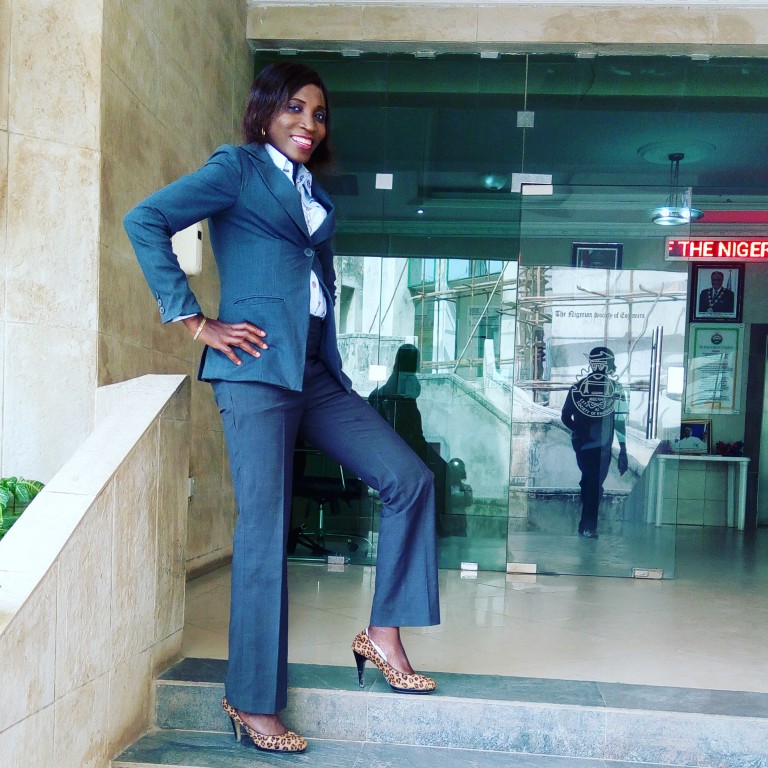
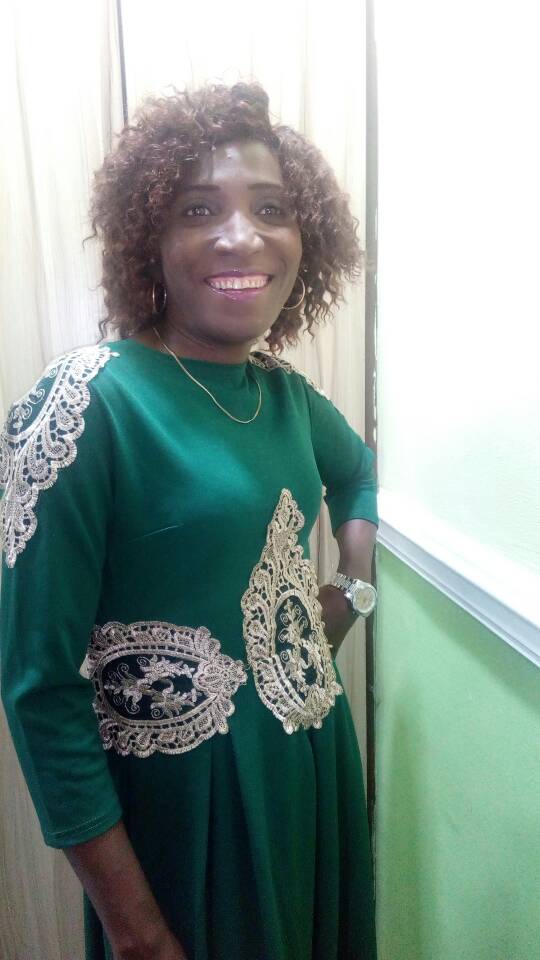
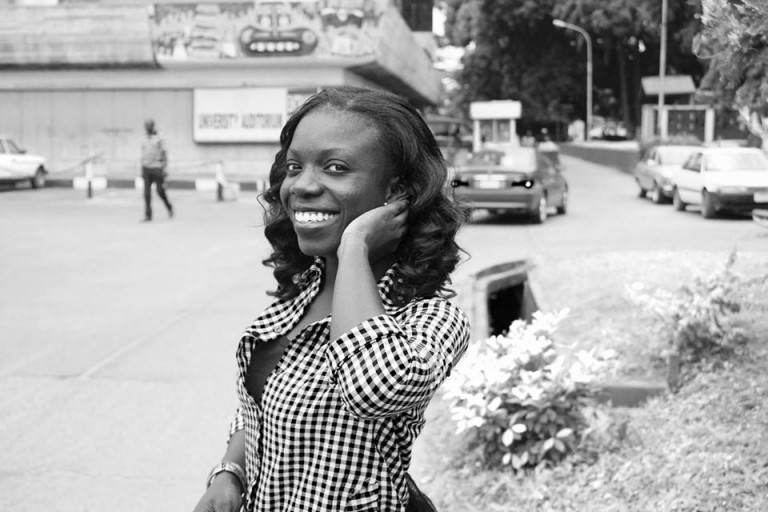
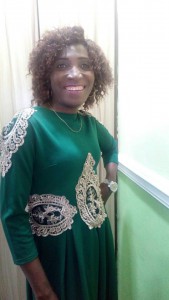
Ogechi  was raped twice at the age of 16 on different occasions while hawking  , the mother of  four and graduate of Economics from the University of Ibadan  is also living with HIV, a discovery that almost shattered her dreams and made her give up on life. The only child of her mother and staff of the Nigerian society of engineers was all over the internet last week when she opened up about her status and also shared her story and deepest pain. Though Ogechi runs her own company while still gainfully employed , she is determined to use her story to touch lives and also change the perception of the society about  HIV and  stigmatization.


My background and Story
Yes, my childhood experience was characterized with hard work, which propelled me into becoming an independent woman. It gave me the sense of understanding that no one owes me anything, it made me understood that I am responsible for either my success or my failure. I was born into the family of Eight Children, and I was the last born but unfortunately, I lost Seven of my Senior Siblings, making me an only child. I lost my father too, as a child, hence I was singlehandedly trained by my mother.My mother was a petty trader who hawked on different seasonal fruits, ranging from oranges, avocado peers, banana, etc. And when in, out of season, she trades on kola nuts. While growing up, I watch my mother cried every night, her pains was greater than I could imagine, I couldn’t proffer solution, all I could say then whenever she cried was “Aunty ndo kwanu” (Aunty sorry) yes, I call my mother Aunty till date.
The pains of losing her Seven Children one after the other to the cold hands of death was excruciatingly great to her heart, to a point she almost lost hope that she had me. At any little experience, she would wish she wasn’t living, she often makes reference to them. I assured her and reassured her each time she cried that “I WILL BE TO HER, WHAT THE SEVEN DEAD CHILDREN WOULD HAVE BEEN TO HER”.

Raped twice while hawking
My growing up was like hell, I would hawk from 6am-9am before going home to prepare for school, immediately after school, I would hit the street again to hawk, that was our only source of livelihood, the proceeds were used for our feeding and my school fees and books, during holidays, my effort triples. My Hawking experience became bitter when I was deflowered by raped at 16, in 1996, I lost my virginity. Nothing could be done to the guy who did it because his father was the chairman of one of the local government in IMO state then, so my mother dare not raise such accusations against the high and mighty. My experience became more bitter when I was raped for the second time by gangs of men in pretense of trying to buy my market, they successful cornered me and over powered me at Ekeonunwa market Owerri. I hated hawking, my passion for education grew, my dream to become someone influential and rich grew, my vision for life became my burning desire. I was determined by quest to take care of my mother and make her proud, hence I wasn’t ready to allow any challenges deter it. I kept pushing on.

Journey to Lagos
After my secondary education in 1997, I journeyed to Lagos in 1998, life was hell, at a point, I lived in an uncompleted building for over a year without anyone knowing that someone lives in there, because I would leave there as early as 4 am to go to where I worked as sales girl with a salary of 3,000 and would come home very late, the supermarket I worked for, used to close by 10pm, before I would get home, it would be 11pm.
When I had a change of work, I worked for Linar Pharmacy at Salvation road Opebi, Ikeja. Seeing my boss children who were schooling at University of Lagos, my enthusiasm for education and good life intensifies the more. I reassured myself of my dreams of becoming a graduate. Then I knew I won’t just sit down and dream, hence I changed my job of a sales girl to a cleaner, so that I could attend my computer school.While in computer school at Allen avenue, Ikeja, I became very close to one of my course mate “Late Akpa Elina Odachi” (may her soul Rest in Peace) whose father was a Soldier and mother was a mobile Police Officer, they were living in Sam Ethan Air Force Base, Ikeja. She noticed that I was living in an uncompleted building, and sought to know why, I explained, she highlighted the dangers of me staying in there, should area boys become aware. So, she suggested to take me to her parents in the barracks, that was how my how my journey to the barracks started.

The beginning of my ordeal
Life in the barracks was sweet till I started dating a Soldier, pregnancy came, children came, no marriage, the sweetness of my soul was taken away, I was abused both by the father of my kids and his relatives. I was abandoned, in fact the soldier worked his posting out, that was how I started hawking again, joined cleaning work to it, to sustain myself and kids, in 2005 I decided to become a soldier through recruit, I bought the Air Force form, took my kids home to my mother. It was in the course of medical screening, they found out that I was pregnant again for my soldier boyfriend again, hence I was dropped. All hope to good life were lost. My soldier friend still insisted that there will be no marriage.
My suffering increased, the sisters of the father of my kids would mock me, each time they saw me hawking oranges in the street of Oshodi, Lagos or they saw me sweeping the blocks of barracks, they concluded that I wanted to entangle their younger brother with pregnancy to gain marriage, they were all graduates, I was just a WAEC holder, cum an orange seller and a cleaner. The disparities between us were much, the gap was too much, they saw nothing good in me, Their constant mockery was a reminder to my ambitions.

The need to double up for survival
In 2007, I doubled my cleaning work alongside my hawking business with the view of saving more money to go to school even if it is on part time bases. I swept the barracks and washed the gutters from 4am – 5:30 am, moved straight to oshodi market to buy my oranges before 6:30am, then prepared before 7:30 am to Pacific Access Limited, to clean their office, by 9am I am through with all cleaning work, I would go home, rest till 12pm, then wash my oranges, and hit the streets for my hawking business. Some days, I would make sales ranges from 3,000-5,000 per day, then get monthly salary of 5,000 for cleaning the barracks, also 5,000 from cleaning Pacific Access limited. In a month I  have savings from incomes ranging from 30,0000-40,000. My hope for school started rising.
The “Plot Twist” moment
On August 29, 2007, I came to clean office as usual, I found a Wednesday Punch Newspaper on my boss table, dated August 28, 2007, 1 flipped through the pages, I saw job advertisement for junior staff with minimum of Diploma and must be computer literate. I checked out for its location and organization, it was Abuja, the Nigerian Society of Engineers, National Headquarters, National Engineering Center. My instinct told me to apply, I came home and told everyone, they all discouraged me, except one officer, Warrant Officer Ogumuyiwa who encouraged me to try my luck. I did, passed the aptitude test and interview and was given the job. I assumed office on 16th November, 2007, that was beginning of my breakthrough. My dreams became true. I found favour among my colleagues, Management Staff and the entire organization favored and blessed me. In 2009, I gained admission to study Financial Accounting at Fidie Polytechnic Gboko, Benue state, I got my National Diploma in 2011, in 2012, I gained admission to study B. Sc. in Economics at University of Ibadan, Oyo state through Direct Entry. My dreams to become a graduate and take care of my mother came true against all odds, against all my failures and challenges, I conquered my fears and dismay.
I became a mother at age 22, a single mother of four children at age 28, started higher institution at age 29, owned a car at age 31, became an Oracle Database Certified Expert at 32, a landlady in Abuja at age 33, a graduate of Economics 2015/2016 at 36, established BDMG Resources Limited on 5th April, 2017, before my 37th Birthday. Currently writing my ICAN and ACCA Professional Certification Exams. Above all, I am still gainfully employed with the Nigerian Society of Engineers, “the engine room of my breakthrough”.

My Motivation
God is my all in all, His grace, favour and mercy found me was sufficient unto me and  became my enabler, my mother is my Rock, my children are my motivators, The Nigerian Society of Engineers (The best Organization) was my strength, and MY VISION WAS MY DRIVE.

Heartbreaking moment I found out my HIV status
My only regret was becoming HIV positive, but I thank God that all my children are NEGATIVE and their father is also NEGATIVE. Surviving the reality of living with HIV became my greatest challenge, my worst nightmare, the thought was killing, the pains was excruciatingly great, better imagine than experiencing.
HIV is a management disease, and not a killer disease, it is the fear of stigmatization and discrimination that leads to living in self-pity/denials which leads to AIDS, which is the killer. I conquered the FEARS . I became adherent to my ARV, today I am gladly living positively healthy with my viral load undetectable and high CD4 count.

Initial reaction
I felt terribly bad, for months I lived in denial, I found it difficult to accept, I felt disappointed in myself, I thought I had become a failure, I was at the verge of giving up, but the thought of how my kids and my aged mother would survive without me changed my mind, hence I came to reality with my new-found status. I decided that I will live and I will conquer every fear associated with being HIV Positive, I braced up and started making website research to understand if truly victims of HIV can live a normal live. When I found out that it was possible to have an undetectable viral load and high CD4 count even with the presence of HIV in the blood stream, then I decided that I would be an example of such. Today I am happily living that fulfilled life.

Why I opened  up about my status
Smiles…My inspiration was drawn from the knowledge I gained while studying what HIV entails. Applying the things, I learnt from the HIV health counsellors while being counseled and my personal research from World Health Organization (WHO) and USAIDS websites proved to me beyond every reasonable doubt that HIV is not a killer disease, if only victims adheres to their ARV drugs. Hence my passion to see people live above their fears of HIV grew. My enthusiasm to change the Myths people held about HIV grew. I knew that I needed to lend a voice, I understood that such long held Myth about HIV can only be changed true a healthy life of a testimony from a victim of HIV.

Becoming a single mum at 28 and balancing it all
Yes, I became a single mother of four children at age 28, prior to that, I had already been gainfully employed, hence I had inflow of cash. Nevertheless, I was able to balance motherhood, job and academic career with the assistance of my mother. I stopped my mother from hawking to enable her live with me. She was saddled with the responsibilities of taking care of my children after they returned from school on the daily basis while I concentrated on my job and the pursuit of my academic career.
 
 The Joy of being my own boss and still gainfully employed
My driving force was my vision of becoming influential and rich. Having tested poverty, I told myself that I will plan my life very well to escape poverty. Living a life of poverty is liken unto living in hell, hence I never wanted my children to experience what I encountered, hence the need to plan for better stream of income became my driving force.

Other Projects
I am a networker, indulging into divers networking marketing. I believe that wealth is not gotten through one stream of income but through multiple channels of activities that yields money. I am also a freelance writer, with www.upwork.com.

Reward
My most ever regarded reward was the award of “THE MOST IMPROVED STAFF OF THE YEAR 2010” by The Nigerian Society of Engineers, National Headquarters.

Nigerians not well sensitized on how to respond and relate to HIV victims
No, Nigeria and Nigerians needs more sensitization on HIV and its management. Records has proven that we are still holding firm to the Myths we believe about HIV. Nigerians still believe that the virus can only and strictly be gotten through sex. Some are of the opinion that it is an airborne or a highly contagious disease, hence their attitude of stigmatization and discrimination is unavoidably evident to victims of HIV. Some see it as a spiritual attack, hence resorted to seeking prayers and miracles against seeking for medical attention, they Christianized it to a belief of an act of witches and wizards. Very ironic.

If you had the opportunity to proffer a solution to HIV victims, what would it be
1. I will first help them to conquer their fears by understanding that nothing is capable of killing your soul except what you yielded to.  2. I will teach them boldness to accept their new status, no one can make you worse off, without your consent, hence they need to understand how to kill the greatest enemy of their boldness which is SELF PITY.  Above all, I will help them to delete the concept of seeing HIV as a spiritual attack

I am a woman of Rubies
My Braveness and heart of determination distinguishes me as a woman of Rubies

Final word for women who are passing through Challenges and living with HIV

Trust in God, the author and finisher of our faith and never give up on yourself
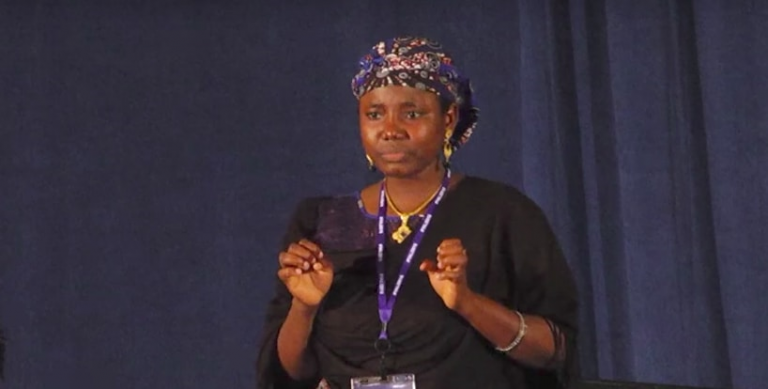
When Hadiza Dairet Kasimu was writing her exams in her final year of primary school, she mysteriously fell ill and by the end of that week, she had lost her ability to hear.
Losing her hearing halted Hadiza’s life in a very big way: she dropped out of school and for six years was at home, doing nothing. Thanks to the support of her family, she eventually returned to school and was able to graduate from the university.
Today, Hadiza is an advocate for Nigerians with disabilities – specifically women and girls – fighting for their rights to a fair and inclusive society.

Speaking at the Mandela Washington Fellowship about what inspired her to become an activist, Hadiza said:
“Many people believe that if you have a disability, you have no future. People with disabilites are not given equal opportunities especially in Africa and that needs to change.”
She is currently the state chairperson of the Deaf Women’s Association of Nigeria; the state coordinator of the Voice of Disabilities Initiative; and the women’s coordinator for the Joint National Association of Persons with Disabilities in Nasarawa.
She also counsels women and girls in her local community on everything from gender equality to financial independence; as well as encouraging Nigerians with disabilities to participate in politics, so they can have their voices heard.

Source: Konbini

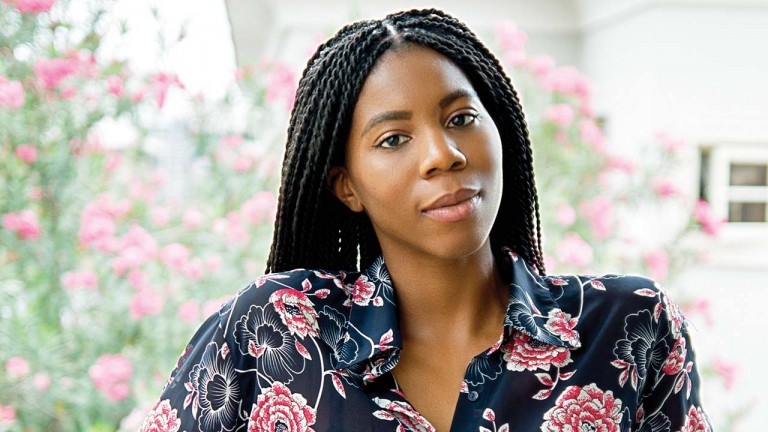
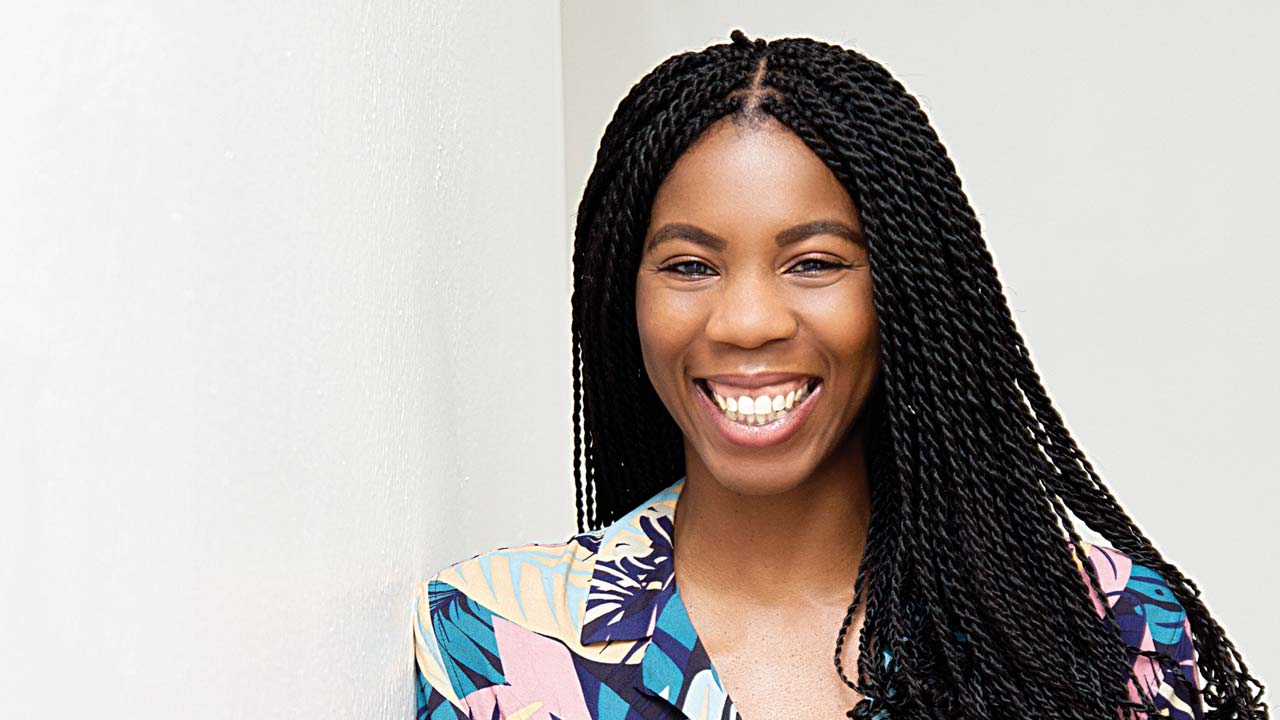
Sonia Irabor began her journey with Genevieve Magazine right at its inception. As the teen correspondent, aged 13, Sonia headed the column Teen Zone, which, while a departure from the rest of the content within the magazine, was a very popular section amongst young teens and their parents. However, during her three years at University where she gained a degree in Media, Communications and Society, Sonia didn’t stop her work in the media, switching briefly instead to radio as a presenter and producer on the show, the Urban Lounge. Following her graduation, she began her professional life in PR, coordinating for leading several brands before returning to Genevieve as a columnist with her monthly feature, Here’s The Thing. Not long after her return to the magazine, she became the Assistant Editor and UK correspondent. She pulled double-duty as a PR Professional, freelance and ghostwriter for publications such as Cosmopolitan, Closer and Huffington Post in London by day, while working for the magazine and acting as well.
After 7 years as Assistant Editor, Sonia was recently promoted to Editor of Genevieve Magazine in July and she tells TOBI AWODIPE of her journey to the top, carving a niche for herself as well as her projects for young Nigerian girls.

How would you describe the feeling of becoming the editor of Genevieve magazine, taking over from your mother?
My mother is still the editor in chief, I am just the editor and I haven’t taken over anything (laughing). I have just taken over a few aspects of it and it has been exciting and very daunting. There are a lot of things that I am very excited to be introducing and bringing into the fray.

You started out as a teen writer at the magazine, what has been your journey since then?
Yes, I started out as a teen writer when I was 13 and the column was called Teen Zone. This may sound weird but I like saying it: I have been working for 14 years. It has been a very rewarding journey and it has been such an informant on my character and work ethic. Having a job that young and having the discipline of meeting deadlines and things like that have really shaped my work ethic today. It has been a very enjoyable but sometimes frustrating experience and I think I have learnt more on this job than perhaps I learnt at the university in terms of being a writer and things like that. But at the end of the day, it has been exciting and rewarding.
Some quarters say the magazine needs an infusion of youthful energy.

What do you say to this and how do you intend doing this?
I believe it needs an infusion of different energies. We aim to essentially be the literary best friend to the Nigerian and African woman and in doing so; we have that energy that invites people to read us. We are not trying to, in any way, create a barrier between our readers and us and so our writing definitely tries to invite people in. I think we are a culmination of several years of different experiences and energies and we are paying attention to the way the world, Nigeria is changing and developing and we are responding to that. I think we are doing a good job of speaking to these women: young, middle-aged, older, just connecting and sharing experiences with them.

The average Nigerian and African woman suffers from a lot of patriarchy and violence. How do you intend to connect with these women and speak to these issues?
This is something that is very important to me. I always joke that when I was in England I was a very casual feminist but when I came to Nigeria, I changed into this staunch, loud feminist overnight. I think it is extremely important and I can only hope that with this platform, I engage more with young girls, because this is where we really need to tackle that patriarchal subjugation, when they are younger. With my writing and the people we are collaborating with now, we intend to show these young girls that they are m ore than capable and they are able. We are doing that with our writing, we are engaging and pushing for younger women to read our magazine and be inspired by the women that we feature. Moving forward, we are trying to engage them on a more personal level by inviting young women to intern with us and see the possibilities that exist. There are a lot of projects, still in their early stages, that I am developing, to encourage young women to be bold, unafraid, unabashed, to be female and be proud of that. To see being female as their superpower and not the other way round. I am hoping with the magazine and my personal projects that I am working on, we are able to lift girls up. I strongly believe we have to engage them from when they are much younger because it is at that age that inferiority complex begins to float around in their minds and the feeling of “I cant do this or that because I am a girl.” I always use my mother as an example because when she started this, she was 46 years, which isn’t late at all but for some people, they wondered why she wanted to do that while others tried to dissuade her, saying publishing is not a woman’s industry. Being young and seeing my mum always succeeding because she was unafraid to push has really inspired me. This is something I want to expose to other young girls who may be feeling afraid.

You mentioned personal projects, what are some of these projects and what do they entail?
They are very early stages; these are conversations just being had but one of the things I want to introduce is called ‘emotional dynamics’ and it is basically an avenue through which young people can express themselves and in doing so it becomes an outlet for them. I was talking to a friend recently and we were lamenting about our younger days over how we really didn’t have the opportunity to express ourselves and ended up bottling a lot of things inside, a lot of insecurities. This would be a way for young girls especially to have an avenue they can express themselves, doing absolutely whatever they wanted to. It would be a sort of performing arts-centric project. It is something that has helped me and I feel it can certainly help others as a place they can go where they can be free and unafraid. This is the only one I can talk about at the moment but there are other ones also in early development.

There are several other magazines in the literary space focused on women presently, how do you intend to stand out from the crowd?
First, I always love to hear that there are other magazines or publications celebrating women. There is enough space for all of us. In terms of making ours different, I think, we have been able to tailor our voice to be a specific friend to our readers. We engage them in a way that is formal and personal; we know our readers and are able to speak to them in a way they understand. We are introducing some new sections in the magazine, we have just introduced our travel section and these are ways of showing women that there a plethora of avenues through which they can express, celebrate and create themselves. We are talking to women, telling them ‘you can do it!’ here are other women just like you doing it.

How have you been managing expectations since you became editor?
It’s been very interesting because it wasn’t until I moved back in December that I started to hear comments like, “What is it like to try and fill the shoes of your mother?” and other things that don’t mean to be insensitive but somehow are. I was working on a professional level to meet my own expectations and then I moved back and suddenly, people expected things of me. It’s a new feeling to contend with. It hasn’t been easy and my mother’s shoes are really large to fill, however, I am carving my own journey, creating my path and working to improve my career and self. There is no race to overtake or exceed expectations (this would be nice though) but I think it is a personal journey of creating my path. In doing this, I have been able to keep certain pressures low. My parents are incredible people, however it is important within this Genevieve path to create my own footprint.

Did you always have it at the back of your mind that you were coming back to be the editor of the magazine?
No. Genevieve is one of the things I do, it has always been part of my life but I never really thought I was going to come back and be editor. This has been a 14-year job interview (laughs) though it wasn’t in my immediate plans. I knew I wanted to be very involved but it came as a surprise to me really.


You describe yourself as a writer, actress, producer and now an editor. How do you manage to juggle all these responsibilities without getting weighed down?
To be honest, I don’t think I know myself. I believe I am lucky in the sense that every aspect of everything I do, I love. I am not a very organised person and my time management is poor. Wearing all these different hats has helped me create a rhythm and what is really important is finding a passion and going with it. I’ve been able to keep all these balls in the air and so far, not dropped one. What is important for me is understanding my limits and priorities at all times because you can plan things but life happens to your plans. It is a case of being flexible enough and finding your rhythm so that if anything does come up, I’m able to control myself. I came back with a romanticised idea of how Nigeria is but I have had to quickly adjust those notions. Every morning, I start working from home and I look at the things I need to do and plan my time accordingly.

So, you used to sing. Are we going to be seeing any collaboration in the nearest future?
(Laughing) I used to attempt to sing. As an actress, I used to do a lot of musical theatre in London and that is far as my singing went. I love singing but I wouldn’t be doing it on a very commercial level like that. I would consider open mics and things like that but that is as far as I would go.

What are your plans to transform the magazine?
We intend to revamp our online presence. We have a great following so far but I think we need to work on our voice and the things we are trying to convey because the people who buy our print are slightly different from our online consumers. No matter what we say about print, the digital sphere has really taken off; it is where more and more people get their information. We have introduced new segments to print as well; we started the travel page, Why I Travel where women tell us their travel experiences. We have other new additions where we basically celebrate Nigerian brands in all categories. We are having a great response to the things we have introduced so far and this is very encouraging.

In your opinion, do you think there are enough female-owned businesses?
Not nearly. There could always be more but I am very encouraged by the number of women going after and doing what they love. They’re pushing and destroying the old mindset that women can’t own big, successful business. I remember the first female mechanic I met here in Lagos, Sandra. It was such a novelty for me, it was so beautiful and exciting seeing this woman fixing cars with so muck skill and passion. There definitely can be more female owned businesses in Nigeria but I am encouraged with what I see so far.

Who and what inspire you?
A number of people do. My friends continue to inspire me. I have a friend that started her business while at law school with very little capital and not having a place to live. She juggled all this and today, she has one of the best agencies in the country. I look at her and how hard she works, I look at my friends who have quit their corporate jobs to focus on their passion and they inspire me. Black, female writers inspire me a lot too, pushing back against so many prejudices, working in white, male-dominated industries, daring to push against established status quos. Music, art, my parents and just simple day-to-day things also inspire me.

Since starting as an editor, how has it been for you and what are some of the lessons you have learnt?
It has been a baptism of fire, literally (laughing). I felt like I was thrown in the deep end and told to swim but somehow, I am grateful. When I became editor, I didn’t think much of it but when I started seeing it make news everywhere, I started to panic and this added pressure on me. I think this threw me off a bit and I must say, it has been a crazy month already because my position came at a time we were going through a lot of changes. The work itself is not really the challenge; it is navigating all the other aspects that is a bit difficult and a little frightening for me.

Would you say you have a good team and support around you to help with your vision?
Definitely. I have a great team around me, supporting and partnering with me.

What would you tell young women out there that may want to embark on this journey?
First, don’t ever apologise for who you are. Love who you are and the things that make you different. Strive to understand and listen to yourself, listen to the things you love and the things that make you tick. It is never too early or too late to begin to build. Just start. Start to build on your ideas, on your visions, your dreams no matter who is there telling you that you cant do it or it is not practical or realistic. Begin to build until you get to a point where you can show these set of people (and yourself) that you can do it.


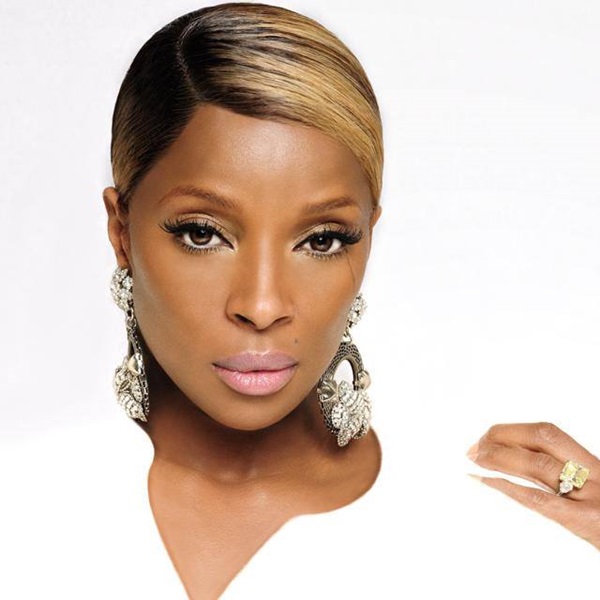
As Mary J. Blige‘s marriage to Kendu Isaacs collapsed, she was also tackling the role of a lifetime. The singer was tapped to play Florence Jackson in Dee Rees’ film adaption of the novel Mudbound, which was immediately met with Oscar buzz when it premiered at Sundance Film Festival in January.

However, her personal life was falling apart during filming.
“I used a lot of my own heaviness from my own misery that I was living in that horrible marriage,” Blige told Variety. “I was just dying in it. I knew something was wrong. I just couldn’t prove it. I just had all the heaviness of not feeling right, not feeling good. I gave it to Florence.”
In July 2016, Blige cited irreconcilable differences as grounds for divorce and has asked to terminate the court’s ability to award spousal support to Isaacs.

According to court documents obtained by PEOPLE in May, Blige claimed Isaacs spent more than $420,000 during their marriage on “travel charges” that involved a woman he was having an affair with, not her.

Blige also claimed that Isaacs drives a Mercedes that she pre-paid the lease on and that he refused to turn over possession of her “Grammy and other achievement awards.”
The singer said she has long been the only bread-winner in the family and she is burdened with all of the debts, which she claimed total more than $10,000,000.

While the couple have no children together, Blige has been a stepmother to Isaacs’ three kids – Briana, Jordan and Nas – from a former relationship since they wed in 2003.

“I’m doing OK,” the signer told the magazine. “I’m living. I’m not happy about a lot of things. I thought someone loved me, right? Turns out, he was a con artist and he didn’t, and now he’s coming after me for all my money. When you come out of something like that, you realize you were never the one. There was someone else that was his queen. I got played. I got suckered. I have to keep smiling and keep my spirits up because this is designed to kill me.”

Blige, 46, said the most difficult part of acting came in the scenes where she was intimate with her on-screen husband, actor Rob Morgan.
“I was married. I never touched another man other than my husband,” she said. “I was petrified. ‘Oh God. I don’t want to do it.’”
After a chat with Rees, Blige decided to fully give herself over.
“You know what, Mary?” she told herself. “This is the job. This is acting. You’ve got to commit.”
Blige also stripped down to the made-under version of herself needed to play the role.
“I had to surrender and commit completely to Florence, like the little ugly boots she was wearing every day and those dresses,” she said. “We couldn’t wear makeup. We couldn’t have nails. We couldn’t do eyelashes. I was stripped down to the bare necessities of Mary. And that really helped me because people were saying things like, ‘Gosh — you’re so beautiful.’ It helped my self-esteem.”

Source : http://people.com/music/mary-j-blige-temporary-spousal-support/


When you have to share the screen with comedy and drama heavyweights like Oscar-nominee Queen Latifah, Regina Hall, Tiffany Haddish and Jada Pinkett-Smith it’s hard to be remembered once the credits roll.

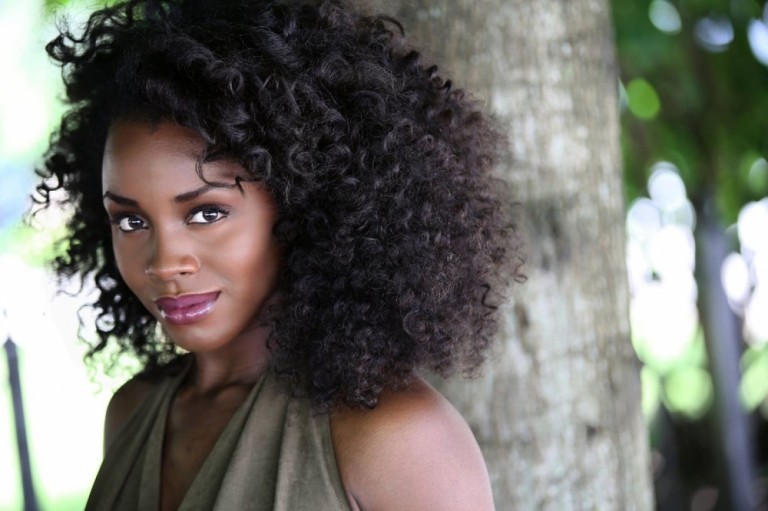
Well, that’s exactly what Deborah Ayorinde managed to pull off in this year’s most successful and acclaimed comedy, Girls Trip. Playing the major antagonist, Ayorinde brought so much charisma to the role that she made Simone a villain we loved to hate.

A growing career on the small screen
Before her role in Girls Trip (her first major film role), Ayorinde was most known for her roles on a number of popular TV shows – her most notable TV role being Candace Miller on six episodes of Marvel’s Luke Cage (alongside future Girls Trip costar Mike Colter).

Prior to appearing on Luke Cage, she had appeared on a bunch of other shows like BET’s The Game and Starz’s Survivor’s Remorse. Her most recent TV appearance was on the Emmy-nominated Showtime drama, The Affair.


A passionate filmmaker
While Ayorinde is currently focusing on her acting career, she is still very passionate about filmmaking in general, specifically writing and directing.
During her matriculation at Howard University, she won the coveted Paul Robeson ‘Best Actress’ award for her performance in a short film she also wrote and directed. We can’t wait to see what she does next, both behind and in front of the camera.


When we were little kids, the answer to the relentless “what do you want to be when you grow up?” question was a lot simpler: we are pretty sure everyone answered “doctor” or “lawyer” at some point or the other.

The older we got, the tougher that question became. Trying to reconcile what you enjoyed doing with what you thought you had to enjoy. This is the problem Omozino Eguh is looking to fix with Yudimy.

Yudimy is a platform designed to help students discover careers that match their potential and make smart decisions in a constantly evolving career landscape.

Using certified assessments and counsellors, Yudimy works with students and their guardians to help them discover their potential, match them with suitable career paths, create opportunities to explore these careers and make the best educational investments.

Speaking with Change For Society about what inspired her to create this platform, Omozino said:
“Many students have no idea what they want to be in life, some have an idea but don’t know what course is best to do, others make their choices based on wrong influences and misinterpretation of their abilities.

Also disturbing is that not a lot of students are exposed to a world of career possibilities beyond societal defined careers for success. Yudimy was created to solve these problems.”
You can learn more about Yudimy on their website.

Kene Rapu is the founder and owner of the footwear brand, Kene Rapu in Lagos. Trained as a Lawyer, she left the law to follow her passion, describing it as something she ‘stumbled into’. In this interview with TOBI AWODIPE, she talks about her journey, her struggle as a woman in business and her plans for the future.
Tell us about yourself and your professional background I’m the founder/CEO of the eponymous footwear brand Kene Rapu. I have a law degree from the University of Bristol, UK; and a Masters in Fashion Entrepreneurship from the London College of Fashion, UK. I went into entrepreneurship upon graduation from Law School, and the rest as they say is history. Six years down the line, I can boldly say Kene Rapu is the No.1 Nigerian footwear brand, championing local production of durable, comfortable and stylish footwear for men and women.
When did you make the decision to venture into this field?
I started this journey in 2011. It did not start as an active decision; but something I stumbled into, when I discovered that there was a gap in the market for this and thus decided to seize the opportunity.

How did you raise capital to start out?
I did not raise capital to start. A myth about business is that you need capital to start, and this myth holds many potential entrepreneurs from taking the step of faith. I outsourced production for the first six years of running my business. This means, I had independent craftsmen I worked closely with, who with their own infrastructure, produced the slippers to my standards and specifications, and were paid per slipper, a cost that was covered in the retail price of the slippers. With little or no business overheads, outsourced production and a reasonable profit margin, we were able to bootstrap our way through the first few years, and save up capital. I worked from home for the first couple of years, doing everything and anything required to get my business off the ground. I remember desperately needing a website and my only option was to build one myself. I did some research and found that Google at the time had free seminars to teach entrepreneurs how to build websites. I went to City Hall, a clueless young lady, sat there for hours, and after that, took about two months to complete my first website. It was very basic, but did the job. When you do not have capital, you get creative. You use the tools around you and make them work to your advantage. My business has grown organically, and for me that is a testament, that willpower and hard work can get you far, until you absolutely need funds. Since launching in 2011, I got my first injection of funds in 2015 to set up a small store, and after that in 2017, six years later, to set up my factory. I have gotten seed funding from the private sector, for example from the Tony Elumelu Foundation. I was one of the 1000 African Entrepreneurs chosen in 2016, whose idea could “Change Africa”. I have also been able to raise some funds from the first port of call- family and friends.

What is the worst moment you have faced business-wise, what are the challenges you face and how are you overcoming them?
I have had many “worst” moments, but I thank God, none has been able to keep me down. Any businessperson can tell you that running a business is hard work. The odds are against us; more businesses are expected to fail than they are to succeed. Furthermore, running a business in Nigeria is particularly tough. From zero power supply, to dearth in skilled manpower, lack of consistency in production, to the costs and scarcity of materials, the list is endless. Moreover, as a female in business, sometimes there are unnecessary issues you have to deal with, that should not be the case. During my hunt for a property for my factory, I met a man who made it clear that he would never rent his property out to women. Nonetheless, challenges make you stronger, and when you jump past hurdles, it is a testament that indeed you are a survivor.

What has been the highlight for you so far?
I get the most joy when people come up to me and tell me how inspired they are by how far we have come, how many Kene Rapu slippers they own, how much they love our products and appreciate the quality; and how they cannot believe they are made in Nigeria. This gladdens my heart, because it shows us that the skill and attention to detail put into our production, and the decision to re-pioneer local manufacturing is worthwhile and appreciated. The support has been immense over the years, and I thank everyone who has given us a chance to prove that made in Nigeria does work.
What makes you different from other local footwear brands?
We are different because we are who we are. It’s like saying what makes you different from the person next to you. Your journey, your story, your experiences make you different, and that is your super power.
What do you like most about being a business owner?
Being able to impact the lives of other people, as an employer of labour is gratifying. I have a great staff at the moment and I am thankful to God for them. Also, being able to do things on my own timing definitely has its benefits.

Would you say you have achieved your set out goals businesswise?
I heard a wise and inspiring woman speak recently, and she mentioned how ladies especially, find it hard to celebrate their achievements, but instead are always on to the next thing. Having been that person, I’m now learning to celebrate milestones, both small and big, and realise that progress is being made. So I would say yes, setting up my factory this year, was definitely a goal smashed, and I am thankful.

In your opinion, do you think enough women are going down the entrepreneurial path and how easy is it for women to start up a business?
Yes, I know a good number of ladies involved in business, more now than when I started, and it is inspiring. It is certainly not easy for women in start-up businesses, but I believe surrounding yourself with the right company is helpful. I have female friends in business, and we spend time discussing how to resolve our common challenges. Having strong ladies in your corner certainly makes the journey easier.

In your opinion, do you think the present clime and policies is conducive for SMEs and start-ups?
I think there is an increasing support for SME’s from both the private and public sector, as of recent, however, there is still a lot left to be desired.
Who do you look up to and what keeps you going?
I don’t run my business with the mindset that it’s my business; I run it as a custodian of something handed to me by God. I put everything, every decision in His hands, and when you leave things in Gods hands, you see His hand in everything. I also have a strong support system, my parents are my biggest support and role models, without them pushing my siblings and I to be more, to do more, to walk in purpose and fulfill our destinies, we would not be were we are today. I also have a lot of support from extended family members, mentors and inspiring friends.

What would you tell anyone that intends going down this path?
Go for it. The road is not easy, in fact it is extremely difficult, but it is certainly gratifying when you begin to break through. It is humbling to know that something I started six years ago, as a clueless fresh graduate, has morphed into a business that employs people, exports to other nations and plays a role in promoting the local industry.

Where do you see yourself personally and professionally in the next couple years?
In the next few years, in my professional capacity, it would be running a business, which operates on a global scale. In my personal capacity, a woman walking in God’s purpose in every sphere of her personal life.
QUOTE: I outsourced production for the first six years of running my business. I had independent craftsmen I worked closely with, who with their own infrastructure, produced the slippers to my standards and specifications, and were paid per slipper, a cost that was covered in the retail price of the slippers

source: Guardian.ng

Currently, the children of undocumented immigrants who fled to the US in search of the ‘American Dream’ are now living something more like a nightmare under Donald Trump’s administration. With the situation as it is, these youngsters are struggling more and more to get into college.
Undocumented students know that even if they finish high school fair and square, they might still have a hard time getting accepted in any university due to their illegal status. That’s the challenge 26-year-old Mexican Stanford student and “Dreamer” Sarahi Espinoza Salamanca had to face herself.


An app for guiding “DREAMERS” living in the US
This struggle lead her to Silicon Valley where she developed a mobile app platform that helps undocumented students navigate the necessary resources to access higher education.

The app is called DREAMer’s Roadmap and has attracted so much attention that even Mark Zuckerberg has acknowledged its ingenuity. In fact, Forbes magazine has named Sarahi as one of the most influential young minds in the realm of education in its 30 Under 30s recognition initiative.

This tool supports users by providing a list of foundations/organizations dedicated to granting educational scholarships and loans to undocumented students who could greatly use the support.

According to the American Immigration Council, 65 thousand undocumented students graduate from American high schools each year, and most – if not all of them – have to deal with trying to maneuver through higher education in order to live a successful lifestyle. But with bright thinkers like Sarahi Espinoza Salamanca we can work towards eradicating these difficulties for thousands of people.

Source: Konbini

All over the world, women are shattering the glass ceiling, achieving their goals and making names for themselves. It is enormously important to publicize and celebrate women and their huge achievements, because it affects and inspires so many lives. So enjoy this gif.

We’re celebrating a super-remarkable achievement today. 24-year-old Second Lieutenant, Thokozile Muwamba, has just become the Zambia’s first female fighter pilot. For those of us not in the know, fighter pilots are military aviators trained to engage in air-to-air combat while in the cockpit of a fighter aircraft. Fighter pilots undergo specialized training in aerial warfare and dogfighting (close range aerial combat).

That’s what this boss lady just achieved and we are beyond proud. Lt. Muwamba joined the military in 2012, and she was selected as part of a Zambian Air Forces (ZAF) program to train female pilots to address the gender imbalance in the industry. Just last year, 19-year-old Besa Mumba, became Zambia’s youngest commercial pilot.


Besa Mumba (Photo: Proflight Zambia)
Besa and Lt. Muwamba are proof, as are many others, that when given a chance, women are just as good as, if not better than, men. Lt. Muwamba’s achievement effectively shatters the country’s air force glass ceiling, and the historic feat will undoubtedly inspire young girls and women in Zambia, and across the continent to follow their dreams, and reach for their goals.
Let women participate. Let women realize their abilities. Let women. Stop policing women. And finally, bow down, because women are not going anywhere. Congratulations, Lt. Muwamba!