Category

Interviews&profile

Category

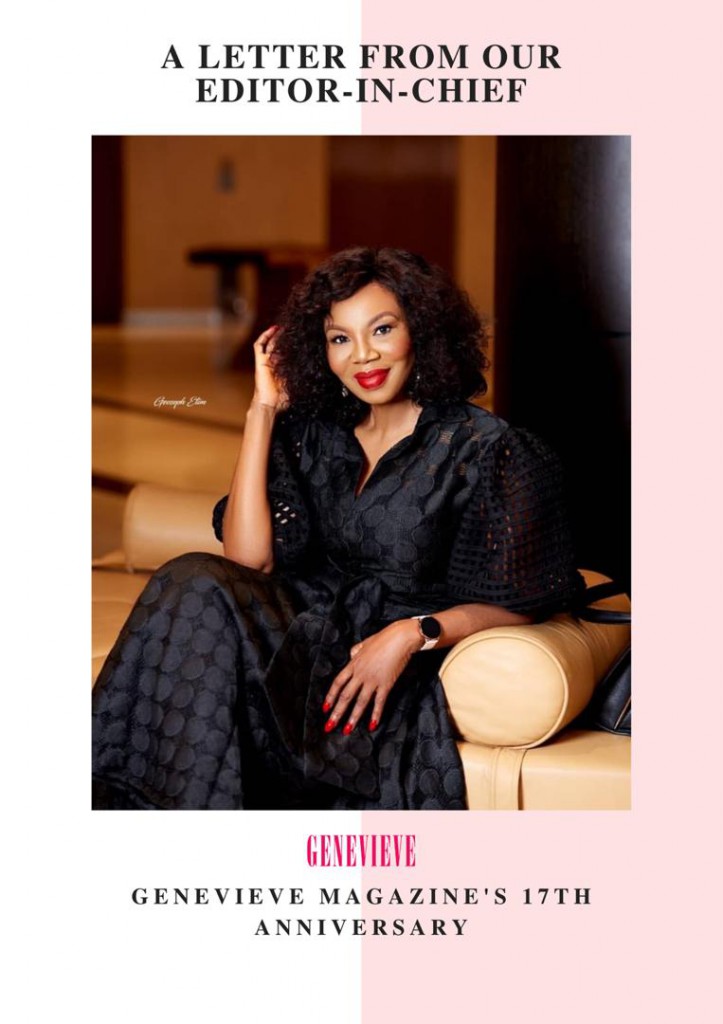
On February 6, the Nigerian Academy of Science appointed professor, Ekanem Braide, as President-elect.

Ms Braide, who is the immediate past Vice-President of the Academy, will be the first female president of the Academy in 43 years of existence when she takes over office in January 2021.

Ms Braide, was a member of the national committee that achieved the laudable feat of guinea worm eradication in Nigeria. She was a professor of Parasitology/Epidemiology, with a rich professional experience as a researcher and an administrator. She is a former Vice-Chancellor at Nassarawa State University, Lafia.

She is to take over from Mosto Onuoha (Professor of pure and applied geophysics) and will then lead the Academy in achieving an improved quality of life for the Nigerian society through the promotion and application of science and technology; as well as strengthen the nation’s ability to deliver the fruits of science to society by the acquisition, growth, and dissemination of sound scientific knowledge and facilitation of its use in the solution of major national problems.

While, Abubakar Sambo (Professor of Mechanical Engineering) takes over from Ms Braide as the new Vice-President of the Nigerian Academy of Science.

Congratulations to her.

To read more click here

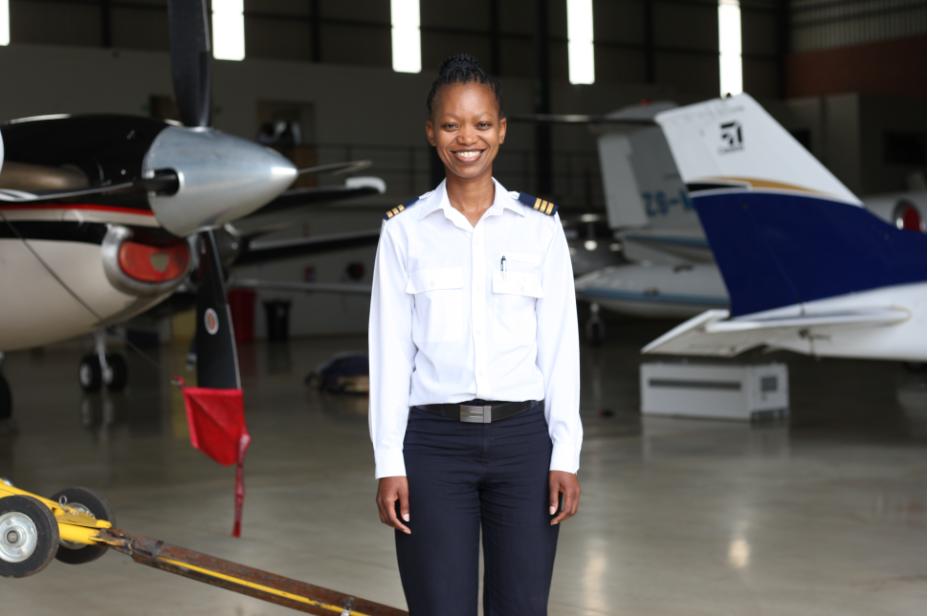
Refilwe Ledwaba is a helicopter and fixed-wing pilot, a flight instructor, an advocate for women’s rights and a Bill and Melinda Gates Foundation goalkeeper who made history by becoming the first black female pilot to fly for the police service in South Africa.

“For a long time, I was the only black female that was holding the highest license for helicopters… But being the first for me is not important. The important is the 20th person, the 30th person, then we can start talking,” she said.

The numbers are hard to come by but according to a report by the University of Nebraska, women make up less than 10% of pilots, maintenance technicians and airline executives globally.

Ledwaba says she’s on a mission to improve the numbers — starting in Africa.

She teaches young pilots in training how to operate aircraft. She also runs the Girls Fly Programme in Africa (GFPA), a foundation with a focus on introducing elementary and high school students to science, technology, engineering and math (STEM).

Raised by a ‘superwoman’

She would later become the first black woman to pilot a helicopter in the South African Police Service (SAPS). Today, she is a contract flyer for various charter companies on the continent.

(Courtesy of Gypseenia Lion / Forbes Africa )
Pic Credit: Gypseenia Lion

Ledwaba, who is qualified to fly both helicopters and airplanes, credits her journey to the strong women in her community while growing up in an apartheid era.

Ledwaba grew up in Limpopo, a province in the northeast of South Africa. Her mother, a teacher, raised seven children alone.

She says her upbringing influenced her chosen path.

“I don’t know how she (her mother) did it, she sent us all to university. So, from a very young age, I always thought I could be anything because I looked at her and I’m like ‘Oh, there’s a superwoman,'” she said.

Ledwaba initially planned to become a doctor, and to help fund her studies, she got a job as a flight attendant. She later realized she was interested in learning to fly so she began taking private flying lesson.

Thirteen years later, she has gained experience flying a range of choppers and airplanes.

Changing the face of aviation

In 2010, Ledwaba started the Girls Fly Programme in Africa (GFPA) to introduce girls in elementary and high school to STEM at a young age

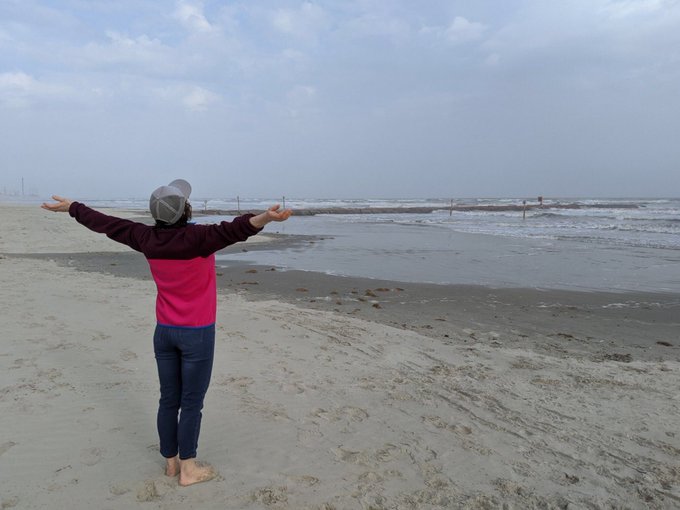
Christina Koch a female astronaut returned to Earth last Thursday after a record-breaking 328 days in space, the longest single spaceflight by a woman.  She did the simple things as soon as she arrived home, like reuniting with her dog, eating her favorite foods and taking a family trip to the beach, Koch said during a press conference Wednesday.

“After 328 days in space, the first six days back on Earth were full of just as much wonder and excitement,” she said. “We all live on a wonderful planet and it’s great to be back.”
Koch described the joy of seeing so many people again and feeling her body reacclimate as “her mind [wakes] up to sensory experiences that define Earth.”
Apart from regaining her balance and getting used to walking again, Koch has been lucky. Unlike previous astronauts who returned from long-duration spaceflight missions, Koch didn’t experience motion sickness. Muscle aches are normal, and she felt a few in her neck — something she compared to a two-week-old working hard to hold up her head after floating in microgravity for close to a year.
She received advice from astronauts Scott Kelly and Peggy Whitson, who also hold records for long spaceflights (Koch has surpassed Whitson’s record of 288 days). They told her to pace herself and do what she loved. Long missions on the space station are “an ultra-marathon, not a marathon,” they’re fond of saying.
Mentally, Koch decided to focus on the fact that her time on the station was special. So rather than focusing on the things she missed from Earth, Koch thought about the things she’d never have again once her mission was over. This “mental cheerleading” allowed Koch to put positive messages on repeat in her head, she said.
But Koch adjusted well to space initially. One of her favorite moments was when they arrived at the space station. “I regarded it as this amazing place, my new home for the next year,” Koch said. “Something I had trained for so long had come to life.”
It only took three months for Koch to feel like the space station was home, and replacing her routine from Earth with the unusual aspects of microgravity became normal. She forgot she was floating until a new crew would arrive, because they were so excited about experiencing the sensation.
When it was time to come home, Koch’s personal effects making the return trip all fit in a shoebox — mainly mementos donated by friends and family members that she was excited to give back with a new memory attached to their sentiment.
Koch’s message to young people who aspire to be astronauts is to “follow your passions, live the life you’ve imagined and do what scares you.”
Koch herself knew she wanted to be an astronaut at five years old — but she also knew the chances of becoming one were low. She began with a single-minded goal, but when she went to Space Camp and learned about the process for becoming an astronaut, she made a key decision.
“I wasn’t going to live according to a checklist,” Koch said. “If the experience I gained would allow me to contribute in a great way to the space program, only then would I apply.”

After an historic all-female spacewalk, astronaut has moon dream

Koch pursued other passions, like rock-climbing and quitting an engineering job at NASA to pursue work in Antarctica — both of which helped her become a better astronaut, she said.
As far as her records achieved in space — longest spaceflight, and the first three all-female spacewalks — Koch isn’t a stats person who keeps score. To her, the best thing that can happen when a record is set is when someone else breaks it
Koch will never forget how she felt when she saw Earth for the first time. She was in the Soyuz capsule on the six-hour rendezvous with the space station in March 2019, along with NASA astronaut Nick Hague and Russian cosmonaut Alexey Ovchinin. She looked out at Earth and exclaimed, “oh, my goodness.” Then she realized how dangerous that could be without explaining her reaction — because in space, it could mean any number of issues had come up. She clarified, “Everything is OK. It’s just Earth.”
“I looked out the window and there was Earth. It looked brighter and way more real than I imagined it could be,” Koch said. “I realized this was real and that I had left our planet.”
Source CNN

Having a fresh sugarcane juice is not just yummy but highly refreshing. The juice is not just another drink, but one of the healthiest drinks that you could lay your hands on. Here are a list of health benefits of sugarcane juice that will put a lot of and artificial energy drinks to behind.

  1. Prevents cancer: Sugarcane juice is alkaline in nature because of the high concentration of calcium, magnesium, potassium, iron, and manganese, which helps prevent diseases like cancer, that cannot survive in an alkaline environment. Thus it helps in fighting various types of cancer such as prostate and breast cancer.
  2. Aids in digestion: It is good for the well-being of the digestive system due to its high potassium levels. It helps in keeping the digestive system in good shape, prevents stomach infections and is considered to be particularly useful in treating the problem of constipation.
  3. Prevents heart diseases: It also prevents heart diseases and stroke as it helps decrease the levels of unhealthy or cholesterol and triglycerides.
  4. Helps in reducing weight: As sugarcane juice reduces the bad cholesterol levels in the body and has natural sugars, it helps in reducing weight. It is high in soluble fibre which aids in shedding weight.
  5. Good for treating diabetes: Sugarcane is sweet in taste and is full of natural sweeteners, which have a low gylcemic index (GI), hence it works very well for diabetic patients.
  6. Clears skin imperfections: When it comes to healthy skin, Alpha Hydroxy Acids (AHAs) which are part of the natural constituents of sugarcane juice, are supposed to have a lot of benefits. They fight acne, reduce blemishes, prevent ageing and help in keeping the skin hydrated. Just apply sugarcane juice to your skin and let it dry or add it to your favourite face mask and scrub, and your skin will look radiant and clean.

For more read here

 A Snapchat changed Vandra Caldwell‘s life.

Last year, her friend Trishona Helm was visiting L.A. from their native Omaha and snapped Caldwell a picture of rolled ice cream–which is rolls of ice cream placed vertically in a cup, finished off with various sweet toppings.

In August, they invested $10,000 of their savings and a $30,000 loan into launching Mixins Rolled Ice Cream in downtown Omaha. By the end of October, the business had generated $100,000 in sales–and Caldwell is already planning to create a rooftop ice cream bar at Mixins next summer as well as mulling franchising the business.

Caldwell has a lot of company: Nearly 63 percent of women financed their businesses from their own savings, according to the 2018 State of Women and Entrepreneurship survey of 279 women. Compare that to versus 43 percent of surveyed Inc. 5000 CEOs.

Caldwell, a 25-year-old biracial single mother with three kids, previously worked at a news station and childcare learning center. She sees her business as a means to provide a better life for her kids, even as it forces her to juggle competing demands. One vivid memory for Caldwell is signing the loan before going straight into labor the next day.

Her parents would help take care of the kids. But that meant she couldn’t see her children for more than a few days at a time–and would often turn to her business partner for a shoulder to cry on. In this, too, Caldwell isn’t alone. Spending time away from family is one of the biggest sacrifices female founders cited in our survey.

“I’m just trying to make a sacrifice now,” she says. “I’m trying to make a better life for them in the future.”

The face of female entrepreneurship is becoming a lot less white. Minority women control 44 percent of women-owned businesses in the United States, up from 20 percent in 1997, according to Census data and projections by research firm Womenable–even though “there’s this notion that we don’t exist,” says Esosa Ighodaro, founder of the social media shopping app CoSign and the networking organization Black Women Talk Tech. “Entrepreneurship is very lonely and even lonelier in minority communities.”

Even so, minority women are starting up businesses at much a faster rate than their white counterparts. While the number of white women-owned businesses grew 40 percent from 1997 to 2016, those owned by black and Hispanic women showed much higher growth rates at 518 percent and 452 percent, respectively, according to the analyzed data.

Researchers attribute this burst of entrepreneurial activity to both educational progress and economic necessity. “Women have been taking control, frankly, for centuries,” says Kathy McShane of the U.S. Small Business Administration’s Office of Women’s Business Ownership. “But now we’re talking about it.”

But one of the biggest hurdles women–particularly, minority women–continue to face is “access to capital,” says Margot Dorfman, CEO of the U.S. Women’s Chamber of Commerce. Part of it has to do with the industry in which women are founding businesses. According to a 2016 report from the U.S. Women’s Chamber of Commerce, the majority of women-owned businesses are in the service industry.

Men still get the vast majority of venture capital–only 2 percent of all VC funding goes to U.S.-based female-only founder teams, according to PitchBook. But an uptick in female-focused funds is “encouraging women of color to enter the field,” says Miriam Rivera, co-founder of Palo Alto, California-based Ulu Ventures. She says that more women-led VC firms have become more public about their portfolios having larger percentages of women CEOs. According to our survey, 38 percent of the women who raised money sought out female investors; they cited female investors’ better understanding of their target market as a key reason.

To read full article click here

Emilia has a degree in Computer Science, an Associate degree in Community and Public Health and certifications in Entrepreneurship Development and Project Management for Development. She is a fellow of the African Women Entrepreneurship Cooperative (AWEC), New York on Social Enterprise Development and Coady International Institute, Canada on Facilitation Approaches for Social Change.

She also led the sexual and reproductive health training for national volunteers and beneficiaries at the Youth Resource Centers in 18 LGAs in Cross River State. Emilia shares her inspiring journey with me.

Childhood Preparation
I AM not sure if my childhood prepared me for anything, I grew up as any other female in the “hood” but somethings shaped my mentality right from the get-go. Am Efik, one of the tribes in Cross River State. The Efiks are quite matriarchal in terms of how they treat women. We have popular sayings like “eyen mi no ke ndo idighe uyam” meaning my child is for marriage and not for sale. Infact other tribes around us see Efik women as proud and do not stay in their marriages. This is not to glorify divorce it is to put in perspective the kind of conversations that shaped my thinking.

Another big event that shaped my childhood was when I joined the Girls’ Power Initiative (GPI) Calabar in 1996 as a GPI girl. We were re-sensitized on certain norms that people found normal. I attended the Sunday sessions 3-6 pm which talked about everything a young girl would experience ranging from Menstrual Cycle to Sexual Harassment. This is the institution that set the foundation for many years in the development sector. All the opportunities I had to grow, be exposed and learn began with that GPI Sunday lesson.

Being an experienced Development Practitioner with interest in Gender Mainstreaming & Sexual and Reproductive Health and Rights

Following up on my experiences in GPI and my cultural background. I think I got captivated by the sense of being different. I became strong-headed and stubborn when it came to discussing women/girls’ issues. This was pure activism and advocacy. This translated to me coordinating the GPI Girls Alumnae Association for more than 3 years, serving in GPI as an intern and working as a staff for more than 5 years. My conversations around gender and women’s right were then properly molded and developed. When I left GPI to get into the normal development sector with men, I struggled because this was the practical aspect of what we talked about every workday. The struggle about women continually being dropped from leadership positions, young girls being socialized to be sex objects and materialistic, political scenes carved out to be a platform for men only continued to bother me and I saw myself speak about these issues more often than not.

I was once told by a popular radio presenter on air, that he didn’t think Gender was such a huge issue for a position called Gender Equality Officer to be carved out as he couldn’t imagine what I would be doing in the office. These kinds of comments have fueled my work over the years.

The years I enjoyed most were when I became a facilitator for young girls in the GPI training program, giving back to young girls using the skills I learned several years back to talk to these girls about their bodies, their sexuality including sexual and reproductive health and rights. I found myself as a role model for these young girls, am not sure I am. I became their confidant and at some point, their counselor, where we talked openly about sex, sexuality, protection and seeking help where necessary. I remember taking up sexual abuse cases for them, accompanying them to hospitals, etc. It was one of my most exciting times because I felt the impact of my work directly on the beneficiaries and I was learning every day.

Being a fellow of the African Women Entrepreneurship Cooperative (AWEC) and other organisations
The AWEC fellowship was training I did in my bid to further understand Women in Business. I was part of a project which assisted over 11,000 young women and men get entrepreneurship training and some were able to develop viable businesses using the support mechanism the project provided. It provided training, small grants, business development mentorship, etc. at some point in the project part of my role was to assist women specifically gain access equally to this project opportunities, train them on developing business despite their peculiar challenges as women and work with the available institutions to be gender-sensitive while dealing with businesswomen.

I decided to apply for the AWEC fellowship to be part of a platform where only women who were in business were sharing ideas, challenges and learning from each other. It was a great learning experience for me as it translated into my work while developing ideas on how to deepen gender issues on the project.

The Coady Institute experience was to further deepen my facilitation skills while delivering sessions. Sometimes people love to lecture while taking sessions, I did learn early while at GPI to use creative approaches in delivering my topics. As I grew in the development sector and my responsibilities kept being intertwined with delivering sessions all the time, I felt it would be nice to learn new skills, interact with other development practitioners whose role is deeply involved in delivering community relates sessions and learn. It’s was a great experience and very useful for my work presently.

Training and mentoring over 1000 young girls, 300 teachers in Cross River State
This is was the direct outcome of my roles in GPI and The Bridge Leadership Foundation (TBLF). I trained and trained mostly around gender, sexual violence, women and girls, sexual and reproductive health and rights. I saw young girls coming to me for so many things, mentoring, references, linkages, etc. I remember walking into the University of Calabar and spending most parts of it were amazed at how many young girls recognized me immediate and spoke about how I affected their lives. Some follow my social media page closely to interact and keep their fire burning.

The teachers’ training, I can not take full credit for because it was a project GPI carried out as part of introducing teachers and student teachers to the Family Life and HIV/AIDS national curriculum. At the time I was one of the lead trainers on that project. I was in my early 20s at the time.

You are a gender advocate, activist, broadcaster, and convener of several initiatives, mother and wife, how do you manage it all.

I ask myself this question every day, I guess am restless.

2 things; I think I always want my daughter to see me like that mother who also contributed immensely to her life. Not only socially but financially. I want my kids to understand in practice that women can be more than a wife and a mother so they know what to expect and grow up with this as a norm. I rationalized and agreed with myself to have a career and do what I love every day of my life if I have to. Otherwise I would be unhappy and that I refuse to be.

Challenges of being an Advocate
Too many to mention. I have lost friends because I am probably too outspoken, lost opportunities because I would not settle for less, tagged difficult, strong feminists not in a good way, etc but those things do not deter me. I maybe intimidate for a period but I usually bounce back within a space of time am back to being me.

Being an Inspiration in other Organisations
I do not own an organization but have worked for several others, my contributions are left for my colleagues, former and present to analyze but one thing they would not forget is the amount of project analysis, creativity and innovation I bring onboard while implementing any project/program.

What makes you a Woman of Rubies?
I love the fact that it creates a platform for women to be showcased with their skills and not how much their partners have or how many children they own. I identify with this space because it has open arms, any woman, young old, married, divorced, single or single mother can be showcased purely based on their skills. We learn, criticize and evolve together.

To young women who want to go into advocacy

Don’t let anyone tell you what you can or can’t do. Dream BIG and work hard. Have Faith, plenty don’t know but my Faith level is way too high, that’s why when am low I know, I will be back up. If you fail? Understand it is a learning curve, take the lessons to forget the event. It is a tough road, buckle up and keep it moving.

Aja Smith is now in the WWE history books –CNN

Aja Smith indie women wrestler has signed with WWE and reported to the WWE Performance Center, becoming the first full-time African-American female referee signed to WWE.

The 25 year old famously known as Aja Perera,  “competed across the United States, Japan and Mexico under the name Aja Perera, and has held the SHINE Nova and Tag Team Championship,” according to a statement by the WWE.

“She will now don the stripes and join the crew of referees who enforce the rules for NXT every week on USA Network,” the statement added.

“Referees are really the unsung heroes,” Smith said on the importance of referees to the pro wrestling industry. “They put in so much work and they’re seemingly invisible, but without them, there would be no wrestling, honestly.”

However, the highlight of the video was when she was told that WWE would be hiring her.

“This is the greatest moment of my life,” Smith said. “It’s something I never thought of, and just to think to myself, I’m going to be the first African American female referee in WWE…”

“That is the greatest moment of my life,” Smith said through tears. “Having this platform as a female, as a female of color, is really an honor and I’m so thankful to be given this moment.”

Smith took to Twitter after the announcement.
“Your love and support over the years has gotten me to this moment. This is bigger than me. To follow a dream. TO MAKE HISTORY. And I’m just getting started. We can do it all and I’m honored to be lighting the way. Let’s change the world! #BlackGirlMagic,” she tweeted.
The WWE also tweeted: “For Aja Smith, a dream has now become history.”


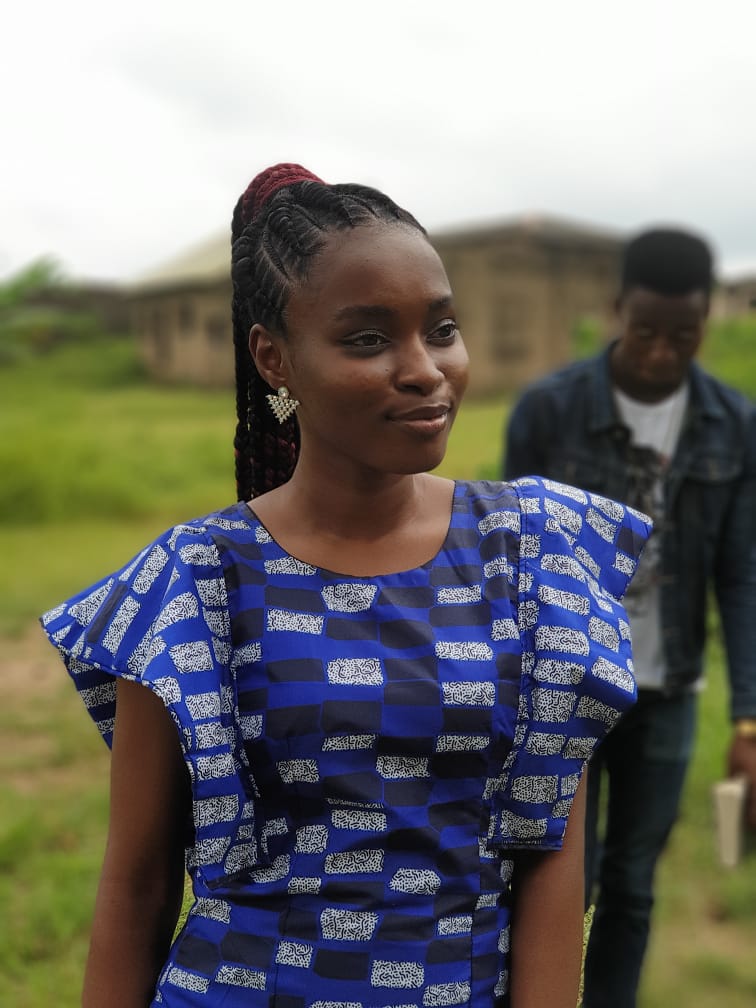
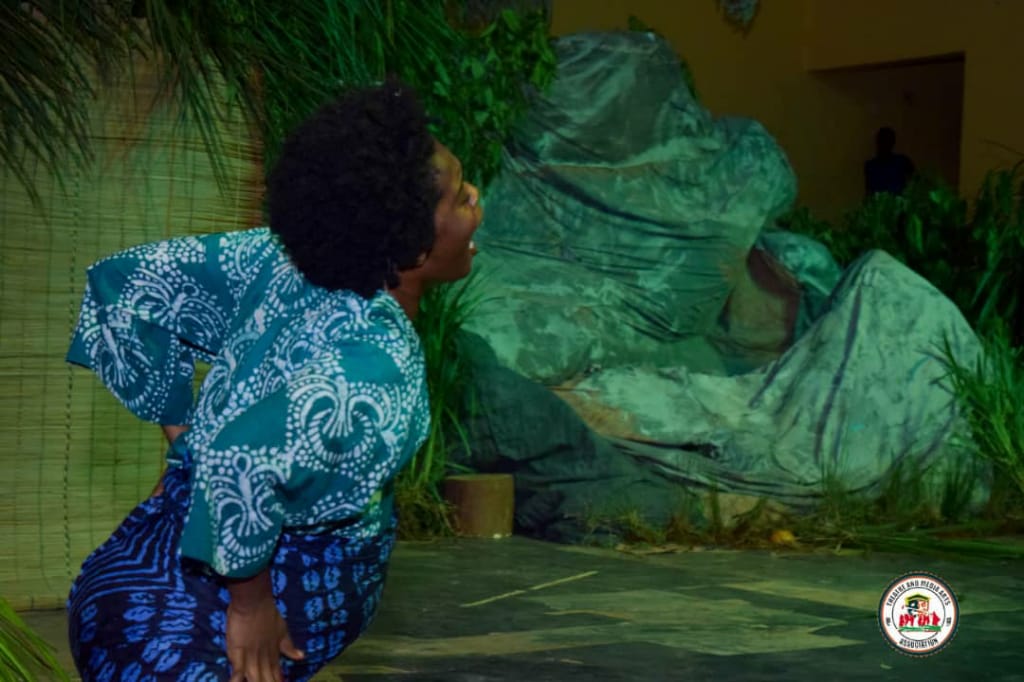
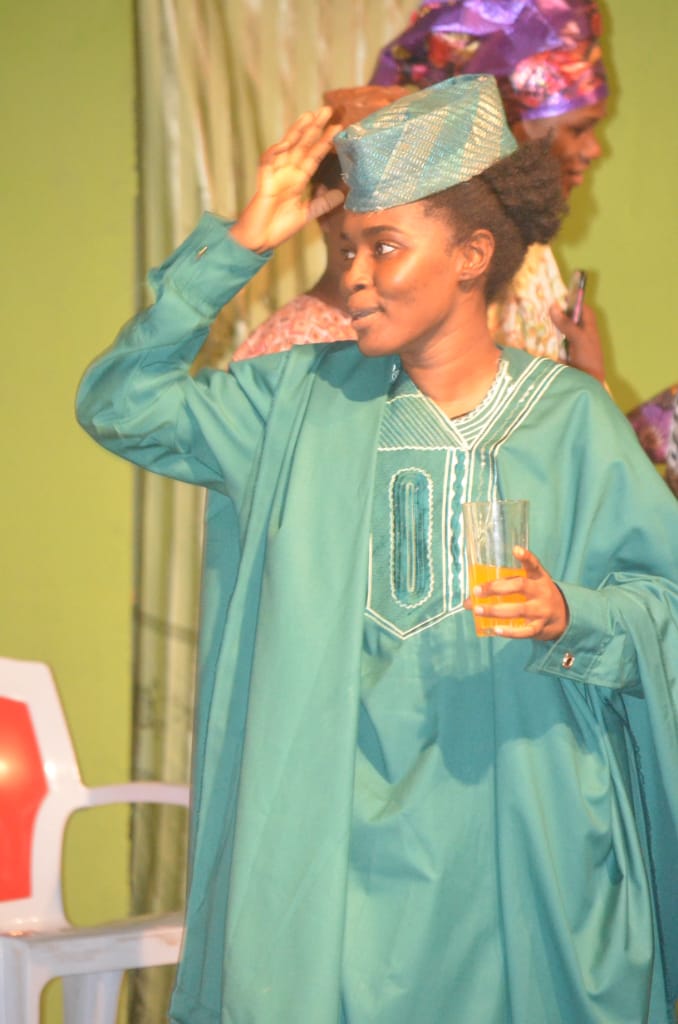
Omolola Orenuga is a final year student of Performing Arts at Olabisi Onabanjo University. She is an award winning stage manager, director, thespian, event planner, model and fashion designer.

She won the award for Best Stage Manager at Theatre Students Award (TSA) on 30th November, 2019.

Cool, energy bubbling and fun lover Omolola is a fashion, beauty and natural hair enthusiast.

*1. Let’s meet you. Who is Lola….?*

1) I am Orenuga Omolola Oluwapelumi AKA Aduffeh, a performing Arts student of Olabisi Onabanjo University, Ago –Iwoye; Ogun State.

*2. Who and what is your inspiration?*

I really can’t pinpoint a particular figure as my inspiration. I draw inspiration from anyone and anything, depending on what I need at that particular point in time. I just try to be the best I can be. Therefore, I feed on anything that makes my creativity juice flow.

*3. Your best quote?*

Think like men of action: act like men of thought – Bergson

*4. What is that one accessory you can’t leave home without?*

My phone

*5. As a performing Art student, thespian, director, stage manager, how many plays have you directed/stage managed? Have you ever been discouraged or downcast? What is your most memorable experience as a Performing Arts student?*

I directed The Sisters by Ahmed Yerima and Romeo and Juliet in pidgin. Also, I stage managed Kurunmi and I was part of the stage managers for the convocation play. Lastly, I have been in several stage productions, class productions and private theatre companies, and participated in Roadblock, Modern Slave, Agriculture, and Banner of Peace amongst others.
My most memorable experiences are my induction and NUTAF’19 which is a festival for theatre arts students.
I felt discouraged and was downcast when I had to drop my roles due to sickness on two occasions.

*6. Which city or country will you love to visit soonest?*

Santorini, Greece (Smiles).

*7. What is that one thing you’ll like to change about yourself?*

Saying NO… for my best interest and stop overthinking

Omolola Orenuga

*8. You are a creative versatile young woman and entrepreneur. You are a Model. Hair stylist. Fashion Designer, event Planner yet a finalist. How do you balance all of these with your academics?*

It is not so easy, sometimes I have to multi-task. However, I plan ahead and keep things simple in order not to get overwhelmed.

*9. What do you intend to do beyond school and upon graduation from the university? Do you intend to go into the movie industry or pursue other passions or business endeavours?*

Mostly business endeavours, private brands, and go into the movie industry. However, Plans might change (smiles).

*10. If given the chance to be the President of Nigeria for a day, what will you change?*

I will provide laptops for every university student and legalize abortion.

*11. Did your upbringing in any way prepare you for everything you are into today?*

Yes, it did and looking back now, I’m grateful for it.

*12. Where do you see yourself/your brand in the next 5 years?*

I see myself as CEO of my own fashion line; Supply costumes/designs for movie productions ,events, modelling. Get more innovations in fashion. Plans change though.

*13. If you were given the opportunity to address a group of girls five years younger than you, what will be your advice to them?*

Confidence!
Be confident, ask questions, don’t be in a haste to grow, enjoy and make memories.

Born Lillie B Williams on January 10, 1932, in Albany, Georgia, was a normal girl except for the miniature twin growing out of the left side of her body.

She was born to a farming family kind of poor, and the youngest of twelve children, Williams was attached at the side to a parasitic sibling that had two legs, a developed arm with three fingers and another tiny arm-like appendage.

Nevertheless, doctors said that Williams was very healthy and could definitely live long. Her parasitic twin would later help her to earn a large living.

When she was just a year old, she rose to fame after being discovered by a professional showman called Dick Best.

She changed her name to Betty Lou for reasons not known and started displaying the child in his New York Museum.

She later caught the attention of Robert Ripley, of Believe it or Not?! fame.

After negotiations between Ripley and Best, it was agreed that Betty Lou, then aged two, would be shown for $250 a week at the Ripley’s Believe it or Not?! Odditorium at the Chicago World’s Fair in 1934.

Betty Lou’s earnings quickly soared as she matured, and began earning as much as $1000 a week.

Out of her large finances, she purchased a 260-acre ranch for her parents and succeeded in sending all her eleven siblings to college.

Many attributed her rise to fame and huge income to her beauty and kindness. Betty Lou attracted a lot of male suitors, and at the age of 23, she got engaged to one of them.

Her husband-to-be, however, disappointed her as he turned out to be a thief who absconded with a huge amount of money belonging to her.

Soon after this, Betty Lou, despite assurances by doctors that she was healthy and could live long, died from an asthma attack at her home in Trenton, New Jersey at the age of 23.

Many people believed that she died of a broken heart.

Source: Face2faceAfrica