A Snapchat changed Vandra Caldwell‘s life.

Last year, her friend Trishona Helm was visiting L.A. from their native Omaha and snapped Caldwell a picture of rolled ice cream–which is rolls of ice cream placed vertically in a cup, finished off with various sweet toppings.

In August, they invested $10,000 of their savings and a $30,000 loan into launching Mixins Rolled Ice Cream in downtown Omaha. By the end of October, the business had generated $100,000 in sales–and Caldwell is already planning to create a rooftop ice cream bar at Mixins next summer as well as mulling franchising the business.

Caldwell has a lot of company: Nearly 63 percent of women financed their businesses from their own savings, according to the 2018 State of Women and Entrepreneurship survey of 279 women. Compare that to versus 43 percent of surveyed Inc. 5000 CEOs.

Caldwell, a 25-year-old biracial single mother with three kids, previously worked at a news station and childcare learning center. She sees her business as a means to provide a better life for her kids, even as it forces her to juggle competing demands. One vivid memory for Caldwell is signing the loan before going straight into labor the next day.

Her parents would help take care of the kids. But that meant she couldn’t see her children for more than a few days at a time–and would often turn to her business partner for a shoulder to cry on. In this, too, Caldwell isn’t alone. Spending time away from family is one of the biggest sacrifices female founders cited in our survey.

“I’m just trying to make a sacrifice now,” she says. “I’m trying to make a better life for them in the future.”

The face of female entrepreneurship is becoming a lot less white. Minority women control 44 percent of women-owned businesses in the United States, up from 20 percent in 1997, according to Census data and projections by research firm Womenable–even though “there’s this notion that we don’t exist,” says Esosa Ighodaro, founder of the social media shopping app CoSign and the networking organization Black Women Talk Tech. “Entrepreneurship is very lonely and even lonelier in minority communities.”

Even so, minority women are starting up businesses at much a faster rate than their white counterparts. While the number of white women-owned businesses grew 40 percent from 1997 to 2016, those owned by black and Hispanic women showed much higher growth rates at 518 percent and 452 percent, respectively, according to the analyzed data.

Researchers attribute this burst of entrepreneurial activity to both educational progress and economic necessity. “Women have been taking control, frankly, for centuries,” says Kathy McShane of the U.S. Small Business Administration’s Office of Women’s Business Ownership. “But now we’re talking about it.”

But one of the biggest hurdles women–particularly, minority women–continue to face is “access to capital,” says Margot Dorfman, CEO of the U.S. Women’s Chamber of Commerce. Part of it has to do with the industry in which women are founding businesses. According to a 2016 report from the U.S. Women’s Chamber of Commerce, the majority of women-owned businesses are in the service industry.

Men still get the vast majority of venture capital–only 2 percent of all VC funding goes to U.S.-based female-only founder teams, according to PitchBook. But an uptick in female-focused funds is “encouraging women of color to enter the field,” says Miriam Rivera, co-founder of Palo Alto, California-based Ulu Ventures. She says that more women-led VC firms have become more public about their portfolios having larger percentages of women CEOs. According to our survey, 38 percent of the women who raised money sought out female investors; they cited female investors’ better understanding of their target market as a key reason.

To read full article click here

Emilia has a degree in Computer Science, an Associate degree in Community and Public Health and certifications in Entrepreneurship Development and Project Management for Development. She is a fellow of the African Women Entrepreneurship Cooperative (AWEC), New York on Social Enterprise Development and Coady International Institute, Canada on Facilitation Approaches for Social Change.

She also led the sexual and reproductive health training for national volunteers and beneficiaries at the Youth Resource Centers in 18 LGAs in Cross River State. Emilia shares her inspiring journey with me.

Childhood Preparation
I AM not sure if my childhood prepared me for anything, I grew up as any other female in the “hood” but somethings shaped my mentality right from the get-go. Am Efik, one of the tribes in Cross River State. The Efiks are quite matriarchal in terms of how they treat women. We have popular sayings like “eyen mi no ke ndo idighe uyam” meaning my child is for marriage and not for sale. Infact other tribes around us see Efik women as proud and do not stay in their marriages. This is not to glorify divorce it is to put in perspective the kind of conversations that shaped my thinking.

Another big event that shaped my childhood was when I joined the Girls’ Power Initiative (GPI) Calabar in 1996 as a GPI girl. We were re-sensitized on certain norms that people found normal. I attended the Sunday sessions 3-6 pm which talked about everything a young girl would experience ranging from Menstrual Cycle to Sexual Harassment. This is the institution that set the foundation for many years in the development sector. All the opportunities I had to grow, be exposed and learn began with that GPI Sunday lesson.

Being an experienced Development Practitioner with interest in Gender Mainstreaming & Sexual and Reproductive Health and Rights

Following up on my experiences in GPI and my cultural background. I think I got captivated by the sense of being different. I became strong-headed and stubborn when it came to discussing women/girls’ issues. This was pure activism and advocacy. This translated to me coordinating the GPI Girls Alumnae Association for more than 3 years, serving in GPI as an intern and working as a staff for more than 5 years. My conversations around gender and women’s right were then properly molded and developed. When I left GPI to get into the normal development sector with men, I struggled because this was the practical aspect of what we talked about every workday. The struggle about women continually being dropped from leadership positions, young girls being socialized to be sex objects and materialistic, political scenes carved out to be a platform for men only continued to bother me and I saw myself speak about these issues more often than not.

I was once told by a popular radio presenter on air, that he didn’t think Gender was such a huge issue for a position called Gender Equality Officer to be carved out as he couldn’t imagine what I would be doing in the office. These kinds of comments have fueled my work over the years.

The years I enjoyed most were when I became a facilitator for young girls in the GPI training program, giving back to young girls using the skills I learned several years back to talk to these girls about their bodies, their sexuality including sexual and reproductive health and rights. I found myself as a role model for these young girls, am not sure I am. I became their confidant and at some point, their counselor, where we talked openly about sex, sexuality, protection and seeking help where necessary. I remember taking up sexual abuse cases for them, accompanying them to hospitals, etc. It was one of my most exciting times because I felt the impact of my work directly on the beneficiaries and I was learning every day.

Being a fellow of the African Women Entrepreneurship Cooperative (AWEC) and other organisations
The AWEC fellowship was training I did in my bid to further understand Women in Business. I was part of a project which assisted over 11,000 young women and men get entrepreneurship training and some were able to develop viable businesses using the support mechanism the project provided. It provided training, small grants, business development mentorship, etc. at some point in the project part of my role was to assist women specifically gain access equally to this project opportunities, train them on developing business despite their peculiar challenges as women and work with the available institutions to be gender-sensitive while dealing with businesswomen.

I decided to apply for the AWEC fellowship to be part of a platform where only women who were in business were sharing ideas, challenges and learning from each other. It was a great learning experience for me as it translated into my work while developing ideas on how to deepen gender issues on the project.

The Coady Institute experience was to further deepen my facilitation skills while delivering sessions. Sometimes people love to lecture while taking sessions, I did learn early while at GPI to use creative approaches in delivering my topics. As I grew in the development sector and my responsibilities kept being intertwined with delivering sessions all the time, I felt it would be nice to learn new skills, interact with other development practitioners whose role is deeply involved in delivering community relates sessions and learn. It’s was a great experience and very useful for my work presently.

Training and mentoring over 1000 young girls, 300 teachers in Cross River State
This is was the direct outcome of my roles in GPI and The Bridge Leadership Foundation (TBLF). I trained and trained mostly around gender, sexual violence, women and girls, sexual and reproductive health and rights. I saw young girls coming to me for so many things, mentoring, references, linkages, etc. I remember walking into the University of Calabar and spending most parts of it were amazed at how many young girls recognized me immediate and spoke about how I affected their lives. Some follow my social media page closely to interact and keep their fire burning.

The teachers’ training, I can not take full credit for because it was a project GPI carried out as part of introducing teachers and student teachers to the Family Life and HIV/AIDS national curriculum. At the time I was one of the lead trainers on that project. I was in my early 20s at the time.

You are a gender advocate, activist, broadcaster, and convener of several initiatives, mother and wife, how do you manage it all.

I ask myself this question every day, I guess am restless.

2 things; I think I always want my daughter to see me like that mother who also contributed immensely to her life. Not only socially but financially. I want my kids to understand in practice that women can be more than a wife and a mother so they know what to expect and grow up with this as a norm. I rationalized and agreed with myself to have a career and do what I love every day of my life if I have to. Otherwise I would be unhappy and that I refuse to be.

Challenges of being an Advocate
Too many to mention. I have lost friends because I am probably too outspoken, lost opportunities because I would not settle for less, tagged difficult, strong feminists not in a good way, etc but those things do not deter me. I maybe intimidate for a period but I usually bounce back within a space of time am back to being me.

Being an Inspiration in other Organisations
I do not own an organization but have worked for several others, my contributions are left for my colleagues, former and present to analyze but one thing they would not forget is the amount of project analysis, creativity and innovation I bring onboard while implementing any project/program.

What makes you a Woman of Rubies?
I love the fact that it creates a platform for women to be showcased with their skills and not how much their partners have or how many children they own. I identify with this space because it has open arms, any woman, young old, married, divorced, single or single mother can be showcased purely based on their skills. We learn, criticize and evolve together.

To young women who want to go into advocacy

Don’t let anyone tell you what you can or can’t do. Dream BIG and work hard. Have Faith, plenty don’t know but my Faith level is way too high, that’s why when am low I know, I will be back up. If you fail? Understand it is a learning curve, take the lessons to forget the event. It is a tough road, buckle up and keep it moving.

Aja Smith is now in the WWE history books –CNN

Aja Smith indie women wrestler has signed with WWE and reported to the WWE Performance Center, becoming the first full-time African-American female referee signed to WWE.

The 25 year old famously known as Aja Perera,  “competed across the United States, Japan and Mexico under the name Aja Perera, and has held the SHINE Nova and Tag Team Championship,” according to a statement by the WWE.

“She will now don the stripes and join the crew of referees who enforce the rules for NXT every week on USA Network,” the statement added.

“Referees are really the unsung heroes,” Smith said on the importance of referees to the pro wrestling industry. “They put in so much work and they’re seemingly invisible, but without them, there would be no wrestling, honestly.”

However, the highlight of the video was when she was told that WWE would be hiring her.

“This is the greatest moment of my life,” Smith said. “It’s something I never thought of, and just to think to myself, I’m going to be the first African American female referee in WWE…”

“That is the greatest moment of my life,” Smith said through tears. “Having this platform as a female, as a female of color, is really an honor and I’m so thankful to be given this moment.”

Smith took to Twitter after the announcement.
“Your love and support over the years has gotten me to this moment. This is bigger than me. To follow a dream. TO MAKE HISTORY. And I’m just getting started. We can do it all and I’m honored to be lighting the way. Let’s change the world! #BlackGirlMagic,” she tweeted.
The WWE also tweeted: “For Aja Smith, a dream has now become history.”


Omolola Orenuga is a final year student of Performing Arts at Olabisi Onabanjo University. She is an award winning stage manager, director, thespian, event planner, model and fashion designer.

She won the award for Best Stage Manager at Theatre Students Award (TSA) on 30th November, 2019.

Cool, energy bubbling and fun lover Omolola is a fashion, beauty and natural hair enthusiast.

*1. Let’s meet you. Who is Lola….?*

1) I am Orenuga Omolola Oluwapelumi AKA Aduffeh, a performing Arts student of Olabisi Onabanjo University, Ago –Iwoye; Ogun State.

*2. Who and what is your inspiration?*

I really can’t pinpoint a particular figure as my inspiration. I draw inspiration from anyone and anything, depending on what I need at that particular point in time. I just try to be the best I can be. Therefore, I feed on anything that makes my creativity juice flow.

*3. Your best quote?*

Think like men of action: act like men of thought – Bergson

*4. What is that one accessory you can’t leave home without?*

My phone

*5. As a performing Art student, thespian, director, stage manager, how many plays have you directed/stage managed? Have you ever been discouraged or downcast? What is your most memorable experience as a Performing Arts student?*

I directed The Sisters by Ahmed Yerima and Romeo and Juliet in pidgin. Also, I stage managed Kurunmi and I was part of the stage managers for the convocation play. Lastly, I have been in several stage productions, class productions and private theatre companies, and participated in Roadblock, Modern Slave, Agriculture, and Banner of Peace amongst others.
My most memorable experiences are my induction and NUTAF’19 which is a festival for theatre arts students.
I felt discouraged and was downcast when I had to drop my roles due to sickness on two occasions.

*6. Which city or country will you love to visit soonest?*

Santorini, Greece (Smiles).

*7. What is that one thing you’ll like to change about yourself?*

Saying NO… for my best interest and stop overthinking

Omolola Orenuga

*8. You are a creative versatile young woman and entrepreneur. You are a Model. Hair stylist. Fashion Designer, event Planner yet a finalist. How do you balance all of these with your academics?*

It is not so easy, sometimes I have to multi-task. However, I plan ahead and keep things simple in order not to get overwhelmed.

*9. What do you intend to do beyond school and upon graduation from the university? Do you intend to go into the movie industry or pursue other passions or business endeavours?*

Mostly business endeavours, private brands, and go into the movie industry. However, Plans might change (smiles).

*10. If given the chance to be the President of Nigeria for a day, what will you change?*

I will provide laptops for every university student and legalize abortion.

*11. Did your upbringing in any way prepare you for everything you are into today?*

Yes, it did and looking back now, I’m grateful for it.

*12. Where do you see yourself/your brand in the next 5 years?*

I see myself as CEO of my own fashion line; Supply costumes/designs for movie productions ,events, modelling. Get more innovations in fashion. Plans change though.

*13. If you were given the opportunity to address a group of girls five years younger than you, what will be your advice to them?*

Confidence!
Be confident, ask questions, don’t be in a haste to grow, enjoy and make memories.

Born Lillie B Williams on January 10, 1932, in Albany, Georgia, was a normal girl except for the miniature twin growing out of the left side of her body.

She was born to a farming family kind of poor, and the youngest of twelve children, Williams was attached at the side to a parasitic sibling that had two legs, a developed arm with three fingers and another tiny arm-like appendage.

Nevertheless, doctors said that Williams was very healthy and could definitely live long. Her parasitic twin would later help her to earn a large living.

When she was just a year old, she rose to fame after being discovered by a professional showman called Dick Best.

She changed her name to Betty Lou for reasons not known and started displaying the child in his New York Museum.

She later caught the attention of Robert Ripley, of Believe it or Not?! fame.

After negotiations between Ripley and Best, it was agreed that Betty Lou, then aged two, would be shown for $250 a week at the Ripley’s Believe it or Not?! Odditorium at the Chicago World’s Fair in 1934.

Betty Lou’s earnings quickly soared as she matured, and began earning as much as $1000 a week.

Out of her large finances, she purchased a 260-acre ranch for her parents and succeeded in sending all her eleven siblings to college.

Many attributed her rise to fame and huge income to her beauty and kindness. Betty Lou attracted a lot of male suitors, and at the age of 23, she got engaged to one of them.

Her husband-to-be, however, disappointed her as he turned out to be a thief who absconded with a huge amount of money belonging to her.

Soon after this, Betty Lou, despite assurances by doctors that she was healthy and could live long, died from an asthma attack at her home in Trenton, New Jersey at the age of 23.

Many people believed that she died of a broken heart.

Source: Face2faceAfrica

Not being in a relationship most times is no easy feat for any young woman. It can get tough especially when you are around people who are in one and probably married. This creates a discontent feeling in the heart of single ladies, making them feel incomplete like they just haven’t struck that life goal just yet.

And yes, its a dangerous feeling that needs to be dealt with to avoid toxic relationship and mistakes in marriage.

Well hello lovelies here are a few tips below to help just about so much, each steps are linked  to the other:

1. Love Yourself First

While everyone believes they love themselves, they never for a second think they might have harmful habits. When you truly love your self, you automatically make anyone understand they are blessed to have you in their life, not in a selfish way though. Take care of yourself, give yourself treats and on, you will have a facial baby glow. Everyone loves a pretty soul. To love yourself you gotta know you.

2. Know Yourself

Know who you are and what is best for you. When you know your essence in life, like how important you are, your purpose and what you represent, you will know the right kind of love for you. You will be strong enough to walk out on toxic relationships and attract the right circle. Truth is any woman who knows herself wouldn’t have to force themselves on any one, ‘you are a queen’. God made you one, you need to believe this. To know yourself, you gotta spend some time by yourself.

3. Enjoy Your Company- Spend Some Time Alone.

This is so good for everyone, even if you were married. Note this, if you can’t stand to take yourself on a date alone then you probably have a low self esteem, and need people to approve of you so much. Can you stand travelling alone or doing things alone? If you can, then it shows you love your own company enough, and that’s what will make someone to love spending time with you too. For married people if you have your own space it will help you deal with familiarity in a healthy way. Moments spent alone makes you understand life in a more meaningful way.

4. Do something creative / Get a hobby

Get a chance to do something new and creative. It helps you have a child-like excitement, to making you feel less bored and stuck. It gets your mind active too. Things like riding a bike, reading, painting, joining a volunteering network too can help.

5.Join a small group

Join a collection of people with the same mind and goals with you. Get plugged into activities in your church, join groups that you can serve with your entire heart, this pays off if you are sincere.

6. Wait
Someone said patience is good but the attitude you keep while you’re patient makes all the difference. There is true and false patience, ‘lol’. Don’t freak out ladies, true patience is a sign of faith and confidence that what your waiting for is coming to you.
• And while you waiting keep moving literally, like be active, improve yourself daily make sure you are better, emotionally, spiritually, psychologically (body, spirit and soul) than were you were last year. Good wishes!


Getting proper blood supply for patient can be a tough one. Temie Giwa-Tubosun therefore founded LifeBank a Lagos-based blood and oxygen delivery company that connects registered blood banks to hospitals and patients in need of blood supply.

In 2019, Temie won $250,000 grant from the Jack Ma Foundation, and was listed in 2014 as one of the BBC 100 Women, third Nigerian on the list, along with veteran broadcaster Funmi Iyanda and Obiageli Ezekwesili, Nigeria’s former minister of education. She was also the youngest on the list.

So what is the company about?
LifeBank helps hospitals discover blood and other essential medical supplies and help deliver to the hospital in the right condition. They deploy mobile and web technology, smart logistics, and Artificial Intelligence to build an end to end marketplace and cold chain logistics. Temi’s mission is to save 1 million lives in 10 years. Temi’s passion begun when she noted that biggest cause of maternal mortality in the continent and the developing world is something called Post-Partum Hemorrhage. Basically, women give birth and shortly after, they start bleeding. However, if the hospital does not have blood to transfuse to these women, they go into shock and they die. In Nigeria where Temi was born, it killed over 26,000 young women every year. As a mother myself she had a difficult delivery and was lucky enough to have access to a good health system in US.

After this, she decided to move back home to Nigeria and help solve this problem.
After she went back home Temi knew that she needed to have conversations with experts in this sector. Also, it wasn’t just blood shortage but also lack of communication to know who has the blood type you need, and lack of infrastructure to move the blood to where it is needed on time and in the right condition. This led her to build LifeBank.

The obvious reason she created this digital health startup was to make a difference. People will never stop needing blood, it’s not a need it’s a matter of survival and that’s where LifeBank comes in.

In May 2017, she was selected as part of “six entrepreneurs who demonstrate the positive role women are playing in creating opportunities and preparing the region for the Fourth Industrial Revolution” by the World Economic Forum on Africa.

For more click here

And here

Cynthia Erivo made a remarkable performance at the 2020 Oscars with an unforgettable rendition of “Stand Up,” which was nominated for Best Original Song.

The actress who also sings was also nominated in the Best Actress category got her performance as Harriet Tubman, took over the stage dressed in a dramatic gold number and delivered a grand performance that highlighted her powerhouse vocals.

She got praises from the media and those in attendance. She was later joined on stage by a large choir, who further elevated the emotional performance,

Erivo who has previously won a Tony, Emmy and Grammy could have become the youngest EGOT winner ever last night. She was the only nominee of color in the acting categories, which prompted folks to once again speak out against the Academy’s well-documented lack of inclusion.

Though she didn’t pick up any awards, her performance was a clear winner and arguably the best of the night.

Erivo is set to play soul icon Aretha Franklin in the upcoming scripted series “Genius Aretha,” from National Geographic.


Source: WomenAfrica

“Are you in a relationship presently and you are trying to figure out how to love your partner more?”

“Are you about to go into one and need to know how to love your partner right ?”

This article is for you!

Read on and learn some of the doable ways in which you can learn how to love — become more loving, win your partner back, and enjoy a satisfying relationship. Once you know what genuine love looks like, it will be easy to implement.

Most people mistakenly think that love is a feeling. Here’s the thing, they have it all wrong.

In order to be more loving, you have to understand what love truly is. It’s not just a feeling. It’s a Commitment. It’s an Action. It’s a Decision..

It’s understandable why we’re confused about love. The movie industry has put a spell on us. They have us believe that two people can fall in love.

True, genuine love begins after the spell wears out, after the honeymoon ends and real life begins.

Are you ready to become a more loving partner? You look ready to me. Let’s go!

1. Commit to Your Relationship

Decide that you are going to be in the relationship; that you are going to work toward its growth; that you will nourish it to the best of your ability. Without that commitment, you don’t have the necessary foundation to build a loving relationship. That is why this first step is crucial.

If you have that commitment, read on.

 

2. Invest Time

The workaholic who works 60 hours a week might say, “I love my family so much. I’m working hard to provide for them.” That’s not love. Remember, love is not a feeling; it’s not words. It’s an action that you decide to take. One of the most important ways to demonstrate love is to spend time with the person you love. After all, time is our most prized possession. You show someone you love them by spending quality time with them.

If you want to become more loving, find time every day to connect with your loved one. You can do this with a text, a phone call, or a lunch date. Be creative.

 

3. Communicate Your Love

There are countless and effective ways to do this. Find ways to communicate your love through action. Bring home a treat, do the dishes, make dinner, leave a note in his favorite coffee mug, etc. Before he leaves for the gym, my husband takes off his chain and sets it on his nightstand.

As a writer, one of my favorite guidelines is, show, don’t just tell. By doing this, the writer provokes a reaction from their readers, helps them feel the emotion the character is feeling. This works in real life as well.

Take an action, however small, that SHOWS your partner you love them.

4. Acknowledge the Thoughtful Things Your Partner Does

One of the ways to be a more loving partner is to acknowledge all your partner does for you. You might be taking your partner for granted and not even realizing it.

Do you thank them for doing the laundry, walking the dog, making dinner, doing the dishes, working out, replacing the soap and shampoo before it runs out, etc? There are a million little things that keep a home going, and it’s easy to forget that someone is doing it. Acknowledge it.

 

5. Be Supportive

In what ways can you be supportive to your partner? Maybe it’s supporting a hobby they have, or wishing them a fun girl’s day out, or being there for every music recital, etc. When you’re supportive, your partner will feel like they can’t fail. It will provide the encouragement they need to keep going and have fun at the same time.
6. Provide Space

Clinginess can ruin a relationship. Too much of anything can be deleterious to its survival. Yes, it’s good to spend time together. In fact, I recommend it, but it’s also good to find a healthy balance.

Providing space means you allow your partner to express himself/herself in the way they enjoy. Allowing your partner time with friends and family is important. You don’t have to be by their side 24/7.

“We all need time to explore, reflect, and express ourselves individually.”

Create a space for your partner so that they can express their creativity. Let them be them without you. Remember, they were someone long before you came along.

7. Avoid Put Downs

Here’s the thing, when you’re in a relationship, you pretty much know everything about your partner–the good, the bad, and the ugly. It’s easy to resort to put downs when you’re angry and upset about something they’ve done.

For example, let’s suppose they’re late for a movie. It happens. Don’t start in with, “Late again?! Jeez, you’re never on time, you moron!” Or, “No wonder your parents are disappointed by you!”

What are you trying to accomplish? It certainly doesn’t sound like you’re having a constructive discussion. It actually sounds like a war in progress.

We have enough strife in the world. Don’t allow it to infiltrate your home. Speak with respect. Let love be the motivator, not pettiness.
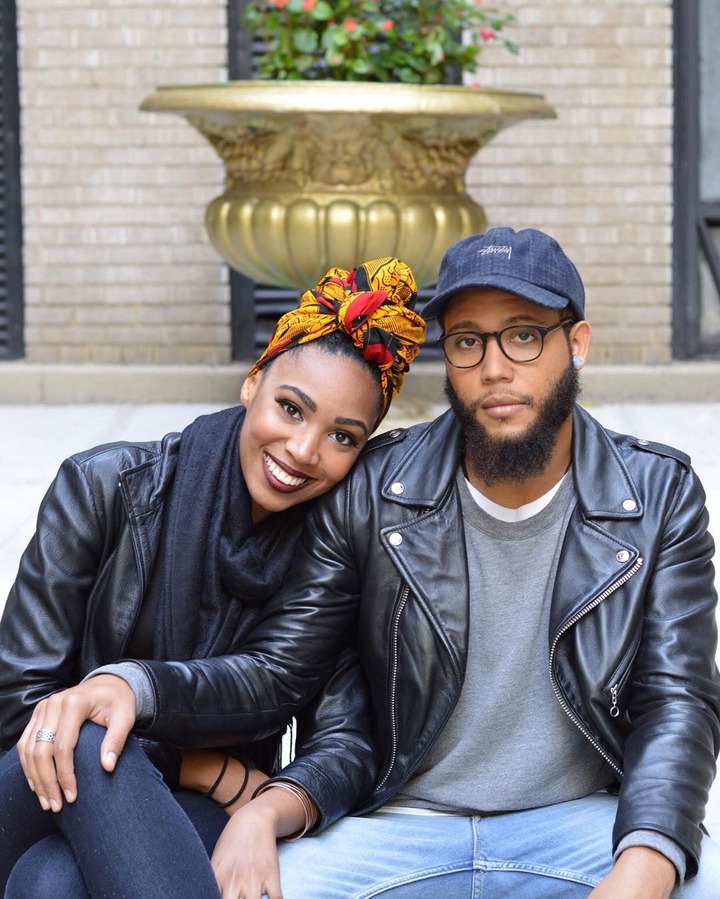
8. Be Willing to Compromise

Relationships are partnerships. Often, one or both of the people involved forget that; they’re a little too self-absorbed, always wanting what they want when they want it regardless of how their partner feels.

Since all relationships require some form of compromise to be successful, the couple has to work as a team. It’s always a give and take. Willingness to compromise can go a long way in creating happiness and feelings of well-being in the relationship.
9. Listen

You might think you’re listening, but next time your partner is talking, pay attention to your thoughts. What are you thinking? Are you really listening? Are you formulating your answer? Have you tuned out? True listening requires a great deal of effort, but it is a gift to the person who is feeling heard.

When you truly listen, the other person feels valued, important, like they matter. And isn’t that a gift you want to give your partner? It doesn’t cost a thing, but the dividends are priceless. True listening is the encapsulation of love.

Try this exercise, ask your partner a question, then really listen. Don’t get discouraged if your mind wanders for a spell, bring it back and re-focus. Your partner will sense your attentiveness and be ever so grateful.

10. Drop Old Issues

It might sound crazy to bring up past issues and hurts while in an argument, but couples do it all the time. There is no reason to bring up the past. Ask yourself: “What’s the point? What am I trying to accomplish? Am I trying to fix the problem or make it worse?” Old issues have no place in the present. Let them go. Concentrate on the here and now.

The bottom line is: make your relationship stronger, not weaken it.
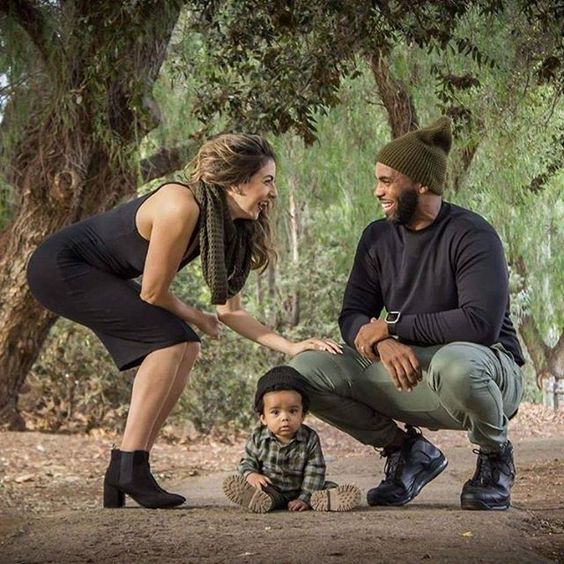
11. Learn to say “Sorry” and mean it

People make mistakes. It’s good to apologize. Not just a fake apology, but a true, heart-felt apology. Apologies go a long way to repair a broken relationship. If you are in the wrong, say it. Mean it. Make sure the person understands that you are making amends.

You are not going to come off as weak if you say you’re sorry. Not only will you validate your partner’s feelings, you’ll gain respect. More than likely, your partner will say something like, “It’s okay. I know you didn’t mean that.” Make amends when you need to. Your partner will look at you with the loving eyes you crave.

Final Thoughts

Love is the most beautiful thing on earth. Being loving is the most amazing gift you can give. All the heart flutters, the butterflies in the belly, and the buckling knees, can’t replace genuine loving acts.

Don’t allow your relationship to be fed by simply stringing a set of words together. It takes a great deal more than that. It takes a Commitment, an Action, and a Decision. Done over and over again.

You have everything you need right here. It’s the start you need to make it to the finish line of your relationship. If your relationship has suffered an injury, implement the above tips for a week, a month. See what happens.

– Esther Ijewere™©

Kindly like, follow, share and drop your comments. *winks*

Instagram: Instagram:https://www.instagram.com/estherijewere/

Facebook: https://www.facebook.com/esther.ijewere