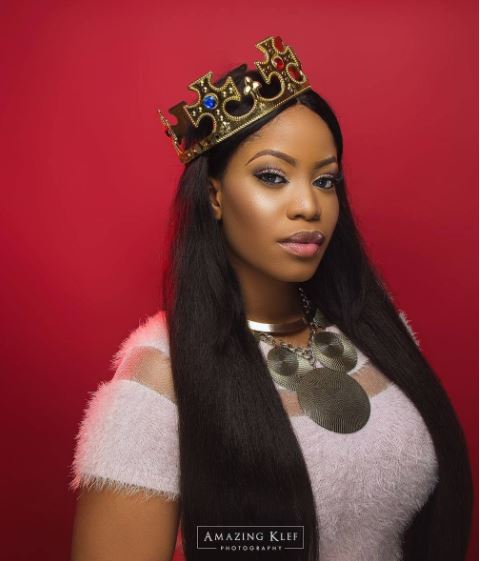
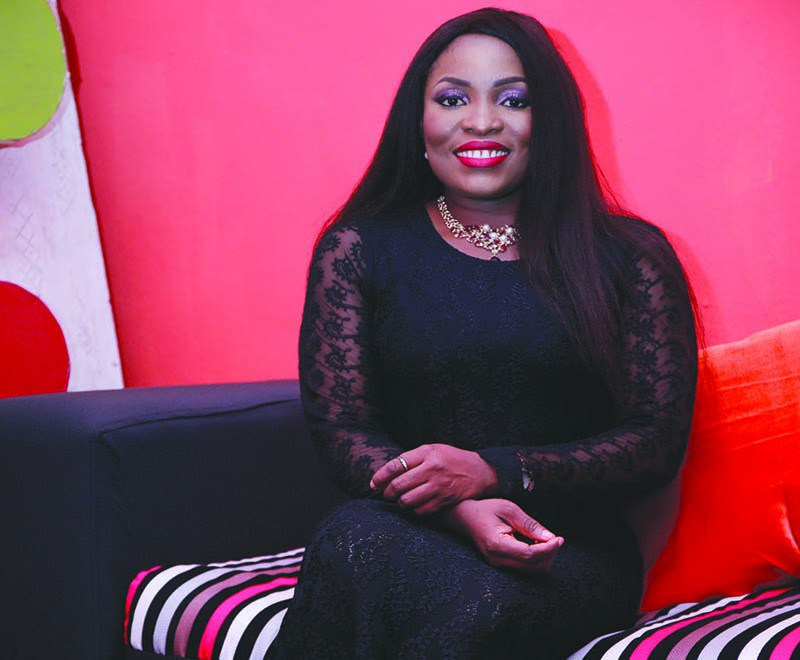
Marilyn Oma Anona is a multimedia and social entrepreneur. She is a gifted writer, actor, public speaker and the host/producer of the phenomenal talk show “Omaliving Show “.
She is the CEO of Poshmarilyn Media and also run an humanitarian outfit known as THE RIGHT STAGE PROJECT, that seeks to empower and provide lasting solutions to nagging issues in the society and also focused on young people in public schools , school drop outs , vulnerable women and less privileged in the society.
Marilyn has also led several campaigns aimed at making our society better, especially on sexual assault and jungle justice. She is currently working on developing her own TV platform, publishing a book and producing a feature film. The multi-award winning philanthropist and TV girl shares her passion and why she believes so much in the power of giving back, in this mind blowing interview.
My Childhood shaped me
My childhood was a beautiful one. I had parents that will go to any length to provide for my siblings and I with what we need and want. We wore the best clothes and went to the best schools. I had a very resourceful mother so even with little, she came up with things that made us appear as though we were from super rich homes. So I grew up lacking nothing.
My childhood and upbringing no doubt shaped me, nurtured me in ways that make people who have come in contact with me, eager to see my parents. The strong values which I hold on to today were instilled into me by my parents. Things like Love, compassion, hard work, integrity, charity, humility and honesty were instilled into me by my parents. I got charity, love and compassion from my mother while I got hard work, humility, honesty from my father.
My dad believes so much in honesty and hard work. One of the things I grew up hearing him say is; “TO WORK IS TO PRAY”… not to bore you.
Who is Marilyn!
My name is Marilyn Oma Anona. I am a young Nigerian woman from Abagana, Anambra state. The first in a family of 7 kids. I am left handed which was something I had some difficulties with while growing up. I attended Federal government girls’ college Ibusa and had my university education at Anambra state university. My initial plan was to study medicine and surgery. Everyone expected me to become a doctor but I knew it was not my calling. Even as a teenager, I always told my mother I wanted to be on TV, talk while people listen, be a lecturer or something. When my dad got home one day to announce happily that Madonna university had given me admission to study medicine… I blurted our; “Daddy, what if I don’t want to be a doctor?” He was pained and told me I am sick and his enemies had bewitched me(laughs)
I am happy I am not a doctor now because I would have made a bad one practice wise. Right now I am on the path that gives me joy and ample fulfillment and I pray daily to God to help me become the best in my chosen field.
Inspiration behind THE RIGHT STAGE PROJECT….
The Right Stage is something that was born out of the natural zeal to really make impact and help the needy. It was not instituted for money making. When Omaliving Show (my talk show) started and was being aired on AIT, I watched a couple of the episodes. The buzz was enormous. People were happy but I felt so ordinary. I was not so satisfied. I said to myself; “Marilyn, how can you just be doing same old thing that everyone is doing? You claim to want to inspire people to be at their best, discover themselves. So what of those who don’t have access to the TV? How do they benefit?”
It was in 2015 in the month of March. I got to the office and called my PA (Late Augustina Enechile Abraham) to my office. I told her, “Nne need to be able to reach these people who fit into the target audience of the Omaliving Show but don’t have access to the TV or the social media. I want a platform that can reach them”. We did a slight brainstorming and right there, I chose the name ‘The Right Stage’.
Our first target became the public schools in Nigeria. We started with the FCT on May 5th 2015. 10 public schools benefitted from this. Scholarship, school items were given to the students. We took them on excursions and also got them involved in activities all aimed at self discovery and inspiration. We have been able to visit 3 other states; “Nasarawa, Niger and Benue” and we are preparing to do more. As time passed, we expanded to community outreach projects and so far, the impact has been so overwhelming.
This new year, we already have programs lined up with the aim of empowering our beneficiaries who are young children and the less privileged generally.
So what inspired THE RIGHT STAGE is the knack for real impact. To develop our human capital. To inspire and touch lives.
Challenges
Challenges are part of life and as such I know that every field of endeavor is faced with its unique issue. On a personal level as a young entrepreneur and business person, the major challenge I have is lack of support, sponsorship for my TV talk show and of course, my Foundation.When you don’t have the adequate support, it feels like you don’t know what to do. I remember after the production of OMALIVING SHOW season 1, we started scouting for the corporate sponsors. There was no corporate head office of any reputable company I didn’t enter in Lagos. Promises and promises and nothing done even when you have a very good product. At the end of the day, the ones who claimed to be interested asked for the show to get to say 3 seasons or more on air to ensure continuity etc.
The major challenge in this line is lack of sponsorship and manpower.
My phenomenal talk show “Omaliving Show “…
Omaliving Show has inspiration as its major theme. The show is all about inspiring young people to be better and this is achieved by helping them discover themselves, inculcating values into them, treating nagging issues, and lots more.
Another unique aspect of the show is, while other shows are all about interviewing “celebrities” Omaliving show seeks to bring unsung heroes to the limelight so it is not your regular show. We have been off the cable TV for over a year now, but we have been on YouTube. Part of our plans is to get back on conventional TV this year 2018.
Other project and activities
Marilyn Oma Anona is involved in a lot actually. I am very multitalented. But to avoid choking myself, I draw a plan and goals per time.We have been able to do quite a lot. Campaigns such as; Campaign against jungle justice, Campaign against sexual assault, Seminar against rape, Campaign against domestic violence, March against societal vices, etc.
I have also produced a series. And in this year 2018, I have about three movie projects lined up. Apart from being a TV talk show host and humanitarian, I am a public speaker, event host, actor, writer, producer and social activist.
Greatest reward
I have not reached any peak and have not received any reward yet. My greatest reward is yet to come. Though I have 9 awards of recognition for the things I have been doing, done and still doing… but that is not the greatest! The brand has not touched as many lives as I want. It has not sunk into the lips and minds of people in my country Nigeria, it has not gone global, it has not done enough. I am not talking rewards yet because the work I am sent to do is barely done.
My brand in the next five years…
In the next five years, Oma as a brand would be a global one. One reputed for helping young Africans discover themselves, attain success while still maintaining positive values. A lot of campaigns and massive empowerment projects would have taken place and we would have an institute that takes care of national orientation and empowerment of young Africans.
My multimedia company would have grown and a TV channel on the best cable TV too. These are some of the dreams and goals and by God they will be on ground in five years time.
On giving up
Give up? No! To be honest, I have never felt like giving up but I know I have been in situations and tough times where I felt so bad that I am yet to see the results of my hard work. Sometimes I feel like I need a person to direct me because I don’t know it all but I have never thought of giving up. I am very certain it will all be worth it in the end.
Who and what inspire me to be better
The people who look up to me…the fact that I am seen as a role model, people have seen worse and today are strong pillars, the fact that I have been mocked and laughed at, my father and siblings, my unborn children, also because I want to leave a strong legacy. These are some of the things that inspire me to be better.
I am a Woman of Rubies
I am a Woman of Rubies because I hold on to positive values while aspiring to be a big force. I have not allowed negative circumstances to change the person I am.
Final word for young women all over the world
Be you…You are enough to be felt! Challenges will come…It’s ok to cry but never stop looking up and striving! Be a positive role model…Be mindful of the things you consume! Be classy…Be a good woman!


 Black Panther
 (L-R) Chadwick Boseman and Michael B. Jordan in “Black Panther.”