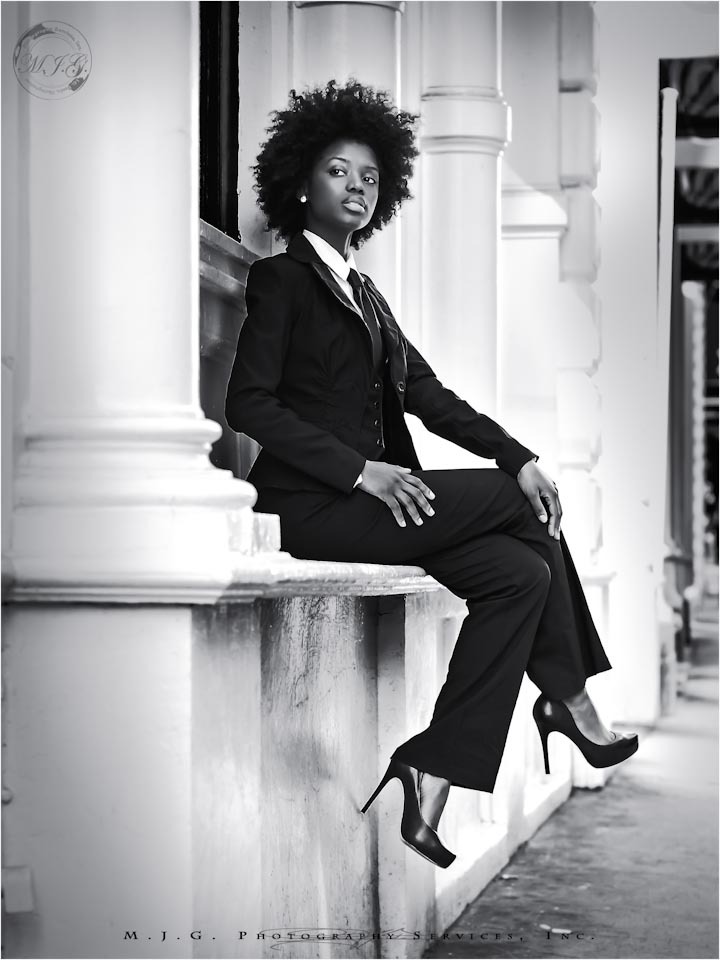
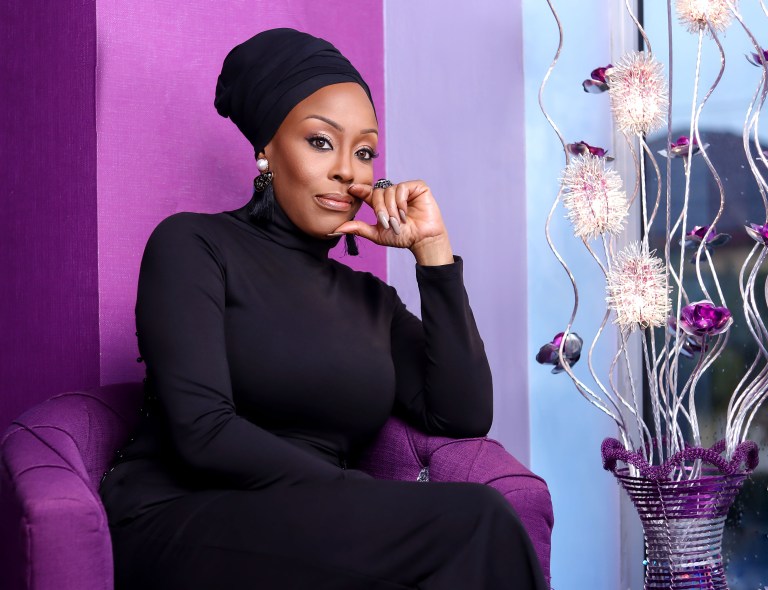
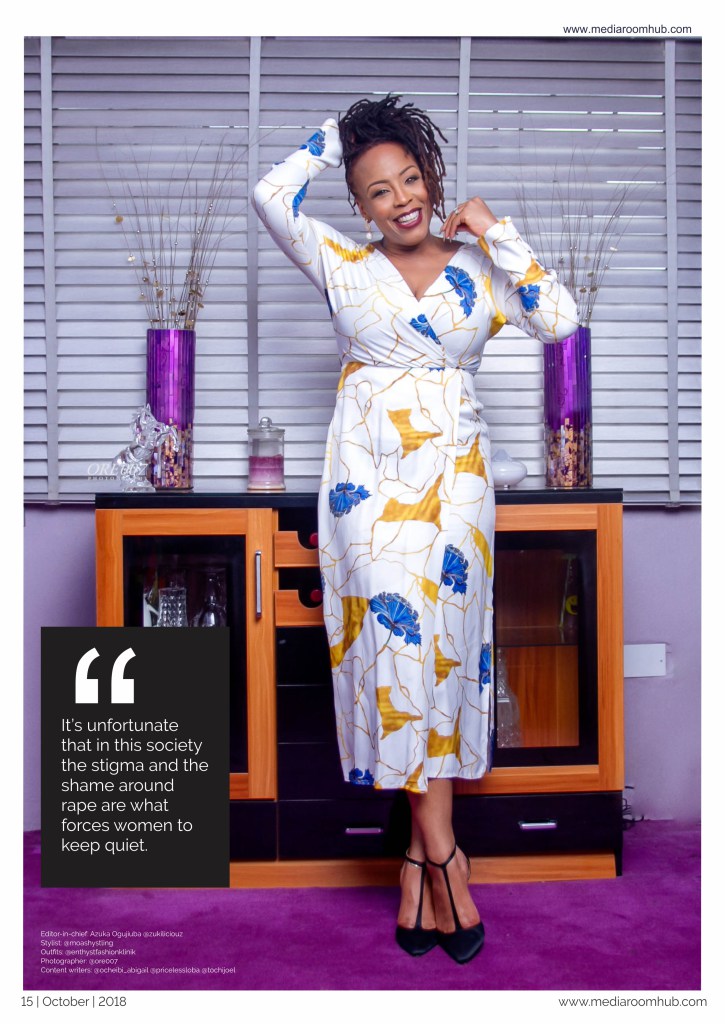
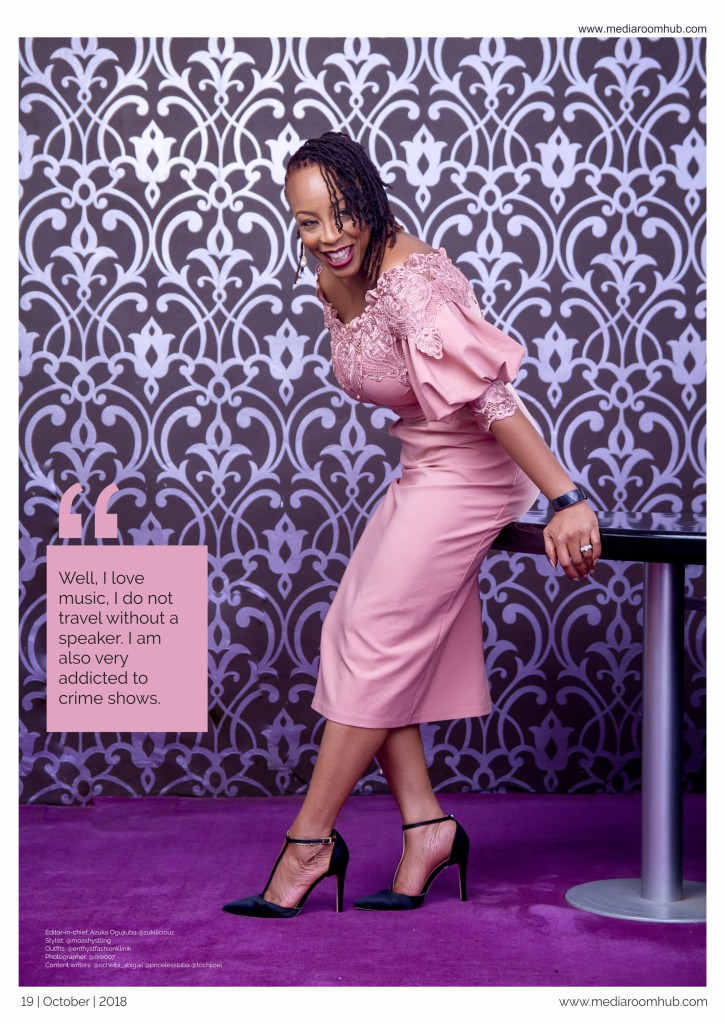
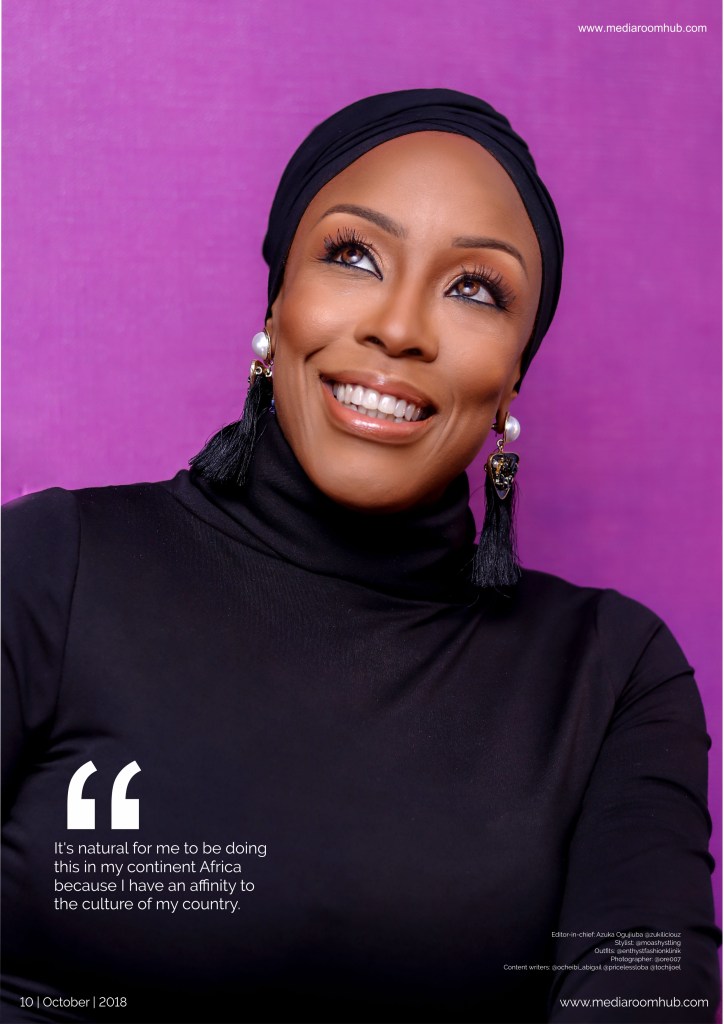
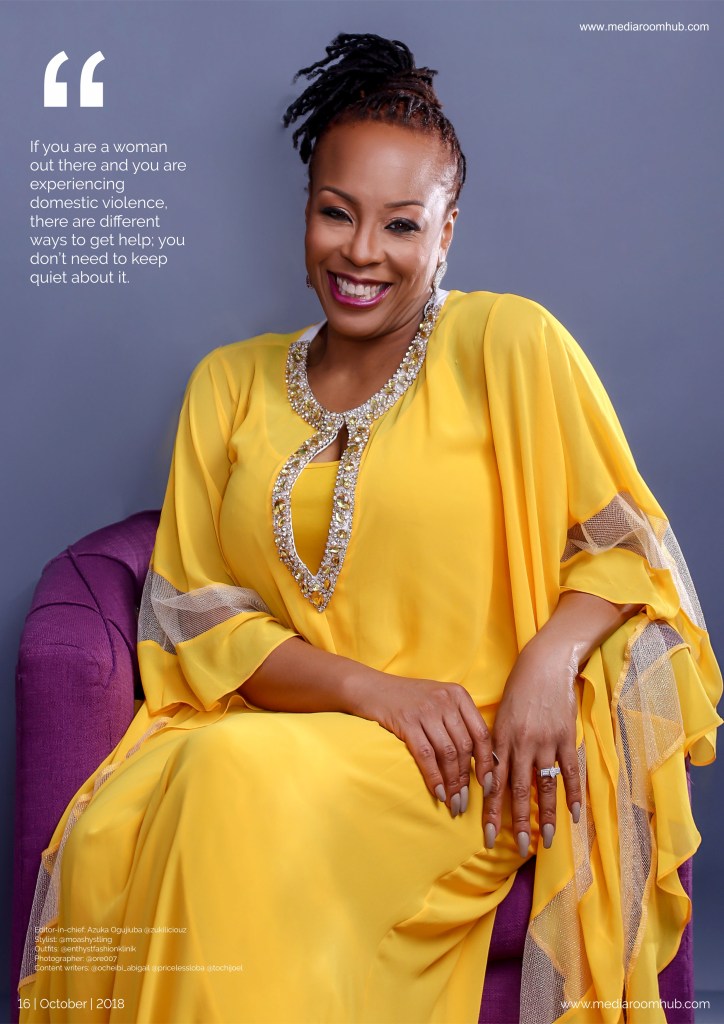
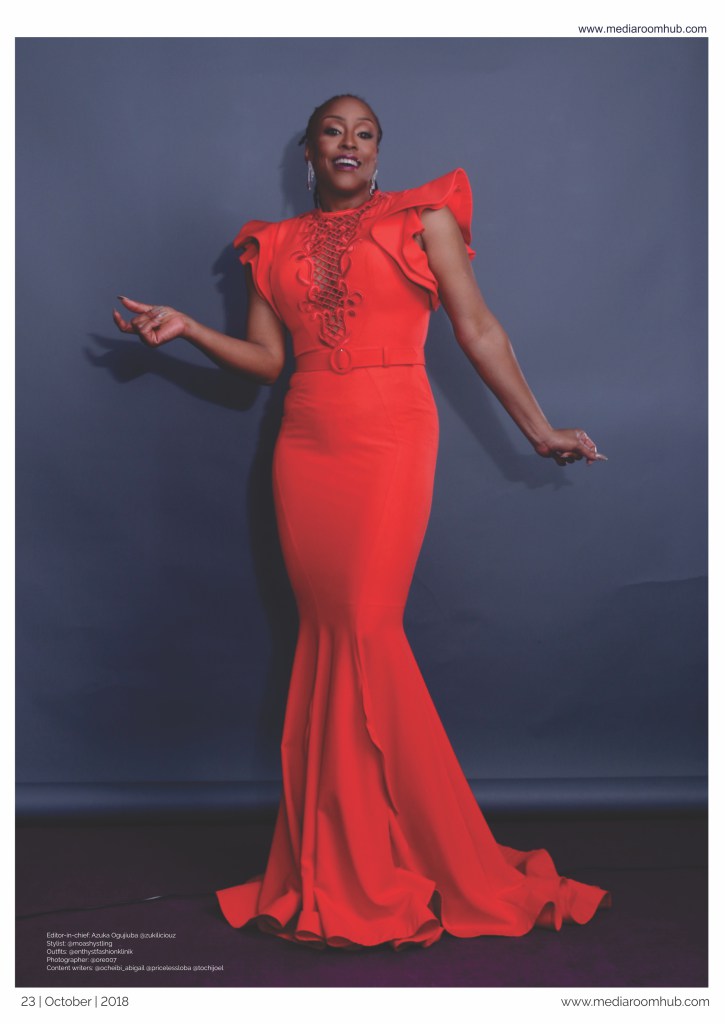
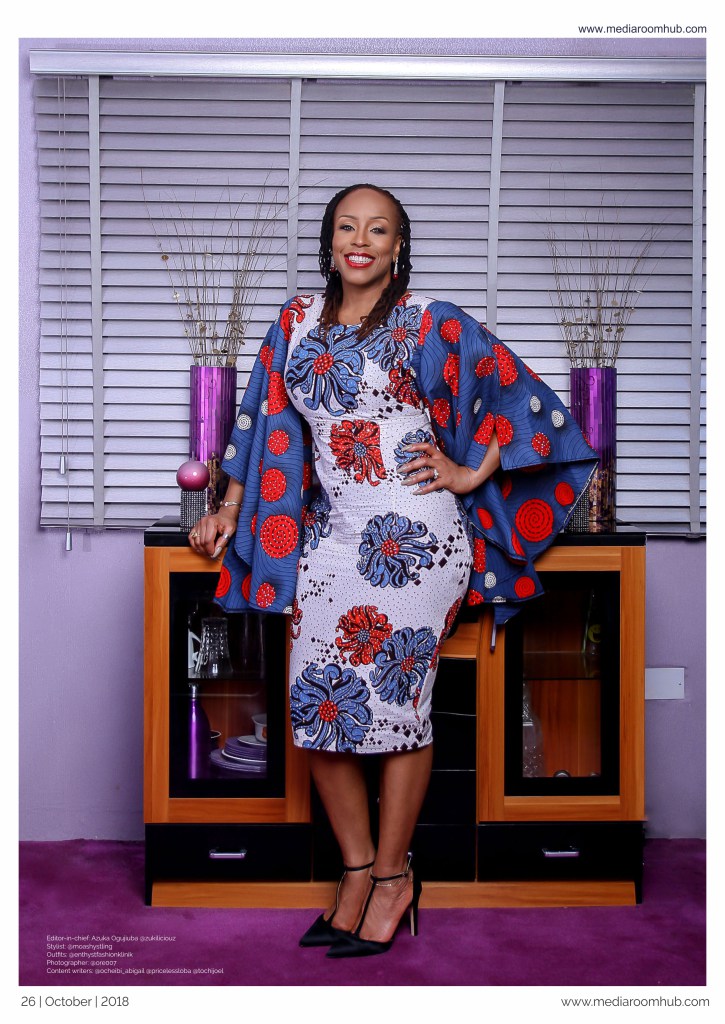
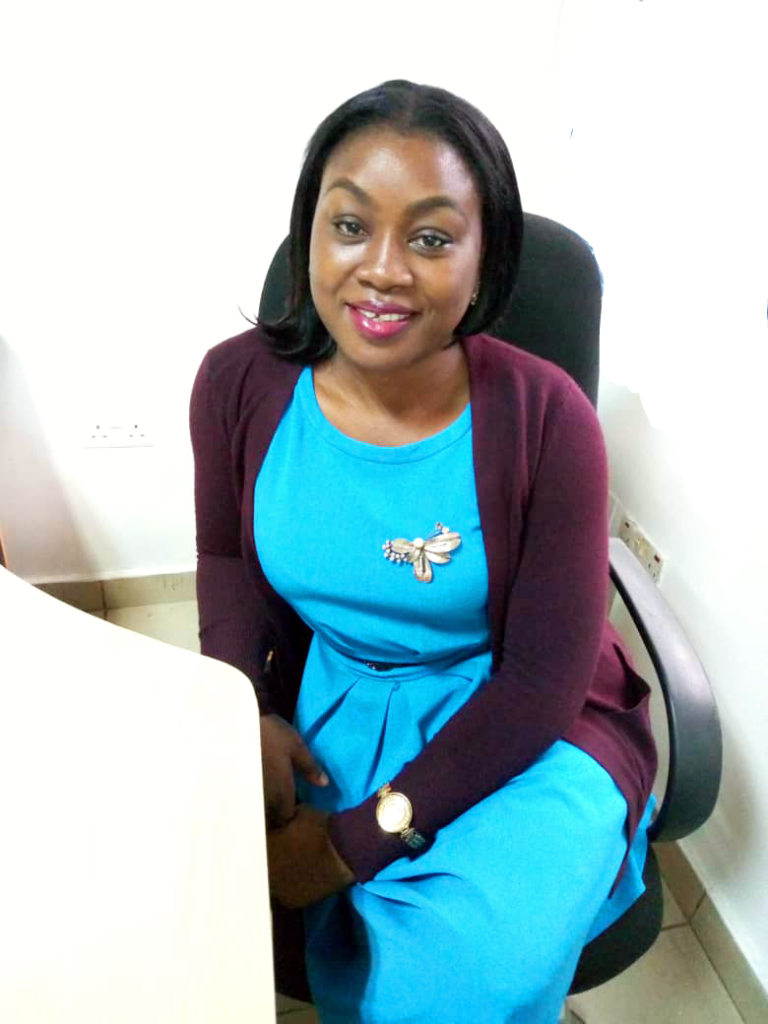
Ronke is the Founder of “Shoefetish” a Made-In-Nigeria shoe brand that is gradually getting recognition abroad, when she started getting high demands for shoes, she decided to change her brand name and be simply known as Ronke Adeshina “RA”, fully identifying with her Nigerian roots and making a bold “Proudly Nigerian” statement as a brand.
The English Language and Literature graduate from the University of Lagos started working at a financial institution right after her NYSC and this greatly influenced her journey into the business of shoe and bag making industry.
According to her;
“I realised that most of the shoes my colleagues and I really loved and needed to get were too expensive and felt I could do better. In 2010, I started making shoes for myself, few friends and colleagues”
She draws a lot of inspiration from Richard Branson’s signature quote; “If somebody offers you an amazing opportunity but you are not sure you can do it, say yes – then learn how to do it later” …and she adds: “especially if it’s in your area of interest or business”.
Ronke is ambitious, imaginative and adventurous and she put all these in the pieces she creates. The young entrepreneur who sees Oprah Winfrey and the Queen of England wearing her brand one day shares her inspiring story with me in this interview
Growing up
I drew a lot as a little girl and that helped my ability to sketch; making designs a reality now. I enjoyed working with my hands. I once made a purse and skirt by hand; including the stitching.
While at the university, I did a little graffiti on one of my jeans while receiving a lecture and people loved it. I guess I have always been creative.
My love for shoes also started as a child. The first pair of stilettos I bought was when I was in my third year at the university. It cost me a lot (especially my allowance for the week) but I didn’t care…those shoes were beautiful.
Meet Ronke!
I am the only girl amongst three boys. I attended the University of Lagos where I studied English Language and Literature. I have garnered a lot on-the-job experience; I am also self-taught especially in the art of creating embellishments, bejeweled pieces like bead art, bead embroidery, embellishing fabrics with crystals and more. Creating shoes, bags, embellishments and other leather items is something I really love doing especially wedding (traditional and white wedding) pieces for brides and grooms. I get to meet people with different personalities and styles and this I try to incorporate into their products.
The “Ronke Adeshina” brand journey
I started posting pictures of my works on Facebook, then I started getting messages from people asking how they could get a pair or two of shoes. I have garnered a lot of on-the-job experience and I am also self taught especially in the art of creating embellishments, bejewelled pieces, bead art, bead embroidery and working with crystals and more.
Balancing my 9-5 job with family and my side hustle
It isn’t easy running a business and family. You can’t do it all. A lot is expected from women: she is expected to perform many roles with apparently superhuman efficiency. I have learnt to delegate duties both at home and work. I have a team of amazing people that makes things easier for me. It’s important to delegate duties /task to people in their area of expertise so as to get the best from them.
Work Challenges
Initially, getting capable people to work with was quite difficult. People want money but not ready to go through the process of getting it. Because I am passionate about empowering youths especially the girl child, there was a period I was ready to teach for free but no one came. But over time I have been able to build a team of hardworking staff. When I just started there were few ladies in the business, so it was quite tasking. But I guess growing up with boys helped a lot.
Getting quality materials to work with here in Nigeria are quite expensive and this tends to affect the cost of products.
other project and activities
I was recently contacted by an NGO. We are working on going to secondary schools (especially girls only schools) to talk to them about the importance of being independent and acquiring one or more skills. We are also going to teach them handwork and I would be teaching them bead art works, embellishments and embellishing fabrics. Asides this, I do personal charitable works which I intend to keep private.
Customer satisfaction is my reward
The excitement and thank you I get when clients receive their purchase(s) makes me happy. The mother of one of the brides I worked with once called to appreciate the pieces her daughter got from us. She couldn’t believe it was handmade; and she prayed and also encouraged me. Most of my clients are referrals from family, friends and clients that have patronized us; I also have customers turn friends. All these and more makes me feel like I am doing something right.
Nigerians and patronage of “Made in Nigeria” products
There is still this misconception that made in Nigeria isn’t authentic enough. Well, I cannot blame them because they might have purchased item(s) which did not serve them well. But there are still brands like us and others that produce quality products using original leathers and other materials needed for production.
Another problem is most Nigerians like to be associated with foreign brands that are well known. But what they fail to realize is that these brands have been in existence since the 1950s, some as far back as 1830s. They did not grow to become international brands on their own; they did with the support of their own people. If Nigerians can do the same for their own made in Nigeria products, that would help brands grow and become global too. This will also help generate more jobs for our people and grow our economy. They are trying but more needs to be done.
Giving up
The road to building a brand is not easy. I have felt like giving up several times and still do but the love for what I do keeps me motivated. I have learnt a lot while growing the brand: what to do and what not to do. Some experiences shake you but it only makes you better. Running a business is a continuous process. It is just like the popular cliché about marriage being an institution you never graduate from. I am still learning
My Inspiration
Inspirations are everywhere – you just need to open your eyes and breathe in. I am inspired by things I face and work through in my daily life. I get inspired by patterns and colours in nature and love to translate that to products in a new way. I am inspired by the people I meet every day; most especially the ones I get to work with: lifestyle and personality differs with every individual and that is unique. This I tend to put into pieces we create. I am inspired by stories of brands that started as far back as 1803. Most importantly, God is the major source of my inspirations.
Being a woman of Rubies
My life is a story. The ups and downs I have experienced especially while growing my brand is my story. I am still learning because life and business is a continuous phase/process. Every woman is a woman of Rubies: from the road side seller to the CEO; our day to day activities are tales – we all have stories to tell. I hope my story and that of other women, inspires and transforms lives; that is the greatest achievement.
Advice to women going into my line of business
One of my mantras is “You never know what you can do until you try”. No business is off limit for you. There are women doing great things in male dominated businesses and even doing better. You are even at an advantage because it gets you noticed.
At the early stage of my business, people especially men were surprised to see a lady in the shoe and bag making industry. They wanted to see me and always wanted me to give them their orders not my staff. Keep learning new things, do not be intimidated by others and do not be distracted. Mistakes are inevitable but when that happens, do not give up: you just learnt a valuable lesson(s) which is how not to do things; try another method. Put God first and other things follow.
My view of the fashion industry in Nigeria and it’s impact on women
The fashion industry in Nigeria is growing. It is actually much better than years back and more women are getting involved.Women are doing incredible works and since the advent of #wcw (women crush Wednesday) and #womensupportingwomen (women supporting women), we have seen women trying to encourage and support one another. Women in the fashion industry need to collaborate more with other women – it is amazing what we can accomplish when we are in it together.
Women of Rubies is also doing a great job by recognising women doing well in whatever field they are in either big or small.