Tag

black history month

Browsing

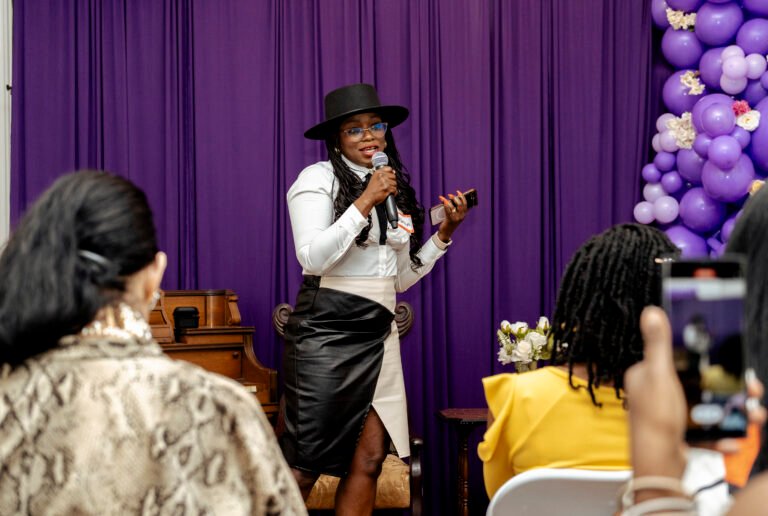
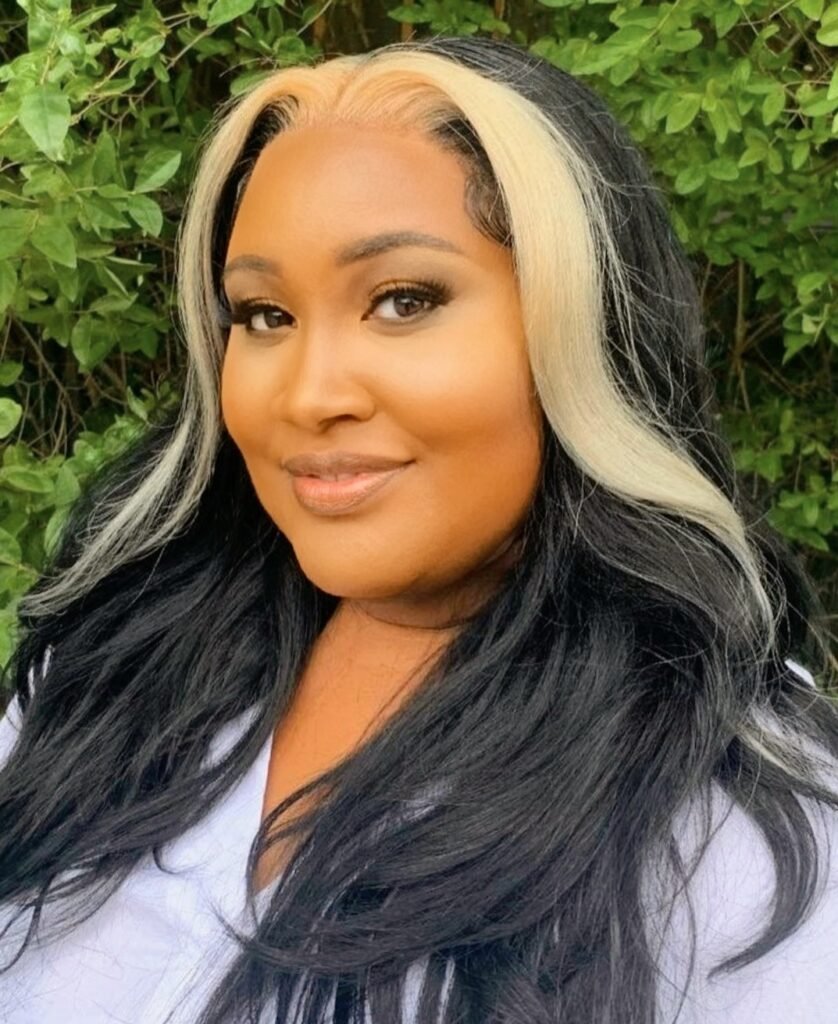
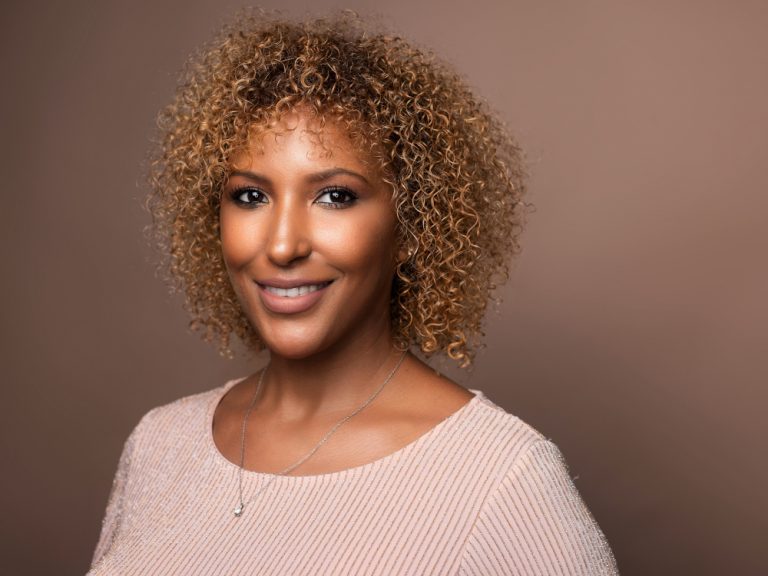
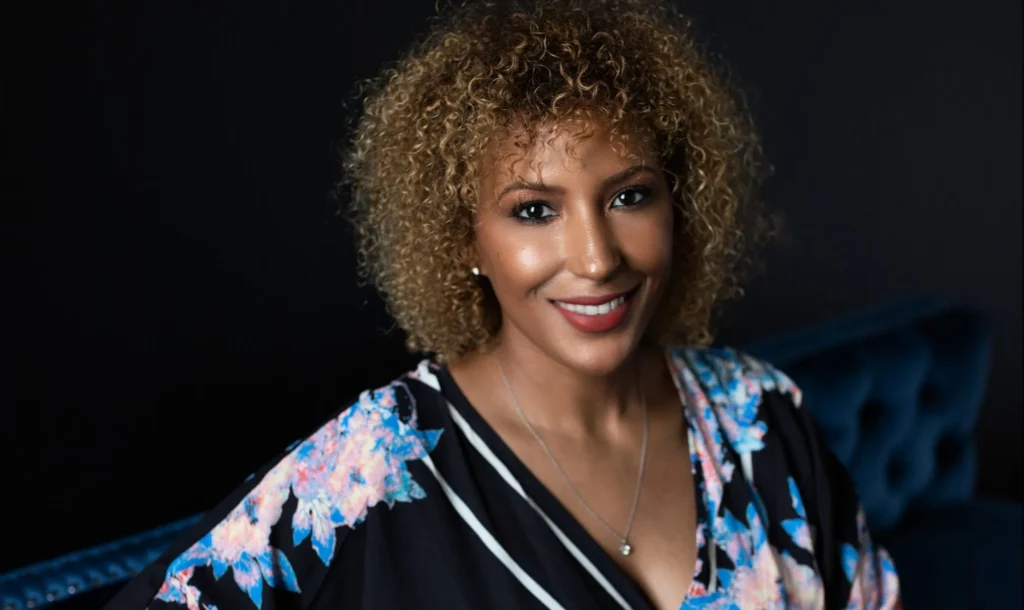
Sherley Joseph is a Canadian podcaster, media producer, and community builder whose work has helped shape the landscape of Black Canadian storytelling for more than a decade. Through audio, publishing, and community-led platforms, she has consistently centred culture, identity, and lived experience, creating space for voices that are too often overlooked.

With over 10 years of experience in audio storytelling and digital media, Sherley is best known as the creator and co-host of The Sherley and Clove Podcast. What began as a conversation-driven platform has grown into a cultural archive of more than 800 episodes, exploring everyday life, Black identity, creativity, and the nuances of lived experience through honest dialogue.

Building Black Canadian Creators

Over the past 3–4 years, Sherley has expanded her impact through Black Canadian Creators, a national media platform and community dedicated to spotlighting Black Canadian creatives, independent media, and cultural storytelling. The platform serves as both a visibility engine and a connector, linking creators to opportunities, resources, and pathways for sustainable growth.

Through publishing, podcasting, events, and strategic partnerships, Black Canadian Creators has become a trusted space where stories are amplified with intention, care, and cultural context. At its core is Sherley’s belief that creators deserve not only exposure, but ownership, agency, and longevity in their work.

Amplifying Northern Voices in Podcasting

Sherley is also the founder of BlkPodNews: Northern Voices, a platform committed to amplifying podcasting and independent audio storytelling across Canada. By highlighting creators and stories from across the country, BlkPodNews challenges dominant narratives and expands what Canadian media looks and sounds like.

Her work in audio storytelling extends into live spaces as well. Sherley serves as a co-organizer and curator of The Soundwave Summit, a national conference focused on podcasting, community building, and creative entrepreneurship. The summit brings together storytellers, producers, and media professionals to learn, connect, and build together.

Recognition and Impact

In 2024, Sherley was selected as one of 20 independent digital newsrooms for the CJF Digital Catalyst: Mentorship for Independent News, as part of the inaugural cohort of the CJF NextGen Creator-Journalists program. The recognition reflects her long-standing commitment to independent media, ethical storytelling, and community-centred journalism.

Black Canadian Creators

A Woman of Rubies

Sherley Joseph embodies what it means to be a Woman of Rubies, leading with consistency, care, and cultural clarity. Her work is rooted in community, driven by purpose, and sustained by a deep respect for the power of story. Through sound, platform-building, and collaboration, she continues to create spaces where Black Canadian voices are heard, valued, and preserved.

As media continues to evolve, Sherley remains committed to building ecosystems, not just platforms, where creators can thrive on their own terms.

Learn more about Sherley’s work on her website and Instagram page

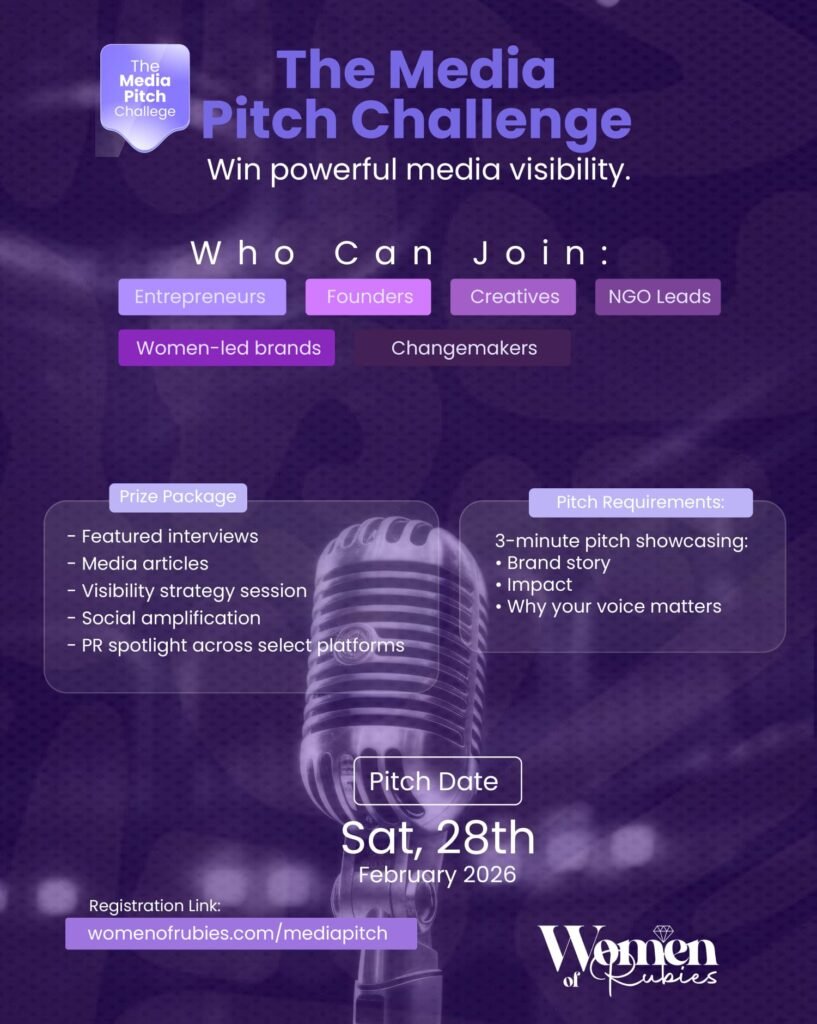
This February, in celebration of Black History Month, Women of Rubies is hosting the Media Pitch Challenge, a Black woman–led visibility and media empowerment initiative designed to amplify the voices, stories, and impact of women founders, creatives, and changemakers.

Building on the success of our Media Visibility Bootcamp, this challenge creates a direct pathway from preparation to exposure. It was designed to address a critical gap: women are doing powerful work, yet many still lack access to the platforms, media opportunities, and decision-makers needed to scale their impact. The Media Pitch Challenge exists to bridge that gap while welcoming more women into a growing ecosystem of visibility, support, and access.

What Is the Women of Rubies Media Pitch Challenge?

The Media Pitch Challenge is a curated visibility opportunity where women are invited to pitch their story, brand, or initiative for media exposure and strategic amplification.

Unlike traditional pitch competitions focused solely on funding, this challenge centers visibility as currency, because being seen creates access to funding, partnerships, credibility, and long-term growth.

Why This Matters,  Especially During Black History Month

Black History Month is not only about reflection, but it is also about recognition, representation, and elevation.

This initiative:

  • Celebrates Black women’s leadership, innovation, and entrepreneurship

  • Highlights underrepresented voices doing meaningful work

  • Aligns with broader goals of economic empowerment and inclusion

  • Creates tangible visibility opportunities, not just conversations

The Media Pitch Challenge positions Black History Month as a moment of action and amplification, not symbolism alone.

How the Media Pitch Challenge Works

The process is intentionally structured to be accessible, fair, and impactful.

Step 1: Registration
Participants register to secure their spot in the challenge.

Step 2: Video Pitch Submission
Each participant submits a 2-minute video pitch sharing:

  • Who they are

  • What they do

  • Why their story or work deserves visibility

Step 3: Review & Shortlisting
All video pitches are reviewed in advance by a panel of media and industry experts.

Step 4: Live Pitch Event
A select group of shortlisted participants pitches live during the virtual event on February 28, 2026 and receives feedback.

Step 5: Winner Selection
One standout pitch is selected to receive a premium media visibility package.

What the Winner Receives

The selected winner will receive a $2500 worth of Premium Media Visibility Package, including:

  • Feature spotlight on Women of Rubies and other top media platforms like Guardian, Associated Press, Canada News Journal, Business Insider, podcasts, and strategic visibility amplification across partner platforms.

This package is designed to elevate visibility, credibility, and reach,  long after the event ends.

Who Should Apply? This challenge is for:

  • Women founders and entrepreneurs

  • Creatives and storytellers

  • NGO leaders and social impact builders

  • Women-led brands and initiatives

  • Changemakers ready to be seen

If visibility, credibility, and access are part of your 2026 goals, this opportunity is for you.

Media & Community Partners

This initiative is delivered in collaboration with visibility and community partners, including Montreal Vendors, WinTECH Community, Leading Ladies Connect, Audaz Magazine,  Toronto Caribbean Newspaper, and other aligned media and ecosystem platforms committed to advancing women-led stories and impact.

Media Pitch Challenge

Event Details at a Glance

Event: Women of Rubies Media Pitch Challenge
Date: Saturday, February 28, 2026
Format: Virtual
Theme: Black History Month, Visibility, Leadership & Impact
Registration: womenofrubies.com/mediapitch

The Women of Rubies Media Pitch Challenge is more than a pitch event. It is a visibility accelerator. A platform for stories that matter. And a step toward ensuring that women’s work is not just done, but also seen.

Coaches and Judges to be announced soon!!

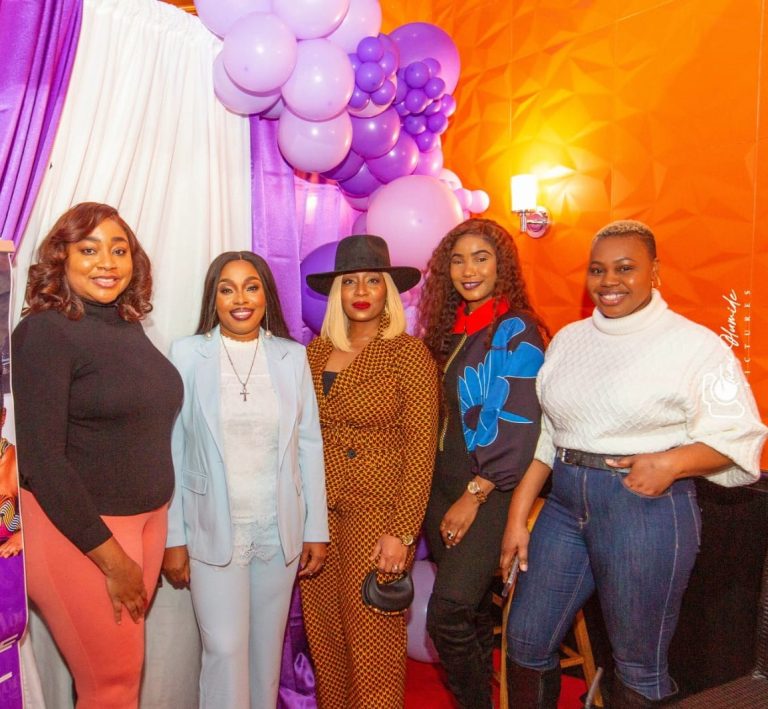
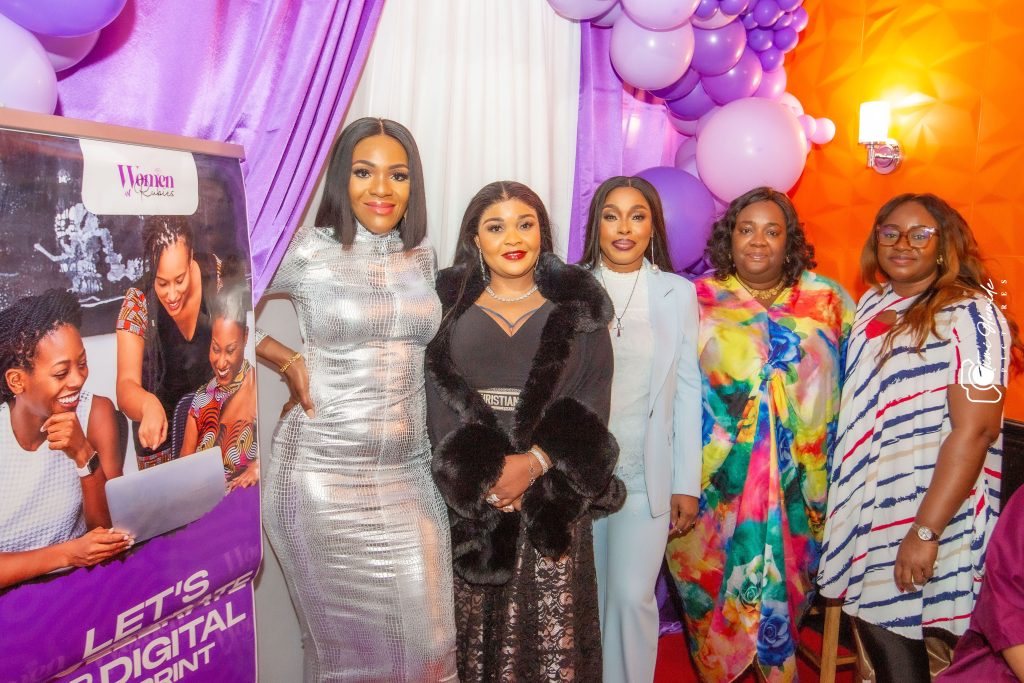
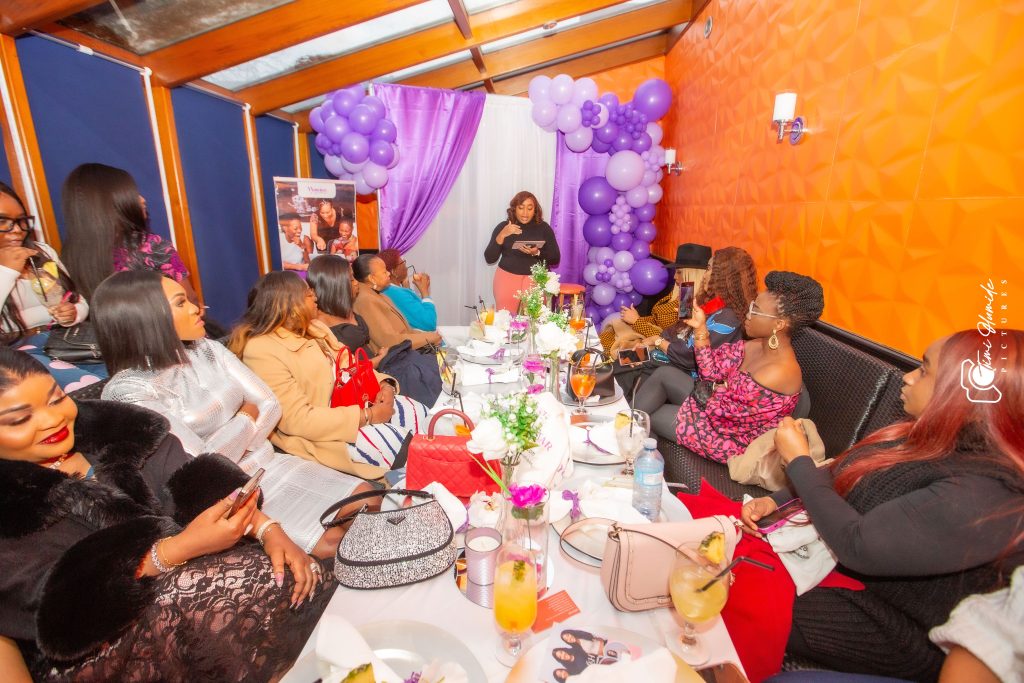
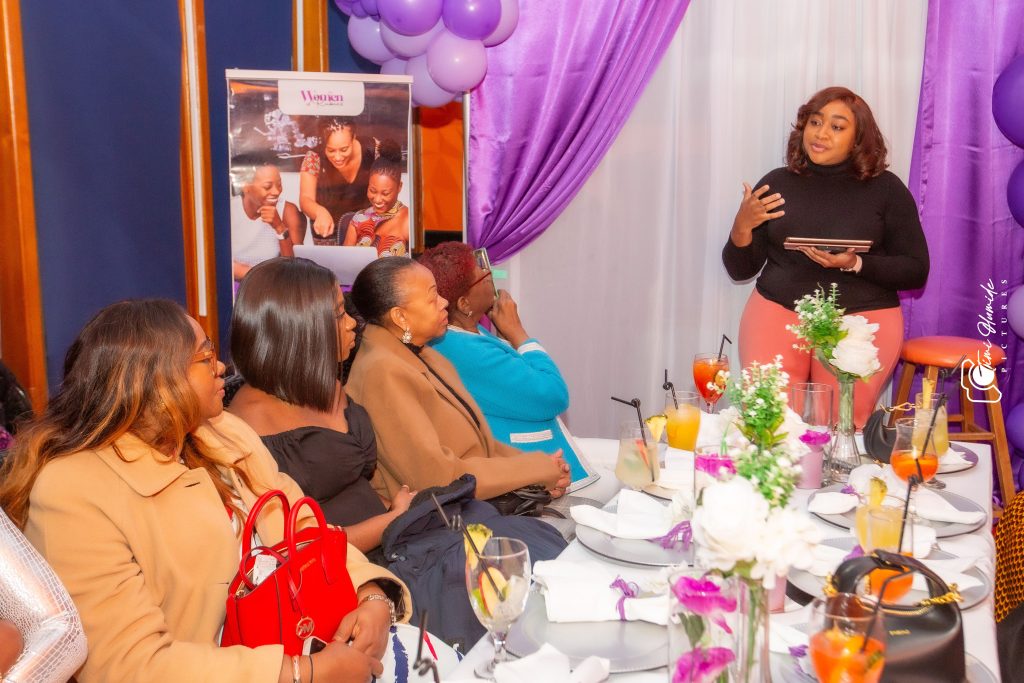
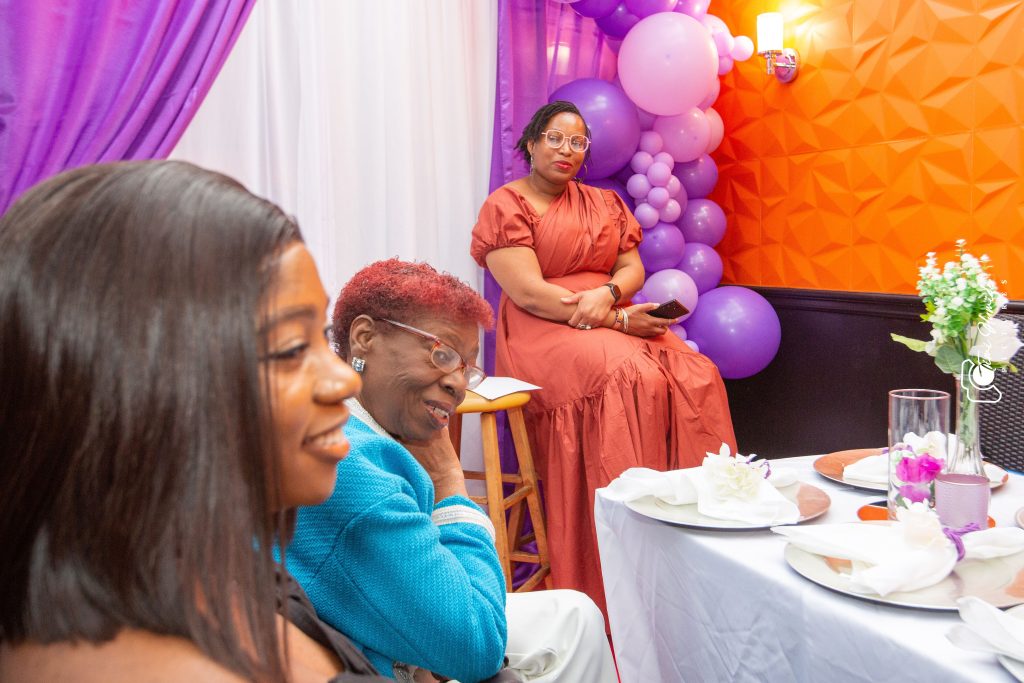
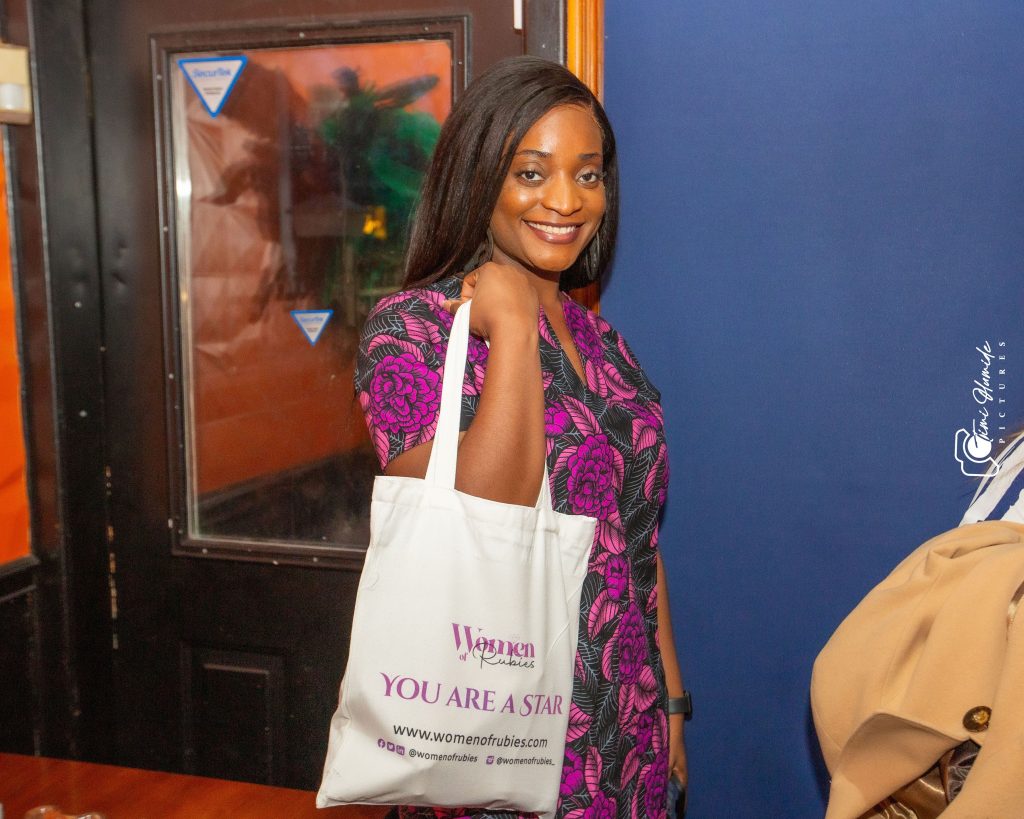
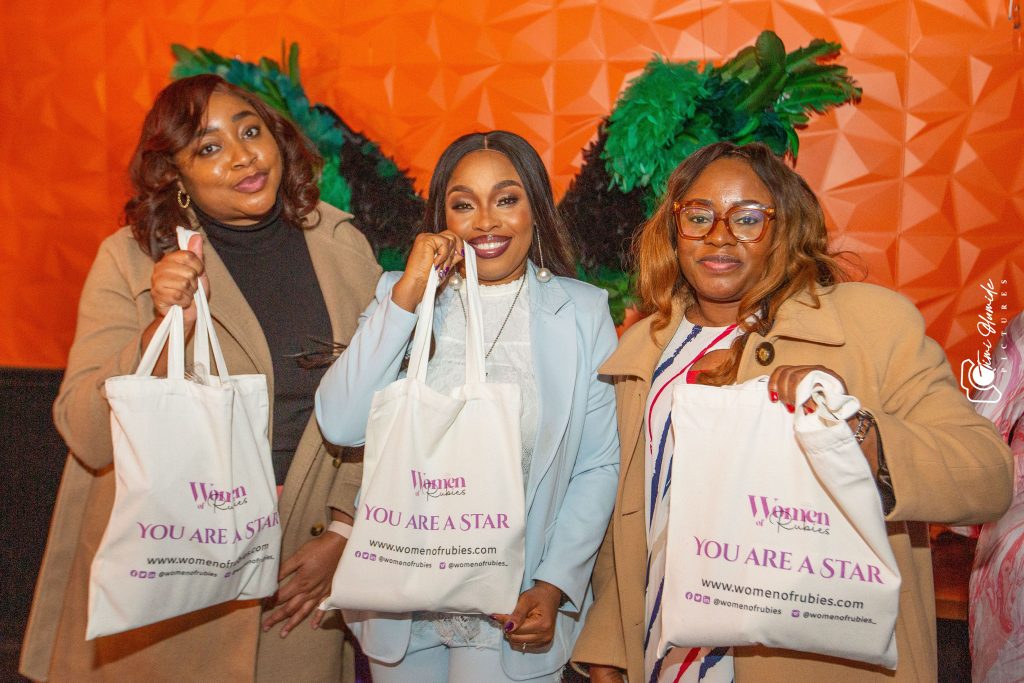
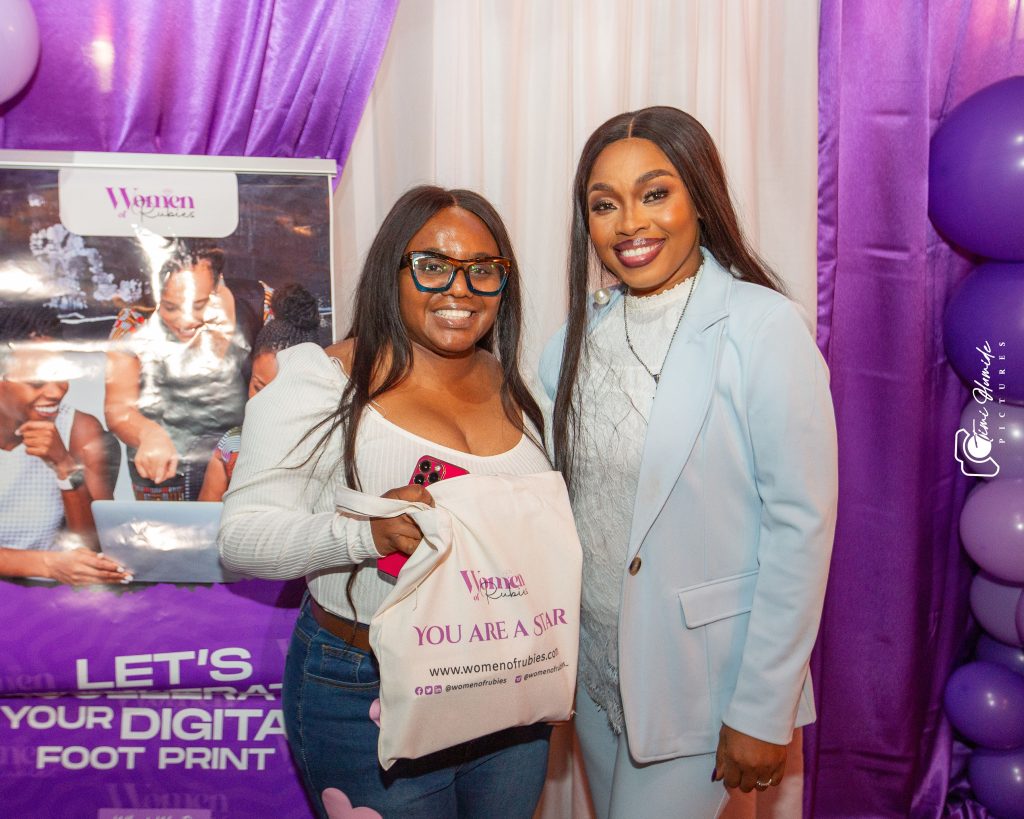
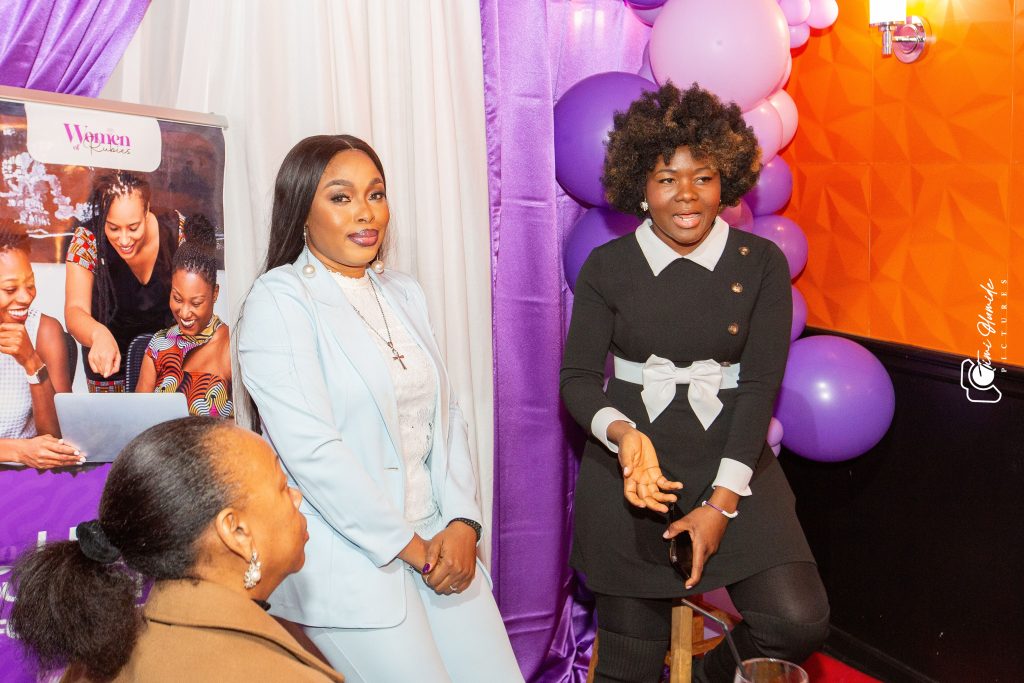
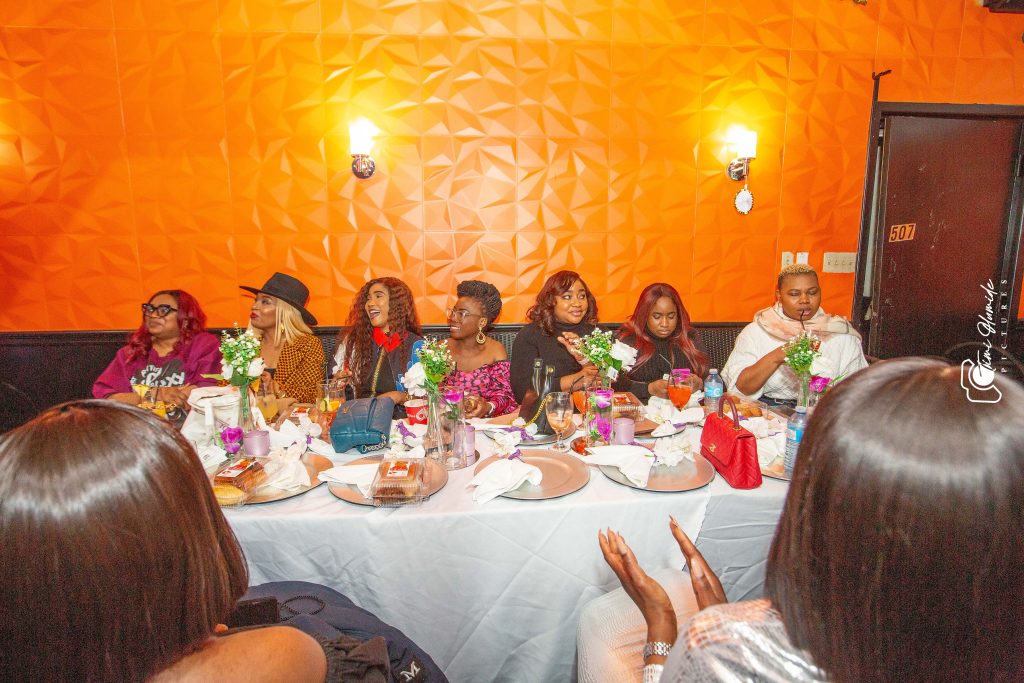
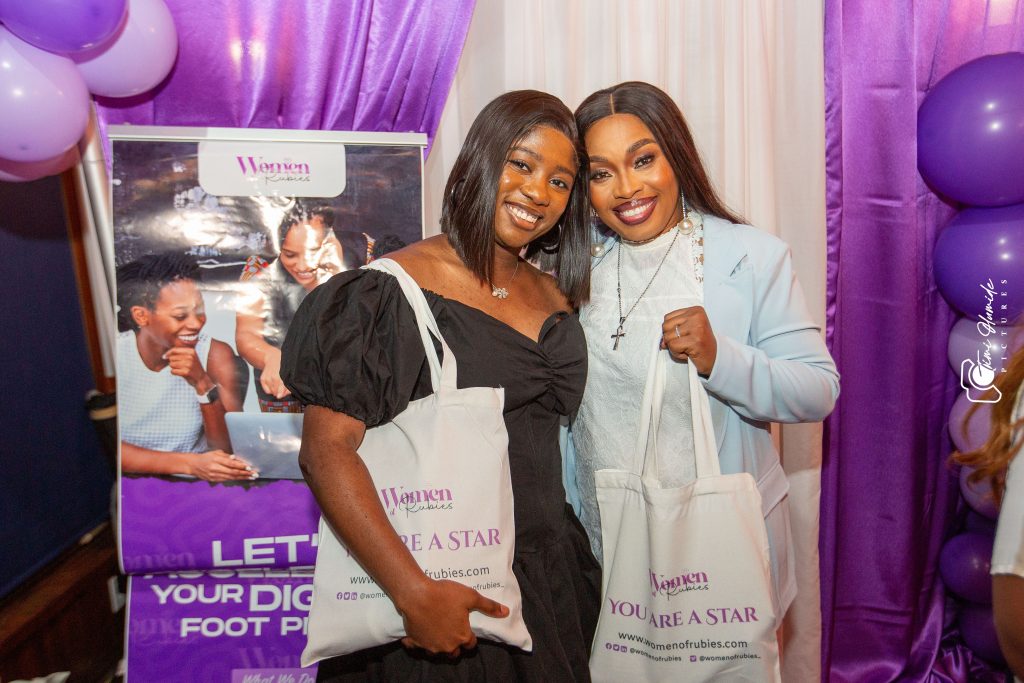
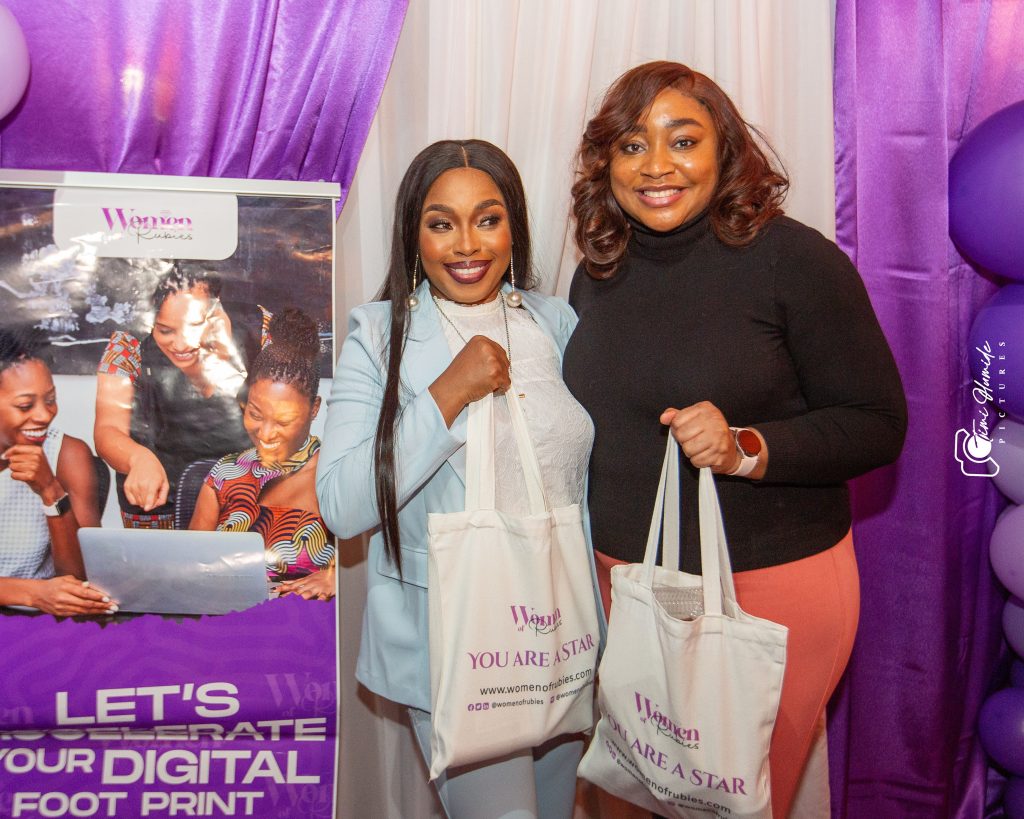
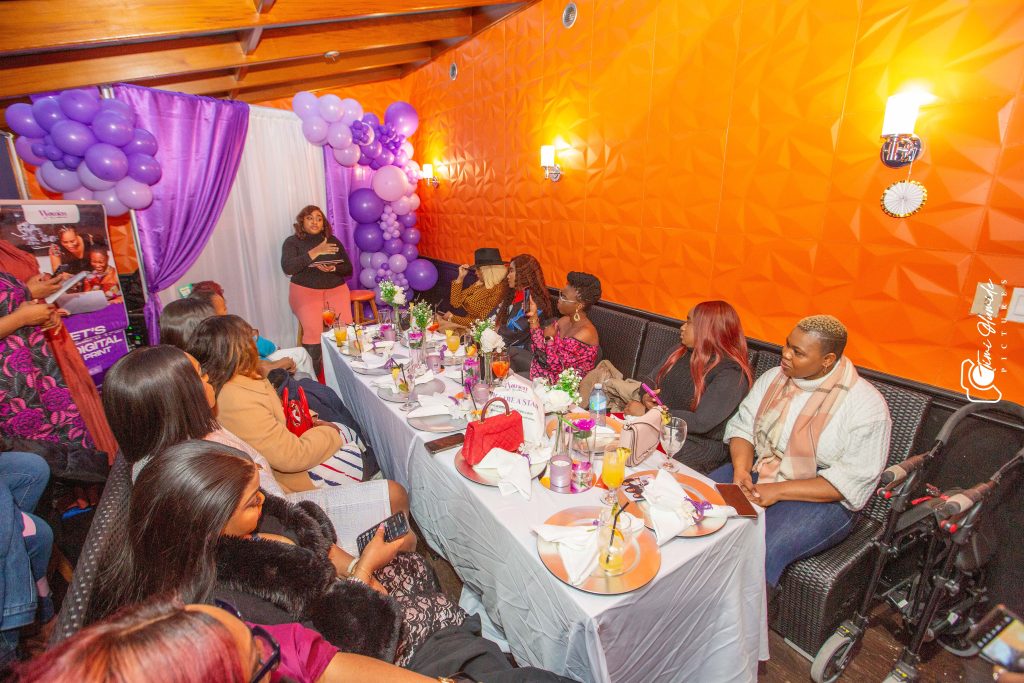
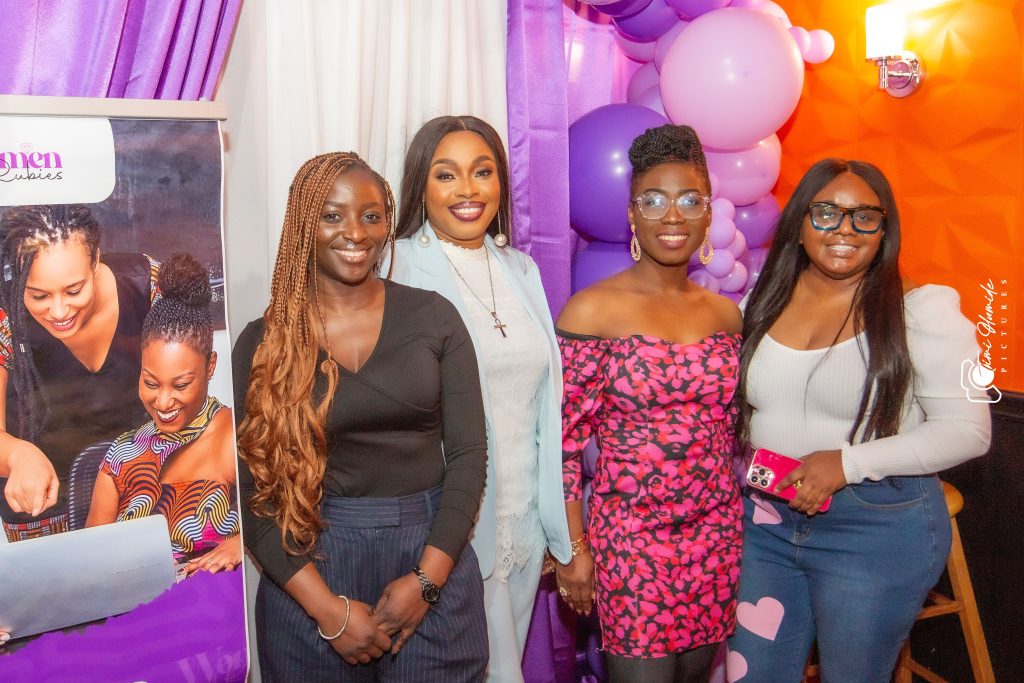
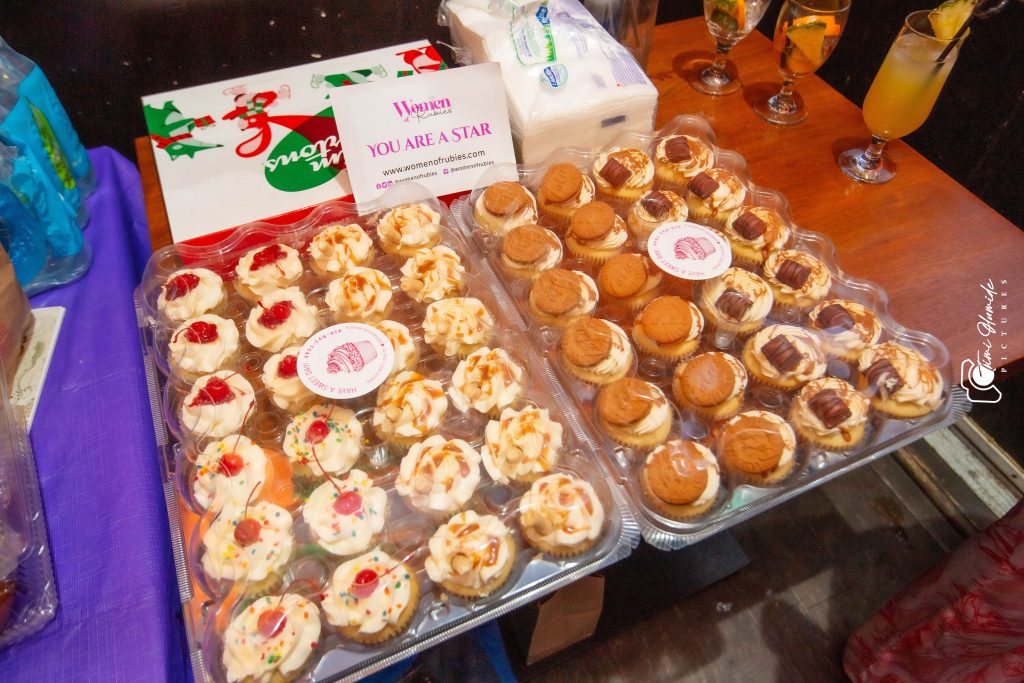
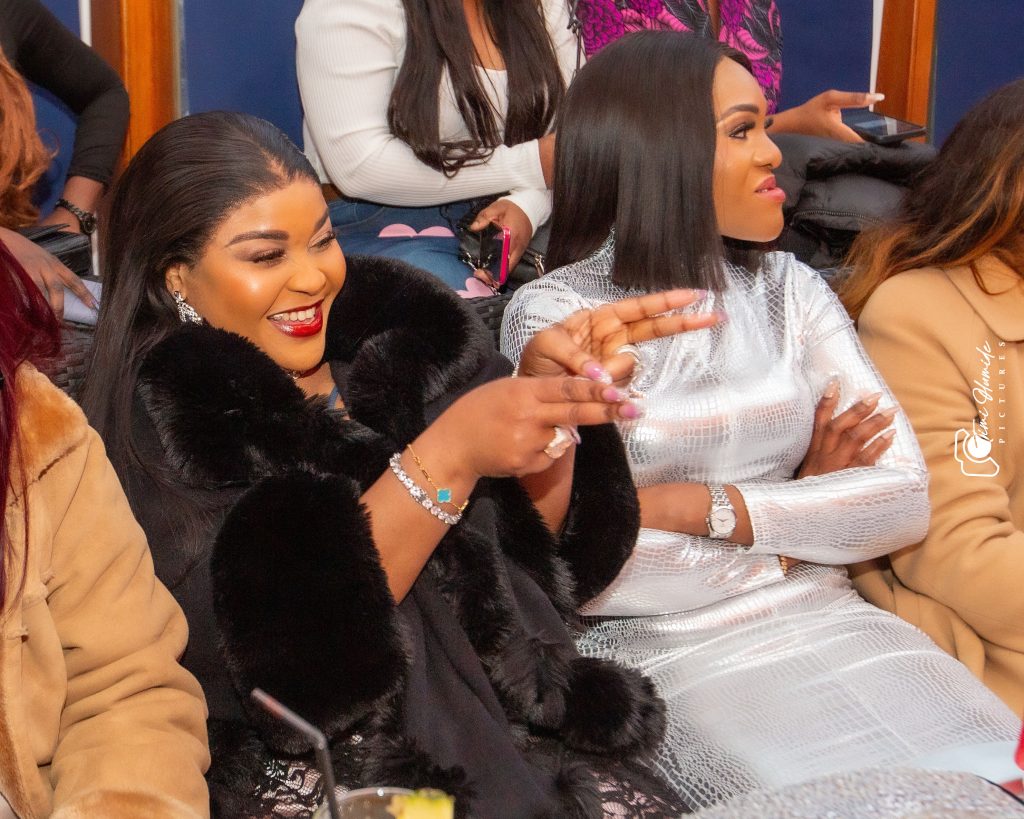
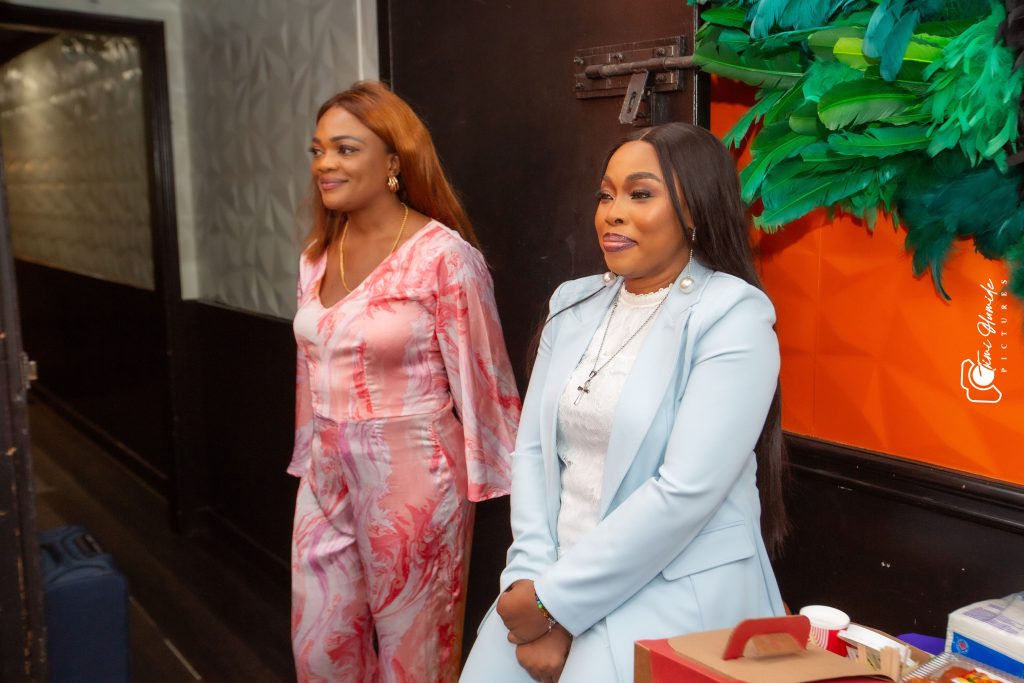
The Women of Rubies Sip and Network event held on February 25th, 2024, at the prestigious Naijajollof Downtown Toronto Event Center, was met with resounding success.  The event brought together a diverse group of remarkable business owners from across Ontario for an evening of inspiration, networking, and empowerment.

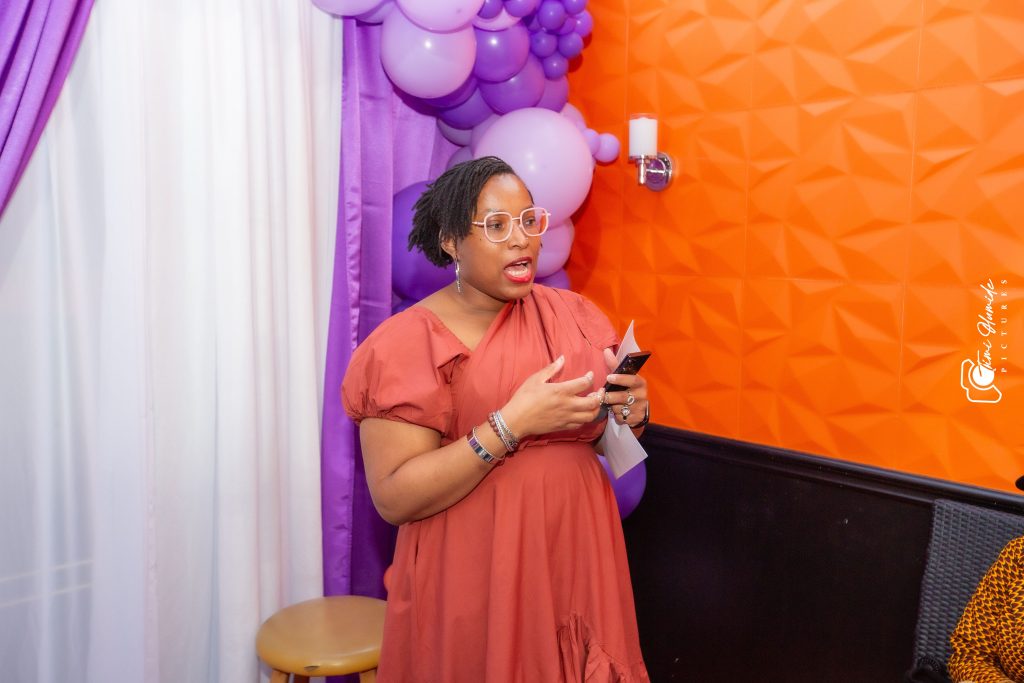
The event featured esteemed speakers including Nkechi Ahanor-Wilson, Funmi Ayowole, and Chichi Okichie, who captivated the audience with their insights and expertise. Funmi Ayowole, as the first speaker, delved into the importance of emotional wellness for women, the significance of maintaining a healthy routine, and the practice of mindfulness in daily life. Chichi Okichie shared invaluable insights on the underutilized potential of Facebook for business owners, emphasizing its role in enhancing media visibility and brand recognition.

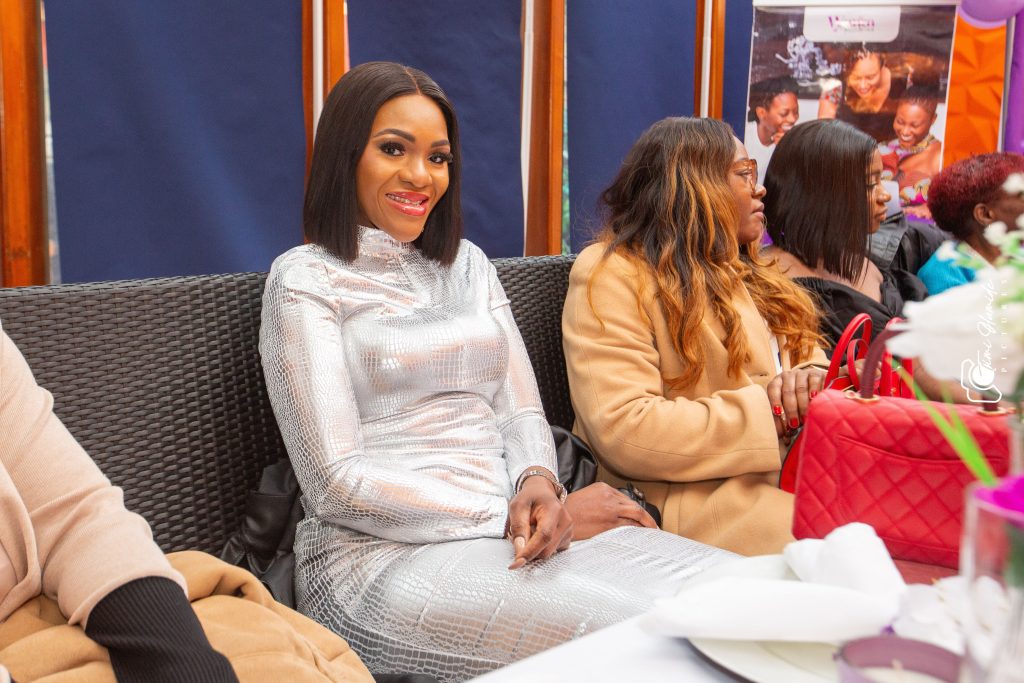
Sip and Network
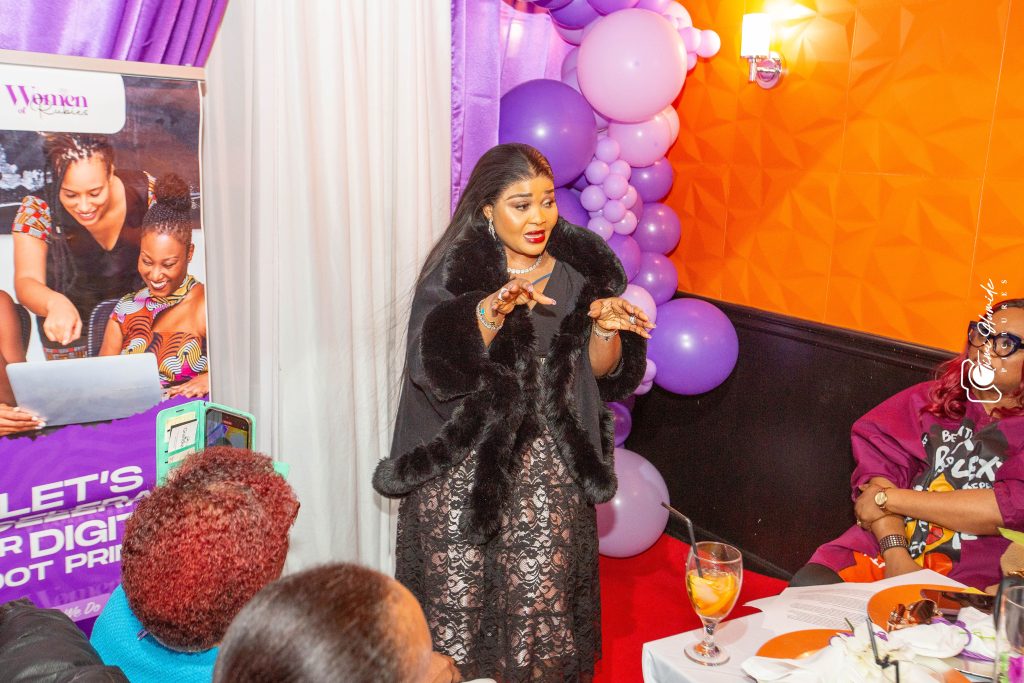
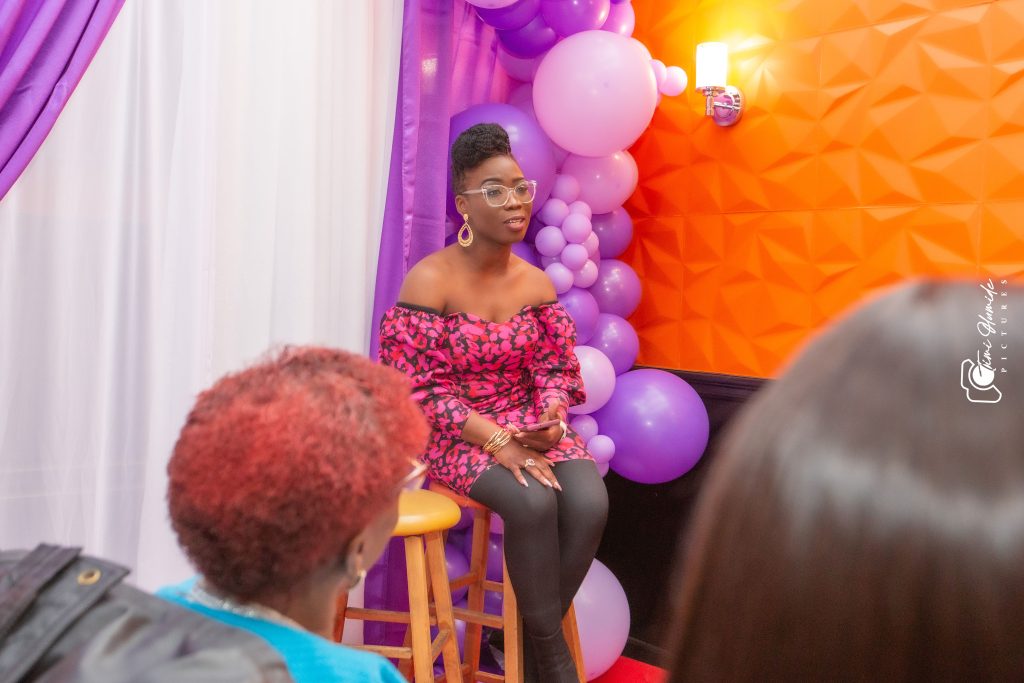
Nkechi-Ahanor WIlson speaking

Nkechi Ahanor-Wilson, the founder of the successful hair brand Cacosa Hair, shared her journey of transforming pain into passion and profit, highlighting the importance of setting healthy boundaries as business owners to foster growth and prevent exploitation.

Sip and Network Toronto

The event also featured an enlightening interview conducted by Esther Ijewere, the founder of Women of Rubies, with Beauty Obasuyi, the founder of Naijajollof and a real estate expert. Beauty shared the inspiration behind her business, which began in 2018 and has since expanded to six locations across Canada. She also revealed the motivations behind her Guinness World Record attempt for the longest cooking hours, which lasted for an impressive 18 days.

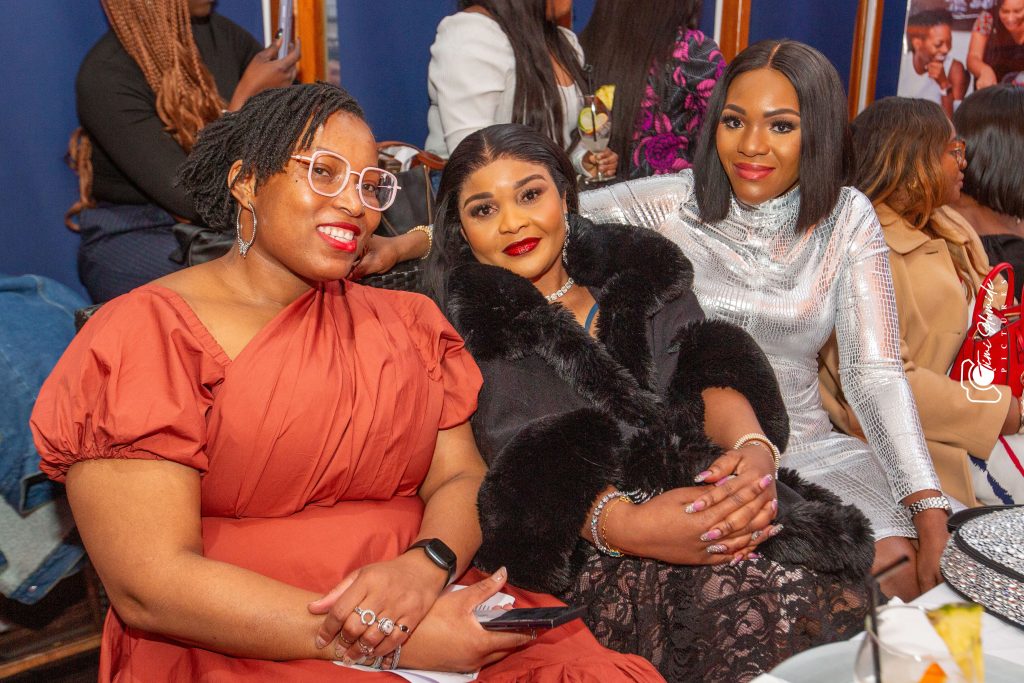
Sip and Network

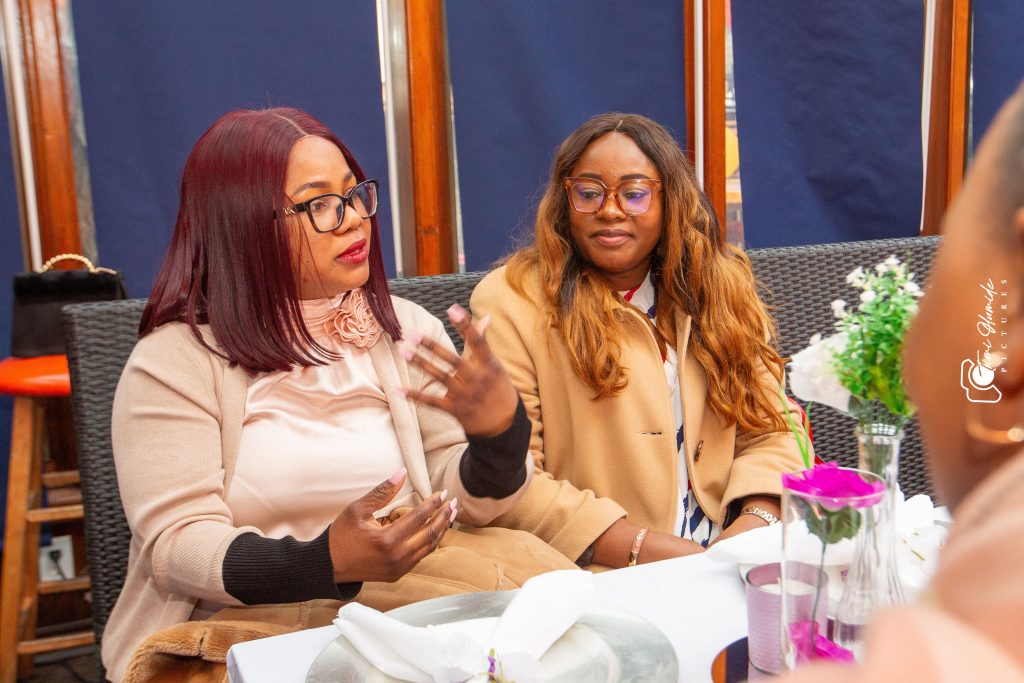
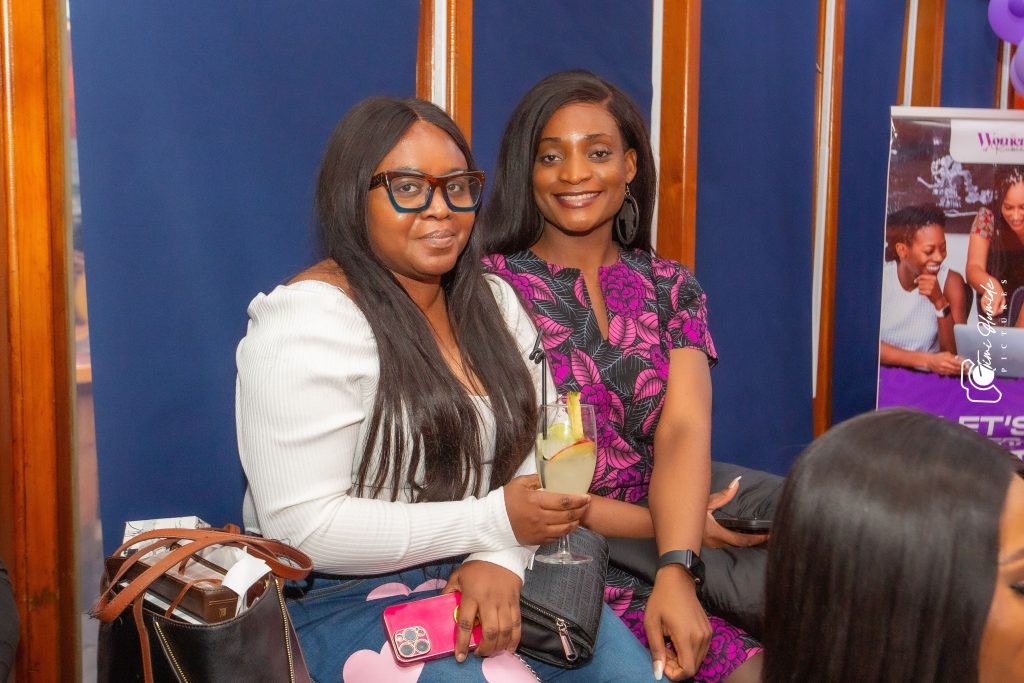
Attendees had the opportunity to engage in networking sessions, facilitating connections and knowledge sharing among participants. Nike  Kay -Okunubi expressed her newfound understanding of the importance of boundaries and intentionality in networking, while Julia Biebem of Grandieu Event felt inspired by Nkechi’s session and aims to apply the lessons learned to enhance her business endeavours. Angela Ikogho of Wraptuckmore stressed the significance of assertiveness and the ability to say no in navigating business challenges. 

The event, expertly compered by Blessing Timidi Digha, a community development advocate and content creator, was attended by notable business owners and entrepreneurs who left feeling empowered and motivated to pursue their goals.

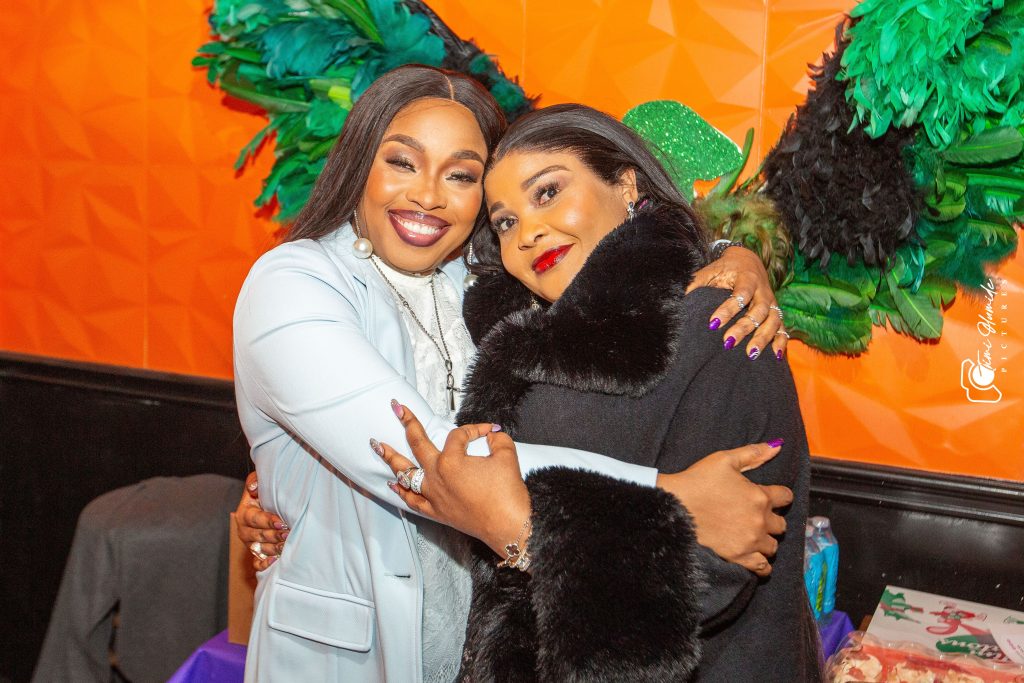
Esther Ijewere, the convener of the event, expressed her delight at the overwhelming success of the inaugural live event in Canada, affirming the Sip and Network movement’s commitment to empowering women to embrace their uniqueness. She looks forward to future events that promise to be impactful and value-driven.

For media inquiries or further information, please contact: event@womenofrubies.com

To learn more about our activities, join our Rubies Collective Community; womenofrubies.com/Rubiescommunity

To be one of the first to receive news about our next event, join our mailing list here

Elevate your media presence and enhance your brand visibility by registering for the Women of Rubies Media Visibility BootCamp 3.0. Don’t miss out on this opportunity to gain valuable insights and strategies from industry experts. Grab your earlybird ticket to our Media Visibility Bootcamp here

See more photos from the event below;

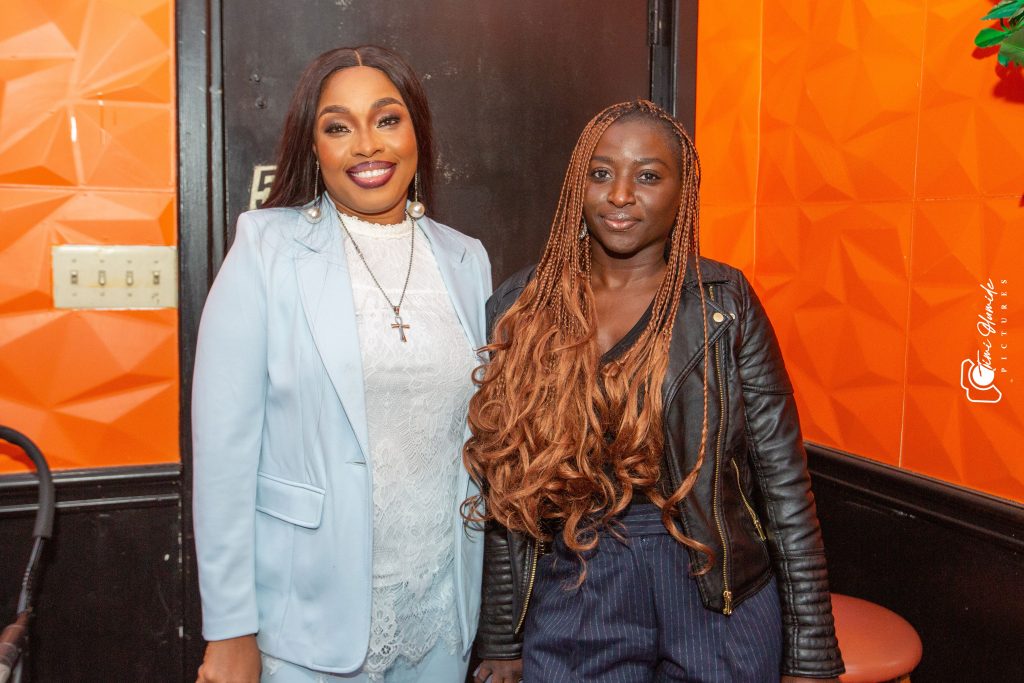
Sip and network


Esther Ijewere and Nkechi Ahanor-Wilson

Nigeran women in canada

Women of Rubies Inc

Women of Rubies Inc.

Women of Rubies event

Sip and network

Sip and Network event

Sip and Network event

As Black History Month unfolds, it’s imperative to honor and celebrate the monumental contributions of Black women who have reshaped our world. From civil rights pioneers to trailblazing scientists, their legacies continue to inspire generations. Here are 10 remarkable Black women who have left an indelible mark on history:

Black history month

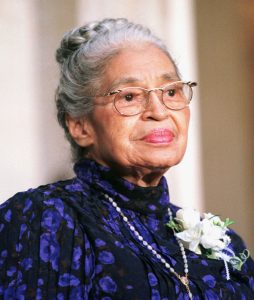
Rosa Parks

Often hailed as the “Mother of the Civil Rights Movement,” Rosa Parks’s refusal to give up her seat on a segregated bus in Montgomery, Alabama, sparked a wave of protests and catalyzed the Civil Rights Movement.

Harriet Turbman

Harriet Tubman

Known as the “Moses of her people,” Harriet Tubman escaped slavery and dedicated her life to leading others to freedom through the Underground Railroad, risking her life countless times to liberate enslaved individuals.

Black History Month

Maya Angelou

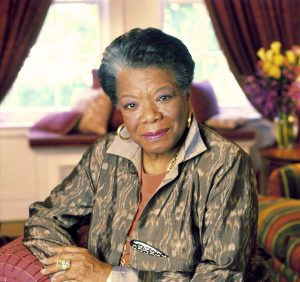
Renowned poet, author, and civil rights activist, Maya Angelou‘s literary works, including “I Know Why the Caged Bird Sings,” shed light on the African American experience and continue to resonate with readers worldwide.

Katherine Johnson

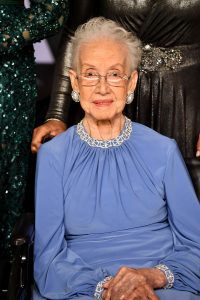
A pioneering mathematician at NASA, Katherine Johnson’s calculations were instrumental in launching the first American astronaut into space and played a crucial role in the success of the Apollo moon landing missions.

Madam C.J. Walker

As the first female self-made millionaire in America, Madam C.J. Walker revolutionized the haircare industry for Black women with her line of beauty products and empowered countless individuals through entrepreneurship.

Shirley Chisholm

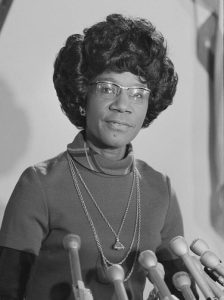
A trailblazing politician, Shirley Chisholm shattered barriers as the first African American woman elected to the United States Congress and the first Black candidate for a major party’s nomination for President of the United States.

Audre Lorde

A prolific writer, poet, and feminist, Audre Lorde’s works explored themes of race, gender, and sexuality, challenging societal norms and advocating for social justice and equality.

black history month

Oprah Winfrey

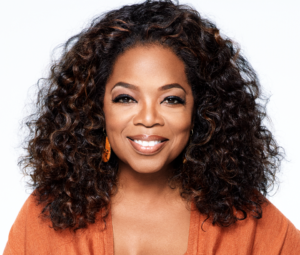
From her groundbreaking talk show to her philanthropic endeavors, Oprah Winfrey has become one of the most influential figures in media and entertainment, using her platform to amplify marginalized voices and inspire millions worldwide.

Dr. Mae Jemison

As the first African American woman to travel in space, Dr. Mae Jemison broke barriers in the field of space exploration and continues to advocate for STEM education and diversity in the sciences.

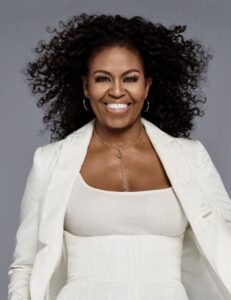
Michelle Obama

As the first African American First Lady of the United States, Michelle Obama championed numerous initiatives to promote health, education, and empowerment, leaving a lasting impact on communities both domestically and globally.

These remarkable Black women have left an indelible legacy, inspiring future generations to dream big, persevere in the face of adversity, and work towards a more just and equitable world. As we celebrate Black History Month, let us honor their contributions and continue to uplift their stories for generations to come.

Black female authors are breaking boundaries and sterotype beliefs associated with personal finance.

The start of a new year is a great time to invest in yourself, and one of the best ways to do that is to increase your financial literacy. Money is a powerful tool that can be used to create generational wealth, build financial security for you and your family, and avoid the pitfalls of debt that so many of us fall victim to within the black community.

If you’re ready to begin the road to financial success but are unsure where to start, you’re in the right place! In this post, we’re sharing ten books authored by black women that bring a unique perspective to personal finance and provide valuable insights on budgeting, saving money, and investing wisely.

1. The Black Girl’s Guide to Financial Freedom: Build Wealth, Retire Early, and Live the Life of Your Dreams By Paris Woods

Through a combination of personal stories and actionable advice, Woods provides a roadmap for Black women to gain financial freedom.

This book includes steps for women to take control of their money and build wealth. It also discusses managing money in relationships, increasing net worth, and building generational wealth.

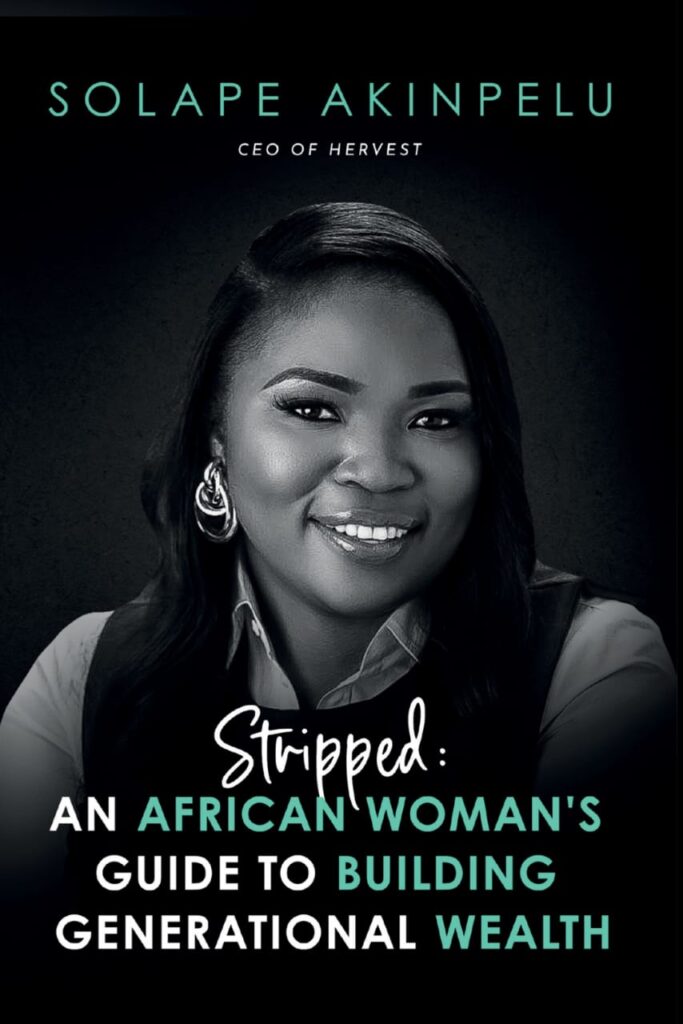
2. Stripped: An African Woman’s Guide to Building  Generational Wealth by Solape Akinpelu


solape Akinpelu Stripped
black female authors

This book  is widely celebrated for its actionable strategies that support African women in building and managing generational wealth. The book serves to answer the burning questions and allay the commonest fears that most African women have when it comes to managing their money and building wealth. It also establishes the need for a mindset reorientation with practical guides and steps to guide African women in trans-generational wealth-building.


3. Get Good with Money by Tiffany the Budgetnista Aliche

This book covers investing, budgeting, debt repayment, and savings providing readers with the knowledge and tools to make informed financial decisions, create a budget, and understand their relationship with money through relatable stories and personal experiences.

black female authors

4. The One Week Budget by Tiffany the Budgetnista Aliche

This book offers a step-by-step plan to help you create a comprehensive budget tailored to your financial goals and needs in just one week.

With a straightforward approach, Aliche outlines the five steps to budgeting success: tracking, cutting, automating, increasing, and protecting. She provides detailed guidance on tracking expenses, cutting costs, automating payments, increasing income, and protecting your finances. The One Week Budget also includes helpful budgeting resources, tips, and exercises to help you stay motivated and on track.

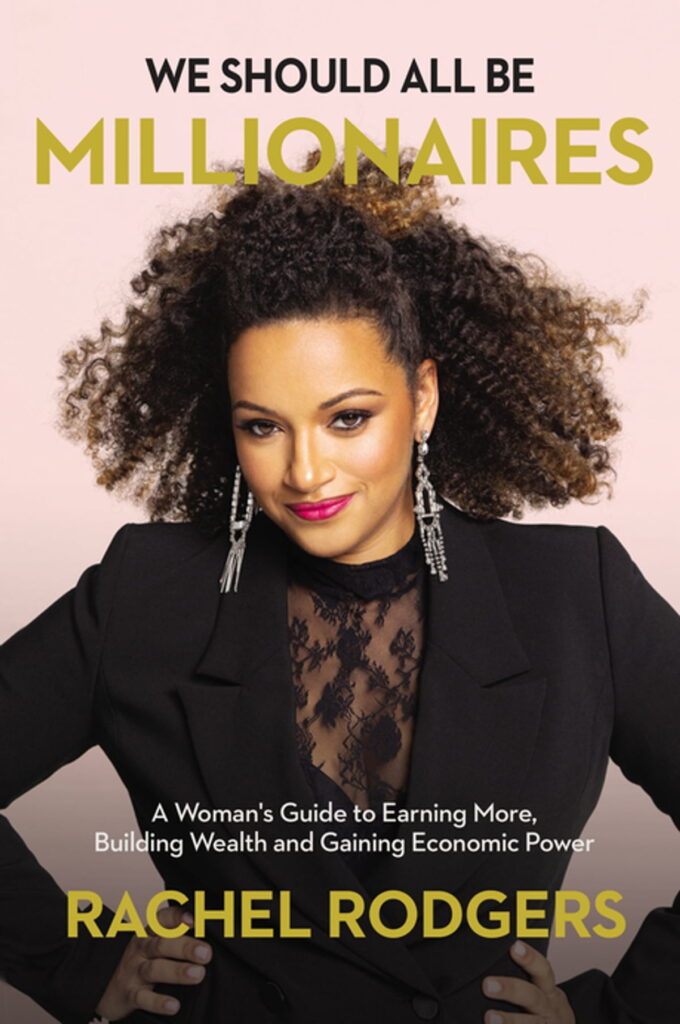
4. We Should All Be Millionaires by Rachel Rodgers

In We Should All Be Millionaires, Rachel Rodgers encourages her readers to pursue financial freedom by making the most of their current resources and taking ownership of their lives.

black female authors

She argues that anyone can become a millionaire, no matter their financial situation, by taking control of their finances and using them to create a better future. Rodgers also outlines the steps to build a successful business, manage debt, and create wealth.

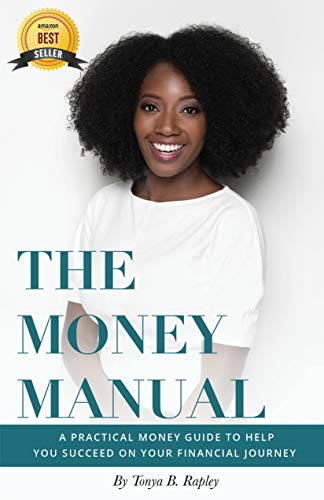
5. The Money Manual: A Practical Money Guide to Help You Succeed on Your Financial Journey By Tonya Rapley

This book is divided into three sections:
Building a Foundation: This section teaches the basics of financial literacy, including budgeting, saving, and planning.

Establishing Goals: This section focuses on creating and executing a plan to reach financial goals.

Taking Action: In the final section, you’ll learn how to make your financial goals a reality, including strategies for investing, debt management, and building wealth.

6. Financial Freedom for Black Women: A Girl’s Guide to Winning with Your Wealth, Career, Business, and Retiring Early —With Real Estate, Cryptocurrency, Side Hustles, Stock Market Investing, & More! by Brandie Brookes

This book addresses the unique challenges Black women face when trying to build wealth. It offers realistic advice on topics such as budgeting, investing, and building credit, as well as strategies for tackling debt and how to build generational wealth.

It also includes inspiring stories of successful Black women who have achieved financial freedom.

7. Clever Girl Finance: Ditch Debt, Save Money, and Build Wealth by Bola Sokunbi

This book is broken into three parts:

Money Mindset: Sokunbi discusses how to develop a positive relationship with money, including how to identify and change negative money thoughts and beliefs.

Get Control of Your Finances: This section focuses on money management, from budgeting and tracking expenses to setting financial goals and building an emergency fund.

Get Rich: This section covers strategies to grow wealth, such as investing, starting a side hustle, and building passive income streams.

Sokunbi also provides actionable advice, inspiring stories, and personal anecdotes to help her readers gain financial freedom.

8. Fearless Finances: A Timeless Guide to Building Wealth by Cassandra Cummings

This book covers budgeting, saving, investing, debt management, insurance, and retirement planning.

Cummings provides clear instructions and strategies to help you make smart financial decisions, overcome your fears around money, build a legacy of wealth, and achieve long-term financial security.

We hope these black female authors will inspire you to take your finances seriously this year.

Source: baucemag.com

Dawn Dickson is breaking boundaries! Over the last few years, crowdfunding has proven itself to be one of the most popular routes to take when it comes to starting a business. Friends, family, investors and those alike can support your entrepreneurial dreams with just the click of a button. Today, $34 billion has been raised globally through crowdfunding.

According to Startups, the average successful crowdfunding campaign is around $7,000. However, Dawn Dickson has raised a much more substantial amount of money and has shown us what it truly means to be a BAUCE in the world of crowdfunding.

Dawn is the founder of Flat Out of Heels, comfortable and rollable flats small enough to fit in your new Telfar, and the CEO of her software company, PopCom. She has done the work to place herself in a position to pull others up as she sails to the top. In 2019, Dawn became the first black woman founder to raise over $2 million via crowdfunding. Her go-getter spirit, love for business, and desire to create generational wealth amongst the black community has driven her to make history.

On Her Passion For Crowfunding

I learned about the JOBS Act in 2013, which allowed people to raise money from the public. After we raised our first round, we raised $1 million dollars from venture capitalists and angel investors, but I wasn’t a fan of the process. I wanted to be able to give my friends, family, and people close to me an opportunity to invest in my company. Many of them were not accredited investors but in order to invest in the company, you have to be accredited but under crowdfunding, you can raise money from anyone. I am really passionate about building and helping to create generational wealth. I feel like this was a great opportunity to do that.”

How Long It Took To Get Her Business Started

Dawn: For Flat Out of Heels, I raised $100,000 from friends and family within the first 4-6 months, and then I raised the other $150,000 after that, so $250,000. Pop com is a tech and software company, so I’ve raised about $3.3 million since 2017.

Dawn Dickson

For Those Who Don’t Have A Network 

Dawn: I wasn’t born with a network, it wasn’t inherited by a family member or anything. I had to go out and build it and I did that mainly by attending conferences and events, really networking online, doing everything possible to put myself in rooms. I was very, very, very active, going to every tech conference I could find!

On Her “Why”

Dawn: I love solving problems, building businesses, working with teams, being innovative. I’m definitely driven by creating generational wealth and changing the trajectory of my family. I have a daughter, I have nephews. Creating wealth for them, making sure that they have something, and I have something to pass down…it continues from here. Historically, we weren’t even allowed legally to own property, make investments, and have wealth. It’s so important to start to shift that pattern.

Moving To Nigeria

Within the next 10 years, Dawn plans to sell her companies and move to Nigeria, where her husband is from. She would also like to start working with startups around the world and create a global network. As far as her bucket list goes, “I travel a lot but, that was put on hold because of COVID, but I definitely want to go to Machu Picchu, and then I want to go to South Africa. I’ve been a lot of places but I just want to continue to travel the world. I would love to visit as many countries as possible, I was trying to visit one every other month but things got halted!”

Source: Bauce Mag

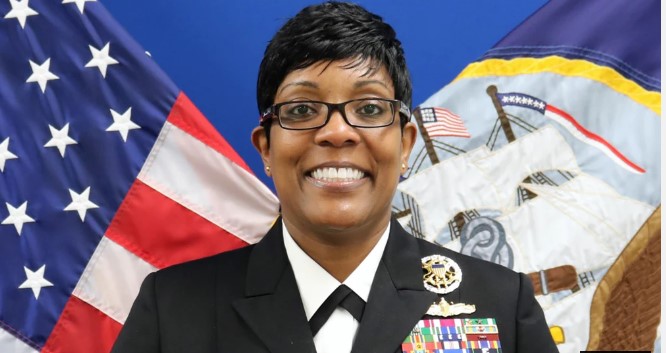
Captain Janet Days is now the first Black woman commanding officer in Naval Station Norfolk’s (NAVSTA) 106-year-history, 13NewsNow reports.

The Chicago native graduated Summa Cum Laude from Old Dominion University and was commissioned through Naval ROTC’s Enlisted Commissioning Program. Within her 24-year career, she’s taken numerous tours aboard: USS Simon Lake homeported at La Maddalena, Italy, USS Mahan, and USS Forrest Sherman. She’s also been deployed twice!

Her leadership hasn’t gone unnoticed; Days was awarded the Defense Meritorious Service Medal, Meritorious Service Medal, Navy and Marine Corps Commendation Medal (7), Army Commendation Medal (2), Army Achievement Medal, and the Afghanistan Campaign Medal.

Few weeks ago, she was sworn in as NAVSTA’s 51st Commanding Officer, a role that is typically reserved for white men, making history as the first Black commanding officer of the world’s largest naval base, which is located in Norfolk, VA. This wasn’t the first time Days made history; in 2021, she was named the first Black woman Executive Officer at Naval Station Norfolk.

In her new role, she’ll be overseeing 6,200 acres, including 13 piers, an 8,000-foot airfield, 63 ships, two 188 aircrafts and 18 squadrons. A true trailblazer and an inspiration to us all, this is a beautiful way to end Black History Month.

Congratulations, Captain Days!

Source: Becauseofthem

Young people have always been at the center of major civil rights movements. From fighting for a seat at the table in conversations about gun control to pointing out racism and homophobia through art, here are five young black activists who deserve a round of applause for their activism.

Mari Copeny, 11 Among the crowd of young activists holding politicians accountable is 11-year-old Mari Copeny, also known as Little Miss Flint. Since penning a letter to former president Barack Obama to draw his attention to the Flint water crisis, she has continued to use her voice to bring awareness to the families in her community who have been affected.

She’s vocal on social media, tweeting at politicians when she disagrees with them, including the president, and making sure people are still talking about the Flint water crisis and its long-lasting effects on residents. Additionally, Mari worked with nonprofit Pack Your Back to distribute more than 10,000 backpacks filled with school supplies to students throughout Flint.

Naomi Wadler, 12 When Naomi Wadler stepped onto the stage at the March for Our Lives rally in Washington, D.C., last year, she gave a voice to young black women who have died from gun violence, including Courtlin Arrington, Hadiya Pendleton, and Taiyania Thompson, who “don’t make the front page of every national newspaper.” She captured the ears and hearts of many who were itching for intersectionality in gun-reform discussions.

Naomi, who was featured in Teen Vogue’s 21 Under 21 last year, recently told Smithsonian that she’d like to run The New York Times someday.

Marley Dias, 14 Frustrated by the lack of representation in children’s books, Marley Dias decided to take action. In addition to calling out this problem in literature, the 14-year-old launched the #1000BlackGirlBooks drive, started her own zine for elle.com, and wrote her own book, Marley Dias Gets It Done: And So Can You!

Kenidra Woods, 18 As an activist for gun reform, Kenidra Woodsfounded the Hope for Humanity Project in response to the gun violence in her community. Kenidra, who appeared on Teen Vogue’s gun control cover, in 2018, is one of several black teens who have fought for black voices to be elevated in the conversation for gun control after the 2018 school shooting in Parkland.

Additionally, Kenidra has been outspoken about her struggle with mental health. The teen, who says she was sexually abused as a young child, started the CHEETAH (confidence, harmony, enlightenment, encouragement, tranquility, awareness, and hope) Movementto help others who have suffered from self-harm and suicidal ideations.

Fatima Jamal, 28Disgusted by the phrase “no fats, no femmes” in LGBTQ+ dating profiles, Fatima Jamal decided to use her voice to speak out. Fatima recently spoke with them. about the difficulty she faced securing funding for a film that explores this topic. The black, trans, independent filmmaker is passionate about fighting the “gay community’s inescapable legacy of white supremacy, and its idealization of certain types of bodies, manners of acting and more,” according to the profile.


Credit: Teen Vogue

Pollyanna Rodrigues De La Rosa sat in the back of a cab, on her way to her favourite Toronto Latin music club, El Rancho. To get herself in the mood for a Saturday night of salsa, bachata and reggaeton, she asked the driver for the auxiliary cord to play “Eres Mia” by Romeo Santos from her phone. The music filled the cab and she sang along, the lyrics flowing smoothly off her tongue in Spanish, the language she speaks at home with her family. The driver raised his voice over the music and asked Rodrigues De La Rosa about her background—but her answer wasn’t what he was expecting.

“I thought you were Black!” he said. Rodrigues De La Rosa, who is part Cuban and part Panamanian, is used to this type of reaction. She stands at just over five feet tall, with big, long, black curly hair. Her dark skin matches her brown eyes, and if you saw her on the street you’d probably have no doubts about her racial identity, either.

But what the cab driver didn’t understand was that while she is indeed Black, she is also Latina. To be fair, Rodrigues De La Rosa didn’t always understand the nuances of her racial identity, either. “For the longest time, I actually didn’t know I was Black,” she says. That’s because, growing up, her family considered themselves Latino.

Though they shared the same skin tone and hair texture, her family never talked about their African heritage—in fact, they preferred to pretend it didn’t exist. Rodrigues De La Rosa’s mother even pressed her about her romantic choices, questioning why she dated Black men instead of white men. And the anti-Black racism was present in her extended family, too. When she visited Cuba in 2015, many of her family members would ask her to straighten her hair for a “better” look.

Between her family’s Latino identity and the anti-Black rhetoric she internalized, Rodrigues De La Rosa questioned whether or not she identified as Black.

Then, in 2015, she discovered a term on social media that she truly felt described her: Afro-Latina. The broad definition is simple—someone who identifies as Afro-Latina, Afro-Latino or the more inclusive and gender-neutral Afro-Latinx is Black and from Latin America. But the term’s meaning is much more political.

In these communities, which have a deep history of anti-Black racism, Afro-Latinx refers to “someone [from the Latino community] who reclaims their Africanness and Blackness, which for so many years was erased,” explains Colombian-Canadian academic Andrea Vásquez Jiménez, the co-director of the Latinx, Afro-Latin-America, Abya Yala Education Network (LAEN). “Utilizing terms such as Hispanic erases our Blackness.”

While Rodrigues De La Rosa may have felt like she stood out among her peers, she is actually part of a large cultural community. A quarter of the Hispanic population in the U.S. identifies as Afro-Latino according to a 2014 study. (Similar data is not available in Canada in part because though the census includes Black and Latin American as visible minority categories, there is no category combining the two identities. Respondents can write in their own classification, or mark all the categories that apply, but the data is counted towards the Black and Latin American categories separately.)

“I get looked at all the time when I start speaking Spanish. It’s still a culture shock, especially to old farts. I quickly let them know that there are Black people in [Cuba and Panama],” says Rodrigues De La Rosa, adding that people often seem to think that it’s impossible to be both Black and a Spanish-speaking Latina.

“When I heard the term Afro-Latina, as sad as this is going to sound, it was the first time I thought I was considered Black,” says Rodrigues De La Rosa. “I loved it.”

Unlearning anti-Black racism as an Afro-Latina

People like Rodrigues De La Rosa are why Vásquez Jiménez started LAEN. She made sure the organization was a space for Afro-Latinx people to not only have a voice, but learn about their heritage.

“Blackness is global. An extremely high percentage of [people from Latin America] have African ancestry. The identities of Blackness, Africanness and being Latinx are not mutually exclusive,” says Vásquez Jiménez.

The African diaspora originated with the transatlantic slave trade, when European colonizers dispersed millions of people from Africa to North America, South America and the Caribbean. And regardless of where slaves were taken, sexual violence was common. “This is the most f-cked up part, I don’t know if my Spanish ancestor loved my great-great-great-grandma or raped her,” says Rodrigues De La Rosa.

The intersectionality of Afro-Latinx people can get even more complex, especially for people like CityNews reporter Ginella Massa, who wears a hijab and is from Panama.

“Often, in the realm of my work, my Muslim identity is discussed; my ethnicity or my heritage are rarely ever mentioned,” says Massa. When she made headlines in 2016 for being the first hijabi news anchor, the coverage described her as a Muslim Canadian, but the Afro-Latinx aspect of her identity took a back seat.

journalists self-care twitter: A portrait of Ginella Massa.

CityNews reporter Ginella Massa

Even within Canadian Afro-Latinx communities, positive discussions about embracing all aspects of this intersectional identity are rare.
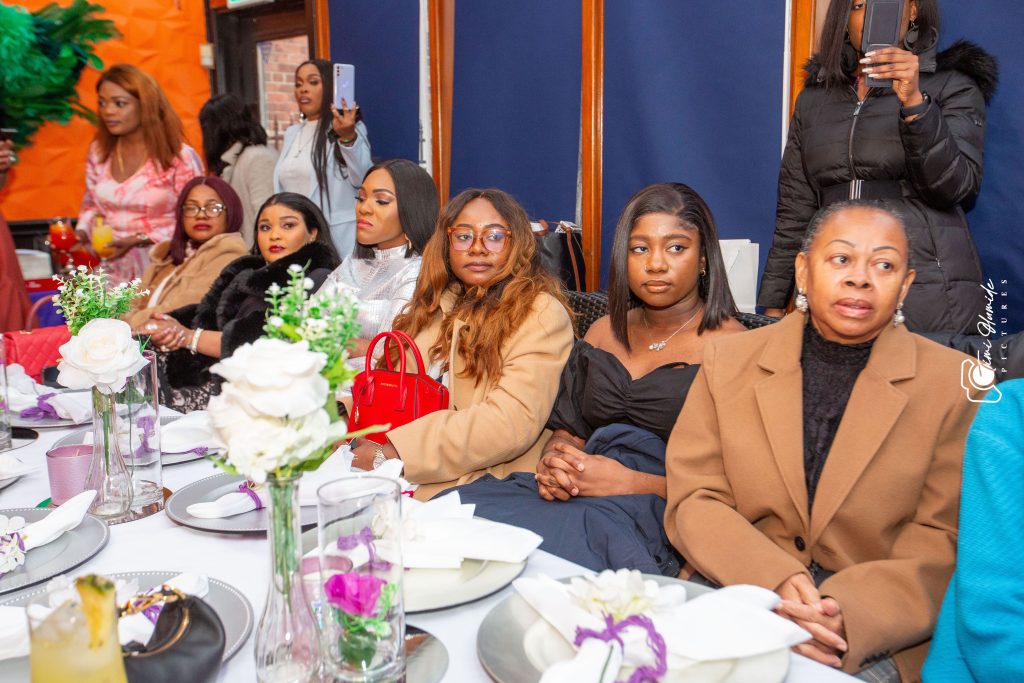
“Because of anti-Black racism, many folks don’t necessarily speak nor highlight our Blackness within families,” says Vásquez Jiménez.

That’s especially true among older generations of Afro-Latinx people, who have internalized centuries of institutionalized anti-Black racism. Massa says her family’s Blackness was rarely discussed at home. Her family only focused on their Latin heritage.
 

Credit: flare.com