Category

self development

Category

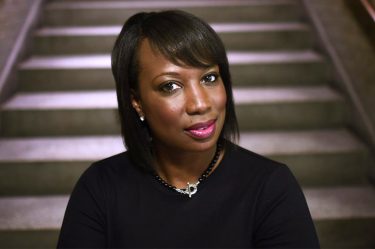
Liberal MP Celina Caesar-Chavannes kicked off Black History Month by writing a touching love letter to Black women.

“Even though we may have been distant, and I may seem far away, I love you and #ISeeYou,” Caesar-Chavannes writes in a HuffPost blog.

She starts the letter by admitting she hasn’t always been able to support her community the way she’s wanted — depression, anxiety and life have gotten in the way — but she wanted to thank those who held it down when she wasn’t able to.

The MP for Whitby, Ont. has been vocal about her challenges with mental illness in the past and went viral last year after giving a speech on body-shaming in the House of Commons.

“Body shaming of any woman in any form from the top of her head to the soles of her feet is wrong, irrespective of her hairstyle, the size of her thighs, the size of her hips, the size of her baby bump, the size of her breasts or the size of her lips, what makes us different is what makes us unique and beautiful,” she said last October.

And while Caesar-Chavannes touches on that theme again in her HuffPost essay, her focus in this letter is celebrating Black women and recognizing what they’re up against. She gives a shout-out to elders, entrepreneurs, activists and educators. Most heartbreaking was a reminder of what Black children face—“the streets, and the institutions that keep them down and funnel them into prisons and foster care”—and how much needs to change, as she lauds mothers for protecting their kids.

She ends off her note recognizing the toll it can take to be “twice as good”  and with a nod to Maya Angelou.

“Being twice as good, twice as fast, twice as everything, because that is what we were taught. That is the only way we can succeed. I also see that it comes at a cost. The wear and tear. The exhaustion. The mental drain. I see that you are tired. And yet, still you rise.”

You can read the full letter at Huffington Post Canada.


Credit: flare.com

The one thing I hear women complain about in their relationships is the level of emotional labor that they render to their partners that is often never reciprocated. I have wondered why women were the ones who seemed to be plagued by these one-sided relationships until I came to a realization that women might be the ones guilty of enabling this behavior in their partners.


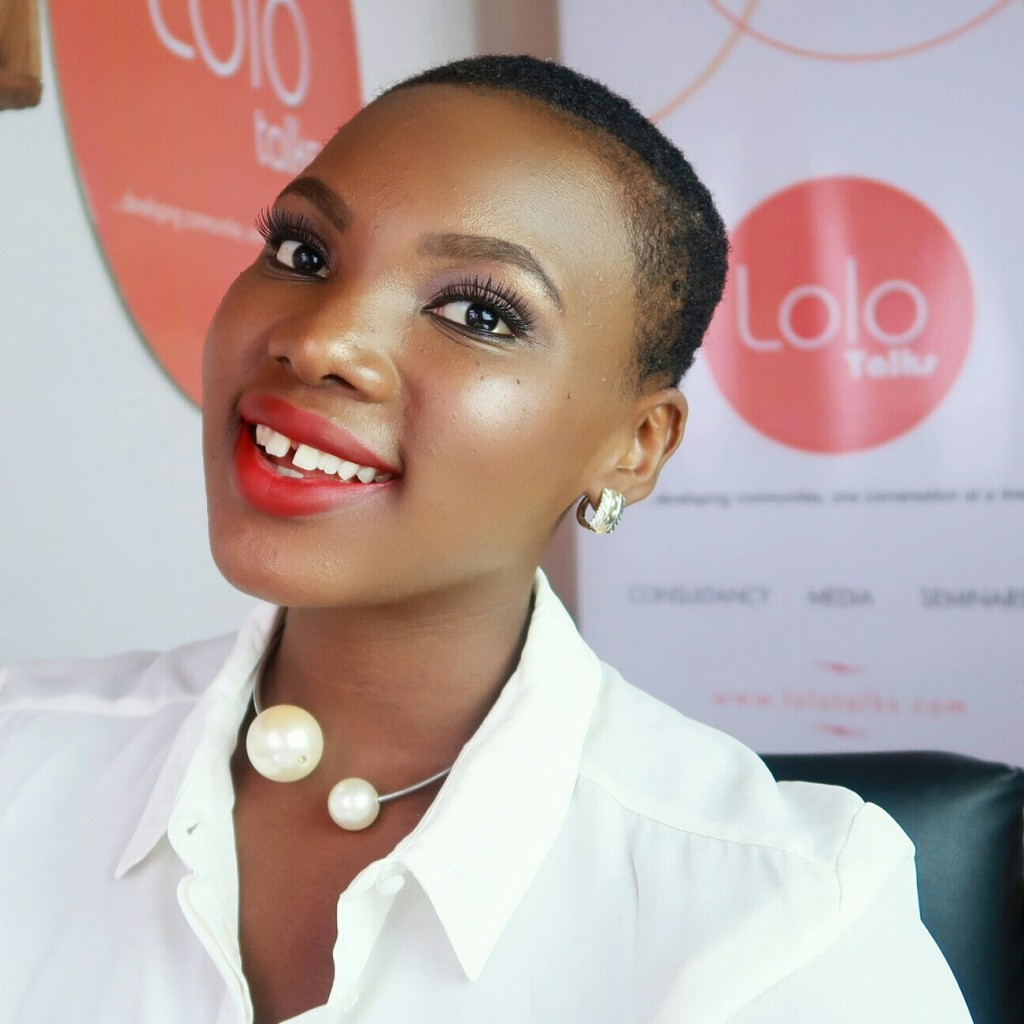
Lolo Cynthia Is a public health specialist, sexuality educator and founder of the social enterprise LoloTalks, that employs all forms of media (online and offline) to create awareness and sustainable solutions to our contemporary social and health issues in Africa.  She also doubles as a documentary and talk show producer and lends her voice on issues regarding interpersonal relationships, sexuality, gender, and social issues through her YouTube channel LoloTalks and her blog.

In recent times, particularly in 2018, there has been a stronger movement in favour of empowering women in the film industry. From gender pay gap uprisings with the highest paid actresses in the Hollywood demanding the same pay as men in equivalent roles, to sexual harassment claims which gave birth to the #MeToo movement, there are many areas in the industry addressing the need to empower its women. Some of these issues were harder to address in the past as even top actresses needed the work, and with fewer leading lady roles decided to stay silent until much later after any grievances they may have faced. Today, Anita Kouassigan shares her view that there is a need to invest in more women screenwriters and directors.

In this day and age, with the many digital distractions we face by overusing our mobile phones, I firmly believe that film – more than ever – will remain the most effective medium for catching – and keeping – one’s attention when a story is being told. There’s nothing that focuses my mind more than escaping into a movie -at least a decent one, with an engaging story. And the use of film as a tool for storytelling and engagement is a major part of our March event as with all our events.

“There will be screenings of short clips showcasing the messages our sponsors and partners want to deliver. It could be an internally produced documentary that contains footage of a school that’s just been built. Or a view of the first hospital commissioned in a rural area. Or interviews of a victim who’s able to tell their story after being freed from some form of bondage.

Women can certainly become more empowered with an increase in films created to tell even the most uncomfortable stories about their struggles, and this includes documentaries, such as The Uncondemned, possibly one of the most uncomfortable yet. It is a film about the first conviction of rape as a war crime and component of genocide (directed by Michele Mitchell and Nick Louvel-now late, sadly). They worked together as a great team, and I am not suggesting we have films made by women alone, we just need more input from women, which means that there is a need to invest in women in film. Women in film need more funding, in their various roles, including on set, but especially when it comes to screenwriting and directing.

Let us consider the argument in favour of more women having a seat at the table (in boardrooms) and the need for women to play more important roles in the decision-making process of a country (women in law and politics). Those arguments are from the same underlying principle of the need for women to have a voice.

Similarly, in film, more women need to partake in the story-telling process and in directing films, as that is what will ultimately determine how a story comes across. It’s an ongoing reality that not enough scripts are being written by women (perhaps they need more of an incentive?), and men cannot entirely understand the feminine experience. I am not saying we should leave men out; we just need more of a feminine input.

Oftentimes, not enough lines or screen time are dedicated to female roles to humanise a character and one of the most negative aspects still ongoing in the film industry is the objectification of women. It’s still common for female characters to be ridden with clichés and in order to really sell a movie, women may have to appear sexy in order to be viewed as powerful. Why does a woman have to be sexy to be powerful? Why can’t she just be smart and influential in order to be powerful?

Maggie Gyllenhaal recently remarked in an interview that the use of sex in films is used as a tool for female roles to capture the attention of the audience, then they’ll be heard. On screen, women are oftentimes treated as accessories expected to look beautiful, glamorous and extravagant. The key is finding ways to make filmmaking more progressive, giving more dimension to female characters and their stories.

Scripts are often written by men, and while I am not suggesting that male screenwriters set out demean women, they naturally lack certain knowledge that only a woman can have about the certain women-centric issues being addressed. On the other side of what’s deemed as entertaining, there’s the portrayal of bitchy or evil (both with negative connotations), far from empowering.

But things are changing – including in Nigeria. Isoken, directed by Jade Osiberu is a film that has pushed boundaries in terms of the story itself and the way the lead actress (Dakore Egbuson-Akande) depicts her role. She does so in an empowered expression of the issues and choices she’s facing, subjects that are normally deemed as taboo and that cause people (both men and women) to even disrespect a woman in Isoken’s position. But there is still a funding gap for films written and directed by women, and actress-turned-director is still a harder promotion, compared with the case of men.


Credit: Anita Kouassigan, Guardian Woman

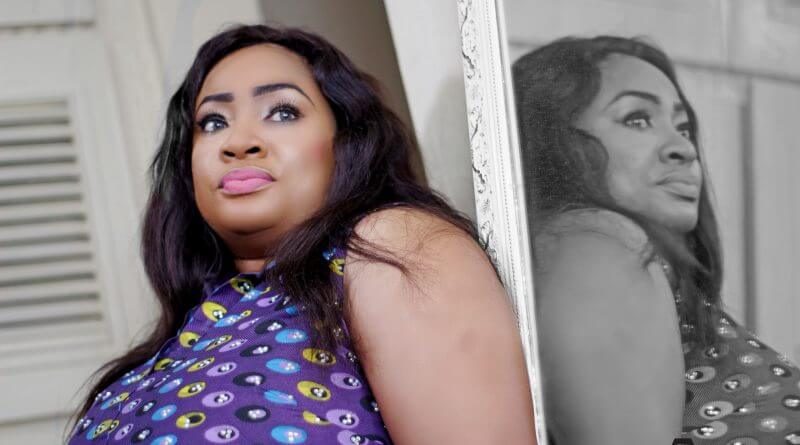
Few years ago, actress Foluke Daramola-Salako, revealed she was raped when she was much younger. In a new interview with Punch, the actress recounted how the experience made her become a better mother to her own daughter.

“I always enlighten my daughter about how some men can be when it comes to sex. Even when I am not around her, she always cautions men when they try to touch her in a way she is not comfortable with.  She tells me when she feels harassed by a man. She is out of the country at the moment, and people always call me to ask me how I trained her.

“In my days as a young woman, I couldn’t discuss sex with my mum. Even till now, I still cannot do that because of the orientation I had as a young girl. If my daughter should get deflowered today, she will tell me because we are friends. I started discussing sex education with my daughter when she was six. I didn’t feel it was too early because she had a rapid growth.

“I was raped by my tenant because he thought I was older than my actual age. I am comfortable with my daughter being around men because I have educated her,” she said.

Foluke went on to say that the Federal government needs to enact a law whereby rapists are killed once convicted.

“I believe the government should pass a law against rape; rapists should be killed when they are caught. I don’t call myself a rape victim, but a rape victor.  Rape victims become a shadow of themselves; they have no form of self-esteem, some of them even take their lives. When it happened to me, I thank God I had friends who helped me recover fast. “When I came out to say it, people were shocked, but I am happy that after my interview, people started coming out to talk about their experience. It has been happening; it is just that people don’t talk about it. An abuser is always a product of an abuse. I’ll advise parents to always pay attention to their children and listen to them,” she said


Credit: LIB

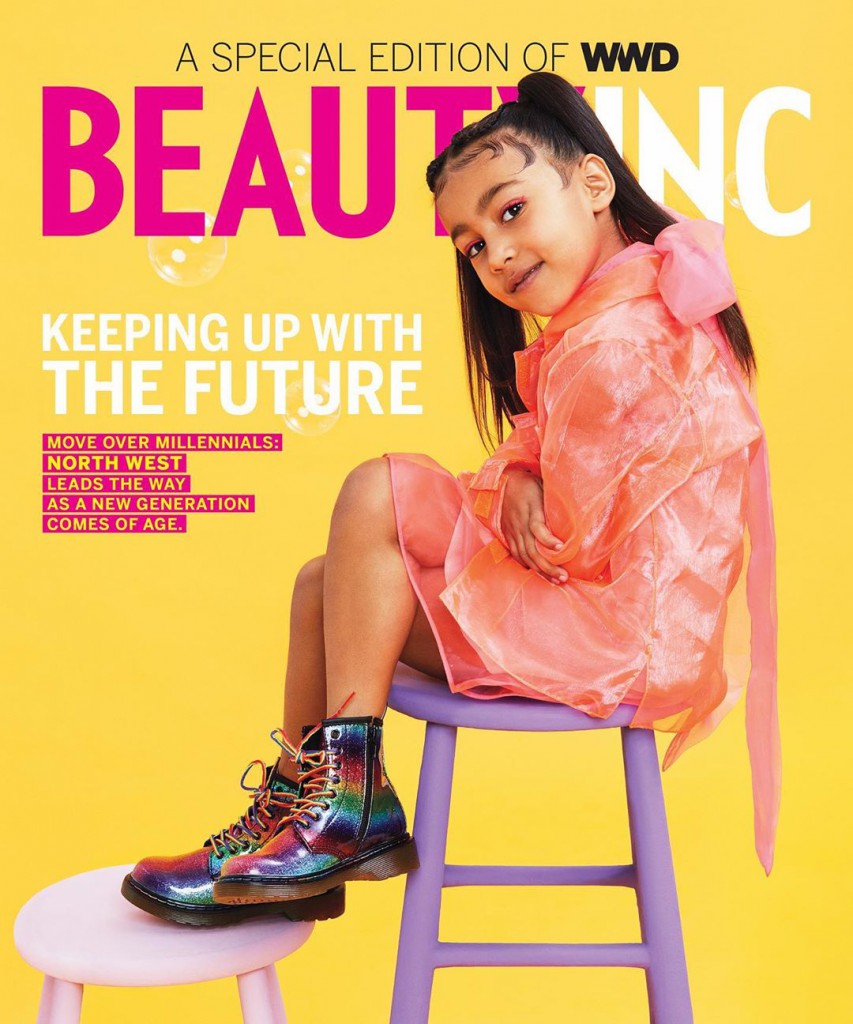
Kim Kardashian and Kanye West‘s daughter North West has landed her very first solo magazine cover, at age 5.

The cover is for WWD and the issue explores Generation Z and Generation Alpha, and their impact on the global beauty industry.

Talking about the cover, the magazine says:

She embodies the upcoming youthquake, having captivated the digital realm with her cross-generational appeal. Without a public Instagram or YouTube channel of her own, she’s too young to fully understand what a digital footprint is. And yet, hers is already wildly popular.

See the cover below.

For more of North, visit WWD.com.


Credit: Bella Naija

There are many myths surrounding the term “submission” in the world today, many look at submission as a point of weakness, a point of slavery, and a place of discomfort, hence it becomes one position many don’t want to be found in.Today we look at submission from a different angle, one which may help many women not to fall short nor prey to those ahead or above them.

Submission is defined as an action of accepting or yielding to a superior force, or the will or authority of another person. And with this definition, the world today uses a certain language and tone when addressing women about submission, it is said that submission takes away your voice and will power, in turn makes one a slave, this can’t entirely be blamed on the world or society at large .But due to the fact that we live in a male dominated world and 75% of decisions are made by men. Submission from a different perspective would help us as women have a respected voice and our plight heard. I recently finished reading Michelle Obamas, “Becoming”, and in her acknowledgements, she thanks Barack for continued support and companionship, and we read in her book how Barack plays a role in her becoming the woman she is today. Michelle Obama is a woman many young women and girls look up to, and want to emulate, and this brought me to a point of looking at submission in a way very different, a way of getting support, getting a push from another and having someone support your dreams and ambitions, while they hope you become the best version of yourself.

Growing up in urban Zambia, I have seen so many women move from being a house wife to getting an education through the support of their spouces,I for one was a junior accounts clerk reporting to a management accountant who through my submitting to his authority and instruction ,gave me an opportunity to learn and improve more in my work, I was trained and equipped to take up many accounting tasks and was made ready to deliver anywhere, yes there are tough days, days you feel the pressure, days you feel the teaching is tough, but the attitude used in the process of submission will either build or crush your growth, and it builds capacity in that you don’t only better yourself but rather you learn traits that the people who have gone ahead of you , only you can make them better and work to your own growth. Submission starts in our homes ,at an early age, we are taught how to walk, to eat, to clean wash and take care of ourselves, we receive guidance on how to make sound decisions, that will help us become better people, and because we submit to that counsel we grow in mind and soul. Secondly in our professional or rather the market place, we have our bosses or directors, and supervisors who at times, we feel push us too hard, especially at a time we feel we have done enough and our best, we tend to resist, but if we did our part with the right attitude and look at them as our teachers, as people that want to see us maximize our potential, not just for the organizations but for our personal growth, we will embrace these lessons. The third place where submission is mostly misinterpreted in a life of a woman is in a love relationship.be it in marriage or courtship. I am a newly married, and a working wife, my personal experience in terms, submission has taught me a lot, it has brought me to a point of knowing my strength and limits, through taking into consideration the needs of my husband and daily taking care of his needs, which in turn has given me a different kind of perspective, he supports my endeavors and pushes me to not hold back but rather go for my dreams. Lastly I sit under the training and mentorship of a great woman of God; she is a wife, a pastor, mother and mentor, not forgetting an entrepreneur.

She is a strong woman but submits to her husband and takes counsel from those who have gone ahead of her in spiritual and personal matters, I have learnt from her zeal and approach, I see how she becomes stronger and better. I each day look at the queen of England who runs the greatest Monarchy in the world, yet married for 70 years and heeds counsel from her husband, looking at all these amazing women, all the superiors I have come across in career ,social and spiritual circles brought me to a conclusion that a place of submission doesn’t take anything away from us as women, but rather can be used as a process to learn and improve, through the lessons and advice of our superiors and predecessors, My encouragement to a girl out there, a woman who seeks to grow, don’t always look at submission as a place of denial, but rather learn from those who are above you ,and use the lessons for your growth and empowerment.

About Nasilele

Nasilele is a Zambian writer and account assistant with a reputable company in her home country.

Photo credit: betrendsetter.com

I recently went out with a friend who had invited me for drinks with his other friends. They were all men, Igbo men to be precise.


Lolo Cynthia Is a public health specialist, sexuality educator and founder of the social enterprise LoloTalks, that employs all forms of media (online and offline) to create awareness and sustainable solutions to our contemporary social and health issues in Africa.  She also doubles as a documentary and talk show producer and lends her voice on issues regarding interpersonal relationships, sexuality, gender, and social issues through her YouTube channel LoloTalks and her blog.

Singer and Fashion Designer, Mocheddah once revealed that she battled with clinical depression. She has now launched her very own mental health platform called “Just be Brave NG”.

She says:

My name is @mocheddah
I was diagnosed with clinical depression over 7 years ago .
I have come a long way with the help of my faith , therapy and medication.
I have developed a deep passion for spreading awareness on all things mental health …
This is a fun , open , no secret page , no judgements platform.
we also have in house therapists that can help answer questions.
we are a group of BRAVE magical individuals.
Welcome to “Just Be Brave NG”

According to Mo’Cheddah:

@justbebraveng is my new baby .
It’s my mental health freedom page .
I found so much freedom when I came clean about my clinical depression,
I want so many other people to feel that freedom as well.. To live without fear.
To own our wounds
To forgive ourselves.
Am I scared ? A little
Am I nervous ? yes
Am I excited? Absofreakinlutely

Find out more about the platform here.


Credit: Bella Naija

32-year old private banker turned wealth coach Samke Mhlongo is best described as a leading South African Wealth Coach, and founder of The Next Chapter (“TNC”) Wealth Partners.

TNC is a wealth coaching and financial wellness training consultancy whose strategic intent is to usher in the next chapter in the African wealth narrative by providing services that foster wealth creation in professionals, entrepreneurs and influencers that are income-rich but asset-poor.

Samke is also a corporate speaker, MC and panel moderator whose standing clients include Anglo American and Standard Bank; regular media commentator on eNews Channel Africa, Talk Radio 702and Metro FM; resident financial columnist for BONA magazine; financial inclusion champion of the Graca Machel Trust; and author of a children’s entrepreneurship book titled Zuki & Friends, commissioned for the Blue Ribbon Mmmm Yum Kidz Tuckshop program.

Samke holds an Accounting degree from the University of Cape Town, Postgraduate Diploma in Management from the Wits Business School, and an MBA from the same college completed with a dissertation titled Factors contributing to over-indebtedness of black South African females.

Samke who currently serves as the youngest board member of state-owned mineral research technology agency MINTEK, and sits on its Audit & Risk Committee, has been described by  CNBC Africa described Samke as a ‘personal finance goddess’.

I call this little strategy the “2–Minute Rule” and the goal is to make it easier for you to get started on the things you should be doing.

Here’s the deal…

Most of the tasks that you procrastinate on aren’t actually difficult to do — you have the talent and skills to accomplish them — you just avoid starting them for one reason or another.

The 2–Minute Rule overcomes procrastination and laziness by making it so easy to start taking action that you can’t say no.

There are two parts to the 2–Minute Rule…

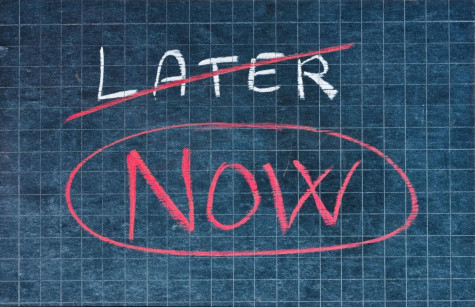
Part 1 — If it takes less than two minutes, then do it now.

Part I comes from David Allen’s bestselling book, Getting Things Done.

It’s surprising how many things we put off that we could get done in two minutes or less. For example, washing your dishes immediately after your meal, tossing the laundry in the washing machine, taking out the garbage, cleaning up clutter, sending that email, and so on.

If a task takes less than two minutes to complete, then follow the rule and do it right now.

Part 2 — When you start a new habit, it should take less than two minutes to do.

Can all of your goals be accomplished in less than two minutes? Obviously not.

But, every goal can be started in 2 minutes or less. And that’s the purpose behind this little rule.

It might sound like this strategy is too basic for your grand life goals, but I beg to differ. It works for any goal because of one simple reason: the physics of real life.

The Physics of Real Life

As Sir Isaac Newton taught us a long time ago, objects at rest tend to stay at rest and objects in motion tend to stay in motion. This is just as true for humans as it is for falling apples.

The 2–Minute Rule works for big goals as well as small goals because of the inertia of life. Once you start doing something, it’s easier to continue doing it. I love the 2–Minute Rule because it embraces the idea that all sorts of good things happen once you get started.

Want to become a better writer? Just write one sentence (2–Minute Rule), and you’ll often find yourself writing for an hour.

Want to eat healthier? Just eat one piece of fruit (2–Minute Rule), and you’ll often find yourself inspired to make a healthy salad as well.

Want to make reading a habit? Just read the first page of a new book (2–Minute Rule), and before you know it, the first three chapters have flown by.

Want to run three times a week? Every Monday, Wednesday, and Friday, just get your running shoes on and get out the door (2–Minute Rule), and you’ll end up putting mileage on your legs instead of popcorn in your stomach.

The most important part of any new habit is getting started — not just the first time, but each time. It’s not about performance, it’s about consistently taking action. In many ways, getting started is more important than succeeding. This is especially true in the beginning because there will be plenty of time to improve your performance later on.

The 2–Minute Rule isn’t about the results you achieve, but rather about the process of actually doing the work. It works really well for people who believe that the system is more important than the goal. The focus is on taking action and letting things flow from there.

Try It Now

I can’t guarantee whether or not the 2–Minute Rule will work for you. But, I can guarantee that it will never work if you never try it.

The problem with most articles you read, podcasts you listen to, or videos you watch is that you consume the information but never put it into practice.

I want this article to be different. I want you to actually use this information, right now.

What’s something you can do that will take you less than two minutes? Do it right now.

Anyone can spare the next 120 seconds. Use this time to get one thing done. Go.


credit: James Clear; www.jamesclear.com