Category

Interviews&profile

Category

With the fast spread of Covid19 and indefinite Lockdown, Nigerians are getting agitated and many worried on where the next meal will come from. One thing that has proven that Nigerians are one of the kindest people in the world is the show of love from many people, especially these women on Facebook.
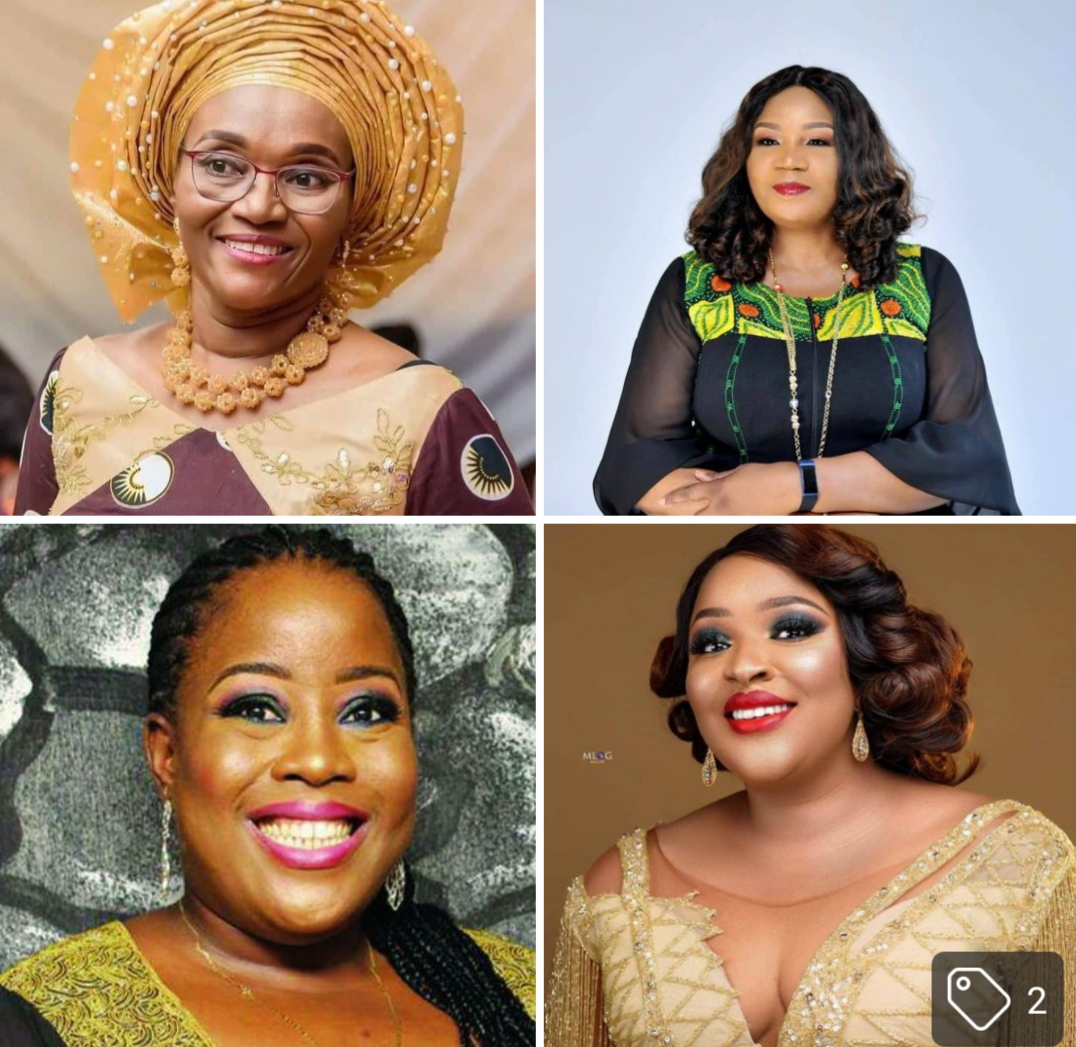
They have taken it upon themselves to support people in dire need this season, from making a call for donation for widows to giving single moms relief packages between 5-10k and more, or just food support.

They are literally giving hope to the hopeless and standing up for the vulnerable.

If you or anyone need help this season, kindly follow any of them and you might just be one of the lucky people to benefit from their benevolence.

Josephine Effah-Chukwuma

A leading activist on gender based violence and women’s human rights in Nigeria. Josephine Effah – Chukwuma pioneered the establishment of shelter for female victims of violence in Nigeria and is the Executive Director of Project Alert on Violence Against Women, a nongovernmental organization that provides information on various forms of violence against women and support services to victims in Nigeria. Few days ago she teamed up with Nollywood Actress Kate Henshaw and other well meaning Nigerians to raise N1M for 100 women in dire need in the lockdown states, she is currently rolling out funds to the beneficiaries.

It is very likely more funds will be raised and they will be able to touch more lives. If you need soft cash to get by, follow her.

Yinka Ogunde

Founder of Concerned Parents and Educators Initiative (CPE) and the CEO of Edumark Consult, a leading consultancy firm in the Nigerian education space. Having worked for over a decade with different stakeholders in education, Yinka Ogunde realised that any effective and lasting solution to the question of education in Nigeria would have to involve all stakeholders in education. It would not be a case of just government intervention or private sector intervention or citizen revolution.

Yinka Ogunde then reasoned that for this whole-sector powered solution to ever see the light of day, all parties would need a meeting point. This meeting point is what turned out to be CPE. An organisation that has given hope to several people in light of the Coronavirus Pandemic. From supporting single mums, to widows and also teachers who are greatly affected by this Pandemic. CPE has been a ray of light for many Nigerians in dire need amid the lockdwon period.

Olufunmilayo Odunaike

If you want to know the positive impact of social.media, please go on Olufunmilayo Odunaike wall on Facebook , this beautiful woman who recently turned 40 have been tagged “Mother Theresa” of Facebook, from helping sick kids raise funds to connecting those in need to donors, not to mention her recent Facebook giveaway lockdown challenge that saw people winning between. 20 – 100k. She is always doing something to give back and throwing in some positive light in the world. See one of major giveback post here

Defunke Adewunmi

Adefunke Adewumi, the founder of Black Diamonds Support Foundation, a non-profit organisation that supports and empower women especially widows and single mothers, she is well known in the slums ving hope, medical, wellbeing and educational support to indigents children, across the country. She speaks against domestic violence, rape, child abuse and molestation.Her popularity soar high with her annual outreach, tagged “Project 5000”, a project she kicked off after the death of her philanthropist mum who died seven years ago. The initiative went viral on Facebook when she fed 5000 indigents children during Christmas and also supported them with basic school needs The single mum of twins who holds a Bachelor’s degree in Guidance and Counselling from University of Ado Ekiti and Master’s of Arts in International Relations and Strategic Studies from Benue State university Makurdi.

Defunke is passionate to see both children and adult live their potentials to maximum capabilities. She has continously use her platform to support vulnerable persons in the society. Her most recent effort has been targeted towards raising funds for people who are highly affected by the lockdown, especially single parent in dire need.

Olori Ranti Ajayi

Olori Oluranti Ajayi is the founder of Womanhood with Olori Ajayi Foundation. It was founded on June 1st 2018. It was created as a Not for Profit organization (NGO) aimed at reaching out to the less priviledged in society.

Through her orgnaisation; Womanhood , she has been able to successfully impact lives of the less priviledged with several charity and philantrophic gestures, and has supported so many women and their families since the lockdown started.

Folusho Liasu

Mofoluwasho Monisola Liasu is a Lagos based practising lawyer. She attended the University of Lagos, Akoka where she bagged a first degree in law and thereafter proceeded to bag an additional post graduate degree in International law and diplomacy. Folusho runs a thriving lingerie business (Posh Lingerie) which caters to the intricate needs of ladies. Folusho being very humane, is passionate about humanity, widows, special needs children, physically challenged and cancer survivors. Her interest in this special category of people stems from their inability to meet their basic needs, thereby leaving their survival at the mercy of philanthropists and willful givers. Her advocacy is publicised majorly on her Super Parent Facebook page where her passion is seen through all known conventional means to source for funds and generate awareness for the groups’ often pitiable plight and weary conditions. She has given hope to special persons in need since the lockdown started, and even advocated for them through other platforms.

Yetunde Morenikeji Raji

Yetunde you would think she has it all going well for her till you hear her story. Her zeal and optimism seems to be her secret weapon. She became an amputee same day she lost her husband in a fatal accident that almost took her life. .It was as if her life has been cut short. She rose from the ashes of the adversity and took responsibility for her life. She survived that dark phase in her life and now using her story to advocate for amputees and touch lives through her organisation YAAR. She has helped raise money for the vulnerable and downtrodden since the beginning of the lockdown.

Patricia Nwanyioma Sparkle
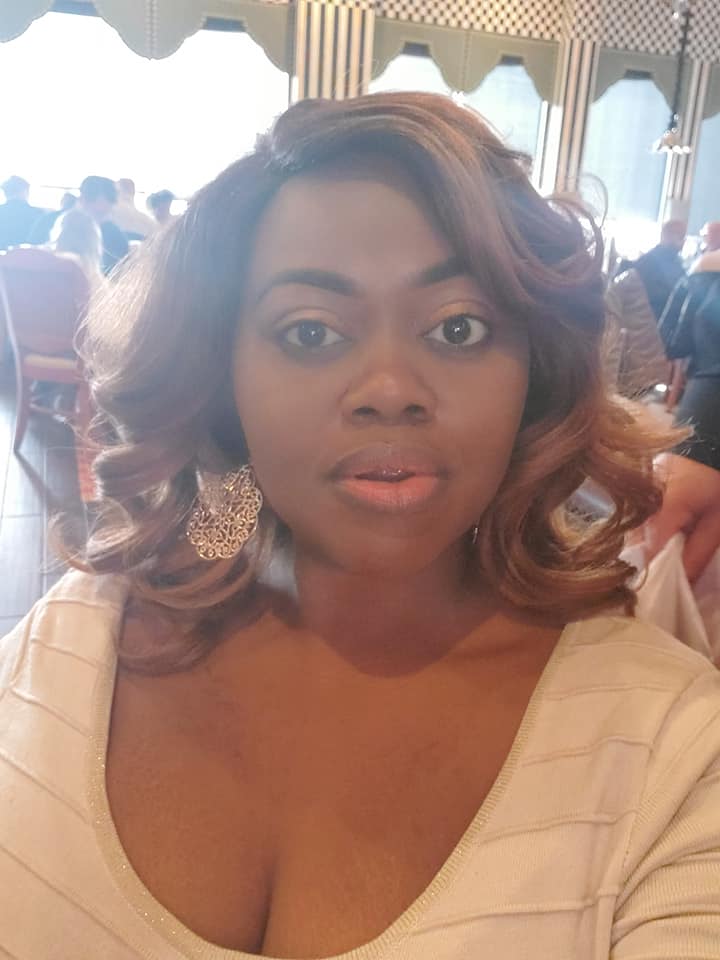
The Nigerian born, American based Nurse and blogger has consistently used her platform to give back to people in need. From giving single mums soft cash to raising funds for families in need. Sparkle as she is fondly called by her friends has given hope to many during the lockdown.

Angela Nwosu

The philanthropist has given hope to many through her Facebook page, she has shown love and compassion to her diligent followers who call themselves “AngieNation” by supporting them with funds and giving them hope.

Adebukola Crowngold

Founder, Givers Arena. In its three years of existence, her organisation has succeeded in putting smiles on the faces of individuals and communities by meeting specific needs ranging from provison of community borehole, payment of childrens school fees and empowering widows with stipends to either start a trade or boost existing ones. She has also been very supportive during the lockdown.

Cynthia Valerian Raphaels

The Customer service personnel, Marriage guardian and Women’s advocate have shown her followers and Facebook users the power of humanity and beauty of benevolence since the lockdown started.

….and of course yours truly Esther Ijewere , I do my bit via our Women of Rubies & Men Who Inspire Facebook and Instagram pages, plus my personal wall but this post isn’t about me.

These women have put smiles on many faces and given hope to the most vulnerable and I celebrate them, you should too.

How are you coping with the #StayHome, I would love to read from you. Let me know in the comment.

Esther Ijewere™©

The Mane Choice has been a well known haircare product for years. And founder Courtney Adeleye, has been passionately educating, encouraging and inspiring other women in America and globally.

Now, she is teaching her 5-year-old daughter, Lily Adeleye the ropes. She is keen on teaching that one needs to take full control of their financial futures.

Adeleye can be found helping others going through financial hardships and dropping gems on lessons that she has learned in business. Her products are on the shelves in hundreds of Target stores and her daughter’s Frilly hair bows can now be found not too far from her mom’s.

“From the time Lily was 3, I knew then she had a business mindset. At an early age, as she watched me build a successful business from the ground up, it exposed her to many possibilities and goals, so with that, we didn’t wait until she was an adult to help her pursue them.”

And if you ask Lily, she’ll tell you she is the boss. “I own my own company. I don’t just like it, I love it,” exclaims Lilly. In fact, she is the youngest CEO ever to retail at the superstore.

According to Adeleye, this accomplishment is one near to her heart as a mother and a businesswoman. “Being the first Mother/Daughter duo to hit shelves in one of the largest retail stores in the world is still surreal to us. It’s history. It’s life-changing and it should definitely be celebrated,” says Adeleye.

There has been a widespread financial challenge globally, caused by the Covid-19 pandemic. As so, Oby Ezekwesili former Vice President of the World Bank’s Africa division has therefore called on China to take responsible actions to support Africans financially. She shared her opinion in an op-ed for Washington’s Post, below:

The covid-19 pandemic has dealt a severe injury to Africa’s development prospects and worsened the conditions of its poor and vulnerable. Although there are calls for voluntary international aid to support the continent during this difficult time, this is far from the best solution.

The continent must be accorded damages and liability compensation from China, the rich and powerful country that failed to transparently and effectively manage this global catastrophe. Africa’s economic gains since the last global crisis have been eroded. It is time to make offending rich countries pay the poor ones a global risk burden tax for delaying their rise out of poverty.

Today, Africa is home to more than 70 percent of the world’s poorest people, with more than 400 million living below the poverty line. It is no surprise that it is disproportionately vulnerable to this crisis. It should not suffer even more because yet another powerful country failed to act responsibly.

China should immediately announce a complete write-off of the more than $140 billion that its government, banks and contractors extended to countries in Africa between 2000 and 2017. This would provide partial compensation to African countries for the impact that the coronavirus is already having on their economies and people.

The analysis of the balance of compensation due to Africa can then follow from discussions with the Africa Union and its member countries, alongside global and regional organizations including the United Nations, the World Bank, the International Monetary Fund, the African Development Bank and the European Union.

Our world is long overdue for a change of approach in the way it manages global risks that leave the poor worse off due to failures of the rich and powerful. The current model of development assistance is broken and can never deliver any real change of fortune for the most vulnerable. We need a new model that strengthens people to engage in the design of their pathway out of poverty and builds economic resilience.

The current conditions mirror what happened during the 2008 global financial crisis. In my time as the vice president in charge of the World Bank’s operations in Africa, we had to mobilize internal and partner resources to mitigate the severity of the economic recession suffered by the continent. Exogenous shocks dealt a lethal blow to the countries’ decade-long steady rises of economic growth, which had averaged 5 to 6 percent annually until tumbling to 2.4 percent in 2009.

This sharp fall ended Africa’s upward economic growth trajectory and sent per capita income tumbling. It increased inequality and the number of Africans in absolute poverty. Such fragile and low economic growth rates for a continent with one of the world’s highest concentrations of young people and annual population growth rate of about 2.5 percent is a key reason for widespread multidimensional poverty — a threat that carries seeds of global insecurity and instability.

The economic shock caused by the coronavirus has badly reduced the opportunity Africa would otherwise have had to lift hundreds of millions out of poverty. The African Union Commission estimates that Africa’s gross domestic product will shrink by as much as 4.5 percent, resulting in 20 million job losses.

This has dangerously hampered the possibility that Africa can generate jobs for young people and women, or increase literacy levels by reducing the number of out-of-school children with access to quality learning opportunities. It will result in lessened ability to reduce maternal and child mortality, improve nutrition and food security, make reliable energy available and accessible, improve the availability of quality roads, water, sanitation, and other infrastructure, and such other investments in public goods.

China, a country that only within the past four decades has managed to lift more than 850 million people out of poverty, would understand how critical it is for African countries to accelerate inclusive growth. While economies in Asia, Europe and the Americas have announced hefty emergency stimulus packages for their people and businesses, countries in Africa struggle to meet short-term food needs.

Most of Africa’s countries simply do not have the buffer required for fiscal relief in times of crisis, because they were already severely constrained by budgetary crises caused by poor domestic revenue mobilization, high public debts and low productivity. The parlous public finances of these countries worsened due to volatility in commodity prices as the pandemic worsened.

Africa faces frequent shocks caused by climate, terrorism, health issues, food insecurity, crime and other sources of risk. Most of these perils emanate from the failures of the rich and powerful economies, but end up inflicting a disproportionate share of the poor and vulnerable.

China should demonstrate world leadership by acknowledging its failure to be transparent on covid-19. Beijing’s leadership should then commit to an independent expert panel evaluation of its pandemic response. China and the rest of the Group of 20 countries should engage with the Africa Union and countries to design a reparations mechanism.

It is time for rich economies to show that our world is capable of doing right by the poor and vulnerable.

China must pay.

Water is essential when it comes to losing weight. According to the medical website Everyday Health, water is an important part of all body functions and processes, including digestion and elimination. When you’re on a diet, water also acts as a weight-loss aid because it can help you eat less. How much of the water do you actually need and what role does it play in the body?

How does water reduce metabolism?
People who drink water instead of sugary drinks are more successful at losing weight and keeping it off, according to the website Healthline, whose editorial team is comprised of medical clinicians. This is because sugary drinks contain calories, so replacing them with water automatically reduces your calorie intake. Studies have shown that drinking 17 ounces (0.5 liters) of water increases resting metabolism by 10–30% for about an hour. This calorie-burning effect may be even greater if you drink cold water, as your body uses energy to heat it up to body temperature.

Water can also help fill you up. Studies show that drinking water a half an hour before you eat can help you eat less, according to the National Library of Medicine. One study of overweight adults found that those who drank half a liter of water before their meals lost 44% more weight than those who didn’t.

How much water do you need?
Everyone says eight glasses (8 ounces) of water a day. But that’s changed. It actually depends on your size and weight, and also on your activity level and where you live according to WebMD. Overall, you should try to drink between half an ounce and an ounce of water for each pound you weigh, every day. For example, if you weigh 150 pounds, that would be 75 to 150 ounces of water a day. If you’re living in a hot climate and exercising a lot, you’d be on the higher end of that range; if you’re in a cooler climate and mostly sedentary, you’d need less.

What are the digestive health benefits of water?
Water also helps you digest your food properly, states WebMD. Water allows your kidneys to function properly and filter everything they need to and allows us to eliminate effectively and not be constipated. People who don’t get enough fluids in their diet tend to be constipated.

Additionally, the single biggest cause of painful kidney stones is chronic dehydration. When you don’t get enough water, calcium and other minerals build up in your urine and are harder for your body to filter out. They can form the crystals that make up kidney and urinary stones.

Original source :WOMEN WORKING

https://www.everydayhealth.com/weight/the-importance-of-water-in-your-diet-plan.aspx
https://www.healthline.com/nutrition/10-ways-to-boost-metabolism#section2
https://www.ncbi.nlm.nih.gov/pubmed/21750519
https://www.ncbi.nlm.nih.gov/pubmed/17519319
https://www.ncbi.nlm.nih.gov/pubmed/24179891
https://www.ncbi.nlm.nih.gov/pubmed/19661958
https://www.webmd.com/diet/features/water-for-weight-loss-diet#2

Miracle Sulieyol Igbokoh popularly known as Mimi is a Law graduate of Joseph Ayo Babalola University, Ikeji Arakeji, Osun state and also the Nigerian Law School, Abuja Campus.

Mimi who hails from Benue State is the founder of Mirabell Child Education Foundation, an impactful NGO where she and her team reach out to school children and widows.

Let’s meet you. Who is Mimi?

My name is Miracle Sulieyol Igbokoh, I am from Benue State. I am a Law graduate from Joseph Ayo Babalola University, Ikeji Arakeji, Osun State.


Also a fresh graduate from the Nigerian Law School, Abuja Campus.
I am the Founder of MIRABELL CHILD EDUCATION FOUNDATION.

What are your hobbies?

My hobbies are reading, making research, travelling, singing and making friends.

What is your biggest fear?

My biggest fear is to fail my parents, siblings and everyone that look up to me.

Best quote

There is no impossibility for him who stands prepared to conquer every hazard.
The fearful are the failing – Sarah J. Hale.

You are the founder of Mirabell Child Education Foundation where you reach out to school children and widows. What inspired you to start your own foundation and what fueled your desire to start?

Charity runs in the blood of my family.
Growing up, I have always watched my parents make sacrifices for people to our detriment.


I remember one time, we had nothing at home to eat, someone called my dad and requested for an urgent help, my dad at that time just received a payment he was supposed to use to get food for the house and pay our fees, instead of using the money to do the basic things we needed at home, my dad used the money to assist his friend.
So growing up and witnessing how it is so easy for my parents to give, it became a huge part of me and it has also helped in shaping me into the lady that I am today. So for me, charity has always been an inborn pleasure. Right from when I was growing up, I have always loved to put smiles on the faces of people around me. There’s this fulfillment I have, when ever God helps me to meet the need of people. It makes me happy.
I feel like being a care giver is my purpose in life.
I received God’s go ahead to register the NGO on the 24th February 2014. Registering the NGO was to make it official, so it can be accessible to everyone who is interested in being a sponsor or a partner.

Did your upbringing in anyway contribute to everything you do now?

YES.
My immediate environment constitute 75% of the things I do.

What are the major challenges young people who desire to have their own foundations face? Any personal experience and how were you able to deal with these challenges?

It is not easy starting up an NGO.
Almost everyone these days wants to have an NGO, and most who are in the position to help, have supported NGO’S that ended up using the funds that was donated to them for personal use instead of impacting the lives of the people that need it the most.
So getting financial assistance is difficult.
It’s not like I have outgrown that stage, but God has been faithful and has always come through for MICEF.
Since the official registration of my NGO, it has been my personal resources and support from my parents that has financed our outreachs.
During our most recent outreach in February, where we reached out to a school in Mararaba, Nasarawa state and we reached out to widows in Shiloh praise International church in Bwari, along Kaduna road. We had supports from my family, siblings and a few friends. For now, we don’t have sponsors yet, so for me I’ll say getting funds are the major challenges in owning an NGO.

Mention three women who inspire you to be better

1. Mrs Anthonia Igbokoh (My Mom)
2. Mrs Gloria Elijah
3. Mrs Ibukun Awosika

If given the chance to be the President of Nigeria for a day, what will you change?

I would try to eradicate poverty by making sure there are industries in every community within the 36 state in Nigeria, to ensure families in the bottom level get an opportunity to feed at least three times in a day, by creating employment opportunities for their children who are graduate or for themselves.
These industries would serve has a means of employment.

You are a graduate of Law from Joseph Ayo Babalola University and also a graduate of the Nigerian law school, Abuja campus. How has the study of Law influenced you as a person? Any future plans in that field?

Studying law has sharpened my mind, strengthened my understanding and deepened my experience across the full range of humanities and social sciences. It has also broadened my breadth of understanding. Having a law degree equips me for almost any profession that requires intellectual strength combined with a practical approach to the world.
And yes, I have plans of God in the judiciary, God willing.

Notable activities or achievements of Mirabell Foundation? Any memorable or defining moment with the foundation?

The defining moment for me, was during our last outreach to the widows in Bwari, during my interaction with the widows they said our coming was a divine intervention for them, telling me how even getting a cup of rice was difficult for them, I felt fulfilled being able to reach out to them.

The number of widows we had was beyond our expectation.

Another defining moment for me, was how God miraculously provided all we needed for the outreach, two weeks to the outreach we only had 5k in the account, in the space of few days God used the C.E.O of Peaceful Peace Import and Export Investment Company to donate 100k, that was someone I have never met or spoken to before. I was really overwhelmed with joy. It was a defining moment for me, because it was the first 100k support we have ever gotten from an outsider.

Where do you see yourself in the next 5 years?

With the help of God, I see myself in the next 5 years impacting more lives and becoming more. I also see us having an office for Mirabell Child Education Foundation and not just reaching out to people within Abuja, I see us touching lives in the 36 states of Nigeria and even outside Nigeria as a country.

If you were given the opportunity to address a group of girls five years younger than you, what will be your advice to them?

My advice to them would be; They should believe in themselves, with the help of God they can achieve anything they set their hearts to do.
And they should make proper use of their time, in order to achieve their goals in due time.

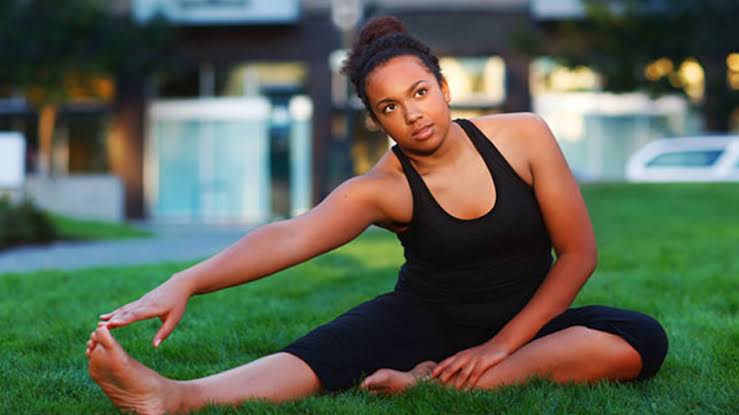
Staying at home has become a s part of social distancing measures to limit the transmission of the novel coronavirus. In some countries currently, people are being encouraged to exercise once a day.

Although, there have been some wrong assumptions that exercise suppress the immune system. This is wrong because exercise benefits our immune system. In fact, it has been found to improve the way people respond to vaccines.

A study has show that people who are active get fewer respiratory tract infections per year than less-active people. So, exercise doesn’t suppress immunity – instead, it may help the immune system function better.

At a basic level, the immune system has three main lines of defence. Exercise helps maintain the normal function of each of these.

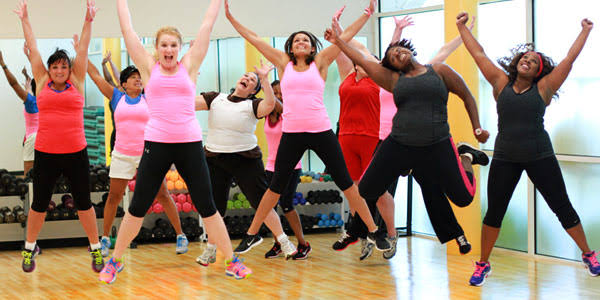
“Regular moderate intensity aerobic exercise – such as walking or jogging – is beneficial for maintaining normal immune function. You should aim to do about 150 minutes of these types of exercise a week,” stated some UK lecturers.


Resistance exercise such as Weightifting also has clear benefits for health and wellbeing in general, being a resistance ecercise, it alleviates psychological distress, and helps in maintaining strength, balance and coordination.

Due to the current circumstances, it’s important to exercise in isolation and maintain good personal hygiene, washing hands following exercise.

In addition,  you should also pay attention to getting a good night’s sleep and maintaining a healthy diet to give the body its best chance at fighting off infections.

ARISE WOMEN, a charity organisation, donated medical supplies to Lagos State Coronavirus (COVID-19) Response Team as part their efforts to fight covid-19. The founder is a Lawyer of 35years cognate experience, Dr. Siju Iluyomade.

The donations includes 4,000 sanitizers; 20,000 hand gloves and 4,000 facemasks, would equip the medical team with necessary protective gears needed to contain the Covid-19 pandemic.

The founder/convener, said the organisation gives priority to health, because sound health was necessary for  well-being and productive citizenry.

“ARISE takes health very seriously because you need to be in sound health to do anything tangible. Apart from the donation of personal protective materials, ARISE has free medicals outreach at the Healing Stripes Hospital for Women every second and last Wednesday of every month.

“Also, under our adopt-a-village Scheme, we have adopted many villages In Abuja. We built a full-fledged functional borehole in three of the villages for the schools and separate ones for the communities and their leaders, we built full resource & literacy centres, complete renovations of schools, supplies of stationeries, books and brand-new classroom furniture,” she said.

She stressed that the succour and the success stories recorded over the years had inspired the organization to do more and touch the lives of more Nigerians.

“When you see that overwhelming look on the faces of the women, children and men at times, you even think you have to do more and you see them so elated and thanking God for ARISE. We cannot help but keep going, knowing we are touching and affecting lives positively and giving hope to those that are almost giving up.

“ARISE is all about educating and empowering the women knowing fully well that if you educate, impart knowledge in the woman and empower her, she in turn will do the same for her children who are the leaders of tomorrow. She will lift up her family, support her spouse and the list is unending, thereby bringing a better future and hope to her loved ones, community and ultimately, her nation,” she said.

The protective materials were presented to the Lagos State government as part of attempt to support on-site operations and protect health workers as they work to contain the spread of COVID-19 in Lagos State.

For over 11 years, ARISE has continued to reach out to many without bias, staring with its pioneer charity work labelled: “Faith and Works” that is over 20 years old.

According to Dr. Iluyomade, these tough times call for payers and goodwill. She said: “Let’s remember the poor; let’s reach out with food, hand wash, sanitisers, gloves, mask and other relief materials. It is very important to also remember the health workers, Doctors, Nurses, Lab technicians, cleaners who are all on the frontline, lets pray for them and their families” she said.

An overcomer of the massacre that cleared Rwanda more than two decades back is impacting the world forever as the nation’s first female neurosurgeon

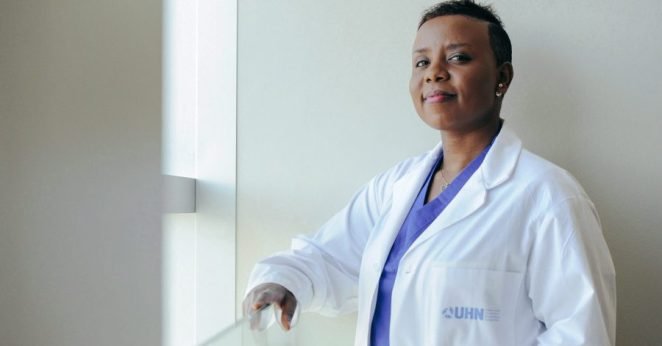
Claire Karekezi longed for turning into a specialist in the midst of a youth scarred by massacre. Toward the beginning of July, the 35-year-old will return home as the solitary female neurosurgeon in Rwanda.

As a kid experiencing childhood in Rwanda amid the 1980s and ’90s, Claire Karekezi longed for turning into a specialist. In any case, what she calls her “directing star” has taken her a long ways past that underlying objective to join the positions of what is maybe prescription’s most requesting claim to fame.

Claire Karekezi was brought up in Rwanda. She finished her therapeutic school and qualified as a Medical Doctor (MD) from the University of Rwanda (UR) in March, 2009.

Claire’s LinkedIn Profile:

“My story with Neurosurgery starts In June, 2007 while on my 5th year of Medical training; I had the opportunity to be in an exchange program through the International Federation of Medical Students’ Associations (IFMSA) and the chance to be in the Department of Neurosurgery at the Linkoping Teaching Hospital (Sweden) under Professor Jan Hillman, Professor of Neurosurgery, Chairman of the Department of Neurosurgery; who became a crucial element in my career becoming my very first Mentor. This was a huge inspiration to Neurosurgery as for the first time I had seen and touched the “Human Brain”.

Later in February 2009, I was selected for the very competitive “Elective program” at Oxford University/John Radcliffe Hospital (Neurosurgery Department), and spent 6 weeks observing Dr Cadoux-Houdson. It was then clear in my head: I knew I wanted to become a Neurosurgeon!! Where? How? I had no idea!!! That time Rwanda barely had 1 Neurosurgeon/11M and no local training program in Neurosurgery!”

Despite almost insurmountable difficulties for such practice and training in my Country and the rest of Africa, I did not give up. April 2011, I was finally admitted for a full five-year residency program at Mohamed V University/Rabat WFNS Reference center for the training of African Neurosurgeons thanks to Pr. El Khamlichi A and his team. I graduated as a Neurosurgeon in may 2016.

I, from July 2017 joined my clinical fellowship in NeuroOncology and Skull Base Surgery at Toronto Western Hospital/UHN/UofT for a year and have had an incredible opportunity to be with the Giants in Neurosurgery.
I wish to contribute to the Neuro-Oncology Practice in Rwanda and SSA. I will be becoming the first Female Neurosurgeon in my country and hope to be an inspiration to young female wishing to become Neurosurgeons.

Claire has spent the last year at Toronto Western Hospital, honing her skills in neuro-oncology and skull base surgery, specializing in the removal of brain tumours.

Providing that service to brain cancer patients in a country with only one hospital-based MRI and few CT scanners will be a daunting task, but it’s one Karekezi is determined to overcome, just as she has all the challenges and sacrifices needed to fulfil her childhood dream.


Source: Women Africa

 – Says Government need to set up Mental health facilities and distress lines as soon as possible….

One of the downsides of the present change the world is experiencing because of the Coronavirus pandemic is the effect it would have on the mental health of so many people globally. Many have never been in situations where they have to stay in one place and not move around. While the social distancing and lockdown is a necessary safety measure to flatten the curve of COVID virus, we also need to create mental safe space for everyone.

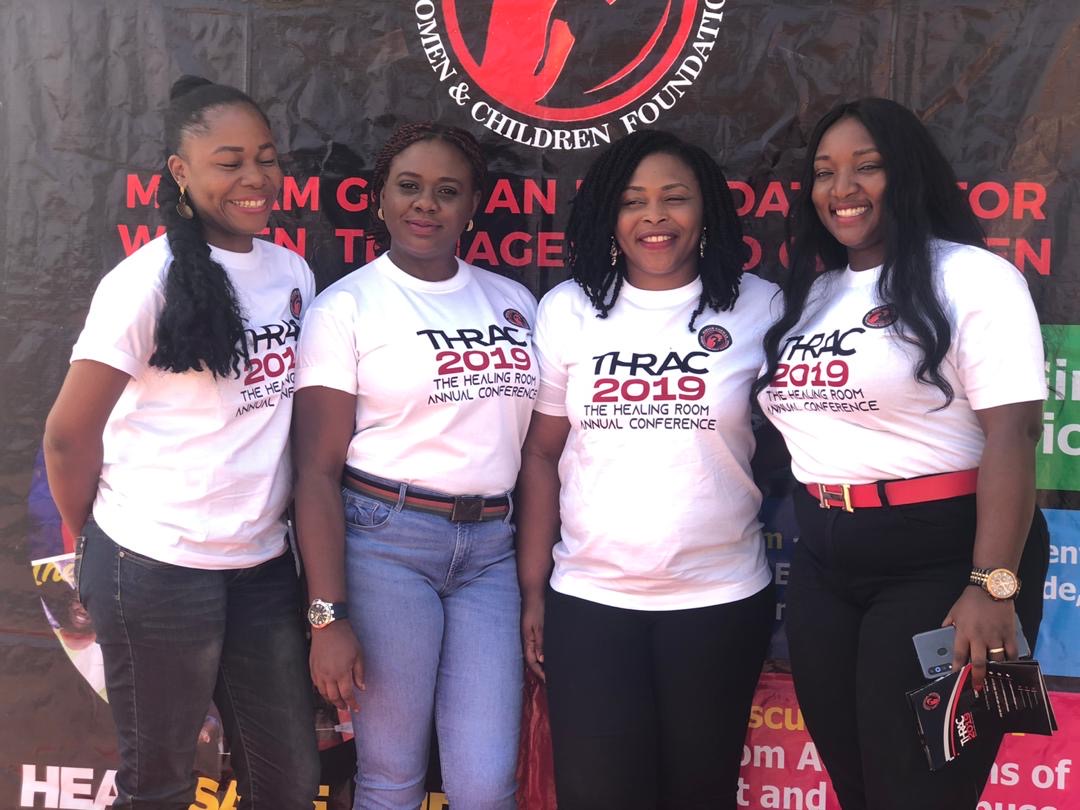
Rinret Gofwan shares her thoughts on this. She is a behavioural change therapist, licensed trauma therapist, a certified emotional intelligence coach who specialises in Neuro-Linguistic Programming (NLP) and Advanced Training for Trauma Treatment of complex PTSD, overcoming compassion fatigue with professional resiliency, trauma and addiction.

Rinret is a University of Abuja Trained Communicator and Psychologist from the University of Jos, and a Sociologist From the University of Maiduguri with a Masters in International Relations and Strategic Studies. She is also the founding director at the Miriam Gofwan Women and Children Foundation. She shares her inspiring story while giving us an insight on how coronavirus will affect the mental health of people globally.

Growing up
Growing up as an only child, I was spoilt with everything. Looking back, I was an over-pampered child. My late mum wanted me to have everything life had to offer until she passed on. So at 16 years, I was alone, I didn’t know how to wash my clothes; it was at that moment life welcomed me. I had to start learning and I had to adapt and survive.

Inspiration behind Miriam Gofwan Women and Children Foundation and its impact
I always get this question and I’m always trying to figure out which life lesson to start with.  Is it being accused of witchcraft, being abused and raped or almost losing my life in an accident? All these alongside my near-death experience inspired me to start the organisation. I disconnected from reality and built a personality. I couldn’t face my life as it was, suffered from pain and disassociating (disconnecting-from reality and couldn’t feel anything). I was fortunate to meet my mentors, Innocent and Talatu Usar, who God used to pull me through that phase of my life.

Being a Behavioural Change Therapist, Certified EI Coach, Trained Communicator and managing it all
Well when you are addicted to finding ways to heal, you will stumble into many training. In my trauma healing work, I need to be equipped with the right tools that would help in healing, so I committed myself to learn. You know people respond differently to trauma; what might be traumatic to someone might not be to you. How we react and respond to traumatic events are different. With this in mind, I went into learning and this has helped me understand my clients and knowing what tool to use in any case we have at the Foundation and the wellbeing hub.

What inspired me to start the pan-Nigeria healing room and the wellbeing hub for professionals
You see, the pain has no gender, no religion, no status no tribe, no class. Pain does not choose who feels it, we ALL feel pain; either from losing a loved one, loss of our childhood, abuse of any kind (verbal, emotional and physical) heartbreaks, disappointment, depression, anxiety, panic attacks, accusation or any traumatic experience. We are constantly trying to deal with these emotional issues and staking them side by side.

When emotions are over-staked and thoughts can’t be controlled, we need to devise methods to help. That’s how the Healing Room and the hub for professionals started; to enlighten, help and give professionals a place to go seek for help. The Healing Room became a place we go to sort out all these stacked up emotions, a no-judgment zone where you speak up and get healed. Coming to the healing room to some is like coming for medical checks monthly or weekly. To others, it is like coming to take vaccines to reset their minds; to some, it’s coming for medications in each session. To some, it is a place to support others who are in pain. To some, it is a place to hang out and stay emotionally healthy with proper guidelines.
Above all, it is a place of restoring wholeness for professionals.

Mental health effect of coronavirus pandemic and what can we do as a society to sensitise people
The first thing is to encourage people to stay calm, already I have many clients who are suffering from depression and anxiety because of the situation and we kicked off online group sessions to help them.

The truth is, being isolated is not healthy for people who are not used to such serenity, or people who have had a history of depression. What mental health practitioners can do right now is to start using technology and phone calls to help manage their clients, I have started on my end and I hope many more will go that route. The government would need to leverage on technology to also enable people to get first-hand mental health help online, by providing distress numbers to call. This will make a lot of difference.

Wellness nuggets for women who don’t know how to slam the breaks and detox
You see, mental and emotional wellbeing is an important part of our overall health. Women who are mentally and emotionally healthy are more in control of their thoughts, feelings, and behaviours. Women need to understand how to master their emotions and know how to be balanced in all seven dimensions of wellbeing, which are social, emotional, spiritual, environmental, occupational, Intellectual and physical. Stress is the feeling of being under too much pressure and feeling unable to cope with situations. Women who are constantly affected by stress in different ways end up getting sick and over time, ending up with mental health and physical issues.

Here are some things women can do to help reduce stress, constantly and instantly, over a period time:
Learning how to say NO, breathe; learn to relax your mind and body, try breathing exercises that can calm you down when under stress, exercise, get Spa dates to help release tension. Sleep – try to go to bed and wake up at a good time, laughing to relieve stress, talk- open up to someone you trust about your problems, and surround yourself with people who inspire you.


Challenges of Being a Mental Health Advocate
Mental health stigma, our justice systems, religious believes around mental health issues, funding for the foundation, consistency in following the therapy processes, the high rate of people in rural areas who are not aware of mental health issues, and how poverty has made them turn all issues of mental health to spiritual issues, the deliverance centers where they beat and abuse those with behavioural issues instead of therapy homes and the lack of mental health therapy centers.


Other projects and activities
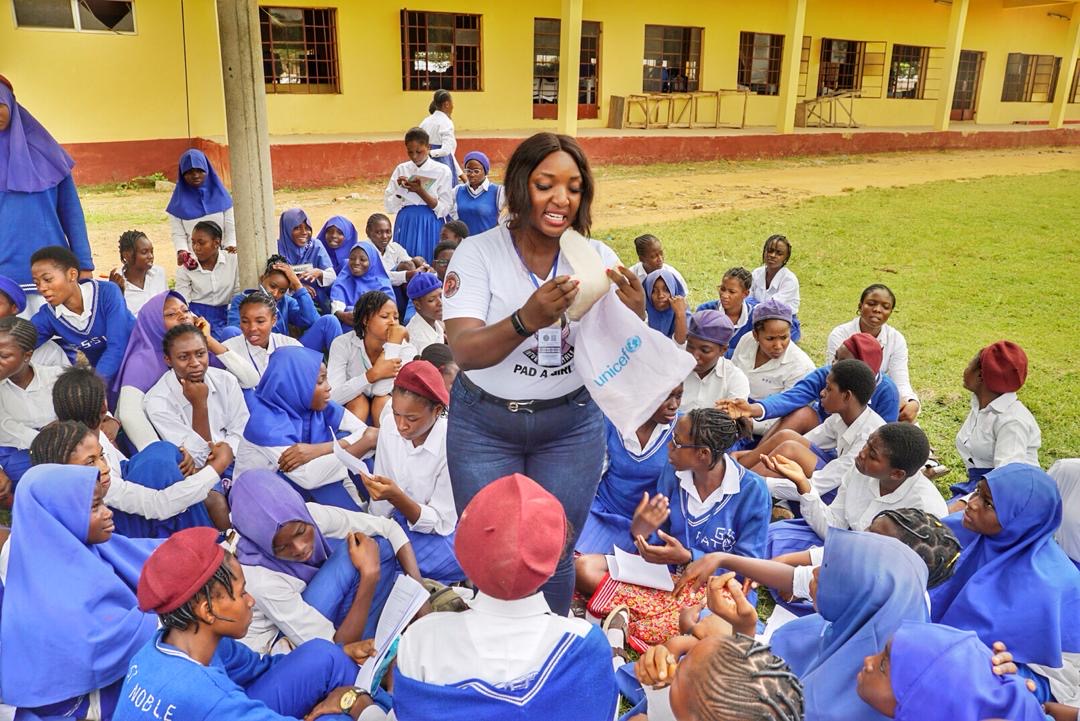
We are currently working with some government agencies to launch and fix our sanitary pad boxes across the country in communities and public schools. We have opened our sanitary bank where we receive sanitary pads for distribution to schools and communities. We are opening more healing room therapy groups in five other states. We designed some trauma-informed course outlines to help schools and organizations. We recently just opened the wellbeing hub in Abuja, where we attend to clients who want private therapy and want trauma-informed trainings and care for their schools and organisations.

What makes you a Woman of Rubies
For me the stone ruby is also believed to protect self and others from negative entities that bring positive energy, promoting spiritual vitality and wellness. Now this describes the woman I have become- a strong woman who has gone through a lot and survived, coming out beautiful, standing strong and helping thousands of men and women. Now, that describes me!

As a counselor of repute and certified Trauma specialist, do you think the Nigerian Government has done enough in the Mental Health sector? If not, what would you suggest they do better?
I believe the government can do more by setting up more mental health facilities and rehabilitation centers; creating awareness around mental health issues and the stigma around it; reforming the justice process in rape cases and how evidence is processed; setting up therapy session and mental health training for our men and women in uniform; creating a safe working environment for women and young girls to speak up, not be shamed and judged; including mental health sessions in our school curriculums, and making sure we have sanitary pads and the boxes hanging everywhere in the country.

In honour of women’s history month, last march, MultiChoice Nigeria beamed light on four young women, who are defying every odd there is to follow their dreams of telling the African story through film.

Uchenna Eileen Ugwu

Uchenna Eileen Ugwu
Ugwu knew from when she was just a little girl that she wanted to make films. She went on to study Theatre and Film Studies at the University of Nigeria, Nsukka.

Now 24, Ugwu’s passion for film keeps growing more than ever. After undergoing training at the Multichoice Talent Factory (MTF), she went from wanting to only write scripts, to realizing that she can do so much more.

A film she co-wrote and line-produced – made it to the Africa Magic Viewers’ Choice Awards (AMVCA) while a mini documentary she wrote and co-produced, named – Plastic Treasures – won the spotlight award at the Mobile Film Festival in Paris, France this past year.

Ugwu has also started a production company and hopes to make films that will show the lives of people whose stories we never heard.

Precious Iroagalachi
Iroagalachi studies Sociology from the University of Port-Harcourt. Like Uchenna, she got her shot at filmmaking when she won a scholarship into the MultiChoice Talent Factory (MTF) to study Film and Television Production.

Precious Iroagalachi

Iroagalachi has co-produce an award-winning mini documentary – Plastic Treasures, which won the Spotlight Award at the Mobile Film Festival in France, as well as worked as Camera Operator for two feature length films currently showing on SHOWMAX – Life of Bim and DreamChaser. The latter she says has been “the most challenging and fulfilling thing I’ve done, asserting myself as a cinematographer in Nollywood.”

As one would expect, the biggest challenge has been having to prove that she is much more than just a pretty face. “I always work hard not to be the weakest person in the room because in a way, that is expected,” she says.

Ronke Adeola
Ronke Adeola, quitted her 9 to 5 easily to pursue her filmmaking dreams , but nothing could quite prepare her for the difficulties she ran into when she exhausted her savings. It took her a couple of years to find her footing and even though she still doesn’t earn as much as she earned at her bank job, the Art History graduate is a lot more fulfilled making films and telling stories that matter.

Ronke Adeola

Since quitting her bank job, Adeola has worked on a number of cool projects including the film adaptation of Chimamanda Adichie’s Half of A Yellow Sun where she worked as a Producer’s assistant. Her film, Awani has gotten into major film festivals across the world and bagged Award of Merit from the Impact documentary Awards and UNESCO prize from the Belgium UNESCO commission.

“Awani is by far my biggest achievement. Everything that came after that has been a big bonus.”

“If we are going to spend 16 hours in one location, we need access to proper toilets. If filming lasts till 4am, women have different security needs, how are we supposed to get home safely? The inclusion of women can be improved with better logistical planning and setting up funding for women led projects. That being said, the future is getting brighter for women filmmakers. We just have to be steadfast and also make sure we are opening doors for other women behind us,”she said.

Blessing Bulus
Bulus has got a versatile skill set, from production, cinematography, costuming, production management to editing. Fresh out of the Nigerian Institute of Journalism where she studied Mass Communication, Bulus was selected as part of the 20 students from West Africa to undergo training in filmmaking at the MultiChoice Talent Factory (MTF).

Blessing Bulus

Her recent and highest  project is tittled Aljana where she worked as the Associate Producer. Like some of her idols including Rama Thiaw, Ava Duvernay, Caroline Reucker and Mo Abudu, Bulus dreams of telling stories that will resonate with a global audience. “I never dream to make Nigerian/African cinema,” she says. “I dream to make Cinema. I look forward to seeing films that outlive the filmmakers and to achieve that, I have to dig into my inner self and tell the truest form of what I feel.”

For full article click here