Author

Women of Rubies

Browsing

10-year-old coder, Soliyana Gizaw Hunde recently won the inaugural AfriCANCode Challenge, after she developed a fun and engaging educational game named ‘Mathstainment’, to practice math and raise awareness of COVID-19 related health protocols.

Mathstainment was inspired by Soliyana’s love of maths and science and her strong community spirit.

“Being part of the AfriCANCode Challenge has been fun, and winning the national and overall competition was very exciting,” says Soliyana, who lives with her parents in the Ethiopian capital Addis Ababa. “It has motivated me to do more and dream big.”

The AfriCANcode Challenge was introduced after the 2020 SAP Africa Code Week programme shifted to an all-virtual format in the wake of the global pandemic. The competition challenged youth aged 8 to 16 to develop a game using the Scratch coding language to reimagine school and education, or answer the question “How will your tech change the future of education?”.

Participants from 22 countries made it to the final round of the competition, and the winner was announced in early 2021. All of the top three winners were girls, with Soliyana crowned overall winner at a virtual prize-giving ceremony in February.

Soliyana says she was inspired to learn coding after seeing the projects her cousin, a software engineering student at one of the local state universities, was doing. “When I was eight, my cousin helped me take a short coding training course at a local centre. Since then, I have watched instructional videos on YouTube, and I have been motivated to keep practising.”

After the pandemic forced the Ethiopian government to close schools, Soliyana decided to apply her coding skills in the service of her community by participating in the AfriCANCode Challenge.

“When we started staying at home due to the pandemic, I heard how it was affecting people in our community and what we could do to protect ourselves and our loved ones. I decided to develop my Mathstainment game to create awareness about COVID-19 and offer a simple and fun way to practice maths.”

Mathstainment was built using the Scratch programming language. It asks a series of maths questions that lead a character on the screen ever closer to personal protective equipment (PPE) for each correct answer. After a few incorrect answers, the player has to start over. Maths questions are posed at varying difficulty levels, ranging from ‘Easy’ to ‘Difficult’.

Asked what lies ahead for the young coding champion, Soliyana says: “I want to be an astronomer. I want to know how the universe works.”

Alexandra van der Ploeg, Head of Corporate Social Responsibility at SAP, says:

The innovation and community-minded spirit displayed by this year’s participants point to a bright future for Africa’s citizens. It is also hugely encouraging to see the high ratio of female participants, whose ingenuity saw all three top place finishes claimed by girls.

SAP Africa Code Week and the AfriCANCode Challenge mobilises hundreds of partners in the public and private sector who rally around the urgent task of empowering Africa’s youth with essential digital skills. As we continue into an uncertain future, this investment into youth skills development will pay huge dividends over the coming years and decades.


Dr Musawenkosi Donia Saurombe, Africa’s youngest female PhD holder.

In 2017, at age 23, she became the youngest female PhD graduate in Africa after obtaining a Doctor of Philosophy (PhD) in Industrial Psychology from the North-West University, South Africa.

She was born in Zimbabwe, raised in Botswana and currently resides in South Africa.

Her PhD thesis passed without corrections and focused on The Management perspectives on a talent value proposition for academic staff in a South African Higher Education Institution.

Dr Saurombe started her undergraduate studies with a BCom at the age of 16 which she completed at 19. Leading to her postgraduate studies, she obtained her Honours and Master’s degrees with distinctions at the age of 20 and 21 respectively.

She is currently a Senior Lecturer at the University of Free State. She is also a member of numerous global organizations and a well accomplished Researcher with numerous publications to her name, which have been presented at a number of international conferences.


The signs of emotional exhaustion are hidden in your emotional expression, and they show through your mood and the way you react and manage your emotions.

When lacking self-awareness, the most efficient way to identify the signs of emotional exhaustion is to seek professional support or ask your loved ones to have a closer look at your behavior, your reactions—like body posture, facial movements (micro-expression), and verbal or non-verbal expressions.

I know, it is not easy to share such personal feelings and weaknesses with others. But one thing that we must understand is that we are all interconnected, and our personal growth is dependent on communication and interrelation with the people around us. And that applies especially when things go wrong.

If you don’t open to your closest, how can you nurture your positive emotions and express positive qualities and virtues to others?

Self-awareness detects emotional exhaustion. As a meditation teacher, it is my daily business to analyze, study, and share my opinions about emotions. The meditation as the fundamental element of reviving the self-awareness can help to manage this whole subject matter.

1. You Feel Tired Very Quickly and Very Often (Physical Exhaustion).

It is nothing but natural to become physically exhausted after performing physical activity. After a rest, the body recovers, recharges strength, and replenishes energy. Usually, in this condition, you have the stamina and the resilience to absorb many of the below-mentioned signs. But once the physical exhaustion becomes chronic, the body cannot replenish its energy that easily. That’s when you will feel fatigued.

2. You Lose Interest in Engaging in Daily Activities.

Chronic tiredness results in a mood that expresses demotivation, idleness, annoyance, and frustration. These are signs of emotional exhaustion—showing no motivation, no vitality for engaging in or exploring new things in life.

3. You Feel Less Tolerant in Your (Long-Term) Relationships.

The signs of constant boredom and annoyance are linked to a behavioral tendency showing indifference that makes you less tolerant in your relationships. The signs mentioned above breed impatience, which quickly creates anger, envy, and even hatred, where even more frustration arises by the fact of not being able to manage relationships on any level.

4. You Feel Insecure, Incapable, and Unworthy.

The need for isolation arises and you reach a mood where you feel insecure. Doubtful and anxious, you begin to question your capabilities and your self-esteem sinks lower and lower. The cocktail of these feelings and moods creates so much confusion, resentment, and sadness up to a point of complete emotional exhaustion—a state of burn-out.

This process of emotional irritation and imbalance happens rather unexpectedly. Without notice, despair crawls deep into the psyche exhausting all vitality and all creativity.

How to Prevent or Get Over This Exhaustion?

Apart from the different techniques to overcome mental exhaustion, there is one organic way to recover from emotional exhaustion: Meditation.

Prevent the development of emotions—in other words, learn to identify the emotion before it arises and cut its process of evolvement.

For example, the feeling of boredom leads to annoyance, and that leads to rejection, irritation, frustration, and so on.

Once a negative thought arises and creates a destructive feeling, it is a sign that negative emotion is about to erupt. The idea here is to disrupt the creation of this process and exchange it with a constructive mental and physical activity.

This can be done only in a meditative state of being—in a state of inner observation—watching the thoughts.

Breathing exercises can help you reach that state.

As emotions are the result of the unconscious repetition and acknowledgment of feelings that are supported by the constant creation of thoughts, it is imperative to understand that the root cause of emotional exhaustion is found in the creation of these thoughts.

The meditative state of being can slow down this process and then give a clear picture of what is going on deep inside of us and find the root cause of the problem and the solution for it.

Final Thoughts

One thing worth remembering is that no human being is spared from the turmoil of emotions. You, me, and everyone else suffer and enjoy the effect of the emotions that we create for ourselves.

The above technique sheds light on how you can identify, understand, and move through the whole spectrum of emotions to get over the emotional exhaustion and achieve emotional balance. This way, you can safely experience being the victim as well as the beneficiary of your various emotions.

Hence, it is inevitable to look into how emotions work and how to approach them. The techniques on how to get over emotional exhaustion carry the idea of initiation into emotional self-education.

Know that emotions are there to be analyzed and understood, not only to be enjoyed or avoided. Embrace them, handle them, and don’t get lost in them.

Getting motivated at work is often easier said than done. Sure, you might have the best intentions, but then three hours have passed and you’ve accomplished nothing.

Motivation can be fleeting, but there are workarounds for when you’re feeling like taking a nap rather than knocking out your to do list.

Natural motivation comes and goes–but with a few good tips, you can make getting motivated a consistent practice so that you never find yourself feeling stuck in the no-motivation zone.

So what causes lack of motivation at work–and what can you do to overcome it?

What is lack of motivation and what causes it?

Lack of motivation typically manifests itself with physical and mental symptoms: Feeling tired, exhausted, and having poor concentration or focus.

The French word for this is ennui, which means a feeling of listlessness and dissatisfaction that comes from a lack of interest or excitement.

When people lack motivation at work, they often they have a hard time completing tasks, miss deadlines, and withdraw from group activity, becoming very quiet and disengaged.

What causes a lack of motivation?

The sources for this problem are vast, but can be linked to things like:

1. No opportunity for advancement or development.

When a job feels like a dead end, it’s hard to get motivated to do your best work and keep pushing forward.

2. Lack of direction within a role.

Those who are trying to figure out what exactly they’re supposed to be doing within their job often find themselves spinning their wheels. Make sure you have a detailed job description, clear objectives, and benchmarks in place so you can get motivated to meet them.

3. Burnout.

If you’re working too hard, too long, and on too many things, you’re probably feeling unmotivated and burnt out. This stressful behavior can zap your productivity and lead to resentment toward your daily work.

4. Lack of a leadership at work.

If your boss isn’t leading at work, it’s probably hard to get excited and motivated about projects–and this may be a chronic flaw within the organization.

5. Feeling unvalued.

If you feel unappreciated and like you’re not a valuable part of the team, you’re probably not motivated to contribute and do your best work. It may be time to have a frank discussion about how your company can be better about celebrating wins and acknowledging process and success.

6. Conflict with team members.

Drama at work is distracting, demoralizing, and makes it hard to concentrate on actual work-related tasks. If you’re dealing with conflict at work, take the issue to your supervisor and have a mediator help resolve the issue so you can both move past it.

7. Personal issues.

Sometimes life gets in the way of work–there’s no way around it. From marital issues to family health and everything in between, life just happens. Therapy, time off, and transparency with your boss can help you get through it a little bit more quickly.

Tips for getting motivated at work.

So what can you do to become more motivated at work?

Here are a few ideas, plus insights from real people who’ve found them effective and scientific research on why they work so well.

Change your scenery.

Sometimes you just need a change of scenery to reset your brain and spur some motivation. Talk a walk (or a full mental health day) to take in some fresh scenery and practice mindfulness.

As you take your walk, consider going to a quiet area in nature, walking in a green or tree-filled area (rather than an urban or residential area) has significant health benefits. Forest walking reduces heart rate and significantly decreases depression, fatigue, anxiety, and confusion.

Other people recommend simply changing your work setting and escaping your traditional work environment to mix things up. Using a cafe, co-working space, or restaurant as a mobile office may help spur productivity.

Create a routine.

Achieving a state of flow at work is no easy task, but building a consistent routine is one way to simplify the process. By implementing regular tactics like time batching, a productivity system, or even listening to the right music regularly, you can get into motivated work mode a bit more easily.

Don’t overload your schedule.

Putting too much on your to-do list is a great way to kill motivation, as it leads to overwhelm and decision paralysis.

If you feel like there’s too much to do, consider prioritizing the most important tasks, delegating where you can, and speaking with your supervisor to look for other solutions to the problem.

Make sure you have down time in your schedule as well, as this will help provide a short mental rest that keeps you from overloading yourself.

Get organized.

Another way to spur motivation is to start with a clean slate and a well-organized plan of action.

Clean up your workspace and computer screen, create a new (prioritized) to-do list, and let the clarity this provides lead the way.

Get a good night’s sleep.

It’s hard to get motivated at work when you can barely keep your eyes open. Good sleep is essential for focus, so be sure that you’re getting six to eight hours of rest per night.

This might mean establishing a sleep routine and putting down the devices a bit earlier in the evening, but the mental recharge this provides will be well worth the adjustment.

“Being chronically tired to the point of fatigue or exhaustion means that we are less likely to perform well. Neurons do not fire optimally, muscles are not rested, and the body’s organ systems are not synchronized. Lapses in focus from sleep deprivation can even result in accidents or injury.”

Establish a support network/accountability partner.

If you’re struggling to stay on-task and motivated on projects, consider getting an accountability partner, a mentor, or a general support network who can help you stay on track. Having to report to someone else will give you more reason to get motivated, and these people can serve as your cheerleaders along the way, encouraging you to keep going.

If you’re struggling to find someone for this role, consider looking to online forums, social networks, and contacts within your virtual network. Your partner doesn’t have to be someone you see day to day, but it should be someone you feel comfortable checking in with regularly (even if it’s only through phone or video conversations.)

Final Thoughts.

Get motivated to work, get more done
Now that you know some of the causes for a lack of motivation at work and some handy tips for overcoming those days when you don’t feel like doing anything, the only thing left to do is to test some out. Try a few different tactics and see what works best at getting you back to your high-functioning self.


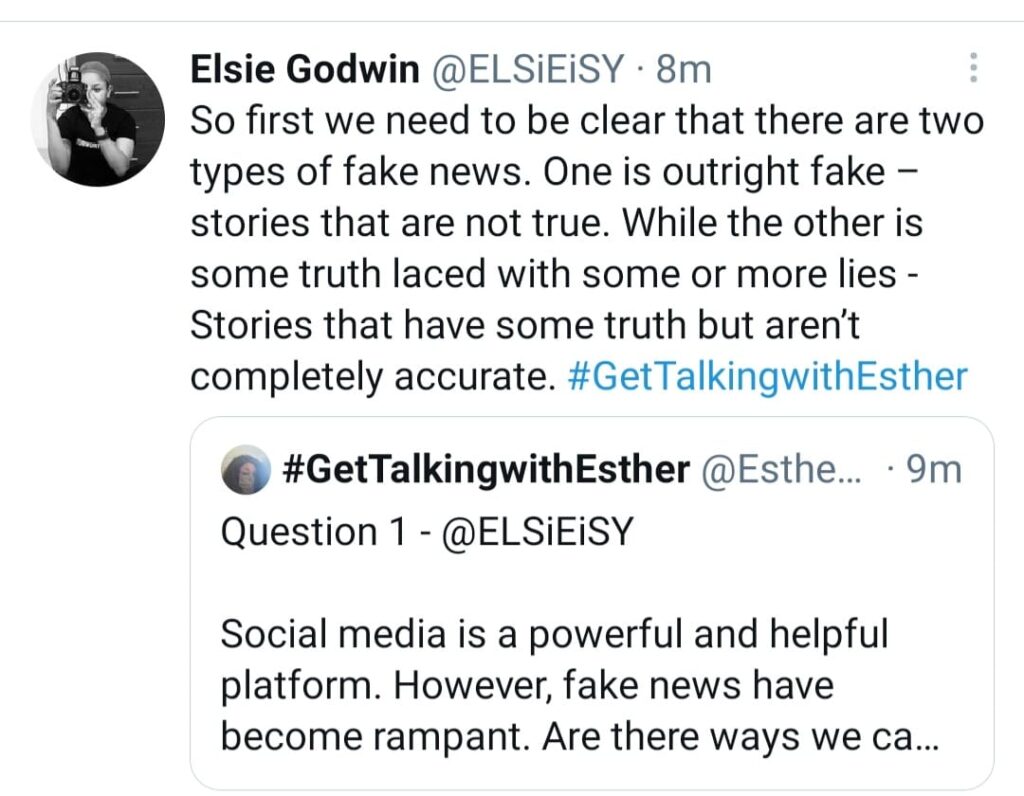
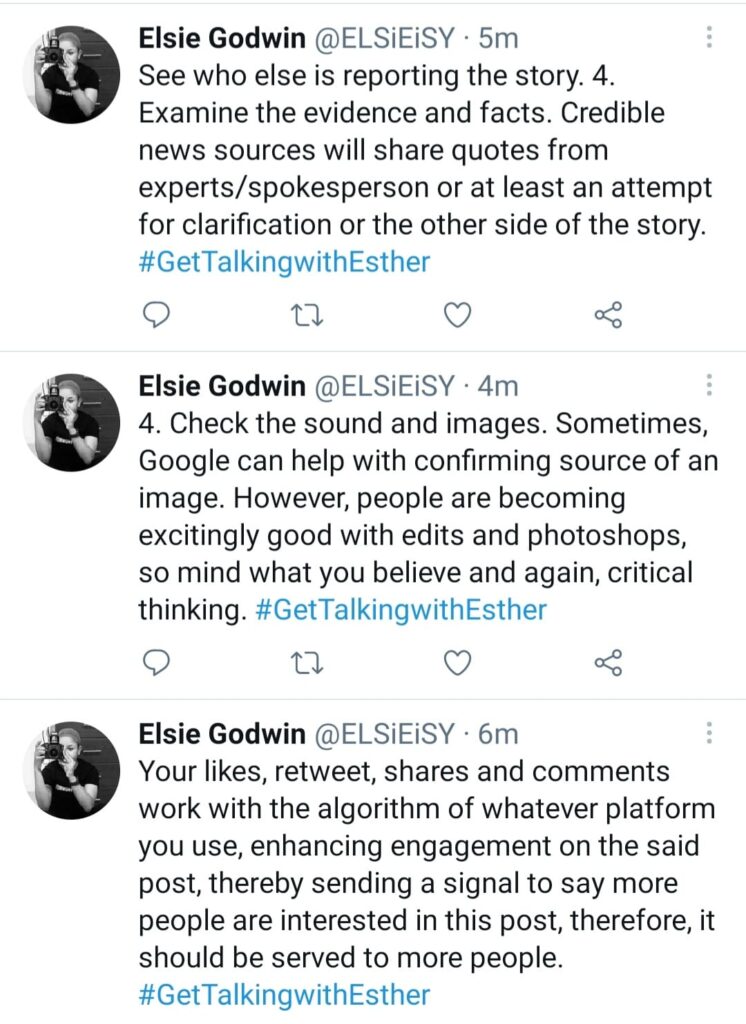
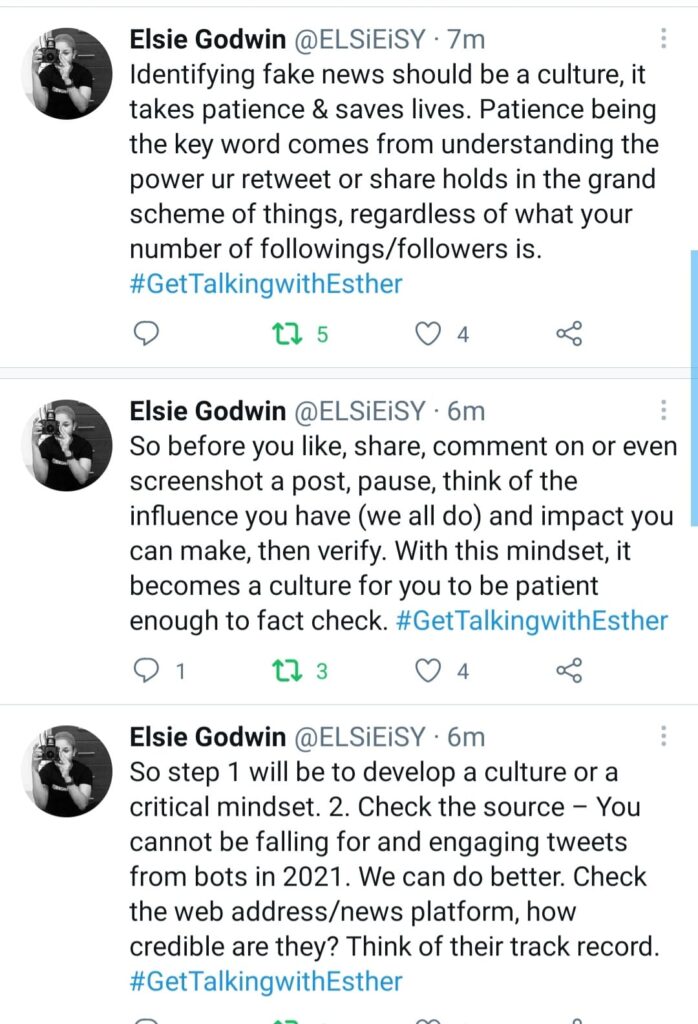
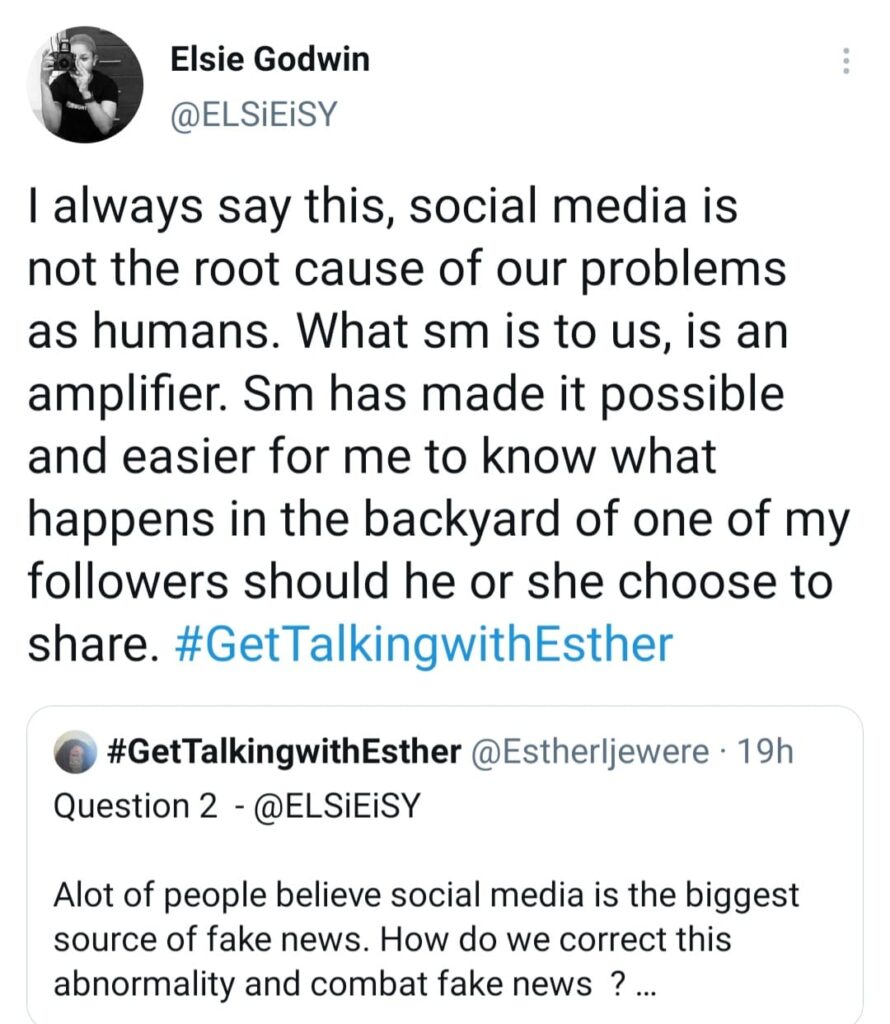
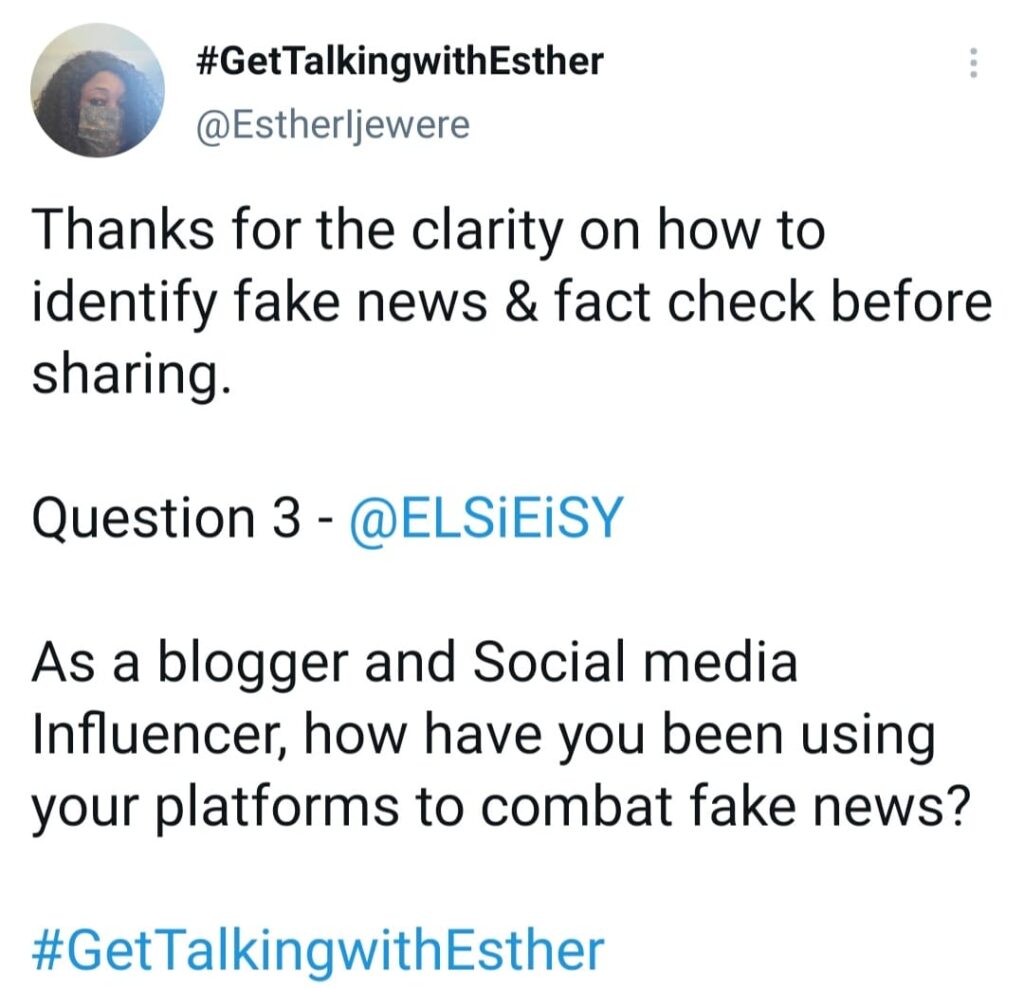
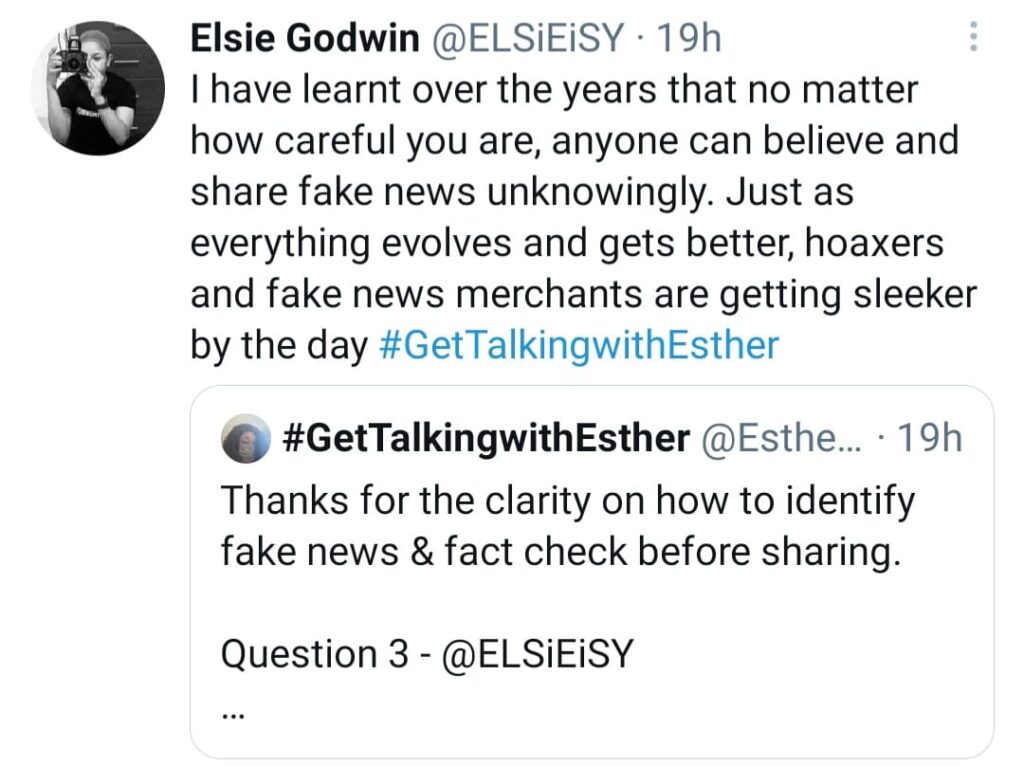
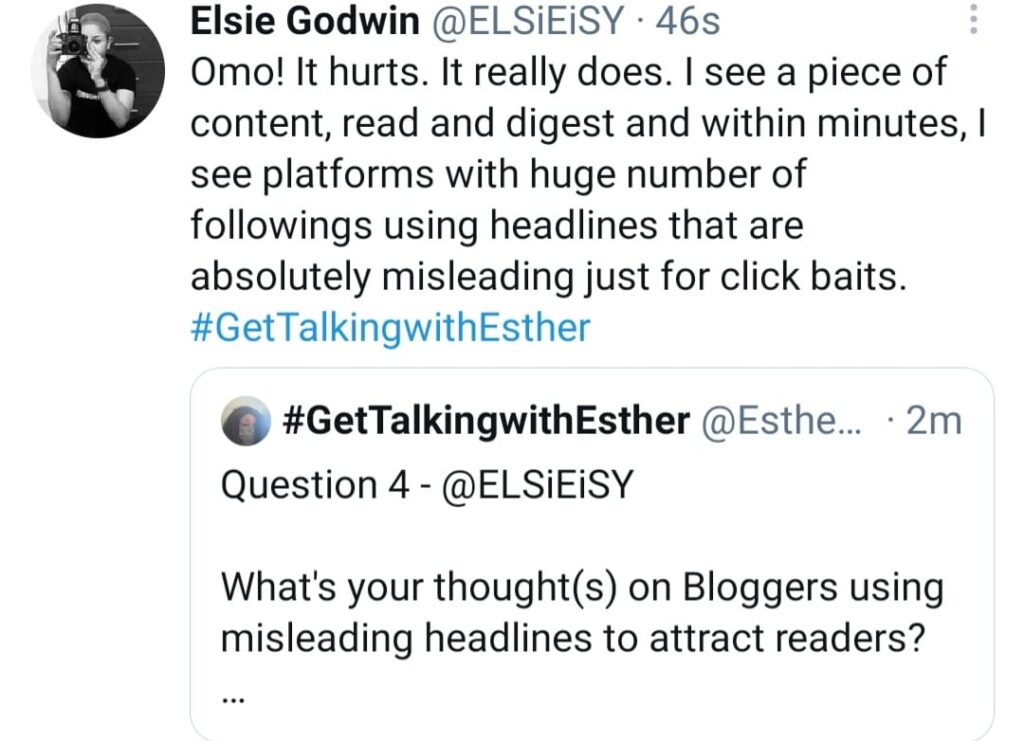
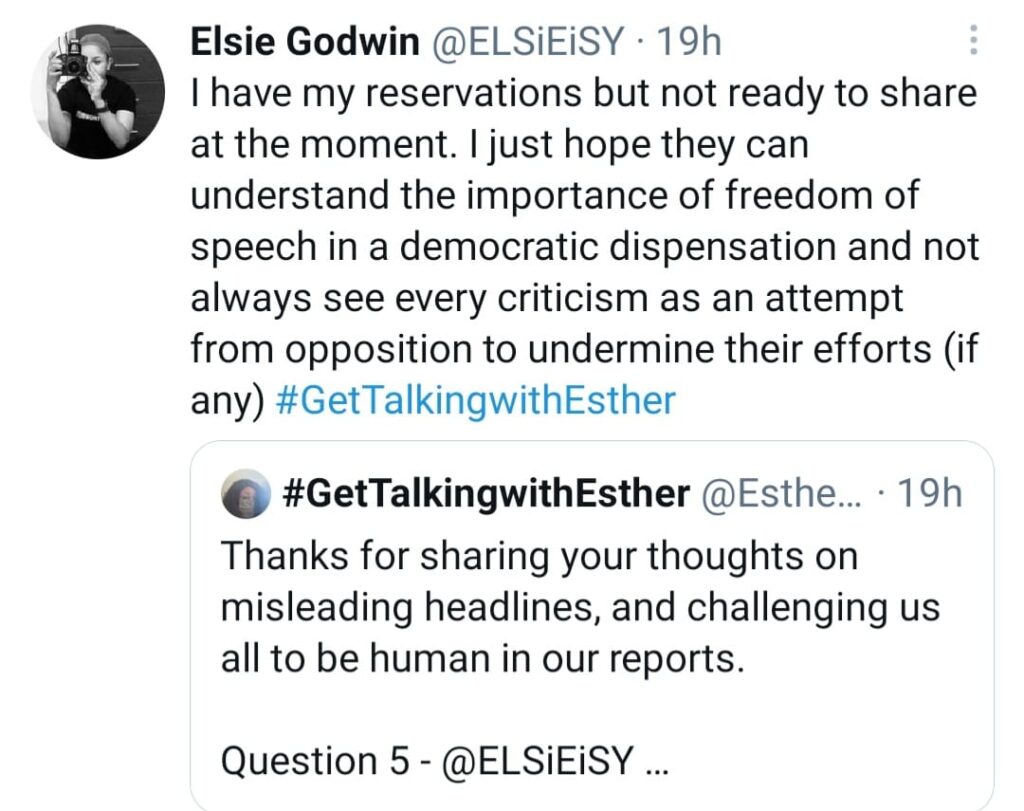
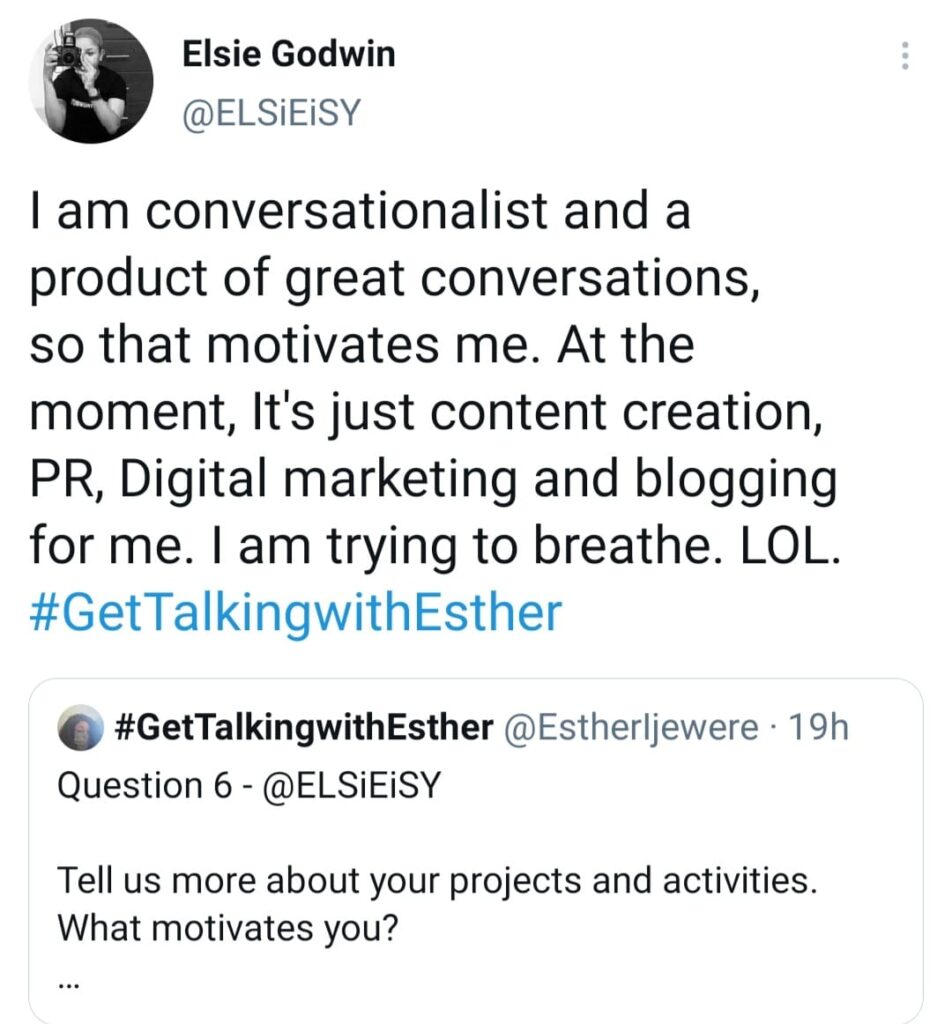
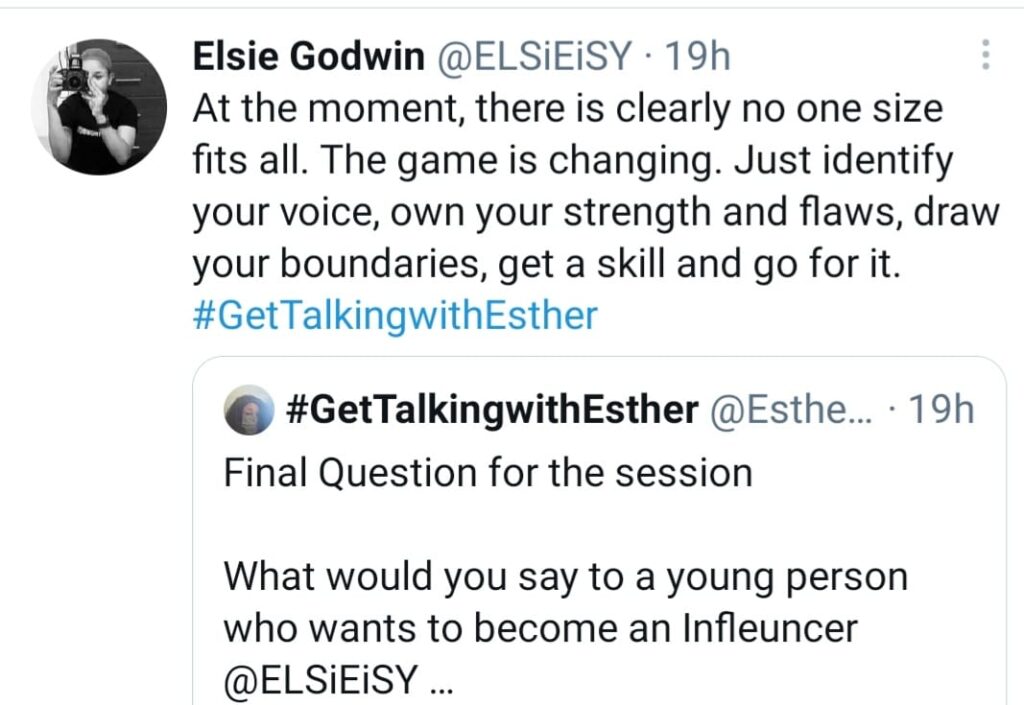
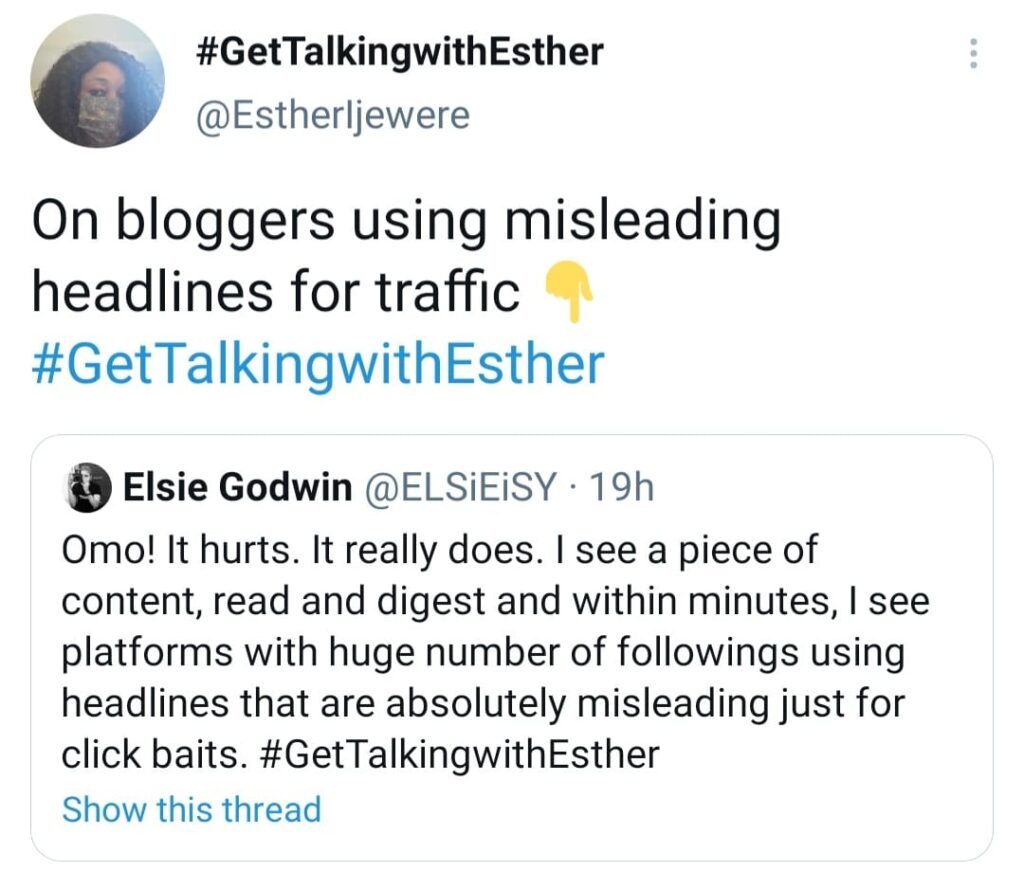
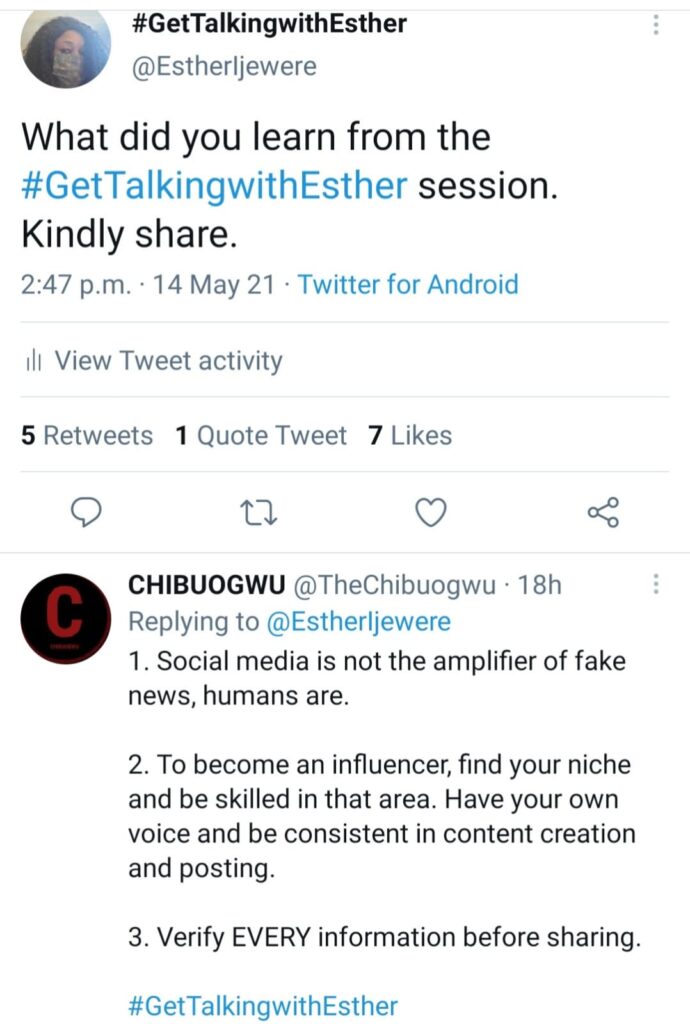
On the #GettalkingwithEsther tweet chat session on May 14th,  Esther hosted versatile TV host and producer; Elsie Godwin, and they discussed “Using Social Media to combat fake news”.

The wonderful  guest dropped alot nuggets during the popular tweet chat session, here are excerpt from their conversation, and how people reacted


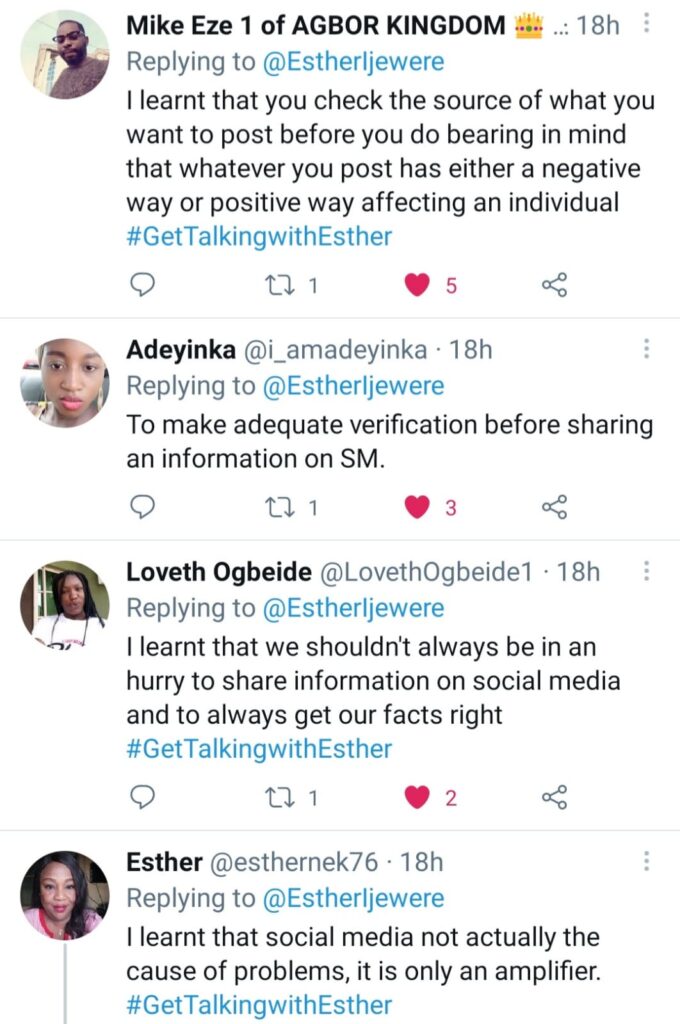
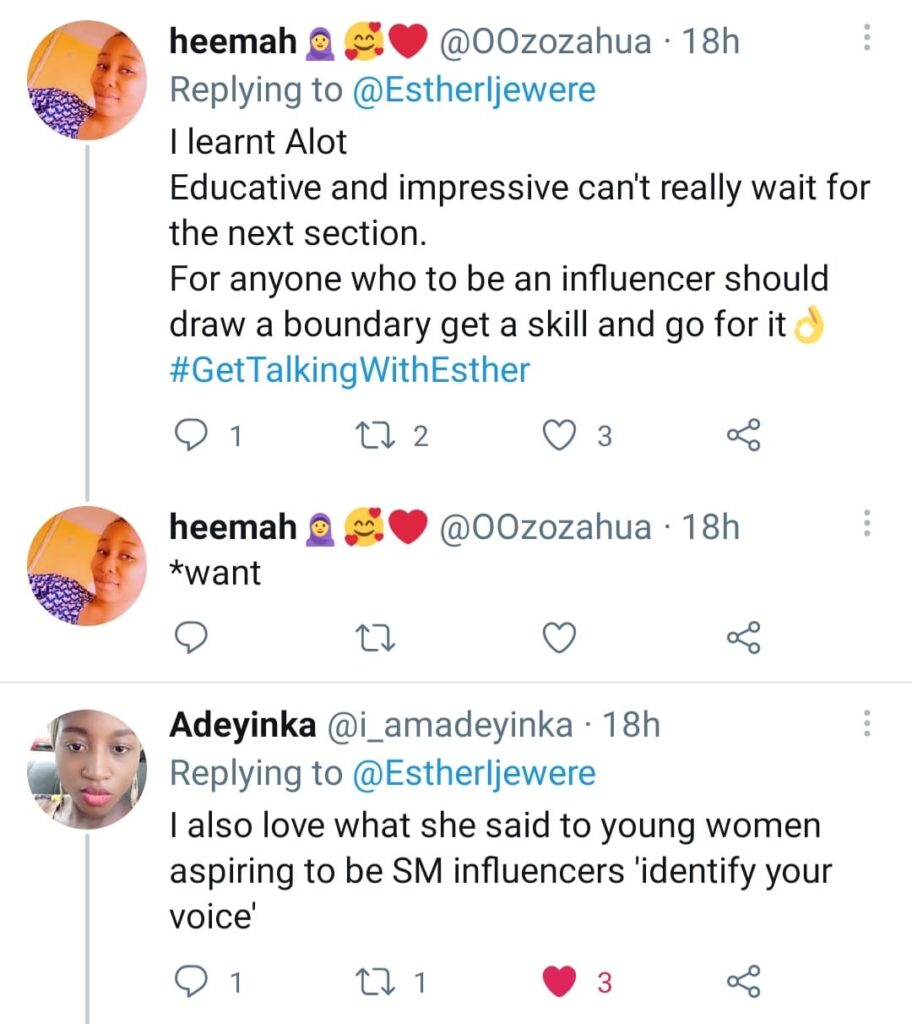
At the end of the tweet chat , the host asked participants what they learnt from the session, and this is what they have to say;
You can see more of the conversation on @estherijewere’s timeline on twitter; https://twitter.com/estherijewere

The next tweet chat is slated for May 27th.

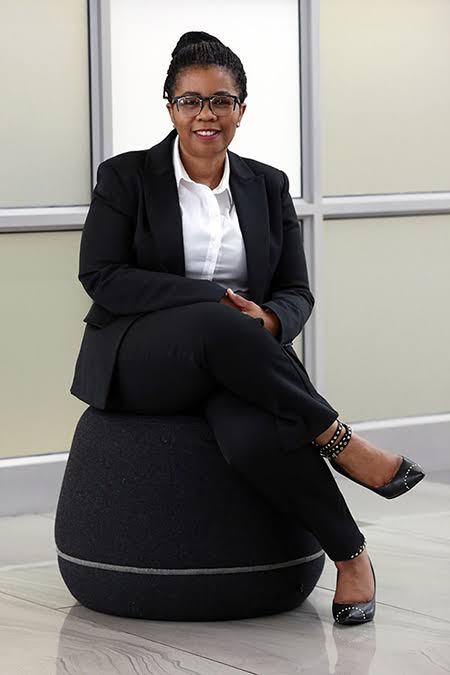
Nana Mzila is a South African born  Construction Engineer, Entrepreneur, Philanthropist and Managing Director of ISU Engineering & Projects (Pty) Ltd.

An engineering consulting and management company owned 100% by black women.

The company, ISU consulting is highly  competent in water resources development and property development.

They are also solution providers for municipal infrastructures, buildings and structures, transportation infrastructure and environmental solutions.

Nana Mzila holds a Master of Technology (MTech) in Construction Management and Bachelor of Technology (BTech) in Construction Management from Durban University of Technology.

She also owns a Master of Business Administration (MBA in Project Management from Texila American University Consortium and a National Diploma in Construction Management & Quantity Surveying from Mangosuthu University of Technology.

Her advice to female entrepreneurs who are just starting out is in her words,  “Show passion in what you do and be honest with yourself and customers/clients, network with other women-owned successful businesses.”

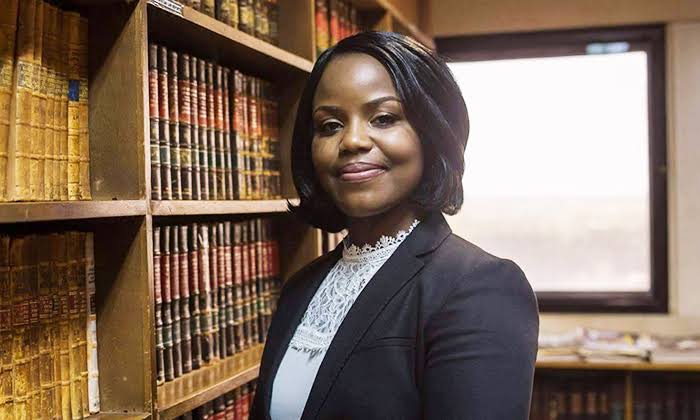
Advocate Fadzayi Mahere is a 35-year-old Zimbabwean born inspirational and trailblazing – Lawyer, Politician and Human Rights Activist.

She has been vocal on social media challenging the Zimbabwe government on corruption and human rights issues.

She was among those arrested for taking part in Zimbabwe protests in 2020, with protesters accusing the government of corruption, human rights abuse and mis-governance.

Fadzayi  holds a Bachelor of Laws (LLB) in Corporate Tax Law, Criminal Law & Human Rights Law from the University of Zimbabwe and a Master of Laws (LLM) degree in International Criminal Law & International Commercial Litigation from the University of Cambridge, UK.

Fadzayi is also an international speaker on African development and has spoken at the Harvard African Development Conference 2017 and the University of Cape Town Zimbabwe Society. She regularly gives talks at schools on the importance of civic engagement by young people and women’s rights.

She ran for the post of Member of Parliament for Mt Pleasant Constituency where she contested as an independent candidate in the 2018 election.

Fadzayi has since joined Zimbabwe’s main opposition party, the Movement for Democratic Change, where she has been appointed the Shadow Secretary for Education, Sport and Culture.

She is currently the Spokesperson of the Zimbabwe’s main opposition party – MDC Alliance.

Despite of all the arrests and political intimidation Advocate Mahere continues to speak out in support of human rights and advocating for the rights of disadvantaged citizens in Zimbabwe.

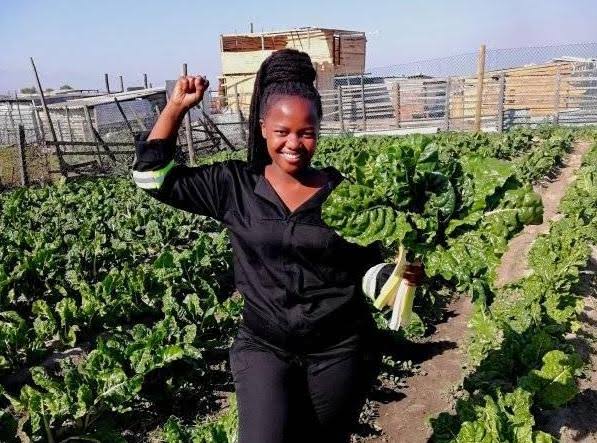
Women all over the world are breaking boundaries and stereotype beliefs, from banking to the  tech sector, the Covid19 pandemic has made our gender more creative, and avail them the opportunity to think outside the box. Ncumisa Mkabile didn’t just break the glass ceiling with her success story, she also broke the  chain of male dominance in the Agricultural sector in South Africa.

This amazing farmer was forced  to shutdown her African cuisine  takeaway business during the thick of the pandemic in March 2020, and she needed to think of a plan, so she started selling chicken and doing door to door deliveries.

When she started out, she was buying it from a supplier but when she saw the demand was high she started growing her own and supplying people who would also like to start their own business.

She said she drew her inspiration from her family responsibilities: “I drew my inspiration from the responsibilities I have at home, because I need to provide for my son and mother,” says Ncumisa.

The inspiring farmer shares her story in this interview

Childhood Influence

I grew up in the rural areas in the Eastern Cape Cofimvaba with both parents and 5 siblings. I grew up exposed to farming but my family were not farmers I’m the first farmer in my family and that has also inspired my mother to start farming in the Eastern Cape.

Why I Started Selling Poultry

I had responsibilities at home I had to look for a way for me to generate income again, that is how we entrepreneurs think and operate instead of looking at the problem, we find a solution to the problem and I believe if you have a strong WHY it’s impossible for you to give up because your why keeps you going.

Inspiration Behind My Farming Career

Farming is a male dominated industry so I wanted to break that chain, I wanted the youth more especially females to see that they can also make a living out of farming.

My Day To Day Activities

I wake up at 06h00 just to plan my day and go to the farm to check if everything is in order, then if I have deliveries I do those deliveries. My day usually ends at 22h00 latest.

Challenges
It’s very challenging more especially when you don’t have a mentor or someone to coach you because I gather my information from the internet, because I’m a risk taker. I decided to start and told myself I’ll learn along the way. Farming is like any other job if you love what you do and are passionate, you will make it work no matter what because I believe each and every business has it’s challenges.

A More Personal Challenge Currently
I don’t have an irrigation system I’m using watering cans.
Not having enough land to produce as much as I would like to produce to meet the demand of the community.
Not having transport to do deliveries

My Advice To Any Woman Looking To Start This Role?
Start small with what you have and gradually grow. Don’t wait on the government to fund but give the government something to work with.

One Woman Who Inspires Me To Be Better And Why?
Nomzamo Mbata.
Nomzamo is a risk taker, she goes after what she wants, and doesn’t limit herself. She’s showing every child that it is possible to reach your goals she’s just taking up space and living no stone unturned.

As a Woman of Rubies
What makes me a Woman of Rubies is the fact that I’m breaking generational curses, I’m showing the Youth in my community that it is possible and we are capable.


 Abati Esther is the third child in a family of six. She was born on the 10th of May, 1999. She is an Indigene of Ogun State. She is currently in her fourth year in Olabisi Onabanjo University studying Law. She is a blogger, an aspiring model and an humanitarian.

She shares her “RUBY GIRL” story with the team
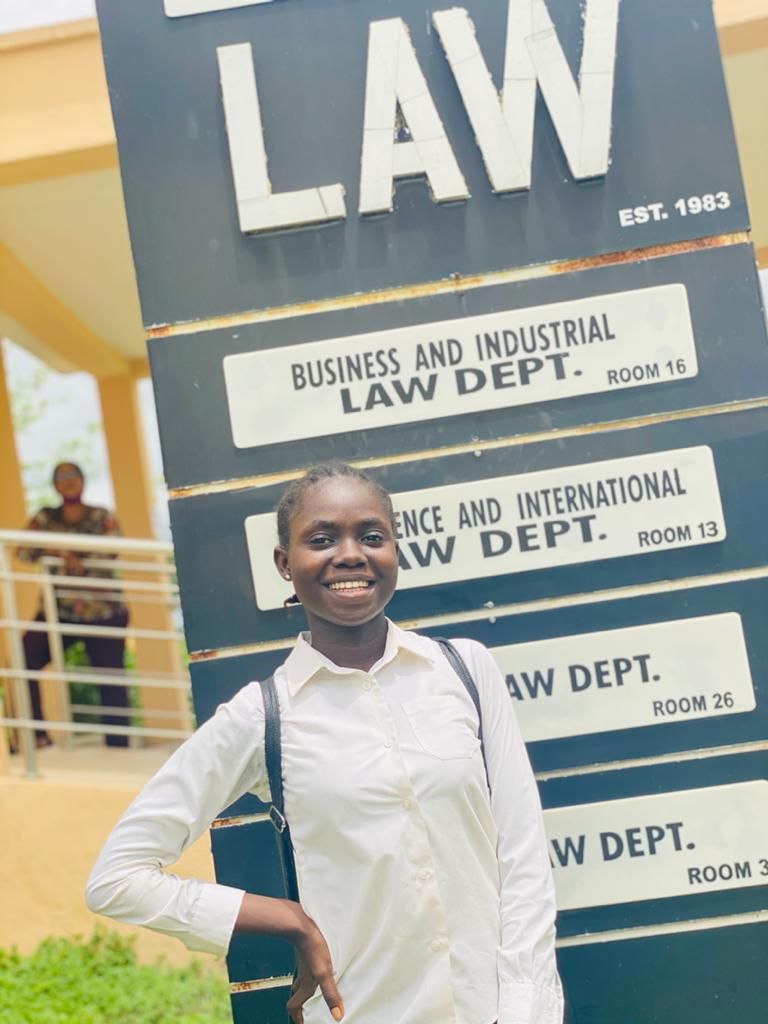
1. Let’s Know You. Who is Abati Esther? 

I am Abati Esther, the third child in a family of six. I am 21 years, clocking 22 soon by May.  A penultimate law student of Olabisi Onabanjo University, a blogger, an aspiring model and an humanitarian. I am a co founder of PREESIM FOUNDATION and a member of Pealim Foundation, the CEO of Ayo_Stitches, a brand that deals with male and female materials, wears amongst others.

 Has Law always been your dream course? If not, what prompted you to study Law?

Yes, Law has always been my dream. And I’m also happy that my dad loves the profession so I was not forced to study the course.

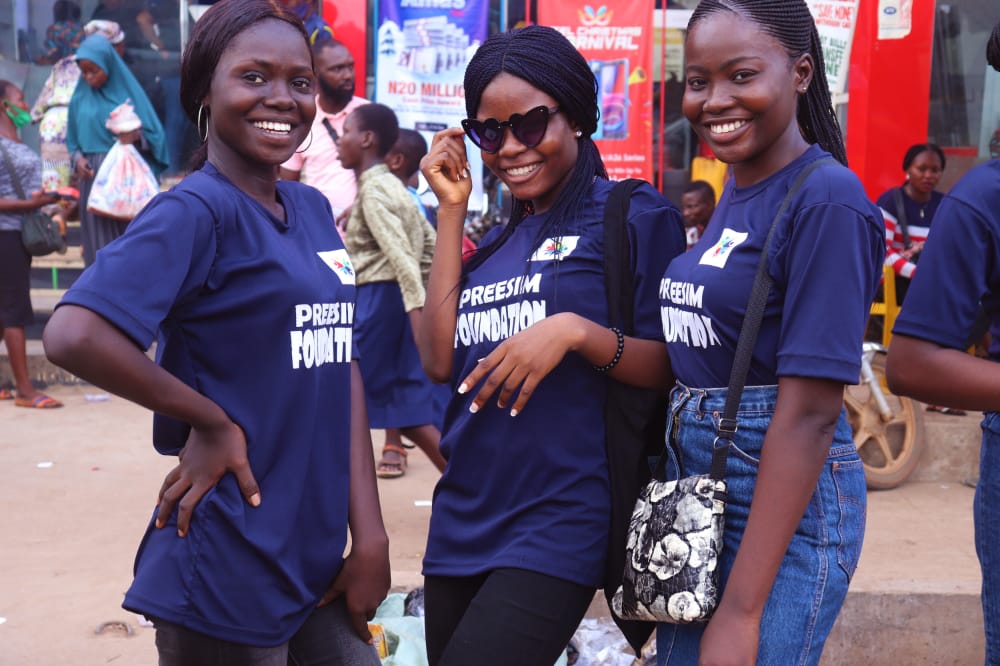
You’re the co-founder of PREESIM FOUNDATION. What birthed the vision and what does it entail?

Hmmm, PREESIM FOUNDATION is a non-governmental organization established by two of my best friends and me, the name of the foundation was derived from our names: Precious, Esther and Simi. After the death of one of my friends, I saw all what she accomplished before she died, she made sure she impacted lives and helped the less privileged through the establishment of a foundation. May her Soul Rest in Peace. Then, I thought that if my friend who knew she had short stay on earth could do something so inspiring like this, why can’t I also impact lives and make people happy? So, on August 9, 2020, a day after Precious’ birthday, I messaged my two best friends and discussed with them, they were happy because they also thought of establishing a foundation. I gave them the name of the foundation and they loved it.

The foundation was fully established on September 1, 2020. The main aim of the foundation is to provide for the needy and help the less privileged. Though there are lots of foundations around, yet they can not reach everyone, this is why we are joining the other foundations in reaching out to lives. We are not just providing material needs, we are also trying to impact lives.

And ever since the establishment of PREESIM FOUNDATION, we’ve had the privilege of reaching out to the less privileged, educating the female students on how to be sexually safe and personal hygiene. Also, on March 26, 2021, we were able to reach out to the needy at Ijebu Igbo and the students of Imere Moslem School at Ago Iwoye on April 1, 2021. We are not stopping there. By the special grace of God, we will be reaching out to the orphans to celebrate children’s day with them in May. You can check our page on Instagram @preesim_foundation.

4. Your greatest fear?

My greatest fear is losing my loved ones.

5. What is the influence of your black ebony skin on your modelling career?

Like I said earlier, I’m an an aspiring model, I’m not in any agency for now due to some factors. But my complexion is a blessing from God which I don’t have any intention of tampering with. Most people do appreciate my complexion and I’m always happy, it is part of the reason why I want to venture into modelling but I don’t want it to affect my education. I believe if I work more, I can achieve something great with it.

 What are the topics or subjects you address in your blog and what inspires your writing?

Some of the topics I address in my blog are: Addiction, Rape, Social Injustices and Racial Discrimination, Unfriendly Wife-Beaters… Others can be found at wwwtheabatisblogonline.wordpress.com .

What inspires my writing? Well, I’m not the type that writes always. The main thing that inspires my writing is the society.

 You’re a member of Pealin Foundation, what is the significance of foundations like this in the society and what are the major challenges they face?

Pealim Foundation is also a non-governmental organization whose aim is to help a child live well. I am also a member of this foundation.

Foundations like these have lots of impacts in the society. They help in improving the standards of living of millions of families in the society. They educate and enlighten the society on things they are not aware of. They help to fight hunger in the society. People are really suffering, when you get to different communities, you will know that lots of people in the society needs help, financially, emotionally, spiritually and even health wise. These are the reasons why foundations like these exist.

Although to carry out any project in foundations is not easy. Because there is no project you will want to carry out that will not involve money. I can remember the first outreach of my foundation, PREESIM FOUNDATION which was on December 11, 2020. We made graphics to call for donations and we asked members to pay any amount and as at then, we were just six members including the three founders. On December 2, when I called Precious to ask whether we’ve been able to get some cash, she said no money has entered the account. I became unhappy, I told her that we have less than two weeks to carry out the project, she said this foundation is not for us Esther, it is for God, so trust him, He will do something about it. Well, I trusted God, I started praying. Some days later, one of my friend’s sister called me and said she will like to sponsor the foundation, she asked for the foundation’s account details which I gave her. I was so happy. To cut the long story short, we were able to gather some money to carry out the project, in fact, the rice we shared was bought for us by one of our sponsors. Then, I believed that WHAT GOD CAN NOT DO DOES NOT EXIST.

Besides this, foundations do have problems with their members. Some members are not committed and you know that you can’t force people. Most people don’t understand why they are volunteers. They become volunteers because they want people to know that they are in a foundation. Not knowing that it has to do with lots of sacrifices and commitments.

 Your favourite quote?
As earlier said, my favorite quote is “What God can not do does not exist”

You have your own fashion line, Ayo_Stitches. How do you cater for the fashion needs of your customers?

As I always say, I’m not a professional, I’m still learning. The idea of owning a fashion line came during the covid 19 lockdown period, I must say that I achieved a lot during this period.
Ayo_Stitches is a brand that deals with male and female materials and wears. Well, catering for the fashion needs of my customers have not been easy because I only have opportunity to sew at home, I rarely do that in school because I don’t have sewing machine in school and my parents won’t allow me to bring my sewing machine to school. But most times, when it’s not during exam period and my customers want to sew, I usually borrow my friend’s sewing machine to do that and if I’m busy and I noticed that my customer really needs it, I will ask one of my friends to help me with that. God really blessed me with good friends.
You serve as the Financial Secretary of Justice Cloaks Chambers. How has the experience been for you?

Well, I’m still the financial secretary of JCC. Though I’m new to holding posts because I’ve never held one before but I’m learning. Sometimes, when we want to have meeting, I would have forgotten because I’m not used to it. But the President has been helpful.

Mention 3 women who inspire you and why.

My mum is the first woman that inspires me. That woman is a strong woman, infact she is my role model. She perseveres a lot and never gave up. The second woman is Precious’ mum that is my best friend’s mum. She constantly lets me know that without God, I am nothing. She helps my spiritual growth.

The third woman is Mrs Funke Felix-Adejumo. I love the way she dedicates herself towards impacting lives and her seminars do inspires me. I love everything about her

 If you were the president of Nigeria for one day, what changes will you put in place?

Hmmm, a lot. One of them is youth empowerment. The second is that I will try my possible best to fight hunger in the society. Also, I will improve the educational sector and make sure the less privileged get educated. There are lots of children out there who are willing to go to school but are not capable financially. Also, I will improve the health sector. In fact, I will change a lot.

Your advice to young females five years younger than you

My advice to young females younger than me is that your life matters a lot to you. Don’t allow what people say to affect your life. Lots of girls out there are going through a lot but don’t have anyone to speak with which is why they do things like committing suicide.

You are a woman even though you are young so be strong and be happy. And always put God first, with Him, everything is possible.


Prof Puleng LenkaBula is the first woman to be appointed Vice-Chancellor of the University of South Africa (Unisa) in its 148-year-long existence.

She resumed her new position in January 2021.

She was the Vice-Rector: Institutional Change, Student Affairs and Community Engagement at the University of the Free State (UFS).

Before joining UFS, Prof LenkaBula was the Dean of Students at the University of Witwatersrand, where she was a member of the Vice-Chancellor’s Office (VCO) and the senior executive team.

Professor LenkaBula is of mixed decent (Lesotho and South Africa). She holds a PhD in Ethics (Theology and Philosophy) with specialisation in Ethics of the Economy, Ecology and Politics (Social Ethics) from the University of South Africa.

She obtained a Master’s degree (MTS) in Social Ethics from St Andrew’s College at the University of Saskatchewan, Saskatoon, Canada and a Bachelor of Education with three majors in English, Theology, and Education from the National University of Lesotho.

Professor Puleng LenkaBula is a board member of local and international ecumenical and academic formations.

Her appointment is indeed commendable as a significant step towards transformation and inclusivity. The appointment of Prof LenkaBula to such as powerful and influential position at UNISA, will surely give the much needed momentum to the university’s ongoing transformation agenda, and initiatives.

. “The global knowledge arena does not have many women,” she says, “let alone black women in leading positions. For me, this appointment validates the sentiments of black girls and black boys who might not have had the confidence that they could be able to assume leadership positions in different sectors. They might be inspired to know that it is possible to become the leader of a university of our size and impact.” Prof  Puleng says.