Author

Women of Rubies

Browsing

A record number of eight African countries are taking part in the 2018 Winter Olympics in Pyeongchang, South Korea. Out of all the 12 African athletes there, Kenya has one representative: 19-year-old Sabrina Simader who’s the first female alpine skier out of the country to compete in the Olympic Games.

(Photo: AFP/JIJI)

Like most African athletes at the games, Simader grew up overseas in Austria – a country with some of the best winter destinations in the world. She took advantage of her environment, got herself through training and eventually qualified for the Winter Olympics last February.

Although her father is Austrian, she decided to represent Kenya instead. But it was a bit of a challenge for her. According to her, skiing isn’t well-known in Kenya and this rubbed off badly on her organization. Yet, she pulled through, thanks to the support from her extended family.

Carrying the Kenyan flag at the opening ceremony of the Games last Friday, Simander was accompanied by Philip Boit, the first Kenyan to take part in the Winter Olympics.

UN Environment recently appointed her as the UN’s first Mountain Hero, to help draw attention to emerging environmental issues in mountain regions such as climate change, waste and loss of biodiversity.

Credit: konbini.com

Citrus fruit, lime has many uses in the Kitchen. It can be used to marinate, broth and make beverages.

Lime juice is enriched with Vitamin C. It contains many other important nutrients like Vitamin A, Vitamin E, Vitamin K, Calcium, Folate, Magnesium, Potassium, Choline, Phosphorus, and Betaine.

The aforementioned benefits make it one of the best kitchen ingredients for your skin. Lime juice, whether taken orally or applied topically, benefits your skin in several ways.

  • Treats Dark Spots

Due to its skin lightening properties, lime is considered as a natural bleaching agent. Dip a cotton ball in lime juice and apply to the darkened portions of your skin and leave it for 30 minutes. Wash off with cleans water

  • Treats acne and pimples

Women with oily skin who suffering from acne, pimples, and blemishes can get flawless skin by applying lime on their face. Treat this skin condition with lime juice and honey face pack for effective results.

The antibiotic properties of lime juice inhibit the growth of the acne-causing bacteria. Make this face pack a skincare regimen to get rid of scars left by pimples.

  • Lime For glowing skin

For a glowing complexion, all you need to do is have a glass of lukewarm water with some honey and freshly squeezed lime juice early in the morning regularly. This will provide an inner glow to your skin.

Credit: Pulse, google.com

“Respiro Del Diavolo (Devil’s Breath) ice cream, dubbed “world’s most dangerous ice cream,” was created specifically for Valentine’s Day by the humble people over at Glasgow, Scotland-based Aldwych Café and Ice Cream Parlor. The treat ranks at 1,569,300 SHU on the Scoville scale, which makes it 500 hotter than Tabasco sauce.

According to brothers and co-owners of the cafe, Lee and Martin Bandoni, the idea for this potentially lethal ice cream comes from Italy. They told the New York Post:

“There was a place called Devil’s Bridge and with that, the Italian ice cream families used to meet up once a year and discuss how the year went for them. Every year it still happens over there and this year […] Martin […] brought back the idea that was passed down to him.”

The brothers say the recipe is top secret and only a handful of people know how to make this unusual, spicy ice cream. Lee even called it “a thermal explosion in your mouth” when describing the recipe to the local food agency.

To avoid any legal issues related to health, the owners make customers – who all must be over 18 years old – sign a disclaimer that informs them about potential risks involved with eating the Devil’s Breath ice cream, such as “personal injury, illness, and possible loss of life.”

But is it really that bad? Well, according to Evening Times editor Jenness Mitchell who tried the ice cream, ”

At first, the initial taste was tame. For a second, I thought I was going to have to fake my reaction, but then the hotness hit like a flamethrower to my face; my heartbeat raced as my whole mouth burst into flames.”

Source: Konbini.com

Hello WORriors, today is #WomanCrushWednesday and our Woman Crush is Simi!

Simisola Bolatito Ogunleye (born April 19, 1988), professionally known and referred to as Simi, is a Nigerian singer and songwriter. Simi started her career as a gospel singer, releasing her debut studio album in 2008 titled Ogaju. Her career came into spotlight in 2014 after she released “Tiff”, a song which was nominated in two categories at The Headies 2015 and further brought her to mainstream recognition. Simi is currently signed to X3M Music under which she released her second studio album Simisola.

Simi was born in Ojuelegba, a suburb of Surulere, as the last of 4 children. In an interview she granted to Juliet Ebirim of Vanguard Newspaper, Simi revealed that she grew up as a tomboy before the separation of her parents when she was 9. She is an alumna of Convenant University where she studied Mass Communication.

Simi grew up dancing and singing as a member of her local church’s choir until she wrote her first song at the age of 10. Her professional musical career started in 2008 following the release of her debut album titled Ogaju which contained songs like “Iya Temi” and “Ara Ile” with the entire musical production from Samklef.

In January 2014, Simi released an EP titled Restless which gained her new grounds and further earned her a record deal with X3M Music. The EP contains a 5-track cover of popular songs by international acts like Rihanna’s “Man Down” and Adele’s “Set Fire To The Rain”

In anticipation of her second studio album Simisola, a 12-track album which features only Adekunle Gold as guest artiste. Simi released two singles “Smile for Me” and “Joromi” backed with music videos which were directed by Clarence Peters and Aje Films respectively. She unveiled the album’s tracklist via Instagram on September 1, 2017 before it was released on September 8 to relatively positive reviews and went on to debut at number five on the Billboard World Albums chart.

Apart from singing and songwriting, Simi is also a sound engineer. She is credited to have mixed and mastered Adekunle Gold’s Gold album which was released in July 2016. Her music style is basically hinged in the rhythm and blues, soul and hip-hop genre of music.

Simi has won many awards and recognitions. She recently became a brand ambassador for Opera.

Women Of Rubies celebrates you, Simisola Ogunleye!

Adaeze Yobo has shared a testimony surrounding the birth of her daughter who is celebrating her 1st birthday.

The former beauty queen and excited mother took to her Instagram page on Tuesday, February 13, 2018, where she posted photos of her daughter with the testimony as it’s caption.

“#lookatmenow Ist scan showed it was Fibroid, 2nd scan (diff. hospital) showed it was Fibroid and pregnancy but an incomplete abortion (whatever that means) but that I had to flush yu out, which I (thought) i did. A week later, i still felt sick so I called the Dr. and I was scheduled to surgically complete removal of the remaining tissue.


“On my way going, the holy spirit directed me to go to another hospital which I did and was told you were still inside and I had no Fibroid. instead of being happy, i cried and worried whether to keep you or not, worried if you will be normal after all the drugs n all. look at you now baby girl    #lexineisonetoday     #birthdaygirl,” she wrote.

Lexine Dumlesi YoboLexine Dumlesi Yobo

 (Instagram/Adaeze Yobo)

Adaeze YoboAdaeze Yobo

 (Instagram/Adaeze Yobo)

It would be recalled that Adaeze Yobo and her ex-Nigerian international husband, Joseph Yobo dedicated their daughter, Lexine in June 2017. The dedication ceremony took place at the Christ Embassy Church where they named her Lexine Dumlesi Yobo.

Joseph Yobo and family Christmas photoJoseph Yobo and family Christmas photo

 (Instagram/Adaeze Yobo)

Prior to the birth of Lexine, Joseph Yobo and Adaeze Yobo already have two boys together.

Source: Pulse

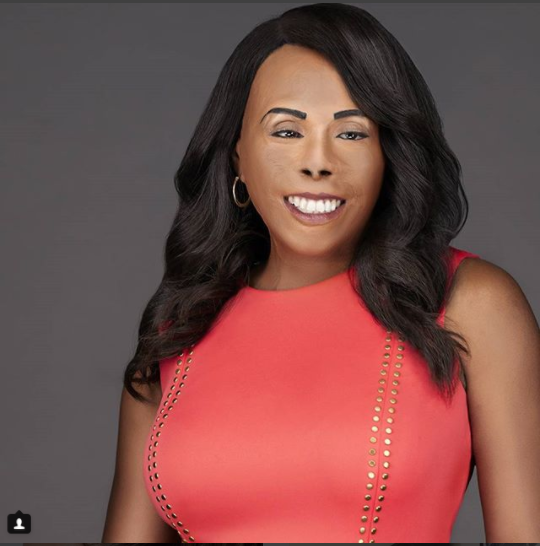
Linda Rowe Thomas, Instagram user and fashion designer is all for inspiring people with her post where she talked of having strength to do all things despite her facial disability.

Talking about living despite her deformity, she wrote: “I was never afraid to try harder, never cared about what others thought of me, never allowed cruel words to break me, never stopped believing in myself and I never once gave up on that person staring back at me from the mirror. “I can do all things!” – Phillipians 4:13″

Rowe was involved in a house fire  when she was 2 but amazingly, she is doing so well for herself as a fashion designer. She has not let her dreams wane.

We have her Instagram post below


Credit: fabwoman.ng

Founder of GREENLANDS HAVEN FOUNDATION, Mrs Olubunmi Ajai Layode, has broken the jinx and shackles of tradition and olden doctrine, to walk her youngest sister down the aisle and gave her away in marriage. Mrs Olubunmi Layode and her three sisters are orphans who had stick together through it all and when it was time for the youngest sister to get married, she asked her eldest sister to give her away in marriage. Olubunmi had her moment of doubt but she eventually made up her mind to do the honor.

As expected, the Reverend of their church and the officiating Bishop from Methodist Church, both insisted that she could not walk her sister down the aisle as it is against culture. Brave Mrs Olubunmi stood her ground and after much deliberation and debate, she won and walked her sister down the aisle. This feat has made it possible for women in the Methodist Church of Nigeria to accompany their daughters down the aisle and give their daughters away in marriage.

In her words, she said;

A few months to my sister’s wedding, in our group Whatsapp chat of the remaining 5 daughters of D.I and J.P Ajai, my youngest sister, Dupeola asked me to give her away. Initially, I objected. I told her that I could not do it and that I would have to ask any uncle to do it. The other sisters said they had discussed it and decided that no one deserves that honour more than me. Since JOPA died, no one has looked out for us. We have been all we have had for each other.

I told them I would have to check the Bible and get back to them. This was the old Bunmi, the one who accepted the shackles of society on her, talking. She had not spoken in a while but the magnitude of what I was being asked to do made her make a rare appearance.

Then, the two Bunmis had a conversation in my head. No, I am not schizophrenic. And no, I am not disrespecting people who have schizophrenia, just clearing the air on the voices.

Old Bunmi : I can’t do it!

New Bunmi : because…?

O.B : … what if it breaks Biblical principles?

N.B : it does not. Church weddings are not a Biblical practice.

O.B : Apostle Paul would not like this.

N.B : Jesus would not stop you.

O.B : I don’t know that I can do this.

N.B : yes you can. And if you don’t do it just because you think a man MUST do it when it does not break any Biblical principles or the constitution of the Methodist church, then you, Olubunmi Ajai are not a daughter of JOPA. Remember how he, on his deathbed told you that you and your sisters are ‘omo Akin’ – children of valour and that you all are to fear no one but God after he, your father dies. Furthermore, if you don’t do this just because you think a man must do it, that makes you a fake Feminist/Humanist. Practice what you preach Bunmi.

So, I told my sisters that I accepted the honour. My sister told the Revd of our family church at Obun Eko that her sister would walk and give her away when he asked her on one of the pre-wedding counselling sessions. He opposed it vehemently, saying it had to be a man, any man… it could even be our 20 year old step brother… any man… but not a woman.

So, a 20 year old step brother could give a woman away but not her 48 year old full sister? I don’t think so!

On the wedding day, one of the Bishops of the Methodist Church of Nigeria officiated. While we waited for the bride who was running late to arrive, the Reverend of our family church approached me to ask me who was giving the bride away. I told him I was. He insisted that I could not. It was turning ugly. So, he said he would tell the Bishop. I said let’s go there. So, I asked my Uncle and Aunts to come with me.

We approached the Bishop and the Reverend jumped in while my aunt – a Deaconess, was introducing me to the Bishop. The Revd jumped in and told the Bishop I insisted on walking my sister and giving her away even though he had told me I could not. The bishop said he was right. I could not do it.

I started crying. Not because I was weak, but because I was livid at the injustice. My sister and I were neither breaking any Biblical rules nor any Methodist constitution but because I have a vagina and not a penis, I was not allowed to honour my sister.

I asked the Bishop why I could not do it. He told me it was not our culture. I told him that a few centuries ago, multiple births were a taboo in some areas, now, even in those areas, people pay good money to have multiple births. My Uncle told the Bishop that culture evolves. The Bishop insisted that I could not do it. It is simply against our culture in the Methodist Church. My Aunty told him that our parent church, the Methodist Church of England now has female Reverends where they did not have before. Why can’t we evolve? The Bishop said it was not our culture. I insisted that as Christians, our focus should be on Christ. And Christ did not say that a woman cannot give another woman away in marriage. We went back and forth and after a while, he agreed. I could walk my sister down the aisle and give her away in marriage.

And that is how the daughters of JOPA set a precedent in the Methodist Church of Nigeria. Because of us, because we refused to be bound by cultures and traditions that shackle us just because we don’t have a penis, future brides in the Methodist Church can say that they want their mothers or sisters to give them away in Marriage. They can quote the daughters of D.I and J.P Ajai as reference.

I had a meeting with the Bishop a few days ago and he admitted that the society is patriarchal and that the Methodist Church of Nigeria would now look at changing this culture of not allowing women to give another woman away in marriage.

YOU, yes, YOU, can make a change in society.


Credit: Mrs Olubunmi Ajai Layode

Photo credit : google.com

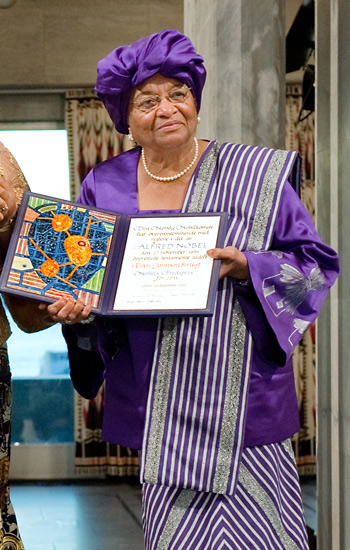
Former Liberian president Ellen Johnson Sirleaf has been awarded a $5 million prize for excellence in African leadership.

Sirleaf, who served two terms as Liberia’s president, was recognized for leading the country’s recovery from years of devastating civil war, according to the Mo Ibrahim Prize committee. A Nobel Peace Prize winner, Sirleaf was Africa’s first female president and the first woman to receive the prize, which celebrates African leaders who have strengthened democracy on the continent. “Ellen Johnson Sirleaf took the helm of Liberia when it was completely destroyed by civil war and led a process of reconciliation that focused on building a nation and its democratic institutions,” said committee Chairman Salim Ahmed Salim.

Sirleaf took office in January 2006. She was succeeded by former international soccer star George Weah, last month.

Launched in 2007, the Mo Ibrahim Prize for Achievement in African Leadership is awarded to democratically elected African presidents and prime ministers who have left office within the last three years.

Previous winners include former Botswana president Festus Mogae, in 2008 and Mozambique’s former president Joaquim Chissano, in 2007. But on six occasions the prize has not been awarded, with no eligible candidate deemed worthy.

Ibrahim, a Sudanese-born telecommunications businessman and billionaire, created the foundation bearing his name in 2006. It uses 88 criteria to rate the governance of African countries. The $5 million prize is distributed over 10 years and winners receive $200,000 every year for life thereafter.


Source: LIB

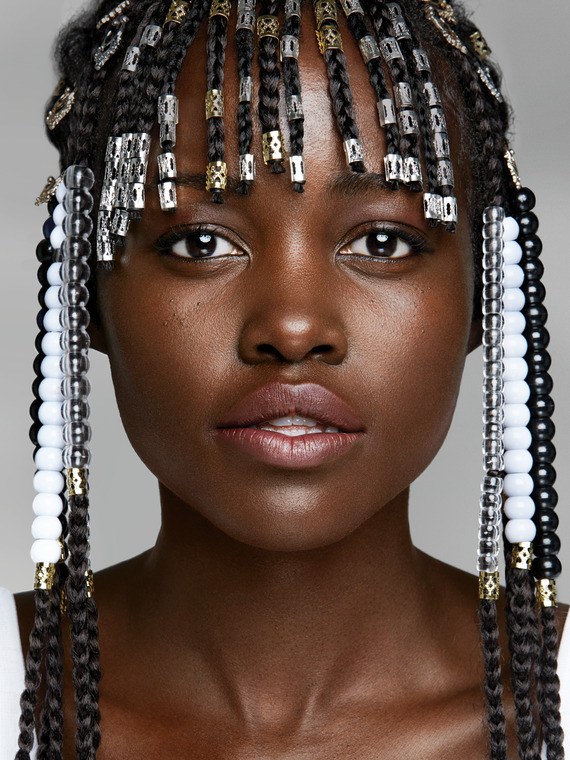
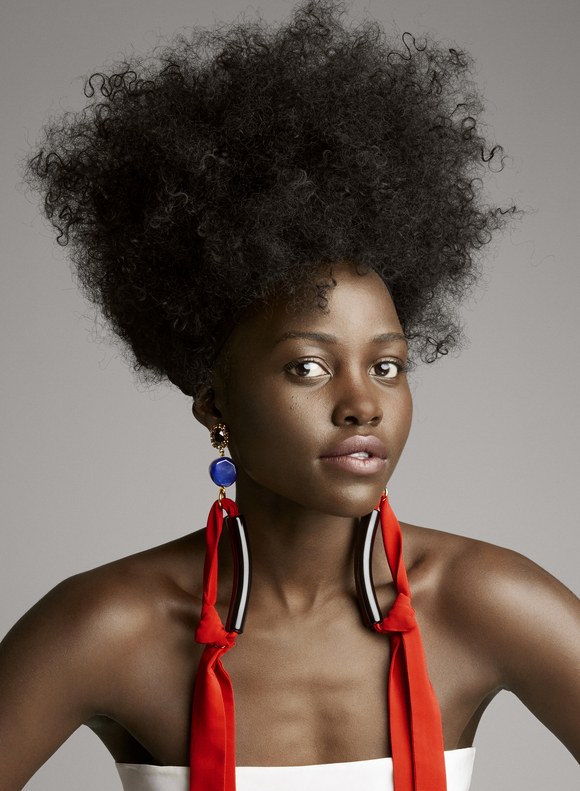
Black Panther actress, Lupita Nyong’o graces the cover of Allure March issue and she talked about her childhood, loving herself and career

Read excerpts from her interview below:

On how she feels about her hair

“Well, I didn’t love my hair when I was a child. It was lighter than my skin, which made me not love it so much. I was really kind of envious of girls with thicker, longer, more lush hair. In my tween years, I started begging my mother to have my hair relaxed. She wouldn’t allow it, though her hair was relaxed.

She felt that that was a decision I could come to when I was maybe 18. Around 13 or 14, I had such a rough time with being teased and feeling really unpretty. My dad intervened and spoke to my mom about my hair, and she finally agreed.

She took me to the salon in the middle of the school day, and I got my hair relaxed. I felt so much better because it was easier to tame. All the girls in my class had their hair relaxed. Very few had natural kink, so I felt a lot more acceptable.

I had my hair relaxed for most of my teenage years, and that was a whole other world. The upkeep of relaxed hair is a commitment. It took styling it once a week and then having it retouched once a month. I remember doing crazy things, like sleeping with my head above the headboard so that my curls wouldn’t get messed up for the next day. I’d have these terrible neck aches because I was determined to keep my hair as pristine as possible. And it was super expensive.

When I was about 18 or 19, I didn’t have a job or anything, so it was really my parents paying for my hair. So I was once asking for some more money to get my hair done and my dad joked, “Why don’t you just cut it all off?” And a few months later, I thought to myself, Why don’t I? I went into the hair salon, and I said, “Let’s cut it off.” It was almost a dare to myself: Can I live without hair? He shaved it right off. It was so scary but so liberating because I went completely bald.”
On her role in Black Panther

“Yes. When [director] Ryan [Coogler] approached me to be in it, he walked me through what he was thinking the story would be about. I remember him finishing his spiel and me being like, “And this is a Marvel movie?” And him being like, “Yeah.” And I was like, “And they said you could make this? Have they green-lighted this idea of yours?” And he was like, “Yeah, I can’t believe it.”

And I was like, “Whoa, that is next level.” On set, it was just such an inspirational experience because so much thought was put into this film, and every single aspect of it was rich and beautiful and just arresting, actually. To see this aspirational African world that actually becomes an example for the whole wide world was spellbinding. We were all very much aware that we were in something extremely special.”

On if fame has changed her at all?

“Well, I have to be just more cautious in public spaces. That’s a big change. What fame does is there is an illusion of familiarity that is cast into the world. So it’s about negotiating with that illusion because oftentimes you encounter people who have encountered you, but you haven’t encountered them. It’s a little weird to find your footing. I have to be aware of that possibility, not imprisoned by it. It’s like, how do I find freedom within that awareness?”
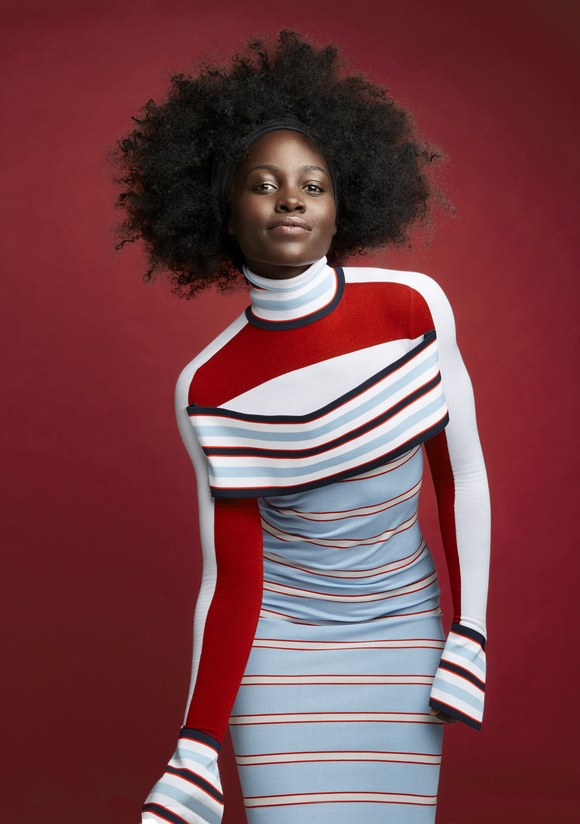
On how she identifies herself

“I find that people would ask, “What are you?” and that means what tribe are you, you know, what ethnic group. That’s the only time I hear the words “What are you” in a Kenyan context. But outside of Kenya, when people ask me where I’m from, I say, “I’m from Kenya.” That’s how I identify, unless ethnicity becomes more of a thing, and then I would say I’m Luo, which is my ethnic group.”

On what her perfect day looks like

“My perfect day is waking up before anyone else and having time by myself to write, read, and get a head start on the day. It’s walking along the beach, seeing the sunrise, and then having a lovely home-cooked breakfast. It’s being with my siblings — actually, my extended family — for a big, fat lunch. And then spending time with my friends, talking. Actually, painting nails.”


Credit: fabwoman.ng

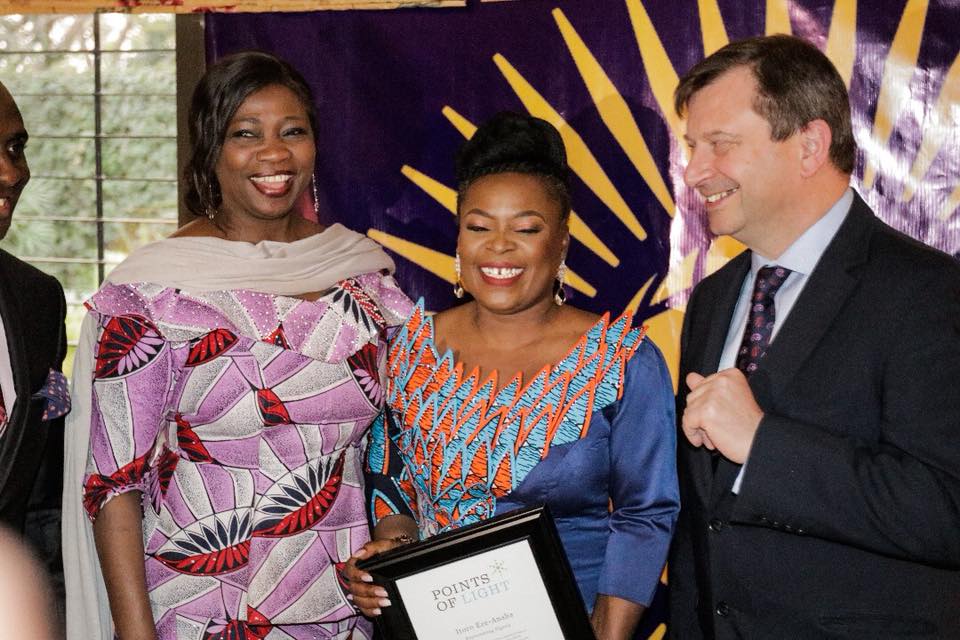
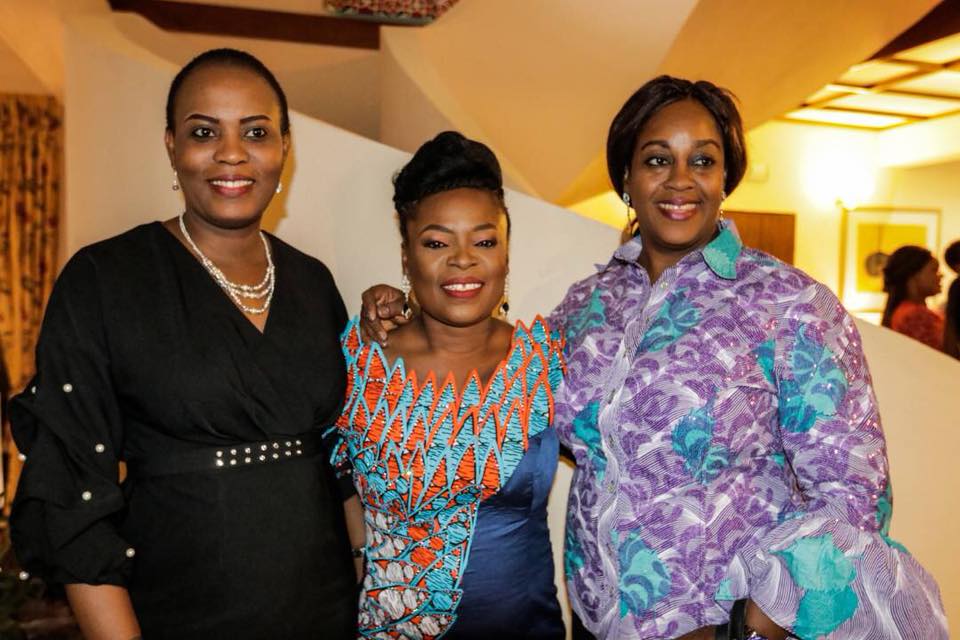
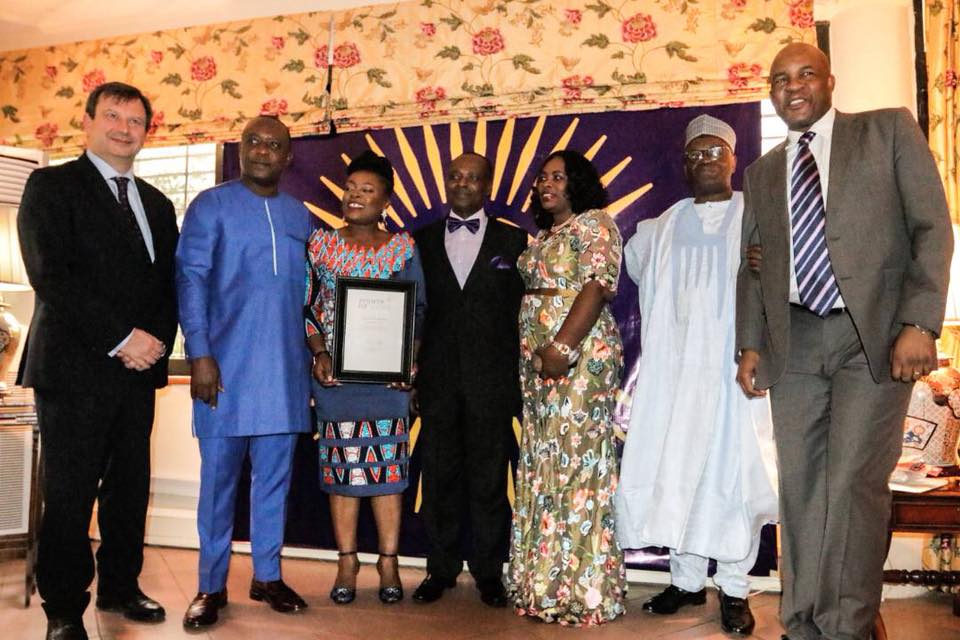
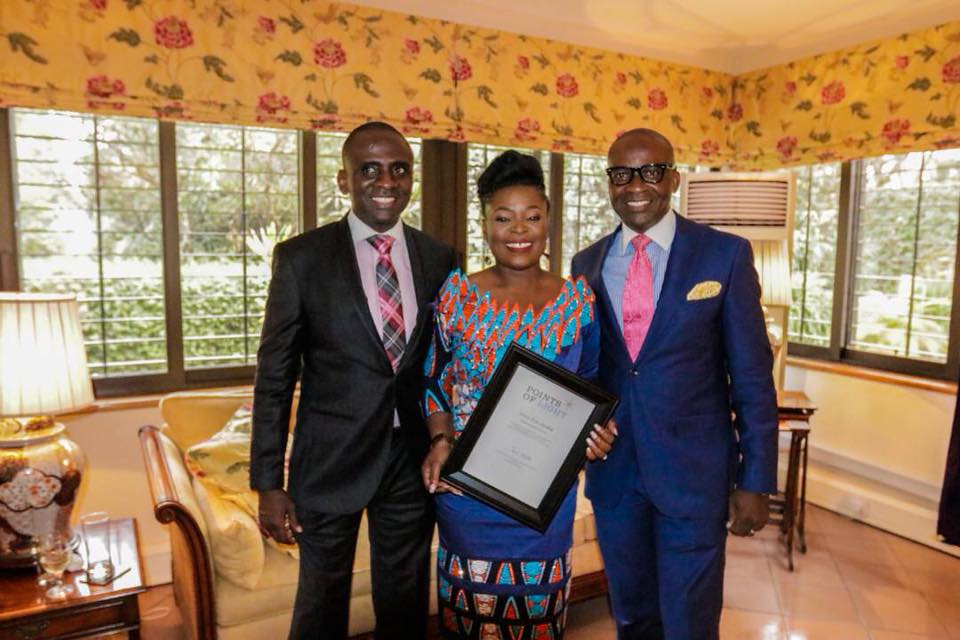
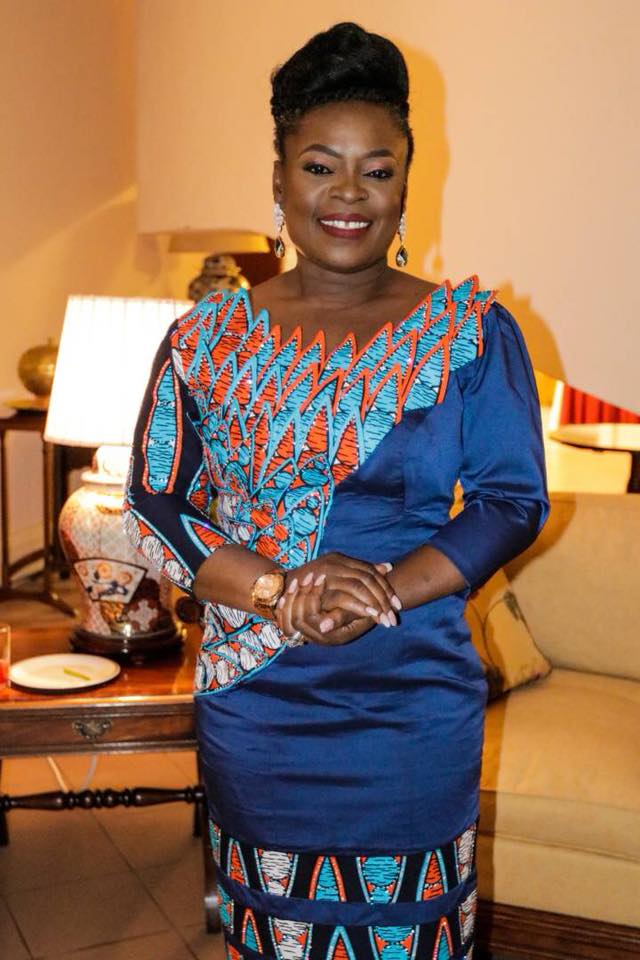
Founder of Mirabel Centre, Itoro Eze-Anaba, has been honored with the Commonwealth Point of Light Award by the Queen of England, Her Majesty Queen Elizabeth II.

She founded The Mirabel Centre which is Nigeria’s first sexual assault referral centre, in 2013 and has since then helped over 3,100 victims of rape.

She has provided a safe haven for over 2,800 survivors of this heinous crime and has encouraged thousands of others to break the silence on rape and seek prosecution of perpetrators, reducing their impunity.

Reflecting on the award, the British High Commissioner to Nigeria, Arkwright, said,

“Itoro has shown impressive dedication to supporting victims of sexual assault and rape. She has provided a safe haven for over 2800 survivors of this heinous crime and has encouraged thousands of others to break the silence on rape and seek prosecution of perpetrators, reducing their impunity. “The Mirabel Centre is a project of Partnership for Justice where rape and sexual assault victims can access free forensic medical and counselling services.”


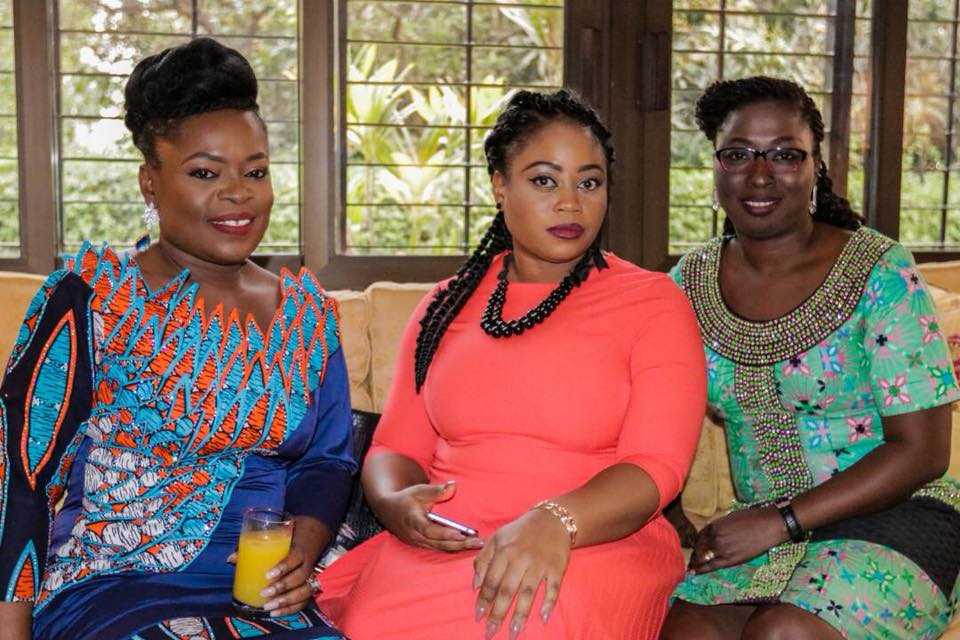
Itoro Eze-Anaba took to her Facebook page to post pictures from the event and to also thank her team at Mirabel Centre.

See full post and photos below;

Receiving the Commonwealth Point of Light from Mr Arkwright the British High Commissioner on behalf of Her Majesty the Queen is an acknowledgement of the impact of the Mirabel Centre is on the lives of survivors of rape and sexual assault in Nigeria. It also highlights the importance of collaborative efforts to bring this menace to an end. The amazing team at the Mirabel Centre thank you for being part of the journey, for your support and words of encouragement.