Author

Women of Rubies

Browsing

Have you ever wondered what highly successful women do on Monday mornings? Success is not created by luck, but by working hard toward reaching a specific goal. Monday morning routines set the mood for the rest of the day and the rest of the week. Here’s a list of Monday morning habits that highly successful people develop.

  1. They Wake Up Early – Set Your Alarm For 5am

They wake up early to make sure that they have plenty of time to complete all of their tasks. Waking up early also ensures that they are not late for any of their scheduled events and they have plenty of time to take care of their personal chores before jumping into their workload.

In an interview with Oprah, Michelle Obama shared that she wakes up early to take care of herself before her day starts. “Well, I just started thinking, if I had to get up and go to work, I’d get up and go to work. If I had to get up to take care of my kids, I’d get up and do that. But when it comes to yourself, then suddenly, ‘Oh, I can’t get up at 4:30.’ So I had to change that.”

We are only allotted so much time in each day; sleeping the day away diminishes the chances of success.

  1. They Meditate – Start With Just 5 Minutes

Monday morning meditation or prayer are great tools to envision success. It’s important to quiet the mind and let the positive energy in as soon as you wake up. If you start with meditating for 5 minutes and over time increase it to half an hour per session.

Such practices can also answer unanswered questions and lead the way to success.

Oprah meditates two times per day for 20 minutes, and she states, “I walked away feeling fuller than when I’d come in. Full of hope, a sense of contentment, and deep joy. Knowing for sure that even in the daily craziness that bombards us from every direction, there is — still — the constancy of stillness. Only from that space can you create your best work and your best life.” (HuffingtonPost)

  1. They Get Motivated – Personal Development Is Key

Highly successful people get motivated first thing on Monday morning. They read personal development books, watch inspirational videos, listen to motivational speakers. Even 15 minutes of inspirational content on Monday morning can set up your day and your week for success

  1. They Get Active – No You Don’t Need A Gym Membership

Highly Successful people know that getting the body active is imperative on Monday mornings and throughout the week. Exercise helps the body wake up and oxygenate; by doing so, all of the cells become active and ready for the day.

  1. They Only Tend To Urgent E-mails

Most email accounts are bursting with emails on Monday mornings. Highly successful people have a way to tend just to urgent emails in the morning.

Going through a long list of random emails can waste a lot of time first thing in the morning. Tumblr’s David Karp shares, “I used to suck at e-mail. I’d let e-mails pile up, get overwhelmed, and miss important messages; or forget to reply. So I set up filters on my e-mail, and that’s been working pretty well. Now, my inbox gets e-mails only from people in my company and from my girlfriend.” (Inc.com)

You can set up filters in your email account just like David Karp did. Alternatively, you can get an email app for your smart phone. Apps like Boxer, Dispatch, and Hop can help you to quickly go through your email box to separate urgent and non-urgent emails.


Reb360 is thrilled to announce the launch of the highly anticipated Game of Money Conference, slated for February 17th, 2024. This groundbreaking event aims to revolutionize the way hard-working Nigerians approach wealth and success in the financial game.

With a stellar lineup of speakers who are experts in their respective fields, including Dr. Olumide Emannuel, Yemisi Adepoju, Trade Cash, Chinwe Odigboegwu, Olamide Alao-Akala, and Sola Adesakin, participants can expect invaluable insights and strategies to level up their financial game.

Are you tired of making money but losing in the financial game? It’s time to raise the stakes and step into your power! The Game of Money Conference promises to equip attendees with the knowledge and tools needed to navigate the complexities of wealth accumulation and financial freedom.

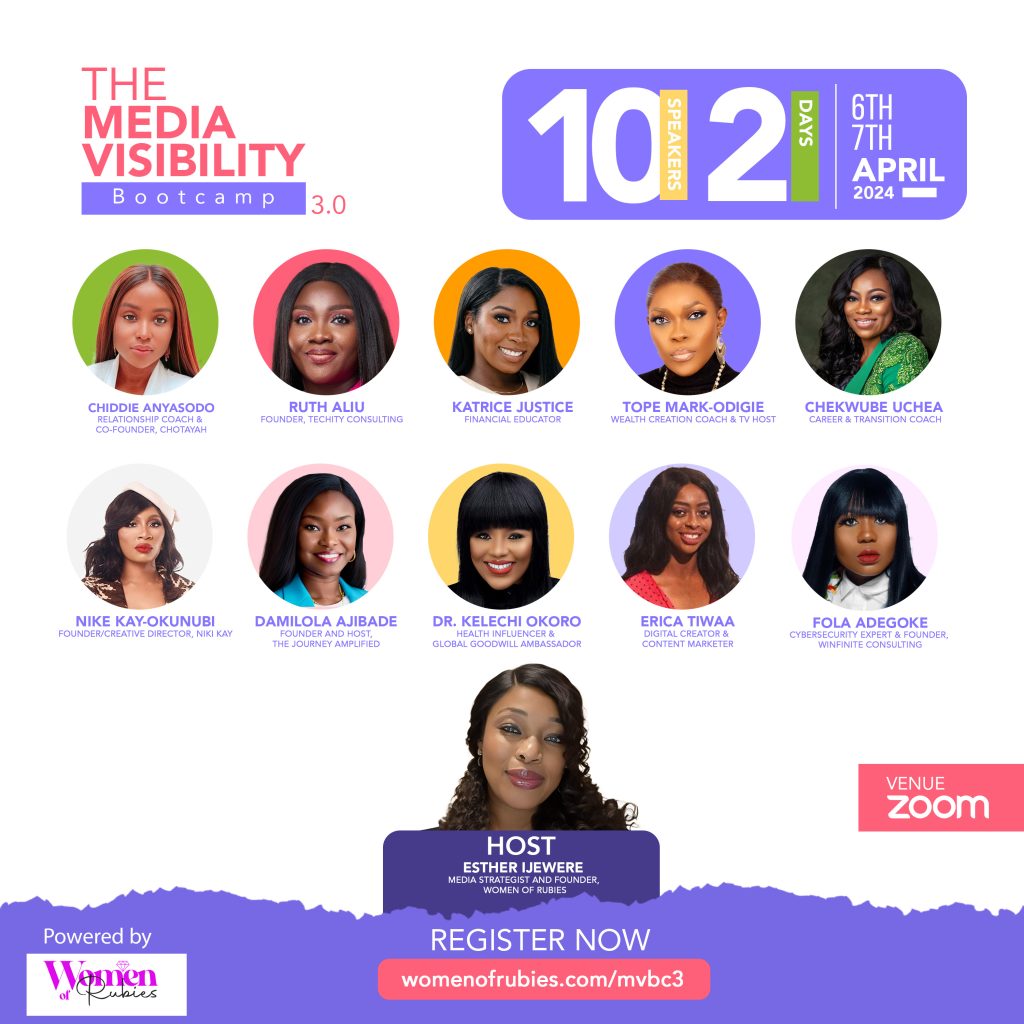
“Our goal is clear,” says Tope Mark-Odigie, Founder/CEO of Reb360. “We aim to guide hard-working Nigerians who are earning but don’t understand where the money is going and how to grow it. The Game of Money Conference is designed to empower individuals to take control of their finances and secure their financial future.”

The conference will cover various topics, including wealth creation, investment strategies, financial planning, and more. Attendees will have the opportunity to learn from industry experts, network with like-minded individuals, and gain practical insights that can be applied to their financial journeys.

Gam of money conference

The Game of Money Conference is free, but registration is compulsory. To reserve your seat and embark on a life-changing journey towards financial freedom, visit the link here.

Shonae Jones, a successful dropshipper and the young CEO of The Fempreneur Agency, is empowering a new generation of women entrepreneurs with her inspiring story of how she turned a $100 investment into 200K in less than a year.

Like many individuals, 34-year-old Shonae felt trapped in a job that she didn’t like and actively sought a way out. She started her first ecommerce business several years ago designing themes for Blackberry phones. When Blackberry stopped manufacturing devices, Shonae turned to designing cases for iPhones. This worked for a while but was short-lived because she didn’t have the resources or manpower to grow the business. So, when she learned that dropshipping allowed her to skip inventory, she didn’t hesitate.

Dropshipping is a business model of fulfilling eCommerce purchases without stocking products or owning a physical location. The seller purchases only what is needed from a wholesaler. When an order is received, the wholesaler ships the order to the customer.

An entrepreneur at heart and blessed, Shonae was excited about the prospect of dropshipping. She comments: “I was only making 30K a year as a legal assistant, so my budget to begin marketing was only $100. I needed to drive traffic to the store to make sales, so I used the same marketing strategies from when I was selling the phone cases. It worked! I utilized the strategy consistently and re-invested in the business with my 9 to 5 money as I went along.”

She adds, “Within 2 months, I was making 3K per month and within the next 4 months, I was making 10K-15K per month. By the end of the year, I had made 200K and was able to quit the toxic legal job I hated.”

Realizing the depth of her success with dropshipping, Shonae’s friends began asking her for help to start their stores, which birthed the idea for The Fempreneur Agency.

Touted as The Beyonce of Dropshipping, The Fempreneur Agency is a web design agency that creates expert Prebuilt Shopify Stores coupled with marketing strategies for women that want to fast-track their way to e-commerce success. The websites are completely customizable, and owners can choose from a range of products to sell- from luxury hair and handbags to sleepwear and baby clothes. Moreover, each website comes preloaded with 20 bestselling products that are ready to sell and fulfilled by USA-based suppliers.

Since launching The Fempreneur Agency, which is based in Richmond, Virginia, Shona has helped over 3,000 women start and grow thriving e-commerce businesses. One customer, Shameria J. said: “I’ve been trying for 5 years to start a drop shipping business on my own and wasn’t able due to not having the time to research. I was skeptical at first but decided to take the chance and invest the money to have to set up a store for my little girl’s 9th birthday. They did not disappoint at all. She made $297 in less than 48 hours with her store. I’m ready to purchase your services to add more stores.”

Source: blacknews.com


Canada, known for its cultural diversity and commitment to equality, is home to universities that actively prioritize creating inclusive environments for women. These institutions go beyond offering quality education; they provide support systems, resources, and programs that empower women to thrive academically and personally. Here, we explore five women-friendly universities in Canada that stand out for their dedication to fostering an inclusive and empowering educational experience.

University of Toronto

The University of Toronto, consistently ranked among the top globally, stands out for its commitment to gender equity. With various women-focused organizations, mentorship programs, and gender-inclusive policies, U of T provides a supportive environment for women to excel in diverse fields of study.

Simon Fraser University (SFU)

SFU, located in British Columbia, is renowned for its focus on women’s success. The Women’s Centre at SFU serves as a hub for support, resources, and advocacy. The university actively promotes gender equality through initiatives, workshops, and events that address the unique challenges faced by women in academia.

Toronto Metropolitan University

TMU, situated in the heart of Toronto, is recognized for its commitment to creating a gender-inclusive campus. The Office of the Vice-President, Equity, and Community Inclusion oversees various programs aimed at supporting women, including mentorship opportunities, leadership development, and networking events.

McGill University

McGill, located in Montreal, fosters an environment that celebrates diversity and gender equality. The university’s Equity and Inclusion Office works to address issues related to gender, providing resources and support for women. McGill’s commitment to empowering women extends to research initiatives and educational programs.

University of British Columbia (UBC)

UBC, with campuses in Vancouver and Kelowna, actively promotes a culture of diversity and inclusion. The Centre for Women in the Academy and Professions at UBC offers resources, mentorship programs, and events to support the academic and professional success of women. The university also prioritizes research and initiatives focused on gender equality.

University of Alberta

Known for its commitment to diversity and inclusion, the University of Alberta provides a supportive environment for women in academia. The Women in Scholarship, Engineering, Science, and Technology (WISEST) program at U of A encourages the participation and success of women in STEM fields through mentorship and outreach activities.

University of Waterloo

With a strong emphasis on gender equity, the University of Waterloo offers various resources and programs to support women in their academic and professional journeys. The institution’s commitment to inclusivity is evident through initiatives such as the Women in Computer Science (WiCS) group and mentorship opportunities.

University of Calgary

The University of Calgary prioritizes creating an inclusive campus environment through initiatives that support women’s advancement. The Women’s Resource Centre at UCalgary provides a range of resources, workshops, and events to address gender-related issues and foster a sense of community.

Dalhousie University

Dalhousie University, located in Halifax, Nova Scotia, promotes a culture of diversity and inclusion. The university’s Belong Forum addresses issues related to equity, diversity, and inclusion, emphasizing the importance of creating a welcoming environment for all. Dalhousie actively supports initiatives that empower women in academia and beyond.

Conclusion:

These universities in Canada exemplify a commitment to creating inclusive spaces where women can pursue their academic and professional goals without barriers. By providing support, resources, and programs tailored to the unique experiences of women, these institutions contribute to shaping a more equitable and empowering educational landscape in Canada.

Throughout your working career, you’ve probably experienced imposter syndrome (also known as imposter phenomenon) a few times – and if so, you’re not alone. 

According to a review article published in the International Journal of Behavioral Science, about 70% of people have experienced imposter-like feelings at some point in their lives, too. But did you know that there is more than one type of imposter syndrome?

Dr. Valerie Young, author of ‘The Secret Thoughts of Successful Women: Why Capable People Suffer From the Imposter Syndrome and How to Thrive in Spite of It’, listed them:

1. The Perfectionist
2. The Superwoman/man
3. The Natural Genius
4. The Soloist
5. The Expert

Each of these types has the area in which people tend to struggle, such as their career or life choices.

But why do these varying imposter syndrome types affect so many people on such a high scale?
There are actually a few possibilities. It might be due to a toxic work culture, feeling undervalued or disrespected, perceiving one’s work as below the limit, specific temperaments. Mental illness can also incite the feeling of imposter syndrome.

When someone generally feels low confidence, insecurity, and second-guesses themselves on a constant basis, how exactly do they know which type of imposter syndrome they have in the first place?

Journaling and speaking with a therapist can help an individual identify which form of imposter syndrome they are struggling with.

If you want to know more about which kind of imposter syndrome you have and how to combat these behaviors, keep scrolling.

1. The Perfectionist

The Perfectionist, the most well-known imposter syndrome type out of the bunch, tends to be fearful of being found out. They believe they should accomplish things perfectly all the time and tend to be known as ‘control freaks’ or micromanagers. They fear being questioned about their abilities.

But the truth is, whether others are questioning your abilities or not, you’re already doing that to yourself. One of the ways you can combat this is by listing or taking note of small accomplishments, and visualising successes.

2. The Superwoman

If you don’t consider yourself to be a Superwoman, then you most definitely have worked with one. They’re the ones who push themselves beyond their limits, and feel like they have to measure up against their colleagues. But how do you know if you have this imposter syndrome type or if you just really love working?

An expert says that if one’s work elicits feelings of contentment and comfort, and not frustration, or anger, then one simply loves working.
Those who do work just because they feel they must do it, and not because they want to might just have the ‘superwoman syndrome’.

So, if this sounds like you and you want to stop this cycle, you should make the decision to stop what you are doing.
An expert puts it this way, ‘you most definitely overwork yourself by thinking you have to be the first one in the office and the last one to leave because YOU must get all of this work done and it can only be done by YOU. Once you take a good long and hard look at the outcomes of what you are doing, you’ll realize that it is not healthy for you.’

After all, how you decide to treat yourself will impact how others, like your colleagues and boss, will treat you.
You might begin to get more assignments, and responsibilities while your colleagues do not get such. And while it can be great to be known as the one your boss can rely on, it can negatively affect your mental health by leading to burnout – or by making you feel like you’re not enough if your boss doesn’t consider you to be this person for them.

3. The Natural Genius

If you consider yourself to be a Natural Genius, you may have the tendency to beat yourself up if you don’t accomplish something perfectly on the first go. Not only do you tend to set the bar unrealistically high for yourself, like the Perfectionist, but when a mistake does occur, no matter how minor, you feel like a failure.

But just because you might have to work hard on something doesn’t mean you’re not good at it. If you’re beginning to feel defeated, list ways in which others have helped you over the years, and how different perspectives have helped you succeed.

This will prompt you to perceive asking for help as a positive, less threatening act, which will help you realize that learning and failing as you go is actually part of the process.

4. The Soloist

As a Soloist, you tend (and prefer) to do things on your own. Why delegate, when you can complete everything by yourself?
Unfortunately, the harm in this is that you believe that asking for help is a weakness that will set off alarms to others that you, are a fraud – when this is 100% not the case.

You can let go of this behaviour by learning to get out of your own way.  List ways in which others have helped you over the years, and how different perspectives have helped you succeed, this prompts individuals to perceive asking for help as more positive and less threatening.’

However, this exercise will only work if you’re in a positive working environment. A negative working environment will only feed the negative narrative the Soloist says to themselves.
If you’re a Soloist, this thought process will just perpetuate your actions – which can harm you in the long run and lead to burnout.

5. The Expert

People with the Expert imposter syndrome type tend to measure their self-worth by ‘how much’ or ‘what’ they know. This is because the Expert believes they should know everything about a topic from top to bottom, and they tend to have a fear of being called out for not having the knowledge in the first place.

The harm with this type of imposter syndrome is that you can become a constant learner and hoarder of information, you can become paralyzed with knowledge and feel a false sense of safety gaining all of this knowledge and information to where you’re afraid to actually DO anything with it.

So how can Experts stop obsessing over trying to know everything and anything?
It is recommended that they compartmentalize their time spent working and reserve time each day to exercise and simply rest, instead.
This will help you put the focus on your mental and physical health rather than entirely on work.

Recommended:

Esther Ijewere: Repressed Emotions-Finding And Releasing Them (Personal Experience)

Solape Akinpelu is Teaching Women How to Build Generational Wealth

How To Use Mindfulness Meditation To Reduce Stress And Anxiety

Are you ready to explore the fascinating world of women’s healthcare in Canada? Whether you’re a long-time resident or a newcomer to the country, navigating the healthcare system’s ins and outs can be exciting and daunting. But don’t worry, you’re in good hands. In this blog post, we’ll demystify everything you need to know about women’s health and wellness in Canada.

From understanding the unique needs of women to exploring the range of services available, we’ll delve into the strengths and areas for improvement of the healthcare system. So get ready to empower yourself with the knowledge to access and utilize the healthcare resources available for women effectively. Let’s dive in!

Understanding Women’s Health Needs in Canada

Women’s health in Canada encompasses a spectrum of needs, from reproductive health to mental well-being. It’s crucial to recognize that women’s health issues are not just biologically different from men’s but also influenced by social, cultural, and economic factors. In Canada, a focus on Women’s wellness services ensures that healthcare is reactive and proactive, dealing with the prevention and early detection of diseases common in women.

Issues like breast and cervical cancer, osteoporosis, and heart disease, which disproportionately affect women, are a priority. Moreover, the recognition of the unique mental health challenges faced by women has led to more tailored services in this area. Understanding these diverse needs is the first step in ensuring accessible healthcare in Canada for women.

Basic Structure of the Canadian Healthcare System

Healthcare in Canada

The Canadian healthcare system is a complex yet well-integrated network of services that provide comprehensive care to all citizens, including Canadian women’s healthcare needs. Primarily funded by the government, healthcare in Canada ensures basic coverage for all, including access to hospitals, doctors, and certain medical tests and treatments. Each province and territory may have different specifics regarding additional services covered.

Women’s preventive care in Canada, including regular health screenings like mammograms and Pap tests, is generally covered under the public health system. However, certain aspects of women’s health, such as specific fertility treatments and some mental health services, might not be fully covered, necessitating a mix of public and private healthcare provisions. Understanding this structure helps navigate the system and access the right services at the right time

How the System Caters to Women’s Health: Services Covered and Those Not Covered

The Canadian healthcare system provides various services catering to women’s health. However, there are also notable gaps in coverage.

Services Typically Covered:

  1. General Health Check-ups and Consultations: Regular medical appointments, including annual physicals, are fully covered.
  2. Maternal Healthcare: This includes comprehensive prenatal check-ups, ultrasound scans, delivery (both normal and cesarean), and postnatal care.
  3. Preventive Screenings: Screenings for breast and cervical cancer (mammograms and Pap smears) and osteoporosis (bone density tests) are routinely covered.
  4. Basic Reproductive Health Services: Services like contraceptive advice, STI testing, and certain aspects of fertility treatments.
  5. Hospital Services include all necessary in-hospital treatments like surgeries, emergency care, and inpatient medications.

Services Often Not Covered or PaSpecializedered:

  1. Specialized Fertility Treatments: Procedures like IVF or ICSI are typically not fully covered, leading many to seek private healthcare or insurance.
  2. Certain Mental Health Services: While basic counselling ispecializedered, specialized psychological or psychiatric services may require private insurance.
  3. Cosmetic Procedures: Any non-essential procedure, such as cosmetic surgery, is not covered.
  4. Dental and Vision Care: Most dental and vision care, including regular check-ups and corrective lenses, require additional private insurance.

Knowing the extent and limits of coverage helps women in Canada navigate their healthcare options more effectively.

Steps to Access Healthcare in Canada for Women

To ensure optimal healthcare outcomes, women in Canada should follow key steps when accessing healthcare services. Navigating these steps ensures women can access the full range of healthcare services.

  1. Health Insurance Registration: Secure a provincial health insurance card to access public healthcare services. Each province has its registration process and criteria.
  2. Finding a HealUtilizeProvider: Utilize provincial resources to find a family doctor. Health Care Connect helps match patients with local doctors in provinces like Ontario.
  3. Regular Health Check-Ups: Schedule and attend regular check-ups for preventive care. These can include screenings for cancer, heart health assessments, and discussions about mental health.
  4. Referral to specialized: For specialized care (like gynaecologists, endocrinologists, etc.), a referral from a family doctor is typically required.
  5. Urgent Care Needs: Women can visit walk-in clinics or hospital emergency rooms for immediate medical attention.
  6. Private Insurance Consideration: For services not covered by public healthcare, consider purchasing private health insurance for additional coverage.

Common Barriers Faced by Women in Accessing Healthcare in Canada

Healthcare in Canada

Women in Canada face several barriers to accessing healthcare, which can impact their health and wellness; addressing these barriers is critical for improving healthcare access and outcomes for all women in Canada.

  1. Geographical Challenges: Women in remote or rural areas often have specializedess to specialized healthcare facilities and providers.
  2. Wait Times for Services: There can be significant wait times for certain procedures and specialist appointments, impacting timely access to care.
  3. Cultural and Language Differences: Non-native speakers and women from diverse cultural backgrounds may face difficulties in the healthcare system due to language barriers or cultural insensitivity.
  4. Economic Constraints: Women from lower socioeconomic backgrounds struggle with access to services that public healthcare doesn’t cover, like certain dental, vision, and mental health services.
  5. Knowledge and Awareness: A lack of awareness about available health services and how to navigate the healthcare system can be a significant barrier.

Preventive Healthcare in Canada for Women

Preventive healthcare is key to maintaining long-term health and well-being for women in Canada:

  1. Regular Screenings and Check-ups: This includes mammograms, Pap smears, bone density tests, and blood pressure checks.
  2. Vaccinations: Staying up-to-date with vaccinations, including those specifically recommended for women at different life stages.
  3. Health Education: Informative sessions on breast self-exams, nutritional guidance, and family planning.
  4. Lifestyle Assessments: Regular assessments during doctor visits to discuss lifestyle factors affecting health, such as diet, exercise, and stress management.

Lifestyle and Wellness Tips Specific to Women’s Health

Adopting a healthy lifestyle is crucial for women’s long-term health:

  1. Balanced Diet: Focus on nutrient-rich foods, including fruits, vegetables, whole grains, and lean proteins.
  2. Regular Exercise: Incorporating cardio, strength training, and flexibility exercises.
  3. Stress Management: Techniques such as meditation, yoga, or mindfulness can be particularly beneficial.
  4. Prioritizing Sleep: Prioritizing sleep and establishing a regular sleep routine.
  5. Regular Health Screenings: Staying proactive about health by scheduling regular check-ups and screenings.

How to Advocate for Better Healthcare Services for Women

Advocating for improved healthcare services is vital:

  1. Stay Informed: Understanding current healthcare policies and how they impact women.
  2. Community Involvement: Participating in local health committees or advocacy groups.
  3. Engage with Policymakers: Contacting local representatives to voice concerns and suggestions.
  4. Support NGOs and Initiatives: Collaborate with organizations working towards better healthcare for women.
  5. Educate and Empower: Share information and encourage women n to prioritise their healthcare needs.

Access to women’s healthcare in Canada is a complex issue that demands immediate action. Women’s health needs are unique and require special attention. Women in Canada must proactively seek medical services and participate in policy advocacy to ensure their health needs are met effectively. Education, awareness, and policy advocacy are crucial to ensure that healthcare in Canada evolves to meet the diverse needs of all women. It is high time that the healthcare system puts women’s health at the forefront and takes immediate action to address the existing gaps.

Margaret Oguntala has shattered the glass ceiling, becoming the first woman to assume the presidency of the Nigerian Society of Engineers (NSE) in its 65-year history. Her historic inauguration marks a significant milestone for gender inclusivity in the field of engineering, breaking a long-standing tradition. Oguntala’s ascendancy to this esteemed position signifies a positive step towards greater diversity and representation within the NSE.

The journey to this groundbreaking moment faced a legal challenge towards the end of 2023 when an interlocutory injunction raised questions about Oguntala’s assumption of office. However, the legal hurdle was overcome on December 18, 2023, when Justice Venchak Gaba of the High Court of the Federal Capital Territory, Kuje, Abuja, set aside the court order, paving the way for Oguntala’s inauguration.

In her reflections on assuming office, Oguntala expressed gratitude for the unwavering support she received from association members, emphasizing her commitment to service with a clear purpose. She sees her presidency as a continuous journey, not a destination.

“The journey to this office for me has been fueled by a quest to serve with a clear purpose, inspired by the unwavering support I have enjoyed from members of the association and powered by the strong conviction that service is a continuous journey, not a destination,” remarked Oguntala.

Taking over from Tasiu Gidari-Wudil, Oguntala envisions the upcoming year as a testament to shared commitment to engineering excellence, devoid of biases or encumbrances. She calls on everyone to join hands in building formidable layers on the strong foundation laid before, signaling a new era for the NSE.

In an official statement, the NSE hailed Oguntala as a trailblazer, breaking the 65-year monopoly of male engineers as president of the prestigious association. Known as the ‘Erelu Worldwide’ and regarded as the mother of modern-day engineering in Nigeria by young engineers, Oguntala has captured the collective admiration of her peers.

A stalwart within the NSE, Oguntala’s journey with the association began in 1996, culminating in achieving the status of fellow in 2010. Her extensive service record includes chairing the Ikeja branch from 2010 to 2011, participating in the National Executive Committee in 2012 and 2013, serving as vice president from 2014 to 2016, and assuming the role of deputy president from 2021 onwards.

Margaret Oguntala’s rich history and commitment to the NSE position her as a transformative leader, poised to make lasting contributions to the engineering landscape in Nigeria. We send our heartfelt congratulations to her, celebrating this momentous achievement that breaks barriers and inspires future generations.

Self-help books can be a great resource when it comes to self-improvement and boosting your career. From improving your communication skills and building relationships with colleagues to nurturing your confidence and self-esteem, books can give us the tools and strategies to find success at work.

From new releases to bestsellers, here are some of the best reads about cultivating a healthy, fulfilling career in the modern workplace.

1. Why Has Nobody Told Me This Before? by Dr Julie Smith (2022)

It’s no secret that our workplaces are unhealthy. Excessive workloads, stagnant pay, job insecurity, discrimination and toxic cultures and environments have had a serious impact on our mental health. According to a survey of 30,000 people by AXA UK and Centre of Economic and Business Research, more than a fifth (21%) of UK adults are in emotional distress, defined by the study as ‘struggling’.

Although self-help books are no replacement for professional support and treatment, having a practical guide can help – something clinical psychologist Dr Julie Smith provides in her latest book. It’s an easy-to-understand therapy toolkit designed to help readers understand and manage various mental health challenges from anxiety and depression to low motivation.

Read: 14 Jobs women can do from anywhere without experience

2. If You Could Live Anywhere by Melody Warnick (2022)

Until fairly recently, your job dictated where you lived. If you wanted to work in publishing, you lived in London. Launching an app meant living in San Francisco. But now, with more people choosing to work from home either full-time or part-time, where we live is less dependent on our jobs.

If You Could Go Anywhere by Melody Warnick

Almost half of working adults were working from home at times during the COVID-19 pandemic. According to ONS data, 24% of people worked from home part-time in May 2022 – and more than eight in 10 workers said they planned to do hybrid work in the future. However, the place you call home still matters and finding the right place is essential for your happiness. Melody Warnick looks at how to find the right location for you while doing the job you love.

3. How To Make Affirmations Work For You By Esther Ijewere (2023)

How To Make Affirmations Work For You helps you disrupt negative thinking habits and build a new route in your brain for positive thoughts. Eventually, positive thought patterns appear, and your good thoughts affect your actions. It could help you learn new skills, succeed at work, or improve relationships.

How to make affirmations work for you by Esther Ijewere
Esther’s book is available for order via book.estherijewere.com

This book will get you inspired by tapping into that awesome feeling of empowerment and self-belief that affirmations can create. And you start projecting the energy to the world, and the confidence to yourself, that you are ready to achieve these goals. It also helps your self-esteem to naturally boost. It helps to replace negative thoughts with positive ones. They harness the mind’s power by directing your intentions toward your best self and your happiest.

Esther’s book helps you focus on affirming your self-worth by reflecting on your core values and helping give you a broader view of yourself. It is available in E-book and paperback.

4. Be A Triangle by Lilly Singh (2022)

Research suggests self-esteem is linked to positive work outcomes, such as job satisfaction and higher income. However, a lack of self-esteem and confidence at work is something many of us struggle with. According to one 2019 study, 79% of women and 62% of men regularly feel a lack of confidence on the job. Imposter syndrome, doubting your abilities and feeling like a fraud, is common.

Be a triangle by Lily Singh

Comedian Lilly Singh, the New York Times bestselling author of How to Be a Bawse, suggests that triangles are the ideal model for building self-esteem in this short book. Triangles have got a strong foundation and they are difficult to knock over – an ethos we should apply to ourselves.1,

5. Presence by Amy Cuddy (2015)

Even the most confident of us get anxious from time to time, whether it’s in a job interview or before a big presentation. Frustratingly, these jitters can stop us showcasing our skills and abilities – and can set us back when it comes to career progression.

Harvard Business School professor and social psychologist Amy Cuddy examines how to overcome anxiety in stressful situations with some helpful, practical tips. She looks at how the mind and body are connected and how body language and posture can be used to overcome nerves.

I  was a teacher, coach, and education administrator for 44 years – 10 years at the high school level and 34 at the collegiate level. I also organized and directed basketball camps and clinics throughout America and in four European countries.

I was privileged to work with a good number of people who excelled at work, which led them to successful careers.

Through the years, I observed 5 characteristics that I thought led all the successful people I encountered to excel in their work. Here are five mindsets to adopt to excel in work and your career.

1. Humility

The most successful people I worked with were humble from their first through their last day at work. I found that people who made it to the very top of their professions in business, education, law, or medicine were humble people. The willingness to admit that there is more to learn is the mark of an excellent leader.[1]

Incongruously, people who were trying to excel in their work but had not reached the top were the arrogant, egotistical ones. This seemed to be a recurrent occurrence.

For its 75th anniversary, Fortune Magazine dedicated the entire publication to one concept – decision-making. They interviewed leaders from the business, military, education, and political worlds.

I thought the most insightful interview was with Jim Collins, author of Good to Great. His comment was that the most important decisions made in the last 25 years in American boardrooms, regardless of the business, all began with the leaders saying the same 3 words, “I don’t know.”

I have worked with leaders who knew. In fact, to say I worked “with” them is a misnomer. Nobody could work “with” them because they already had all the answers.

I also worked with leaders who, when tough decisions had to be made, called in their principal people. They were not afraid to say, “I don’t know how we should handle this issue, but let’s put our heads together and find the best solution.”

I found these humble leaders to be the most secure and strongest leaders I ever worked with.

John Wooden, the iconic UCLA basketball coach, summed up humility when he wrote:[2]

Talent is God-given, be humble. Fame is man-given, be thankful. But conceit is self-given, be careful.

2. Caring

People who excel at work care about their fellow workers. Caring about people is one of the elements of Wellness-Centered Leadership, or leadership that is designed to empower and foster professional fulfillment.

3. Extra Mile

Successful people always do more than is expected of them.

When problems arise, people who excel at work do whatever it takes to resolve the issue. They do not have to be asked; they are always ready to go the extra mile.

My fellow coach and great friend, Jack Hermanski, worked with Special Education students. He was a “traveling” teacher who worked with students at ten schools in his district. Like many school districts, budgets were minimal in Jack’s district. Jack was committed to teaching his students and refused to let budgets impede his serving his kids.

Having to travel daily from school to school, Jack kept all his equipment in his truck. But there was something different about the equipment in Jack’s truck. He bought all of it!

Jack went the extra mile to provide his students with the best educational experience possible.

4. Listening

I am convinced the skill of listening can never be overemphasized. We have numerous classes in speaking in our college courses, but I believe a mandatory class in LISTENING within the general education requirements would be of more benefit to the students. Active listening imparts approachability, and it is a valued skill.[4]

Rather than giving you my perspectives on listening, let me share the wisdom of some thought leaders on listening:

  • “One of the most sincere forms of respect is actually listening to what another has to say.” – Bryant H. McGill
  • “Listening is one of the loudest forms of kindness.” – Anonymous
  • “Most of the successful people I’ve known are the ones who do more listening than talking.” – Bernard Beruch
  • “Courage is what it takes to stand up and speak; courage is also what it takes to sit down and listen.” – Winston Churchill
  • “God gave us a mouth that closes and ears that don’t. That must tell us something.” – Anonymous
  • “Most people don’t listen with the intent to understand; they listen with the intent to reply.” – Stephen Covey
  • “I remind myself every morning: Nothing I say this day will teach me anything. So, if I am going to learn, I must do it by listening.” – Larry King
  • “You cannot truly listen to anyone and do something else at the same time.” – Scott Peck
  • I never thought of this before. Have you? “The word listen has the same letters as silent.” – Alfred Brendel

People who excel at work have developed the skill of listening.

5. Consistency of Effort

I used to think that effort was the key to athletic success. I no longer believe this for athletics or any profession. I believe the difference between good and great in any endeavor is the consistency of effort.

No one has their “A” game every day, but the great ones develop the ability and the mindset to reach down and bring the best they have every day.

Good athletes can find their best effort periodically. Great athletes have mental toughness once they tie up their shoes for practice and walk onto the field or court to reach maximum effort immediately.

In his famous Pyramid of Success, John Wooden defines success in this way:

Success is peace of mind which is a direct result of self-satisfaction in knowing you made the effort to become the best of which you are capable.

Bottom Line

It is critically important to accept that there are no shortcuts to success. When you can consistently bring the best you have each day, you will know how to excel in your career and how to have a success future.

To excel at work: Be humble. Be caring. Go the extra mile. Be a listener. Be a life-long learner. Bring consistency of effort.

Source:  Pat Sullivan

In recent years, the landscape of business and entrepreneurship has witnessed a remarkable rise in women-led organizations, with women breaking barriers and making their mark in various industries. Canada, known for its commitment to diversity and equality, is home to numerous women-led organizations that are driving innovation, making a difference, and inspiring future generations. In this article, we celebrate the achievements and highlight the stories of thirteen exceptional women-led organizations in Canada

1. Canadian Women’s Foundation

As one of the largest women’s foundations in Canada, the Canadian Women’s Foundation works to address gender inequality and support women’s economic empowerment, ending gender-based violence, and promoting girls’ rights. They invest in community programs and initiatives that create lasting change.

2. Women of Influence

Women of Influence is a platform that celebrates and supports the advancement of women in leadership positions. Through their events, media, and community initiatives, they amplify the stories and achievements of influential women across various sectors.

3. Women of Rubies Inc.

Women of Rubies is not only a women’s platform dedicated to highlighting female business owners worldwide but also a boutique communications firm providing comprehensive public relations solutions in events, marketing, reputation management, media relations, and strategy. Established by Esther Ijewere, a highly acclaimed media personality and public relations strategist, this platform has successfully showcased and celebrated the achievements of more than 5000 women globally.

4. CIBWE

CIBWE, which stands for Canada International Black Women Excellence, is a distinguished Canadian organization dedicated to celebrating, empowering, and advancing the achievements of Black women across the country and beyond. Founded on the principles of equality, inclusivity, and empowerment, CIBWE strives to create a platform that not only recognizes the remarkable contributions of Black women but also provides them with the tools and resources they need to thrive.

This dynamic organization serves as a beacon of hope and inspiration for Black women, offering support in various aspects of their lives, from education and entrepreneurship to leadership and community engagement. CIBWE believes in the power of unity and collaboration, bringing together diverse voices and talents to foster positive change and break down barriers.

With a commitment to excellence and a focus on creating opportunities for personal and professional growth, CIBWE continues to be a driving force in promoting the success and well-being of Black women in Canada and making their voices heard on the global stage. Through its initiatives, events, and advocacy, CIBWE shines a spotlight on the outstanding achievements of Black women while paving the way for a more inclusive and equitable future.

5. Total Mom Inc

Total Mom Inc. Canada is an organization that focuses on supporting and empowering mothers in Canada. It is a platform that provides resources, community, and opportunities for personal and professional growth for moms.

Total Mom Inc. offers a wide range of services and programs to cater to the diverse needs of mothers. They provide educational resources, workshops, and events that cover various topics such as parenting, career development, self-care, and entrepreneurship. Through these offerings, they aim to equip moms with the knowledge, skills, and support they need to thrive in all aspects of their lives.

Additionally, Total Mom Inc. provides networking opportunities and a sense of community for mothers. They facilitate connections among moms, creating a space where they can share their experiences, offer support, and build meaningful relationships. The organization understands the importance of a strong support system and strives to create a community that celebrates and uplifts moms.

Total Mom Inc. also collaborates with businesses and brands to create opportunities for moms to pursue their passions and interests. They connect moms with brands that align with their values and provide platforms for them to showcase their talents and expertise.

6.  The Canadian Association of Women Executives & Entrepreneurs (CAWEE)

CAWEE is a prominent organization that supports and advocates for women executives and entrepreneurs in Canada. They offer networking opportunities, educational programs, and resources to enhance the professional growth and success of women in business.

7. Women’s Entrepreneurship Knowledge Hub (WEKH)

WEKH is a national organization that promotes research, knowledge-sharing, and collaboration to advance women’s entrepreneurship in Canada. They work towards creating a supportive ecosystem for women entrepreneurs through partnerships and initiatives across the country.

8. Women in Communications and Technology (WCT)

WCT is a national organization focused on advancing women’s leadership and inclusion in the communications and technology sectors. They provide mentorship, professional development programs, and networking opportunities to empower women and promote diversity in these industries.

The range of services offered by Women of Rubies encompasses various areas, including product launches, influencer programs, PR strategy development, media training, event management, experiential marketing, and corporate communications support.

9. Black Mom Connection

Founded by award-winning event planner and creative storyteller Tanya Hayles, Black Moms Connection started with a group of 12 women in Toronto looking to create a safe space to ask culturally relevant questions and get culturally relevant answers. Since its inception, this once local grassroots organization has evolved into an online global village of more than 16,000 people with chapters in a variety of North American cities and in Asia. As a registered non-profit organization, Black Moms Connection offers culturally relevant tools and resources to empower and educate Black women. Workshops and sessions range from special needs education to financial literacy, encouraging mothers to increase the social, emotional, financial, and well-being of the Black family.

10. Afro Women and Youth Foundation

 Afro Women and Youth Foundation Canada is an organization dedicated to empowering and uplifting Afro women and youth in Canada. The foundation focuses on addressing the unique challenges and barriers faced by Afro women and youth, and works towards creating opportunities for their personal and professional growth.

Through various programs and initiatives, the foundation aims to promote education, entrepreneurship, leadership development, and community engagement among Afro women and youth. They provide resources, mentorship, and support networks to help individuals enhance their skills, explore career pathways, and achieve their full potential.

11. Women’s Executive Network (WXN)

WXN is Canada’s leading organization dedicated to advancing and celebrating the achievements of women in business. They provide networking opportunities, leadership development programs, and recognition through prestigious awards to inspire and empower women professionals.

12. TechGirls Canada

TechGirls Canada is a national organization that advocates for diversity and gender equality in the tech industry. They work to create inclusive environments and provide resources, mentorship, and support for women and girls pursuing careers in technology.

13. Black Women In Motion

Founded by Monica Samuel, Black Women in Motion is a Toronto-based, youth-led organization that empowers and supports the advancement of Black women, gender-non-confirming, and non-binary survivors of gender-based violence. As an educator, community builder, social entrepreneur and DEI consultant, Monica has spent the past decade focusing on anti-oppression, equity, mental health, sex positivity, and consent. She’s known for her creation of culturally centred spaces for learning, unlearning, and self-expression.

Programs include the Black Youth Employment Assistance Program, Black Peer Education Network, Love Offering Community Emergency Relief Fund, and other wellness initiatives, internships, and workshops. The organization offers a number of ways for interested parties to get involved from monetary donations, corporate partnerships, non-monetary gifts, and volunteer opportunities. While this organization is Toronto-based, they’re bringing education and community to a much broader audience.

14. Native’s Women Association of Canada

The Native Women’s Association of Canada (NWAC) is a National Indigenous Organization representing the political voice of Indigenous women, girls, and gender diverse people in Canada, inclusive of First Nations Peoples on and off reserve, status and non-status, disenfranchised, Métis, and Inuit.

NWAC was founded to enhance, promote, and foster the social, economic, cultural, and political well-being of Indigenous women. An aggregate of Indigenous women’s organizations from across the country, NWAC engages in national and international advocacy aimed at legislative and policy reforms that promote equality for Indigenous women, girls, Two-Spirit and gender diverse people, including LGBTQIA+ people.

NWAC works on a variety of issues such as employment, labour and business, health, violence prevention and safety, justice and human rights, environment, early learning childcare, and international affairs.

15. The Period Purse

As most good stories do, this one started with one woman and her desire to help. Wondering how those experiencing homelessness would gain access to period products, Jana Girdauskas, a teacher and mom, filled one purse with menstrual supplies and other hygiene items, ready for someone in need. She put a request out on Facebook and within a month she received 350 purses filled with donated products. That was 2017. Today, The Period Purse is Canada’s first and only registered charity dealing with menstrual equity and has chapters across the country.

They’ve donated more than 2.5 million period products since their inception. With a focus on reducing the stigma surrounding periods through education and advocacy, The Period Purse provides a number of opportunities for those interested in volunteering their time, items or financial support to the cause. With the announcement in Ontario around making period products available for free to students in schools, period equity has certainly been top-of-mind.

The rise of women-led organizations in Canada is a testament to the incredible talent, resilience, and determination of women entrepreneurs and leaders.

The thirteen organizations highlighted in this article are just a snapshot of the diverse and impactful initiatives being spearheaded by women across the country.

Through their visionary leadership, these organizations are breaking barriers, inspiring change, and creating a more inclusive and equitable society. As we celebrate their achievements, let us continue to support and uplift women-led organizations, amplifying their voices and ensuring their continued success.

Follow us on Instagram for more Inspiring post’; https://www.instagram.com/womenofrubies_/