Women of Rubies

Author

Esther Ijewere

Browsing

Looking for a unique way to show your husband how much you love him? Check out these five need-to-try gestures.

He is your everything, and you are his. That bond between you two grows stronger every day, but you don’t need us to tell you that.

After years or even just months together, finding a unique way to show your husband how much you love him becomes incredibly difficult. No fear! With a little creativity you can easily help your man to feel more loved than ever.

To get you started, here are six gestures you can use to show your husband that he means more than the world to you.

  1. Buy a special treat

Remember, be creative! Ask his family what foods and treats he hasn’t had since he was a kid. Can he go through a box of Mott’s fruit snacks faster than your kids? Buy a box that’s just for him! Or buy a delicious treat neither of you has tried before. Or make it a fun date night by baking an exotic dessert together. Whatever you do, make a memory out of it. Have a big reveal or take pictures. Make even the small, ordinary moments matter in your relationship.

2. Wear that outfit that he likes

Who cares if you wore that shirt and jeans earlier this week? Not him! Ask your husband what outfits he likes to see you wear. Especially if you’re not the girl to reuse outfits often, your husband will love knowing that you’re wearing that outfit just for him.

3. Stop saying “I’m sorry” so much

Do you ever apologize for apologizing? Or say “thank you” to every little thing your husband does? In an effort to appear humble, sometimes we come off as submissive. We don’t feel confident and it shows.

When you act confidently, your husband knows that he’s doing his job. He wants to build you up. He’s your biggest cheerleader (sorry, Mom). You build his confidence when he sees that he’s building yours.

4. Tease him

Along with feeling needed, your man needs to know that you have fun with him. Don’t roll your eyes if he makes a ridiculous joke. Build off of it and keep the joke going! Laughing together is a quick way to show your husband that you’re glad you married him.

Teasing him especially can break down a lot of walls if you two are having an off day. Never be mean, keep the teasing light. He’ll pick it up and start teasing you back. Those are the moments when your man knows he’s got his partner in crime and his best friend right by his side

5. Take him out on a “Treat Yo’ Self” day

Ever seen “Parks and Recreation”? Sometimes you and your husband just need a “Treat Yo’ Self” day. This means a day away from the stresses of daily life – a day to relax and unwind. You both deserve a break from time to time. Taking your husband out for a treat yo’ self day shows him how much you appreciate his hard work. Looking to show you love him? Show him that you appreciate him.

Ask him what his idea of a treat yo’ self day looks like. Spending a day at the spa? You’d be surprised how many guys enjoy relaxing at a spa, with a full day of massages, body scrubs and hot tubs. Yep, sign us up.

No one can make your husband feel loved like you can. He needs you. Not every gesture of love has to be creative or elaborate. Just be you, and don’t stop loving him like crazy.

You and your hubby can spend the entire day at amazing Island Spa and Sauna for only $29 each. There, you’ll get to explore the different themes saunas, rejuvenate the the hot tubs and get pampered with professional massages and scrubs.


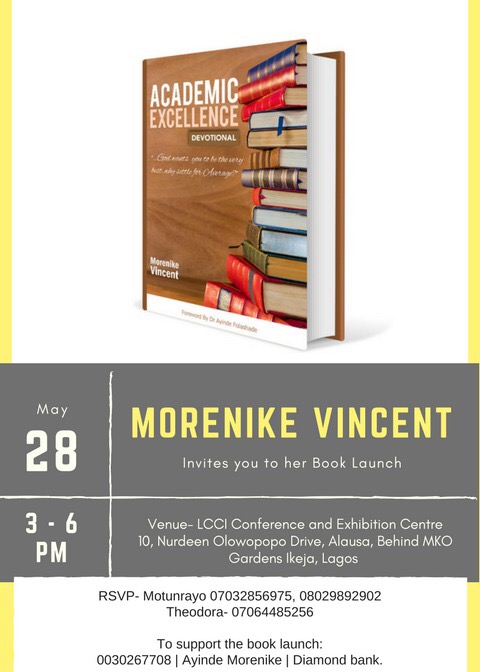
In May 2016, I hosted a FREE 3 hour online seminar for teenagers and young adults on Academic Excellence principles, nuggets and thereafter, in June 2016, held the #30Days#AcademicExcellence daily sharing, packed with nuggets, principles and Academic Excellence stories. Since then, I have spoken on different platforms on Academic Excellence, career choices and intentional/ purposeful Living.

It did not just start there!

I have always had a heart for academics, glorifying God in academics. I remember always writing faith based academic confessions for my friends towards examination at the university. I was also in academic committee of my departmental fellowship, there I would take scriptures and write on them in the light of academics and also spend hours counselling classmates on academic excellence and mindset towards academics.

I have had my fair share of academic mistakes, I saw my grades drop and then it was more convenient to say it was because I was serving in church leadership, than to accept that it was all my doing, till God pointed out to me the truths I share with teenagers and young adults today.

In my interactions and conversations with teens and young adults, I see why God put this book in my heart and allowed that I give expression to his heart on the matter.


About Academic Excllence Devotional

The Academic Excellence Devotional is full of relevant, impactful, and easy to understand content that I believe will transform the  Academics and Lives of its readers in general while bring them closer to God. Each page is hinged on God’s word to let you know that he wants you to be the very best!

What to expect:

  • 31 Days of relevant and practical content
  • Academic Excellence stories
  • Academic Excellence nuggets
  • Q&A with a Lecturer
  • Academic Confession
  • Academic Goals setting worksheet and action points
  • Study plan

My heart prays that this book will cause people will wake up to the reality that God is interested in every single area of their lives including Academics, and he wants to see his children Excel in life.


Book Launch Info:

The Book launch will be a 3-hour event on a lovely Sunday evening (3pm to 6pm NO african time) and it promises to be worth your time. The Academic Excellence Devotional will also be on sale at the venue.

Date– Sunday, 28 May, 2017

Time–  3pm to 6pm

Venue– LCCI Conference and Exhibition Centre (10, Nurdeen Olowopopo Drive, Alausa, Behind MKO Gardens Ikeja, Lagos)


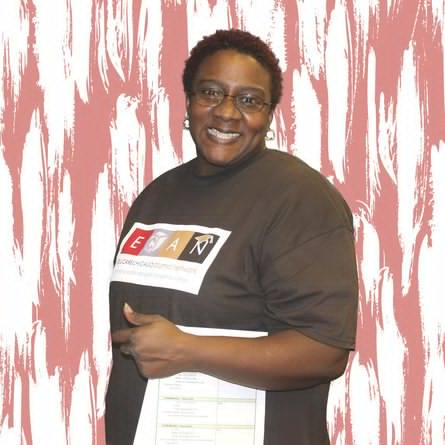
Keesha Hall, a 42-year old Chicago-based mother is on a quest to assist mothers in learning how to help their kids with developmental problems.

Keesha, who herself lived in denial for about 7 years after her fourth child was born, later became determined to learn how to become a champion for her son.

In an interview with Essence, Keesha who is an Entrepreneur and Chair of the Educare Alumni Network, shares how she went from being unemployed, broke and on the brink of poverty to helping mothers with children who have special needs.

What she does

I work privately with clients and go to their houses and help them with their children with special needs. Not all of my clients have children with special needs but the majority of them do.

How to Care for a Child with Special Needs

You have to be understanding and have the patience to be able to live in a household with a child who screams all the time or have difficultly going through life himself. With my son, I’m always grateful for progression rather than perfection because he’s perfect in my eyes and in his own way.

The Challenges of raising a child with Special needs

I’m a mother of four, but I didn’t have this experience living with a child with special needs. I was in denial for a while. He’s 10 now and I was probably in denial for about 7 years. I wasn’t ready to accept the fact that he would struggle or that he would be behind academically. It took years of therapy and years of educating myself, learning more about him and developing patience.

Why she does what she does

If I can help the next person, then they can pay it forward and maybe they can help someone else. So it’s always important for me to give when I have and help the next person.

Advice For Young Mother’s With Special Needs Children

You’ve got to dig deep and you can’t give up. You have to be patient and try to see the world through your child’s eyes.

Source: Bellanaija

Asmau Benzies Leo is an Ambassador of Peace and Humanity, a Gender Advocate, Women’s Right Activist and a Vital Voices Fellow (a Global network of established women leaders from across the world which was founded by the former US Secretary of State, Senator Hillary Clinton). She is the founder and former Executive Director of the Centre for Nonviolence and Gender Advocacy in Nigeria (CENGAIN). Presently, she heads the Gender and Vulnerable Group Care Unit of the National Emergency Management Agency (NEMA) Abuja, In this interview with TOBI AWODIPE, she reveals how her background propelled her into the life of service, caring for the most vulnerable people in society including the Internally Displaced Persons (IDPs) and victims of Sexual and Gender-based Violence and why rapists deserve life imprisonment.

Tell us about yourself, educational achievements, growing up etc.?
I was born in an average home into the family of Mr Benzies Gangsomense and Mrs Mary Benzies, middle class civil servants in the mid 70s in Ganye local government of Adamawa state. I am Chamba by tribe. Growing up as a child was so interesting. I was so adventurous, I could do many things boys do, I could climb mango trees; make my own toys from the scraps around the house and stand up to any bully that wants to intimidate me. These traits in me from early childhood have helped me build a strong character as an adult and have made me always speak up and defend people that have no voice.

My father had 12 children and I happen to be the fourth child. He treated each of us equally; he never discriminated against us being girls but invested a lot in our education, in order that we might become useful to the society and ourselves. This was his cliché till death took him two years ago. I grew up as an independent minded child because we had a lot of other people staying with us in the house. My mother was taking care of us her own children and still catering for many others but you can hardly differentiate between her own biological children and the other children under her care, because she treated us all the same. I grew up seeing my mother take care of the sick and needy because my father was working as a Chief Nursing Officer in the hospital and when sick people come and they couldn’t afford to pay their hospital bills, they usually went to my mother for assistance and she went out of her way to help. Seeing my mother’s compassion for humanity made me develop the passion to become a humanitarian myself. My family was not rich but we gave out of the little we had.

For my education, I started my early childhood education at Capital Primary School, Birnin Kudu now in Jigawa State, and then when my parent left for Kano state, I continued there but finally concluded my primary education in former Gongola state (now Adamawa State). On finishing primary school I got a scholarship as the pioneer set of the Exchange Program (Unity Schools) in Government Girl’s College in Maiduguri, Borno State and from there, proceeded to the University of Maiduguri where I obtained a degree in Sociology and Anthropology. During my one-year compulsory youth service (NYSC), I was posted to Dutse, Jigawa State where I served. During the service year, as part of my community development project, I carried out a sensitization campaign on the ‘Importance of Girl-Child Education, Prevention of Early Marriage and HIV/AIDS’, which earned me an award. This was what spurred me to establish an NGO that would address the needs of women and girls, advocate for gender parity and the protection of the rights of women and girls especially in disaster situations, hence the starting of Centre for Nonviolence and Gender Advocacy in Nigeria (CENGAIN).

Again, because of my passion for female involvement in peace and security I went further to pursue a master in Conflict Management and Peace Studies from the University of Jos. I’m still hoping to get a Ph.D. soonest in gender, conflict and peace development very soon.

I have also worked with the United Nations as well as several local and international bodies and agencies as a consultant.

As the head of the gender and vulnerable group care unit of NEMA, tell us briefly what your job entails?
The unit I head is situated under the relief and rehabilitation department of the agency. Speaking personally and not officially, I facilitate the process of mainstreaming gender and inclusion of women and other vulnerable groups into disaster management programs and activities in the country. We work with several partners in the discharge of these duties.

What would be the role of women in the prevention and response to gender based violence that you are promoting?
Disaster affects both men and women disproportionately. There is no doubting the fact that cultural barriers, patriarchal norms and impediments have increased the risk and vulnerabilities of women to disasters more than their male counterpart.

Of course, not all women are equally vulnerable or exposed to the effects of hazards and disasters in identical ways. Women’s lives, like men’s, are shaped both by gender relations in a particular culture, or by everything else about them; their age, their physical capacities, their ethnic or racial status and economic conditions, to name a few.

Research conducted around the world from a gender perspective does suggest that women are likely to be especially vulnerable to disasters, simply because gender inequality is so widespread. The daily lives of girls and women may increase their exposure to all kinds of unsafe conditions and hazardous events. Women also tend to have less power in household decisions, just as they are under-represented in political decision making. When their voices aren’t heard, their immediate needs or long-term interests may not be taken into account.

This is why we need more women and girls to be involved in disaster management activities and humanitarian response in the country especially at the highest levels of decision-making.

Would you say your background in NGO and similar roles are helping out today?
I belong to a lot of professional bodies both locally and internationally such as Professionals in Humanitarian Assistance and Protection (PHAP), International Association of Emergency Managers, Global Network of Women Peace builders, Chartered Institute of Human Capital Development of Nigeria and Nigerian Institute of Training and Development, amongst others. I have also obtained a certificate in Executive Leadership from Howard University and attended the commission on the status of women at the United Nations among others.

So, looking at all these and considering how far I’ve gone in the NGO field, I can boldly say that it has set me on a good pedestal and guiding me to where I am today. It has been quite rewarding because through that, I’ve been opportune to work with a lot of people in government, private sectors, development partners, local NGOs, media and the academia. In fact it was because of my achievement in the NGO field that I got my present job.

How does your present position help in supporting victims of gender-based violence?
I work with women and girls and other vulnerable groups and I discover women suffer a lot in silence when they face violence, either domestically or in the public sphere. For instance, rape has become a major concern in our society today and many of us are keeping quiet about it, pretending it doesn’t exist.
Even the persons directly affected usually keep mute instead of seeking justice. The victims rationally fear the potential negative short- and long-term consequences for themselves and their families if people know their identities. Rape is a violation related more to power and violence than to sex, and yet cultural practices often unfairly place shame on the rape victim rather than the perpetrator, or consider rape victims as tainted or unmarriageable, creating significant consequences for victims’ psychological, physical and emotional well-being. Again, cultural and familial after-effects of stigmatization due to rape provide a significant disincentive to women and girls to publicly reveal their identities when discussing their rape before the law enforcement agent.

Women and girls who suffer from any act of violence need to be supported through trauma counselling, psychosocial support services, economic empowerment and encouraging them to speak out.

Rape in conflict situation is a crime against humanity just like genocide and the international community is taking it very seriously unlike here in Nigeria, we cannot continue to ignore the issue. I strongly believe and advocate that rape should carry a life sentence.

Who are your role models/who do you look up to?
I have great respect and admiration for a lot of Nigerian women and women who have dared to venture into fields that are usually perceived as male-dominated. I celebrate the courage and determination of most Nigerian and African women because it is not easy to be a female achiever in Africa because of the environment we find ourselves.

I look up to a lot of women locally and internationally and they include Hillary Clinton, she is a woman that stands out for me any day. I happen to be a Vital Voices Fellow and she is the Founder of Vital Voices Global Partnership and I happen to be a beneficiary of her mentorship. Another woman is Amina Mohammed, the current deputy Secretary General of the United Nations, she is a woman that has stood the test of time, Senator Binta Garba-Marsi and several other Nigerian women, both in the political sphere, in government, in all spheres of life in general. In short, any Nigerian woman doing great exploits. I consider her a role model, because it is not easy.

Your advice for women looking up to you and anyone that wants to do what you do?
I would simply tell them to have faith in God, for with God all things are possible and also very important, believe in your dreams and work hard to achieve them.

Source: Guardian

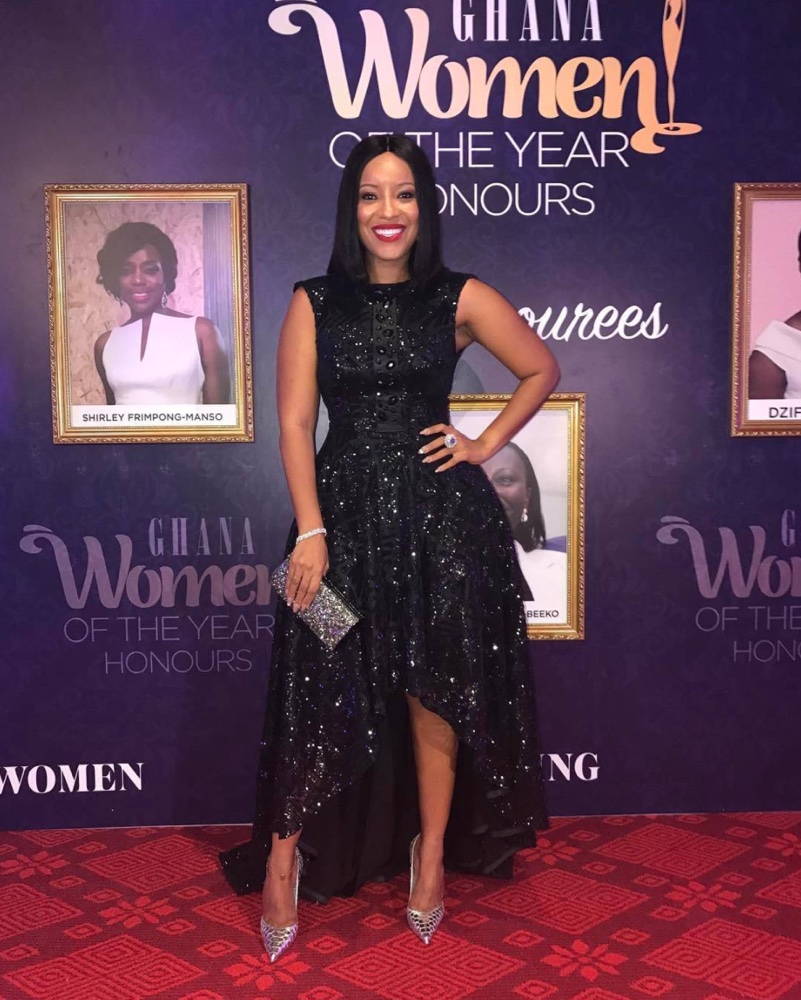
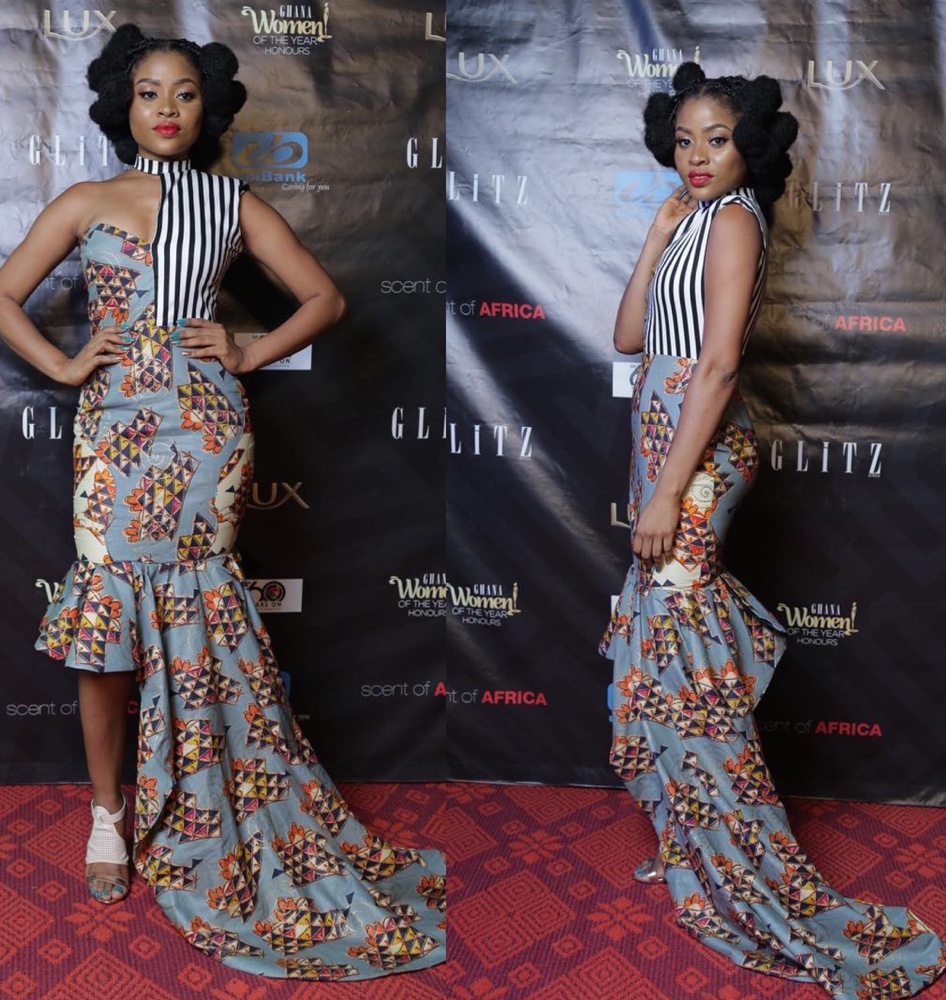
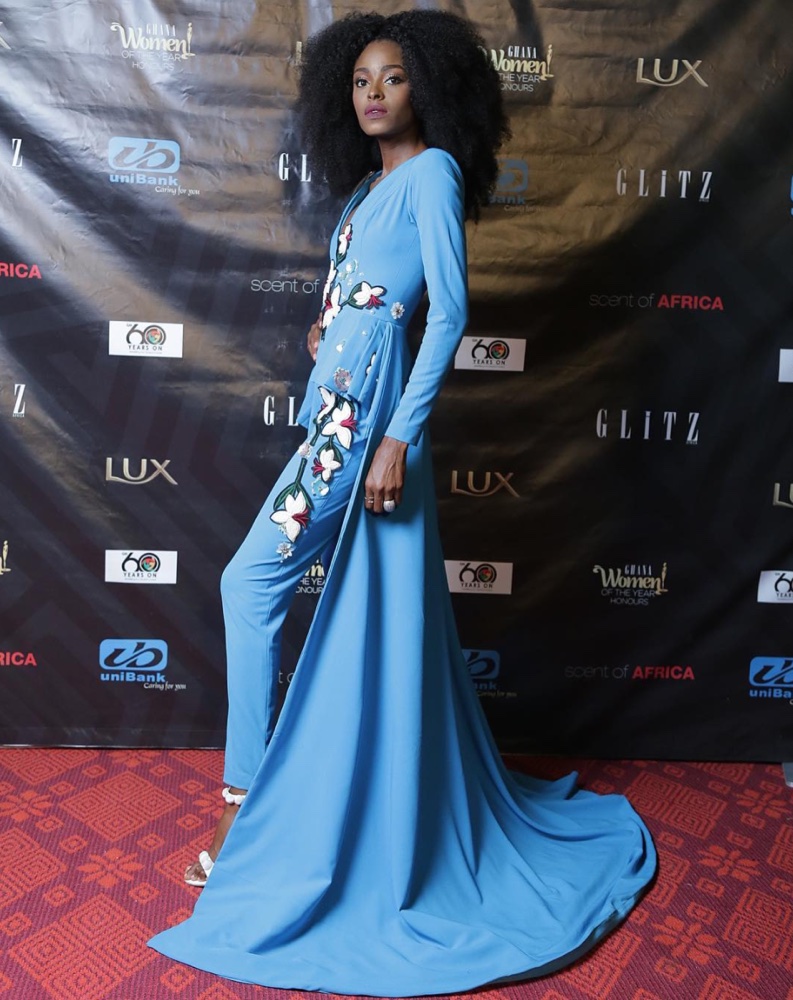
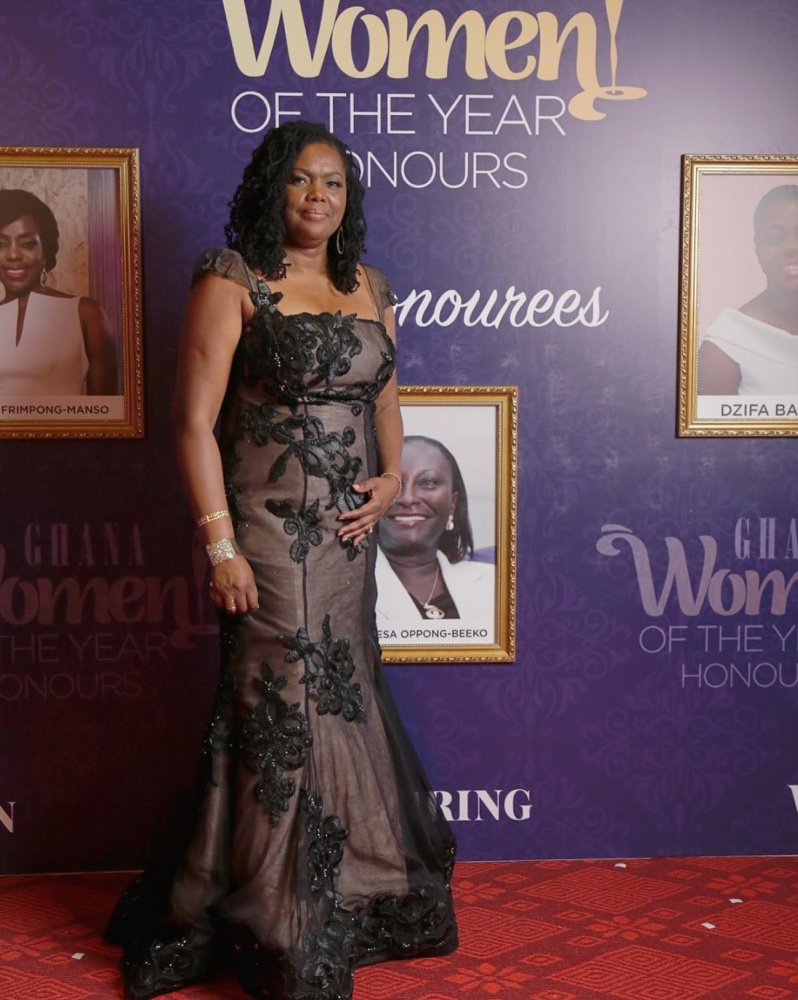
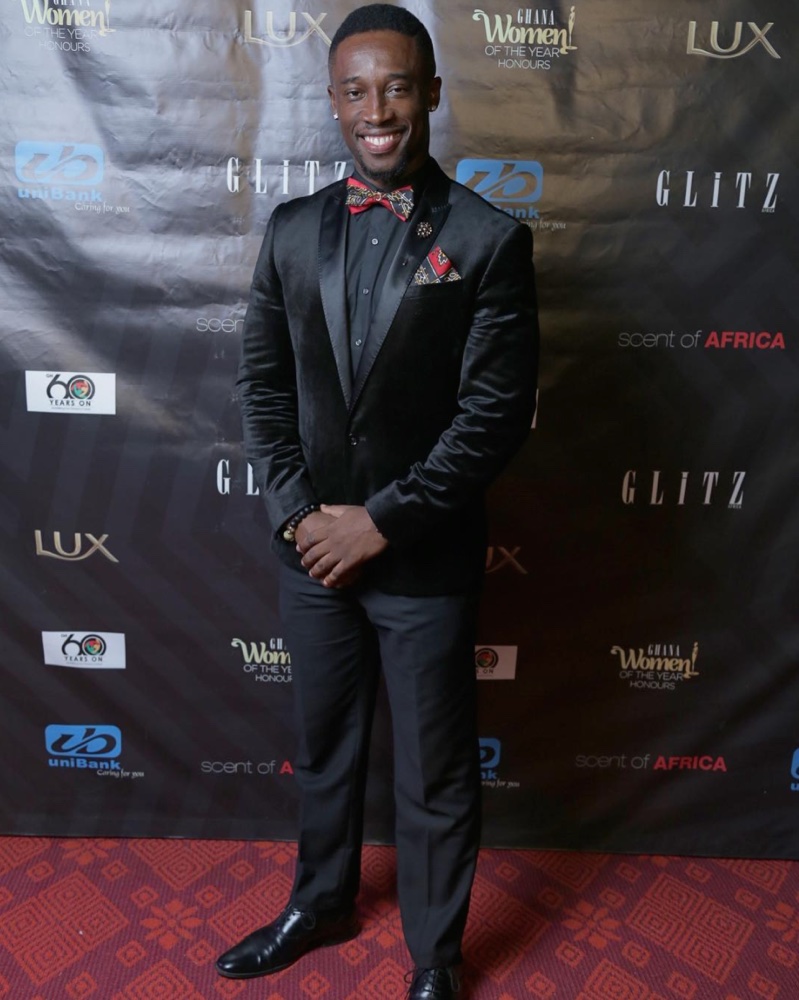
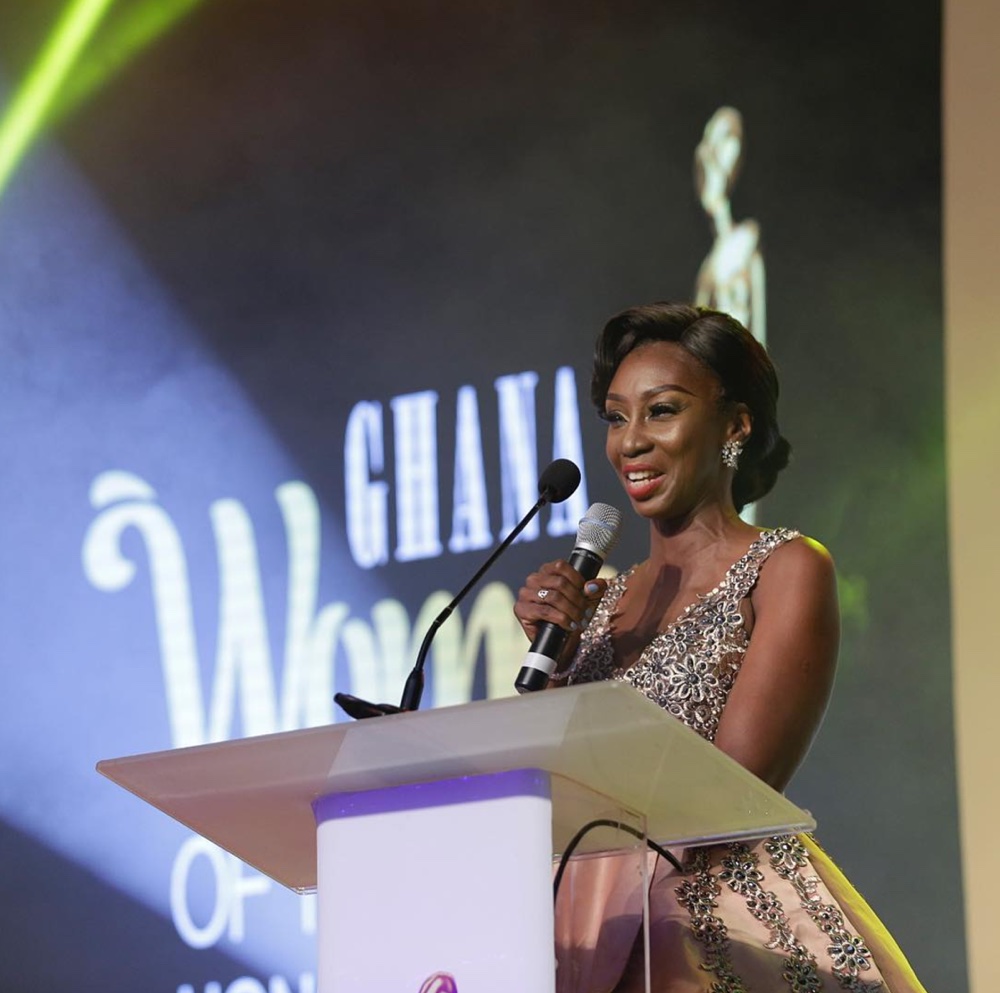
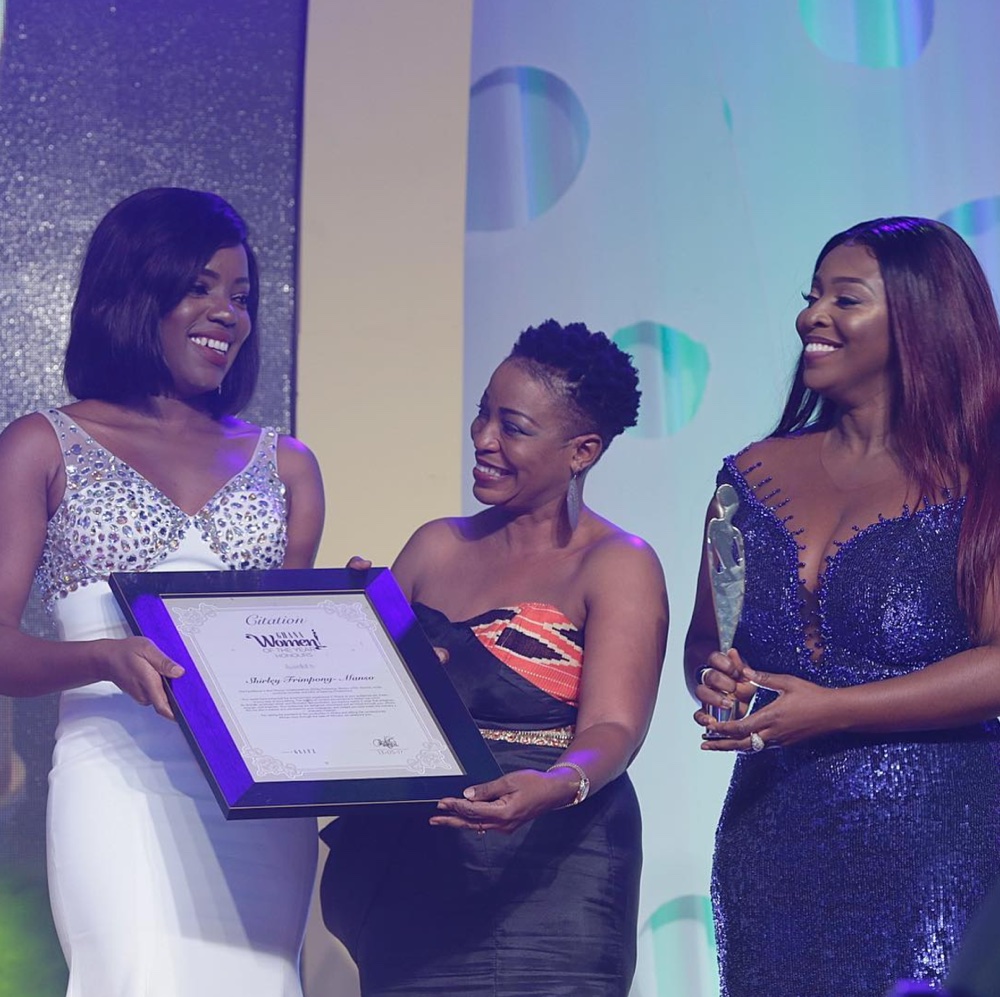
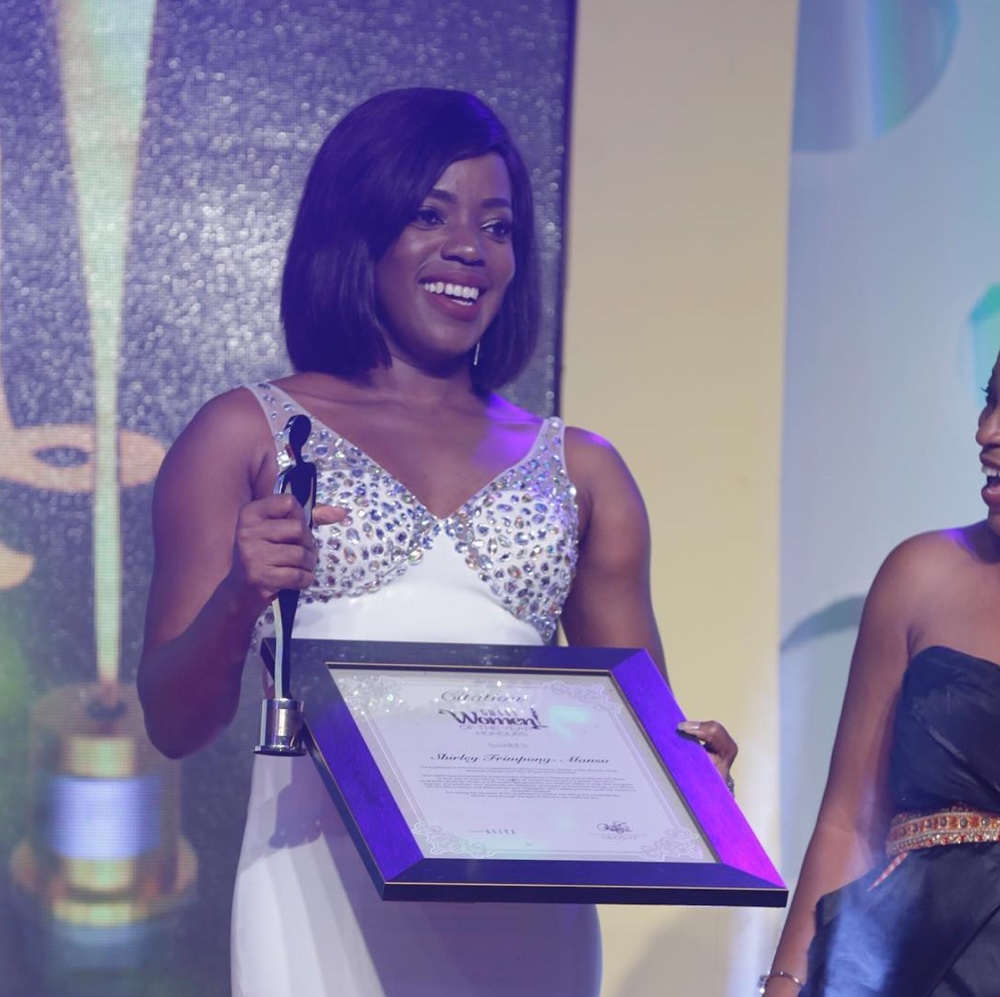
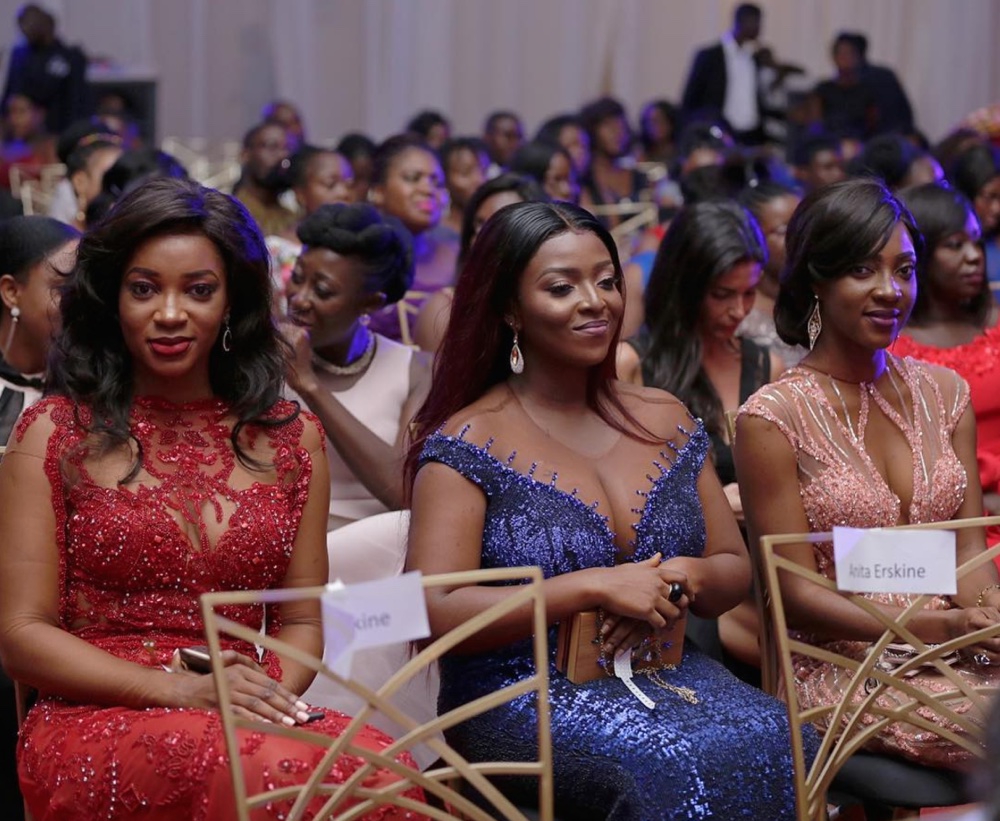
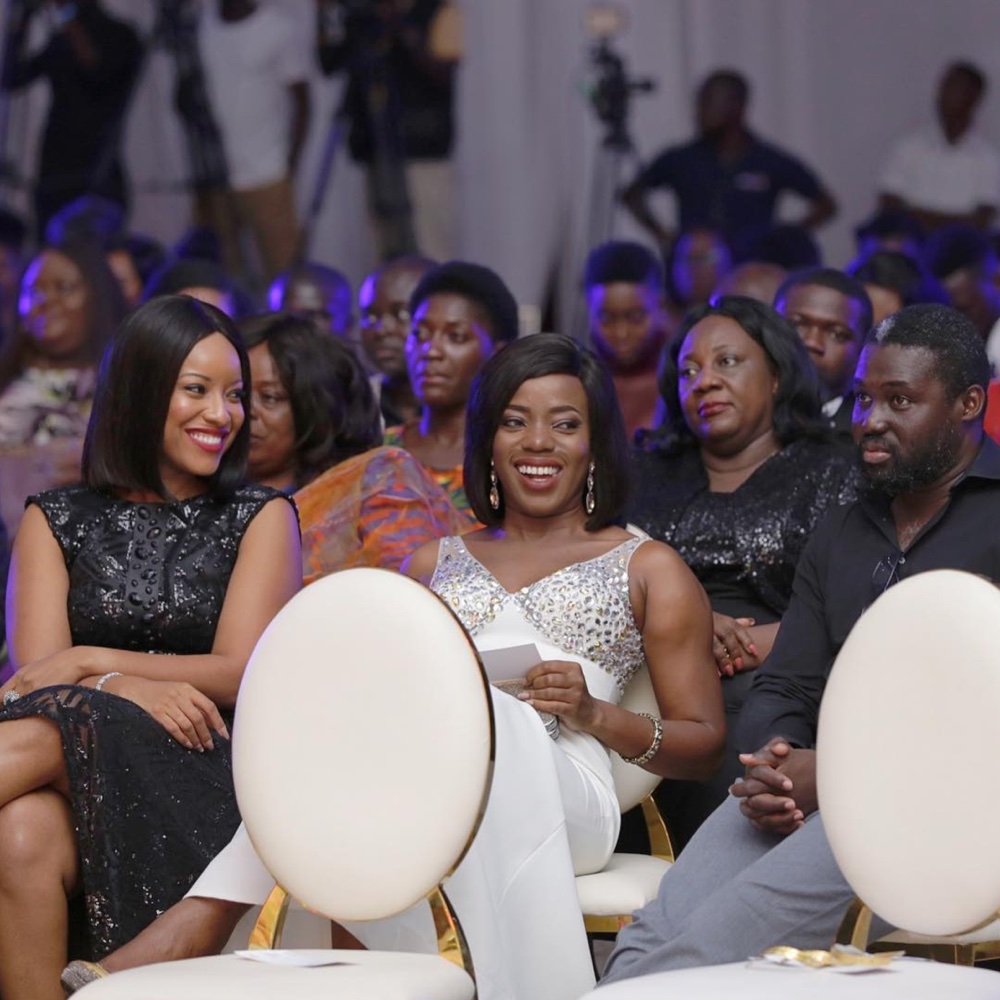
The Ghana Women of the Year Honours by Glitz Africa Magazine happened last night, celebrating some of the most outstanding Ghanaian women in various industries.

Women like popular actress Joselyn Dumas, fashion stylist Karen Kane and others were in attendance. Some Honourees recognised for their talent and contribution to their industries were Film Producer and Director, Shirley Frimpong-Manso (Honouree: Excellence in Arts), Designer and Fashion School owner, Joyce Ababio (Honouree: Fashion) and other amazing women.

See photos from the 2016 edition of the event, here and first photos from last night below.

First Photos from the Ghana Women of the Year Honours

Actress Joselyn Dumas in She by Bena

First Photos from the Ghana Women of the Year Honours

OAP Berla Mundi

First Photos from the Ghana Women of the Year Honours

Fashion Stylist Karen Kane

First Photos from the Ghana Women of the Year Honours

Adina

First Photos from the Ghana Women of the Year Honours

Victoria Michaels

First Photos from the Ghana Women of the Year Honours

Honouree Fashion Force, Designer Joyce Ababio

First Photos from the Ghana Women of the Year Honours

First Photos from the Ghana Women of the Year Honours

Host, Doreen Andoh

First Photos from the Ghana Women of the Year Honours

Film Producer/Director Shirley Frimpong-Manso, Honouree Excellence in Arts

First Photos from the Ghana Women of the Year Honours

Film Producer/Director, Shirley Frimpong-Manso

First Photos from the Ghana Women of the Year HonoursFirst Photos from the Ghana Women of the Year Honourssource Bellanaija

Chimamanda Ngozi Adichie is on Instagram!

According to the author, she has been tasked by her nieces to open an official Instagram page and with it, she plans on kicking off a project to ‘Wear Nigerian’.

Quite exciting!

She says:

The Nigerian government’s disastrous economic policies have led to a reduction in the value of the naira and therefore in disposable income, a change in values, a disorientation of the middle class, and most of all, to a debilitating sense of uncertainty.

If we are to grasp for a silver lining, then the ‘Buy Nigerian to Grow The Naira’ rhetoric is one.

In that spirit, I recently decided to wear mostly Nigerian brands for my public appearances. (Before, by the way, President Buhari declared ‘Made in Nigeria dress’ days.)

In the past few weeks, I’ve bought more Nigerian brands than I ever have in the past. I’ve discovered new names. I’ve been filled with admiration for the women and men running their businesses despite the many challenges they face. I’m particularly interested in ‘inward-looking’ brands, those for whom dressing Nigerian women is as important as other goals.

I’ve changed quite a few dodgy zippers, been disappointed by some poor quality fabrics, and been impressed by some detail-oriented finishing. Overall, I love the clothes, their cut, their whimsy, their color, their flair, their ability to make me feel like myself. Their makers, from designer to tailor to button-fixer to okada-delivery-person, deserve to be supported.

At the suggestion of my very au fait nieces Chisom and Amaka – who think Aunty is a hilarious luddite dinosaur (and they have a point, sadly) – I am now on Instagram at chimamanda_adichie documenting my ‘Wear Nigerian’ project.

~CNA

See some of her fab style below.

Chimamanda Ngozi Adichie | Outfit – @The_LadyMaker

Chimamanda Ngozi Adichie | Outfit – @Nuraniyastudios

Chimamanda Ngozi Adichie | Outfit – @LolaBaej

Chimamanda Ngozi Adichie | Outfit – @Greyprojects

Chimamanda Ngozi Adichie | Outfit – @KareemAmak

Chimamanda Ngozi Adichie | Outfit – @GozelGreen

Chimamanda Ngozi Adichie | Outfit – @Fashpa

Chimamanda Ngozi Adichie | Outfit – @EricandAnna.ng

Chimamanda Ngozi Adichie | Outfit – @Dzynbabe

Vlogger, Sassy Funke shares 5 things Nigerian women should not do. Here’s what she had to say;

I made this video months ago and its all about fun and sassiness and given am in a sassy mood, so here it is for you. It not only applies to Nigerian women but ALL women.

5 things to never do for a man is a fun and sassy vlog but nevertheless, it holds truth (maybe not in your world but trust me, it does in another). It is my take and maybe it isn’t yours. But I hope most of all that you enjoy the video.

I am sure you have an opinion so tell me. DO YOU AGREE?? Comment below on other things women should never do for men!!!!

Watch

Source: Bellanaija

Sexuality is a rarely discussed topic in Nigeria. When it is discussed, it is in hushed tones or cloaked in shame and guilt, especially among young people. Making matters worse, many health-care practitioners bring their biases onboard when dealing with clients, which has led people to make poor choices with lifelong effects. Florida Uzoaru, a public health and policy graduate and the founder of MerDroits, is leveraging the power of the internet to address these issues.

MerDroits — an amalgamation of the French word merde, which means “sex” and droits, meaning “rights” — began officially in February 2016, when Uzoaru opened a Twitter account. Now, every Friday at 6 p.m., different hosts share their stories on sex and sexuality. Some write anonymously, while others reveal their identities.

Uzoaru hopes for a time when everyone can speak freely about sex. With the byline “Destigmatising all conversations about sex,” her Twitter account now has more than 1,000 followers and over 13,000 tweets. MerDroits sparks conversations on “taboo” subjects, such as anal sex, abortion, domestic violence, rape, child sexual abuse, sexual assault, consent, birth control, vaginal atrophy and more.

Through regular conversations on Twitter and Facebook, MerDroits creates safe, judgment-free spaces where young people can talk about their sexual and reproductive health. #MerDroits60 focuses on personal sex stories, and #WhatResearchSays debunks sexual myths with research. Uzoaru believes that technology is central to the key goal of disseminating information about sex rights, as it is affordable, accessible, and provides anonymity.

“Technology has made things easy, cheaper. Being online, you can reach far more people than you would have offline. What about safety? You are not thinking of the dangers associated with long-distance travel,” says Uzoaru.

She also points out that in a society with a weak medical infrastructure, access to sexual and reproductive health is a double burden.

“Many ‘traditional’ healthcare spaces are clogged with cultural bias that considers some subjects taboo, and this jeopardizes access to quality treatment,” she says, adding, “Breaking through the wall is hard because many Nigerians are still uncomfortable to talk about [their] sexual and reproductive health.”

Uzoaru is busy working on a strategy for MerDroits to have an impact offline as well. With three facets to the business — an online shop for contraceptives; access to qualified, unbiased sexual and reproductive health practitioners; and access to laboratories for tests — MerDroits hopes to improve the availability of quality sexual and reproductive health care without stigma.

Composed of six doctors and a pharmacist, the MerDroits online store has kicked off in Lagos, Abuja and Port Harcourt, and Uzoaru looks forward to further growth.

“In five years, I hope we can operate nationally. I hope we can have about 100 doctors, 100 pharmacists and many nurses. There are a lot of things they can do for us, particularly some contraceptives that medical personnel can insert for us,” she says. “Many say that they had always wanted to be part of a group like this. People are also now confident to ask almost any question without that fear of reproach.”

Beyond the internet, Uzoaru looks forward to eventually running a sex clinic where all of these needs can be met.

Source: http://www.radianthealthmag.com


While the brilliant Adenrele Sonariwo was an auditor at one of the world’s top accounting firms, PricewaterhouseCoopers (PwC), she discovered her love for art – a love she found while looking for an outlet for self-expression outside of work.

This passion for the arts led her to quit her enviable job and start the Rele Gallery: a cultural and contemporary art space that offers art for public consumption and at the same time, nurtures the creators of the art – bringing their work to the attention of a larger, global audience.


Since Rele’s launch over two years ago, Adenrele has organized various programs – from book readings to exhibitions – that have attracted talents like Victor Ehikhamenor and Kelechi Amadi-Obi.

Adenrele also has a passion for young artists which led her to create Young Contemporary. The annual project finds five artists working with various mediums, showcases their work and gets corporate brands to sponsor.

In 2011, Adenrele tried to start the first solely Arts university in Nigeria, The Modern Day School of the Arts, and although that didn’t work out, it’s still something she plans to do in the future – and we are definitely rooting for her.

You can keep up with the Rele gallery on Instagram and their website.

Source: Konbini.com


Grammy Award winner, Alicia Keys gets an accolade for saving the world in her spare time.

For a long time, Alicia has championed the fight against HIV/Aids in children across the globe through the organization she co-founded called “Keep a Child Alive.”

The Girl on Fire singer accepted Amnesty International’s Ambassador of Conscience Award for 2017, calling the honour “one of the most proud moments of my life.”

Especially as an activist, as a woman, here in this world, who is driven to recognize the injustice in the world and recognize the unfairness, the inequality, the things that have to change, the ways that we, as everyday people, all of us, have a part to play in that,” Alicia said in a statement.

Also, amongst others the singer has spoken out against gun violence, the refugee crisis and criminal justice reform among other social justice issues.

It encourages me to continue to speak out against injustice and use my platform to draw attention to the issues that matter to me,” she said about the award.

The organization will officially present Alicia with the award on Saturday, May 27 in Montreal, Canada, according to People.

Source: Bellanaija