Category

womenofrubies

Category
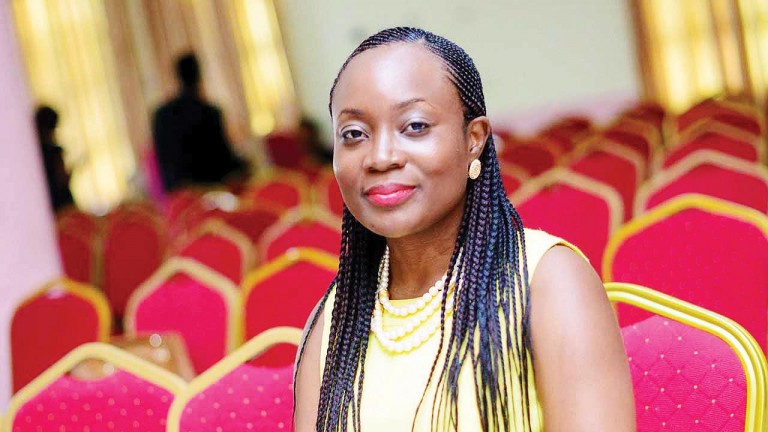
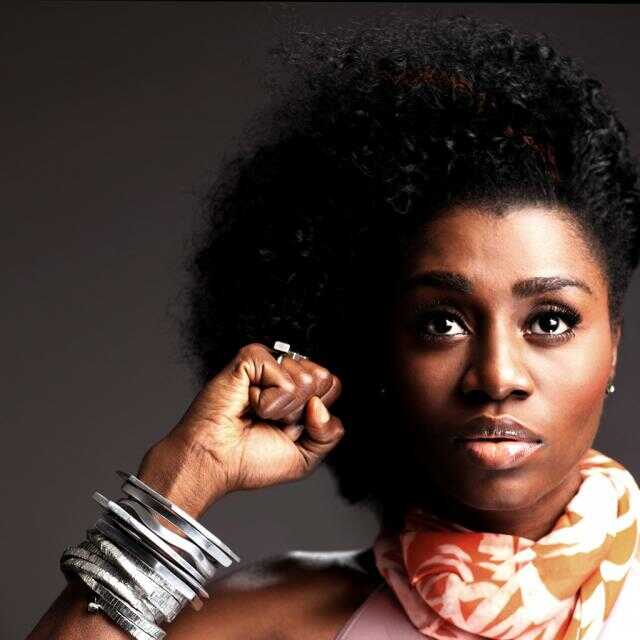
Temitope Omotoso is an Event Planner,Trainer and a Jewelry stylist. She studied Marketing and Sociology at Olabisi Onabanjo University. She is the Manager of ToshEvents; a solution-driven company that offers quality event planning/consultation services for its clients, either social or corporate within and outside the shores of Nigeria.
Read about her inspiring interview with Women Of Rubies.
Childhood
My childhood prepared me in many ways. I grew up in a family of 6 ( five girls and a boy) and as the 3rd child, I grew up fast as my elder sisters went to a boarding school. I had a fun childhood because my house was a ‘girls’ hostel’. My dad would wake me up three times in a week, as early as 4 am, to read(he would also read) and I would cry that I had no exams in view. He always said “I am preparing you for your future”. Now I truly understand all that sacrifice.
During our annual family thanksgiving boxing day parties, I was your go-to-girl because I was always up and about, coordinating.That was when my Event Planning skills started playing out. I would hoard meat and drinks such that guests who showed up days after our party would relish it. My sisters started calling me “iya meto” and it was from their mouth to the ears of God Almighty. I inherited hard work, honesty and diligence from both my parents which has become strong attribute for this entrepreneurial journey.
Meet Me
Temitope Omotoso is a Passionate Event Planner,Trainer and a Jewelry stylist who has a vision of owning a one-stop event Boutique. I have a background in Marketing and Sociology from Olabisi Onabanjo University. I also went ahead to run a short course on Strategic Business Management. With experience in Consulting,Business Development and Real Estate sector for close to 4 years.
My core quality is the ability to multitask and meet very difficult deadlines. I love to take on challenges as it builds me up.
I was the Head of Business Strategy at my last job and it prepared me on how to switch roles as a team leader and team member. I am a natural logistics person with excellent interpersonal skills.
I also honed my business skills at EDC of Lagos Business School which keeps me grounded in this tough clime
Inspiration behind ToshEvents
All great ideas come from God. I sought God’s face in prayer and fasting on the way forward and He brought me back to my first love-Event Planning. That’s how ToshEvents came to be. Prior to this,I had done so many businesses from University days. I sold clothes, I traveled up to the North to buy and sell gold jewelry, with my mum being a strong support system. She sold more stuff for me than I did. Her friends,church members were eagerly paying for my wares. I traveled to Ghana to buy Ankara fabrics immediately I left the university while waiting for NYSC call up letter. I stopped Fabric business when Daviva came to Nigeria. I had learn how to cash in and cash out early enough. I learnt venue decorations and I decorated at my sisters wedding five years ago. I planned two of my sisters’ weddings and also did free event planning for some friends to garner experience. Some of these businesses were done to make ends meet, some I did so I won’t be idle, and some to fulfill a particular purpose at that time. I had always had an entrepreneurial mindset. I resigned my job to settle in to my business properly. It is not a sin to start small but it is a sin to remain small. I started really small and was tempted to go back to paid employment but because i had divine instruction i forged ahead.
Challenges
Human capital- Having the right people.Allocating the right resources with the right skill is an everyday challenge. Another challenge is Budget- as Event planners we need to provide our clients with creative solutions to combat shrinking budget.While the Economic downturn continues event managers are having to constantly offer unique inspirations on tighter budget. Also, we have unprofessional vendors. I think it is not enough to be talented,the right skills have to be learnt to stay in business. Especially because it is a team-based industry so this can’t be wished away. There is a need for some people to be immersed into Customer Service Training. You can teach people technical but you can’t teach people personality- Walt Disney.
Projects and activities
We are so excited about our project tagged”High Performance” training in 2017 and the great part is the first and second batch will be absolutely free. We are partnering with some industry professionals.We believe so much in giving back. Some people gave their time, resources, contacts,prayers and encouragement to get us to where we are now. Who are we not to give?
Greatest reward
Asides from the cash and gift reward…when I get positive feedback from the men who were not so particular about Event Planning during consultation. They suddenly become expressive,praying and wishing me well. Tears of joy flows freely from my eyes. It is an awesome feeling to win people over by giving excellent service. Also when they refer us to friends who need our services. They become an Evangelist of our business.That’s so gratifying.
Nigerians appreciation of Event Planners
Yes, I think Nigerians are getting to appreciate Event Planners. We work with all industry sectors so our importance can’t be under estimated. People are more enlightened that the Event Planner ensures that the multitude of vendors are simultaneously doing their part at a stipulated time frame towards achieving the one common goal to execute a successful event.
I am a Woman of Rubies
I consider myself a Woman of Rubies because God loves me so much. I love people and derive so much joy in putting smile on their faces. I am so selfless that I give with all my heart.
Final Words
God expects multiplication for every talent he gave us so there is no limit to what we can be and achieve.
Stay true to yourself always.Keep learning so as to build capacity.We need to pay attention to our physical bodies,eat healthy,exercise and take enough rest.

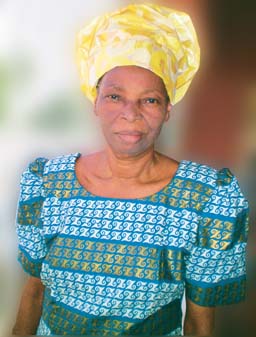
Mrs. Deborah Adebola Fasoyin is the leader of the renowned Good Women Choir which has been in existence for over 40 years and noted for sonorous hits such as Halleluyah and Odun Nlo Sopin. In this interview, the septuagenarian speaks about the music group, family and other things.

Background

I am a native of Oyo town and the youngest child and only girl of six children so I have five brothers. For my elementary education, I attended Saint Andrews Demonstration School, Oyo, although I didn’t finish from there because my father; being an illiterate felt there was no need to educate the girl-child since she will end up in the kitchen. My brothers therefore took me to Jos so that I could continue my education. I spent one year there, another in Ogbomosho and Lagos. They were just passing me on so that I would not stay in Oyo and my parents would not spoil me. I ended up finishing my primary school in Lalupon, near Ibadan. I went to primary school in five different towns. I thereafter went to Anglican Girls’ Modern School, Oritamefa, Ibadan and after my first year there, nobody could send me to school again so I had to go and teach for a year in a village in Oyo Town before I came to Lagos and joined Kingsway Stores where I spent 29 years as a sales clerk before I retired. However, when I got married, I had to go and meet my husband in Ibadan, so you can say that fate brought me back to the town. Luckily too, I had all my children before Good Women Choir started.

Establishment of Good Women Choir

Let me start by saying it is Christ that leads the choir, not me. It is just a privilege that I am the leader. Good Women Choir started way back with the Christ Apostolic Church, Ibadan and prior to 1975, they were known as the Good Women Association which was a gathering of women in the church. If your spouse is a member of CAC, automatically, you are a member of the association as a woman. Every year, we hold conventions in Lagos, Kano, Kaduna and other places. I was an Anglican before I married my husband who is a member of the CAC. The problem we had then was that when we arrived in any town, it was always difficult to get a choir to sing and make us feel relaxed. Consequently, in 1975, when we came back from Kano, the Good Women Association decided that we should have our own choir. An announcement was made in all branches of the church that every branch should send two educated members who are interested in music to make up the Central choir. We gathered and we were about 100 plus at the time and started practising. I was already a member of the choir in the Anglican Church before I joined the CAC Eleta where I continued. I was one of the people sent to the Central Choir. Before each convention, we tell our members to read the Bible, pray and bring songs. We’ll look through and as led by the spirit, choose from the compositions. At a stage, we were told that we could wax a record.


Leading the group

It was divine intervention because up till date, it frightens me. When we had the first anniversary of the Good Women Choir, I arrived at the church, saw the pamphlet which read, “Leader-D.A. Fasoyin.’’ I nearly fainted because no one called to tell me that I would be the leader.  I felt that every member of the group at the time was qualified and could lead. I was singing soprano and we had alto and tenor singers as well. I was really surprised, so it was really God’s intervention.

Interest in Music

That’s the miracle because my parents were illiterates. One day, in church, we wanted to have our harvest and the choir was to sing. I was only 10 years old and I had been exposed to music. Someone was asked to dance in a particular way. I think it was called Rhumba dance and this girl simply refused to learn. As an onlooker, I told them that, ‘‘Look, I can do this.’’ I did it so well and became a member of the choir at age 10. This was fuelled by the fact that I had personal interest in singing and the interesting thing is that all my brothers (I’m the youngest of six children and only girl) were organists and singers and they encouraged me to explore my musical side.

Challenges

The only challenge that I can remember vividly was after recording our third release; Mon Woju Re Olorun Mi, one of us; a tenor singer was asked to come out of the group to lead.

New faction

We went to God in prayer on the mountain and told Him that if what happened was His will, He should help them to continue because the ultimate is to change lives but if their mission is to bring us down, He should intervene. Of course, people were deceived. Many bought the factional albums because they thought that it was released by us so there was some kind of confusion but later, after the third album, they knew the difference and stopped buying their albums. Some of your classical hits in the group include Halleluyah, Odun Nlo Sopin among others. Did you commission songwriters to write the lyrics perhaps?

Our system of composition is different from others because it is a group. Whenever we want to go into the studio, we assemble and tell our members that we want to go for another release and everybody should bring what they have composed. We will bring them together and by the spirit of God, we would look at which ones can make the next release. After doing that, we keep other compositions for the next album.


Fullfillment

I am just 77 years old and I am so glad that after all these years, we are still relevant as a group because you can imagine a group that took a break for 10 years, came back and people still accepted them; it’s amazing and it’s a miracle. I am so happy within me that I am still useful for God because I am now a member of Daystar Christian Centre where I am the President of the Golden Mothers, which is for those who are 50 years and above.

Receiving Royalties

Yes we do and we share it even among deceased members’ families because they worked for it. We were scared of collecting it initially because of what God had told us and said we didn’t want to collect still. We told our manager to help us buy instruments so that anywhere we go, we won’t have to borrow. When Odun Nlo Sopin started bringing in money, we told him that we needed a bus.  These days, those who go into gospel music expect quick money. I often tell people who come to me for advice that, ‘If you know that you want to propagate the gospel, don’t think about money.’’ Seek the anointing first, then money will follow. If you think about the money first, your album may do well in the market but it won’t last and that’s the truth but if you have the mind-set of spreading the gospel in your heart, things will work. Youths of today want quick money and rush to the studio to record an album. When it comes out, it doesn’t even have substance. You cannot blame most of them, there are no jobs after they leave school.

Originator of  Odun Nlo Sopin?

Thank you for that question, it is actually a CAC composition which dates back to the early 1940s. It was a hymn that was sung at the end of each year by all CAC churches but we added only two verses to the original composition so one can’t really say who wrote it but many have said that we made it famous and we thank God for that. We also recorded the song, Gbakoso(Take Charge) during the regime of General Ibrahim Babangida which reflected what was going on in the country at that time.

Family Support

My second son is our manager now and my two daughters have also joined the choir.

Me Time

I read the Bible and pray.

What I want to be remembered for

I want to be remembered as one who touched lives. I feel fulfilled when I hear people listening to Odun Nlo Sopin over the years. I also want to finish strong and empty before I go and meet my creator.


Source: PUNCH

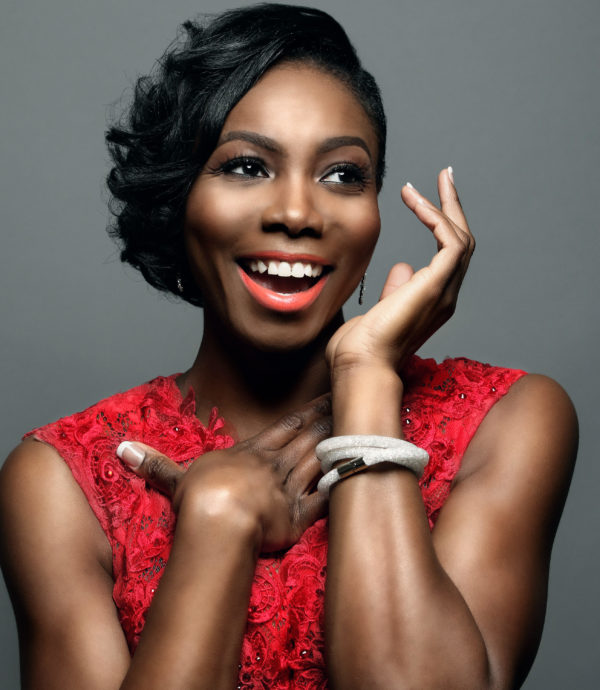
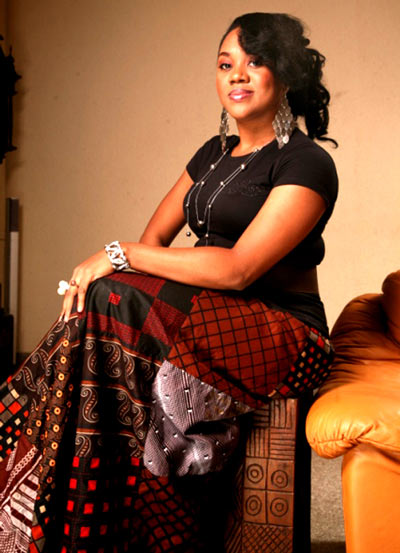
Hello WORrior! Today is #WomanCrushWednesday and our Woman Crush is actress and singer, Stella Damasus.

Stella Damasus was born on April 24, 1978. She is from Benin city, Edo State, Nigeria. She is a Theater Arts graduate from the University of Lagos.

She started her career as a singer in Lagos State where she used to work as a studio session singer at Klink Studios owned by filmmaker, Kingsley Ogoro. She made her debut into Nollywood movie industry in 1992, in the film Abused. She shot into stardom with the movie Breaking Point, produced by Emem Isong. She has starred in over 60 movies.

Stella Damasus is the co-founder of 12radio and hosts two podcast shows. She has won a number of awards including, AMAA Awards, NEA, Golden Icons Academy Awards, etc.


Women Of Rubies celebrates you, dear Stella Damasus!

Photography in Nigeria is one of the fastest growing professions today. Nigerians have come to realize the essence of photography and how it affects our everyday lives. Unlike before, photography is now seen as a proper profession.

Most photographers earn as much as six figures per job and get up to three jobs in one day. Photography also used to be known as a male dominated job, but recently, females have proved the saying, ‘What a man can do, a woman can do better right, as they have embraced photography and are doing great at it.

Here are 10 Nigerian female photographers excelling at their jobs:

1. TY Bello
ty belloToyin Sokefun-Bello, better known as TY Bello, is a Nigerian singer, songwriter, photographer and philanthropist. She is popularly known for both her photography skills and singing skills and she has created a successful career for herself in both industries. She was trained by renowned photographer Don Barber, with whom she went to train after spending the first four months of her NYSC at Fototech.

2. Aisha Augie-Kuta
Aisha augie kutaAisha is a photographer and film maker. She creates documentary, fashion and aerial photography. She explores a lot of ideologies in her works, such as portraying two sides to a story , gender and identity. Aisha’s photography creates visual art forms that speak through her lens.

3. Yetunde Ayeni-Babaeko
yetunde ayeni babaeko Yetunde Ayeni-Babaeko is the CEO of CAMARA studios, an established photography studio based in Ikeja, Lagos. The Enugu born, Germany raised photographer has been taking the photography industry by storm since 2004 and is still conquering much territory. For Babaeko, women are the custodians of tradition, so she uses black and white photography to capture the timelessness of her goddesses. She also uses her photography to document and educate women on breast cancer.

4. Tosin Pedro Gbamis
tosin pedroTosin is a wedding and portrait photographer who travels all around Nigeria to capture and document rare moments in peoples lives. She tells the stories of love and life through her images.

5. Bisola Ijalana

Bisola Ijalana is the Creative Director of M12BabyStudio. She enjoys creating arts of newborn, baby and Maternity Photography, capturing the essence and Purity of Life. Her Photography is for anyone who treasures the joy of a new life!

6. Yagazie Madu
yagazie maduYagazie Madu, a doctor of Optometry and the Head Visual Artist at Gazmadu Photography. She specializes in Portraits, Wedding and Lifestyle Photography. She also loves to capture and document moments, people, beautiful place, real life situations and a huge sucker for love stories.

7.  Adeola Olagunju
adeola olagunjuAdeola Olagunju is quite unique with her works which is usually conceptual and deep. She is a critical, creative, meditative, and passionate artist. Her images speak volumes as they stage the photographer’s attempt to break free from the norm of photography

8. Yemi Disu
yemi disuYemi Disu is the CEO of Four23 Photography. She is into Maternity, wedding , kid and fashion photography. She started out with photography as a hobby and has now evolved in her profession.

9. Iyaomolere Morayo
iyamolero morayoIyaomolere Morayo is the CEO of The Voice Photography. She prides herself ans her photofeaphy brand in Telling fantastic stories of love and family one frame at a time.
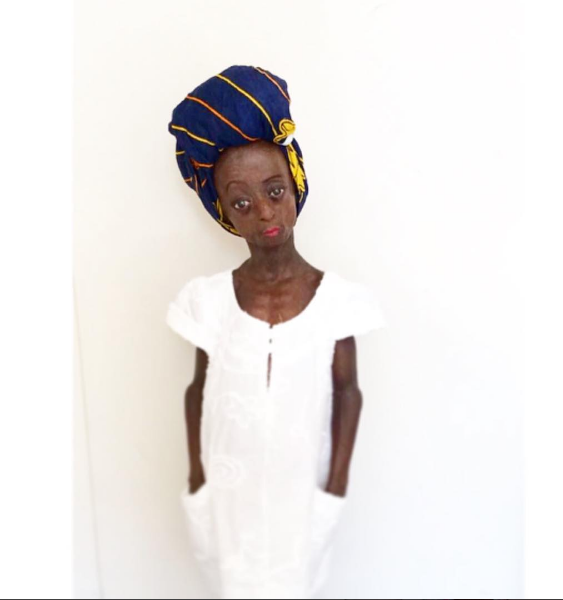
 

Ontlametse Phalatse was born looking “normal”, but later on, her mother Bellon discovered something was wrong. By the time she was three months old, she was already having constant rashes on her skin and her mother thought she had a skin disease.

Before Ontlametse celebrated her first birthday, her hair was falling, her nails weren’t normal, the skin problems continued. Her parents were going from doctor to doctor.

Her father abandoned her and her mother before she celebrated her third birthday, as she was aging prematurely.

She was enrolled in school at 6 years old but that came with scornful remarks from her classmates and teachers who thought she had AIDS. People living with AIDS were always being discriminated in South Africa at the time.

It did not stop her as she proved to be a bright student.

In 2009, a doctor friend suggested she have Ontlametse tested for Progeria – (a rare age-accelerating disorder also known as Benjamin Button Disorder), and brought her a book about the disease. She was later diagnosed of the disorder.

Ontlametse has a bubbly and positive personality, and she doesn’t allow her condition to bring her down.

She calls herself ‘First Lady’ because she is the first (recorded) Black child with the disorder.

Her caption: What a lovely day. Life is about enjoying every moment

The disorder is believed to have inspired the Brad Pitt movie The Curious Case of Benjamin Button, in which he is born an old man and ages backwards.

The Progeria Research Foundation says that only two Africans have been diagnosed with the disease and they both live in South Africa – Ontlametse and a 5-year-old white girl.

Although, researchers believe there are other children with the disorder, but they (researchers) haven’t been able to reach them.

The foundation added that the number of children diagnosed with the disorder around the world has soared from 48 to 80 on five continents.

Ontlametse was not expected to live beyond the age of 13, but later this year, she will be celebrating her 18th birthday.

‘I don’t care what people say about me,’ she says adding that she wants to become a psychologist to help people with their problems. She recently graduated from high school.

In South Africa, matriculation (or matric) is a term commonly used to refer to the final year of high school and the qualification received on graduating from high school, although strictly speaking, it refers to the minimum university entrance requirements.

Source: Bellanaija


The world is complaining about deadly diseases, economical and political problems but they are not paying attention to the most important thing…YOUTHS…there is a chronic disease that has eaten deep into the youth of the world today…FASHION…all in the name of fashion, youth have ventured into wearing revealing dresses ,all in the name of fashion youth as lost confidence in there looks, they cannot go out without painting their faces… and there are now more juvenile cases all over the world…all in the fashion…

As a proud LASUITE I can say in my school there is no tolerance for indecent dressing…. In Lasu, INDECENT DRESSING is a serious act of misconduct that attracts stiff Penalty.

In year 2015 there was a walk in Lasu on indecent dressing. The walk was done by the VC (PROFESSOR OLANREWAJU ADIGUN FAGBOHUN),DEANS,STUDENT UNION.

Here are some of the inappropriate way of dressing that is not allowed in lasu:

TRANSPARENT DRESSES,MINI AND SKIMPY SKIRTS ,BODY HUGS SPAGHETTI WEARS,NONOSTRAPS,TUBE BOOBS, TATTERED,DIRTY JEANS,OBSCENE OR SUBLIMINAL MESSAGES,ASS LEVEL AND OVER LENGTH TROUSERS, WEARING OF LOOSE TIE,FOLDING,HOLDING AND POCKETING TIES IMPROPERLY BUTTONED SHIRT,ROLLING OF SLEEVES OR FLYING OF COLLAR,FACE CAP,SLIPPERS,NECKLACE AND NOSE RING are prohibited

In Lasu, the above listed rules are strictly followed. Students that are  not properly dressed are not allowed into the school compound, lecture halls, library, examination hall and other official places. Till today the school authority see to it that student maintain a responsible dressing code.

If other tertiary institutions  can emulate this standard the world would become a better place and there would be less juvenile cases of rape or threat of life in court.

SAY NO TO INDECENT DRESSING

A BETTER YOUTH MEANS A SMILING TOMORROW


Nearly one in 10 British women finds sex painful, according to a large study.

The survey of nearly 7,000 sexually active women aged 16 to 74, in BJOG: An International Journal of Obstetrics and Gynaecology, suggests this medical problem – called dyspareunia – is common and affects women of all ages.

Women in their late 50s and early 60s are most likely to be affected, followed by women aged 16-24.

Doctors say there are treatments that can help if women seek advice.

But many still find the subject embarrassing and taboo, the survey results show.

Painful sex was strongly linked to other sexual problems, including vaginal dryness, feeling anxious during sex, and lack of enjoyment of sex.

However, there can be lots of different physical, psychological and emotional factors causing painful sex, which can be complex to treat.

Some women said they avoided intercourse because they were so afraid of the pain.

Karen (not her real name) is 62 and from Greater London. She said her problems began around the age of 40.

“I felt that my sex drive dipped quite considerably, arousal seemed to take longer, and, despite an understanding husband, I started to dread him making approaches.

“It’s like any muscle group I guess, the less you use it the worse it gets.”

Karen tried using lubricant but still encountered problems.

“It became like a vicious cycle. You worry and get tense and that only makes it worse.”

Karen developed another complication called vaginismus – involuntary tightening of the muscles around the vagina whenever penetration is attempted.

“It wasn’t just in bed. It happened when I needed smear tests too. I would be crawling up the bed away from the nurse because it hurt so much.”

Karen spoke to her doctor who recommended she try oestrogen creams and pessaries for the dryness and dilators to help with the involuntary tightening.

“Women need to know that there is help out there for these kinds of problems, especially as we are all living longer.

“You shouldn’t have to be writing off your sex life in your 50s.

“Many women don’t like to talk about it. We share all the gore of childbirth, yet women of my generation don’t tend to talk openly about sex and the menopause. We should.”

The national survey of sexual attitudes and lifestyles was carried out by the London School of Hygiene and Tropical Medicine (LSHTM), University College London and NatCen Social Research.

Of those who reported painful sex (7.5%), a quarter had experienced symptoms frequently or every time they had had intercourse in the last six months or more.

Around a third of these women said they were dissatisfied with their sex life, compared with one tenth of the women who didn’t report painful sex.

Lead researcher, Dr Kirstin Mitchell, from LSHTM and the University of Glasgow, the said there could be a whole range of reasons for dyspareunia.

“In younger women, it might be that they are starting out in their sexual lives and they are going along with things that their partner wants but they are not particularly aroused by.

“Or they might be feeling tense because they are new to sex and they are not feeling 100% comfortable with their partner.”

Painful sex might be caused by other health problems, such as sexually transmitted infections, endometriosis and fibroids, which should be diagnosed and treated.

Women around the age of the menopause can find sex painful because of vaginal dryness.

Dr Mitchell says it’s not just older women who can feel embarrassed talking about painful sex, even though the condition is common.

So I’m going to tell you a little story about a friend of mine called Pomi. She is actually the only crazy friend I have, the Ying to my Yang, my other mischievous half. Lol.

So she met this guy recently…actually they’ve known each other for a bit over two or three years. But didn’t get very close until recently. Clearly there was some clear flirt vibes going on because he always invited her to his apartment, they went out a few times together, checked on each other a lot, spent nights in each others apartment…oh did I mention they stayed in the same compound? Yes they did. So one day, he drops this bomb: “I’m really not interested in a relationship right now.” WTH?

Now you know for a fact there was sexy energy between the two of them no doubt. But what really happened? I still ask myself that question every time I think about how fast the relationship came crashing down in just a month.

What happened? What exactly was the plan here because left to me, he was just playing games with Pomi. So I really thought about it long and hard and I came to these conclusions you are about to read below and only one of those is the truth.

When a man tells you he’s not interested in a relationship, it might really be true, but it might not. He might be playing one of 5 “cards” here…

* The Pity Card

He’s telling you he’s not interested, just broke up, etc., because he hopes to get some tasty-sweet woman-sympathy. It’s an attention thing. Trust me.

Playing this card might even get him some “poor brokenhearted baby” sex. Which could develop into regular bootie calls.

WARNING. You probably already know that women tend to hope that bootie calls will turn into a deeper relationship. Men don’t. So just let him be. Leave him alone.

*The “Screening for Bootie Calls” Card

This one is a version of the truth. He’s not interested in a “relationship,” but he is interested in sex. Just go back to the above warning.

* The “I’m in Control” Card

He tells you this in case he might want to date you.You’ve backed off, so now he gets to call all the shots if he decides he wants to.

* The “Easy Exit” Card

Once he’s told you he’s not interested, he can freely make a play for you, and you’re all off-balance. He’s definitely now in control. So if you date for a while or even sleep together, and then he decides he’s ready to move on, he has a ready-made exit excuse. He can quickly and easily put all the responsibility for “misunderstanding” on you. For example, “Hey,” he can casually say, “I told you I wasn’t interested in a relationship.”

*The Truth

Yes, some guys say it because it’s true and some guys say it because it’s true, then change their minds and decide to date. So how do you respond to his “I’m not interested” speech? Simple, take him at his word. Assume he’s telling the gospel truth, and leave him alone. This means you move forward with your life, immediately. Date other men and don’t put your universe on hold in hopes that something might develop with this guy. Don’t behave like his girlfriend or his bootie call. Be clear that if he’s interested in dating you, then your outings have to be actual dates, not “let’s watch a movie at my place then have sex” or “I need to fill some social gaps” or “you’re the only one available, so why not.”

You’re worth so much more than that. Okay?

To your happiness. Cheers.

Source: Guardian

From a vision she pursued as a college student, Juliana Richards built a women’s wear company from the ground up, and she has emerged as a global player in her industry. Not only is Richards a real-life success story, but she is a role model for Black business people striving for excellence.

This Nigerian-born woman — a mother, wife and entrepreneur — is founder and CEO of Slim Girl Shapewear, one of the world’s most lucrative lines of women’s wear. Richards’ brand name, which spans three continents, consists of a wide array of fitness apparel, lingerie, retail stores and an online boutique. Through hard work, dedication and by following her mother’s example, Richards is at the top of her game.

Shapewear are undergarments that slim the waist and smooth and control one’s figure. For years, women wore girdles, corsets and other underclothes to help shape their bodies. Now, the U.S. shapewear business is a booming and dynamic industry at $684.9 million, according to NPD Group, a New York market-research firm. However, the intimate apparel market as a whole is a massive, global $32 billion industry, according to the Lingerie Journal.

And Slim Girl Shapewear is a major worldwide player, with a retail store and corporate headquarters in Atlanta; two stores that Richards recently opened in Lagos, Nigeria; a call service center in London for the European market; and a store in Doha, Qatar. In addition to physical stores, she has an online retail presence (1800cinchers.com or slimgirlshapewear.com, and slimgirl.ng for Nigerian customers), and a social media presence (Instagram and Facebook, @slimgirlshapewear or @1800cinchers).Richards said her business was born out of necessity.

“I have always been an e-commerce nerd. We launched Slim Girl Shapewear naturally. I wanted something firm to shape me up, couldn’t find the right toughness or texture, so I started my own research,” she recently told Atlanta Blackstar.

“Now Slim Girl Shapewear has branched into providing quality lingerie, bras and panties for women of all sizes. We speak to the everyday woman,” Richards said. “We do a lot of research and work with a lot of data to help us provide relevant service to our customers. Customer service is huge for me. We have dedicated live chat, phones, email, social media support, all to be of assistance to our customers. We are always listening to what people are saying.”


Richards turned Slim Girl Shapewear into a global business in a relatively short period of time.


“We have more than 50 staff members all over the world. We have men and women of all ages and backgrounds working with us, with multiple languages,” Richards said. “One of our factories is in Colombia. It took us about one year or two to get to this point,”

Richards began the company as a college student at Georgia State University. After college, while working at JPMorgan Chase Mortgage, she gave up her comfortable job to pursue her dream full time.

“It was extremely normal because we had been into other ventures before, so we just did what we were doing before, but this time it was turbo charged,” she said of the process of transforming the business into a global company.

Although Richards makes it sound easier than it certainly is, what she has accomplished is nothing short of impressive

In her native Nigeria, this fashion mogul saw new mothers wrap their bellies with cloth to help get them back in shape.

“Waist training is the process of using a body shaper as a form of shaping your waist and reducing belly fat. This is a technique used in other cultures with very long, hot cloths for new moms,” Richards said. “In our modern day, no one will help you wrap your belly so your waist trainer is your new best friend.”

Richards said that her life and upbringing in Nigeria —and her mother — influenced her business sense.“My mother is who I call a serial entrepreneur. I learned how to start and do research from watching her commitment in her business. She always said she wanted us all to do better than she did. I can honestly say she is proud of where I am,” she said. “As a Nigerian, we are very ambitious. I have never met a Nigerian — home or abroad — who can be stopped by any obstacle. A Nigerian always sees a way out of anything. If that is good or bad, I’m not sure. LOL.”

Richards said she has faced a few challenges, primarily as a thirty-something businesswoman.

“I have faced more challenges being a young woman in business than anything else. People tend to underestimate what you do, which is understandable,” she said.

Richards offered some valuable lessons for others who are trying to make it out there.

“I have had to learn how to be assertive and stand firm in a man’s world and be sure of what I want in order to get what we see today. These, I believe, are normal lessons along the way for any young entrepreneur. Me being a Nigerian woman has been a blessing because I didn’t grow up with a silver spoon in my mouth; I learned how to work hard as a result,” she added.

This dynamic entrepreneur has shown how success can come through diligence and hard work, struggle and sacrifice.

“I have learned that I am very hard-working, which is a code word for workaholic,” Richards admitted. “I can be such a square sometimes and so nerdy when it comes to getting things done right.”

But her hard work has reaped benefits, as word has spread about Slim Girl Shapewear throughout the Black community.

“We have actually gotten a lot of support from the native African and African-American communities that I am humbled and appreciative of. There are times we have people who call our stores asking if it is a Black-owned business,” Richards noted. “I can honestly say I am flattered because I must be making enough noise or impact for people to take time out to inquire.”

“Either way, it’s all been love from everyone. As a Black entrepreneur, it is important to not expect people to discriminate against you. Keep an open mind and you will find that there are other Black businesses like yours who have paved the way and are respected today. It all comes down to your reputation as it is with any ethnic group doing business,” she said.

In a shapewear market that has been propelled in recent years by celebrities and TV product placements, Richards elevated her brand by attracting high-profile celebrity endorsements. Among those who have endorsed her line are Carmen Electra, Khloe Kardashian, Nicole “Snooki” Polizzi, Lira Galore and Erica Dixon of Love & Hip Hop Atlanta. And Richards’ brand has been featured on popular daytime talk shows The Real and The Wendy Williams Show, and in numerous magazines, such as OK! Magazine, Health Magazine, New York Magazine, Vegan Life and Body Magazine.

“It’s interesting to me because I never stopped after getting ‘No,’ or ‘Try again later.’ There were some [celebrities] who we pursued for over a year after they declined. They eventually started paying attention … It’s been a blessing.”

While her worldwide clothing empire is her claim to fame, it is not her only job: Richards is also a mother and a wife.

“Balance is my challenge,” she admitted. “As a recovering workaholic, I am learning to turn off work at 5 so that I can spend time with my 2-year-old. Because of our other stores that are in different time zones, my day starts at 2 a.m. EST. So I’m still trying to find my balance.”