Category

self development

Category

After watching her twin sister 34-year-old Whitney Bliesner battle a rare hereditary disease called Neurofibromatosis type 2 (NF2) her entire life, Jill Noe couldn’t stand to see her experience another ounce of pain.

Whitney wanted a family more than anything, but her disease, which causes benign tumours to grow throughout the nervous system, prevented her from having a natural pregnancy. That’s when Jill stepped in to be her twin sister’s surrogate.
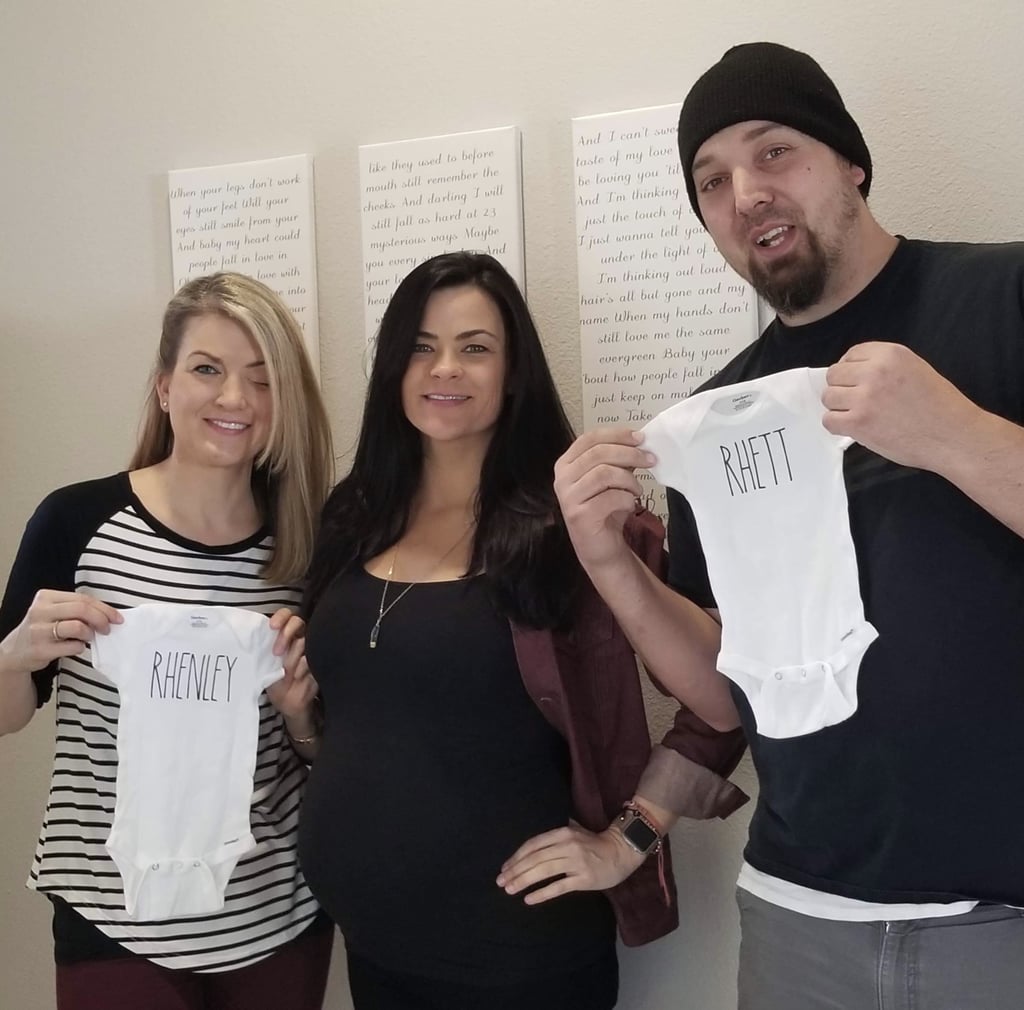
Whitney Bliesner has Neurofibromatosis type 2 (NF2), which Mayo Clinic defines as “a genetic disorder that causes tumours to form on nerve tissue anywhere in your nervous system, including your brain, spinal cord and nerves.”

“She’s always wanted to be a mom and her disease has already taken so much from her,” Roe told Today of her inspiration behind the generous gesture. “I wasn’t going to allow (NF2) to take this opportunity from her, too. She’s my best friend and I know she would have done the same for me.”

“I really didn’t put much thought into becoming a surrogate at all,” she added. “It just felt like the right thing to do. Our family is so strong and so supportive of one another, especially since Whit’s diagnosis in 8th grade.”

Despite her initial willingness to help, the road to getting pregnant was a long one for Jill. After her first round of IVF failed, Jill was left feeling like she had failed her sister.

It was such a tough and sombre day for all of us. Whit — true to form — was positive and sweet. She encouraged me and lifted me right back up and said, ‘It’s OK. If and when you are ready, let’s try again.’”Noe is now 30 weeks along in her pregnancy with a healthy set of twins, a boy and a girl, due June 6. The soon-to-be parents have already picked out the names, Rhett for the boy and Rhenley for the girl.Noe and Bliesner have been supported by their family, especially their mother, whom Noe described as “the catalyst” for them to be such a strong family.“It’s just instilled in me and Whitney, and obviously my other siblings, that no matter what adversities we faced, we’re always there together and we’ll go through it as one big strong unit,” Noe said.

Credit: Fab Woman

Online dating isn’t supposed to replace face-to-face human interaction. It’s more of a means of connecting you to other compatible singles that you might want to meet in person. I think dating online should be called online meeting, because the dating is supposed to happen in real life, not virtually

The world is turning digital and so has the dating game. A lot more people have explored the option of dating online because, to be honest, except you’re very active socially, the chances of meeting ‘the one’ on your daily grind are limiting.

There used to be a stigma surrounding online dating, and I think part of it was residual, as judgement was passed down from our parents. Our parents didn’t grow up with the internet, so they view it with a certain distance. But with the advent of the technology, the internet and social media, our world has been cracked wide open.

You get to watch people livestream everything about themselves, post pictures of their day-to-day activities, ups, downs and daily grind. Send a message to a stranger via their social network handle and if you’re lucky, you get a response. Technology has made it somewhat easier to date and connect with people all around the globe. Imagine If your soulmate lived in China and you live all the way in Bulgaria, at least with various apps you can watch and communicate with them in real time.

Almost every facet of our lives is online now: buying clothes, watching TV, ordering food, filing taxes, registering to vote, getting a job, streaming movies, and so on. Online dating isn’t supposed to replace face-to-face human interaction. It’s more of a means of connecting you to other compatible singles that you might want to meet in person. I think dating online should be called online meeting, because the dating is supposed to happen in real life, not virtually. And the people you find on these sites vary so much, you really can’t go wrong.

There was a dating show I used to watch called Millionaire Matchmaker, where millionaires paid premium to this lady called Patty to find them a match. During the opening montage she would say, “Everybody wants love, but not everyone finds it.” She has positioned herself as a connector and boasts of a very high success rate, but you would have to pay heavy for her service. For those of us who can’t afford an expensive matchmaker, the internet is free.

Love is a fundamental human need. Most people meet their significant others through their social circles or work/school functions. However, these pools can be relatively shallow. In the search for a potential date, more and more people are switching to less traditional methods. A few celebrities couples we know have confessed to have connected this way, and are in loving meaningful relationships/marriages today.

Please, if you are going to date online, tread with caution, as there are a lot of weirdos prowling the cyberspace. A few years ago a story made the headlines about a girl called Cynthia Osokogu, daughter to a military officer, who was murdered by a man she met on Facebook. So it is absolutely important to be careful and observant when talking to anyone online. Put your FBI cap on, do some background checks if you must. Don’t give away to much information about yourself. For years there have been stories of internet love scams, and as popular as these stories are, more and more people keep falling prey.

Dating online also allows people exaggerate their profile by fabricating their lives to seem more attractive. So it’s important to be discerning. Take your time, ask questions – lots of questions. Ask for pictures, make video calls, and if they refuse to a video call – red flags should start to go up.

Not to discourage you, but if you are going to try dating online, research your options. Forbes reports that there are about 8,000 dating sites in the world, so ask for recommendations from friends, family, etc. Check out the popular ones, sites that have conducted interviews and have media coverage. In essence, open your mind to other forms of connecting with people and see searching online as a possibility.

Media personality, Bolanle Olukanni has revealed that she had to struggle with self-confidence as a teenager because she battled with stretch marks. On Tuesday, April 9, 2019, she took to her Instagram page where she wrote on her battles and finally getting over it after a while.

“I first got stretch marks on my shoulders when I had my first Growth spurt. I was probably 12. All my friends would wear tank tops and spaghetti tops and I felt like I had to cover my shoulders. It affected my confidence during my teenage years and I spent my early adulthood hiding my shoulders. Well, I finally got over it and I realized it’s not a big deal. So to women and men who have stretch marks and feel self-conscious about it …please don’t – you are beautiful no matter what ! ❤️❤️❤️ #beautylook #growingpains #stretchmarks #flawsandall,” she wrote.

Credit: Pulse

It is a terrible feeling to be expected to do or complete something that you are not sure you can do. This can cause undue and unnecessary stress. When you are yourself, you are honest about your limitations, and this gives you the margin you need to maneuver and if necessary outsource jobs or tasks that you can’t do by yourself. I do that alot myself, first for my sanity and secondly to avoid burning out.

One of the biggest lessons I have learnt in the last three years on being yourself is that ; No matter how much you plan, how many team members you have, how great your ideas are, or how much capital you have, you could face disappointment and failure if you are not authentic. We have all had experiences where we felt like we were swimming against the current. Things were just not going well (or as well as we would like) and we had to stop, reevaluate, and regroup.

Everyone knows what you can and can’t do. Your employees very quickly learn your strengths and weaknesses. They get to know what makes you happy and what drives you crazy.

There are a number of benefits to being authentic. Here is just a short list to help motivate you

You are not expected to be perfect

Humility in business is not the same as self-degradation. An element of respect exists when you are sure about your capabilities.  After all, we only have 100 percent. If you are giving that 100 percent in an authentic way, that gives you a better chance at success.

You will learn more.

By knowing and being yourself, you are better able to acknowledge things that you do not know well enough. You won’t be too proud to ask questions because you – and, hopefully, everyone you work with – know how genuine you are. People will respect your ability and even eagerness to pick their brains.

Your goals are clear.

People who are themselves and live happy, fulfilling, authentic lives, have clear goals and ambitions. They are very clear on their motivations and do not overextend themselves to achieve needless results. In other words, they have a laser focus on the important things.

While sharing intimate insights into your life would not be an appropriate means to build fruitful business relationships, it has become quite a trend for colleagues, employees, and employers to share their more human sides.

By using your authenticity and being who you are at your core, you can build trust in your relationships and create a business climate in your life, and work that allows for real fulfillment and joy.

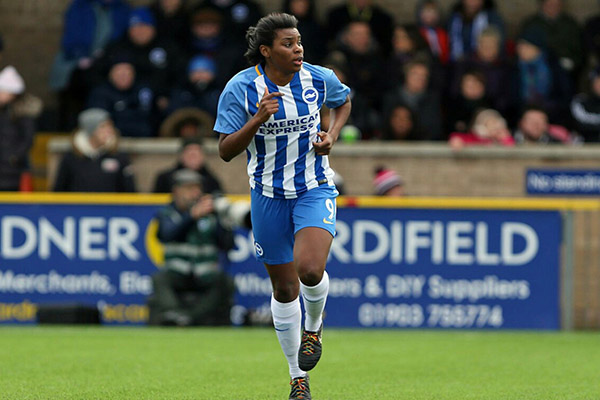
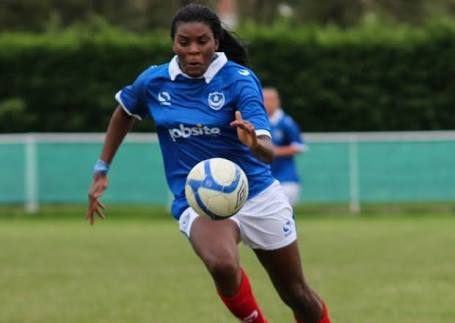
Super Falcons of Nigeria player, Ini-Abasi Umotong has graduated with a First Class Honours degree in Economics from the University of Southampton.

On Thursday, Umotong shared this good news on Facebook:

“DELIGHTED TO BE GRADUATING WITH A FIRST CLASS HONOURS IN ECONOMICS WITH A FIRST CLASS DISSERTATION!”

Ini-Abasi Umotong first class

For the Nigeria’s senior women’s team, Ini-Abasi Umotong has made only one appearance. Also, she represented Nigeria at the 2015 FIFA Women’s World Cup in Canada, even though she didn’t get the chance to play.Ini-Abasi Umotong super falcons

In November 2018, Ini- Ini-Abasi Umotong won two awards at the FA’s Women’s Award ceremony: the FA Women’s Super League 2 Players’ Player of the Year award and Top Goalscorer award.

These awards came after she had an outstanding debut season for Oxford United.


Credit: fabwoman.ng

Nollywood actress Zainab Balogun has opened up on how she met her husband, Dikko Nwachukwu, who is the owner of Jetwest Airways.

According to the award-winning screen star who surprised many when she got married to Dikko last year, has now revealed how they met and how life has been as a step mum to her husband’s two sons.

In a fresh interview with Bolanle Olukanni for Ndani TV, Zainab said;

”I honestly didn’t envision I would get married as soon as I did. For me, it has always been about connections. I have never particularly dated guys for what they had or what they can give me. So when you meet someone that is the definition of kindness, of partnership, of love, of understanding, it just makes life easy. I think that is when you know somebody is for you, when it is not hard, when you don’t have to beg someone for attention, when you don’t have to communicate with you, they love what you do, they push you. It feels effortless.

So we were friends. We were introduced by a mutual friend, comedian Chigurl. She has got the spirit. I don’t know how many marriages Chioma has got under her belt. She was like “I have a guy that really likes you. We always joke and call you Slaynab”.

So we met, we had coffee. I wasn’t sure so I was like we should just be really good friends. We just built a really good bond and he became someone that I would talk to all the time” she said

Before their marriage, Dikko Nwachukwu, was a widower whose wife died in 2015. Speaking on how it was like when she first met his children, Zainab said;

”At first I was Aunty Zainab and I remember my husband saying they really like you. I was like how can you tell and he was like suddenly, they are performing for you. They normally don’t do that. Then we started spending time together, doing all the fun stuff’

”I will never ever forget when we told them that we were going to get married. It was such a special moment. I remember they were sitting down and I was recording, they didn’t know I was recording and I said to them that me and Daddy are thinking getting married.. so how would you feel if I became your mum and we got married? It was so weird they burst into tears. They were so happy and for me, it just made sense.”


Credit: stargist

Ranked one of the Top 100 Fastest Growing SME’s in Nigeria by Nigeria’s leading finance and market intelligence news report, Business Day in 2018, BWL Agency is made up of a team of unconventional communication consultants who have become industry disruptors through their audacious and compelling campaigns. The industry under-dogs are at the helm of some of the country’s most successful cultural platforms – shaping dialogues and correcting cultural narratives with one campaign at a time.

The SABRE (Superior Achievement in Branding, Reputation & Engagement)Awards is the world’s biggest Public Relations Awards Program, dedicated to benchmarking the best PR work from across the globe. The award ceremony will be taking place on Thursday, May 16thin Kigali, Rwanda.

Ronke Bamisedun Founder of BWL, member of the elite 2018 Forbes 30 Most Promising Young Entrepreneurs in Africa List and CNBC (AABLA) Young Business Leader finalist says

“Last Year we won The SABRE’s for our work on Jameson connects and certificates of excellence for our work on the Martell follow the swift campaign. This year we are elated to win our second SABRE Award and Excellence Certificate for our work on yet another phenomenal brand, Homecoming. Being considered alongside some great agencies and campaigns and then winning in the category is an incredible accomplishment and honor I am extremely humbled by this win.”

She continues,

“I am inspired by the Homecoming team for constantly challenging the status quo, shaping cultural narratives and spotlighting the entertainment industry. We are excited to be working with them again this year for Homecoming 2019”

BWL will be working on the four-day festival this year from Friday 19th April to Monday 21st April 2019.


Credit: Bella Naija

Parents tell their kids to work harder, pastors tell their congregation to pray more, and teachers tell their students to read more, but no one ever tells us what to do if we fail. No one ever tells us about the emotional and even physical effects of disappointment. We are pushed so hard, but no one holds our hands when things don’t go as planned

“If you continue curving every guy you will end up in Shiloh praying for a husband at 30.”

“Your mates are already university graduates, but here you are.”

“Who told him to run for that office? Look at him now he couldn’t even win after all the noise.”

These are a few of the criticisms I have heard people hurl around. They have been used to remind people that they failed to achieve certain goals at the age the society set for them.

In the Nigerian society, people believe that at a certain age, some things have to have been accomplished. One should be done with school by 22, married with a career at 25, and at 30 an individual is expected to have at least a solid home and children. What no one talks about is what happens when your life doesn’t go as planned?

What happens when you fail at achieving a major goal, and what happens when you never had a backup plan?

A lot of us graduate from secondary school with the expectation of getting into the university immediately, even if we are not sure this will be the case. No one prepares the Nigerian child for failure, even if we all know they will occur.

Parents tell their kids to work harder, pastors tell their congregation to pray more, and teachers tell their students to read more, but no one ever tells us what to do if we fail. No one ever tells us about the emotional and even physical effects of disappointment. We are pushed so hard, but no one holds our hands when things don’t go as planned.

You are expected to succeed and failure is never an option. If a child fails a class, parents believe he/she has been influenced negatively. If a woman isn’t married by 25 people throw snide comments her way. If a young man doesn’t have a job and a house at 30 he is viewed as a lesser man. I have seen people who would rather put themselves through hell than fail. They would rather study courses they have no passion for than appear as a failure to their loved ones.

I think that we fail more when we try to avoid failure, and I don’t blame anyone who is going through this because our Nigerian society at large has attached shame with failure. I really don’t mean to encourage failure, all I am saying is that we need to do more to help ourselves and others around us know that failure is a necessary part of life, and there are ways to make a more positive comeback after it happens.

We need to be able to hug our friends and let them know that they are not a failure just because they couldn’t pass one class. We need to let our children know that it is okay to try again;  if possible, try something new, if their plans don’t go as expected. Religious leaders need to remind their congregation that failure and setbacks aren’t spiritual attacks, and teachers need to encourage students, let them know that setbacks are to be expected in life.

About Eyi Agbashi

Ehi Agbashi is a quiet and upbeat young lady who graduated with a double major in psychology and biology. She’s passionate about social justice issues, mental health (going to graduate school for clinical counselling) and ethnocultural empathy. She loves sci-fi movies, reading African fiction and exploring new cities. IG:@kyautaa Twitter: @kyaauta.

Source: Bellanaija

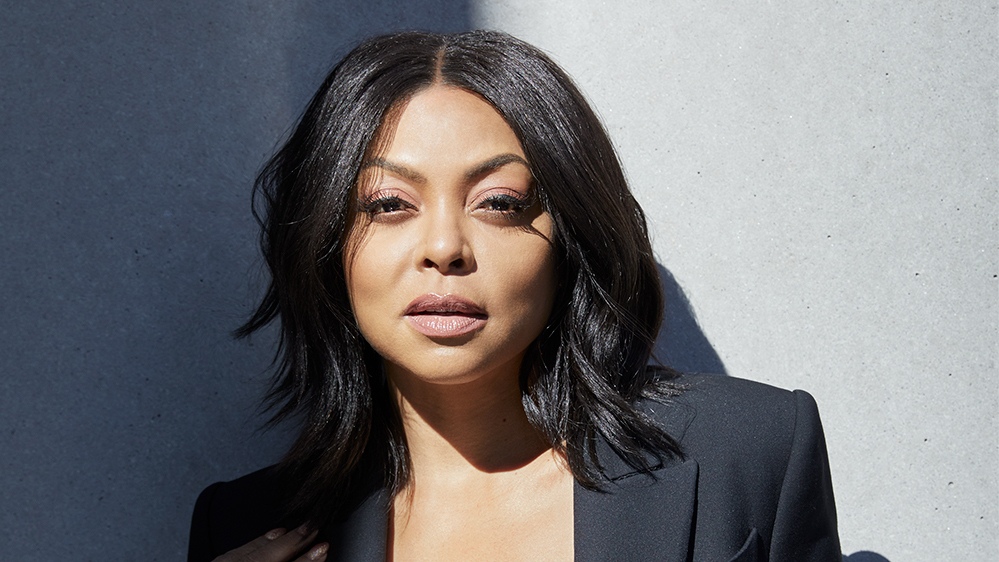
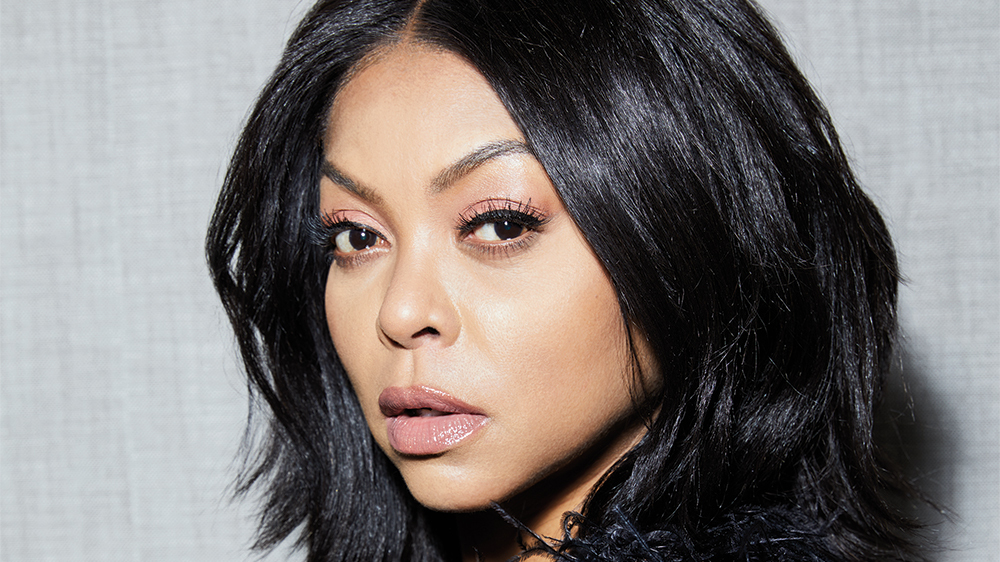
For Variety’s 2019 #PowerOfWomen: New York issue, Variety profiled Taraji P. Henson who shared how she’s working to eradicate mental health stigmas in black communities.

She says, “We’re walking around broken, wounded and hurt, and we don’t think it’s OK to talk about it. We don’t talk about it at home. It’s shunned. It’s something that makes you look weak. We’re told to pray it away. We’re told to pray it away. Everyone was always asking me, ‘Do you have a charity?’ Well, dammit, this is going to be my calling, because I’m sick of this. People are killing themselves. People are numbing out on drugs. Not everything is fixed with a pill.”

Taraji opened up about her own depression and anxiety, and how she handles it.

In order to get a grip on her depression, Taraji P. Henson stepped back from social media and started regularly seeing a therapist: “I suffer from depression. My anxiety is kicking up, even more, every day, and I’ve never really dealt with anxiety like that. It’s something new.”

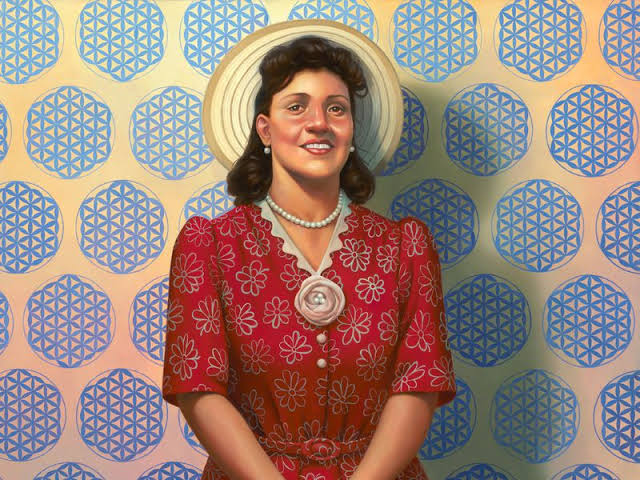
Doctors stole her cells. Henrietta Lacks was an accidental pioneer of modern-day medicine; her cells are saving lives today even though she died in 1951.

Lacks was a 31-year-old mother of five when she was diagnosed with cervical cancer. Just months before her death, doctors at Johns Hopkins Hospital in Baltimore sliced pieces of tissue from her cancerous tumor without her consent — in effect, stealing them. It was another instance of decades of medical apartheid and clinical practices that discriminated against blacks. Lacks was not a slave, but parts of her cancerous tumor represent the first human cells ever bought and sold.

Her cells, known among scientists as HeLa, were unusual in that they could rapidly reproduce and stay alive long enough to undergo multiple tests. Lacks’ cells — now worth billions of dollars — live in laboratories across the world. They played an important part in developing the polio vaccine, cloning, gene mapping and in vitro fertilization. The HeLa cell line has been used to develop drugs for treating herpes, leukemia, influenza and Parkinson’s disease. They’ve been influential in the study of cancer, lactose digestion, sexually transmitted diseases and appendicitis.

Lacks’ story is an example of the often-problematic intersection of ethics, race, and medicine, a link to the dark history of exploitation of, and experimentation on, African-Americans that ranges from the Tuskegee syphilis study to a 19th-century doctor experimenting with gynecological treatments on slave women without anesthetics.