
Women of Rubies

Category

self development

Category

A successful transition into marriage requires a good amount of work before the wedding day.

Getting married to your man is an exciting event to look forward to, but before you say your “I dos,” you need to do four things to ensure your relationship will last.

  1. Travel together

Going on a road trip will put you and your future husband in close quarters with each other for a long time. You will start to recognize different aspects of your relationship when you are stuck with him. Little annoyances, like singing loudly and off key to every song that comes on a radio is tolerable for the first 20 minutes, but after three hours in? Maybe not so much. You might discover that traveling with your man makes you or him more irritable with one another or more tolerable.

Being able to communicate during stressful conditions like getting lost or losing hotel reservations will help you solve problems together in the future when money is tight or your children have broken something expensive. If you can get through a long road trip together and look back on it with fond memories, consider it a green light for your marriage.

2. Discuss expectations

You most-likely have an expectation of how your marriage is going to operate. Perhaps you expect him to split the household chores evenly and for both of you to work full-time when you have children. On the other hand, he might expect you to stay home when you have children and do all of the household chores since you are a stay-at-home mom.

Before you get married, tell each other about your expectations for necessities like money, children, jobs and household duties. Most importantly, discusses your expectations for each other. You need to know what he expects of himself and of you. He needs to know what you expect of yourself and of him. Then compromise with one another.

3. Spend time apart

You love each other and therefore, you want to spend every moment together, but now is actually the time to spend time apart. Someone once said distance makes the heart grow fonder, which is true, but distance also make a relationship healthier. Men and women need companionship in friends and family. As much as your future husband loves you, he might not understand your need to talk for hours about everything under the moon, but your best girlfriend totally understands that need. Don’t be afraid to have a girl’s night without him.

If you don’t trust your man when he is away, you must learn to do so. Make expectations clear when it comes to talking to people of the opposite gender. Something to him may seem like a innocent action, but it could look like cheating in your eyes and vice versa.

4. Disagree with each other

If you always agree with your future husband, take a step back and think about your relationship. Disagreements, arguments and different opinions are important in a healthy relationship. Sometime down the road you are going to disagree about a course of action, so before you get married, it is vital that you learn to compromise.

5. Discuss expectations

You most-likely have an expectation of how your marriage is going to operate. Perhaps you expect him to split the household chores evenly and for both of you to work full-time when you have children. On the other hand, he might expect you to stay home when you have children and do all of the household chores since you are a stay-at-home mom.

Before you get married, tell each other about your expectations for necessities like money, children, jobs and household duties. Most importantly, discusses your expectations for each other. You need to know what he expects of himself and of you. He needs to know what you expect of yourself and of him. Then compromise with one another.

These four things will shed light on all aspects of your relationship. Understanding every side of your future husband will help your transition smoothly into your married life.


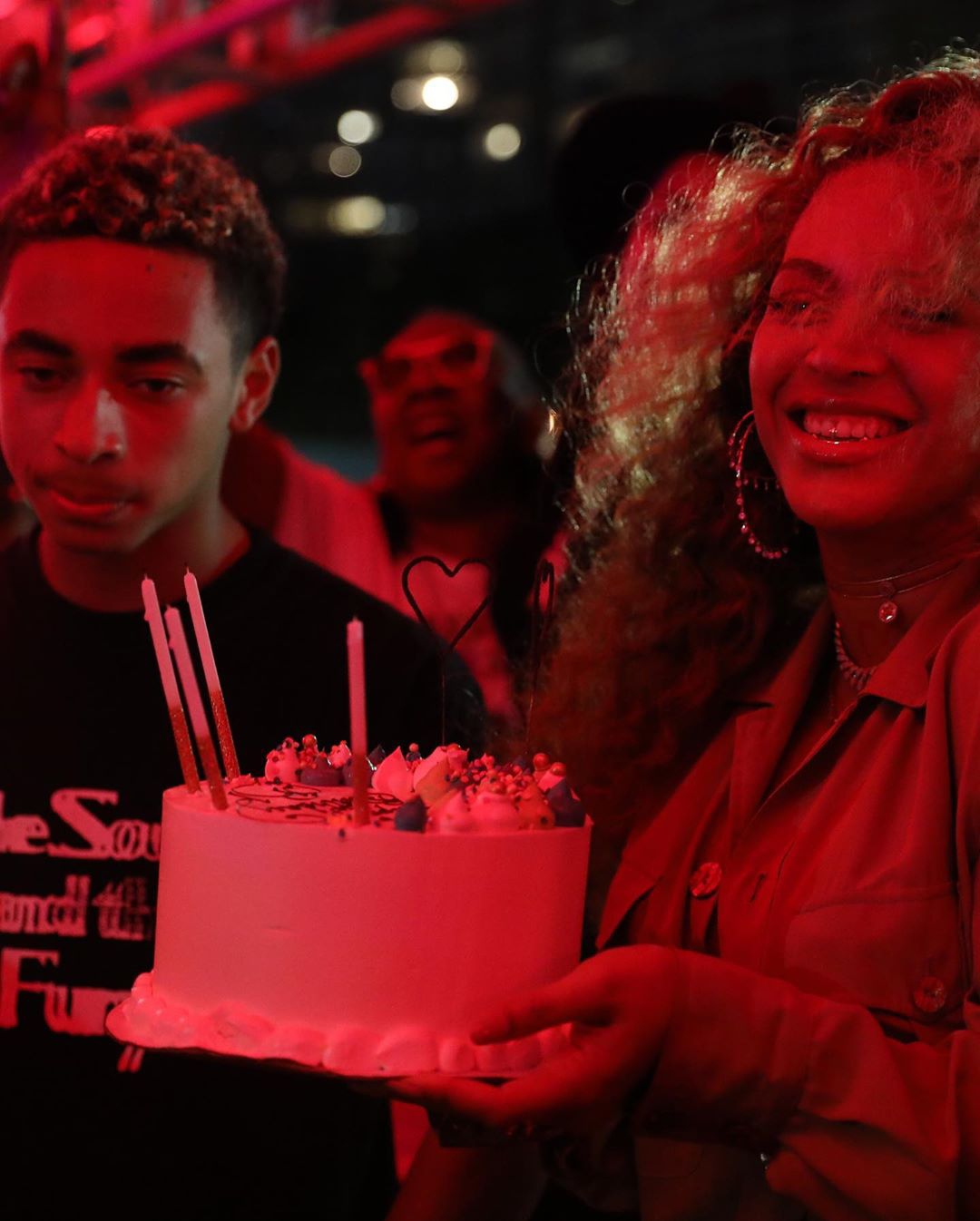
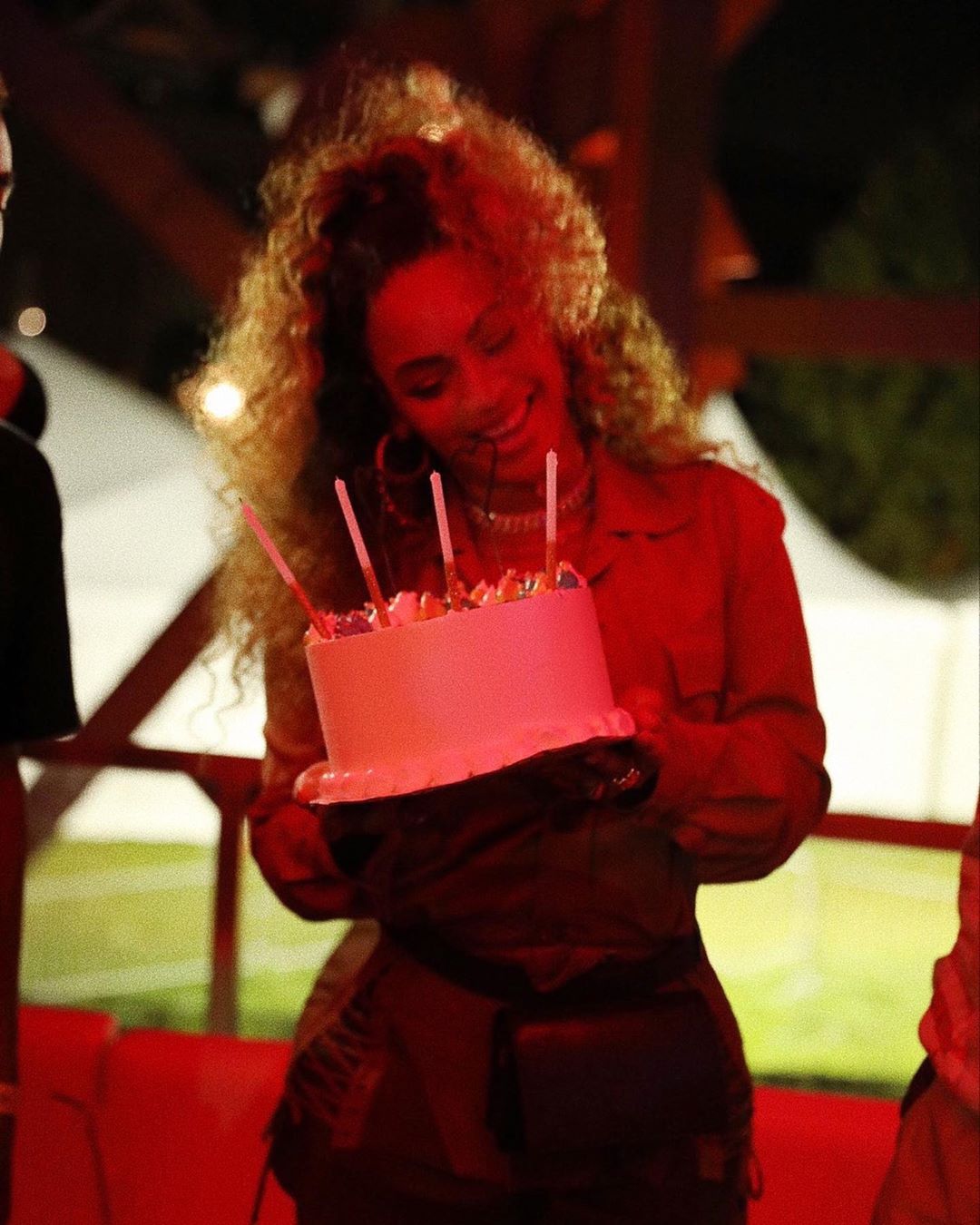
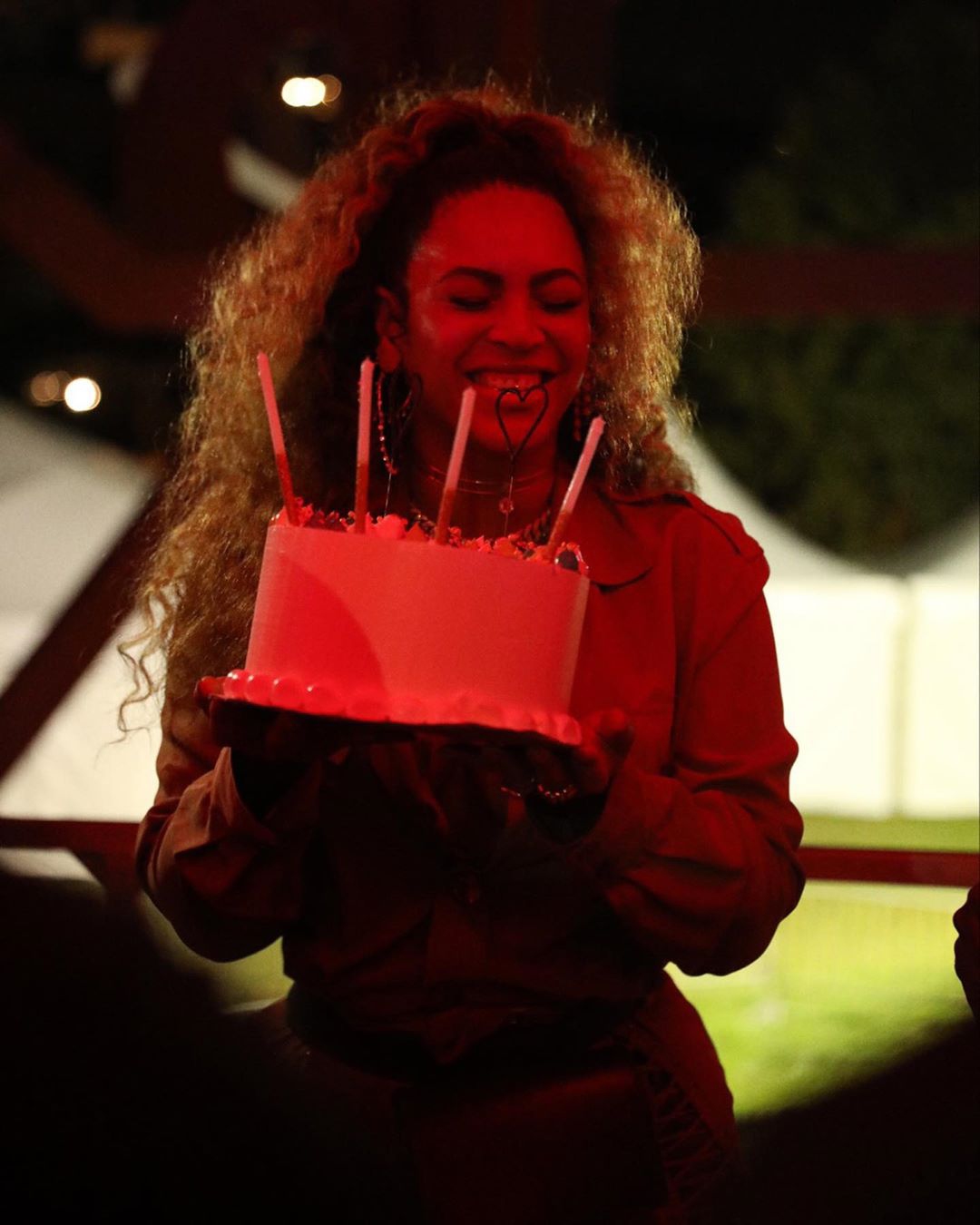
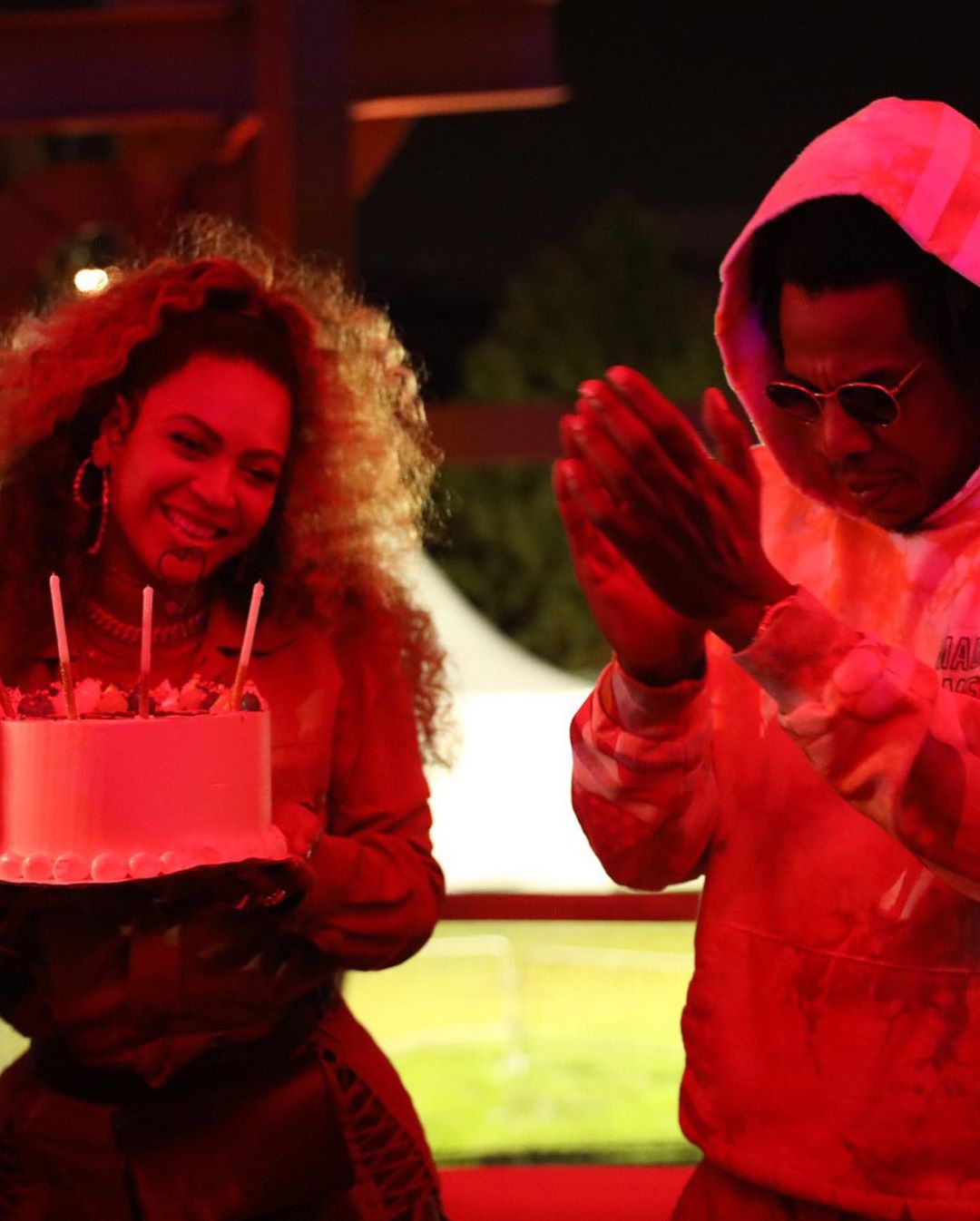
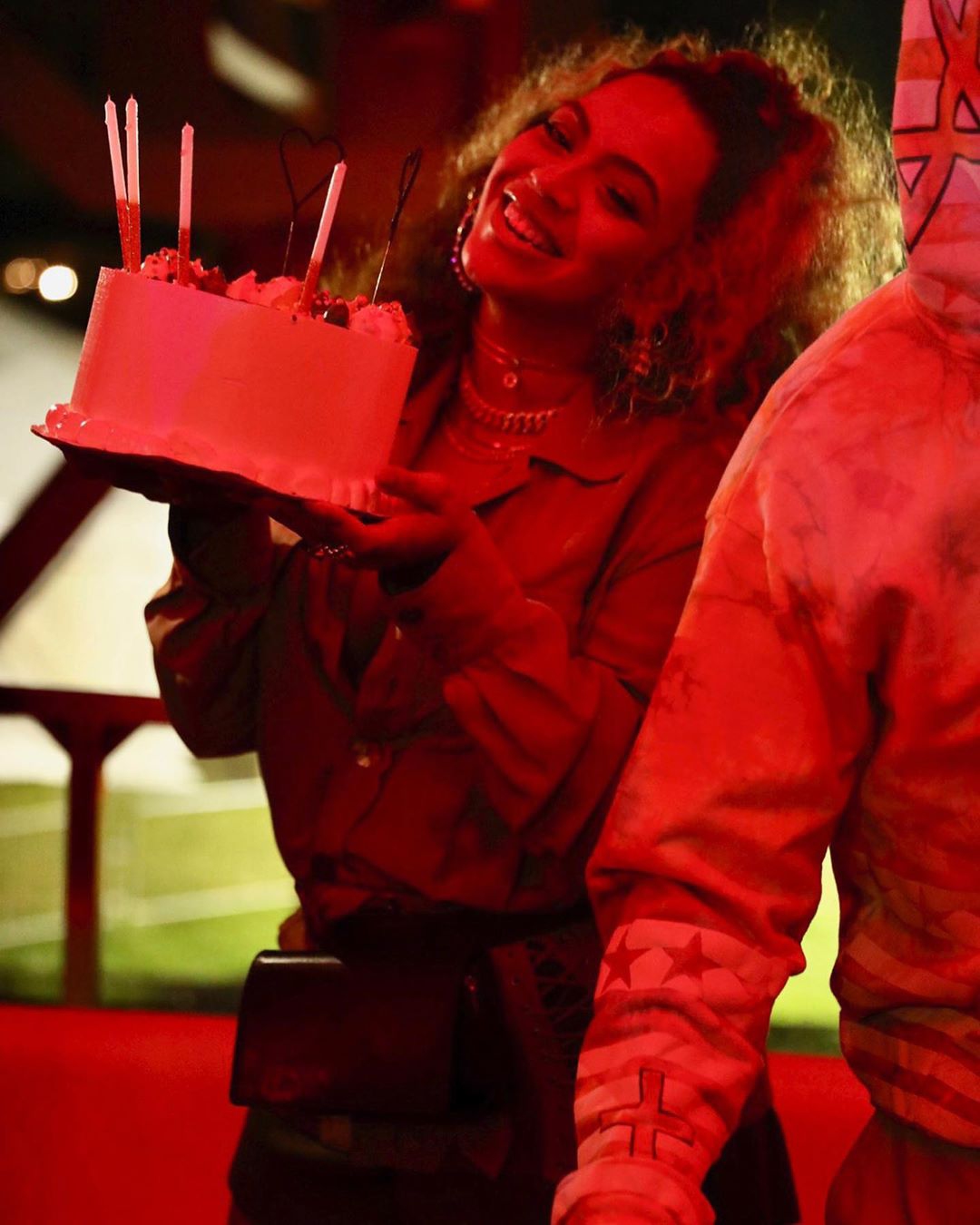
The superstar was all smiles when her husband surprised her with a birthday cake, backstage at the Made In Americafestival in Philadelphia on Monday night.

While Queen Bey’s actual birthday is today, Jay-Z decided to give his loving wife a lovely birthday cake lit up with sparklers.

In the video she shared on her social media, Jay-Z is seen holding a bottle of champagne while he cheered and encouraged the crowd to sing “happy birthday”.

See photos:

View this post on Instagram

A post shared by Beyoncé (@beyonce) on 


Photo credit: @beyonce


Credit: Bella Naija

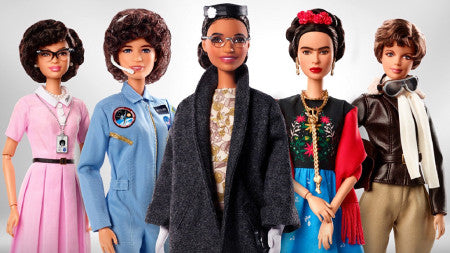
In honor of Women’s Equality Day, toy manufacturer Mattel announced their newest creation, the Rosa Parks Barbie.

Since its inception, Barbie has been a symbol of women’s freedom and rights. In 2018 on International Women’s Day, Barbie launched their “Inspiring Women Series,” in an effort “to honor historical role models who paved the way for generations of girls to dream bigger than ever before.” The new Barbie made in Parks’ likeness is the newest edition to that collection, which includes mathematician and “hidden figure” Katherine Johnson, whose 101st birthday coincided with the Parks Barbie release.

Mattel, the parent company of Barbie released a statement explaining why they chose Parks saying, “Rosa Parks was an incredible heroine of her time. She fearlessly took a risk that would help change the status quo and pave the way for future generations. Her story is an inspiring example of bravely standing for what is right in the face of adversity.”

The “Inspiring Women Series” was created after Mattel released information about the “Dream Gap,” research that shows that girls began to view their gender as inferior to boys and develop limiting beliefs about themselves at as young as 5 years old, as a result of cultural stereotypes, implicit biases and media representation. The dolls are a part of the Dream Gap Project, which seeks to raise awareness of this issue and support causes and organizations that are fighting to #CloseTheDreamGap.

The Parks Barbie was created in partnership with the Rosa and Raymond Parks Institute for Self-Development, named for Parks and her husband, who was also a civil rights activist. The doll comes with educational information highlighting the late icon’s contributions to society as well as the traditional clothing and accessories that Barbie is known for.

Anita Peek, director of the Parks Institute for Self-Development, spoke to The Glow Up about the honor saying, “[W]e hope that the Rosa Parks Barbie will spark conversations about her contributions to society and encourage future generations of girls to fearlessly stand up for what they believe in.”

Everyone believes that if you can live in Abuja successfully for years, then you must have really arrived.

Many people think Abuja is the “gelato” capital of Nigeria, where all we do is enjoy, flex and spend money like “tomorrow no dey.” I mean, people who don’t live in Abuja generally see Abuja as Nigeria’s London. A place where money flows like water, where everyone lives like a king. Now, I legit understand what people in the abroad, who have people in Nigeria constantly harassing them for money, go through.

When you live in Abuja, here are some of the things you go through:

1. Because you live in Abuja, which qualifies as Nigeria’s London, you are under pressure from family and friends. Friends will be like, “Abeg, I hear say civil defence dey recruit and na for Abuja dem dey do am. You fit link me up?” Nysc posting too, they are asking you to call someone.

2. Extended family members begin to harass you for their needs. Their phone got lost and they need a replacement; water spoilt their phone; the roof is leaking—you hear all sorts of ridiculous stuff. All your extended cousins begin to call you frequently without necessarily saying anything, but you know where they are going. Every time it is, “Aunty, I just say make I hear your voice,” which is the Nigerian version of “Anything for the boys?”Or “Find me something abeg.”

3. Everyone suddenly wants to associate with you. Friends of friends, children of your parent’s friends, etc., in case you can connect them.

4. They ask you when you are coming home every time so much that you become afraid of travelling for Christmas. They will use their eyes to judge you, to search your body and bags whether there are truly signs of Abuja gelato on you.

5. They guilt trip you with words like, “You have forgotten me abi?” immediately you pick their calls, or they blackmail you that you’ve suddenly become so busy that you can’t pick their calls again.

6. They bug you for kilishi everytime you announce you are coming home. 😀😁

Everyone believes that if you can live in Abuja successfully for years, then you must have really arrived. They know it is a very expensive city to live in. Tales about Abuja we’ve been hearing since childhood does not help matters too. How the streets of Abuja are smooth and well tarred. How there are no buses except cabs that would only carry you (drop). How food and housing is expensive.

Again, because the seat of government is in Abuja, they automatically assume that before money gets to other places, it must have flown on the streets of Abuja.
Some even call to find out about Buhari and if you are seeing him regularly. Everybody addresses you as “Eyin eeyan Buhari” (Buhari’s people).

Dear Abroadians,

Now I understand your struggles and pain over our Naija people who won’t let you rest with their “Give me, help me,” because they think you have it all together. They think money flows on the streets abroad.

As long as you are an Abroadian or Abuja resident and you claim to be broke, they will pick offence. They can never believe you. How can you be broke? You are just stingy.

Nobody has ever called me in six years to ask if they should send even as little as dodo ikire (it’s a delicacy made in my village; if you know, you know) or elubo isu to me. All they can do is ask for one favour or the other.

Dear Fellow Nigerians,

If you didn’t know before, know this today. Abuja is not a gelato city. We don’t have it all together. We work hard. We save every penny and spend it on house rent, food and school fees. We are all in this together. We are even more broke than some of you. Yeah, we enjoy the special eyes you use to look at us because of the status of living in the nation’s capital. But that’s truly where it ends. Everyone in today’s Nigeria is poor, except politicians.

Who can relate?

Source: Bellanaija

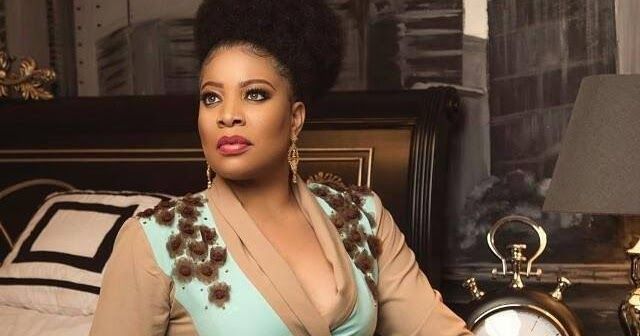
Actress, Monalisa Chinda has revealed she endured domestic violence for five years in her first marriage.
In an exclusive with TopNaija, Monalisa revealed that she endured the violence because she wasn’t in a hurry to leave.

“I wasn’t in a hurry to leave the marriage, I gave it five years… Maybe if the marriage wasn’t violent, I would have stayed from day one from pushing of the head to slap to every slightest provocation….”

She also said that she expected the abuse would stop after the birth of her daughter, Tamar but it didn’t.

“When I had Tamar, I thought that would calm situations. But it didn’t. I knew this was not going to stop. So Tamar clocked one, the violence didn’t stop… So I said if I don’t go, this man is going to kill me and this girl. So I had to turn to God… I don’t believe in separation of any sort. I don’t believe in divorce. Why did I talk to God directly? Because I talked [sic] to in my church then, they didn’t do anything about it.

“I had a pastor. He didn’t do anything about it, not even calling him to order… And nothing changed. I turned to Holy Spirit now I said I’m going to leave. And I’m ready to face any consequences be it the media…

“One day, something happened… He came back and asked for something, it wasn’t available and next I heard was a bang on my head, slaps… My daughter was crying. Neighbours were screaming ‘you will kill her o! You will kill her o! Every day we no go hear something for this compound!’… That night… the friend came over and stopped it… The morning after, I’d packed my things and taken Tamar to go to my very good friend’s place… a colleague of mine who opened her home to me and my daughter… I had to go back again to get Tamar’s, few of Tamar’s things cuz I didn’t have any money…. and then he blocked me and immediately I went into tongue-speaking in my heart saying this man should not kill me today. And after that beating that day I almost died. I decided to never to come back there again.”

Credit: fabwoman.ng

Bella Thorne has opened up on how she was molested her whole life’ in an emotional Instagram post.

Back in 2018, the former Disney Channel actress, 21, revealed  that she was sexually abused till she was 14.

Bella Thorne, 21, who was once in relationship with YouTuber Tana Mongeau  and musician Mod Sun started her post by wondering why she ‘needs’ validation from everyone but mostly men.

 Bella Thorne reveals how she was

Sharing  topless photos of herself, she wrote: ‘What is wrong with me? Why do I always need Validation from everyone but mostly men…’ she started, ‘What is wrong with me? Why do I always need Validation from everyone but mostly men… 

Seeming to address her relationship, she said: ‘Everyone keeps telling me to be single, be alone, and make your self happy. But All those things sound so fucking scary to me. all I want is him. I want him to hold me, I want him to love me, I want him to tell me it’s ok, I want him to look me in the eyes and let me know I’m accepted.’

‘Why? Because I can’t accept myself. For some reason in my head I’m just not fucking good enough. Not good enough for him or Her or anyone else. 

 Bella Thorne reveals how she was

‘And if it’s not him I just look for the ‘next’ him, or her Why can’t I just look for the next me? Find me and accept me. 

‘Was it because I was molested my whole life,’ she wondered.

‘Exposed to sex at such a young age it’s all I know how to offer to the world…or is it because I was raised to think I wasn’t good enough. Not good enough for her or anything else,’ Bella said.

‘But it doesn’t matter what happened to me.. What matters is whats happening to me right now. I can’t blame my childhood, in fact I can’t blame anyone for anything. 

‘All I can do is blame me. I blame me for not loving myself. I blame me for not thinking I’m attractive, I blame me for putting this on everyone around me. Expecting people to love me enough for me to love myself,’ Bella wrote.

 Bella Thorne reveals how she was

But at the end of the day that will never happen. Because the only way to get to your end goal is to work through it. Not around or above or try and find a cheat code so you don’t have to hurt as much.

‘You have to hurt in this world. Hurting, loving, and accepting. That’s what our emotional world lays on. Right now I only have one of those things. Can you guess what it is? Hurting. Right now I only hurt…but I’m not hurting for other people no I’m only hurting myself. By not loving me and by not accepting me.’ 

This poem is about mommy and daddy and me and you,‘ she concluded.


Credit: LIB

Michelle Obama has revealed why it is important for people to marry their equals in order to make a marriage work.

The former US First Lady was interviewed by CBS’ Gayle King for a special piece at the Essence Festival in New Orleans. During the interview, Michelle shared stories with Ms King about her time in the White House, her marriage and the rocky road it took to get to where she is today.

She said: “This is the beauty of finding a partner you really love and respect.

“After all the highs and lows, the ups and downs we’ve been through, we have each other, which makes the journey worth it.”


Michelle Obama explains why it


Speaking on how important she felt it was for people to marry their equals to make a marriage work, she said: “My husband is my teammate and if we are going to win this game together, he has to be strong and he has to be ok with me being strong.”

Michelle also told Ms King people saw her relationship as “hashtag relationship goals”, but she wanted to let people know there were difficult times too.

Before the interview, Ms Obama revealed in her book ‘Becoming’ that her father Fraser C. Robinson III was fearful of her relationship with Barack Obama and said, “He won’t last due to Michelle’s previous track record of dating.

The ex-FLOTUS wrote: “My father appreciated Barack instantly, but still didn’t like his odds.

“After all, he’d seen me jettison my high school boyfriend David at the gates of Princeton.

“He’d watched me dismiss Kevin the college football player as soon as I’d seen him in a furry mascot outfit.

“My parents knew better than too get too attached.

“According to Craig (brother), my father shook his head and laughed as he watched me and Barack walk away.

“He said: ‘Nice guy. Too bad he won’t last’.”


Watch videos below.


Credit: LIB

Iya Bisi, as she asks to be addressed, sits by the junction of Brown street at Oshodi, a popular Lagos suburb known for the diversity of its market space. She sits with her wares, eating roasted corn as she calls out to potential customers. Iya Bisi is attractive, not for the head-turning beauty of a young African damsel but her breasts. Under the black, polo shirt she wears, one sees the frame of her breasts, as they dangle down, resting midway to her stomach, just by the tip of the stray on which she displays her goods. It is a spectacle and figurative for how many Nigerian women put out their breasts to eke a living.

The struggle for funds demands from Nigerian female petty traders their breasts— symbol of their pride. Access to loan facilities is restrictive for many market women. The scale of their business is hardly enough to secure a loan in any conventional banks. When the business is big enough, many of them are illiterate, unbanked and have no significant collateral.

“Ori omo ni ere run si,” says Iya Bisi. She means her children are her investments and collateral. Most women operating in the informal sector of the economy spend a chunk of their meager profit on upkeep and family expenses, hardly able or even considering long term investments. And until banks could accept mothers’ dream for her children as collateral, women like Iya Bisi have no chance in any conventional bank.

Nigeria’s economy is mostly informal. The informal sector accounted for 65% of the country’s entire Gross Domestic Product (GDP) in 2017, says Nigeria’s Bank of Industry (BoI). In the same vein, the sector accounts for 70% of industrial employment but, significantly, women hugely populate the industry. The International Labour Organization report finds that women dominate 46% of the informal sector in urban Nigeria. These women are in different market clusters across the country.

The pains of breasts on kindle

The advent of Microfinance Banks in Nigeria provides petty traders the possibility of small-scale loans to support their businesses. These banks target poor, often, illiterate market women. The traders can access N20,000 loans and grow it to N300,000 through the banks. The loan facility can potentially boost the business and increase profit over time for Iya Bisi, whose entire wares are less than N20,000.

However, the scheme is not without its shortfalls. The crude means by which banks recoup loans leave some of the women physically and emotionally bruised. The frustration and, sometimes, the humiliation that comes with repayment earn the financial scheme the Yoruba coinage; ‘komu le lantern’ (put your breasts on a burning lantern).

Shakira Abolore is unable to hold back hot tears as they roll down her cheeks. Her eyeballs red from memory she is about to share. She is completely overwhelmed by missed emotions— mostly sadness and regrets. She weeps at the open market not minding the uninvited audience that now gathers around her as she retells the humiliation that sends her out of her childhood community.

The 35-year-old woman lived at Kosofe area of Lagos. She grew up there and moved in with her husband in the same neighborhood when she got married. Now, she hawks walnut at Berger market. Her small tray is filled with N100 packs of walnut tied in transparent plastics. It is her last resort following the crash of her oil business.

“It breaks my heart as I am telling you this,” Shakira says, struggling to control the tears. “I was a housegirl for a year, to raise money to start my own business. I went back to where I did an apprenticeship, learning how to make palm oil. After my freedom, I opened my shop. I was making palm oil and selling.”

Some months in, marketers of Lift Above Poverty Organisation (LAPO), one of the first and, perhaps, the most popular microfinance banks, approached her for a loan. She would later take a N50,000 loan which became laborious to repay.

“I was paying N3,500 every week, but when I could not meet up the first week, they came to lock up my husband’s house. In the second week, I got money from my sister to pay for the weeks. By the time I got to the 10th week, I had totally lost all investment, the money I had borrowed and my own. There was nothing left in my shop.

“Once I remove the loan payment for the week, I hardly have enough to buy material for my business. The money gradually evaporates from my hands.”

By the 11th week, Shakirat says she could no longer meet up. Already, her stocks were gone at this point. That was when she decided to come into Berger to begin hawking, in other to meet her weekly payment. By the 12th week, she has defaulted for two consecutive weeks.

“I was here when my sister’s husband called that my sister had been arrested. I had gathered funds for two weeks; I sent to my brother-in-law to pay so they would let my sister go. I could not go back to my area. The shame was too much. They had locked my husband’s house and then lock up my sister. I stayed back here to hawk so I can pay back the loan.”

Eventually, she repaid the loan with the profit from her walnut sales with swear and sweat. Her savings with the bank was liquidated to augment payment, she says.

“Because of the incident,” she explains, breaking into fresh tears.” Ihad to put my two children in custody of different relatives. My first child is about to write WAEC; I have not been able to pay. I thought to get the loan so I could, but I was advised against it. I might have to put her where she would learn some vocation.”

The love-hate relationship

The tales of loss, humiliation, and frustrations lace experiences of these women as they struggle to secure funds to boost their small businesses. Across various markets in Lagos State, Komu le lantern has a love-hate reputation. It is that friend one misses but becomes troublesome when around.

Mummy Olamide says she has palpitations and fear of possible embarrassments when she takes the Microfinance loans. But she continues to take up multiple loans, and from different banks, too. She takes loans from LAPO, Grooming Microfinance, and Eagle Eye.

“What can I do?” she asks. “I don’t have any helper, and I have no one to give me money for this small thing I am selling.”

Mummy Olamide is a dark, friendly woman. Unlike Shakira, she is lettered. She says she serves as secretary of three different women’s groups. LAPO requires the petty traders to form a small group through which they access loans. Mummy Olamide says she has taken loans from all these groups. Surprisingly, her snack business is diminishing. The transparent rectangular plastic she keeps eggroll and doughnuts has less than 30 pieces of the varieties. Yet, mummy Olamide has taken four different loans to scale up the business.

“I have taken two N50,000 loans, N100,000, the last one I am paying is N250,000,” she reveals. “But I cannot see the difference. By the time I finish paying, my wares have gone back to how I started”.

She claims she always meets up payment hence escapes humiliation, but not everyone is as lucky.

“We’ve seen instances where they would put a signboard saying they are debtors around their necks and ask them to beg about the market. They could also bring a small crowd to your shop. The crowd would be shouting and singing insulting songs. They’ve locked people in public toilets. All the microfinance banks do it,” she says.

In another instance, the strokes are different for Stephany Okoli, or maybe she chooses to see the good. She sells baby clothes by the roadside. She used to own a shop, but her shop was demolished. She now puts her wares on a tarpaulin spread so she can quickly fold and run to safety when law enforcement officials violently disperse roadside hawkers.

When Stephany got married in 2015, she needed money to start up a business. She had only LAPO to turn to. The 38-year-old, bubbly lady got on her feet with the help of her first loan. She managed well until the Lagos State Government demolished her stall.

“See, the loan is good so long as you do not default. When my shop got demolished, and I could not meet up payment. The officer came and wanted to start talking to me anyhow. I told her to take me to her manager.

“When the manager saw my books, he was surprised. I have never defaulted, I explained to him, and he understood. They gave me another plan for repaying. It has been good. I paid back and got another one.”

The opportunity cost of faulty government’s Frameworks

The Nigerian government has initiatives that could provide a more convenient credit facility for those in the informal sector and protect those who choose to engage the services of the commercial banks. But for lack of proper implementation, the industry suffers, and these helpless women become the opportunity cost.

A government scheme that could potentially provide credit facilities to small businesses is the TraderMoni interest-free loan. TraderMoni is a cash-based payment meant for traders like Iya Bisi and Mummy Olamide. It is positioned as a scheme to put money into the informal sector. The aim, as propagated by Vice President Yemi Osinbajo, is to provide small loans for petty traders like the microfinance banks, but even better because it adds no interest.

“The TraderMoni, if properly scrutinized and well-implemented, can build our small and medium scale entrepreneurs and enterprises in Nigeria,” says Lanre Suraj, the Executive Director of Human and Development Agenda (HEDA).

However, the implementation of the scheme has limited its intended impact. The process of disbursement was politicized; hence, those who should benefit could not access it. In an interview with SaharaReporters in January, Awwal Rafsanjani, Chairman of Transparency International in Nigeria, says the scheme is merely to score political points.

Rafsanjani re-echoes this position when he dubs TraderMoni as voters’ inducement hence its failure to achieve set objectives.

Also, one of the key performance indicators of the National Financial Inclusion Strategy of the Central Bank of Nigeria is consumer protection. The strategy says, “financial institutions are to provide financial services that are accessible, affordable, meet consumer needs and align with established consumer protection principles.” The CBN says it is to prevent exploitation by service providers.

There is also the Consumer Protection Framework (CPF) to protect end-users of financial services. The CBN says that “CPF stipulates that consumers should be proactively engaged and given early notice of outstanding obligations before the commencement of debt collection actions.

“Where consumers are, however, unable to meet their financial obligations, financial institutions are to adopt fair and ethical debt recovery practices.”

These guidelines are being neglected as microfinance banks continue to deploy crude means in recovering their investments.

The services of these microfinance banks are important, as they remain the only viable source of credit facility for these traders. Nonetheless, the banks must also ensure that the rights of their customers are not infringed on in any way.


Culled from Sahara Reporters