Category

Interviews&profile

Category

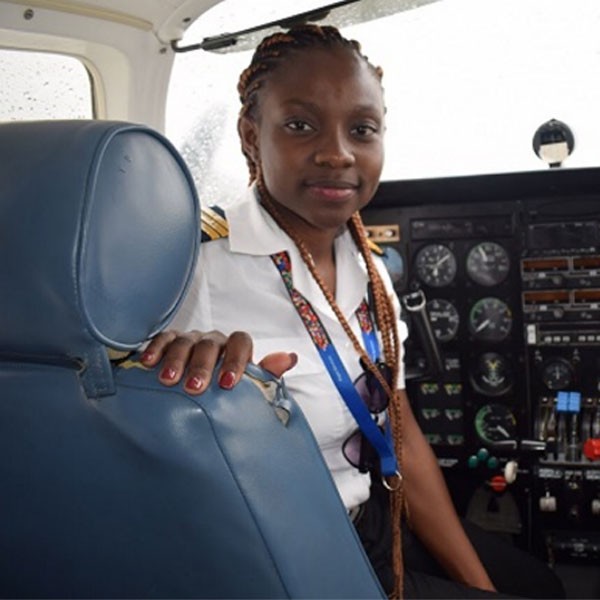
She obtained her privot pilot license at 19 years of age and her commercial pilot license at 21 years of age.

Meet Ghana's Youngest Female Commercial Pilot

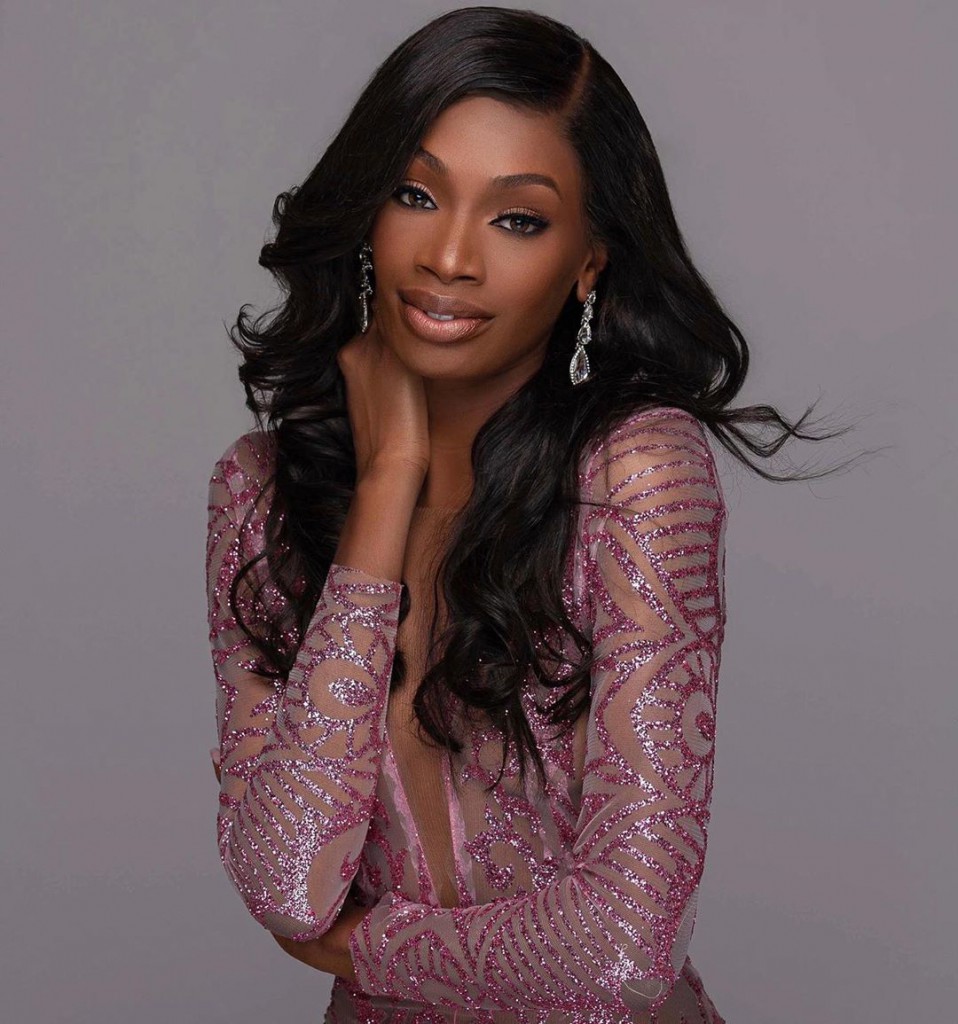
 Audrey Maame Esi Swatson

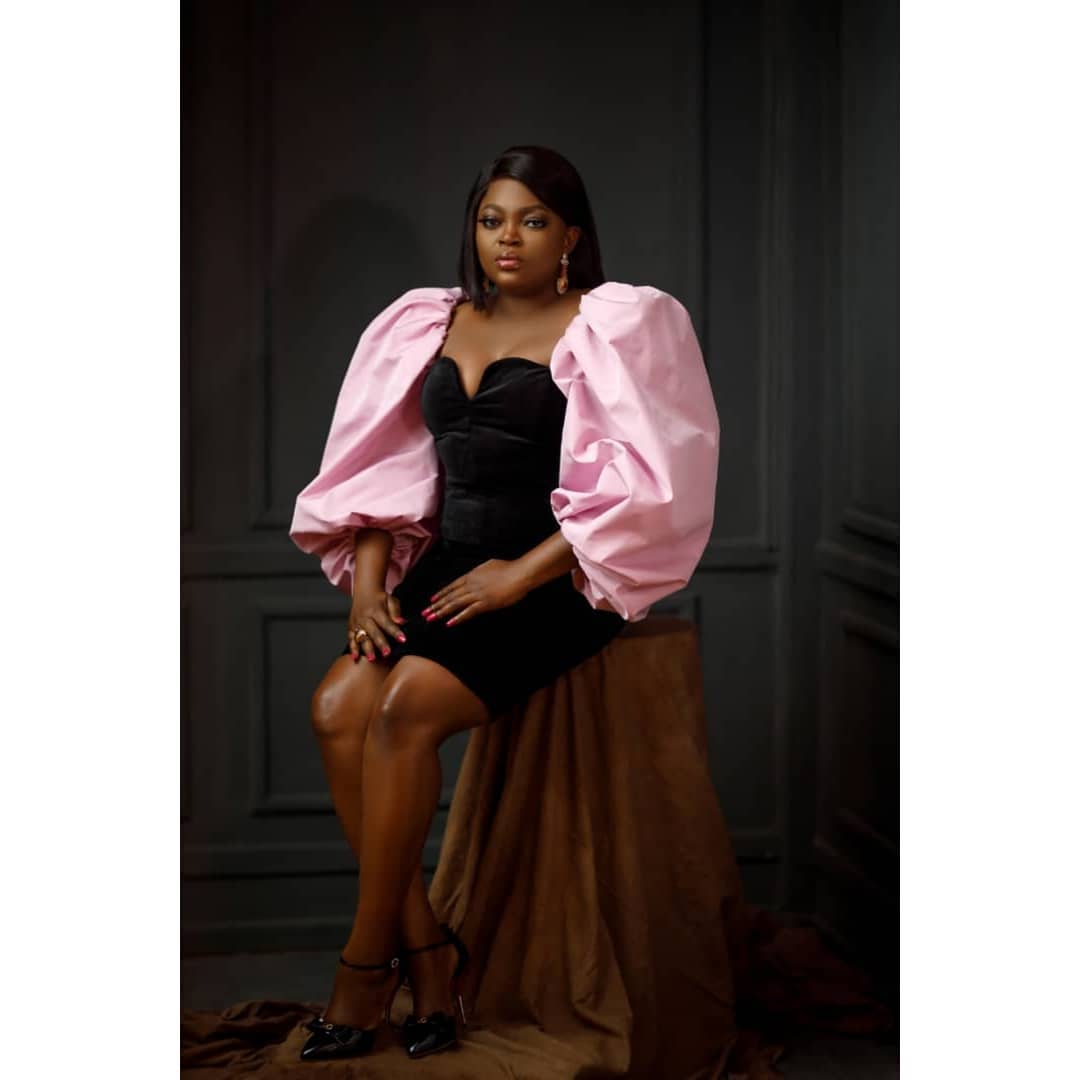
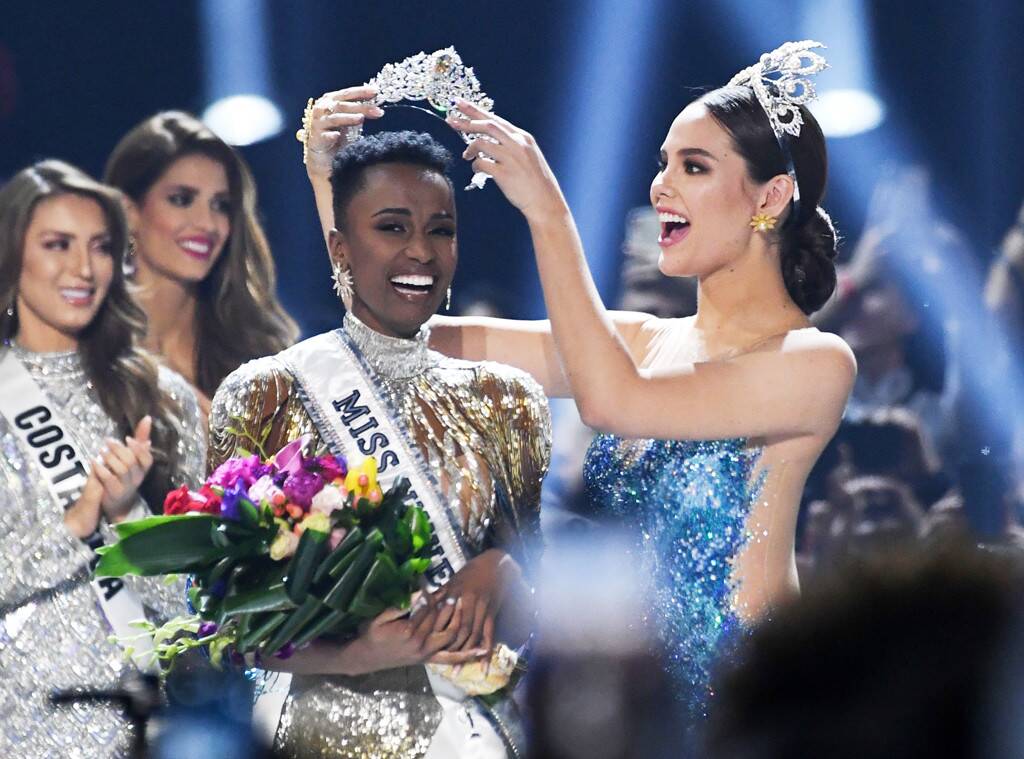
Simi Adejumo popularly known as Simi Drey is a Nigerian OAP, actress, model and TV presenter.

She took home the prize for Best OAP (TV/Radio) at The Future Africa Awards 2019.

The annual event seeks to celebrate and accelerate innovation, creativity, and enterprise amongst young Africans aged 18-31.

Here are some facts you should know about her.

1. Simi Drey is from Ibadan, Oyo State but was raised in London.

2. She graduated with a First Class degree in Broadcasting, Journalism and media communications from the University of Wales.

3. She first made the decision to move back to Nigeria after she had her internship at HITV in Lagos during summer vacation.

4. She finally decided to move back home in November 2015.

5. Her first paid presenting job was at CoolTV although her first media job was at a radio station in Wales called Calon FM.

6. She currently works as an OAP at Beat Fm. She is also a Presenter at 53 Extra.

7. She has acted in Tinsel, ‘The Governor’ ‘Happy Father’s Day’ and the sequel ‘Another Father’s Day’.

8. She won the Trek African Woman of the Year Award in 2015 and was nominated as Best Actor in a TV Series by the Maya Awards Africa in 2017.

9. At 21, she is the youngest recipient yet of the Future  Africa Awards.


Credit: fabwoman.ng

Marketing a made-in-Nigeria product is one of the most difficult aspects of being a creative entrepreneur, but with Bukky Asehinde’s intervention five years ago, this is slowly becoming a thing of the past. Chief Executive Officer of Bellafricana, an e-commerce platform helping to create visibility for creative businesses and connecting them to consumers worldwide, Asehinde is an alumna of the University of Westminster, London, where she studied Biochemistry. In this interview, she discusses in detail how she is changing the narratives for creative entrepreneurs in Nigeria and Africa as a whole.

What prompted the switch from Biochemistry to promoting local entrepreneurs?
My mum always reminds me that as a child, I always loved to bring people together. I was also drawn to creative, beautiful things and loved to put things in place for better aesthetics and everyone therefore thought I was going to be an interior decorator. However, I guess all of these traits have contributed to what I am doing right now. Bellafricana is a community of creative businesses and I am proud to be championing quality in creative indigenous businesses in Nigeria.

Why and when did you take interest in creative entrepreneurs?
As most of us already know, there’s so much creativity in Africa and I believe the media is not doing enough in portraying the creativity. I am particularly focused on promoting indigenous brands that have an African edge. I decided to do this when I felt someone needed to resolve the problem of access to international markets for local creative entrepreneurs as this was something I observed when I moved back to Nigeria in 2012. Prior to this time, I had been out of the country for about a decade and while in the UK, I worked in many indigenous companies, including Wembley Arena and as a Manager at McDonalds; all of which shaped my perception of indigenous businesses. Immediately I returned to Nigeria, I needed to undergo National Youth Service Corps (NYSC) having studied abroad and during my NYSC, I noticed a pattern among creative people who owned businesses- they just wanted to create, they didn’t understand so many things about marketing. I felt it would be amazing to create a platform where people producing amazing things could be connected to consumers looking to buy from them. I felt there was no better way to do this than to create an online platform where people from all over the world could access these locally made products already ‘verified’ by us since we are on ground here. This will give consumers the confidence to patronise these brands since they have been verified to be of good quality. The idea dropped in 2014 and began as an e-commerce platform until about 2015 when we adjusted our focus and started verifying quality businesses in Nigeria.

How was it marketing Nigerian brands to the world since ‘made-in-Nigeria’ is not well received both home and abroad?
We are changing the narrative because we still believe that quality is made here, and I am grateful for the confidence consumers already have in us. With our verification seal on any brand, they instantly assume it to be of good quality. We are, however, also very particular about quality and ensure the brands we project are of world-class standard. A look at our website will amaze you, you will see how many quality goods are currently being produced in Nigeria. I tell you, so many great things are being made here locally despite the fact that we’re not in the most enabling of environments.

Are there measures by which you ensure featured goods are of international and export quality?
Yes. We handpick businesses because we want to ensure the kind of goods seen on our platform are businesses that started from scratch and desire to grow; businesses that understand that they have to take their time to nurture and grow steadily. The way we operate, before verifying a product, we must examine it no matter what part of the country its producer is based. For certain products that require testing, we test them on ourselves before verifying. Also, another thing we do is training. Some business owners have skills gap, so we partner with experts who can train them better; not just in the creation of their products, but also in the running of their business on skills such as packaging, financing, marketing and branding.

Your target are entrepreneurs all over Africa, how far has this vision gone?
I would say we’ve gone quite far. Right now, we are creating allies in all the countries because we believe in partnership. Through collaboration, we are already bringing to limelight business owners from Ghana, South Africa, Kenya, Tanzania and many others. Our annual event ‘ACE Award,’ has also given us a great edge in celebrating creativity and innovation in Africa. The award focuses on micro-businesses from difference sectors, which are having an impact on their economies by creating jobs and developing these countries in one way or the other.

How would you rate your success so far?
Amazing. In Nigeria alone right now, we have over 100 businesses that have been verified and these cut across different parts of the country. We have over 500 businesses that are actually in our network and we are still verifying that their qualities meet world standard. Millions of consumers globally are already relying on our verification for assurance about various made- in-Nigeria brands. To an extent, that’s a good level of success for us. Also, we’ve been able to initiate partnership with top stakeholders such as the Nigerian Export Promotion Council (NEPC) and its Executive Director, Segun Awolowo, has heavily supported our work because it is also in the line of non-oil exports, which the country is currently keen on diversifying into.

What would you say is your biggest challenge?
There are quite a lot of them, but my biggest challenge is getting the right people to employ; people who are able to tap into your vision.

Who has influenced your life the most?
My mum, due to her entrepreneurial mindset. My dad was a white-collar person. My mum is a businesswoman and has been travelling since she was 17, heavily involved in trading. She was one of the early women who sold fabrics in Balogun and Oshodi markets in Lagos. My mum has acquired for herself, loads of cars and houses and supported the overseas education of my siblings and I, just by selling fabrics. She is a woman I am so proud of. Of course, my dad has always been there for us too.

Source: Tobi Awodipe for Guardian

Ihoma Nwigwe a.ka. The African Fitness Queen is the founder and CEO of Selfitness, a foremost fitness and health destination. The passion for fitness goes back to her childhood and parents who didn’t let her unrealised dreams of joining Nigeria’s Olympic track team stop her from playing sports throughout her academic career.

A graduate of Quinnipiac University, Connecticut where her fitness journey began, she majored in Health Science and minored in Sociology. Dropping from a US 12 dress size to a 7, she went from spin novice to instructor in Elite Fitness gyms across the US. Moving back to Nigeria five years ago to set up her business, her passion for aerobics sees her elevating the standard in Nigeria’s health and wellness industry. A certified Zumba instructor, she is also into meal planning and prepping.

After being in the fitness space for over 10 years, she is launching her product line for both women and men. In this interview, she talks about discovering her love for fitness, her upcoming projects, the importance of diet in fitness, how to effectively practice healthy eating amongst other issues.

How and when did you discover your love of fitness? Did it stem from personal experience?
I started my fitness journey at a very young age. Both my parents were into fitness, my mom was a Physical Education (P.E) teacher and my dad played football and lawn tennis representing Total in the Oil and Gas games, I think it was called then. I remember just around the age of eight or so, my mom would always take us to the stadium for morning jogs.

You and your siblings are known in the showbiz scene, is this deliberate?
(Laughing) Not at all. My brother and I are practically in different spaces when it comes to what we do. I do not see what I do as entertainment, though interesting.

Would you say your upbringing played a role in shaping your present path?
I would say very much so. Like I said earlier, we were raised by parents who loved fitness and my parents made sure to enroll us in various sports such as lawn tennis and so on. I remember we had tennis instructors growing up and had sessions every Saturday. Then, my mom would also take us jogging with her very early in the mornings, sometimes to the stadium and sometimes we would jog on the road. I realized soon enough that I was a fast runner and that started my love for track and field.

You have a new project coming out soon, what can your fans look forward to seeing from you?
Yes, Curvy Girl Magic is a project I came up with a few months ago. I got to a point where I felt an emptiness with my love for fitness. I felt like I needed to try something different, reach out more to people who may have never been in the fitness/gym space before, or fell off the bandwagon. I always knew I wanted to work more with women hence the birth of Curvy Girl Magic.

What made you decide to start this program?
I know a lot of women are afraid to start this journey or not even sure where or how to start. I also know that a lot of people aren’t willing to invest in keeping fit, so they do not see the need for gym memberships. I decided I would introduce this program for free to women over 70kg, get them together in a positive space and train them in a fun environment. Sooner or later, I was confident they would fall in love with the lifestyle and I was definitely right.

What is the importance of diet in fitness? Would you say it is more important than actually exercising?
I think they are both very important. Let me clarify that diet is more important if you are trying to lose weight, diet takes about 70 per cent and exercise, 30 per cent. However, when it comes to general fitness, both are highly important. If one is trying to lose weight, you cannot keep eating crap and exercising and expect to see results. However, if you start eating right and start losing weight, exercise is very important as well to keep the body toned so you don’t end up with flabby skin. Also, cardio exercises are highly important for your cardiovascular system (it helps with having a healthy heart.)

Your soon-to-be-launched product line would be out next month, who exactly will it cater to?
I have two lines, Selfitness products which are mainly gym accessories like resistance bands, gloves, sandbags, squat belts, squat shoulder pads, and a few men’s items and Curvy Girl Magic which is 100 per cent dedicated to curvy women. As a curvy woman myself and after over 10 years of being in fitness, I have learned a lot about women’s fitness clothing and understand what would make most curvy women feel comfortable and sexy at the same time. So, CGM products are mainly gym clothing, waist trainers, thigh trimmers, and little girls’ swim-wears. The gym wears can be worn even if you are not at the gym. You can leave the gym and still feel good enough in them to go shopping or go for a quick bite.

There are several known names already in the fitness space in the country, what stands you out?
What I think stands me out is my passion and love for fitness. I realised at a later age that this was and is my purpose on earth. My whole life I have been surrounded by sports/fitness. In high school, I was a sports prefect. I ran sprints and was actually the fastest girl in my school. In college, I stayed consistent, continued in track and field plus lawn tennis as well. While working in corporate America, this was the one thing that also stayed consistent. As a mother of a 10-year-old child who is also a sprinter, I try to stay consistent. My consistency and over 10 years of experience stand me out. My brand represents thick curvy women and I cannot think of anyone else who holds this niche.

Seeing as Nigerians love foreign brands so much, how readily do you think you’ll be able to break into the market?
I do not see this as an issue at all. Foreign brands are expensive and sometimes size limited. My brand focuses on the curvy woman, so size should not be an issue. Also, not everyone has access to obtaining foreign brands; my wears will be more accessible plus affordable. Do not get me wrong, I love foreign brands but I also love to mix and match with other nice quality brands.
Running a business in Nigeria cannot be easy, what are some of the challenges you face?

I think maybe bringing in my products into the country has been the major challenge to date. To be honest, this is still new to me so I can’t say yet what my challenges will be.

Tell us something that has influenced your life and career positively today?
My daughter. She pushes me to be the best version of myself. She literally gives me ideas on how to move forward on this path.

Is there any experience that has threatened to derail you at any point?
Of course. I would not call it an experience per se, but having moved back from the USA, there are also moments where I feel that I could be more successful over there. However, one of the reasons I moved back to Nigeria was to build my brand here and grow this love for fitness.

Lots of women find it difficult to practice healthy eating, kindly recommend a few easy steps that can help them?
First, meal prepping. I meal prep a lot and also run a meal prepping business. I always recommend that my clients meal prep. This prevents you from eating unnecessarily. You actually have your meals ready to eat at every point in time, so you realise that you no longer pick on things you have no business putting into your mouth. Another recommendation that I make is to grocery shop with intent. Write a list of healthy items to buy and make sure you avoid keeping junk food in your house. Stack your fridge with organic foods, fruits, and nuts. That way, if you are hungry, even late at night, you are forced to only grab a fruit or some nuts. Finally, eat every few hours. I hear a lot of women tell me they eat once or twice a day. I recommend that you eat every 3 to 4 hours. When you eat once or twice a day, your body stores it and refuses to process it because it realizes that you will not feed it for the rest of the day. Your body is like a brain, it remembers. Eating once a day slows down your metabolism. Eat small meals every three to four hours.

As a mother, businesswoman, entrepreneur amongst other roles you play, how do you make them all work?
I am thankful to God for strength. I sometimes cannot comprehend my strength as a woman. I have always been someone who works better under pressure. I love to multi-task so it makes my lifestyle easy. I have always depended on me and knowing that makes me get up every day and put in work. I also have a daughter who looks up to me and for me, it’s important that she sees me pursue what I love and I allow her the same.

In your opinion, how can we attract more women to take on entrepreneurship full time?
I tell young women all the time to think through and find out what they love and then work on converting it to a source of income. We should allow women at a young age to explore their passion. For instance, my daughter loves to build things, draw and so on. She can take an empty can of coke and make it into a house. I allow her to build things because I know she loves the craft. She would sometimes even sell her work to my siblings. We need to encourage more women to step out and begin to take on entrepreneurship from a part-time basis and slowly evolve into full time.

If you weren’t doing what you do now, what do you think you would be doing?
I would probably be working for someone else, doing something I don’t love. Going to work for someone else and never living my purpose.

Who and what inspires you?
This might sound cliché, but I will say, my daughter. I always say that if we could all have the mind of a child, the world will be a better place. I have an amazing daughter who is resilient, yet kind and thoughtful. She inspires me every day.

What do you do to relax?
Basically I watch TV and binge on Netflix.

What is your guilty pleasure?
I would say Sushi.

What last words would you leave with women inspired by you?
I always say, you never know what your body is capable of unless you push it past its limits. We have this one body, which is God’s temple, so we must take care of it. Feed it right and train it right.

By: Ihoma Wigwe for Guardian Newspaper

Princess Adebowale Odutola, a lover of excellence is the brain behind The Potter’s Signature (TPS) that creates bespoke delights. A trained lawyer and political scientist, Paul Harris Fellow and a royal daughter, Odutola has created premium hand- crafted works by paying attention to details. What started in her bedroom only five years ago has today become an enterprise prominent for luxury bespoke items. Dumping law for real estate before venturing into the world of entrepreneurship, she speaks about dumping law to pursue her real passion, how her business took off from being a hobby, how Nigerian made goods can compete favourably in international markets and the relationship and values she shared with her father, the late Ooni of Ife, Oba Okunade Sijuade.

You dumped law for real estate, what informed this decision?
I studied Political Science and later Law, but never practiced. For me, law was boring and I studied it to have an idea before venturing into real estate and I was a realtor for a long time. I practiced real estate and with my knowledge of law, I practiced well and excelled in it. However, when the industry nosedived a couple of years ago, I thought of what to do to make money. I thought of opening a restaurant because I love to cook, I thought of opening an amala joint because I love making amala, and with food, you tend to make a lot of friends. I eventually did. I used to have an amala joint at the Bar Beach; it was called “Wuraola Omo Oba,” my name and title. We used to deliver to offices on the island, and it was really booming, but I eventually left that behind. However, I am still going to make amala, and it will not distract me from my present business.

So how and when did you decide entrepreneurship was the way forward?
In 2013 when I was looking to branch out of real estate, I told myself I wanted a business that would give me fame and fortune. As fate would have it, on my birthday that year, someone gifted me an Ankara bag, which was beautiful, but was not well made. I looked at the bag and told myself it could look far better than it did. I got up the next day and brought out all my scarves and leftover fabrics from clothes sewn in the past, and started using them to make handbags. My mother gave me 36 wrappers to start with. I never tied them, I just started cutting to make bags and that was how it all began. I also did some market analysis. This was in 2013, my teething period. I discovered real leather in Mushin in Lagos and crocodile skin in Kano. That was how TPS Luxury started, as a hobby. Eventually, I went to train in London and imported a sewing machine. I always tell people, you must have a passion for what you are doing. I think what has driven me this far, is the passion I have for fashion. No matter how simple I dress, I get noticed, somebody will notice something that is so unusual. I have been able to put that into practice and put it to good use for my products.

How tough was it getting people to embrace a locally-made luxury product?  
When I started, some people said, “Is it not made here, why is it expensive?” It was difficult initially but those who started buying are those who usually bought original designers and appreciated quality. That’s why I’m always very thankful to God when I look at my brand. I started from a humble beginning but those who encouraged me did and that has kept me going.

What would you say is the response now, has it improved?
For me, Nigerians are beginning to appreciate what we have if they know the quality. Right now, when anybody faces a direction and is successful, everybody will start facing that direction. There are so many designers now in the country but please, there must be good finishing to goods. Let us have international standards; products that can sit well on the shelves of international brands. Also, because it is made-in-Nigeria, doesn’t make it cheap; people need to realise that. I think with the recession, a lot of people are beginning to appreciate what we have. I see a lot of people wearing Ankara now, I am proud of my African print, I am proud of my heritage.

Talking about export, would you say the government is doing enough to help local entrepreneurs export their products?
I think the government has put in place machinery for us to be able to export. It is left for manufacturers to go and get the certificate. For instance, with Walmart, there are a few things to be done; you need some licenses and a broker. I believe we will get there someday, because with the 2015 Executive Order, which amongst other things supports local content, it is definitely moving us towards export in this country. Soon, we will see made in Nigeria products on every shelf, which is the ultimate aim. We can’t keep them here where we made them; it is for the international market. I know and strongly believe that Nigerian brands will take over the world someday.

How much local content goes into your work?
Everything is locally sourced, including the leathers and fabrics, except for the hardware. We get crocodile skin from Kano and to process, skive, colour and cut takes about 12 days. Even the cutting of the bones is tough; it breaks knives. It’s a lot of work but there must be attention to detail. For me, we have to set a standard. If we say made-in-Nigeria is going out there, then it must compete well in the international market.  We desire international standards and that was why we approached manufacturers abroad who also manufacture hardware for big brands. We, however, have an edge in terms of attractiveness and our use of African fabrics. Every material here has been locally sourced from Mushin and Balogun markets. Initially, I was bringing them in from Australia; but later, I found out that they were far cheaper in Lagos. My Ankaras are from Balogun but I make sure I take the veritable wax, for sustainability, durability and for the theme.

What challenges do you encounter as an entrepreneur and the biggest lesson running a business has taught you?
Humility. I’ve always had that virtue but now, it’s more. Business has also taught me to be very calm. It takes patience to deal with some customers but I have learned to stay calm; especially with those that doubt our work. The initial challenge I had was with staffing until I got it right. When I had Nigerians working with me, they were meant to learn from the people from the Francophone countries and become experts, but the moment they learnt one or two things, they left to start up their own business to make quick money. Now, the major problem I have is to meet up with demands. Made in Nigeria is becoming something that Nigerians are proud of. About 70 percent of the designer bags women in this country carry around are fake.

Let’s talk about your late father; did he make you feel different from other girls?
He made us mix with everybody. I remember he would ask that I should be taken to Mile12 Market, so I learned how to shop. There’s a lot of mud in that market and people wear rain boots but my dad would make sure I was taken there. That was in the 80s and that was how I learned how to price tomato and pepper. I wasn’t different from any other person but I remember he used to say to me: “Yes, you were born with a silver spoon but you should do things better than any other person because of your upbringing.” We had everything we wanted but we had discipline, too. My father did not beat nor abuse but he had a way of disciplining us, and it registered. We were 17 children and I am the last of the girls. My father is from the South West while my mother is from the Middle Belt. I grew up in Lagos and my background is English and Yoruba. When I look back from where I am coming from and where I am today, I just see myself as the female version of my late father. He was business oriented, a strict disciplinarian, a devout Christian and above all, he was very neat- values I would say he passed unto us his children. My childhood has influenced a lot of things I do today. I have a niche for excellence and perfection and very elegant, and a taste for the good things of life, and as a result, I work very hard to enjoy those things.

Which of your parents would you say you were closer to?
I was closer to my dad; I was the last girl. He taught me how to cook. Even when I saw my period for the first time, I turned to him and he was the one who taught me about monthly period using my biology textbook. In fact, we went to UTC to buy my first sanitary pad together and he told me I must change them every hour. He taught me everything I know about cleanliness and keeping myself as a woman. My dad was an avid lover of the colour white; he loved white a lot and people used to call him Baba oni white. He taught me how to be a neat person because he was very neat. In fact, he complemented my mom because she was also very neat. I’m a product of two well-groomed and accomplished adults; and that has reflected in everything I do. I must confess that I miss the envelopes of money he always gave me even as an adult. My mother is still alive, she is in her 90s.

What should we expect from you in say, the next five years?
In the next five years by the grace of God, now that we have gotten our export license, we are ready to move. We might not go to the big stores because it is a bit challenging and the taxes are quite high. What I am looking at is for people to distribute my goods in major countries where we will have stores, it will be a Nigerian store for Nigerian products. We will have a lot of road shows at different countries where we can show what we have in this country beyond oil. We have tested the Canadian market and it is doing well. I look forward to dominating every country. Already, a company in Kuwait has asked us to produce for them to sell there and I’m happy our pursuit of excellence is paying off.  For me, I believe we should always seek perfection in whatever we are gifted at. I love to do things with my hands and I know that zeal is what has taken me this far. My talent I would say comes from God but I was told my grandmother too used to crochet and do a lot with her hands. I love crafts. In fact, I remember that while in the university, I had tailors who were making my clothes with a Singer sewing machine that I bought for myself. I’ve always loved fashion and liked to do things differently.

So what lessons have you learned about life so far?
I have learnt to be focused and very, very patient. If I am not patient, I might not be able to continue as an entrepreneur because this is not the kind of business that is going to bring you huge amounts of money at a time. It comes in trickles, somebody might buy a bag today, you might not get anyone to buy in the next two weeks, but that does not deter me. If you are not patient, you cannot persist, you cannot be in business.

What last words do you want to leave with women?
Women please do not stay in the house and say you’re a housewife. Whatever you know how to do, even if it is chin-chin, do it well and sell it. Someday, it is going to grow. I started this business not just as a passion alone, but because I needed to do it. When I started this business, I said I was going to create bags that were remarkable, that people will love to buy. So whatever you know how to do as a woman, just do it well, do it diligently and put your whole heart to it. Let us encourage one another and let the government encourage entrepreneurs by providing a working environment that is conducive, where entrepreneurship thrives.

Source: Tobi Awodipe for Guardian Nigeria

Weyinmi is a Geologist by background and has worked in the joint venture of the government of Nigeria and Sao-tome and Principe, her interest in the extractive sector led her to volunteer with Global Rights Nigeria.  Her personal life experiences further led her to creating a health and wellness brand, Roots and Brew, where she provides healthy alternative products and services in Abuja and beyond.

Given her recent interest in social enterprises, she worked briefly in a short term role with Acumen, a foremost impact investment company.

Through her entrepreneurial journey, Weyinmi has seen the gap of gender based investment and she has launched Wevvo, a resource and impact investment platform for single female breadwinners.

Weyinmi shares her inspiring story with me in this mind blowing interview

Childhood Influence

I am the 2nd female and  last of 6 children, my family has always been a close knit nuclear family.  My parents were civil servants and so we were an average middle class family. My dad is an English language scholar and so from a young age instilled the love of reading in us, coupled with my attending Nazareth Nursery and primary school in Festac where reading was a great culture.  Developing a strong reading culture early in my life has definitely helped me in my work now at it helps keep my curiosity strong and encourages my continuous love for learning. Unfortunately, none of my parents were entrepreneurs or business people so I didn’t really grow up with any form of exposure to that but my mum is the definition of resilience and tenacity. Those two values have kept me going in every aspect of my life and those are definitely values any entrepreneur needs.

Entrepreneurial Journey

My venture into entrepreneurship was as a result of the experience I gained handling family and personal health challenges. My dad had a stroke years ago, I was the only female child at home at the time and so it became my responsibility to handle his diet and lifestyle change. As a reader, my first instinct was to research as I had no clue about what a healthy lifestyle entailed at the time and then I got sucked in completely. My dad is alive today and there’s no evidence that he ever suffered a stroke. After that, I became like the resident unofficial doctor and nutritionist in the house.

Impact of being  a world bank womenx scholar and Intel she will connect recipient

The Intel she-will-connect programme gives basic digital literacy training and this has helped me immensely in my business. The training covered several areas including building a website and how to build graphics for your business. This has helped me till now as I handle the social media graphics for my business, design my complementary cards, fliers and more. The worldbank womenX scholarship was for a certificate in entrepreneurial management from the Enterprise development centre, Pan Atlantic University. I gained so much value from that program in terms of what to do in my business, what to look out for and how to avoid some of these pitfall mistakes entrepreneurs make. It further exposed me to a large network of entrepreneurs who keep you accountable and offer help when you need it.

Inspiration behind  Wevvo

Roots and Brew, my health and wellness brand, was built out of a passion to share with people like me and my father all the benefits of living a healthy lifestyle. I wasn’t keen on being an entrepreneur or making profit, I just wanted to share my knowledge to help people live healthier happier lives.

Wevvo is very dear to my heart. It is my story of finding my voice and my dignity.  Let me share my experience, which is basically what has shaped my Wevvo journey – I got married, gave birth and separated from my daughter’s father- all within an incredible 2 years frame but it has become part of my story of change, my story of strength. Those 2 years and a few years after that were tough but I was privileged to have my family support. Being a single mum isn’t something anyone really plans for and so I had to grow up grow up quickly to take care of my child and face the stigmatization that comes with that. Women struggle in many ways, and for female breadwinners its worse – it’s a full circle of negligence and lack of appreciation for the struggles we undergo. This is why I set up Wevvo – to enable women facing what I had to deal with have access to finance, support one another, change the narrative and thrive as a community.

Wevvo funding initiative and how it can be accessed

Wevvo is a resource and impact investment platform for single female breadwinners, that is, for women who are divorced, single mothers and female siblings who are responsible for their families. The idea is to empower these women with skills and finances to enable them make better decisions and improve the economies both for themselves and their children. Wevvo will provide seed funding (Wevvo Seed), business acceleration programs (Wevvo Speed) and micro credit loans (Wevvo Credit) at single digit interest rates for one year. Wevvo community seeks to create a safe space for these women to connect and support each other to navigate the struggles and challenges of being single female breadwinners and to know that they are not alone. We are hopeful that Wevvo will spread to other African countries and the world as the stigma is prevalent everywhere, some countries more than others. We have just launched our first business acceleration program to give business training, mentoring and access to $1000, Application portal is available on our website www.wevvo.ng.  Our social media handles, Instagram/Facebook: @wevvo.ng, twitter: @wevvo_ng.

Challenges

I am not insulated from the typical Nigerian challenges entrepreneurs’ face – high energy cost, infrastructure deficiency and access to finance. However, there are other layers peculiar to the wellness sector. A lot of us are yet to understand that the cost of living a healthy lifestyle is almost negligible when compared to the cost of treating illnesses. If you have experienced some health challenges, you would understand that sometimes one illness can wipe your whole account away. I find that we have to constantly educate our customers on the benefits of healthy alternative products we sell retail.


Changing the societal perception of single mums

The society has placed too much responsibility on us women. When a marriage fails, society says it’s the woman who didn’t try enough, when a woman gives birth outside of marriage, society says she is loose. If you were not raised by a single mother, you know at least one woman who is, a large number of these women are the most hardworking, resilient women you will ever come across. For too long, the society has looked at single female breadwinners through the wrong lens, I  think it’s time that a lot of these narratives are changed in order to de-stigmatize single motherhood and create a shift in the standard of values placed on one sex and not on the other.  As a society, we fail to acknowledge that beyond the women, there are lives of children involved. If we fail to support these women and provide growth opportunities, how do we then ensure that the children they cater for are given a bright future? There are so many success stories of single female breadwinners, we just need to create an environment for more of these women to thrive.

Being a Woman of Rubies

I failed the first time I tried to ride a bicycle, till today, I can’t ride a bicycle. It doesn’t make me a failure as a person, I just failed at something I tried. I am a consultant, an entrepreneur, a health and wellness advocate and a single female breadwinner who didn’t let a divorce define her and limit her dreams but instead used that as my motivation to build, to grow, to flourish and now to help other women like me thrive. I believe that a woman of rubies is one who uses the bricks thrown at her to build stairways for her and other women to climb up.


Dear Single Moms…

Do not let your past or current situation define the course of the rest of your life. Being a single female breadwinner is not a life sentence, it doesn’t change who you are or Gods calling on your life. Any woman who is providing for her family alone should be proud of herself, the shame and stigmatization remains a social construct and we cannot allow the opinions of people who are not wearing our shoes continue to dictate how we live our lives. The only limits are those we place on ourselves through our thoughts, beliefs and doubts. Marriage is a beautiful institution, it didn’t work out once doesn’t mean that it’s bad or not for you and it doesn’t make you a failure, it also doesn’t mean that it won’t work out again.  Please join our face book group: Wevvo-community of female breadwinners to connect with other women in a safe space.


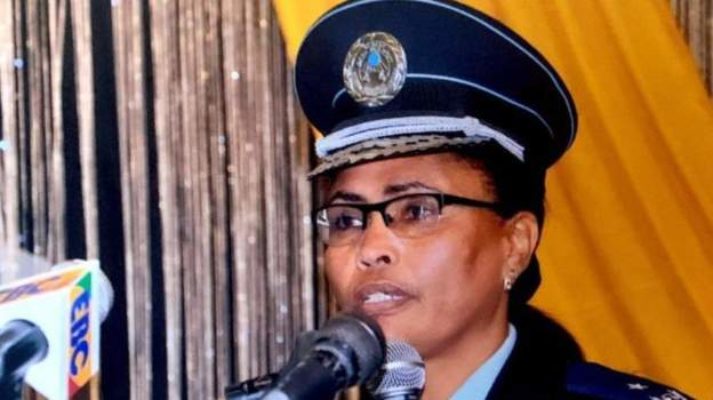
Major Seynabou Diouf of the Senegal National Police has been awarded the 2019 United Nations Female Police Officer of the Year.

Police Major Seynabou Diouf has worked “tirelessly with her colleagues inside and outside the Mission to empower women, improve conduct, enhance protection, strengthen performance, and thereby build sustainable peace”, Jean-Pierre Lacroix, Peace Operations chief, told the heads of UN police and police experts from 14 peacekeeping operations, gathered at the award ceremony at UN Headquarters in New York.⁣

He also noted that in her native country, Senegal, she became the first female police officer to be honoured as a Gardien de la Paix, which was previously reserved for male officers.⁣

“Since early in her career, she has shown her determination to make the extra effort, go the extra mile, to achieve her goals” he added.⁣

Major Diouf is one of over 1,400 female police officers serving under the UN flag, carrying out a complex range of tasks – from capacity-building and reform, to community-oriented policing, investigations, protection of civilians, and prevention of sexual and gender-based violence.⁣

Commenting on the award, Major Diouf said “When I was young, I wanted to be a medical doctor but there was an urgent need to help support my family”, she told those assembled. “Being a police officer in the early years of female recruitment provided recognition and a decent salary, but it also allowed me to contribute to society in ways I had never thought possible”.⁣

Source: Leadingladies Africa

Oprah Winfrey says she does not have any regrets over deciding to not marry or have children.

The 65-year-old talk show host has been in a relationship with long-time partner Stedman Graham for 33 years.

And, despite getting engaged in 1992, the couple have never tied the knot or expanded their family.

Speaking to People magazine, Winfrey revealed that while she did consider becoming a mother following Graham’s proposal, she felt it was the one job she might not be cut out for.

“At one point in Chicago I had bought an additional apartment because I was thinking, ‘Well, if we get married, I’m going to need room for children,’” Winfrey said.

The philanthropist added that much of the reason she decided against having children was because she witnessed “the depth of responsibility and sacrifice that is actually required to be a mother” during her years on The Oprah Winfrey Show.

“I realised, ‘Whoa, I’m talking to a lot of messed-up people, and they are messed up because they had mothers and fathers who were not aware of how serious that job is,’” Winfrey said.

“I don’t have the ability to compartmentalise the way I see other women do. It is why, throughout my years, I have had the highest regard for women who choose to be at home [with] their kids, because I don’t know how you do that all day long.

“Nobody gives women the credit they deserve.”

Winfrey continued by explaining why she and Graham decided to remain engaged for so long, admitting that she believes things “would have changed” if they had got married.

“I used to think about this all the time, that I was working these 17-hour days, and so were my producers, and then I go home and I have my two dogs and I have Stedman, who’s letting me be who I need to be in the world,” she said.

“He’s never demanding anything from me like, ‘Where’s my breakfast? Where’s my dinner?’ Never any of that, which I believed would have changed had we married.”

Winfrey adds: “Both he and I now say, ‘If we had married, we would not be together’.

“No question about it — we would not stay married, because of what that would have meant to him, and I would have had my own ideas about it.”

Winfrey’s decisions to not marry or have children are ones she still stands by today, explaining that she has “filled that maternal fold” with charitable work.

“I have not had one regret about that,” Winfrey explained.

“I also believe that part of the reason why I don’t have regrets is because I got to fulfill it in the way that was best for me: the Oprah Winfrey Leadership Academy for Girls in South Africa,” she says.

“Those girls fill that maternal fold that I perhaps would have had. In fact, they overfill — I’m overflowed with maternal.”

For the last 28 years, Chloe Cheyenne Sledd-Rogers has watched her African American father suffer from immense physical and psychological pain after being shot by Chicago police and left for dead. The near-fatal incident took place in March 1989 when undercover cops shot Andrew Sledd over a dozen times inside of his home in Hyde Park, Chicago, leaving him permanently handicapped at just 23 years old.

“He was getting ready to work the night shift [when he] heard a loud banging on the door,” Sledd-Rogers tells BLACK ENTERPRISE, recalling the incident that almost killed her father. “He went to go see what it was and by the time he got there, the door was already off its hinges and a group of plainclothes Chicago police officers began to raid my grandmother’s townhome and opened fire on my dad over a dozen times, hitting him on the crown of his head and multiple times in his groin area.”

“THEY PLANTED DRUGS IN HIS BEDROOM DRESSER, PHYSICALLY ASSAULTED HIM AFTER SHOOTING HIM, AND WAITED TO CALL AN AMBULANCE, HOPING THAT HE WOULD JUST DIE.”

But as he was bleeding to death the cops realized that they had the wrong address on their search warrant. “It was a case of mistaken identity. [They] had identified the wrong black man,” she says. In order to cover up the mistake, she claims “they planted drugs in his bedroom dresser, physically assaulted him after shooting him, and waited to call an ambulance, hoping that he would just die.”

Once Sledd was sent to the hospital doctors predicted that he wouldn’t make it through the night. Nonetheless, he underwent a series of operations—over 72 hours—and miraculously survived. “But in between those operations, he was actually handcuffed to his hospital bed because the CPD maintained that he was a threat and he had done something wrong, despite him being totally unconscious and disabled,” said Sledd-Rogers.

Sledd spent weeks in the hospital recovering before entering a lifetime of physical rehab. To make matters worse, he was attending St. Xavier College on a basketball scholarship at the time when his dreams of going semi-pro were crushed. “He learned how to walk again, regained his motor skills, and [how to] feed himself,” she says

A year later, Sledd-Rogers was born in 1990 in the thick of the tumultuous aftermath that her father and family were experiencing. Throughout her childhood, she watched her dad go to rehab and relive the trauma he experienced all while going back-and-forth to court, fighting for his innocence against the city of Chicago.

“I remember being a little girl watching him put on a bulletproof vest under his clothes before he would leave the house because he suffers from extreme PTSD from what happened to him,” she said. “Every single day that my family and I interact with my dad, we have to watch him in pain because he still has a bullet fragment lodged in his spine that can never be taken out, or else he will become a paraplegic.”

The emotional and physical trauma that her father has endured, however, has not gone completely in vain. In addition to being used as case law for similar issues, it has become the source of motivation for Sledd-Rogers’ quest to change the world.

Communityx

Chloe and her parents, Andrew and Maria Sledd

TURNING PAIN INTO PURPOSE

In 2015, the Howard University School of Business graduate left her full-time job at Google to launch a social justice startup. In addition to her father’s pain and resilience, Sledd-Rogers was compelled by the shooting death of Mike Brown, an unarmed black teen who was fatally shot by a white officer in Ferguson, Missouri, in 2014. “Just watching that image of his lifeless body in the streets of Ferguson really hit home in a way that I just can’t ever hope to describe. And I decided that while I really appreciated my job at Google, that there was something more important that I have to do.”

Sledd-Rogers leveraged her experience in tech with her passion for social justice to create a platform to mobilize and accelerate activism called COMMUNITYx (Cx). The social impact tech startup aims to connect activists, organizations, and community leaders around shared causes and movements. It’s run by an all-black board of directors and was funded by investors of color in its angel round. Plus, former U.S. Secretary of Education Arne Duncan serves as a special adviser to the company, while MSNBC host Joy-Ann Reid is one of her mentors.

“When I first came up with the idea for this company, I could have never imagined that we would have built the network allies that we have,” she says. “Joy has not only been a big supporter of the company, but she’s also one of my greatest mentors in life. So having like her guidance for direction and her support throughout this whole process has been honestly just a dream come true.”

Google

Chloe Sledd-Rogers and Joy Reid at the Cx Social Impact Summit

KEEPING ACTIVISTS SAFE

While Twitter and Facebook have notoriously been infiltrated by racist trolls and even penalized black voices, Cx promises to be a safe space for socially conscious people to connect. The app allows users to build local and global communities that focus on prescient social issues, from the climate crisis to racial justice to prison reform to mental health. After downloading the app, users can select their preferred causes and get instantly connected with others nearby and around the world that share their passion. Cx also provides people with the opportunity to connect in real life through experiences like its inaugural Cx Social Impact Summit, which took place in September at Santa Clara University.

The buzz around the budding tech startup is growing. Since its launch in 2018, the Chicago-native raised $125,000. Plus, Cx tied for first place at the Forbes Under 30 Startup Pitch Competition in October, earning a $250,000 media grant while becoming the first startup with a black founder and black leadership team to ever win the contest. Cx is bound to receive more accolades and may even catapult social change in the 21st century. But even that will not give Sledd-Rogers the justice she says her father deserves.

“Justice is really hard to gauge in these types of situations,” she says.  “For my dad, the city did settle with him out of court, [but] it wasn’t nearly enough to cover the medical expenses and issues that he had both at the time and to this day.” She asserts, “There’s the other side of justice, which is actually addressing this systemic police militarization issue. And, as we all know, these things still continue to happen to people like us in communities across the country. So, has justice served? I wouldn’t say so.”

Celeste Beatty, owner of the Harlem Brewing Company, is the first Black female brewery owner in the United States, Insider reports.

Beatty founded Harlem Brewing in 2000, making her first batch of beer in her apartment using a home brew kit she received as a gift. She worked hard perfecting her recipes and grew the business into the specialty craft brew that it is today. Beatty creates beers inspired by Harlem and ancient African traditions, using loads of flavors with the aim of celebrating Black culture and heritage. 

The craft beer industry has been mostly made up of rich white men for the last 40 years. Beatty’s presence alone is a disrupter. Beatty suggests that less than 1% of US craft breweries are owned by African Americans and studies show that Black people only make up 10% of weekly beer drinkers. But Beatty hopes to change that through her company while also educating people. 

“Even though we brought our traditions from Africa, and we brewed beer for Thomas Jefferson and various people that enslaved us, we were never able to actually open the brewery, we were never able to actually be the entrepreneurs early on. So, there is no tradition of owning breweries, of owning bars, because of that discrimination,” Beatty said.

Harlem Brewing aims to create a new tradition. With flavors like the Sugar Hill Golden Ale, Renaissance Wit and 125 IPA, Beatty is telling the story. And she hopes that through that story, she is able to create community. That’s why her next step is to open a brewpub in Harlem. 

Beatty previously spoke to Edible Manhattan about the brewpub saying that she wants “to make it a teaching brewery, where [she] would invite people from the community to learn to brew.” She also wants to make sure that the people in the community have ownership in the brewpub.

“My interest is to make sure that some part of the company is owned by the community. In this world that we live in, we’ve got to find a way to get people in the community not just working there, but they’ve got to have some equity in it,” Beatty told Insider. 


Source: Beacuseofthemwecan