Women of Rubies

Category

Interviews&profile

Category

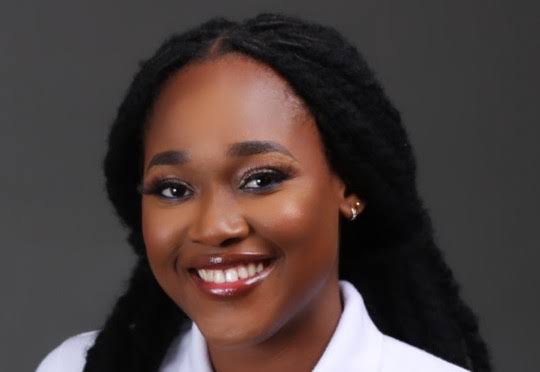
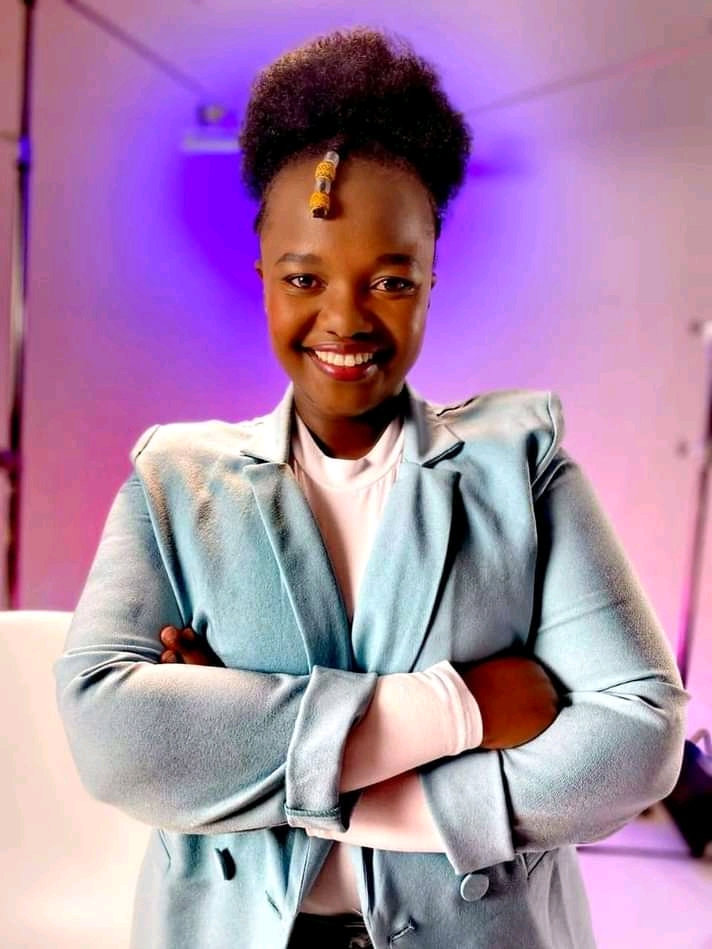
Odunayo Aliu is  the Founder and Director of Bramble Network an organisation creating alternative learning spaces where children from low economic background in rural communities can have access to quality education.

Odunayo had a vision for a world where all children have access to quality education irrespective of their geographic location or socioeconomic background and that was why she founded the organisation which focuses on the physical, emotional, mental and social development of children in these communities.

Its Bramble Learning Space helps children find their passion for learning, through play and use of creative resources. It is designed to support diverse learning styles and takes children through artistic expressions, communication, scientific thinking, sports and various bodies of knowledge they choose to explore.

The organisation also runs a community reading room – Bramble Reading Room – where children of all ages, from various socio-economic backgrounds, reading together or listening to another child read a story.

Bramble is also creating a network of educators that will change the educational space in Nigeria from the grassroots. It is building a community of passionate and committed educators who will be trained by Bramble on how to implement unconventional learning methods in the marginalised areas of Nigeria.

Odunayo is also the President of The Love Letters Child Support Initiative, a community based child right organisation mobilising educational aid for children in rural communities.

Odunayo has a bachelors degree in Biology Education from Obafemi Awolowo University and studied Leadership and Social Work from Kanthari Institute of Social Change. She’s also an Ashoka Changemaker and a 2019/20 fellow of the LEAP Africa Social Innovators Program.

We celebrate Odunayo for her work in providing  access to education for kids in underserved communities.

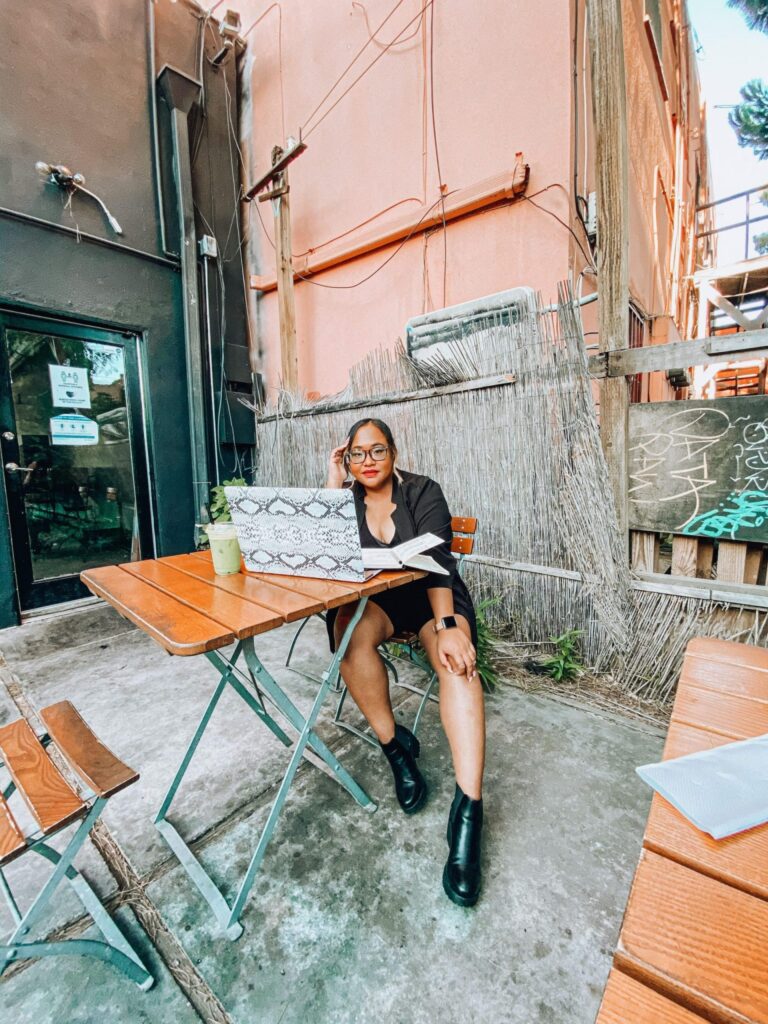
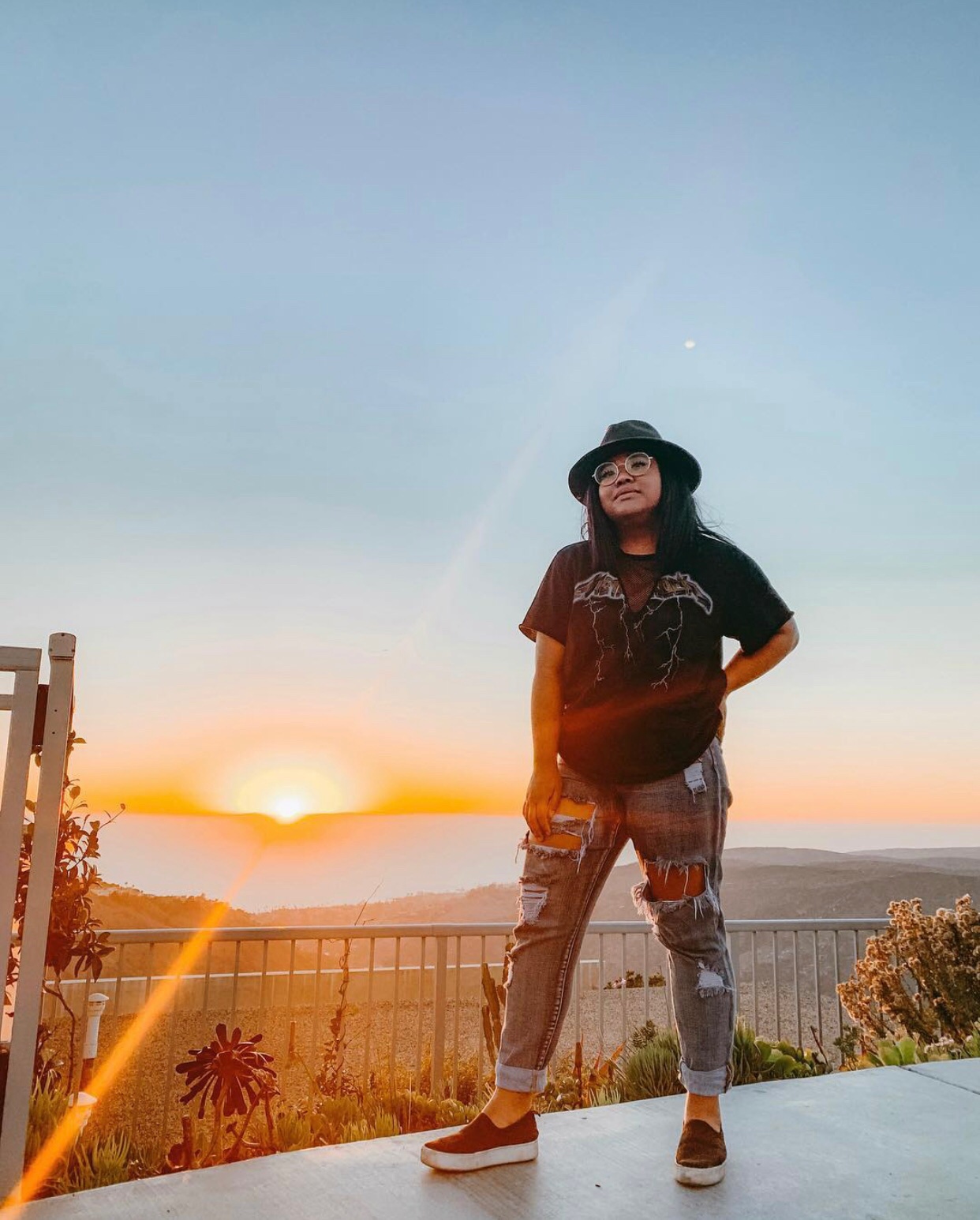
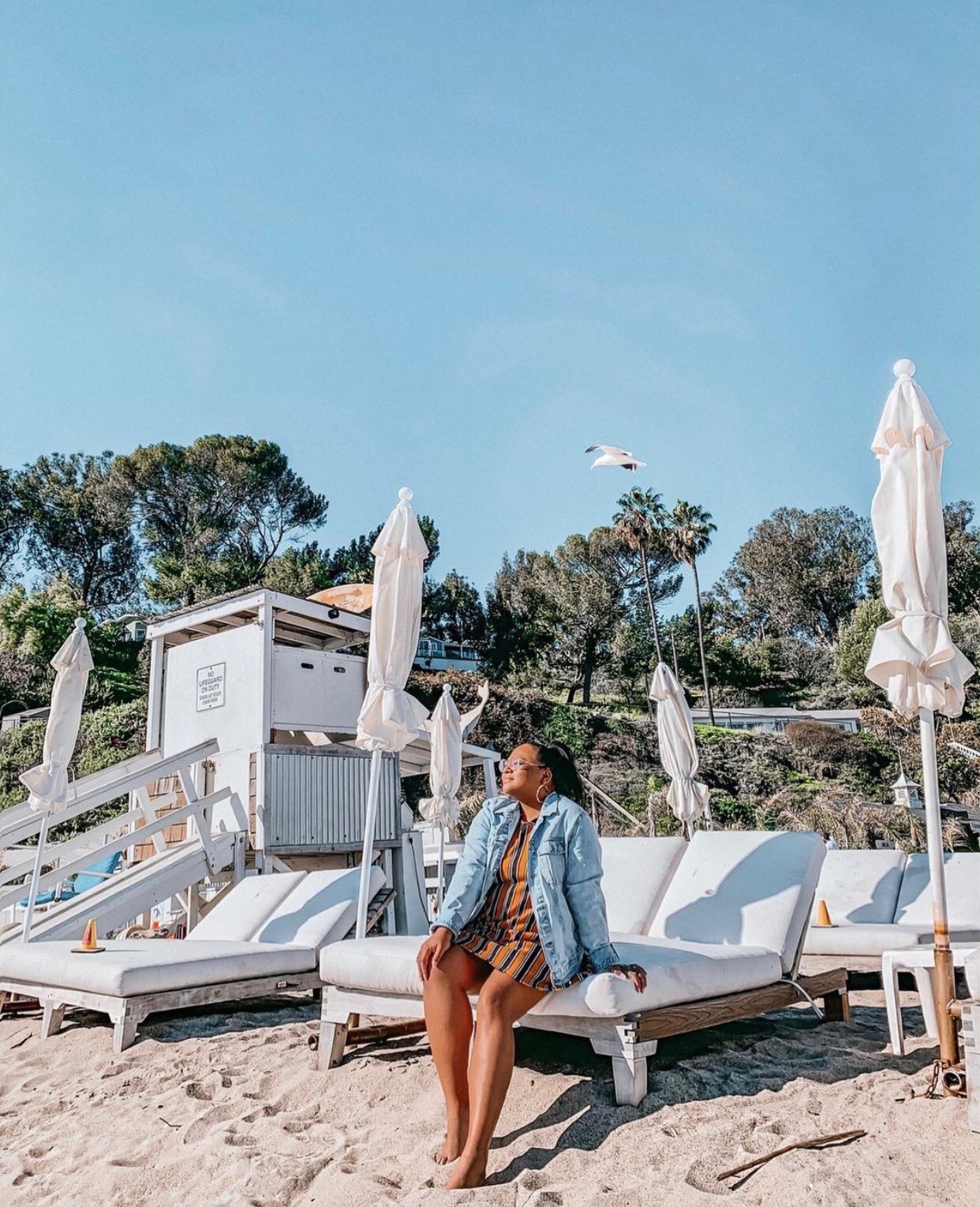
Navigating life through one of the most historically devastating events of our time can seem impossible. Still, this sharp-witted social media maven has held the world in her palms (literally) and made a pandemic work in her favor. Danielle Paulo is the owner of Creative Haus LLC, a multi-million dollar all-female digital marketing agency, at just 28 years old.

As the closing of businesses struck panic into those around her, Paulo knew that this was the confirmation she needed to turn her passion for social media and digital marketing into a profit. With community being an important aspect of her life, aiding businesses in converting their online presence into sales are what created the spark into Creative Haus — making it a home of creativity, comradeship, and compassion.

Paulo’s deep connection and ties with service and fellowship within her life have contributed to the work she does daily for those around her. 20% of her personal earnings towards community service. So far Creative Haus has been able to feed over 500 homeless veterans on Christmas and New Years’, providing meals including soup, coffee, water, and hygienic essentials using company finances. They have also been able to pay for rent assistance for families in the church who were struggling during COVID, and have provided over 100 PPE items to a small hospital in Los Angeles.

While the Arabica beans at local coffee shops sit brewing under hot water, Danielle has been up and moving since 5 am, bringing the steam as she meets with clients so she can end her busy workdays around 6 pm. Her drive is her alarm clock, and her purpose is her strength to get through each day. Although she may make a load of building a successful company from the ground seem easy to carry on the timeline, she’s here to tell you how she gracefully handles her struggles and successes behind the scenes.

“Taking that leap of faith was definitely terrifying at first, especially in the middle of a pandemic. But I knew that a 9-5 job wasn’t for me and I have always told myself life is too short to be stuck in a job you hate.”

Danielle admits that her biggest fear in starting something new was not being able to expand, dreading that she would feel stagnant taking on her own agency. While social media and digital marketing had been under her belt for about 10 years, she’d never done freelance. She took a leap from security from her stable, high-paying job to a decision made solely on the faith she had in herself and the love she had for her craft.

Although through that leap, she secured a team of women who are always there to advocate for her when things seem to get dark. Paulo says that to keep herself from falling into her own doubts, she made sure to not think too far ahead, and take things one step at a time. Her tip to staying afloat amid the hustle and bustle is to allow yourself space and time to unplug.
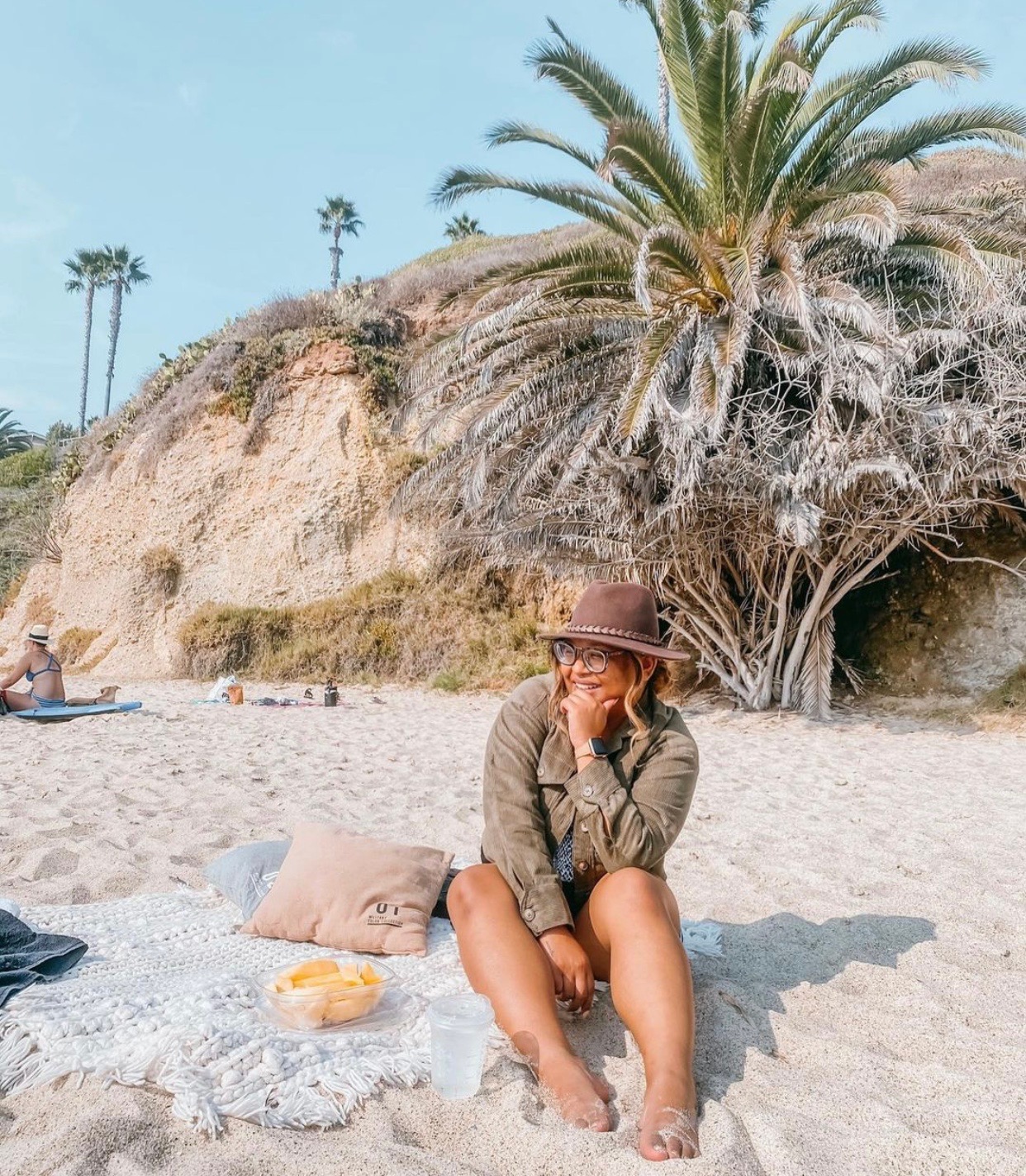
“I wanted to start a business because at my last job I didn’t get a break at all. I needed time to focus on my own mental and physical health. It’s actually funny that I say that, because now that I have my own business I actually work MORE hours. But because it is for me, I am more passionate and the work is more rewarding.”

Paulo emphasizes that self-care is an essential task in any work-place, whether self-employed or not. In order to put 100% into your own work, you have to make sure that you are recharging yourself. She also makes sure to pour the same love, care, and patience that she has for herself into her team. Ensuring that all her employees exercise their creative freedom through projects that feel like their own has contributed to the success of Creative Haus in such a short amount of time.

“My goal was to never be a “boss”, I just want to be able to build a space where other creatives can be in charge of their own projects and basically be their own boss. It was never my dream to be a business owner, I just knew I never wanted anyone to tell me what to do. I trust my team to do good work. And because of their good work, I know our clients will always be happy and there will be revenue to fall back on.”

Her goal of fostering a space where creatives are allowed to do the things that they love has been wavering within her mind since she was younger. She was a playground for innovation, falling head over heels for the arts and the things that influenced culture the most. She knew that she would be the one to break traditions in her family, becoming a trailblazer for her own lineage.
“ I grew up in an immigrant household, they came from the Philippines for me to have a better future. There is this stereotype that Filipinos have to be a nurse or a doctor, but since my parents were so young, I told them early on that I didn’t want to go the traditional route.

I applied to fashion school when I was a senior in high school. I was interning in the fashion industry when I was only 18-19 years old. My parents never expected me to follow the traditional account, but they always told me that if I did not have a stable job after two years, I would have to go back to school to do nursing.”

Now, Danielle has the luxury of doing what makes her happy. Though she appreciates basking in her success, she does not want to overlook the things she had to sacrifice to be where she is today. As she recounts the countless hours spent building her brand, Paulo also remembers missing out on quality time with her loved ones and sacrificing many job offers. She’s had quite a journey to the top and is always keen on being transparent about her day to day struggles.

“I’ve failed multiple times. One of the biggest hardships was within the first 3 months, I was sued. I didn’t file the business name/license correctly so it actually affected my taxes. It was difficult for me to inquire about a business loan during a pandemic. When I was seeking sponsorships and investors, no one trusted an unknown agency. Considering that I also do not have a partner, I’ve had to do this all myself. Going through the trials and errors and learning from my mistakes has helped me grow. I knew failure was not an option because there was no way in hell I was going to go back to my previous job.

I wish more business owners would be more honest about their day to day stresses and worries. Along with the times, we do fail day today.”
Even though she does not want to glamorize overworking, she wants aspiring business owners to know that it is not an easy task to build your own company.

“I want to clarify that there is a difference between hard-working and being efficient. Especially during the pandemic, everyone was pressuring people to start a business and make money in other ways. This stigma is something I always hated growing up and still do. Just because you are not a business owner does not mean you are not successful in your own way.”

Along with advocating for any working woman, Danielle created the Creative Haus Agency with the intent to motivate the women who do dream to start businesses of their own. She knows that being part of an industry that is male-dominated can be quite intimidating at times, but doesn’t want that intimidation or the fear of failure to hold any woman back. As a company, Creative Haus brands itself as all-female and with a mission to support other women. Paulo states that until women get paid the same and there is no pay discrepancy between a man and a woman, she will always hire a woman over a man. With this experience, she wants to steer women away from feeling discouraged from pursuing their goals simply because there aren’t too many of us doing it.

Reflecting on her past and present has taught Danielle to appreciate all she has been through. And as she highlights that the road to becoming (SHE)EO was never easy, she wants others that plan to walk in the footsteps of many great, hard-working women to know that “taking risks comes with its challenges, but it also comes with its rewards.”

Source: Baucemag
Tolu Adeleke-Aire is the CEO and founder of ToluTheMidwife. She is an internationally trained, dual-qualified healthcare professional. Tolu is an accomplished senior midwife and nurse. Tolu has over ten years of clinical and management experience.

She completed an MSc in Healthcare Management, after which she worked with the reputable UCL (Department of Nutrition).

Tolu founded ToluTheMidwife to create a holistic experience for families. One that included preparing, supporting and empowering expectant parents as they transition to parenthood. She does this through evidence-based health education.

One parent at a time, Tolu is living her business mantra, “save a mother, save a child, save a community.”

Tolu  is a dual certified Nurse and Midwife with over ten years nursing and midwifery experience from hospitals in England and Guernsey. She has cared for and delivered over 1000 mothers and babies.

While still working in England, Tolu visited Nigeria often because she always wanted to move back. During one of these visits, she read an article about the atrocious maternal and neonatal mortality rates. She instantly became obsessed. She struggled to understand why so many women die just because they are having a baby. Upon further research, she discovered many women lack basic evidence-based health education. As a result, she created Tolu the Midwife to fill this gap, with the hopes of saving mothers, babies, and communities.

Prior to relocating to Nigeria, Tolu completed an MSc in Healthcare Management and worked with the University College, London (Department of Nutrition) as a (Band 8) Research Midwife studying breastmilk, the nutrients within and factors which affect and contribute to mothers achieving their breastfeeding goals.

Tolu has a B.Sc in Registered Nursing from Middlesex University and another in Midwifery from the University of Hertfordshire.

In a bid to provide holistic care and support, Tolu also started antenatal classes just for men, #DadsAntenatalNg. Also, upon her return to Nigeria, Tolu was shocked and heartbroken to discover new mothers in Nigeria barely have any professional postnatal support, she decided to host a postnatal support group – Mums & Bubs Brunch

In 2019, Tolu won the Nigerian Healthcare Excellence Award for Nursing and Midwifery Excellence.

We celebrate Tolu for her contribution to reducing maternal and neonatal mortality in Nigeria through her holistic system.

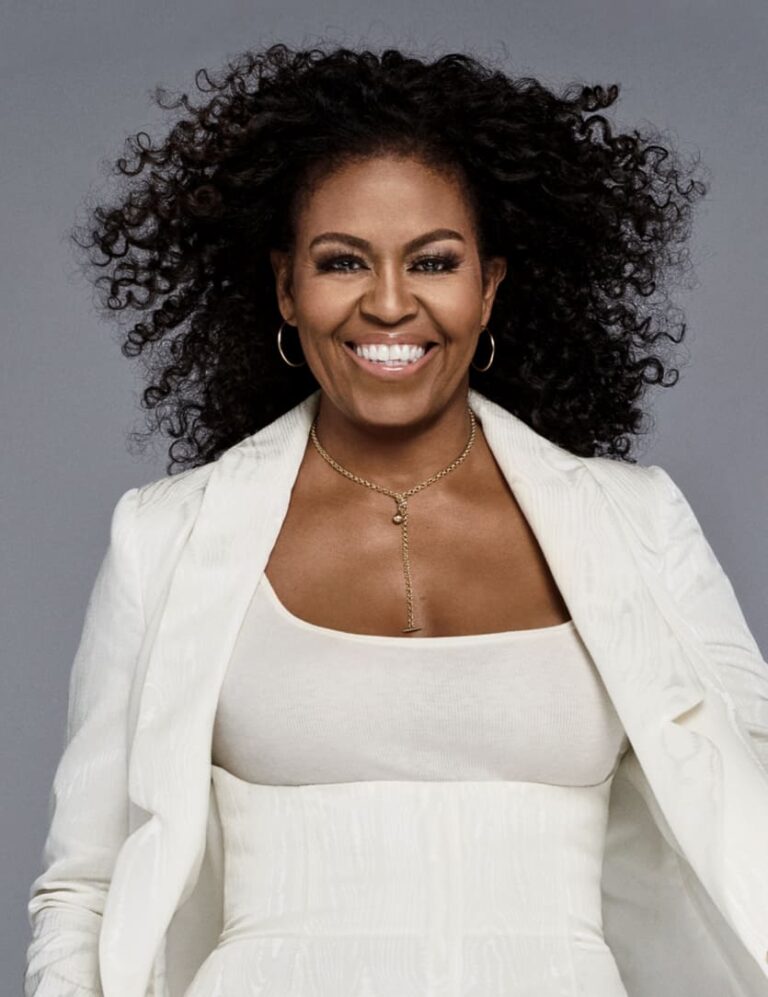
Forever First Lady Michelle Obama is being inducted into the U.S. National Women’s Hall of Fame

The organization released a statement announcing the induction, noting Obama’s influence as the first Black First Lady and her tireless advocacy for women and girls. During her two terms in the White House, Obama established Let’s Move!, an organization centered around ending childhood obesity, the Joining Forces organization supporting veterans, and Let Girls Learn, which supported the education of adolescent girls.

In addition to her humanitarian work, Obama also released ”Becoming,” the best-selling memoir in 2018, and won the 2020 Grammy for Best Spoken Word album. 

The National Women’s Hall of Fame said Obama’s induction was due to her being an, “Advocate, author, lawyer, and 44th First Lady of the United States – the first Black person to serve in the role – Michelle Obama has emerged as one of the most influential and iconic women of the 21st century. During her eight years as First Lady, Michelle Obama helped create the most welcoming and inclusive White House in history, transforming the White House into the ‘People’s House.’ Since leaving the White House, she has continued to have a profound public impact.” 

Obama is set to be inducted alongside the late iconic science fiction author Octavia E. Butler and NASA mathematician Katherine Johnson, who are both receiving posthumous inductions. 

The U.S. National Women’s Hall of Fame ceremony will take place in person on October 2, 2021, at the National Women’s Hall of Fame in Seneca Falls, New York. 

Congratulations, Mrs. Obama!

Photo Courtesy of OprahMag

Brehanna Daniels has made history as the first Black woman in NASCAR’s pit crew as a tire changer.

27-year-old Daniels never envisioned a career in NASCAR racing, much less as a pit crew member. During her senior year of college at Norfolk State University, a random chance allowed her to try out for the pit crew, and she’s been in love ever since.

“I was sitting in the cafeteria, mid-bite of my Chick-fil-A sandwich, when my friend from the school’s athletic department, Tiffany, tapped me on the shoulder and said, ‘Hey, NASCAR is holding tryouts for their pit crews on Wednesday, you should go.’ I looked at her like, ‘Girl, I don’t even watch NASCAR,’” Daniels recalled. 

A basketball point guard, Daniels pursued the opportunity, eventually being invited to join NASCAR’s pit crew member program after graduating in 2016. Her mere presence marked a shift for the historically white male sport. Out of almost 3,000 NASCAR drivers who have made it to the Cup level, only 16 have been women. It wasn’t even until 2013 that NASCAR got its first woman as a pit crew member. In 2017, Daniels made history as the first Black woman to work the pit crew for a NASCAR race, and in 2019 she became the first Black woman to work the pit crew for the Daytona 500 race. 

“God couldn’t have picked anybody else better to do the job. It takes a strong person to be able to make that change…knowing the history of NASCAR and the faces people are used to seeing on the track. Even though I was a little nervous at first because I didn’t know how I would be judged or looked at, I’m like, ‘You know what? Somebody has to do this, and I guess I’m going to be the one to do this,” Daniels told reporters.

On February 14th and 15th, Daniels worked the 63rd annual Daytona 500, making history as one of just three women working for the pit crew alongside Breanna O’Leary and Dalanda Ouendeno. Only five years into a historic run, Daniels is already reflecting on the weight of her presence in the sport. 

“At first, I think a lot of people were like, ‘She’s not doing it for real; she’s just here for show.’ But obviously, I got sent to the track to do my job, and I can do it well; otherwise, I wouldn’t have gotten here,” Daniels said.

Congratulations, Brehanna!

Photo Courtesy of @Mindless_BMD/Twitter

Source: Becauseofthemwecan

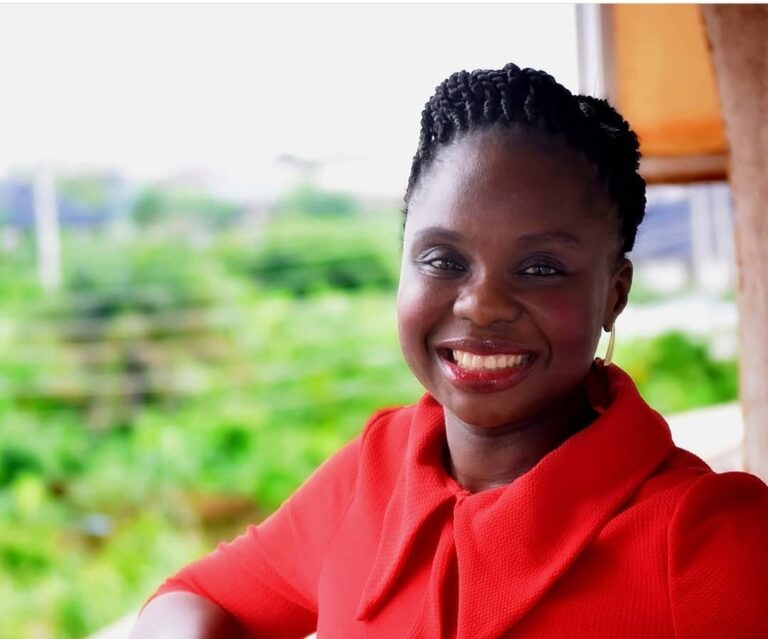
Habiba Ali, the founder/CEO of Sosai Renewable Energies Company, a social enterprise set up to meet the energy needs of rural communities. The company strives to promote the use of affordable and reliable renewable energy products that improve rural livelihoods.

Habiba wanted to solve the problems associated with indoor air pollution especially with women, some facing inefficient fires constantly inhaling an equivalent of 2 packs of cigarettes, that’s why she founded Sosai Renewable Energies Company.

The company, based in Kaduna, Nigeria, provides renewable energy products like solar lamps, water purifiers and solar panels, as well as improved cooking stoves. The company also provides energy consulting services to help bring clean, renewable energy solutions to Nigeria’s budding communities.

In its effort to to have successful women energy entrepreneurs in every community in the North, Habiba established the Matan Arewan Sosai (Women of the North for Excellence) platform with a mission to strengthen the capacity of women in northern Nigeria on the production, sales, service and installation of renewable energy products, empowering them to contribute their quota to support their families and ensure progress towards the sustainable development goals.

Habiba also co-founded the Developmental Association for Renewable Energies (DARE), and is a member of the Partnership for Clean Indoor Air and the Nigerian Energy Network.

Habiba is a 2019 Global Leadership Honoree, 2018 WE Empower Honoree (addressing Sustainable Development Goals 1 (no poverty), 7 (affordable and clean energy) and 10 (reduced inequality),) a VV GROW Fellow and a Global Ambassador Program Mentee. She’s also won the UNDP/BOI Access to Renewable Energies award in 2012; the United Nations South-South Development award in 2013; the DFID Solar Nigeria award in 2016; and the USADF award for Powering Africa 2017.

Habiba was named a Cherie Blaire mentee in 2016 and is a graduate of the Cherie Blaire Road to Business Growth program. She has also been named a Vital Voices GROW fellow, a Vital Voices Global Ambassador’s Program mentee and a World Bank WomenX fellow.

Habiba has a bachelors degree in Accounting and Finance from Bayero University, Kano, a masters in the same discipline from Ahmadu Bello University, Zaria as well as certificates in social entrepreneurship, community development and sustainable development.

We celebrate Habiba for contributing her quota to making clean energy accessible to rural areas, while empowering women in these communities in the process. We’re rooting for her and her team.

Source: Bellanaija


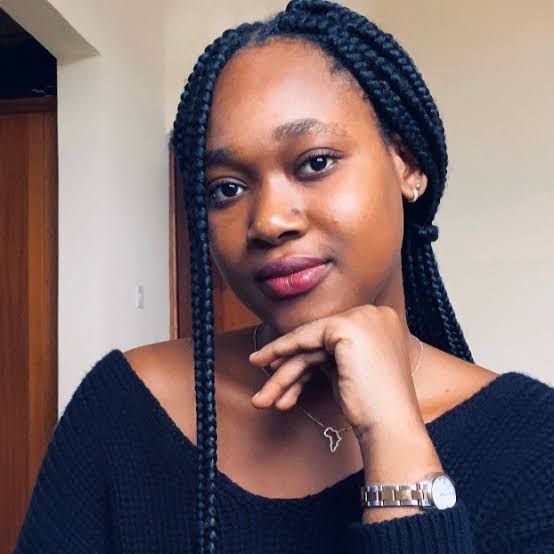
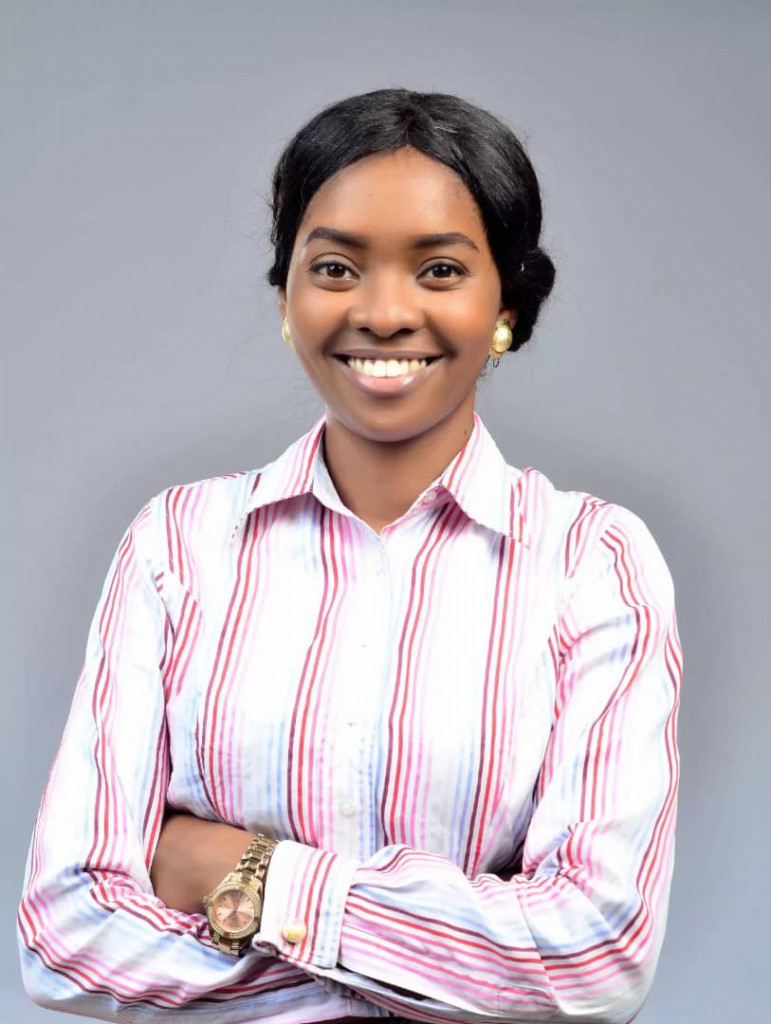
Beauty Kumesine, the founding Executive Director of Blazing Heart Autism Center (BHAC), an orgnanisation providing the highest quality therapy for autistic children as well as support for their families.

We cannot deny the fact that caring for kids/people with special needs is a huge task in this part of the world with some people seeing it as a burden due to cultural beliefs, but not Beauty. Since 2007, Beauty has been advocating for individuals living with Autism Spectrum Disorders, giving quality holistic non-evasive interventions.

Beauty had always loved children but she has a deeper connection with children who find it difficult to express themselves or do not “act like” their mates. She decided she wanted to understand them  and the reason they do what they do, when they do it and how they do it.

Beauty spent 2 years understanding people living with ASD and qualified as a therapist in that time. Since then, she’s been a voice for kids with special needs and never ceases to advocate and drive conversations around ASD and special needs in Nigeria. She’s the organiser of PortHarcourtWalk4Autism and also plays host to seminars spreading the word about ASD.

Beauty holds a bachelors degree in Human Anatomy from the University of Port Harcourt and an education degree from National Teachers’ Institute, Kaduna, Nigeria. She’s also 2018/19 fellow of LEAP Africa’s Social Innovators Program.

BHAC’s mission is to bring hope and help to individuals on the autism spectrum by ensuring the best possible education through inclusion, care, support and life opportunities for them and we’re proud of what Beauty and her team have achieved so far.

Someone once said food is our common ground, and a universal experience. The fuel that helps us drive through life with ease. Healthy eating is one of the biggest food advocacy in the world, the food we eat has an immense effect on her physical and emotional wellbeing.

Orighoye Dore “Chef Nylah” is a proud food manufacturer, and an advocate of healthy living.  She is the CEO of Nylah’s food and manufacturing company, a business venture that focuses on sustainable foods,  and helps to reduce post-harvest loss. Nylah’s products incorporate fruits and vegetables in their production process. Some of which are artisanal breads, granolas, and lemonades.

The lemonades are made from fresh juices and infused with lemongrass. Which are fantastic immune boosters. The granolas are nut allergy friendly and rich in fiber, low cholesterol and minerals and nutrients. Chef Nylah believes that food is not just about eating but an experience that should be savored passionately. Nylah’s products can be found in all ShopRite stores nationwide and other retail stores in Lagos and Abuja.

Chef Nylah is a trained chef from the International Culinary School at The Art Institute of Washington in Rosslyn, Virginia. With a degree in Culinary Arts and Hospitality Management. She is a retired United States Air force veteran where she served as a Nuclear weapon security specialist and an EDC Alumni.

She shares her inspiring journey with Esther Ijewere in this interview.

Childhood Influence

I was one of those kids that played with cooking growing up. I would make little fires and cook junk growing up. In an interesting way, my childhood did prepare me for what I do now.

Inspiration behind Nylah’s Food and Beverage

I was tired of seeing the number of foods that we lose in the Nigerian market. We lose about $750 billion dollars yearly to post harvest loss. I started asking myself how I could help. What unique products could we at Nylah’s create to do our bit in helping to reduce that number, and how can we help reduce the unemployment rate most especially as it affects women. That was how Nylah’s Lemonades were born. We use fresh juices and infuse them with lemon grass.

The Journey so far

It has been an interesting and bumpy ride to say the least. I have chosen to take every experience good or bad as a lesson in what to continue to do or not to do.

Having my product sold  at Shoprite

I would honestly say persistence. I chased it for almost a year as I tried to grow my reach with other companies. Consistency also contributed to it.

Why I ventured into Granola production

 I always look for the gaps in our industry and try to bridge it. Using natural flavorings in some of our variants as well as focusing on a less served market in the granola industry, we positioned ourselves to serve that market.

Challenges of my work

Access to funds to allow us to scale, Proper staffing sometimes is also a major problem, not to mention the economy and its impact on businesses.

3 women who inspire me to be better and why

Jola Ladipo – Never met anyone as selfless as she is. She forces me to reflect and ask myself daily what I can do better as a person and for others.

J.K Rowling – We share similar stories and I know that the light at the end of the tunnel is not a myth.

My last is to every woman out there who when she gets up, the devil shivers.

Key nuggets on how to become a successful food manufacturer

Keep practicing your craft.

Learn the numbers as they govern your business. This cannot be stressed enough.

Expand your network.

Never stop learning and evolving.

 Being a Woman of Rubies

I inspire and lift other women up. I have created a channel of employment for other women and set them up on the right path.

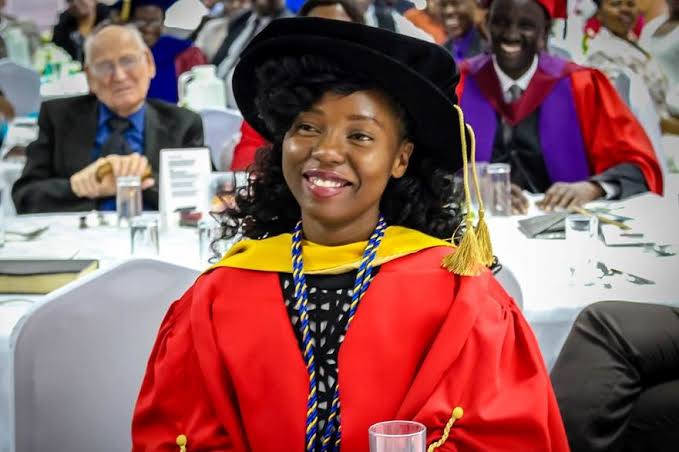
Dr. Gbonjubola Abiri is a Consultant Psychiatrist, Managerial Psychologist, Professional Speaker and the Medical Director of Tranquil and Quest Behavioral health, Lagos. She is co-author of the book Mental Health in the Workplace. A Fellow of the West Africa College of Physicians (WACP), member of Nigerian Medical Association (NMA), the Employee Assistance Professional Association (EAPA) and the American Psychiatric Association (APA), she has received trainings from the King’s College London, the University of Washington and the prestigious Harvard University, Boston USA. Passionate about research in child and adolescent forensic, women’s mental health, and occupational mental health, Abiri is driven by the holistic view to health. She also uses her knowledge in Psychiatry and Psychology to influence and maximize effectiveness and productivity in the workplace via the Employee Assistance Programme (EAP). A Director of Women’s Mental Health at the ASIDO Foundation, she currently volunteers with the Lagos State COVID-19 Psychosocial Response Team in the fight against the pandemic. She also works with the THR media, as a Consultant Psychiatrist, as well as Sexual and Gender Based Violence Advocate. In this interview with IJEOMA THOMAS-ODIA, she shares her drive for mental health and advocacy.

What endeared you to psychiatry?
The vulnerability of the young was the first source of fascination that spurred my interest in Psychiatry. As a child, I had suffered from Asthma; I had many attacks resulting from my frailty as a child and my inability to properly care for myself.

When I presented to Doctors, they barely had the patience to allow me express my symptoms or how exactly I felt. I was challenged to bridge that divide by becoming a ‘listening Doctor.’ I also noticed that as I grew older, people found it comfortable to speak and discuss with me concerning the issues that bothered them. They often expressed their relief after having such conversations.

You currently champion the cause of mental health, what led to this passion?
My passion for mental health was inspired by the need to fill the gap of lack of care for mentally ill persons. Mental health is clearly not given the attention that it deserves, in spite of the associated mortality, morbidity and reduced quality of life. The general perception, attitudes, language and behaviour towards persons with mental health conditions are often those of shame, stigma and discrimination. These attitudes impact negatively on the patient’s perception of themselves and their help-seeking behaviour.

Mental health is extremely important as it has impact on all aspects of our health; our ability to engage in productive activities, cope with the normal stresses of life, contribute our quota to the environment we live in and engage in thriving relationships. We all have a role to play in ensuring mental health for all.

How would you describe your journey so far?
My journey has been a beautifully challenging and rewarding one. My father, who is a Medical Doctor himself, inspired me early enough in life to toe the path of saving lives. In medical school, I took an elective course in 500 Level in Psychiatry at the University College Hospital, Ibadan. It was not commonplace at the time to leave school to go for such a course, but I insisted on having that exposure.

While there, I met one of my greatest influences in person of Prof Olayinka Omigbodun. Working with patients has been extremely rewarding as lives are impacted. My work ensures that patients live their best lives in spite of their illnesses. My work has ensured that mental health is spotlighted, and that mental health conversations are normalised. It has ensured that suicides are prevented; mental illnesses are well managed, and that parental, familial and marital relationships are restored. It has indeed been so fulfilling seeing this turn around. The success stories make the journey worthwhile and fulfilling; this of course makes me want to do more.

Could you share with us some of your activities in your cause for stable mental health?
I am involved and engaged in creating mental health awareness, advocacy and education via my social media platforms and on various print and electronic media. I make use of cartoons, animations and illustrations in indigenous languages to discuss pertinent mental health issues.

In May last year, which is the Mental Health month, I embarked on a 31-for-31 day campaign where distinguished personalities across different walks of life discussed mental health issues in order to enlighten others based on their experiences and expertise. I utilise my expertise and serve as member of the advisory council of Joy Inc, Director of Women’s Mental Health at Asido Foundation and co-founder of the THR media, which focuses on survivors of Sexual and Gender Based violence. I also give mental health talks to a diverse population including children, adolescents, women, men, religious and cooperate organisations on mental health and wellbeing. I currently run a social media series called the ‘#waitaminutewithDrG’ where I deliver pertinent mental health tips in a minute. I also serve as Consultant Psychiatrist and Medical Director at Tranquil and Quest Behavioral Health, a premier mental health and substance abuse facility.

In your years of practice, what do you consider issues women face that affect their mental health?
Quite a number of factors impact on women and their mental health causing pressures. Some of these include women’s multiple roles, personal and societal expectations regarding marriage, childbirth, parenting and career, exposure to trauma in childhood, domestic violence, body image issues, issues of self-esteem, self perception and self doubt as well as severe life events that cause a sense of loss, inferiority and humiliation. These factors increase the risk of mental health problems such as mood disorders, anxiety disorders, sleep, eating and sexual problems, psychosis, personality disorders as well as substance use disorders.

What is your view about the appreciation of psychiatry in Nigeria especially as it relates to mental health and mental illness?
Mental health and mental health conditions are not given the attention they deserve as they are looked at largely through the lens of religion and culture, which have continued to cloud our judgment with ignorance, stigma and discrimination. In Nigeria and even in 2021, individuals are unlikely to visit healthcare professionals for care at the first instance of a mental illness. Instead, they would visit religious organisations, as the belief is that mental illnesses are as a result of spiritual attacks.

Science has however dispelled most of these myths and misconceptions, as there is more awareness and understanding of the pathophysiology of mental health conditions with causation being linked to biological, psychological and social sources. This is why I have continued to engage in enlightenment, as it is necessary to dispel the myths surrounding mental health and mental health care, as well as change the health seeking behaviour.

Share with us your activities as a volunteer with the Lagos state COVID-19 psychosocial response team?
I have always enjoyed volunteering for causes I am passionate about. It’s such as altruistic act and a way to give back. I have always been motivated by John Bunyan’s saying that ‘you have not lived until you have done something for someone who can never repay you’ and so when the call to volunteer for the COVID-19 psychosocial team came, I heeded it.

Our work in the psychosocial team was largely to provide emotional and psychological support via the telephone for patients from the point of testing positive, to isolating at home or being treated at the hospital, to when they were discharged and continued to need psychological support. We also provided psychological support and training to frontline healthcare workers who were in charge of the patients.

What is your advice to women trying to find a balance in their lives?
Harmony is the new balance. Trying to put too much effort into ‘balancing’ their lives such that work, career, managing relationships and other interests and hobbies get equal parts is not realistic. While work-life balance sees work and life as equally distinct parts, that co-exist and thrive separately, work-life harmony encourages that you look at all areas as part of a whole. It also encourages that you work at synergising all the parts.

It is important for women to identify the areas of their lives and find what work-life harmony means to them personally. Don’t be pressured by other women who seem to have it all together. Be encouraged by them, but not feel inadequate Just ensure that you are a continuous work in progress and that you also make efforts to outsource and ask for help when needed.

How do you balance family and career fronts?
Creating a harmony between family and career, especially in a field that is highly demanding, and lacking in professionals can be indeed tough. The occurrence of the COVID-19 increased rates of mental health conditions and domestic violence. It also led to an increment in virtual meetings, and working from home (WFH) creating a work-hour blur.

Interestingly, my work didn’t reduce and so while everyone was at home during the quarantine period, my team and I worked everyday to ensure our patients got the best care. We also had the added work of doing online sessions. This of course had its effects on personal and family life.

It takes a deliberate decision, effort and action to ensure that I am able to spend time engaging in fun activities and creating memories with my family. There is a lot of dedication to ensure that they also get quality time and attention from me. Learning to outsource certain duties and not feeling like I am superwoman and have to do everything also helps. Plus I carry my family along with my work and decisions as this ensures they are in the loop about my decisions. And of course, sometimes, I shut out the world, by turning off my devices so that I can be mindful and enjoy the seemingly little things and the joy they bring.

Interview By Ijeoma Thomas-Odia for Guardian

There are many emerging female leaders in Nigeria, young women who are breaking boundaries, against all odd, to make their voices count. Ikanna Okim is one of them. A phenomenal woman, she believes she is equipped with everything needed to make a difference in the world. Ikanna is the movement leader of the No-FGM campaign against female genital mutilation in Akwa Ibom State communities where the practice is rampant. A student leader, she is currently the President of the LAWSAN Bar Association, University of Uyo Chapter. Teennation Country Lead for Nigeria and Head of Legals, Ikanna is a prolific writer and has authored five books, which have reached over 1,400 young people in Nigeria. As a result of her commitment to correcting social ills, she was conferred the honour of a Fellow of the African Young Leadership Fellowship in 2018 and in 2020, she made it to the nominee list of Community servants in Akwa Ibom State. She also acquired certifications from different institutions around the world, including University of Sheffield, United Kingdom, Negotiation studies certificates from University of California, Irvine Extension, and Yale University. A child of God and a preacher of the gospel of Jesus, her life principles are integrity, responsibility, and transparency. She shares her inspiring journey in this interview.

Growing Up

I tell people that if everyone was raised in my home, they may never get to see the sad realities of gender inequality existent in the world today. I was brought up in an African home of average social class. My dad is an ace journalist and my mum is a civil servant. We live in Lagos, Nigeria. I have a sister and a brother and my parents never made us feel like we were different – I mean the girls from the boy. I grew up with confidence, more confidence than my peers in school and church. My dad, especially, made me know that I could be anything at all that I wanted to be. My brother could wash plates and I would be trying to fix a bulb. No gender roles. I always came out first right from nursery school as much as I can remember. I never was intimidated by the boys in my class. I could argue with my dad on an issue. I was allowed to have a different opinion.
This is to say that my upbringing gave me zero preparation for the realities outside. Imagine the shock I had to see that the world thinks I’m a second-class human because I am a woman. I was shocked. I once got into a public bus when I went to Uyo for my tertiary education and I came down for a man to enter inside because my bustop was close by – just the next actually. The man became furious. He made a statement I can never forget. When people were begging him to just enter so we could move. He said “God forbid that I would sit inside for a woman, a small girl for that matter”. Wow. You can imagine. I have had many more sad experiences like that.

I can however say that my upbringing helped me develop an unshakeable confidence in myself and I gladly pass it on to other women who did not have the opportunity to grow up with the confidence I grew up with. This makes me feel like a woman on a mission. Other women have to come out of their shells and show the world the stuff they’re made of.

Inspiration behind NO-FGM campaign

I generally started having detestation for violence against girls from 2016 when I founded Fingerprints Group to engage my peers and help them build capacity to fight social issues. We evolved into doing projects concerning the girl child in secondary schools. We went from teaching girls confidence to teaching them how to defend themselves against rape through our #SheDefence series in 3 states in Nigeria. While interacting with these girls, I met girls who were circumcised in cities like Lagos! I could not sleep! The whole genitalia area off! In this time and age! Ha.

I felt heartbroken. Those conversations drove me to make more inquiries and to my shock, people in Uyo local government of Akwa Ibom state, where I am from and where I school, still mutilate their girls. I also discovered that it is still being practised in Oron, Uruan and Itu local governments of the same state in Nigeria.

It is true that the rate of female genital mutilation has reduced in Africa as compared to the situation in ancient times but that is not enough. That it is still being practised, despite laws prohibiting it, is a problem.
I needed people to first come to the realisation that this practice of female circumcision is still going on. By my research, it is prevalent among illiterates in Nigeria and the illiterate population in Nigeria is about 40%. So, you can imagine what these people do to their daughters.
I saw a need to get words out there to those people who do not read or write English, in the languages they understand that Female Genital Mutilation is evil.
Yes, we have many laws which prohibit female circumcision but how can one implement the laws? It is impossible to go round from house to house to tell girls “open your legs, let’s see whether you have been mutilated”. If you’re waiting for the victims to report, that’s far from possible because they don’t even realise that they’re victims in the first place. The custodians of a culture cannot report it. Also, the effect of the laws would only punish offenders and do little to prevent it. I saw that the solution to this problem is a mindset shift. I needed to help people think and see for themselves that they were killing their daughters.

That’s how I formed a team and took to the streets and market places to preach the No-FGM gospel. I also wrote and published a prose fiction to keep driving this conversation around the world and make people know that girls in Nigeria are still being mutilated. This is how I get people to join their voices with mine to save the girl-child.

Impact of My Work In the  Communities I Serve 

My work against Female Genital Mutilation has gone beyond what I saw, even though this is a long-term project. Changing people’s mindset is not drastic. It takes time, especially if they feel they can get away with whatever they do with their own families. Afterall, it’s their daughter, not yours.

Speaking of impact, let me begin from the 5-hour street/market campaign we did to begin the campaign in 2019. We printed fliers in pictures, Ibibio language, English language, pidgin English and every language an average person in Uyo can understand. We also made use of public address systems and aids.

The first thing which made me realise that our work counted was when a woman in the market told me that she was going to circumcise her daughter the following day but she would not because she had changed her mind because of the campaign. She didn’t know that there were dangers to FGM. I shed tears after she said so. One girl was saved. From that day, we had the fire to go on. We have had some positive reponses too. Many people told us that they never knew that FGM had long term effects so they promised never to mutilate their children (again).

I published Black Syrma and kept conversations going on online. I recently republished Black Syrma to push it to a wider audience. When it comes to awareness work, you cannot really match numbers to impact because not everyone provides feedback on what your campaign did to change their minds but that one woman at the market on the first day and the other feedbacks we had proved to me that something is changing in people’s minds.

I recently saw a United Nations report of the elders of a village in Ebonyi state renouncing the practice of female genital mutilation. That’s a stride. Ebonyi state has always had anti-FGM laws but that renouncement by the elders had much weight. That’s the voice of the people saying “No more FGM”.
We are working towards having that in Akwa Ibom. People threatened to pour water on us to send us away for preaching No FGM but things like that don’t deter us. They make us stronger.

Being The President Of A Bar Association In My University, And Managing Everything I Do

I have always been multitasker. At a point, I thought it was a problem because it was difficult to face one thing and do it. When I was younger, when people said they wanted to be a this or that, I couldn’t say it because I had about 10 things in mind that I wanted to be and could be. I recently learnt that it’s not a defect. It’s a super power and super powers should be managed. I cut down on some things according to priority so anything I do now is because I consider it highly important. So, I don’t spread myself too thin but I do everything that I manage to do and do them excellently too.

By God’s grace and without being immodest, I can say that I am an excellent student. I have won 4 major academic excellence awards while in school, even with all the non-academic work that I do.

Something that has helped me which I cannot fail to mention is my journalling life. I am in love with my journals. I have about 3 journals now which I run at the same time. They serve different purposes. In my journals, I write my goals, tick the ones I’ve achieved; I write my fears and my challenges; I write my daily to-do lists. This makes me the boss of my time and life. When I complained to a friend about losing control of my time and I said I don’t have my time any more, he said, “24 hours are enough, Ikanna. Time is a gift from God. You don’t squander gifts”. That has stayed with me. That was how I developed my journal culture. I am in charge of my time. Even my friends know that they cannot barge into my schedules and distort my day’s plans. I live a highly organised life.

Challenges of my work

I do a lot of work – leading LAWSAN Bar, Teenagers at Teennation, No-FGM campaign, Authoring, Mentorship, School work, helping women and girls and so on; but I would like to talk about my work with girls. This is because my major challenge falls in here.

Working to help and protect girls involves a lot of emotions. By research, reaching out or following up a case, I get to interact with victims of abuse. Their stories cut through my heart. Imagine carrying the baggages of many helpless girls at a time. It could hurt and be so destabilizing. Sometimes, I just cry to relieve myself of some hurt. I also pray a lot. That has helped me. I’m a very spiritual person. I am born again in Christ. So I pray and receive the assurances that all will be well and that God has made me a solution provider.

My  view of the legal system in Nigeria

We have a long way to go. I acknowledge how far we have come and the improvements made. I celebrate laws like the Discrimination Against Persons With Disabilities (Prohibition) Act, Violence Against Persons (Prohibition) Act and other ground-breaking laws which I have come to find useful in the course of my work.

However, the archaic nature of some procedures is worrisome. We need to be able to allow lawyers to start filing cases online from the lowest courts to the highest. My senior friends in other countries tell me how easy this is over there. There is a pandemic. This is enough reason to start putting those structures in place. Also, laws like the Evidence Act should be amended to reflect our present day digital realities.

Furthermore, many times in Nigeria, we have experienced sheer neglect of our laws. Why do we have laws if they would not be kept? We were taught that law is blind and so does not look at the person or his social class. But this is not true of the justice system in Nigeria today.

There’s a lot to complain about in the Nigerian legal system but I believe that there will be a change and the change has started.

3 Women Who Inspire Me To Be Better and Why

My three super women remain the same. I talk about them everywhere:

Dr. Utibe Alex-okoro. A medic and my big sister. She’s my only sister actually. I love the way she sets standards for me without speaking. She shows me how to live by doing it. My sister is not one to talk on and on about being strong. What she does is to be strong. I watch and learn.

Mmanti Umoh. I met her when I could not find my way around my long term goals. She came in and helped me through and has been my friend since then. Her life is a great example of walking on hot water to get to wherever you want to go. She inspires me to never give up.

Indra Nooyi, former CEO of Pepsi Co. I started following her last year and I’ve been a great follower since then. She represents the reality of women at the work place and succeeding nonetheless. I see her as the ideal woman in Sheryl Sandberg’s Lean In: Women, Work and the Will to Lead. That’s a book that changed my mind about many things. I want to meet Indra one day.

Being a  Woman of Rubies

I am an outstanding woman. I can go on and on about what I have and what I have achieved but what makes me a woman of rubies is not all of that. It is the fact that there is no other person like me in this world. I am unique, with all my weaknesses too. My weaknesses are beautiful.