Women of Rubies

Category

Interviews&profile

Category

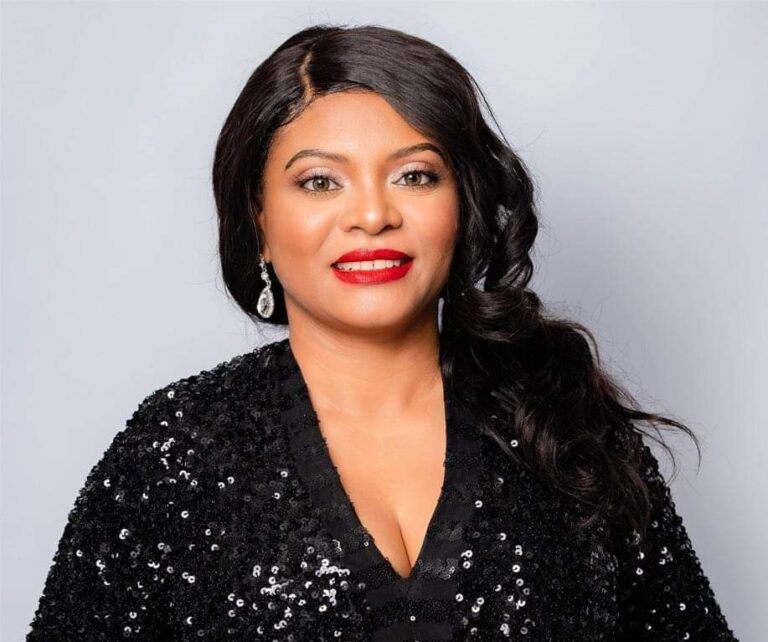
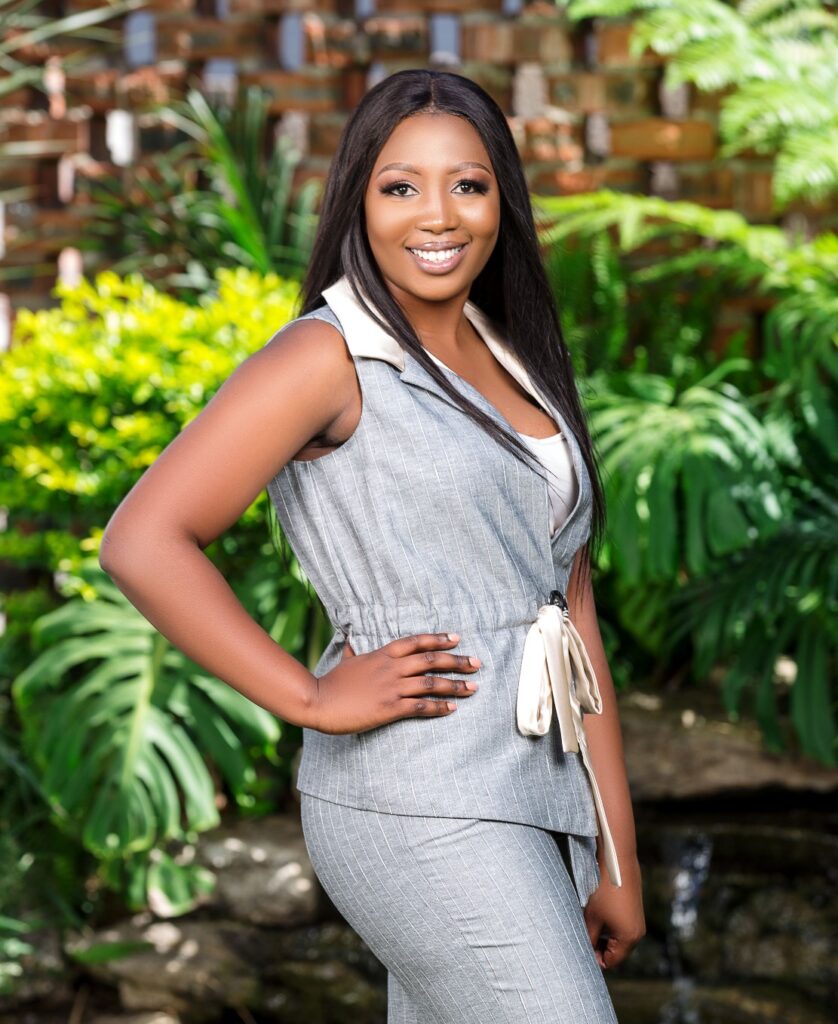
Vimbai Angela Butawu is a Zimbabwean young social entrepreneur. She is an energetic, goal-oriented young lady with a heart for social development especially focusing on child and youth development.

She holds 2 degrees from the University of Monash South Africa. She graduated with her first degree in Bachelor of Social Sciences (2017) double majoring in Child and Youth Development and Criminology and holds a Postgraduate Degree (2019) in Business Management specializing in Corporate Governance.

Vimbai’s commitment to service is outstanding and has been internationally recognized. She was one of only 10 students out of more than one million students worldwide in the Laureate Universities network (200 campuses worldwide) who were recognized as honorees of the Here for Good Award—for making a positive social impact in their communities and countries. In the same year, through the MSA LEAD program, she was selected as one of the top 10 social entrepreneurs in South Africa.

She started My Africa Child and Youth Development Organization in 2018. Her dream is to make a positive change in Africa, creating opportunities for young people. She believes that young people are the future leaders and giving them a platform for positive growth will be beneficial to the development of the continent. Her vision is to create an organization that focuses on making a profit for good, thus creating a self-sustainable organization making a positive social impact on the continent.

On what she does at MACYDO 

MACYDO is an organization that focuses on the development of young people in Africa. We aim to groom young people to become influential leaders and change-makers in their communities and countries and play a vital role in Africa’s economic and social development. We believe that young people are tomorrow’s leaders; therefore, it is of utmost importance to invest in them positively.

MACYDO focuses on various sectors that play a role in young people’s lives: education, Entrepreneurship, Health, and Entertainment. MACYDO has been operating since 2018. The organization was found in South Africa and has impacted more than 50 young people through our talent-based Saturday classes.

In 2020 MACYDO Education launched a scholarship program in Zimbabwe, and we currently have 20 scholars benefiting from the program. The scholarship program focuses not only on providing education funding for the scholars but also on self-development, leadership, and entrepreneurship training for all our scholars.

In 2021 MACYDO Entrepreneurship pioneered a fellowship program for young entrepreneurs in Zimbabwe – MACYDO Leading Entrepreneurs foR African Development Program (LEAD). The program focuses on empowering entrepreneurs with projects that impact the country.


“I’d rather have a cupboard full of herbs, than a closet full of heels”, says a popular Herb specialist. Herbs have many practical uses and because of this, they are highly favored by many. Herbs are usually small plants that are used for culinary and medicinal purposes although there are some herbs in use that come from trees and shrubs. The term herb or herbaceous plant refers only to the short-lived, non-woody plants even if they may bear seeds. Herbs are valued principally because of their aroma, flavor and medicinal property.

Herbs have been used by different cultures around the world for thousands of years. The pandemic also caused many to turn to herbs for healing. Ultimately, herbs and spices are an important part of our diet and our health.

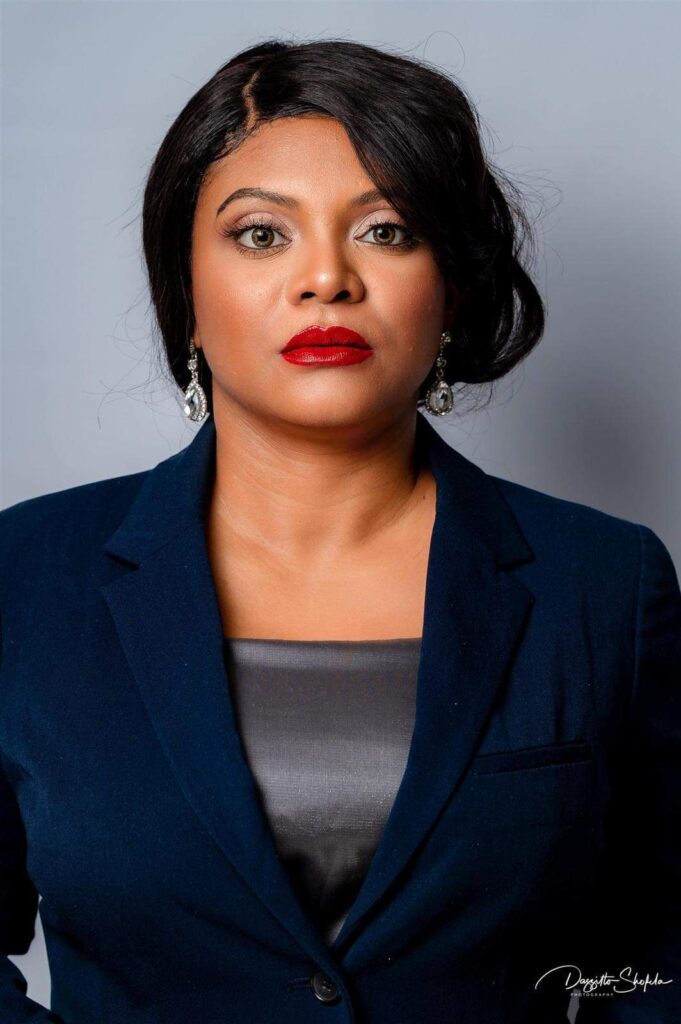
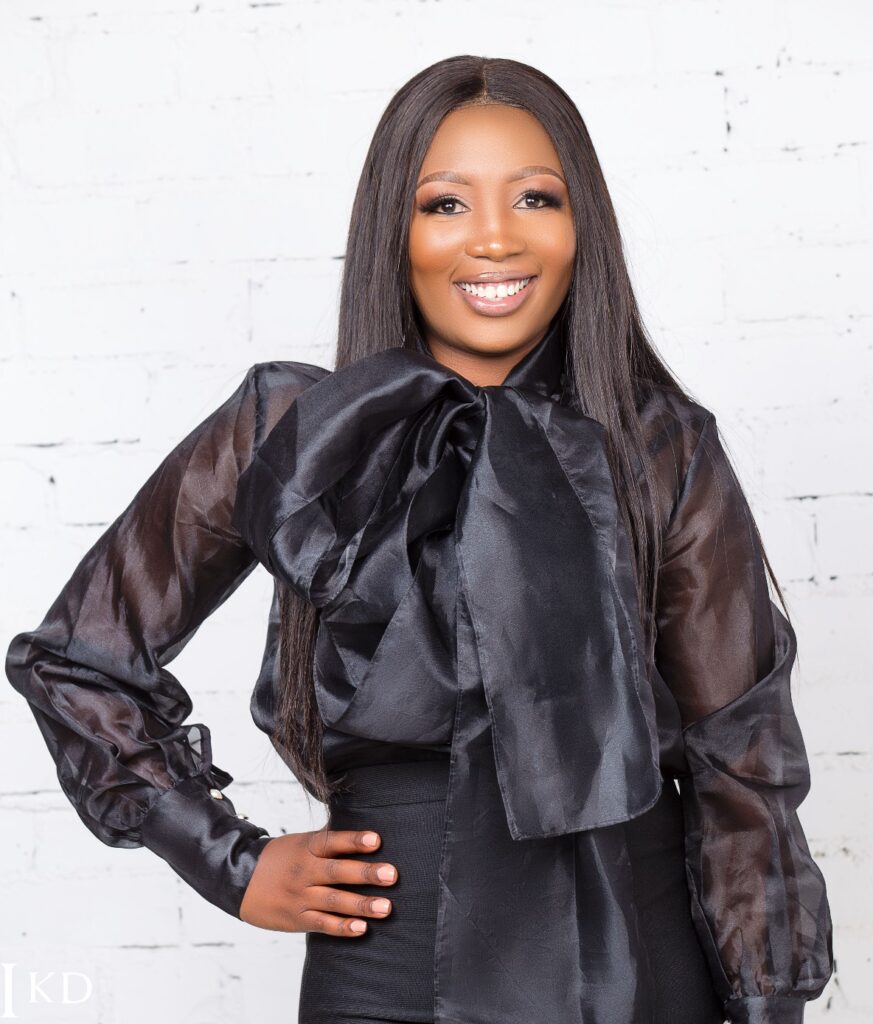
Alatise Zainab Oluwatosin is a herbal practitioner, and healer. She is the founder and lead formulator of Ashabioge Herbal, a leading brand in the health and wellness industry in Nigeria.

The Ijebu Ode native obtained her national diploma from the prestigious Federal School of Statistics Ibadan campus.  After a personal health crisis in 2019, which led her to going back to her love of African herbs and roots, Zainab has been  committed to helping more people enjoy their life to the fullest using her tested and trusted 100% pure African herbs.

With her long family history of time tested and proven herbal formulations, which has been handed down for generations. Zainab is also currently enrolled in a world class institute for herbal formulations, in order to ensure that her brand meets with international best practices.

Ashabioge Herbal as a fast growing brand in the health and Sexual wellness industry has catered to people from all over the world, including but not limited to Dubai, the United Kingdom, Botswana, Canada, Chicago, Australia, Ghana, South Africa, and across the length and breadth of Nigeria with tangible results and accolades. The United Nations advocate for SDGs 3 – Good health and wellbeing, and 17- Partnership for the goals, shares her inspiring journey with Esther Ijewere in this exclusive interview.

Childhood Influence

Yes, I can say that my childhood prepared me for what I’m doing now.  I grew up with a large family, and I remember that a time, when I was about 6 or 7 years old, I fell sick for a long time, alongside 2 of my siblings.  We tried different options until my grandmother intervened and prepared something for us that was made from 100% herbs.

Since then, I have recommended that herb to different people, and it has worked for them everytime. That single incident made my family always resort to herbs which has been a huge blessing to us.

Ashabioge Herbal

I was inspired to start Ashabioge Herbal from the need to help others who were going through health challenges and were not seeing the results that they wanted. My desire is to help as many people as possible, improve their health, prevent needless health challenges and live a full and happy life with their loved ones.

Privilege of the herbal formulation passed down to me

Oh yes, I feel very humbled to have access to such wealth of health information that is helping people from all walks of life to live their life to the fullest in good health using 100% herbs from the African soil.

My products

Since 2018 when I officially started making herbal formulations, we have developed  10 products.  All our products are created  for one specific health challenge or the other. Few examples of our best seller formulations are; 1:Sabi men (for quick ejaculation, weak Erection, low Libido etc )2: Jedi ( for detoxification of excess sugar and toxins .)3: Herbal flusher (serves as general antibiotics for both male and female.) 4: hypertension tea ( The tea is formulated to cater for high blood pressure )

These products have sold in over 6 countries with hundreds of tangible results and testimonials from our esteemed customers.  This has made our customers free brand ambassadors who always recommend our products to their family and friends . Our vision at Ashabioge Herbal is to be a world class brand.

Institute of herbal formulations

In 2019, I actively started looking out for international training to help us realise our vision and the institute of Herbal Academy was recommended to me by a friend.  The aim of the institute I  is to help herbal formulators do better in formulation I am so happy that I went for the opportunity because our work has improved in the following areas; 1: Preservation, 2: Formulation  3: packaging

Challenges of my work

Logistics ( sending herbs to some countries from Nigeria is so difficult sometimes I have to first send to a particular country then move it from there to final destination this means I will get someone in the first country to collect for then send to final destination this is not free the person will charge me.Getting fresh herbs is so difficult too sometimes we have to use dried ones instead

Other projects and activities

Currently working on having some of my herbs in a capsule, tea bag and  hopefully our Jedi will be in CAN like a drink soon. Many people want to take herbs but they hate the bitter taste of some herbs so having such herbs in a capsule for people like that will be okay. Also many wants to drink there Jedi on the go that is why I will working JEDI soon

What I enjoy most about my job

Creating new recipe (I love it when I create new recipe for any health issues)

The women who Inspire me and why

My mum and my big sister Damilola Ewa. My mum has been so supportive even though at first she said must you do what your father does, why not get work with your certificate Tosin. People will fear you, this kind of business is not for a young woman like you and all sort but when she noticed I have not been going to hospital like I used to nor did I fall sick regularly like before she has been the one referring customers she taught me herbs her grandma thought her and her prayers has been working in my life and business

My sis Damilola, we met on Facebook she is a blessing despite being in the same business with me she kept showing me I have never seen a more beautiful soul than her and she is doing wonderfully well in the herbal industry too

To young women who want to go into the herbal business

They should get their formulation right and not just sell because everyone is selling herbs there is trend I noticed recently people sell because they see others selling which is very very wrong

Whatever business model you want to venture into, the first thing is to learn and research.

Changing the misconception and narrative about herbs

I use my platform to educate my audience on importance and uses of herbs I do advice them to also seek professional guidance not just use DIY (do it yourself) they see on the internet

What I wish to change In the Herbal sector

Make herbs accepted globally many people still believe herbs are not safe which is not true herbs is safe

Being a Woman of Rubies

I always look out for the girl child and educate the ones around on sex education I choose this topic because of what I have seen while growing up a lot of girls that we grew up together many young girls then under 17 got pregnant many of them did not even understand what sex is and the implications of having sex at a very tender age  .

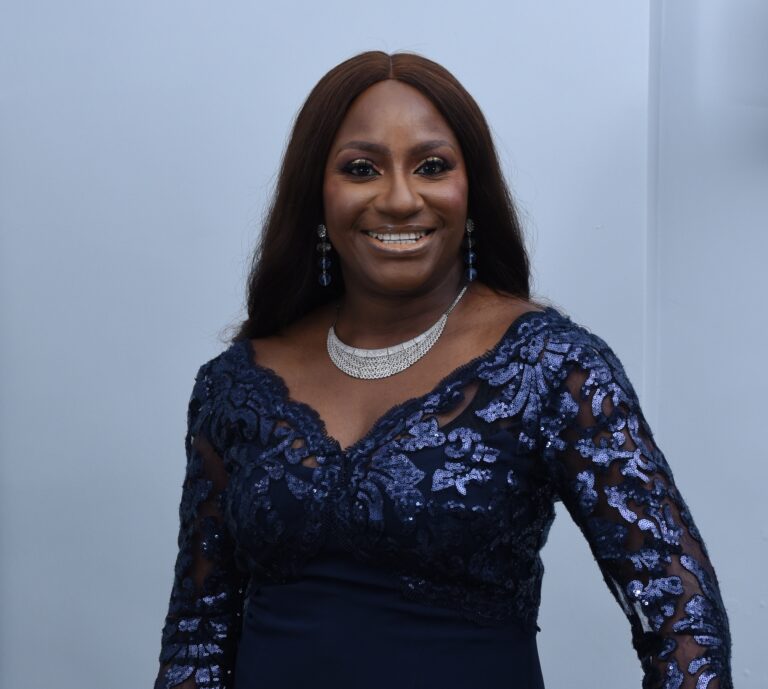
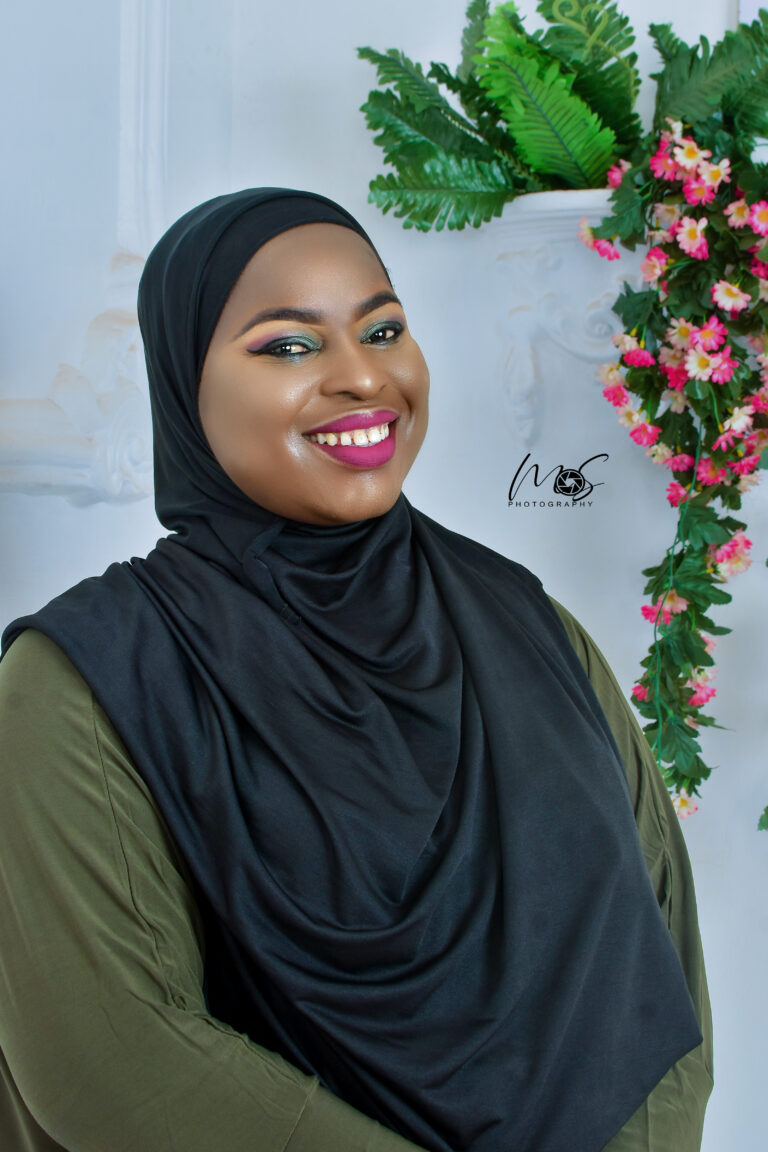
Ruqoyah Ogunbiyi  has a degree in pharmacy and a master’s degree in child and adolescent mental health.

Today she is a child and adolescent mental health professional and founder of Sane Mind,a child mental health organization providing accessible mental wellness solutions for African Children.

Over the past six years, Ruqoyah has built her expertise in child mental health designing interventions that promote mental wellness in children and address academic, behavioral, and emotional challenges children go through. She has trained over 5000 parents, teachers, and corporate professionals on different aspects of mental health.

Through her organization, she has consulted for over 100 families on confidence building, family therapy, and child psychotherapy.

Ruqoyah has a degree in pharmacy and a Masters degree in child and adolescent mental health from Africa’s premier Centre for Child and Adolescent Mental Health where she finished among the top 3 in her class.

She’s been featured in The Guardian, The Nation, LTV and Arise TV. She is also one of UNICEF’s mental health experts.

Thanks for keeping the environment safe and sane. We celebrate you.

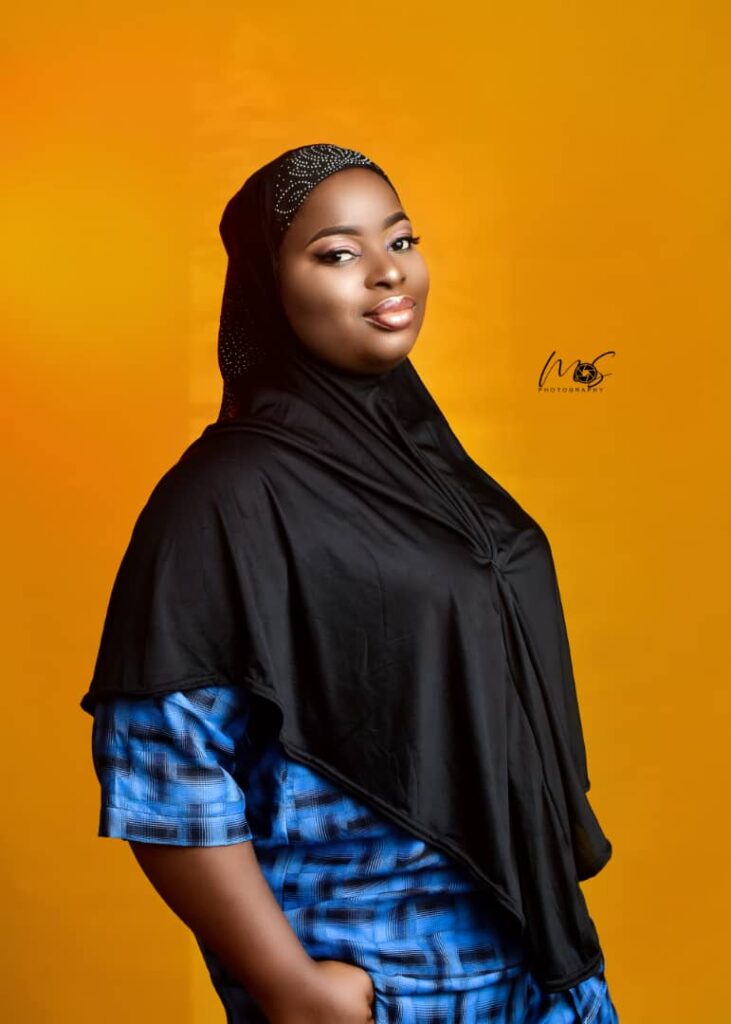
Petra Akinti Onyegbule wears many hats graciously, the hardworking sociologist and political communications strategist with experience which spans 15 years in the areas of advocacy and public relations campaigns in the public and private sectors is also a successful entrepreneur and advocate.

She was the Chief Press Secretary to the Kogi State Governor between 2016 and 2019, and Senior Special Assistant on Electronic Media prior to that.   Her foray into advocacy started in 2006 on the Advocacy efforts of the Catholic Church on Oil and Gas Resource Utilisation in Nigeria.

She is currently the founder of Tiny Beating Hearts Initiative where she rallies support to save premature babies using her resources and mobilizing skills to create awareness on prematurity in Nigeria.

Petra is also the director of Libraprime Communications – a public relations agency that has pitched and executed strategic briefs, leveraging strong media contacts and reach in the industry ecosystem, for delivering high-value to client projects. The multi-tasking entrepreneur is the brain behind fast rising clothing line; Anike Robert Clothing (ARC) a brand that provides integrated marketing for experiential and point of sales channels.

She shares her inspiring story, her passion to save preterm babies, and how her clothing line is gaining momentum in this exclusive interview with Esther Ijewere.

Growing Up

I never really thought about my childhood in relation to the work I have done since my adulthood. But I would say that I grew up in a liberal environment; where even though, it was not the norm to question myths, to question how things were done, to question culture, I was too inquisitive to obey the rules. I have such an inquisitive mind that it was just natural for me to question. So I kept questioning and I kept doing what I now see to be some sort of informal and loose advocacy because I wondered why things were done in a certain way and why they couldn’t be done in a certain way. So it was informal but you know, yes, I did that. I was encouraged by what I saw my mom and siblings did to always speak and stand up up for those who couldn’t do so for themselves. So I would say that yes, in some way, my growing up helped. But more importantly, I grew up having some sort of self-independence. I could do a lot of things for myself at a very early age. So it helped shape my perspective on life and the fact that If I want or need something done, I have to work for it. Yes, it did.

Tiny Beating Hearts Initiative

The inspiration for Tiny Beating Hearts Initiative came from experiencing prematurity from my own daughter who was born at 25 weeks. She was in the neonatal intensive care unit of the national hospital, Abuja for 80 days. She was so helpless it broke my heart. She couldn’t even breath on her own for so long and she had to be on assisted respiration. By the time she was discharged, and we went home, the experience was a different level from what I had in the hospital. Going home meant I was the nurse, I was the primary carer and that I was basically responsible for her. A lot of responsibilities that the doctors, the nurses and the other health workers took on in charge of her in the hospital were transferred basically to me. And in the hospital I saw how tough it was for some families. Oh they  had it tough and rough. Showed me that there is a socio-economic nexus to survival of premature babies and small babies. So I set up Tiny Beating Hearts Iniative to advocate for the rights of every child to live  regardless of the socio-economic background into which they are born and to also help provide material and psychological support for parents with premature babies, the kind I didn’t have twelve years ago when I had my own baby.

The journey so far

The journey has been tough, chiefly because it takes its psychological toll on me and on some of the team members I have worked with over time. I have never had to make it an organisation where I paid people to work with me to ensure that the vision is kept alive. I have always relied on volunteers. It’s been tough, because it’s the same people over and over again, who have been supporting us. Of course, there are situations where in certain places, it is so difficult for us to get access to facilities with incubators. Facilities that are actually well equipped to take on these babies and we have to teach Kangaroo Mothercare, excellent hygiene and nutrition so that bigger premature babies can have their shot at life and are saved. So it’s been tough but what keeps us  going is the fact that you know, you see babies whose parents appear helpless, are actually helpless at the time when they need our intervention and you get testimonies from their parents 5 years later, 6 years later, 10years later and they are saying thank you and they are giving you progress reports. It makes all the stress, makes all the efforts, makes all the heartache worth it. Of course, we had situations where that no matter what we did the baby didn’t survive, that’s really heartbreaking. But over all, it’s been a fulfilling experience because the whole essence is to ensure that no child is left to die regardless, so long as the heart is beating however tiny, it deserves to live. That’s the philosophy. And so we go out of our way, we bend over, backwards we go above and beyond to make sure that happens. Our supporters and partners, they’ve been very steadfast, as a matter of fact, their belief in the project is what has kept us going for long. We are grateful to them and we are thankful for all the lives we have been able to save.

Libra Prime Communications

Libra Prime Communications is a perception management firm which deals largely with regulatory compliance audits. What we do is we undertake perception management on behalf of firms and sometimes, individuals. It is a PR firm but PR in such a way that when firms have issues with their regulators, we step in for  independent audit on whether the firms have complied with recommendations by regulators.

Politics and Advocacy

I didn’t switch from politics to advocacy. Advocacy is what I have always done; my first job post NYSC was as an advocacy officer on a Catholic Church’s project. I have also done advocacy as an independent consultant for a long time. I worked at CBAN – Credit Bureau Association of Nigeria as the first Executive Secretary and Advocacy officer. So advocacy is what I have always done, that’s my major forte. Politics is ubiquitous and I am very interested in the political processes because they determine governance to a significant extent. drawn to politics because there is nothing we do in life that  politics has no bearing on, so I decided to be involved in the political process. I have not switched, I basically just do both hand- in- hand. Because when you talk about advocacy, you are advocating for something to be done, for a policy to be implemented or promulgated. How do you do that without getting involved in the political process? I mean the very basic definition of politics is who gets what, when and how, the how could be through advocacy so I think they both go hand-in-hand. But I have not even left politics. I didn’t switch, I am still a politician. Because I believe that we need to get involved. We need to get involved as much as possible in the political process. Otherwise we lose all the rights to complain about how certain things are done or not done. So it is not a switch. It is just that at the moment, I am giving more prominence to the job which pays me. Because politics is not my job as it were. Unless at a time when I was appointed in a political role. I was given a political appointment in my state, I did a job. But day-to-day politics doesn’t feed me. And I think that every politician needs a job to go back to everyday. That you know, puts food on the table, that adds to the economy which is what I do with LibraPrime Communications and Àníké Robert Clothing.

Work-Life Balance

I am not going to lie that it’s been easy being a Mommy whilst businesswoman and an advocate. It’s not easy. It is not easy at all. But one thing that has helped me is having a supporting husband, one who sometimes steps up when I have to slack on my duties as a wife and mom. Because something always gives; when there is credit somewhere then an account has been debited. So when there is a credit on my advocacy part, it is probably because my business woman role is suffering or my role as a wife is taking a hit or my role as a mom is taking you know, some hit. So at the end of the day, my balance is in getting people to help, getting people to step in when I am unable to be there. So we just continue to balance it up that way. It is not easy, I am not going to lie. It is not easy. Having a husband who supports, family members,  having a good structure in the office, at work,  having a good business partner, a good social support system,  they all help. And these are how I balance my roles as a wife, an entrepreneur,  a consultant and an advocate on multiple issues.

Motivation behind Anike Robert Clothing Line

I love casual wears. There is a saying about wearing one’s heart on one’s sleeves. I love to wear my feelings on my body. So sometimes I brand   the way I feel and I wear that feeling as a tshirt, tracksuit, hoodie, sweatshirt. I  realised along the line that i couldn’t be the only one whose dressing affected their   moods. I am a mental health advocate, and I strongly believe that the environment,  that the way we dress, our outlook, and people’s perception of us affect our mental health. What better way to control people’s perception of you at first glance than appearance? So you have a philosophy, an outlook, what we sum up as attitude?  You should give that attitude a 100%, brand it, wear it. So that is what the Àníké Robert Clothing is about.

There is an economic side to it,not course. I needed something for daily income, you know, like a side hustle. But somehow, it’s such that, it’s surpassed my expectations such that it is now as important as  LibraPrime Communications as the main game.

And my journey in the last one year has been phenomenal; a testament to my philosophy that everything in life has got its pros and cons. Because you see I owe part of the initial success of  Àníké Robert Clothing partly to the pandemic. Because more and more, the way people work and live generally has changed; with companies telling people to work from home,  people not necessarily having to meet at a particular location for a meeting and so more and more, people had to and having to a little less formally. People are beginning to go casual. People are beginning to wear their attitude. So these are some external factors that have  contributed to the pace with which we are growing. Others are the fact that we sell more than the quality of our clothes, which is great if I say so myself; we sell pleasant business experience which keeps over 80% of our clientele as repeat customers.

In the next five years, I see this brand having its own factory and scaling up in the manufacturing of shirts, hoodies and tracksuits. I  see us going into other areas of merchandising and clothing and hopefully, that will happen in the coming five years. That’s the dream.

There have been a lot of challenges of course, but the rewards, both monetary, growth and  lessons  learnt have been awesome.

Challenges 

Number 1 challenge I faced at the beginning and for months  was staffing . Getting my staff to  understand the concept and embody the spirit of excellence, now that was a challenge.  But we have surmounted the hardest part of this and continue to strive to be better. At ARC, now they know that there is nothing like “na small remain. Díẹ̀ lo ku. It is nearly perfect”. If a customer has paid for something, then we’ve got to deliver that. We have all adjusted to this philosophy and making excellence a culture.

The other challenge would be electricity. The erratic supply and rates. Tariff has changed twice in one year. Yet, I don’t get optimal value. Then inflation. My goodness! Production cost keeps fluctuating and highly unpredictable. That’s quite unnerving. Because it makes planning more difficult.

Everyday, there is a price increase in this and that. And this makes the market unpredictable. This unpredictability of it affects me a lot, it leaves me in a fix. Sometimes, we say “oh, the difference is just ₦20 per piece or yard for this particular material but then  I calculate how many of that item I am getting and there are times I  want to throw my hands up in the  air.

3 Women who Inspire me and why

The first person who inspires me to be a better human is my mom. She is incredibly kind, compassionate and humane. That inspires me a great deal. I learnt about dignity in labour and contentment from her. And regardless of everything life has thrown her way, her spirit has remained strong. Even her name inspires me because it becomes some prayer for me every day – Oluwamajente – God, please do not let me be disgraced. Let me not fall from this pedestal. So her life, her person, her name inspires me.

The second person is Prof Dora Akunyili for being a woman of strong conviction and sticking no matter what.

Since you’re limiting to three, the third will be Indira  Nooyi, the former president of Pepsi Co.

Women’s participation in Politics

My views on women participation in politics is that it is not enough. We need to do more. We really  need to do more. And that we need to have an agenda. We need to go all the way, we need to be with partners who understand what it takes for a woman to be involved in politics and would support us to make the sacrifices that a woman needs to make in politics. Now, I think that women also need to, we are doing it, we are doing it; more and more, women need to develop thicker skin because there is a lot of slut-shaming of women in politics. However, it is not going to stop, it is not stopping anytime soon. So whilst we continue to make that advocacy so to say let us deal with women on the merits of their credentials, on the merits of their capacities, and on the merits of the value that they can bring into the political space and processes, we also need to continue to forge ahead and ensure that if there’s a meeting lasting into the dead of the night, we are participating all the way and not giving excuses. We should not expect anything to be handed over to us on platter. And we should understand that we need to be tenacious. Of course, there are challenges of money politics, prebendal godfatherism, etc but if we are focused and purposeful and ambitious, something will keep giving until we have a whole new structure and system and landscape. Do I see myself contesting for any position in the future? I say never say never but I do not see myself contesting.

Advice to young women trying to navigate through life

My advice to young women who are trying to navigate through life and find their purpose is this: YOU ARE ENOUGH. Live your life, make your mistakes but always learn from them; when you fall, you rise. Never stay down. Never ever, allow anybody define you by what you’re not. Never allow anyone define you by your limitations. We all have strengths and weaknesses; we can continue to work on our strengths and we develop our weaknesses to ensure that our weaknesses do not define us. In the age of social media, a lot of people are under pressure to fake it till they make it. How about work the course till you become a force? Behind every story, there is a history. Therefore, look for the history and learn the lesson therein.

If you’re reading this and wondering how you can save a preemie, please reach me.

I am also an advocate of mental health, I champion destigmatisation of mental illnesses and encourage those who suffer any illness on the spectrum to seek help.

Folakemi Adesina is the Founder of Do Good Charity Initiative; a foundation through which she has impacted well over 5000 children and women across different states in Nigeria. She is a seasoned lawyer with exceptional work ethics and a passion for Property Law and Company Secretarial Practice.

 The Olabisi Onabanjo University graduate, and award winning innovative leader is the Lagos State Coordinator for Good deeds day international, a global movement for doing good, she is also the Ambassador for Global Impact Network.

Under her leadership, Do Good Charity Initiative launched JEANS FOR SOCIAL IMPACT PROJECT; where used jeans are upcycled into eco-friendly school bags. This project has impacted over 2000 children in underserved communities

Folakemi is a passionate change agent and humanitarian fuelled by real life situations of children and women living in underserved communities. She strongly believes in poverty eradication amongst people

She  is happily married and blessed with kids. The amazing amazon shared her inspiring journey with Esther Ijewere in this exclusive interview.

Childhood Influence

I was born into a Godly family. My parents were educationists and disciplinarians who valued education and believed in raising a child in a Godly way. As the only girl in the family, I was taught to be useful and responsible, engaging in different activities in the house. I learnt how to work with others, lead with confidence, and contribute my quota to my community in my little way. My parents actively participate in community services in church and with their permission, I started volunteering at a tender age. Growing up, I was essentially taught to stand up for what I believe in.

Inspiration behind Do Good Charity Initiative

I am happy to be amongst people making positive changes in the world. I founded Do Good Charity Initiative because I want to give children and women a VOICE and a chance at a better life. I started volunteering at a very tender age, as far back as 2004. My volunteering experience started with Garnet Youth Foundation in Osogbo, Osun State. As a serial volunteer working with children, I had a better understanding of their struggles. I have seen how hard children and women work to meet their basic needs. This fueled a desire in me to address real-life situations of children and women living in slums and underserved communities. The organisation was founded to lift children and women out of poverty.

Our activities include (but not limited to):,Food banking, Love Without Limits (an annual food and clothing drive outreach), Jeans for social impact (school bags and shoes swap program),Undies for every child (awareness on prevention of child sexual abuse), Women Empowerment programs

The journey so far

The journey has been fantastic, filled with different experiences and challenges. Putting smiles on people’s faces makes me fulfilled. The major challenges that comes with running an NGO are Management and Fundraising. As a nonprofit organization, we rely solely on public financial support, and seeking such funds comes with accountability and transparency on public benevolence. To ensure this, we carry out in-depth research to identify the most vulnerable, ascertain their exact needs and work towards meeting those needs.

Jeans for social impact project

Growing up as the only girl in the family was so much fun. My mum made it a priority, despite all odds to always give me the best. She so much believed in UPCYCLING – not that I knew what it was called at the time. But you see, she never allows any of her Ankara (printed) or lace materials to go to waste. Before you know it, an ‘anko’ (uniform attires) has been made from those materials for my brothers and I; with matching slippers for me.This fueled my passion when I founded Do Good Charity Initiative; to address the physical and psychological needs of children living in underserved communities. JEANS FOR SOCIAL IMPACT was born out of a desire to meet the major needs of children while saving the environment. It is an upcycling project where jean wears are turned into school bags and lunch boxes for children in need of them.

Textile waste is the third-largest contributor to dry waste in Nigeria and is a massive environmental problem. Therefore, if a pair of jeans is upcycled, the electricity and water needed to make a new product can be conserved.

Impacting over 5000 children across Nigeria through my work

As an advocate, I’m able to go beyond ‘passion’ and ‘talks’ to identify needs and solve tangible problems people (orphans, widows, women, and children living in slums) face. Illiteracy is part of the non-education problem, with Nigeria having one of the highest out-of-school rates. This is why I’m working to ensure that these children are enrolled in schools; provided with books, bags, shoes, uniforms, and encouragement. Beyond immediate needs, empowering women through vocational training, to be able to cater for their children, are parts of the projects I am working on. I believe, and it’s important, we don’t leave any child behind because they all matter. Anybody can be an advocate for anything as long as the interest is honest. I also feel that there’s so much more I need to do so, so many lives to be touched

The  society, the act of giving and it’s knowledge of Charity

To an extent. Nigerians are known to be among the most generous people on the planet. In a recent global survey conducted by the World Giving Index, it was discovered that almost two-thirds of Nigerians spend time helping another human being.

The goodness of heart of the Nigerian people is reflected in their donations to the needy. The act of giving brings together Nigerians, to help them achieve a common goal of helping those who are less privileged than them. However, we need to keep creating awareness on generosity and kindness; celebrating acts of giving and the importance of giving back to the society.

Challenges

Getting the required funding and sponsorship to support our projects is one of the major challenges we face. From companies to partnering with other Non-governmental organizations, to seeking support from our local audience, this challenge has posed itself as an opportunity to put our best foot forward by engaging in strategic communication, follow-ups, networking activities, and strategically positioning ourselves for better prospects. There’s still a long way to go through.

Another challenge we are faced with is identifying beneficiaries that are truly in need and streamlining their numerous needs. With operations in one of the largest cities in Africa, the rate of poverty and illiteracy is relatively higher. However, we can only reach a number of communities (and people) due to limited resources.

Some other challenges include; lack of fairer distribution of resources, political interference in development issues, and the lack of potential human resources. As a humanitarian, I believe in empowering people and as we seek to expand our reach, we ensure that whatever resources we get are fully utilized to meet the direst needs (in line with the organization’s mission and value).

 3 women who inspire you to be better and why?

Malala Yousafzai, her story inspires me a lot and I admire her love for girls and her passion for access to quality education.

Mrs. Ibukun Awosika is another extraordinary woman who inspires me through her works. From her teachings, I have understood how I can multitask; being a wife, a mother and at the same time a workaholic. She’s one worthy of emulation.

Michelle Obama. She stands out as one of the most passionate and accomplished First Ladies in history because of her charisma, compassion and powerful speeches. I’m also inspired through her works with girls – funding girls’ education and tackling everything from leadership to poverty.

Being  a woman of rubies 

Folakemi Adesina is a woman of rubies and more. She is just the right blend of beauty and brains. Comfortable in her own skin, releasing positive vibes, innovative, and with quick wits. I’m a lady of good values and one of those unique individuals with a heart for humanity.

Other projects and activities

Good Deeds Day is an annual tradition of good deeds. All over the world, hundreds of thousands choose to volunteer and help others, putting into practice the simple idea that every single person can do something good, be it large or small, to improve the lives of others and positively change the world. I’m privileged to be the Lagos State Coordinator of Good deeds day Network

Good deeds day was launched in Lagos state on October 6th, 2021, Lagos is the commercial nerve center of Nigeria. The city is home to so many wonderful organizations working hard to make Nigeria a better place. A lot of young individuals are hungry for change who are willing to devote their time and resources to making the world a better place. We want these individuals to be part of this network of change agents within Lagos and other states in Nigeria. Our aim is to make this day where we will bring together all good-doers, volunteers, charity organizations, schools, universities, religious groups, companies etc. to do good. The initiative’s aim is to promote generosity and Kindness. The initiative makes it easy for people to #InspireGoodness. The next Good deeds day comes on April 3rd, 2022. The initiative allows citizens across the globe to make a difference in their communities throughout the year.

Twenty-four hours after its official launch on 1st February 2021, the Talkative Mom app was ranked the number 2 parenting app in both the United States and the United Kingdom. Its popularity in those countries may have been short-lived but for the Ghanaian developer, it was proof of a huge demand amongst expectant mothers for a crucial commodity: information.

Founder Eno Quagraine did not start out intending to build an app at all. The initiative was born from a deeply emotional personal experience.

In the early hours of November 18, 2017, Eno and her husband David Quagraine were rushing to a nearby hospital in Accra. Expecting their first child, Eno’s labour had begun the previous day with few cramps and discomforts. Now it was getting intense.

“We practically ‘flew’ to the hospital that Sunday morning and I was escorted to my private ward,” she recalled, telling her story in her typical “no-holds-barred” fashion. “My cervix was examined. At this point, I had begun dilating and I was now 2 cm. I knew that once I was at 10 cm, it was go-time,’’ she explained.

But after being admitted, things took an unexpected turn. Following the adrenaline-filled rush to get to the hospital, she was put on hold. Connected to a cardiotocography machine, she was asked to wait for the gynaecologist. She had a litany of questions for the doctors… the key one being how long she could expect labour to last. An examining doctor had an easy answer ready.

“Usually, every hour you should have dilated 1cm, so in the next 8 hours, I am sure you would have given birth,’’ the doctor announced confidently.

Encouraged, the expectant mom decided to brace herself and got through the labour pains, confident everything would be over soon. She was wrong.

Several hours later, with no sign of the baby arriving, the pain had become unbearable. She was advised against taking any painkillers as it would prolong labour. When the gynaecologist arrived, he revealed to Quagraine that she was not likely to have the child that day. Her heart sank.

Exhausted and in pain, she couldn’t fall asleep so she took a brief walk around the facility to speed up the process of childbirth. That didn’t help, either. Eventually, she managed some sleep after taking a substantial dose of painkillers.

At 2 a.m she was woken by severe pains and bleeding. She knew instantly something had to be done to save the baby. The doctors then performed an episiotomy – a surgical procedure to aid a difficult delivery and prevent the rupture of tissues. At 6:20 am on Monday, November 20, the Quagraines’ 3.1-kilogram baby boy finally made it out alive.

It was this unexpected ordeal – and the fright at almost losing her baby and her own life – that pushed Quagraine to start a blog. She realised she had not known nearly enough about what to expect. She wasn’t going to let that happen to other expectant moms.

In her blog, she was frank about her ordeal and left nothing to the imagination. It became a hit. “I realised that people loved how candid I was,” she explained. “At the initial stages, my mother felt that I was sharing too much of my private life. Her mindset changed when someone walked up to her in church and told her my story had prepared her for childbirth. She immediately realized I was making an impact and now she is a great supporter of my work.”

Two years later, Quagraine turned her blog into an online app with the help of her husband David, a software specialist. “I called it the Talkative Mom app because I am a talkative and I wanted a name that was catchy and at the same time suited my personality,” Quagraine explained.

Despite spending close to 3000 dollars to set up the app, Quagraine decided to make it free for users. “We thought it was a wise decision to make it free so that we don’t prevent anyone from getting information that may help them through their motherhood journey,” she said.


The app has four distinct features: a motherhood-specific search engine called “Mom Plug’’ where users can ask questions on parenting and search results that apply to the Ghanaian context; “Marketplace”, where vendors can sell parenting goods; the regular Blog from Quagraine and finally, “Listings” for service providers. The app carries contributions from certified experts such as speech and language therapists, paediatricians, sex coaches, breastfeeding specialists and nutritionists.

“Marketplace” has been particularly well received by expectant parents.

“This unique feature makes them find all the Ghanaian products they want but are so difficult to locate,’’ Quagraine explained.

It’s the blog, however, which seems to keep users coming back for more. One of the reasons is that amongst the stories shared by mothers, there is plenty of comic relief. However, it is the information provided on the app that remains its best selling point.

“There are so many apps around but most of them are foreign and don’t address our local needs. This app is unique because it speaks to the issues bothering the Africans, which we feel very shy to talk about. My children’s paediatrician is even there so it makes direct access to medical services easy,” said a regular user of the app, Dzidzor Arkutu.

Arkutu uses the platform to share her motherhood journey and to look up the services of certified paediatricians. She also markets her spa treatments on the app.

With thousands of users regularly visiting the platform, major brands have been keen to get on board, too.

“I have worked for so many brands, like Boomerang, Vlisco and Pepsodent and I am still working with others. These are opportunities I would never have gotten if I did not take the bold step to share my motherhood journey,” said Quagraine.

In October 2021, Quagraine started her television show – aimed at young African mothers.

The 31-year-old mother with a masters in marketing now aims to take Talkative Mom to every mother on the continent. While that points to huge personal ambition, it is the message that keeps her motivated.

“What makes me more excited is when I hear people tell me how my app is helping them on their motherhood journey,” she said.

Source; Bellanaija

According to a notable artist; Art should be something that liberates your soul, provokes the imagination and encourages people to go further.” This is what Stephanie Unaeze’s Modern Afro-Pop-Surrealism artwork represents.

A self-taught  Visual Artist currently living and working in Lagos Nigeria, her practice aims to understand and document the effects that society, culture, and tradition have on the proverbial self. Tackling issues such as globalisation, post-colonial consumerism and identity. She credits her multicultural upbringing as one of her main influences.Through her form, which she describes as ‘Modern Afro- Pop- Surrealism’, she is able to juxtapose fact against fantasy traversing through the conscious and subconscious with ease.

Her work acts as a conduit for history, bringing it into the new age whilst maintaining its authenticity. Stephanie uses her art to express and document the nuances, complexities and layers that surround the modern African lifestyle. With the use of patterns, geometric design, and vibrant colours, she evokes the strong flavours of the continent and the spirit of its people. Her use of minimal, often faceless figures, projects the idea that the self is always present through cultural shifts, new forms of expression and societal changes. The talented artist shares her inspiring story with Esther Ijewere.

Childhood Influence
Growing up, I was a very shy and introverted child, who loved reading and drawing. My Father was a Diplomat in the Air-force, so we moved around a lot; I got to live in a lot of different places and experience different cultures and different ways of living. Books were a form of stability for me; being able to escape into those worlds helped me deal with the constant changes happening in my life.

I first started drawing by copying the illustrations I saw in the books I read. I was enthralled by the striking simplicity of Nick Sharratt’s illustrations and that inspired me to want to create my own. Fortunately for me, I always had Art teachers who saw my talent and encouraged me, especially my art teacher in my first secondary school (St Mary’s College Bishops Stortford ) who enrolled me into a gifted and talented program for the Arts, which opened my mind to the idea of being an Artist.

Why I Became a Visual Artist
On my 21st birthday, I went to the MoMa (Museum of Modern Art, New York) to visit the Warhol Exhibition. I had been a huge fan of his work (as well as other artists such as Frida Khalo and Kehinde Wiley). But something about seeing his work in person and hearing them talk about him and the impact his work had on society and modern culture made me realise that Art was more than just visual images. It’s a way to tell a story, capture a time, speak up about injustice, and for me personally an opportunity to change the singular narrative of Africa and African Art.

The Journey So Far
My journey since I started has been filled with ups arms downs initially, because I didn’t go to Art school; I always felt that I was at a disadvantage. There are so many opportunities Art school gives you to connect with established artists and institutions that I just didn’t get, so I always had to work twice as hard.

I’ve been working as an artist professionally for about five years and there were many times I wanted to give up, because my works weren’t selling and people didn’t understand my style, but I pushed through because I knew I was offering something new that people weren’t used to. I’m still on my journey and I know the best is yet to come.

Modern Afro- Pop- Surrealism’
‘Modern Afro-Pop-Surrealism’ is a mix of several art genres that I draw inspiration from. Surrealism is about the sub-conscious, the dreamlike, quintessentially an expression of the subconscious, made famous by artists such as Salvador Dali. Whilst Pop-Art is more culturally relevant and was created as a way to introduce art to masses by depicting popular culture and imagery in striking compositions and a simplified art style, whilst taking advantage of modern technology such as screen printing, digital art and photography. With my work, I aim to merge these two concepts together in a modern way to showcase African Culture and lifestyles.

Inspiration Behind My Work
It’s very intentional. With my work, I aim to show black people in a divine light. I also believe that artistic talent is a gift from God.

How Twitter Helped My Work
In terms of visibility, it’s been really impactful, it helped me gain a new audience and with how important social media is in these times, it’s really great to have something like that happen.

The pandemic and its impact on my work
I worked through the pandemic and some of my pieces were influenced by what was happening around me and around the world. I honestly think that making artwork was what helped me keep my mental health in check and provide a sense of normalcy.

Challenges as a Visual Artist
I’m a self-taught artist, so learning my craft was a challenge, learning how the art world works was a challenge and learning how to create a career from your talent was also a challenge.

Three Women Who Inspire Me
Lynette Yiadom Boakye, my sisters, and Maya Angelou. Each of these women inspire me with their resilience, hard work, determination, and grace. They’ve taught me to never give up and to always focus on reaching my maximum potential.

Being A Woman Of Rubies
What makes Stephanie Unaeze a woman of rubies and more… her spirit, her determination, her kindness, and her ability to overcome everything that is put in front of her. She is a woman who knows herself and her worth.

Other Projects And Activities
I have a functional Art studio that I just started, Stephanie Unaeze Studio’s. It is a Functional and Applied Art Studio that draws inspiration from the Mbari cultural practice of Eastern Nigeria, inspired by the idea of making art more accessible, interactive, and tactile. Using locally sourced and crafted sustainable materials from around Africa, our goal is to transform the everyday and mundane into art, creating a more enriching life experience.

The Art Industry In Nigeria & Female Artist
The art industry in Nigeria right now has an amazing crop of female artists who are making powerful work and showing these works across the world. What we have now is a good foundation, but we need to build on it. We need to go to the grassroots, primary and secondary schools and put structures in place that will allow more girls to rise up and become the future female artists that will one day lead the industry.

C-mi (pronounced C.M.I), Adegoke Adesimisola Alice is a Nigerian born, France based artist poised to take the Nigerian and French scene by storm. She started recording in 2002, heavily influenced by Whitney Houston, Jay-Z and Eve. So she easily swings between Afrobeat, Rap, Pop-Reggae and others.

In 2011, C-mi won the Bitbender freestyle competition in Lagos and then relocated to Malaysia in May of same year, where she released her first single— ‘Nani’. In her music journey, she has shared the stage with 2Baba, Kelly Handsome, Terry G, Morachi among others, while performing in shows from Nigeria to Malaysia and across France, among others.

The versatile artiste, and multi-tasking mom of 4, and wife shares her inspiring journey exclusively with Esther Ijewere in this interview.


Childhood Influence

I grew up in a family where music was literally a part of our daily lives. We used to sing and dance all the time. My younger sisters and I would sing while washing clothes and our neighbors would listen and they even advised us to form a group ‘THE SOLAS’ lol. We would make a circle around our centre table and beat the table with our palms to make drum sounds and just sing. Every member of my family composed songs so my Dad bought a mini tape recorder where we used to record every time we had an inspiration. It was so great. I was also very active in the church choir from the age of five. So, yes my childhood prepared me for where I am and what I do right now. I was born in Egbeda, Lagos but my family moved to Ijegun, Ikotun, Lagos when I was about 8.  I am the first of 6 children so I had to grow up and be responsible from a young age


My Passion for Music

I have always known from a very tender age that Music is the way to go for me so although life happened, I have always managed to keep that dream alive.


The Journey so far

It hasn’t been easy, but I have managed to keep pushing because the dream is very much alive in me and Valid.  I have had a lot of support, disappointments and discouragements from people in the Industry and even from friends and families. I just focus on the good stuff and block out the negativity.


Performing with A-list artists

I haven’t had the opportunity to record with any A-list Artist but I have performed shows with them and the one that stood out for me was the ASAM Awards in Malaysia where I got to share the stage with Tuface Idibia. His humility and energy stood out for me, and I am very grateful for that experience.


Living in a Francophone country, and breaking into the music industry

Initially it was a great challenge because most of my songs are in English and Yoruba but music is a universal language so the vibe and energy in my songs made it easy for people to connect.  Now I try to infuse French in my songs too, so everyone is involved. I have met great people that have been very supportive of my brand and my Music too.

Lending my Voice to the #EndSars Campaign In France as an Artist

Personally, it made me discover a part of me I didn’t really pay attention to. The movement made me believe more than ever that there is still hope for humanity, anything is possible, and we are stronger together. It gave me more visibility as an artist. I stand against injustice and would not hesitate to lend my voice to any because that makes our world a better place.

Challenges

It’s the same everywhere I guess, nothing good comes easy. It hasn’t been easy getting a lot of paid gigs. I’ve had to do a lot of stuff myself before setting up my team. Getting a record deal is very challenging too.

 2 Women Who Inspire me to be Better and why

My Mum: Because she did not have an easy life but she was very hardworking, very industrious and always did her best to take care of her family and everyone around her. She taught me the act of service, how to be a good mother and how to be kind. 2) Oprah Winfrey : As one of the most powerful black women, Her story is very inspiring and makes me believe that we can achieve anything we set our minds to.

 Being a Woman of Rubies

I am a woman of rubies because I am BRAVE, I refuse to take my God given talents to the Grave, I am also resilient and regardless of all the hardships life has dealt me, I have managed to stay kind, stay true to myself and to my DREAMS .  I am a woman of rubies because I choose to always be positive and see the good in everyone and everything.  I am a woman of rubies because I want to encourage everyone to be the best they can be!  I am a mother of Four. I’m still working on my lifelong dreams. If I can do it, you can do it.

To every woman out there, Why be ok when YOU CAN BE MORE???

Being a mom, wife music composer,  artist, and managing it all

Initially it was a hot mess juggling all these things, but I was intentional about it so it got better.

I prioritize everything. My time, energy, finances, etc. I try to strike a balance and I always pray to God for guidance and help.  My partner is also very supportive so it makes everything easier, I am so grateful for him.

Other Projects and Activities

I am presently working on a lot of projects. I recently released a new single titled HUSTLE, working on my Debut Album to be released in December, just put together a band for live concerts. I am recording and writing new songs and also working on video clips for my singles.  I am also working with an association here in France CULTURE PREMS to encourage other young talents in my city and mentor them. I am also into Events planning and photography so I’ve got a lot of projects I’m working on.

Nigerian artiste I’d like to collaborate with

I would love to collaborate with Simi and Davido

C-MI brand  in 5 Years

In five years, C-Mi would be a household name. My songs would have spread all over. I would be having SOLD OUT shows and my Music and brand would be making a positive impact on lives. I would be giving back to my community.

Yekemi Otaru, an inspirational entrepreneur renowned for her passionate commitment to equality, diversity and inclusion has been named University of the West of Scotland’s (UWS) Chancellor-elect.

Yekemi holds four degrees and has considerable industrial experience in engineering and marketing. She is Co-Founder and Executive Director at Doqaru Limited, a prominent Aberdeen-based sales and marketing consultancy.

Yekemi is also a board member of Interface, which connects a wide range of organisations from national and international industries to Scotland’s universities, research institutes and colleges, matching them with world-leading academic expertise to help them grow. A bestselling author and social media expert, Yekemi is also known for her innovative use of platforms such as LinkedIn.

Yekemi Otaru is the first woman of colour to occupy the prestigious position and as Chancellor, Yekemi will hold formal powers to confer degrees, diplomas and other academic distinctions, and will represent UWS at key events as an advocate and dignitary.

Toyin Odulate is the founder of Olori Cosmetics, an African hair, bath and body care company formulating products for women and children. Her love, passion and obsession for beauty started as early as age seven, but her dream to establish Olori took 15 years to actualise.

A former L’Oreal executive and consumer goods expert with over 18 years of experience across the USA, Europe and Sub-Saharan Africa, she has managed global beauty, food and beverage brands across Africa and the Middle East, where she honed her skills in the business of beauty, brand marketing, product and business development, as well as distribution and logistics with a focus on the African consumer. After years of nursing the ambition of owning her own beauty company, a hair coloring accident propelled her to produce what would become her first product.

In this interview with TOBI AWODIPE, she spoke on the world of cosmetic formulation, challenges involved in running a startup in Nigeria and how a plethora of choices for consumers is a good step in the right direction.

Could you take us through your journey in starting your business, how has it been for you?
I’ve had the idea for Olori since my third year in the university. I was frustrated that I couldn’t find makeup shades that suited my skin tone and that I had to mix several shades of lipstick or foundation to get the shade that I liked, so, I planned to start a makeup line. As a child, I enjoyed mixing potions and ruffling through my mother’s extensive beauty counter. I found a little notebook I kept at age 12 where I wrote that I was going to own a cosmetics company. I guess it’s been in my sub-conscious for that long and beauty products development and beauty stores and shelves are my happy place.

I had always ‘planned’ to start the business, waiting on the ‘right’ time, but was very busy building my corporate career. But when I finally started, it happened totally by accident. A few years ago, I had a hair coloring accident that left my hair feeling like hay. I asked my mum to mix me a potion that she used to make for us as kids to care for our hair back then; I used it and it literally reversed the damage and texture of my hair within days. It was then I knew that I had to jar this product and share it with the world.

I sent samples to about 20 friends to try out; they all loved it and kept asking for more. When I could no longer afford to give it out for free, I started to sell it in recycled Body Shop jars. We peeled off the Body Shop labels and created our own Olori labels and stuck in on the jars and that’s how we started. I transitioned from corporate life to running Olori full time almost two years ago. It’s been a very different journey where you don’t have the security and luxuries of a big company environment, but building one from scratch is a very fulfilling process with some frustrating moments but I’ve learnt to focus firmly on the big picture.

You’re no stranger to the world of hair and beauty as you have worked with international brands in the past. How has these experiences shaped your business?
Having firsthand experience at the corporate level working for the biggest beauty conglomerate in the world (L’Oreal) in multiple countries definitely exposed me to the business side of beauty, especially the non-glamourous side, which included long hours of business development, supply chain coordination and management, distribution, marketing, brand development, budgeting and finance to name a few. It definitely gave me the much-needed tools and credibility that I needed going into building my own beauty brand and company from the ground up.

From the formulation stage to branding to marketing and developing retail management relationships, negotiating with salons and distributors… all very grounding experience to build on to get my brand to the heights I want to take it to. Though we’ve accomplished a lot, we’re still very much a work in progress.

Funding is usually a major challenge for startups, how did you get funds to start out?
I funded the business from my savings and personal investments and then started to bootstrap once the business became financially viable. I have recently opened up the business to seed funding to help with our growth ambitions to scale into other markets.

The global beauty industry is a multibillion-dollar sector, which experts have said Nigeria is yet to fully tap into. How do you think we can achieve that?
Don’t underestimate how big the beauty industry is in Nigeria; what we have lacked is reliable data to back this up. The other issue is the relentless currency devaluation, which further shrinks the value of the size of the industry in Nigeria. But regardless of this, Nigeria is a huge contender and player in the African beauty sector.

How best do you think the government, banks and private bodies can support SMEs such as yours to thrive better?
The answer to this question requires three separate paragraphs, but generally, we can already see a shift in private bodies such as venture capital and angel/pre-seed investor groups towards the fintech community; funds are flowing in this sector. But in the consumer goods and manufacturing sector, we are not seeing the same levels of funding generosity, excitement and activity and that needs to change. Government can also assist by making regulatory requirements simpler and more straightforward; the current processes in place take too long.

As an entrepreneur, what are some issues you’ve had to deal with over the years?
Funding has been and is still my greatest challenge.

What keeps you passionate about doing what you do?
I’m passionate about taking an African beauty brand such as Olori to the global stage, where you walk into the big chain stores in the States or in Europe or Latin America and see a proudly African brand on those shelves. I’m passionate about how commerce has the ability to make an impact on the social sector by helping to change lives via education, gainful employment, and innovation.

With so many fake products in this sector, how best do you think this can be stemmed?
I think with an environment as fragmented and as rudimentary as ours (Nigeria and West Africa), our regulatory bodies are overwhelmed and under-resourced. So, the onus is placed on businesses like ours to put in the work to make sure your product is set apart from imitations and fakes and educating the public to know the difference. This problem isn’t going away anytime soon, but there are ways to tackle it even though tackling it is expensive.

How can we create better opportunities for upcoming industry players in the global beauty and wellness market so they can compete with big names?
Through funding and more funding! For brands and companies with a strong proof of concept and in-market stress testing, access to funding and the right partnerships are the only way they have a fighting chance to compete on the global stage alongside the more established names.

What five things would you tell a new entrant into this business to avoid and do respectively for maximum impact?
First, register your business legally; trademark your brand name. Test your products on a sample pool of friends and family over a period of time before going to market. Stay flexible and keep your overheads as low as possible as need-based for as long as possible. Be open to partnerships and collaborations. Finally, know your competition, but don’t obsess over them – focus on your path.

Sourcing materials can be a huge challenge, how and where do you source your materials from?
We source about 80 per cent of our ingredients locally, the rest we source from across the continent or from the most reliable source. We’ve built our supply chain network slowly and methodically over the years and set up relationships with suppliers. It’s a challenging task because for just one ingredient for example, we have about six sources, just to manage disappointments and long lead times.

Tell us something you did/do recently that has turned your business around positively for you?
We invested very intentionally in our e-commerce and digital strategy in January of 2020. We had no idea that a pandemic was looming and that this would be our saving grace just two months later. During the lockdown, we were pretty busy as we had a sudden uptick in direct-to-consumer sales and inquiries, primarily due to the fact that salons were not open, so most people were doing their own hair at home.

This also gave us an opportunity to get direct feedback from our customers and improve our products or services where needed. The overhaul of our digital strategy also got us a lot of international attention from a number of international publications and international demographics. With this, we activated international shipping and this has been great for us.

There are so many products in the market now which can be overwhelming for users, what specific things should users look out for when selecting products?
I think the fact that consumers are now spoilt for choice on the shelves across different categories is a good thing; this was not the case five or seven years ago. Caucasian consumers have thousands of options in every single personal care category, so why should it be different for us?

But to simplify purchase decisions, buyers should seek for ingredients that work best for them. Understand your allergies and avoid products with ingredients that cause such. But the easiest way is to stick to the brand that has worked best for you but be open to experimenting on occasion with a brand or product that you’ve never tried before. You just might find a gem in it.

What is your dream and goal for your brand in the next couple of years?
Dream goal in the next two years is to get Olori on the shelves of major retailers in markets internationally and also to have built a scaled and robust direct to consumer business. Also, to grow our international customer base of black girls and women of African descent from across the globe to become a brand of excellence that they can identify with directly and that represents them and their unique multi-textured hair and skin and personal care needs. We want to be a brand that serves the global African diaspora.

What final words do you want to leave for women?
Playing small does not serve the world, go big and then go home. To a very nice home I must add.

Source: Guardian