Love is patient, love is kind, love is this, love is that – these things are all easy to say. However, considering the negative things that happen even when we say we are in love, one cannot help but ask what love really is.

Growing up, I remember writing a very hateful letter to my dad once – the same daddy that I love as well. Sometimes, when our spouse does something we think is ‘annoying’ to us, at that moment, everything called love is thrown away, leaving us with resentment and sometimes, vengeance.

No doubt, there are many classifications of love, but asides the agape kind of love (which sometimes becomes incomprehensible), is there any other form of love that can be said to be unconditional? Is there love that does not change with feelings or deeds? Feelings in the sense of the emotions we have when they do something that goes down well with us, and deeds in the sense of their actions that are pleasing to us.

No doubt we love our parents and we love our partners as well, but, things tend to go wrong when they offend us. This can make us throw every teeny bit of love we have for them away at that instant and almost immediately, we replace these ‘feelings’ of ‘love’ with some form of coldness.

So is love a feeling, or a state of mind?

Some married couples, when asked if they love their spouse, replied that they do not know. This is shocking to me. I thought love was supposed to be the bedrock of every marriage! So if you do not know if you love your spouse or not, what then is the bedrock of your marriage? This, I usually ask myself, especially when I see couples who have lovingly been together for over 10 years, 20 years and more.

Is love based on the emotions of what one’s spouse does for one, or on the deep reality that this person is a good person and always means good for us? Is love actually a feeling that goes and comes, or one that stays and goes nowhere? Or perhaps an accumulation of all the good deeds only, leaving no space for the seemingly bad days?

For Temi, when asked if she loved her spouse, her reply was yes. When asked why and how she knows, a reply was not forthcoming. This made me wonder how love truly is between couples. A school of thought says that when you love your spouse, you love him or her for no reason (this may be why it was hard for Temi to explain why she loved her husband. For her, it was a feeling with a particular kind of depth and awareness that she could not explain).

Another school of thought says one way to know if you love your spouse is to examine the reasons why you are with him in the first place. In other words, the reasons why you are with him would show you if you love him or not. The question now is: if you are with him for reasons that can be classified as selfish in some ways, would you still say you love him? Let’s say you are solely with him for the comfort he gives, his soft-spoken nature, and the fact that he meets all your needs and beyond, would you still call that love? Considering that love has been said to involve some forms of service and not just what we can get or solely what suits us?

Because I have no firm answer to these questions – especially ‘categorical’ opinions about the various schools of thought involved in love and loving a person – I’ll push this to you: What really is love? Do you think true love is when we love with reason, or without reason?

I’ll be looking forward to reading your answers in the comment session.

About the Author

Eniola Olaosebikan is a creative, spontaneous and in-depth writer. She writes poems, fictions, articles, songs, speeches and biographies. She holds a master degree in International Business Management from the Aberystwyth University, Wales, United Kingdom. She also speaks at conferences and seminars. You can connect with her on her social media handles; @Facebook- Eniola Olaosebikan @Instagram – cream_legend @Twitter- TheEniolaOBlog site: https://soulwriteralways.blogspot.com.ng/

If you are a woman in corporate America, you are probably familiar with the term, lean in. In 2013, lean in became a business term derived from the book, Lean In, written by Sheryl Sandberg, COO of Facebook and CEO of Lean In. When the book first hit the shelves, it became a hit. Yet over the years, a number of women have been vocal about the lean in methodology not being as effective for all women. Late last year, former first lady Michelle Obama said that it does not work. And other leaders have weighed in on the matter in agreement.

In all of my readings of other perspectives on the practice of leaning in, I realized that no one had a conversation with Sandberg about their ideas, work, or experiences.

I recently had the opportunity to sit down with Sandberg for a one-on-one conversation about women in the workplace. When planning for our conversation, I knew that it would be important to explore the findings specific to black women in the 2019 Women in the Workplace report. I also knew that it was critical to speak with her about her thoughts about black women leaning in.

During our time together, I asked Sandberg about leaning in, mentorship, allyship, and how women in the workplace can find their voice.

There are a number of women of color, black women in particular, who think that leaning in does not work for them. What is your response to women who think that?

One of the good things about the title Lean In is it’s a very strong title. And everyone thinks they know what it means. One of the bad things about the title Lean In is it’s a very strong title–and everyone thinks they know what it means. The book never said, ‘it’s all on women to lean in all on their own.’ It doesn’t say that. My foundation’s work, from the beginning, has worked on both institutional issues and personal issues. But the name Lean In doesn’t really communicate that. The other thing is when I wrote Lean In, I just didn’t know that anyone would even read the thing. The original draft of the book had no stories, it was just data.

I got persuaded to put my story in. Data comes alive with stories. And there should have been many more stories from people with different backgrounds in the first version of the book. I think that would have solved the problem. One thing that’s super interesting is part of the message of Lean In, and not all of it. Part of it is, let’s make ambition safe for women. Black women are more ambitious.

What I hear is that black women have been leaning in for a long time because there was no [other] choice.

Lean In services women all around the world, is there work that the organization is doing specifically to advance black women in the workplace outside of the data and the stories that are being told?

We go by far the biggest on Black Women’s Equal Pay Day. Equal pay day is a new thing. It took people a long time to figure out that women are paid less than men and it’s 18% for women overall. It’s 38% for black women. From the day of Equal Pay Day, you have to work through  2020 to make the same amount of money a white male makes in 2019. We do a huge push around black women’s equal pay day and I think that really matters.

What charge do you have for white women as it relates to forming allyships?

There’s this [idea] that women don’t help each other. And then across races, women don’t help each other. One, that’s not true. And two, we have to make it not true.

We [white women with privilege] need to make sure that as women we are trying to raise up all of us. It’s why my foundation does a deep dive on women of color in this data. When we solve the problem, it needs to be not just for white women, but for women of all backgrounds

What advice do you have for women as they move forward as they climb corporate ladders, as they lean in, and especially find their voice in the workplace?

We have to tell women not to not ask. Ask for promotions, ask for raises, and demand to get paid equally.

I think women should say, ‘Hey, I know the data. And I know you’re probably paying a lot of attention to it—but I’m a woman or I’m a black woman and on average, we get paid 30% less. I want to make sure that you’ve benchmarked my offer to white men in this role. I’m sure you’re doing that. But, if you could double-check that before I accept this job, I would really appreciate that.’

We celebrate award-winning journalist Hannah Ajakaiye, whose interest is in development and social justice.

While in the university, Hannah decided she wanted to go into journalism after coming across a page called Campus Live where students can write and get their articles published in the national newspaper.

With her interest in public service, Hannah chose to go into journalism because she didn’t want to just write, but also visit places, report their stories and help their situation change. She wanted to be a voice in the society that holds government accountable.

When it was time to graduate, Hannah was then faced with the decision to choose journalism or public relations, but having seen the power of the written word to effect change in the society, she launched her journalism career.

In 2015, she joined The Nation Newspaper and in that same year, she got her first taste of international reporting as a Thomson Reuters UN/SDG Fellow, traveling to New York to cover the 70th assembly of the United Nations.

Hannah has covered stories exposing organisations who engage in activities that have negative environmental and health impact on Nigerians. She also focuses human interest stories, being a voice to the often ignored communities and IDP camps in Nigeria.

In 2016, Hannah won the Most Innovative Reporter award at the Nigeria Media Merit Awards and participated in a 2017 News Corp Fellowship hosted by the Times of London and the Wall Street Journal Bureaus in London. She is also a 2017 grantee of Impact Africa, the funds which she used in reporting on water safety in Lagos, Nigeria.

Hannah is a 2018 Reham Al-Farra Memorial Journalism Fellow and has also been a recipient of media fellowships organised by BudgIT and the International Center for Journalists. She’s also a Chevening Scholar.

We celebrate Hannah for her interest in development, and her passion for ensuring social justice through her work.

We do know that a healthy sex in marriage is one of the most commonly cited traits among happy couples when asked how they make it work.  These couples have managed to maintain intimacy for years, still enjoying their bond and maintaining the fondness they have for one another.

Sex and marriage go hand in hand. If you can buy this argument, you can most likely understand why is sex so important in a marriage. Intimacy enhances long-term relationships, and this is what Sex Therapist Mo Darasayo advocates for .

Mo Darasayo (MDS is a Sex Enthusiast and Therapist. She helps people overcome problems of bad sex through therapy. An initiative she  started due to her personal experience over 20 months ago and having counsel over 10 couples and many individuals, she decided to take it up as a job and build it up as a notable Brand in the Sex Therapy industry.

She shares her personal journey and joy of seeing marriages work with me in this inspiring interview.
Childhood Influence

I grew up in a polygamous Home. Last Child of 8. Had my primary education in St. Michaels School Ibadan before i moved to Galaxy Schools for Common Entrance Examination, then proceeded to Our Lady of Apostles Mary way Odo ona for my Secondary Education. Then studied Accounting in the Higher Institutions. Not so close to Dad until Mom passed away in 2006. And growing up i don’t hear much about sex. It’s either about religion or Education. I’m either in Church or School. Most novels i read back in school were mostly about Education. No lovey-dovey, if my steps found me reading anything relating to sex or romance, i might be in troubles. So I stayed off. My Childhood didn’t prepare me for what i am doing right now, I’ll say Marriage did.

Inspiration behind my passion for the Sex Industry

Okay, I’ve been looking for a platform to share this personal experience, it’s about time. Sex Therapy Industry is the last place i thought I’ll found myself. I mean, by age and experience I don’t belong here. But here I’m at. After leaving school I had the opportunity to work in the Media, worked under Mrs Funmi Davies Farodoye on her then program “Wazobia plus” at Mitv. We moved to Ltv 8 in Ikeja to start another program, opportunity came again to work with PR Media on Afrima project in 2016. This was my journey plus my Food Business before i started my job as a Therapist in 2018.

I got married in 2015 and before Marriage Hubby and I lived miles apart. Away from the fact that as a religious person, the said distance caused a big issue for us. We got married and then I got to know i do not have the stamina I should have for Sex, by stamina, I meant urge. Pregnancy came and I couldn’t keep up with sex, was in and out of the hospital for almost all the period and when I finally put to bed it was through CS. I could remember vividly Hubby and I didn’t have sex for solid eight months after my first child, because he was scared I gave birth through CS, we didn’t know better. After this whole thing I realised we had both lost it, when he wanted sex, I don’t want, when I’m horny he’s not in the mood. Sooner than expected he got transfer to another state. That was another sour beginning in our sex life. We’d go month(s) without sex and physical touch. Then one day I talked to a friend about my predicament because i was tired. Then i heard worse, lol. She told me even her own husband that live with her is not touching her as expected that it’s marriage thing, we tend to get tired of ourselves because we see often (See finish syndrome). I knew there was more so i started doing my research and reading online. Then i found help and decided to start helping people with their sex life, because sex is not even the way some of us see it. Beyond the physical thrust and touch, sex is psychological. I started like a joke on my favorite social platform (Facebook) and today by God’s grace it’s become something I’m known for, added to the tutelage I received to prepare me for the journey.
How you can differentiate Love and Lust and how to sight a red flag

Love and Lust looks same but not the same and can never be same. And it will take God’s grace to know if a man truly want you with the intentions of marriage or just want to get laid. A man can pretend to be in love with you for months even years, pretending to be there for you and giving you everything they could afford just to get laid with you and after sex would desert you.


Testimonials

In almost two years of doing online and off-line Therapy sessions, I’ve had amazing testimonies. From teaching how to have a good and balanced sex life on Facebook, to having one on one session with couples and intending couples, the testimonies has been massive. One that stood out was this Lady with Female mutilation that sent me a mail this year, after few weeks of Online Therapy she’s doing so well in bed with her partner now. In her words “I’m glad i know you Mo, the World needs more people like you”.


Sex is Important to Marriage

Sex is very very very important in marriage. To have and live a good married life your sex life must be the bomb. Know what your partners want, varieties of sex styles, suitable times their body want sex. Keep exploring and compromise. When you’re not in the mood for sex, communicate with your partner. Sex is never too much and should not be too much

Sex as a factor of Divorce and Marriage

Sex carries 60% blames in high rate of separation and divorce in this time. I once had a Therapy session with a couple where the Man threatened to cheat on the wife if she doesn’t up her sex games. And when emotional issues like this comes in, problems abound. I tell Couples that their sex lives depends on both parties, like I said earlier, it’s all about what we both want and how we can reach an agreement. If it takes having a sex timetable to achieve your aim as a couple go ahead and whatever issues you feel you need to sort speak about it and seek professional help. Seek Therapy not Kayamata.
Safe Sex Nuggets

I tell people to discuss their sex history with new partner if the relationship would involve having sex to avoid stories that touch the nerves. Communication is key

°Use condom if you’re having sex with multiple partners to avoid STI’s or deadlier diseases.

°Be aware of your body and that of your partner, look for a sign or sores, blister, rash or discharge.

°Say no to drugs before sex, this might increase the chance that you will partake in high-risk sex.

Being a Woman of Rubies

Helping others find fulfilment in what seems difficult and not achievable is what make me a Woman of Rubies. I’m glad i found this path and I’m walking it.

To women who still don’t see sex as an integral part of marriage

My Final word for women who don’t see sex as an integral part of marriage is try as much as you can and give your best in sex aspect in your marriage. Whatever difficult you’re facing in that aspect, discuss with your partner and you both could find a solution to it. Sex can make or mar your marriage, the decision to hold on lies in our hands and between our thighs.


It’s the season to be jolly and Today’s Women Magazine is bringing us more than enough reason to be jolly with their December issue.

In the spirit of the holidays, TW Magazine’s latest edition is all about celebrating love & life while still focusing on the important issues.

Omawumi, Nengi Adoki, Vivian Anani & Ronya Man are the cover stars of this issue and are also the stars in the forthcoming movie, “Chat Room”.

They had a chat with TW Magazine on the making of the movie with a purpose of enlightening the world on issues of sexual violence.

TW also had a chat with director and filmmaker, Chikwe Ibekwe about the remarkable story that birthed the movie.

New Jersey becomes the nation’s third state to have a law that prohibits hair discrimination.

The legislation surfaced Thursday after New Jersey Gov. Phil Murphy signed a law making it unlawful to discriminate based on hairstyles related to race. New Jersey joins California and New York among states in America banning discrimination based on hair.

Murphy’s action comes after the New Jersey Assembly Labor Committee on Monday robustly passed a hair discrimination bill co-sponsored by Assemblywoman Angela McKnight.

The legislation was initiated after Andrew Johnson, a black high school wrestler at Buena Regional High School, was forced to cut off his dreadlocks in order to compete in a match a year ago.

The fresh law Murphy signed, known as the “Create a Respectful and Open Workplace for Natural Hair Act” (CROWN Act), includes discrimination on the basis of “traits historically associated with race, including, but not limited to, hair texture, hair type, and protective hairstyles, Murphy’s office reported.

“Race-based discrimination will not be tolerated in the State of New Jersey,” Murphy said in a statement. “No one should be made to feel uncomfortable or be discriminated against because of their natural hair. I am proud to sign this law in order to help ensure that all New Jersey residents can go to work, school, or participate in athletic events with dignity.”

U.S. Senator Cory Booker of New Jersey added, “I’m grateful to Governor Murphy for signing this important legislation and applaud Senator Sandra B. Cunningham and Assemblywoman Angela McKnight, who led the CROWN Act and Crown Coalition advocate Adjoa B. Asamoah, who worked tirelessly to end the implicit and explicit biases against natural hair.”

New Jersey Assemblywoman Angela McKnight on the New Jersey General Assembly floor. (Image: New Jersey General Assembly Office)

“Discrimination against black hair is discrimination against black people and no one should be denied a job, an education, or face discrimination because of their hairstyle,” Booker continued.

The CROWN Act updates the “Law Against Discrimination” to clarify that prohibited race discrimination includes discrimination on the basis of hair. As defined in the bill, this includes, but is not limited to, “such hairstyles as braids, locks, and twists” according to a news release from the governor’s office. This change is intended to remove any confusion or ambiguity over the scope of the Law Against Discrimination and its applicability to race discrimination predicated on such traits.

Main sponsors of the bill along with McKnight include senators Sandra B. Cunningham, Nia H. Gill, and Shirley K. Turner and Assembly members Verlina Reynolds-Jackson, Shanique Speight, and Britnee Timberlake.

“I am proud to see New Jersey become just the third state in the nation to put an end to this discriminatory practice. This law will ensure people of color are free to wear their hair however they feel best represents them, whether that be locks, braids, twists or curls. No one should ever be told it is ‘unprofessional’ to embrace their culture,” stated New Jersey State Senator Cunningham. “It is unacceptable that someone could be dismissed from school or denied employment because they wear their hair exactly how it grows, but that has been the reality for many black and brown individuals. Today, here in New Jersey, we’ve changed that.”

Earlier this month, Booker officially supported the CROWN Act with the launch of a new federal bill. A Democratic presidential candidate, Booker’s bill basically calls for banning discrimination based on hair textures and hairstyles frequently tied to a particular race or national origin.

Further, U.S. Rep. Cedric Richmond (D-LA) introduced companion legislation in the House of Representatives, joined by Reps. Ayanna Pressley (D-MA), Marcia Fudge (D-OH), and Barbara Lee (D-CA).

McKnight is an official member of the national CROWN Coalition, co-founded by Dove along with the National Urban League, Color Of Change, and Western Center on Law and Poverty. The coalition, among other things, aims to advance efforts to end hair discrimination largely against black women and girls.

McKnight stated, “Unfortunately it’s all too common for African Americans and people of color to be subjected to discrimination at work or school for wearing their hair in braids, twists, and dreadlocks or embracing their natural curls.”

Source: Blacknetrprise

Elderly couples have been able to face all of life’s trials and have managed to deal with whatever challenges that come their way and still thrive. Even if they may not always get along, deep down they do always love each other.

Real love means being by your lover’s side in good and bad times and growing old with them. You must have seen old couples together, you apparently can’t hold back your “awww” due to the cuteness. Elderly couples really have a way of making you smile even if you’ve been through a terrible day.

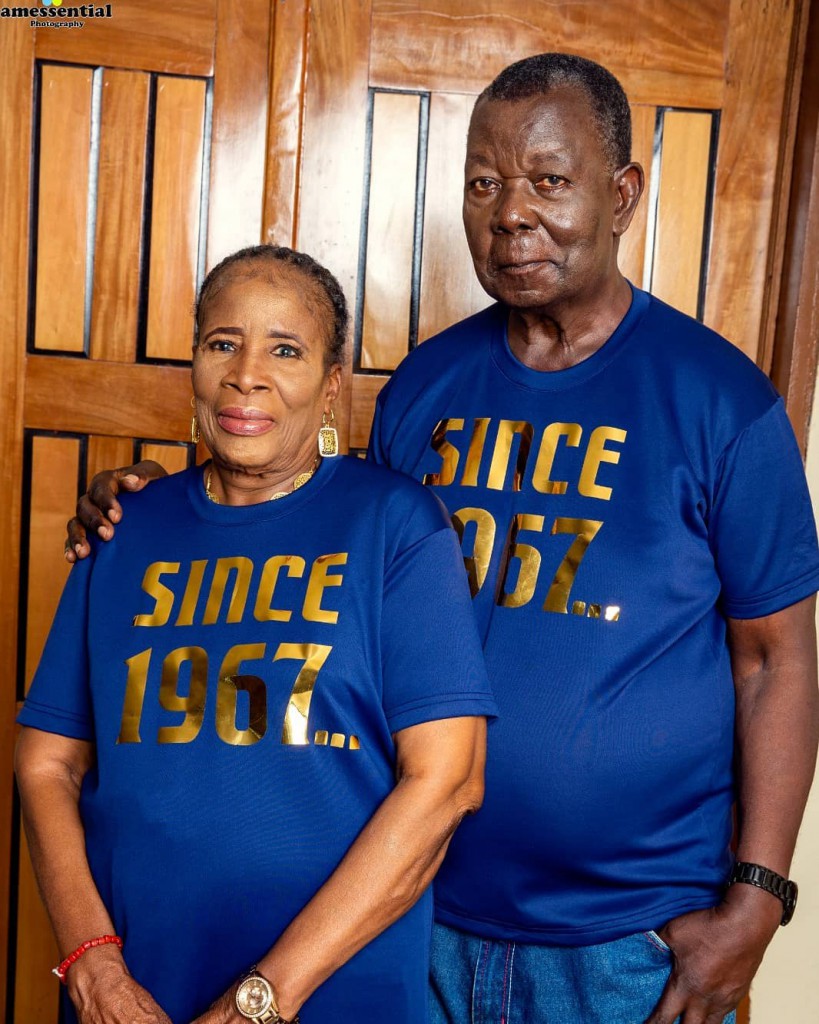
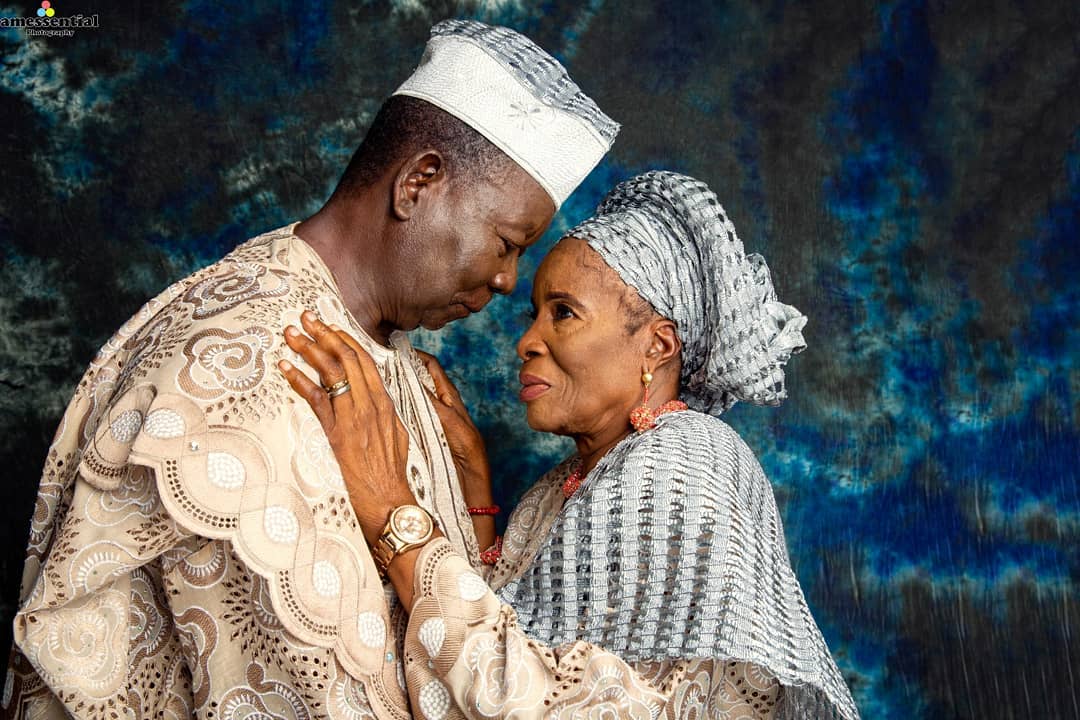
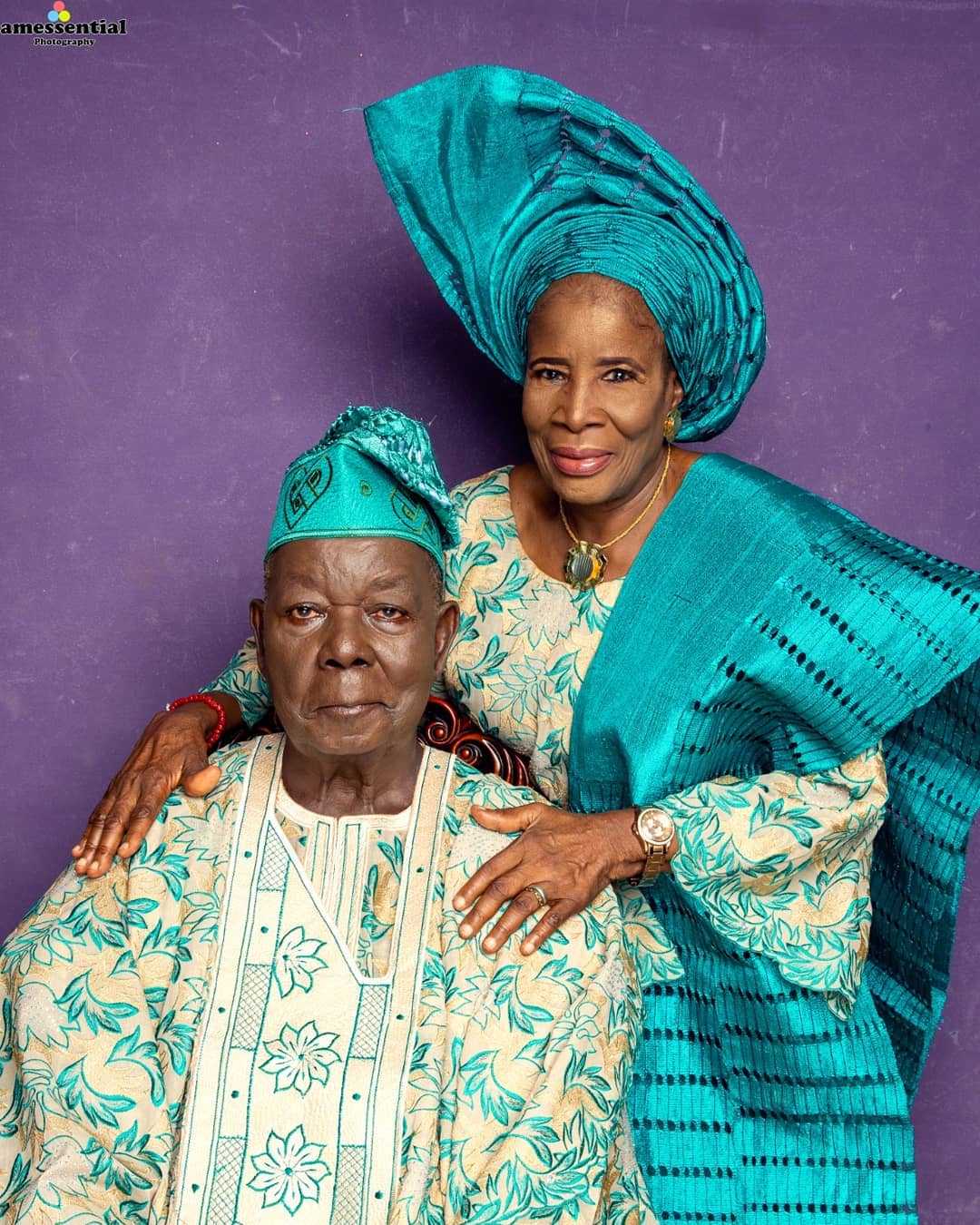
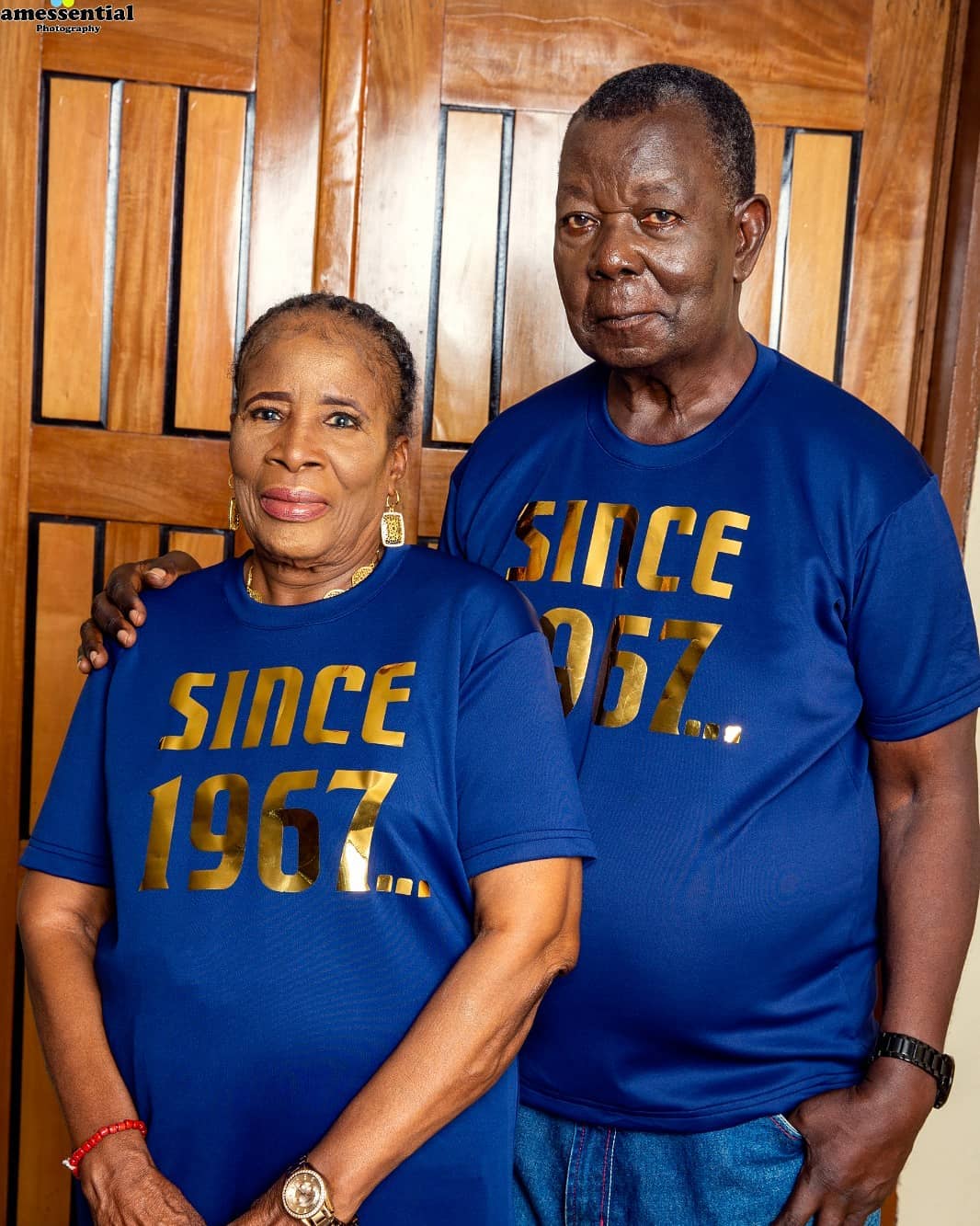
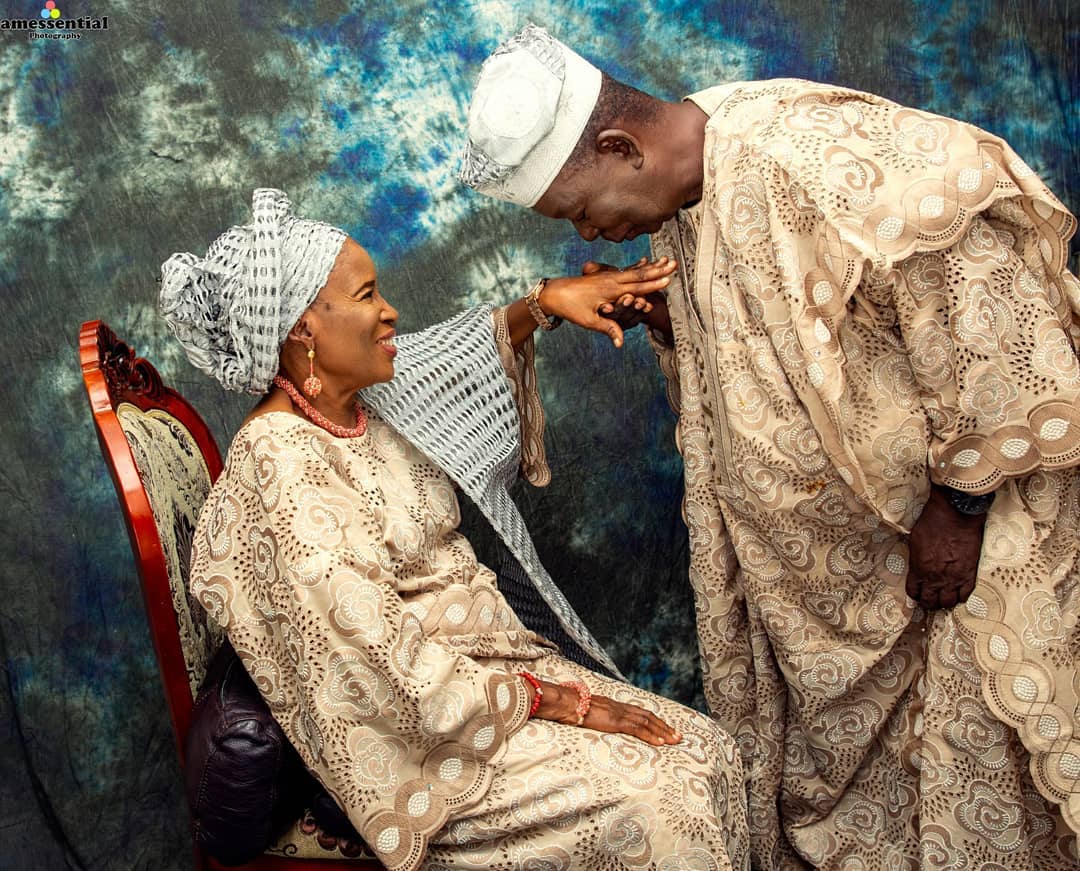
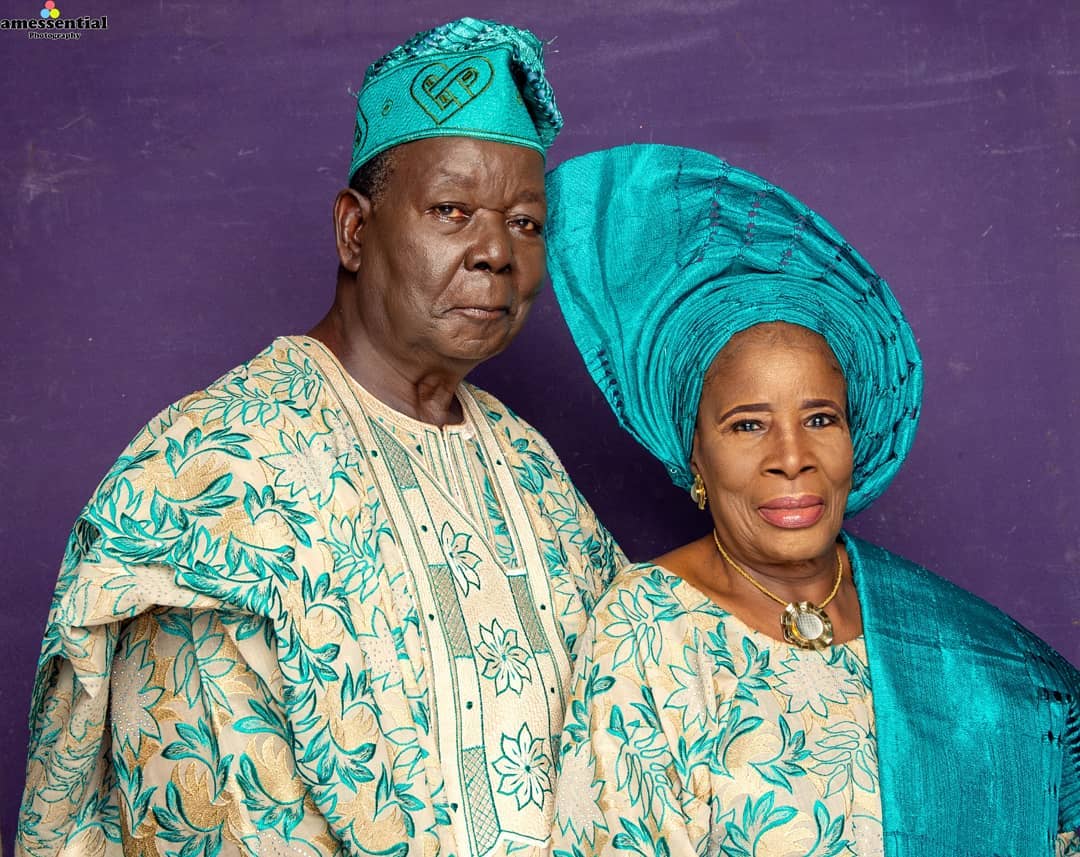
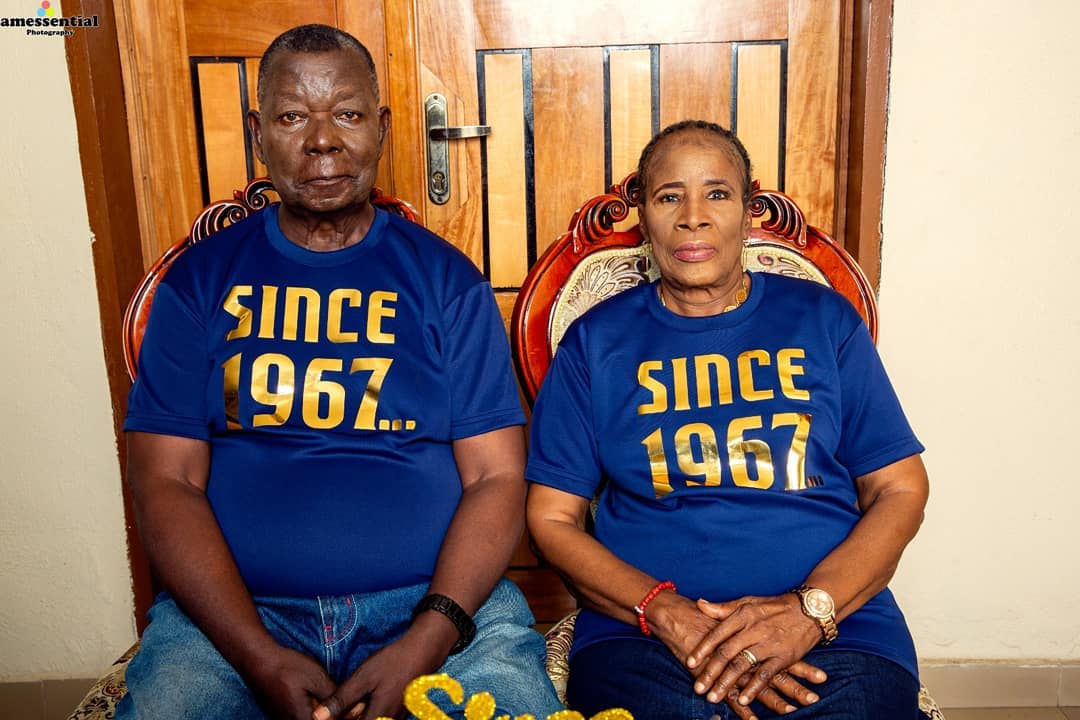
These photos of Elizabeth and Peter Oderinde , shot by @amessentialphotography, for their 52nd wedding anniversary are so beautiful.

See the photos below

Source: Bellanaija

Understanding what makes sex great for you is crucial to enjoying a mutually fulfilling and highly plGreat sex is not necessarily about going more than one round. I can’t count how many people force themselves to go more than one round. What is wrong with going one round and enjoying that round? Anyway, story for another day.

Having great sex is not just about having orgasms, neither is it about experiencing temporary paralysis because somebody almost ‘banged’ you to death.

While all those things seem interesting, many people focus on trying to measure up to certain standards – to the detriment of discovering what great sex really means to them.

So for a moment, throw away the general prescriptions for great sex and think, “What makes sex great for me?”

Let me take it a step further and simplify this for you…

Think about your best sexual experiences so far. At least, the top three most amazing sexual experiences. What made those experiences amazing for you? Why do they stand out so strongly?

If you could bring any of those things into play again, would the experience still be amazing for you?

This very simple exercise is a great way to define your unique recipe for great sex.

Great sex for you may require that your partner takes time to pay attention to your body. For someone else, it may mean adding an element of naughtiness (sex cuffs and blindfolds). To others, the element of urgency might make sex more exciting (Yeah baby, I can’t wait long enough to get to the bedroom, I want you here and now), or it may be as simple as having a participative partner.

Your recipe for great sex may vary, depending on the situation or what you are in the mood for. Whatever that recipe is, embrace it!

It would also be great to do this simple exercise with your partner and share your findings with each other.

Understanding what makes sex great for you is crucial to enjoying a mutually fulfilling and highly pleasurable sex life.

Olawunmi Esan is a trained Psychotherapist, who specializes as a Sex Therapist & Coach. She helps couples take Sexual Intimacy from Routine to Mind-blowing and has worked with over 1,000 individuals and couples to help them enjoy more fulfilling Intimacy and Sex lives.She is a founding member of The African Association of Professional Counsellors (ANEPCO) and the Founder of The Thriving Family, a Counselling Organisation working to promote positive and well balanced family life.You can learn more about her work HEREOlawunmi is married with children.

We would like to shine the spotlight on Divine-Love Akam, an economist and entrepreneur who’s leveraging technology and relationships to unlock finance and markets for smallholder farmers.

Divine-Love is the founder of eFarms, an agri-financing and agri-training platform encouraging portfolio farming with a mission to feed the future sustainably.

eFarms’ focus is digitizing African Agriculture to ensure food security through empowering smallholder farmers without access to finance.

What the platform does is, it provides financial linkage between farm-investors and small holder farmers; it also empowers passionate youths with the practical skills and knowledge in building sustainable agribusinesses.

It has trained about 200 young people in its Farmers Academy and has raised $.5m in farm investments for more than 2,000 smallholder farmers working in 8 agricultural value chains across 7 states of Nigeria (Oyo, Ogun, Plateau, Kaduna, Katsina, Jigawa, and Kano).

At the same time, over 5,000 farmers have received effective and efficient agricultural practice training through the platform.

Recognising that farmers’ produce are useless without a market, Divine-Love’s eFarms launched MarketMaker, its digital commodities trading platform.

Divine-Love is a 2019 Africa Innovation Fellow and is a nominee for The Future Awards Africa (TFAA) Prize for Agriculture.

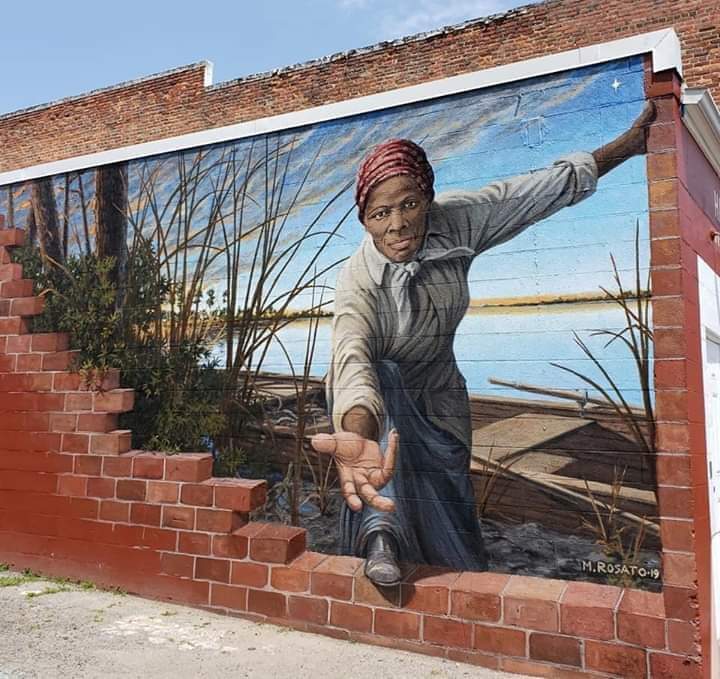
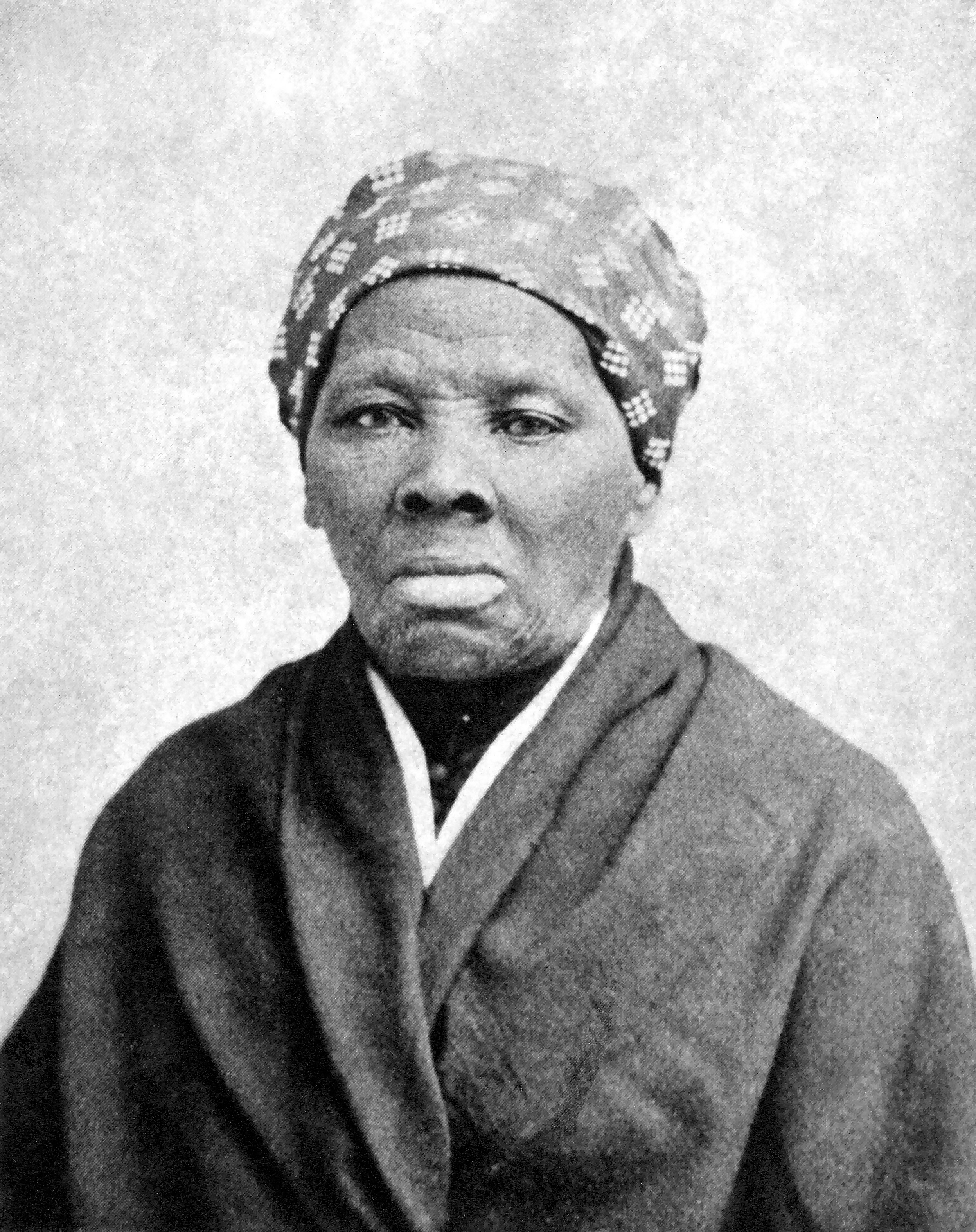
First a movie, now a museum! According to ABC News, there is a planned museum honoring the legacy of abolitionist Harriet Tubman.

The Harriet Tubman Museum will be located next to the historic Macedonia Baptist Church, in Cape May, a New Jersey town where Tubman worked for some time. Based on historical accounts, Tubman used to work in hotels and as a cook for families in Cape May.

According to the New York Amsterdam News, the upcoming museum needs a reported $500,000 to open and nearly $160,000 has already been raised by the community. The money will be used toward getting materials to build the museum, which is being constructed. Officials hope to open the museum on Juneteenth, the day when the last enslaved people were freed in the United States.

“It is important to remember the vital contribution of African Americans with regards to the role they played in the history of our county and to ensure that it is preserved for future generations,” County Freeholder Director Gerald M. Thornton said.

Tubman, who was a noted abolitionist and celebrated Civil War spy, was born into slavery on a Maryland plantation in 1822. She was born Araminta Ross and changed her name after marrying her first husband. She escaped slavery in 1849, and, became a key figure in the Underground Railroad. As noted by History.com, “The Underground Railroad was a network of people, African American as well as white, offering shelter and aid to escaped slaves from the South. It developed as a convergence of several different clandestine efforts. The exact dates of its existence are not known, but it operated from the late 18th century to the Civil War, at which point its efforts continued to undermine the Confederacy in a less-secretive fashion.”

The Harriet Tubman Museum’s website states that they are:

  • Creating a museum to honor her courage
  • Restoring the building that houses the Harriet Tubman Museum is a tribute to the rich history of abolitionist activism on this block

  • Tubman funded her Underground Railroad voyages by working in Cape May

  • The Harriet Tubman Museum highlights the pivotal role Cape May played in the fight for freedom