Author

Women of Rubies

Browsing

Sometimes, as we have seen in recent times, it is clear that love is enough to keep a relationship going.

This article will help you understand what is required to create and maintain a happy and healthy relationship.

1. Get back on track with communication

No relationship, romantic or other, is going to proceed without conflict. What ends up getting the relationship back on track is good communication. Communication, therefore, is the single most important factor in the health of a relationship because it represents the relationship’s ability to self-correct. But what makes for good communication? Entire books could be written on this, but for now let’s keep it simple:

  • Preemptive: Easier to be upfront because then problems can be spoken about instead of experienced.
  • Consistent: No point in communicating some of the time, or only on certain issues; it only works if it’s always happening.
  • Honesty: Good communication is a trust-building act, bringing you and the other person closer (see below). Dishonesty has the opposite effect.
2. Start with trust

A relationship must have a foundation of trust to succeed. Imagine what it would be like to have a relationship with someone you fundamentally mistrusted. Not enjoyable, right?

A lack of trust often initiates a vicious cycle. The one who is distrustful often causes the other partner to become secretive, even about things he or she does not need to hide, just to secure some privacy and control. This gives the suspicious person more to suspect.

Overall, a lack of trust or a breach of trust is one of the most difficult situations to overcome in a relationship.

3. Align on core values

Core values can be defined simply as those you cannot tolerate a partner NOT to share. Most relationships can have healthy disagreements about a wide variety of subjects, but each person has their “non-negotiable” beliefs. For some, this might be politics; for others, it might be whether to have children; between friends, it might be a matter of ethics.

Whatever your non-negotiables, it is important that your partner share them; otherwise you will constantly feel as if you are compromising on a deeply personal level.

However, keep in mind that not all beliefs are set in stone. If both people are willing to hear each other out, they might be surprised at the compromises they discover.

4. Use intimacy as a gauge

Although intimacy often stands in for sex in the psychological community, it can mean much more than that. I would define intimacy as an ability to communicate in a uniquely interpersonal level with another person, which can certainly happen between friends and family members as well as romantic partners. One subset of intimacy is sex, though, and in a romantic relationship this is one of the major readings of its health and happiness.

Sex in a relationship is similar to flossing, in that people who floss tend to live longer. It is not that flossing increases your life expectancy directly, but rather that those who tend to floss also tend to care for themselves in other ways, all of which lead to a longer life. Same thing with sex: a healthy sex life does not equal a healthy relationship, but it is an indication of many other positive things going on in addition to the benefits it bring by itself.

If your sex life is not where you’d want it to be, use it as a starting point to figure out what part of your relationship could change for the better.

5. Nurture vulnerability

One of the cherished things about being in a close relationship is that you can share things with another person that you do not share with anyone else. Simply being able to confide in someone about all the small and big things of your life is of enormous value — and the major reason why we enter into relationships in the first place.

Being able to share intimate details relies on a willingness to be vulnerable. This is a two-way street. Both you and your partner must develop an ability to be open as well as accept, nurture and respect the other’s openness. Vulnerability depends on this positive, reciprocal cycle.

6. Discuss the future: Children

Surprisingly, sharing a common past does not necessarily result in better relationships across the board. But sharing a vision of the future is essential in certain key areas: children, finances, and lifestyle. All of these are intertwined, of course, but it is important to understand your partner’s vision for each of these things.

One of the most common scenarios is a married couple who cannot agree on whether to have children. As you can imagine, both people feel very strongly about having or not having children. The heartbreaking thing is that there may be love, good communication, trust and shared values, but over time the couple cannot find a compromise for this extremely important life decision.

7. Discuss the future: Finances

At first, it is difficult to see how finances have anything to do with a relationship, but among couples and even among friends, differences in attitude toward money can create a serious rift.

Two friends who have two very different attitudes toward spending, for example, will have a hard time deciding what to do together. A couple in this situation will have a constant stressor on their hands, especially if finances become tight.

While it is not absolutely necessary to have identical attitudes toward money and spending, it is an important topic to discuss.

8. Discuss the future: Lifestyle

Lifestyle is sort of a catch-all phrase that includes aspects of life outside of children and finances that a couple will have to negotiate. This includes big things like how to spend leisure time or whether to be exclusive sexually as well as seemingly little things like diet or sleep. The point is that we all have preferences and needs, and when another person enters the picture with their own preferences and needs, we are forced to compromise.

When it comes to lifestyle, I have found in my practice that those who meet in their younger years have a harder time adjusting to their partner’s lifestyle. This is probably because our preferences and needs crystallize as we age. Couples who meet when they are older have a greater knowledge of their likes and dislikes, and tend to factor this into whether they would be compatible with each other.

9. Find a balance between dependence and independence

As mentioned in the trust section, the ability to rely on each other is a sign of strength. In fact, a relationship will stagnate without it. But as with everything, there must be a balance.

Too much dependence is just as tiring as too much independence. Without any dependence, neither partner feels as if he or she is part of a team, whereas with too much dependence, one or both partners is likely to feel overwhelmed.

In short, each member of the relationship has the responsibility to maintain a balance between relying too much on the other person and not relying on the other person at all.

10. Remember friends and family

This is an often-overlooked feature of a happy relationship because much of the beginning part of the relationship does not involve family and friends. Two people get to know each other by themselves and find they are beginning to form a strong relationship. But then comes the next stage when that person meets the other important people in their lives.

Couples tend to forget that how they fit into each other’s friends and family groups is important. As with core values, the important thing here is tolerance. Even if the person does not get along perfectly with your family and friends, is it tolerable? Can everyone basically get along?

Of course, the more seamlessly they fit into your circles the better, but this only really becomes a problem when the fit is so bad that you hesitate to bring them around.

11. Maintain commitment

In the beginning of most relationships, very little commitment is needed. Everything is rosy and you cannot imagine anything going wrong. I see many couples who are just coming down from their dating or marriage highs and are lacking one key component: a commitment to each other.

Commitment may be defined as a willingness to stay with the other person through times where it is no longer fun or easy to do so. Successful long-term relationships weather many such periods. Here are some other things to keep in mind about commitment:

  • Commitment is easier when we appreciate qualities in a person that do not change with circumstance — when we appreciate their sense of humor, for example, instead of their salary.
  • Too much commitment can be harmful. It can cause many people to stay in abusive relationship far too long. Healthy commitment is keeping a perspective on the qualities of the person that you love, whereas unhealthy commitment is elevating commitment itself above your happiness.
  • Commitment is also a two-way street: it is more sustainable to stay committed to someone who is staying committed to us.

Hopefully you have recognized each item on this list as at least a factor in your relationship. Problems are especially troublesome when you or your partner are not even aware of them.

If an item or two on the list jumps out as being problematic in your relationship(s), return to item #1: Use communication to get back on track. Communication or the relationship’s ability to self-correct is always the starting point for change.


Meal plans are a great way to cut down waste, make shopping for food quicker and easier, and help you to stick to healthy choices. But where do you start? What makes a healthy meal plan for the week, and how do you know what to include?

Firstly, there is no healthy meal plan that works for everyone. At different stages of your life, you will need different levels of nutrients, but there are some general principles that you can follow, and then adjust as necessary.

Here’s how to create a healthy meal plan for the week.

For the vast majority of adults, these practical tips should be the backbone of your meal plan:

A range of fruits and vegetables.

  • Whole grain carbohydrates (brown rice, brown bread, millet, bulgar wheat, etc)
  • Fermented food such as kefir, kimchi, and sauerkraut
  • Unsaturated fats such as extra virgin olive oil, rapeseed oil, avocados, and nuts
  • Two portions of oily fish such as salmon per week (or nuts and seeds if you don’t eat fish)
  • A handful of nuts and seeds a day
  • Aim for 30g of fiber a day
  • Eat a range of beans and pulses (such as chickpeas, kidney beans, black beans, and lentils)
  • Drink approximately 8 glasses of water a day.

Calorie Counting

A calorie is the energy required to raise the temperature of 1g water from 14.5 to 15.5°Celsius. This is calculated in a laboratory, by burning the food. However, the food is not “burnt” in our bodies, and people’s metabolism and energy expenditure vary, so it’s a very rough estimate.

The absorption and, therefore, how much energy is available for you to use, is also affected by how the food is processed. An example of this is sweet corn. If you grind it down into a powder and make a tortilla, you will absorb far more calories than if you eat whole sweet corn kernels. Instead, you will see most of the kernels untouched, in the toilet!

Another concern with calories is that instead of thinking about nutrient quality, it promotes prioritizing quantity. For example, there is a huge difference in the number of nutrients you could consume in 500 calories of fruit and vegetables, versus 500 calories of ice cream.

Also the number of calories you need varies according to so many factors, such as age, gender, lifestyle, and activity level, that it is hard to accurately predict exactly how many you need. Instead, I prefer to recommend a general principle of how to balance your plate and a reminder to eat mindfully when you are physically hungry, not because of an emotional trigger.

How to Balance Your Plate

When thinking of your healthy meal plan, for each meal your plate should contain approximately:

  • Fruit and vegetables (1/2 plate)
  • Whole grains (1/4 plate)
  • Lean protein (1/4 plate)
  • A spoon of unsaturated oil

This will help you when you think of each meal to work out what to include and approximate portion sizes.

An Example For A Day

Breakfast

  • Overnight oats, with chia seeds and milk or fortified plant based milk
  • A piece of fruit
  • Snack
  • A handful of mixed nuts

Lunch

  • Grilled tofu with a mixed salad and bulgar wheat
  • A piece of fruit
  • Snack
  • Apple slices with nut butter

Dinner

  • Chicken / tofu / salmon with miso brown rice and spring greens
  • OR vegetable curry, daal, and brown rice
  • OR stuffed aubergine with mixed vegetables and millet or quinoa
  • A piece of fruit

How to Adjust Your Meal Plan

There are certain phases when more or less nutrients are needed, so it is important to consider your changing needs.

When You’re Pregnant

During your pregnancy, you should limit oily fish to once a week, and only 2 tuna steaks or 4 medium sized cans of tuna per week, because of the risk of pollution.

You should also avoid the following food groups:

  • Raw or undercooked eggs
  • Unpasteurized cheese
  • Raw or undercooked meat
  • Homemade ice-cream with raw egg
  • Soft-serve ice cream from vans or kiosks
  • Vitamin A supplements
  • Liquorice root
  • Alcohol

When You’re Breastfeeding

While you are breastfeeding, your body needs more calcium (1250mg), selenium (70mcg), and iodine (200mcg). Ensure that you include these in your meal plan.

When Going Through Menopause

Menopause changes your long-term risk of disease, so it is important to focus on items that help support bone and heart health. The framework above already sets out a diet to support long term heart health, but for bone health aim for:

  • 1200mg calcium per day
  • High-quality protein at every meal
  • Foods rich in vitamin K
  • Foods rich in phosphorus
  • Foods rich in magnesium
  • Organizing Your Shopping

Once you have completed your healthy meal plan for the week, you can save the ingredients that you regularly need to an online shopping list, in order to make repeat ordering simpler. Some recipe books also now have a QR code so that you can easily synchronize the ingredients needed with your online shopping.

Try to eat seasonal fruit and vegetables where possible, but canned beans, frozen, dried, and freeze dried fruit make great substitutes for fresh, retaining most of the nutrients.

Final Thoughts

Creating a healthy meal plan for the week may be daunting at first, but once you get the hang of it, it’ll become a fun addition to your weekly planning, and one that will ultimately improve your overall lifestyle. Try to use the general feedback above and adapt it to your own specific needs. Enjoy looking for new and exciting recipes to include in your plan!

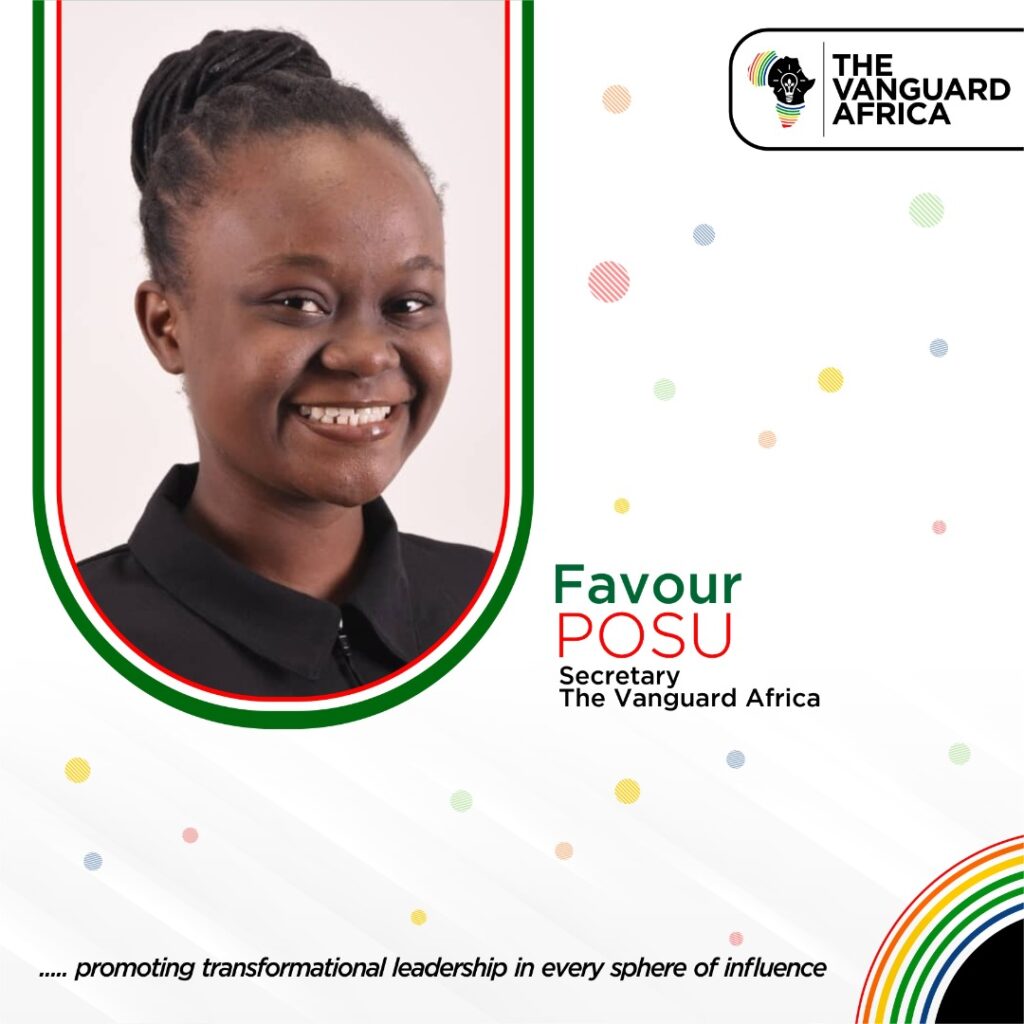
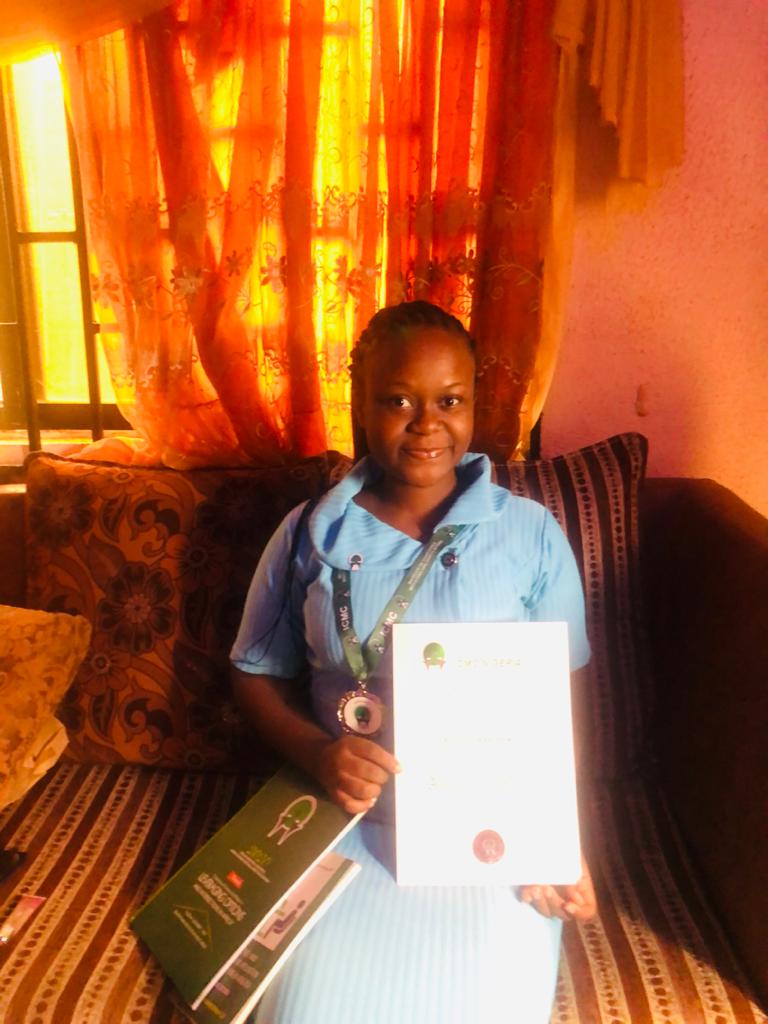
Favour Posu is a penultimate law student of Olabisi Onabanjo University. She is an Associate of the Institute of Chartered Mediators and Conclliators with a uncanny zest of problem solving.

Being an ardent believer in information as a tool of transformation, she has engaged in Public speaking and Debate to which she has won several laurels to her name. With a natural inclination to impact making, she is committed towards personal and people development

Her excellent leadership skills has been exhibited in the various positions currently held – Alumnus, Pan Africa Youth Leadership Program, President, CLASFON OOU, Co-Founder, Tech Savvy Law student, OOU, Legal Officer, NISS OOU, Secretary, The Vanguard Africa, Campus Ambassador, Mediate Guru, Secretary Omaplex Virtual Internship Alumni Network, Brand Ambassador, Legally Engaged among several others.

She shares her RUBY GIRL story with the team.

1. Let’s meet you. Who is Favour Posu?

Favour Posu hails from Badagry, Nigeria. She was born into the family of Dr and Mrs Posu. She is a penultimate law student of Olabisi Onabanjo University. She has core interests in Technology Law, Corporate Law, International Trade and Alternative Dispute Resolution. She is an outstanding law student with a grave commitment to excellence. Sequel to her passion for conflict resolution, she is an Associate of the Institute of Chartered Mediators and Conciliators.

Being an ardent believer in information as a tool for transformation, she has engaged in Public speaking and Debate of which she has won several laurels to her name. She is a volunteer Speaker, Mentor and Poet who impact lives through the usage of words.

Her topnotch leadership skills is palpable from the various positions held – President, Christian Law Students’ Fellowship of Nigeria, Olabisi Onabanjo University Chapter, Co-founder, Tech Savvy Law Student Club, Olabisi Onabanjo University, Legal Officer, Noble Intellect Student Society, Secretary, Omaplex Virtual Internship Alumni Network, Campus Ambassador, Mediate Guru. To that end, she is committed towards personal development and carer advancement. She is loved and helped of God from which her essence is hinged on.

2. Has Law always been your dream course? If not, what prompted you to study Law?

 As a young, bubbling and cheerful girl with good communication and persuasive skills, The word “Baby Lawyer” has always been reinforced to my person. The conviction was so strong in the minds of family and family and friends that got me thinking if the Legal Profession was really what I wanted or what my people wanted for me. Also, I felt I was also going to be good in Acting. Still in a state of dilemma, however with a strong push, I embarked on the legal sojourn. I must say I have no regrets, although the decision to study law was not absolutely self willed. I am instead grateful for the great push towards the path of destiny. With the diverse nature of the Legal Profession, I have been able to test the waters and set on a journey of carving a niche in the noble Profession.

3. How has working as an Associate of the Institute of Chartered Mediators and Concillators right from your undergraduate days been?

Being an Associate of the Institute of Chartered Mediators and Conciliators, I recently concluded a three month internship at Ogun State Multi Door Court House where I was privileged to understudy 8 mediators and co – facilitated several mediation sessions.

4. You’re the co-founder of Tech Savvy Law Students, OOU. Why Tech Law?

Tech Law is the new oil.

5. Your most memorable moment on stage during Public speaking and Debate?

My most memorable moment during Public Speaking was when I was in JSS 3 and I had the privilege to speak on the topic “Corruption, a clog in the wheel of Progress”. The five minutes speech was characterised with utmost attention on the part of over 2,000 senior school students including Principals, Vice principals and teachers at the Assembly ground.

Upon completion of the speech, round of applauds and eyes of admiration and prayers escorted me down the stairs. I was not only able to make a name for myself. Also, I was able to make a lasting impact in the mind of the youths by preaching against the evils of corruption.

6. Tech Law is an emerging sector in the Nigerian Law practice. What is your advice to students or fresh graduates who want to choose it as a career path? What are the challenges they might face and how can they overcome them?

The world is fast evolving with the use of technology in various practise areas. It is no news that the value of technology in the 21st Century cannot be undermined as it is the tool to staying relevant in the society of today. Indeed! Technology is the new oil that has come to stay in the Legal profession.

It is important for Technology Law enthusiasts like myself to read extensively on the diverse areas of Technology Law. Find a path and carve a niche. Seek for mentors in the field. Write articles and register your visibility as a Tech Law enthusiast on social media account like LinkedIn. There are really no challenges aside the need to be consistently up on your toes and be abreast of the trends in the industry. Lastly, subscribe to Newsletters in the Tech Law Industry.

7. You are in your penultimate year. How do you balance your education with the many other activities and offices you occupy?

Sincerely it has really been by the grace and wisdom of God. However it is expedient to note my little efforts with God’s blessings. Sequel to the understanding of my identity in Christ, the passion for excellence became aggressively heightened. Hence, Excellence is not an option but a must. Core values such as Diligence, Excellence, Discipline and Resiliency are greatly valued coupled with a strong passion for personal development, people development, career advancement and impact making.

Inspiration is gotten from a long term gratification, zest for knowledge and the impacts made. I must not fail to mention the fact that God has always been my biggest motivator.

8. How has your office as the President of CLASFON OOU influenced and shapened you as a Christian Law student?

The priviledge to serve as the President of Christian Law Student Fellowship of Nigeria has been a defining phase for me. It has greatly helped in building capacity spiritually, intellectually and academically. Through the undiluted word of God, I have been guarded with wisdom for practical living with great friend from the body of Christ. Also, my service unto God has helped to instill in me similarly striking values of Christ and the legal profession. These values are Integrity, Honesty, Truthfulness, Diligence and Fairness.

9. What are the greatest challenges you’ve had to face due to the positions and offices you occupy?

One of the greatest challenges faced is People Management. In my quest to keep surmounting these challenges, I have been able to hone my communication, organisation, problem solving, critical analysis and administration skills.

10. What is your favourite quote?

“Seek ye first the Kingdom of God and all other things shall be added unto you”. Matthew 6:33.

11. If you were the President of Nigeria for a day, what would you change?

Recognising Education as the milestone of a nation’s development and the foundation of society which brings economic wealth, social prosperity and political stability and considering the poor Education system of the country, I would revitalise and reform the Education system according to best international standards. A revolution in the Education sector will automatically cause a substantial improvement in other sectors such as Government, Economy and Health.

12. Mention 3 women who inspire you and why.

My mother, Mrs Abosede Posu inspires me in so many ways. Her passion for excellence has been well cultivated. Her dependence in God as the secret of her amazing display of strength is admirable. She is full of virtues and highly industrious. Watching her as a young girl performing excellently as a wife, mother, entrepreneur, teacher and friend has always rekindled the passion of greatness in me. She is indeed rare.

Bettina Shobanke is another woman that inspires me a lot. In her, I see the manifest love of God at work.

Lastly, the woman that inspires me is Esther in the Bible who is zealous about her country and through the help of God, she was used in the salvation of the children of Israel from death.

13. Where do you see yourself in the next 5 years?

By God’s grace, I see myself pursuing my LLM post graduate program at an Ivy League School in the United States of America. By God’s grace, I should be with my help mate.

14. If you were given the opportunity to address a group of girls five years younger than you, what will be your advice to them?

I would make them understand few but sacrosanct pieces of information such as:

1. The seasons of life: These are two major seasons in the life of a man. The time to sow and reap. The law of nature whatever is sown shall be reap is applicable to human. To that end, the sowing time (Youth) is the most important as it determines what is to be harvested. Hence, the need to be diligent, resourceful and purposeful.

2. The greatest influencers: What you see, what you hear and what you read. Just like food, feeding on the right thing would enhance healthy and overall development. Hence, the need to guard your heart with all diligence for out of it flows the issue of life. Surround yourself with the right set of people, choose friends that are nourishing and destructive. A quick one! To get good friends, be a good one. Read good books, watch good movies. Flee from every appearances of evil either written or played.

3. The importance of God first as the secret to fulfilling Purpose, know God in the days of thy youth. That cannot be overemphasised.

Do you say yes so often that you no longer feel that your own needs are being met? Are you wondering how to say no to people?

The Importance of Saying No

When you learn the art of saying no, you begin to look at the world differently. Rather than seeing all of the things you could or should be doing (and aren’t doing), you start to look at how to say yes to what’s important.

In other words, you aren’t just reacting to what life throws at you. You seek the opportunities that move you to where you want to be.

Successful people aren’t afraid to say no. Oprah Winfrey, considered one of the most successful women in the world, confessed that it was much later in life when she learned how to say no. Even after she had become internationally famous, she felt she had to say yes to virtually everything.

Being able to say no also helps you manage your time better.

Warren Buffett views “no” as essential to his success. He said:

“The difference between successful people and really successful people is that really successful people say no to almost everything.”

How We Are Pressured to Say Yes

It’s no wonder a lot of us find it hard to say no.

From an early age, we are conditioned to say yes. We said yes probably hundreds of times in order to graduate from high school and then get into college. We said yes to find work, to get a promotion, to find love and then yes again to stay in a relationship. We said yes to find and keep friends.

We say yes because we feel good when we help someone, because it can seem like the right thing to do, because we think that is key to success, and because the request might come from someone who is hard to resist.

And that’s not all. The pressure to say yes doesn’t just come from others. We put a lot of pressure on ourselves.

At work, we say yes because we compare ourselves to others who seem to be doing more than we are. Outside of work, we say yes because we are feeling bad that we aren’t doing enough to spend time with family or friends.

The message, no matter where we turn, is nearly always, “You really could be doing more.” The result? When people ask us for our time, we are heavily conditioned to say yes.

How Do You Say No Without Feeling Guilty?

Deciding to add the word “no” to your vocabulary is no small thing. Perhaps you already say no, but not as much as you would like. Maybe you have an instinct that if you were to learn the art of no that you could finally create more time for things you care about.

But let’s be honest, using the word “no” doesn’t come easily for many people.

3 Rules of Thumbs for Saying No

1. You Need to Get Out of Your Comfort Zone

Let’s face it. It is hard to say no. Setting boundaries around your time, especially you haven’t done it much in the past, will feel awkward. Your comfort zone is “yes,” so it’s time to challenge that and step outside that.

2. You Are the Controller of Your Time

When you want to learn how to say no, remember that you are the only one who understands the demands for your time. Think about it: who else knows about all of the demands in your life? No one.

Only you are at the center of all of these requests. You are the only one that understands what time you really have.

3. Saying No Means Saying Yes to Something That Matters

When we decide not to do something, it means we can say yes to something else that we may care more about. You have a unique opportunity to decide how you spend your precious time.

6 Ways to Start Saying No

Incorporating that little word “no” into your life can be transformational. Turning some things down will mean you can open doors to what really matters. Here are some essential tips to learn the art of no:

1. Check in With Your “Obligation Meter”

One of the biggest challenges to saying no is a feeling of obligation. Do you feel you have a responsibility to say yes and worry that saying no will reflect poorly on you?

Ask yourself whether you truly have the duty to say yes. Check your assumptions or beliefs about whether you carry the responsibility to say yes. Turn it around and instead ask what duty you owe to yourself.

2. Resist the Fear of Missing out (FOMO)

Do you have a fear of missing out (FOMO)? FOMO can follow us around in so many ways. At work, we volunteer our time because we fear we won’t move ahead. In our personal lives, we agree to join the crowd because of FOMO, even while we ourselves aren’t enjoying the fun.

Check in with yourself. Are you saying yes because of FOMO or because you really want to say yes? More often than not, running after fear doesn’t make us feel better.

3. Check Your Assumptions About What It Means to Say No

Do you dread the reaction you will get if you say no? Often, we say yes because we worry about how others will respond or because of the consequences. We may be afraid to disappoint others because we think we will lose their respect. We often forget how much we are disappointing ourselves along the way.

Keep in mind that saying no can be exactly what is needed to send the right message that you have limited time. In the tips below, you will see how to communicate your no in a gentle and loving way.

You might disappoint someone initially, but drawing a boundary can bring you the freedom you need so that you can give freely of yourself when you truly want to. And it will often help others have more respect for you and your boundaries, not less.

4. When the Request Comes in, Sit on It

Sometimes, when we are in the moment, we instinctively agree. The request might make sense at first. Or we typically have said yes to this request in the past.

Give yourself a little time to reflect on whether you really have the time or can do the task properly. You may decide the best option is to say no. There is no harm in giving yourself the time to decide.

5. Communicate Your “No” with Transparency and Kindness

When you are ready to tell someone no, communicate your decision clearly. The message can be open and honest  to ensure the recipient that your reasons have to do with your limited time.

Resist the temptation not to respond or communicate all. But do not feel obligated to provide a lengthy account about why you are saying no.

Clear communication with a short explanation is all that is needed. I have found it useful to tell people that I have many demands and need to be careful with how I allocate my time. I will sometimes say I really appreciate that they came to me and for them to check in again if the opportunity arises another time.

6. Consider How to Use a Modified No

If you are under pressure to say yes but want to say no, you may want to consider downgrading a “yes” to a “yes but…” as this will give you an opportunity to condition your agreement to what works best for you.

Sometimes, the condition can be to do the task, but not in the time frame that was originally requested. Or perhaps you can do part of what has been asked.

Final Thoughts

Beginning right now, you can change how you respond to requests for your time. When the request comes in, take yourself off autopilot where you might normally say yes.

Use the request as a way to draw a healthy boundary around your time. Pay particular attention to when you place certain demands on yourself.

Try it now. Say no to a friend who continues to take advantage of your goodwill. Or, draw the line with a workaholic colleague and tell them you will complete the project, but not by working all weekend. You’ll find yourself much happier.

Abimbola Ajala is a social Entrepreneur and media personality with over 5 years’ experience working in the Education and social sector. She holds her Bachelor of Arts degree from Obafemi Awolowo University Ile Ife Osun state and a certification in view from Lagos business school.

Abimbola launched her NGO, an organization known as Lend a hand for the development of Africa in 2016. This organization reaches children in poor families in local communities as they provide basic education and health supplies to children in a bid to reduce illiteracy and poverty.

Since then the organization has reached over Five thousand children in schools directly and indirectly across Nigeria, with her various projects and scholarships.

Her organization has been recognized as one of the emerging NGOs in the country. She was nominated for the SMEunder25 awards under the social Entrepreneurship category. She is also the recipient of the Exhale woman International award, in 2018 got awarded as one of the “Talent of the Future” and Lagos state award for humanitarian service also in 2018.

Bimbo is also  youth lead ambassador representing Nigeria, She believes strongly that love helps us reach out to our world faster. She shares her inspiring story with Esther Ijewere in this exclusive interview

Childhood Influence

Growing up was great, large family both nuclear and extended family in a building.(Laughs) However I won’t deny the many challenges associated with that time of my life, having a silver spoon and literally the spoon taken from you can make life unbearable, I believe somehow through my life’s path I learnt to pay it forward which informs what I donow. Reaching out to children in slums and giving them an opportunity to live their
dreams through education. My parents through the struggles felt it was important for
them to get us educated even if it meant selling some properties, I can’t deny how grateful I am that they took bold steps in that regard.

Inspiration behind Lend a Hand For The Development of Africa
Lend a hand for the development of Africa started from a burning desire to see that narratives change. We can’t deny the work that needs to be done in a lot of our public secondary schools and generally at the grassroots. The mindset renewal of the students, infrastructure upgrade and a whole lot. Though an undergraduate at that time I knew I could lend my voice for change, I could help renovate a library, I could get my friends to speak to students on making great career choices, I could get sanitary pads across to young girls in schools as we speak on period poverty and most importantly just like my parents did for me I could beat the odds to make a difference in the life of a child(ren). I decided I wasn’t going to waste any time and I got my friends back then in Obafemi Awolowo University to join me in visiting schools and communities to do some
of these things. Well most of these things

The Journey so far
The journey has been very interesting with different tales. Five years and counting I feel like we just started as there is so much to do. The transition from university to the Real world shook me but I am glad I kept at it. I have had moments I doubted myself and what we do at lend a hand for Africa, I have had lonely paths but the testimonies from our beneficiaries and God’s infinite grace has kept me going.

Supporting 5000 Children
Directly and indirectly we have through our project supported over Five thousand children with our various projects. The padforagirl drive hopes to get girls in schools and communities access to sanitary pads and
also good hygiene information. This platform gives girls an opportunity to interact with doctors
and counselors and share their burdens or challenges with them.( thousands of girls have benefited from this across various communities. The padforagirl drive is also a platform to advocate for better policies as regards avoiding the stigmatization that comes with menstruation.

We noticed that girls who joined our padforagirl drive in schools didn’t have to skip school during
that time of the month, they had sanitary materials and adequate information.

The scholarship scheme has helped get drop out kids and kids from poor backgrounds into school across various levels( primary, secondary and university) recently one of our girls completed her Nd program at the Polytechnic Ibadan and is moving to another phase of her academic pursuit. We also have a young boy we enrolled in a football academy in Lagos, we saw his interest and we decided to give him a platform to shine.

The food drive has been a huge part of our work. We noticed children were skipping classes and school out of hunger and we introduced a feeding plan. However last year we had to increase our capacity here by getting families food during the very crucial lockdown. The number of malnourished kids is on the rise and poverty is a huge reason for this, the food drive helps families thrive monthly and helps children stay nourished.

My Recognition Awards and it’s Impact

All the awards I find important as it’s a reason to do more and also show I am being recognized, I do not take that lightly. However the Lagos state award from the Ministry or Youth came as a huge surprise as I didn’t think we were noticed but kept doing our bit. That triggered something for me.

Representing Nigeria as a Youth Leader
My role as a youth lead ambassador in 2020 gives me an avenue to share authentic Nigeria stories with the world with what I do. I had to also organize with other ambassadors to amplify the work we do as social entrepreneurs and work on solutions that would enable us see sustainable changes in certain areas. Policy implementation was Drawn to help youth engage better in communities. This year I became peer advisor for USAID and Youthlead also and I realized how a lot of people opened the doors for me at various points in my life. As a peer advisor I am opening the doors for other ambassadors this year to use their voice on a global stage. Not get caught up in “we are young syndrome” but give their work their utmost best, I will be mentoring
changemakers from different part of the world and I feel very blessed to do that.

Challenges of my Work
The challenges of the work I do vary from time to time, but I am learning to work through those challenges. Sometimes it’s handling new government policies, other times it’s Funding, sometimes it’s inadequate and skilled volunteers to work on a project. The key for me is to learn how to make things work through the seemingly different season and that has made me somewhat very innovative.

Women who Inspire me and why
I have been inspired by various women and this question seems slightly difficult but for the sake of the question asked I’d say: My mum_ Mrs. Atinuke Akinsanya who showed me through her lifestyle what it means to truly be passionate about helping someone who might not be able to repay you and truly caring for others. Michelle Obama I remember writing about her in business school, so much to say but I will leave it this way, she showed that an “exalted” position can be used to truly impact lives. Mrs. Ibukun Awosika is phenomenal. I love listening to her talk about various aspects of life and how she creates a balance through life issues. Her career path energies me to be more and do more.

Being a Woman of Rubies

What makes me a woman of rubies_hmmmm (smiles) the fact that I am constantly becoming, and creating opportunities for families at various point in my life to move out of intergenerational poverty and illiteracy. I am constantly opening doors for women to live their dreams makes me a woman of rubies.

Our social media handles:
Twitter @lahafrica
Instagram @lendahandafrica

Twitter: @bimboakinsanya

Instagram:@bimboakinsanya

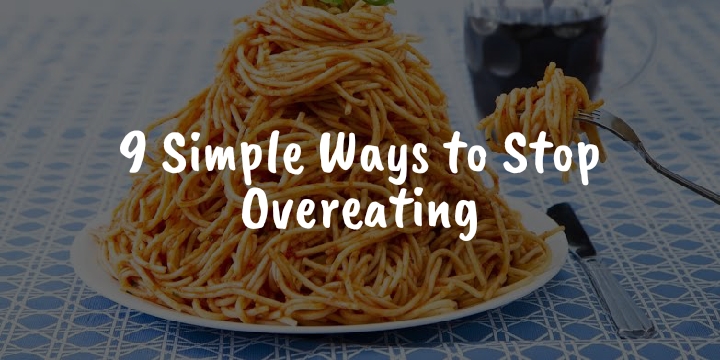
Overeating is a serious problem for lots of folks. While many attribute overeating to a lack of willpower, it’s more complex than that. Scientists say people who overeat exhibit different brain activity than those who don’t.

Fortunately, there are ways to stop overeating that don’t rely on willpower or rewiring your brain.

Let’s explore nine of them.

1. Eat breakfast.

Skipping breakfast is a big no-no. Research shows people who don’t eat breakfast are more prone to overeating later in the day and have a higher incidence of coronary heart disease.
Another study showed that eating eggs in the morning can help you eat less throughout the day.

2. Slow down.

It may sound obvious, but eating slowly and mindfully is one of the best strategies for combating overeating.  Eating slower helps you feel full faster.

3. Use smaller plates.

The larger the plate, the more likely you are to overeat. Most standard dinner plates are around 12 inches in diameter. Switch to a 9-inch plate and you’ll eat less.

4. Pay attention to your emotions.

You need to become aware of your reasons for wanting to eat junk food to understand why you overeat. For example, maybe you eat compulsively to make yourself feel better or to combat stress. Identify your triggers, and you’ll be more likely to create personalized strategies to deal with them.

5. Exercise more.

Your responsiveness to food cues is significantly reduced after exercise.In other words, you’re less likely to want to indulge when you see a picture of a giant ice cream sundae.
Not to mention the fact that exercise is a keystone habit that can change your life.

6. Choose nutrient-dense foods.

“Nutrient density” means the amount of nutrition packed into a particular volume of food. For example, you can eat a giant plate of broccoli to get the same amount of calories in a tiny cup of ice cream because vegetables are generally more nutrient-dense.

Steer clear of foods like sweets, cheese, and soda, which don’t offer a lot of nutritional bang for your buck. Choose healthy foods like vegetables, fruits, lean meats, healthy oils, and beans instead.

7. Pack healthy snacks for when you’re on the go.

Healthy snacks are an essential tool to help you avoid overeating. Snacking on healthy foods like almonds can help you avoid food cravings. So pack healthy snacks like nuts, seeds, fruit, and vegetables with hummus and take them with you to work, school, or other places you go throughout the day.

8. Allow for one cheat meal each week.

Cheat meals are when you reward yourself for eating healthy by splurging on something you love. This doesn’t mean have a free-for-all at the buffet. But having one or two pieces of pizza is okay. Completely depriving yourself makes it much more likely you’ll give in to food cravings and overeat.

9. Plan for setbacks.

Implementation intentions help you plan for bumps in the road. The basic setup for an implementation intention is this:

If this happens, I’ll do that.

For example, if you find yourself getting stressed and reaching for a bag of chips even though you’re not hungry, write down the following implementation intention: “If I get stressed and reach for chips, I will grab a piece of fruit instead” or “If I get stressed and reach for chips, I will go for a walk instead.” This is a powerful strategy that uses proven principles of behavioral psychology. A little planning goes a long way.

Overeating can be a tough thing to overcome, but these methods will help. The more you can work to develop healthy eating habits, the less likely you’ll be to overeat.

Take one step at a time, focus on the small wins, and you’ll crack this bad habit for good.

I’m sure you’ve heard of a million different smoothie recipes for weight loss, right? Let’s be honest…they are quick, easy, flavorful, filling, and so delicious! On top of that, you can easily adjust smoothies to meet your macros. Plus, they can make incredible low-calorie subs for some of those sweets you might be craving. 

Maybe you’re wondering, are smoothies good for weight loss?

Yes and no.

Smoothies can be great meal replacements and a way to sneak in extra protein! However, they also can lead to lots of unwanted calories if used incorrectly.

You’ve probably heard it said before: Don’t drink your calories. In a lot of cases, that can be true. It’s not necessarily that smoothies or liquid calories are bad, but it can be hard to justify a smoothie as being a meal, even if it has the calories of one. For that simple reason, some people trying to lose weight might use smoothies more as a snack than a meal, and with that could come unwanted weight gain.

That being said, smoothies are generally healthy and can be amazing at curbing cravings! On top of that, the macro profile (portion of carbs, fats, and proteins) can be spot on as well. Sometimes it actually makes more sense to reach for a copy-cat smoothie version of your favorite dessert (made out of whole ingredients that will keep you satisfied) instead of reaching for a dessert that will spike your blood sugar.

Because of these differences, we need to make a distinction between smoothies that are used as a meal vs ones that can be snuck in as a snack:

Meal Smoothies

These should have a mix of fiber, protein, carbs, and fat. These types of smoothies should generally be used as a meal substitute. An 8 ounce smoothie of just fruit isn’t enough to satisfy most people for long. However, this blend of macro-nutrients will ensure your body feels satiated until your next meal.

Why is that? Fiber, protein, and fat tend to be slower to digest, so your body gets a steady trickle of nutrients that will last a longer time. In contrast, pure fruit is easily digested and will quickly boost your blood sugar only to drop it soon after.

Snack Smoothies

These are lower calorie and nutrient dense. In contrast to meal smoothies, these light and fresh smoothies can give you a quick boost of energy. These smoothies are an amazing way to sneak in extra greens and super-foods. However, they aren’t likely to keep you feeling full for long.

Use snack smoothies between meals or when you need a pick-me-up. But be mindful! Too much snacking of any kind throughout the day could still lead to too many calories.

Check out 11 new smoothies you can try out:

1. Creamy Mint Chocolate Chip Smoothie

Part of the struggle with trying to lose weight and create healthier habits is the struggle of having to give up some of your favorite foods, like chocolate. Say no more. This chocolate mint smoothie is the perfect blend of protein and chocolate to satisfy your cravings for good! Why avoid what you love when you can indulge the healthy way?

2. Creamy Cacao Avocado Smoothie

Speaking of chocolate, give this smoothie a go! The blend of avocado and chocolate will keep you feeling satisfied and healthy all day long. Not to mention, the creaminess of this one will blow your mind.

3. Frozen Fruit Smoothie

Sometimes, you don’t need to venture far past the basics to find your ideal smoothie. With a base of apple juice and yogurt, this smoothie provides the best blend of sweetness and creaminess!

4. Strawberry Keto Smoothie

Yes! You can still have smoothies while on a keto diet. As it just so happens, berries are very low-carb! In addition to that, this smoothie uses avocado to add an extra boost of creaminess and healthy fats. This one is sure to keep you burning fat all day long!

5. Real Fruit Smoothie

Stick to the basics to get a maximum boost of nutrients! This smoothie gets straight to the point by using the best fruit medleys to blend you the ultimate weight loss drink.

6. Skinny Strawberry Shortcake Smoothie

This vegan recipe will have you drooling for more! It’s vegan, low calorie, and delicious! What makes it different than any regular strawberry smoothie? The secret is in a butter extract that gives it a rich pastry flavor while keeping it low in calories. If you feel like leaving your chair to blend this one up right away, you are in good company.

7. Banana Split Smoothie

This rich and decadent smoothie will have you feeling like you’re indulging at an old fashioned ice cream parlor. This recipe is absolutely delicious and will have our cravings flying out the window. It stays deliciously smooth and creamy with the banana base and dates for an extra touch of creaminess.

Fair warning: this smoothie does have a slightly higher natural sugar content. However, it is much lower than going crazy and diving into a tub of Ben and Jerry’s. Of course, if you feel like having a lighter version of this same drink, you can always sub a little banana and dates for zucchini and stevia.

8. Skinny Oatmeal Cookie Smoothie

And here we have it! Yet another healthy smoothie version of your favorite dessert! If you’re getting sick of eating oatmeal in the mornings, try using it in a shake instead! Because of the high fiber in oatmeal, it helps keep you feeling full and satiated longer while giving the smoothie a fun new texture.

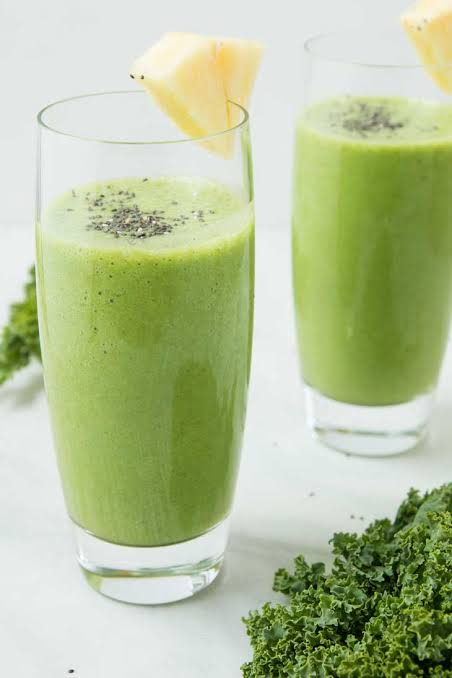
9. Pineapple Kale Smoothie

If you’re looking to sneak some extra greens into your day (and let’s be honest, aren’t we all!) this pineapple kale smoothie is for you! Not only are the ingredients incredibly nutrient dense, but they’re also light and fresh. Pineapple is known for helping digestion because of an enzyme it contains called bromelain. Just for that reason, this smoothie can keep you feeling light and energized after you sip!

10. Cinnamon Roll Smoothie

Once again sporting Greek yogurt for a good protein boost, this smoothie could make an amazing low-calorie meal replacement. It contains yogurt, oats, chia seeds, and fruit, offering a great blend of fiber, protein, carbs, and healthy fats. Not only does it taste fantastic, but it could very well curb cravings while remaining relatively low-calorie and satiating.

11. Golden Glow Turmeric Smoothie

The sound of having turmeric in your smoothie might make some of you cringe, but it is definitely worth trying. For one, pineapple has such a strong flavor in and of itself that the turmeric’s taste is almost completely masked. Secondly, turmeric is a strong anti-inflammatory that everyone should try adding it to their diet. You might be surprised to find out that it is actually pretty tasty as well!

For an extra weight loss boost, try these fun additions!

Greens

Sneak in greens wherever you can! Smoothies tend to be very flavorful, so you usually won’t even notice a few added greens in there. However, the nutrients will keep you feeling extra energetic throughout the day!

Protein

Add in a small scoop of protein powder to almost any smoothie. Especially if you are looking for a meal replacement, the simple addition of protein powder will ensure you’re staying full throughout the day!

Frozen Zucchini

Did you hear me right? Yes you did! Zucchini is actually a great thickening agent in smoothies. Translation: Less sugar and more fiber! Since zucchini is so low in calories and almost flavorless, you can use it in smoothies for a rich and creamy texture while keeping things low-calorie. Plus, the extra fiber will have you feeling like you had a full meal for way less calories.

Sweetener Subs

Most smoothies use extra honey, syrups, or fruit for their sweeteners. However, that can add up very quickly to unwanted calories. Instead, try subbing low calorie sweeteners like monk fruit or stevia once in a while to cut down on the high sugar count. That being said, avoid artificial sweeteners like Splenda. They won’t do you any good.

Sub Desserts

Try making healthy smoothie renditions of your favorite desserts. We’re only human, and it can be hard to stick to a healthy diet sometimes. Instead of giving something up, find a sub for your favorite meals! In this case, getting that amazing flavor you are craving in the form of a low-calorie smoothie could be just the thing for you!

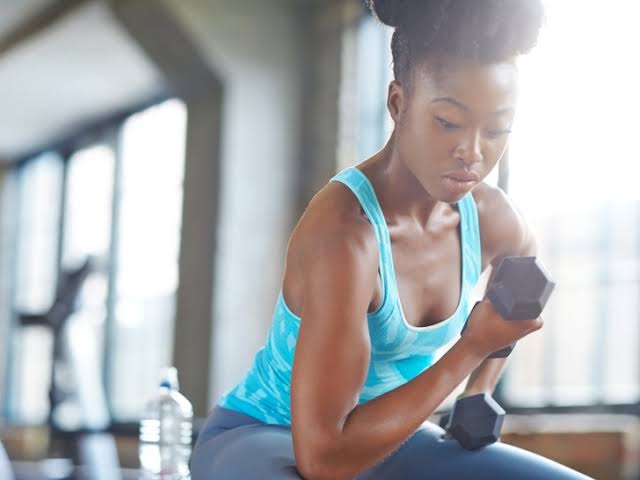
Early morning workouts are the norm for many. For some, it’s the only time they have; others may feel better working out first thing in the morning.

The morning can be a crazy rush. Figuring out what to eat before morning workout when you’re in a pinch may be difficult. Maybe you don’t get hungry in the mornings or feel you have the time to eat. However, there’s a good reason why you should care about what to eat before a morning Workout.

What’s the Real Deal on Eating Before You Work Out?

Some people swear by working out on an empty stomach. Others believe you should have a full meal before doing anything. But what does science say about eating before you work out?

However, you don’t want to head to the gym immediately after eating. You want to give your body at least an hour to digest.

You also might want to skip a hearty breakfast. Heavy foods lead to feeling bloated or you may even get sick during a workout. Light breakfasts or sports drinks are recommended instead. Large meals are recommended to be eaten around three hours before a workout and small meals or snacks about one hour prior. This ensures you don’t feel sluggish and gives you the necessary energy needed to complete your workout.

Now, some people are crunched for time and can’t make breakfast and workout. Many don’t like eating breakfast or feel hungry. Each person is different and it’s true that you might be fine to workout without eating anything first thing in the morning. However, eating breakfast each morning isn’t only ideal for exercise but for healthy weight control and brain function as well.

This doesn’t mean you are required to eat breakfast. In fact, there are benefits to not eating before you workout too. Studies show that workouts done on an empty stomach burn more fat because your body isn’t relying on carbohydrates for fuel. It should be noted that there are limited studies on whether you burn more fat long-term with fasted workouts than “fed” workouts.

How Eating Can Change Your Workout

The research doesn’t just mention eating breakfast. There are studies that show eating before and after workouts fuel the body and aid in muscle recovery. Drinking or eating carbohydrates before you exercise improves your performance overall. It may allow you to exercise at higher intensities and for a longer time.

Not eating might cause you to be sluggish or lightheaded. This depends on when you last slept and ate of course. For example, you may be someone who goes to bed late but rises early or you may eat a full meal before bed and not be hungry when you wake.

Breakfast

The studies on what to eat before morning workout suggest that you might want to stick to your morning breakfast routine. If you’re a coffee drinker, you can drink it and probably not feel any adverse effects.

The same goes if you normally eat a specific food or food group for breakfast. Deviating from your normal foods has the potential to cause upset stomachs until your body gets used to it.

Snacks

Snacks before, and sometimes during a workout can help you reach your goals. However, there is a timeline for snacking. If your workout lasts longer than an hour, it’s worth it to eat a carbohydrate-rich food or drink.

On the other hand, eating a snack before a short workout of fewer than 30 minutes probably won’t do much to increase your energy.

Post-Workout

Post-workout meals or snacks are essential. After all the strain you put your body and muscles through with exercise, you want to help aid in recovery. Exercise depletes the body of glycogen. Glycogen is necessary for muscle repair, recovery, and your body’s overall functioning.

It’s recommended you eat a full meal that is rich in carbohydrates and protein within two hours of your last workout session. This helps replace glycogen stores (carbohydrates) and aid in muscle repair (protein).

It’s Not Only About the Food!

Often, food is regarded as the most important part of maintaining a healthy weight. However, hydration is very important too. Fluid consumption before, during, and after a workout is key to preventing dehydration. The more you exercise, the more you’ll need.

Typically, drinking water is the best for fluid replenishment. However, if you are working out more intensely or longer than one hour, it’s recommended to use a sports drink. Sports drinks contain carbohydrates that give you energy and replace lost electrolytes.

Why Your Choice of Breakfast Matters?

When deciding what to eat before morning workout, there are a few factors to consider: the type of food, digestion, and time.

A quick sports drink or cereal provides the body with quick bursts of energy, but it may not last long during a longer workout. To ensure you get the sustained energy you need for those more intense workouts, combine simple carbohydrates with a small amount of fat and protein.

The size of your meal has a lot to do with your workout longevity. The longer your workout lasts, the more energy-dense meal you’ll want to have. The same goes for shorter workouts. The potential drawback is your digestion time.

Big, energy-dense meals take around four hours to digest which doesn’t exactly align with a quick morning workout. Aim for smaller meals if you have about two hours to spare. If you don’t have two hours, which most people don’t, then a quick but healthy option is blended meals or a 200-calorie snack. Blended meals like smoothies or low-calorie snacks only take about an hour to digest but still provide adequate energy.

Don’t have time to make any meals at all? Maybe you just can’t stomach breakfast? Try a banana or a slice of toast. As time goes on, add on to this little snack until your body can tolerate a small meal.

Breakfast Ideas – Dos And Don’ts

Let’s take a look at the simple breakfast ideas you can have before your morning workout:

Breakfast of Champions

Breakfast options are limitless. However, you want to start with the right foods, not ones that just taste good. I’ve compiled a list of tasty, yet healthy breakfast options that provide energy for your workouts and won’t weigh you down:

  • Fruit – Fruits are easily digestible, provide fuel, and are great for those that aren’t typically breakfast eaters.
  • Smoothies – Smoothies are versatile. You can combine fruits and vegetables, yogurts, protein powders, nut butter, or seeds like chia.
  • Energy Bowls – Energy bowls have a similar concept to a smoothie except you sit down to eat them. They can include nuts, seeds, and blended fruits or vegetables.
  • Greek or plain yogurt – Yogurts, especially Greek or plain yogurts are high in protein, probiotics, and calcium.
  • Oatmeal – Oatmeal is a classic staple. It’s full of carbohydrates and fiber. Both will give a huge boost of energy. You can even add fruit, nuts, or milk for even more energy.
  • Eggs – Eggs’ possibilities are limitless. You can have them as a standalone, add cheese, or veggies like peppers to add nutrition. Couple eggs with toast or an English muffin for a quick sandwich.
  • Energy Bites – Energy bites are full of fiber, protein, and fats to keep you satisfied longer. You can make them with peanut butter, walnuts, flaxseeds, cashews, or almonds.
  • Homemade muffins – Muffins may seem like an unhealthy, tasty snack but they’re actually great for long workouts. They have fiber and are high in carbs. You can even add fruit or nuts to them for an energy bonus.
  • Homemade pancakes – Homemade pancakes are a great source of grains and carbs to fuel your workout. You can add fruit or nut butter for extra boosts. Make sure you don’t go overboard with your portion size as they can be a little on the heavy side.
  • Toast – Toasts may seem boring or basic but it’s very versatile. Toast is easy on the stomach, quick, and you can add a ton of options like avocado, sweet potato, or jam.
Breakfast That Will Make You Sluggish
  • Fast Food – Fast food doesn’t need much of an explanation as it’s unhealthy enough. it’s full of fat, grease, and may even upset your stomach.
  • Sweetened Non-Fat Yogurts – These yogurts are full of sugar that can leave you to suffer a “high” but then “crash” later on. The lack of fat doesn’t keep you full as long.
  • Energy drinks/fruit juices – While orange juice or a Red Bull might seem like a great idea for a boost of energy, they come with high sugar and the “crash.”
  • Spicy foods – Spicy foods are satisfying but they aren’t great for a workout. Spicy foods can lead to indigestion, heartburn, or even stomach cramps.
  • Sugary cereals – Cereals like Cheerios or Raisin Bran are healthy options but cereals like Frosted Flakes or Fruit Loops are terrible pre-workout breakfast foods. They’re full of fat and sugars. The milk added could cause stomach issues as well.

The Bottom Line

Deciding what to eat before morning workout doesn’t have to be complicated. You don’t have to sacrifice your time either. While you may not be hungry when you first wake up, it’s a good idea to try to eat at least a small meal before you exercise.


Teaching is the one profession that creates other professions. It is the fuel that drives education and make our wonderful Teachers  heroes.
Ericka is one of such heroes, especially at a time like this when the school system have been greatly affected by the pandemic.
She is passionate about her chosen profession, and determined to see her students succeed in Life.
Meet Ericka
Ericka Taylor began her teaching career in 2011. During that time, she came across one 2nd grade student who was struggling with reading. To meet this need, and that of many others, Ericka opened E. Denise Tutoring Services in March 2018. Since then, E. Denise Tutoring Services has grown to include many students, ranging in both grade level and scholastic ability.
Inside the classroom, Ericka’s motto is “Be fair, Be firm and Be fun.” When she tutors her motto is, “Take a breath, the student is learning not reviewing.” This is important because oftentimes scholars are expected to quickly retain information, when in fact, scholars need time to develop their learning and understanding.
Ericka created this company to meet students where they are academically. If a student is in 4th grade but is reading at a 1st grade level, that’s ok because with the correct instruction, the academic gap can be CLOSED. Ericka is certified to teach in the states of Ohio and Pennsylvania, and is reading endorsed to teach grades Pre-K-4 by the state of Ohio. Being reading endorsed is a fancy way of saying she is state certified to teach children how to read. While she is reading endorsed, Ericka loves to teach math concepts to children in grades K-8.
Although E.Denise Tutoring Services was begun to assist struggling readers, all students can benefit from tutoring, struggling or not. Tutoring helps to bridge the learning gap for all students at all learning levels. Ericka’s ultimate goal in life is to show students that reading is more than a chore; that reading will give them more opportunities and take them more places than they could ever imagine.
Due to the ongoing pandemic, all sessions are held virtually via the Zoom platform. Ericka prefers for her tutoring clients to call her Ms. Ericka.
You can follow her on her social media accounts below
Ig- @edenisetutoringservices
Fb- E.Denise LLC

What Causes Insecurity and Jealousy in a Relationship?

There can be many causes of insecurity and jealousy in relationships, but they are all rooted in one basic problem – not feeling good about yourself.

Sure, there are the exceptions where you might have great self-esteem and you just happened to pick a loser who cheats on you. Well, it could happen. But typically, people with a high sense of self-worth don’t choose romantic partners who will treat them badly.

One of the leading causes of low self-esteem (and the resulting insecurity and jealousy) is having a problematic or traumatic childhood.

When a baby is born, its brain is like a blank computer. Nothing has been programmed into it yet. However, as the years go by, everything that is said – and done – to the person gets ingrained into their psyche and creates who they are.

I always say that a parent’s “voice” becomes their child’s “voice” later in life. In other words, if your parents told you that you are a loser, lazy, and no-good, then you will end up believing that too. But if they told you how much they love you, are proud of you, and that you can do anything in life, then you’ll believe that.

As you can see, if you grow up in a household with parents who weren’t loving and didn’t give you positive messages about yourself, well, then you will subconsciously choose romantic partners to match that self-fulfilling image of yourself.

How to Deal with Insecurity and Jealousy in Relationships

Just because you have a track record of being jealous in relationships doesn’t mean that you are doomed to feel that way your entire life.

There are things you can do to try to overcome these insecure feelings so you can have a healthy relationship. Let’s take a look at them.

1. Observe Your Jealous Thoughts and Behaviors

First of all, you can’t change what you don’t recognize. You might think that being jealous and insecure are obvious feelings. While they typically are, just knowing you have them won’t automatically change them.

What you need to do is try to look at your thoughts as objectively as you can. And from there, temporarily accept them.

Pretend like you are a friend of yours giving you advice. It’s much easier to give other people advice than it is to ourselves, right? If you can re-frame your thoughts from a logical point of view, that is the first step to changing them.

2. Examine Your Past and Try to Figure out Where These Insecurities Come From

These feelings come from somewhere. They don’t just magically appear in your mind for no reason.

For example, they could be rooted in your childhood. Perhaps your dad had a string of affairs on your mom, and so that’s what you saw growing up. If this is the case, then it’s natural that you would think that “all men cheat.”

Or maybe the insecure feelings come from your own experiences. You might have been burned by your first love, and because of that, you find it difficult to trust people.

It doesn’t matter where these thoughts come from, but it will help you if you can pinpoint the underlying cause.

3. Just Because You Have These Thoughts Doesn’t Make Them True

One main problem people have in life is believing every thought that goes through their mind.

Just because you think something, that doesn’t make it true! For example, you might believe that the government is spying on you, but that doesn’t mean it really is. (Perhaps, but maybe not.)

So, you need to acknowledge that these thoughts of insecurity and jealousy might, in fact, be false.

Try to examine them and see if you can eliminate any of them based on that theory

4. Don’t Act on Your Feelings All the Time

Many people don’t have a “filter.” In other words, if they have a thought, it immediately comes out of their mouth. Or if they have a negative emotion, they will act upon it without giving it any rational thought.

I’m sure you’ve heard the term, “think before you speak.” Well, that’s brilliant advice!

Think before you speak – and act. Try to have enough self-control to not say or do anything you will regret because you might make the situation worse if you do.

5. Remember That Uncertainty in Relationships Is Normal

Hey, we are all human. We all have insecurities, and because of that, they will inevitably creep their way into our relationships from time to time. That’s normal.

Uncertainty is just a way of life because we can’t control everything. The only thing we can control is ourselves.

However, there is a continuum of uncertainty. Some is normal and healthy, but other kinds can be toxic to a relationship.

So, make sure that your level of uncertainty is at a lower level if at all possible.

6. Examine Your Assumptions About the Relationship and About Human Nature in General

If you grew up in a dysfunctional family, you might have learned some very negative patterns for being in relationships. For better or for worse, we learn how to behave in relationships from observing how our parents did it. They are our role models.

Therefore, if you had parents who did not have a happy marriage and they were constantly suspicious and jealous of the other person, then you will probably grow up with the assumption that most people are untrustworthy. Of course, this is far from the truth. However, it may have accidentally become your truth.

7. Communicate, Communicate, Communicate

There is no shame in admitting that you are feeling insecure or jealous to your partner. As I said before, we’re all human and will feel this way from time to time.

But maybe your partner doesn’t know you’re feeling that way… they are not mind readers! So, it’s important to share your feelings.

You need to do it in a calm, rational, and peaceful way. You can’t yell, scream, and name-call because it will have the opposite effect.

When you talk about things in a positive manner, you both can take steps in the relationship to try to alleviate your insecurities.

8. Watch His/Her Behaviors and Body Language

Sometimes all of our insecurities and jealous feelings are in our heads. But sometimes it’s not. Sometimes you really do have a valid reason for feeling the way you do.

It’s important to keep your eye out for any suspicious behaviors your partner might have. For example, do they keep their phone away from you and or hide it when you walk in the room? Are they acting weird?

If so, then you might have a rational reason to feel insecure. But if not, maybe you’re just making it all up in your head.

9. Don’t Keep a Tight Rope on Him/Her

It’s almost instinctual to try to limit your partner’s actions when you feel jealous or insecure. You want to know where they are, when they are coming home, and who they are talking to.

But this will only drive them away from you. No one wants to feel like they are controlled and not trusted.

Even though you are jealous, let them live their life freely. Don’t be a micromanager of their life.

10. Take Action If Something Is Really Fishy

Even though you shouldn’t treat your partner like a caged animal and should give them their freedom, that doesn’t mean that you shouldn’t be on the lookout for any suspicious behavior. You can be observant without being obvious.

If you see strange behaviors, or experience anything that makes you uncomfortable, bring it up for conversation. People who have nothing to hide…hide nothing.

If you talk to your partner about their “suspicious” behavior, they should be able to come clean very easily if they’re not doing anything wrong. And if they don’t, then you probably have your answer.

11. Talk to a Therapist

Many people think that going to a therapist makes them weak. But that couldn’t be farther from the truth.

Acknowledging that you need to work on yourself, your self-esteem, and insecurities is a brave and noble thing to do.

If you can afford it, seek help. A good therapist can help you identify the reasons you are jealous, how to overcome them, and can put you on the path to healing – and a healthy relationship.

12. Write down Your Positive and Negative Qualities (And His/Hers)

Our insecurities come from thinking we are not “good enough” for the other person. But everyone has good qualities, you just need to take the time to recognize them.

Write down everything about yourself that you consider to be good. That will help you realize all the reasons that you don’t have to be insecure or jealous.

Do the same with your partner. When we are jealous, we tend to focus on negative thoughts – not only about ourselves, but about them too. So, write down all the good qualities they possess. That way, your mind won’t wander into unwanted territory.

13. Stop Comparing Yourself to Others

Another huge way that we arrive at our insecurities is comparing ourselves to other people. We look at other people and think how much more attractive they are, or that their personality is better, or they make more money than us.

You have to stop comparing yourself to others because you are uniquely YOU. Embrace yourself!

If you absolutely have to compare yourself to others, then compare yourself to people who you perceive to be worse off than you. Not to judge them, but to put your thoughts into perspective. If you do this, you will be able to appreciate yourself and your life a lot more.

14. Love Yourself Enough to Be Brave Enough to Lose Them

One last thing at the core of our jealousy and insecurities is not loving ourselves, and that leads to the fear of being alone.

In fact, many people would rather stay in toxic relationships than be alone. Why? Why would you want to be treated like crap from someone else just so you can be in a relationship?

You shouldn’t do that.

Love yourself enough to have higher standards. Once you are comfortable in your own skin and won’t settle for anything less than you deserve, that’s when you will become more confident. And then your fears and insecurities will slowly disappear altogether.

Bottom Line

As you might suspect by now, getting rid of insecurities and jealousy in a relationship has very little to do with the other person, and everything to do with you.

You need to love and value yourself. If you do, then you will most likely attract higher quality people who are naturally trustworthy.

And even if you don’t, you won’t hesitate to walk away from anyone who isn’t treating you with the respect you deserve.