Author

Women of Rubies

Browsing

I must have changed my outfit three times, swapping casual jeans and a blouse for a knitted mid-length tunic, before finally settling on a classy black dress.

I rearranged the bobby-pin network holding the kinks of my hair in perfect place. I had considered wearing braids, but in the battle between my natural locks and my extensions, my natural hair wins on most occasions—and I knew where I was going, my tight, unruly curls would be welcome.

I recited my introduction in the mirror. “Hi, I’m Chika! I came from the Health Sciences program at McMaster. I’m so excited to get involved in the BMSA (Black Medical Students Association). When I heard that University of Toronto had this association, it instantly became my first choice for medical school.”

As I arrived at the venue for the social, my anxieties surrounding the perfect attire for the evening slowly gave way to a sobering realization.

I was the only one.

One in 259

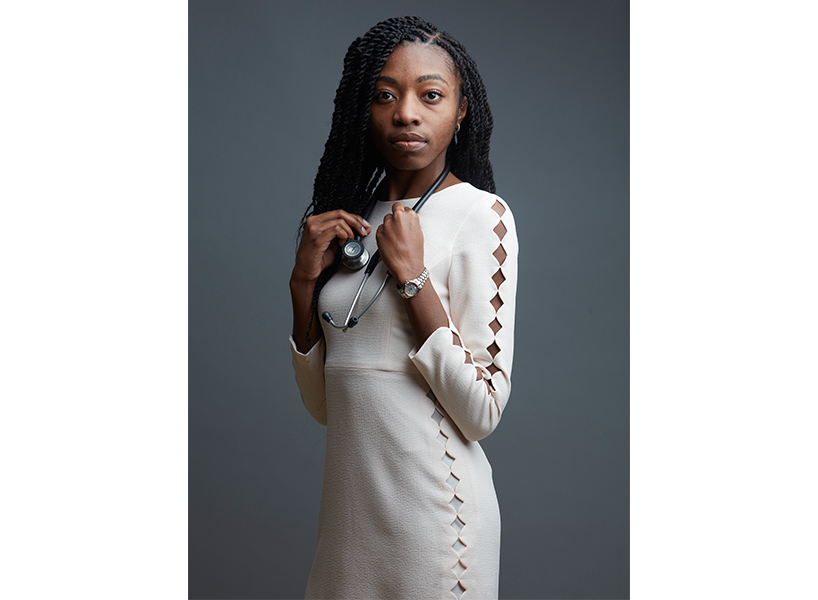
I was, and continue to be, the only Black medical student in my cohort of 259 medical students at University of Toronto. As I spent that August evening bonding with Black upper-year medical students, I began to see the small gathered group as a reflection of a larger issue. According to the admissions office at the Faculty of Medicine, the number of medical students who self-identify as African or Caribbean averages between two to five students per class.

And after meeting Dr. Lisa Robinson, the Chief Diversity Officer at U of T faculty of medicine, I learned that those figures have been consistent for years.  When I met her at the Black Medical Students Association social, she simply introduced herself as Lisa, but I later learned that she is also a U of T medicine alumna and paediatric nephrologist at SickKids, in addition to a champion for diversity in medicine. When Dr. Robinson was a medical student at U of T in 1991, she was one of two black medical students in her year. The 25-year gap between our medical educations was bridged by this unfortunate solidarity—a narrative we share with the majority of past and present Black medical students in this country.

Meeting Dr. Robinson and the handful of other Black medical students was a pivotal moment for me, as my fears shifted from the inconsequential placement of bobby pins to the potential consequences of being the only Black body in this new professional student space. My hope for a new, more diverse learning environment faded as I realized that the number of Black medical students is chronically low, even in the largest and most diverse Canadian institutions.

New setting, same struggles  

Despite my growing concerns, I reassured myself that my experiences in my undergraduate studies—and the countless times I’d faced implicit and explicit racism and discrimination in general—meant I was more than adequately prepared.

Some of my earliest memories in childhood include being taunted for my Afro-centric features; my grade three classmates questioned why my lips were so big and why my nose was so wide. Later, I’d field inquiries about my native tongue: “Do your parents speak in clicks? I bet your real name is Click-a” (for the record, it’s pronounced Chee-ka). As time progressed, my battles evolved into defending the shade of my skin and the texture of my hair. I vividly recall being told that I was too dark to be considered beautiful or smart, and my hair was too “nappy” to be deemed desirable. By the time I reached undergrad, I was used to people describing my natural hair as “unkempt” and knee-jerk labeling me as having an attitude or being sassy—common tropes assigned to Black women in popular culture.

At the end of my second year of undergrad, I remember driving across the U.S. border with a few friends for a shopping trip. Despite presenting myself in a cordial and respectful manner, as my parents taught me to do when engaging with authorities, I was met with hostility by border officers. The officer asked each of us what we were studying. When we all told him that we had aspirations of pursuing medicine, he glared at me and said, “Even you?” He then accused me of lying. As the only Black person in the car, and the only one repeatedly dismissed as dishonest, it was clear what the officer was trying to communicate: a Black female doctor? Impossible.

The importance of diversity in classrooms

These memories of prejudice still linger with me today, and as I currently work through my second year of medical school, I often reflect on how medicine is not immune to the racial challenges that penetrate every other realm of society.

I have fielded interrogations from peers arguing whether my “minority status” made it easier for me to get in. I frequently questioned why there was a lack of racial diversity within the teaching materials; during a dermatology session, I was left wondering how certain conditions would present on a patient with a darker complexion. When reflecting on the positive impacts of diversity on medical education, I wondered why the diversity of the patient population was not reflected within the demographic of medical students?

As of 2016, there are more than 627,000 Black people living in Ontario—making me part of the third largest visible minority group in the province—and yet, in my classroom I stand alone. The Canadian Medical Association and other medical organizations in Canada do not track the race or ethnicity of physicians, so there is a lack of comprehensive diversity data. That said, a 2015 report published in the Canadian Medical Association Journal made it clear that even without definitive numbers, there is a lack of Black representation in the medical field, which is concerning to say the least.

The value of diversity in medicine cannot be overstated. In the classroom, a diverse student body only enriches medical education by offering different health perspectives. Minority physicians are also more likely to return to their communities to provide care, according to data collected on U.S. physicians. Out in the field, minority patients also tend to seek out and report receiving better care from those with whom they identify. As highlighted recently in Serena Williams’s account of her traumatic birth, Black women in the United States often face discrimination in healthcare. In the U.S., African-American women are three to four times more likely to die from preventable complications during pregnancy. Although these statistics are derived from U.S. studies and cannot directly be translated to Black women in Canada, they speak to the complications that arise from a lack of diversity in healthcare.

Right now in the medical profession, gender and educational background are the main benchmarks for diversity in institutions of higher learning, but those are insufficient. The disparity is pervasive across most institutions—not just the University of Toronto—and across most fields of study, not just medicine. According to the United Nations Working Group on People of African Descent, Canada is still entrenched in anti-Black racism that permeates educational, institutional and professional systems.

As I went from class to seminar to labs in medical school, I also often wondered, where are the Black tutors and professors? I had read numerous anecdotes from racialized men and women in medicine who have had their position as physician repeatedly invalidated by both patients and staff at their hospitals. For instance, in 2015 Dr. Boluwaji Ogunyemi recounted his experience as chief dermatology resident in a Vancouver hospital for HuffPost. After showing up for his shift in plain clothing, Dr. Ogunyemi took a pair of scrubs for his upcoming shift and stuffed them in his backpack. Suddenly, he was confronted by a ward clerk who believed he was stealing. Dr. Ogunyemi frantically unzipped his jacket so his photo ID was visible, all to prove that he was indeed an employee of the hospital.

Stories like this left me wondering: when was I going to learn how to deal with receiving and internalizing racism and discrimination at the hospital? Despite eagerly seeking answers from tutors, I often receive an uncertain response and referral to the nearest Black faculty member.

Finding my voice

Despite the scarcity of Black colleagues or professors, I have been fortunate to find mentorship during this journey. Alongside other Black physician mentors in my life, Dr. Robinson has provided me with invaluable insight into how to build resilience as a Black woman in our field. She has shared with me how to find solidarity in the growing network of Black physicians, like the Black Physician Association of Ontario, and reminded me how to remain calm yet firm when faced with discrimination.

In fact, she’s a big part of why I felt safe enough to speak out about the lack of diversity in medicine, despite warnings that taking a controversial or radical stance as a medical student could cause problems when it came to finding a residency. Last spring, I was featured in the Toronto Star and did televised interviews with Dr. Robinson, speaking about the lack of diversity in medicine as public ambassadors of the new Black Student Application Program (BSAP) at the University of Toronto, Faculty of Medicine.

Then, this past November, I released a spoken word poetry video entitled “Woman, Black” (see video above) which recounts my experiences as a Black woman navigating medical education. I wanted to shed light on how medical institutions across the country can better support their racialized students who will undoubtedly face some form of discrimination within their professional career.

For the most part, I’ve received praise for speaking out from peers, friends and even complete strangers, but not everyone has reacted kindly. “What are they teaching over at U of T? African bush medicine?” one social media commenter responding to my Toronto Star story said. “She should be smart enough to know that Black people are intellectually inferior and thus are less likely to get into medical school, do your research!,” said another commenter on their Facebook page.  And then there are the people who mean well, but whose words still make my confidence waver. After releasing my spoken word poem, questions about potential professional repercussions came in as quickly as the praise did.

Slow, steady changes

I still worry that my future is less secure because of the stances that I take. But when I think about the consequences of staying silent—which would allow another Black student to go through what Dr. Robinson and I have experienced—it gives me the confidence to continue.

I know that staying vocal as the BSAP ambassador is the best thing I can continue to do, not only for future Black students, but for myself as well. Being the sole Black student in my cohort is no longer frustrating or isolating, I now view it as an opportunity to become a stronger advocate so that more Black people see becoming a physician as a tangible goal. It has inspired me to give back more to my community and become empowered by my narrative—not defeated by it.

Despite the challenges I have faced, I am more hopeful than ever that positive change is on the horizon. Due to the mentorship opportunities made possible by Ike Okafor, senior officer of service learning and diversity outreach, and his team at the Office of Health Professionals and Student Affairs, the incoming class this year at U of T has six Black medical students. The Faculty of Medicine, alongside BSAP, has also added a new faculty position specifically charged with designing a Black Canadian Health curriculum for medical students. I can confidently say that I am proud to be a medical student at the University of Toronto, which has shown its commitment to diversity and is at the forefront of change in addressing racial disparities.

When I came to U of T, I was the only Black medical student, a similar position that my mentor experienced 25 years ago. Now, we’re working to make sure that this narrative stays in the past—and I know we’ll see even more Black students donning white coats in the future.


Culled from www.flare.com
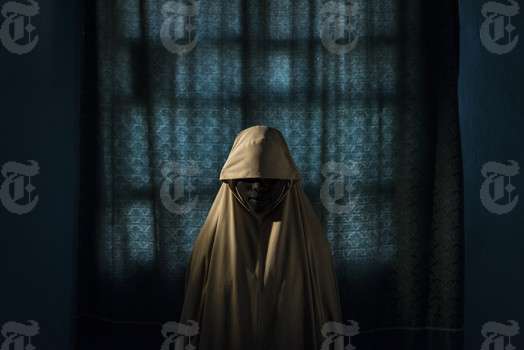
14-year-old Falmata has narrated how she escaped death after she was sent on two separate suicide missions by two different sects of deadly Boko Haram.

Falmata narrated how she was first abducted by the insurgents at age 13 and escaped while she was on a suicide mission but ended up in the hands of another sect group after which she was sent on a fresh suicide mission again.

Falmata said she was 13 when the insurgents abducted her and took her to a makeshift camp, where she also met other girls her age.

“The young girls were put in the tents. There were nine in mine and we had to sleep on big mats.

“At first I wanted to escape but there was no chance,” she said.

Continuing she said: “We were scared that soldiers would storm the camp at any time and not spare us, the women, because they would think we were the fighters’ wives,” Falmata said.

Falmata said she was presented with two options: marry a fighter, or go on a mission but she had opted for the mission.

Her first mission

Falmata narrated that during her stay in the camp of her first abductors, she was approached by armed men who instructed her to prepare herself for an important task.

All I was thinking was, ‘Is it for marriage or what?’ But you can’t ask why you’re getting this done. Instead friends just console you and tell you to be patient.

The survivor said she had a bomb strapped around her waist with an instruction to go and kill non-believers and go straight to paradise.

“I was so scared that I started crying. But they kept telling me to be patient, to accept that this is what life is about.

(They said) that on reaching paradise, everything would be better,” she said.

Falmata said she alongside two other girls were strapped to explosives and were taken to the outskirts of a village.

She further said while armed with homemade detonators, she and the other girls were ordered to walk towards the busy areas for the mission.

The first escape

Falmata narrated that while on their way to her first suicide mission, she and the two other girls had decided against the attack and fled for safety.

The teenager said she and the two other girls asked a stranger to help her remove the belt, and subsequently went off down a dusty road.

However she ran out of luck few hours after.

Her second abduction

Female suicide bomber (File Photo)Female suicide bomber (File Photo)

 (Onobello)

Further sharing her experience, Falmata said she ran out of luck while trying to escape the first suicide mission as she met with two men, who belonged to another sect of Boko Haram.

She was subsequently abducted again by the insurgents.

The survivor explained that at the second camp, life was much similar to the previous one with the same routine, same ideology and same fate.

After about a month, Falmata was again presented with a choice – marriage or mission.

And again, she told the fighters she would go for the mission and shortly after they left her, Falmata successfully escaped.

“I met some farmers and asked them to help me remove the belt. I told them I was being forced to carry out a mission, but that I didn’t want to do it,” she said.

Falmata said the farmers helped her get rid of the belt and she later joined a group of hunters who allowed her to travel with them across the woods.

Falmata’s journey home

Trying to find her way back to Maiduguri, Borno state capital, and to her family, Falmata narrated how she and the group of hunters were ambushed by the men of Boko Haram.

Luckily, Falmata managed to slip away into the forest.

Narrating her experience in the forest she said: “I didn’t know the forest. Every little sound would scare me, so I kept moving. I’d sleep on trees when I could.

“I think I spent a whole week without food. I would drink stagnated water and also use this water to wash my hands and feet when praying.

“I would pray two or three times a day whenever I could find water. I was so scared, but God helped me and I reached a town.

She said a local family later gave her shelter for a few days and also helped her return to her family in Maiduguri.

Source: Pulse News

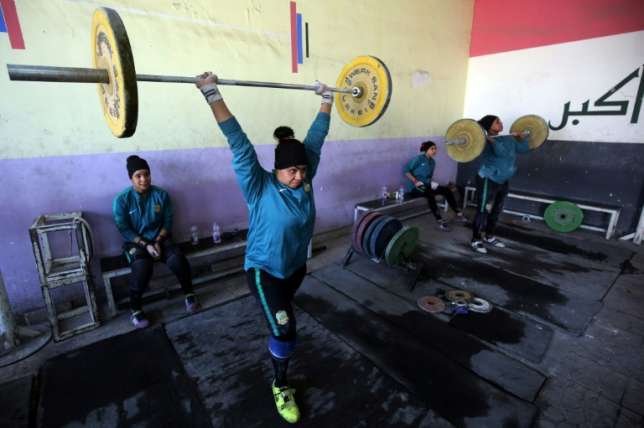
The weightlifters on Iraq’s national women’s team train hard every day, both to bring home the medals and to help ease the financial burden of running a home.

Jerking weights heavier than themselves at a rundown gym in Baghdad’s conservative Shiite neighbourhood of Sadr City, the young women and girls come together for three hours every day.

The girls are focused as they work out between the small gym’s peeling pale mint walls, one of which is adorned with a giant painted Iraqi flag.

With their dark hair in high buns and dressed in team green tracksuit tops, black shorts and leggings, they raise an arm and turn from side to side to warm up.

Then they work out hanging from a pull-up bar, before moving to different mats to get down to the business of lifting weights.

“To those who say weightlifting is not for girls, I say we can do everything men do,” says Huda Salim al-Saedi, 20, patting chalk powder from her hands.

“I challenge men to lift weights and I’m proud of it,” says the weightlifter, her eyebrows trimmed neatly and a black bandana keeping her hair from falling in her face.

Huda was one of the first to be recruited when coach Abbas Ahmed in 2011 set out to create Iraq’s first national female weightlifting team.

At first, it was an uphill battle.

Society’s rejection

“It was very, very hard,” says the former men’s coach, who is now 54.

“Society rejected the idea,” with conservatives considering the sport inappropriate for women and girls.

There was also no state funding for the project.

So Ahmed first approached families whose members were already fans of the sport.

Huda seemed like an ideal candidate. She had practised Taekwondo since the age of eight and had long been a fan of weightlifting on television.

Today, she’s a cornerstone of the Iraqi women’s team and its most promising member.

Huda helped to train her younger sister Hadeel Salem, 17, in weightlifting.Huda helped to train her younger sister Hadeel Salem, 17, in weightlifting.

 (AFP)

Huda helped to train her sister Hadeel, who just turned 17, and last year both of them competed in Asian championships.

The 20-year-old won bronze in the “snatch” discipline in her category at the Asian Championships in Turkmenistan, lifting 90 kilos in one swift motion above her head. She finished first overall at the Asian Junior Championship in Nepal.

Her younger sister Hadeel also competed there taking 10th place lifting 68 kilos in the “snatch,” while in another competition in Kathmandu, the Asian Youth Championships, she came in fourth overall.

But beyond making their relatives proud, Huda and Hadeel’s accomplishments have also provided their family with some financial security.

“Thanks to weightlifting, I have a salary and money to cover my family’s needs every month,” Huda says, with her sister’s pay cheque also helping make ends meet.

‘Welcomed as heroes’

Iraq's national women's weightlifting team is sponsored by the police club that pays each member a monthly salary of $400 to $800.Iraq’s national women’s weightlifting team is sponsored by the police club that pays each member a monthly salary of $400 to $800.

(AFP)

The women’s team is sponsored by the police club, which pays each of its eight members a monthly salary of $400 to $800 — a considerable sum for some families.

If Huda and Hadeel did not receive support from the club, their family could not pay their monthly rent of some $330, their father Salim Noma says.

Over time, he says, support has grown for the girls in the conservative neighbourhood.

“Everybody has ended up supporting them. They’re welcomed as heroes every time they return from a competition,” says Noma as he watches his daughters train.

Female weightlifting has provided an unexpected source of pride — and safety net — for some families in the working-class neighbourhood.

Loujain Hazem, 15, gave up her studies to focus on the sport, winning a silver medal at the West Asia championships in Jordan last year.

“Our coach has taught us determination and perseverence,” she says.

“I’m sure our efforts will pay off, in terms of both weightlifting and money.”

The younger generation is also dreaming big.

Every day after shool, the father of 12-year-old Roqaya picks her up and they weave through the traffic jams of Baghdad on his moped to the gym in Sadr City.

With her hair tied in a pink bow, she lifts two large red weights above her head.

“I hope one day to take part in the Olympics,” says Roqaya, already aiming high.

Culled from Pulse News


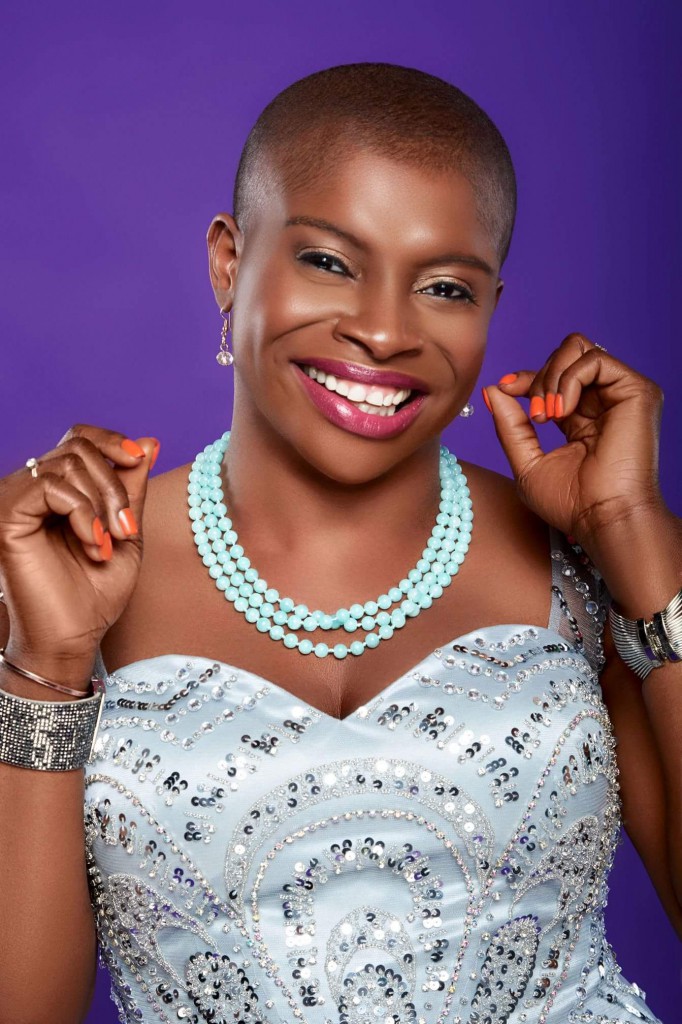
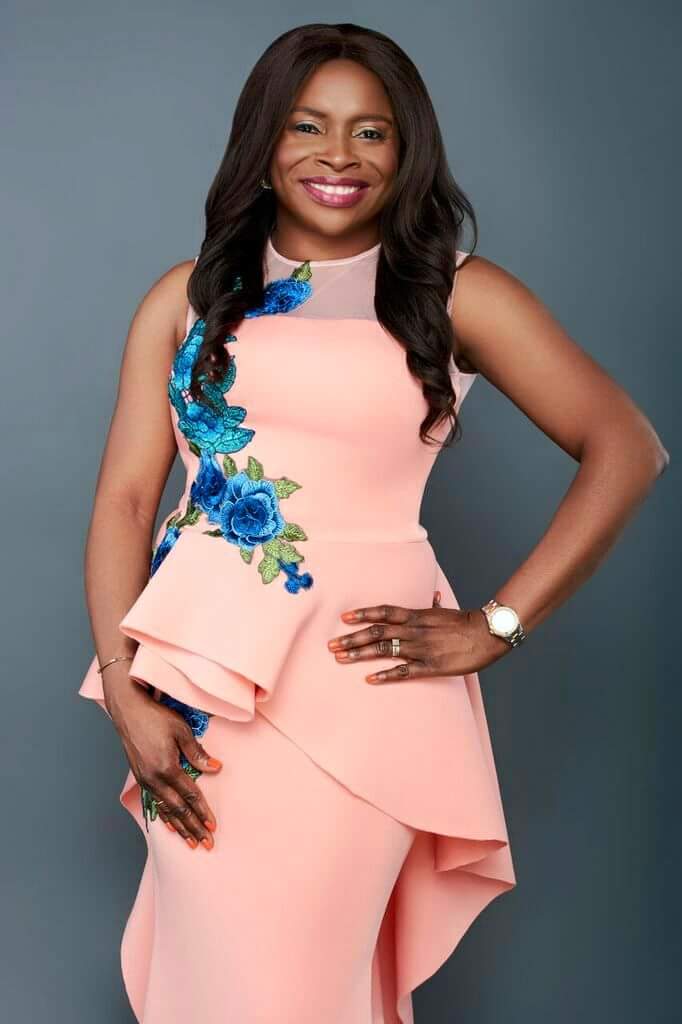
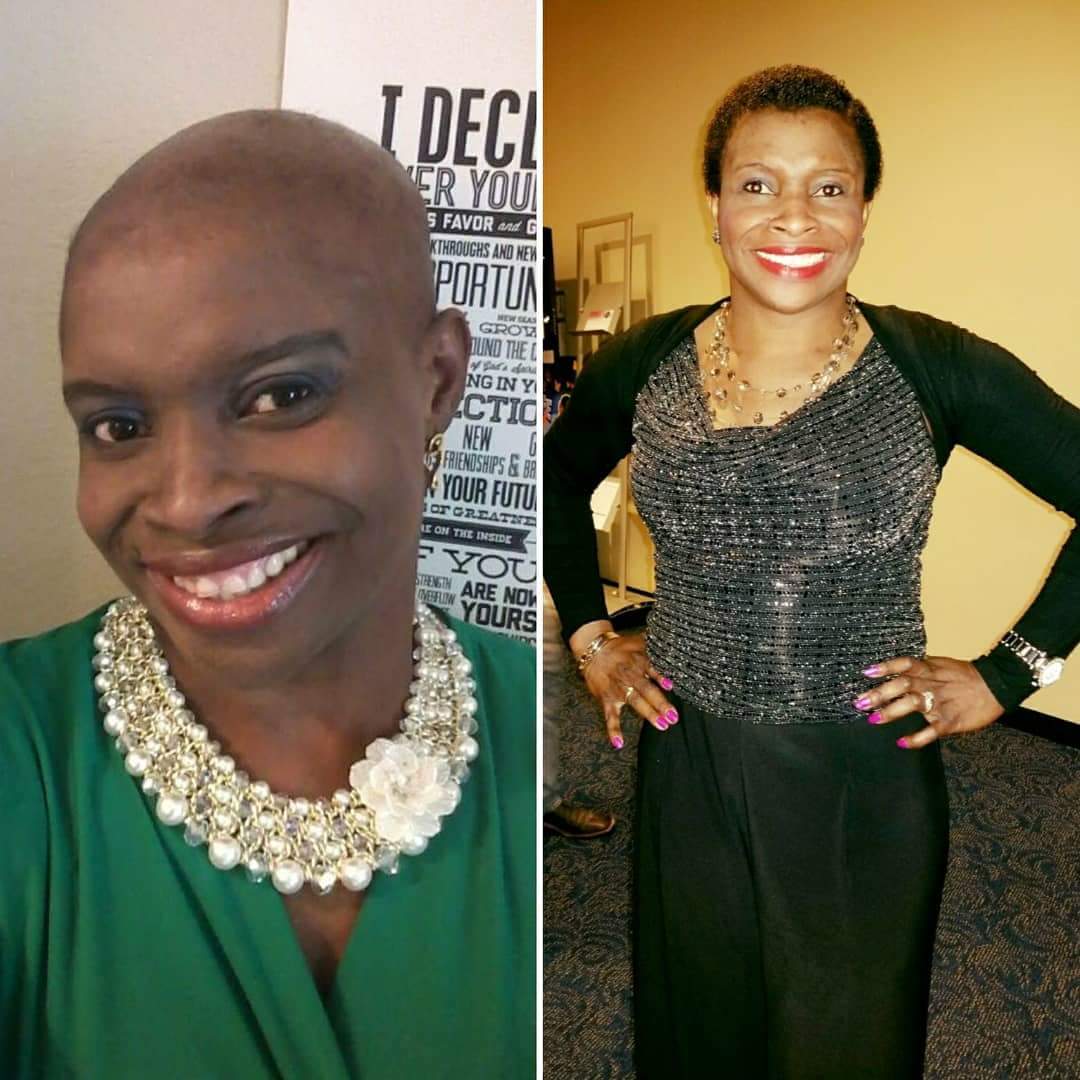
Cancer Survivor and life coach Eden Adaobi Onwuka shocked many when she revealed her ordeal with the dreadful disease few weeks ago. On January 7th 2017 , Eden was diiagnosed with cancer and for eleven months she went through intense treatment while also still trying to keep up with her daily activity. In her gripping memoir, I am More Than Body Parts, Eden writes of her experience in real time, right in the middle of her Cancer diagnosis and progression. She shares her daunting journey and how the mindset of being an overcomer has kept her spirit-woman at ease. Eden believes it is possible to be ‘Cancer-ed’ and not cancelled, and like any negative experience life brings, the response of the human spirit plays a pivotal role in restoration.
In her words “After a year of chemotherapy, surgery, radiation, physical therapy, hormonal therapy, countless needle pokes, hospital visits, side effects etc, I realize that daily choosing Joy kept me sane. Empowering others even as I fought the biggest battle of my life has revealed to me the unbreakable strength of the human spirit.
In commemoration of the world cancer month, I bring you the inspiring and life changing story of Courage in despair and Hope in adversity.

My Childhood
It was a beautiful closely knit family with brothers and sisters, born to parents who placed a high premium on education. Dad worked for Unilever, while Mum was an Educationist. Typical post colonial middled class family in Lagos State. I recall Fun trips to the Bar Beach, Amusement park and Trade fair. Then boarding school in a Federal Government Girls College in Kwara/Niger state.

Eden!
I am the middle child in a family of seven, I have a twin sister and I pretty much love to read, travel and volunteer. I’m easy going and friendly but love my quiet times, that is where I refuel as a creative person. I like to describe myself this way; I am from the East, born in the West, schooled in the North and served in the South, and i now live Western. Funny, but true plot twins. I begun my career with a brief stint at Shell Petroleum and have about 15 years corporate experience in financial services and consulting. Currently with a fortune 500 company and have my own Coaching business, having been certified by John C Maxwell.

The Cancer Journey
On January 7, 2017 I got a phone call which changed many things.
“We’re sorry to inform you that your Biopsy came back for Cancer…”
Cancer.
One word that was very alien to me. With no previous family history of cancer, and being relatively healthy, I was very surprised. I was a new Twin mum, my twin babies were just nine months when I had noticed a Lump and went to the for a routine check-up. A series of consultations later, then the shocking results. Can-cer? I was totally blindsided. Then angry, then sad, then confused. I honestly didn’t see this coming.
“Dear Lord, Why me?”
I let myself internalize this and it didn’t feel good. What do you do with a news like this? When the reality you see as a Positive person has no iota of Positivity in it?
After a few weeks I encouraged myself. I said Eden, ” Your perspective determines your narrative. What you magnify grows, what you simplify goes”. I asked God for strength to help me ‘find’ a Purpose in it. I remained focused on my assignment, hard as the next phases of my life was, I was going to walk in integrity before God regardless.
Today, I stand in awe of God’s grace, strength and power. I stand for everyone who was unable to live beyond their pain. For everyone fighting a secret battle, for everyone shamed by their scars, for everyone overwhelmed by sickness, for everyone silenced by affliction, for every warrior who gained (untimely) heavenly wings.

I decided to write about my journey in REAL-TIME, while going through an intense treatment (Tough): To show through my Story how finding and focusing on Purpose, helped me overcome. And to lend a voice to demystify the stigma attached to any cancer or breast cancer. Because anyone can write after they’re out of a storm, only revelation will make you write in the storm. I wrote to encourage you that you can feel helpless sometimes BUT you must never be hopeless.
After a year of chemotherapy, surgery, radiation, physical therapy, hormonal therapy, countless needle pokes, hospital visits, side effects etc, I realize that daily choosing Joy kept me sane. Empowering others even as I fought the biggest battle of my life has revealed to me the unbreakable strength of the human spirit.

Living and Thriving…
Restoration is a process, so some things take time. I humourosly say, it takes a while to put humpty dumpty back together again. Seriously though, I still have a few residual side effects from treatment like intermittent fatigue, hot flashes, born aches now and then. Then for any survivor of anything not necessarily cancer, surviving is the first aspect, living and thriving is the most important next phase. You grapple with one of the biggest ongoing mental battles, like Joyce Meyer calls it the ‘Battlefield of the mind’. It is in those silent moments when negative thoughts creep in or the enemy whispers to you that you’ll never be whole or pain free or have a full abundant life, that’s when you cant be silent. Therein lies the greatest battle- To embrace a ‘New normal’, and refuse to call it abnormal. Because after you survive, you gotta Thrive!

Inspiration behind my “tell it all” book
So after I received my shocking diagnosis from Kelsey Siebold hospital in Kingwood Texas, I got a second opinion from MD Anderson Cancer center Woodlands Texas, and the reality of it all dawned on me. I started looking for resources, like a book on this journey. Not just the medical info, that was everywhere on the internet, all kinds of fearful info. I was looking for encouragement from someone like me-African, Nigerian who had gone through it and at the time I didn’t find any. Some people blogged about their experiences, others mostly told their stories after everything had become perfect or cancer FREE and they were mostly non Africans like Tiffani Rose and Makosi Musanbasi. I decided to become the answer to a need I had which I believe countless others have or will have. In the early moments of adversity, after their diagnosis, for them to have a resource from someone who understands their journey and is connected to the similitude of their pain. Not theories but a lived experience. A book that peaks to the emotional aspect of this journey that is often ignored: how the mindset of an Overcomer can play a strong role in restoration. That is the why of the book. And i wrote it while going through treatment and battling cancer, when all i had was faith that I would prevail. The title came from a low moment in the beginning of the cancer treatment when the oncologist and surgeons has discussed the possibility that certain genetic results may mean bilateral mastectomy or double boob loss. I had a discouraging moment in the shower where in response to a negative voice of fear I boldly declared “I am more than Body Parts!” Which was based of the scripture that says ” man shall not live by bread alone but by every word that comes out from the mouth of God, I kept saying to myself, I am more than boobies, I am more than my hair etc. And I believe that we all must get to the place in our identity where nothing external, additional defines us. Our identity must become based on who God already says we are, in alignment to our Purpose regardless. We must work it from inside out. An unbroken spirit, a vibrant soul and hopefully a healthy body. Any other thing is an accessory. Eventually, genetic results were negative and the treatment plan didn’t require a bilateral so we had a segmental mastectomy.

Greatest Reward
Changed lives. People who try again after they had given up before. In the past 12 months, I have received inbox messages or private calls from four people who changed their minds about ending their lives because they read my Book, or a write up or listened to me speak. Precisely on my last birthday, a lady I haven’t even had the privilege to meet all the way from Nigeria wrote to me, in her words ” Eden, you talked me out of suicide”. That for me is the most compelling reason why I pour into people, coach, mentor or write.

Giving Up
I’ve experienced delays. After youth service 16 years ago waiting for a dream job that didn’t come for 2 years, waiting for a good man when i was in my thirties and the immediate prospects seemed like a joke. Being tempted to adjust my ambitions because of cultural pressure for marriage, thankfully I didn’t. I went abroad for my MBA which has been a long time personal goal, and in a stroke of God’s grace and serendipity my husband met, courted and married me towards the end of my post graduate program, exactly the kind of person I desired who got attracted to the very thing (goal getting/ambition) I had felt pressured to tone down. Last year, I almost ended my treatment when the side effects were uncomfortable. The temptation to give up is part of life. But we never give up because generations are tied to our rising.

Women who inspire me
I have a few, my mum Lady Oby Ike-Udemgba would be number one. Maya Angelou, Oprah Winfrey, Pastor Bimbo Odukoya, Bimbo Awosika, The women at Wimbiz and many others who are breaking frontiers in their industry’s. Joyce Meyer and Sherly Sandberg are people whose messages connect with my soul. I recommend them.

I am a Woman of Rubies
A rubies woman is anyone who uses the very things that was meant disempower her, to empower others. One whose confidence comes from a cause greater than herself.

To every woman going through same ordeal…..
Don’t give up on your dreams. Don’t tone down your strengths, don’t make it easy for the glass ceilings or age old barriers to stick, you can have it all, it may require patience, unpopular decisions but walk in the truth of your beliefs. If you fall, get up, if your heart breaks, break boundaries. Whatever happens don’t stay down. Remember, no one can ‘use’ you without your consent, use what used you by learning from it, and growing imspite of it. Cancer survivors or those in the journey, I salute you, stay the course, your purpose is Greater, well beyond your pain. Ladies, please don’t ignore your bodies and mammograms, be proactive about health check ups.

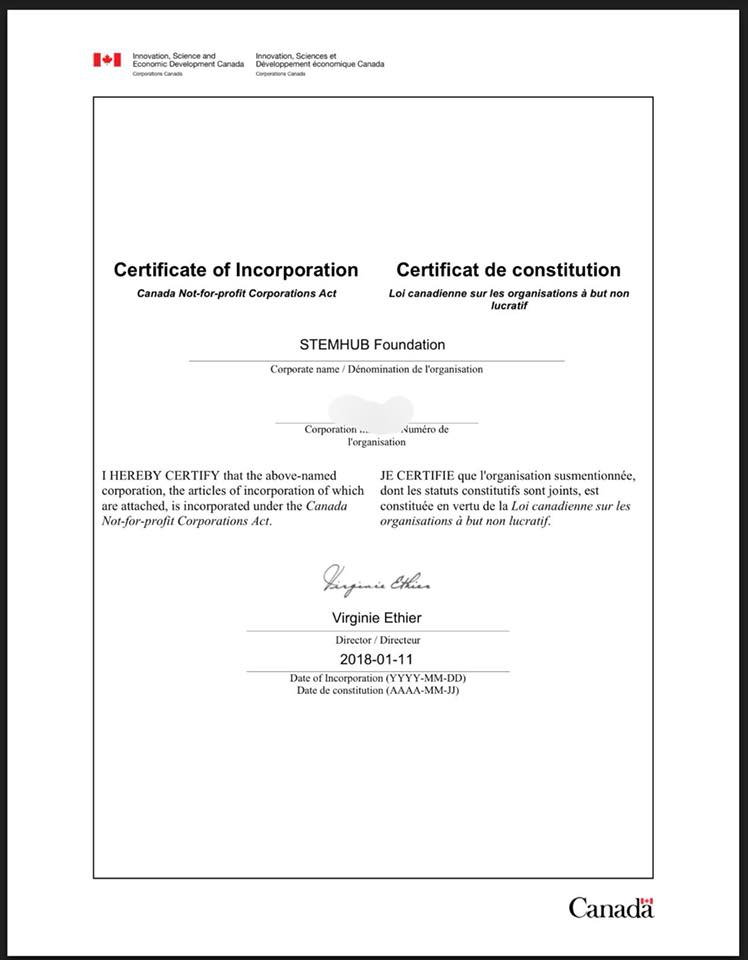
Biomedical Engineer and STEM advocate, Adeola Olubamiji, has taken to her social media account to announce that STEMHUB FOUNDATION is now a registered Not For Profit Corporation. She also shared a copy of the certificate on her page.

Read her full post below;

STEMHUB FOUNDATION is now a registered Not-For-Profit Corporation 👏🏾.

STEMHUB Foundation is an initiative born to further enhance the advocacy for youth and women empowerment through education and skill acquisition. The 4 branches of STEMHUB Foundation are listed below:

STEMstars – will provide free mentorship programs connecting mentees to appropriate mentors. Let’s make you a superstar! Application forms will be out on our website soon.

STEMing- free hands-on experiments for children in the black communities across Ontario (we want to expand it beyond the current horizon).

STEMscholars – free career advice, CV / Resume help, provisions of scholarship information and hopefully will offer scholarships or payments of application fees to those who are not capable in the nearest future.

STEMspires – a platform to share inspirational stories of young blacks in STEM trailblazing and birthing new ideas in their various fields.

Our NEEDS:

– A very good web developer to help create a fantastic website (we will pay appropriately);
– We are recruiting MENTORS and MENTEES (portal opens shortly);

– Volunteers to serve as coordinators of each branch (we will be able to serve as your referees if you work for at least 60 hours yearly and you will receive yearly volunteer certificates);

– Website manager / volunteer to upload contents and make sure to tidy things up;

– Again, we need your support to help lift this initiative up. It is ours and collectively we will change more lives, and change the notion of the world about the black race. Join us, support us and help create the change we desire.

Incorporated by Bar. Ayo Akenroye. Thanks for always 🙏🏾.

Are you ready? I’m excited!


Source: https://web.facebook.com/adeola.obamz

Black American Lady,  Destiny Paris James has taken to social media to share how when she least expected it, she was given a huge amount of money by Drake as scholarship.

The shocked lady wrote about how she had been picked for the consistency and hard work she had put into her work and how even when she thought nobody noticed , she had been rewarded.

Talking about the reward of hard work, she said: “Drake told me that he has read great things about me and appreciates how hard I’ve worked through so many trials and decided to give me $50K for my tuition. @champagnepapi THANK YOU SO MUCH!!’

You don’t understand what this means to me! I would’ve never imagined this happening to me. I’m just a girl from Denmark, SC that wants to MAKE IT and be somebody and for you to see my hard work means the world. Thank you so much. God I thank you. You are so great and amazing! Thank you for blessing me when I thought my hard work was going unnoticed. I’m living out my dreams. God’s Plan”

We have her Instagram post below

source: fabwoman.ng

For the first time since 2012, the Spice Girls have reunited in the same room for a catch-up with former manager Simon Fuller. Regrouping at Geri Horner née Halliwell’s home in Hertfordshire on February 2, the gang took to Instagram with a photo announcing that “#girlpower is alive and well”.

After sharing a few more snaps of the reunion – which soon made their way across social media – the five members of the iconic ’90s group released a statement confirming plans to work on “new opportunities”.


“We have enjoyed a wonderful afternoon catching up and reminiscing about the amazing times we have spent together”, notes the band in a statement.“We are always overwhelmed at how much interest there is across the whole world for The Spice Girls.” The statement goes on to reveal:

“The time now feels right to explore some incredible new opportunities together. We all agree that there are many exciting possibilities that will once again embrace the original essence of The Spice Girls, while reinforcing our message of female empowerment for future generations.”

“It’s very exciting”

According to The Sun, the Spice Girls are getting ready to unveil a series of ventures including TV projects in China, a new TV talent show, endorsement deals and a compilation album celebrating their greatest hits.

The project is thought to be led by Simon Fuller who has apparently managed to convince Victoria Beckham to take part – on the condition that she doesn’t have to sing (I’m sorry but…LMAO). As a source close to the group revealed:

“This is the pop reunion no one thought would ever happen again. But after a long period of negotiation Victoria agreed the time is right to work on new projects this year. It’s very exciting because she has always been adamant she wouldn’t go back.”

As a reminder, the Spice Girls split in 2000 before teaming up again for a world tour in 2007-08. They then teamed up to close the London Olympic Games ceremony in 2012, just ahead of Spice Girls musical Viva Forever!.

Back in 2016, Melanie Brown, Emma Bunton and Geri Horner were rumoured to return to the stage but nothing ended up coming of the hearsay.


Culled from konbini.com

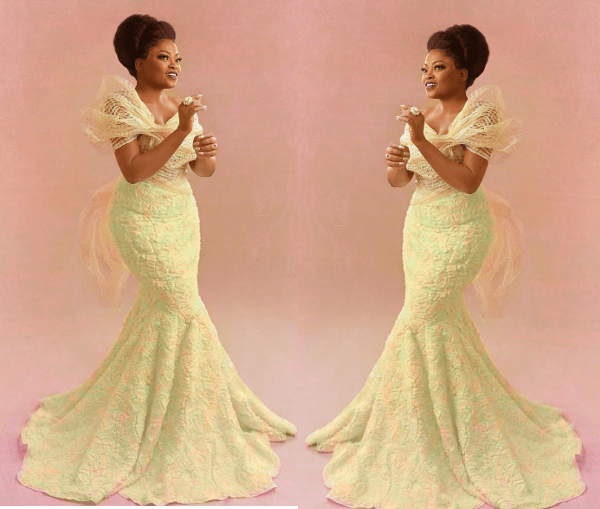
Nollywood actress and producer, Funke Akindele just uploaded a beautiful picture of herself, calling herself her Woman Crush Wednesday.

The multi talented actress also prayed for herself and her fans.

She wrote,

“Allow me to crush on myself. Dem talk say : salt no dey praise himself for soup but biko allow me praise my woman crush!! Olufunke Akindele Bello born August 24th 1977 to Rev and Mrs Akindele, hails from Lagos state(ikorodu). She’s an actress, content producer and CEO (Sceneone Productions ltd.) Funke, I celebrate you today and always for your hard work and consistency.

The Lord will continue to bless you, grant you long life and good health. You will forever be on top and never beneath. You will always wine,dine and transact with kings and queens. Ayo e o ni dibaje.

Every unfriendly friend surrounding you will be unseated in Jesus name. God bless all Funke Akindele Bello’ s FANS for their love, prayers and support. Love you all.

NOTE: always love and celebrate yourself no one will do it better than you.”

She is definitely speaking life to herself and her family. What better way than to start a new day than this.

Read her inspiring post below:


Source: stargist.com

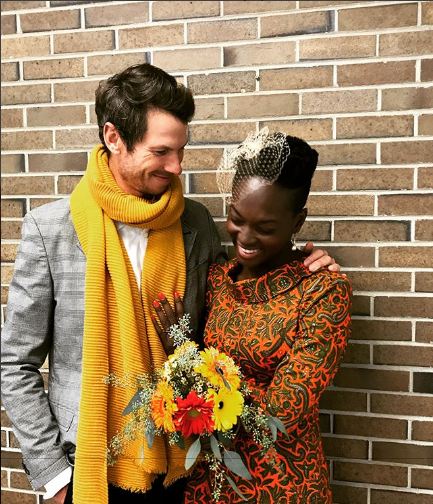
It’s wonderful news for Chidiogo Akunyili, daughter of the Late Dora Akunyili, as she gets married to her love, Andrew.

The writer wrote a post on Instagram describing how her relationship with her new hubby has been, writing how blessed she is to have him. She described how she had written down the type of man she wanted and sure enough, 7 months later he appeared.

Read excerpts:

“Celebrating our civil union. Excited for all the white & colourful celebrations with friends and family to come. Thank you Andrew for being a daily reminder of the miracles that exist in this world and the power we have to tap into it.

On a cold February evening in Geneva, I wrote down words that I feel connected our destinies & led our paths to cross 7 months later in the deserts of Nevada. “Monday, 8 Feb 2016. Geneva – Clayton asked that I do a true exercise of what I want. Here goes. I seek a partnership with a strong man, mind, body and spirit. I seek a partnership with a man who will cherish, love and honour me & the life we build together, supporting each other through the journey with kindness, love, a smile & words that put difficulties in perspective. He will not be away from home all the time but have a career that allows for him to assist strongly and sometimes wholly in building a home for us and for the children. He will be conscious and inspire us to grow in consciousness. He will be full of kindness and have a depth of love that leaves us inspired by what two people can achieve together. He will hold me and we will give gratitude. He will be flexible. He is adventurous/open to new experiences. He is happy in himself & together we share happiness in God and Love.”

7 months later after strong guidance came to me to go to Burning Man — I met him. It was a story of the union of souls. I felt I had written him to existence and rejoiced in the connection we shared. One I know started with a decision to focus on the wholeness of my own soul — self love — & from the space of taking time for self I was ready to take time for another’s soul and him mine in turn. I was not looking for a man so save me but a man to hold me up in my own strength. Together we continue to weave a web of care, love, strength, that isn’t without its difficulties but I’m learning & growing with & from them.

I say yes to a life spent together in partnership — to holding each other up outwardly and on the inside — to loving every part of ourselves and each other knowing we have the power to create and re-create from a place of peace with what is & the infinity that can be.”


Here Is the post.

Credit: stargist.com

So I just saw a post on YabaLeft about 15 yahoo boys that were arrested by EFCC and coffins and charms were discovered in their house. As usual, people were condemning the guys while some were saying the guys were ritualists and that yahoo boys don’t do rituals. One comment struck my attention… This guy went ahead to say that those condemning yahoo boys are SLAVES and that yahoo boys are kings. Immediately I saw that comment, I said ”Mo fo oo”…. One Aunty even went ahead to place deadly curses on people condemning yahoo boys.

I honestly do not understand why someone would say something like that. If you want to defend yourself or someone else, do so intellectually. Do so without getting aggressive. Why call people names? Personally, I stay away from some discussions because I don’t like arguing with people that just won’t argue intellectually. These days, I just avoid rash arguments because I cannot allow someone to come and give me headache for nothing. I tell people that if what you do makes you sleep so well at night, continue doing it. Everything you do is between you and your Creator.

The moment you get unnecessarily defensive and start calling people names or cursing people because they do not see things from your own point of view, it means your level of stupidity surpasses your level of intelligence.

*drops pen*

©Lydia Oladejo