Naspers, Africa’s most valuable company has appointed a new CEO making history in the process.
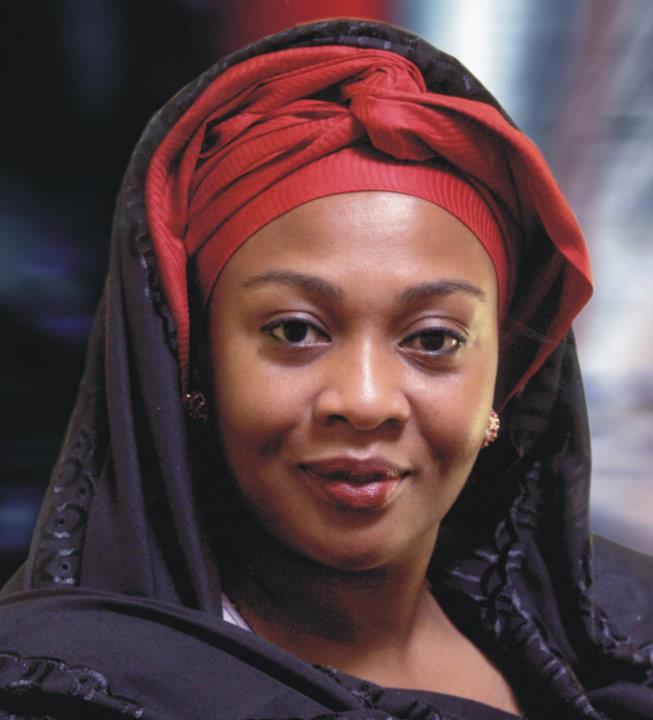
Phuthi Mahanyele-Dabengwa, 48, takes on the role and becomes the company’s first female and first black chief executive.
Her appointment follows a long streak of white, male CEOs leading the 104-year old company.
As CEO for the South Africa unit, Mahanyele-Dabengwa will lead its daily business activities and also manage the company’s long-held desire to make successful tech investment bets in Africa.
Mahanyele-Dabengwa will now lead Naspers’ drive for major African tech startup wins with a $314 million fund announced last October. She will also oversee Naspers Labs, a social impact and skills acquisition initiative for South Africa’s unemployed youth. Mahanyele-Dabengwa will report to Bob van Dijk, Group CEO of Naspers.
She’s been CEO of Shanduka Group (Pty) Ltd., a black-owned investment holding company started by South African President Cyril Ramaphosa. She’s also on the board of the Cyril Ramaphosa Foundation. In addition, she’s held board positions at companies including mobile operator Vodacom Group Ltd., miner Gold Fields Ltd. and airline company Comair Ltd.
Her education includes an economics degree from Rutgers University in New Jersey and an MBA from De Montfort University in the U.K.
“You need to have empathy for your husband’s failings.”
Many of the lies we’re told as wives treat men as if they need us to take responsibility for their walk with God, we need to help men with their “normal man issues” (ie lust), we have to treat them with kid gloves, we have to accept their emotional immaturity, and we have to behave perfectly or they just can’t help themselves from being “harsh” with us.
Why is it okay for Christian men to have fragile egos, to be out of control with their sexual lust, to be immature in their own relationships with God, to be emotionally clueless, and to have to be taken care of like children?
God doesn’t want men to stay in weak, fragile, immature emotional states, needing to be coddled. He also doesn’t want men who are cruel, abusive, petty, controlling, entitled and selfish. He wants men to grow up, take responsibility for themselves, love others selflessly, have self-control, be kind, compassionate and patient, and know Him deeply.
In a healthy marriage, both spouses support one another to follow God, but each person takes full responsibility for their choices, behaviors, maturity, and who they are as a person.
When a wife is expected to take on this responsibility for her husband, she is being told to carry a burden that’s not hers, and to participate in a belief system that limits his ability to grow into the man God created.
In addition, women are expected the carry the entire emotional load of the marriage and are held responsible for the emotional climate of the marriage.
What a disservice to men who are capable of so much more than is expected of them.
“It’s amazing to me how scriptures are thrown at us and we told we are not doing enough, all the while NOTHING is said to our husbands. When are these people confronting the husband with Bible about their behaviors?”
— Covert Abuse Survivor
This is part five of the series: Unraveling Spiritual Abuse and Lies Abused Christian Women Struggle With
Let’s take a look at some of the damaging rubbish covertly abused women have been told about their roles in their husband’s lives.
As we go through the following lies, remember to compare them against the 4 Cs:
The Character of God
The Consistency of what the rest of the Word says
The Context of the scripture in the book it’s in
Common Sense
YOU CAN SAVE HIM (HIS SPIRITUAL LIFE IS YOUR RESPONSIBILITY)
I was told I needed to stay because I could be the one that leads my husband to God.
I was told ‘Maybe God put that toxic person in your life to help that person see the God in you.’ ~ Covert Abuse Survivors
Does anyone see the craziness here that most of the women who are being told these things are married to men who confess to be Christians? Why would a Christian man need to see God in his wife when he supposedly already has the Spirit of God in him?
But even with men who aren’t claiming to be Christians, God never calls a wife to sacrifice her life to help her husband “find God.” An abusive husband will not find God by being allowed to abuse. A wicked man needs to see his sin and his desperate need for God to change his evil and deceitful heart, not to be allowed to continue in his wickedness.
God has great love, mercy and grace for those who sin in ignorance, and this love will draw a repentant sinner to Him.
But abusers are not sinning in ignorance. They know what they are doing and continue to do so because they feel entitled. This type of prideful, wicked man needs to be brought to his knees before God, humbled, and shown that God hates what he’s doing.
The wife should never be sacrificed for a husband who is rejecting God in every way.
“So what about that Scripture in I Peter directed urging wives to attempt to ‘win’ their disobedient husbands? I would say that the Scripture references a man who is ‘disobedient to the word,’ which likely references an unbeliever. He is not described here as wicked. There is a huge difference. It also says, he ‘may’ be won; not ‘will.’ There is no promise there, only a hope, and if a husband turns, praise God! But what if this man is not merely disobedient, but evil? And what if he is not ‘won over?’ What if the man has no intention of changing and, in fact, appreciates the power he holds over his respectful, submissive wife?”
— Cindy Burrell
YOU NEED TO GIVE GOD TIME TO WORK IN HIS HEART
How long is enough? 1 year, 5 years, 20 years? 40 years? How long do they expect her to live in torment, be destroyed to her depths, live with chronic PTSD, and risk her health? How long are her kids expected to live in a home with abuse?
If he was seeking God as he should be (or pretends he is), nothing could prevent God from working in His heart. God answers genuine prayer for heart change, but someone who’s not truly seeking God will stand still, and no amount of time will help.
Do not cast your pearls before swine and do not give what is holy to dogs, lest they trample them underfoot and turn and tear you to pieces. (Matt 7:6)
People who say this are exalting the life of one wicked man over the lives of his family. Clearly, they value men more than women and children
“Jesus… didn’t go chasing after those unwilling to receive the gospel, but rather instructed the disciples to ‘shake the dust off their feet as a testimony’ against entire towns unwilling to receive His message, and our Lord Himself adjures us not to attempt to spiritually invest in or make ourselves spiritually vulnerable to the hard-hearted.”
— Cindy Burrell
YOU NEED TO PRAY HARDER, THEN GOD WILL BLESS YOU
What an arrogant assumption to make, that we aren’t praying hard enough or respecting our husbands. So often, abused women are treated like little girls who aren’t wise in their own spiritual walks and who are to blame for the abuse. It’s sexist and insulting.
No amount of prayer will overcome an abuser’s free will to resist God’s work in his life and remain abusive.
GOD SAYS WIVES MUST BE SUBMISSIVE
I was told that I wasn’t being submissive enough. ~ Covert Abuse Survivor
Submission will not stop an abuser from abusing. In fact, being more submissive to abuse will continue the abuse, not stop it. Only people who don’t care about the well-being of a woman will tell her to submit to abuse.
“Many foolish legalists teach that humble submission to a cruel, abusive spouse is somehow noble and godly, and presumes that the abuser is simply ignorant or needs our sympathy; that the abuser will be compelled to humble himself and change when confronted with their loyal spouse’s patient and unconditional love. What those same legalists either fail or refuse to recognize is that demanding a spouse to remain with an abuser only empowers him. He knows full well the way the Christian legalist system works and brazenly exploits it to accommodate his entitlement mentality and further the reach of his wickedness.”
— Cindy Burrell
Wives are not slaves to their husbands, required to submit to his will. When wives are told to submit, the rest of the scripture is being willfully ignored:
Submit one to another out of reverence for Christ. (Eph 5:21)
“The reality is that there are only a few Bible texts that focus on submission in marriage. One passage is in the Apostle Peter’s Epistle where he instructed a wife to be submissive to her husband (I Pet 3:1). Similar to the Ephesians passage on mutual submission, Bible interpreters often pay little attention when Peter stated ‘In the same way’ and ‘You husbands likewise.’”
— Tim and Annie Evans
When an abused wife is told to submit to her abuser, the husband is rarely also told to love his wife as Christ loves the church. Something’s rotten here, and it’s called sexism.
“Submission is not a straight jacket of mindless obedience; it is the freedom to serve the deepest needs of the other with all that we are. ”
In Part Six I will be discussing the patriarchal theology surrounding the man being the “head,” and submission in greater detail.
MEN NEED SEX SO YOU NEED TO GIVE HIM MORE SEX
I’ve been told, after saying that sex after he watches porn made me feel like a hooker, that I must love him unconditionally and submit to him in whatever he asks as long as I’m not sinning.
I was told I needed to have sex with him regardless of if I had reason to suspect his faithfulness, that if I ended up catching a disease from him, then at least I would have got it while doing the ‘loving’ thing. ~ Covert Abuse Survivors
This demeaning theology reduces men to nothing more than a physical creature with uncontrollable desires, and women to nothing more than an object to fulfill that lust.
Men are so much more than that, but their sexuality, as God created it, has been diminished and warped though pornography and the constant sexualization and objectification of women that they are inundated with their entire lives.
God created sex in a marriage as a reflection of intimacy, not as a physical act to satiate the need of the man.
If a man has so little respect for his wife that he is happy to use her for his own pleasure without even caring if she’s enjoying it, let alone if she’s emotionally safe, present and happily participating, he’s no better than an animal.
We were created higher than the animals and it’s time we held men to the same standard that God does. Come on, men, have some self-respect!!!
“When Christian teachers repeatedly and consistently say that all men lust and that temptation is normal, this paves the way for dysfunctional marriages and normalizes sexual sin. What do you think happens to men who are told that they have a need for physical release that their wives must provide, and that if they’re not given sex, it’s not men’s fault if they stray? You end up with men who feel entitled to sex and women who feel used.”
— Sheila Wray Gregoire
I know of husbands who haven’t had sex for over a year because their wives were healing from childhood sexual abuse trauma, and sex was scary and unsafe. How did these men do this? Because they LOVE their wives with sacrificial love and want the best for their wives.
Did they blowup and die from lack of sex? Nope. Did they have affairs because they felt entitled to sex? Of course not. Did their man-parts fall off? Nope.
They were just fine because they are loving men acting as God designed them to.
Did their marriage blossom because the wives felt deeply loved, cared for and respected? You bet. And this is what a loving marriage is meant to be– a relationship where both people are respecting and honoring each other.
YOU NEED TO LEARN TO KEEP THE PEACE
I was told that a Christian wife is supposed to assume the best and should forgive, forget, and move toward her husband for the sake of peace. ~ Covert Abuse Survivor
No wife can make her husband live at peace with her if he chooses to be abusive. Period. These kinds of lies show a lack of the most basic understanding of boundaries, abuse, and our inability to change another person. Unfortunately, this lack of understanding is common in Christianity and is used to blame victims.
If it is possible, as far as it depends on you, live at peace with everyone. (Rom 12:8)
Wives are expected to be the ones to keep the peace to make up for the husband’s unwillingness to live peaceably. There are several ridiculous assumptions here:
it must be the wife’s fault he’s not being peaceable
a wife can actually change her husband
men must be incapable of living at peace if it’s up to the wife to do it (as if they’re some kind of animal that we have to tame)
Blessed are the peacemakers, for they will be called children of God. (Mt 5:9)
The Word tells us to be peacemakers not peace keepers, and there’s a big difference. A peacemaker works actively to create peace where there is conflict. A peacekeeper avoids doing things that will disrupt peace, such as standing up for herself.
When abused women are told to be peace keepers, they are expected to be doormats and accept abuse. They are being told to deny their basic need for emotional safety.
An abused women usually needs to leave the abuser to be a true peacemaker for herself and her children, for there is no way to make peace with an abuser.
YOU NEED TO HAVE COMPASSION/ EMPATHY FOR YOUR HUSBAND’S FAILINGS
Abusing your wife is not a failing or a mistake. It’s a choice a husband makes to harm the wife who he’s supposed to love.
Our empathy and compassion are what’s kept us in the abuse for so long. Abusers are skilled at playing the victim and getting sympathy. They have been playing on our kindness and goodness for years to manipulate us.
Abusers don’t change from empathy, but our empathy prolongs their abuse.
We’ve spent years, if not decades, having compassion on our husbands and believing their excuses.
We’ve had compassion when they say they can’t help it, and believed them when they promise to change.
We’ve believed them when they’ve said we aren’t understanding enough, or are asking too much.
We’ve believed them when they’ve blamed us for their behavior.
In our empathy, we have minimized their abuse and its effects on us and our children.
It’s a terribly confusing thing to be told to have compassion for someone who is intentionally hurting us, and it makes no sense.
When someone knows that what they’re doing is hurting us, and they continue to do it anyway, what is there to feel empathy for?
We are being told to take the side of abuser against our own selves!!
When we can identify abuse as the betrayal of our love, heart, emotions, mind, and soul that it is–wickedness, as it’s called in the Bible– we’re walking in truth.
In the Bible, wickedness is not handled with compassion and empathy. It’s called out and removed from the church because of the damage that wolves do.
“Jesus did not treat all people the same. To the seeking and downtrodden, He offered hope, grace and healing. Yet, the arrogant legalists, those who put on a good show but whose hearts were hardened to the things of God, He very harshly condemned. When they tested Him or crossed Him, He was neither gentle nor accommodating toward them. He called them out for their hypocrisy.”
— Cindy Burrell
The most compassionate thing we can do for an abuser is to give severe consequence in the hopes that they’ll choose to repent.
BELIEVE THE BEST ABOUT HIM
Believing the best works when someone hurts you out of ignorance, or snaps at you because they’ve had bad day. When someone has shown themselves to be a loving person with your interests at heart, believing the best when they make a mistake is a loving thing to do.
But abusers don’t have their wives best interest at heart. They are manipulative and hurtful and there are no good intentions to believe in.
YOU NEED TO BE LIKE JESUS TO YOUR HUSBAND
When I was told I needed to be like Jesus to my husband, I wondered ‘Why doesn’t he be Jesus to me then?’ ~ Covert Abuse Survivor
When we’re told we need to be like Jesus, they’re referring to the loving, gracious, merciful Jesus who has forgiven us for our sins. But they also think of Jesus as a namby-pamby weakling who takes abuse and never says a word.
Jesus doesn’t turn a blind eye to sin and wickedness. He doesn’t offer grace to the abuser over justice and safety for the victim. Jesus came to free the abused and is vehemently opposed to oppression.
Being more like Jesus is great advice for a woman who is ready to stand against oppression, who is ready to grab some metaphorical whips and set some boundaries or walk away, but we know that’s not how it’s meant when this is being said to abused women.
TRUTH ABOUT WIVES
We are meant to be in loving relationships with our husbands. We are beautiful, strong capable, smart, wise women. We are loved by God. We are upheld by Jesus and seen as valuable and equal. Yet we are oppressed and held back, treated like children.
When God created wives (ezer kenegdo), he created a spouse for the man who is a strong and bold source of help in trouble, and a partner that will help him become all that God wants him to be. The Hebrew word ezer is a combination of two roots: `-z-r, meaning “to rescue, to save,” and g-z-r, meaning “to be strong.” In other passages, it is used to describe the Holy Spirit.
In a loving marriage with a man who will take responsibility for himself, our love, respect, truth and spiritual presence will be received. Our voice will be heard. Our feedback about our husband’s weaknesses will be appreciated.
We will be honored as the ezer kenegdo. We will grow with our husband into all Christ created us for.
Anything short of this is not God’s will for us.
I have worked with hundreds of abused women. I see that you are loving, caring, truthful, loyal, Godly, committed wives. You’ve worked hard, trying to make your marriages work for decades. You’ve sacrificed yourself for you marriage and children. You’re the kind of wife that any God-loving man would be blessed to have.
Yet you’ve been blamed, misunderstood, and betrayed for following God by rejecting abuse.
Every time one of you lovely, strong women is shunned and accused, the enemy kingdom rejoices, and the church– the very body of Christ– suffers.
But I know that you are strong, brave, warriors, and beautiful daughters of God.
And I also know that when you see Jesus face to face, He will say with tears, “Well done, good and faithful servant. It was never Me who rejected you. Come rest in My arms.”
If you’ve experienced covert psychological abuse and spiritual abuse, come join our private Facebook group for women of faith who are covert emotional and psychological abuse survivors.
Putman Media, publisher of Chemical Processing, Control, Control Design, Food Processing, Pharma Manufacturing, Plant Services and Smart Industry magazines has announced the 2019 Class of Influential Women in Manufacturing. (See below for full list of honorees.)
The 27 women who join the ranks of IWIM this year are recognized for their change leadership in manufacturing—their risk-embracing work that serves to move the needle on asset management and reliability, digital transformation, workforce development, and other elements critical to ensuring the manufacturing industry’s readiness to meet the challenges of today and tomorrow.
Founder of STEMHub Foundation, who is also Senior Additives Manufacturing Engineer at Cummins Inc, Dr. Adeola Olubamiji is one of the Honorees on the List.
She wrote on her facebook page:
Happy Independence Day America – The American Dream
Part A:
It is with pleasure that I announce to you my beloved that I have been named one of the 27 INFLUENTIAL WOMEN IN MANUFACTURING in the USA for 2019: https://www.influentialwomeninmanufacturing.com/iwim-honorees-announcement-2019/
The 2019 Influential Women in Manufacturing honorees will be profiled in a dedicated e-book to be released by Putman Media in September and recognized in person at the 2019 IWIM awards luncheon, taking place Friday, Oct. 4 (Manufacturing Day) at MxD in Chicago.
Part B:
8 months ago, I moved to the USA in search of the “American Dream.” The last eight months has been the most challenging, the most promising and also the most rewarding period of my career. Although the American Dream hasn’t been achieved in full circle, I am thankful for the opportunity to yet again TRAIL-BLAZE in corporate America 🙏🏿.
My knowledge and experience is now making contributions to the advancement of digital manufacturing and Industry 4.0 at #Cummins and this has received the deserved credits: https://www.cummins.com/news/2019/03/07/cummins-takes-next-step-3d-printing-and-future-manufacturing
America, thank you for welcoming me, my blackness, my youthfulness and my multiple foreign degrees with open hands. I am indeed grateful for the career advancements, the accolades and the chance to thrive without boundaries.
I had a DREAM, I DESIGNED a plan, I put in the WORK, GOD provided a FERTILE ground, I took the calculated RISK and I hope you can see the RESULTS.
In this second quarter of 2019, I hope you will take at least one major risk and give it all you’ve got.
The 2019 Influential Women in Manufacturing honorees will be profiled in a dedicated e-book to be released by Putman Media in September and recognized in person at the 2019 IWIM awards luncheon, taking place Friday, Oct. 4 (Manufacturing Day) at MxD in Chicago.
See full List Of The 2019 Class of Influential Women in Manufacturing below:
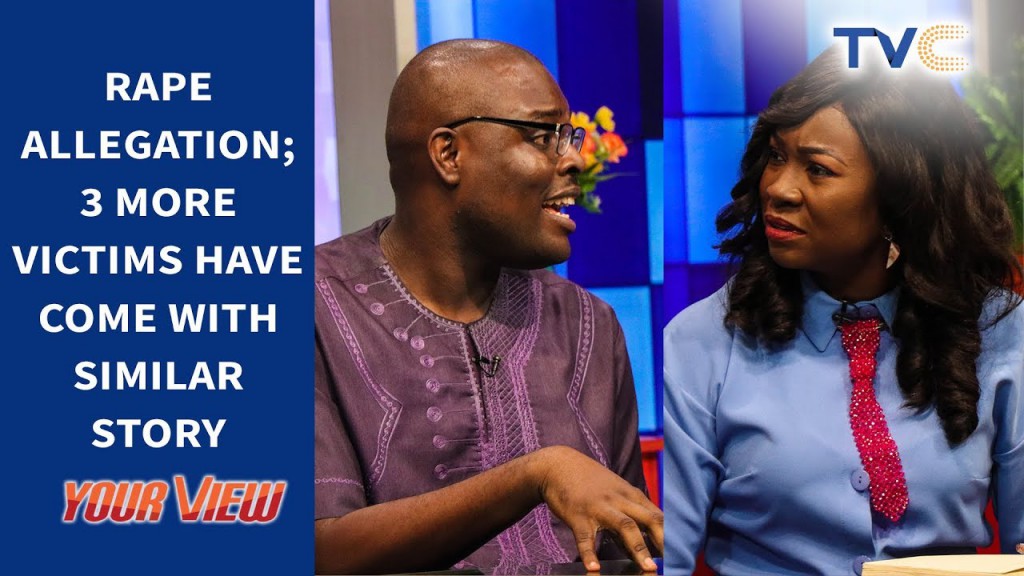
The woman, who says she’s a former member and staff at the church, said Fatoyinbo, who she regarded as a mentor, spiritual leader, and father figure, allegedly raped her when he invited him to his house to discuss church issues.
She said that wasn’t the first time she was going to the house, adding that things moved on really fast and Fatoyinbo in no time was all over her.
She says she hopes that her story will build on the impact of Busola Dakolo’s and Ese Walter‘s stories.
In her story, she said Fatoyinbo addressed the Busola Dakolo incident, saying she had seduced him and “something had happened”.
Her Story
The woman said she joined the church in 2009, and in 2013, when the Ese Walter story broke, she immediately felt the weight of its implications, but dismissed it as some smear campaign. She hadn’t been working closely with the pastor at the time and the church was a place of sanctuary for her.
She joined the music group and was there till 2015, when Fatoyinbo’s wife Modele took an interest in her, and she began working with her on church adminstration duties and even taking care of the Fatoyinbos’ son.
The woman said she had found out about how church members viewed their proximity to the pastor as something special and she did feel special.
She says women and girls who were granted access to the Fatoyinbos’ children were referred to as ‘choice daughters,’ as the pastor was known to guard access to their kids.
She said she took care of the kids from 2015 to 2016, and later on, she moved to another country, living in one of the cities where COZA had a branch.
While she was hired by Modele, her job also required that she worked with Fatoyinbo who visited regularly to minister to the congregation and spend time with his children who were schooling in the city.
The alleged rape took place when Fatoyinbo visited and invited her to the house to discuss church issues.
As he forced himself on her, she says, removing her shirt and unbuttoning her trousers, telling her to “relax”.
She adds that she was too shocked to react, trying to reconcile the person in front if her, with the person who she saw as a spiritual leader, father figure, and mentor.
After the rape, she said he switched back to the pastor she knew, going on to apologise for what happened, saying he didn’t mean to hurt her.
She said she stayed silent and couldn’t talk to church members about it, remembering how the church took the Ese Walters case.
She was happy Fatoyinbo lived in Nigeria, pastoring the church in Abuja, so the distance helped her reevaluate her life. She wanted to leave the church but it would be difficult, seeing the church was responsible for her livelihood. She began saving to come back to Nigeria and continue her life.
One day, a friend called her out of the blues saying Fatoyinbo was asking for her number. She couldn’t tell the friend why she refused to share her contact with the pastor, so she had to give it to the friend to share with him.
Fatoyinbo called her, she said, saying ‘I know you are angry with me.’ She said his apology rang of dishonesty and after the call ended, her other friends called to tell her about Busola’s husband, Timi Dakolo‘s May 2018 Instagram postaccusing an Abuja pastor of sexual assault.
She said she figured Fatoyinbo’s call was an attempt at damage control and if she had any doubts about him being a sexual abuser, that call cleared them.
The rape occurred in the last quarter of 2017, she said, but she continued working in the church till July the next year. She said she told Fatoyinbo of her plan to leave and he insisted that they both see each other before she does so.
She adds that by the time she returned to Nigeria, Timi Dakolo had made his second post, accusing Fatoyinbo of sexual assault, although not explicitly.
One month later, Busola shared her story, accusing Fatoyinbo of raping her twice when she was 16.
The woman said when she returned to Nigeria, Fatoyinbo insisted on them meeting, and he shared that Busola had seduced him and “something had happened.” He said he didn’t know she was a teenager, adding that he had no idea why she was trying to “sabotage” his ministry.
The woman said she doesn’t think Modele is unaware of her husband’s alleged assault, adding that she either intentionally or inadvertently brought young women closer to her, setting them up for exploitation by her husband.
She added that some pastors are aware of Fatoyinbo’s sexual violence but either kept quiet, or enabled it. She called them “The COZA 12,” saying they are pastors within and outside the church.
Camille Schrier was crowned Miss Virginia 2019 at the end of June, and for the talent portion of the competition, the 24-year-old biochemist showed off what she does best: Science.Schrier demonstrated the catalytic decomposition of hydrogen peroxide, a reaction that occurs when hydrogen peroxide comes in contact with a catalyst like potassium iodide, which Schrier used in her presentation. As she mixed the chemicals, large spouts of colored foam came shooting out of the beakers onstage, delighting the audience and obviously impressing the judges.
“Keep an eye out,” she said as people cheered, “Because science really is all around us.”
After her big win, Schrier said she hopes her onstage experiment helps change the conversation around talent and what it means to be a beauty queen.”I am more than Miss Virginia. I am Miss Biochemist, Miss Systems Biologist, Miss Future PharmD looking toward a pharmaceutical industry career,” she said in a release. “Now was the time for me to create a mind shift about the concept of talent by bringing my passion for STEM to the stage. To me, talent is not a passion alone, but also a skill which is perfected over years of learning.”
Schrier is a graduate of Virginia Tech and is currently a Doctor of Pharmacy student at Virginia Commonwealth University. In keeping with her passion — and talent, — Schrier’s platform issue for the competition was opioid abuse awareness and drug safety.As Miss Virginia 2019, Schrier will compete in the Miss America Pageant in September.
A 39-year-old formerly incarcerated woman is making people believe in second chances after graduating with her PhD — and using it to create a pathway for other returning citizens to find meaningful jobs.
Yolanda Perkins grew up middle-class in Clewiston, Florida, where she says that her parents gave her and her siblings everything that they needed — including the opportunity to attend college. However, in 2004, while her friends were seniors receiving their degrees, Perkins was caught stealing credit cards from a workplace mailroom, leading to sentence in federal prison.
“I was facing 25 to 30 years and at the suggestion of my attorney,” she tells Yahoo Lifestyle. “I pled guilty to possession of stolen mail and in exchange, they dropped the credit card fraud charge.”
At the time, Perkins was just 24 years old and ended up being sentenced to three years in federal prison — a terrifying reality that she didn’t want to face. When she was denied her request to be on probation, or enter a military boot camp, she tried to take her own life.
“I didn’t think life was worth living, and I tried to commit suicide,” she says. “I just didn’t see my life as livable anymore.” Thankfully, the attempt was unsuccessful, and Perkins ended up surrendering herself to prison. And although it was a “hard transition” it provided her the opportunity to reset her goals and put her energy toward making them happen.
“The entire time that I was incarcerated, I always kept a journal,” Perkins shares. “And one of the things that I would always write while I was incarcerated was about how I would graduate college because I didn’t finish. I felt incomplete.”
Perkins explains that while there were plenty of critics who suggested she wouldn’t be able to accomplish her goal after prison, there was one fellow inmate who helped her realize how much time she had in prison and how to use it wisely.
Throughout her three years, she was transferred to two other facilities, where she engaged in learning programs and listened to speakers who sparked her interest in public speaking. Still, once she finished her sentence and was moved to a halfway house, things didn’t pan out as Perkins had expected.
“I knew that I was ready to hit the ground running when I got to the halfway house… I just knew that it would be so easy — that’s just what I had said to myself,” she explains. “But none of that happened. Instead, everything totally opposite happened.”
Her felony record made it difficult to land a job, as did her caseworker, who Perkins says told her, “the closest that I would get to working in somebody’s office is if I was cleaning it.” With the help of a friend, she eventually landed a job at Goodwill where she had a boss named Becky whom she came to call her second mom.
With Becky’s encouragement, Perkins went back to school to finish her bachelor’s degree and eventually pursued her first master’s degree, which she completed in 2010. All the while, she connected with and married her husband, Dwight, and became pregnant with their first child in 2012.
Still, it was difficult to move beyond the part of her life that she had come to feel so ashamed of — until she wrote her first book.
“While I was pregnant with my son, I was on bed rest and I wrote a book. And it was that book that I wrote that opened up doors,” she said. “Although I had been out of prison, and I had served my time, I was still on probation and I still felt like there was a hold on me. So I was still kind of embarrassed. But once I wrote the book, it became like an outlet for me. It allowed me to be transparent.”
The book, titled Consequences, was based on Perkins’s own story — which she only revealed upon the book’s release. In that moment, she says, she realized that there were others in her community who were suffering in silence from the obstacles that many formerly incarcerated people face — specifically, not being able to gain employment.
Throughout the next couple of years, Perkins continued to build her family and her career by having another baby, staring a company called Swimmie Caps and ultimately making the decision to pursue her doctorate degree. All the while, she was helping formerly incarcerated men and women find jobs, which eventually informed her dissertation.
Dwight, Bella, Dwight III and Yolanda Perkins. (Photo courtesy of Yolanda Perkins)
“There were multiple points that my dissertation was rejected because I was still trying to go around the issue of not even highlighting anything about incarceration,” Perkins says of her realization that her past was an important part of improving her work. “I need to focus on something that’s important to me, and that means a lot to me. And it was about incarceration. And then from there, I had to identify what about incarceration. So then I chose to focus on the success rates.”
Through her early research, Perkins determined that a lot of works had focused on men — so she aimed to fill that gap. “I just wanted to showcase that women can be successful after prison,” she says. “Life is not over after incarceration.”
Now, she’s an example of just that. After graduating with an additional master’s degree and her PhD from Nova Southeastern University on June 14, she showcased her difficult journey in graduation photos taken by a friend and photographer, Heather Sperrazza.
“I did not anticipate the pictures to look the way they did, but she was able to express that, yes I was incarcerated but I never stopped even after that,” Perkins says.
Perkins graduated from Nova Southeastern University with her PhD on June 14. (Photo courtesy of Yolanda Perkins)
Perkins’s story gained more attention as a result of her unique graduation photos, as well as an audience fit for her next business venture: an app for formerly incarcerated people that focuses on finding employment more easily.
“I want to stop this cycle,” she says. “I want to be able to provide a one-stop shop for returning citizens. I want it to be able to provide active resources.”
The idea, which she plans to roll out this fall after gaining funding, goes beyond connecting with companies actively hiring formerly incarcerated candidates. It also aims to ensure that candidates who have been isolated in prisons have the means to even put together a resumé, so ultimately, somebody can get a second chance just as Perkins had.
While working to bring that dream to life, however, Perkins says that she’s keeping busy raising her children, Dwight III, 8, and Bella, 6, in addition to running Swimmie Caps and preparing to release a second book. At the end of the day, however, the 39-year-old has to remind herself that acknowledging her past and the struggles that she faced is all a part of moving successfully to her future.
“It’s a part of me, it’s a part of my life,” Perkins says, “and I have to talk about it.”
Young people have the power to change the world – those are the words of The Diana Award, set up in memory of Princess Diana, who during her life doggedly pursued positive change in the world.
In 2019, 9 young Nigerians are among the few selected from across the world, recognised for making an impact on Nigerian lives and on Nigeria. They include:
Meukara Monday Lekeh Development Foundation. 24 Muekara has been volunteering with an environmental group called Eco-Club, aimed at educating primary and secondary school students to learn about their environment and how to take action. Through campaigning, he has raised awareness of issues from dropping litter in the playground to the illegal cutting down of trees and engaged his community to take responsibility for their planet. Muekara also teaches subjects including Maths and English, educating students on the Sustainable Development Goals. His aim is to raise global leaders across the 24 schools his Eco-club has reached, empowering young people to make a change.
Precious Adebola Precious Fount Foundation. 25. Precious has embarked on a number of selfless services to help disadvantaged students in Nigeria. She started a scholarship for students in the Nigerian village of Ufodo and has also initiated a project that prepares students for their return to school by providing them with Back to School packages. In addition, she supervises mentoring sessions and an online academic support group. Precious has overcome challenges including sourcing the funding for her projects, requiring her to leverage on her social skills and inspire others towards her mission to strengthen Nigeria’s educational system.
Eedee-Bari Bawoh Voice To The Street. Lagos. 22. After seeing so many children falling into the traps of the street, Eedee-Bari was inspired to take action. She made it her mission to empower children through education, giving them the best life chances possible. Since founding ‘Voice to the Street’, Eedee-Bari has supported over 1,350 street-children through counselling events, scholarship funds and the distribution of educational materials. Thanks to her hard work, and the coordination of over 50 volunteers, Eedee-Bari is building new futures for children throughout Lagos. Eedee-Bari used to find it hard to speak out but now she has gained enough confidence to see a wrong and opt to make a difference. And that difference is only going to keep on growing.
Wadi Ben-Hirki Wadi Ben-Hirki Foundation. 22. Wadi founded her non-profit organisation at the age of 18, focused on improving the lives of women and children, and now uses her voice to amplify the issues surrounding education, peace and gender inequality. Wadi’s organisation runs four main projects and campaigns to empower marginalised and disadvantaged people. ‘Street to School’ focuses on free and inclusive education. ‘Girls Not Wives’ advocates against child marriage, ‘Love in the Midst of War’ rehabilitates survivors of insurgency. ‘SHEROES’ empowers young girls and women to be the best version of themselves, helping them to dream beyond their present and become great leaders. Wadi’s work is changing the lives of young people across Nigeria.
Chidinma Okoli Financially Literate Africa. Lagos. 23. After witnessing first-hand the level of poverty prevalent in her community, Chidinma founded Financially Literate Africa – a financial education organisation for young Africans to bring themselves and their families out of poverty. In this capacity she provides young people with financial advice to become economically empowered and financially literate. Through her campaign “Be Financially Intelligent” over a thousand young people took part in activities that would benefit their future financial self. She has mentored over 50 young girls on financial literacy through the G7 initiative and has become passionate about bringing financial stability to young people in poverty.
Marvellous Olusegun The Invasion Foundation. 24. Marvellous founded “The Invasion Foundation” which carries out free breast and prostate cancer screening in Nigeria – a country which has one of the worst cancer:death ratios in the world. Cancer statistics in Nigeria were so alarming that Marvellous became determined to lead the fight against cancer and so far his efforts have directly affected 8,000 lives and saved more than 50 Nigerians from needless deaths. Through the foundation, Marvellous has gathered a volunteer base of 350 college students, making it the first youth led cancer initiative in the country. Marvellous is a trail blazer, he identified the gap in the healthcare system and plunged into it.
Kennedy Ekezie-Joseph Calabar Youth Council For Women’s Rights. Calabar. 20. Kennedy’s work addresses the scourge of female genital mutilation (FGM), gender-based violence and the stigma attached to menstruation in Nigeria. He established the Calabar Youth Council for Women’s Rights and, through research and advocacy, worked with partners to establish and run safe houses for victims of FGM. His work distributes menstrual products to Nigerian girls unable to afford them – focusing on children at risk of dropping out of school, and prisoners. Additionally, his work seeks to empower women: the safe houses are also schools for the residents, and he has worked with The Girl Generation in Nigeria to help bring STEM education to schoolgirls.
Victoria Ibiwoye One African Child Foundation. Lagos. 25. Amidst the responsibilities of studying for her law degree, Victoria founded the One African Child Foundation to address the inequality in education. Having faced difficulties herself, Victoria understood the power of education in transforming lives, breaking the cycle of poverty and building peaceful and resilient societies. Through activity-based workshops on global citizenship education, life skills and peace building in violent communities, the One African Child Foundation has worked with and trained over 4,000 children from disconnected communities and provided mini grants to 25 young change makers across Africa. Victoria is youth representative of the SDG Education 2030 Steering Committee and is a strong voice for education both in Nigeria and globally.
Mariam Pearls Africa Foundation. Lagos. 22. Described as a ‘strong and fearless’ leader in the volunteering field, Mariam inspires and educates young people to also become volunteers. At the age of just 22, Mariam has already volunteered for over 100 organisations. After attending a developer meet-up where she was the only female present, Mariam was inspired to encourage more girls to take up coding. Currently volunteering with Pearls Africa Foundation (popularly known as Girls Coding, a CNN Heroes Top Ten Nominee 2018) Mariam motivates young women with her communication, negotiation and programming skills, leading them through their own personal and professional development.
Several other Africans also received the award, making impact in their home countries of Ghana, Benin, Tanzania and Kenya. They include:
Julio Muhorro of Ideia Lab from Mozambique. 23.
Saul Mwame of the United Nations from Tanzania. 19.
Efua Asibon of the The Swarthmore Lang Center for Civic and Social Responsibility from Accra, Ghana. 25.
Ida Na-Tei of Techworld Hub from Ghana. 22.
Catherine Nakayemba of Gejja Women Foundation from Uganda. 22.
Nora of Bedayaa Organization for LGBTIQ+ from Cairo, Egypt. 25.
Margaret Oslo Odhiambo of Streetwise Transformers from Nairobi, Kenya. 22.
Meganne Lorraine Ceday Boho of Sephis from Abidjan, Cote d’Ivoire. 24.
Esi of Heritage and Culture for Development from Ghana. 17.
Castello Semevo Zodo of Youth and Green Jobs for a Green Economy from Benin. 23.
Freda of Inspiring Young Achievers Network from Ghana. 25.
Tanatsei Gambura of The 25 May Movement from Zimbabwe. 20.
Zanji Sinkala of She Entrepreneur And Women Taboos Radip from Zambia. 23.
Phyllis Wanja Gitimu of Afyakili Organization, Nairobi, Kenya. 24.
Joseph Ssengooba of JBCaring Hearts from Uganda. 24.
Susan of The Mesh from Harare, Zimbabwe. 22.
Agnes Kabonesa of World Vision Uganda from Uganda. 25.
Erick Venant of Roll Back Antimicrobial Resistance Initiative from Tanzania. 25.
Brightstar Kasyoka of Brightstar Rose Foundation from Kenya. 20.
Ziyaan Virji of The Age Khan Academy in Mombasa, Kenya. 17.
Divine Kporha of Mental Health and Wellbeing Foundation from Ghana. 24.
Wantoe Teah Wantoe of National Children and Youth Advisory Board from Monrovia, Liberia. 24.
Christelle Kwizera of Water Access Rwanda in Rwanda. 24.
Elizabeth Wathuti of Green Generation Initiative from Kenya. 23.
Trevor Lichuma of Save the Future Leader Organization from Nairobi, Kenya. 24.
Cape Town Diabetes Initiative’s Primary Health Care Directorate, University of Cape Town. Ages 21 – 25.
Louise of Sophie A Kanza Foundation from Johannesburg, South Africa. 25.
Infinite Research Institute. Ghana. Ages 22-25.
Nicholas Luweesi of Refugees for Prosperity, Kampala, Uganda. 23.
Lemons are awesome fruits. Aside from adding it our beauty regimens for glowing skin and lustrous hair, it can be infused in our local and international recipes for flavour. Lemons contain amazing health benefits and we also love to juice them to lose some weight.
The enormous benefits on lemons extend to keeping our kitchen appliances and work space clean, fresh and hygienic.
Here are more reasons to buy lemons whenever you go shopping.
Clean the microwave
All it takes is a left food to mess a sparkling clean microwave. No scrubbing required. All you need is a slice of lemon to clean the microwave and leave it spotless and clean.
Wooden chopping board
One of the easiest ways to keep remove dirt and smell from a chopping board is by rubbing lemon on it after cleaning with a sponge and dish washing soap. Leave it for 5 minutes and run under running water. You can use it to chopping fruits and vegetables the next day.
Polish copper
Cookware just like our skin and hair needs a little pampering to maintain its look and improve its efficiency. Rub lemons on and inside to transform your tarnished pan to a new look.
Refresh your garbage bin
Just because it has been labelled as a garbage bin doesn’t mean it should have a funky smell. Mix salt with ice cubes, lemon peels and throw it into the bin. Turn it on, grind it up, and voila — freshness.
Clean the blender
The blender is a multi-purpose kitchen appliance. We use for smoothies, blending herbs, onions, ginger, garlic among others for marinating meats and fish. Some people are using it to blend grains before cooking. blend a lemon with a little dish washing soap and water to get it sparkling again.
This year, 842 new members have been invited to join the Academy — 50% being women and 29% being people of colour. This raises the percentage of women in the Academy from 31% to 32%, while the percentage of people of colour remains at 16% from last year.
(Photo: AMPAS)
(Photo: AMPAS)
Among the new 842 members invited to become Oscar voters, three of them are of Nigerian descent — including the iconic Tunde Kelani for directing, the talented Adewale Akinnuoye-Agbaje for acting and the fast-rising Chinonye Chukwu for writing.
Tunde Kelani
Tunde Kelani is one of Nigeria’s most acclaimed directors, known for classics like Thunderbolt: Magun, Saworoide, Agogo Eewo, and Dazzling Mirage. He’s currently working on the film adaptation of Wole Soyinka’s award-winning novel, The Lion and the Jewel.
(Photo: Independent Newspapers Nigeria)
Adewale Akinnuoye-Agbaje
British-Nigerian actor, Adewale Akinnuoye-Agbaje has been on a steady rise, standing out in films and TV shows like The Bourne Identity, Thor: The Dark World, Suicide Squad and Game of Thrones. Last year, he made his directorial debut at TIFF with the auto-biographical Farming.
Few months ago, Yemi Alade‘s “Johnny” became the first music video by an African woman to amass over 100 million views on YouTube. Now, the superstar has smashed yet another record, becoming the first female African artist to attain over one million subscribers on YouTube.
Over the weekend, Yemi Alade broke the news on her Instagram:
“God is the GREATEST, started this journey six years ago. Thanks to everyone streaming / watching my videos and music. Godbless us all.”
Yemi Alade joins an elite club of entertainers to have over one million subscribers, including the likes of P-Square (1.2 million), Davido (1.5 million) and Diamond Platnumz (2.1 million). We’re super pleased for Yemi Alade, who continues to break boundaries in African music.
Listen to her record-breaking hit, “Johnny”, below: