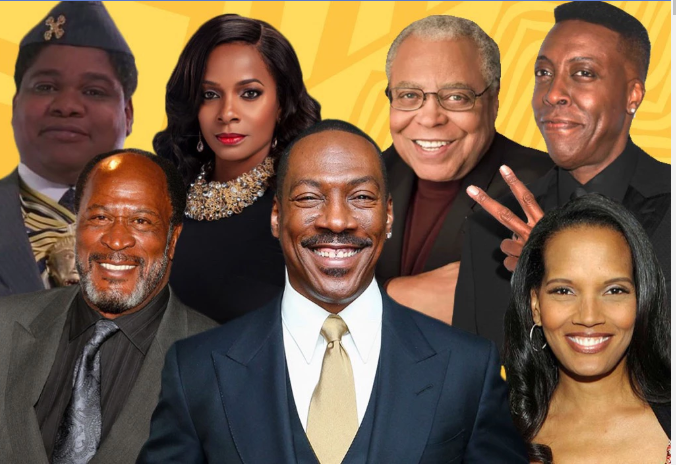

Deadline and Variety were first to report that Shari Headley and Vanessa Bell Calloway will both be reviving their roles. Headley played Lisa McDowell, the romantic interest of Prince Akeem (Eddie Murphy) and Calloway played Iman Izzi, Prince Akeem’s betrothed bride in the original film. The two round out a long list of original cast members returning for the sequel including, James Earl Jones, Arsenio Hall, Paul Bates and John Amos.
The original film centered around Prince Akeem who traveled to New York to find love before marrying and becoming the rightful heir of Zamunda. The second installation finds Prince Akeem awaiting to be crowned, before he discovers he has a child, and travels back to the U.S. from Zamunda to meet the son he never knew, a witty street hustler named Lavelle.
Also joining the cast are Jermaine Fowler (Sorry To Bother You), KiKi Layne (If Beale Street Could Talk), Leslie Jones (Saturday Night Live), Rapper Rick Ross, and the incomparable Wesley Snipes.
Calloway was the last of the original cast members to close the deal. Murphy is producing the film alongside Kenya Barris (Black-ish). The sequel, now titled Coming 2 America is set to be released in theaters in late 2020.
As the cast is being assembled and the final details are being made, we are also remembering the amazing Madge Sinclair, Queen Aoleon, who died in 1995.
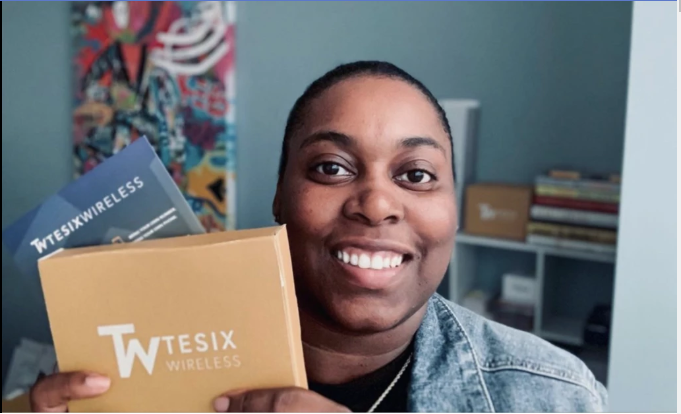
The Alabama native said the idea was birthed out of frustration with cell phone companies and their hidden fees. “You go in and they say your phone bill is going to be $98, but you are getting a $150 or $200 bill. I think the final straw for me was a $235 bill, and that is when I said I want my own company,” Moncrief told WSFA.
Tesix wants to get rid of everything millennials hate about their wireless plans and give them more of what they want. The company boasts no contracts, unlimited data, unlimited talk and text and a free customizable 2nd phone number, so we can get rid of those Google voice numbers for business.
Before its launch in December 2018, Moncrief received a $4.4M offer to sell the company. Tesixwas already valued at over $1M and rising because of its customer waitlist and notable investments from several high profile people including Ladarius Gunter (former-Green Bay Packers Cornerback), Shaun Hamilton (Washington Redskins Linebacker), and Ayodeji Olatoye (Atlanta Falcon Cornerback). Moncrief turned the offer down.
When asked why she turned declined the offer Moncrief said,“If anyone is willing to offer this amount of money for a company that hadn’t launched, it was because they saw value, they saw the worth. What they didn’t realize, however, is that I too saw the value of my company.” By the time Tesix launched, its value had already surpassed the initial offer, coming in at $5.9M.
Since her target audience is millennials, Moncrief does a lot of her marketing via social media. She’s been busy partnering with influencers to increase the brands profile and spread the word. The company is currently valued at $7.3M and has seen an influx of subscribers since its 1st quarter.
Moncrief’s goal is to build out her own infrastructure and be able to provide an in house network and make Tesix its own carrier. Currently, the company is opening two stores and recently released its very own smartphone.
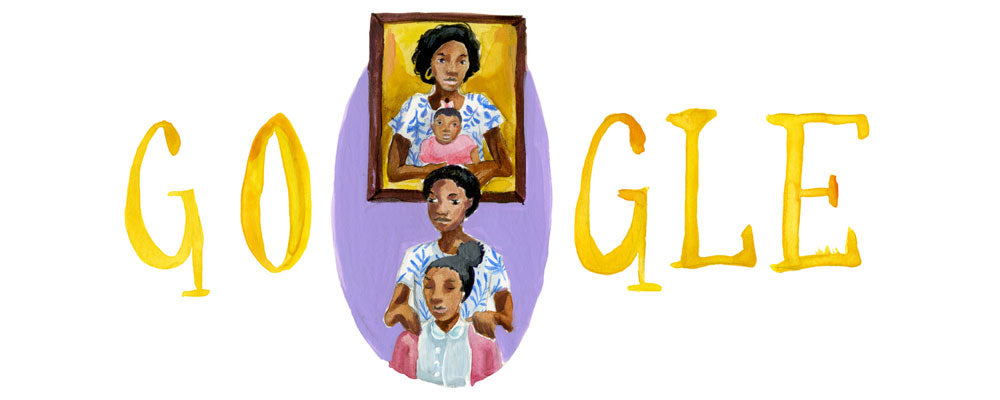
Arantza Peña Popo created a Doodle titled “Once you get it, give it back,” that shows “a framed picture of [the teen and her] mother carrying [her] as a baby (a real picture in [her] house) and below the picture [of Popo], caring for her [mother] when she’s older in the future.”
Popo said that she came up with the idea the day submissions were due. “I looked at the photograph of my mother (the real version that inspired the drawing) and thought, ‘Hey, why don’t I reverse it?’ I wanted to focus more on a message of helping out my awesome mother more than anything else.”
Well she is definitely helping her mother now. Popo’s win was announced Monday evening on The Tonight Show Starring Jimmy Fallon. As the winner, she gets her Doodle displayed on Google.com for one day, a $30,000 scholarship to college a $50,000 technology package for her school and a trip to Google’s headquarters in California.
The National Doodle for Google contest began in 2008 and is open to all students, K-12, who want to submit their artwork. Fallon served as one of this year’s judges. Popo said she has been interested in art since she was very young. She was having a hard time coming up with anything to submit for the contest but got inspired by her mother in the final hours. The theme for this year was “When I grow up, I hope…”
Popo, who was valedictorian of her class says she hopes to pursue studies in literature.
Congratulations, from all of us here at Because Of Them We Can.
The annual award show highlights the exemplary achievements of Black women and girls, past and present, across the globe.
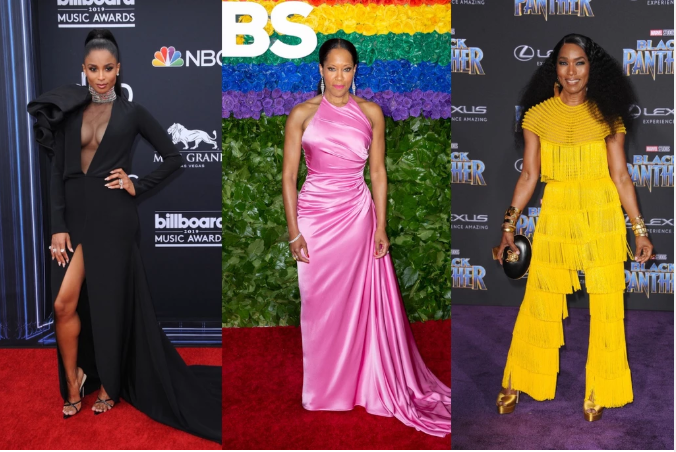
This year’s award show is hosted by Emmy nominated actress, Niecy Nash, and will tape in Newark, New Jersey at the New Jersey Performing Arts Center (NJPAC). Honorees include THE Angela Bassett who will be receiving the much deserved Icon Award, Regina King (Star Power Award), Ciara (Rock Star Award), Academy Award nominated producer Debra Martin Chase (Shot Caller Award), two-time Grammy award winning artist H.E.R. (Young Gifted and Black Award) and activists and heroines, “The Mothers of The Movement,” Sybrina Fulton, Geneva Reed Veal, Gwen Carr, Lucy McBath, Maria Hamilton and Cleopatra Pendleton-Cowley who will all be receiving the Community Change Agent Award.
The BLACK GIRLS ROCK! Award show was founded by celebrity DJ and model, Beverly Bond. Bond created the show to celebrate women of color who are breaking barriers, trendsetting and trailblazing in their chosen industries.Since 2006, the award show has been dedicated to empowering women and girls through media, leadership, education and pro-social programs. “I am thrilled to host this year’s BLACK GIRLS ROCK! Awards. We are celebrating Black women who serve the world with style, grace, class and sass,” said 2019 host Niecy Nash in a statement.
Past honorees include#MeToo Movement founder Tarana Burke, the Queen of Hip-Hop Soul Mary J. Blige, dance legend Judith Jamison, actress Issa Rae and Congresswoman Maxine Waters. Founder and executive producer, Beverly Bond said that “BLACK GIRLS ROCK on BET is the mecca for Black girl brilliance. This show is the preeminent annual celebration of Black women and girls influence across sectors and this year’s cohort of celebrants are stellar examples of our illustrious contributions to the world.”
The award show will air on Sunday, September 8, 2019 at 8pm EST on BET. And of course, we’ll be watching!
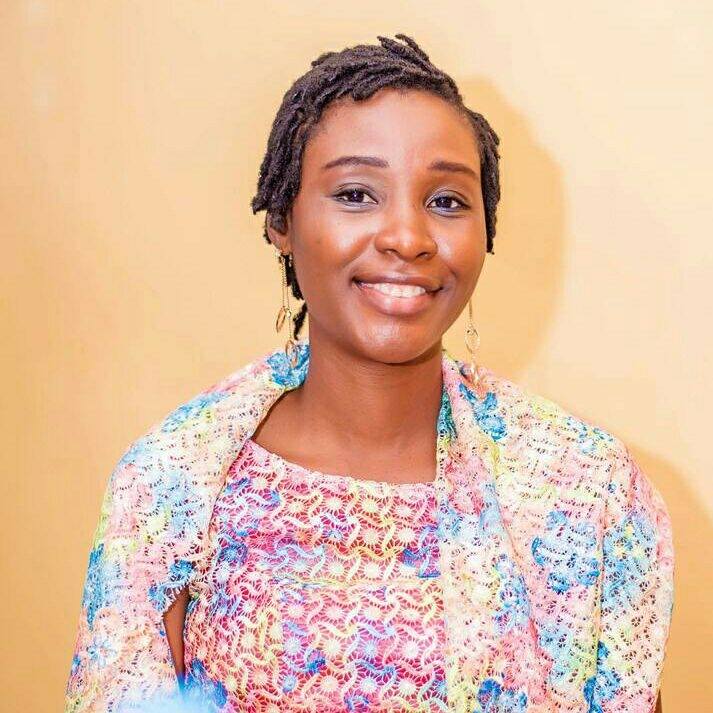
Grace is a Chartered Accountant turned Singles’ Mentor. She is a Certified Marriage Mentor from The Institute for Marriage and Family Affairs and host of #Whensinglesgather.
Grace answers our famous #7QUESTIONS below ;
1. What is your biggest fear? The fear of not living my life to the fullest. Fear of under utilizing my potentials and gifts to impact humanity. 2. In your darkest moments, what do you do? – I cry most times and then I pray and worship. I have discovered that crying most times wear me and thus I have learnt to switch to worship mood. One thing I realised is that Gratitude and worship mood usually put me in a state of resourcefulness as I do usually have light bulb moments
3. What is that one thing you would like to change about yourself?-My outbursts when I am stressed. I am learning to be more patient and to be quiet when I am over stressed so I won’t have to yell in response to anyone calling for my attention. 4. Where do you see yourself five years from now? I see myself hosting international conferences to impact singles across and beyond Africa
5. What keeps you going?The mental picture of the future I dream of.
6. What is your stand on feminism? Do you consider yourself a feminist?
-If feminism adjudicate for a female to attain the highest level she qualifies for in the public and the right to full education without any form of discrimination; and yet makes her understand that her husband is positioned as the leader of the home or family despite both of them having equal rights…Yes I agree to being a feminist. 7. What keeps you up at night? Reading inspirational fictions, biographies, auto biographies and prayer keep me up at night.. And yes, writing down messages I receive via inspiration especially for singles, keep me awake.
Send a mail to info@womenofrubies.com to be featured on #7QUESTIONS
In what seems to be an odd play out of marriage, a woman in the United Arab Emirates has asked the court to dissolve her marriage because her husband shows her ‘too much love’, helps with the housework and showers her with gifts.
According to reports, the UAE woman told a Sharia court in Fujairah that her ‘endearing’ husband has never argued or yelled at her and was always kind.
When she complained about his weight, the man embarked on a strict weight loss regime of dieting and exercise which left him with a broken leg.
But this did not please the angry wife who still complained of his many gifts and compliments, according to local media.
According to her:
“I am eagerly longing for a single day of dispute, but this seems impossible with my romantic husband who always forgave me and showered me with daily gifts.
‘I need a real discussion, even an argument, not this hassle-free life full of obedience.”
The husband begged the court to deny the divorce request.
He told the court:
“It’s not fair to judge a marriage from the first year, and everybody learns from their mistakes. I am and always wish to be a perfect and kind husband.”
However, the court has adjourned the case to give the couple a chance to settle the dispute themselves.
Meanwhile, back home in Nigeria, celebrity media personality Toke Makinwa has implored women to cause drama and “f**k sh*t up” so as to spice their relationship.
This new take on relationships makes us ask that old question, “What do women really want?”
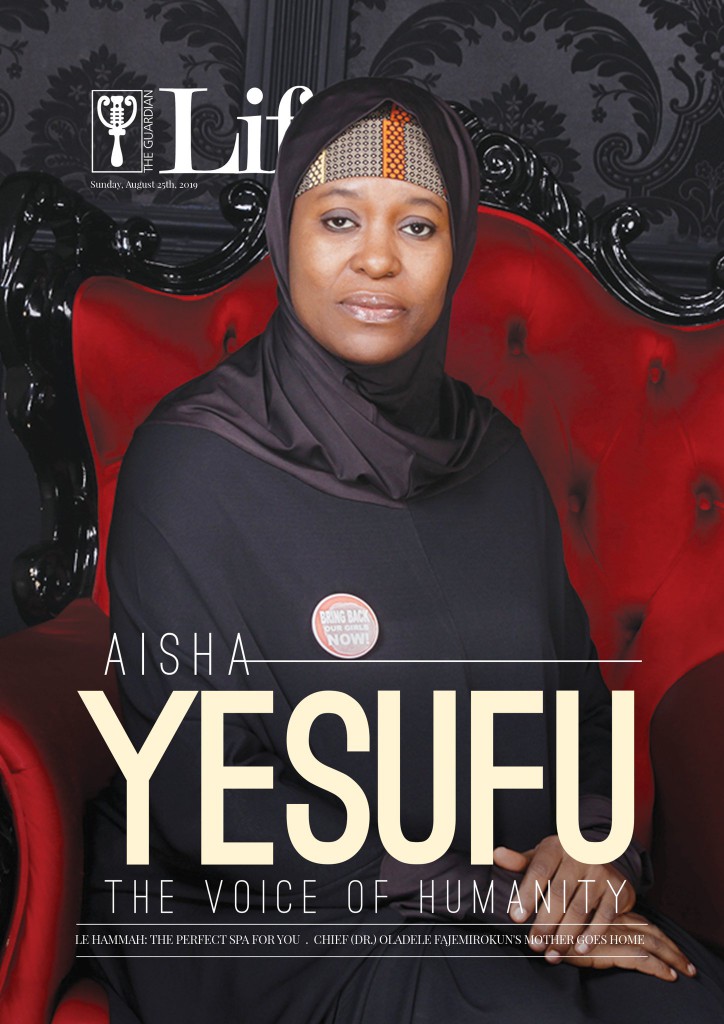
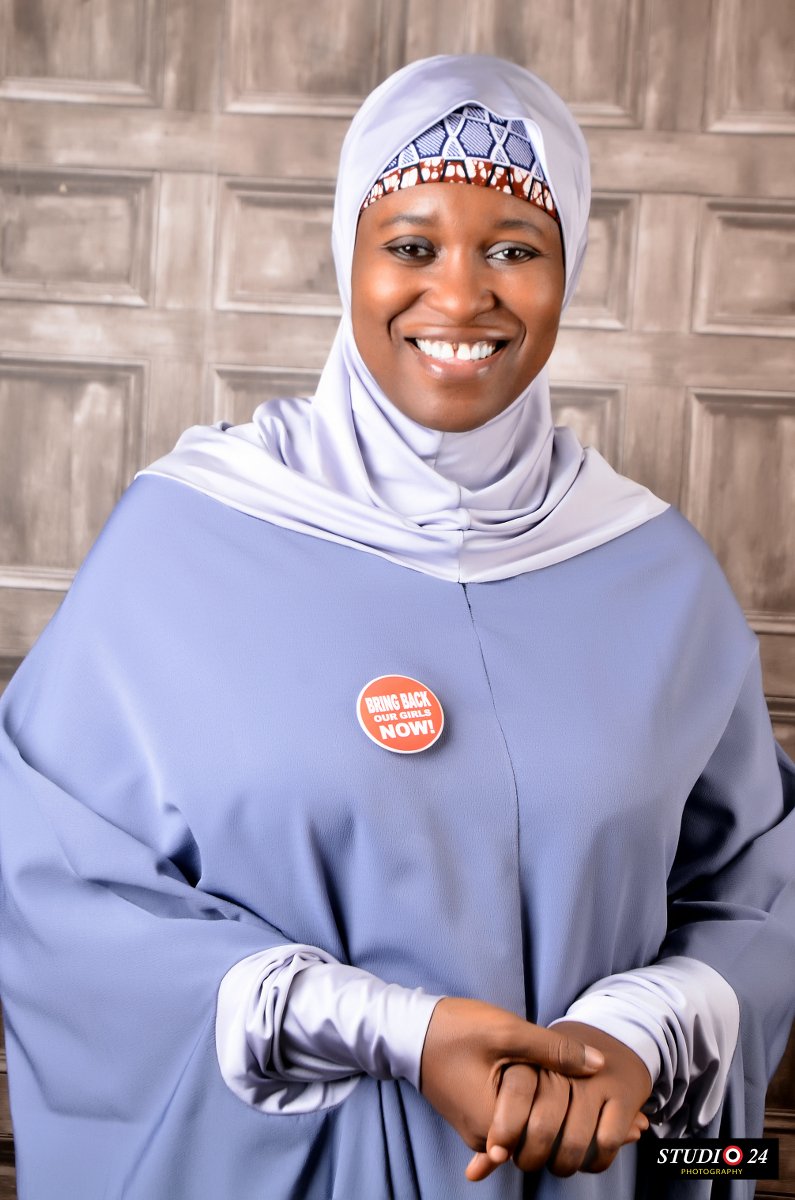
The co-convener of the “Bring Back Our Girls” Movement, Aisha Yesufu, known for her fearless stance on National issues, is the latest cover lady of Guardian Life Magazine as she talks about being a girl child in Northern Nigeria, feminism, religious faux, marriage and being a “BBOG” warrior.
Born in Northern Nigeria, where the female child is expected to keep mute on certain issues, little Aisha Yesufu was already breaking the rules by speaking out whenever there was injustice.
Read excerpts from her interview:
On growing up, she says:
“Even though my parents or adults were angry at me for speaking up especially when it does not favour them; when they had that need to have someone that was unbiased to look at issues, they would call me.”
“I have the gift to look at issues from both sides even when I am involved and when I am not. I am able to tell people, “okay look at it like this”. My mother would always say, ‘nobody wins in your court’, but in that same court when they want the issues to be told plainly, they would come.”
On Feminism and Marriage:
“I am very, very lazy. My parents used to say, ‘Is everything book?’ Even when my husband proposed, I told him, I am lazy and I hate housework, I hate cooking and he was ready to go with it.”
“I set systems in place to work for me. I hire and pay people to make me jobless. By the grace of God, I will never work for anybody so I have time on my hands.”
“Being brought up to expect that a man that will take of you, it was my husband that taught me to be financially independent so that I can have control over my voice and not be dependent.”
On being a Bring Back Our Girls warrior;
“Growing up, the average Nigerian was taught that you should not question elders. They grew up with how not to question authority and it went on through school. Now that they have become adults, they have used government to replace parents so they don’t question authority.”
“Fortunately, we are seeing more movements like BBOG inspire them to stay on course. They are realising that the office of the citizen is actually the highest office in the land. They are realizing that we don’t need permission from the police to protest but protection.”
“Whatever I am doing today, I am fighting for that little girl that I was that yearned for help, that begged to be helped with a textbook so that I can read and pass my exams. If I ever give up that fight, I will be giving up on myself.
Governor Babajide Sanwoolu and his deputy, Obafemi Hamzat have been commended for appointing 32 per cent women to serve in his cabinet. According to the CEO of Women Radio 91.7, Toun Okewale-Sonaiya, Lagos State has shown a genuine political will that is deliberate and intentional and is worthy of commendation.
Speaking with The Guardian in Lagos, the CEO of the Nigerian Women Trust Fund (NWTF), Mufuliat Fijabi, also commended the Lagos state government, saying it has done very well.
“The present administration has done quite well in terms of female representation in political discourse. It is very close to 35 percent, which is the required number according to the national gender policy. Though he didn’t get to the 35 percent we fought for, I am sure a lot of women around Lagos and the country appreciate this and we urge him to still do more for women representation and inclusion in policymaking and governance.”
Fijabi went on to add that her organisation, as well as many other women-centred organisations and groups, fought hard before and after the general elections to ensure the 35 percent derivative action goal was met. “Despite all our efforts, what do we have today? Barely 16 per cent. This isn’t good enough and shows a lack of effort and political will to include over half the country’s population in matters of national discourse and also flouts international agreements that the country is part of. This isn’t helpful for our democracy and shows we are neither growing nor improving as time goes by.
“If Lagos can do it, why can’t it be done nationally? The government must show political goodwill by including more women in our political discourse if we want to improve the economy, democracy and all other areas of the nation.”
Okewale-Sonaiya on her part said, “Good governance means an inclusive government and the appointment of 32 per cent women indicates that the state, through its party leadership, understands that good governance through fair representation leads to progress and that women matter.”
“Any government that is not inclusive is bound to fail. A government that shuts its doors to gender-sensitivity is setting itself backward and cannot progress. We urge other states and the federal government who are yet to appoint commissioners and boards of agencies and parastatals to emulate the Lagos State progressive approach.”
She added that the decision-making process of Lagos should be commended and urged the governor and party leadership to appoint 35 per cent women as chair of parastatals, agencies and board members. In the same vein, she urged the President and his newly inaugurated cabinet members to approach all national issues with a gender-sensitive perspective.
Sonaiya, who said it might be a bit difficult to achieve this because of the low representation of women in the cabinet, called for a conscious and deliberate effort to be gender-sensitive in setting up and implementing policies and implementation across the country.
Salma Okonkwo, one of the brightest businesspeople in Ghana, is brimming with an entrepreneurial flair that sees her having plans to create the biggest solar farm in Ghana. She has carved her excellent reputation in the energy sector well, heading the a multimillion-dollar oil and gas outfit called UBI Group.
If her project comes to fruition, Ghana’s energy sector will be changed in ways that have positive far-reaching effects. Set to be one of Africa’s largest solar farms, Salma Okonkwo is building a solar farm called Blue Power Energy. It will open in March 2019 with 100 megawatts of energy. It will be the biggest move in her career.
Speaking to Forbes, Okonkwo said, “don’t stop when the door is being shut. I find a way to make it work, that’s what propelled my success.” She added, “Most of the multinational companies that come to Ghana don’t put in infrastructure. They operate a system where they invest very little and they take it away. They sell their products and leave. I’m hoping to provide employment and add to Ghana’s economy.”
Okonkwo was raised in an average home as one of 14 children born to a real estate agent and developer mother and a cattle dealer father. Her parents made the effort to send her to the United States to further pursue her education, gaining admission into college at Loyola Marymount University in Los Angeles. After her graduation in 1994, she worked briefly in California, but returned to Ghana in 2003 after being recruited by oil and gas company Sahara Energy Group.
It was at Sahara Energy Group that she pitched the concept of opening up gas retail stations, but the company was not keen on this idea. Her idea was turned down several times. Executives would shun her idea by saying that they wouldn’t change their business plan because it would be too political and would require too much of an investment in infrastructure.
She quit the group in order to pursue her brilliant idea where no one would shoot her down. She started her own petroleum gas company, focusing on bringing liquified petroleum gas to the hard-to-reach region of northern Ghana, where many families still rely on burning firewood for energy.
Her journey on this path was not rosy. She encountered a difficulty: The North had few storage facilities for the liquified gas. To get it to the remote region, she’d have to build the storage herself, and she was already struggling to secure funding. In order to circumvent this predicament, she started trading diesel and petroleum wholesale.
A UBI Group gas retail station in Ghana. Credit – UBI group
By 2007, she had a contract to supply fuel to Dallas-based Kosmos Energy, which was followed by another contract with Hess in 2008. A year later (in 2008) UBI opened its first retail gas station, which expanded to eight stations outright, with 20 others being managed through partnerships. In 2013, Okonkwo started her solar company. According to Forbes, she estimates that the company will spend about $100 million—financed by roughly $30 million in loans—to create 100 megawatts of solar power by early next year. Construction started earlier this summer. The plan is to add another 100 megawatts by the end of 2020.
With how energy access is a big problem in Africa, Salma Okonkwo’s ambitious project will go a long way in easing these problems. It will also create opportunities and employment for women in Ghana. Northern Ghana, which Unicef says is Ghana’s poorest region will be improved for the better. Cheap energy to northern Ghana will ease life.
Okonkwo said, “I want to bring support to my people in the north. Then there will be more Salma’s all over the place.”
South African designer Palesa Mokubung is the first African designer to collaborate with the fashion giant H&M. The Swedish retailer joined forces with Mantsho, Mokubung’s label, to create a collection celebrating the elegance and vibrancy of Africa.
Mokubung’s career began in 2000 when she walked into a boutique in Johannesburg – Stoned Cherrie – and her outfit caught the boutique’s owner’s eye. The outfit was designed by Mokubung herself. She was immediately employed. In 2004, she launched her brand called Mantsho. Her goal was to create a fashion brand that would represent South Africa and Africa globally.
On August 15th, Mantsho’s collaboration collection with H&M launched. The collection consists of women’s clothes and accessories with a distinct African feel. It is available online and in H&M stores in the UK, France, Israel, Spain, and Belgium.
“Mantsho x H&M is an exciting collection celebrating the elegance and vibrancy of Africa with modern edgy designs created for the stylish carefree woman,” reads a statement jointly released by H&M and Mantsho.
Mokubung has referred to the collection as her “love letter to Africa”.
“I hope customers around the world will enjoy this ensemble of my stand out pieces from my last three collections,” she said in a statement.
In an interview with Bloomberg, Mokubung said, “I really wanted to have a label that could remind me – that could remind everyone in case somebody wanted us to forget – how beautiful we are just because we are. Just because we exist. I wanted to have that attitude of unapologetic black, proud, stern, confident in the way that I design, in the way that I work, in the way that I approach the women that I saw, in the way I run my business, the way that I present myself, in the way that I am accepted. That message is very important to my soul—it is fire to my soul.”
Mokubung hopes that more African women will follow their dreams dreams
H&M has previously collaborated with Italian designer Moschino and French luxury house, Balmain.