Tag

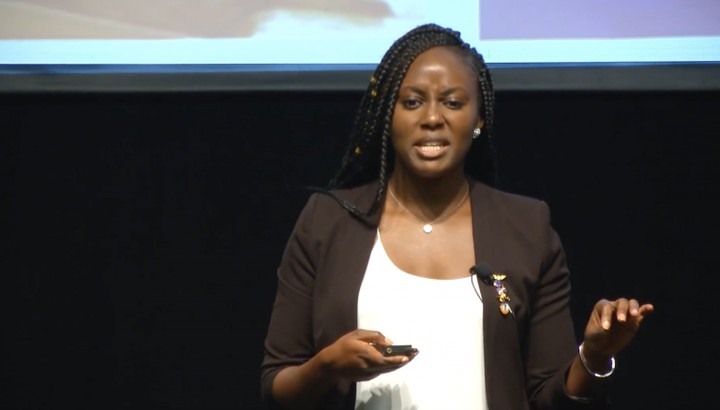
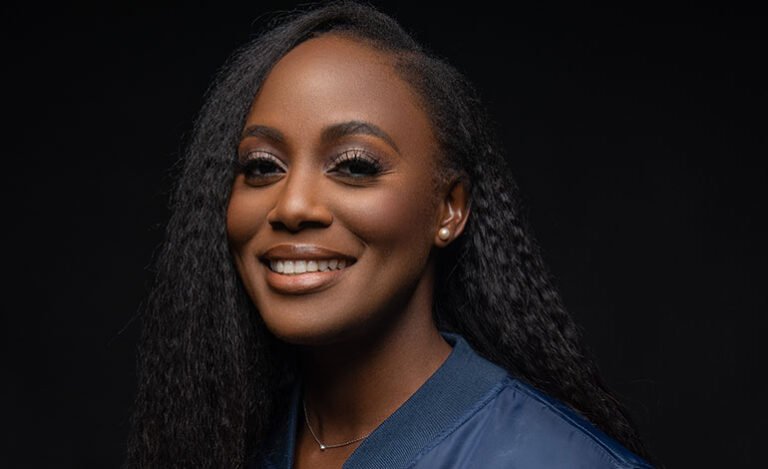
Wendy Okolo

Browsing

In the highly specialized world of aerospace engineering, breakthroughs are often associated with advanced technology, space exploration, and complex flight systems. Rarely do we pause to consider the individuals who are redefining the face of the industry itself. Wendy Okolo did exactly that when she became the first Black woman to earn a PhD in Aerospace Engineering, a historic achievement in one of the most technically demanding STEM disciplines.

A PhD in aerospace engineering represents years of rigorous research, mathematical precision, systems modeling, and innovation in areas such as aircraft safety, space systems, and intelligent flight technologies. Dr. Okolo’s accomplishment was not simply academic; it disrupted a long-standing representation gap in advanced engineering fields where Black women have historically been underrepresented.

From Doctoral Achievement to NASA Innovation

Today, Dr. Wendy Okolo works at NASA, where she contributes to cutting-edge aerospace research. Her work focuses on advancing intelligent systems and improving aerospace safety, research that influences real-world aviation and space operations.

NASA remains one of the world’s most prestigious scientific institutions. To operate within that environment requires not only expertise but also credibility and leadership. Dr. Okolo’s presence at NASA signals progress in diversifying the highest levels of scientific research. She is not a symbolic figure; she is a technical authority contributing to the future of aerospace innovation.

Her role highlights the importance of Black women in advanced research ecosystems. When representation exists at the doctoral and research levels, it reshapes who young students believe belongs in laboratories, control rooms, and engineering teams.

Why Her Achievement Matters for STEM Representation

The significance of Dr. Okolo’s milestone extends beyond personal recognition. Aerospace engineering drives innovation in aviation, space travel, satellite systems, robotics, and national defense. Representation in such fields determines who participates in shaping global technological advancement.

For decades, systemic barriers limited access to advanced engineering pathways for women of color. By earning her PhD and thriving in aerospace research, Dr. Okolo expands the pipeline for future generations. Her journey sends a powerful message to young Black girls interested in science, technology, engineering, and mathematics: advanced research is not inaccessible territory.

Wendy Okolo

Mentorship, Visibility, and Legacy

Beyond her professional achievements, Dr. Okolo is committed to mentorship and STEM advocacy. Visibility at her level opens doors, but her story also reinforces that excellence and preparation sustain opportunity.

Her legacy lies not only in aerospace innovation but in representation, resilience, and redefining possibility. Dr. Wendy Okolo represents the future of aerospace engineering, diverse, intelligent, and boldly inclusive.
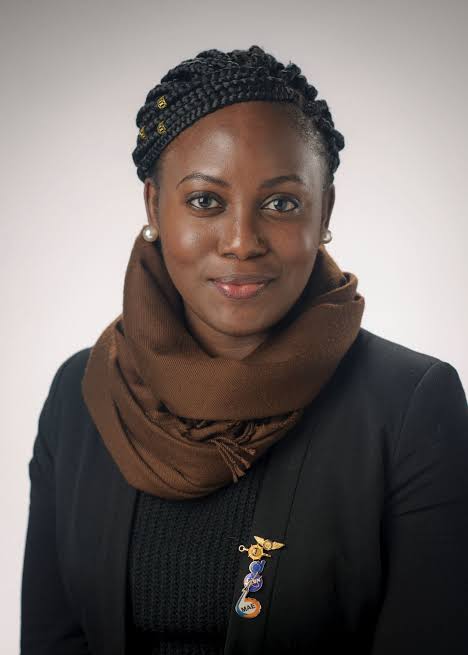
Dr Wendy Okolo, 31-year-old Nigerian born multi-award winning – Aerospace Research Engineer and Special Emphasis Programs Manager at NASA – National Aeronautics and Space Administration.

At age 26, she became the first black woman to obtain a PhD in Aerospace Engineering from the University of Texas at Arlington (USA).

She is an avid supporter of changing the narrative of underrepresentation in STEM, particularly for young girls, career women, and people of colour.

Dr. Wendy Okolo

In addition to her role as an Aerospace Researcher, she has served as the special emphasis programs manager for women, working to demonstrate and ensure NASA’s commitment to the recruitment, retention, and promotion of women.

Her initiatives include creating nursing rooms for mothers to ease their transition back to work and analyzing job language usage in position descriptions to remove gendered language biases that reduce female applicants.

Dr. Okolo is always a call away from giving a keynote, serving on a panel, inspiring the next generation of minority STEM leaders, and providing tools for individuals and organizations to foster diversity and inclusion in STEM.

This is all shades of amazing!


Dr Wendy A. Okolo is the first black woman to obtain a Ph.D. in aerospace engineering from the University of Texas at Arlington and the 2019 winner of the BEYA Global Competitiveness Conference award for the most promising engineer in the United States government.

At only 26 years old, did she became the first black woman to obtain this Ph.D, where she earned both her undergraduate and doctoral degrees.

Today, the 30-year-old is an aeronautics and space administration genius. She works as an aerospace research engineer at the Ames Research Center, a major research centre for the National Aeronautics and Space Administration (NASA) in Silicon Valley.

In her undergraduate she was president of the society of women engineers in the university.

Working in the Control Design and Analysis Branch of the AFRL – Wright Patterson Air Force Base – Okolo was part of the team that flew the world’s fastest manned aircraft, which flew from coast to coast in 67 minutes.

Okolo, then a graduate student, at first felt she had no place working with such a great team.

“I was like I am sure these guys are so smart, what am I going to bring in,” she said.

She found an error in the code in the systems and she fixed it and “that fixed the impostor syndrome for a while,” she was quoted by The Cable.

Image result for Aerospace woman wendy okolo
Wendy Okolo. Pic credit: The Cable

She received her BSc and PhD degrees in aerospace engineering from the university in 2010 and 2015 respectively.

Okolo calls her sisters all-time heroes – who gave her biology and other science lessons through their everyday realities.

She would subsequently excel in school and make tremendous moves during her undergraduate years at the University of Texas in Arlington, where she became the president of the society of women engineers in the university.

Related image
Wendy Okolo. Pic credit: NASA

During this period, she interned at Lockheed Martin working on NASA’s Orion spacecraft and first worked in the requirements management office in systems engineering before moving to the Hatch Mechanisms team in mechanical engineering.

Okolo later worked as a summer researcher at AFRL and has since taken off her career at NASA, a United States agency responsible for the civilian space program, as well as, aeronautics and aerospace research.

Having done research in the area of aircraft formation flight as a fuel-saving method of flight, Okolo has written several publications and is currently a special emphasis programs manager in the Intelligent Systems Division of NASA’s Ames Research Center.

She is working on the System-Wide Safety (SWS) project, where she has led the task of predicting GPS faults in drones, according to The Cable. The talented engineer is further working on a Space Technology Mission Directorate Early Career Initiative (STMD-ECI) project at the Ames Research Center.

Under this role, she “leads the controls team to develop unconventional control techniques for deployable vehicles, to enable precision landing and improve maneuverability during the entry, descent, and landing phases of spaceflight.”

Okolo has also worked with Langley Research Center in Virginia to investigate flight data and facilitate data exchange across and within NASA centres.

She wants other young girls to take an active interest in science technology, engineering and mathematics (STEM).

Click here to read more

Nigeria’s Wendy Okolo is the first black woman to bag a doctorate — not honorary — degree in aerospace engineering, anywhere on the planet.

Born to a family of six in southeastern Nigeria, Okolo says her number one heroes are her sisters — Jennifer and Phyllis — who taught her biology, and other sciences with their day-to-day realities.

Okolo received her B.Sc. and Ph.D. degrees in aerospace engineering from the University of Texas at Arlington in 2010 and 2015 respectively.

During her undergraduate years, she was in the African Student Society at the University of Texas at Arlington. She was also the president of the society of women engineers in the university.

Okolo’s career has taken flight at the National Aeronautics and Space Administration (NASA), the U.S. agency responsible for the civilian space program, as well as aeronautics and aerospace research.

She was only 26 years old when she became the first black woman to obtain a PhD in aerospace engineering from the University of Texas at Arlington.

INTERNSHIP AT NASA — AND HER IMPOSTOR’S SYNDROME

During her undergraduate studies, she interned for two summers with Lockheed Martin working on NASA’s Orion spacecraft, first in the requirements management office in systems engineering and then with the Hatch Mechanisms team in mechanical engineering.

As a graduate student, she worked as a summer researcher from 2010 to 2012 in the Control Design & Analysis Branch at the Air Force Research Laboratory (AFRL), Wright Patterson Air Force Base.

She worked with the team that flew the world fastest manned aircraft, which flew from coast to coast in 67 minutes — this normally takes over five hours for some of the fastest jets around.

Okolo said she had to battle impostor’s syndrome when she found out she would be working with such a great team.

“I was like I am sure these guys are so smart, what am I going to bring in,” she said. She went on an error in the code in the systems and she fixed that and “that fixed the impostor syndrome for a while”.

Now, Okolo is an aerospace research engineer at the Ames Research Center, a major NASA research centre in California’s Silicon Valley.

NAMED THE MOST PROMISING ENGR. IN THE US GOVT

In 2019, she won the BEYA Global Competitiveness Conference award for the most promising engineer in the United States government.


Credit: Nairaland