
Women of Rubies

Tag

Professional Visibility

Browsing

You may be excellent at what you do, but can you explain your value in a way that other people immediately understand? Many capable women struggle to communicate their value clearly. They may minimize their achievements, rely on vague descriptions of their work or become uncomfortable when asked to speak about their experience.

This can affect how they introduce themselves, contribute during meetings, pitch their services, appear in interviews and respond when opportunities arise.

Confidence is not always about speaking loudly or having a naturally outgoing personality. It is about understanding what you bring, organizing your thoughts and communicating them with clarity.

When people understand your value, they are more likely to remember, recommend, hire or invite you into the right rooms.

Why Communicating Your Value Matters

People cannot respond to expertise they do not understand. You may have years of experience, strong professional qualifications and meaningful results. However, if your message is unclear, the person listening may struggle to recognize why your work matters.

Communicating your value helps you:

  • Make stronger professional introductions
  • Contribute confidently during important conversations
  • Explain your services more effectively
  • Strengthen your media and speaking pitches
  • Position yourself for leadership opportunities
  • Become easier to remember and recommend

The goal is not to exaggerate your abilities. It is to stop making other people work too hard to understand them.

1. Become Clear About the Value You Provide

It is difficult to communicate your value when you have not clearly defined it for yourself. Start by identifying the connection between your expertise and the outcome it creates.

Ask yourself:

  • Who do I help?
  • What problem do I help them solve?
  • What becomes easier, stronger or more successful because of my work?
  • What experience or perspective makes my approach valuable?
  • What do people regularly seek my help with?

Your value is not limited to your job title. It includes the problems you can solve, the decisions you can improve and the results you help create.

Instead of saying, “I work in communications,” you could explain:

“I help organizations communicate complex ideas clearly so their audiences can understand, trust and respond to them.”

The second version gives the listener a clearer reason to care.

2. Lead With Outcomes, Not Only Responsibilities

People often describe their work by listing tasks. They say they manage projects, create content, organize events or advise clients. These details may be accurate, but they do not always show the significance of the work.

Move beyond what you do and explain what your work helps achieve.

For example:

  • “I create social media content” becomes “I develop content that helps brands build trust and remain visible to their customers.”
  • “I organize professional events” becomes “I create experiences that help professionals connect, exchange ideas and build meaningful relationships.”
  • “I provide business coaching” becomes “I help entrepreneurs identify growth barriers and build practical systems for moving forward.”

Responsibilities explain your activity. Outcomes communicate your value.

3. Use Evidence to Support Your Message

Confidence becomes more credible when it is supported by evidence. Your evidence may include:

  • A measurable result
  • A successful project
  • A client transformation
  • An industry recognition
  • A difficult problem you resolved
  • The number of people or organizations you have supported
  • A lesson gained from years of experience

You do not need to recite your entire résumé. Select the evidence that is most relevant to the conversation.

If you are speaking to a potential client, share a result connected to their needs. If you are being considered for a leadership opportunity, highlight an example that demonstrates your ability to lead, solve problems or influence outcomes.

Evidence helps people understand that your confidence is grounded in experience.

4. Tailor Your Message to the Audience

One version of your message will not work in every situation. The way you introduce yourself at a networking event may differ from how you present your experience during an interview, panel discussion, client meeting or media appearance.

Before speaking, consider:

  • Who is listening?
  • What is important to them?
  • What problem are they trying to solve?
  • What part of my experience is most relevant?
  • What do I want them to remember?

Tailoring your message does not mean changing who you are. It means selecting the information that creates the clearest connection between your expertise and the audience’s needs.

5. Prepare a Concise Professional Introduction

Many people wait until they are unexpectedly asked, “Tell me about yourself,” before deciding what to say. Preparation helps you respond with greater clarity.

A strong professional introduction can include:

  1. Who you are
  2. Who you help
  3. The problem you solve
  4. The result your work creates
  5. What you are currently focused on

For example:

“I am a media strategist and brand visibility consultant. I help women professionals and entrepreneurs communicate their value, strengthen their public presence and position themselves for media, speaking and business opportunities.”

Keep your introduction conversational. It should provide enough information to create interest without becoming a lengthy biography.

6. Pay Attention to How You Deliver the Message

Your words matter, but your delivery also influences how people receive them. Speaking too quickly may make a well-prepared message difficult to follow. Constantly apologizing, adding unnecessary disclaimers or minimizing your accomplishments may weaken what you are trying to communicate.

Practise:

  • Speaking at a measured pace
  • Pausing between important points
  • Maintaining comfortable eye contact
  • Removing unnecessary qualifying language
  • Using a steady and audible voice
  • Finishing your sentences without trailing off

You do not need to perform or imitate someone else’s speaking style. The objective is to communicate in a way that feels natural, clear and assured.

7. Practise Before the Important Opportunity Arrives

Confidence grows through repetition. Record yourself answering common professional questions. Practise your introduction before an event. Explain your work to someone outside your industry and ask what they understood.

You can also prepare short responses to questions such as:

  • What do you do?
  • What makes your approach different?
  • What project are you most proud of?
  • What problem do you help people solve?
  • Why does your work matter?
  • What opportunity are you currently seeking?

The more familiar you become with your own message, the less likely you are to become overwhelmed when an opportunity appears.

Confidence Is Built Through Clarity

Communicating your value is not self-promotion without substance. It is giving people the information they need to understand how your experience, expertise and perspective can help. You do not need to share everything about yourself or dominate every conversation. You need a message that is clear, relevant and supported by evidence.

When clarity improves, confidence often follows.

Learn More From Cynthia Mwangi at MVBC 6.0

This conversation will continue at the Media Visibility Bootcamp 6.0 with Cynthia Mwangi, MPRSK, a communications and public relations strategist, public-speaking trainer and corporate master of ceremonies. Her public profiles also recognize her among the Top Women in PR 2024. Learn more about Cynthia’s work.
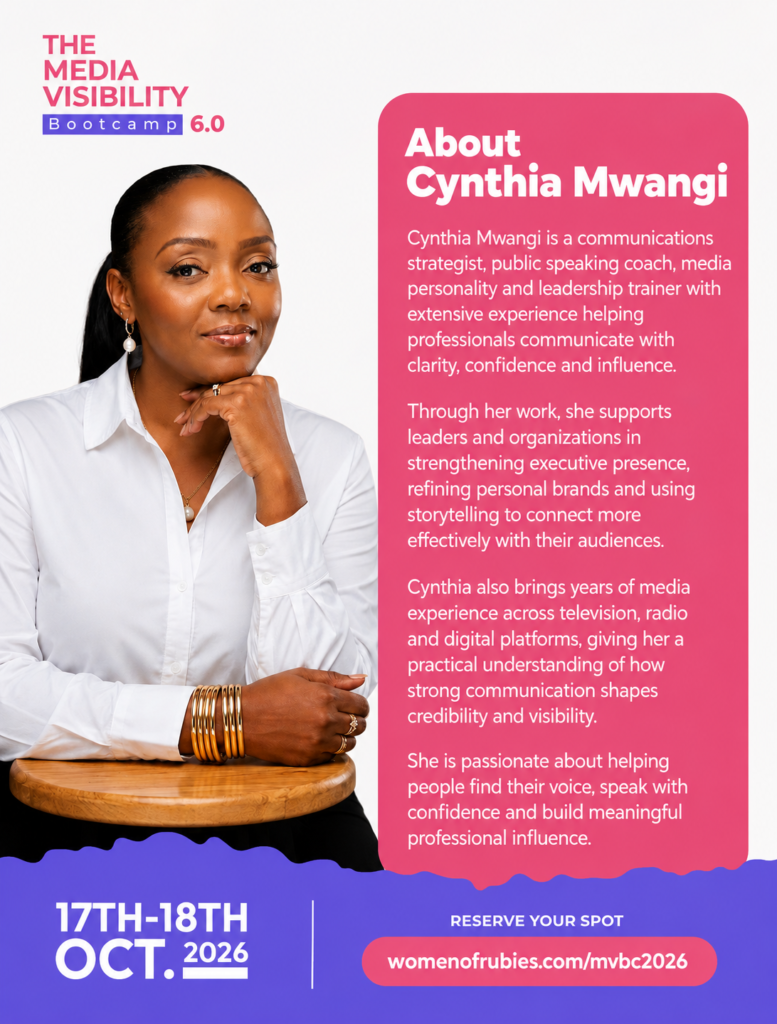
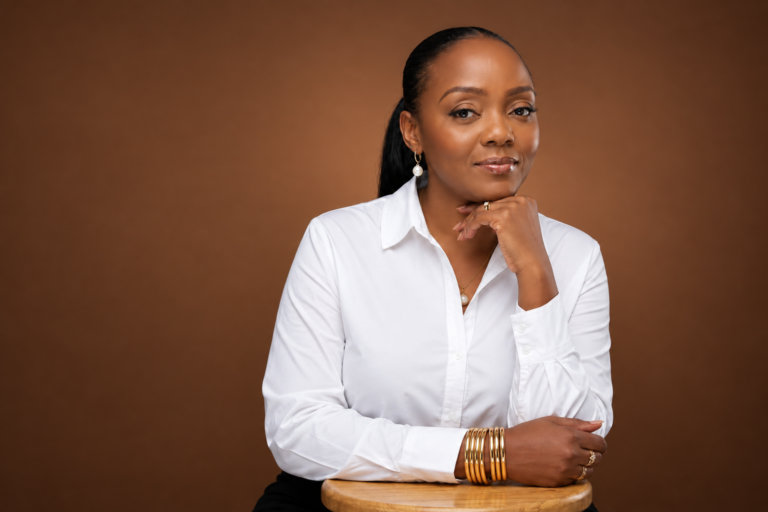
Cynthia Mwangi speaker at Media Visibility Bootcamp 6.0
Cynthia Mwangi brings communications and public speaking expertise to Media Visibility Bootcamp 6.0.

Cynthia will help participants think more intentionally about how they speak, present their expertise and communicate their value in professional and public settings.

Her session will be valuable for women who have meaningful experience but want to express it with greater clarity, confidence and influence.

Media Visibility Bootcamp 6.0 | October 17–18, 2026 | Virtual | Open virtuallyReserve your access at: womenofrubies.com/mvbc2026

Connect With Cynthia Mwangi

Connect with Cynthia Mwangi to learn more about her work in public speaking, strategic communication, public relations and event moderation. LinkedIn: Cynthia Mwangi, MPRSK | Instagram:  Cynthia Mwangi

 

Visibility for private people can feel difficult in a world where personal exposure is often mistaken for authenticity. You may understand the importance of being seen while still feeling uncomfortable about constantly sharing your life online.

Perhaps you are naturally reserved. You may have children or relatives who did not choose a public life. You might also want to protect your peace, safety or personal boundaries.

The good news is that professional visibility does not require unrestricted access to your personal life.

You can build a trusted presence by sharing your expertise, values and professional journey intentionally. The goal is not to reveal everything. It is to help the right people understand what you do, recognize your value and know how you can help.

Privacy and Invisibility Are Not the Same

Being private is a boundary. Being invisible is often a positioning problem. You can protect personal details while maintaining a strong professional presence. Many respected leaders are visible because their ideas and work are clear, not because their entire lives are available online.

Intentional visibility allows you to choose:

  • What you share
  • Why you are sharing it
  • Who needs to see it
  • Which platform is appropriate
  • What should remain private

These decisions give you more control over your public presence.

1. Decide What Visibility Means for You

Visibility does not have to mean becoming an influencer or posting every day. Your version of visibility might involve:

  • Publishing one thoughtful article each month
  • Speaking at selected events
  • Contributing expert commentary
  • Appearing on relevant podcasts
  • Maintaining an updated LinkedIn profile
  • Sharing client results or professional lessons
  • Building relationships within your industry

Choose activities that align with your personality, goals and capacity.

2. Establish Your Visibility Boundaries

Before increasing your public presence, decide what will remain private. Your boundaries might include:

  • Your children’s identities
  • Your home and location
  • Personal relationships
  • Family disagreements
  • Financial details
  • Health information
  • Experiences that are still emotionally unresolved

You do not need to defend these boundaries publicly. You simply need to respect them consistently.

Consider creating three categories:

Public

Information you are comfortable sharing widely, such as your expertise, services, professional achievements and public events.

Selective

Information you may share in the right context, such as a personal lesson or carefully chosen part of your journey.

Private

Information that will not be included in your content or media conversations.

This framework makes content decisions easier and reduces the pressure to disclose more than you intended.

3. Lead With Expertise

If personal storytelling feels uncomfortable, begin with what you know.

Share practical insights based on your work, including:

  • Common mistakes you observe
  • Questions clients frequently ask
  • Industry changes
  • Lessons from completed projects
  • Useful frameworks
  • Recommended tools
  • Professional reflections

Expertise-driven content builds credibility without requiring intimate personal details.

For example, a financial professional can explain budgeting principles without revealing her personal finances. A business owner can discuss leadership lessons without exposing private workplace conflicts.

4. Share Lessons Without Sharing Every Detail

Personal stories can build connection, but you control the depth of the story. You can share:

  • What happened in broad terms
  • What the experience taught you
  • How it changed your approach
  • What others can learn from it

You do not have to name every person, provide every date or describe every painful detail.

A useful question to ask before publishing is:

“Am I sharing this because it serves the reader and supports my message, or because I feel pressured to prove that I am authentic?”

Authenticity does not require exposure.

5. Build a Clear Professional Foundation

A strong online foundation can make you visible even when you are not constantly posting. Ensure that your primary professional platform includes:

  • A current photograph
  • A clear headline or title
  • A concise professional biography
  • Your core areas of expertise
  • Evidence of your work
  • Selected media features or speaking engagements
  • A clear way to contact you

When your profile is clear, people can understand your value without needing daily access to you.

6. Choose Fewer Platforms

You do not need to maintain an active presence everywhere. Choose one or two platforms based on where your audience, clients or professional community spend time. Use those platforms consistently and allow the others to serve as basic reference points.

For many professionals, this could mean:

  • LinkedIn for thought leadership and professional relationships
  • Instagram for visual storytelling and community engagement
  • A website for credibility, services and long-form content
  • An email newsletter for direct communication

A focused presence is often more sustainable than a scattered one.

7. Create a Sustainable Content Rhythm

Consistency does not mean posting every day. A private or reserved professional might use a weekly rhythm such as:

  • One educational post
  • One professional reflection
  • One community or industry interaction
  • One longer article each month

You can also create content in batches and schedule it in advance. This reduces the pressure to be constantly online.

The most effective schedule is one you can sustain without sacrificing the quality of your work or personal well-being.

8. Use Other Visibility Channels

Social media is only one part of visibility. You can also build recognition through:

  • Media interviews
  • Guest articles
  • Workshops
  • Professional associations
  • Community leadership
  • Panels and conferences
  • Podcast appearances
  • Strategic partnerships
  • Referrals

These channels may feel more comfortable because they allow you to speak within a defined professional context.

9. Let Your Work Provide the Evidence

You do not always have to speak about yourself directly. Share evidence such as:

  • Client testimonials
  • Project outcomes
  • Case studies
  • Media mentions
  • Awards
  • Speaking photographs
  • Published articles
  • Community impact
  • Professional milestones

Where confidentiality applies, obtain permission or remove identifying details before sharing.

Evidence-based visibility helps people trust your work while preserving appropriate boundaries.

10. Prepare for Media and Speaking Opportunities

If you are private, prepare your boundaries before an interview or public appearance. Ask for the topic in advance when possible. Decide which personal examples you are comfortable discussing. Practise redirecting questions that move beyond your boundaries.

You can say:

“I prefer to keep that part of my life private, but what I can share is…”

This allows you to remain warm and helpful without surrendering control of the conversation.

You Do Not Have to Perform to Be Visible

Quiet leadership is still leadership. A measured public presence can be powerful when it is clear, consistent and credible. You do not need to become louder than everyone else. You need to make it easier for the right people to discover your work, understand your value and remember what you contribute.

Final Thoughts

Visibility should support your goals, not violate your boundaries.

Define what you are willing to share, lead with your expertise and choose platforms that feel sustainable. You can be visible, trusted and influential while keeping meaningful parts of your life private.

How to Build Visibility When You Are Naturally Private

If you want practical guidance on communicating your value and building visibility with greater intention, join the Media Visibility Bootcamp 6.0.

October 17–18, 2026 | Virtual

Learn more and reserve your access at womenofrubies.com/mvbc2026.

Visibility in 2026 is no longer just about posting consistently or getting your name into the media. Women building businesses, careers and professional brands are navigating a much broader landscape, one shaped by artificial intelligence, digital security, financial decision-making, communication, marketing, leadership and the ability to position themselves clearly in increasingly competitive spaces.

That is why Media Visibility Bootcamp 6.0, taking place virtually on October 17–18, 2026, is bringing together women with expertise across several disciplines rather than approaching visibility from one perspective.

Here are some of the conversations and areas of expertise participants will have access to across the two-day experience.

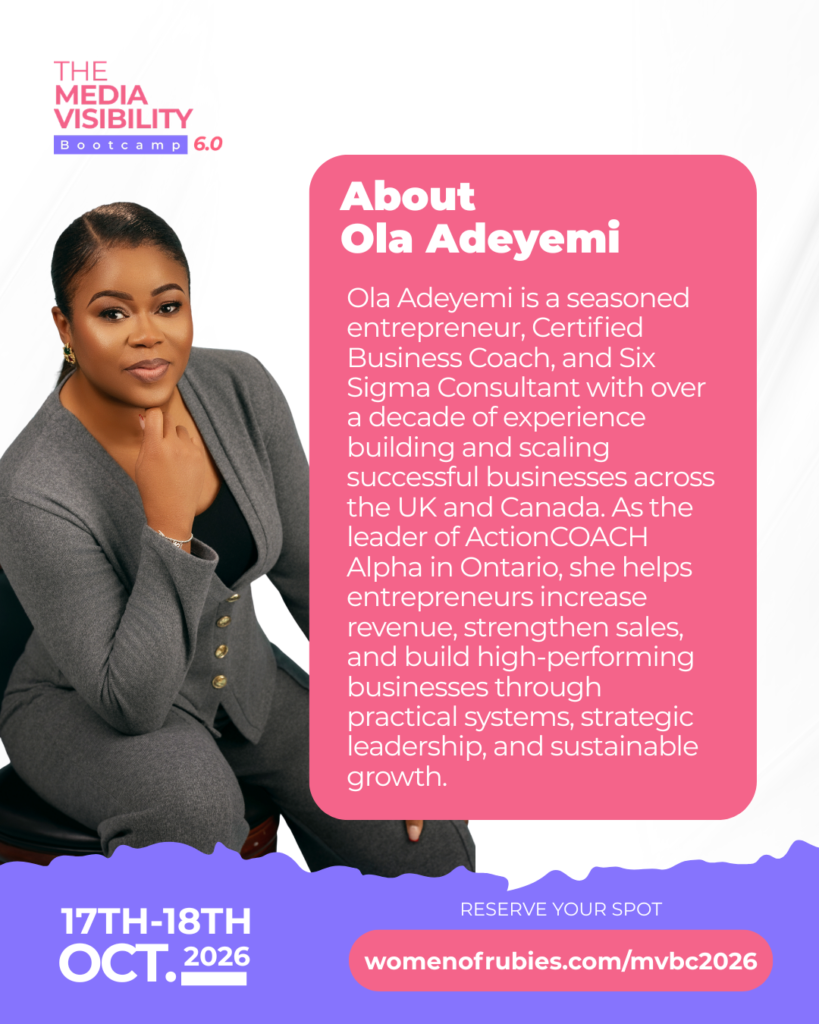
Ola Adeyemi speaker at Media Visibility Bootcamp 6.0
Ola Adeyemi brings brand positioning and business growth expertise to Media Visibility Bootcamp 6.0..

1. Brand Positioning and Business Growth | Ola Adeyemi

Visibility becomes more valuable when people quickly understand what you do, who you serve and why your work matters. As a certified business coach, Ola Adeyemi brings the business-growth perspective into the conversation, helping participants think beyond exposure and toward stronger positioning, systems and sustainable growth.

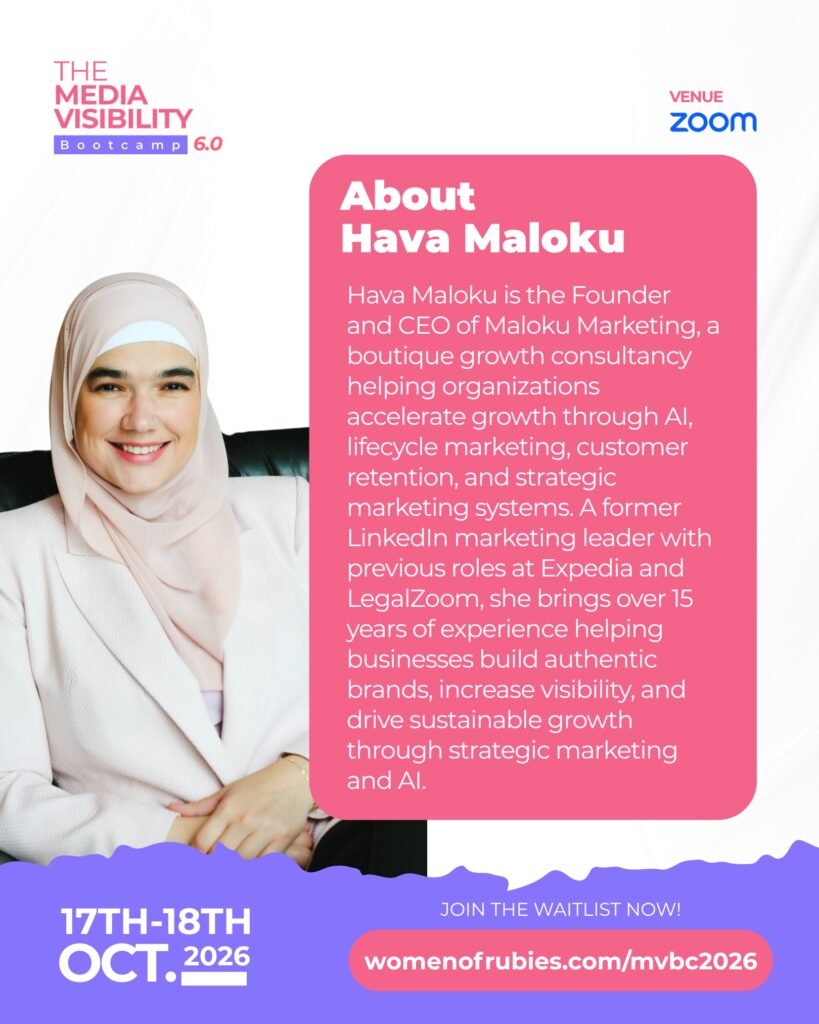
Hava Maloku speaker at Media Visibility Bootcamp 6.0
Hava Maloku brings marketing strategy expertise to Media Visibility Bootcamp 6.0.

2. Marketing Strategy | Hava Maloku

Getting attention is only one part of marketing. Hava Maloku, Founder and CEO of Maloku Marketing, brings experience in marketing strategy and customer journeys, adding an important perspective on what happens after people discover your brand and how attention can be converted into deeper engagement and business growth.

Cynthia Mwangi speaker at Media Visibility Bootcamp 6.0
Cynthia Mwangi brings communications and public speaking expertise to Media Visibility Bootcamp 6.0.

3. Communications and Public Speaking | Cynthia Mwangi

You can have valuable expertise and still struggle to communicate it effectively. Cynthia Mwangi, a communications and public speaking coach, brings practical insight into communicating with greater clarity and confidence — whether you are speaking in meetings, pitching yourself, presenting publicly or building a professional presence.

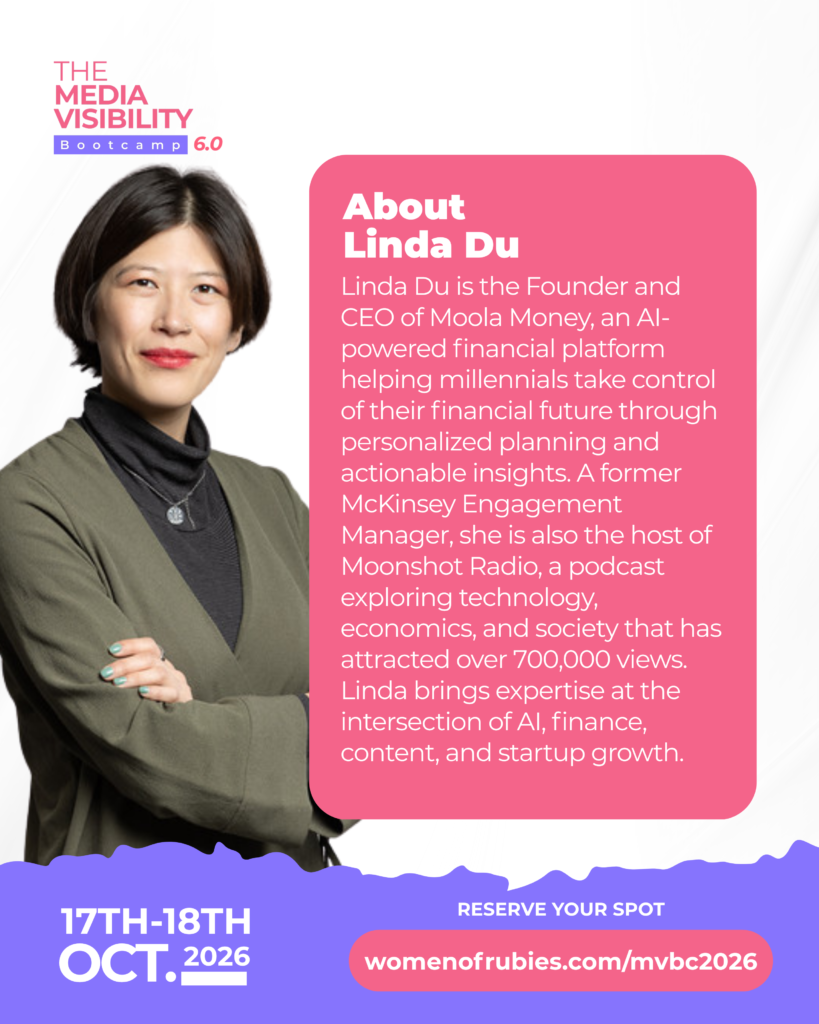
Linda Du speaker at Media Visibility Bootcamp 6.0
Linda Du brings AI and financial technology expertise to Media Visibility Bootcamp 6.0.

4. Artificial Intelligence and Financial Technology | Linda Du

Technology is rapidly changing how people work, build businesses and make decisions. As Founder and CEO of Moola Money, Linda Du works at the intersection of artificial intelligence, finance and consumer empowerment, bringing a forward-looking perspective to how professionals and entrepreneurs can navigate technology with greater understanding.

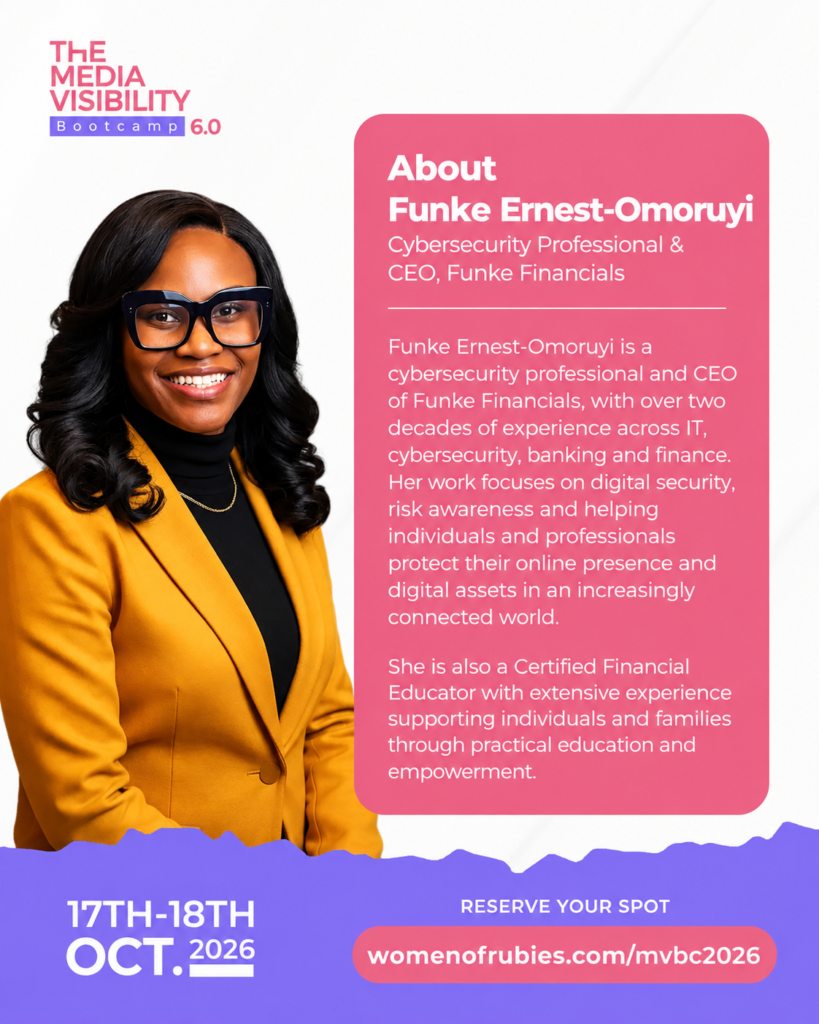
Funke Ernest-Omoruyi speaker at Media Visibility Bootcamp 6.0
Funke Ernest-Omoruyi brings cybersecurity and digital protection expertise to Media Visibility Bootcamp 6.0.

5. Cybersecurity and Digital Protection | Funke Ernest-Omoruyi

Greater visibility also creates greater digital exposure. Funke Ernest-Omoruyi, a cybersecurity professional and CEO of Funke Financials, brings over two decades of experience across IT, cybersecurity, banking and finance. Her expertise introduces an increasingly important dimension of visibility: understanding how to protect your online presence, information and digital assets as your professional footprint grows.

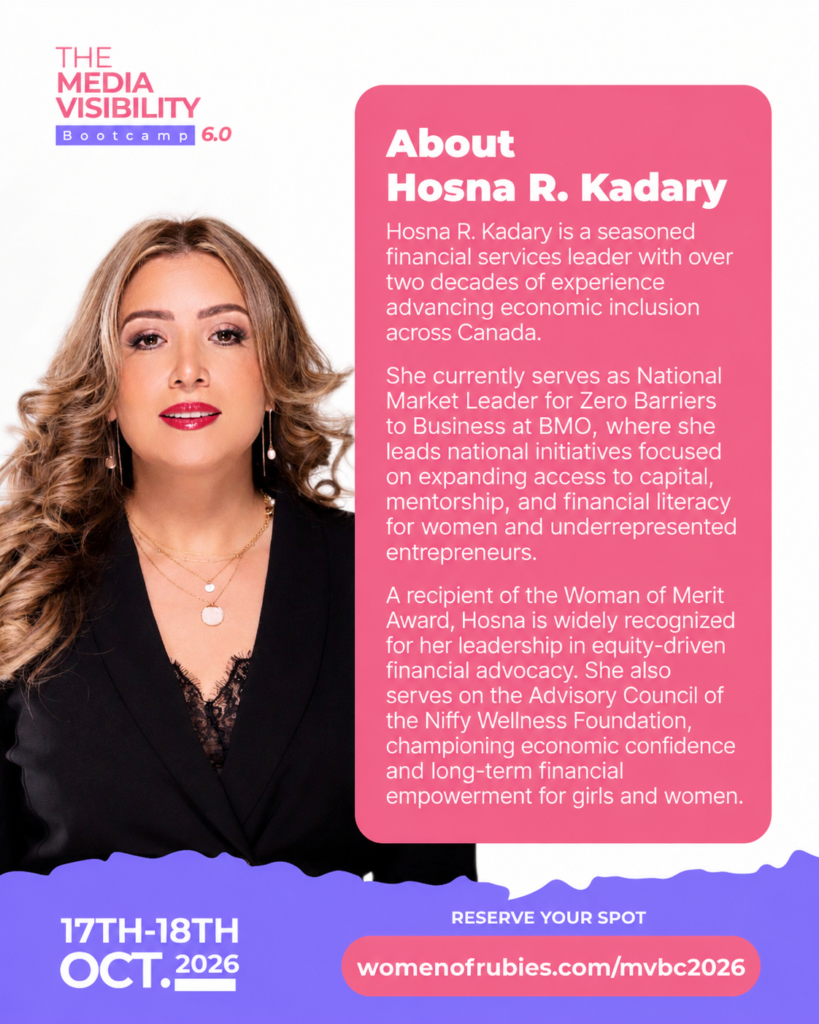
Hosna Kadary speaker at Media Visibility Bootcamp 6.0
Hosna Kadary brings financial empowerment expertise to Media Visibility Bootcamp 6.0.

6. Financial Empowerment | Hosna Kadary

Visibility and opportunity also require stronger financial decision-making. Hosna Kadary, National Market Leader for Zero Barriers to Business at BMO, brings experience from the financial sector and conversations around supporting women, entrepreneurship and economic empowerment.

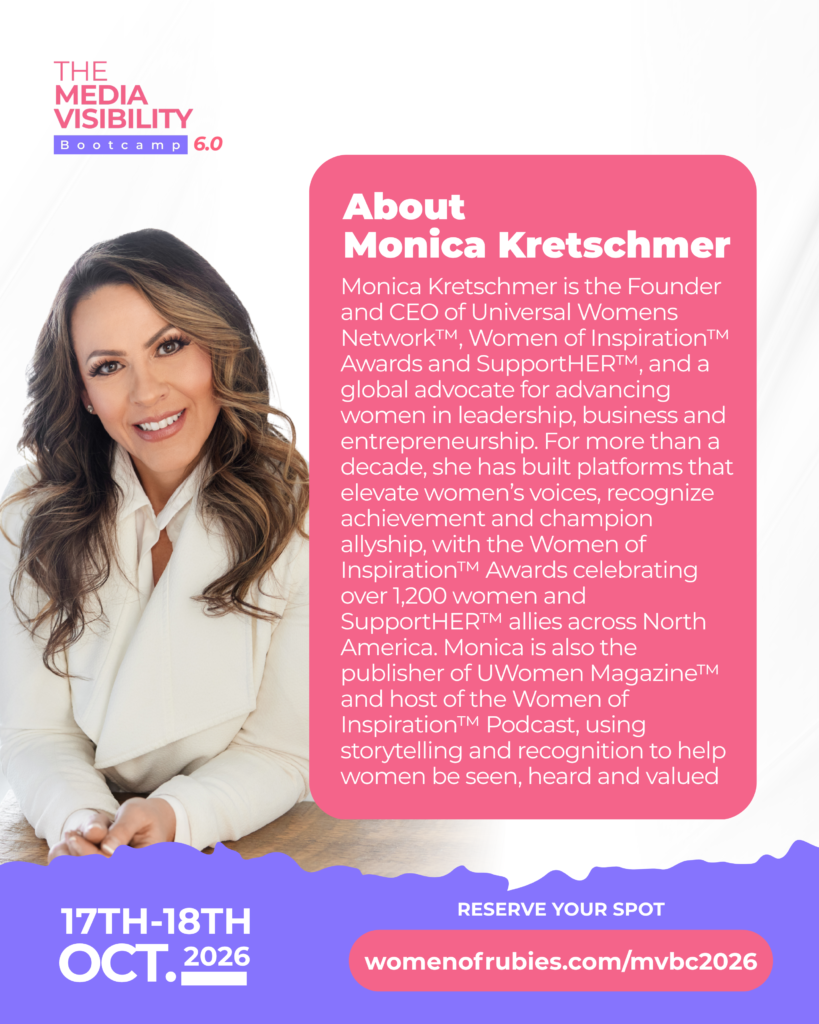
Monica Kretschmer speaker at Media Visibility Bootcamp 6.0
Monica Kretschmer brings leadership and women’s advancement expertise to Media Visibility Bootcamp 6.0.

7. Leadership and Global Women’s Advancement | Monica Kretschmer

Building visibility is also about creating influence and using your platform to open doors for others. Monica Kretschmer, Founder and CEO of Universal Womens Network™, has spent more than a decade creating platforms that recognize women, amplify leadership and strengthen allyship. Her perspective adds a broader leadership dimension to the bootcamp conversation.

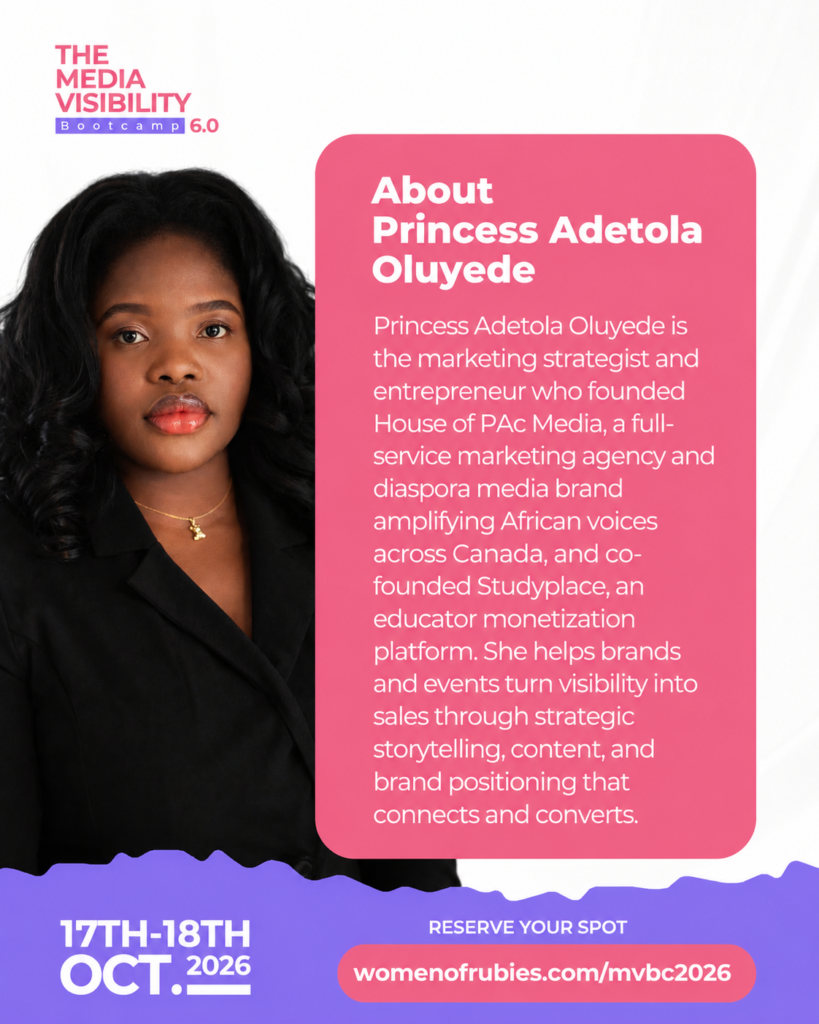
Princess Adetola Oluyede speaker at Media Visibility Bootcamp 6.0
Princess Adetola Oluyede brings media, marketing and storytelling expertise to Media Visibility Bootcamp 6.0.

8. Media, Marketing and Storytelling | Princess Adetola Oluyede

Strong storytelling helps people understand not only what a brand does, but why they should care. Princess Adetola Oluyede, Founder of House of PAc Media, works across marketing, media and diaspora storytelling, helping businesses and events connect visibility with strategic communication and audience engagement.

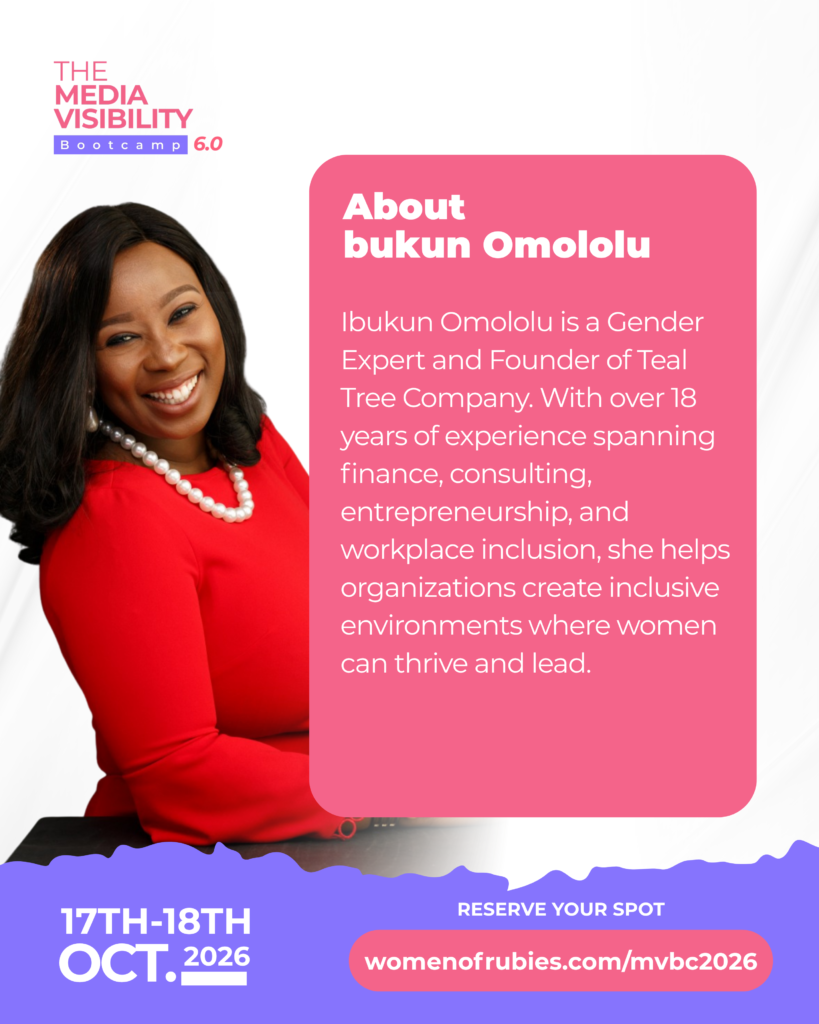
Ibukun Omololu speaker at Media Visibility Bootcamp 6.0
Ibukun Omololu brings workplace voice and professional positioning expertise to Media Visibility Bootcamp 6.0.

9. Workplace Voice and Professional Positioning | Ibukun Omololu

Visibility doesn’t only happen online.How professionals communicate, advocate for themselves and contribute within the workplace also shapes how they are perceived and what opportunities become available to them. Ibukun Omololu brings a perspective centred on professional voice, workplace visibility and leadership.

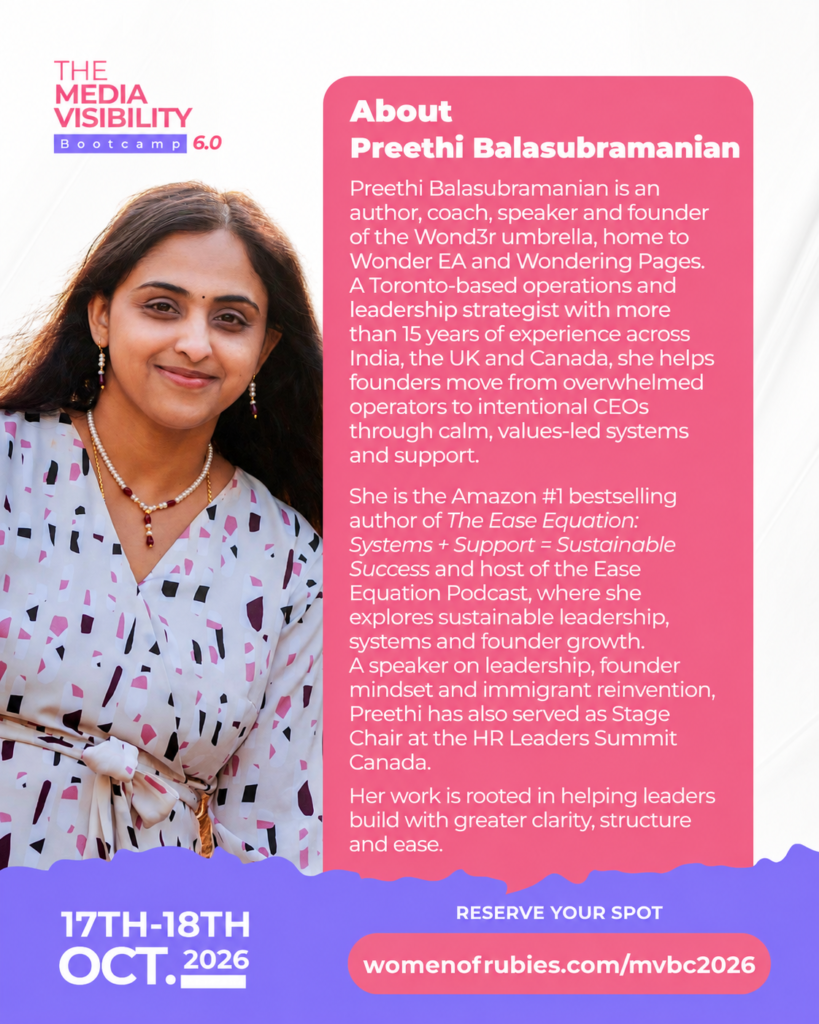
Preethi Balasubramanian speaker at Media Visibility Bootcamp 6.0
Preethi Balasubramanian brings business strategy and professional growth expertise to Media Visibility Bootcamp 6.0.

10. Business Strategy and Professional Growth | Preethi Balasubramanian

Strong visibility becomes more sustainable when it is supported by sound strategy.

Preethi Balasubramanian, a business strategist and author, brings another dimension to the programme: helping women think intentionally about growth, decision-making and the structures behind their professional or entrepreneurial goals.

Why MVBC 6.0 Is Looking Beyond Traditional Visibility

One of the biggest shifts in this year’s Media Visibility Bootcamp is the recognition that visibility does not exist in isolation.

  • Your positioning affects your visibility.
  • Your communication affects your visibility.
  • Your digital footprint affects your visibility.

Your financial understanding, technology awareness, leadership, marketing and business systems can all influence what happens after someone notices you. That is the conversation MVBC 6.0 is designed to explore. The goal is not simply to encourage women to become more visible.

It is to help them become more intentional about what they are known for, how they communicate their value and how they position themselves for the opportunities they want next.

Join Media Visibility Bootcamp 6.0

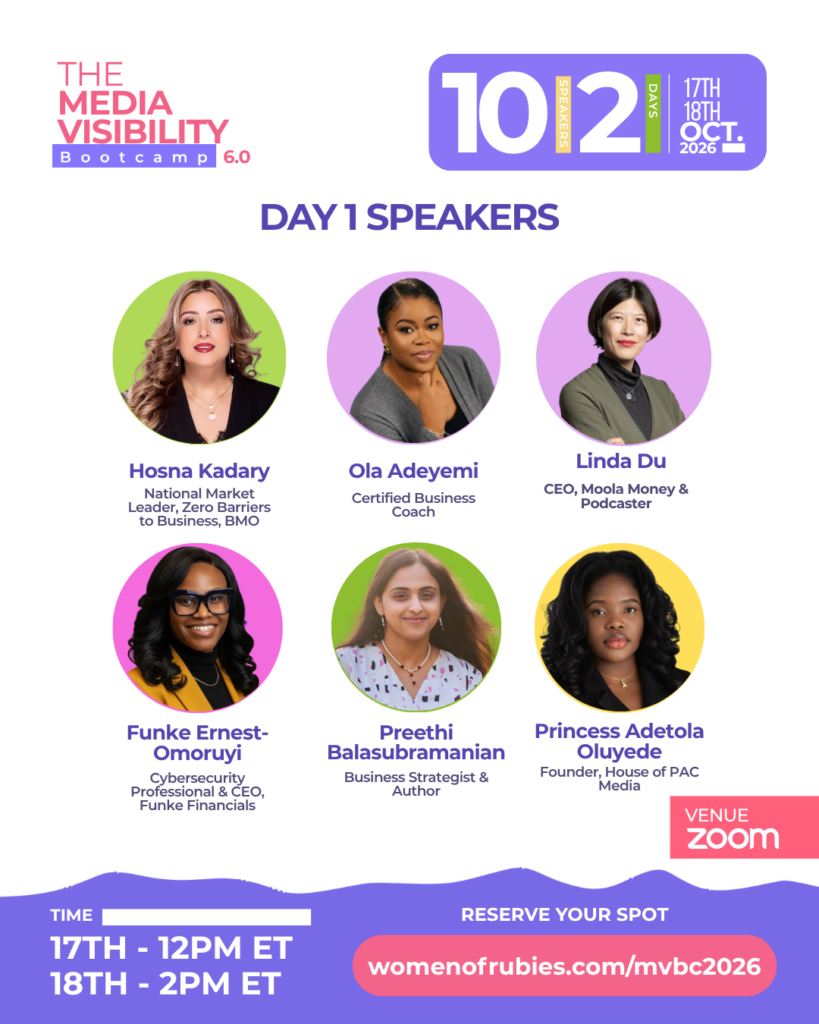
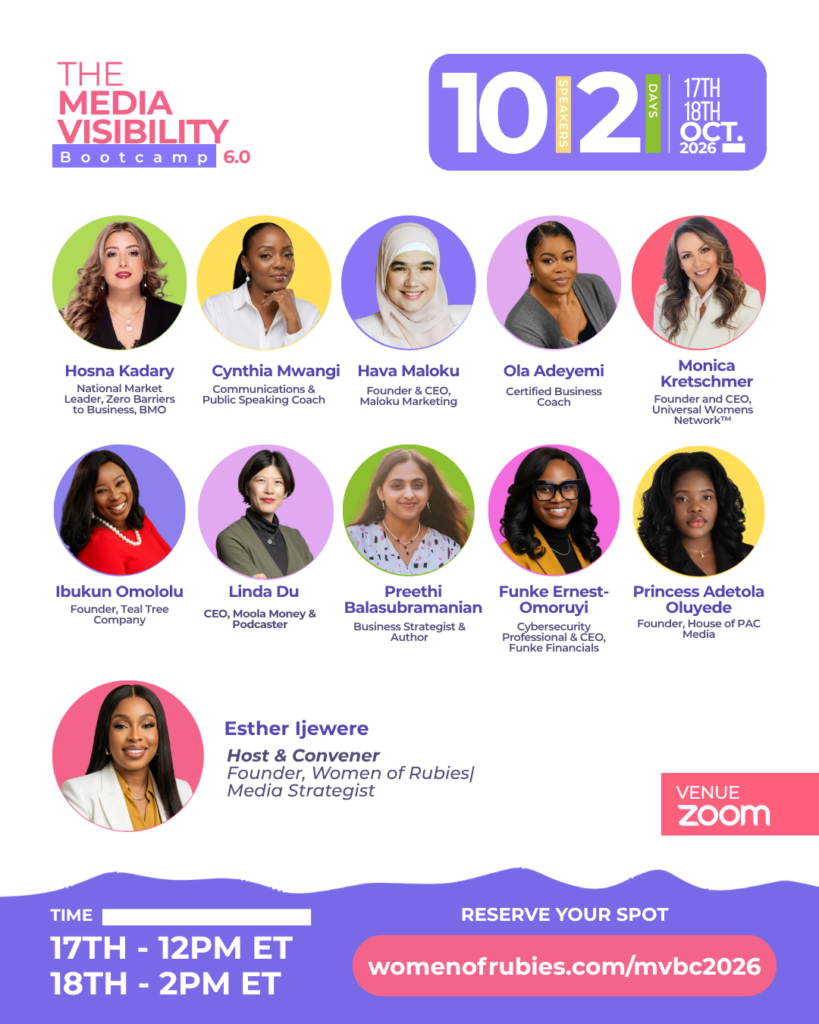
Media Visibility Bootcamp 6.0 speakers and event details
Media Visibility Bootcamp 6.0 brings together experts across business, communications, marketing, technology, finance and leadership on October 17–18, 2026.

October 17–18, 2026 | Virtual via Zoom | Early Bird registration ends August 31, 2026. Learn more about the speakers, programme and registration at: womenofrubies.com/mvbc2026