Hello WORriors, It’s #ThrowBackThursday and we are throwing back these old photos of Mavin singer, Di’ja!
See photos below;


Hello WORriors, It’s #ThrowBackThursday and we are throwing back these old photos of Mavin singer, Di’ja!
See photos below;
Hello WORriors, today is #WomanCrushWednesday and our Woman Crush is Nse Ikpe Etim!
Nse Ikpe-Etim (born 1974) is a Nigerian actress. She came into prominence in 2008 for her role in Reloaded. She was nominated for Best Actress in a Leading Role at the 5th and 8th Africa Movie Academy Awards for her role in Reloaded and Mr. and Mrs. respectively. In 2014, she won the Best Actress in a Drama award at the 2014 Africa Magic Viewers Choice Awards for playing “Nse” in Journey to Self.

Etim was born on the 21st of October 1974 in Lagos. She is the first of six children. She attended Awa Nursery School and Command Primary School in Kaduna State, from where she then furthered her studies at St Louis College, Jos and the Federal Government Colleges in Jos and Ilorin. She said that her family was often transferred to various regions of Nigeria due to her father’s career with the Central Bank of Nigeria. She got her first degree in Theater Arts from the University of Calabar.
In an interview with Toolz, she stated that she had Caucasian Godparents. She got married to her childhood friend, Clifford Sule, on February 14, 2013 at a Lagos registry. A traditional wedding ceremony followed in her hometown in Akwa Ibom State and Lagos State respectively, some months after the civil union. She currently resides in London with her husband, a Senior Lecturer at Middlesex University who frequents Nigeria for film engagements.

At 18, Etim started acting on stage at the university. Her first television appearance was in the family soap Inheritance. After her graduation from university she temporarily left the film industry to venture in other endeavors before making a comeback with Emem Isong’s Reloaded alongside Ramsey Nouah, Rita Dominic, Ini Edo, and Desmond Elliot.
Nse has featured in quite a number of movies. Some of them are, Emotional Crack, Memories of My Heart, Kiss and Tell, Phone Swap, Mr. and Mrs, The Meeting, Journey to Self, Black November, Broken, The Visit, Fifty, Stalker, American Driver, etc.
She has also been nominated and won many awards and recognition.

Women Of Rubies celebrates you, Nse Ipke Etim!
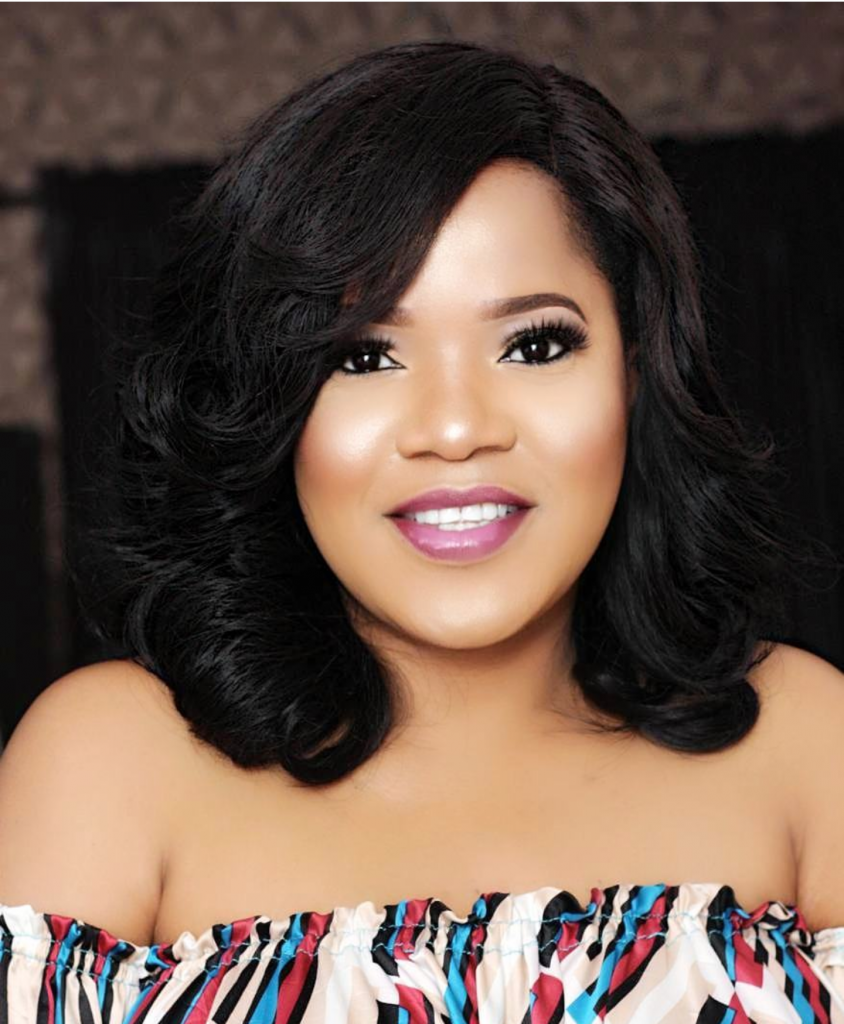
I take codeine, other hard drugs. I couldn’t boast of N1m in 2016 says newly rebranded Nolywood actress Toyin Abraham
She has opened up on her past when she abused hard drugs like marijuana and codeine, and was involved in other vices. She made the disclosure at the 2017 edition of Success Story Africa, held in Lagos, on Sunday. .
“You need to stop bad habits. I was involved in a lot of vices and it became worse last year,” PremiumTimes quoted her as saying at the event. “I did drugs and I am not ashamed to say it because it’s now a thing of the past. .
They say codeine makes you high; I took a lot. I smoked a lot and I didn’t even know I looked horrible, because I was so skinny. If you came to my house last year, you would meet a lot of people and you wont want to leave because we smoked, gossiped about people and what have you.” .
.
According to PremiumTimes, she also talked about the mistakes she has made in the entertainment industry and how she has not let the negativity shape her. “I made a lot of mistakes when I began acting and that was because I did not have plans. I just wanted to be known. .
.
But, I now know that being popular isn’t the same thing as being successful. When I got into the industry and the fame became too much, I became irresponsible. I could not boast of N1 million in 2016. I was making money and I wanted to feel among. .
When one of our colleagues bought a car, it was trouble because we all strove to buy the same car or a bigger one. I had to change my circle for good and this change started in March 2017.”
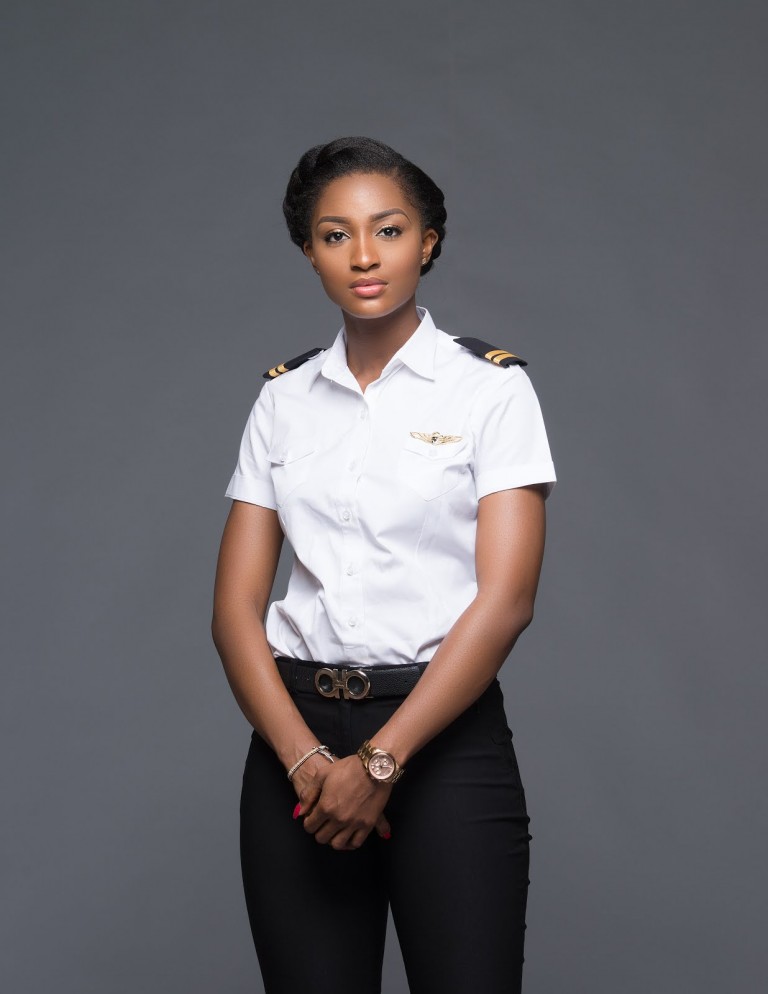
Powede Lawrence is a Nigerian model, nurse and pilot who has proved to the world at large that she was more than just a queen but one with a difference. In a world where most people believe that a beautiful woman cannot achieve anything meaningful, this 26year old young lady has stunned the world.
She is not only a go getter, she is ambitious, beautiful and sophisticated at that and we totally love her.
Fabwoman.ng has compiled list of 5 things everybody can learn from Powede.
Yes, Powede is a beauty queen but her beauty goees beyond the physical. Hers is different- her mind is beautiful and full of wondrous ideas. She shocked the world when she enrolled to train as a pilot and got certified but this shows that she has got a brain on her. Worthy of note also is the fact that she is a registered nurse.
Fashion icon Powede, uses her platform, “Powede Lawrence Foundation” to help the less privileged, her charity renovates school for the physically challenged students in Yenagoa, Bayelsa, and also offers scholarship to all the physically challenged students at her university annually. Once you have a means of assisting one or two people, do it!
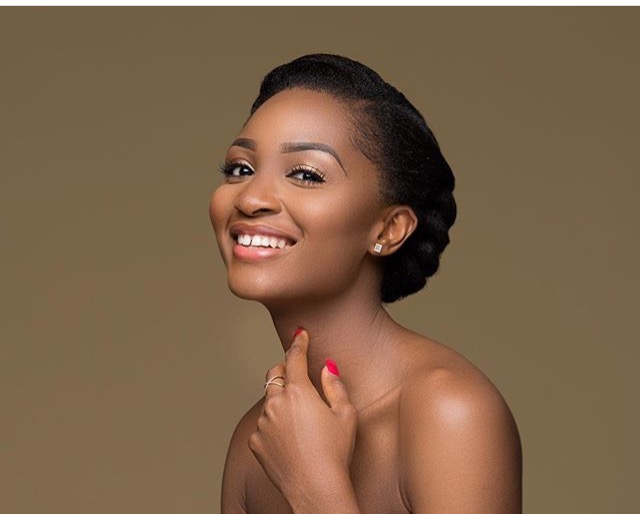
This beautiful lady is a testimony to what anyone can achieve if one has a strong determination. For her to have done so well with modelling and her career, it goes to show that she is a very hard working lady and determined to see her dreams come through.
Of course, there will be days you feel like quitting but in the end, you will have a whole lot of cause to smile.
Yes, the belief is what it takes for you to actualize your dreams. She believed in herself and see all what she has accomplished today. It does not matter if not everyone is cheering you, what matters is you persisting in chasing your dreams.
From everything about Powede, it is very obvious that she is not out to please anyone. She lives her life, constantly braking bounds and achieving. We are sure if she had listened to every advice or ill comments, she might not be where she is today.
Always remember to be YOU, self love is key and the moment you have that, you have almost all you need.
credit: fabwoman.ng
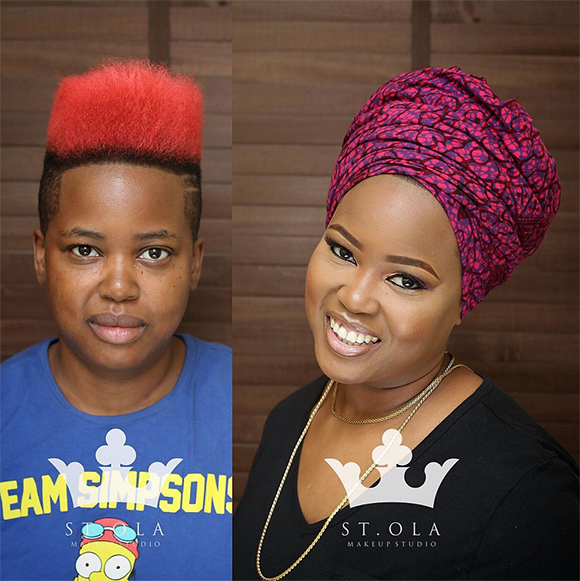
MI Abaga’s personal DJ; Olawunmi Okerayi, popularly called DJ Lambo, coming into the music industry came with alot of challenges.
In an interview with Moet Abebe of Soundcity TV Lambo explains how she almost gave up when she just started as a result of the rejections she got.
However, with time, she made her mark and proved that she was there to stay.
DJ Lambo explained that her acceptance and recognition in the field wasn’t by mere chance. She said she was treated badly by some male DJs because she was female.
According to her ;
“I had people around me who support me and encourage me to do better but not everyone is going to treat me like that. I’ve had guys in this industry, other male DJs, treat me terribly, treat me like I didn’t know what I was doing just because I am a female. But most importantly, it has to be your spirit, you have to be so strong.”

Irrespective of this, DJ Lambo says she keeps moving and still breaks boundaries as a female DJ.
“It’s not being easy but I don’t take No for an answer. I call myself a shark. That’s what I am. I keep moving. I’m just going to keep moving ruthlessly forward.”
In 2015, she was listed on ‘top 5 Nigerian DJ’s to watch out for’ by the Nigerian Entertainment Today newspaper.
In 2016, she won “DJ of the Year (Female)” at the 2016 City People Entertainment Awards.
In 2017, DJ Lambo was among the few DJs selected to play at Big Brother Nigeria Saturday’s party at season 2 of the Big Brother Naija reality game show.
On 14 June 2017, she was announced as the head and president of Choc Boi Nation (CBN), an imprint under Chocolate City Music, a Nigerian record label regarded the biggest and most successful indigenous urban record labels in Africa.
The announcement made her one of the major and female record label executives in the music industry in Nigeria, a role she describes as a “huge responsibility. It’s like I have kids now. Its scary and exciting at the same time.”
DJ Lambo says she’s working on a project to empower girls and make them believe that they can achieve whatever their dreams are.
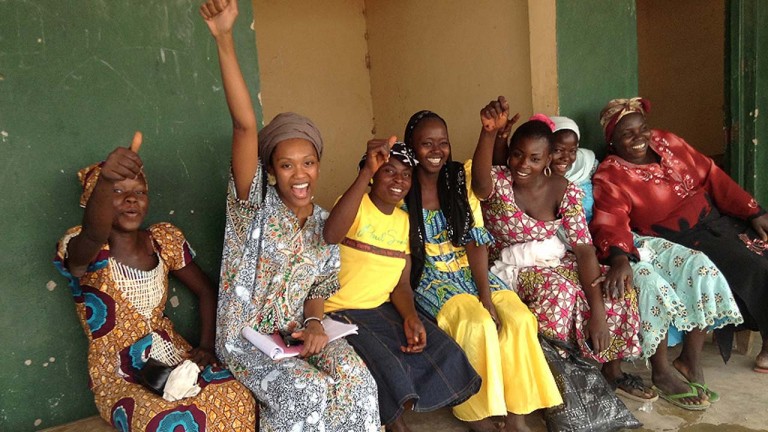
A social media platform for women across the continents named, Sisterhood Global, has been launched. The platform is aimed at tackling global problems associated with women through effective use of the media.
Its universal approach to solving the plights of women in the world has continued to receive positive responses globally.
At a media briefing the visioner and founder of the group, Nonnie Roberson, explained that the group had kick-started the global project three months ago under the name Sisterhood Africa, but had to rebrand after it had gathered over three million active members and facebook decided to shut the page down.
She said no explanation was given by facebook for doing so, but expressed optimism that the group will continually rise above gender issues by progressively rebranding and refocusing their targets.
She said: “Having tested the popularity of the group, it decided to expand its scope from Africa in order to accommodate more women globally, hence the new name – Sisterhood Global.”
Expressing her joy over the responses so far, Roberson said, “about three months ago, it was impressed in my heart to set up a platform, where women can come together, pray together, love each other, receive counsels, express how they feel inside, encourage each other and get solutions to their problems with abounding testimonies.”
She continued, “within a short while, it grew to over three million active members, but for reasons best known to Facebook, and without any prior notice, the group was taken down. Indeed, Sisterhood Africa, now Sisterhood Global was a house of solutions and testimonies. It was a place of solace for many women in Africa, and round the world, great testimonies were also shared.”
Giving assurance on the unyielding zeal of the group, Roberson said, “going forward, with full assurance that this move of God cannot be stopped, and the gates of hell cannot prevail against the church of God, we have launched Sisterhood Global. This is going to be the first time that women of faith would be building their own social network.”
Source: Guardian
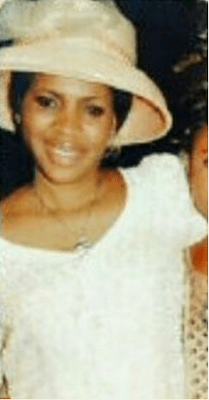
Hello WORriors, It is #ThrowbackThursday and we are throwing back these old photos of Fathia Balogun. Enjoy!
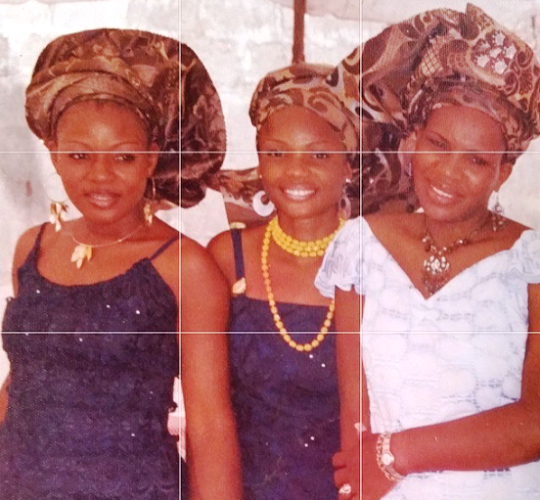
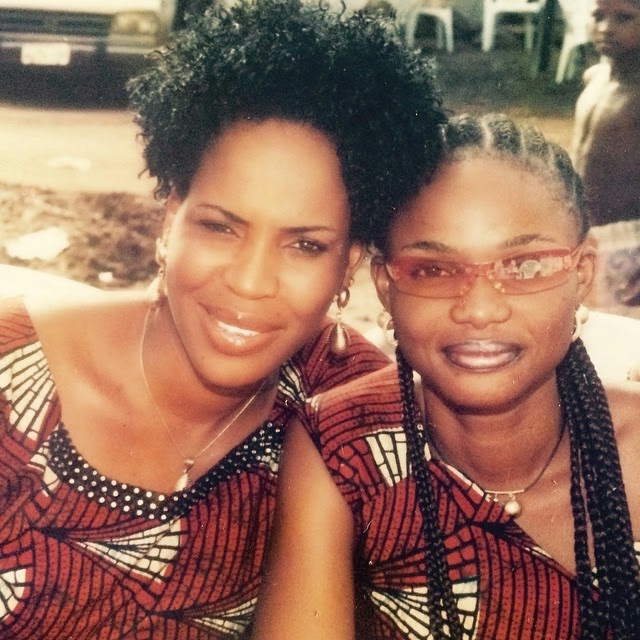
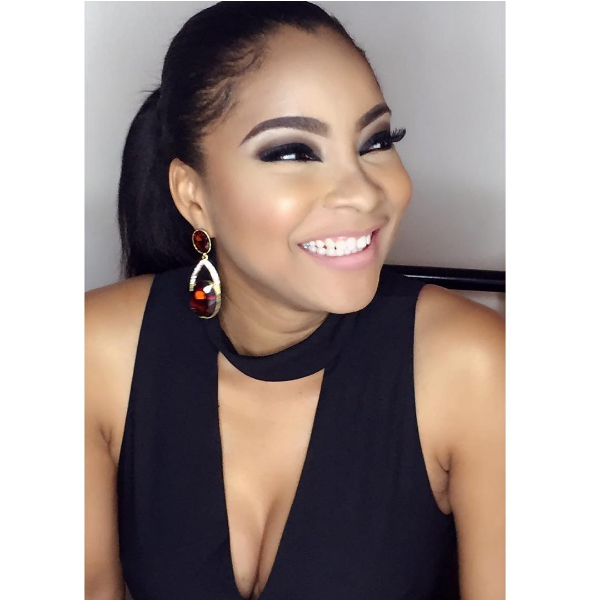
Hello WORriors, it’s #WCW and our Woman Crush is Linda Ejiofor!
Linda Ejiofor (born Linda Ihuoma Ejiofor) is a Nigerian actress and model known for her role as Bimpe Adekoya in M-Net’s TV series Tinsel. She was nominated in the category Best Actress in a Supporting role for her first feature film, The Meeting (2012), at the 9th Africa Movie Academy Awards. Tony Ogaga Erhariefe of The Sun Nigeria listed her as one of the 10 fastest rising Nollywood stars of 2013.

She initially wanted to work for an advertising agency. In an interview posted on The Nation, she said that she’s fond of acting, and changed her mind about pursuing a career in advertising. She hopes to direct films in the future.
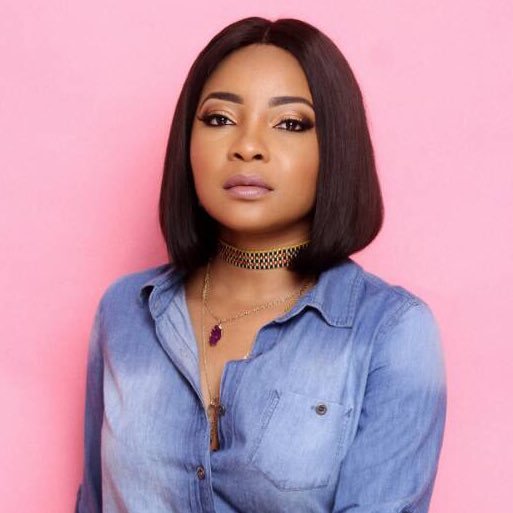
Linda Ejiofor has won many awards and recognition. She and Adesua Etomi has once been named as Nollywood’s Best Friends because of their close relationship.
Women Of Rubies celebrates you, Linda Ejiofor!
Whilst both men and women go through depression, it becomes a lot more amplified in women because of a number of reasons/causes. Below are some of them;
Changes in hormones. Onset of puberty may bring about these changes which in turn may be accompanied by other growing-up issues like identity crisis, parental conflicts, added responsibility to shoulder at tender ages while the male counterparts seem to yet enjoy blissful ignorance etcetera.
Menstruation also comes with its snag; anxiety and irritability for the larger percentage of women.
A study even shows that 3-8 percent of women suffer a particular kind of disorder-severe depression 1-2 weeks before their cycles (Premenstrual Dysphoric Disorder. PMDD).
While some women may not have been diagnosed yet and some others do not know a disorder as this exists, it doesn’t assuage its presence or intensity.
Off the top of my head, I can count quite a number of women who would have to take some medication or even stay few days in the hospital during their cycles. This deals in no small ways with their mental health.
On a more personal note, I have lost count of how many times I have been in the middle of a conversation and I have had to drift into my own world mentally checking if my clothes are soiled or I could still take on one more hour of chatter.
Social Causes and the need or the pressure to live up to societal expectation is another huge cause of depression for women. The emotional built of women make them more likely to rehash negative events, worry over finances, worry over relationship issues, have a teetering work-life balance, loss of a loved one etcetera.
Where the male counterpart would be able to snooze or fall into a deep sleep in a matter of minutes, sometimes seconds, women will naturally take longer. For some, until the t’s are crossed and the i’s dotted, their minds will be in a state of unrest.
Pregnancy and the super dramatic way it’s hormones changes a woman’s erstwhile planned and packaged life is another huge reason.
So much happens in pregnancy or during the attempts at getting pregnant that I may not be able to adequately articulate in this write up. Take for instance the early pregnancy miscarriage scare or even the outright miscarriage.
Post partum depression is another cause. For some, no amount of preparation for the imminent change is enough. Some would experience crying spells and others would be angry or generally irritable. Aside the hormonal fluctuation side to Post partum blues, it can be as a result of birth complications, breast feeding problems etcetera.
It’s been said that depression is twice as likely to affect women than men.
The call is to look out for ourselves and our loved ones.
A bubbly spirit does not mean a happy spirit. It may actually be a cry for help.
Symptoms to watch out for include;
Loss of interest. This could be in new activities or even those that were formerly pleasurable.
Persistent feelings of exhaustion and tiredness. Goes hand in hand with loss of interest.
Forgetfulness. When that friend or you begin to ask the for the same details repeatedly, it is time to look inwards as their may be a greater problem.
Unhealthy sleep life. Sleeping too much or insomnia- the inability to sleep.
Unhealthy appetite. Too much or too little.
Irritability, worrying, absentmindedness.
And the final one, suicidal thoughts or attempts.
Whatever the stage or symptoms or the cause is, woman, know that you are not alone!
Taking your life may seem like a very good deal to you but take a minute to think over yourself, see the people whose lives may be ruined by your actions. Your action may just go on to cause a ripple effect. You succeed at the suicidal attempt, your loved ones fall into depression because of you, they then take the same route, and their loved ones and their loved ones and on it goes.
You see it doesn’t solve anything.
Speak up.
Accept an embrace.
Do not go into any shell.
Believe you are not alone
And together we will beat this!!
In my deliberate attempts to diffuse or maybe polarize my age long belief of the patriachical world set up and with so much evidences suggesting the world is in fact a patriarchy society and in some veins also not, the struggle to reach exactitude is becoming so real.
Is the world indeed ruled by ‘fathers’? Is this an issue facing predominantly the third world countries? Is this just an empty uproar of women particularly in the wake of ‘enthroning’ the king of the United States (Reference- winner of the 2016 presidential elections)? Perhaps, it is an excuse to laziness and a cowardly escape from responsibilities.
Whatever side of the divide we stick with, an unintended service to ourselves will be to think that women are without the brawn to take on these positions that are assumed ‘too much clout’ for the female gender.
The queen, oh the queen. The queen of England is indeed one of such. We really do not have to backdate or search in the archives to get worthy examples. Okonjo Iweala and Beyonce are classical examples of ‘King Women’ albeit in different fields and sphere of influence.
The questions therefore are
– what are the limitations?
– why is the ration of men to women in influential positions still so ridiculous?
– is the world indeed patriachical or it is zone informed?
Again, I think about positioning….
Still my thoughts.