The Association of Professional Women Bankers (APWB) Presents, Female Champions in the Banking Sector.
Women have played and continue to play a key role in Nigeria’s banking sector. To shed light on this instrumental and vital role, the Association of Professional Women Bankers, has created a definitive list of female champions within the industry.
These women have not only been pivotal in the shaping of the sectors regulatory framework but have also created a strong legacy for other women to follow.
Read the list and be inspired
Abiola Adekoya – MD/CEO of RMB Nigeria Stockbrokers

Abiola Adekoya is a financial expert with over 18 years’ experience working with leading financial service firms whose activities span across various continents. She is currently the MD/CEO of RMB Nigeria Stockbrokers, a subsidiary of the First Rand Group, a leading financial services group in Africa with footprints across the globe.
Adaeze Udensi – Executive Director at Titan Trust Bank Nigeria
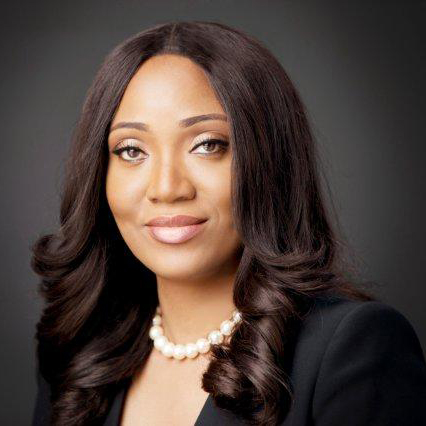
Adaeze Udensi is the Executive Director of the bank. Udensi has over twenty-three (23) years cognate banking experience; sixteen of which were spent at Zenith Bank Plc where she rose to the level of General Manager/Group Zonal Head supervising the Commercial Banking and Oil & Gas businesses in Southern Nigeria, which she grew to the second largest portfolio in the bank.
Adaora Umeoji – Deputy Managing Director of Zenith Bank Plc

With over 20 years of cognate banking and broad executive management experience, Adaora rose through the ranks to her current position. Adaora has at different times participated in high-level Bankers’ meetings with impactful contributions towards the advancement of the banking industry and national economic growth and development.
Adebimpe Olambiwonnu – Group Head, Finance & Performance Management/ Financial Controller, Sterling Bank
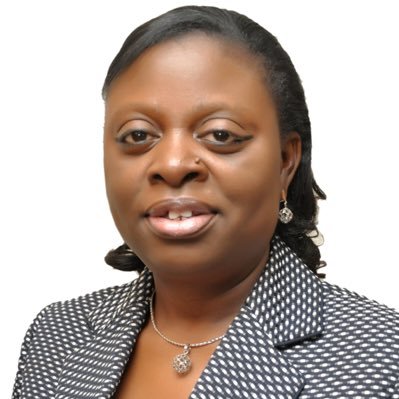
Bimpe is an integral member of the finance group and has helped to develop processes for monitoring Sterling Bank’s long-term and short-term financial results. Bimpe began her career at Nigeria’s premier merchant bank, NAL Bank which merged with four other banks to form Sterling Bank.
Adeola Azeez – Deputy Country Head at Deutsche Bank Nigeria
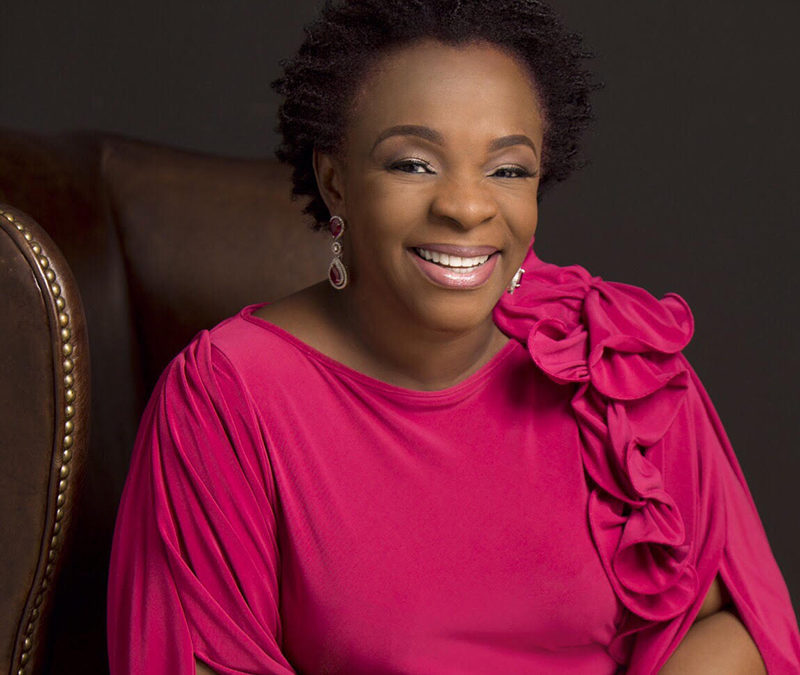
Adeola Azeez is a seasoned banker with over 20 years of professional experience, more than half of which has been as Deputy Country Head/Deputy Managing Director of Deutsche Bank Nigeria, the leading client-centric global universal bank with approximately 30 million customer accounts and activities in more than 70 countries and jurisdictions.
Adobi Stella Nwapa – General Manager, Zenith Bank Plc
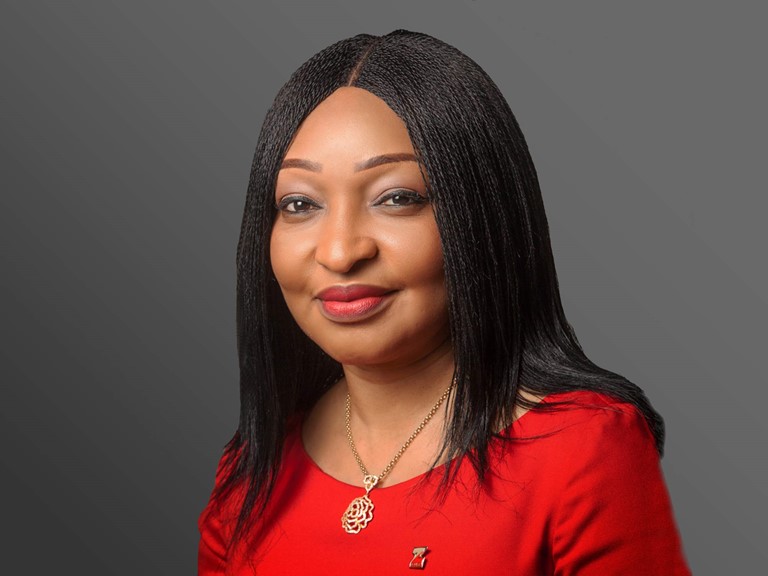
Adobi is currently the Group Zonal Head, Ikoyi Zone, with management and supervisory responsibilities over branches and business units in the zone. Adobi joined Zenith Bank in 1990 and has over twenty-eight (28) years cognate banking experience, most of which have been in Senior Management positions.
Aishah Ahmad – Deputy Governor at the Central Bank of Nigeria (CBN)

Aishah Ahmad was appointed Deputy Governor at the Central Bank of Nigeria (CBN) on the 23rd March 2018. As Deputy Governor in charge of Financial System Stability, she is responsible for leading the effort to promote a sound financial system in Nigeria; one of the principal objects of the Bank as specified within the CBN Act.
Atinuke Leye-Isola – Business Development Manager – Wema Bank PLC
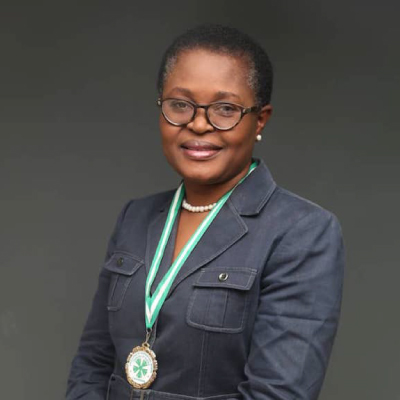
Tinuke Leye-Isola started her banking career with Societe Generale Bank Nigeria Limited in 1988. Holds a Diploma in Banking and Finance from the University of Lagos and a Bachelor of Science, Banking and Finance from Ogun State University now (Olabisi Onabanjo University) Ago-Iwoye; An MBA in finance from University of Nigeria, Nsukka. An Associate of the Chartered Institute of Bankers as well as an Associate Member of the Institute of Loan and Risk Management of Nigeria.
Bashirat Odunewu – Group Executive, International Banking Group, First Bank of Nigeria Limited
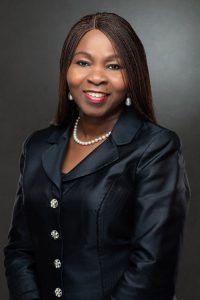
Bashirat Odunewu has over 27 years’ experience across institutional banking, corporate banking, commercial banking, investment banking and treasury in various financial institutions. Until this appointment in January 2016, she was Group Executive, Institutional Banking Group. She is a Fellow of the Institute of Chartered Accountants of Nigeria and has attended several executive programmes in Harvard Business School and Columbia Business School.
Bola Adesola – Senior Vice Chairman, Africa, Standard Chartered Bank
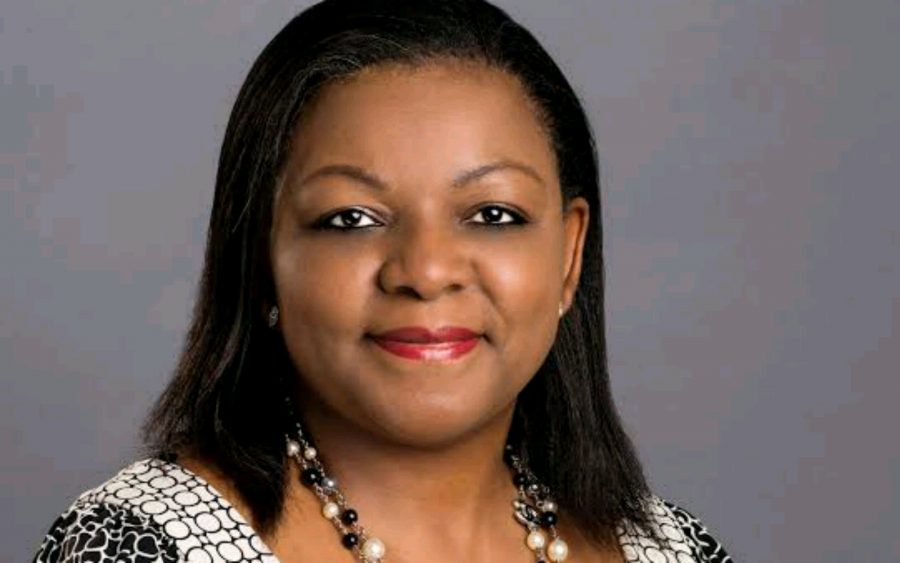 Bola Adesola is the Managing Director and Chief Executive Officer of Standard Chartered Bank Limited, Nigeria. Prior to joining the bank in March 2011, she was an Executive Director at First Bank of Nigeria Plc and prior to that Managing Director of Kakawa Discount House, Nigeria. She also worked in Citibank for 9 years in senior leadership roles in Nigeria and Tanzania.
Bola Atta – Group Head Corporate Communications, United Bank of Africa
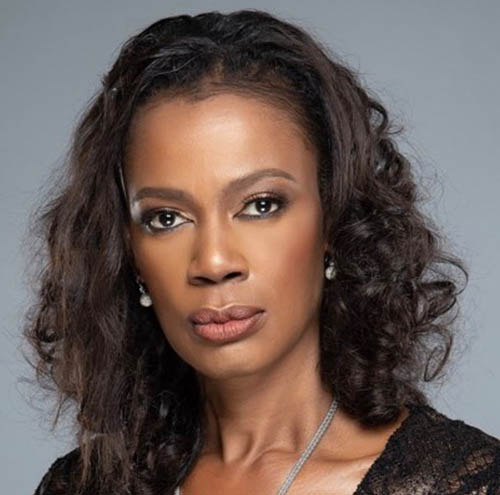 Bola Atta was voted one of the top 40 Nigerians under 40 in 2008. She was also celebrated as one of the 100 most influential women in Nigeria in March 2015. She has over 25 years of experience in diverse fields ranging from Banking, Business, Communications, Publishing, Entertainment, and the Media
Bimbola Wright – Group Head Coverage & Corporate Banking Group at FBN Quest Merchant Bank.
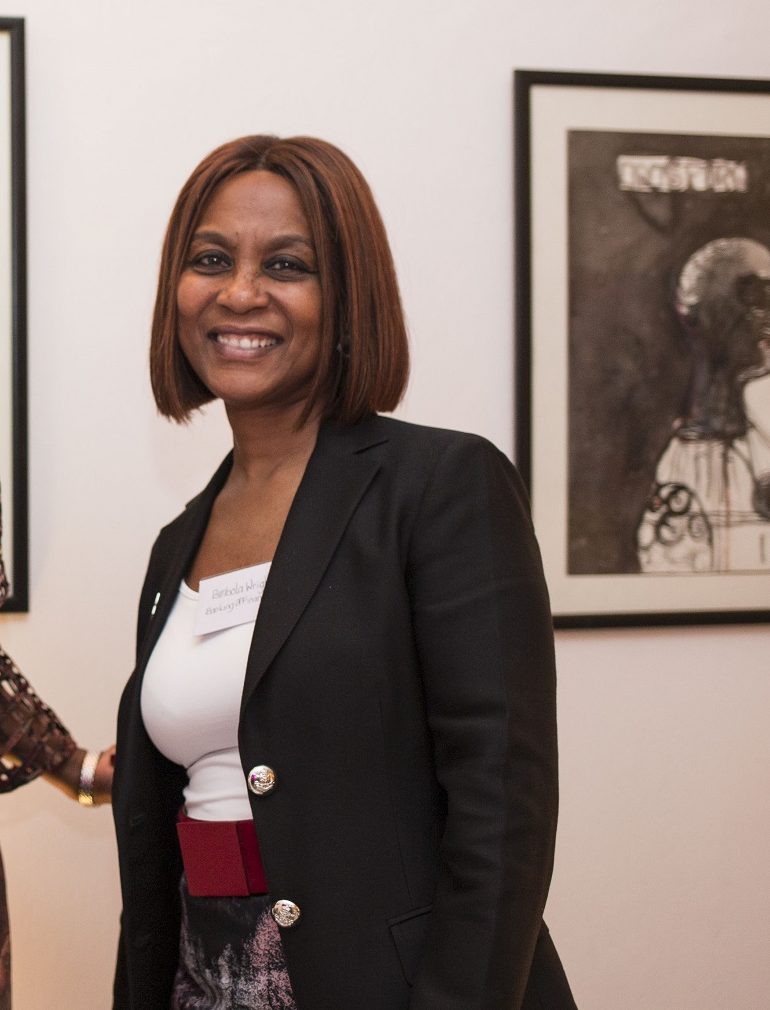 Abimbola oversees a team managing the bank’s corporate/investment banking relationships across all sectors. Her 30+ years in banking spans Coverage, Corporate Banking, Treasury, Wealth Management and Strategy. She has contributed to the development of the Nigerian financial market in several ways including serving on the Advisory Committee of the Nigeria Interbank Settlement System, and the Code of Conduct Committee of the Money Market Association.
Bukola Awosanya – Group Head, Agric, Export Finance & Solid Minerals, Sterling Bank
 Bukola pioneered the Agriculture Finance Department in Sterling Bank. Under her leadership, Sterling Bank became a role model to other Banks in the implementation of Agricultural schemes like the current Anchor Borrowers Scheme, Growth Enhancement Scheme of the Federal Government of Nigeria among others which have garnered local and international awards and recognition for the bank.
Chizoma Okoli – Executive Director, Business Banking, Access Bank Plc.
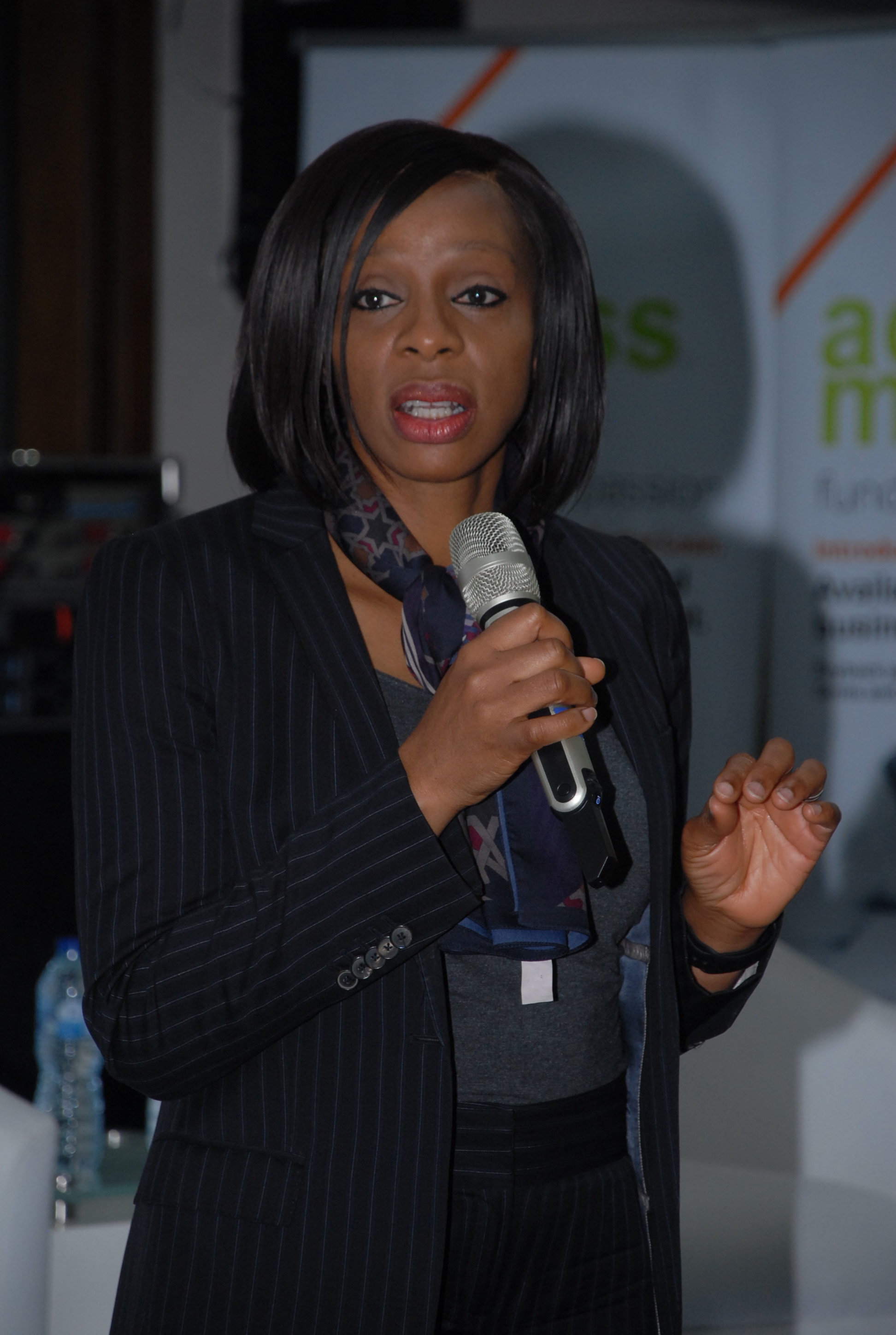 Chizoma has over two decades of cognate experience. Prior to this, she was the Executive Director and Head-Business Development at Diamond Bank Plc. She served as Head of Business Development, Head of Corporate Banking, Divisional Head of Institutional Banking and Regional Manager at Diamond Bank Plc.
Chinwe Egwim – Economist, FBNQuest Merchant Bank
 Chinwe is a seasoned Economist with specialisation in Macro Economics as well as Fixed Income analysis. She currently works at FBNQuest Merchant Bank (an arm of FBN Holdings). Prior to joining FBNQuest Merchant Bank, she had similar roles at FBN Capital, Fitch Ratings Milan and the Central Bank of Nigeria.
Cornelia George Utuk – Group Head, Legal Services & Administration – Coronation Merchant Bank
 As the Group Head and Company Secretariat of the Legal and Administration Group at Coronation Merchant Bank, Utuk’s responsibilities include providing advice and support on matters related to statutory regulations, employee relations, litigation, with the aim of mitigating Coronation Merchant Bank’s legal exposure; leading the development and implementation of the Bank’s legal strategy, as aligned with business goals; coordinating the identification of risks and their implications and advising accordingly; and reviewing the regulations of the organisation.
Dupe Olusola – Group Head Marketing, United Bank of Africa
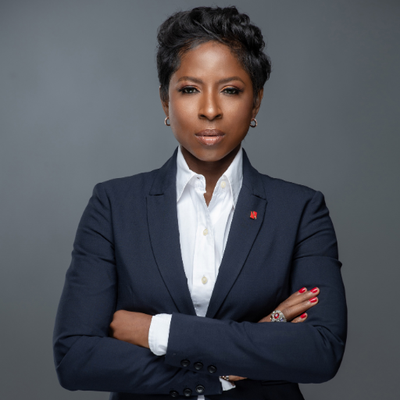 Dupe made Ventures Africa’s 10 Most Influential Nigerian CEOs Of 2015. Prior to her current role, she was the group Head Embassies, Multilaterals and Development Organizations (EMDOs) and Global Investors Services (GIS) at United Bank for Africa (UBA) Plc. Her professional experience spans various sectors locally and internationally in capacities that encompass private equity from African Capital Alliance, investments and SME experience from Growing Business Foundation, Bloomberg Financial Markets UK, SecTrust (now Afriinvest), Transcorp Corporation and Northern Trust Corporation of Chicago, UK.
Efemena Esalomi – Senior consumer analyst (Africa Frontier Markets) at Standard Bank Group
Efemena Esalomi, CFA, is a senior consumer analyst (Africa Frontier Markets) at Standard Bank Group. Efemena has a proven record of academic and professional excellence, exemplified in graduating cum laude and passing all three levels of the Chartered Financial Analyst (CFA) program examinations in one seating.
Emem Usoro – Head, Strategic Business Group, Lagos, United Bank of Africa
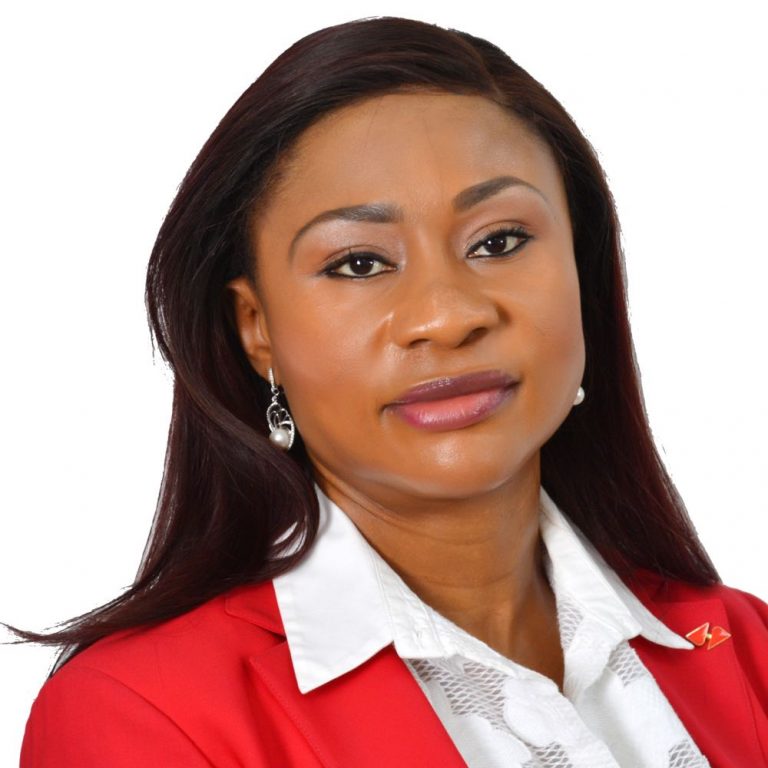 Emem is currently a Group General Manager. She has over 20 years of banking experience. She has strong capabilities in Relationship Management, Effective Communication and Business Development with a track record of winning and executing high-powered transactions. She has won several high-performance awards over the years of her career and has strong competencies in Corporate, Commercial and Public Sector Banking.
Emily Atebe – Chief Financial Officer, FBNQuest Merchant Bank

Emily has 25 years of financial management experience across sectors including banking, aviation and insurance. Her experience encompasses financial control and strategic planning, financial analysis, banking operations, treasury and investment, risk management, airline revenue accounting, credit analysis and marketing, audit and procurement.
Evelyn Oputu – Non-Executive/Independent Director – Coronation Merchant Bank Ltd.
 Oputu currently sits on the boards of several companies in a diverse range of sectors, including insurance, mining, medical services, manufacturing and oil and gas. In 1982, she was headhunted to finding the Treasury & Financial Services Division at International Merchant Bank, before she progressed to Senior Manager & Deputy Head of the Corporate Finance Division.
Folake Ani–Mumuney – Global Head, Marketing & Corporate Communications, First Bank of Nigeria
 Folake Ani-Mumuney is a seasoned Marketer and Communicator. Earlier in her career, she was responsible for Brand Policies and communications at British Airways PLC, across the Europe & Africa region made up of 59 countries.
Folake Sanu – Executive Director of Wema Bank Plc
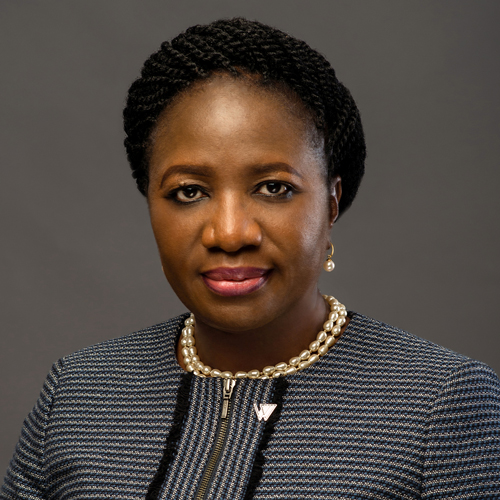
Folake is an astute finance professional and banker of repute with over 32years working experience in banking, professional accounting and auditing practice. Her experience spans Corporate Strategy, Financial Control, Operations, Technology, Risk management, Audit, Mergers & Acquisitions, Credit and Marketing. She has worked as Chief Financial Officer of Sterling Bank.
Funke Ladimeji – Chief Operating Officer (COO), FBNQuest Merchant Bank
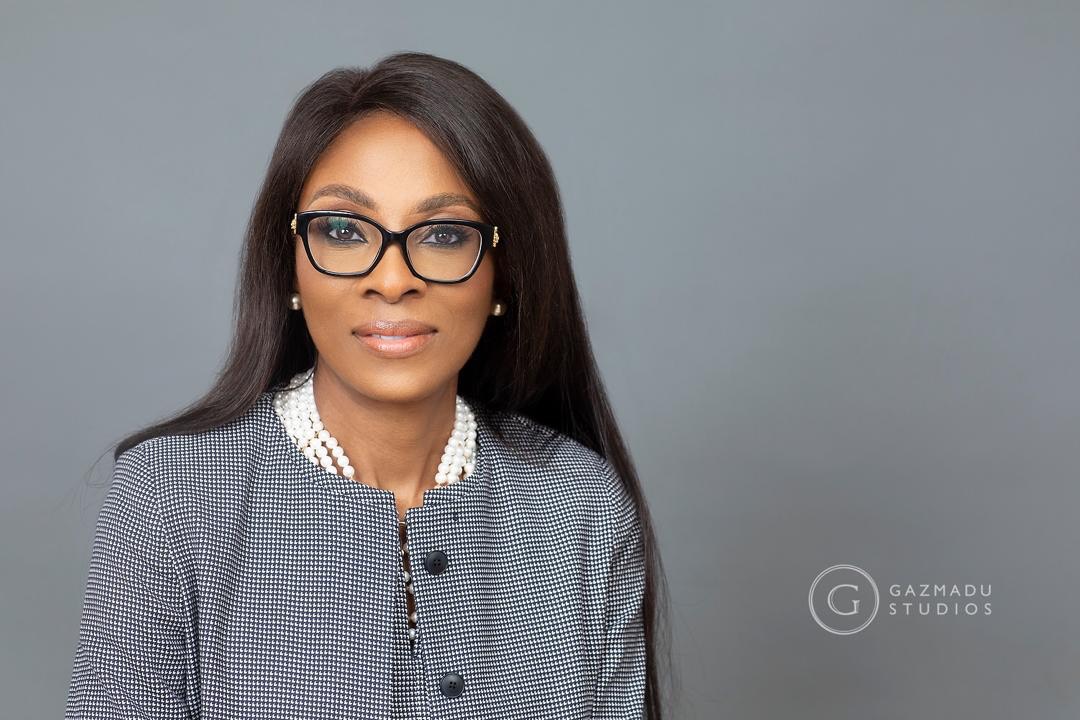
Funke Feyisitan Ladimeji is a uniquely skilled and experienced Investment Banking Executive, with a global career spanning both Markets and Corporate Finance businesses, across multiple regions, products and functional areas. She has an unparalleled track record in driving wallet share and revenue growth, as well as restructuring environments and leading businesses to new levels of success.
Hadiza Ambursa – Executive Director, Commercial Banking- North; Access Bank
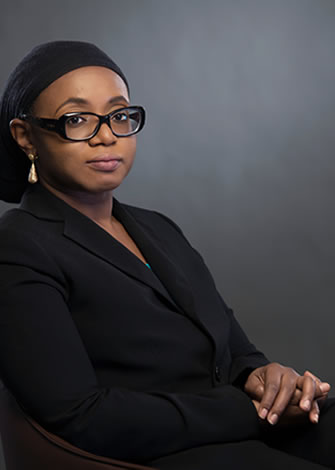 Hadiza has over two decades of banking experience from Guaranty Trust Bank and Access Bank. Her experience covers Transaction Services, Public Sector, Commercial Bank and Corporate Finance. Prior to joining Access Bank in 2003, she was a Relationship Manager Public Sector in Guaranty Trust Bank Plc.
Hajara Adeola – Managing Director/CEO, Lotus Capital Limited
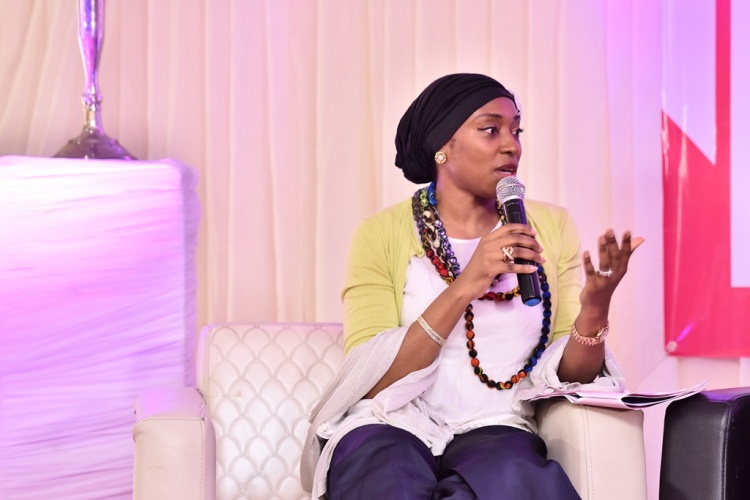
Hajara Adeola heads Lotus Capital Limited, a Nigerian pioneer in Shari’ah compliant Asset Management, Private Wealth Management Advisory Services and Financial Advisory Service. She began her career as a consultant at Andersen Consulting (now Accenture). From there she joined ARM Investment Managers as a pioneer staff and rose to Vice-President and Head of the Research and Financial Advisory Units. She has over 20 years of international experience in research and analysis, investment management and corporate finance. Adeola is the former President of the Fund Manager’s Association of Nigeria.
Ibukun Awosika – Chairperson, Board of Directors, First Bank of Nigeria Limited
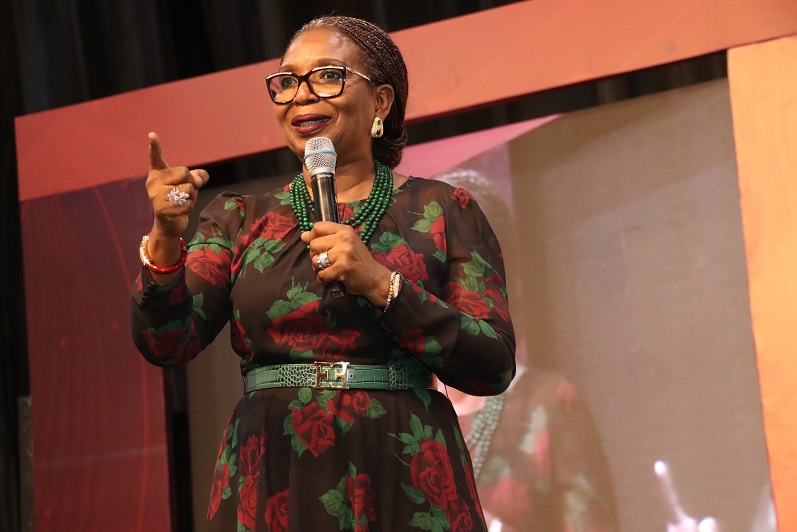 Ibukun Awosika is one of the most recognized female leaders in the Nigerian banking sector. She also serves as the founder and Chief Executive Officer of The Chair Centre Group, a conglomerate consisting of 5 companies with interests in several sectors such as manufacturing, retail and bank-way security systems services. She is a graduate of Chemistry from the Obafemi Awolowo University and has several certifications from relevant bodies globally
Iyobosa Sorae – Group Head, Securities Dealing, Coronation Merchant Bank
 Sorae is a Fixed Income expert with experience in Fixed Income Trading, Portfolio Management, and Operational Management. As the Group Head of Securities Dealing at Coronation Merchant Bank since August 2015, Sorae’s responsibilities include ensuring and managing the solvency of the bank, market and liquidity risks, profitable investments, and facilitating the development and implementation of activities to contribute to the business’s market share, annual revenue and growth targets.
Lola Cardoso – Chief Digital and Innovation Officer, Corporate Strategy and Innovation, Union Bank
 Lola joined Union Bank in August 2013 to drive the Bank’s strategy, anchor its overall transformation and support execution bank-wide. With over 17 years of experience providing strategic advice to corporate, start-up, and public sector organisations, she continues to drive Union Bank’s strategic growth priorities and support critical efforts aligned to growth including sustainability and innovation.
Mojisola Bakare – Divisional Head, Corporate Client Coverage Sterling Bank
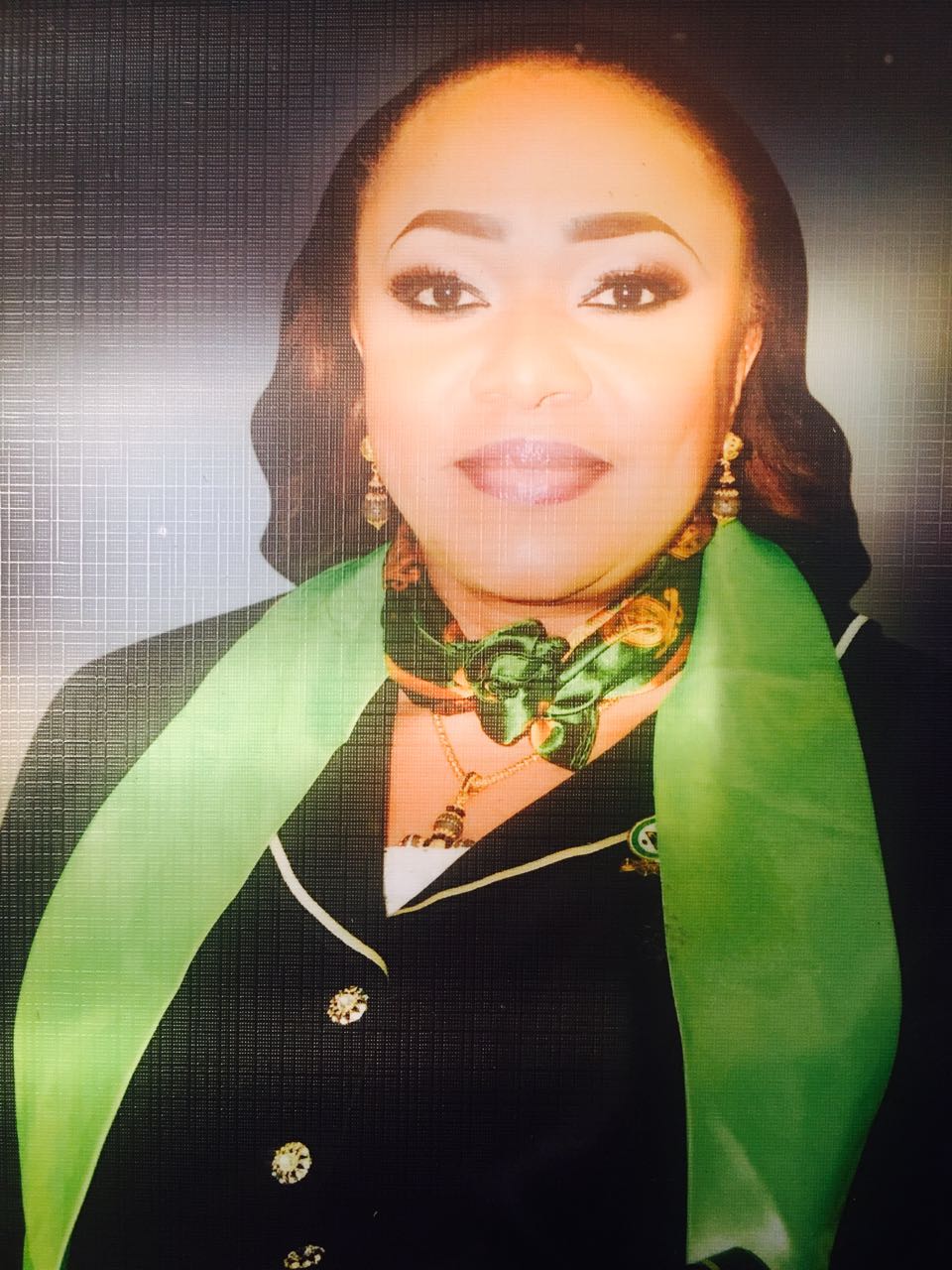 Mojisola sees a lot of similarities between her two passions; mentoring and banking. They are both driven by relationships and a quest for knowledge. Having spent over 25 years in the banking industry, she has built expertise in business planning, risk management, sales and wealth management.
Mosun Belo-Olusoga – The Chairperson, Board of Directors of Access Bank Plc
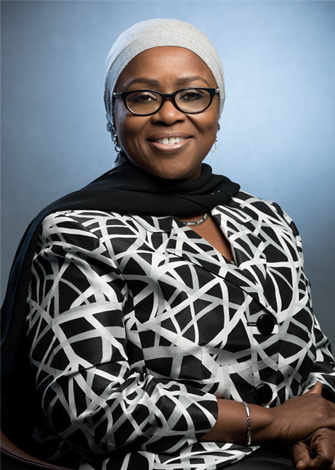 Mosun is a seasoned veteran of the banking sector in the country. Having served in various senior capacities at Guaranty Trust Bank, she became Chairman of the Board of Directors of Access Bank in July 2015. Belo-Olusoga graduated from University of Ibadan in 1979 with a Second Class Upper Degree and is a fellow of both the Institute of Chartered Accountants of Nigeria and the Chartered Institute of Bankers of Nigeria.
Miriam Chidiebele Olusanya – Executive Director at GTBank
Miriam Olusanya has over 20 years of banking experience that cuts across Transaction Services, Asset and Liability Management, Financial Markets, Corporate Finance and Investor Relations. She also serves as a Non-Executive Director on the Board of Guaranty Trust Bank (Gambia) She joined the Bank as an Executive Trainee and rose through the ranks to become a General Manager, a position she held until her appointment as Executive Director.
Ngover Ihyembe Nwankwo – Head Coverage at Rand Merchant Bank Nigeria Limited
 Ngover is a Corporate and Institutional Banking Executive with 17+ years’ experience in Financial Services across a wide range of functions including, Corporate Relationship Management, Sales, Credit, Transaction Banking, Remedial Account Management and Risk.
Ngozi Edozien, Independent Non-Executive Director – Stanbic IBTC Holdings
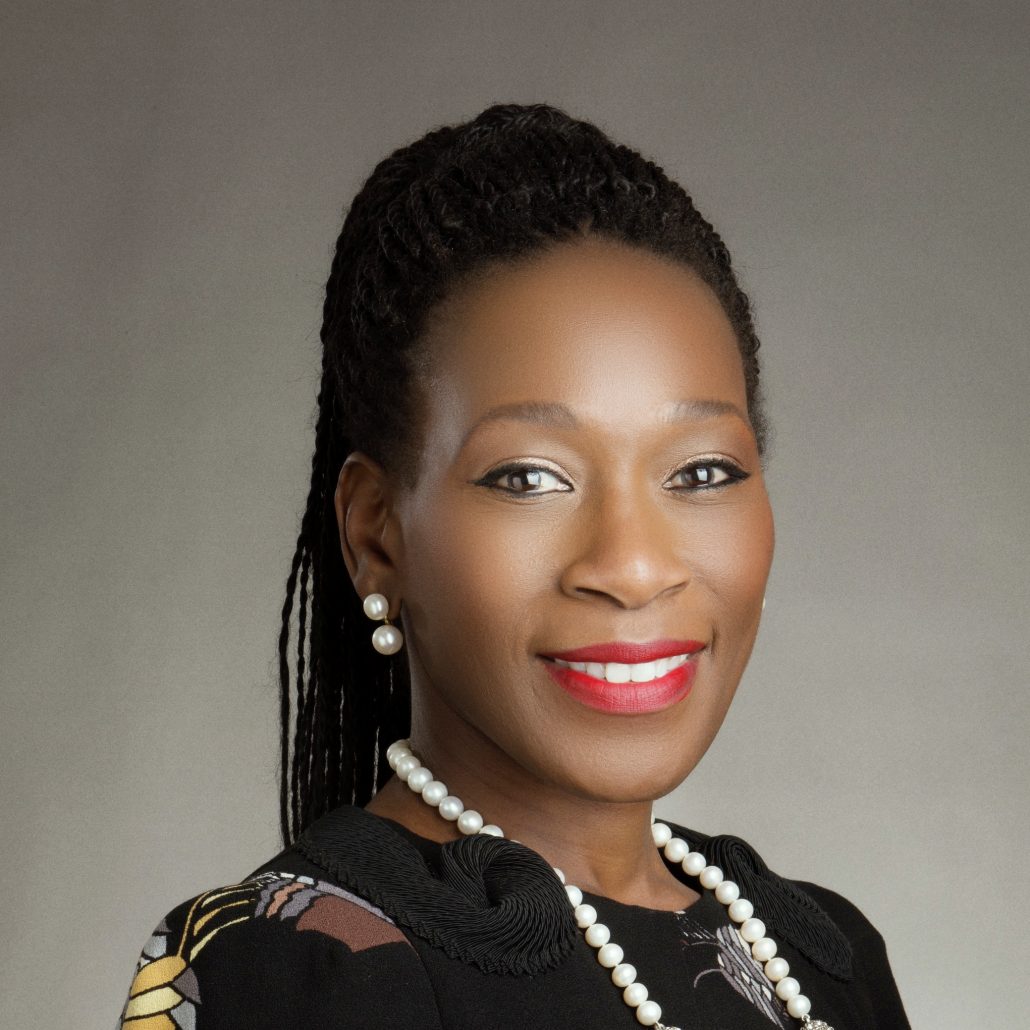
Ngozi Edozien holds a B.A in Politics, Philosophy and Economics from Harvard University and an MBA from Harvard Business School. Ngozi was previously the Chief Executive Officer of Actis West Africa and has served on the Board of Diamond Bank Plc. She is currently a Non-Executive Director on the Boards of Vlisco Group and PZ Cussons Plc. Ngozi is a member of the Board Risk Management Committee and the Board IT Committee.
Olamide Adeosun – Head of Finance, Business Management and Investor Relations
Experienced finance professional with 20 years of cross-sector experience (local and international). Highly skilled in; Financial Control, Business Process, Operational Excellence, Change Management and Leadership. Fellow of ICAEW and Associate Member ICAN.
Olubunmi Fayokun – Non-Executive/Independent Director – Coronation Merchant Bank Ltd.
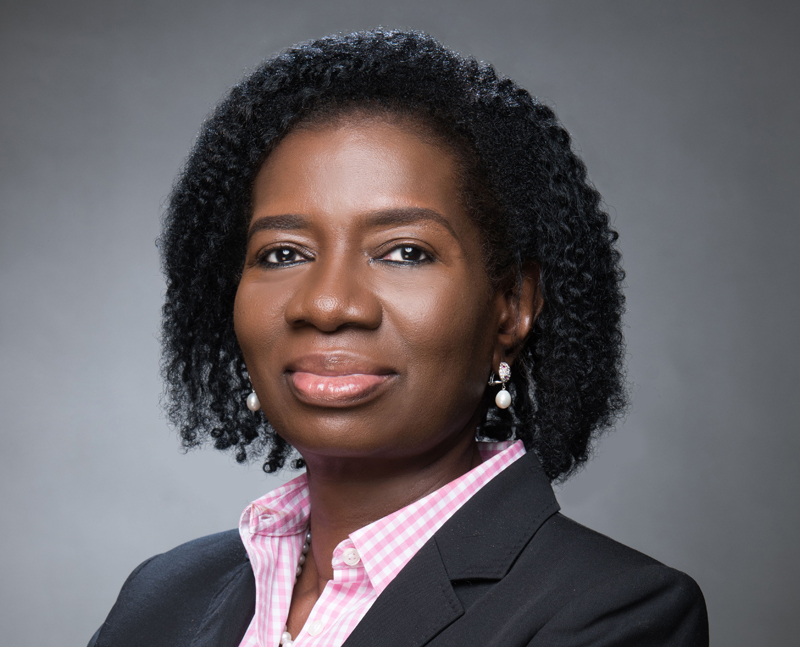 Fayokun is a Senior Partner in the law firm of Aluko & Oyebode and heads the firm’s Capital Markets’ and M&A practice groups. Prior to joining the firm, Fayokun was the Legal Adviser/Company Secretary of Denham Management Limited. Fayokun has served on various committees established by the Securities and Exchange Commission for the purpose of promoting the development of the Nigerian capital market, including the CMC Rules and Compliance Sub-committee and the CMC Market Infrastructure Sub-committee.
Oluwatomi Ojo, Chief Compliance Officer, Heritage Bank Plc
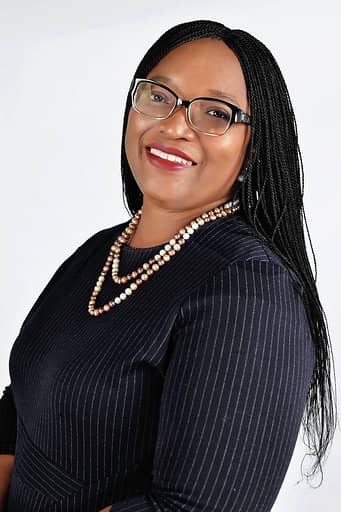
Olutomi Ojo is a versatile professional with competencies and experience cutting across Structured Finance and Transaction Advisory, Banking, Corporate Governance Advisory and Company Secretarial services, Risk Management, Human Capital Management and recently, Compliance.
Olutomi has a keen legal mind and is renowned for her role in strategic decision making as well as change management processes. She currently heads the Compliance Division of Heritage Bank Plc.
Oluwatomi Somefun – MD/CEO Unity Bank Plc
 Oluwatomi Somefun has proven her capabilities both analytical and negotiation skills in the Nigerian banking space. Somefun has over 25 years experience in the financial industry spent most of her career life at Arthur Andersen (now KPMG) and United Bank for Africa Plc.
Oluwayemisi Disu – Director, Heritage Bank Plc
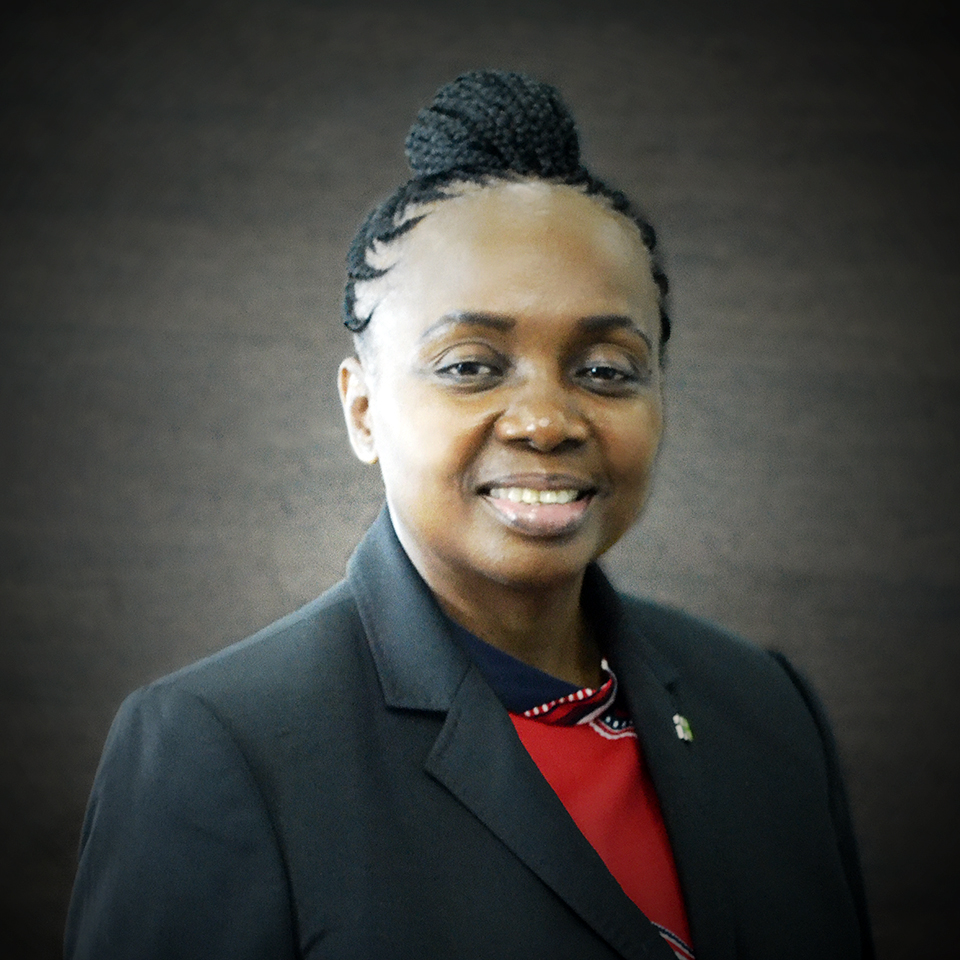 Yemisi has had a successful career with various banks which spanned 25 years, during which she worked in various departments such as Corporate Banking, Foreign Exchange Treasury, International Operations, Branch Banking, Energy Sector, Telecommunications, Oil and Gas (downstream), Public Sector, Credit & Marketing, Audit and Investigation. She is a Fellow of the Chartered Institute of Stockbrokers (FCIS), Fellow of the Institute of Chartered Accountants (FCA) and an Honorary Senior Member, Chartered Institute of Bankers of Nigeria.
Onayimi Aiwerioghene – Group Head, Enterprise Management, Coronation Merchant Bank
 Onayimi ‘s core focus is on developing her knowledge and potential in Human Resources, Process Redesign, Business Effectiveness, Strategy Articulation, and Corporate Communications and Branding.
Over the course of her career, she has built a core expertise in HR and strategy advisory, project management and business planning. Her career began in 2007 at Ariosh Limited Nigeria.
Ope Oduwole, Country Head, Private Banking at Sterling Bank

Opeyemi Oduwole is a seasoned wealth management professional with knowledge in both local and international wealth management and advisory services. Having spent over a decade managing High Networth Individuals (HNI) and Ultra High Networth individuals (UHNI) by providing wealth advisory and transactional services both locally and internationally, Ope is currently the Country Head of Private Banking for Sterling Bank, she had previously served as the Head of Privilege Banking for Diamond Bank.
Osaretin Demuren, Chairman at Guaranty Trust Bank Plc
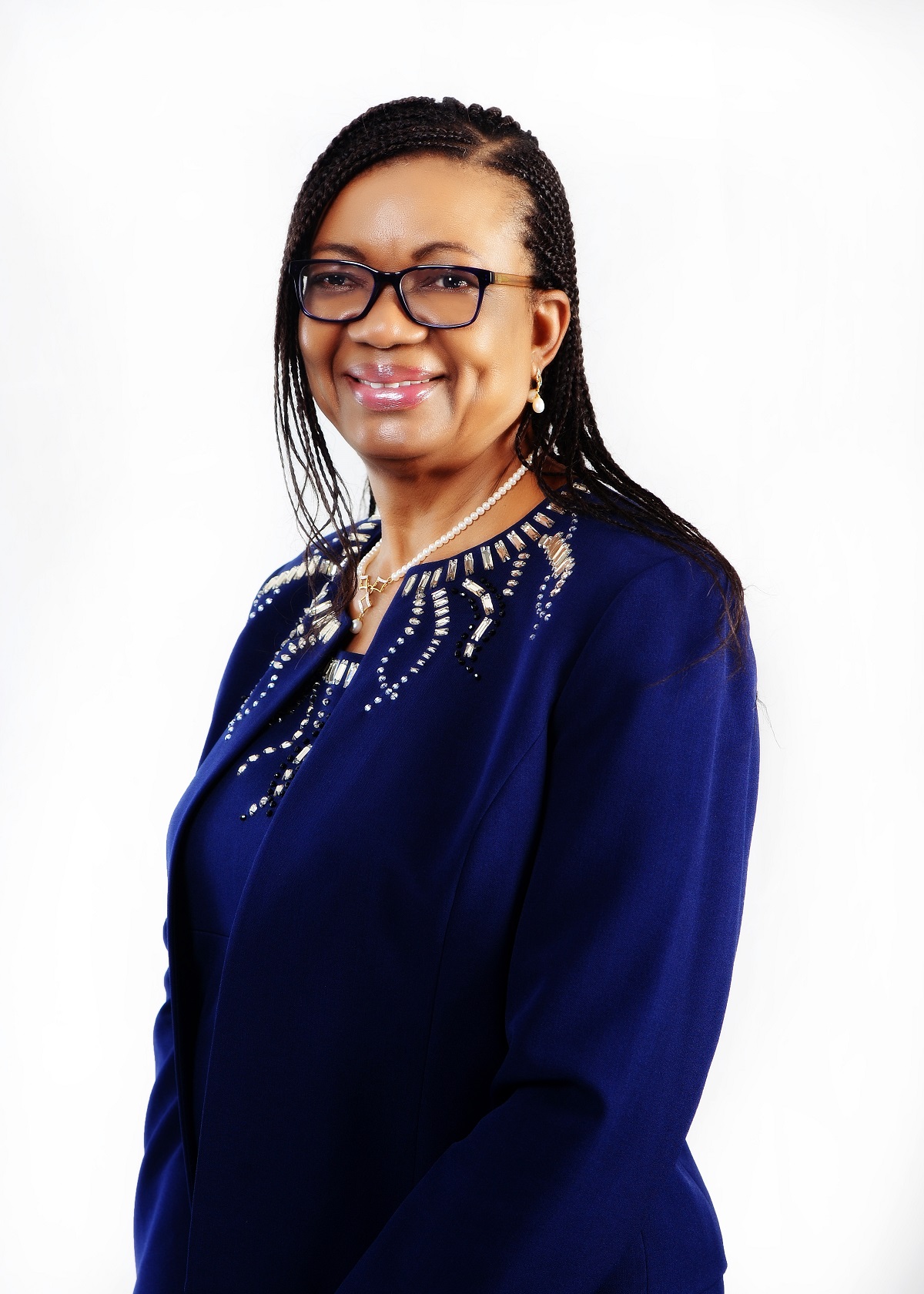
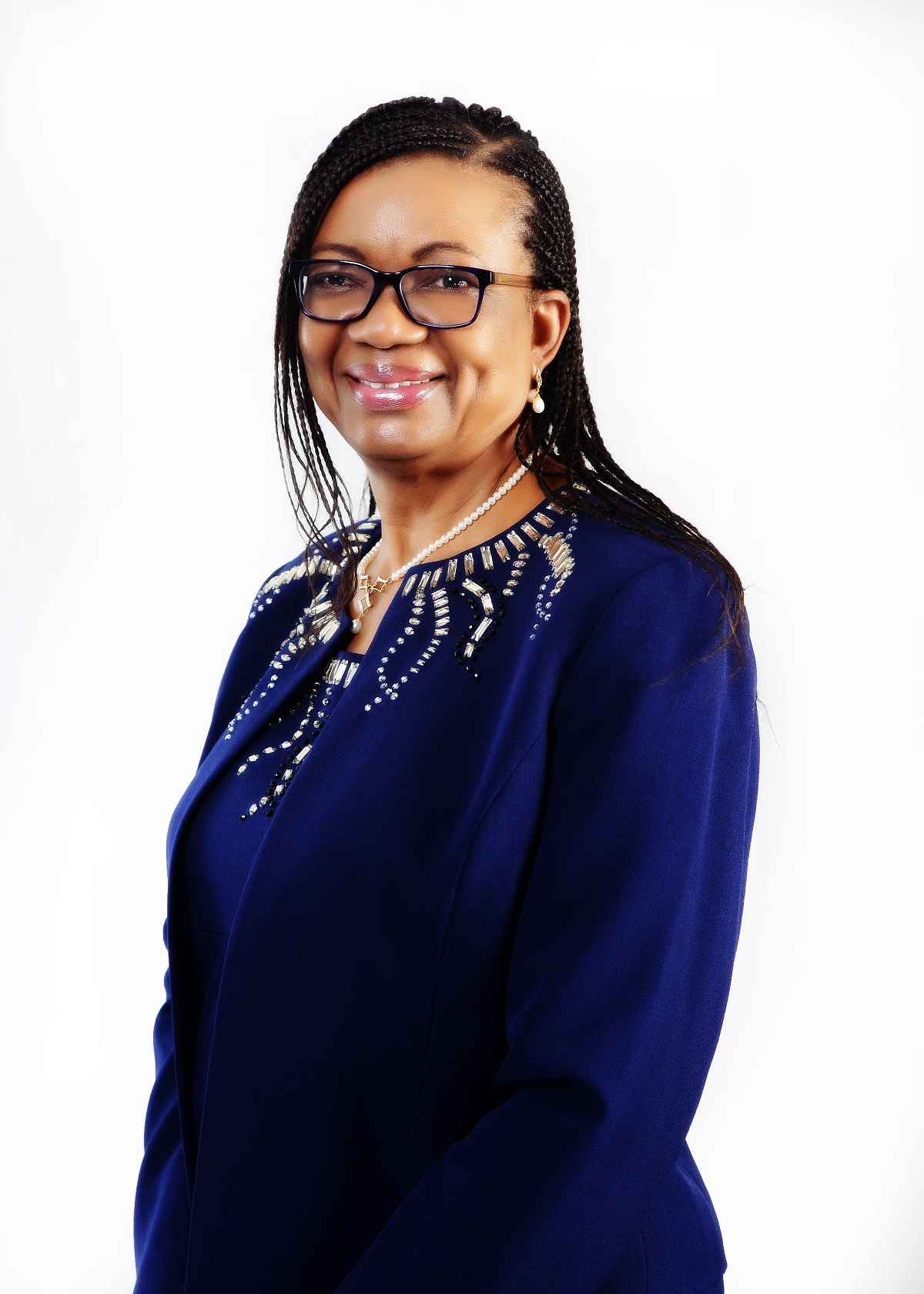 Osaretin Demuren served 33 years at the Central Bank of Nigeria (CBN) where she held several significant roles in Research, Exchange Control and Trade & Exchange Departments. In 1999, she made history as the first female to be appointed a Departmental Director of the Apex Bank as the Director of Trade & Exchange. In April 2013, Osaretin Demuren was appointed to the Board of Guaranty Trust Bank (GTB) Plc., as a non-Executive Director, where she served on the Board Remuneration Committee and Chair of the Board Risk Management committee until April 2015, when she was appointed as Chairman of the Board of Directors of the Bank.
Osepiribo Ben- Willie, Directorate Head, South bank & Private Wealth Management – Heritage Bank Plc

Osepiribo Ben-Willie is an experienced Deputy General Manager with a demonstrated history of working in the banking industry. She is skilled in Business Planning, Team Building, People Management, Financial Risk, Credit Administration, Investment and Wealth Management and Business Relationship Management.
Oyinkansade Adewale
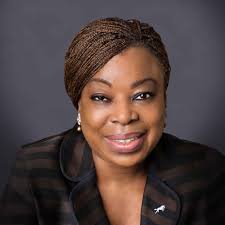 Oyinkansade Adewale is a Non-Executive/Independent Director of FBNQuest Merchant Bank. She began her banking career with Citibank, where she rose to the position of executive director and CFO for West Africa. She joined Union Bank Plc in 2012 where she was an Executive Director/Chief Finance Director, retiring in September 2018.
Sola David-Borha
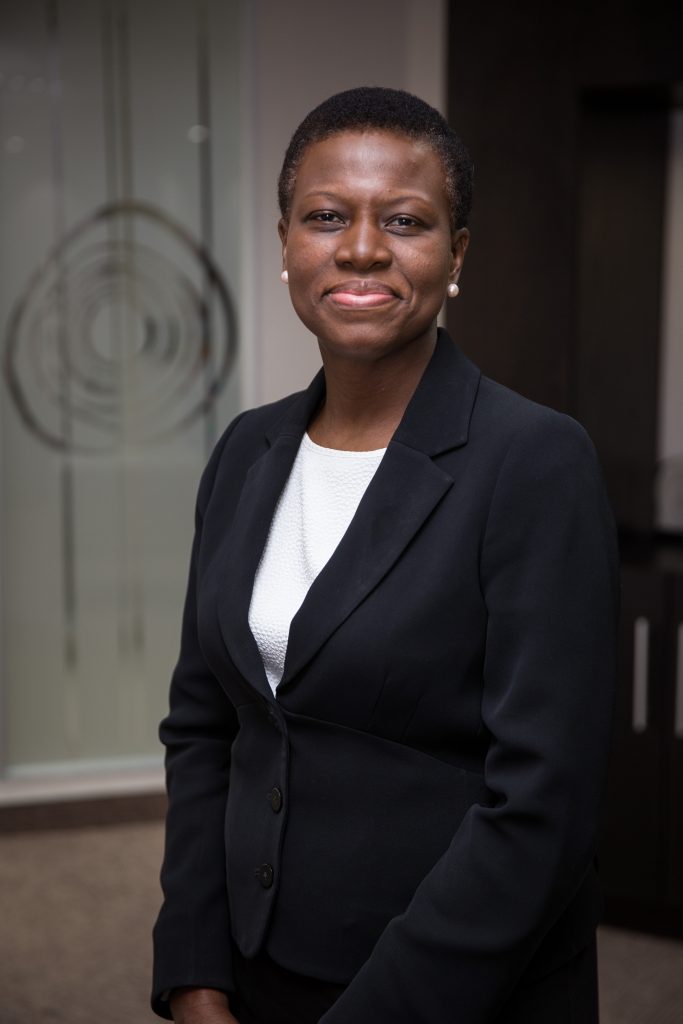 Sola David-Borha is the Chief Executive of Africa regions for Standard Bank Group since 2017. She was Chief Executive Stanbic IBTC Bank from May 2011 to November 2012. She is an honorary fellow of the Chartered Institute of Bankers of Nigeria (CIBN).
Temi Dalley
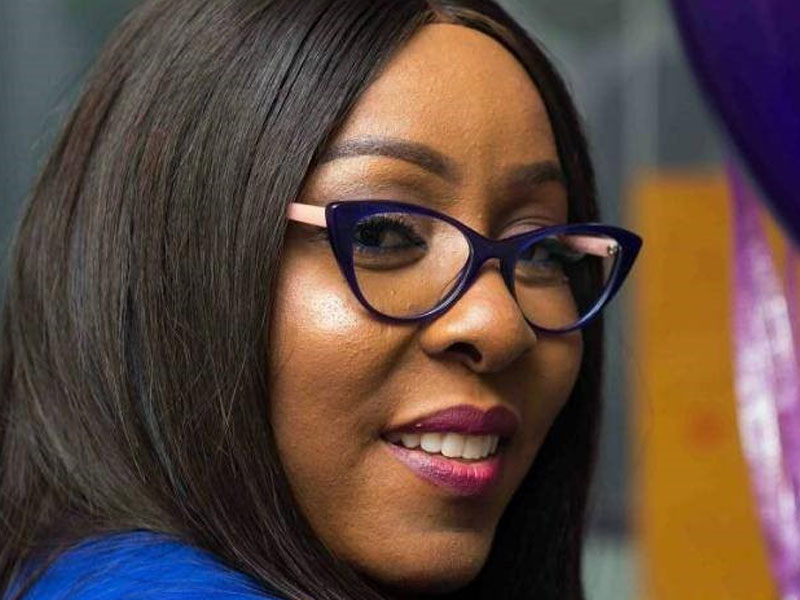
Temi manages Sterling Bank’s most valuable resource – the human capital. In addition to the traditional role covering employee benefits and compensation, training and development, employee engagement, recruitment and exit programmes, her background in political science has helped her to build a structured and positive working environment across the bank.
Yemisi Lowo-Adesola
Yemisi is the head of Financial Institutions Business for Nigeria and the extended African region. She is responsible for developing, leading and executing Africa-wide strategic initiatives for the business from Lagos where she is based.
Yetunde Ogunremi – Head, Balance Sheet Management and Treasurer of Rand Merchant Bank Nigeria Limited
Yetunde is a qualified finance professional with a demonstrated track record spanning over 17 years in the financial services sector with primary responsibility for managing risks associated with capital, liquidity and market risk in the banking book.
Source: Bellanaija



 For most of my life, my parents have been separated. As a little girl, I remember often moving from one place to another, living with different people and changing from one elementary school to another.