Category

Interviews&profile

Category

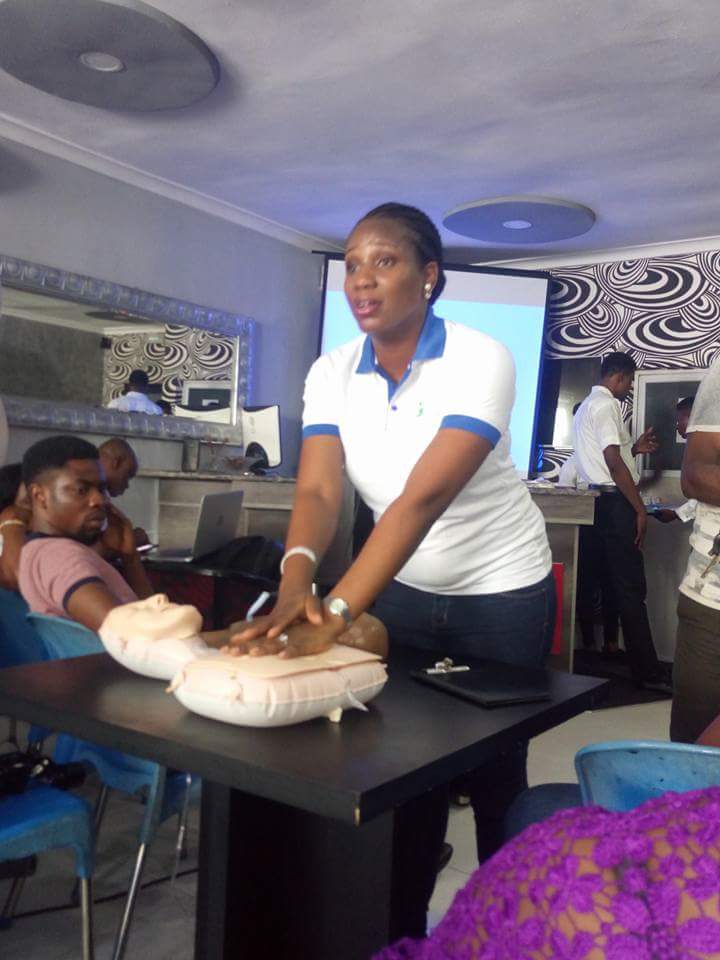
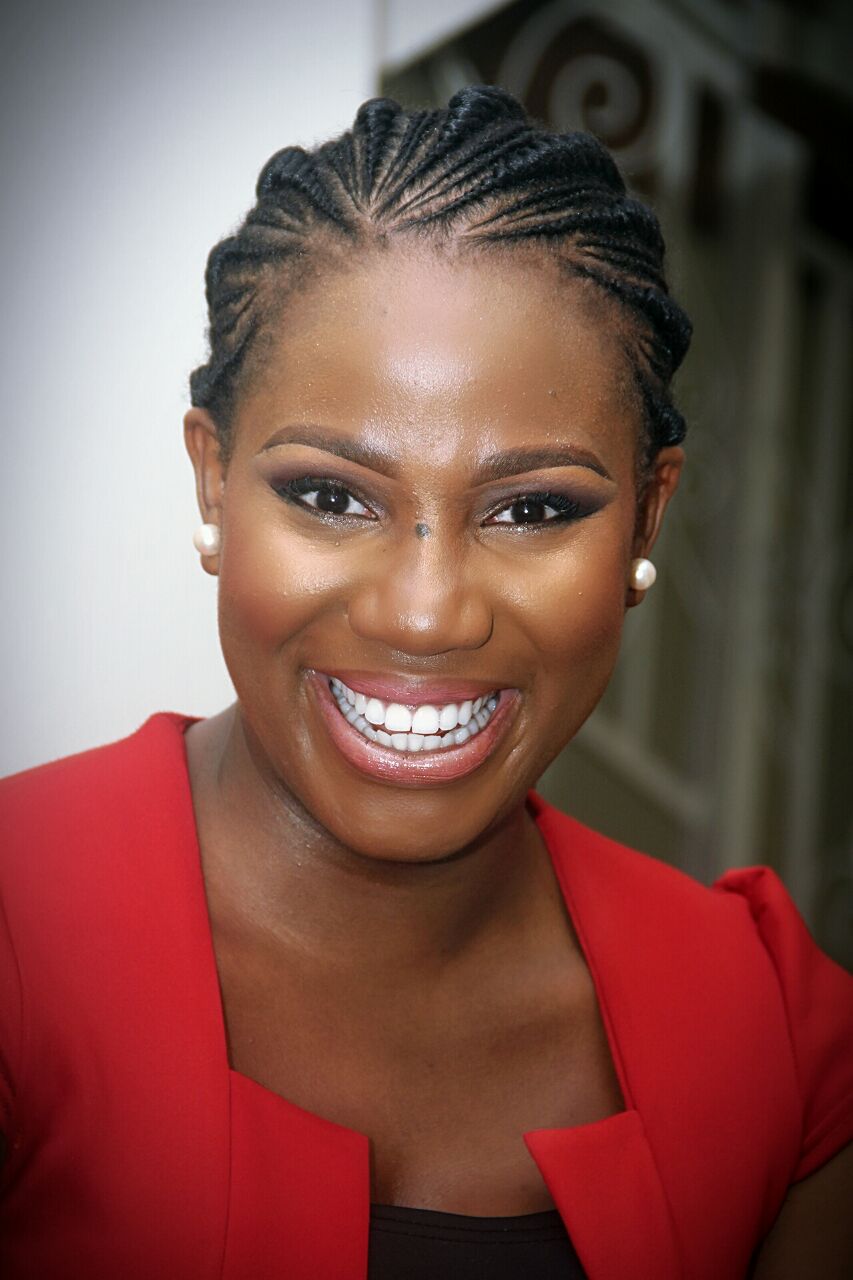
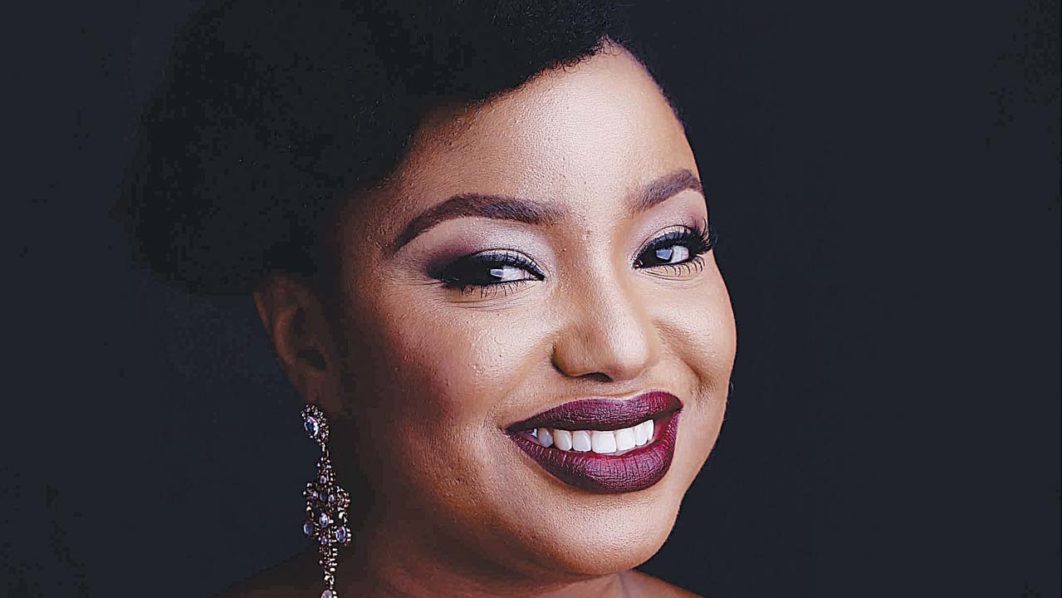
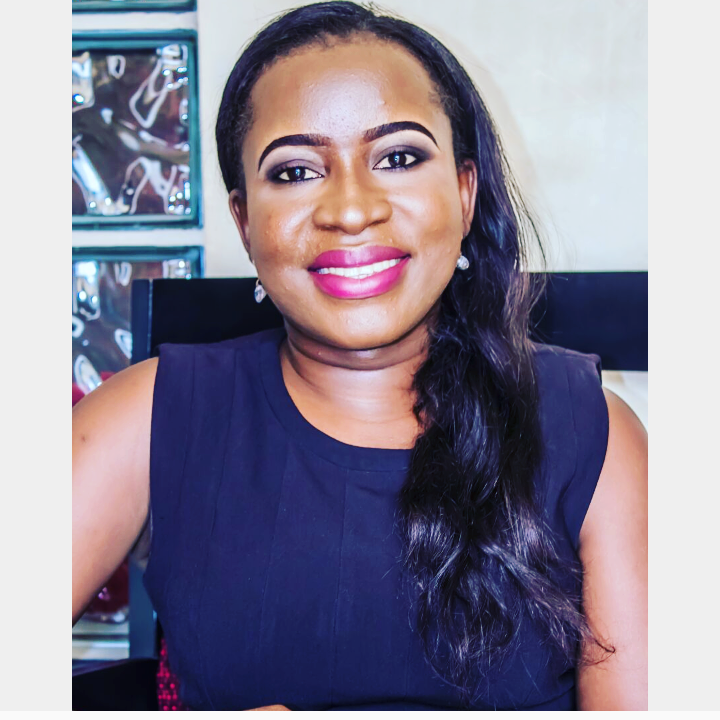
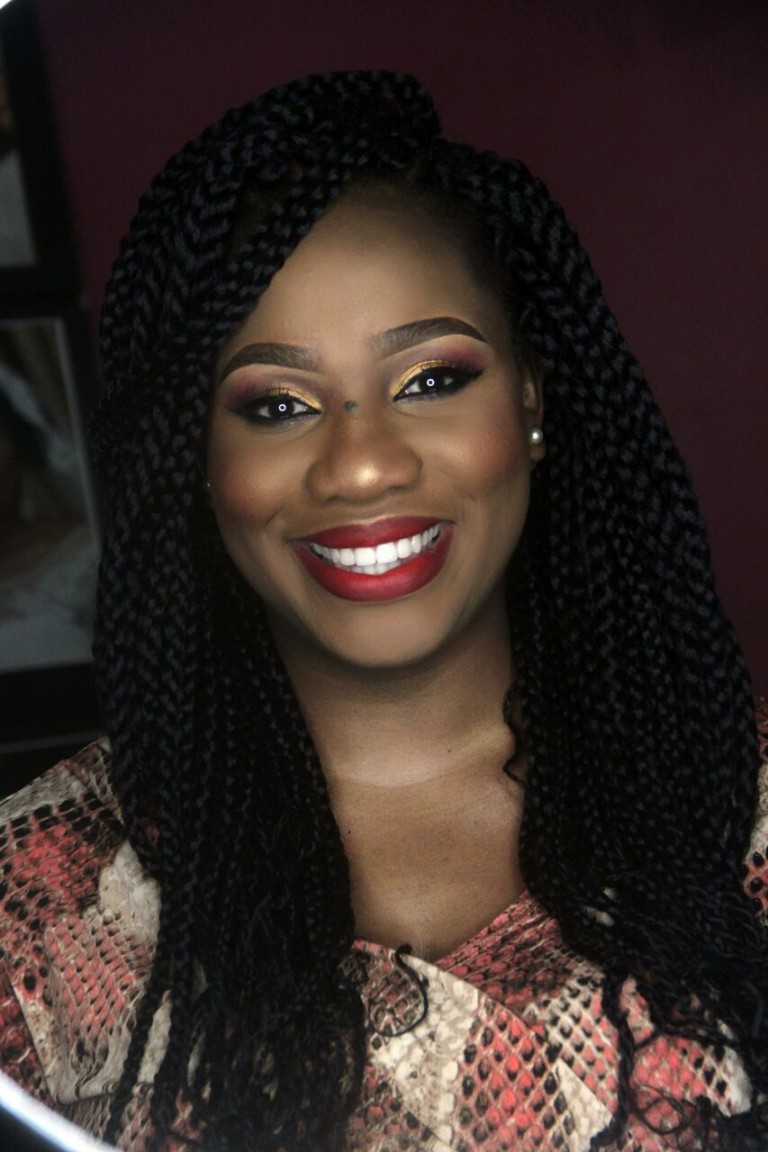
Chika Ilang is a Mass Communication graduate from Caritas University, Enugu. She’s the founder of Chika Ilang International, a personal development company, which she launched in 2016, with key focus on helping women gain the clarity to build the life and career they truly love.

She believes everyone has equal opportunity to achieve greatness if you show up for yourself, It’s her earnest desire to teach more women how to live a happier, wealthier and fulfilled life. She shares her inspiring journey and some success nuggets in this interview.

Wanting to start a smoke fish business as a child

Not exactly because I was a very carefree child with no worries whatsoever. I wasn’t the very coordinated child who led other children to live right.

I was rather the love child, who got almost all her little request to the best she knew, so there was really nothing pushing me to focus better as a child.

But on the other hand, I was enterprising at heart as a child. I wanted to earn my own money at a very young age. I remember a time my cousin and I saved up our small allowances to start a smoked fish business. You can tell my parents didn’t allow this idea see the light of the day, else, maybe, just maybe, I would have blown in that area. But why smoked fish though? I truly don’t know *laugh*


The “Evolving” Woman

I’m Chika, I’m the last of my parents 6 children, I’m married to my amazing pillar of support, I’m an ambivert, I’m a dreamer and an achiever,I love colours, music, food, positive people, the good but simple life, and all things in between.

I’m an evolving woman, always open to opportunities that would help me become the best of my version.

Chika Ilang International

In 2014, while in my paid employement, I started my side hustle with fruit art and display, sale of gift items and smart kitchen tools; under the name Ore Services on instagram.

Prior to this, I had so many ideas but I didn’t know what or how exactly to launch any.

So I started this business when I desperately needed to do something with my life, beside my 9 to 5. I needed to occupy myself while I figured out what I truly wanted to do with my life. The beginning was intriguing, as it was my first time making money from any business. I made mistakes here and there and always came back stronger with the lessons.

Few months on, I lost interest in my business. I was still very much hungry for more growth. The business just didn’t fit perfectly into the picture I had in my head. So I closed down the business to seek what would give me the answers I sought for.

This self discovery and harnessing stage  led to the birth of Chika Ilang International, a personal development company dedicated to help other women who want to live out their passion, who are  in a job they do not like, who are desirous of life above average, but are confused on how to launch out.

They like I was, don’t know the exact WHAT and HOW to achieve their desired

result. Chika Ilang International is focused at helping them define what exactly they want, help them create a map that will guide them to achieving this and actually hold their hands on their journey to success and fulfilment.


Inspires by Success

I am inspired by every person who dares to show up for themselves and get things done.

I’m inspired by the woman who against all odds, chose to raise her standard and chase her greatness. I’m inspired by the fearless woman who believes so much in herself and her vision.

Success of one is my biggest inspiration. It reminds me that if one person can do it, I too can do mine.

Reward

My greatest reward is always the opportunity to do more when I deliver on value promised.

Challenges

When I started out, I had struggle distinguishing myself. You know when you start a new path with little or no experience, with no result to show for your amazing idea and expertise, you could easily be mistaken for a sham. Until I started achieving results, I had to deal with this.


Projects and activities

Presently, I work with clients on different stages, depending on each person’s level on their journey. I also get involved with voluntary work where I can contribute optimally.

Giving Up

Oh yessssss, I have felt like giving up on few occasions when my business was still taking shape. I had done all I thought there was to be done, yet I wasn’t getting the result I wanted.

But somehow, I was able to persevere on the last tiny hope, and today, I’m glad I did.

Being a Woman of Rubies

I believe success is sweeter when we all win. Whenever I’m in the position to lift another woman, I feel a great joy within me.


Final word

Hey Queen, give yourself the permission to succeed. Be inspired by all the amazing women who have gone ahead to live their personal legend. Like I always say, SUCCESS OF ONE, IS AN EVIDENCE THAT IT IS POSSIBLE, BE INSPIRED NOT ENVIOUS!

Live, love, laugh, support, dream, and become!

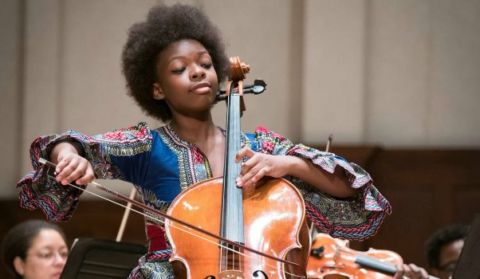
This impressive nine-year-old, Misimi Isimi, is one of Nigeria’s youngest environmentalists and gender equality advocates. Her passions include teaching other children about the importance of gender equality, personal hygiene and protecting our environment.

Misimi is currently the president of Eco-kids green club – a club designed to inspire children to become lifelong environmental stewards.

Not even 10 years old yet, Misimi has already led awareness programmes on World Environment Day and Earth Day about environmental protection. She’s also led sensitization programmes in primary schools: educating other kids on the importance of healthy-living habits.

Her biggest vision is to partner with organizations that’ll help her achieve her aim of promoting Global Goals 4 and 5 (gender equality and quality education) for all kids – especially underprivileged kids.

On the International Day of the Girl Child, Misimi celebrated the strength and resilience of girls, using martial arts as her campaign to stop the violence and discrimination girls face on a daily basis.

As if that wasn’t amazing enough, she was then recently honoured as the first child environmentalist in Nigeria at the Africa Clean-up Awards thanks to her tireless efforts.

Not showing any signs of slowing down, Misimi is now working on her very own environmental documentary and a magazine called Ade and the Wheelie Bin.

In a sea of all the impressive Nigerian short films we’ve been getting this past year, we may have just gotten the best one yet: Ifeoma Chukwuogo‘s incredibly moving Bariga Sugar which first premiered at the Africa International Film Festival (AFRIFF) last year.

(Photo: Fizzy K Pictures)

(Photo: Fizzy K Pictures)

Directed, co-produced and co-written by Ifeoma (and Ikenna Edmund Okah), the 21-minute short film is set in the 90s and follows Ese (Halimat Olarewaju), an 8-year-old who lives in Bariga Sugar – a brothel in Lagos – with her mother, Tina, one of Bariga Sugar’s working women.

Often lonely with dreams of one day ruling the brothel, she forms an unlikely friendship with Jamil (Tunde Azeez), a new child in the brothel.

screen-shot-2017-02-23-at-17-29-37

(Photo: Fizzy K Pictures)

While speaking with Konbini about what inspired her film, Ifeoma said:

“I was inspired by Ikenna’s premise – and the Oscar-winning documentary, Born In Brothels, inspired us to write the screenplay the way we did.

Ikenna wanted to tell a story about true and pure friendship in (or against) a bleak situation.”

When you actually take the film apart, it’s kind of a miracle that Bariga Sugar works at all. It’s a period piece led by child actors – but Ifeoma shows what a skilled director is capable of: bringing so many moving parts together flawlessly.

What’s even more impressive, is that this is only Ifeoma’s first short film out of film school – and she already shows so much promise, we are already impatiently waiting to see what she does next.

Source: Konbini

A report from UNESCO estimates that one in ten girls in Sub-Saharan Africa misses school during her menstrual cycle due her inability to access affordable sanitary products, and conversations about periods are almost an abominable topic of discussion in Nigeria. To complicate that further, because our country is in a recession, the prices of everything, including sanitary products, has doubled.

It was one such discussion that inspired Oghenekaro (Karo) Omu, a social media & brand specialist, to start the Sanitary Aid for Nigerian Girls initiative.

(Photo: S.A.N.G.)

(Photo: S.A.N.G)

On the 15th of January 2017, Karo learned that the prices of sanitary products had increased by more than 100% and she immediately thought of how it would impact the underprivileged girls who had barely been able to get access to these products. And she decided to do something about it. She sent out a tweet

As with most initiatives, once she started, she realized that it was a bigger problem than she’d imagined. So she put together a team of 6: Gabriella Scott, Cynthia Ndeche, Tolani Thomas, Alexa Chukwumah, Ifeyinwa Mbanugo and Olamide Odukoya; with a group of other eager volunteers. The initiative raised over N800,000 within a week, from crowd-sourcing on Twitter alone.

(Photo: S.A.N.G)

(Photo: S.A.N.G)

Karo and her team have so far raised N1.3 million and distributed sanitary pads to over 1,500 women and girls across 3 schools and an IDP camp in Jos.

This coming week, the initiative has plans to give sanitary products to at least 1,000 women and girls in Borno. And at the end of the second quarter of the year, the Sanitary Aid for Nigerian Girls initiative intends to reach up to 15,000 girls in Lagos, Ogun, Abuja, Plateau and Borno.

Speaking to Konbini about her future plans for the initiative, Karo says:

“In the future, we intend to make sanitary education part of communities especially low income ones that don’t have the exposure. Our goal is to reach up to a million girls with both sanitary hygiene education & free pads.”

“We’ve approached brands to partner with us and some of them like Microsoft have been very interested in coming on board.

(Photo: S.A.N.G)

(Photo: S.A.N.G)

This isn’t Karo’s first humanitarian effort, she’s been very involved in providing aid and food to IDP camps across Nigeria. On her experience on this journey, Karo says:

“I’ve always wanted to do things for other people. Every project is different. I used to want to have everything in place before starting but this project was different.”

“I was determined to do it with or without help. Imagine my surprise when everyone that heard about the project saw the relevance.

“Every girl we reach is a big deal because their stories are different. We get asked all sorts of questions. For some girls it’s their first time owning a pack of pads.”

The initiative holds Sanitary drives every month for willing Nigerians to come and donate sanitary products and/or money; and sign up to volunteer to work with the initiative.

Subsequently, Karo hopes to have joint projects with willing participants to reshape education for the children from lower income homes, and be more involved in social advocacy projects that help improve the lives of the most vulnerable people – children, women and the aged – in our society, in Nigeria.

The initiative can be reached by email or via Twitter and Instagram.

(Photo: S.A.N.G)

(Photo: S.A.N.G)

(Photo: S.A.N.G)
Source: Konbini

Model Olajumoke Orisaguna has said that her childhood ambition  was to get married early so as to help her mother

She made this known Tofarati Ige, saying acting is one of her talents.

See excerpts:

What are your childhood experiences?

I remember mostly the birthdays and the Christmas periods. My mother made an effort to make them memorable for the family in her own way with the little that she had. It was fun growing up with my family even though we struggled as well. I also remember there were times we had to go hungry. However, I thank God for where I am now.

What were your childhood ambitions?

Growing up as a child, I wanted to get married early so that I could help my mother. I also fancied being an actress even though it seemed way out of my reach. Several times, I would imagine myself on TV screens.

On the morning of the day you photobombed Tinie Tempah’s photo shoot, what were your original plans for that day?

My plan, as usual for the day, was to go out and sell all my bread and probably restock to sell some more.

Can you take us through what actually happened from the moment you walked into the photo session to the point where the picture became popular?

I was going about my business selling bread when I walked past the photo shoot and went my way; I didn’t regard it as anything extraordinary. Days later, as I was hawking on the street, I heard someone call out omo oni buredi (bread seller). I turned around quickly, hoping it was a customer who wanted to buy bread. The man who called me then told me that a woman had been looking for me and he directed me to TY Bello’s office. As I approached the office, millions of thoughts rushed through my mind because I wasn’t sure why a woman I didn’t know could be looking for me. A part of me was scared and another part of me hoped she would buy all my bread. I got to her office and she was so excited to see me. She told me she had been searching for me even as she gave me food and told me to feel at home. She spoke with me in my mother tongue and that put me at ease. She asked if I didn’t mind if she took pictures of me. I didn’t know why she wanted a picture of me but I told her she could. She then said I should discuss with my husband that she would like to help me build a career as a model. My husband was sceptical at first as he was concerned about my safety but he later gave his consent. She had my shoot for ThisDay Style magazine and that was how the journey began.

What talents and skills do you have?

I’m very good at acting and modelling is now part of me as well.

If you are to establish a company, what kind of business will you like to invest in?

Truthfully, I think I’ll go into confectioneries.

24-year-old lawyer turned photographer, Lubee Abubakar, is definitely a talent to watch. After graduating in 2015, Lubee worked as a lawyer, a photographer and an art director before deciding to focus solely on photography and art direction.

Now working mostly with portraiture and fashion photography, Lubee’s visual style is striking and inimitable – rightfully landing her work on the likes of Vogue Italia and The FADER.


https://www.instagram.com/p/BO7qk9jFtcS/

Speaking with Okay Africa about leaving law to become a full-time photographer, Lubee continued:

“I decided to fully immerse myself into growing as a photographer and art director because I have a genuine, raw passion for visuals.

That kind of passion is rare and I reckon it’ll be a disservice to myself if I don’t utilize it.”

Lubee’s passion is definitely paying off since she now shoots lookbooks for major fashion brands like Orange Culture and recently won the 2016 award for fashion photography at the Nigerian Fashion and Style Awards.

You can check out her work on her Instagram and her website.


https://www.instagram.com/p/BN7WqyVhEhR/


https://www.instagram.com/p/BPNmz-yliuy/


https://www.instagram.com/p/BMhd0NmBVIZ/


Source: Konbini

Sexuality is a rarely discussed topic in Nigeria. When it is discussed, it is in hushed tones or cloaked in shame and guilt, especially among young people. Making matters worse, many health-care practitioners bring their biases onboard when dealing with clients, which has led people to make poor choices with lifelong effects. Florida Uzoaru, a public health and policy graduate and the founder of MerDroits, is leveraging the power of the internet to address these issues.

MerDroits — an amalgamation of the French word merde, which means “sex” and droits, meaning “rights” — began officially in February 2016, when Uzoaru opened a Twitter account. Now, every Friday at 6 p.m., different hosts share their stories on sex and sexuality. Some write anonymously, while others reveal their identities.

Uzoaru hopes for a time when everyone can speak freely about sex. With the byline “Destigmatising all conversations about sex,” her Twitter account now has more than 1,000 followers and over 13,000 tweets. MerDroits sparks conversations on “taboo” subjects, such as anal sex, abortion, domestic violence, rape, child sexual abuse, sexual assault, consent, birth control, vaginal atrophy and more.

Through regular conversations on Twitter and Facebook, MerDroits creates safe, judgment-free spaces where young people can talk about their sexual and reproductive health. #MerDroits60 focuses on personal sex stories, and #WhatResearchSays debunks sexual myths with research. Uzoaru believes that technology is central to the key goal of disseminating information about sex rights, as it is affordable, accessible, and provides anonymity.

“Technology has made things easy, cheaper. Being online, you can reach far more people than you would have offline. What about safety? You are not thinking of the dangers associated with long-distance travel,” says Uzoaru.

She also points out that in a society with a weak medical infrastructure, access to sexual and reproductive health is a double burden.

“Many ‘traditional’ healthcare spaces are clogged with cultural bias that considers some subjects taboo, and this jeopardizes access to quality treatment,” she says, adding, “Breaking through the wall is hard because many Nigerians are still uncomfortable to talk about [their] sexual and reproductive health.”

Uzoaru is busy working on a strategy for MerDroits to have an impact offline as well. With three facets to the business — an online shop for contraceptives; access to qualified, unbiased sexual and reproductive health practitioners; and access to laboratories for tests — MerDroits hopes to improve the availability of quality sexual and reproductive health care without stigma.

Composed of six doctors and a pharmacist, the MerDroits online store has kicked off in Lagos, Abuja and Port Harcourt, and Uzoaru looks forward to further growth.

“In five years, I hope we can operate nationally. I hope we can have about 100 doctors, 100 pharmacists and many nurses. There are a lot of things they can do for us, particularly some contraceptives that medical personnel can insert for us,” she says. “Many say that they had always wanted to be part of a group like this. People are also now confident to ask almost any question without that fear of reproach.”

Beyond the internet, Uzoaru looks forward to eventually running a sex clinic where all of these needs can be met.

Source: http://www.radianthealthmag.com


Blessing Timidi Digha is the Executive Director and also works as the Community Mobilization and Advocacy Officer at African Girl Child Development and Support Initiative, a non-governmental, not for profit organization that advocates and works towards the advancement and development of the Nigerian Girl Child through Advocacy, Research and Interventions.  Her Foray into activism began actively during her stint with pregnancy as a teenager where her eyes were opened to the plights girl children faced when it came to Sexuality Education, Teenage Pregnancy and Sexual Reproductive Health and Rights. Today, she has dedicated at least ten years of her life working on issues and interventions as it relates to the girl child particularly in the Nigerian and African context and with much bias to Sexual Reproductive Health and Rights, Feminism and Gender Equality. She shares her story in this inspiring interview.

Growing up

My childhood and teenage years prepared me a lot for what I do now, in fact I will say my experiences shaped me for all I do. My experiences growing up in my family, church, my personal experiences especially with sexual debut and experimentation as a teenager , getting pregnant as a teenager, seeking for love in the wrong places, quest for knowledge and a whole lot prepared and shaped me with mostly first hand experiences and witnessing the experiences of others.

30 and daring

My name is Blessing Timidi Digha, I clocked 30 on the 5th of March, I am a mother to three beautiful children (two girls and a boy) and I advocate on Sexual Reproductive Health and Rights (SRHR) especially as it affects young girls and women and also consult on advocacy and community Mobilization/engagement. I run African Girl Child Development and Support Initiative. I identify as a feminist because I believe and advocate for EQUAL opportunities politically, economically, socially, educationally etc for both Male’s and Females. I am an ambivert with my introvert side more domineering except of course while I am at work where I can be very chatty and in your face but I like my privacy and quiet a lot. I am a Women Deliver Young Leader, a ONE Champion, a #Choice4Life advocate which are a few of the platforms where I contribute towards the rights of girls and SRHR. I love colours and can paint, draw and do some calligraphy, I also play with simple graphic designs, I am a creative in my own right who has also learnt do different many things *thanks to my mom*. I have a strong support system in my Family and partner who supports all my work  when I have to be away and need someone to take care of my kids, someone to talk to at any time or advice me. I am a polyglot (I speak a couple of Nigerian languages and learning to speak some foreign ones at the moment). I cry a lot (whether I am happy, sad, depressed, confused, disappointed, tired, anything, crying is the outlet for me). I love travelling.


Going into Advocacy

I started advocacy when I got pregnant as a teenager. My eyes got opened to the issues that girls face  as a result of lack of inadequate sexuality education which leads /can lead to teenage pregnancy among other things. So I started with Sexuality education which was strictly abstinence based. Along the line while developing myself and interacting with young girls, I realised no one is thinking of the young girls that have already debuted sex and how they will wade off unintended pregnancies or unsafe abortions amongst others or just make informed choices.. Sexual Reproductive Health and Rights covers a whole of issues especially issues that we especially as Africans/Nigerians don’t like to talk about or don’t see as an issue such as Menstruation, Female Genital Mutilation, Family Planning, WASH (Water, Sanitation and Hygiene), Consent, Child /Early/Forced Marriage, Rape, Unsafe Abortions and a whole lot. I also work also with individuals and organisations on issues that surround the rights and SRHR of girls and women and policies.

What inspires me

Nature abhors vacuum and a lot of things and people fill the vacuum. A lot of things and people inspire me. I am inspired by positive events as they affect the lives of girls and women Eg policy changes, structures etc. I am inspired by people who are doing something worthwhile and impacting lives positively. I am inspired by children especially their tenacity and persistence. I am inspired by colours

Greatest reward

The greatest reward I have ever gotten for what I do is when I get feedback that what I have taught  helped girls and women  to make informed choices as it regards their SRHR.

Challenges

In the line of work I have faced and still face criticism from people, brick walls from girls and women whose rights especially their SRHR has been violated when I try to step in, opposition from men who feel they should have the final say in the health and life of women even when the acts are obviously endangering the girls and women involved, , opposition from many religious institutions and leaders who feel some of ‘these’ things should not be talked about by religious leaders or on religious platforms when we seek to include them in sensitization, challenges in  getting the police  to act swiftly while trying to educate them on existing laws or policies that cover the issues at hand which they tend to mostly see as domestic issues, challenges in interacting with cultures that refuse to see certain acts as issues that violate the rights and SRHR of girls and women and lastly insults from some family members from time to time who always still bring up my experience with teenage pregnancy to judge my work.

My projects

  1. A reusable pad sewing hub- teenagers, young mothers are taught how to make reusable pads from clothing materials which are still neat but are no longer used to allow for dignity in periods especially as the price of sanitary pads keep skyrocketing. This way every girl and woman can manage her menstruation hygienically. We also work on issues surrounding menstruation Eg the possibility of Menstrual Leave, engaging policy makers in issues of Menstruation (WASH, availability of menstrual management products etc)
  2. Girls Support Club under the umbrella of African Girl Child Development and Support Initiative where girls and recently we have had boys join us to learn and talk about issues that affect girls and boys while growing up and how they can avoid these issues. We run self defence classes against sexual assault, keep a toilet clean, One pack of pad One Girl, Counselling etc as activities under this club. Safe spaces!!!!! This is one project I really really love. As the name implies it is a safe space for women and girls fleeing any form of abuse and a need a space void of judgement and forced opinions to get themselves together or decide on what next to do. I have had to use a safe space myself for sometime to evaluate my options and the way forward. This was born out of the inadequate support people face in abuse especially women where they are expected to stay and pray it out, stay for the kids etc when even as little as small space would have gone a long way to rectifying a lot or saving the person’s life. Presently we use the spare room in my apartment but a place in a highly secured area is being set up for official safe spaces residence and a few friends have also offered their residences as support safe spaces. . Storytelling – recently trained by The Moth on Storytelling, I have began exploring Storytelling in Advocacy and how we can use stories to tell issues in advocacy and SRHR in a bid to reach stakeholders/gatekeepers, policy makers, organizations, individuals and the entire public.

I felt like giving up several times

A time? A time is too small to quantify when I have wanted to give up. I have felt like giving up MANY times, when my finances don’t add up, when all the things I hear on the field keep ringing in my head, when I feel I am not spending enough time with my kids, so many times I have thought of it but then the next day I am at it all over again, Infact most times in the midst of my thoughts, something will just come up and I am back to doing I love doing. I also get encouraged by people.

My view on feminism

Feminism in Nigeria has always been here since the days of our mothers who led and sought out equal opportunities in all areas. Women like Funmilayo Ransome-Kuti, Margaret Ekpo, Flora Nwapa, Queen Amina, Buchi Emecheta, were all feminists. Despite the misinterpretation and ignorance oof Feminism in Nigeria by many people and its portrayal as women being rebels and not wanting to cook or wanting to put the men under their feet by men and women alike, Feminism in Nigeria is here to stay and we will eventually get it right. Patriarchy and sadly religion has portrayed women as weaker vessels and Nigerians use religion to justify everything, good or bad but eventually we will get it right with adequate sensitization and education of concepts in demanding equal opportunities for females and males in all sectors.

Being a woman of rubies

My contribution to the society advocating for Sexual Reproductive Health and Rights of girls and women and talking about topics that won’t be discussed in my own little corner.

Final word

Women’s rights are human rights. Don’t let anyone tell you otherwise.


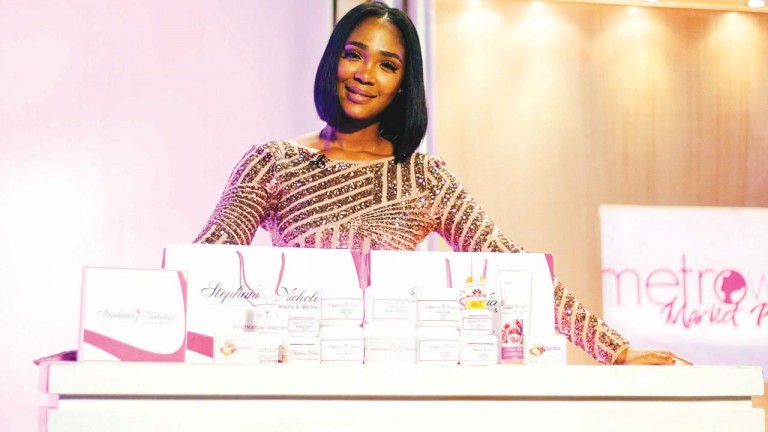
Idongesit Harrison Umoh is the owner and CEO of Idong Harrie Limited, a footwear and accessory manufacturing and retailing company based in Lagos that specializes in handmade shoes, slippers, sandals, wallets, handbags and all manner of small leather accessories. In this interview with TOBI AWODIPE, she reveals how she started out with pocket money, the challenges she faces in a male-dominated industry and how women are refusing to take advantage of business opportunities around them.

When did you decide to go into entrepreneurship and did you always think this is what you would do?
I would say I stumbled into this because growing up, I wanted to become a lawyer but I later changed my mind to become an economist. But then along the line, I found out that I could make shoes and turned out to be something I enjoyed doing. It started out as a hobby and I was just thrilled that I could create something with my own hands and I took it from there.

 Starting out?
I started this as a hobby in 2005, I was in my second year in the university then and I was sitting and thinking about my life. My eyes fell on a pair of slippers someone had given my mum, it was a beaded slippers and something in me, which I believe now to be the Holy Spirit, told me, ‘Idong you can create this slippers’. I took the slippers and checked how it was made then took it to Tejuosho market and to my surprise; all the materials were there. I immediately bought all the materials needed to make the upper part of the slippers and I took it home and started trying to re-create the original slippers. Amazingly, I got it and this gave me joy but there was a problem – I could create the upper part but not the bottom. As fate would have it, there was this cobbler that had a shop opposite my house and took the slippers to him asking if he could make the bottom part and he did. However the first day I wore the slippers, which also happened to be a rainy day, I hadn’t moved 10 steps from my house when the slippers cut and all the beads scattered. I had to walk with one slipper back home but from then on; I decided I was going to make my slippers myself, with special focus on the materials being used. I went back to ask him where he got his materials from and he said from Mushin market. When I got to the market, I stood out because bearing in mind that this was in 2005 and most women hadn’t really fully gotten into the footwear industry. However, I met a God-sent fellow shoe-maker who showed me some of his works, and which turned out to be things I wanted to make. Seeing my enthusiasm, he offered to train me on how to make the bottom part properly and on the use of leather. I under-studied him for a month and at the end, I became proficient and started selling footwear I made myself to my friends in school.

 Raising the needed capital?
Believe it or not, I started this business with N10, 000- pocket money given to me by my father that I had been saving. Out of this money, I used N7, 000 to buy a sewing machine (as at then, you could get a fairly-used Butterfly sewing machine for this amount) and the remaining N3, 000, I spent on materials. I won’t even call it a business then because I just knew I could make slippers for petty sales and didn’t take it too serious. After I finished my service year, I was opportuned to work with Nokia where they paid me N70, 000. I was blown away with this ‘big money’ and I grabbed the opportunity with both hands and pushed my shoe-making dreams to a corner. But I knew that I would always still go back to making footwear, which I eventually did.

Business Moments
There have been so many moments, in fact, I still faced one yesterday. But top of the list has to be getting negative feedbacks from customers. However, this happened mostly when I was starting out compared to now that I am an expert (laughing). Another problem I have is with my workers.

Challenges
Getting people to recognize and believe in my brand. When I started, I was mainly making men’s products and a lot of men didn’t believe in what I was doing and asked why I woke up one morning and decided to make men’s shoes. This was long before this ‘Buy Nigeria To Grow The Naira’, so it was like me introducing something new to them and trying to convince them to buy my products. Another great challenge is getting adequate raw materials. For example, I might make a pair of shoes with a particular shade of blue and it is on my website, but by the time a customer wants to order for it and I go to the market, I wouldn’t see that shade again and then I have to start apologizing and explaining to the customer, which doesn’t look too good.

Highpoints
One day I went for a meeting and I saw three people wearing my products in the room. The fact that people still order and buy my products daily, this means they believe in what I’m doing, in the brand. When customers refer others to me, it gives me immense joy. I have customers that have been buying from me steadily since 2013 and they’re still buying till now.

Achieving goals?
Well, if it is my set out goal in the last one year, I would say yes but I have long-term goals, which are yet to materialize but I would say I have achieved my short-term goals.

Women and Entrepreneeurship
I would say yes and no. Yes, because a lot of women are now business owners. I mean, look at make up artists, they’re now beating fashion designers clearly. No, because when it comes to business competitions, seminars, putting themselves out there and applying for proper help and loans to boost their businesses, men have this cornered hands down. Despite the myriad opportunities out there, women aren’t taking advantage at all. They come crying to me about their businesses and when I direct them to places that can help, they would refuse. I was a Tony Elumelu Foundation recipient and the percentage of women to men was about 21:79, not even up to a quarter and this is how it is for every single business opportunity.

Why do you think this is so?
I would say laziness and many of them don’t believe in themselves. Judges ask some women questions about their businesses, which should be at the tip of their fingers, and to answer becomes a problem. Basic questions like ‘who are your competitors, what is your unique selling point?’ most of them claim they don’t have time to answer these questions. Some of them refuse to participate in pitching competitions, claiming they are shy but they don’t know nobody can know your business better than you, the owner.

Government support for SMES
Yes and No. Yes, they are beginning to make small efforts. Look at what Lagos State is doing, creating schemes where small businesses can apply for grants, loans and trainings in their different industries. Lagos is offering small businesses loans at an extremely low interest rate. This is a major opportunity small businesses can benefit from. No also because they have refused to provide basic infrastructure that can help us grow such as electricity, water, and the likes.

Coping with Recession
For me, it’s been a mixture of bad and good. Bad, because most of our raw materials are imported. I went to Kano in January to see about buying leather in large quantities and though I partnered with a few sellers, I can tell you the difference in price between the local and imported is very marginal. Personally, I would rather buy the imported ones because it offers varieties and proximity. It has been good because it has enabled a lot of people look inwards, buying locally made shoes instead of importing because of the forex difference. It has really boosted sales for us, I must confess.

What keeps you going?
Customers that patronize me daily, no day passes that I don’t have several orders. My staff also: they’re dependent on me for their daily bread and they have families that are dependent on them as well. This makes me jump out of bed every morning. Also, I’m building something that is made in Nigeria and we are putting Nigeria on the global map.

Advice  to budding Entrepreneurs
Perseverance and persistency. Consistency is important. Entrepreneurship is not all sunshine and roses: you may be depressed, be left with nothing in your account and you would want to quit severally. Every entrepreneur goes through these phases, just keep improving and staying true to yourself. However, just start; there is no better time than the present. Your morning is when you wake up and it’s never too late to start working on your dream.

Source: Guardian

Esther Ijewere is an enterprising social activist, youth advocate, Columnist, author, mother of two and the Executive Director of Rubies Ink Initiative- a social enterprise outfit devoted to youth advocacy, public relations and social enterprise solutions among others. An Olabisi Onabanjo University-trained Sociologist, as a social advocate, she is the brain behind W.A.R- Walk Against Rape, an advocacy initiative created to lend a voice for the victims of rape and demand justice for the perpetrator’s, an initiative endorsed by the Lagos State Ministry Of Women Affairs and Poverty Alleviation. She is also a columnist with The Guardian newspaper with her page Women of Rubies, a platform used to celebrate exceptional women with inspiring stories. The page is a sequel to her award-winning blog www.womenofrubies.com, which is fast becoming the one stop blog for the everyday woman. In this interview with NIKE SOTADE, she talks about the strides she has made in her passion to fight against rape in the society

Tell us about yourself, education, growing up etc.
I am Esther Ijewere, the Founder of Rubies Ink Initiative for Women and Children, Convener of the Walk Against Rape Campaign and also, Editor-In-Chief of Women of Rubies, a blog aimed at celebrating exceptional women with inspiring stories. I sit on the board of The African Development Imperative (TADI) and also, a fellow with Hillary Clinton’s founded Vital Voices Global Leadership. I have been into advocacy and development work since 2010. I am the recipient of many awards – notable among them are the ‘Wise Woman in Media Award’ I received last year and my recent recognition as one of the ‘100 Most Inspiring Women in Nigeria’ by Leading Ladies Africa. I had my Primary and Secondary education in Lagos and graduated from the Olabisi Onabanjo University with a BSc in Sociology and Diploma in Marketing. I am also a certified ‘On Air Personality’ but that’s one of the many caps I am yet to explore. I believe in learning and acquiring knowledge as much as one can in any field of interest – if you can think it, then you can do it.

Any experiences in life that propelled you into sexual violence or anti-rape advocacy? You’re a mother of two girls, are they your inspiration too?
At the time I started the anti-rape campaign, I realised a lot of people were scared of reporting cases of rape out of fear of being stigmatised and judged. The number of reported cases was very low. This propelled me to start the sensitization awareness and lend my voice while complementing the work of the Government in curbing rape and other forms of sexual violence. Being a mother of two girls also deepened my passion for the cause, as I can’t imagine any of them having to go through such ordeal in life.

You’ve been working with government agencies in what capacity? Do you think Lagos State government is doing enough in its anti-rape campaign?
I have been working with the Lagos State Government through its Ministry of Women Affairs and Poverty Alleviation since 2010; we partner with them annually to organise our Walk Against Rape Campaign and also refer cases of rape and domestic abuse to them, while we follow it up to a justifiable end. As such, I’d emphatically say that Lagos State is the only State that has shown the most concern on issues that affect women, particularly rape. The Governor, for example, has a zero tolerance policy for all forms of violence against women, and he works hand in hand with the necessary government agencies to make sure offenders are prosecuted. The Lagos State Government is doing enough at the moment; I just hope they can create more Help Centres in every local council across the State to help victims get help faster. This is one thing I have been advocating for since 2010.

Have they prosecuted any offenders? Kindly give figures if you have them.
In 2016, 4, 035 cases ranging from rape, child abuse, sexual assault, sexual abuse to defilement, were handled by the Lagos State Ministry of Justice; this, being a cumulative figure alongside the previous year. The number of unreported cases is obviously higher than that as 140 offenders were prosecuted last year. I believe the figure will increase as time goes by.

What kind of advocacy do you take to the schools?
Sensitisation and Awareness through our College Acquaintance Rape Education workshop (C.A.R.E) where we educate these young kids on how to identify an abuse and the need to report such cases to the necessary authority. I also wrote an information Handbook on Rape called “Breaking the Silence.” We use it as a toolkit to sensitize them – a book that contains all the necessary information they need; from help lines to help centres across Lagos. The feedbacks from the kids in the last few years have been great; we have more kids reporting such cases in confidentiality now.

Who are the potential or likely rapists?
Undisciplined men, who do not have self-control, are potential rapist.

Kindly share with us some of the tips you’ve offered school children on defending themselves against predators.
I have a personal code I teach them with called L.I.E.S: L stands for ‘Learn to say NO’, I – ‘Identify the situation’, E – ‘Expose the perpetrator’, S – ‘Say it as it is without conceding information’. I encourage them to write this in their exercise books or we give them stick on papers they can paste on their wardrobes.

More rape cases are being reported in the news nowadays. What do you think could be responsible?
It’s still indiscipline and lack of self control. There is no justification for rape or any form of sexual abuse. Some have argued that the economy is one of the reasons but I beg to differ: how will raping or defiling a child change your financial status? It’s also good we have more reported cases lately – this goes to show we have not been lending our voice in vain.

Do you counsel rape victims, too? What advice do you have for them to move on with their lives?
Yes, I do. First, I take them through a healing process; the biggest stage of healing is ‘breaking your silence’ and I also encourage them not to ever blame themselves for getting raped or dwell on it.

You’re also a blogger and columnist with the popular Women of Rubies interviews. How do you go out of your way to get these exceptional women?
Blogging, through the Women of Rubies Platform, has been very interesting. It avails me the opportunity to be more inspired and challenges me to even do more. We often have people nominate women they feel are worthy of being celebrated; we get nominations weekly for a ‘deserving woman’ whose story deserves to be brought to the front-burner.

What’s relaxation for you?
Sadly, I hardly relax but lately, I’m beginning to learn how to have some time for myself. I go out to see an interesting movie or just stay indoors and watch one – zero-attention to social media; just that alone-movie time to relax the head.

Who are your role models?
My mum, because she had every reason under the sun not to bring me to the world, but against all odds she did and made sure I become the woman I am today. Another person is Kate Henshaw. She is one of the very first people who believed in me, she made sure I got more tutelage from more experienced women in my line of work and she also became a mentor in the process. Aunty Kate as I fondly call her is one of my biggest support systems in the industry. Her selflessness and humility inspire me a lot. I also admire Remi Shonaiya, the presidential candidate for KOWA Party for daring to be different and standing up tall, for showing that a woman can contest and one day sit at the highest level of authority in this country. I am inspired by her courage and the way she has positioned herself even after losing the election. I also admire Ini onuk and Betty Irabor. On the International scene it’s Oprah Winfrey and Hillary Clinton.

You’re the daughter of a renowned accountant in the country, why didn’t you follow daddy’s career? What life’s lessons have you learned from your dad?
For me, this is what God wants me to do; this is the path He wants me to toe – I am living my own purpose. My dad’s purpose is in accounting and other fields he has excelled in; he respects my vision and is very supportive of my aspirations in life. One life lesson he taught me is to always stay and think positive, no matter what life throws at me.

What’s your philosophy of life?
I am not scared of lifting other women up; I am not afraid to help other women and see them succeed. My thing is: “as long as I wear the crown, no one can take my throne”. You can’t boldly say you have succeeded in life till you help someone who can never pay you back.

Advice for young women out there
Women, stand up! Go out there and be all you want to be. Be strong and bold, do all you can to have a voice and an identity. Let your name be the solution to a problem you solve.

Interview originally published by Guardian