Category

Inspiration

Category

Introduction

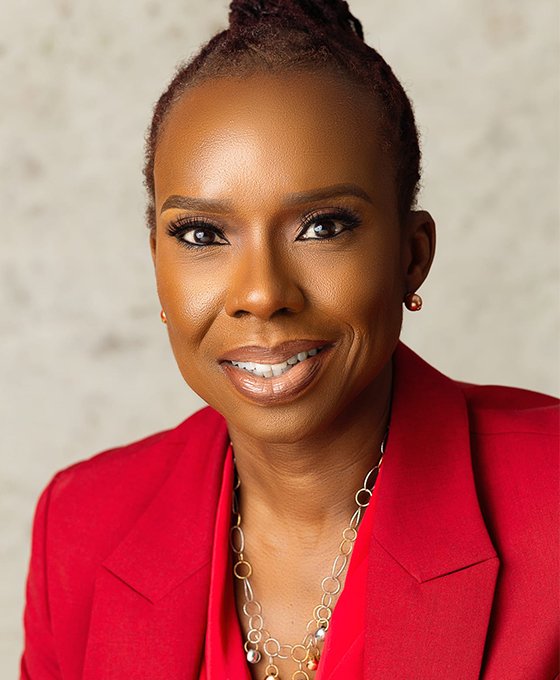
Women in finance are a force to be reckoned with, breaking through barriers and shattering glass ceilings in an industry long dominated by men. One such woman is Tokunboh Ishmael, a trailblazer in finance with a career spanning over two decades.

Ishmael has made a name for herself in private equity, investment banking, and economic development and is recognized as one of the most influential women in Africa’s financial sector. In this article, we will look closer at Ishmael’s impressive career journey, highlighting her accomplishments, challenges, and insights that can inspire and empower women in finance and beyond.

Early Life and Education

Tokunboh Ishmael was born in Lagos, Nigeria, in 1968. She attended the prestigious Queen’s College, Lagos, for her secondary education and later studied economics at the London School of Economics (LSE). After completing her undergraduate degree, Ishmael earned a Master of Business Administration (MBA) from Harvard Business School in 1994. Her education at these highly regarded institutions gave her a strong foundation for her future career in finance and investment.

First steps In finance: Internships and entry-level positions

After completing her education, Tokunboh Ishmael took her first steps into finance through internships and entry-level positions. She began her career as an investment banker at Salomon Brothers in New York and later worked as a consultant at McKinsey & Company in London.

Milestones

The rise to prominence of Tokunboh Ishmael in the finance industry has been nothing short of remarkable. With a career spanning several decades, Ishmael has amassed an impressive list of achievements and milestones that have cemented her reputation as a leading figure in finance.

One of her key achievements was leading the team that advised on selling a Nigerian oil block for $1.3 billion, one of the most significant transactions in Africa at the time. Additionally, she co-founded Alitheia Identity, a private equity fund focused on investing in women-owned or led businesses in Africa.

Through her innovative ideas and dedication, Ishmael has become a prominent figure in the finance industry and a role model for aspiring women in business. From her early beginnings as an intern and entry-level employee to her current position as a highly respected venture capitalist, Ishmael’s journey has been marked by hard work, determination, and a passion for excellence.

Challenges

Tokunboh Ishmael faced several challenges as a woman in finance, particularly in a field that has historically been male-dominated. Women in finance have often faced biases and discrimination in the workplace, including unequal pay and limited opportunities for advancement.

Additionally, they often lack support and mentorship, making breaking through the industry’s proverbial “glass ceiling” difficult. Despite these challenges, Tokunboh Ishmael persevered and blazed a trail for other women in finance, using her experiences to inspire and empower others.

Here are some challenges that women in finance may face:

  • Gender bias and discrimination in the Workplace
  • Lack of female role models and mentors
  • Difficulty balancing work and family responsibilities
  • Unequal pay and opportunities for career advancement compared to male colleagues
  • Stereotypes and assumptions about women’s abilities in finance
  • Fewer networking opportunities compared to male colleagues
  • Lack of diversity in leadership positions within the finance industry
  • Pressure to conform to male-dominated workplace culture.

Philanthropic Ventures: Giving back to the community

Tokunboh Ishmael knows the importance of philanthropy to impact society positively, and she is an excellent example. Through various philanthropic endeavors, she has given back to the community. Her work in this area is a testament to her dedication to improving the world.

Furthermore, throughout her career, Tokunboh Ishmael has been involved in various philanthropic ventures, including supporting education, health, and entrepreneurship initiatives. Ishmael has also been active in promoting gender equality and empowering women in finance through mentorship programs and speaking engagements. Her commitment to making a positive impact on society serves as an inspiration to many.

Future goals and plans and career development

As a highly accomplished professional in the finance industry, Tokunboh Ishmael continues to strive for excellence and has set her sights on future career goals. She has expressed her desire to increase women’s financial representation and mentor the next generation of leaders. Tokunboh has also mentioned her interest in pursuing more board roles and investing in technology-driven businesses.

In addition to her career aspirations, Tokunboh is passionate about positively impacting the world. She plans to continue her philanthropic ventures and use her platform to empower women and youth through education and entrepreneurship.

With her drive, experience, and dedication, there is no doubt that Tokunboh Ishmael will continue to make significant contributions to the finance industry and beyond.

Advice for aspiring women in finance 

As a successful woman in finance, Tokunboh Ishmael has gained valuable experience and insights throughout her career. She is a true trailblazer who has overcome challenges and achieved remarkable success in her field. Here are some lessons learned and advice from Tokunboh that can inspire and guide aspiring women in finance:

  1. Believe in Yourself: One of the most critical lessons Tokunboh has learned is to believe in yourself and your abilities. Self-confidence is essential to success in any career, but it is vital in finance, where women are still underrepresented.
  2. Persevere Through Challenges: Tokunboh has faced many challenges in her career, but she did not let them discourage her. Instead, she persevered and used each challenge as an opportunity to learn and grow.
  3. Find Mentors and Role Models: Mentors and role models are crucial for career development. They can provide valuable guidance, advice, and support, especially for women in finance who may face unique challenges.
  4. Be Open to New Opportunities: Tokunboh advises aspiring women in finance to be open to new opportunities and experiences. You never know where a unique opportunity may lead or what you may learn from it.
  5. Give Back to the Community: Tokunboh believes in the importance of giving back to the community, and she has been involved in various philanthropic ventures throughout her career. Aspiring women in finance can also find ways to use their skills and expertise to impact the world positively.

Tokunboh Ishmael’s career journey is a shining example for women in finance. Her valuable lessons and advice can inspire and guide aspiring women to achieve success in this dynamic and rewarding field.

Tokunboh Ishmael’s Impact 

Tokunboh Ishmael’s Impact on the Finance Industry in Africa is a topic that highlights the contributions and achievements of Tokunboh Ishmael in shaping the finance industry on the African continent. From her early career in finance to her rise to prominence, Tokunboh has left an indelible mark on the industry through her dedication to creating investment opportunities and supporting entrepreneurship.

Her impact has been felt in various sectors, including private equity, venture capital, and impact investing. Tokunboh Ishmael played several roles in transforming the finance industry in Africa. She co-founded and served as the Managing Director of Alitheia Capital, a leading private equity fund focused on investing in high-growth businesses that empower women and their communities.

Additionally, she served on the boards of several financial institutions and organizations, including the Nigerian Sovereign Investment Authority and the African Venture Capital Association. Through her leadership and dedication, Ishmael has significantly impacted the finance industry in Africa.

Conclusion

In conclusion, Tokunboh Ishmael is an accomplished woman in finance who has significantly impacted Africa’s finance industry. From her early beginnings in finance to rising to prominence and giving back to the community through philanthropic ventures, she has faced and overcome numerous challenges.

Her advice and lessons learned offer valuable insight for aspiring women in finance, and her career continues to inspire and transform the industry. With her visionary leadership and impressive track record, Ishmael will remain a prominent figure in the finance world for years.

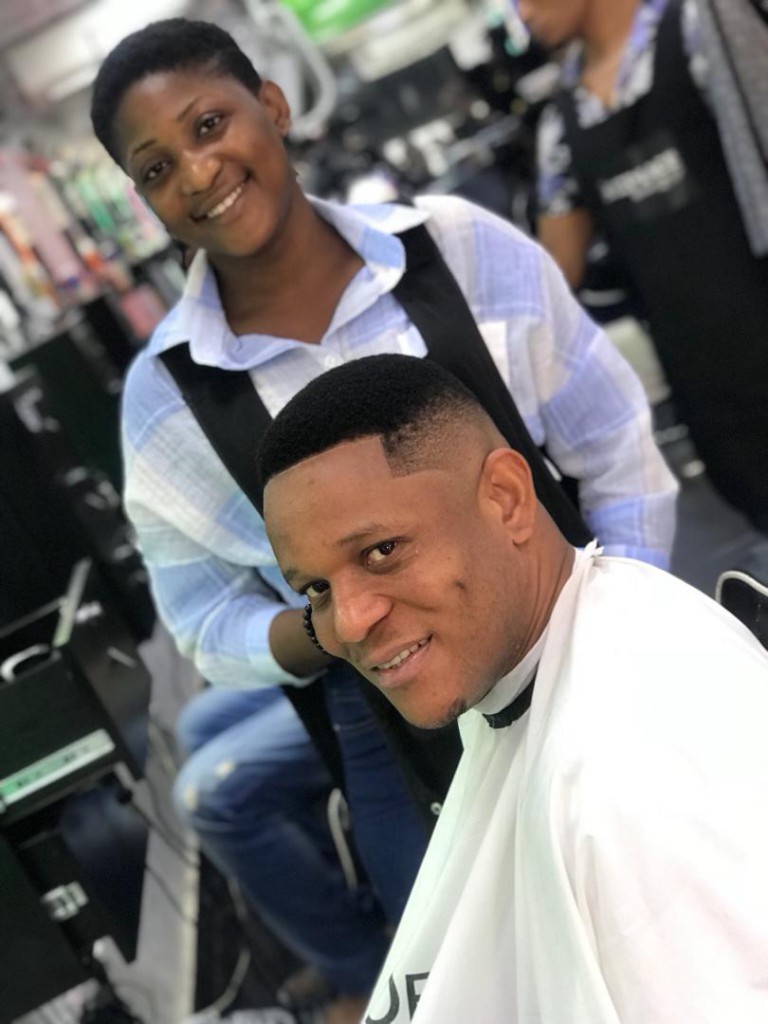
Gift David is rising from the ashes of adversity and inspiring others to do so through her story. Her dream is to be one of the most celebrated female barbers in Nigeria. The 24-year-old part-time mass communication student is on a journey to make her life better and prove that women can thrive and succeed in male-dominated fields. From balancing school with her job to having to convince male customers she is good at her job, Gift’s story is what determination is all about. The Akwa-Ibom state-born female barber shares her inspiring story with Esther Ijewere in this interview.

Growing up

Growing up was fun for me… It was always a full house with different kinds of drama every day, as a child acting would have been an option for me (trouble-making character lol). Never thought and wouldn’t have believed, if I was told, that I’ll be a barber.

Being  a Barber

I can’t say because it was not planned.. as at the time, I usually pass time in a barbershop, so I thought, it won’t be nice just sitting here without helping out. So I started helping out by washing a customer’s hair and applying aftershave. I started finding it interesting and wanted to do more, that was how it began.

Reception

The reception has been positive. I feel very proud of myself for not holding back and following my dream. I have been inspired through my work and talking to different people while I barb their hair. I will say the reception is 90 percent welcoming and encouraging.

Balancing school and work

Combining school and work is not easy, it can be extremely stressful and tiring but it’s worth it.. when I’m at work, it’s all about work but whenever it’s time for school and studying, it’s a very important time that I try to make sure every minute counts.. still pushing it.

Reward

 The satisfying expression I get from clients and these words “nice one” “good job” “thank you” and “am sorry for looking down on you, thinking you will spoil my hair”.. inspired me and keeps me going against all odds.

My Inspiration

Young ladies out there reaching out to me, saying they would love to be like me, they want to learn how to cut hair and be a barber is the greatest reward for me.. so I am now someone others want to emulate??? WOW!!! It’s truly a good feeling to be looked up to and admired for doing what you enjoy.

Projects

It will be my joy to empower and support young women like myself who are interested in learning barbing skills. I look forward to also speaking at events to encourage more women and let them know If I can do it, they can too.

The harsh reality of Being a female barber

The harsh reality is that, no matter how good you are, there are people who will not take you seriously because of your gender. I have had customers who won’t allow me to touch their hair because I’m a woman and have had others

On giving up

There hasn’t been a time I felt like giving up. Sometimes it gets to me when people feel I don’t have the qualification to be a barber but the next minute, I am up and good, making sure I prove them wrong.

Being a Woman of Rubies

I am a woman of Rubies because I am a lady who is thriving hard to succeed in a male-dominated profession and is doing very well at it. For your platform to even recognize me?? Am on the right track.

Advice to women who want to go into the “Barbing” business

It’s fun.. every business or profession has its ups and down, but if you can survive through the discouragement and gender discrimination, together we all will earn our place in this barbering profession.

INTRODUCTION TO DOROTHY B. GILLIAM

Dorothy B. Gilliam is a trailblazer in American journalism who has made significant contributions to the industry. Born in Memphis, Tennessee, in 1936, Gilliam grew up in a segregated society and faced many challenges as a young woman of color.

Despite the obstacles she faced, Gilliam pursued a career in journalism and became the first African American woman to work as a reporter at a major newspaper. Throughout her career, Gilliam has worked to increase diversity and inclusion in newsrooms and has mentored countless young journalists.

In this blog, we will explore the life and legacy of Dorothy B. Gilliam and examine the impact of her work on the industry and society as a whole.

EARLY LIFE AND CAREER OF DOROTHY B. GILLIAM

Dorothy B. Gilliam’s early life and career shaped her worldview and inspired her to pursue a career in journalism. Gilliam attended Lincoln University in Jefferson City, Missouri, where she studied journalism and became involved in the civil rights movement.

After graduating, she worked as a teacher in Nashville, Tennessee, and later as a public relations specialist in Washington, D.C. During this time, she became interested in journalism and began taking classes to improve her skills. In 1961, she was hired as a reporter at The Washington Post, starting a career spanning several decades.

CHALLENGES FACED BY WOMEN IN JOURNALISM

Throughout much of the 20th century, women faced significant barriers to entry into journalism. Many newspapers and magazines had strict gender roles, with women relegated to writing about “soft” topics such as fashion and cooking.

Women were often not taken seriously as journalists and were frequently subjected to harassment and discrimination in the workplace. Despite these obstacles, women like Dorothy B. Gilliam persevered and fought for equal opportunities in the industry.

Gilliam’s success as a journalist paved the way for future generations of women and people of color in the field.

DOROTHY B. GILLIAM’S CAREER AT THE WASHINGTON POST

Dorothy B. Gilliam’s career at The Washington Post spanned several decades and covered many important issues. She was a strong advocate for civil rights and education and worked to increase the representation of women and people of color in the media.

In 1972, she was promoted to assistant editor, making her the first African American woman to hold an editorial position at The Washington Post. Gilliam’s work at the newspaper helped to shape the national conversation on issues such as race, gender, and social justice, and her impact on the industry continues to be felt today.

IMPACT OF HER WORK ON WOMEN IN JOURNALISM

Dorothy B. Gilliam’s work at The Washington Post and her advocacy for diversity and inclusion in journalism have impacted the industry. Her commitment to telling the stories of marginalized communities and her dedication to increasing representation in newsrooms inspired many young journalists to follow in her footsteps.

Gilliam’s work helped break down industry barriers and create a more inclusive and diverse media landscape. Today, more women and people of color are working in journalism than ever, and the industry strives for greater diversity and representation.

AWARDS AND RECOGNITION RECEIVED 

Throughout her career, Dorothy B. Gilliam received numerous awards and honors for her work in journalism and advocacy. In 1983, she was awarded the Pulitzer Prize for Special Local Reporting for her coverage of school desegregation in Washington, D.C.

She has also received awards from the National Association of Black Journalists, the Women’s Media Center, and the International Women’s Media Foundation,

DOROTHY B. GILLIAM’S CONTRIBUTIONS TO DIVERSITY AND INCLUSION IN JOURNALISM

Dorothy B. Gilliam’s contributions to diversity and inclusion in journalism are far-reaching and enduring. She has been a vocal advocate for increasing newsroom representation and creating a more inclusive media landscape.

Gilliam has mentored countless young journalists and has worked to create opportunities for women and people of color in the industry. Her work has helped to diversify newsrooms and ensure that the stories of all communities are represented in the media.


BOOKS AUTHORED BY DOROTHY B. GILLIAM

In addition to her work as a journalist, Dorothy B. Gilliam has authored several books on race, gender, and journalism. Her first book, “Paul Robeson: All-American,” was published in 1976 and explored the life of the African American singer, actor, and civil rights activist.

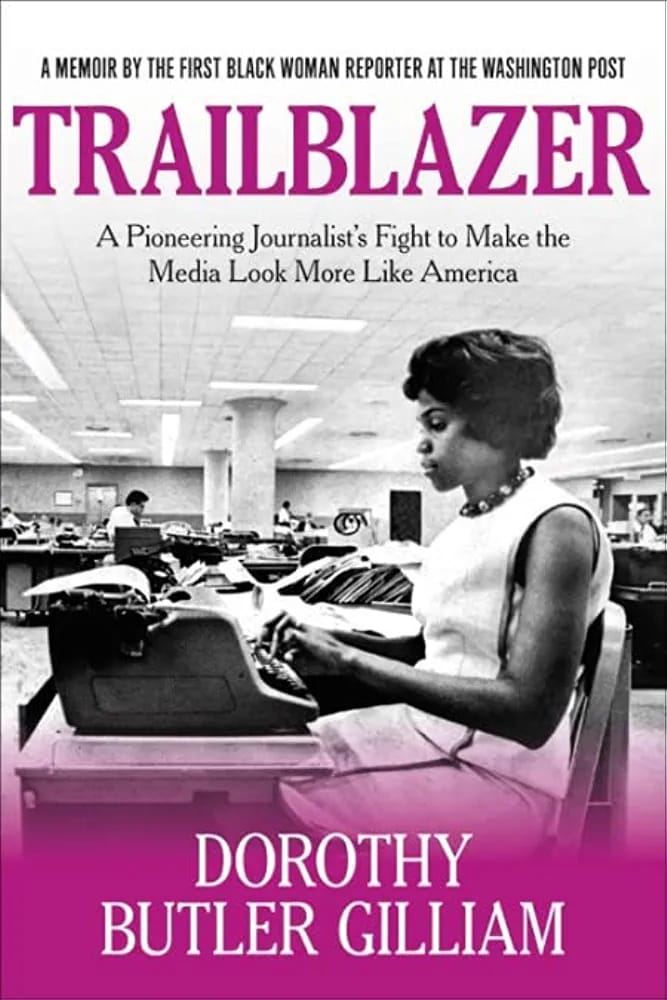
Her other books include “Skin Deep: Black Women and White Women Write About Race” (1996), which she co-edited with Julia P. Johnson, and “Trailblazer: A Pioneering Journalist’s Fight to Make the Media Look More Like America” (2019), which chronicles her own career and advocacy work.

Books Authored by Dorothy B. Gilliam


LEGACY OF DOROTHY B. GILLIAM

Dorothy B. Gilliam’s legacy in journalism and advocacy has been significant. Through journalism, she helped shape the national conversation on civil rights, education, and social justice issues. She also fought for greater diversity and inclusion in newsrooms, mentoring young journalists and advocating for more excellent representation of women and people of color.

Gilliam’s advocacy helped break down industry barriers and create a more inclusive and diverse media landscape. Today, her legacy inspires and guides journalists striving for more significant equity and representation in the industry.

CONCLUSION

In conclusion, Dorothy B. Gilliam’s contributions to journalism have been significant and far-reaching. As a trailblazer and advocate for greater diversity and inclusion, she helped break down industry barriers and create a more equitable media landscape.

Through her work as a journalist and author, she brought attention to important issues such as civil rights, education, and social justice. Her legacy continues to inspire and guide future generations of journalists who seek to make the media look more like America.

As we progress, we must remember and honor the trailblazers like Dorothy B. Gilliam, who paved the way for a more inclusive and diverse industry.


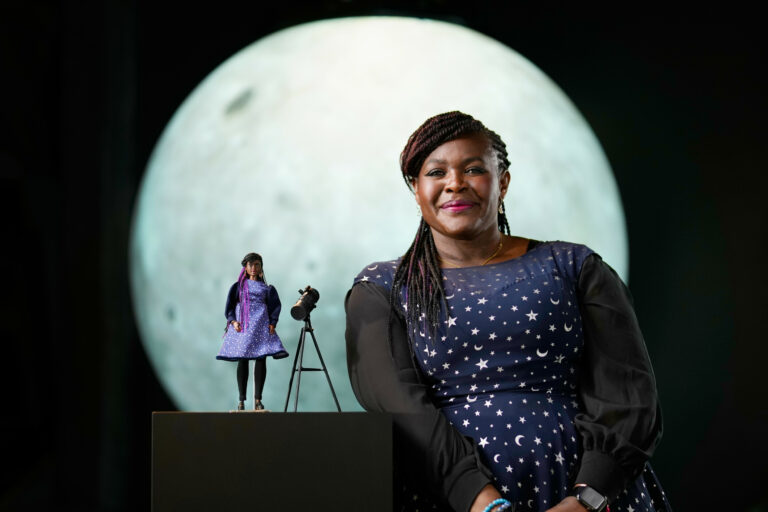
Meet Dr. Maggie Aderin-Pocock, a British scientist who is best known for her work with the James Webb Space Telescope, the largest space telescope ever made, now has a Barbie doll. Her other achievements include becoming the first Black woman to win gold at the Physics News Awards and being appointed as chancellor of the University of Leicester. These achievements were no easy task; growing up, Aderin-Pocock attended 13 different schools but often struggled because of her dyslexia.

The toy company Mattel has honored many of our Black queens and pioneers with dolls, with Aderin-Pocock’s being the newest addition. The doll marks a full circle moment for the space scientist who grew up playing with ones that didn’t look like her. Even today, she says she plays “Barbie” with her daughter and never thought she’d see the day where she’d be adding her very own doll to the play date.

Aderin-Pocock said in an interview with The Guardian, “Learning that Mattel is planning to immortalize you in Barbie form would be a “pinch me” moment for anyone. It feels especially surreal for me. When I was growing up, Barbie offered a narrow ideal of beauty: she was thin and blonde, with straight hair and blue eyes, and she didn’t look a bit like me. But times have changed. I’ve been lucky enough to receive a number of awards in my career, but I think having a Barbie role model made in my image may be one of the most important.”

This Barbie will not only serve as more representation for our little Black queens but will also share Aderin-Pocock’s inspirational life story. It will let little girls everywhere know that they too can shoot for the stars!

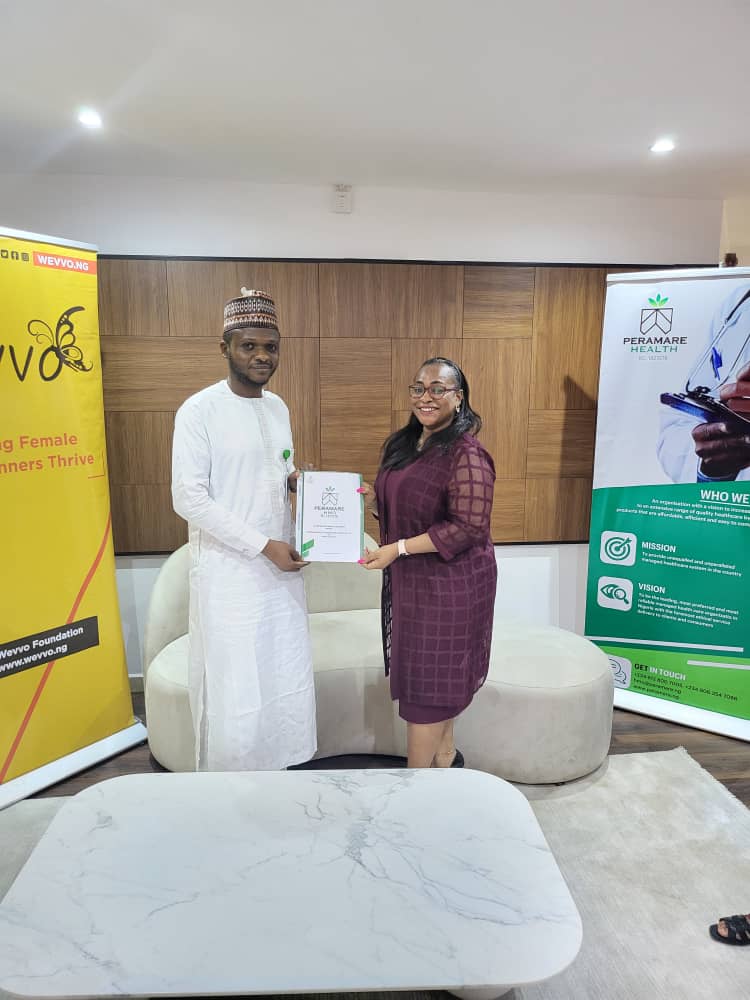
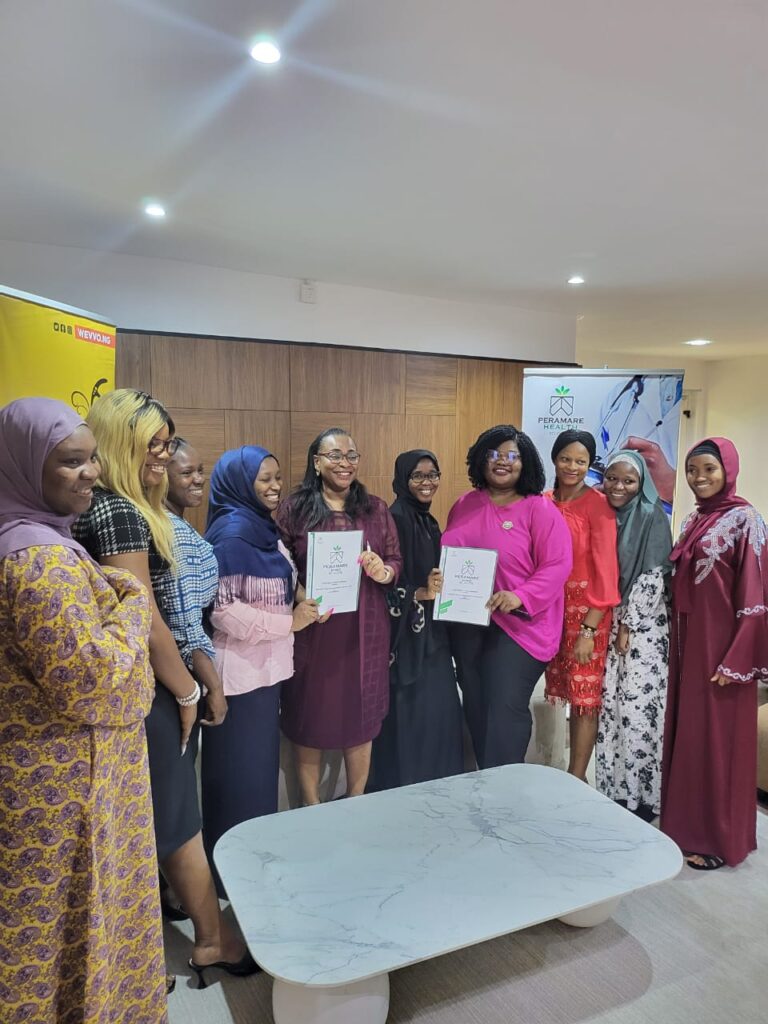
Peramare Health Management Company, a Nigerian-based healthcare organization, has partnered with Wevvo Foundation, a community-based platform of female breadwinners, to provide affordable health packages to support the health and well-being of single mothers and other women who are the primary providers for their households.

Wevvo Foundation

The partnership between Peramare Health Management Company and Wevvo Nigeria is aimed at providing women with access to high-quality healthcare services at affordable rates across Nigeria. The health packages offered by Peramare Health Management Company will cover a range of medical expenses, including basic diagnostics and laboratory tests, surgery, outpatient care and mental health support amongst other services.

“We are excited to partner with Wevvo Nigeria to provide affordable healthcare packages to female breadwinners in Nigeria because we know that a woman ready for success is one who takes her health seriously,” said Basiru Salisu Kallamu, Group Head, Admin and Finance of Peramare Health Management Company. “We believe that access to quality healthcare is a fundamental right, and we are committed to making healthcare services more accessible and affordable for everyone, especially those who need it the most.

Wevvo Foundation is a community based platform of single mothers and female breadwinners who are dedicated to supporting and empowering each other. The community provides a range of services to its members, including access to financial support, capacity development, counseling, and access now to healthcare.

“We are thrilled to partner with Peramare Health Management Company to provide affordable healthcare packages to our community members,” said Weyinmi Eribo, founder of Wevvo Foundation. “Access to quality healthcare is a critical need for our members, and this partnership will help us to ensure that our community members have access to the healthcare services they and their children need to stay healthy and thrive.”

Peramare Health Management Company and Wevvo Nigeria are committed to working together to improve the health and well-being of women in Nigeria. The partnership is a testament to their shared commitment to promoting access to quality healthcare services for all. For more information about Peramare Health Management Company and Wevvo Nigeria, please visit www.wevvo.ng.

Innovation is the lifeblood of the tech industry, driving change and progress at a breakneck pace. And few people embody this spirit of innovation better than Funke Opeke, the visionary founder of MainOne.

Her career spans more than two decades in the United States and Africa, and she’s helped with some of the biggest tech development stories.

MainOne helps connect millions of people to the digital world in West Africa today as a leading provider of broadband infrastructure solutions. So join us as we explore this trailblazing entrepreneur and her ongoing quest to revolutionize innovation in the tech industry.

Who is Funke Opeke?

Funke Opeke is a name that has become synonymous with innovation in the tech industry, particularly in Nigeria. She is the founder and CEO of MainOne, a company that provides telecom and network solutions to businesses in Nigeria and West Africa.

Since founding the company in 2010, Opeke has become a trailblazer in the male-dominated tech industry, showing that women can excel in this field. Opeke’s journey in the tech industry began after she returned to Nigeria from the United States, where she worked with some of the biggest names in the tech industry, including Verizon and MTN.

In 2008, she identified a gap in the Nigerian telecoms market and started MainOne to provide much-needed network solutions to businesses in Nigeria and West Africa.

Funke Opeke’s Upbringing

Funke Opeke, originally from Ile-Oluji, Ondo state, grew up in Ibadan, the capital city of Oyo state. She was born into a family of nine, and her father was the first Nigerian director of the Cocoa Research Institute of Nigeria, while her mother was a teacher.

After completing her secondary education at Queens School, an all-girls school in Ibadan, she studied electrical engineering at Obafemi Awolowo University in Ile-Ife, Osun State, Nigeria. Funke’s parents were highly successful, and they inspired Funke Opeke and her siblings to have big dreams and use their gifts. It is an example of the phrase, “The apple does not fall far from the tree.”

Late Professor Chief L.K. Opeke, Funke Opeke’s father, achieved several notable accomplishments during his lifetime. Among these was being the first Nigerian to hold the director position at the Cocoa Research Institute of Nigeria. They also awarded him the World Cocoa Gold Merit Award and were a director of Cocoa Industries Ltd, one of Nigeria’s major companies during the 1980s.

In addition to these achievements, he served as a member of the first Senate of the Federal University of Technology in Akure, Ondo state, where he was also the Dean of the School of Agriculture & Agricultural Technology. Her mother, who is now retired, was a teacher who held leadership positions at several Catholic private schools.

Her Innovation in the Tech Industry

One of the most remarkable things about Opeke’s leadership style is her commitment to innovation. She is instrumental in driving innovation at MainOne, leading the company to develop some of Nigeria’s most advanced telecom and network solutions.

Under her leadership, MainOne built West Africa’s largest data center, which is a hub for businesses looking to expand their operations in the region.

But perhaps what is most inspiring about Opeke is her dedication to promoting gender diversity in the tech industry. She speaks extensively about the need for more women to take up roles in the industry and is a vocal advocate for women’s rights in the workplace.

Opeke has shown that women can lead and innovate in the tech industry, and her example is inspiring a new generation of women to pursue careers in the field.

Through her work at MainOne, Opeke is changing the tech industry landscape in Nigeria and West Africa. It is glaring that innovation and leadership are not the exclusive preserve of men and that women can excel in the tech industry.

Her story is one of resilience, hard work, and determination, and it inspires women worldwide who aspire to break barriers in their chosen fields.


The Reason for Starting MainOne, and What the Initial Vision Was.

Funke Opeke founded MainOne to bridge the digital divide and extend internet connectivity to West Africa, aiming to accelerate the pace of development and improve the region’s quality of life.

After witnessing the explosive growth of the internet and gaining professional expertise in the field during her two decades in the United States, Funke Opeke founded MainOne to bridge the digital divide and extend internet connectivity to West Africa, aiming to accelerate the pace of development and improve the region’s quality of life.

Through MainOne, Funke Opeke aimed to bring the same technological advancements and opportunities to Africa that were transforming other regions to ensure they would not leave Africans behind in the global digital landscape.

MainOne aimed to create new opportunities for education, commerce, and communication by expanding access to internet services and enabling Africans to participate fully in the digital age.

How MainOne Created Innovation in the Tech Industry Over the Years

MainOne, which built West Africa’s first privately owned submarine cable, has grown into a primary provider of broadband infrastructure solutions, including connection and data center services, two telecommunications companies, businesses, and governments across the region.

MainOne has made significant investments in regional commercial Tier III data centers and terrestrial fiber networks to achieve this transformation, expanding its services and geographic reach over the years. As a result, the company has built a strong reputation for reliability and innovation, offering a wide range of connectivity and data center services that have helped to transform the digital landscape in West Africa.

Despite the challenges posed by being a woman in the tech industry, Ms. Opeke has succeeded in expanding MainOne’s offerings while maintaining a commitment to providing high-quality, affordable services to its customers.

With a sound track record of success and a continued focus on innovation and investment, MainOne is well-positioned to generate value for its customers and stakeholders well into the future.

Funke Opeke is a shining example of how women can lead successful innovation in the tech industry. As we celebrate her achievements, we must also look to the future and work towards creating a more inclusive and diverse tech industry that empowers women to succeed.

Serena Williams may have retired from tennis, but she is still playing big off the court. Even before announcing her exit from the game, Williams had already begun dabbling in a number of business endeavors, from her venture capital firm to helping increase diversity in tech. Now the tennis phenom has announced her first undertaking post retirement, 926 Productions, a new multimedia production company aimed at empowering women and diverse voices.

According to The Hollywood Reporter, Williams has already inked a first-look TV deal at Amazon Studios, appointing former Grand Electric VP Caroline Currier as president of 926 Productions. The company will focus on producing content that appeals to a variety of demographics, amplifying the stories of those who are not often heard.

“With the launch of 926 Productions, we aim to elevate female and diverse voices through content that speaks to everyone. I’m so excited to begin this next chapter of my career alongside Caroline, a woman who understands the art of storytelling and is passionate about evoking the entertainment industry in new directions. I look forward to collaborating with her and developing unique projects that inspire audiences across all platforms,” said Williams.

Currier got her career start as an assistant before serving as a writer on FX’s hit drama Tyrant. She pivoted to production, working on television series like The Rookie and Designated Survivor before being named senior VP television at Grand Electric where she produced Kevin Hart’s True Story and Pete Berg’s upcoming Painkiller drama for Netflix. Currier says she is excited to continue this next chapter of her career with Williams by her side.

“I have long admired Serena not only as one of the greatest athletes of all time, but also a cultural icon. She is a once-in-a-generation talent who transcends sport and her commitment to excellence on and off the court is inspiring. As we bring our creative instincts together, I am thrilled to partner with Serena and build out a company that centers on championing impactful and entertaining stories yet to be told,” said Currier.

Williams most recently produced the 2021 film King Richard alongside sisters Venus Williams and Isha Price. The heartwarming tale, based on her father Richard Williams, and starring Will Smith, earned six Academy Award nominations including best picture, Smith earning the Oscar for best actor during the 2022 Academy Awards. Williams is set to release multiple projects under the new 926 Productions banner including a soccer documentary entitled Copa 71 about the 1971 Women’s World Cup.

Jackee Kasandy is the founder of the Black Entrepreneurs and Businesses Society of Canada. A black-led organization, representing Black businesses in providing a unified platform for advocating and supporting Black entrepreneurs and businesses in Canada. In addition to advocacy, her organization also  facilitate access to financing (Federal, Provincial, and Local), access to social procurement  and certification, as well as provide advisory and mentorship services to our members.

Meet Jackee Kasandy

Jackee has over 13 years in the corporate world as a marketing executive. First in Advertising agencies for 5 years in Toronto and then on client side here in BC for 7 years – BCLC, BC Ferries where she launched their marketing division including their successful BC Ferries vacations brand, and finally at WorkSafeBC before she started her own successful business to make a difference.

Jackee has managed large projects, multi-million dollar budgets and large teams. With both her corporate and business experience, she brings expertise and experience to the society and the programs.

Jackee Kasandy
Jackee Kasandy | Image: Kaidra-Mitchell

Black Entrepreneurs and Businesses Society of Canada

As a business hub, BEBC support  and have touch points with 2000+ Black businesses in Canada by providing access to resources and supports available for BEBs (Black Entrepreneurs and Businesses), ensuring every BEB has easy, quick, and clear access to what they need to keep their businesses sustainable.

BEBC also coordinate collective access to professional services needed for operational support.

Jackee’s Business

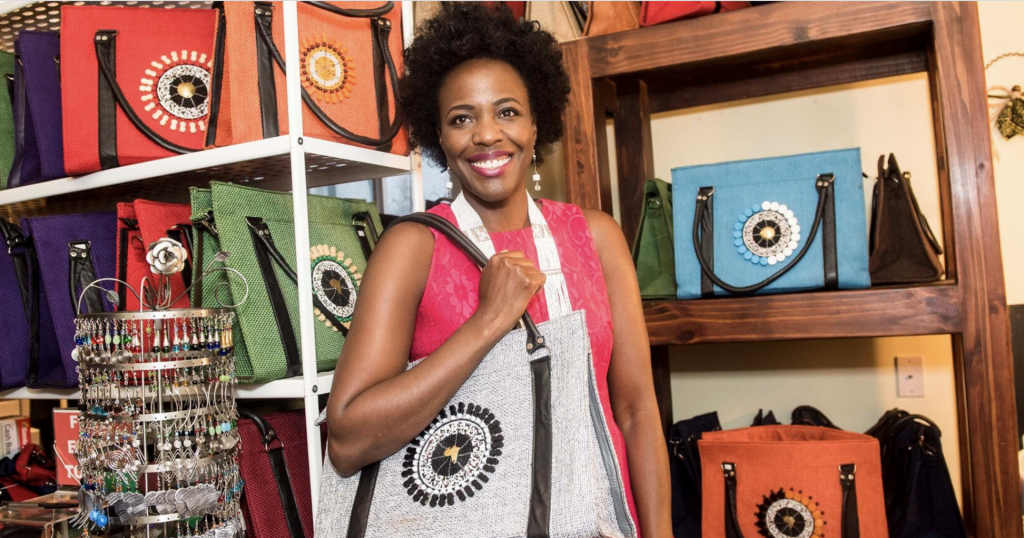
Jackee is the Owner of Kasandy Inc. | Locally Global, a fair trade store in downtown Vancouver that offers high-quality handmade products from different parts of the world.

Jackee Kasandy

Jackee realized that she loved fashion, she took pride in introducing people to wonderful, ethical goods and she had a wealth of knowledge about business. So she opened Kasandy Inc. to provide a platform for underemployed artists to share their work.

We celebrate you, Jackee.


Professionally known by her stage name ‘LaToya Jane’. She is a Canadian singer, rapper, songwriter, and professional dancer. Born in the rough neighborhood of Jane & Finch, in the Toronto area, music has always been a form of therapy for LaToya Rodney. Though she excelled as a musical artist, the trials and tribulations of her surrounding environment soon caught up with her.

Submerged by all the negativity encompassing her, LaToya was incarcerated for 18 months in a women’s facility in Toronto. It was while imprisoned that she found herself, her direction, and her purpose.

In 2014, LaToya won the award for Best Director at the Commffest Film Festival for Creature, a documentary about her time as a gang member in Toronto. The film’s impact helped LaToya become a prominent voice for at-risk youth. She worked as a mentor for boys and girls throughout the city and served as a keynote speaker at various events within Ontario.

Through LaToya’s courageousness and creative talents, she has evolved and uses her experiences to motivate, educate, inspire, and deter young people from the gang life she endured. After a short hiatus from music, LaToya is currently working on an EP. Her latest work reflects on the struggles, pain, betrayals, and sacrifices that she has experienced in life while still having faith to stay mentally strong.

In this interview with Esther Ijewere, Latoya shares her inspiring story, how she is using her platform to create change and inspire other women, and her role as an Influencer for TRACIE App.

Childhood Influence

I began my younger days as a fighter since Junior kindergarten, and I feel that it prepared me to be the advocate that I am today because through all the things that I do, I am, fighting for what I believe in

Why I pitched my tent in the music industry

My dad started writing me lyrics and teaching me how to Dj at age 3, and even when he was in jail he would teach me how to sing and Dj so I always practiced growing up, but when I went to jail the guards and the girls would encourage me to do it when I got out

What I learned from my 18 months of incarceration in prison

I was on the wrong path in life I went in for very serious charges, and what it taught me was that there was more to life than having no freedom, but I had to lose to gain.

My  Toronto film school experience and its impact on my career

Toronto Film School was a life changer for me Since I was a little girl, my family, always told me to act or do stand-up comedy and I thought so too so when I went there I learned a lot of the techniques to act and I was the top student in my class but I never knew how competitive it was which was annoying, like one day someone hid my monologue so that I screwed up but I still aced it.

My latest EP, and journey in the entertainment industry

I released an EP at the end of 2018 and while I opened up for GZA from WU-TANG CLAN in Miami I got into a bad accident on the highway, I never really got to promote that album because I got into 2 more accidents in 2020 causing me to get a brain injury each it deprived me of a lot of things until this day, but by the grace of God I pulled it together to tell my story to inspire people to never give up no matter the circumstances

I also just got signed to a record label which makes my journey a lot easier in the music industry. You have to be  tough and disciplined to be in this industry and I’m on the right track

My thoughts about the TRACIE App

It’s great. It’s the perfect tool for young Black people to finally have a professional defense mechanism, and I am glad to be one of the influencers for the App. The TRACIE app is a new and improved way to address racist incidents. The TRACIE app gives Canadian people of color the evidence and support that they need to create change.

TRACIE stands for Tracking Racism and Collecting Information in Education. TRACIE app is a useful tool to help students inform their principal, school, parent, guardian, or caring adult if they experience physical or verbal harm.

Challenges of my work

I have to ignore a lot, whether it’s family or friends I no longer talk to or just plain haters that are upset at my change. It used to be hard, but it got a lot easier

Other projects

I’m a Motivational Speaker which I do internationally, and also a film-maker.

3 women who inspire me and why

  • Lauryn Hill: she taps into her pain when she sings
  •   My Aunty Janet: her strength makes her the rock of our family
  •  Mother Mary: never sold out Joseph or Jesus

What we can do better as a society to support vulnerable women

We need to do more story sharing, and testimonials because having strong examples sit before them letting them know they reached where they are today through hard dedication, focus, and learning from their mistakes will motivate them to do better as well

How I am using my platform to #embraceequity

I am sharing some motivation of course!!

How I juggle my role as a mom, wife, and motivational speaker

God, the love, support, and motivation from my husband, my children, and my focus

Being a Woman of Rubies

Being wise with myself, loving myself, and now spoiling myself

Nonye Henrietta Umeh is a multiple award-winning women’s leader, body safety expert, anti-GBV campaigner, author, and Child and Women’s Rights Activist. She is the Project Manager of Powered Voices, a community-based organization (CBO) focused on raising awareness of sexual gender-based violence(SGBV) and HIV-related abuses.

The CBO educates, supports, and provides resources for the masses to create healthier families and strengthen communities. The University of Maiduguri graduate is the Founder of Body Safety Academy, a social impact organization (SIO) focused on eradicating child abuse in our world through e-learning, media advocacy, and outreach campaigns.

Nonye Henrietta Umeh

She is a licensed Physiotherapist and a Fellow of YALI RLC, a programme that equips young African leaders with proficiency and resources to facilitate change in their countries. Henrietta has won several awards for her work, including the ‘Most 20 Outstanding Women Leaders’ in 2021 by YALI RLC Alumni (Nigerian Chapter) for her immense contribution towards ending gender inequality and advancing SRHRs in Nigeria. She also won the FIGHR Prize of Peace, a Legacy award in the category of Outstanding Giving to Women in 2022, and other notable awards.

In this interview, she shares her inspiring story with ESTHER IJEWERE, with a focus on the importance of teaching children sex education early.

Childhood Influence

Before I fully understood the concept of child advocacy, I stood up for the rights of the children around me. I remember I never tolerated bullies in primary school. I was that child who would always say ‘Stop that.’ ‘Don’t do that again.’ ‘That’s wrong.’ ‘I will report you,’ etc. It didn’t matter if I was the one being bullied or not, I faced them confidently.

Unfortunately, this wasn’t me with grown-ups. I was taught to respect my elders without a caveat. To me, that meant not speaking up when adults harmed or hurt me. That wouldn’t have been a big problem if adults conducted themselves appropriately and protected children.

My first experience with sexual abuse was at an open-spaced wedding; a family friend whom I trusted violated me in public. Those minutes I sat on his thighs were the most uncomfortable minutes of my life. I didn’t know how to react; I knew he was wrong, I knew his hands shouldn’t be caressing my prepubescent breasts, but I didn’t know the right actions to take. I wanted to fight for myself, but I didn’t know how. So, I sat there frightened and confused. This was my first encounter with a sexual predator. That day, I learned most adults should not be trusted.

In secondary school, I became less vocal, and rarely spoke up or defended anyone and this continued till my University days. In my heart, I believed it was the job of activists to fight for the oppressed, not me. After my graduation, I became interested in developmental work, because of my late friend. I volunteered for some NGOs, attended many pieces of training and I gradually began to find my VOICE again.

It has been a long journey, but my experiences led me here. When I look back, I see how far I’ve come and those I have impacted along the way. I’m passionate about the safety of children because I don’t want any child to feel the way I did; on the thighs of a supposedly trusted older family friend.

Powered Voices

At Powered Voices, I work extensively on projects that aim to create awareness of gender-based violence, HIV prevention, and treatment. I plan and ensure the execution of projects that reduce teenage pregnancies, prevent HIV, curb sexual abuse, encourage ARV uptake, and empower women and young girls. I have refined skills in case of management, safeguarding, community mobilization, SRHRs, trauma counselling, risk management, etc.

Many people living with HIV (PLHIV) experience different forms of sexual and gender-based violence (SGBV) and they are forced to be silent because their perpetrators threaten them with exposure. Due to the high rate of stigmatization in Nigeria, PLHIV rarely shares its status with people.

They are scared they may lose their jobs, and be despised by neighbours, fellow students, or members of their religious and cultural institutions. So, they suffer, and sometimes their perpetrators prevent them from taking their antiretrovirals (ARVs) and they heed.

Young girls, especially from underserved communities, are disadvantaged in many ways. They hardly have role models to look up to and their families are impoverished. To survive, they unwillingly give up their bodies to older men for money. My work brings awareness and solutions to the struggles of PLHIV, teenagers, young children, and other victims of GBV. They are sensitized and empowered with the knowledge of their basic human rights so they can take charge of their lives, refuse and condemn violence, protect themselves, and become more in their communities. At the end of the day, they learn how to assess private and public resources available to assist them.

The Journey so far

It has been remarkable. I’ve grown, met amazing leaders, and campaigners like myself inspired others to become advocates and I’ve had different opportunities come my way. I’ve enjoyed every bit of my time empowering and advocating for the rights of the most vulnerable population. Last year, I collaborated with an International organization and 10 women from my community were given a scholarship for a three months intensive fellowship.

They graduated as SGBV Instructors on the 4th of March, 2023 and have already begun fighting against discrimination in their various communities. Advocacy is not for the faint-hearted, there are days you get tired and all you want to do is cry because of the injustice meted out to people and days you feel helpless because you lack the means to help someone desperately in need. In those trying times, your network of activists will lift you and carry those burdens.

My book and its impact on society

My book “My Safety Conversations” teaches parents and educators how to teach body safety education simply to children aged four to ten. It does this in a question-and-answer format, the answers are written in the voice of a confident child who has been taught body safety. It demystifies the shame and ignorance parents have about private parts and appropriate sex education.

It is a guide for adults to use on children. My book is a must-have for parents, guardians and educators who want to arm children with safety strategies to prevent sexual abuse. As you enlighten them using ‘My Safety Conversations’ you will be learning as well, there is intriguing and useful information for every parent intending to raise ‘safety conscious’ kids.

The inspiration behind body safety academy

Body Safety Academy provides coaching and consultation services on all aspects of child protection, sexual abuse, abuse investigations, risk assessment, exploitation prevention, etc. My academy is dedicated to enlightening and supporting families with well-mapped-out strategies to prevent child abuse.

Children are the purest creatures on earth; it’s disheartening they experience different forms of abuse, sometimes under the watchful eyes of adults who should know better. At Body Safety Academy, children are empowered with body safety education.

I want every child to be confident and aware of his or her basic human rights. I want every child fearless. I want every child in the world to know how special and beautiful they are. I aim to make every child understand NO ONE has the right to harm them in any way.

I want them to know they have a VOICE and it’s powerful. I am teaching them how to use their voices against the powers that seek to keep them downtrodden and in bondage. I want every child free from abuse. I want every child to know how to use the word ‘NO’ without feeling guilty.

I want every child to understand and apply ‘consent and boundaries’ in their daily lives. I want every child to know what to do in harmful situations. I want every child to have the knowledge, skills, and resources they can use when they need help. This is why I started Body Safety Academy.

My book my safety conversations

My Safety Conversations teaches parents and educators how to teach body safety education simply to children aged four to 10. It does this in a question-and-answer format; the answers are written in the voice of a confident child who has been taught body safety. It demystifies the shame and ignorance parents have about private parts and appropriate sex education. It is a guide for adults to use on children.

My book is a must-have for parents, guardians, and educators who want to arm children with safety strategies to prevent sexual abuse. As you enlighten them using My Safety Conversations, you will be learning as well; there is intriguing and useful information for every parent intending to raise ‘safety conscious’ kids.

Three Women who inspire me why

H.E Dr. Ameena Ali

She is a Medical doctor, humanitarian par excellence, touch bearer, a beacon of hope, and a global campaigner against sexual and gender-based violence. She is working tirelessly to ensure victims are saved and become empowered for themselves and their communities. Through her social impact organization (FIGHR), she has produced champions, instructors, diplomats, and ambassadors in human rights, SGBV, maternal and child care, mental health, etc.

Late Prof. Dora Akunyili

Late Dora Akunyili – She fought tirelessly to ensure Nigerian citizens receive the best in terms of food and drugs. She fought Nigeria’s drug counterfeit problems and WON even with threats to her life and family. Her team consisted of mostly female inspectors and Pharmacists, together they fought the menace of counterfeit drugs and came out successful thereby saving the lives of millions of Nigerians.

Alheri Magaji

An incredible human with a heart of gold. Through RADI, an NGO, she has touched the lives of the most vulnerable people in Kaduna State who have been incessantly attacked by Fulani herdsmen, kidnappers, and bandits. Alheri has worked tirelessly to provide healthcare, sources of income, housing, food, education (most of these children lost their families), clothing, etc.

Challenges

1. Families of victims rarely want their perpetrators indicted. Most believe the incident is shameful and want no further exposure.
2. Funding for projects. The projects and needs of the stakeholders surpass the funds received. This has influenced the number of beneficiaries and projects executed. This is one challenge that aims to hold us back but in such times we happily use our funds and continue to apply for more grants.
3. Ignorance about Sexual and Reproductive Health Education. The unawareness of bodily autonomy, the rights of children, and body safety are alarming.

Nonye Henrietta Umeh

Being A Woman Of Rubies

Just like the hardness of the ruby, my experiences have cultivated resilience in me. My imperfections remind me I’m human and I should be kind to myself. I make mistakes but I don’t let them weigh me down but use them as stepping stones to achieve my goals.

Importance of parents having the safe sex talk with their children

Every parent who grew up in homes where sex was a taboo topic must demystify the shame, fear and ignorance that was instilled. Unfortunately, this acts as an impediment to teaching body safety and sex education. A child who is armed with safety strategies to prevent sexual abuse will hardly fall prey to destructive peers or adults who want to lead them astray. There is this confidence ‘safety conscious’ children possess, you can almost see this expression “I am not one to be messed with”.

Do not for any reason prevent your children from obtaining it. A child becomes sensual at age three, body safety education should be started earlier with the correct identification and use of anatomical names of all their body parts, including the private parts. You can start body parts awareness and identification as early as a year old, although I started earlier with my daughter.

My students have achieved great success with their kids. When a child starts body safety early you will never hear them murmur, whisper or laugh awkwardly when the proper names of the private parts are mentioned. They will use these words in conversations when needed, freely and without shame. They will confidently reprimand and report anyone who attempts to touch them inappropriately. They will understand harmful situations and avoid them as much as they can. Give your children these keys by educating yourself about body safety via experts in the field. So you can teach your children comprehensive body safety education, this will consequently give your kids a fighting chance against predators.

At eight a child should already know about menstruation and the functions of a vagina. It is so sad most parents wait till their children start menstruating before they attempt to give them the ‘sex talk’. You think your kids haven’t been learning from adults, TV or peers in their school? I know a child who had sex at 13 because her boyfriend convinced her to, before then the only talk she was given was “Babies are placed by God in the stomach and any man who touches you will make you pregnant”.

When we spoke at length she said “I wish my parents enlightened me better. I wish they allowed me to ask questions, I would have waited. My boyfriend wouldn’t have been able to persuade me. We did it without protection, what if I fell pregnant or contracted diseases? I am so angry, he deceived me.

I had no business having a boyfriend without comprehensive information”. She has since broken up with the boy and is making wise and healthier decisions for her life. As a parent or guardian, you have the opportunity to educate them thoroughly before anyone strives to deceive them with wrong information. Always start with body safety which is for younger kids, then end with sex education which should be introduced at age eight.

Body safety nuggets

Body safety education is a lifesaver. For parents, guardians and educators who learn to enlighten children, their lives will never remain the same. Children hardly lie about sexual abuse but most have been shunned and condemned when they shared their stories. Never shut them down, blame them or insist they are lying. If you do, they’d handle issues without telling you anything next time and they will suffer greatly at the hands of sexual abusers. If your child can have any kind of conversation with you without feeling scared, you’re on the right track. These are somebody safety nuggets for your children;

  1. Strangers are not the only sexual abusers in the world. Anyone can be one, including loved ones and people you know.
  2. Your private parts are special and beautiful. They should be called by their correct names like the other parts of your body.
  3. It’s okay for you to stand up for yourselves.
  4. Look into anyone’s eyes as you speak to them.
  5. You do not have to be around anyone whose actions make you uncomfortable, scared and confused.
  6. When adults need help, they should ask other adults, not children.
  7. Keep no secrets. Anyone who encourages you to keep secrets is a tricky person and should never be trusted.
  8. Your body is your own.
  9. No one should disrespect your boundaries. You have every right to protect it.
  10. You have the right to scream and RUN away from unsafe people and places.
  11. Don’t obey an adult who has tried to touch you unsafely. Your protection supersedes their desire to hurt you.
  12. You have every right to use these sentences when you’re scared or confused;
  • Stop it, I don’t like it.
  • Don’t do this, again.
  • Don’t touch me.
  • I don’t want to sit on your thighs.
  • I don’t want to hug you.
  • I’m okay by myself.