Category

Career Gems

Category

Remember the one time when you were young and you stepped out at an African function and your aunty told you, “my dear, you better marry a Nigerian ohh”; or the time you were told: “I hope you know that your husband will be a Nigerian”. You wondered why they were even talking to you because you were only twelve years old.

Now, fast forward, and you are 28, getting ripe. To your aunties, probably overripe, looking for Mr. Right.

Of course, you have have your list of qualifications and requirements in hand: he must be this tall, have a degree, and hopefully not do drugs, never been to jail. Is the question of being Nigerian ever on the list?

People will always tell you love is blind; but is that because you choose not to see or play the cards you have been dealt? My mom says: “he that truly searcheth will find”. So, if you are really looking hard for a Nigerian spouse, won’t you get one?

We have all heard the rumors about the Yoruba demons or the wicked Igbo boys that every girl dates and swears she will never talk to a Nigerian man again, but they always come back. Obviously, everyone has different opinions and no one can stop love when it comes, but are you searching out for your dream Nigerian guy?

I can think of a few good reasons why:

Cultural Barrier

Nigerians have a rich culture, and so many different ethnic groups within a single nation. To find that you marry out of your nationality now, not only are they not from your country, they are also not your ethnicity. Wahala dey go.

Mixed weddings and cultural infusions are really cool in the photos, but Nigerian weddings are pretty complex and the last thing anyone wants to do is start trying to combine two completely different cultures into a perfect celebration on one night. Nevertheless, as previously stated, it can be done.

Preserve the Roots

A recent study by the National Geographic showed that by the year 2050, a majority of Americans will be multi-racial. Some say that this shows great strides ahead for the future of racial relations, but what does it say for the future of culture and ethnic backgrounds? Nigerians marrying Nigerians will have a great movement in preserving our culture for the coming generations. As a people, Nigerians have worked so hard to make their mark in the Western World; should we really allow our culture to evaporate for the sake of racial ambiguity?

Convenience

Needless to say, although a lot of people will disagree, it is easier to marry a Nigerian. Imagine all the nervousness you had in your heart when you had to introduce your significant other to your parents. You could either say, “Mom, this is my boyfriend and he’s from Ikeji” or “Mom, this is my boyfriend Alex and he’s…..(not Nigerian)”. There a lot of less cultural gaps to fill when someone is from the same country as you and a lot less stories to explain as well. Plus, he will understand why you drink Peak milk with your tea and bread or why you go to church on New Year’s Eve.

To sum it up, you will need to agree on religion, finance, and family planning as a couple to truly succeed as a Nigerian couple.

As many will argue, these are the reasons why a lot of Nigerian marriages fail. We will leave those for another discussion.

Love is love no matter how you name it and no matter who says I do. But for one Nigerian marriage enthusiast, the best way to fly is with green and white. Plus, Nigerian wedding photos make such great viral images on Instagram.

About Adanwa

The writer “adanwa” is a 20 year old Medical Student in the US. She enjoys reading, writing, cooking, staying fit, and blogging for carefreemedgirl.wordpress.com. Her friends would describe her as a Sports Fanatic and a Southern Belle. Needless to say, she is proud of her Nigerian heritage and is an advocate for African culture and society.

Source: Bellanaija.com
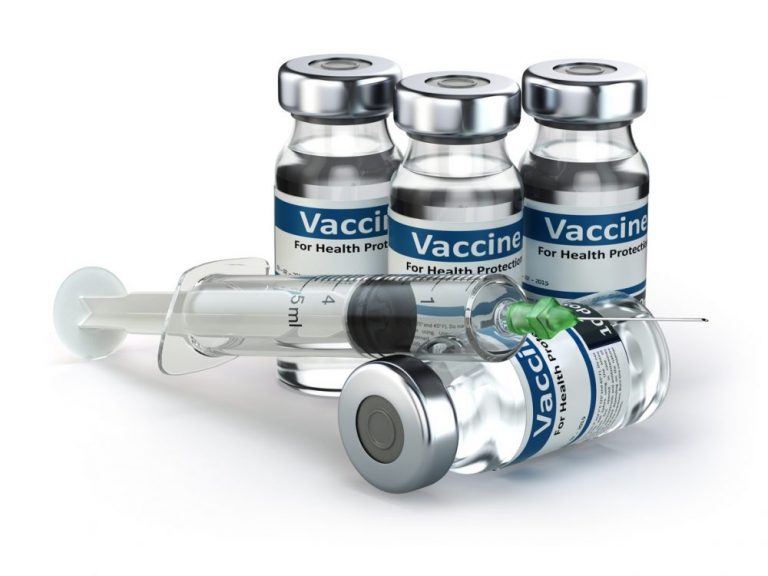
A coronavirus vaccine being developed by scientists at Oxford University has been shown to produce a strong immune response, according to early-stage clinical trials.

British scientists/researchers first began testing the new vaccine in April in about 1,000 people, half of whom were given shots of the experimental vaccine. The vaccine, made from a combination of Covid-19 genetic material and a virus that causes the common cold in chimpanzees, caused the human body to produce antibodies against the disease and caused a reaction in T-cells, a type of white blood cell that helps prevent infection.

“We hope this means the immune system will remember the virus so that our vaccine will protect people for an extended period,” Andrew Pollard, lead author of the Oxford study, said in a statement released by AstraZeneca.

Phase 3 trials of the Oxford vaccine have already begun in Brazil, South Africa and Great Britain, and will soon be expanded to the United States. These trials each involve up to 30,000 volunteers who will help scientists understand whether the experimental vaccine can really prevent people from catching coronavirus and whether it is safe.

British Prime Minister Boris Johnson tweeted about the latest trial results Monday,

“This is very positive news. A huge well done to our brilliant, world-leading scientists & researchers.”


In 2020, it was the only African country ranked in the top 10 of the World Economic Forum’s Global Gender Gap Report.

It ranked in the top four in the Report’s political empowerment category, in recognition of the high proportion of Rwandese women lawmakers and ministers.

The country therefore seemed a natural fit for a 2018 pilot program of the African Development Bank’s Coding for Employment initiative, with Nigeria, Kenya, Côte d’Ivoire and Senegal.

The Coding for Employment flagship program is establishing 130 ICT centers for excellence in Africa, training 234,000 youths for employability and entrepreneurship to create over 9 million jobs.

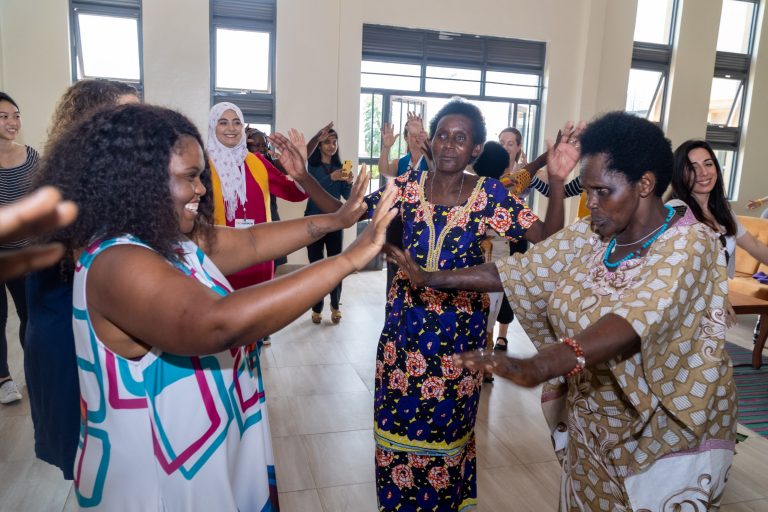
Hendrina C. Doroba, Manager in the Education, Human Capital and Employment Division at the Bank, explains how Rwanda is empowering women in technology.

How has the government of Rwanda enabled women to pursue careers in technology, and STEM in general?

The government of Rwanda has been a foremost champion of women in ICT and in the fields of science, technology, engineering and mathematics (also known as STEM), by driving initiatives like the establishment of the Carnegie Mellon University-Africa campus, for which the Bank provided funding. Students from 17 different countries pursue highly specialized ICT skills at the Africa campus.

The country also hosts the African Institute of Mathematics (AIMS) which is now recruiting balanced cohorts of women and men. Lastly, the Bank-funded University of Rwanda College of Science and Technology has for many years produced women leaders in the ICT sector in Rwanda and globally.

Rwanda’s government also supports initiatives such as the Miss Geek Rwanda competition, an initiative of Girls in ICT Rwanda, which aims to encourage school-age girls, even those in remote areas, to develop innovative tech or business ideas and to generally immerse themselves in ICT. The Miss Geek initiative has now been rolled out in other countries in the region.

What role has the Bank played in supporting Rwanda’s digital strategy, especially in relation to women?

The strategy of the Bank’s Coding for Employment center of excellence in Rwanda has been to join forces with the Rwanda Coding Academy through a grant agreement to support the school’s activities, like ICT equipment, teacher training and career orientation. The Rwanda Coding Academy started in January 2019 and has so far enrolled one cohort, which is now going into their second year.

Besides the Rwanda Coding Academy, the Bank’s Coding for Employment program held a two-day masterclass for girls and young women entrepreneurs at the 2018 Youth Conneckt summit, where over 200 beneficiaries were trained in using digital tools to amplify their businesses. The session was attended by women entrepreneurs as well as students from girl schools in Kigali, including those from White Dove School, which is an all-girl school fully dedicated to training in ICT. The masterclass culminated into a pitching exercises from various groups who presented their ideas to a panel of judges.

What lessons can other African countries learn from Rwanda’s approach to the 4IR, in particular the role of women?

The government of Rwanda has been a trailblazer in using innovation to improve public services across the country using the e-governance platform Irembo, to bring government services closer to citizens. In addition, the government is driving national digital skilling campaigns by championing digital ambassador programs and platforms such as Smart Africa, which has organized the annual Transform Africa summit since 2013.

Still, gender equality remains a concern, and gender gaps are evident even in schools. Rwanda’s ambitions extend to piloting the Kigali Innovation City, also Bank-funded, to serve as the country’s knowledge and innovation hub by attracting new businesses and incubating ideas. At the same time, the country has created a business environment which is pro-entrepreneurship and welcomes global inventors to test their ideas and concepts. Zipline, a company which uses drones to deliver medical supplies in remote areas, is one example.

Lastly, Rwanda promotes women leaders in the ICT and innovation sector. The country’s Minister of ICT and Innovation is a woman, as is the CEO of the Irembo platform. Appointments such as these are helping to dispel the myth that women are not as capable as men in ICT.

Distributed by APO Group on behalf of African Development Bank Group (AfDB).

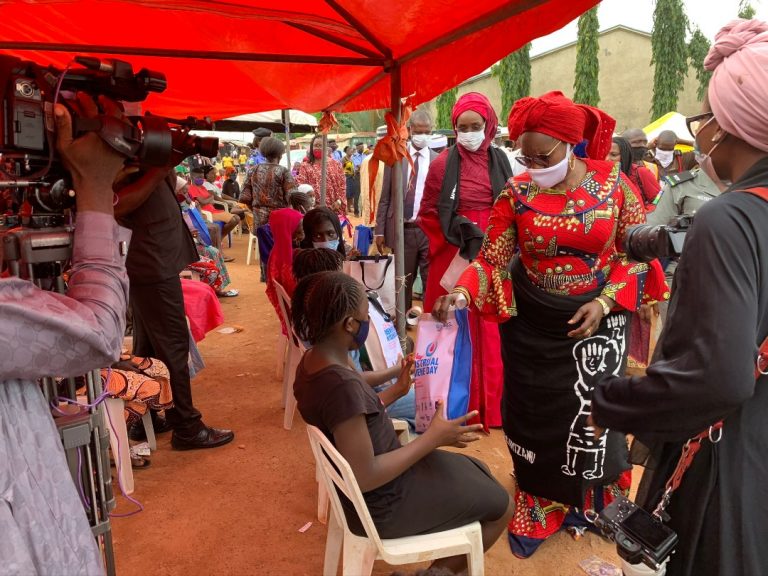
The Federal Government, through the Ministry of Women Affairs, has launched a project to distribute about one million sanitary pads to women and teenage girls in the country in order to cushion the effect of COIVD-19.

Minister of Women Affairs, Dame Pauline Tallen, launched the project at Kado village, Abuja, in a ceremony organized by the ministry with support from Water Supply Sanitation and Collaborative Council (WSSCC) and other stakeholders to commemorate World Menstrual Health and Hygiene Day.

The Minister lamented lack of access to menstrual health and hygiene products, education and sanitation facilities by vulnerable women and teenage girls.

She disclosed that each beneficiary would receive at least four packs of sanitary towels.

According to her, the project tagged, “One Million Pads Distribution Project” targets adolescent girls in all states of the federation.

“This project is hinged on the fact that girls’ and women’s choices of menstrual hygiene materials are often limited by costs, availability and social norms. Therefore, providing access to menstrual hygiene products will go a long way to solve the problem to a great extent,” the Minister said.

She further commended development partners, especially WSSCC and others for providing technical and financial support to the Ministry for Menstrual Health and Hygiene Management (MHHM).

She also applauded the First Lady, Aisha Muhammadu Buhari for her benevolence in supporting Nigerian women and girls and thanked Procter and Gamble for providing 4000 sanitary towels to kick off the first phase of the project.

While acknowledging that COVID-19 pandemic has further worsened access to menstrual management materials, Elizabeth Jeiyol, WSSCC National Coordinator for Nigeria urged all stakeholders to team up to change the negative social norms surrounding menstruation so that women and girls can practice menstruation in dignity.

She said: “Poor knowledge and understanding of menstruation may lead to unsafe hygienic practices for women and girls noting that access to menstrual hygiene materials is – a basic human right. Together, we can empower all women and girls to realize their full potentials everywhere in the world. It is commendable to see the contribution of other development partners including Action Against Hunger (AAH), United Purpose, NEWSAN, Youth WASH and OPS-WASH and numerous other CSOs to make this day a huge success.

“There is no gainsaying the fact that effective menstrual hygiene has direct and indirect effects on the overall well-being of women and girls – in the context of education, empowerment and health.

However, women and girls face continuous mental, physical and health traumas during their periods – as a result of discriminatory social norms, cultural taboos, supernatural beliefs, gender inequality, and limited access to basic services such as WASH facilities in private and public spaces which leads to ‘Period Poverty’ for women and girls across the world – especially in developing countries like Nigeria.”

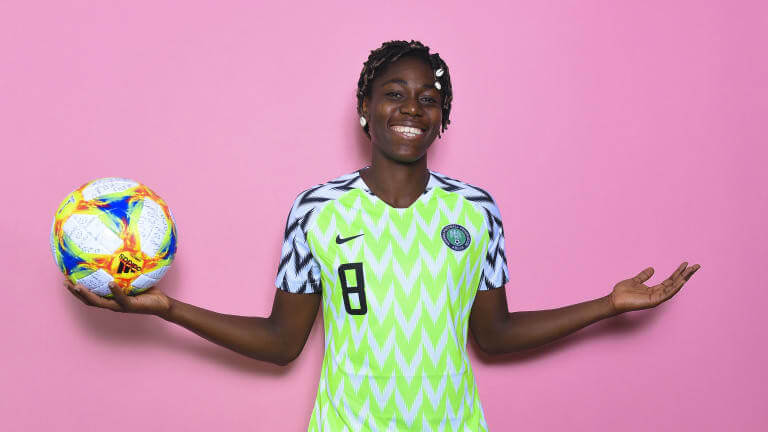
Super Falcons Captain, Asisat Oshoala, is worried that despite the strides women football has made in recent times, Africans still do not accord the ladies the respect they deserve. The FC Barcelona Ladies top striker is particularly disturbed by the apathy those running the game in the continent display when it comes to women’s teams.

Speaking at the weekend, Oshoala faulted the outright cancellation of the 2020 African Women’s Cup of Nation’s by CAF, saying it was not the right direction “to take at this critical moment when women football is struggling to grow in the continent.” She said the decision further shows that women football is not regarded as an important aspect of life in Africa.

She argued that if it involved men or boys, the national federations would have risen against the cancellation.

“The news of the cancellation of the 2020 CAF Women’s Nations Cup was a shock to me because as a player, this is a tournament we all look forward to every two years. It would have been better if it was postponed and not totally cancelled. It is not fair on women footballers.

“If it were the men’s Nations Cup, the various football federations and the media would have been lamenting, making noise and mounting pressure on CAF to reverse the decision. But now that it is women football nobody is talking. Other women footballers in the continent are not delighted with the cancellation of the championship.”

She condemned the attitude of CAF and the other federations to women football, adding that poor funding has retarded the growth of women football in Africa.

“In 2016, Cameroun hosted the African Women Nations Cup and CAF was highly commended for a fantastic show. And now after four years, CAF was still contemplating in March if Nigeria or any other country would host the championship scheduled for November 2020.

“Notwithstanding the COVID-19 issue, this is not right. We are supposed to have gone beyond this level in Africa.

“At the FIFA level, the host of the next Women World Cup is already known. Women football in Africa needs help by the stakeholders showing more interest in the game,” she said.

Oshoala, however, expressed delight at the prospect of teams in the continent playing in the CAF Champions League, saying it would help in promoting the game across the continent.

“I thank CAF for this move, but I am not happy with the cancellation of the CAF Awards as it should be held visually by Zoom or any other online process. That would have saved CAF the cost of inviting people to a venue.

“I am not saying this for selfish reasons because I already have four awards. It is for the progress of the continent. This is the only award we look up to in Africa,” she added.

On the local scene, Oshoala said the Nigeria Football Federation should organise more quality friendly games for the Super Falcons to keep the team in shape.

“We, the players, have been discussing with the NFF to organise more games for us. Apart from the qualifiers, the team needs to meet often to make it easier for the players to blend well. This is why other teams in Europe are ahead of us. I believe after the sports lockdown, the NFF will look on it,” she said.

The National Association of Women Journalists (NAWoJ), Plateau State chapter, has described as disturbing the increasing cases of rape and child molestation in the state.

In a communiqué issued at the end of the association’s meeting at the Nigerian Union of Journalists’ (NUJ) Press Centre, NAWoJ called for concerted efforts to curtail the spiking and worrisome number of rape cases.

The communiqué signed by its chairperson, Madam Jennifer Yerima of the Plateau Radio Television Corporation (PRTVC), noted that women and young girls living where there are no toilet facilities are more vulnerable to being raped.

She also pointed out that minors are mostly raped by family members and neighbours, but their parents keep sealed lips for fear of stigmatisation.

Ibidunni Ighodalo Foundation (IIF) announces the commencement of its 40at40 initiative in accordance with its founders last wish before she transited on Sunday 14th June, 2019. Her desire was to celebrate her 40th birthday which would have come up on the 19th of July by granting 40 couples in dire need of reproductive interventions a once in a lifetime opportunity to become parents. The board of IIF is determined to ensure that her last wish is fulfilled.

Speaking during the launch of the initiative, Chairman of the Foundation, Pastor Ituah Ighodalo, said “We understand the emotional, psychological and financial strain that comes with pursuing fertility treatments and having gone through that pain herself, Ibidunni in her lifetime made it her life’s work to help desiring but struggling parents; we are committed to Ibidunni’s vision to give joy and keep hope alive.

Since her demise, IIF has enlarged and strengthened its board, governance structures have been put in place all in a bid to ensure capacity to deliver on her last wish and more. A transparent application and selection process has been put in place and we actively seek the support of everyone to keep this dream alive.

The Executive Secretary of the foundation Mrs Adedayo Richard also added that the annual activities the foundation was known for will continue, – The flagship IVF annual grants, the Mothers in waiting conference, the babies day out, hospital visits amongst many others. IIF, also known for their advocacy against stigmatization will continue their active sensitization programs.

As with most grants, the chairman noted that certain technicalities must be met by applicants to ensure that the grants are made available to those who need them the most. More Information on criteria is available on all the foundation’s platforms. Interested applicants and donors should visit the foundation’s website www.ibidunnifoundation.org

Those who wish to support the foundation financially and in other ways are  encouraged to do so.

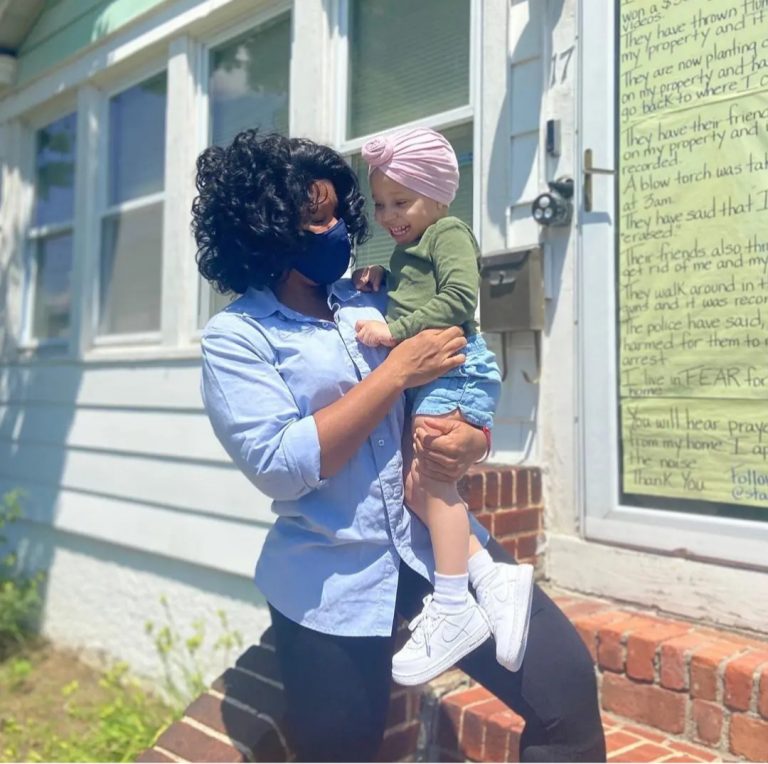
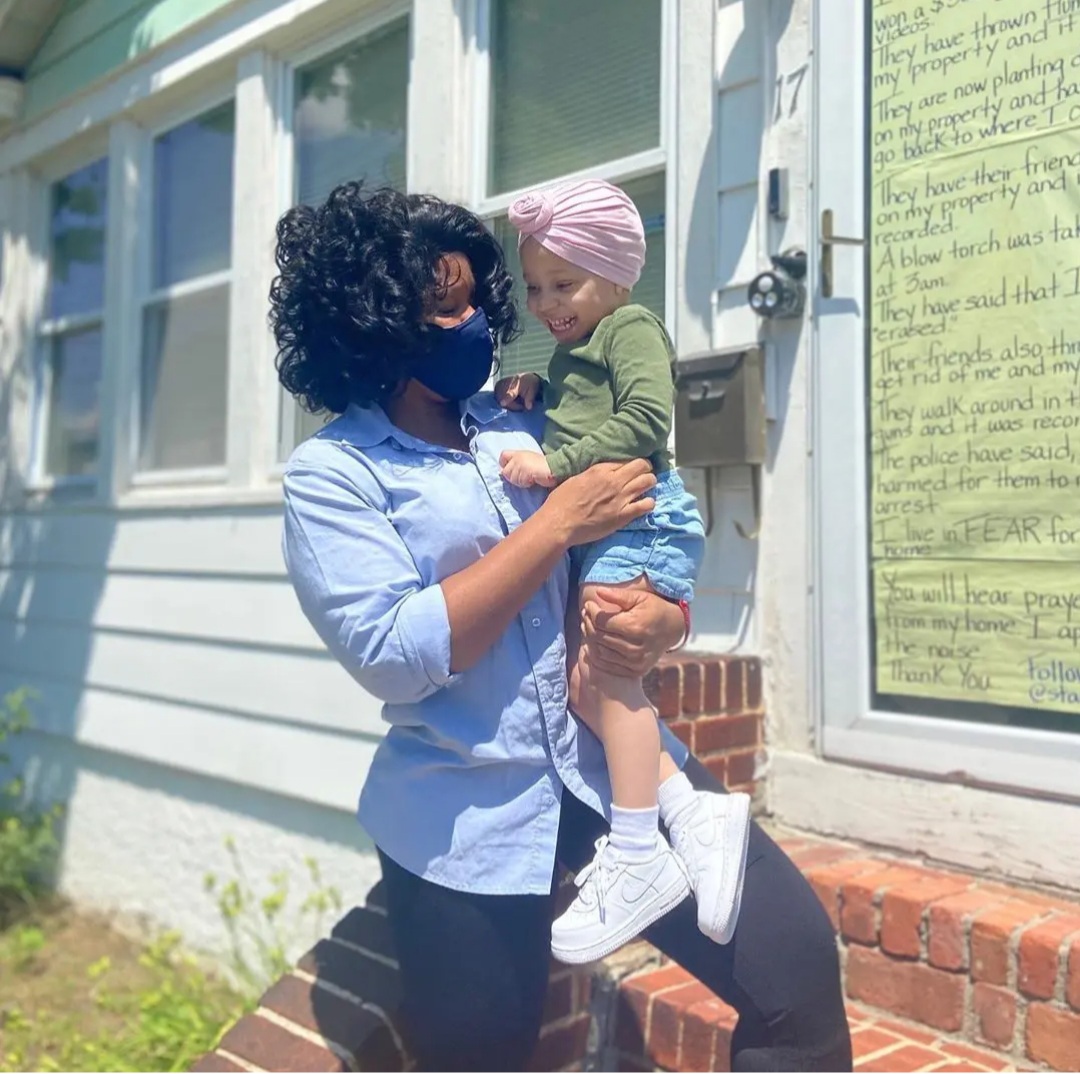
Jennifer McLeggan, a single mom and registered nurse, has been facing harassment and threats from her neighbors since she moved into her home in Valley Stream on Long Island in New York. She says she has done everything in her power to be a good neighbor and believes she has been targeted because she is Black.

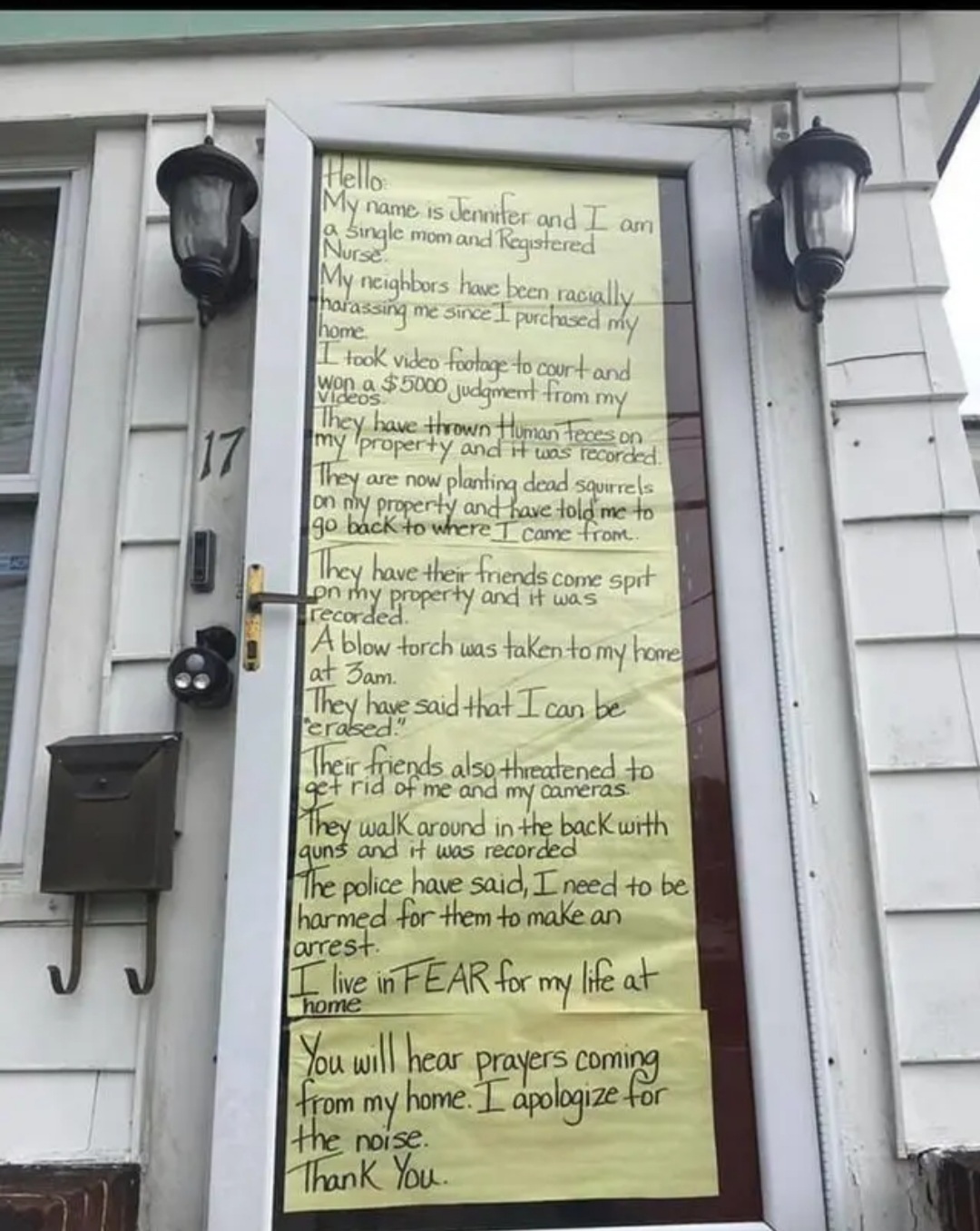
McLeggan has taken video of a man throwing feces and dead squirrels into her yard, and she says that he threatened her, saying she can “be erased,” according to ABC 7She has put up a detailed sign that covers her entire front door and details the harassment in case anything should happen to her.

“My neighbors have been racially harassing me since I purchased my home,” the sign reads. After detailing the things they’ve done, like wandering around in her yard with guns, spitting on her property, and threatening to “get rid” of her and her cameras, McLeggan writes, “The police have said I need to be harmed for them to make an arrest. I live in FEAR for my life at home.”

McLeggan has lived in the home for over two years. Since the beginning, her white neighbors have made it clear to her that she is not welcome in the neighborhood. She admits the property was in “bad shape” when she bought it, but she’s worked hard to clean it up and keep it clean.

But she kept noticing dog feces and ticket ordinances on her property. So, she installed a camera. “I caught my neighbor throwing dog feces in front of my property,” she said. “I took that video to court, and I won a judgment.”

But the harassment hasn’t stopped. So she made the sign in front of her house, and her other neighbors have gathered around her to make sure she isn’t driven out of the neighborhood.

“In case something happens to me here, then somebody would know I’m in the house with a baby,” she said. “If I die in here, at least cops would see the sign.”

Although some neighbors have rallied around her, the police haven’t been able to do much. To make sure McLeggan’s voice is heard and her mistreatment doesn’t go unnoticed, there’s now an Instagram account, @standwithjennifer, to document what’s going on and organize in order to keep her safe.

There  was a peaceful protest scheduled in Valley Stream for Thursday, July 16 in support of Jennifer McLeggan and others like her. Erica Coreas said she was also harassed when she first moved to the neighborhood, though not to the same extent.

Nassau County Executive Laura Curran said in a statement, “Nassau County will not tolerate any resident being harassed or intimidated because of who they are or what they look like. We take these allegations seriously, and Nassau County PD is conducting a thorough investigation into the matter.”

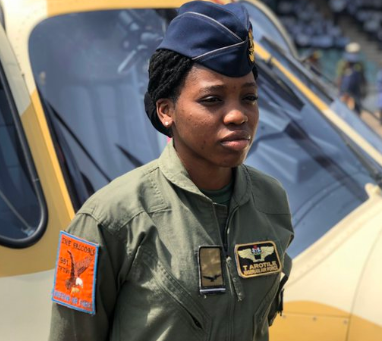
Damilola Adegboye, the immediate elder sister of Tolulope Arotile, the first female combat helicopter pilot in the history of Nigerian Air Force who died on Tuesday, July 14, says the family isn’t convinced she died in a freak accident and is demanding a full-scale investigation into the cause of the accident.

The Nigeria Air Force had released a statement saying Tolulope, 25, died when she was inadvertently hit by the reversing vehicle of an excited former Air Force Secondary School classmate while trying to greet her. Tolulope allegedly sustained head injuries that led to her death.

Adegboye who spoke with Punch, wondered how the reverse of a vehicle could kill a person in such a manner.

“We in the family are not convinced that Tolu can just die like that in a freak accident. I know that the military is well trained in the art of investigation, we want them to carry out a thorough investigation that can convince us beyond all doubts that the incident that led to her death was real.”

She said on the day of the incident, she and Arotile were sleeping in a room before she received a call.

“A call came into her phone which she picked but from the way they spoke, I knew the caller must be a senior officer calling her to come to Airforce base. She felt reluctant and I offered to drop her off.

One hour later, I read online that something serious had happened to her. I couldn’t believe that somebody I just dropped off is dead,” she explained.

Also speaking, the mother of Arotile went down memory lane about how she gave birth to her describing her as a special child adding that fasting and prayer was her hobby.

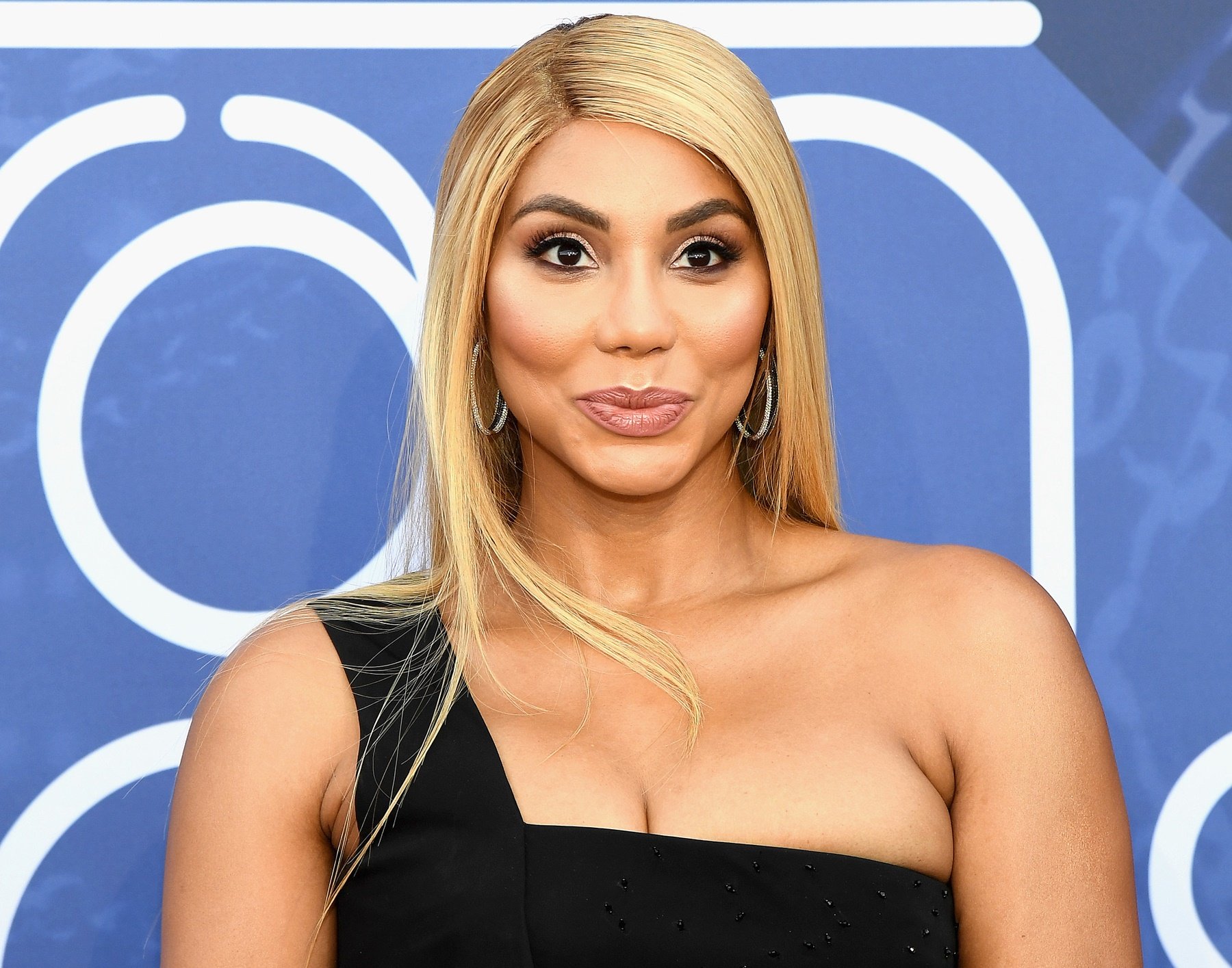
Tamar Braxton was reportedly rushed to a hospital in Los Angeles after she was found unresponsive in her hotel room on Thursday, July 16.

According to The Blast, the 43-year-old reality star was staying with her Nigerian boyfriend David Adefeso at the Ritz Carlton in downtown LA when he found her ‘unresponsive’.

The publication said her boyfriend called 911 to report his girlfriend had been drinking before she took an unknown amount of prescription pills following a possible suicide attempt.

The site adds: ‘Ambulances then arrived at the hotel and took her to the hospital. Sources have claimed that David believes that it was possible suicide attempt.’

LAPD confirmed to The Blast that they received a call around 9:45 P.M. in regard to a 43-year-old female who had a medical emergency listed as a “possible overdose.” Officers are following the woman to the hospital for further investigation.

Tamar’s condition is unclear at the moment, but The Blast claims that Tamar has been extremely emotional due to an ongoing contract dispute with We TV.

A spokesperson for Tamar said: ‘Tamar has had a very tough and emotional day — more information will be coming in the next few days. Please pray for her.’


Her YouTube show with her boyfriend, Coupled & Quarantined ad had been scheduled to air on Thursday night. But a message read: ‘Hello Ya’ll Unfortunately, Your girl Tamar is under the weather today and not feeling well so we need to postpone today’s show (Don’t worry it’s not COVID).


‘We’re sad because we had a great show lined up for you today, but next week’s show is going to be even bigger and better.


‘So sorry for the inconvenience, we know many of you look forward to the show every week. we’ll make it up to you next week.’