Toolz, Tolulope Oniru Demuren has shared her pregnancy journey experience in the latest episode of Life Lessons with Betty Irabor. Like some women, Toolz has initially not had it together when she was trying for a baby.
She had earlier had a baby bump, which few months later was lost. This she openly admitted in an interview, and now she is sharing the experience of losing a child, the disbelief and agony she endured as well as her journey to healing.
Here are some excerpts from the session:
After her wedding she got pregnant, few months after she noticed she no movement but stillness in her.
She eventually travelled to the UK for proper hospital care, and a scan showed that her baby was too small and may not survive, she said, “I never once thought that the health of my child would be an issue,” more scans were conducted and the doctors tried what they could but a final scan showed the baby was no longer moving and she was told she’ll have to push the baby out.
She was given some medications to help push the baby out. The medications were given to her on Thursday and she was told to come back on Sunday. However, she went into labour on Saturday.
Watch the new episode below: directed by Ruyi Irabor and produced by Toyosi Etim-Effiong.
28 May, is known as Menstrual Hygiene Day. This is because on an average, the menstrual cycle for a lot of women is 28 days and the menstruation period for most women is five days. This year’s theme is “Periods in Pandemic”.
Due to the current pandemic, lots of businesses and human activities have been halted in the past months and as UNICEF rightly said in a tweet, “Periods don’t stop for pandemics – it’s every girl’s right to manage her period safely and with dignity.”
On a daily basis, women menstruate around the world which in numbers, can be estimated at about 300 million.
They need to know how to manage menstruation safely, hygienically, with confidence and with dignity which is critical for their health, education, human rights, economic development and overall gender equality as rightly advised by Theodore Aidoo of Face to face Africa.
She however noted that, for many people in the African continent, this is not the reality. “Menstrual hygiene is often seen as a taboo subject in many communities within the region. Menstruation is rarely easily talked about both in schools and at home probably because of some myths surrounding it,” she wrote.
Reference: Face to face Africa -https://face2faceafrica.com/article/myths-surrounding-menstruation-in-africa-you-probably-dont-know
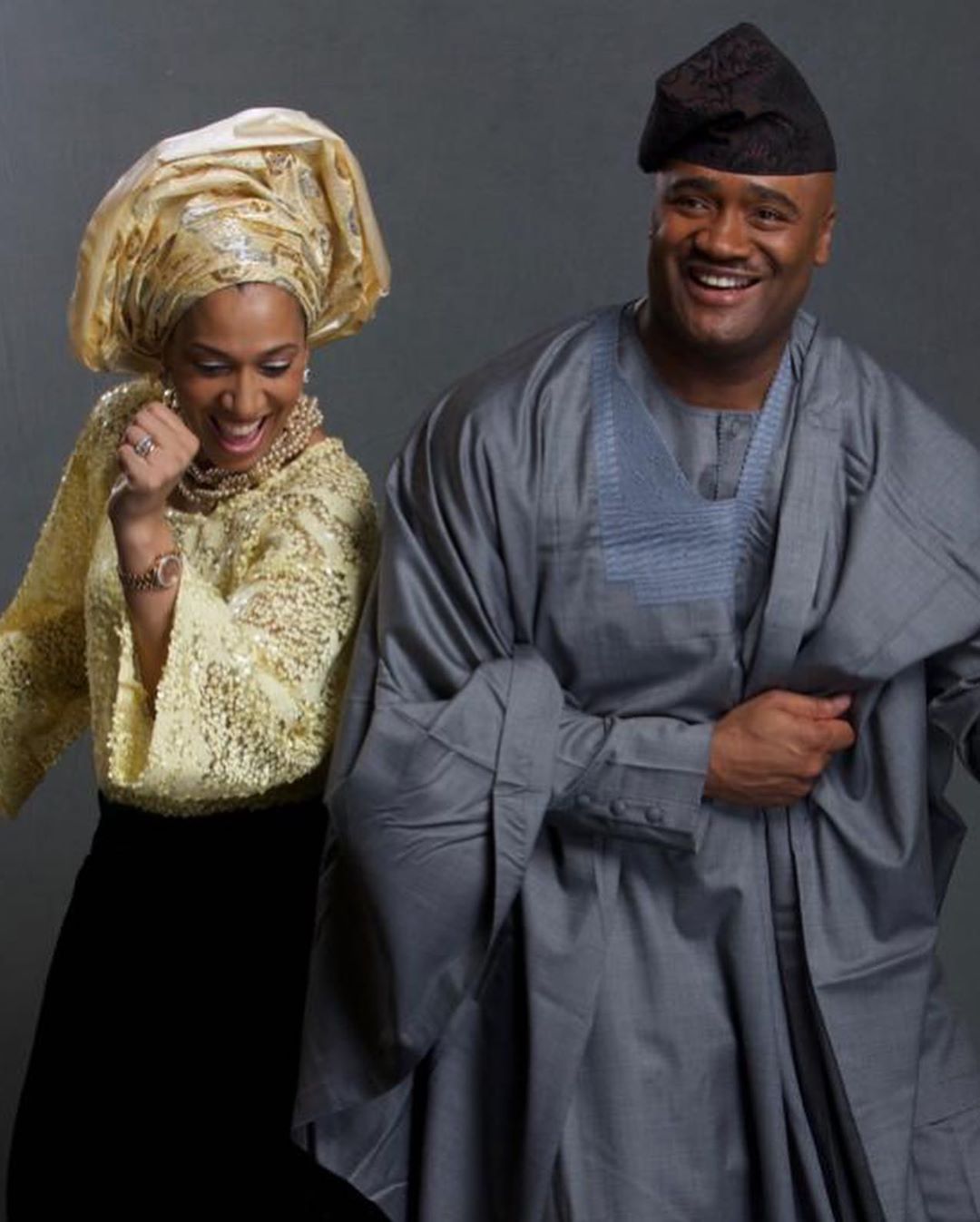
She says she would choose him over and over again.
She wrote :
Time passes by speedily when you’re living your best life with the man of your dreams!
_
I had no idea the heights that you would take me to, nor the depths and wonders that you would show me in life; all I knew was that you were a very special man – a unique man, a true man of God; and I was being given the privilege and honour of journeying life alongside you. 25 years later, having lived life under your cover, guidance, love, and assurance; if I had to choose again, I would choose you Adeolu. 💕🤗
_
I love you simply because you are an absolutely amazing person who cares deeply and loves easily. You make it so easy to love you.
I respect you for the loving husband and caring father that you are.
I cherish you for your large heart that reflects Christ in so many ways. It makes you very admirable and attractive.
I am so blessed and inspired by you. I thank you for being the man you said you would be.
_
Today, I stay focused on and grounded in the One who has blessed, kept, and given us 25 wonderful years and the promise of a great God-ordained future.
_
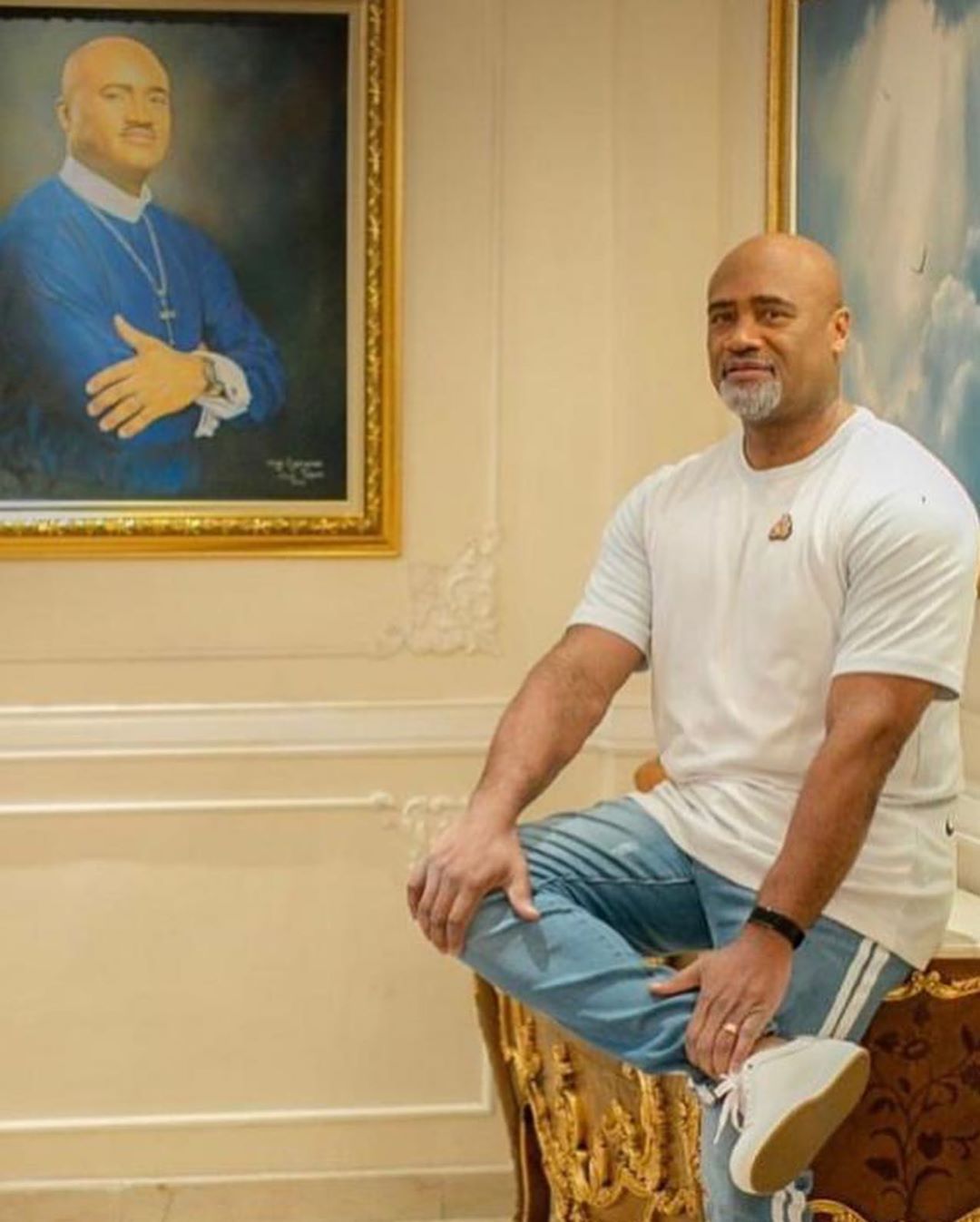
With all my love now and forever, I wish you a Happy Wedding Anniversary, my Best Friend, my Husband, my Pastor, my Forever Heartbeat and my Love – @PaulAdefarasin
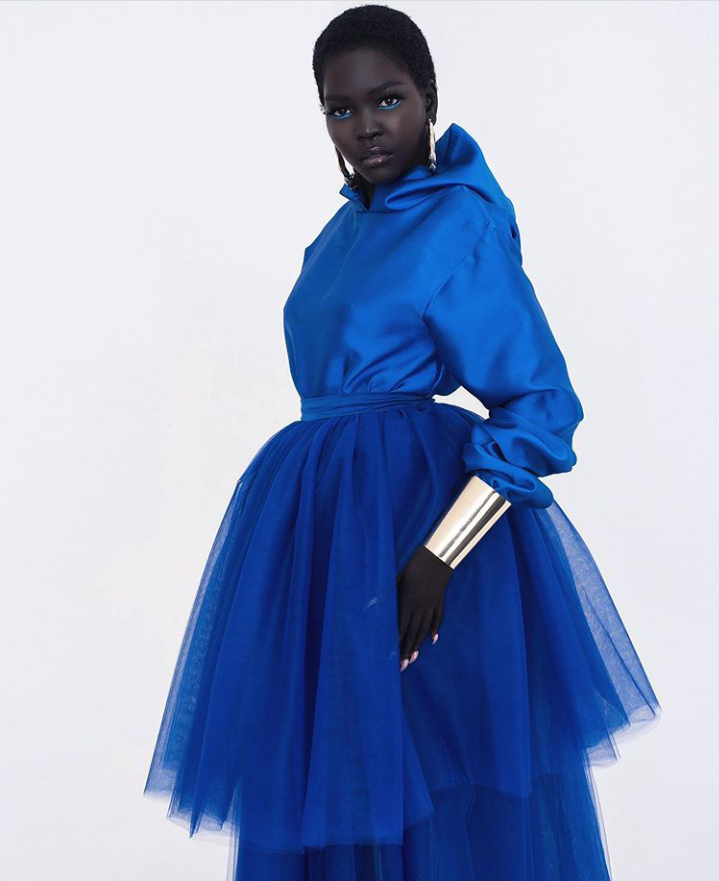
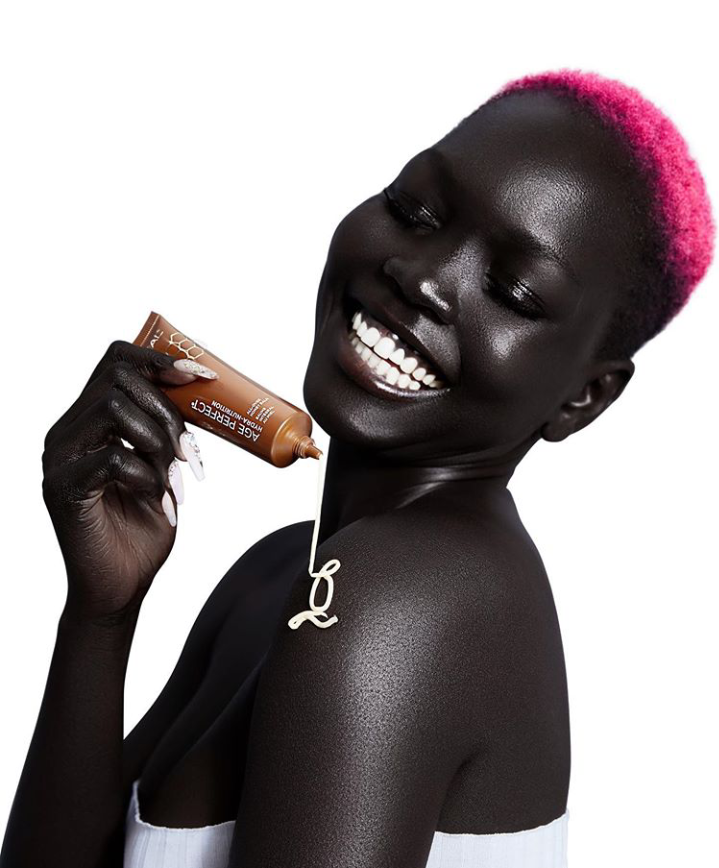
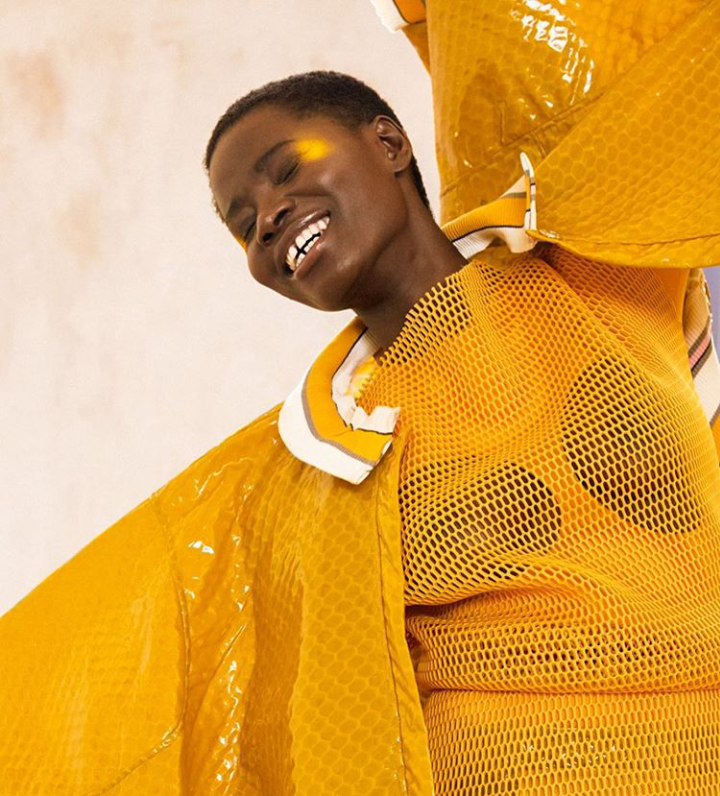
In times like this, 27 year-old model, Nyakim Gatwech, who is also known as “Queen of the Dark” is breaking down the barriers of conventional beauty, what an encouragement for others. Now, she has a growing net worth of $4 million all for a dark skin!
Photo source, Nyakim Gatwech, Instagram
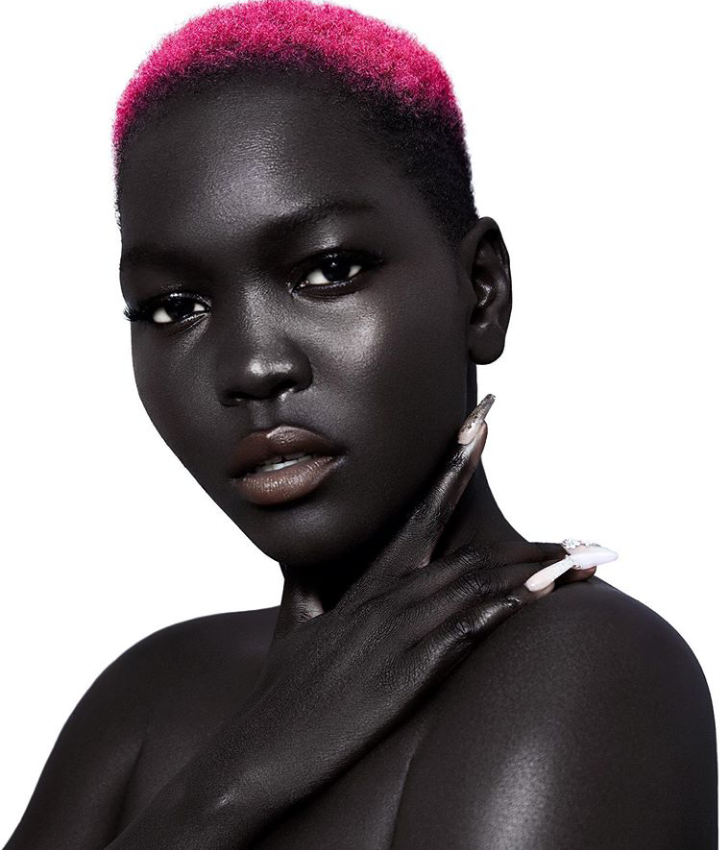
With an amazing willpower and confidence, Gatwech’s beautiful flawless dark skin tone have earned her endorsements and brand ambassador deals with major companies like Fashion Nova. According to the South Sudanese model, people of African stock get stunned by her dark hue.
“I was fine with my self-esteem and I started being torn down by society, and I started looking at myself,” she told CBS News. “Do I blend in with what the society considered to be beautiful?”She even recalled times when photographers would try to boost her complexion and make it lighter, but she insisted that she wanted to stay true to her natural look.
At 14, the St. Cloud State University graduate, made entry to the U.S and was later dubbed ‘Queen of the Dark’, due to her deep melanin, but she wouldn’t be stopped.
The Fenty beauty model, recently shared on Instagram an experience she had with an Uber driver who advised her to bleach her skin. “I was [asked by] my Uber driver the other day, he said, ‘Don’t take this offensive but if you were given 10 thousand dollars would you bleach your skin for that amount?”.
“I couldn’t even respond I started laughing so hard. Then he said, ‘So that’s a no’ and I was like hell to the f*king yeah [that’s] no. Why on earth would I ever bleach this beautiful melanin God [blessed] me with,” she added.
Photo source, Nyakim Gatwech, Instagram
Gatwetch now has a heavy following on social media with over 800,000 Instagram followers and attracts attention from cosmetic brands who engage her to promote their products.
Her hue, which was a source of worry, and bully is opening up doors for her now.
The model first had her appetite for fashion and modeling ignited while in the Kenyan camp. There, she perused fashion magazines and watched “America’s Next Top Model.”
Gatwech has chosen to be an inspiration to young girls all over the world, and is teaching us all that our weakest areas can be turned around for our greatest good. An advocate for diversity in the fashion industry, she proclaims that “Black is bold, black is beautiful, black is gold… Don’t let American standards damage your African soul.”
Jacinta Ardern is the youngest and third female to become the Prime minister of New Zealand. She is a firm believer that too much focus on power and strength can make leaders lose sight of the need for kindness.
While speaking with Guardian, she explained that her decision to go into politics came with the desire of wanting to change the world.
“In fact, if anything, I thought it looked like a very hard life. It was because I was one of those young people that thought I’d like to change the world, even if it was in the smallest of ways, it just felt like I was doing something that would make a difference.
She defied the odds “I’m a New Zealander and we are naturally quite a self-deprecating people, and part, if I’m honest, it’s probably because I’m also a woman who looks more quickly at my deficits; the things that I’m not good at, rather than what I am. But either way, I never would have imagined as a child that I would end up doing a role like this, because I grew up in a very small town, and there are 120 MPs (members of parliament) in New Zealand. How could I possibly imagine being one of them?.”
Speaking on what gave her the confidence to suddenly step forward, despite her seemingly low experience and young age, she added,
“You know it’s one thing to not be able to necessarily imagine yourself in that position, but when you’re there you’re just actually thinking, “Right, there’s no time for me to second-guess myself now, people don’t need to hear me question anything right now, they just need to know, and hear me say, ‘I can’.” And so, in that moment, I absolutely knew I could and so it was just a matter of going out there and showing that.”
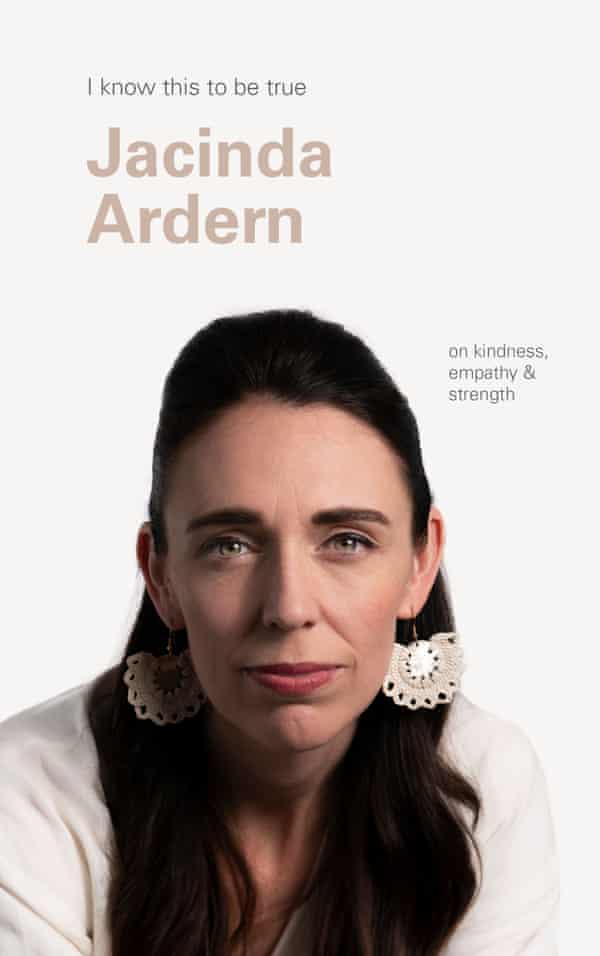
Front cover of the book I know this to be true, by Jacinda Ardern.
The qualities that have underpinned her path to this leadership role, include kindness,
“And not being afraid to be kind, or to focus on, or be really driven by empathy. I think one of the sad things that I’ve seen in political leadership is – because we’ve placed over time so much emphasis on notions of assertiveness and strength – that we probably have assumed that it means you can’t have those other qualities of kindness and empathy.
“We need our leaders to be able to empathise with the circumstances of others; to empathise with the next generation that we’re making decisions on behalf of. And if we focus only on being seen to be the strongest, most powerful person in the room, then I think we lose what we’re meant to be here for. So I’m proudly focused on empathy, because you can be both empathetic and strong,” she said.
Jacinta Ardern is a leader with genuine positive efforts that are plainly visible, she is someone we can all learn from.
People experience depression in different ways. Some get their moods affected while others get the effects on their bodies. Symptoms may also be ongoing, or they come and go.
This mental condition, can also influence relationships and also cause some chronic health conditions. Feeling down at times can be a normal part of life. Sad and upsetting events but, if you’re feeling down or hopeless on a regular basis, you could be dealing with depression.
The symptoms of depression can be experienced differently among men, women, and children differently – we have compiled this categorized list originally from Healthline which is a trusted source.
For men they may experience symptoms related to their:
mood, such as anger, aggressiveness, irritability, anxiousness, restlessness
emotional well-being, such as feeling empty, sad, hopeless
behavior, such as loss of interest, no longer finding pleasure in favorite activities, feeling tired easily, thoughts of suicide, drinking excessively, using drugs, engaging in high-risk activities
sexual interest, such as reduced sexual desire, lack of sexual performance
cognitive abilities, such as inability to concentrate, difficulty completing tasks, delayed responses during conversations
sleep patterns, such as insomnia, restless sleep, excessive sleepiness, not sleeping through the night
physical well-being, such as fatigue, pains, headache, digestive problems
Women may experience symptoms related to their:
mood, such as irritability
emotional well-being, such as feeling sad or empty, anxious or hopeless
behavior, such as loss of interest in activities, withdrawing from social engagements, thoughts of suicide
cognitive abilities, such as thinking or talking more slowly
sleep patterns, such as difficulty sleeping through the night, waking early, sleeping too much
physical well-being, such as decreased energy, greater fatigue, changes in appetite, weight changes, aches, pain, headaches, increased cramps
Children may experience symptoms related to their:
mood, such as irritability, anger, mood swings, crying
emotional well-being, such as feelings of incompetence (e.g. “I can’t do anything right”) or despair, crying, intense sadness
behavior, such as getting into trouble at school or refusing to go to school, avoiding friends or siblings, thoughts of death or suicide
cognitive abilities, such as difficulty concentrating, decline in school performance, changes in grades
sleep patterns, such as difficulty sleeping or sleeping too much
physical well-being, such as loss of energy, digestive problems, changes in appetite, weight loss or gain.
Common causes could include: Family history, childhood trauma, brain structure, medical conditions and drug use.
However, in many cases, healthcare providers are unable to determine what’s causing depression but it is advisable to seek help and practice meditation in some mild conditions.
Lami Phillips Gbadamosi has written a short note to women to encourage them to “be kind” to themselves. The singer and actress said that women have been taught to “be quiet” when mistreated and this has made them struggle with “self validation”.
The american born, who grew partly in Nigeria and the Uk also wrote, “Women have been taught to be quiet when mistreated. We have been raised to tolerate nonsense and serve condescension. Many women struggle with self validation because over time the beauty in their identity was not celebrated. Dear woman please become what you were destined to become! Own that superstar status! You are worthy of peace of mind. You deserve to be treated well too. Patience should not be foolishness and suffering. Be kind to yourself. You are doing an amazing job .,, and I celebrate you.”
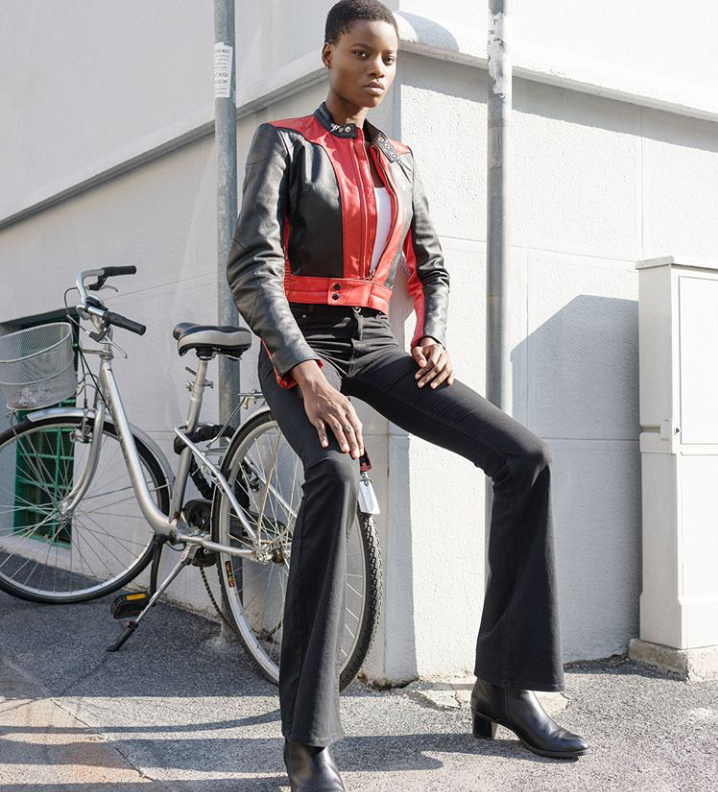
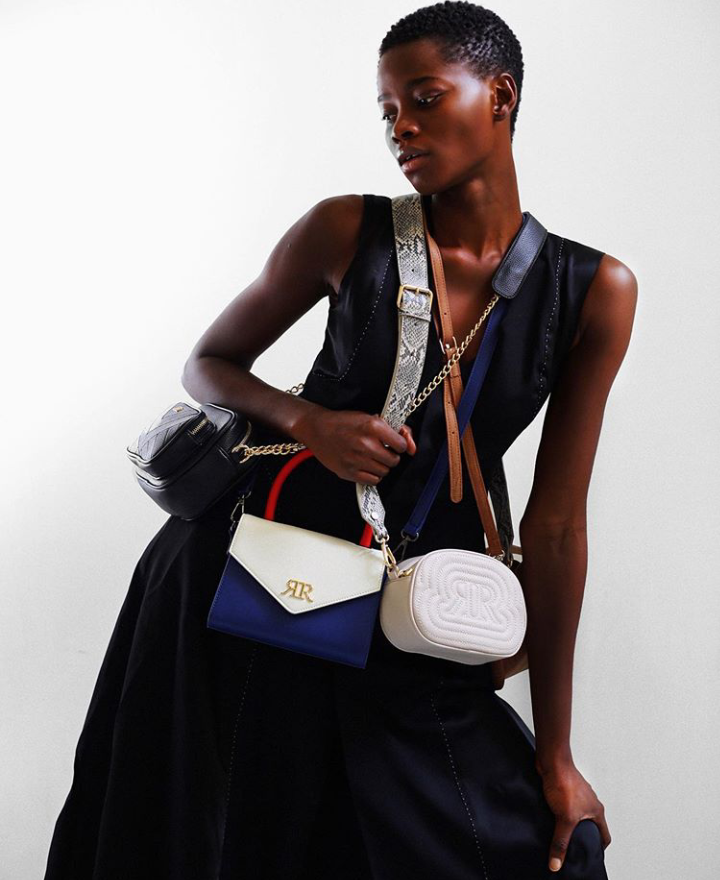
Ololade Ibrahim is a professional fashion model with Agencies in Milan, Barcelona, London, Paris, Greece, Denmark and Nigeria. She is a graduate of Mass Communication, from the Yaba College of Technology. Things you will find her doing are writing, designing and mentoring when she is not modeling.
Photo Credit: Ololade Ibrahim, Instagram
She shares her journey in this interview with Women of Rubies.
Childhood Influence
Yes, my childhood prepared me for whatever I’m doing now. My childhood taught me to be strong as a woman, bold, confident, stand up for myself and others, face my fear without fidgeting.
Growing up in a family where everything was fine at first and all of a sudden things changed for my parent. a home where my mum raised four kids without complaining, gave us the best education she can afford and yet we never go hungry.
B- Little about my growing up-
I went to a private primary school, got a scholarship for one year in a private junior secondary school then later move to public junior and senior secondary school before attending the high institution.
While I was at public junior secondary school some of my colleagues will bully me because I’m so skinny but graduating to senior secondary class I am able to fight back. So I don’t get much pain by those words any more.
Finishing SSCE I was small, then I started working in an envelope company where I glued envelope papers. I get extra cash there to get things for myself, without waiting for my mum or anyone to buy me this or that.
In those moment while working in an envelope company, people kept telling me how skinny I was, making statements like did my mum ever feed me? I got lots of body shame and bullying which made me stop going to work. At a point, I stopped telling my mum about it because she has warned me not to work at first.
When I stopped working at the envelope company, I started teaching children ( home lesson ) in my dad’s compound where I collect 30 naira on each child per day. However, I stopped teaching when I got a GCE form to prepare for the exam.
So after I took the exam I got admitted into LASU ( Lagos State University ) to study Theater Arts but there was no money to push my admission so I missed it. That year a friend told me about a job at the ministry of environment in Lekki, eti osa branch. I put in for the job and I was employed as a secretary. Literally, I start the job.
Before getting the job I never thought of the challenges attached to it and the distance. I stayed in Agbada Ijaye and I worked at Ozumba Mbadiwe road, every day I left home by 4:30 am just to avoid traffic and to get to the office before resumption time 7:30 am or 7:45 am max. Doing this for 8months gave me another view of life, I met awesome people who shaped my life, build my confidence, make me believe more in myself, push me to do awesome things. All these experience prepared and shaped me to who I am today.
Photo Credit: Ololade Ibrahim, Instagram
Inspiration behind modeling, and the journey so far
In this journey, I met a friend who introduced me to modelling because she really like modelling but she’s not that tall so she got a ‘no’ so many times. She convinced me about it because of my height, then I developed interest and I started watching fashion Tv, watching the likes of Noami Campbell, Trya Banks and others in the modeling industry.
Meanwhile, there was a program; American Next Top Model which was hot on tv then, people watched it. We were watching that program that night, So I told my mum about modelling she was like ‘ha everybody will be seeing your body,’ My dad must not hear about this. I knew that my dad must not know about it!.
However, I have tried many things which my dad was against, so I begged her to keep it a secret because once my dad knows about it I’m definitely getting a NO on it. So we kept it a secret, no one knew in the family that I wanted to go into modelling.
So, this friend of mine, introduced me to a man, named MR Yusuf. MR Yusuf gives catwalk lesson and coach models towards pageant and runway. He basically wanted me to go into pageants like MBGN, MISS UNIVERSE and the likes, he will always say that I will do well in pageants because of my beauty and how outspoken I am.
On the long run I put in for miss global Nigeria after I passed through the audition and got to camp it was a different game, 60% of what I heard and could see, the way the setting was, I wasn’t pleased with it. I told Mr Yusuf he said I could pull out. I remember after three days I talked to Mr Yusuf about it, the chaperone in the house gave us a task and I challenged her, that night she sent me packing. Few housemates were begging for me but instead, I just focused on my packing. That night I called my mum that I was coming home, and she asked why, I said nothing that I just wanted to come home, that I didn’t like the place. I couldn’t explain it all till I got home.I took a taxi late in the night and got home. For a week I avoided talking to my mum or even getting close just not to talk about it. My mum will figure out what happened and there will be an issue.
After all these, I didn’t stop pushing, I tried some pageant and failed.
I was in school one afternoon when they called me to come to represent my local Govt in Lagos pageant (Miss Lagos Carnival) 2014 . In the pageant, I won Miss Amity. This time I was in 1st-semester Yabatech studying mass communication. After Lagos pageant, I tried Nigeria next supermodel 1st time I had to pull out because of school. So the second year I got the form and tried again, I made it to the top 10.
So the game kept going and at a point, I got tired and stopped because everything wasn’t working the way I wanted it.
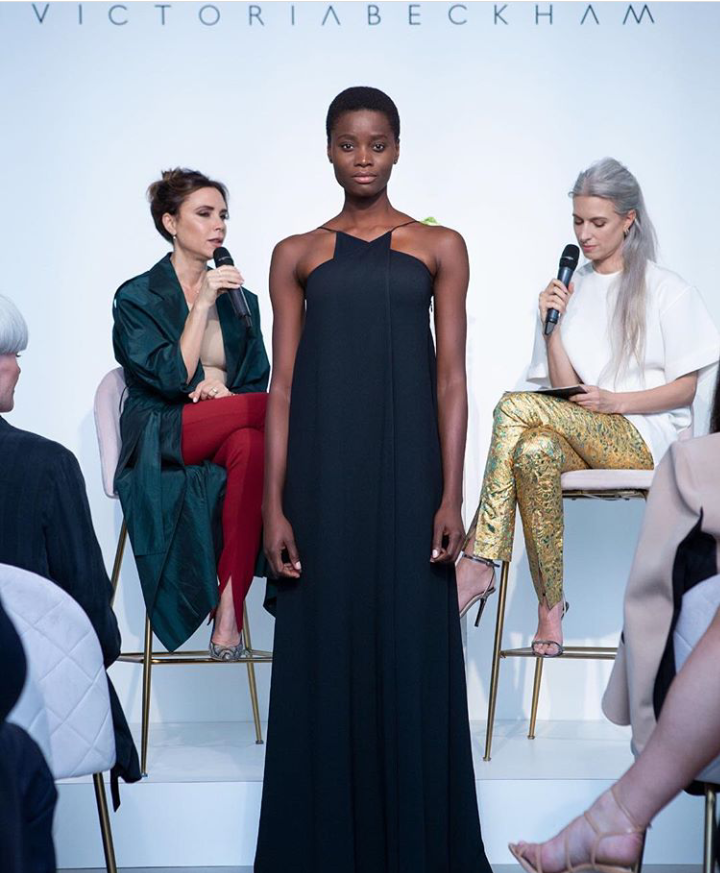
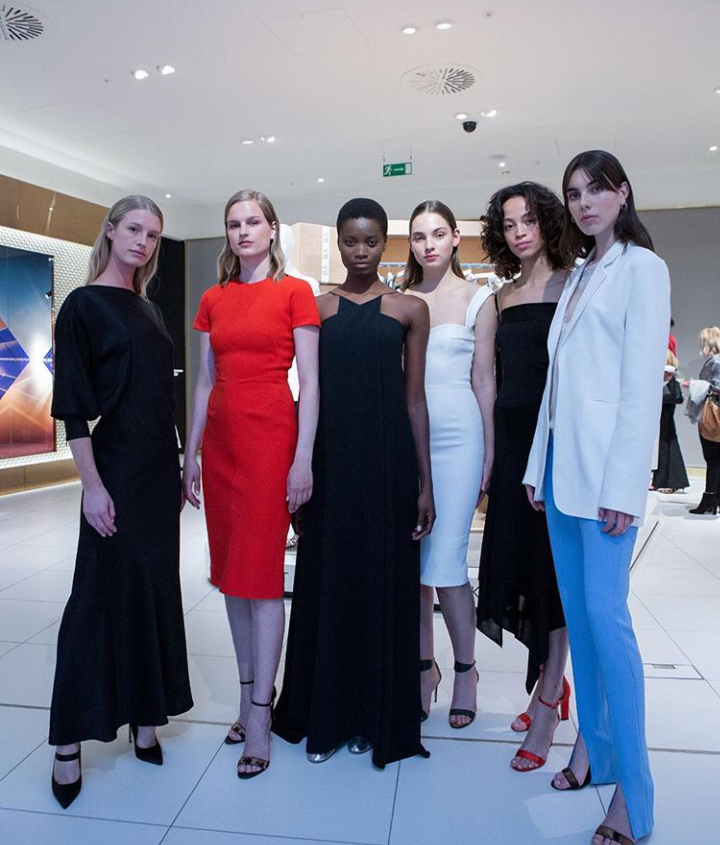
Photo Credit: Ololade Ibrahim, Victoria Beckham’s Capsule Launch, Instagram
International breakthrough
This lovely afternoon I was going to school to submit my project when this young scout from Raw model management walked up to me saying do you know you can make money with your height, immediately I rolled my eyes like this guy is trying to talk to me about modelling. I said to him I’m not interested in modelling I have tried it many times but it is not working. He said I should just give him two months and I will be surprised by the outcome. He collected my contact and sent me a message two days after, I was invited to Raw Model office in Bariga which was close to my school. I did some shoot, no one asked for money. I got a call back two weeks after to do another shoot, this time I was placed on proper diet, I had to cut my hair, change my style just to suit the international market. Within 5 or 6weeks an agency in Milan signed me, that’s how everything changed, I did my first international show (Milan fashion week) in September 2017. Since then the journey has been smooth and rough. But in all, I give God all the glory.At some point, I had to take a break, because modelling is a crazy world. In the process, I lost my dad, the break now took so long, I was mentally and spiritually down. Missed a whole fashion season.
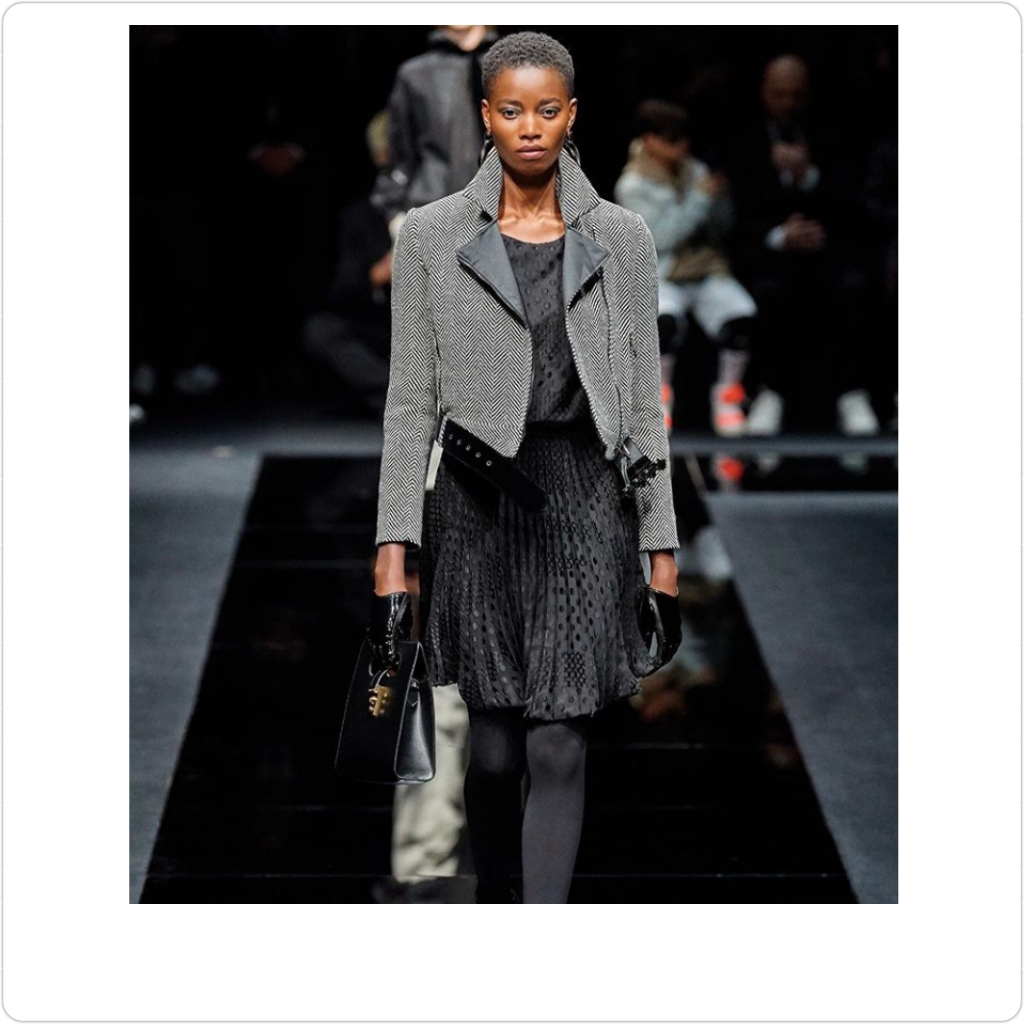
You recently walked the runway for Emporio Armani at the Paris fashion week, tell us more about it.
Literally, this is not my first time walking the show.
Back in 2018, I was the first Nigerian model to walk Emporio and Giorgio Armani in the same season no one else from Nigeria has walked the two shows in the same season until 2020 again when I walked the two shows again in the same season making me the first Nigerian model to walk both shows the same season, twice ( February 2018 & February 2020).
However, I will say God’s grace just speaks for me in the midst of the thousands. Because during the first and second casting I just do my things normally like I do which is walk. And two days after my booker in Milan told me I have a fitting for Emporio Armani I was so happy. I wasn’t even looking at Giorgio Armani show when they gave me another call to go for Giorgio Armani fittings. So after both fittings I still kept the faith tight maybe I will do the two shows; so that evening I got a confirmation that I will be walking the two shows, I was extremely happy that God did it again 👏🏾🙏. All thanks to MR Armani and the team 🙌🏿.
Other brands modelled for
I have worked for many major brands all over the world, I can’t even remember all their names but here are few of them; Off-White, Adidas, Jasper Conran, Vogue Magazine Italy, Toga, Aigner, The Times Magazine UK, Cristiano Burani, Harper’s Bazaar Germany, Lurve Magazine, Liberty Beauty, Kiko Kostadinov, Emporio Armani, Giorgio Armani, Victoria Beckham in London, Sportmax, Sergio Rossi, iceberg in Milan, thome brown, Comme Des Garçon, Ysl beauty in Paris, Lampoon Magazine, Schön Magazine, Talbot Runhof, Rahul Mishra, Issey Miyake, lefties in Barcelona and many more.
Aspirations as a Model
Some of my aspirations as a model is to work for more top brands, use this platform to help myself grow, my family and also give back to society in every way I can.
In our world of today where creativity is a big deal, I’ve embarked on a Journey to rebrand my personal identity OLOLADE IBRAHIM which has a Logo to it already and I’m working towards getting more out of this brand.
Though, I already have a fashion brand in place awaiting finish and a launch. It’s called DENIM by OI ( Ololade Ibrahim ) and I have started the branding process already by first adding a befitting Logo to represent the brand and there’s a lot coming on it.
DENIM by OI is a fashion brand for all shades of human, race and gender.
Talk of giving back to the society; I already began that journey when I joined Black Diamonds Support Foundation ( an NGO aimed at giving back to the society).
I participated in their recent campaign in which we together fed 5000 Kids in Lagos just like Jesus Christ did back then. I must say, it was an awesome feeling seeing children smile and go home happy.
There’s so much more to come and I can only hope for the best of all
3 women of inspiration in the modeling world (Personal)
You see I believe every woman is a role model, in one way or the other. My mum as an example is a great role model. With all that she has been through, and pulled through she is still alive standing strong.
There are some icons out there who don’t belong to the industry but are doing well in their lines of duty and fighting for other women as well.
Someone like Michelle Obama, Chimamanda Ngozi Adichie, Bethlehem Alemu, Ilhan Omar, Naomi Campbell, etc these are a few women I have read and know about and how they’ve inspired young girls are amazing.
Naomi Campbell- aside from the fact that she’s a black woman and also make ways for we young black girls of today in the industry. Fam she’s a legend keeping it tight in the modelling industry till this moment which makes me respect her more, I grew up knowing her, watching her on tv. And she’s still rocking it, she’s a legend and icon.
Ilhan Omar- is a young woman from Somalia who lived in Kenya refuse for four years. She is the first naturalized African and Somali-American elected to the United States Congress. Before her political position, she has been a fierce campaigner for affordable housing, healthcare, and a living wage. In 2017, she was one of the 46 women to feature in Time’s Magazine’s report, “Firsts: Women who are changing the world.”
Chimamanda Ngozi Adichie is a Feminist, Novelist, and an Author from Nigeria here, I know her to be a fierce woman who wants equal gender rights and women empowerment. She also speaks against sexual violence including the #metoo movement.
In 2012, she gave a powerful speech at TEDxEuston in London titled “we should all be feminists”
There are many more women out there doing great things has I have said but people don’t hear or know about them.
Challenges faced as a model
Firstly being a black model is a challenge, I don’t know why some people see this our skin colour as a problem for them. Without even knowing you as a person they just develop hatred.
I have once been to casting in Paris at this recent concluded Paris fashion week, the casting director doesn’t even know me at all. We were like four or five who walked in together, She collected everyone’s comp card and put mine separately, she asked her assistant to take our pictures, after the pictures she said I can go, I said everyone or just me. She said only me. I said wouldn’t you even allow me to walk? She just ignored me. You know when you go somewhere and you can feel it that your energy is not welcome there.
Some even fake it, they give people outside a better version of them. (to impress the society) Trying to tell a story that they welcome diversity in their collection, meanwhile it’s all a lie, they only allow one or two black models on their set or runway and use them as props.
I have lived in the midst of some girls who are Russians. It was a terrible experience, I was like a kid in the midst of a lion. The funniest part is they didn’t even know each other from anywhere, they came in separately but because they speak the same language, they became friends easily and ganged up against me. They made the apartment terrible and difficult for me. Returning home sometimes I would some of my things in the trash can.
One lovely morning I had a job and the call time was 9 am, wanting to have my bath that morning, coming out of my room one of the girls rushed into the bathroom stayed in the bath for 1hrs 20 mins without coming out, I had to go for the job without having my bath that morning. Getting back home, I went to her told her to be fast in the bathroom next time, she pretends as if she did not understand English which I knew she was lying because she spoke to me with English when she first moved in introducing herself.
.
That night my roommate came to confront me why would I talk to her friend like that, that next time If I challenged any of her friends I will meet my bag outside. I was so shocked because we were all paying for the room. Before I knew what was happening she moved close to me with her hair straightener on her hand, that night I beat her so badly without evening thinking of what will happen the next moment.
Till I left the apartment the girls avoided getting close to me or my things they couldn’t even report what happened to the Agency. Because they knew what they were doing to me was bad.
Since then I don’t run away from my fear, I face it and I make sure I overcome it.
A Woman of Rubies
Firstly; Rubies are rare gem, considered to be the stone of love, energy, passion, power, tough, and of high value, beautiful and so am I. 😂.
I have represented and still representing Nigeria internationally in the modelling industry, making the world know we have good features, women of value and quantity in my country.
I have participated in many programs in giving back to the less privileged.
I have volunteered myself for community service for the betterment of my neighbourhood and community.
I am still and will keep doing more as long as I live.
Final word for young women who want to go into modelling but are scared
I will like to tell them to brace up. Modelling is not something you sit down somewhere and it will come to meet you. Not everyone will be lucky to be scouted on the road or somewhere. I know some people who pushed themselves to the top where they are now.
If you want something, you go for it; even if the world keeps challenging you, You stand your ground. Go for that thing you want.
Believe in God, he’s the only one who can do it.
Lastly, every young girl wants the big name agencies to sign them on but the truth is, it’s not about how big the agency is that will determine your career or limelight. You can be signed to a small agency as that of a hole and still shine pass so many.
What you should look for is; will this agency represent me well?. A lot of models are in big name agencies that I know of and are yet to do anything.
Be contented wherever you are, put God first and don’t stop pushing hard.
Add up- I’m an actor (featured in one movie already) a Journalist also. I’m open to movie roles if there may be any available in the nearest future.
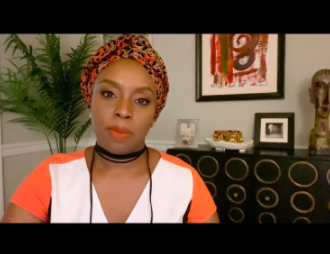
In honour of Biafra Day which is celebrated every May 30, Chimamanda Ngozi Adichie has this year spoken about her award-winning book, “Half of a Yellow Sun“.
Her book which profiles what the war era looked like with its storyline speaks about what motivated her to write the book.
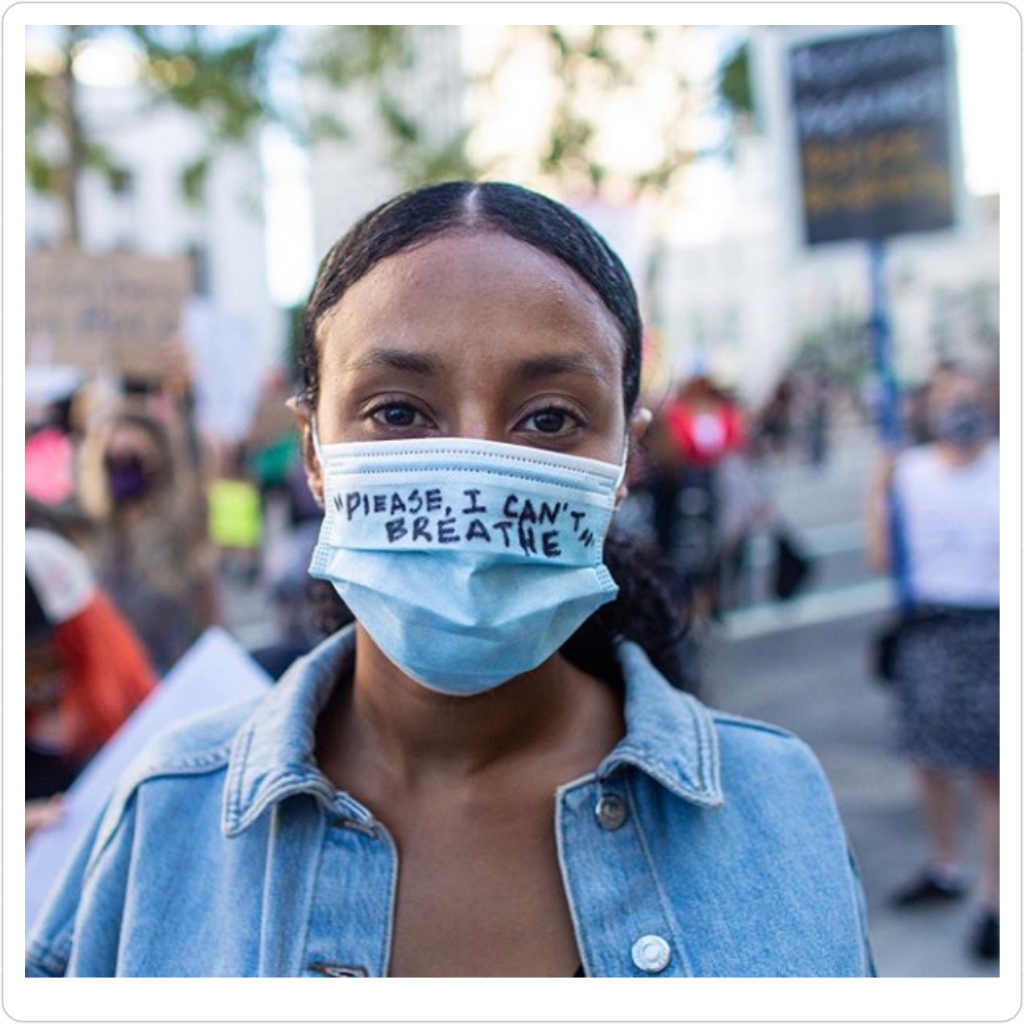
A scene from the protests in Los Angeles on May 27th, 2020
With so much going wrong now, with how lives are threatened, people getting shot and racism, Anna Wintour has called out Joe Biden. She wants him to choose a black woman as his Vice President, and to do it now!
Wintour who is the Editor- in-chief of Vogue Magazine wrote an editor’s letter.
“These are days of wildly mixed emotions. I am always one for optimism and I had been cheering at signs of recovery and cautious re-emergence, the communities and businesses carefully opening up, the Americans following guidelines, wearing masks in public, and social distancing safely, the pandemic slowing its spread in most places.
But there has been little to cheer about recently. The signs of division, anger, and chaos in our country are overwhelming and heartbreaking. And we have a disgraceful president who seems capable only of vile statements of hate, of stoking our divisions, and turning Americans against one another.
She urged the Vice President to do more now, with all he has been up to.
“He must surround himself with the best and the brightest minds who represent all of America—and that means he should choose a woman of color to be his vice president, and he should do it soon. What an important symbol she will be for a country that is long and tragically overdue for new leadership,” she wrote
Nigeria has had its share of wrongful treatments as a young lady name Uwa was raped and killed in church last Wednesday. A trending hashtag has ensued on social media, so justice can be done, as several others have lost their lives this way. And the Police has also wrongfully cost some of this as weeks ago two policemen allegedly shot a teenager according to news reports.