Author

Women of Rubies

Browsing

For decades, women across the African continent have known how good shea butter is for the skin. This is why Ruth Wewura Guribie, the founder of Sava Shea Company Limited in Ghana, is creating a natural skincare brand that celebrates this much-loved local ingredient.

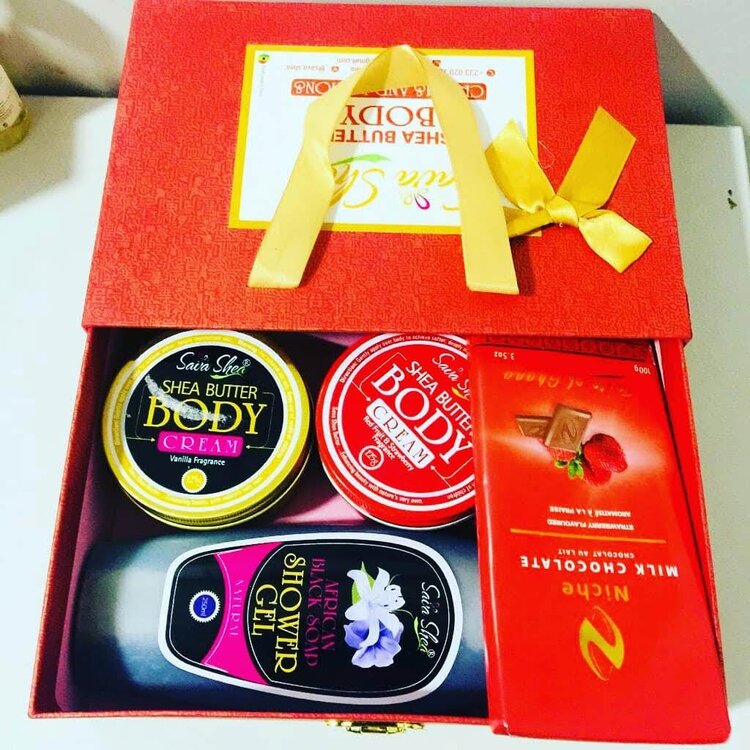
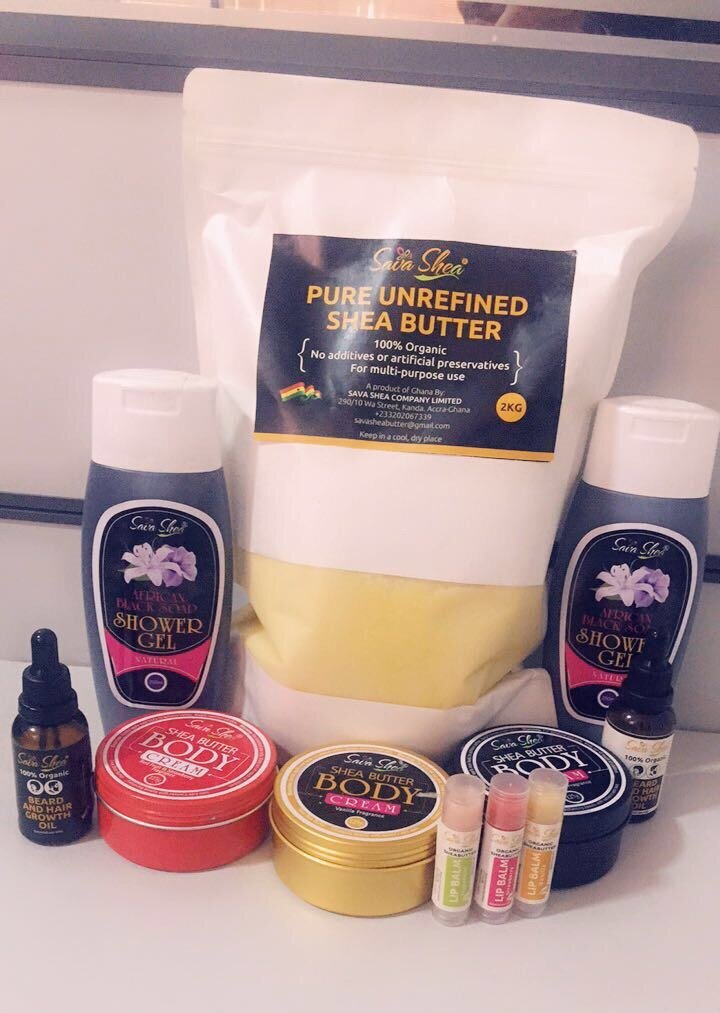
Sava Shea Company Ltd is a female-owned cosmetics company established in 2015 in Ghana to solve the growing need for natural skincare products by manufacturing and distributing high quality skincare products. Their products are made from premium quality unrefined shea butter handcrafted by rural women in the Northern parts of Ghana and infused with oils and other natural ingredients that are purchased locally.

Their products are simple, natural, and portray to the world what Ghana has to offer in skin care. Their products include Body Creams/Butters, African Black Soap Shower Gel, Lip balm, Hair/Beard growth Oil and unrefined shea butter.

She was motivated to start Save Shea when she discovered that most of the skincare products she used were full of synthetic chemicals; some of which were not even listed in the ingredients. Her skin was being soaked in a cocktail of chemicals everyday with unknown long-term effects. So she decided to start listening to her body and stopped using these products.
Thereafter, she began experimenting in the kitchen making products using only natural oils and butters that she knew were safe and could be sourced sustainably.

You will have many reasons to quit at some point, but don’t. Be passionate about what you do and communicate it in the way that feels most inspired, natural and unique to you.

Quite simply, if a product is made using organic ingredients, you are guaranteed that it has the environment and sustainable practice at heart. So, she felt producing organic skincare products would be her way of helping the process of slowing down the ever increasing speed at which our world is degrading. She never wanted to be just another company making natural products. She wanted to make sure her customers were enjoying best quality products for the most reasonable price she could sell them at.

“Of course, I started this business with the goal of financial success. However, this company is so much more. Save Shea represents me. It is a manifestation of my passion, dedication, skills, and talents. It’s been 5 years since I started this journey, and like any other start up founder, I have had my shares of highs and lows. I certainly had some interesting learnings along the way, which has helped me become a better person and an entrepreneur. I have learned that I am not capable of doing everything nor knowing everything, so I had to learn to get the right people on my team, ask for help, and say no to things I was incapable of delivering. I knew the journey was going to be both exciting and painful, but just as my mother had always taught me growing up, this was MY journey and both my successes and failures are direct results of ME and by ME! I am ready to walk it through and make it work despite the odds.”

Sava Shea is differentiated from other brands on the basis that we focus on manufacturing products that are safe for all skin types and ages, effective and free of chemicals.


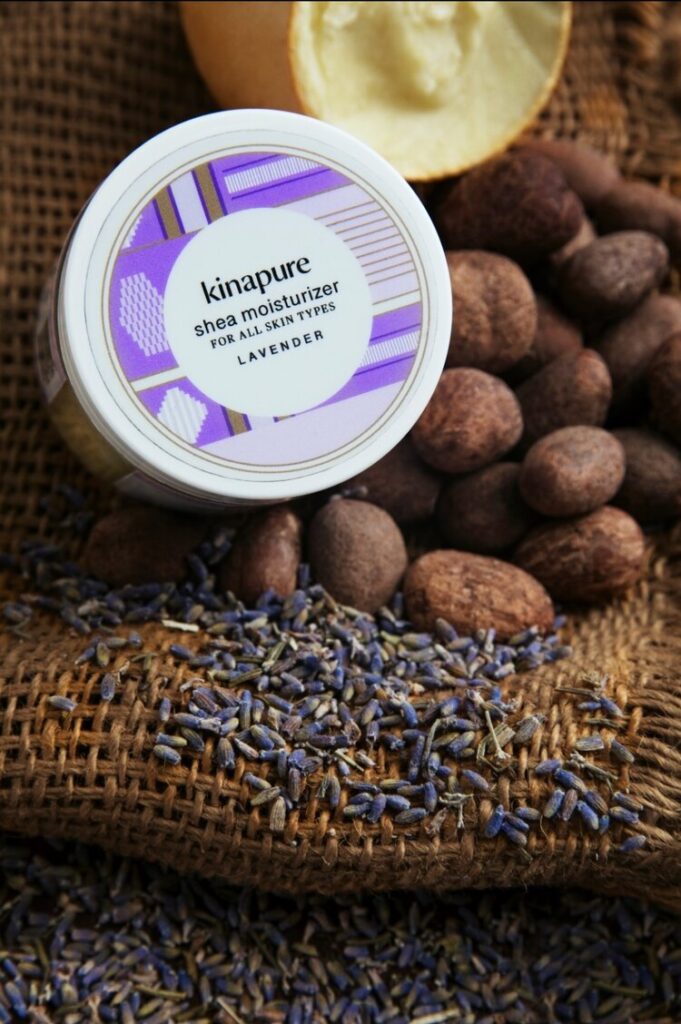
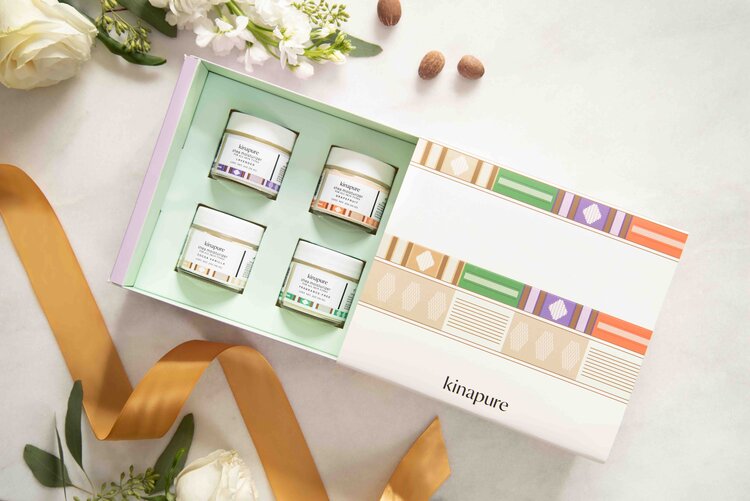
The beauty and wellbeing benefits of shea butter are well known, but now for those looking for a premium brand and product range which is organic, vegan, and suitable for the most sensitive skins, help is at hand from Kinapure.

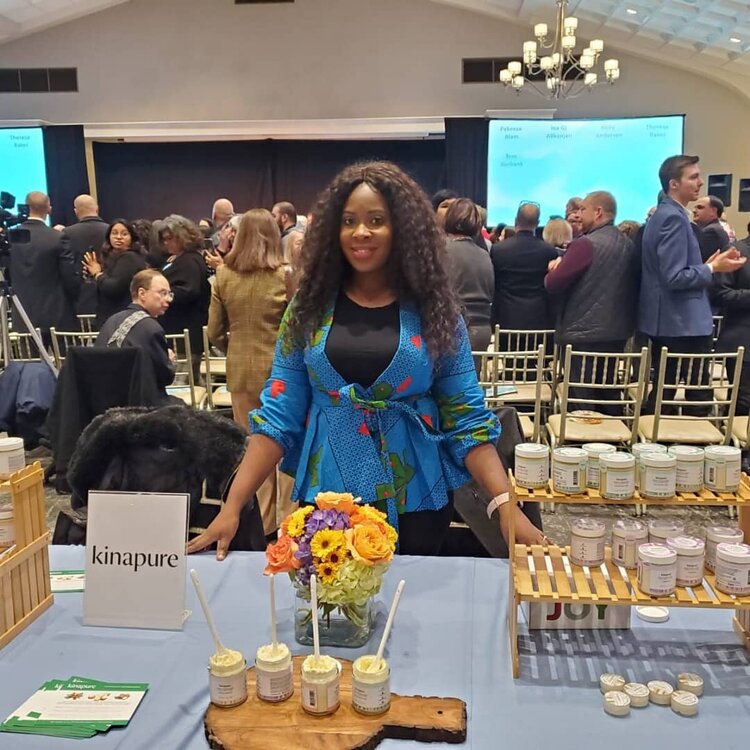
In Ghana, Kina Africa, founded by entrepreneur and health specialist, Mildred Mawusi Agbana (Millie), and trading under the brand name Kinapure, is creating a range of products that are handcrafted, organic, cruelty-free, 100% vegan, hypoallergenic and non-GMO.

Mildred Mawusi Agbana is the founder and ceo of Kinapure (USA) and Kina Africa (Ghana). The brand is a premium health and wellness brand that is focused on building an organic and sustainable business that contributes to people’s health, while impacting the lives of rural women in Ghana through training, support and the ongoing construction of an ultramodern shea processing centre in the Savannah Region of Ghana.
Mildred has worked as a registered nurse and a chronic care manager in the USA for 10+ years and is currently pursuing her MBA.

“My biggest advice to women starting their own business is to put fear aside and try. Start small and invest less money in the beginning. Test your idea and seek help from your local organizations and other online resources. This will improve your success as an entrepreneur.”

Kina Africa LLC was founded in 2016 and its subsidiary Kinapure in 2018.
Kinapure produces the highest-grade of shea butter and other organic products, incorporating Nutrient-rich, Clean, Functional, Organic, Non-toxic, Non-GMO and Cruelty-free ingredients to deliver powerful skincare solutions.

Mildred’s journey into the world of entrepreneurship happened unplanned. According to her, “My child, Gabby developed really bad eczema when she was only a baby. As a nurse for 10+years now, there are various treatments I know for various skin conditions. I tried them all from the most expensive skincare brands to the most organic homoeopathic solutions but nothing seemed to be working for her. Some did for a while, gave her a little relief but it was never permanent and it kept feeling like a never-ending war. My friends and family couldn’t even carry or play with her. She was so uncomfortable, fussy and didn’t enjoy being touched. She would cry and cry because she was itchy and uncomfortable all the time and as her mother, whenever she cried, I cried along with her.”

“Finally, I brought up the issue with my mother and she reminded me of the power of the shea nut, the same one she used when she was pregnant with us (her children) and the same one she used for us when we were younger and had skin and hair issues. I went ahead to create a mixture with the shea butter and some other potent ingredients and used it on Gabby. I realized that even on the first day of use, Gabby had become relaxed, calm and was sleeping better. Within a few days, Gabby was already sleeping better and smiling brightly like she used to. My friends and family were impressed by the quick improvement in my daughter’s condition and asked me to make some of the elixir for them. No matter their skin tone, race, age or gender, they all came back with amazing feedback and results after using it. After realizing the elixir, I had unknowingly created rapidly advanced the quality of my daughter’s life and others, there was no turning back, this miracle product had to be shared with the world.”

Both of Mildred’s maternal grandparents were traders and they taught her the ins and outs of trade. They were able to pay for her school fees with the money they made from selling. This inspired her to becoming an entrepreneur.

“My biggest advice to women starting their own business is to put fear aside and try. Start small and invest less money in the beginning. Test your idea and seek help from your local organizations and other online resources. This will improve your success as an entrepreneur.”

Sarah Kuponiyi is a passionate youth leader whose work cut across gender equality and sexual reproductive health.

The  certified adolescent sexual health professional from Geneva Foundation for Medical Education and Research (GFMER) Switzerland has other certifications from Global Health Learning Center an affiliate of John Hopkins Public Health Institute.

Her passion for development and advocacy  led to the founding of A Well-Informed Adolescent (AWA) Initiative, where she leads the team in creating and managing Safe Spaces that ensure young people can achieve their potential by enabling them access to essential services such as sexual health, mental health building equitable gender norms skills among adolescents, quality formal and technical education and opportunities to create livelihood like skills acquisition and empowerment without being exposed to discrimination, harassment, emotional or physical harm.

Since Inception, AWA Initiative has implemented projects on addressing Gender based violence at the community level, fighting for gender equality, youth health and development that has been donor funded by Global Affairs Canada, IHS Towers of Strength, Peace First, and Pollination Grant among others. She also leads innovative school based interventions on adolescents’ sexual reproductive health programs. She manages various Youth Resource Centers a role she has been consistently doing even after working with CUSO International as a Youth Resource Center Manager.

Sarah who is also  the CEO of  Alora Reusable Pads uses her skills to advocate for upholding of human rights for sexual reproductive health, to ensure women and gils can be equal and free to make dcisons in all spheres of their lives, without discrimination. Violence or coercion.

Through AWA , Sarah has handled several projects like;

  • A Well-Informed Adolescents Campaign
  • Tackling Gender Based Violence; A weekly program that offers  crucial approach to poverty reduction, economic development and a key to protect sexual and reproductive health and rights.
  • Friday Talk Date: In this event we provide adequate age appropriate comprehensive sexuality education to adolescents at the youth resource center
  • Safe Space Activities: We provide youth friendly services that cater for the overall development of young people
  • Health  and Livelihood Programs

We celebrate Sarah for adding value to humanity, and using her platforms for social good.

You can contact AWA Initiative via the links below;

Website: www.awainitiative.org

Facebook: https://web.facebook.com/AWAInitiative22

Twitter: https://twitter.com/AWAInitiative

Instagram: https://www.instagram.com/awa_initiative

Email: awainitiative@gmail.com

Contact: +2348092287963

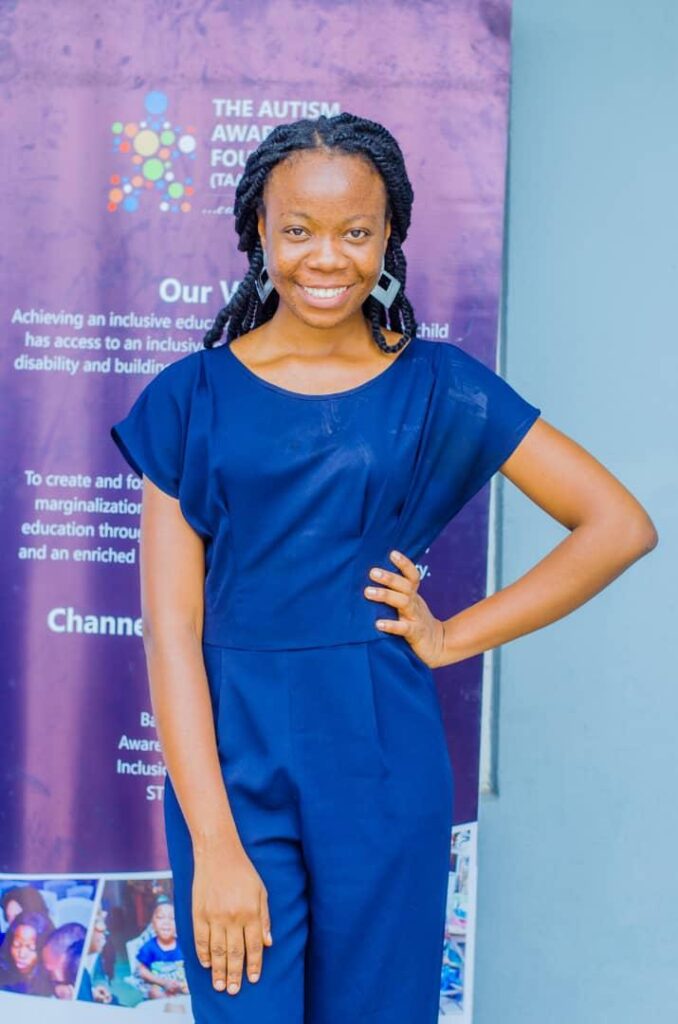
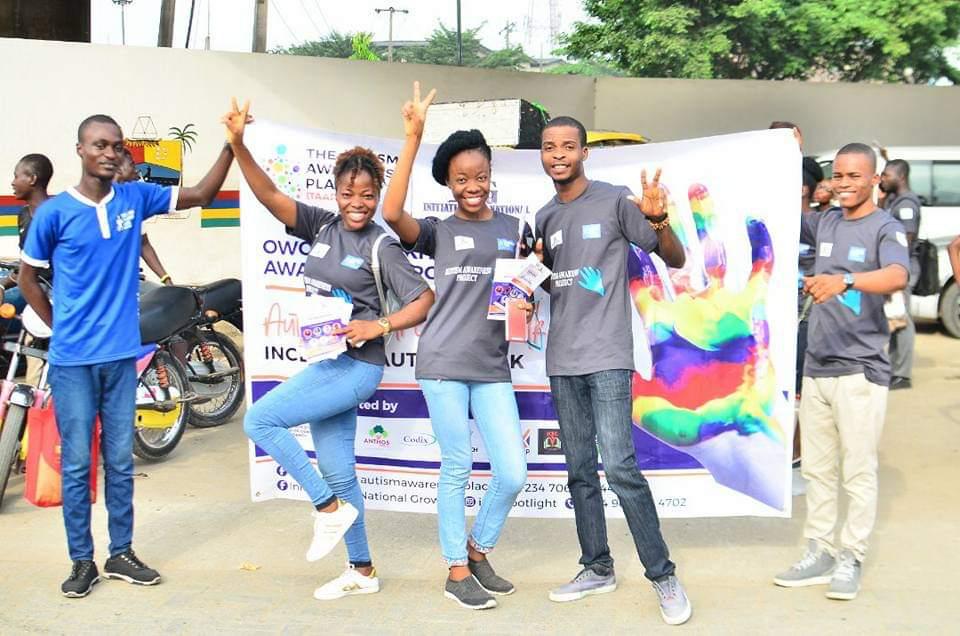
Prisca Chika Onuegbu is a Public health professional with keen interest in education and advocacy for children with special needs. She believes every child is unique, with untapped potentials waiting to be rightly harnessed.

Prisca holds a Masters in Public health (Child and Adolescent Health) at the University of Ibadan, Nigeria. She holds a B. Sc in Child Development and Family relations from Obafemi Awolowo University, Ile-Ife, Nigeria. She has facilitated and attended several trainings to support her cause for children with special needs in Nigeria.

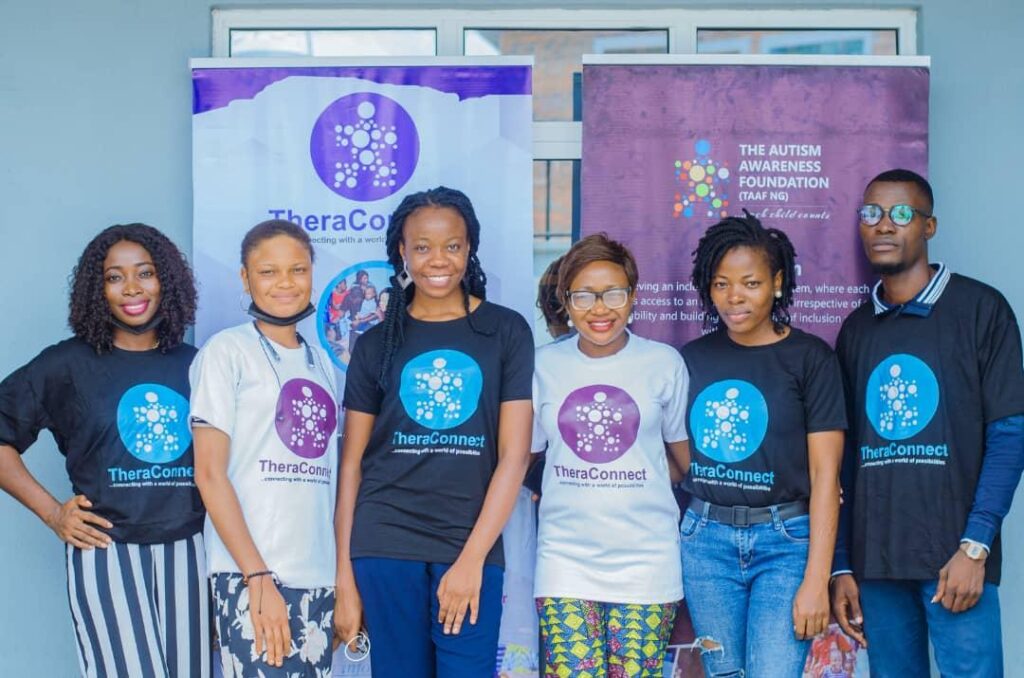
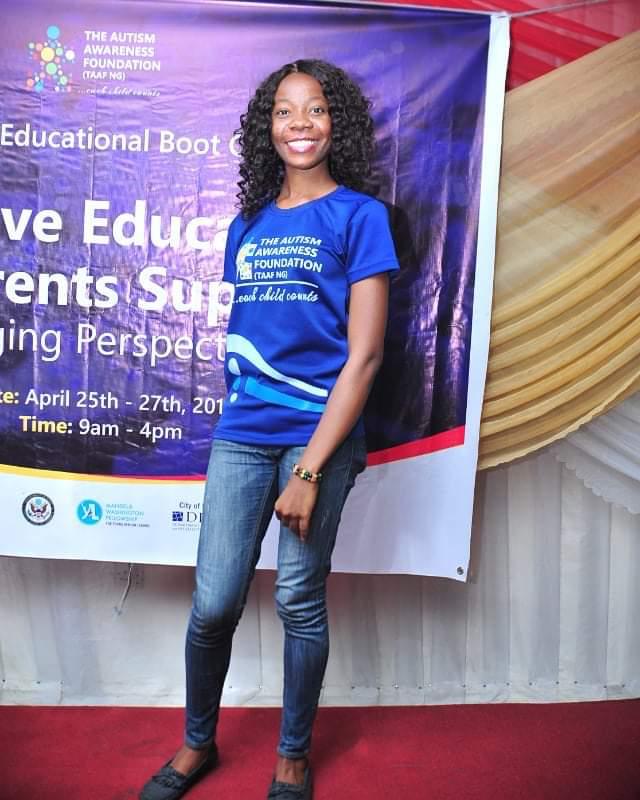
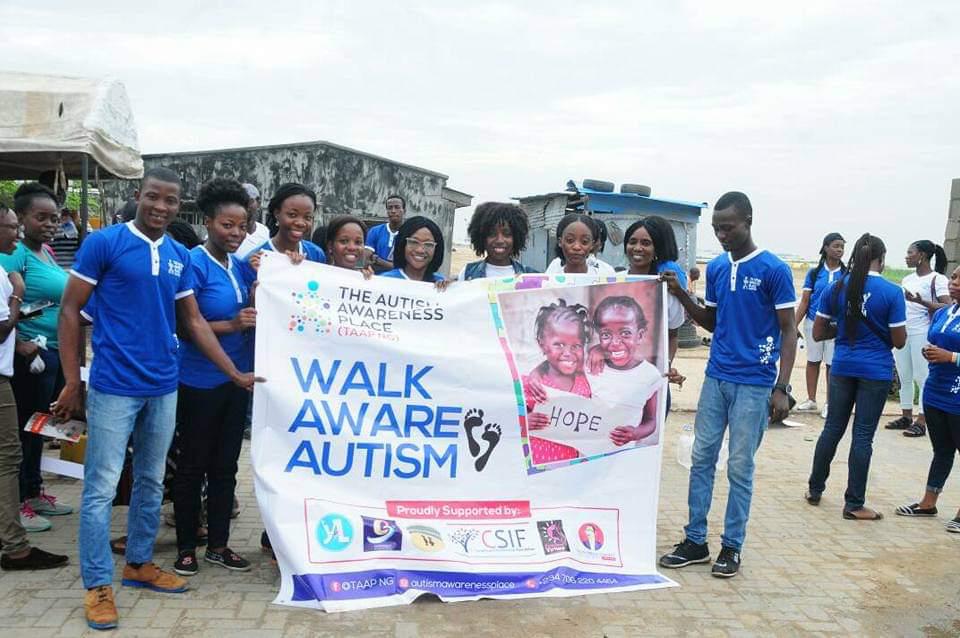
As the Director of Programs at The Autism Awareness Foundation (TAAF NG), she is actively involved in support and advocacy for individuals with autism and other related developmental disorders. She has worked as a therapist at Patrick Speech and Languages Centre, Ikeja, the foremost centre for Autism in Nigeria.

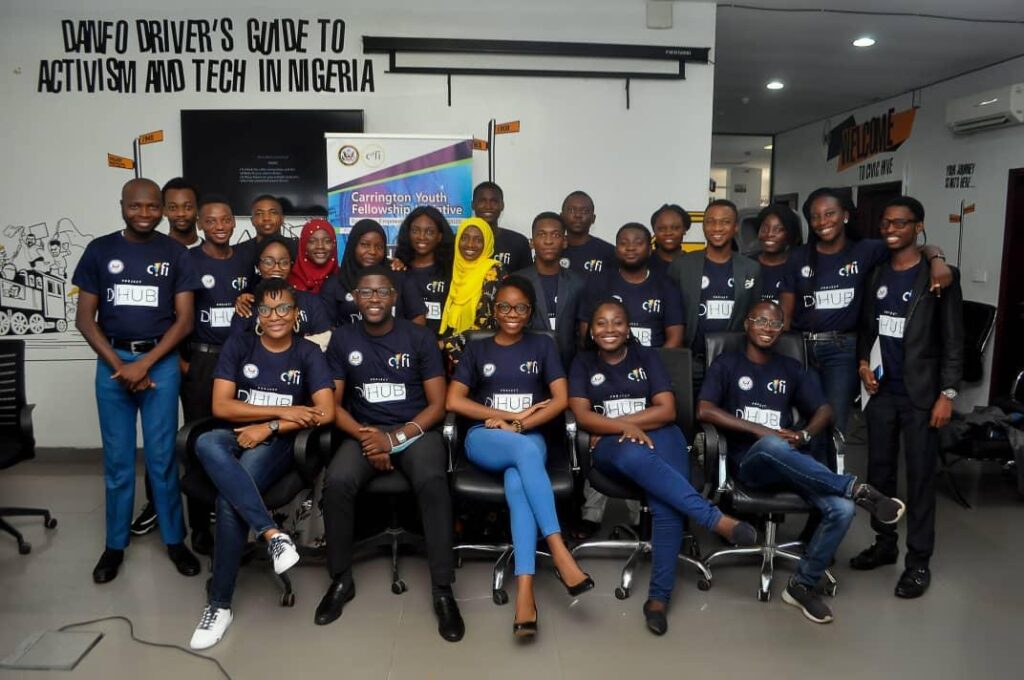
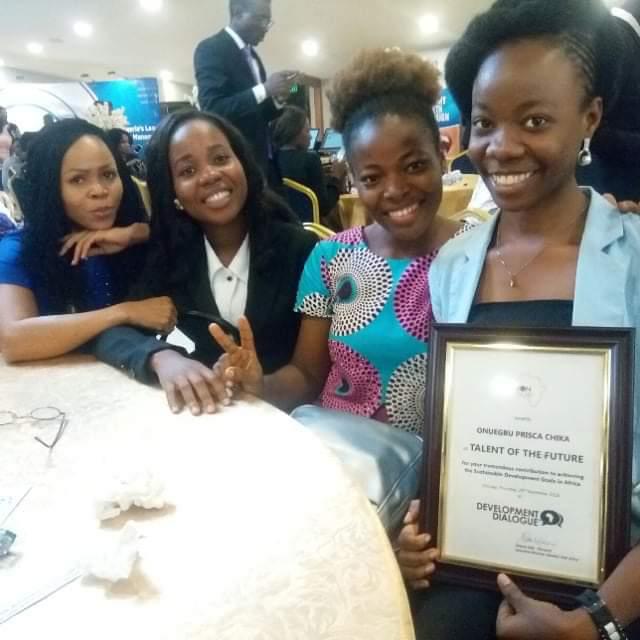
In 2018, Prisca got the ‘Talent of the Future’ awards by Ideation Hub Africa. She was also a 2019 fellow at the Carrington Youth Fellowship Initiative (CYFI), U.S. Consulate, Nigeria.

Prisca is passionate about leadership, excellence and positive impact. She believes a love-infested, inclusive society is possible.

She shares her ‘RUBY GIRL’ story with the team.

1. Tell us about your childhood. What was growing up like for you?

I had a normal childhood. Born into a Christian home and an academic environment, I was always the caregiver for babies in my compound and parents felt safe leaving their kids with me. I was also given enough room for expression and exploration, so I grew up to making my choices and owning them, of course with the support of my family.

2. What inspired your interest in children with special needs?

Well, I’ve always loved children generally. Then my course of study exposed me to developmental milestones and challenges. It was then that I stumbled on the word AUTISM. I was going to make it my project topic but I was discouraged from going that route, partly because most of my lecturers were not familiar with the condition and partly because there had been little research done on Autism in Nigeria.

The backlash I received strengthened my resolve to connect and work with children on the Autism spectrum. Thankfully, I met a woman who owned a centre for Autism in Ile-Ife. I visited the centre, saw the peculiarities of the children there, and decided that this was a cause I was going to stand for – enlightening more people about Autism and other special needs.

3. What inspired you to study Child Development and Family Relation?

The background story is that I gained admission into two institutions of my choice, one was to study Medicine and the other to study Child Development and Family Relation. I never really liked the idea of studying Medicine, my childhood dream was to be a journalist but somehow I found myself in science class. In all, my love for children, the idea of escaping medicine, and staying away from home was how I got here (grins).

4. How has serving as a volunteer for children with special needs influenced you?

It has made me more empathetic. Empathy is different from sympathy. You can’t pity them, in fact, they don’t love to be pitied. They want you to see the strength in them and help them thrive. I have also learnt patience. My family members are still amazed at how soft I can be around children with special needs when I could be the ‘madam’ at home (laughs). But then, I guess it’s what passion does to you – brings out your soft and creative skills.

5. ‎ Can you give us an insight into Child and Adolescent Health?

Child and Adolescent Health is an arm of Public Health that focuses on improving the health and well-being of children and adolescents. Childhood is the foundation of life and adolescence is when most children are trying to discover their essence as they transition into adulthood.

Children and Adolescents are usually faced with different health challenges including developmental delays and disabilities, mental health conditions, injuries, communicable and non-communicable diseases. While growing up, it is important that they are provided with adequate caregiving and health-care services, nutrition, and safe environments. Child and Adolescent health shows us that the extent to which society invests in the health and well-being of children and adolescents will determine the future – not just for them, but for everyone.

6. You received the “Talent of the future” awards in 2018, how did that make you feel?

I felt really elated and encouraged to keep showing up. First of all, I am not the Founder of The Autism Awareness Foundation but the founder felt I deserved it because of how invested I was in the Initiative. Someone called it ‘passionately owning a vision in other people’s vision’. Maybe that was it but I’ve always believed that value never goes unrewarded. So, it was a great reward to be
recognised at that time.

7. What was your experience in the foremost centre for Autism in Nigeria as a Therapist?

Working at Patrick Speech as a Special needs therapist armed me with most of the experiences and skills I needed to work with children with Autism and other developmental disabilities. It’s one thing to be knowledgeable and it’s another thing to be experienced. I have seen and worked with children on different aspects of the Autism spectrum which has boosted my confidence in advocating for them.

8. What is the highest and lowest point of your journey as a volunteer, advocate and leader and how did you overcome them?

Highest point, I’ll say is the recognition of my work. I’m always glad when people see opportunities and the person who comes to mind is Prisca. I have gotten referrals and job connections simply by volunteering and speaking up about what I know.

Lowest point is trying to convince people that I don’t have the kind of money they think I have. Because you are quite loud about what you do on social media, some people think it’s synonymous to you making money and then you start dealing with pressures from different fronts. But you see this money people think I have /ehn/, I will have plenty of it /ooo/ (laughs).

9. What would you like to change about yourself?

Hmm…I’m not sure there’s anything I really want to change about myself for now except that I’m really introverted and I get to hold back on meeting new people. But it’s being worked on. Networking is key in the development space.

10. As a Carrington Youth Fellow, what are the lessons and project you learnt and implemented during your stay as a fellow?

The first lesson was ‘the decision of the team overrides your personal decision’. So, you must do everything to ensure your team excels. I also picked the value of interdependence, we all need one another to make things happen. I was in the economic empowerment team and during our cycle, we worked with the US consulate to empower 30 Nigerian youths with Data Analysis and Management skills.

11. If you were the President of Nigeria for a day, what would you change?

I’ll change the system of accountability. It’s a major thing we lack in Nigeria. We must begin to hold ourselves accountable for our actions and promises. And it doesn’t just start from being the President of a nation, it starts from the smallest unit of the society – the home.

12. Where do you see yourself and your career in the next 5 years?

In key leadership and decision-making position, thriving and 10 times better than I am today.

13. If you were given the opportunity to address a group of girls five years younger than you, what will be your advice to them?

Always strive to be a person of value. Before you think about what you stand to gain, be sure you are bringing something to the table. Value always begets value, and preserves your relevance.

_Thank you for your time, ma. We’re most grateful_


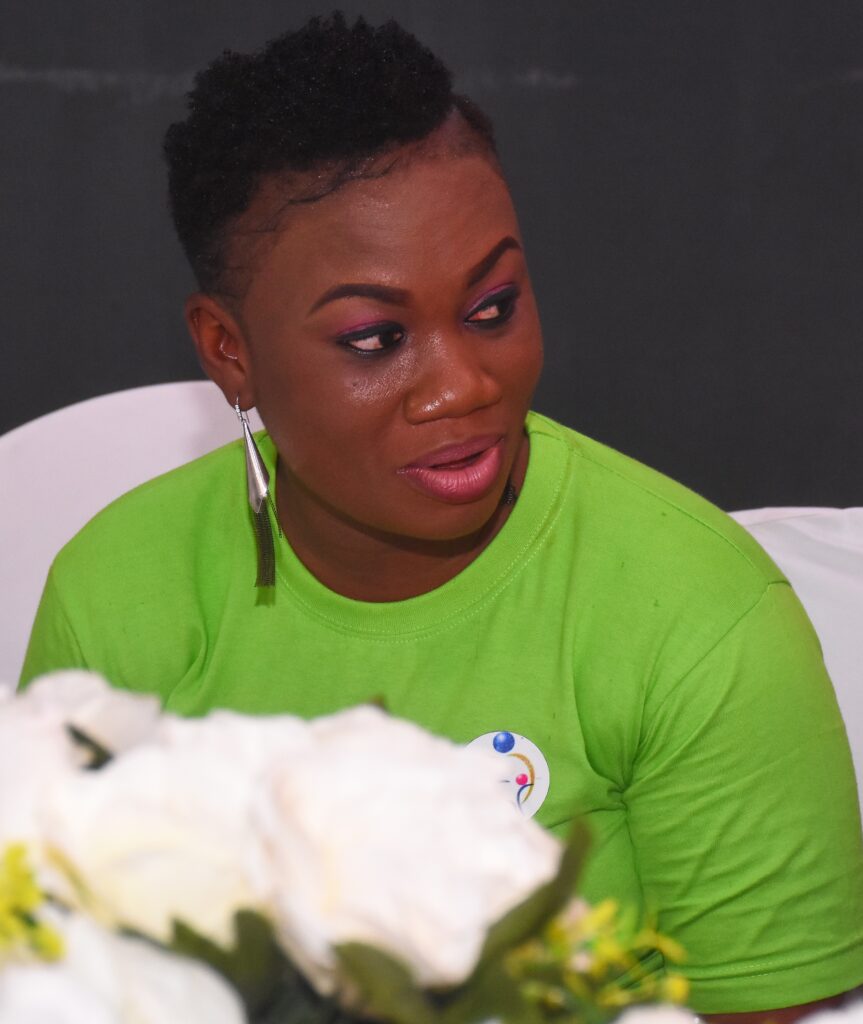
Mofolusho Liasu is the founder of Super Parents Foundation, which gives assistive aid to the disabled. She is a lawyer, advocate, a business woman and a mother.

Her foundation, inspires, educates, advocates and raise awareness about disability myths and truths. Skills acquisition programs are organized to help indigents become more self-reliant as well give grants to help them set up their startup. Also frequent soft skills training are also set up to help them develop better coping skills. Assistive aids like wheelchairs, walker, etc and scholarships are given to some children with disabilities.
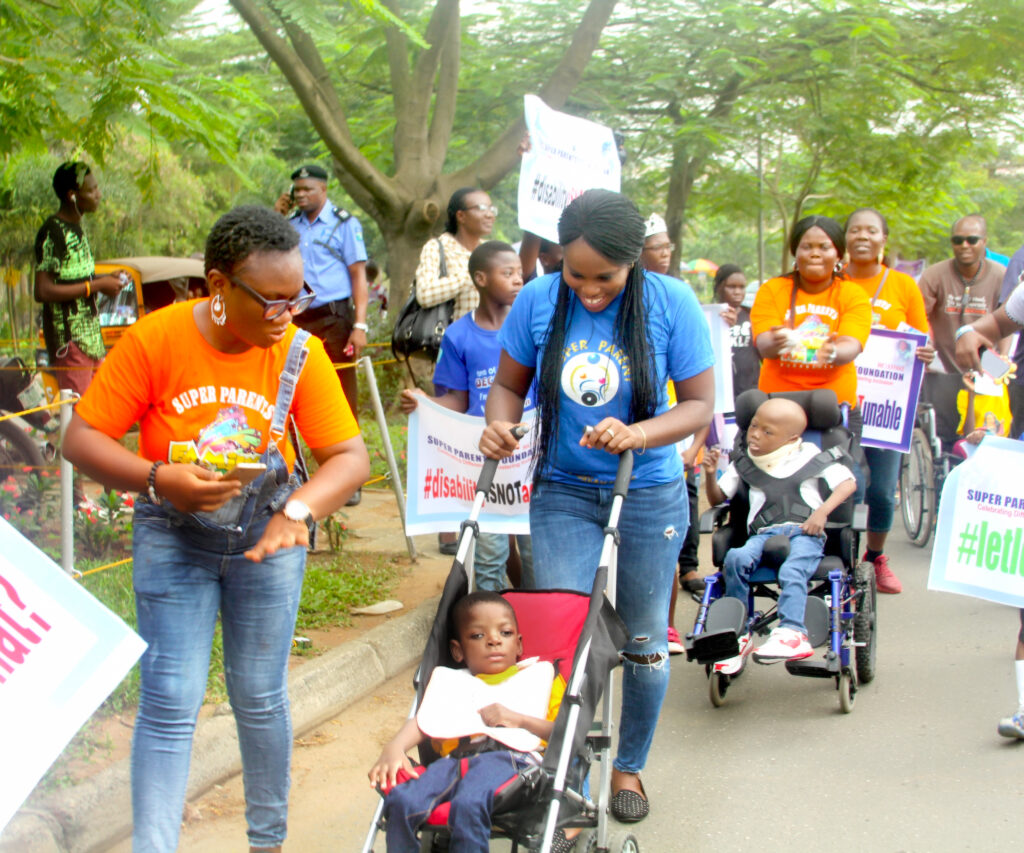
People’s homes, schools, and communities are usually visited. They also educate individuals on the need of showing empathy and compassion to people with disabilities. Foluwasho’s foundation fights for children with disabilities to be included in mainstream schools and to have access to other social benefits. 
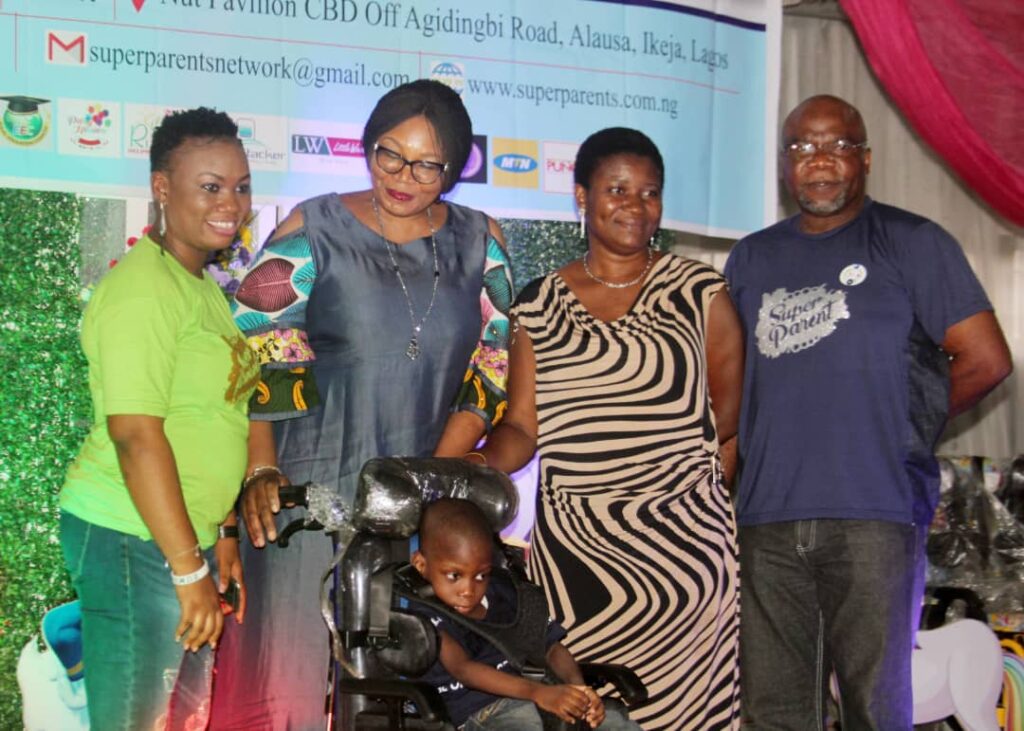
Super Parents foundation hosts over 500 children annually to mark the annual Children’s Day to promote social inclusion, bringing together children with disabilities and those without. 

On this interview with Women of Rubies, she takes on a her journey.

Did your childhood prepare you in anyway for what you do now, tell us more about your growing up?

Hmm, I won’t say a No, though I never considered it until I was reminded. My best friend in secondary school was a girl with polio. I became close to her because I discovered she was enjoying the pitiful attention. I believe she was more than that and so I discouraged her from getting carried away by the pity from others. I insisted we must do things ourselves without the help of others. We would fetch water together, wash clothes etc. without anyone’s help. She became bold and always showcased her abilities whenever it was necessary. She became the social prefect and received many awards. We came across each other recently through our Alumni platform and she told me God used her to prepare me for this. Lol, it didn’t occur to me till she mentioned it.
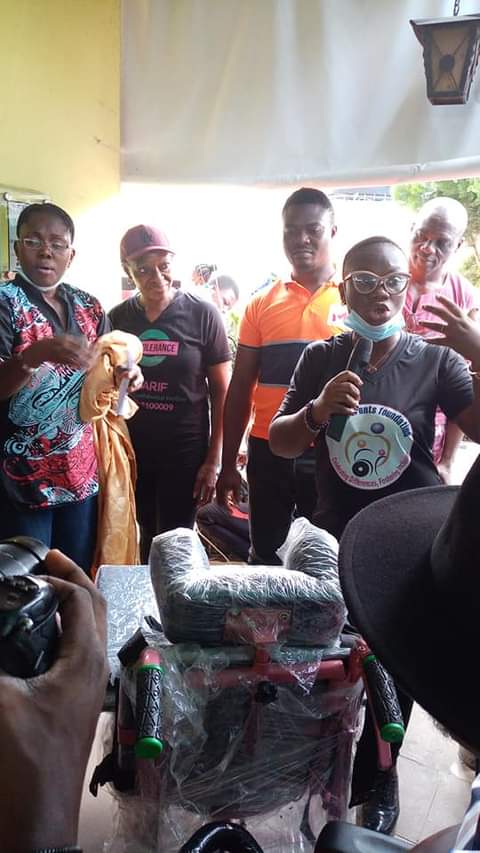
Super Parent Foundation While growing up, I hated children being bullied or discriminated based on status or for whatever reasons so I can say that could be a factor. I have never discriminated  between a child with disability and one without, everyone was same to me.

I also remembered I was 10years thereabouts when my dad took me for his friend’s birthday party and I noticed the other son was kind of bullied by his father, it was obvious the boy was different but I couldn’t —- much disability then, if I would access him now, its probably mild autism with speech impediment. I saw how the mum was showing her displeasure on how he is been treated by his dad. I remember I was very upset with his dad and sad for the boy. That scene stuck to my head for years but I never thought of it making me an advocate I am today but I guess subconsciously it did.

What inspired you to start the Super Parents Foundation?

Like I said earlier, I am someone who is passionate and also aspire to change wrong social narratives to positives, advocating for care and support for vulnerable persons and protection for victims or abused. I came across a story on a group, a mother, her deaf child who needed hearing aid which costs 1million. I never knew assistive gadgets like that was so expensive. It led me to inbox her and we became very close, I got to find out the sufferings and discriminations she had to go through from her family, in-laws and society. That led me to advocating for these vulnerable parents, from there I formed a support group on Facebook called Super Parents for parents to speak their mind and share their experience, to get comfort and support from others experienced parents and supporters.

The group grew and became very alive and it was registered as NGO two years ago and it been working strong since then. Empowering members who needsupport.

Tell us about this great foundation, it’s impact in the society, and testimonials since inception

The foundation has become a strong platform for everyone, it’s an inclusive foundation which supports vulnerable persons especially persons and children with disabilities, widows are also supported too.

The foundation has a Facebook platform where people are free to speak their mind without fear of discrimination. People learn and unlearn about many issues e.g, disabilities, pregnancy, marriage and different issues affecting everyone.

Inclusive events like children’s party are organized, the children have fun and empathy is the order of the day. Our slogan ‘Let Love Lead’ is also a leading factor for us, this directs us to respect everyone equally.

We have so many testimonies from our members and even persons in the society. Parents of children with special needs no longer hide their children or the facts that they have children with special needs, the boldly advocate for other children with special needs against discrimination, also canvassing support for them. Since the advent of Super Parents Foundation, parents boldly celebrate their children with disabilities online, in their birthdays and other occasions, also to inspire others. This was a vary uncommon practice before now.

You have organized and sponsored several advocacy and empowerment programs, how do you manage it all and what drives you?

My drive is my desire to change my narratives and my — to do what I right. Above all, God called me to do this and I must fulfil my mission no matter what it takes.
From your experience, and as one with deep passion for disabled children what would greatly improve their plight in the country, and what are the things that have not been rightly applied.

Honestly, there has been great development when it comes to the support for persons and children with special needs in this country especially in Lagos State but we are still far from near perfect.

They need support in everyday, from education, to medical, to accessibility, infrastructure, etc. Once the country moves to — development, everything including the disability community will be affected positively. A lot is not applied rightly, from infrastructure or buildings that is not accessible for wheel chairs, lack of origin language interpreters in public places, roads which are bad for wheel chairs to public special and inclusive schools that are not up to standard, to poor medical facility for their, so much more. Like I said earlier, we have a long way to go.

What are some of the challenges you face?

We face lots of challenges.

The Inability of the parents and the society to accept their children with disabilities. These children are subjected to cruel treatment by relatives, native doctors and religious homes.

Funds – The work is cumbersome and we have low support compared to the task to be tackled.

Poverty – Most of these vulnerable persons and children cannot afford the basic and managing disability in Nigeria is expensive so they suffer so much from hunger to lack of adequate medical care.

Tell us about your other projects and activities?

We have lots of projects and activities. One of the biggest events is Inclusive Children’s Party. The children have fun not minding their condition, assistive gadgets are given out etc.

Empowerment – We empower members with skill acquisition training and a also provide tools or provide them with minimal capital funds to help them start their business.

We also engage in online projects to stimulate the parents to be able to help their children without much fund or assistance needed.

Mention 3 women who inspire you and why

To be honest, it won’t be fair to mention any names, from my mother, to my friends, to supporters, to mothers with special needs, widows, to the woman on the street or the one I watch on TV or online, they all inspire me. 99%of my supporters, donors, volunteers are ALL WOMEN, they all inspire me to keep pushing.

Could you share some of your favourite nuggets about life with us?

“You cannot give what you don’t have” – I cannot give love if I don’t have it, I cannot give strength to the vulnerable if I don’t have it too.

So sometimes, I sit down to reflect, then refill myself spiritually, physically and financially so as to give my best to those I serve.

“What you appreciate cannot depreciate” – I loves appreciating people, also value my supporters and lovers. I believe I increase my values and theirs when I appreciate the love and kindness they show me.


What makes you a woman of rubies?

Because I choose to see myself not just as an ordinary woman but a woman with vision and goals with God’s given ability to execute them, to impact myself and the world at large. To God be the glory.

 

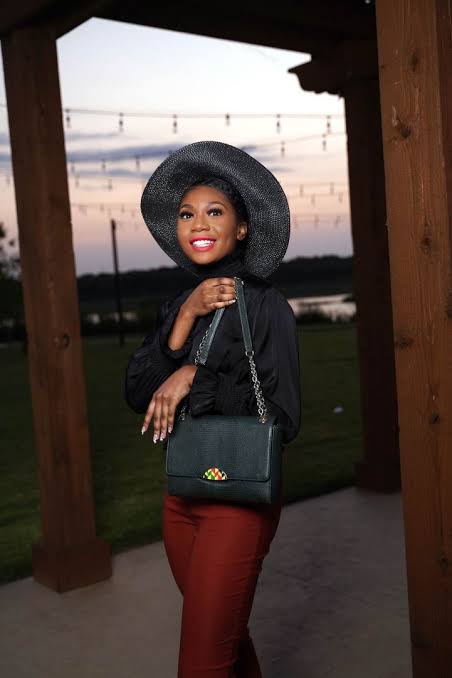
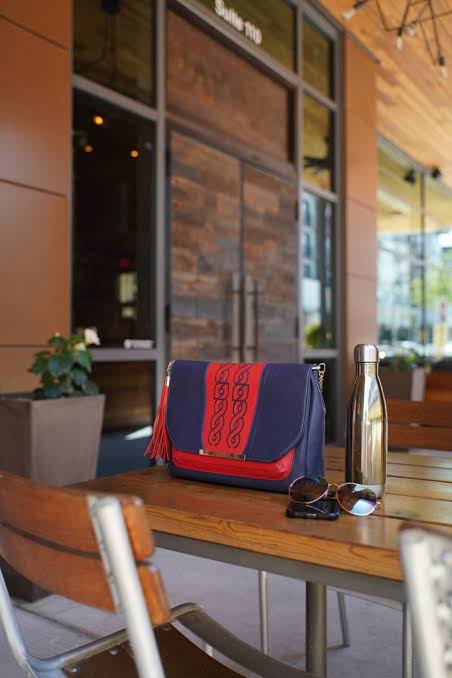
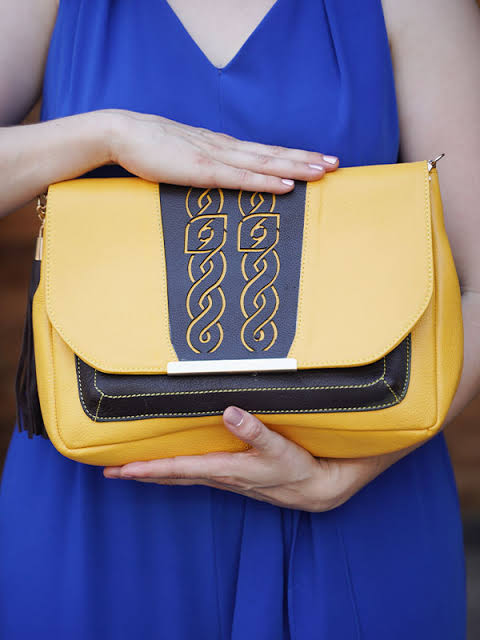
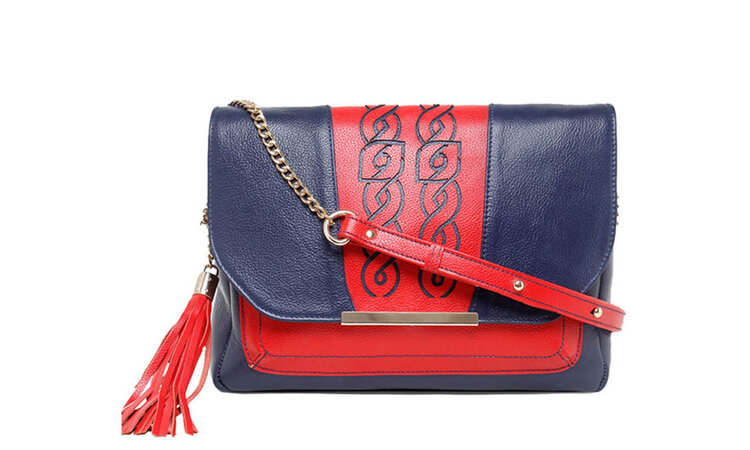
Michelle Hammond, the founder and CEO of Ruahh was born and raised in Ghana but moved to the United States to complete her Bachelor’s degree.
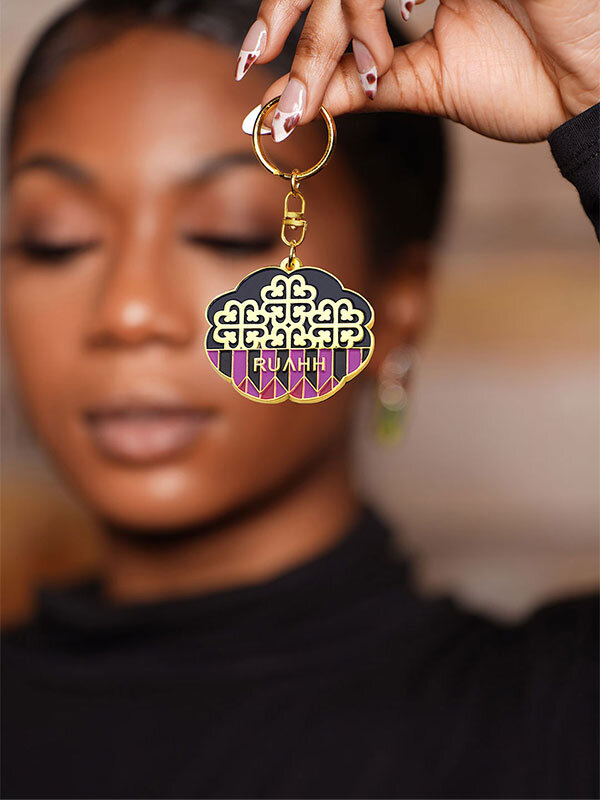
Today, her business and brand, Ruahh, is focused on fusing her Ghanaian culture with modern design to create chic accessories for women that are symbolic and unique. In weaving her African pride into her brand, she invites everyone to explore her culture, understand its nuances and share in her sense of belonging.

Ruahh fashion brand provides chic and unique accessories for the versatile woman and her adventures. Crafted from high quality materials in an array of exuberant colours, they create pieces that combine comfort, convenience, and style.

The name ‘Ruahh’, which means ‘spirit or breath of God that fills all living beings’, is especially symbolic, as Michelle hopes to breathe new life into the concept of versatile style.

Even though she didn’t come from an entrepreneurial background, ever since she was a child, she always dreamt of starting a company making something she would wear. At a young age, Michelle would make clothes for dolls and sell them to her friends. She thought nothing of it then but over the years growing up, that stirred up a passion of starting or owning a company someday.

Fast forward to the Fall of 2020, Ruahh was born. Starting this business when there’s a global crisis has caused problems with vendor sourcing, shipment delays and rejections, but she admits that every challenge has provided her the opportunity to hone her creative skills and learn new things in business.

The motivation to begin the brand came when as a mother of two, Michelle always needed a multi-purpose but stylish bag that could effortlessly double as a diaper and casual bag. And she searched but couldn’t find any bag that she was satisfied with. As all her findings were either too expensive, not stylish enough or without an acceptable quality. So, she decided to create a bag that didn’t sacrifice style, quality or functionality for every woman who values versatility. That was the drive behind Ruahh.

Since its inception, she has added earrings that are vibrant in colour and adds a beautiful statement to any outfit for any occasion.


“Starting a business can be both exciting and disappointing. While you keep your expectations, dreams and faith high, be patient with yourself and the process. It does eventually pay off.” Michelle advises women who want to launch a business anytime in their life.

What qualifies you as an entrepreneur is how much solutions you’re willing to deploy to the current existing problems in your immediate environment.
This is what Monica Musonda did with her food company, Java Foods. She realized that in Zambia, people do not eat right and feed well despite how big the agricultural sector of Zambia is. She set out to ensure that her people are able to access nutritional and healthy food through her innovation and processing of healthy plant-based foods.

Monica Musonda is founder and Chief Executive Officer of Java Foods, a Zambian based food processing company. It is committed to providing high quality and nutritious food from local products at affordable prices. Java Foods’ first product was “eeZee Instant Noodles”, which is Zambia’s leading instant noodle brand today. Monica is a dual qualified English solicitor and Zambian advocate. She has held senior positions in private practice with Clifford Chance & Edward Nathan.

She has also worked as in house corporate counsel at International Finance Corporation and for Dangote Group. Her experience working with Aliko Dangote, one of Africa’s most successful entrepreneurs, gave her the impetus to start Java Foods.

Monica founded Java Foods to provide affordable nutrition to the southern African market. Her company seeks to revolutionize the eating habits of the youth market by offering them affordable and nutritious food options made from local products.

Her food company was born out of the need to provide mothers of children under five years of age multiple options of nutritious foods to choose from. Not only that, she also works to make sure they are affordable and available for every one, regardless of their economic differences.

As part of the challenges she has faced as an entrepreneur, she explained in her words, “When you are an entrepreneur, another of the challenges is to keep going when you encounter hurdles and when the going gets tough – it is not easy. At these times, there is a human tendency to want to panic, and as an individual you question whether you can do this, whether you can see the business through to its full potential and to a level that people expect of you. Even when you are growing as a business, there is a fear and a doubt that remains, and you are almost afraid of your own success. In recent times when Zambia was going through its depreciation, I personally experienced doubt in such times, but I felt that despite the challenges, it was too soon to give up. I found great people I could speak with, both men and women, but I found that particularly other women were interesting to engage with in order to get feedback on how they manage to balance the pressures of expanding a business with maintaining their own personal and family lives. Often, I found it so worthwhile to engage with other women and get their insights and hear their own experiences in similar circumstances. The great thing was that I heard from other women entrepreneurs that the experiences I was going through were normal and that despite the challenges, the journey would be worth it and the challenges got over in time. So now as I move forward with the next phase of my own entrepreneurial journey, I am interested to speak to more women who are doing similar things in business, as their insight is really useful. In the past, I have had more male mentors, but now a combination of perspectives is refreshing. Today, I hear from so many other women entrepreneurs that they have gone through similar experiences on their business building journeys and have successfully come out the other side of many challenges – this is always reassuring to hear.”

Best advice?… “Firstly I would say, don’t be afraid to start. I think we find in Africa that women carry so many things, they have so many great ideas, but often are afraid of starting. The point is that you are not going to build a factory on day one, but you can start small with what you can manage – the idea is to just start.

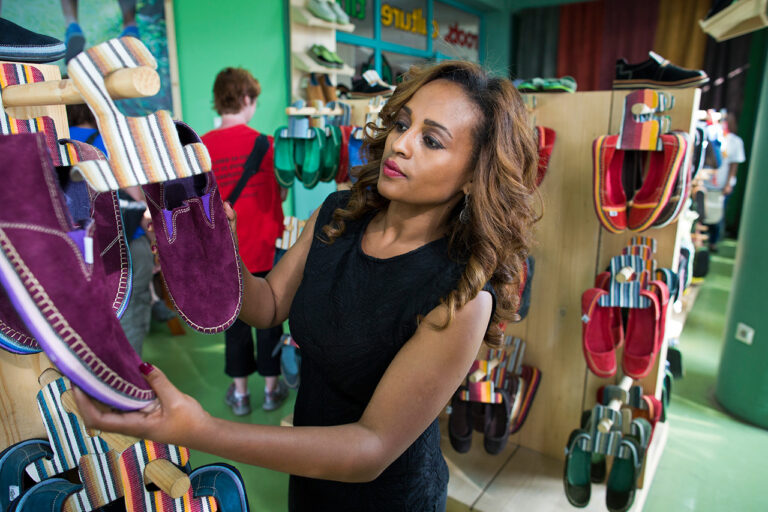
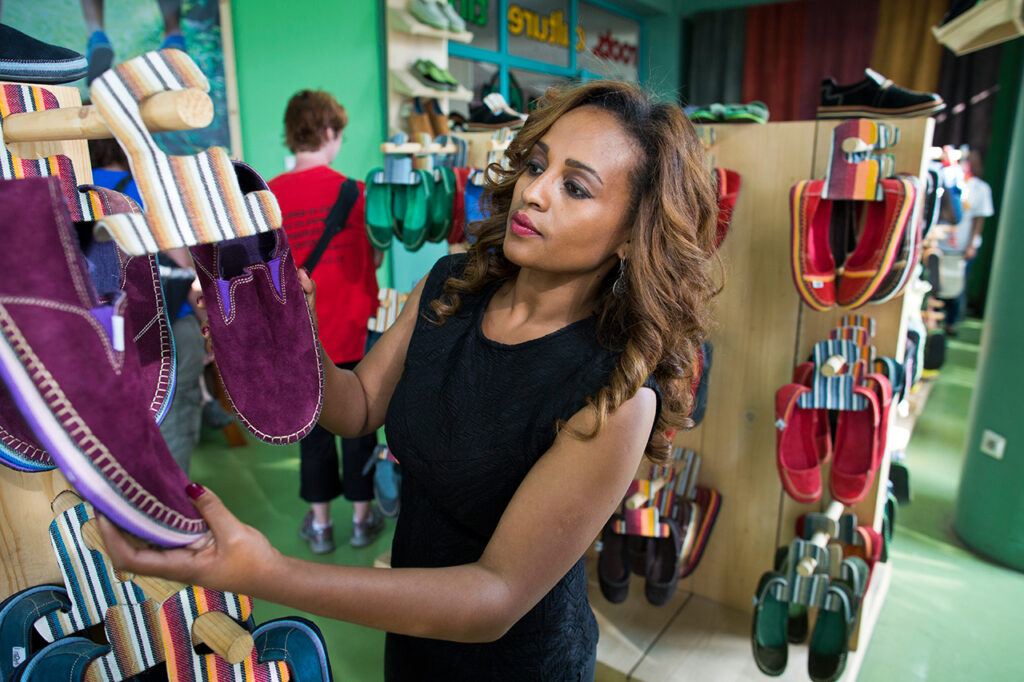
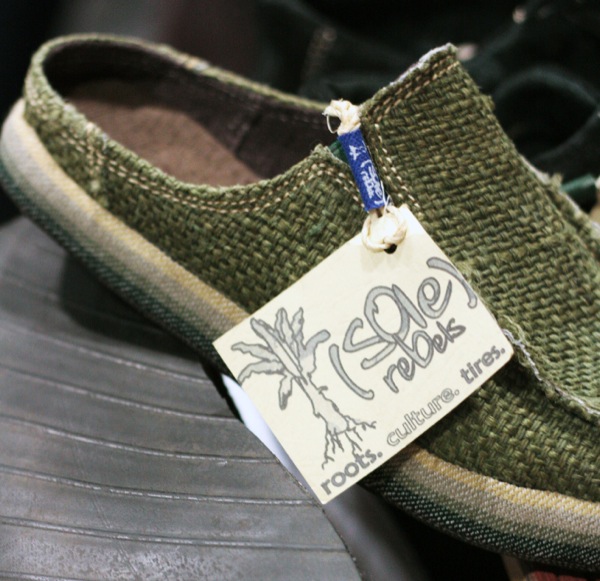
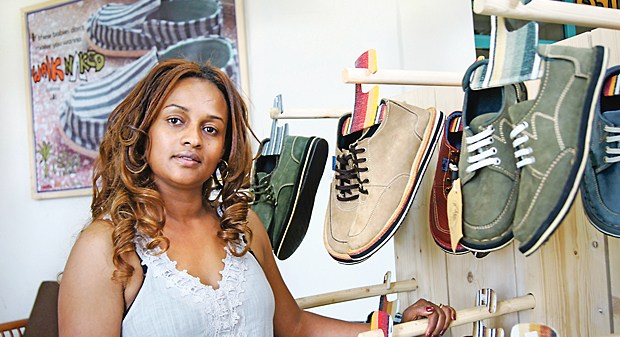
Bethlehem Tilahun Alemu is founder and Managing Director of soleRebels, the world’s fastest-growing African footwear brand and the only Fair Trade-certified footwear company in the world.

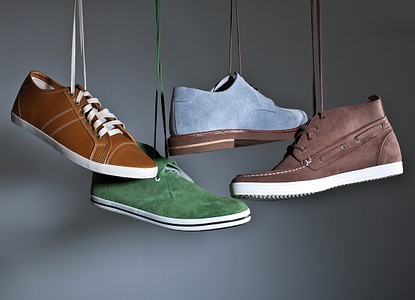
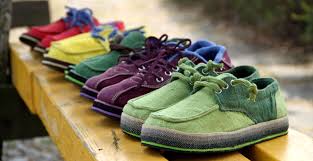
Growing up in a poor suburb of Addis Ababa, Bethlehem decided that there was only one way to defeat poverty – use local craftsmanship to make products that can compete in the global marketplace. She decided on footwear and today 70,000 pairs of shoes leave her factory every year.

From the humblest of beginnings, Bethlehem has built soleRebels into the planet’s fastest growing African footwear brand and the  very first global footwear brand to ever emerge from a developing nation. She has created world class jobs, and empowered her community and country, whilst presenting a galvanized, dynamic face of African creativity to the global market.

Bethlehem was born and raised in the Zenabwork/Total area of Addis Ababa, one of the most impoverished and marginalized communities of Ethiopia. Growing up Bethlehem saw that Ethiopia had plenty of charity “brands” but not a single global brand of its own, so she set out to change all that.

In early 2005, fresh out of college in Addis Ababa, Bethlehem founded the trailblazing footwear company, soleRebels to provide solid community-based jobs. Tapping into her community’s and the nation’s rich artisan wealth and heritages, Bethlehem started re-imagining what footwear could be.

Seven years, many shoes and hundreds of creative, dignified and well paying jobs later, soleRebels is the planet’s fastest growing African footwear brand and the world’s first and only World Fair Trade Federation [WFTO] Fair Trade certified footwear company.

Constantly elevating the idea of what her brand can achieve, Bethlehem has led soleRebels to become the first ever brand from a developing nation to open branded, stand-alone retail stores around the globe including in Asia and the EU.

soleRebels has been expanding rapidly and today exports to no fewer than 45 countries and is targeting 50 stand alone soleRebels retail stores across the United States by 2018 and 500 worldwide by 2022.

Now hailed as the Nike of Africa, Bethlehem is proud that soleRebels stands as living proof that creating innovative world-class brands is the best road to greater shared prosperity for developing nations like Ethiopia.

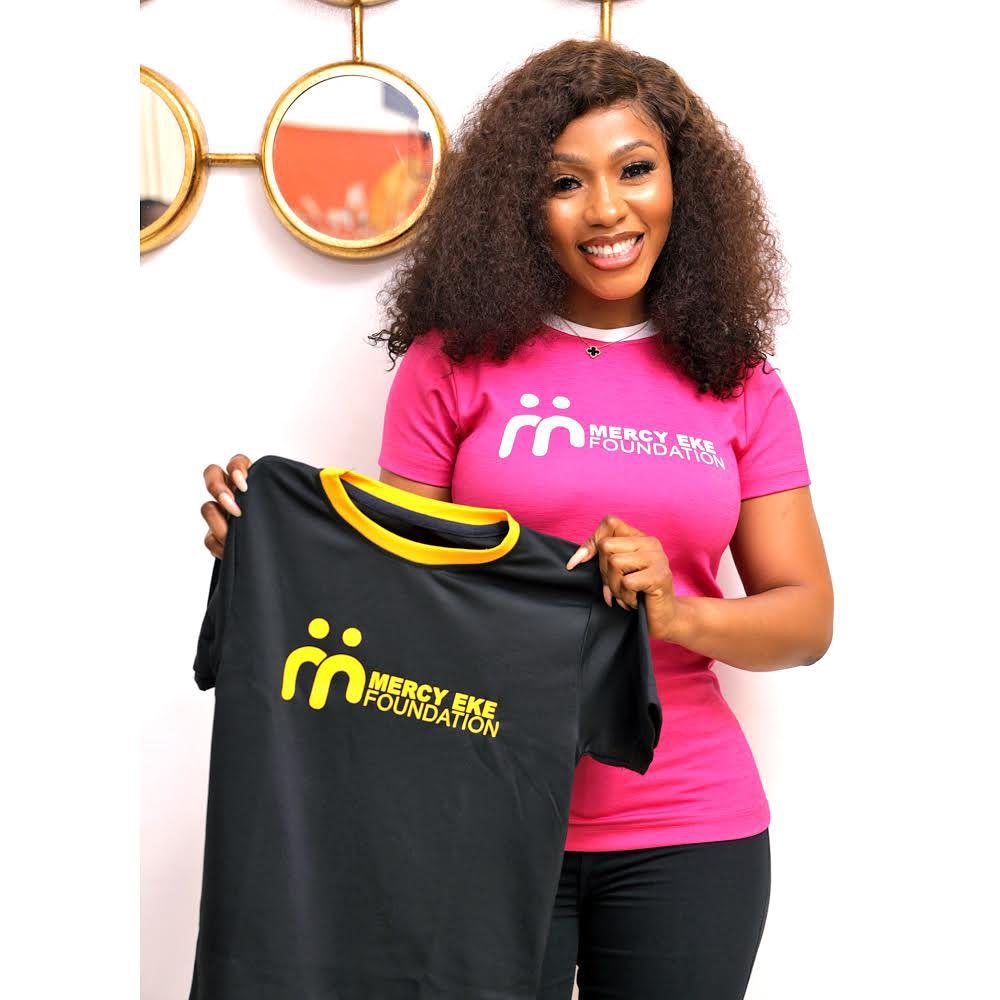
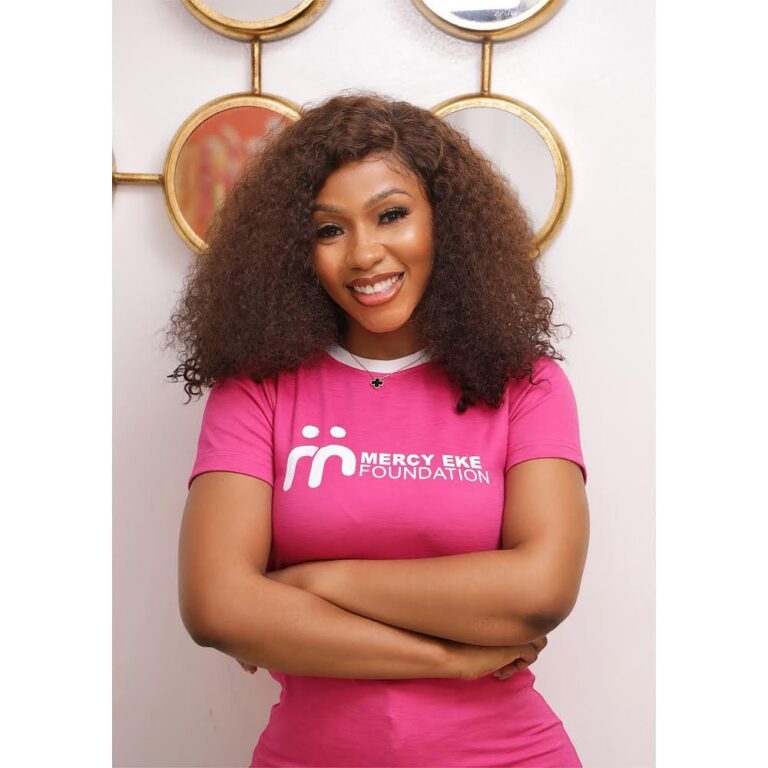
2019 Big Brother Naija winner Mercy Eke is giving back to the community with her newly launched charity foundation to assist those who are struggling to satisfy their varied requirements.

According to her, Mercy Eke Foundation will help widows, struggling entrepreneurs, students who cannot pay their school fees and take needy children off the streets.

The reality star and entrepreneur stated in a video posted on her Instagram on Friday that her first initiative will provide N5 million grants to small business owners to help them grow. In the caption, she wrote:

The Mercy Eke Foundation is finally here💞🙏🏻

I have always wanted to give back, and I’m glad I can finally make this dream of mine a reality.

The Mercy Eke Foundation is a charity organization and we would be helping different group of people from time to time.

From struggling business owners, to sick people who can’t afford their bills, to single mothers, to widows, to students who are struggling with their fees in school, to kids on the streets, and more.

For our first project tagged #MEFWithBusinessOwners, we would be giving out N5million, to help a few business owners who are struggling or have brilliant business ideas but have no money to start up.

To be a benefactor, all you have to do is upload a creative 1 minute video on your Instagram, telling and showing us what you do or what you want to do. Post with the hashtag #MEFWithBusinessOwners and tag @mercyekefoundation

Our team will make a selection for the final pick.

I wish you all good luck…

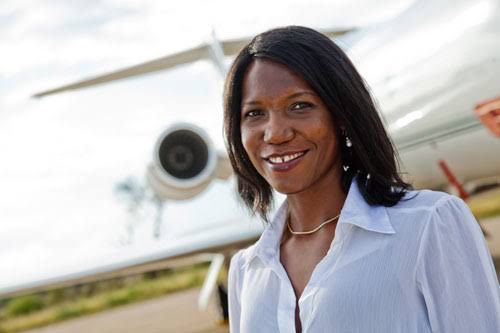
A pivotal moment in Susan Mashibe’s life happened when she was just four years old, standing at the airport in Kigoma in Tanzania, holding her grandmother’s hand and watching as her parent’s plane took off. It was a poignant moment and one that made her think that if she could only fly a plane herself, then her parents would not leave her behind again.

That key moment was to change her life forever and was to take her on a journey from her childhood in Mwanza and Dar es Salaam, to studying at Western Michigan University and qualifying to eventually becoming Tanzania’s first female FAA-certified pilot and mechanic.

However, that was not the end of the story, only the beginning of the next chapter to fulfilling her entrepreneurial destiny. In the summer of 2001, she had just received her pilot’s license and was applying at Delta Air Lines Inc. when the terrible events of September 11th were to change the world, and aviation in particular. At that point, Susan abandoned her efforts to get a U.S. work permit and returned to Tanzania to build her aviation career in her home country.
It proved to be a life-changing move and today, Susan owns and operates VIA Aviation, a highly successful and unique aviation company founded in 2003, and specialising in providing world-class private jet handling and hangar services. Today, the company provides a wide range of aircraft handling, clearances and ground support, security and fuel in Dar es Salaam.

VIA Aviation generates revenue of over $2 million, and Susan has plans to expand the business to more than 20 countries throughout Africa. At Kilimanjaro International Airport, the company already has 80,000 square feet of hangar space. Susan’s client list is able to boast Heads of State, monarchs, global corporate executives, and the military. The company is also now a multi-million dollar aviation business and highly regarded around the world.
She has achieved all of this in an emerging and largely male-dominated industry in Africa, and her success is a testimony to the power of education, economic empowerment, and self belief. One of the key’s to Susan’s entrepreneurial success in life – she says she has no fear! Simply a deeply-held and long-standing passion for aircraft.

It is so inspiring to see the dreams of a very young girl growing up in Tanzania becoming a reality in later life, particularly when those dreams break the barriers to entry for a whole new generation of women in Africa’s aviation sector.

Not only is Susan Mashibe an amazing example of a women entrepreneur making great strides in breaking into the global aviation industry, but she is also inspiring and encouraging a new generation of women aviation across Africa and beyond. She is living proof that women entrepreneurs can be gamechangers in the world.