Author

Esther Ijewere

Browsing

Healthcare is an integral part of any society and getting it right in that sector should be paramount. One of the most important part of any discipline, healthcare inclusive, is information. The more people know, the more they can do.

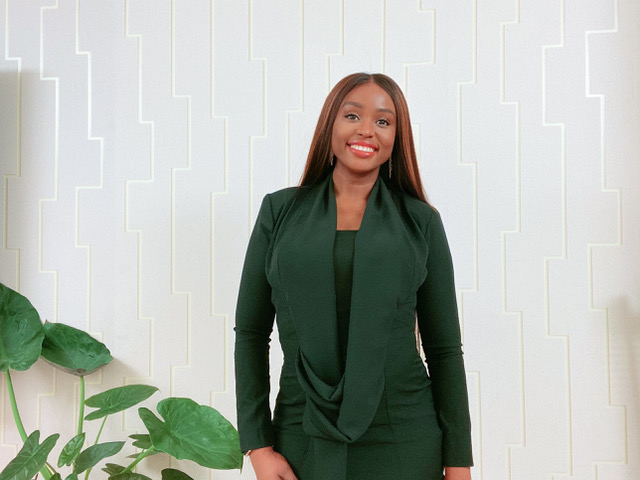
Farida Kabir is a health technology expert, an advocate for women and girls in STEM who’s also passionate about good governance and strong institutions.

Farida is a public health scientist, software developer, and UI/UX designer. She’s the founder of OTRAC, a healthcare Learning Management System (H-LMS) that provides cloud based medical contents to vary array of medical practitioners.

Through OTRAC, Farida provides “tailored trainings/courses for public and general health practitioners with a vision to build a learning platform that supports continuous development of all health practitioners, and enhance their capacity and knowledge for effective service delivery.”

OTRAC, founded in 2017, currently has over 8,000 subscribers, 27 courses, and 32 facilitators in its platform.

She’s an ICT advisor for Department For International Development (DFID)’s Partnership to Engage, Reform, and Learn (PERL) programme which “links governments and citizen groups to collectively address governance challenges for improved service delivery”. She’s an ambassador for Google Women Techmakers, Abuja and co-organizer for Google Developer Group, Abuja.

She also consults for Reboot, an organisation working with change agents in government, civil society, and philanthropy to achieve their social missions.

She also contributes her skills working at Mentally Aware Nigerian Initiative (MANI), a mental health awareness platform tackling the stigma associated with mental illness.

Farida, a graduate of Zoology from Ahmadu Bello University (ABU), Zaria, is one of 100 women named in Leading Ladies Africa (LLA)’s 100 Most Inspiring Women in Nigeria list for 2019.

We celebrate Farida for devoting her skills to assisting developmental initiatives and solving social problems.


When a Pharmacist  has a burning passion for women and children,  committed to giving hope to the hopeless, and lending her voice to the voiceless, she deserves to be celebrated. Tobore reflects what humanity should look like.

Tobore Anne Emorhokpor is the founder of Nigerian Child Protection Trust and the convener of the End Child Sexual Group. She is a leading voice in the women and child development sector.

The Cardiff University Alumni also did a virtual leadership principles course at Harvard Business school. Tobore is driven by personal development and self-improvement, and she  has emerged as a credible voice armed with a passion for getting justice for the oppressed. She loves to go beyond people’s expectations and delight them.

She is renowned for her unique style of blended mentoring, empathy and speaking up for the oppressed through her various social media channels. Her inspirational leadership, empathy and benevolence makes it easy for women and children to have a connection with her. She wants a Nigeria where women are empowered to look after themselves and their children.

She detests children being used and abused for child labour and wants a great reduction in sexual abuse and rape of women and minors.

The testament to her impact is the media mentions she has gotten for her humanitarian work and her Right Livelihood Award for outstanding role in reducing hunger, inequality and improving sustainability.

Tobore is happily married with kids. She shares her inspiring story in this interview exclusively with Esther Ijewere.

Childhood Influence

Growing up, I witnessed the effects of abuse and cheating around me. Domestic abuse has a negative impact on children. That is why I get really upset when women say they stay for the sake of their children. This is a myth not reality.

They stay for themselves because the children suffer more in such situations. Your children cannot be happy if you are not happy. I love children dearly. I am passionate about children. I love carrying babies and playing with children. They make me so happy. I remember one time our driver beat up his 3-year-old son badly. I was so enraged. I asked my Father to deal with him. I knew I had to fight for these children that could not fight for themselves.

Inspiration behind my organisation; Nigerian child protection trust and End child sexual group

 I was coming across a lot of sad posts on Facebook about children being defiled and nothing being done about it. I eventually decided to do something. I wasn’t sure how or what I was going to do as I currently live in the UK, but I wanted to start with what I had, so I started a group on Facebook. I asked friends if they would like to join, and they did. That is how we started ‘End child sexual abuse in Nigeria’.

I would post stories of cases, some educational posts on how to protect your child and other requests for help. I also used my personal wall to ask for help. I then decided that I could act as a signpost for people.

Wherever there is a problem in Nigeria, I will find the closest Human rights officer, NGO, or Government Organisation to help. I was not going to change the world and make as much change as I could. I wanted to become the voice for these children.

Being a Pharmacist by profession, and the impact on my advocacy for women and children

I started off as a pharmacist and practised in the UK and Nigeria, then I decided to branch into Human Resources. I currently work as a Workforce Planning Lead. I enjoy planning and putting in processes. This helps me in how I deal with the cases that I work on. I speak with each person to find out what they currently do, how they got into the situation they are in, and how they can get out. It’s not a pity party but a way to plan their way out of their problems. I feel very proud when women I have helped turn around and help others up. I am very proud of the women I have helped.

The journey since I started my Organisation

The journey has been tough but very rewarding. When women come to me for help, I would ask what they can do and try to start up small businesses for them so they can be self-sufficient. Some people just want someone to talk to. I spend time chatting with them to understand the situation and give the best advice I can. I am so happy with what we have achieved together in such a short time. I didn’t know what I would really be doing but my social media pages have brought succour to many and I thank God for that.

The spike in cases of domestic violence and rape since the beginning of the pandemic

In the past, abusers would go to work or to school and leave the home environment and return at the end of the day. Due to the lockdown, there was no room for escape. Emotions were heightened. People lost jobs and hardship increased. This added stress to an already burning pot and resulted in a huge increase in the number of cases of violence. Poverty breeds ignorance.

Challenges of being a women’s advocate 

The people I am trying to help sometimes lie and try to scam me. One of these women showed me a prescription and lied that she needed to buy the medications on it for 3 weeks for her baby.

Unfortunately for her, I know how to read a prescription and I told her no Doctor would tell her to do that. She started stuttering and saying it’s the hospital. I was scammed by another lady who got people to act and do videos requesting help as a trick to get money from me and other unsuspecting kind-hearted people.

We also have the Police who sometimes take bribes and let culprits go. We then have to use social media to call them out to get them to do the right thing. Victims and their families are sometimes scared about reporting crimes and refuse for us to help them seek justice when they have been harmed or wronged.

I have had a few cases where people tell me about situations of abuse then grow cold feet and refuse to go further. No matter how I try to encourage them to tell the truth and speak out, fear of being known as the whistle blower does not allow them to help victims.

There is a man who lures boys with gifts and passes them about in a paedophile ring. The sister of one of the boys approached me for help then later recanted because her parents told her to ‘leave it to God’. Another person contacted me about a school in Lagos where the Principal rapes young girls in his care but then refused to give me proof when they realised the school might be involved in the case.

Other projects and activities

When covid first struck, there were a lot of families that were left without any food and money. The first post I made was to ask ‘who has 5k to spare for a family in need’. People responded and I paired givers with recipients. Others saw what I was doing, and the finances poured in.

We bought bags of rice and shared them out to people in Warri, Port Harcourt and Ilorin. I used my Facebook wall to raise money to pay rent, start up small businesses for the women so they can renew the next year’s rent. We paid for surgeries, medicines, school fees and everything else in between.

I have posted job adverts so people can get jobs and a few kind people have offered free sewing courses and other types of training for people on my wall for free or for a little sum.

We paid for a few caesarean sections and have helped pay the bills for women who have ended up as hostages in hospitals as they were unable to pay their huge medical bills. I remember when I was called about a woman whose baby had died inside her and was rotting and there was no money to pay a deposit to do the emergency c-section. I put it on my wall and within half an hour we had raised the deposit to start the surgery.

We ended up raising over 500,000 Naira for her medical treatment which lasted a while.

 What I enjoy about my job

I enjoy helping people. That is what makes me happy. I like seeing everyone around me happy and smiling. In every job I have done, that is what has kept me satisfied and motivated.

3 women who inspire me and why

First, my Mum; She has worked hard and tirelessly to give us a good life. She is the most hard working and innovative woman I know. She is dogged and never gives up.

Defunke Adewumi – She has a heart for women and children. I saw the love, care and humility in her post and knew I must be her friend. She has supported me in many ways and continues to be a beacon for women and children in Nigeria.

Michelle Obama – A Queen!

The Nigerian Government and it’s support for the Gender Based Violence sector

So far, I have seen that Lagos state has taken the fight against rape seriously. I believe all other states need to follow suit. There should be special Police Officers trained on how to handle such cases and special courts to fast track such cases through.

There needs to be adequate shelters to house victims and survivors. There should also be programmes put together to help them recover psychologically and help them start up business or get jobs and reintegrate into society. All states need to adopt the Child Rights Act and make sure children are protected from exploitation either sexually or via labour. Every child has a right to good education and a good life free from abuse.

Work life balance

It is quite difficult, and I have to keep reminding myself I cannot do it all. The requests for help are more than I can handle, and each one rips through the heart chords. It is especially sad for me each time I turn some people away, but I have to do so. I try to get some time to myself, and I also work on spending lots of time with my children. They are quite young and need a lot of my time right now. I try to maintain a good balance.

One thing I wish I could change in the Gender Based Violence Sector  

There needs to be a budget to support women and children who are victims of all forms of abuse. Shelters should be built to house them while working on helping them to integrate back into society. Children who are found to be child labourers in homes, can be taken away and given better lives rather than waiting for them to be abused and degraded by their mean bosses. Their only crime is being born into poverty.

Receiving the right livelihood award in 2021 for reducing hunger

I was excited and grateful for being recognized. The work is done out of love, but it is nice to know my peers see it as something commendable.

Being  a woman of Rubies

I am a woman using my abilities to help make a change and impact the world around me.

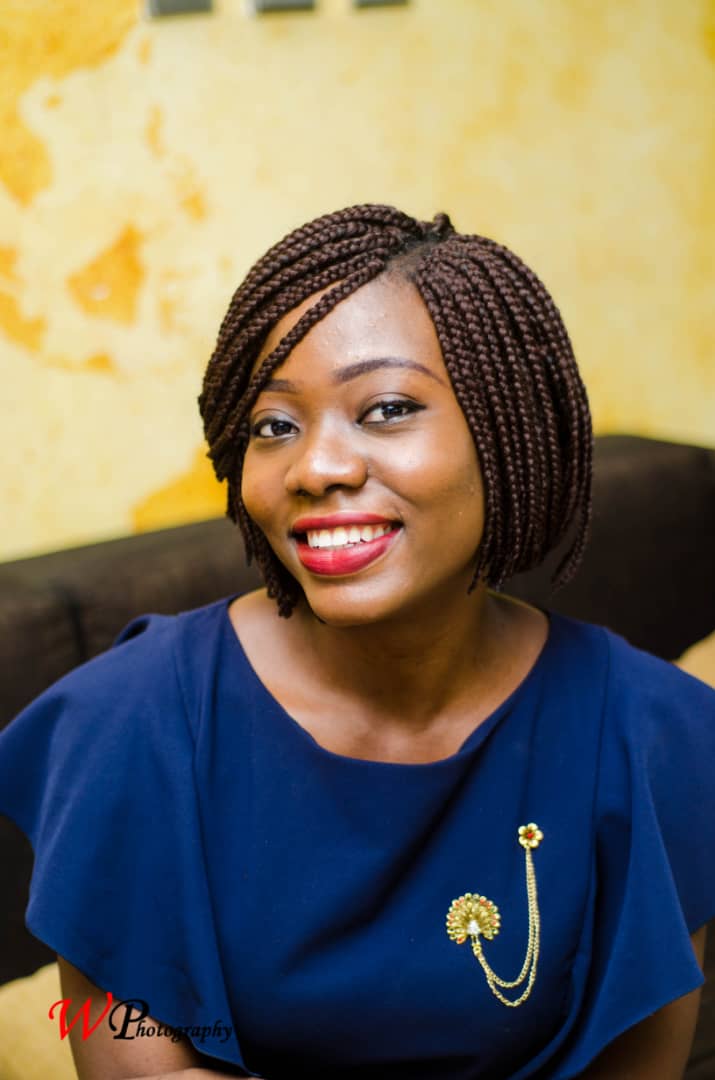
Olaniregun Ayodele is the CEO of   STUNGBYBEAUTY, a Nigerian based business focused on selling quality shoes, bags and other beauty items. The LAUTECH graduate share some lessons she’s learnt from being an online vendor and how she has continuously scale up, despite the challenges.

Meet Ayo

I am a graduate of Ladoke Akintola University of Technology (LAUTECH) .  Though I had the vision to become an entrepreneur. I have worked customer service executive for a short period of time. I also went through training as a call  center agent for one of the telecommunications company in Nigeria before I finally decided to pursue my dream as an entrepreneur in the year 2016. I started off as a makeup artist, selling makeup products, jewelleries and underwear.  But i had the desire for more so I decided to try out some other business, so I decided to go into fashion (shoes,bags,clothing and lots more)

The journey so far

Since I started in 2018, the business has made tremendous progress even though it has not been smooth sailing all the way, we have survived against all odds. We have  grown our customer based by satisfying our old customers and referrals from both our customers and well meaning friends of the business (social media influencers, friends and well wishers)
Challenges 
 The business has faced some challenges over the years, for instance;
– we have had our Instagram account taken down
– difficulty gaining customers trust due to lots of scammers on social media platforms especially for business that is predominantly online
-putting up with difficult customers for example use of fake transaction alert to buy product from our store
-and some challenges we face everyday like difficult dispatch riders, customers not picking up calls even when expecting delivery and the likes
Staying positive
 Despite all the challenges businesses face in Nigeria, I will say there is still great potential for entrepreneurs in the business atmosphere in Nigeria. Thank you for the wonderful opportunity to feature in your article. It’s an honor well appreciated.
Connect with Ayo
Instagram handle – @stung_by_beauty
Twitter- @stungbybeauty
Tiktok- @stungbybeauty
Business line – 08065071914

Many singles  are seeking true love, love that is pure, safe and whole. Love that allows them to connect to their highest self, because they know that true love doesn’t need to be perfect, It just has to be true. Dating apps are fast becoming the “one stop centre” and go-to places to find companionship these days.

However, there is a more direct way to connect with your life partner, one that avails you the opportunity to have first hand information on your love interest, with zero stress. Chiddie Anyasodo and her husband Ben, are making this possible through their matchmaking platform “Chotayah”.

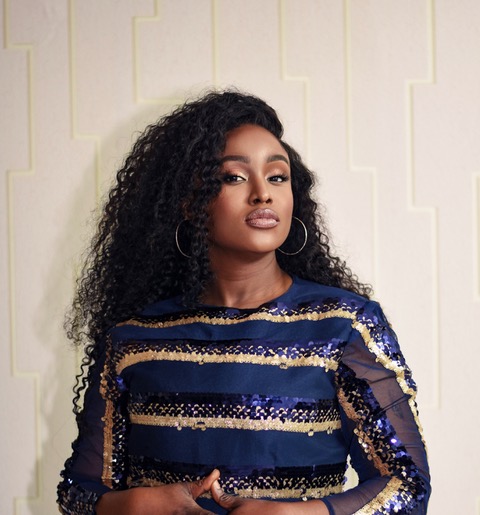
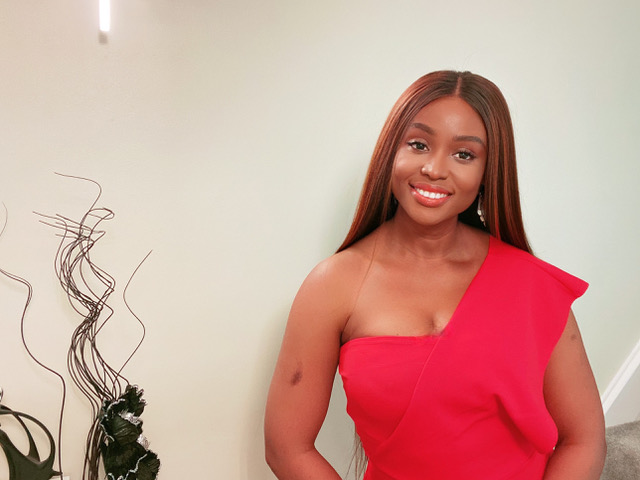
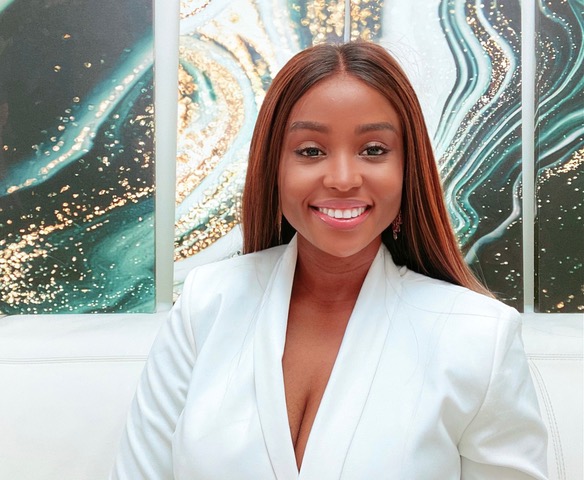
Chiddie’s career path evolved from engineering into full entrepreneurship over the years. She has worked in different phases of the Upstream Oil and Gas industry – initially as an International Mobile Field Engineer with Schlumberger, working in different countries. She also worked as Business Development Manager, she then joined another company as the Global Vice President for Commercial, before moving on to build her own businesses. The Electrical / Electronic Engineering graduate has been described as an eclectic love for developing ideas.

She is the other half of Chotayah, a high-end executive Matchmaking service for professional Africans all over the world. Chiddie and Ben have helped many African singles discover and route out the obstacles preventing them from being in a healthy relationship. Through Chotayah , they are transforming how the most elite African entrepreneurs and high networth individuals on the planet connect with their dream partners.

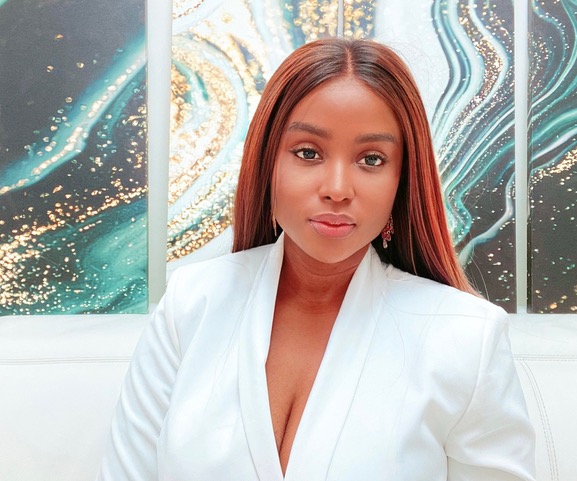
The amazing mom of 2,, Relationship Coah, and Professional Matchmaker shares her inspiring journey with Esther Ijewere in this exclusive interview.
 Childhood Influence

 Well, thinking about this, I saw my mom find wives for my uncles and I found it fascinating. I also set up friends and family for fun. I grew up in Owerri, a beautiful city in Eastern Nigeria. I am the first child and only daughter of my parents. I have 3 younger brothers. I have always been very independent, ambitious and strong-willed since I was a child. I was also a voracious reader. I was called a tomboy. I grew up shielded by my parents. I studied Electrical Engineering in the University. However, what really prepared me for this was my early 20’s when I started dating, I had so many bad experiences and I had no one really to guide me. Such topics were a taboo in my house. My mom was very prim and proper and you do not discuss boys and love. If a man admires you, he is expected to come and meet my parents and ask for my hand in my marriage. The times I tried to tell her I was in a relationship, she got very upset, told me it was disgraceful and sinful. It was also ironic that the same mom who didn’t think I should be in the same room with a man was also going to church and prayer houses, sowing seeds and praying for me to get married. lol

Inspiration behind Chotayah

Both hubby and I had challenges in finding the right person. There were so many myths about love and relationships which we practised then separately but were all wrong.  On my side, my dating experience was quite sad and filled with heartbreaks after heartbreaks.  My genotype was an issue. And for some people the fact that my mom died of cancer scared them away.

I got rejected many times with excuses like – you earn too much – a woman shouldn’t earn more than a man. You are too boyish, too ambitious. Your job exposes you and makes you travel too much and you won’t make a good wife. A successful woman will never respect a man. At one point, I was told by some pastors and relatives that I had a spiritual problem. You can imagine. After praying so much and the cycle kept repeating, I decided to try alternative methods. First, I tried to use some Western dating sites like E-harmony and Match.com but they always rejected my application as I was Nigerian. I also tried to hire a matchmaker in the USA then, but she didn’t work with people outside the USA. So, I decided to go on my own. That experience made me start reading and exploring what makes relationships work. I also got a relationship coach, started studying serial men and women who always seemed to have lots of attention from their love interest. I took everything I learnt and crafted my own strategy to find my man. It took me about 8/9 months to find my man and no more heart breaks. My friends who knew about all my negative experiences started using the same formula and it worked for them. And everyday, I see so many people like me going through the same challenges that I went through. Successful high-flying people who have succeeded everywhere but seem they are not able to succeed in the love department. I then decided to go study Matchmaking in the UK and Relationship Coaching in New York. My husband is a Behavioral Change Expert & Therapist. We decided to join our passion and expertise to give birth to Chotayah.
Leaving engineering for Entrepreneurship

I think it’s genetic LOL. My grandfather was a successful businessman – he sold palm oil to the Portuguese and imported – canons, tea sets, and textiles. My grandma was a textile wholesaler in Onitsha. She also came from a family of businessmen and women.  My Dad is a doctor who owns his own hospital. I grew up seeing all these and hearing their stories, I guess that influenced me. I started my first business in SS1 (at 14yr) selling earrings to my classmates in the boarding house. I just did it for fun to see my money multiply.

How the matchmaking process on Chotayah works

We use a scientific process; psychology and tech, we always put into consideration their traditional African culture which is unique to everyone that comes to us as you know African culture is rich and diverse. Finally we use our intuition. When a client contacts us that he is seeking a spouse. We then have a 1- 2 hours session to know his relationship history and background to understand him properly and come up with the best Strategy that will give him results. It’s also in this session that we can figure out if he is a good fit for us, we are not able to help everyone unfortunately. We do a bit of background checks and if everything comes out fine, we then take him on as a client. Our matchmaking always goes with Relationship Coaching and Behavioural Therapy. We first work on him/her as a person to find out what is stopping this person from finding love – is it just that he is too busy, not positioned properly or is it something from the inside? We remove those blockers  and help him develop a unique  personal plan for him/her… And we go searching . As we search, we do a lot of  data analysis using proven scientist methods combined with emotional intelligence to see if they are a match. We then go through every match with our client till we both agree on The ONE. We coach them, guide and provide emotional support while dating and sometimes till they get married.  Some still come back after marriage and we keep helping them navigate early married life.


What kind of person will hire a Matchmaker

Matchmaking is not for everyone. The most common being they are very busy: they are highly selective and have certain criteria they are not able to find ordinarily around them; they love their privacy – many of clients do not even have a social media account. Some are highly placed people in the society or very busy highflying professionals who want to protect their confidentiality. They come to us because they need an expert to handle their dating life. They are the sort of people who will hire a personal trainer, personal stylist and personal chef. They always want bespoke and personalised services with someone they can trust to deliver excellence while being extremely discrete. Some have tried so many times to find love, gotten disappointed several times and then decided to use us. We love the diversity of our clients. We have people from 28 to 70+ years old. While we cater to a mainly african niche, we also get requests from people of other races who want to marry africans. When it comes to the kind of thing they do, we get approached by them – The Top CEOs, Royalty, Politician, Sport Stars, Celebrities,highly Celebrated and sought after Professions – We have people in Research, Oil & Gas, Tech CEOs, Specialist Medical doctors. These people are usually the best of the best in their fields but seem to have a challenge finding love. One thing they all say is that they are busy .. Most ambitious professionals don’t have the time or resources to commit to finding the kind of person that they want but the Chotayah team  does . This I understand as I have been their shoes

Challenges of being a Matchmaker

Trying to find if a person is being honest and truthful about whom they claim to be. And depending on the client, this costs a lot of money as we work  the best hands in background checks and they don’t come cheap. In the beginning, We have met all types of people and you know human management isn’t so smooth LOL… The journey taking people from the life they are used to a new transformed life that will enhance them for success was challenging in the beginning as humans will usually reject change, but with time, I devised means to make the transformation process easier for them.

What I enjoy most about my job

My greatest joy has been helping people who felt their case was hopeless find happiness. I love seeing people transform and become better versions of themselves.
 3 women who inspire me and why

 My mum, she was a very peaceful person who loved helping people and seeing them succeed. Her influence made me develop the kind of mindset I have towards helping others. Oprah Winfrey – She is iconic . I admire her doggedness in accomplishing her dreams and also helping others do the same. I love Indra Nooyi, former CEO of Pepsico – She is showing how a woman can be powerful, successful and balance family life.

On If people understand the meaning of true love

I think many people confuse Infatuation for Love.. Infatuation usually happens earlier on in the relationship is driven by strong emotions. That period when you have all those hormones running through your head and colouring everything you see about the other person. You have those intense feelings, the butterflies, you only want to be with them 247 neglecting every other thing in your life, and they can do no wrong.The good thing is that infatuation doesn’t last and if you are patient, the hormones will stabilize, and you can then see if you truly love this person and they love you back – which is True Love. Emotions are not enough to keep a relationship for the long term. On the other hand, True Love is more stable, more like deep friendship -where you have seen each other’s negative and positive sides and truly decide to stay together in mutual respect and deep admiration of each other. True love always has good intentions, is trusting, honest, accessible, responsive, loyal, consistent, and always growing. And you can always feel some of the passionate feelings characteristic of infatuation in a true love relation but its healthier and infatuation will always wear off. Expert psychologists say it can take 2-3 years to wear off.

My work-life balance routine and support system

My husband is my support system. He is highly organized and helps me organize my projects. Most times when I am down, he takes up the wheel 100%. When it comes to everyday work, I also delegate a lot.

If I could change one thing in the matchmaking and dating world

 I will change the process and mindset. I feel its shouldn’t be first about connecting people but about them finding real, healthy, lasting love. Focus should be more on people having the right mindset for love, understanding how to have a happy and fulfilling relationship. If all businesses put this first, then they will change their business models.

To the woman who has given up on love

 I will ask her why. Is she giving up because she has a new vision and direction for her life and she genuinely thinks that a loving relationship isn’t what she wants? If yes, that’s fine and I wish her Goodluck Or is she giving up because of endless disappointments? If yes, then she has to examine herself to know why the kind of love she wants isn’t coming. And NO, it’s not because all men are bad or that all the good men are taken. They are there. And she can definitely find and attract them, if she can change her mindset and strategy. 

Matchmaking nuggets, and red flags

Matchmaking: Always be clear on what you want in a relationship. Make sure you are willing to give your best to the person you are seeking to love. Be open-minded and positive. Red flags: Always listen to your intuition, if it says something isn’t right, investigate it.
Being a woman of Rubies

 I am a very compassionate person who loves people and loves to see them succeed. I believe in using my talent, knowledge, and time to empower people around me so that they can improve their lives.

Social media became more than a pastime for many of us during the COVID-19 pandemic. For me, it became a point of curiosity. As someone driven by impact, I wanted to understand how digital platforms truly work beyond posting and scrolling. This led me to research deeply, earn the Google Digital Marketing Certificate, and take several copywriting courses that revealed the often-overlooked power behind digital media.

As I learned more, I began to notice something troubling. Many young people were using social media almost exclusively for entertainment, without recognising its potential as a tool for learning, influence, and opportunity. That realisation pushed me to look for ways to share practical insights with young people, helping them use social media to support their businesses, careers, and personal growth.

This intention led to the Digital Impact Session: How to Use Social Media for Social Good, held at NICON Plaza, Central Business District, Abuja. The event brought together participants from youth-led organisations, advocacy groups, and community schools. The goal was simple but important: to help young people understand how social media can be used responsibly and strategically to create positive change.

Social Media Beyond Entertainment

The session explored how social connections have shifted from physical spaces to digital platforms, increasing the amount of time people spend online. While this shift presents challenges, it also creates educational and developmental opportunities. I emphasised that when individuals share short videos, infographics, and interactive content that promote learning and social good, they contribute to responsible digital growth, especially for younger audiences.

Key discussions were centred around the Sustainable Development Goals (SDGs), responsible online behaviour, and using digital media as a tool for personal development and business growth. Participants were encouraged to think critically about the content they consume and share, and to understand the role they play in shaping online narratives.

Digital Responsibility and Online Safety

Another important focus of the session was digital safety. Participants were guided on the importance of verifying information, avoiding the spread of misinformation, and being mindful of false narratives. In a time when content travels quickly, understanding how to engage responsibly online is just as important as learning how to grow an audience.

Building Purpose-Driven Digital Presence

During the workshop, participants were introduced to content planning strategies, value-driven storytelling, and digital tools for amplifying causes. These are the same principles I apply in managing my Social Impact Blog, Extraordinary Woman Blog. We explored how to build an online presence that aligns with personal values while remaining authentic and impactful.

The session also highlighted how social media can be used not just to express opinions, but to lead conversations, influence communities, and support meaningful causes.

Reflections from Participants

The feedback from participants was deeply encouraging. Many described the session as timely and eye-opening.

One participant shared, “I never really saw how my online voice could be used beyond jokes, news, and entertainment. This session showed me how to create content that actually promotes change.”

Another noted, “I’ve always wanted to grow my business using social media, and this feels like a strong starting point for building something meaningful.”

Others shared that the workshop increased their confidence and motivation to use their platforms more intentionally and to explore ways to share their experiences in a way that inspires change.

Using Digital Tools with Intention

Young people today have access to more digital tools than any generation before them. However, this access also comes with the temptation to misuse these platforms in ways that can affect personal development and career growth. Throughout the session, participants were encouraged to view social media not just as a space for expression, but as a platform for leadership, influence, and contribution.

When used intentionally, social media becomes a powerful tool for social good—one that can support learning, business growth, advocacy, and long-term impact.

I’ve activated my ‘recruiter super-powers’ and collated some red flags you can look out for to spot a fake job advert, so that you don’t even bother applying.It’s no news that there is a high rate of unemployment in Nigeria, which has resulted in people looking for creative ways to defraud Nigerians. Companies involved with multi-level marketing like GNLD, Neo-Life, etc. now create ‘job vacancies’ just to bring people together to ask them to pay a fee to join their distribution network.

This is a scam, because it lures people into applying for a role that doesn’t exist. If the intention was clearly stated in the job advert, then it won’t be a scam. Some adverts out there are worse, especially those pushed out by kidnappers, corporate robbers, and fraudulent people. Therefore, young graduates need to be more careful when sending out CVs that contain personal details like ‘home address’.

I’ve activated my ‘recruiter super-powers’ and collated some red flags you can look out for to spot a fake job advert, so that you don’t even bother applying.

No website or online presence
If all the results that come out on Google are random job adverts on job boards with no website where you can read more, it’s likely to be fake. Any serious company will have an online presence like Google My Business, VConnect, or any other verified website – even if they cannot afford a good website. I advise that you search for what others are saying on Nairaland, because as scammers rebrand, someone comes to Nairaland to update others.

No experience required
Some genuine job posts do not require any experience, but when you see a job that offers lots of juicy packages that ideally fit a senior role, and does not require any experience, then it is a sign that they are not genuine. Do your research very well! If they don’t have a functioning website, then how do you expect them to meet up with all that was stated?

Unprofessional E-mail address
A company that can afford a website will most likely use an official email for recruitment. What I mean is that their email address usually ends with ‘@(the name of the company.com (or the domain address)’. So if you see an email address that says recruitment@careerlife.com.ng, their website would most likely be careerlife.com.ng. I know of genuine recruiters that use Gmail to collate CV’s, google them first! See if they have posted adverts with the email and what people have said. Any serious recruiter won’t use funny email addresses like sexyrecruiter15567@yahoo.com.

Your results don’t add up
Sometimes, I see some fishy job adverts and after searching it, the email address provided is not related to what’s on the company’s job site. E.g., if it includes someone’s name attached to the email, check the person out on LinkedIn to see if the person really works there. I see a lot of Shell and Chevron vacancies being shared on Whatsapp. It is important to note that these companies don’t even use email addresses for their vacancies. Even if they do, the email address provided isn’t the same template with what they really use, so that’s a big red flag.

The job description is sloppy
When you see a job advert that barely contains proper information about a role or the job title is entirely different from the job description or there are a lot of grammatical errors, this should deter you from applying. Be very wary of those adverts from big multinationals that are poorly written. Most times, they are not from the recruitment team. Structured companies have a good HR Team with quality checks in place.

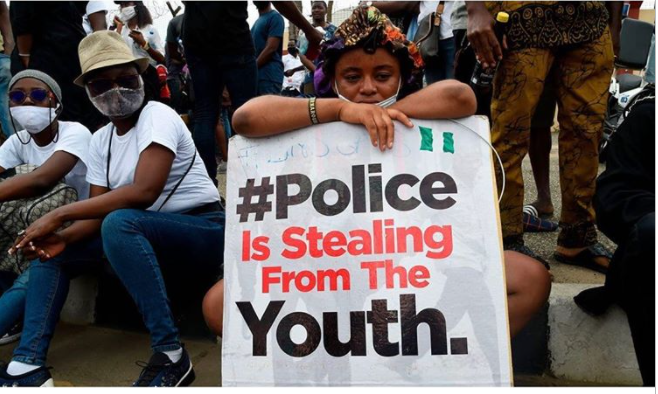
Over the last week, a wave of protests spread across Nigeria, Africa’s largest economy and home to over 200 million people, about 60% of whom are less than 25 years old.

The protests were sparked by rising police brutality, specifically that of the Special Anti-Robbery Squad (SARS) of the Nigerian Police Force, that disproportionately targeted the youth, often on trumped-up charges and typically leading to harassment, torture, rape, unlawful arrests, and extrajudicial killings.

It is thought that the groundswell of support for the movement could soon be shifting towards demanding accountability from the nation’s legislators, who are rumoured to be the highest paid in the world, and from there expanding to clamour for good governance in the nation as a whole. Let it be clear that we are not just taking this stance against SARS; we are making a statement against bad governance.

The protests, led largely by the nation’s youth, have attracted the attention of the international press with the hashtag #EndSARS trending across all social media platforms for several days in a row. Observers have commended the peacefulness and the organisational competence of the protesters, likening their tactics to those used by the Hong Kong protesters in 2019. Some have gone as far as to liken the October 2020 protests to the Arab Spring of 2011, calling it the start of the ‘Nigerian Spring’.

Here are six reasons why the October 2020 protests have been so successful so far:

Egalitarian

The movement has fiercely resisted the traditional leadership structure, and has, instead, opted for a decentralised style of leadership. Youths from different walks of life have contributed their skills and time into making the protests successful and no one person or role is seen as more important or less valuable.

But having no “leader” is not the same as having no “leadership”. There are several individuals and organisations spearheading different aspects of the protest, but none of them claim ownership of the movement and have eschewed calls to act as spokespersons for the protest. In sharp contrast to the Occupy Nigeria protests of 2012, there are no celebrity leaders or appointed heads, and many see this as a direct jab at the many NLC and ASSU leaders who after being called to Abuja to “negotiate” are alleged to have abandoned the cause.

Members of the Nigerian tech industry, which has been disproportionately targeted by SARS, have mooted the idea of creating a Nigerian version of Reddit where the Nigerian youth can participate in true egalitarian decision making via online polls. This will be similar to the LIHKG platform used by the Hong Kong protesters in 2019.

Organisation

One of the hallmarks of the protests has been the perceived excellence with which the youth have organised and the agility of the collective response to meet the operational, logistical, and strategic challenges of sustaining a nationwide protest. Within a few short days, the protesters have organised security, media, welfare, legal aid, emergency medical services, and refreshments for the protesters on the streets, while also ensuring a steady supply of mobile data, commonly known as “recharge card credit” to sustain the online protests.

Crowdfunding

Individuals and organisations across the country and in the diaspora have funded the uprising, sending in donations to help provide for the protests. But it has not only been money; many service providers, restaurants, bakeries, confectioners and bottling companies, to name a few, have turned up at the protests with free merchandise, food, and drinks for the protesters, each one of them seeing it as their civic duty to do something to reclaim the nation. In a country where billions of Naira are allocated for projects that are never completed, there has been a meticulous accounting for every dollar spent during the protest.

Technology and Connectivity

The use of technology is widely touted as a major ingredient in the success of the protests. Social media networking has been used to drive online protests. Slogans tweeted by protesters at home encourage the street protesters, and messages sent via instant messaging provide vital information and security updates from one protest site to others. GPS-based location tracking is being used to trace protesters who have been arrested, aerial drone photography is being used to capture unprecedented images of the crowd, and cryptocurrency is emerging as the major stream of the crowdfunding effort.

Community

Protesters, both online and on the street, fundraisers, organisers, lawyers, doctors, civil rights activists, journalists, photographers, and so on are all working in unity of purpose. The movement has created a unique sense of camaraderie, the kind only formed between people who share a common trauma. It is said that this generation of youth have grown up never knowing the “good days” fondly spoken of by the older generations, and that they are determined to bring change to the nation, one demand at a time.

Women

What do the English Suffragettes of the late 19th century, the Aba Women’s riot of 1929, and the October 2020 protests have in common? Women! Some of the most powerful voices online and on the streets, and some of the most prolific organisers behind the scenes, have been women. Buoyed by a burgeoning African flavour of the feminist ideology, the female input in the success of the protests cannot be overemphasised.

Source: Bellanaija

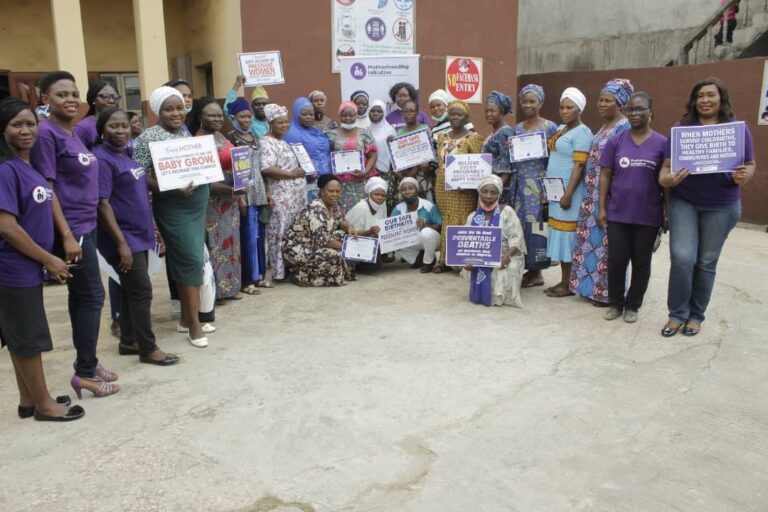
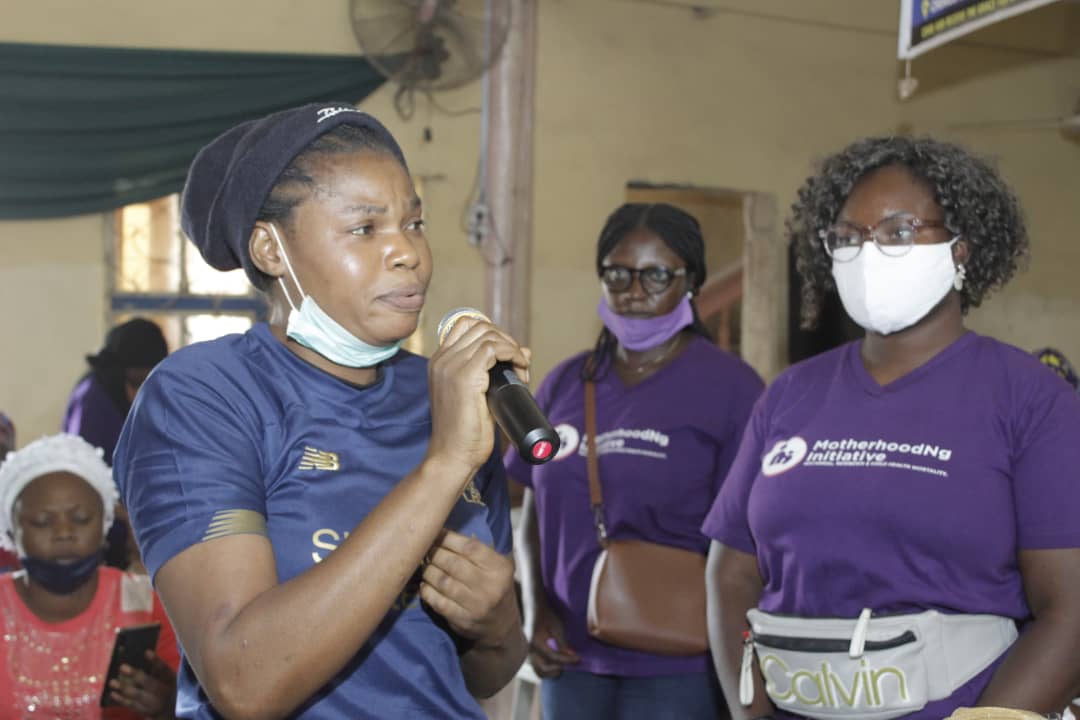
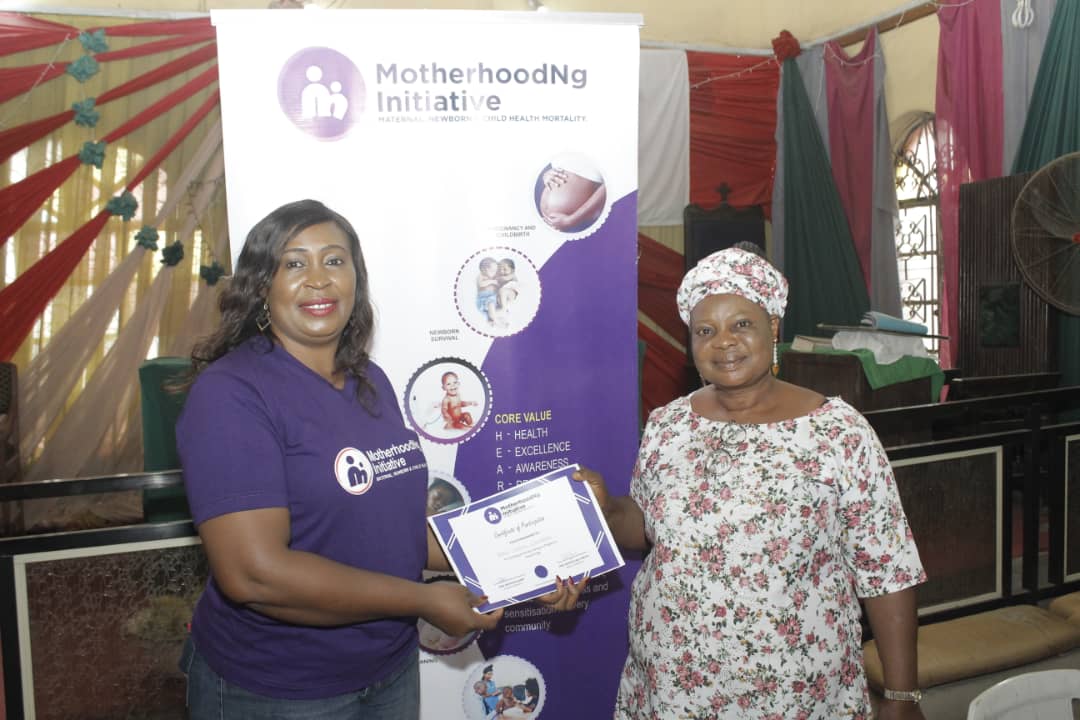
Motherhood NG Initiative is a women-led non-governmental organization with the mission to improve maternal, neonatal and child health in underserved communities in Nigeria.

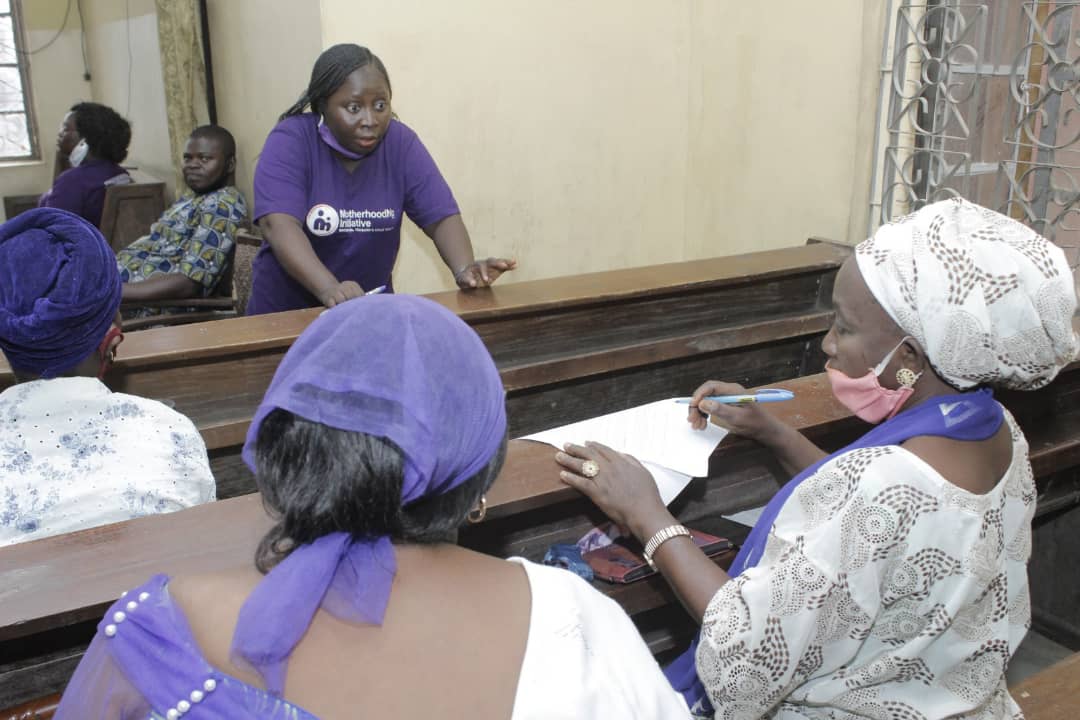
In line with its commitment to improving maternal health outcomes in underserved communities, Motherhood NG Initiative held training under Project Safe Birth for 50 Traditional Birth Attendants at Ado-Odo Ota Local Government in Ogun State on prevention of postpartum hemorrhage. Postpartum hemorrhage has been identified as one of the top 3 leading causes of maternal mortality in Nigeria.

The one day eye-opening training was facilitated by two certified medical practitioners and the traditional birth attendants were taught the signs that can lead to postpartum hemorrhage and how to prevent it. However, they were also cautioned to know their limits, so as to reduce maternal and child mortality in Nigeria.

The founder, Motherhood NG Initiative, Abiodun Alabi, stated that Project Safe Birth is focused on reducing maternal mortality in underserved communities in three ways; by training of traditional birth attendants, providing free safe birth kits to pregnant women in rural communities and causing social behavioral change towards family planning through sensitization and following up with messages to promote family planning to these women via E-mobile in their respective indigenous languages.

The Sustainable Development Goal 3 (SDG3) aims to ensure healthy lives and promotes wellbeing for all across all ages and genders. The first target of the SDG 3 seeks to reduce the global maternal ratio to less than 70 per 100,000 live births. According to the World Bank, the maternal mortality ratio in Nigeria as of 2017 was 917 per 100,000 live births.

Motherhood NG Initiative is working towards achieving the SDG3 by 2030.

On this episode of “Toke Moments“, Toke Makinwa is sharing her protest experience and describing the different types of people you see at a protest.

She says,

What a week, what a season, what a moment….. What a time to be alive. The protest against Police brutality in Nigeria has put Nigeria yet again in the centre of major world wide conversations and I am super proud of every young Nigerian for pushing for change. The #EndSars #EndPolicebrutality #EndSwat #Sarsmustend movement is on going and you can be a part of it too. the History books will definitely not forget this generation. I went out on the streets to protest and the energy was out of the world, watch my protest experience and share yours too in the comment section.

Watch the video: