


Visibility for private people can feel difficult in a world where personal exposure is often mistaken for authenticity. You may understand the importance of being seen while still feeling uncomfortable about constantly sharing your life online.
Perhaps you are naturally reserved. You may have children or relatives who did not choose a public life. You might also want to protect your peace, safety or personal boundaries.
The good news is that professional visibility does not require unrestricted access to your personal life.
You can build a trusted presence by sharing your expertise, values and professional journey intentionally. The goal is not to reveal everything. It is to help the right people understand what you do, recognize your value and know how you can help.
Privacy and Invisibility Are Not the Same
Being private is a boundary. Being invisible is often a positioning problem. You can protect personal details while maintaining a strong professional presence. Many respected leaders are visible because their ideas and work are clear, not because their entire lives are available online.
Intentional visibility allows you to choose:
- What you share
- Why you are sharing it
- Who needs to see it
- Which platform is appropriate
- What should remain private
These decisions give you more control over your public presence.
1. Decide What Visibility Means for You
Visibility does not have to mean becoming an influencer or posting every day. Your version of visibility might involve:
- Publishing one thoughtful article each month
- Speaking at selected events
- Contributing expert commentary
- Appearing on relevant podcasts
- Maintaining an updated LinkedIn profile
- Sharing client results or professional lessons
- Building relationships within your industry
Choose activities that align with your personality, goals and capacity.
2. Establish Your Visibility Boundaries
Before increasing your public presence, decide what will remain private. Your boundaries might include:
- Your children’s identities
- Your home and location
- Personal relationships
- Family disagreements
- Financial details
- Health information
- Experiences that are still emotionally unresolved
You do not need to defend these boundaries publicly. You simply need to respect them consistently.
Consider creating three categories:
Public
Information you are comfortable sharing widely, such as your expertise, services, professional achievements and public events.
Selective
Information you may share in the right context, such as a personal lesson or carefully chosen part of your journey.
Private
Information that will not be included in your content or media conversations.
This framework makes content decisions easier and reduces the pressure to disclose more than you intended.
3. Lead With Expertise
If personal storytelling feels uncomfortable, begin with what you know.
Share practical insights based on your work, including:
- Common mistakes you observe
- Questions clients frequently ask
- Industry changes
- Lessons from completed projects
- Useful frameworks
- Recommended tools
- Professional reflections
Expertise-driven content builds credibility without requiring intimate personal details.
For example, a financial professional can explain budgeting principles without revealing her personal finances. A business owner can discuss leadership lessons without exposing private workplace conflicts.
4. Share Lessons Without Sharing Every Detail
Personal stories can build connection, but you control the depth of the story. You can share:
- What happened in broad terms
- What the experience taught you
- How it changed your approach
- What others can learn from it
You do not have to name every person, provide every date or describe every painful detail.
A useful question to ask before publishing is:
“Am I sharing this because it serves the reader and supports my message, or because I feel pressured to prove that I am authentic?”
Authenticity does not require exposure.
5. Build a Clear Professional Foundation
A strong online foundation can make you visible even when you are not constantly posting. Ensure that your primary professional platform includes:
- A current photograph
- A clear headline or title
- A concise professional biography
- Your core areas of expertise
- Evidence of your work
- Selected media features or speaking engagements
- A clear way to contact you
When your profile is clear, people can understand your value without needing daily access to you.
6. Choose Fewer Platforms
You do not need to maintain an active presence everywhere. Choose one or two platforms based on where your audience, clients or professional community spend time. Use those platforms consistently and allow the others to serve as basic reference points.
For many professionals, this could mean:
- LinkedIn for thought leadership and professional relationships
- Instagram for visual storytelling and community engagement
- A website for credibility, services and long-form content
- An email newsletter for direct communication
A focused presence is often more sustainable than a scattered one.
7. Create a Sustainable Content Rhythm
Consistency does not mean posting every day. A private or reserved professional might use a weekly rhythm such as:
- One educational post
- One professional reflection
- One community or industry interaction
- One longer article each month
You can also create content in batches and schedule it in advance. This reduces the pressure to be constantly online.
The most effective schedule is one you can sustain without sacrificing the quality of your work or personal well-being.
8. Use Other Visibility Channels
Social media is only one part of visibility. You can also build recognition through:
- Media interviews
- Guest articles
- Workshops
- Professional associations
- Community leadership
- Panels and conferences
- Podcast appearances
- Strategic partnerships
- Referrals
These channels may feel more comfortable because they allow you to speak within a defined professional context.
9. Let Your Work Provide the Evidence
You do not always have to speak about yourself directly. Share evidence such as:
- Client testimonials
- Project outcomes
- Case studies
- Media mentions
- Awards
- Speaking photographs
- Published articles
- Community impact
- Professional milestones
Where confidentiality applies, obtain permission or remove identifying details before sharing.
Evidence-based visibility helps people trust your work while preserving appropriate boundaries.
10. Prepare for Media and Speaking Opportunities
If you are private, prepare your boundaries before an interview or public appearance. Ask for the topic in advance when possible. Decide which personal examples you are comfortable discussing. Practise redirecting questions that move beyond your boundaries.
You can say:
“I prefer to keep that part of my life private, but what I can share is…”
This allows you to remain warm and helpful without surrendering control of the conversation.
You Do Not Have to Perform to Be Visible
Quiet leadership is still leadership. A measured public presence can be powerful when it is clear, consistent and credible. You do not need to become louder than everyone else. You need to make it easier for the right people to discover your work, understand your value and remember what you contribute.
Final Thoughts
Visibility should support your goals, not violate your boundaries.
Define what you are willing to share, lead with your expertise and choose platforms that feel sustainable. You can be visible, trusted and influential while keeping meaningful parts of your life private.
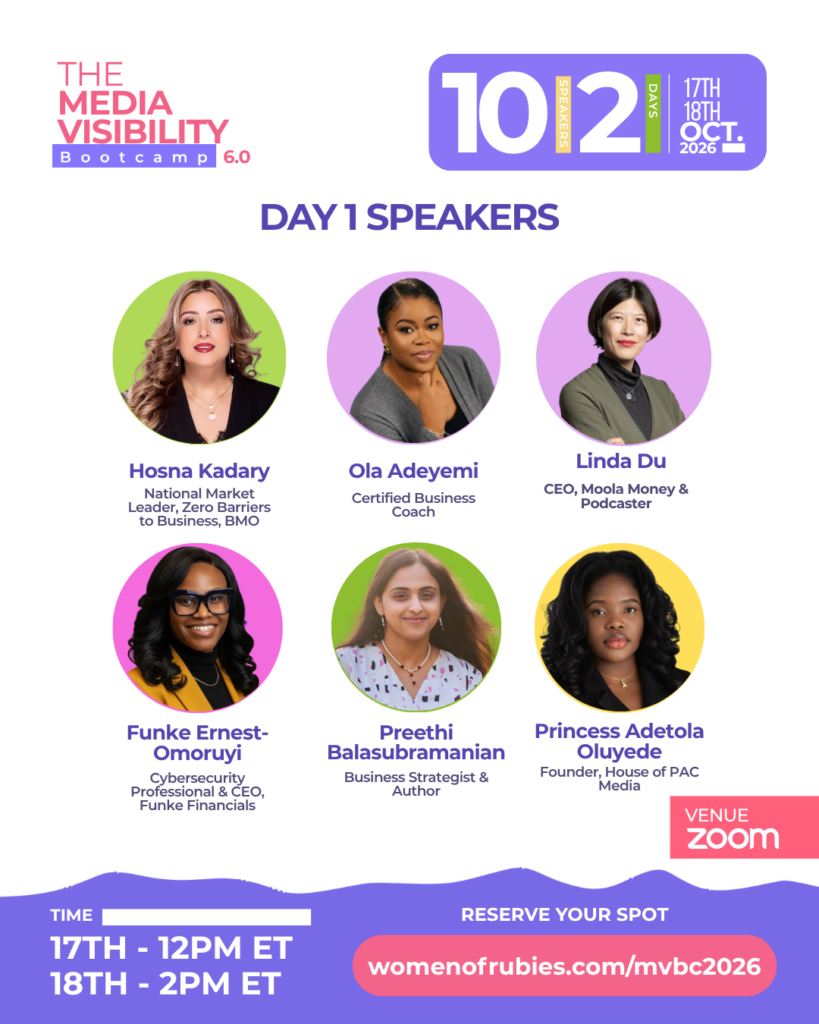
If you want practical guidance on communicating your value and building visibility with greater intention, join the Media Visibility Bootcamp 6.0.
October 17–18, 2026 | Virtual
Learn more and reserve your access at womenofrubies.com/mvbc2026.