Category

self development

Category

Diarra Bousso uses algorithms to create designs for her line DIARRABLU.

Who knew that math and fashion could work together so seamlessly? Apparently Diarra Bousso did, the self-described “Creative Mathematician” and mastermind behind DIARRABLU. The Senegalese serial entrepreneur and multidisciplinary artist left a career of trading on Wall Street to pursue design and it paid off. She has just been awarded a coveted spot as the Designer in Residence at the San Francisco Fashion Incubator for her innovative use of equations and algorithms in her beautiful designs.

The name DIARRABLU is a portmanteau of her own name and the color blue, representing the infinity and abundance of the ocean. The fall/winter collection “Linguère,” named for the Wolof word for a royal female, launched earlier this week. Linguère pays tribute to the tradition of strong Senegalese females of antiquity—specifically the Jolof Empire of the 14th century from which Bousso descends. We caught up with her to ask a few questions about what it is like to merge the nerdy with the glamorous.

This interview has been edited for length and clarity.

Nereya Otieno for OkayAfrica: When did the idea to start a fashion line first come to you? Did you foresee it when first leaving trading in Wall Street?

I wanted to have a fashion line since I was very little but it always felt like a far-fetched dream. When I was working on Wall Street, I got even more inspired and excited about the idea. I also was getting more involved in the creative scene through photography and blogging. When I left trading it was with the goal to start a fashion line right away, even though I had no experience in the field back then.

Did the idea of merging mathematics and algorithms with fashion come naturally to you? Or was it more of a stretch?

I always loved mathematics and liked the idea of using geometric shapes and cuts, but the idea of using algorithms didn’t come until I joined the Mathematics Education program at Stanford. We had this amazing professor named Jo Boaler and her work was focused on Creative Mathematics. I was like “wow, what a cool way to describe one’s work.” I started brainstorming in my free time and started toying with the idea of using math in the design process itself and not just the cuts.

After graduation, I started graphing equations, creating shapes and getting really excited. By December 2018, I had generated hundreds of designs algorithmically and decided to work on a collection while in Dakar. We made the first prints and I decided this was going to be the new direction.

So, wait, yeah—how does your process actually work?

I use equations to graph lines, curves, parabolas, hyperbolas, basically anything that can be represented by a math equation and graphed. Then I focus on where those lines and curves meet, which creates kind of random shapes. Then we hand paint those shapes using a color scheme that I’ve chosen.

What do you think it means to use algorithms in instances of self expression and art?

I think it is very empowering. It is a merger of the authentic and the automatic that can be extremely rewarding. Math is limitless, numbers never end and the fact that it is my tool for creation makes me feel like the opportunities are endless. Sometimes, I can stay up all night after writing new algorithms and experimenting with all the iterations that can come out of it. By just changing one number in your equation of flipping the signs, you get a complete new set of patterns. It is so mind blowing!

Your current collection is meant to evoke feelings of the 14th century Jolof Empire, how does it feel to use such contemporary methods in order to create the past?

I have always been fascinated by the past. Perhaps because it is somehow mysterious and hard to grasp. Growing up, I was always excited to dress up on special days as a traditional Wolof princess. My grandma would share her old clothes and resize them for me and I would get traditional braids and jewelry. I am from the Wolof ethnic group in Senegal and my parents raised us with a lot of cultural and historical references. My dad would always tell us stories about our grandparents and mom secretly thinks she is the style heir of the family.

Revisiting Senegal’s past with a collection was very exciting. I wanted to evoke that sense of comfort, freedom and power in traditional wear while adhering to the color palette of the fauna and flora of the Jolof region in Senegal. Clothes are convertible and adjustable just like the traditional boubous and wrap skirts and colors follow an arid climate’s palette of camel undertones and green accents. The algorithmic patterns are abstractions of animal inspired prints and have names like Gyraf and Zybra.

What do you think technologies like this mean for the future of fashion?

I think technologies like this have the potential to make fashion more efficient and circular. In our case, designing our prints algorithmically allows us to generate hundreds of options but only printing the ones that our audience responds to via social media. This has allowed us to reduce fabric inventory wastage by 80% and take a closer step towards sustainability.

What’s next for you and DIARRABLU?

The focus for me is to use this amazing opportunity to scale with the support of Silicon Valley tech executives through the program and expand both our online and store footprint to be able to reach more consumers around the world. We are also working on exciting initiatives to expand our design universe from clothing and accessories to art and interiors. Finally, working towards sustainability is a big goal for us with a focus on more circular solutions to textile design. I hope we keep growing and sharing our story of the intersection of tradition and algorithms with a larger audience.

Source: Okay Africa

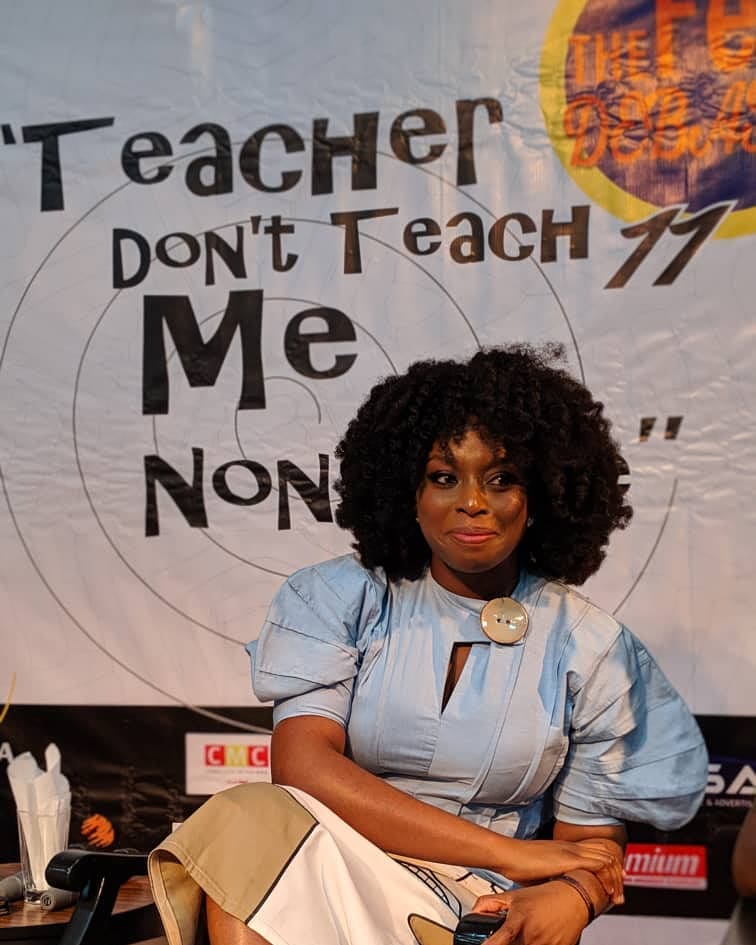
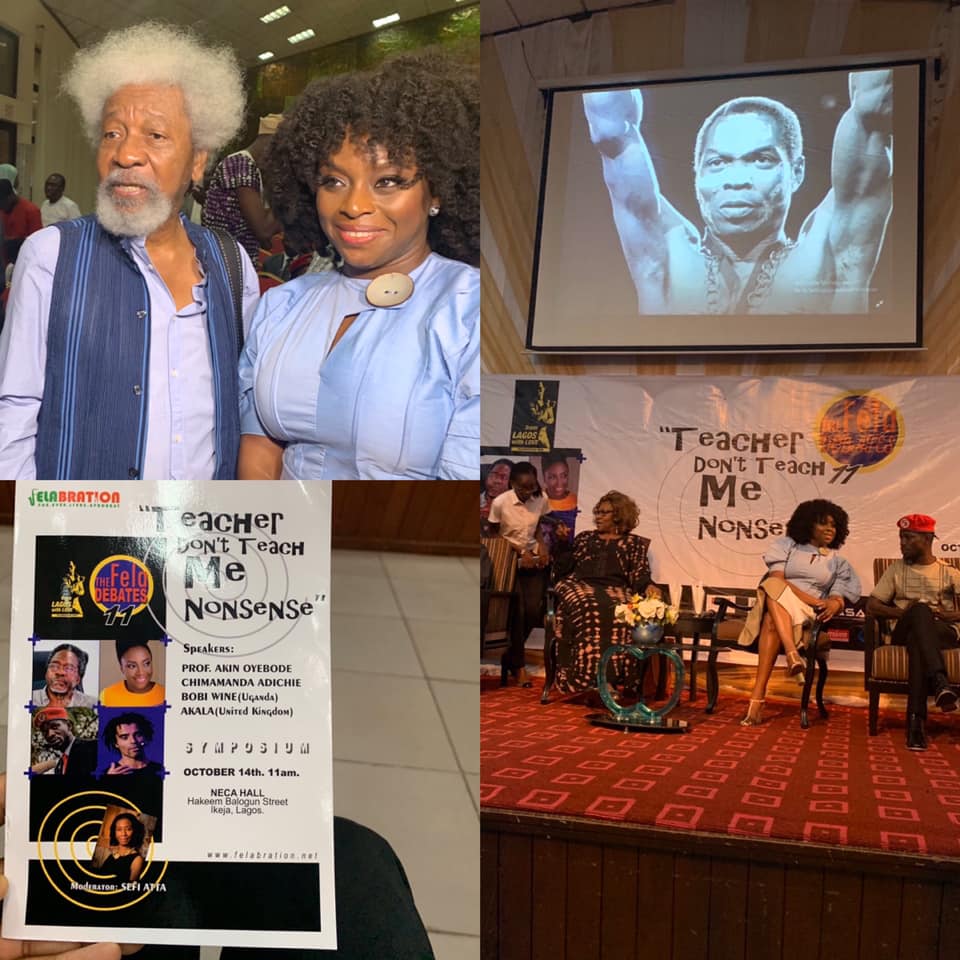
Felabration is an annual festival held in honour of the late musician and activist, Fela Anikulapo Kuti. This year’s theme is ‘From Lagos With Love’.

The event, which held yesterday at the NECA Events Center, Ikeja Central Business District, Alausa Ikeja, Lagos, had the theme: “Teacher Don’t Teach Me Nonsense.”

On the need for a revolution, she said Nigerians are docile when they should be vocal and as a result Nigeria does not matter in the global scheme of things.

“There is a revolutionary spirit that thrives in southern and eastern Africa that doesn’t thrive in us, a political revolutionary spirit and I worry that it has a lot to do with the way our educational system is, we don’t really matter. I think that’s the reality. It is up to us to make that change because if you look at the foreign policy of positive nations, by their actions, you can tell that they don’t think we matter. They think China matters. They think India would matter, not really us. And you can tell by their foreign policy,” she said.

The popular writer said she fell in love with Fela’s music through her older brother, Chuks, she said.

On Fela, she said: “When I was younger, he came to represent a kind of unapologetic courage and authenticity.”

Other speakers at the event included law teacher, Prof. Akin Oyebode, Kingslee James, McLean Daley, a British activist popularly called Akala and Ugandan singer and politician Robert Kyagulanyi Ssentamu (Bobi Wine).

Dignitaries at the event included , Femi Falana (SAN), Kingsley Moghalu, Professor Wole Soyinka, Professor Femi Osofisan, Rikki Stein, Femi Kuti, Yeni Kutiamong others.


Watch the video below:

Photo Credit@felabration


Credit: Bella Naija

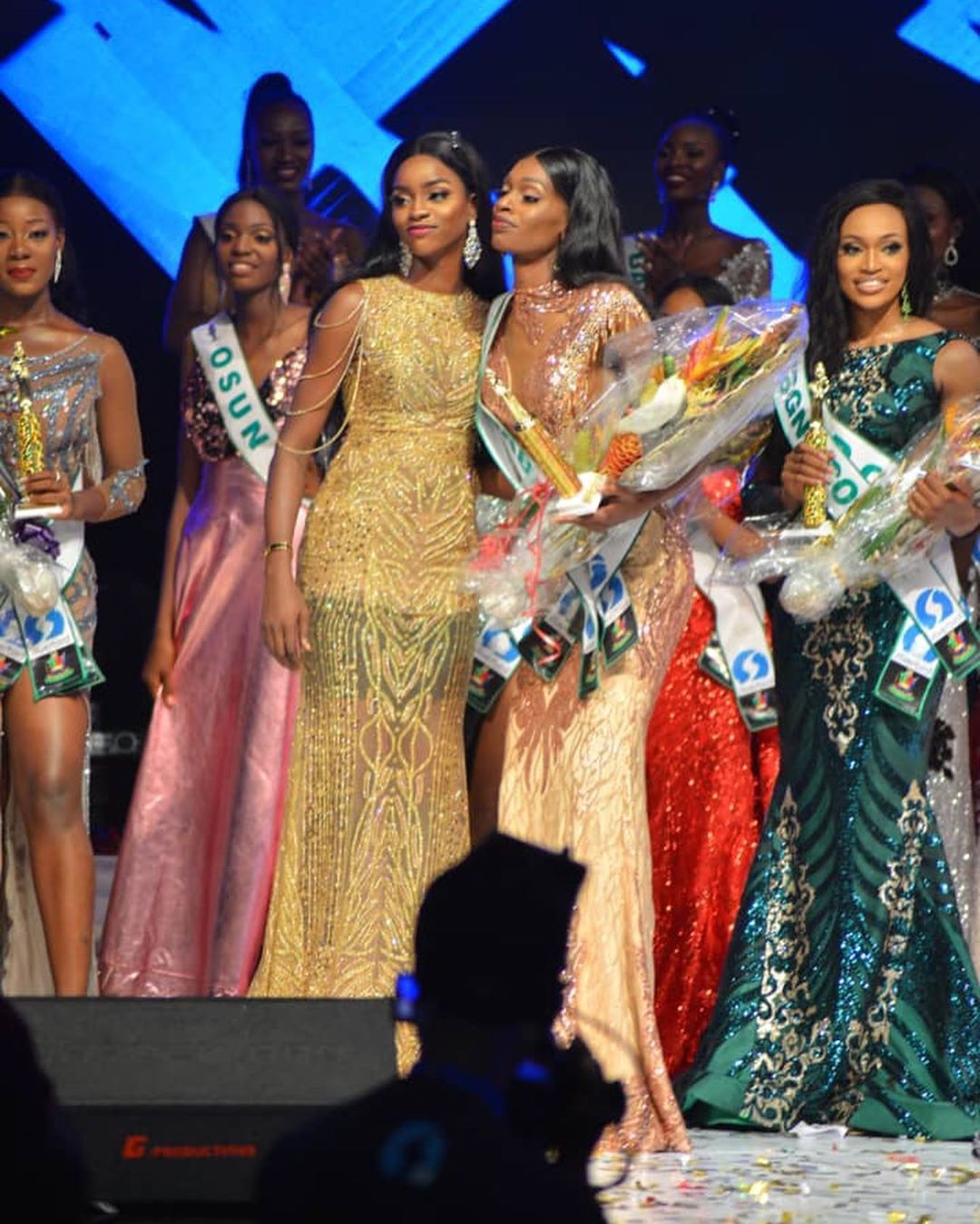
Olutosin Araromi, the beauty queen who is partly Yoruba and partly Benin is the current MBGN Universe 2019 after becoming the 1st runner-up at the Most Beautiful Girl in Nigeria ceremony Friday night.

Olutosin Araromi (Miss Taraba) lost her mom, Elizabeth Araromi on the 6th of September 2019 after a trip to Nigeria to pursue her daughter’s lifelong dream of representing Nigeria at the MBGN 2019. She wrote:

I never thought in my life I would be writing this but with a very heavy devastated heart I’m here to inform everyone of the untimely passing of my sweet Mother Elizabeth.

My mother and I travelled back home to Lagos, Nigeria to pursue my lifelong dream of representing Nigeria on an international platform so I applied to compete for @silverbirdmbgn.

Unfortunately this past Friday evening when me and her were coming back from the mainland after wrapping up my final evening gown fitting disaster struck.

Our @uber@ubernigeria broke down on the 3rd mainland bridge-ojoo express. When we were trying to get to safety and get into our 2nd Uber a danfo bus veered off track and struck my mom.

The danfo bus didn’t stop it kept on driving. Thankfully by a Good Samaritan we were able to get my mom into a car and rushed to the hospital. After about 20-30 minutes of trying to resuscitate my mother the doctor announced that the injuries she sustained were fatal. My whole life changed in less than an hour. Those who are close to me know how close I was to my mother.

She was my friend, my mentor, my spiritual prayer partner, my motivation, my confidant, my everything. She sacrificed her life to help me pursue my dream. The marathon will continue…I will still compete in @silverbirdmbgn to honor my mom and her legacy.

And in the future I plan to start a foundation in her honor. Threw this hard time in my life I’ve learned that time with your loved ones should never be taking for granted. Love and cherish the people who truly support you in life. And God will give you strength through all of life’s burdens. Thank you to everyone who has prayed for me, reached out to me and donated towards my mom’s funeral.

Mommy I will make you proud I promise everything you taught me I will apply it to my life and teach my future children. I love you soo much ma, till we meet again in heaven, love you forever🙏🏾✨❤️(The go fund me link to donate to my mom’s funeral will be in my bio) #RIPmom#heavengainedanangel #iyaniwura #loveyou9/6/2019💔

Photo Creditsilverbirdmbgn

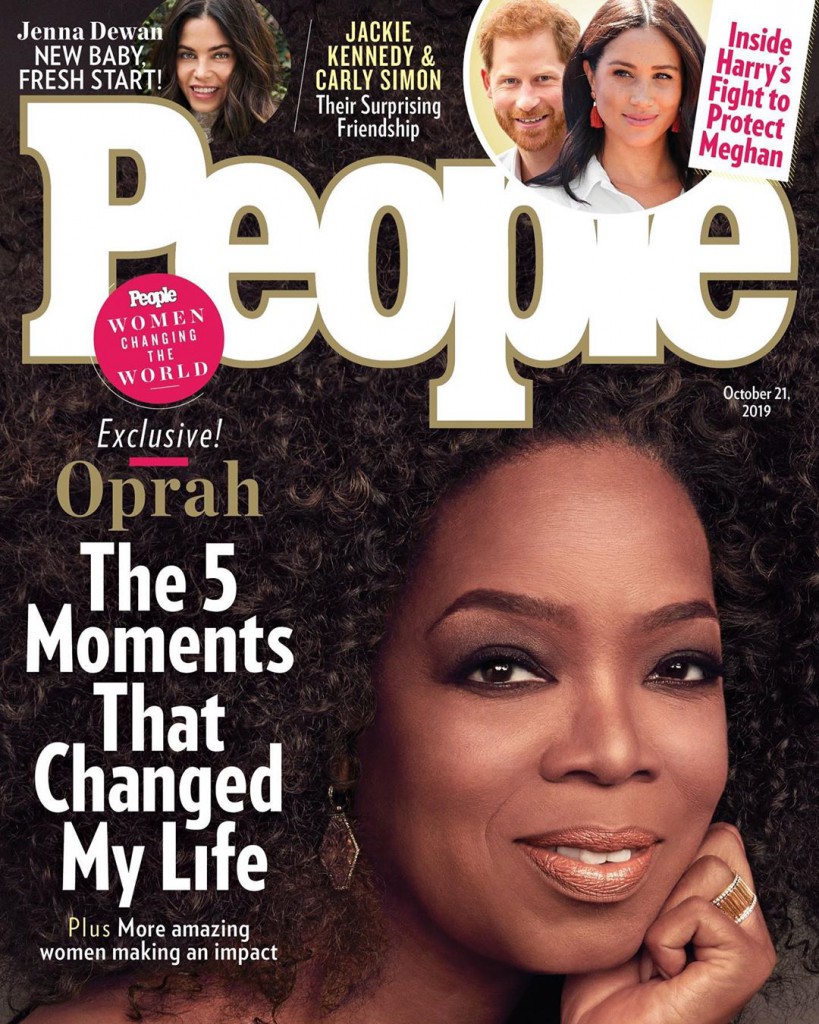
Oprah Winfrey has opened up about why she never got married or had children.

In an interview with People Magazine for its Women Changing the World issue, Oprah Winfrey says although marriage and motherhood weren’t exactly in her cards, she did consider it at one time.

“At one point in Chicago I had bought an additional apartment because I was thinking, Well, if we get married, I’m going to need room for children,” Oprah said.

However, due to the demands of her talk show, “The Oprah Winfrey Show,” Oprah said she started to think of the depth of responsibility and sacrifice that is actually required to be a mother.

“I realized, ‘Whoa, I’m talking to a lot of messed-up people, and they are messed up because they had mothers and fathers who were not aware of how serious that job is.”

Oprah’s longtime boyfriend, Stedman Graham, 68, also agrees that being married would have changed their relationship.

“Both he and I now say, ‘If we had married, we would not be together, no question about it.” she said.

Looking back, she says she made the right decision.

“I believe that part of the reason why I don’t have regrets is because I got to fulfill it in the way that was best for me: the Oprah Winfrey Leadership Academy for Girls in South Africa,” she said. “Those girls fill that maternal fold that I perhaps would have had. In fact, they overfill I’m overflowed with maternal,” she added.

Earlier this week, Naomi Oloyede, an 11-year-old anti-corruption activist addressed the High-Level #Education4Justice conference in Vienna, Austria.

Naomi Oloyede, from NIgeria, travelled to Vienna, Austria in October 2019 to take part in the International Conference “Educating for the Rule Of Law” held under the Education for Justice initiative of UNODC’s Doha Declaration Global Programme.

At the High-Level opening, Naomi addressed over 350 leaders, policymakers and educators gathered from across the world and, on behalf of all children, urged them to make the world a better, safer and more inclusive place: “We want to grow up in a place where there is peace and where the rule of law is respected”.

Watch her speech below:

Africa’s first “Made in Africa” smartphones are here, and being made in Rwanda!

Africa's First Smartphone Factory Opens in Rwanda

 Rwanda Opens Africa’s First Smartphone Factory.

The interview is a follow-up to BBC Africa Eye #SexForGrades undercover documentary on sexual harassment on female university students in West Africa.

Two lecturers from the University have been indicted of sexual harassment and have since been suspended.

The VC talked about the well-being of one the lecturer who attempted suicide, the “cold room”, and the steps the management are taking to eliminate re-occurrence of such situations. The DVC expressed her disappointment and also talked about steps taken by the school’s management, as well as the “panic button” project.

Watch the full interview below:


Credit: Bella Naija

The ten women featured are: Zendaya, Natalie Portman, Nicole Kidman, Scarlett Johansson, Jodie Turner-Smith, Melina Matsoukas, Lena Waithe, Mindy Kaling, Gwyneth Paltrow, and Dolly Parton.

For the 2019 Women in Hollywood, the answer comes with plotting a path unknown.
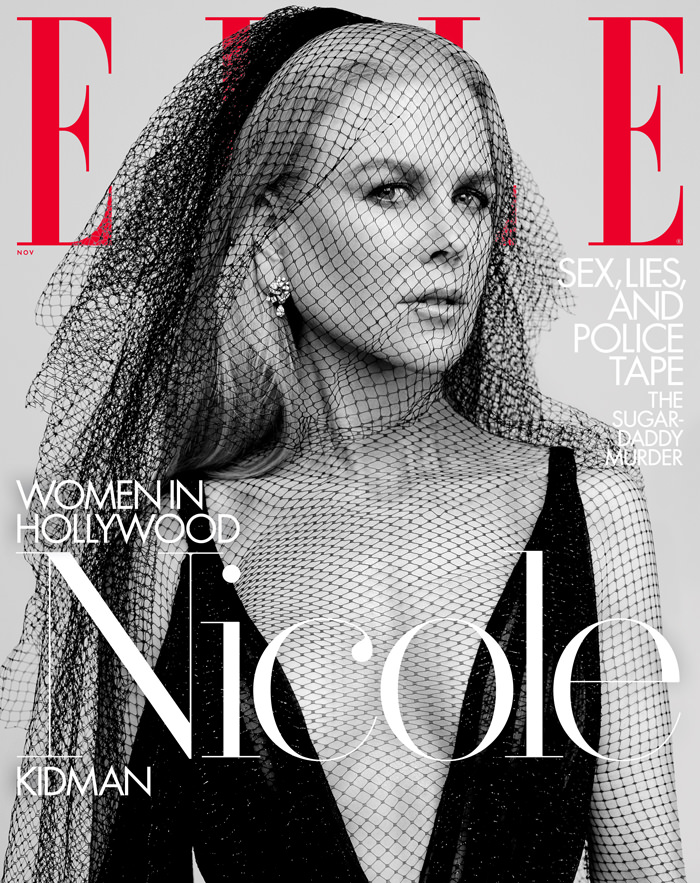
Nicole Kidman on more Big Little Lies and her upcoming project Bombshell: “Everyone says, ‘Are you going to do a season three?’ We’re like, ‘Just give us a sec.’ We’d love to do another season because we love being together, and it’s lovely spending time with your friends, and with such good material. It’s part of the reason I wanted to do Bombshell, to support Charlize.”
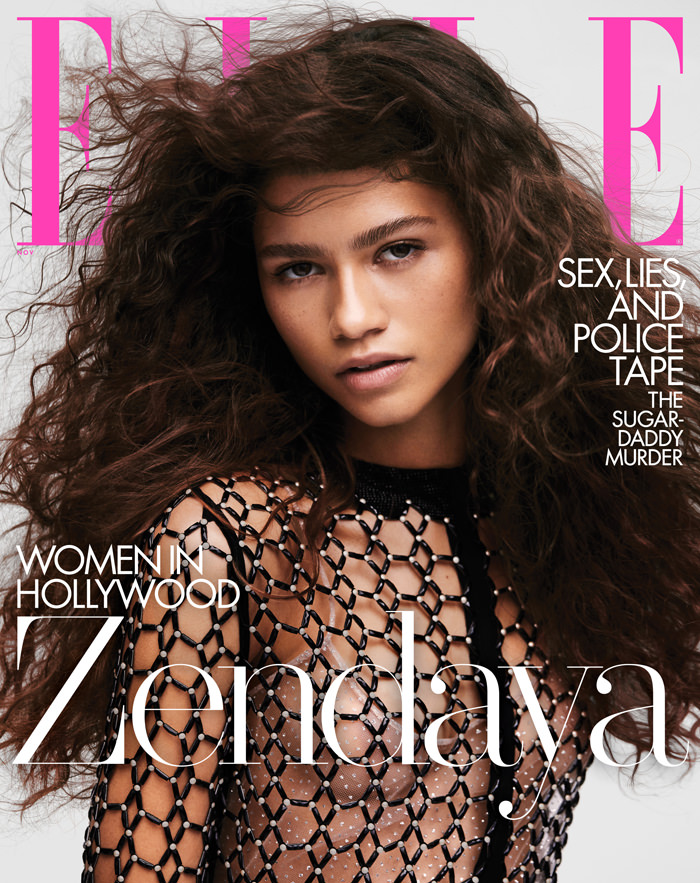
Zendaya on learning to be confident in her acting abilities after her role playing an addicted teen in Euphoria: “I think Euphoria taught me a lot about myself. It made me more confident in my own abilities, because I doubted myself a lot.” Zendaya says that before the show, she didn’t have any work that pushed her or allowed her to be creative. “I was looking for something to prove I can do it. Euphoria served as that, in the healthiest way. I never want to plateau as an actress I always want to be able to explore and push myself. [Being an actress] brings me to places and makes me do things I’d probably never do because I’m such an introverted person. I know, I’m super hard on myself. People actually saying I did a good job at my craft.
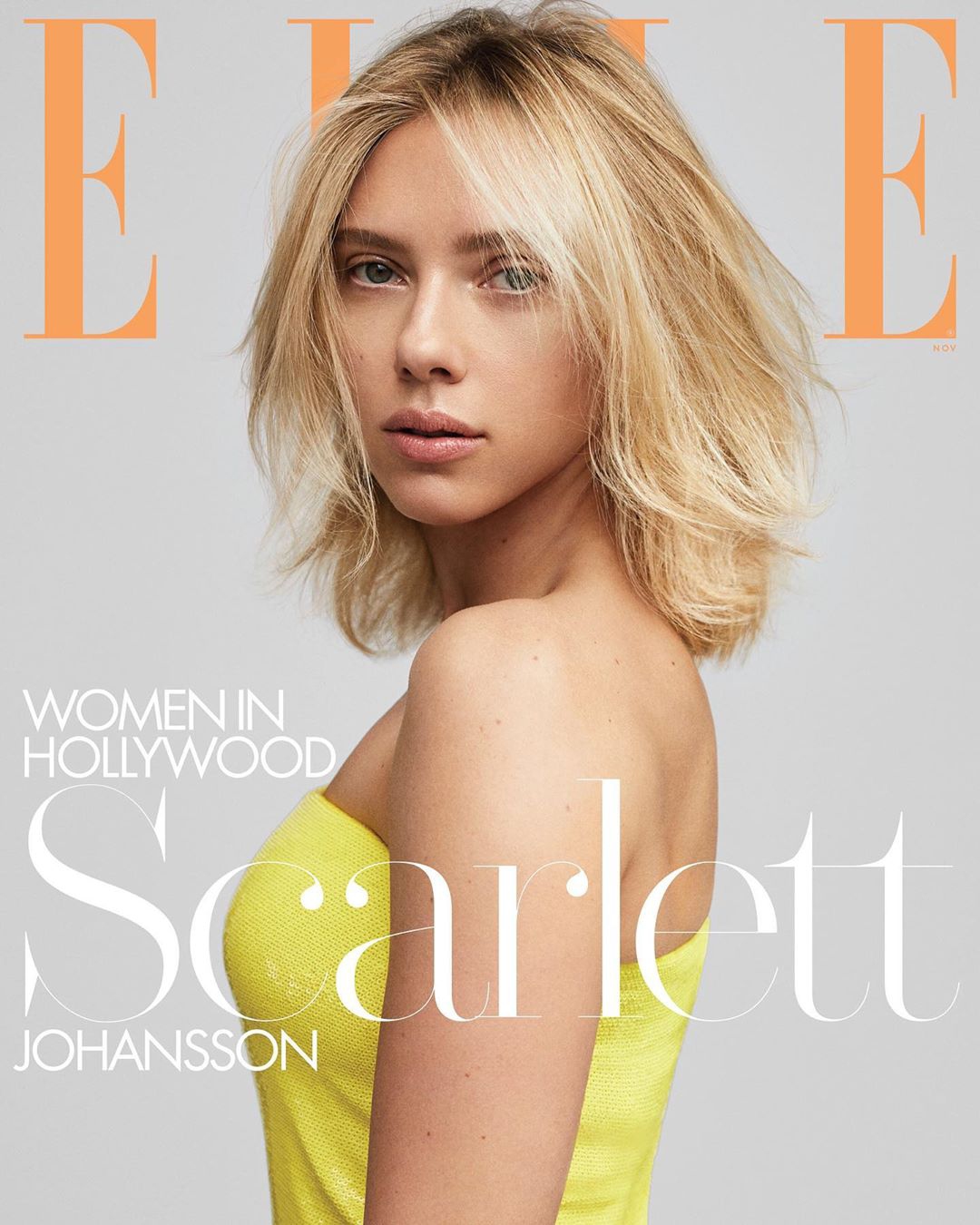
Scarlett Johansson, on feeling a connection to her Marriage Story character Nicole, who is going through a divorce: Johansson also felt an almost eerie sense of connection when Noah Baumbach handed her the monologue over lunch in the fall of 2017. “It was the first piece Noah gave me, and it felt familiar somehow, but not because of what I’d been experiencing then,” says the actress, 34, who at the time was embroiled in her own separation, from French curator Romain Dauriac. “But maybe because of how I grew up, and the dynamic between my parents—or maybe because I’ve known women who’ve dedicated themselves to their partner’s vision and then come out of this decade-long relationship feeling almost like a ghost.” She adds that she, too, has been in that place, and that the truth in Nicole’s story was what excited her. “I didn’t hesitate at all, because I knew that I’d have the opportunity to say those words,” she says. “Noah gave me that monologue, and I was like, ‘Well, sh**, come on.’ Am I going to be like, ‘Nah, I’m good let some other actor have that’? No way.
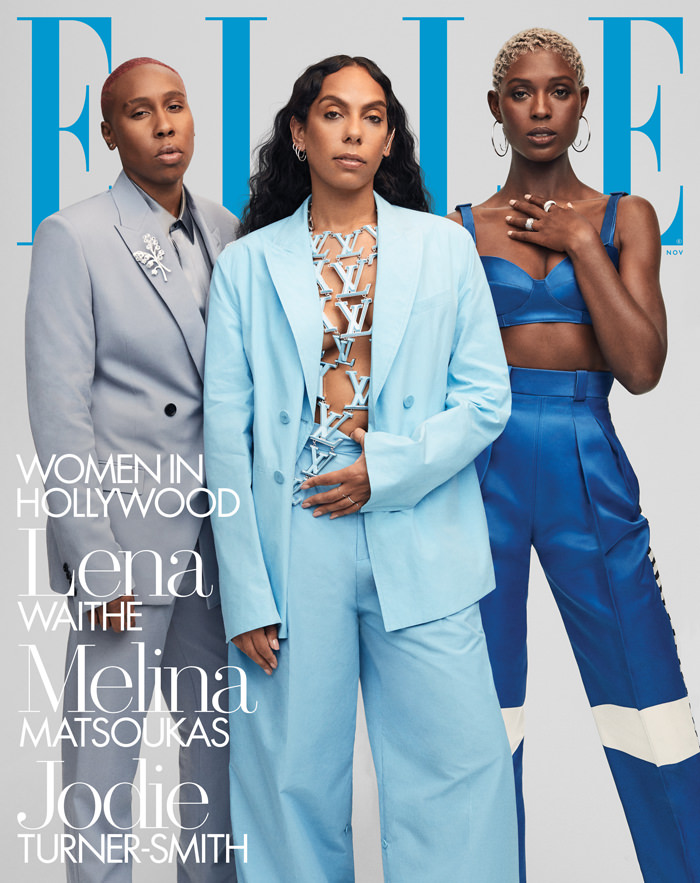
Lena Waithe | Melina Matousokas | Jodie Turner-Smith

Lena On how writing Queen & Slim was a way for her to rebel and gain agency: “I didn’t truly experience what it means to feel like a second-class citizen until I sold my first TV show. Because out of five people, I was the fifth most important person in the room. During the first season [of The Chi], I didn’t have any real agency, so that’s when I started working on the script. It was almost my way of rebelling and reminding myself I do have a gift. They can’t appreciate it now, but they will.”

Melina on being a woman of color, and feeling pressure to be perfect: “In our success comes other black people’s success, so there is a lot of pressure for us to do well for the culture. It’s hard to create art with that weight, and I feel it every day. It’s one of my greatest fears, failing. I just want to make my people proud.”

Jodie on the message behind the film: “The act of committing that type of violence is not something that is glorified, but it’s really a comment on how black people are put in this kind of life-or-death situation way too often. These people make the radical choice to survive, even when it means doing something so horrible that there’s no coming back from it. Even thinking about the concept raises the hairs on my arms, because it really is a film about black survival at all costs.”
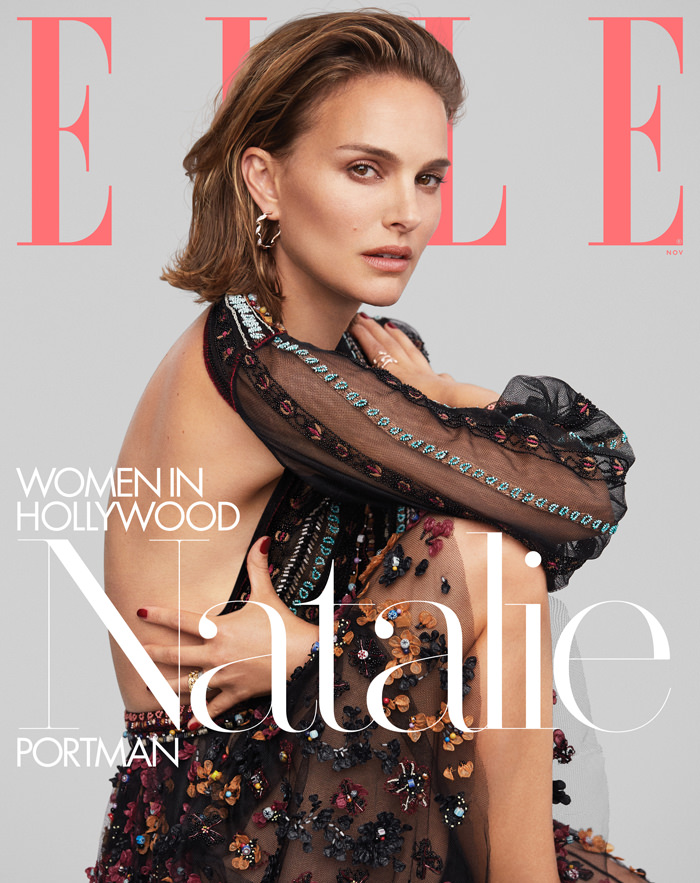
Natalie Portman on how her involvement with Time’s Up has spawned a powerful network for trading experiences: “If we don’t talk to each other, we can’t share, we can’t get information, we can’t get angry and organize together. It’s actually really important to talk,” Portman says. “Something we’ve been talking about is sharing salary details with each other, because right now it’s such a taboo. It’s actually a real way that we can help each other, to be like, ‘Hey, this is what I get paid. This is how I negotiated this.”
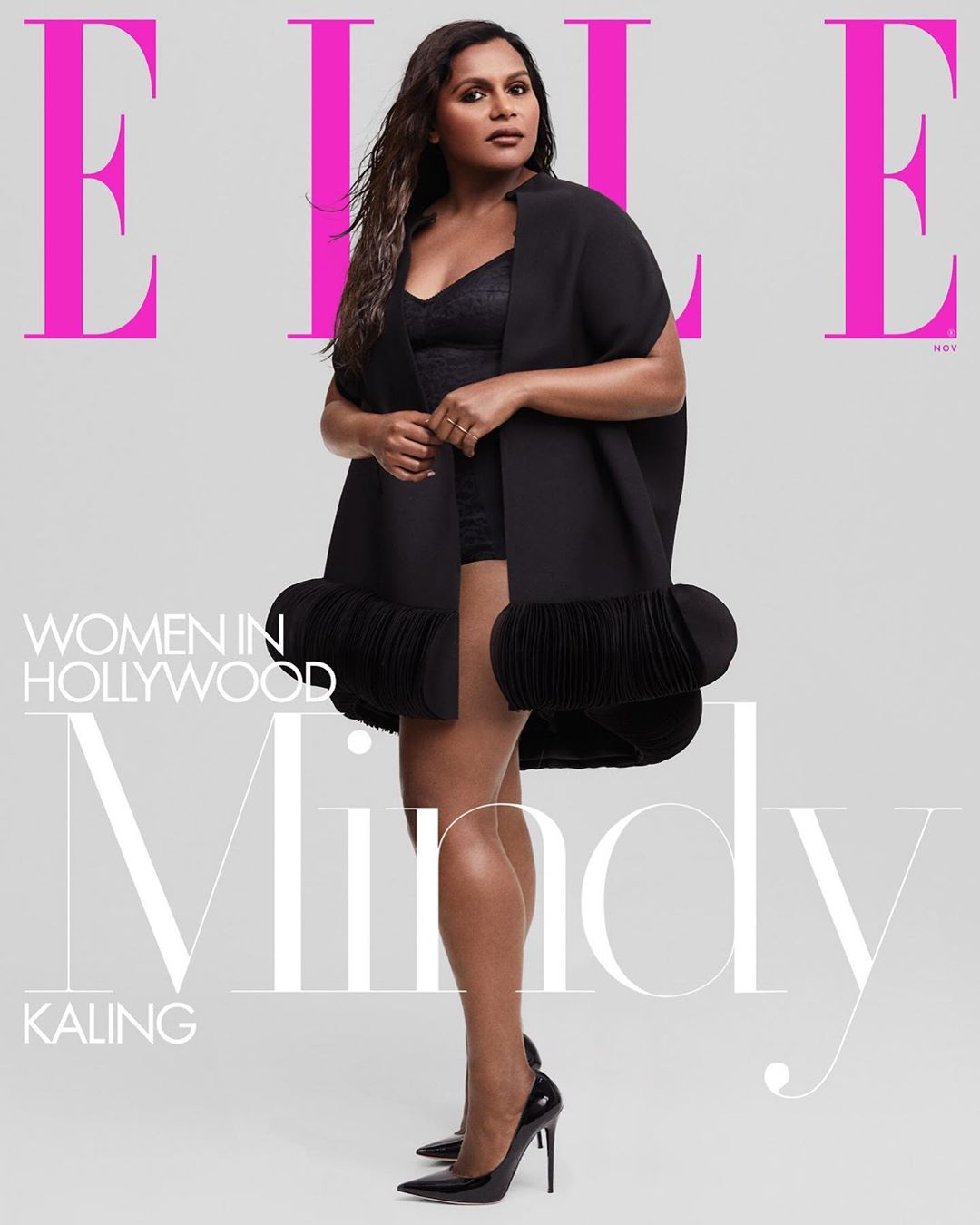
Mindy Kaling on facing sexism early on in her tenure at The Office: The show was nominated for an Emmy for Outstanding Comedy Series. Shortly after, the Television Academy, which puts on the awards show, told Kaling that because there were too many producers on The Office, they were going to cut her from the list. She, the only woman of color on the team, wouldn’t be eligible for an Emmy like the rest of the staff. In order to receive her rightful recognition, she recalls, “they made me, not any of the other producers, fill out a whole form and write an essay about all my contributions as a writer and a producer. I had to get letters from all the other male, white producers saying that I had contributed, when my actual record stood for itself.” Her name was included in the final list, though the show ultimately didn’t win.
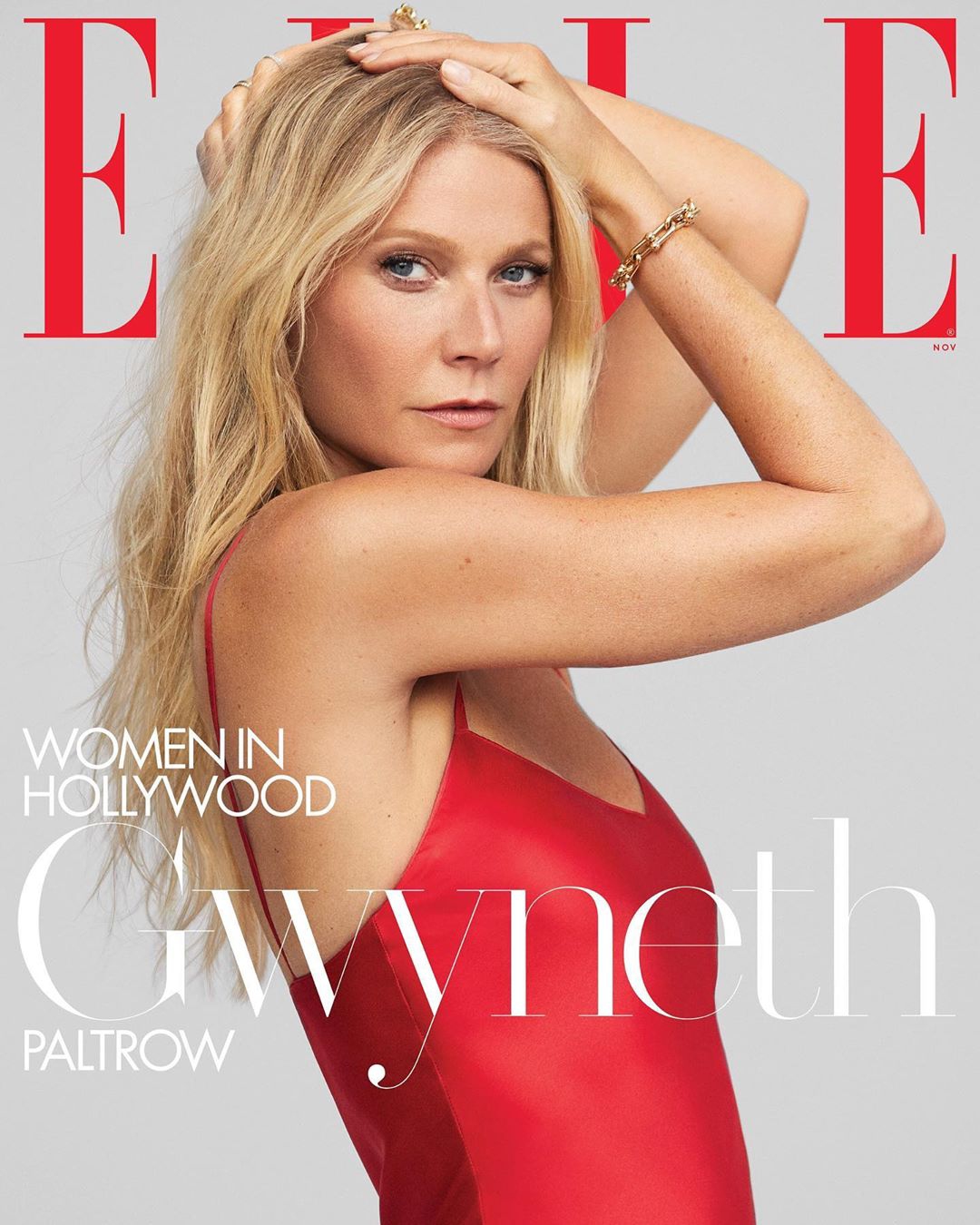
Gwyneth on ambition being a dirty word in the industry and why it’s now been unleashed: Paltrow says that as an actress, she never felt that ambitious, though this was as much for systemic reasons as it was for personal ones. “In the ’90s, when I was coming up, it was a very male-dominated field. You used to hear, ‘That actress is so ambitious,’ like it was a dirty word.” But now, with Goop, “my ambition has been unleashed,” she admits.
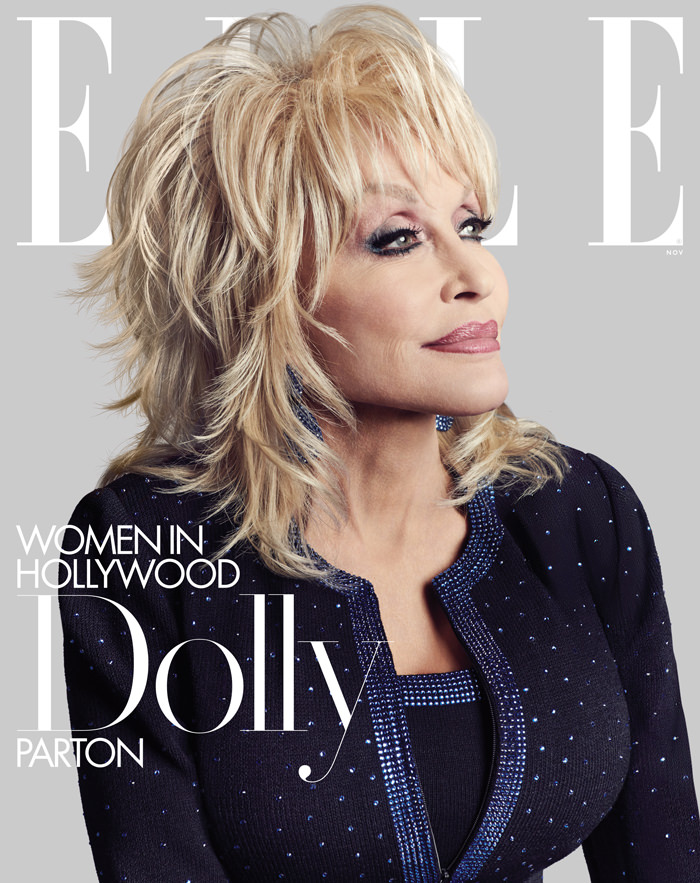
Dolly Parton on being a good example of female power and supporting women: “I’m still out, living it, doing it, writing it. People say, ‘Why don’t you get out and do more?’ I say, ‘I don’t have to preach. I write it. I sing it. I live it.’ If I’m not a good example of a woman in power, I don’t know who is. I’m out there just promoting mankind, but I am most definitely going to get behind those gals.

Photo Credit@zoeygrossman


News Source: Bella Naija


The actress who recently hosted Rape Foundation’s annual brunch, took a moment to share her own experience with sexual molestation as a child.

According to The Hollywood Reporter, during the event, the actress revealed that while she was asleep one night, her mother’s boyfriend came into her room at night and she felt him fondling her breasts.

She said her supportive mother ended the relationship when she reported to her what had happened.

The 61-year-old mother to teenage twins said: “Fortunately, it wasn’t a complete assault, it was fondling, but it was devastating enough for a child who’s 12 or 13. To have a mother who could tell as soon as light broke that this happened and for her to expel him [meant a lot]. That she heard me, believed me, and did something about it, I think was so empowering for me as a young teen, as a young woman.”


Credit: Bella Naija

Lupita Nyong’o spoke to BBC Newsnight about being a “victim of colourism” as a child and how she “wished to have skin that was different”.

The Oscar-winning actress, who has starred in movies such as Black Panther and 12 Years a Slave,  was raised in Kenya before moving to the United States.

She spoke with BBC Newsnight ahead of the release of her children’s book, Sulwe, about a girl with darker skin than her family.

Lupita told Newsnight’s Emily Maitlis: “I definitely grew up feeling uncomfortable with my skin colour because I felt like the world around me awarded lighter skin.”

She said her younger sister, whose skin was lighter, was called “beautiful” and “pretty”.

“Self-consciously that translates into: ‘I’m not worthy’.”

She said colourism was “very much linked to racism” despite the fact she experienced it in a predominantly black society like Kenya.

“We still ascribe to these notions of Eurocentric standards of beauty, that then effect how we see ourselves among ourselves,” she said.

The actor said she was once told at an audition that she was “too dark” for television.

But Nyong’o said the relationship to her skin had been separate to the relationship to her race, according to BBC.

“Race is a very social construct, one that I didn’t have to ascribe to on a daily basis growing up,” she said. “As much as I was experiencing colourism in Kenya, I wasn’t aware that I belonged to a race called black.”

She said that changed when she moved to the US, “because suddenly the term black was being ascribed to me and it meant certain things that I was not accustomed to.”

Colourism is prejudice against people who have a darker skin tone or the preferential treatment of those who are of the same race but lighter-skinned.


Credit: LIB