Nollywood actress/producer and mother of three handsome boys, Omoni Oboli has shared secret tips on how she has managed to maintain flat abs and a toned body.
She revealed that she didn’t snap back to her slim figure immediately after the birth of her boys but had to work hard to get her figure back.
So, she shared the secrets to her flat abs, noting that they were the things she did over the years.
Read her post below:
My secret to flat abs:
I did a smoothie only diet for 4 days and lost some weight and my stomach got a lot flatter in the process. Following that, for now, I have just one meal a day around lunch time. I have my tea and smoothie for breakfast, I can either have smoothie again for dinner or just have some carrots or apples with a handful of nuts.
These are some of the things I have done over the years to get back my pre child bearing abs…
The first thing is discipline!
1: First thing I drink when I wake up in the morning is a glass of warm water with lemon. (I always squeeze the juice of my lemon in my tea or water before throwing it in. Who else does that? 🤣)
2: My green tea: I have my green tea every morning. I squeeze in some lemon or lime, add 2 spoonfuls of Apple cider vinegar (with the mother in it) and some ginger juice. You can add some honey (honey is actually beneficial to the body)
3: I don’t eat as much carbs as a lot if you think I do. The people around me will testify to that. There are times that I am bad and I go on a carbs spree but I caution myself early and make restitutions.
4: I try never to eat carbs at night. Carbs make you bloat in the morning so stay away from them at night. Long and continuous consumption of carbs at night will lead to an extended stomach.
5: I use vegetables and some nut flours to make swallow. (I like my soups and I don’t like just licking them) So I make almond swallow, cauliflower, cabbage, egg plant or even carrot swallow. See next post for video on how to make one of them.
6: I drink lots of water and fresh juices. Carrot juice is particularly good for the skin. I mix it with ginger and celery (most times).
7: I drink other types of tea during the day apart from green tea. Some of my favorites are mint, rooibos tea and camomile at night.
8: Exercise is very important not just for weight loss but for your health and general well being so don’t forget to exercise but 80% of weight loss or staying trim is done in your kitchen!
I would tell you the benefits of these foods and drinks I take but the post will be too long so google is your friend 😉
I will share more tips with you another time.
You’re welcome 🙏
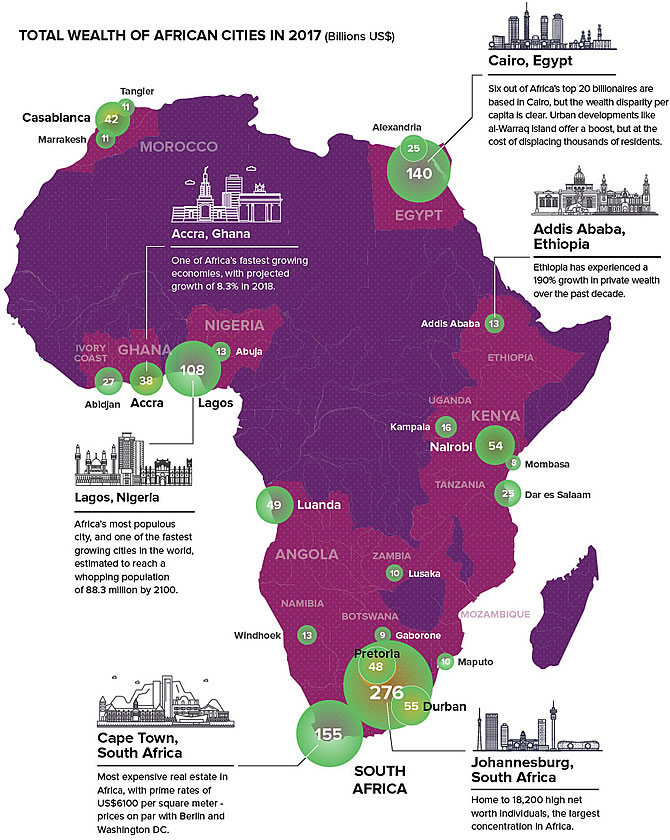
In a new report by Africa Property News, Lagos has been ranked the 4th wealthiest city in Africa, coming behind Johannesburg, Cape Town, and Cairo.
Lagos was valued at $108 billion, while the other Nigerian city on the list – Abuja – was valued at $13 billion.
The overview of the continent’s wealthiest cities is based on the The AfrAsia Bank Africa Wealth Report 2018. The overview “indicates where clusters of wealthy cities are developing across the continent, as well as showing a few more isolated locations of money aggregation.”
See the Top 10 in the overview below:
- Johannesburg (South Africa) – $276 billion
- Cape Town (South Africa) – $155 billion
- Cairo (Egypt) – $140 billion
- Lagos (Nigeria) – $108 billion
- Durban (South Africa) – $55 billion
- Nairobi (Kenya) – $54 billion
- Luanda (Angola) – $49 billion
- Pretoria (South Africa) – $48 billion
- Casablanca (Morocco) – $42 billion
- Accra (Ghana) – $38 billion
Lately, I have been very intrigued by how urbanization and the vast development we all are witnessing affect our mental health. I know that urbanization has some positive impacts but some of the impacts of this development come with negative effects like unemployment, immigration, change of family dynamic, crime, increased stress, poor social network etc.
However, my focus in this article is on how urbanization has affected the family dynamic and in turn led to the increase of Post-Partum Depression (PPD) in societies where western cultures were not practised.
Research has shown that some of the psychosocial risk factors that give rise to postpartum depression is the lack of social support – with the highest risk factor being the lack of paternal involvement. This is a clear sign that there’s a need for men to be entitled to paternity leave as well, but with urbanization and the increase of unemployment due to lack of resources and jobs to meet the needs of the populace; the men are often forced to keep working in order to generate funds to sustain the family.
In Africa and some Asian cultures, the family was once seen as a community; motherhood was not viewed as a private affair, but due to urbanization, we see the rise of nuclear family structures which means that new mothers are often times denied the opportunity to benefit from the large social network.
This is why the lack of paternal involvement as one of the highest risk factor is very intriguing to me; I believe that this is due to the fact that men have also been forced to take up roles that kinship usually embraced. This gap in the support becomes evident in one way.
If we take China as an example, after birth the woman is made to rest for four weeks whilst household chores and childcare is carried out by the women’s mother/ relatives.
The same thing is evident in many parts of Nigeria. In Igboland, we have the Omugwu ritual – where the mother of the woman or a relative is there to care for the woman and child. In the Northern lands, the woman goes back to her parents’ home after delivery to be cared for by her mother for a few months before going back to be with her husband. In the Yoruba land, the postpartum ritual Olojojo Omo, demands that both the mother and the mother in law are present to care for the mother and child. The mother of the woman leaves after 40 days, whilst the mother in law remains till after naming ceremony or even up to 3 months depending on their lifestyle.
This postpartum ritual also found in other countries that did not practice western cultures was not limited to just the mother and mother in laws as other women who made up the extended family were present to help care for the nursing mother and child.
The ritual helps cushion the shock and effect of the transition for young parents which reduces the anxiety that comes with parenthood- as research shows that first-time mothers are often at a higher risk of PPD- I guess our ancestors were not as clueless as many have painted them to be.
However, with urbanization, we see a decline of these practices and an increase in the use of orthodox medicine. It is no secret that we continue to witness a rise in the use of anti-depressants- as doctors also prescribe these drugs for children and teenagers.
Now! I am not calling for a ban on these drugs, I am aware that they work but to what extent? Do we think about the adverse effects that come with pumping our bodies with drugs? If there is research that shows that social support could help reduce the risk factors that leads to PPD, why are we not also focused on strategies that aim to improve social support for nursing mothers?
Let me go into details with the Omugwo ritual.
As previously stated, after delivery in Igbo land, the woman’s mother visits the nursing mother. She is not expected to do anything except sleep, eat, breastfeed, bath, receive visitors. The mother of the woman does all the chores and childcare in order to allow the mother gain enough to regain her strength after a long 9 months and painful childbirth. She is also not allowed to have sex with her husband during that period.
The mother prepares the ritual meal – Ji mmiri okou (Yam Peppersoup with fish) and Ofe Nsala (White Soup) served with pounded yam. The meals are prepared with lots of sizzling spices as they believe that feeding the nursing mother with lots of spicy meals enhances breast milk production and also remove blood clots from the nursing mother’s body.
There’s also hot water treatment and massages. The mother baths the woman 2-3 times a day with hot water massages on the abdominal and genital area, the baby is also massaged in order to make them flexible and have a well-structured body. In the Indian culture- the method of bathing the baby whilst balancing on the mother’s leg gave comfort to both mother and child and helped with pain relief whilst promoting deep sleep for mother and infant.
This omugwo ritual typically lasts for 3 months- after that, the woman makes her first public appearance – a special appearance at the market square where she dances with the baby and shows the baby to the public. However, due to Christianity, this practice has been replaced with the child dedication done at the church. Some people perform this dedication less than 14 days after delivery, which seems to blow my mind every time because I do not believe the woman has rested or healed enough to engage in such activities; the stress of planning such event often takes a toll on the nursing mother.
I believe that postpartum rituals help create a sense of intimacy for nursing mothers, making them aware that they are not in the journey alone as they can always lean on others for support whenever they desire.
If we Africans can tailor out approaches and treatment for PPD that are in line with our community values and cultures; we will be able to unlock the box that allows us to create sustainable solutions for our society, as many of the solutions that we replicate from the West are created with their own risk factors in mind. Some research done on PPD on communities that did not practice Western cultures shows that some of our biggest risk factors are-
- Financial Difficulties
- Not Resting After Delivery
- Family Problems
- Having Female Children While Wanting a Male Child
This means that when health specialists go to speak to pregnant women, they can ask questions that allow them to know if they face some of these challenges. For instance, having female kids whilst wanting a male child- this is a big issue for many African women, hence fighting against discrimination of female kids based on their perceived inferior value will go a long way in curbing the PPD rates in those communities, as this comes with ripple effects.
Once the community sees that both sex children have equal value, family conflicts will be reduced, stress and anxiety relating to that will decline as well, even mothers and mother in laws will be more receptive to the nursing mother.
I believe that we can gain knowledge from the West and integrate them with our own culture, as we do ourselves a disservice when we disregard our cultural practices.
Please tell me what you think in the comment section. I want to learn from you.
What postpartum ritual is practiced in your own community? Do you think they create more harm than good? What risk factors do you think lead to PPD in your opinion? Do you think we have abandoned our cultures?
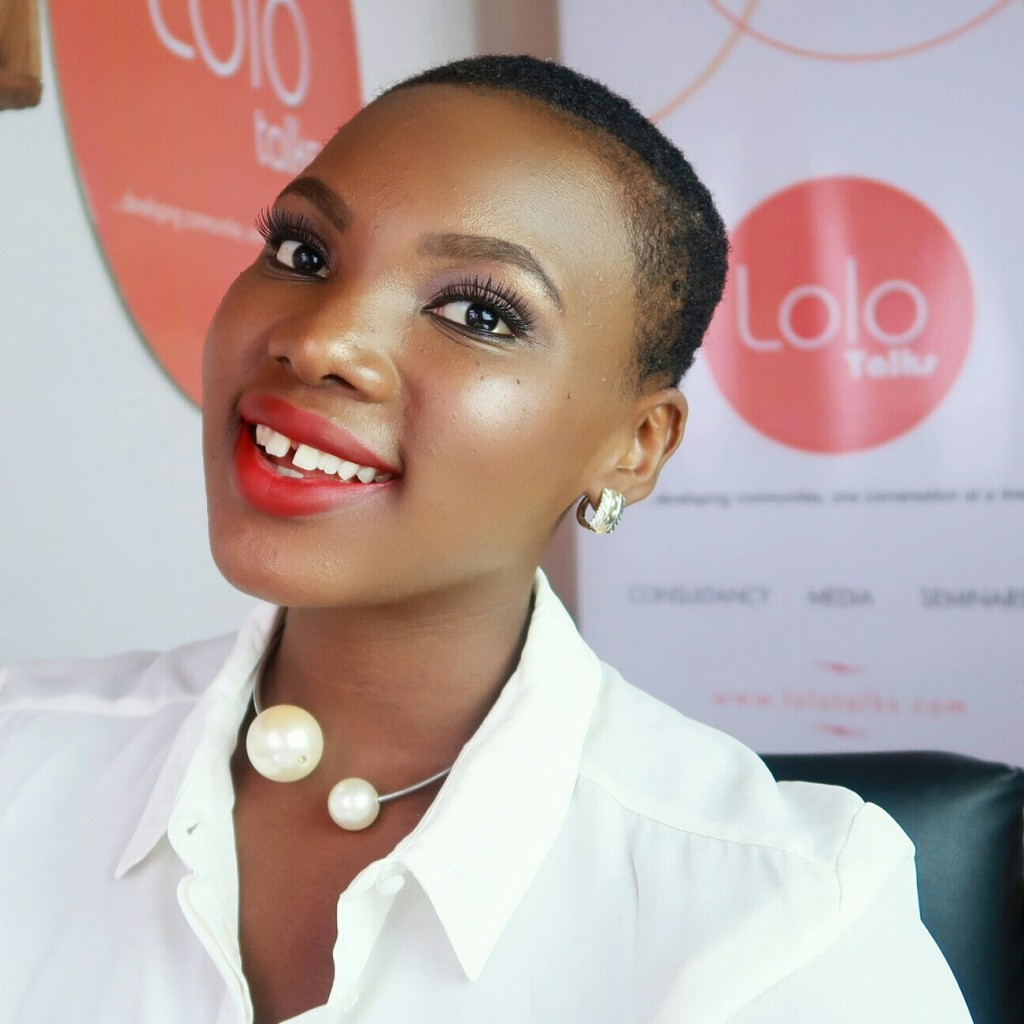
Lolo Cynthia Is a public health specialist, sexuality educator and founder of the social enterprise LoloTalks, that employs all forms of media (online and offline) to create awareness and sustainable solutions to our contemporary social and health issues in Africa. She also doubles as a documentary and talk show producer and lends her voice on issues regarding interpersonal relationships, sexuality, gender, and social issues through her YouTube channel LoloTalks and her blog.
According to transcribed Oral tradition, Queen Luwoo was the 21st ruler of Ife — a pioneer way ahead of her time.
Though she was once the most paramount sovereign of Yoruba land, history has not been kind to her legacy.
Ilè-Ifẹ̀ is a town in Osun state seen as the cradle and ancestral home of the Yoruba people, making any presiding ruler, the Ọọ̀ni, is reverred as a very powerful leader.
The Ooni is recognised by his subjects as their spiritual leader and Chief Custodian of traditions. The Ooni dynasties go back hundreds of years and it was perceived that men have always occupied the revered stool.
Because Nigerian ancient history was mostly passed down through oral tradition, transcribed lists of the previous Oonis differ and sometimes, contradict each other.
However, most accounts have stated that a female, Ooni Luwoo, was the 21st Ooni of Ife, the supreme traditional ruler of Ile Ife. She succeeded Ooni Giesi and was succeeded by Ooni Lumobi.
The legacy of Ooni Luwoo
In some accounts, she is referred to as Lúwo Gbàgìdá, a descendant of Otaataa from Owode compound, Okerewe. She was said to have been married to Chief Ọbalọran of Ilode and became the mother of Adekola Telu, the founder of Iwo town.
She was the first and only female to take the crown as Ooni after the demise of Ooni Giesi.
Ooni Luwoo was a beautiful woman who took great pride in her physical appearance and that of her surroundings. For this reason, she put the whole town of Ife hard at work at keeping the whole town clean and beautiful — both men and women.
She was also known to commission the unique Yoruba custom of construction of decorative pavements and open-air courtyards paved with pottery shreds. The streets of Ile-Ife were paved with quartz pebbles and broken pottery as punishment for anyone who committed an offence. The offenders were ordered to bake the clay, and afterwards use their bare hands to break it into pieces and then lay it on the floor for the queen to walk on.
She was so sophisticated and finicky that she refused to walk on the bare floor, and some of the hand-made clay tiles she walked on while she reigned are still available in parts of Ife and other parts of Yoruba land she visited while on the throne.
However, she was perceived as wicked and a terror to the Yoruba people and deemed “uncontrollable” and “high-handed” by the elders of the land.
After her reign ended, the council of Obas came together and vowed to never make a woman the Ooni of Ife again.
The current Ooni is Adeyeye Enitan Ogunwusi Ojaja II, the 51st Ooni of Ife.
Credit: Pulse
TY Bello and Tope Alabi teamed up for a powerful new song titled “Logan ti o de“ in 2018.
TY Bello has now revealed that she’s collaborating with the gospel artist again for a new project, an album titled “The Spirit of Life“.
TY Bello shared the exciting news as well as a teaser of new music on Instagram.
She wrote:
14-41-14… this is. A special day for me really .. 14 years of love .. 41 years of life and another reminder that 14 days after is perfect. Even I came 14 days late .. but it wasn’t late at all.. it was perfect timing ..my mum was at the hospital to have me in the 31st of December… 41 years later I gave my self a deadline of 31st December 2018 to finish work on the project with @tope_alabi_.. I did EVERYTHING .. sleeping and average of less than 2 hrs a day … pouring in everything. .. pushing everyone on the music production to the max ( sorry guys🙈) .. today on this 14th its all done .. I did my final tweeking .. I’m looking at the body of work and all I feel is gratitude. This is by far the most important album I’ve ever produced .. 17 songs .. gifted like fresh bread of heaven. We literally worked on each song in awe an wonder of His song and the depth of the beautiful @tope_alabi_. This is God’s present to me… THE SPIRIT OF LIGHT .. out this week. #happybirthdaytome
Credit: Bella Naija
The multi-award winning singer and 15 time Grammy Award winner has been announced as the host of the 61st edition of the music awards, the first time she will take the center stage at the glamorous event.
This was announced by the organizers on Tuesday, January 15, 2019 via the official Instagram handle [@recordingacademy]
”IT’S OFFICIAL! 15-time GRAMMY winner, aliciakeys will host the 61st #GRAMMYs, marking her first time as master of ceremonies for Music’s Biggest Night.”
In the video shared, Alicia Keys accepted the honour as she invited everyone to ”come vibe with her as she host the grammys.”
In a subsequent video posted on her Youtube Page, Alicia further explained how much this means to her,
“I know what it feels like to be on that stage and I know what it feels like to be proud of the work that you’ve put in and to be recognized for it. And I just feel grateful that I’m able to bring that light and that energy,” she says in the video.
“This is a first. It’s a first and it’s amazing and I think it’s perfect timing. Honestly, I’m really excited.
I feel really good about it because I feel like it’s the perfect opportunity for me to give the light back and lift people up, especially all the young women that are nominated,” she continues, calling out the high number of female nominees this year. “Like, to me, it feels like sister vibes.”
Alicia Keys will take over from last year’s host James Corden.
The 2019 Grammys will hold on Sunday, February 10, 2019 at the Staples Center in downtown Los Angeles.
Credit: Pulse
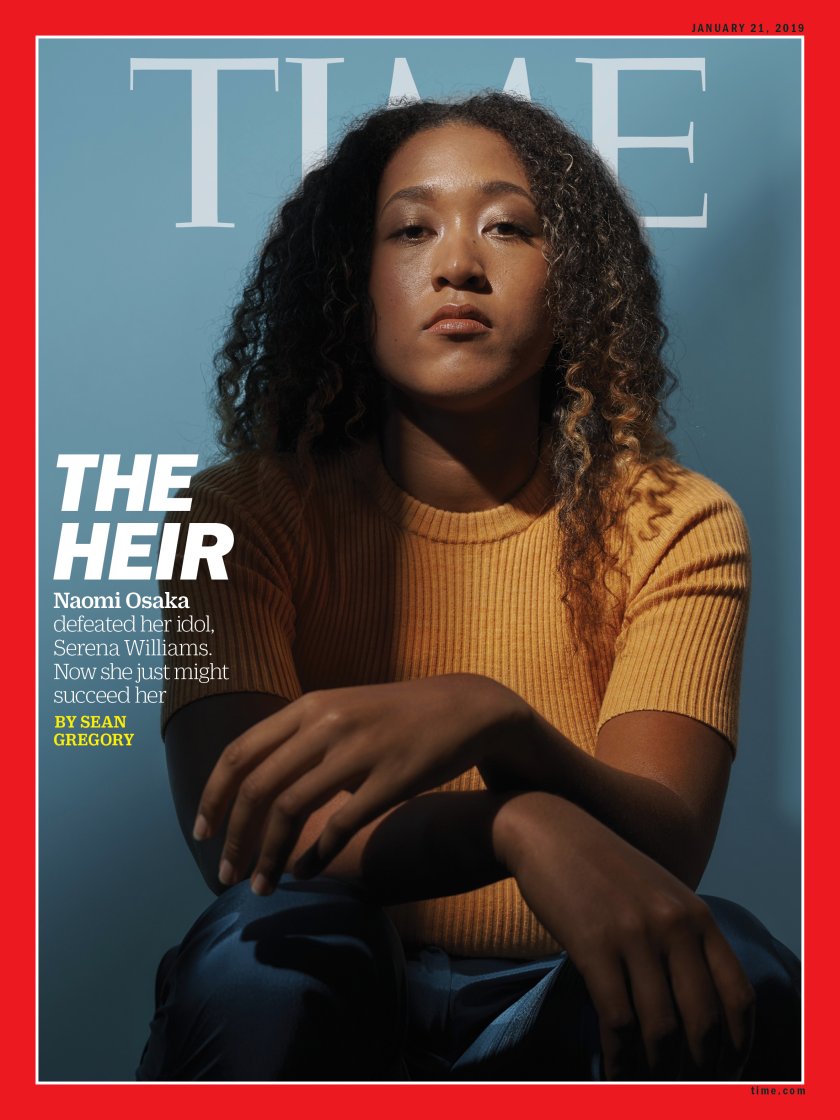
Tennis star Naomi Osaka is on the cover of the latest issue of TIME magazine and she’s dishing on her journey so far, her match against Serena Williams, her aversion to attention and more.
On facing her idol Serena Williams, she says “Serena is Serena. I didn’t experience her life. I can’t tell her what she’s supposed to do, because there are things that she’s gone through. I have nothing against her or anything. I actually still really love her.”


Credit: BN
Toyin Abraham has unveil her plans to turn ‘Alakada’ into a sitcom
Toyin made the announcement on Monday, January 7, 2019, 10 years after the release of Alakada 1.
With the sequel coming in 2013 and the last of the series in 2017, the actress and producer revealed that a sitcom from the movie would soon commence.
The ‘Alakada’ star also revealed that the sitcom was written by Olukayode Aderibigbe and Adekunle Salawu.
The ‘Alakada’ story follows Yetunde Animashaun (Toyin Abraham), a young girl who is from a poor family background and as a result of her inferiority complex, engages in the act of making up stories and lying about her financial and social status in order to fit in with the crowd.
Credit: Pulse
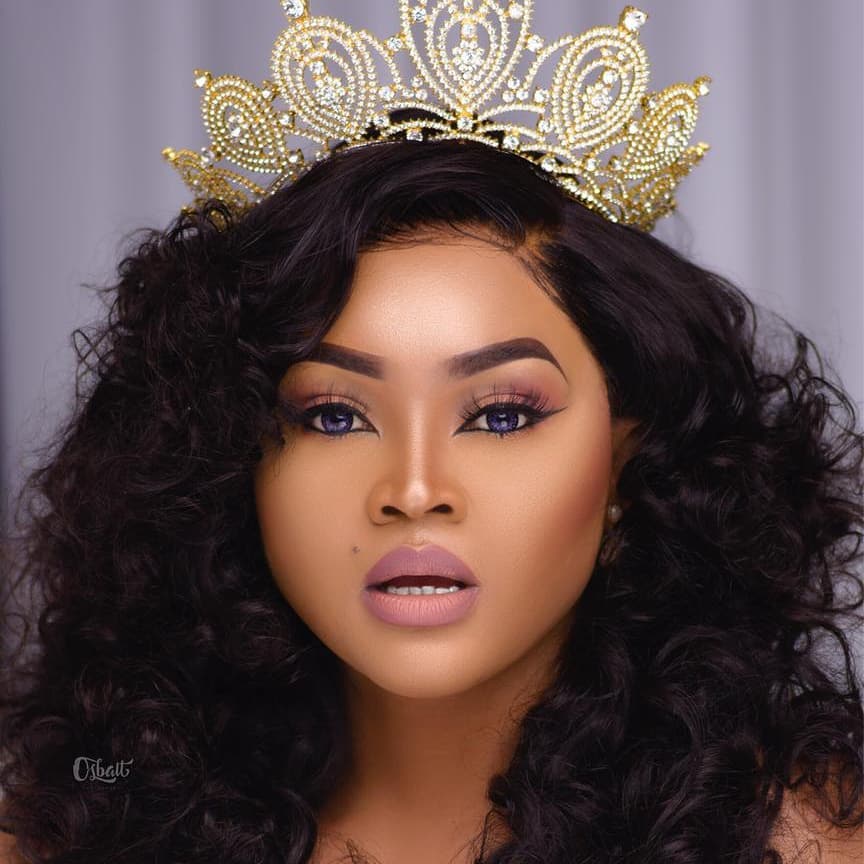
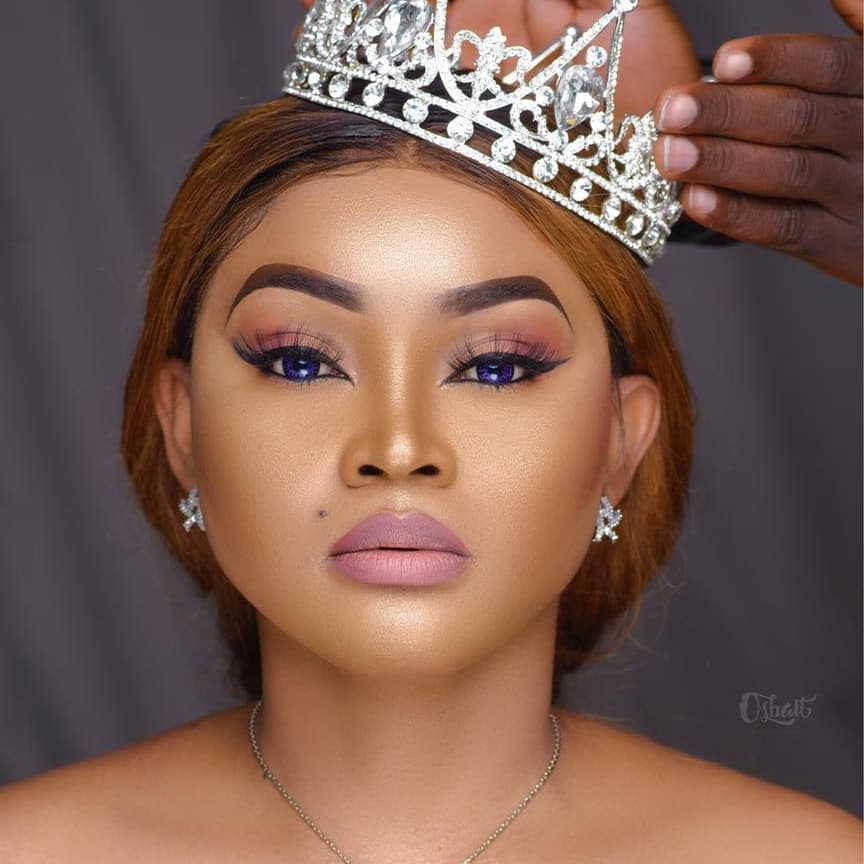
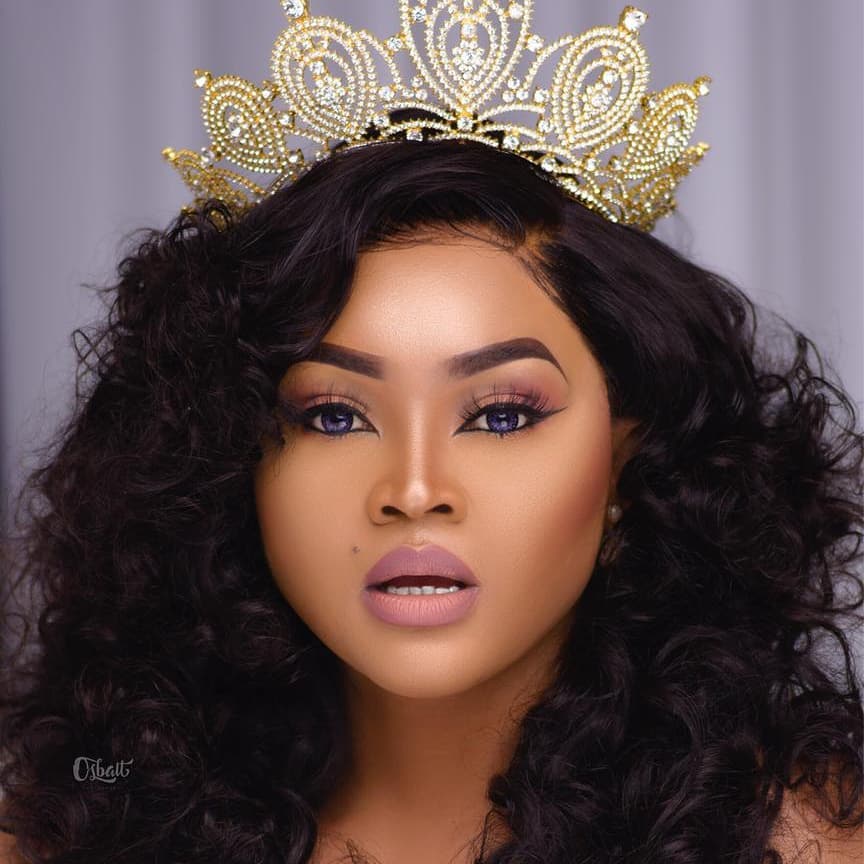
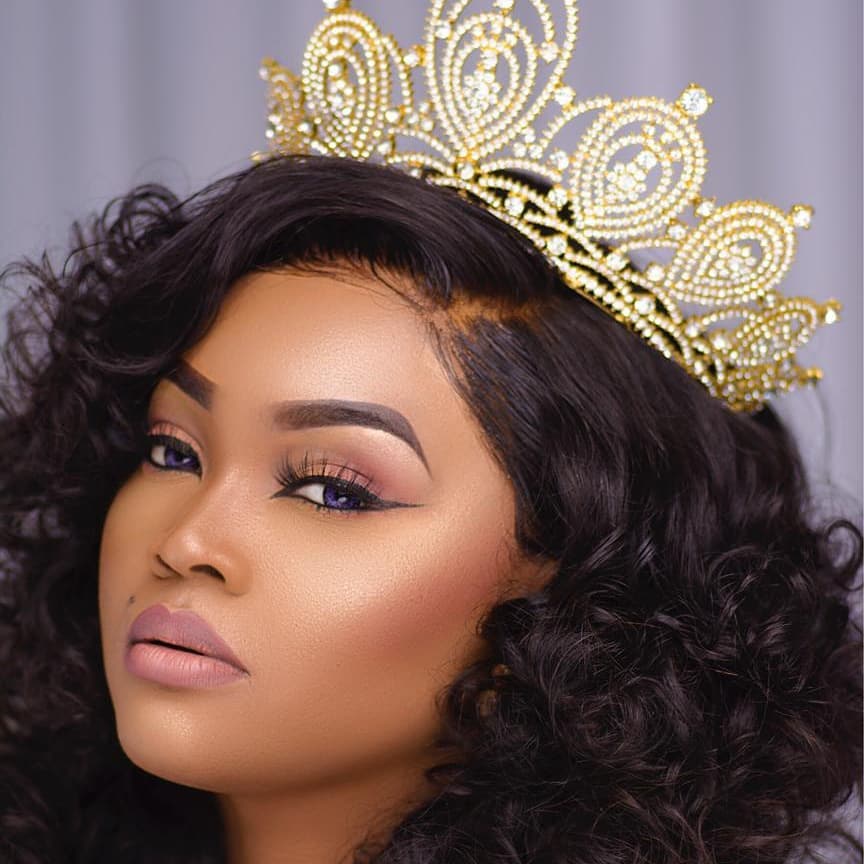
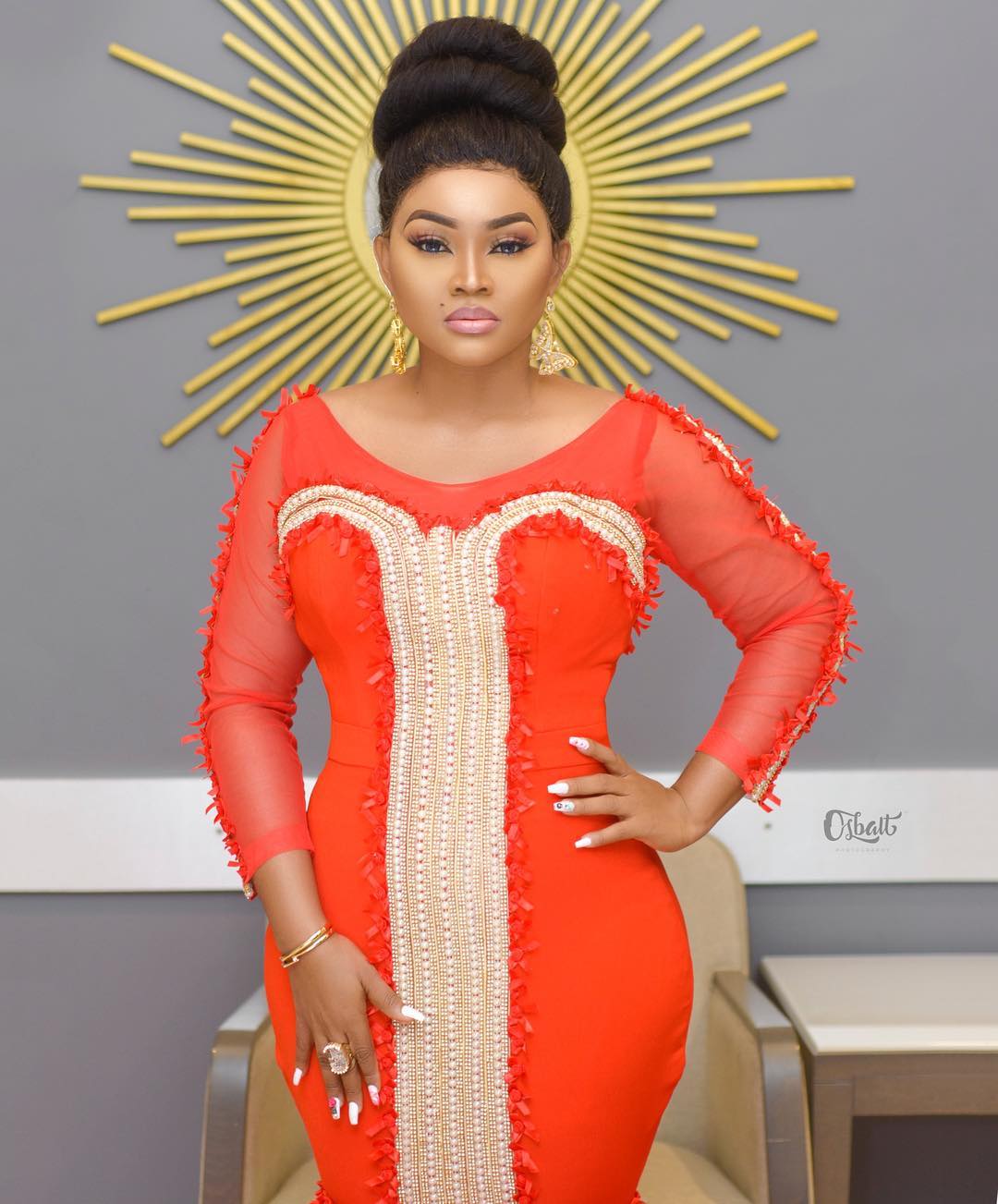
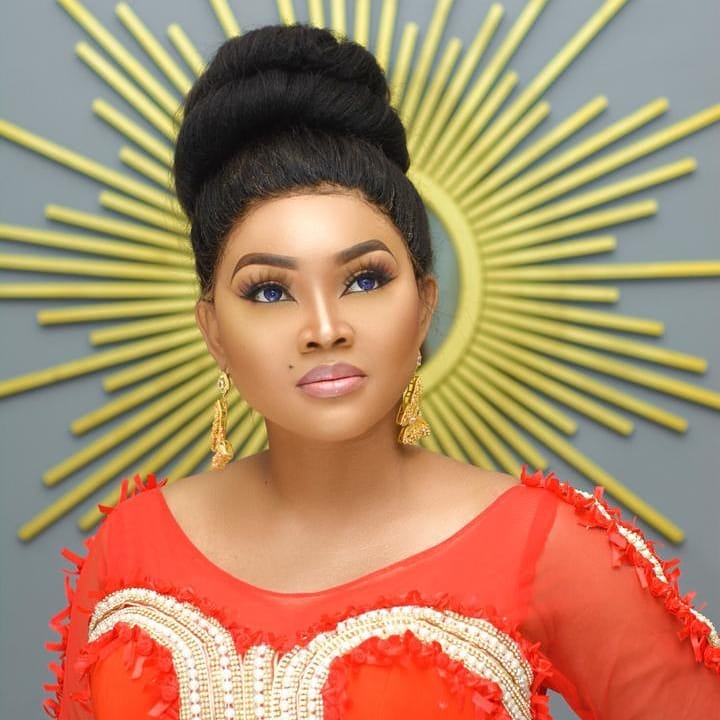
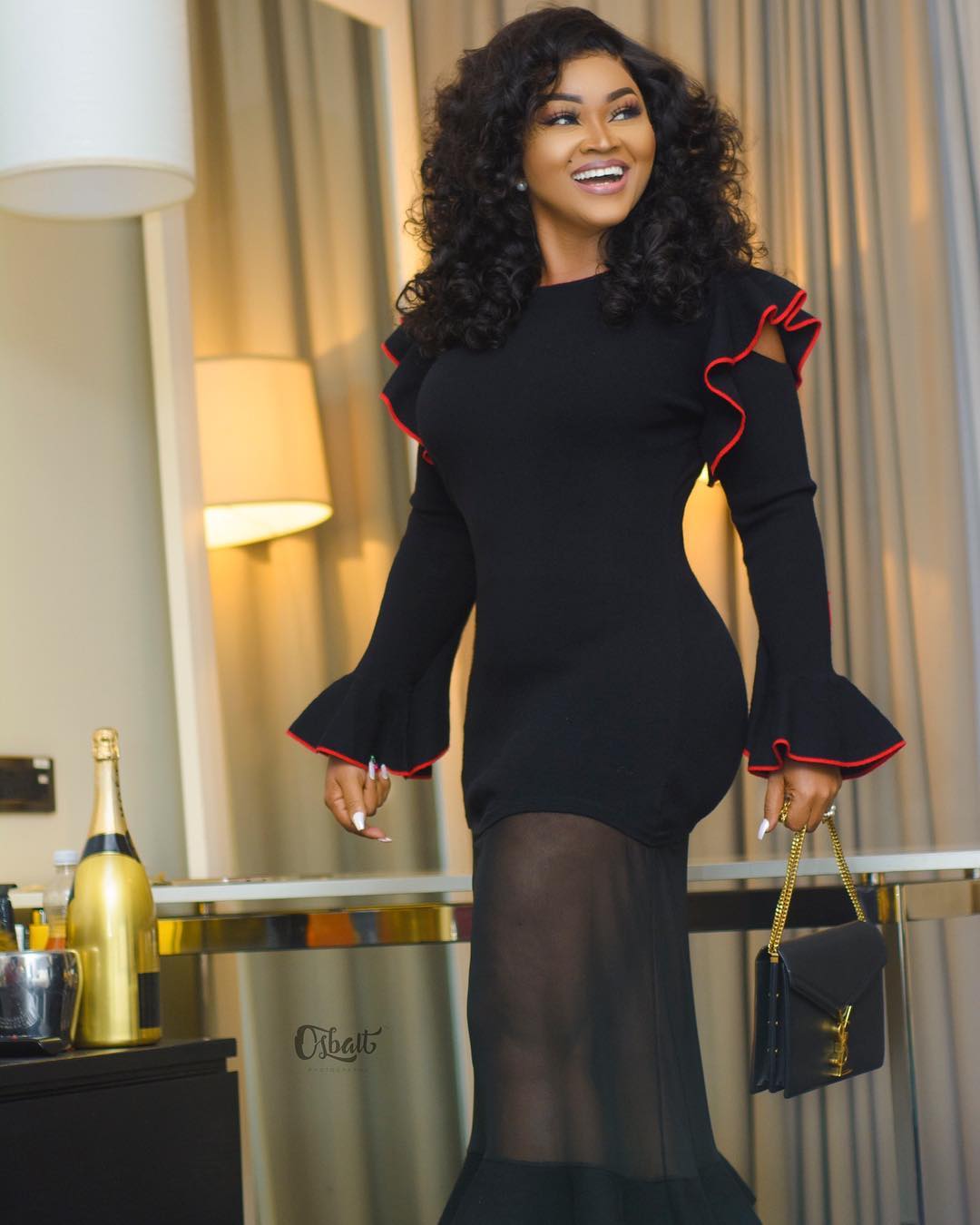
January 1st was Nollywood actress Mercy Aigbe‘s birthday and she shared some new photos to celebrate her 41st birthday.
She also shared a message to herself on her social media page and it is so fierce. We love her energy going into the new year.
On this Day! Several years ago, a QUEEN was born, she is Strong, Dogged, a goal getter , yet with the purest of hearts!!…… She reigns supreme on her throne!…..Her Crown is heavy but she wears it gracefully as if it were a feather, there is strength in her heart, determination in her eyes, and the will to survive resides within her soul, she is me, a warrior, a fighter, an Amazon, HER ROYAL MAJESTY, QUEEN M……..Happy Birthday to me
See the photos below.


Credits:
Make up @beautifixx
Hair @ayochicandstyle
Accessories @wowaccessorries
Styling @styledbyseun
Photography @osbaltphotography
Outfit @ceolumineeofficial