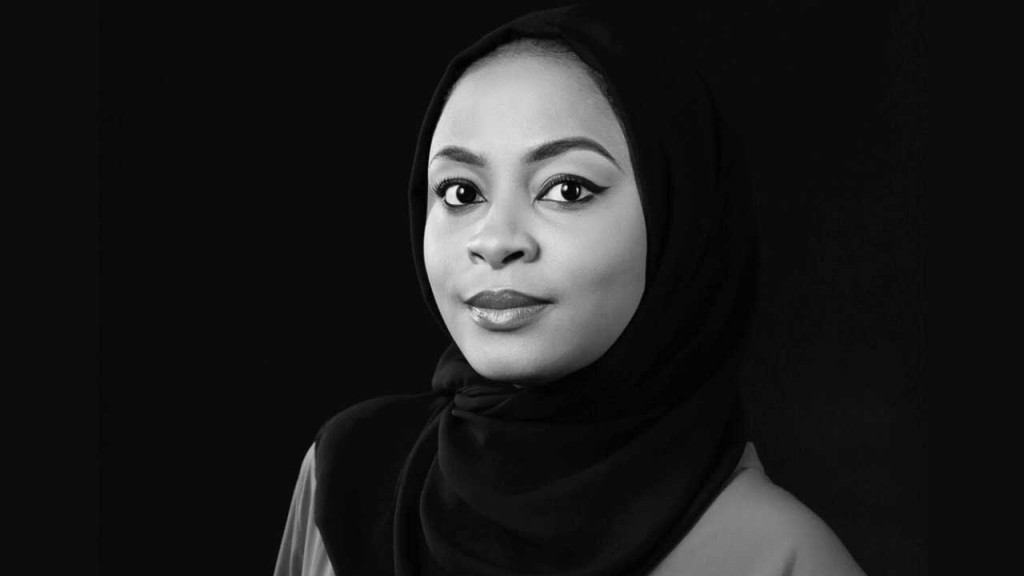
Adebukola Plumptre is a voice over talent and vlogger. A graduate of Mass Communication from the prestigious University of Lagos where she majored in Advertising& Public relations. She has worked in various capacities such as sales&marketing, business development, media, advertising, experiential marketing & events as well as in administration.
Her foray into vlogging and voice over artistry was borne out of her desire to use her voice in the media space and be positively impacting. Her Instagram handle @bukkysho1 features her vlogs which centre on parenting, self love, career, and body image issues. Her #wcw is a platform for supporting women in business and #dearvoiceovertalent provides useful information to aspiring and established Voice Over Talents.
She is a proud alumni of Voice Over Academy where she received her Pro Voice Over training. Her happiest moments are recording in the studio and playing with her son Nolan.
Childhood Influence
Yes, I had parents who encouraged us to be anything we wanted to be. To be whatever we set our minds to do. I had always enjoyed watching the news especially News Line with Frank Olize and CNN Style with Elsa Clench as well as documentaries. These were bonding experiences with my father.
Meet Me!
I am lover of words, I have always loved to talk and enjoy mind stimulating conversations. I was an Art Student in High School, I enjoyed taking Literature In English and Government & Politics. I studied Mass Communication at the University of Lagos where I majored in Advertising& Public Relations. I was a news reporter and sales executive for the school paper, Unilag Sun.
Inspiration behind passion for Voice Talents
Daily making use of my God given talent. Ensuring my voice is heard in the media space. If I am to lend my voice to causes I am passionate about then this is my springboard to do so.
Leaving my high earned job for Vlogging and voice over
After I had my son, I wanted to be a more present and involved parent. Having him challenged me to follow my passion. After gaining experience in the private sector it was time to focus on more personal pursuits and what I as an individual wanted to do with the rest of my life. I had to ensure it would be more memorable and satisfying.
Challenges
Perfection is the watch word of this profession. The work is never done until the sound engineer is satisfied with your delivery of the script, your tone, your pitch or inflections. The client gives the final word of your artistic efforts. In most cases you will redo entire take at the studio if they are unsatisfied. It is long and time consuming but these checks are necessary for a great output.
Other Projects & Activities
There are causes I am passionate about and lend my voice to them primarily on social media. I document my journey as a new mother and voice over talent on my Vlogs primarily on Facebook and Instagram. I also write letters “Dear Voice Over Talent” on Instagram to discuss my ongoing voice over journey and to encourage colleagues and aspiring persons who want to excel in this field. I also enjoy supporting other business women like myself on the platform “Woman Crush Wednesday”. These are businesses where I’ve experienced great customer service experience and also want others to do same.
Greatest reward
Positive feedback and engagement either in person or on social media. I’ve had a voice over talent from Egypt connect with me. Also, a young lady who wanted to start her voice over career. Even constructive criticism from seasoned voice over talents. It makes it all worth the effort.
On recognition of voice Over artistes in Nigeria
I believe it’s imperative to ensure you get the recognition you deserve in whatever career you find yourself. If you don’t blow your own trumpet, who will? When you have drive and are self motivated you will get the recognition you deserve. It’s a small, close knit circle of practioners and mostly advertising agencies tend to know us on a professional basis. However, our celebrity status is celebrated by our own. We are yet to reach the same status as entertainers or film actors.
What next?
To continue to deliver exceptional work and create memorable experiences. I am media girl at heart and will also pursue other creative expressions on TV, Radio and New Media.
Who and what inspire me to be better
My son Nolan and all women breaking barriers and stereotypes daily.
Being a woman of Rubies
I am a woman of rubies because I sparkle and I shine. I shine this light wherever I go teaching, uplifting and inspiring others to be their very best. To never relent in their pursuit for growth and learning. I am a change agent, I am an influencer.
Advice for young women who want to go into my field
They should seek formal or professional training first. It is not enough to be told how well they speak or sound. There is an art and science to being a great voice over talent. They should leverage on the use of new media to market and promote themselves so that potential clients can find them and see their work in action.
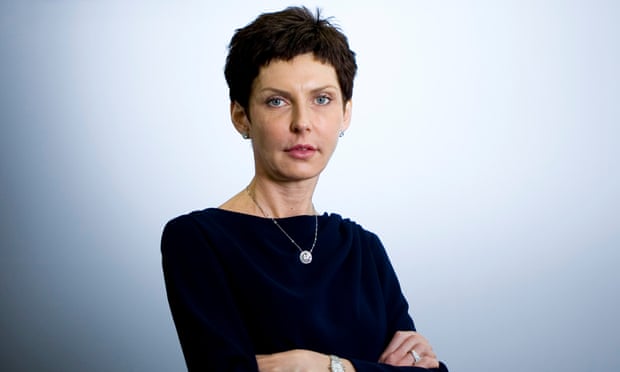
She built Bet365 in a Portakabin in Stoke. Now she’s paid three times more than CEO of Apple.
If Denise Coates’s record-breaking £265m pay packet was stacked up in new £50 notes it would form a tower almost twice as high as the Shard skyscraper in London.
The enormous pay package, paid to the founder and chief executive of Bet365, the online gambling business based in Stoke-on-Trent, was more than three times greater than Tim Cook earned (£80m) running Apple, the most valuable company in the world. It was 25 times more than Bob Dudley received for running BP and 55 times more than the £4.9m that Dave Lewis, the chief executive of Tesco, has to rub along on.
For Coates, the best paid female executive in the world, it was not even a one-off. A year earlier, she handed herself £217m from the profits of what remains a private family owned business, albeit one worth billions.
All the numbers associated with Bet365 are big: gamblers wagered £52.5bn with the company last year, a sum that outstrips the annual economic output of Croatia and Uruguay.
The company’s winnings on those stakes – shown as revenue in financial accounts released this week – were £2.7bn. It had an operating profit of £682m, meaning it has a staggering profit margin of 25%, far higher than traditional bookmakers saddled with the fixed cost of high street shops. Bet365’s licence to operate in the UK is, in effect, a licence to print money.
As eye-catching as Bet365’s financial performance is, it garnered far less attention than the £220m salary and £45m in dividends pocketed by Coates, who owns more than half the company. Vince Cable, the former business minister and Liberal Democrat leader, called Coates’s pay package “irresponsible and excessive”, while the High Pay Centre said it was “obscene”.
If Bet365 were listed on the stock exchange, such payouts would probably fall at the first hurdle of shareholder distaste, as seen in the revolt against the £100m bonus deal handed to the chief executive of the housebuilder Persimmon. Jeff Fairburn eventually offered to hand back £25m and make a donation to charity – but the embarrassment heaped on the company led to his departure this month.
Bet365 is the personal fiefdom of the Coates family, a business dynasty worth £5.8bn, more than Sir Richard Branson’s empire. The story of how they built their empire from a Portakabin in Stoke-on-Trent is the stuff of industry legend.
Coates’s father, Peter, the 80-year-old son of a miner, became a successful local businessman and owned a string of betting shops. But it was Coates, an econometrics graduate who, at around the turn of the millennium, became aware of the jackpot opportunity that lay online.
She bought the Bet365.com domain name from eBay for $25,000 and borrowed against the bricks-and-mortar stores to develop sports-betting technology that left slow-moving rivals in the dust.
When the likes of Ladbrokes and William Hill were buying the systems they needed from third parties, Bet365 already had them and was deploying them at great speed.
Under Coates’s stewardship, the firm married its tech advantage with shrewd marketing – the actor Ray Winstone fronts their TV campaigns tied to live sports and virtually orders viewers to make a wager: “Bet in play – now!” he growls.
But Bet365 is not just about taking a punt on the Premier League from the comfort of a sofa. Fancy a bet on the correct score in the AS Oued Ellil match against AS Marsa in Tunisia’s League 2? Or a wager on Irish club hurling, Austrian cross-country skiing, Australian political elections, Italy’s X Factor, on Vegas games or at a live online casino? Bet365 claims to have 35 million customers, which would make it the world’s biggest online gambling business.
Now the company looks poised to break into the US, via a $50m (£39m) deal with a New York casino operator designed to take advantage of the huge growth potential in the country since the supreme court repealed a decades-old ban on sports betting.
Bet365 is fast becoming Stoke’s most successful export. Its tech-based success story looms large in a city once dominated by its potteries, such as Wedgwood, Spode and Royal Doulton.
It owns the Stoke City Football Club, while many of its 4,000-member workforce are based at its sprawling headquarters near Hanley, Stoke’s de facto city centre.
Bet365 does not seem keen on media scrutiny and rarely answers inquiries, choosing to disclose only what it must in regulated filings with Companies House.
It has not, for instance, addressed any criticism of Coates’s pay deal, which some have found jarring in a week when new figures showed an alarming rise in the number of child problem gamblers.
Charles and Liz Ritchie, who founded the Gambling With Livescharity after their son, Jack, killed himself after a gambling addiction, said they found Coates’s payout “particularly upsetting” in the circumstances.
While Coates gives much of her cash to good causes, such as the Douglas Macmillan Hospice and Alzheimer’s Research UK, her foundation’s page on the Charity Commission website offers no indication of whether any of it goes to problem gambling treatment.
Her largesse is also partly funded by a relatively low UK corporation tax rate, and the company’s £78m tax contribution last year was rather less than one might expect, thanks in part to subsidiaries in jurisdictions such as Gibraltar, a haven for gambling firms.
The company said it was not breaking any laws but would not confirm whether or not it accepted stakes.
In this week’s accounts Bet365 said disclosing any more about its regional income “would be severely prejudicial to the interests of the group”. A recruitment page reveals the company is looking for “Chinese language customer account advisors”, though it could be targeting Chinese speakers in the UK or elsewhere.
Unless Bet365 volunteers more information, it will remain one of Britain’s most opaque companies – but also one of its most successful.
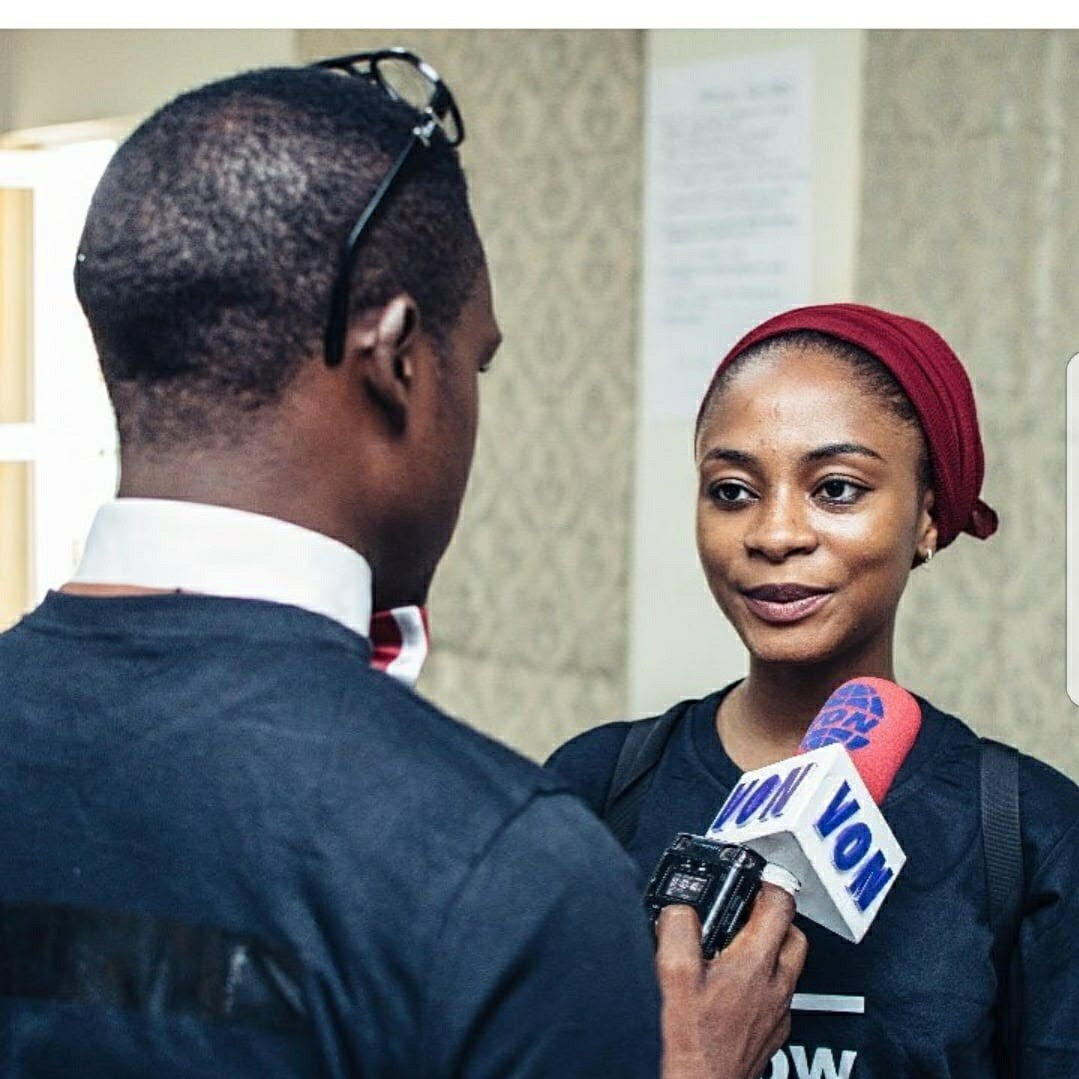
When you meet Fatima Habib you would think she is in her late 30’s because of her wealth of knowledge and go getting spirit, The 19 year old undergraduate from Borno state is the founder of of Advocacy for Human Value Foundation. An initiative she started when she was just 14 . Fatima has organised over 15 projects across Northern Nigeria, Impacting lives and giving voiceless women a voice. She is also the first Girl to work on the Fight Against illiteracy in the North and the First to lead the Bring Back Our Chibok Girls in her state.
Fatima shares her story with me in this interview as she expresses her passion for Northern women and the need to help them find their place in the society
Childhood Influence
My parents were my first teachers. Things they say and do, their way of being and relating to me and others, laid the foundation for many of my beliefs, values, attitudes and respect to people around me.
I attended my Secondary School (Adeola International School Abuja) also contributed in some of these after my parents laid down the basic foundation for me to Startup life.
Fatima!
I was born in the year 1999 September 23rd. I am Kanuri by tribe and hail from Maiduguri, Borno State. I had my Primary and Secondary Schools at Adeola International School Abuja and later moved to Maitama Model Secondary School Abuja to complete my SSCE in 2015.
I am the Founder of Advocacy for Human Value Foundation (a Non-Governmental Organization registered by Corporate Affairs Commission in February 2017). I am as well an activist who is advocating against the negativity of child sexual exploitation and promoting girl-child education and almaJiri education system in Nigeria. I am currently studying Political Science at the University of Maiduguri (year 3) and also an alumni of Young African Leaders Initiative (Yali)
Touching lives
About thousand of people’s lives have been impacted and shaped with my foundation as we have been able to give children their right education by enrolling them in schools and funding their education. We have done a lot of fund raising on social media platforms and also television in providing hospital expenses to the people with special disabilities ( Vulnerable members of the society). Periodically, I visit the Internally Displaced Persons’ (IDPs) camps in Maiduguri and hold discussion session with some of our targets where we talk out the problems faced by them. This leads to curing of trauma and depression amongst the vulnerable members in the various camps we visited. I recently started the advocacy on Sexual exploitation. We advocate to make these victims become more stronger, well-informed so despite the daunting challenge they could be able to speak up and change the face of the world.
Work challenges
Combining school and charity work,I will never advise others to try this because this is the worst way of taking the risk. It’s so challenging. Sometimes you are at work and an important class is going on and sometimes while in school and an important meeting or conference of Humanitarian nature is going on that may require your attention. Another challenge I face is lack of an office accommodation which would have emboldened me perform and achieve better than what I am doing at the moment.
Starting at age 14
During our secondary school, as students we were taken to orphanage homes on excursion several times by my school Adeola International School and in most cases the way and manner the orphans positively behaved and acted made me emotional. The thought of what the future held for them and given the minus of not having both parents spurred me to develop the interest of helping the orphans and the less privileged members of the society.
Supporting Northern women
I am trying to make women get access to capital and also empower them in collaboration with some entrepreneurs so they learn entrepreneurship because Women run 30% of all registered businesses worldwide, yet only 10% of women entrepreneurs have access to the capital they need to grow. Partnerships are crucial: mobilising the skills and resources of public and private sectors creates a bigger impact than working in isolation.
Other Projects
As my religion preaches humility in giving, also advocates feeding the hungry, regardless of race, religion or background. It is such an important part of the religion that Prophet Muhammad (SAW) said a person is not really a Muslim if he goes to bed satiated while his neighbor goes hungry. In line with the above I have initiated and executed the following projects and programmes so far in 17 states to my credit:- Fundraising workshop, Outreach to Christian and Muslim widows , Community awareness on HIV/AID, sponsoring 20 children through school and many more.
Reward
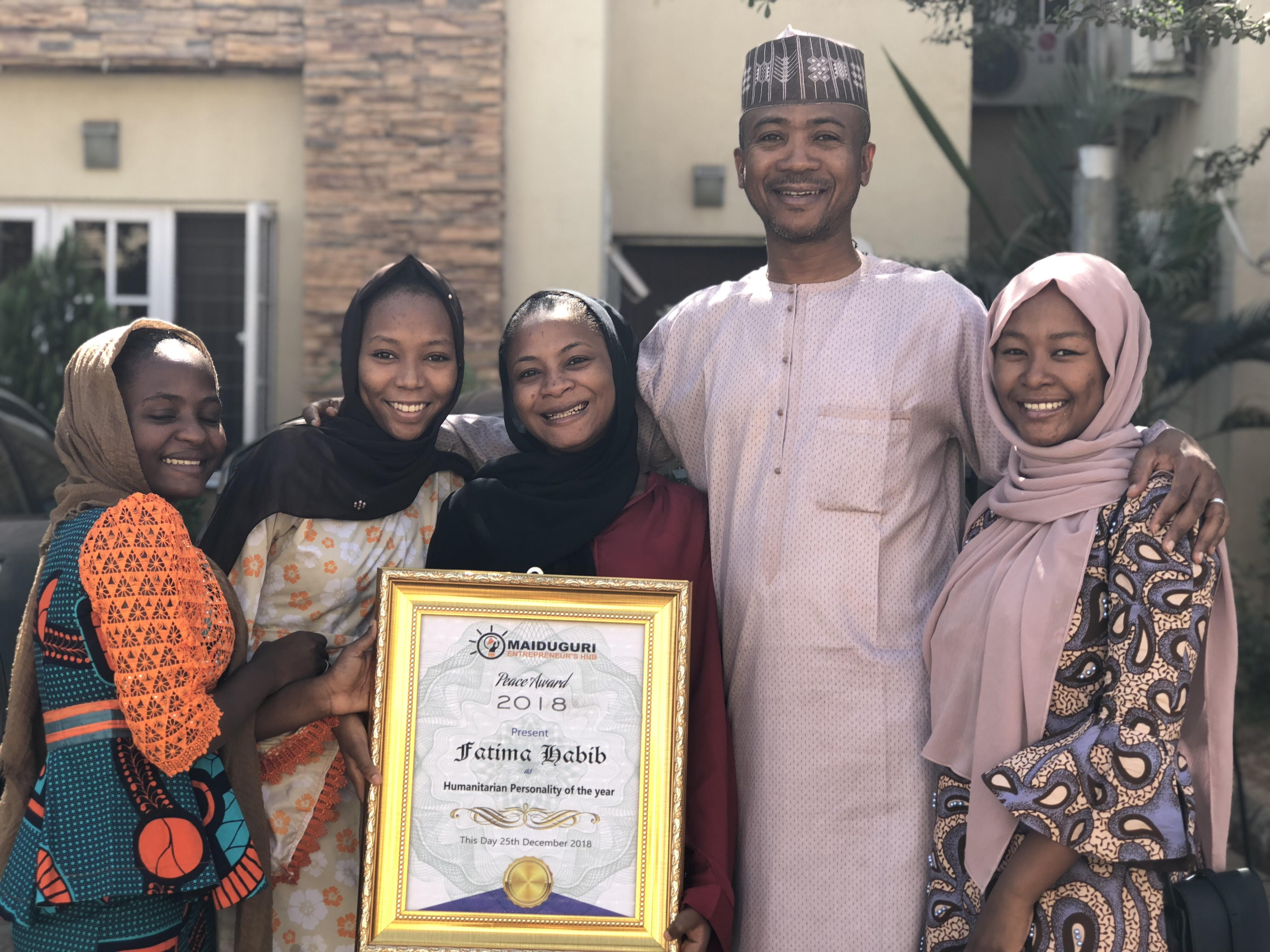
My greatest reward was my recognition as the Youngest humanitarian of the year 2017, Nigerian Goodwill ambassadors award.
In five years…
I see my organisation Successfully deep into Humanitarian Activities; done with strata of schools having equipped myself to face challenges of life and established orphanage-home and college inshaa-Allah
My Inspiration
Let me start with the man whose character, intellectual milieu and philanthropic gesture to whosoever approaches him in the day, middle of the night or at whatever condition you get to him are very rare in our world of today. He is Dr. Mohammed Kyari Dikwa mni, a Permanent Secretary designate in the Federal Government of Nigeria, also Dr. Zainab Bagudu (the Kebbi state First Lady) whose Medicaid Cancer Foundation similar to my Foundation’s objectives remains dear to my heart as a woman. I also had the opportunity of meeting Hajia Laraba Shuaibu (a barrister who works with my dad in Corporate Affairs Commission) in 2014 with my siblings. She had a cupboard-of awards displayed in her sitting room which I believe was as a result of her versatility, network and consistency towards her work and profession.
Being a Woman of Rubies
I am very ambitious. Supporting and encouraging people to pursue their own goals and dreams, I make my own as well. I have a vision for my future and chase after it with voracity.
Advice to women
Try to stay positive by being a positive thinker so I positively shape the lives of the vulnerable members of the society for them to believe in positivity too.
Dr. Cassandra Bolanle Akinde is a young medical doctor with a burning passion for public health, humanitarian causes and the sustainable development goals. She obtained an MBBS (Bachelor’s in Medicine and Surgery) degree from the prestigious University of Lagos in 2016.
She is currently the Team Lead for The Nigerian Child Initiative, a non-profit which promotes child health awareness and sustainable education to empower them with healthy choices. Her work centres on helping these children understand that sound education and good health are vital determinants in ensuring their success as future leaders.
In her years of working with The Nigerian Child Initiative, she and her team have reached out to over three thousand children in schools on SDG education by organising interschool essay competitions, workshops, research masterclasses, seminars and capacity building programmes.
Providing essential care services and implementation in poorly accessible areas by targeting over five hundred children for the past 4 years is another area Dr. Akinde has uncommon zeal for. This young woman is an inspiration in multiple facets. In addition to the other brilliant aspects of her life, she’s got multilingual ability in fluent English, Spanish, Russian with a growing proficiency in German.
She considers it her life’s mission to improve quality of life of everyone she comes across using all of her unique abilities. This gives her inexplicable motivation and joy. Cassandra shares her inspiring story with Esther Ijewere in this intrview.
Childhood preparation & Parental Influence
My childhood really played a major role in my life as I was raised as a humanitarian. My parents are the biggest inspiration behind what I do now. I remember as a child I will follow my mother to church where she was always assigned one task or another for the congregation.
One event that stands fresh in my memory is the day I accompanied my mother and my brother to an orphanage for the first time as it was our turn to help out in church by bringing some relief materials for the children. I met a young girl who was suffering from cerebral palsy. Part of the activities included engaging her in pottery work. We made a very beautiful clay pot that I really admired. When she saw my wistful face, she selflessly gave it to me. I was so startled, but she insisted I keep it. She was so happy giving me that pot, that till this day I remember her happy face. This was the moment I decided that giving is more fulfilling than receiving and that is how my journey to making social impact began. I kept coming back to play, teach and engage them in various games and artworks over the years.
My dad also taught me to be selfless, innately kind and liberal whenever the opportunity arose by donating all my unused toys, clothes and sporting equipment to charity.
Meet Me
My name is Cassandra Bolanle Akinde and I am a medical doctor by profession. I am the current Team Lead of The Nigerian Child Initiative and assistant coordinator at Medglobe Volunteers. I am very passionate about Health Advocacy and the Sustainable Developmental Goals. I am also an activist for women and children. I love meeting people and expanding my network, reading, teaching, spending quality time with my family and friends, scrapbooking and I absolutely love to volunteer! On an average day when I am not at the hospital working or out volunteering, I would usually relax at home, engaging social media and watching movies. I also spend adequate time praising God for all my blessings and asking for forgiveness for my sins.
Inspiration behind TNCI
The Nigerian Child Initiative began with the simple vision of providing a platform that would create a brighter and rewarding future for children. Since its foundation by Dr Yusuf Shittu, it has become much bigger than that. It is now a large volunteer-based platform for transforming the lives of Nigerian children by improving their access to healthcare and mentorship and building the capacity of young people to be change makers and leaders. I began as a volunteer who caught the vision, committed to the vision and slowly climbed to the leadership position of overseeing the team of vibrant young people eager to make a positive change.
Transforming Lives
With interests in Child Health promotion, Development Education and Mentorship, the team mentors children in schools and engages them with the Sustainable Development Goals and brings healthcare within the reach of children underserved and low income communities. Through our annual Essay Competition on SDGs for Secondary School students, winners are matched to mentor organisations. Since inception, we have reached up to 3,000 children with essential healthcare services including Malaria Screening, Dental Checks, Vaccination, Deworming and Essential Drugs in 5 communities across Lagos. The organisation has also educated about 5,000 children and teenagers directly on the Sustainable Developmental Goals through talk sessions in schools and at 3 Competition Grand Finales. We are also currently mentoring our 3rd cohort of 17 Global Goal Ambassadors who make us proud with their exciting social impact projects and innovations. They are each influencing other students in their schools and setting great examples for them to follow.
Work challenges
One of the major challenges was funding of course. We had difficulty getting sponsors and raising funds for our programs but with meaningful partnerships over the years the problem has been circumvented but we are always open for more opportunities.
Another challenge is that of recruiting volunteers who share the same vision ,passion and possess similar character to do what we do .A lot of young individuals are looking at our platform as an avenue for furthering their career or adding portfolios to their CV without actually having any passion or zeal to do any real work but just in the name only and that can be disheartening.
Being a Medglobe Volunteer
MEDGLOBE VOLUNTEERS is an international organization that started out of an urging desire to increase drug adherence, therapeutic outcome, decrease drug abuse and misuse; hence promoting health worldwide. We also conduct health outreaches and participate in various health campaigns and community health walks thus promoting health advocacy.
Other Projects
After working on #StopPneumonia campaign,I intend to collaborate with Dr Chioma Nwakanma on #CheatonCervicalCancerAwarenessCampaign as this is the awareness month.
My other projects in the year will include; Neo Childcare Solutions Limited, a mobile clinic health service provider which seeks to bridge the gap of access to healthcare for the children in remote areas. WASHED UP- Water Sanitation and Health Education against Diarrhoea, Malnutrition and Pneumonia. SkillsUpForGood – Capacity building seminar,Substance Abuse project ,Domestic Violence Docuseries
TNCI in 5 years…
In the next five years I see The Nigerian Child Initiative as a leading non-profit organisation expanding across all the states in Nigeria and hopefully even across some West African countries. I see it being on the world map for the impact it is making, with a larger volunteer base who capacity has built to reach out to more children. I can also see it as a platform for transforming lives of the young people and providing employment opportunities. As for me personally, I can see myself on the board of trustees of the NGO still spreading the word about health awareness and sustainable education both locally and globally.
Health sector in Nigeria
I have been practicing for almost 3 years now and can say categorically that health system in Nigeria is quite poor. In my humble opinion, one of the biggest health challenges is inaccessibility to quality health care. The Government performance in health sector has been abysmal. Investment in infrastructure has been poor and meager remuneration for health workers has created massive brain drain to the U.S and Europe. It is such a shame that despite the huge talents of Nigerians excelling in health sectors across the world, our own health system is failing.
So, my suggested solution to this problem lies in the Nigeria’s policy makers and health professionals including the Nigerian Diaspora to come together and create a long-term blue print for the sector. This shall involve intersectoral cooperation and collaboration between different health related ministries as partnership is very key in sustainability. The blueprint will include strategies, time lines and key performance indicators to ensure success its success in the long run. Creating the blue print and making it a reality is one of the most meaningful ways in improving health care for Nigerians.
Also, as health care professionals we must think of new, cost effective and innovative ideas to solve our healthcare problems. Several Nigerian digital health start-ups like HelloCareNg and Doctoorah are already doing work in this area. After all,being tech- savvy is very imperative in this world and era.
My Inspiration
My biggest inspiration comes from God the Almighty. I also get inspiration from my parents who are the real humanitarians and my biggest cheerleaders. I also get inspired daily by women all over the world achieving success in all their endeavours despite the setbacks of their background, culture and traditions. Lastly, I would say that all the volunteers I know inspire me by their selflessness and their enthusiasm with which they diligently offer their talent and service.
Being a woman of rubies
I am a young woman who takes immense pleasure in celebrating other women around Nigeria and the world. I think it is a trend we should all adopt as one’s woman success is ours too. Women should always support women and surround themselves who will do the same. It’s a huge honour for me to to even be featured on this great platform celebrating women and their successful stories of gallant exploits. And I hope someone reading this will get inspired and in turn inspire others .
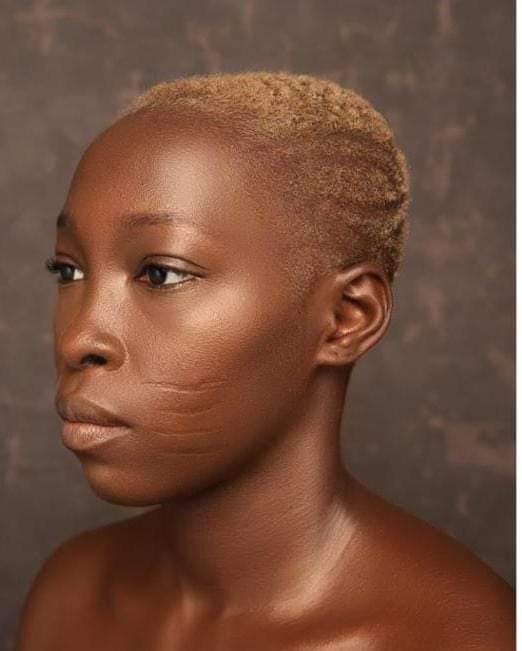
Adetetu OJ Alabi is a Nigerian model, anti-bully activist, tambour beading artist, social entrepreneur and advocate for beauty tribal marks and indigenous body modifications.
She is using social media to create awareness and change the tale of people with tribal marking in Africa. The beautiful model recently caught the attention of International Music star Rihanna after started a campaign called #tribalmarkschallenge, to encourage Africans with tribal marks and also advocate for the ban of facial scarring. Tutu believes permission should be sought before it is carried out
“I started modelling last year after I came out from my shell or hiding due to my tribal marks. The bullying started in my primary and secondary school days. Due to this, I learnt a skill instead of going to university” says the beautiful mum of one whose baby daddy left after she got pregnant because of her tribal marks
She shares her story with me in this inspiring interview.
Growing up
My mum died when I was four years old, so I grew up with my dad. I was brought up by my dad and he taught me to be prepared for anything life brings to me, this has been guiding principle ever since.
Effect of Tribal marks on my education
I was supposed to study law but I decided not to take the Unified Tertiary Matriculation Examination at all because I was scared of being bullied in the university. I believed that if I attended university, I might end up killing myself, but that perception has changed now with my renewed confidence.
The Rihanna move
I have always been a fan of Rihanna since she came out and I was inspired to do the post that went viral because I also had a photo which Rihanna did the same posture for her Fenty beauty advert. It has always been my dream as a child to model with the tribal marks. I have been bullied so much and the follow back from Rihanna has helped build my confidence and others that have tribal marks too.
My Social Media Bullying experience
I have been experiencing bullying since my childhood but Social media especially Facebook opened me up to it because of my Tribal marks. Few months before my story went viral I was bullied on Facebook and became suicidal at a point but some of my Facebook friends rallied round me whenever someone talked me down.They gave me reasons to fight and stand up for myself and not give in to bullying.
#Tribalmarkschallenge and Future Plans
I started the campaign this year to advocate for people with tribal marks and It’s gone viral to my surprise and helped boost the confidence of those living with it. I have gotten testimonies from a lot of people who told me my boldness in advocating for this cause helped renewed their confidence and re-ignite their trust in humanity. People are talking about how to conceal their marks but this is me. You can be anything you want to be. Don’t let your scars bring you down”
In 2019, I am starting another pet project to create awareness on tribal marks with major focus on rural areas in Nigeria
Other Projects
Apart from modeling, I am also a tambour beading artist and a traditionalist. I also have a clothing line and a shoe line though they’re still in the baby stages of start-ups.
The Adetutu OJ brand in 5 years
I see myself spreading my skills and talents all over the world along with my brand. I see myself sharing my story globally and encouraging women with tribal marks .
Giving up
Being an orphan and because most of my friends are people I know online, I barely have someone to talk to whenever I feel depressed or giving up especially since I’m not earning enough yet. I was suicidal twice this in 2018 even after the story went viral and had so much media attention globally. I have thought of quitting many times but I encourage myself to look at the bright side always
Rejected by my child’s father because of my Tribal Marks
I got pregnant in 2009 after a brief relationship and told him and he absconded while I have to take care of my daughter by placing her in her orphanage then after 9 years he saw me on the internet and seek to see my daughter and claimed he couldn’t bear to tell me he couldn’t move with me because of my tribal marks. My daughter and I got help from Pastor Ituah and his foundation (Lydia Grace Foundation and Heritage Homes & Orphanage). These people helped me focus on how get ahead in life through my rejection and lonely period.
My Inspiration
My daughter inspires me to do better and never give up. whenever I feel down. She makes me challenge myself because she is watching everything I do and because of her I have to succeed against all odds.
Reception from the Modelling Industry
The modelling industry in Nigeria have not really accepted me yet because I’m unconventional and I’m different from the regular models due to my tribal marks. I recently got featured in Davido’s new music video and I am looking forward to other opportunities in the new year. I am grateful to the founder of Isis models Africa who sees potential in me. With support from people like her and others, I believe I can go beyond the sky and achieve my dreams.
Being a woman of Rubies
What makes a woman of rubies is the fact that I refuse to give up and made lemonades from the lemonades life threw at me.
I made a name for myself with what I was being bullied for, I am a woman of Rubies and more.
“Congratulations,” said the voice at the other end of the call. It was the fifth call Nere Teriba received in less than 10 minutes. There are also messages on her phone, which she plans to read much later. They are all congratulatory messages. “Go, girl. You rock!” reads the message staring at her as she peeped at her phone for the last time, repeating the words she had read almost inaudibly. Surprised at the sudden frenzy about a gold refining license her company secured months earlier, Nere smiles as she recalls months of hard work. Kian Smith can finally start smithing.
Starting in 2019, Nere Teriba, Vice Chairman of Kain Smith Trade & Co Ltd., will become the first and youngest Nigerian to refine gold locally.
“On one hand, we can say it took a few months, on the other hand, it took seven years,” says 36-year-old Nere Teriba as she tells The Nerve Africa how long it took the company to secure the gold refining license.
It was a meeting of preparation and opportunity for Nere, who had a proposal on a gold reserve buying programme for the country ready when she was invited to join the Economic Recovery and Growth Plan (ERGP) focus labs. Her proposal highlighted the need for a gold policy and a framework for gold refinery license permit structure for anyone who wants to apply for one.
The proposal by Nere’s Kian Smith made a case for the establishment of a Nigerian Gold Council which will be in charge of the country’s gold policy.
“The establishment of the council will drive innovation, stimulate the economy, and generate income for government coffers,” the proposal states. “Nigeria can become a gold economy irrespective of whether it mines gold or not. India, UAE, Singapore, Italy, Switzerland, Turkey and London are renowned world gold markets without the classification of gold mining countries.”
Kian Smith raised some important questions in its proposal, some of which formed the basis of our (TheNerve Africa) discussion with Nere when we met her at an art-themed tea room in Victoria Island, Lagos in October, weeks before the groundbreaking of her refinery.
Nere paused at different intervals during our conversation, politely explaining, each time, why she had to answer her phone calls. Nere runs a multimillion-dollar minerals, commodities and mineral services company, which has grown tremendously over seven years. Sleeves always up, ready to work, Nere plays in a male-dominated industry, where women sometimes have to work twice as hard to make desired impact. To Nere, mining is a calling and she would give all it takes to help Nigeria and by extension, West Africa harness the mining economy.
How can the existing gold value chain be organized and strengthened? One of the questions posed in Kian Smith’s proposal stems from Nere’s belief that the Nigerian mining industry is not as broken as most people believe.
“The issue is not that there is no regulation, it’s just that they are not enforced,” explains Nere, who has plans on how to help the government solve some of the major challenges faced in the mining industry, especially as it concerns artisanal and small-scale miners.
Mining in Nigeria
Organized mining in Nigeria started in 1903 when the British Secretary of State for the Colonies established the Mineral Survey of the Southern Protectorate of Nigeria. In 1904, a survey of the Northern Protectorate was also established as the exploration of mineral resources for use as raw materials in Britain began. As a result, several mineral deposits including Columbite, Bitumen, Coal, Iron Ore and Gold were discovered. However, it was not until 1913 that Gold production started, peaking in the 1930s before World War II brought about a decline.
Nigeria had no choice but to participate in the war, being a colony of Britain. With Britain’s economic, industrial and military power weakened by World War I, the kingdom fell back on its colonies, using both their human and natural resources to prosecute WWII. Colonial companies abandoned mines during the war and the gold mining industry has not recovered since then.
Although in the 1980s the Nigerian Mining Corporation (NMC) resumed gold exploration, it could not sustain it. Fast forward to the 2000s, artisanal mining has become a thing in Nigeria, from Bin Yauri in northern Nigerian’s Kebbi State, to Bagega in Zamfara State where 163 people died from lead poisoning in 2010.
Artisanal Mining
Artisanal mining had peaked in Bagega when gold prices skyrocketed during the Great Recession. Even farmers left their crops and focused on mining. During the period, the price of gold went as high as $1,000 per troy ounce, so much that even small finds by small-scale miners paid well.
Till date, most of the mining done in Nigeria is done by artisanal and small-scale miners (ASM), making regulations difficult to enforce.
“The thing is, there has been a huge gap. We abandoned the sector, went for oil and the people took up the vacuum,” Nere explains, adding that their activities, while artisanal are not necessarily illegal.
“So, illegal miners are not necessarily artisanal miners. Sometimes, there are huge companies mining illegally. Mining illegally is if you are mining off permit and not following due process,” the Kian Smith boss explains.
With a renewed commitment to developing the mining industry, the Nigerian government, like others across Africa, is beginning to recognize how important artisanal and small-scale miners are to the growth of the industry. Hence, the government ministry in charge of mining in Nigeria is trying to formalise artisanal mining to ensure some form of regulation in the space.
Kian Smith is working with small and medium scale miners to source gold for its refinery. The company is also working with artisanal miners, whose activities it is going to be an important part of formalising.
“One of the major reasons several small-scale miners are not formalised is because of royalty payments, but we have found a way around this,” Nere says, explaining how Kian Smith will ensure the ASMs it works with are formalised. “One of the incentives we want to give our suppliers is paying royalties on their behalf.”
The idea seems to be working fine, as Kian Smith has been able to sign up 200 suppliers in less than three weeks. “We will help them get registered with the Corporate Affairs Commission in January,” Nere says.
Kian Smith will also be sourcing gold for its refinery from other parts of Africa, including Ghana, Sierra Leone, and Tanzania. One supplier working across Ghana and Sierra Leone has already committed to supplying Kian Smith 100Kg of gold per month. In all, the company has signed Memoranda of Understanding with about 200 suppliers.
Although Nigeria is believed to have gold reserves of up to 200 million oz, there are no records to show exactly how much gold is mined in the country.
“But from my research, there are about 2 tonnes of gold physically in circulation each month,” says Nere. However, she admits that “we can’t quantify how much of that 2 tonnes is from neighboring African countries, and how much of that 2 tonnes is mined locally”.
Nigeria’s neighbors have been more productive, with Ghana producing 95 tonnes of gold in 2015. Mali produced 50 tonnes in the same year and Burkina Faso produced 34 tonnes, but Nigeria could only manage 4 tonnes, as records show. Nere believes this figure shows how much the country could be losing by not formalising artisanal mining which even accounted for a huge percentage of the 4 tonnes reported in 2015. Most of the countries with decent gold production records in Africa have begun to recognise artisanal mining and are looking for ways to formalise their activities.
In Ghana, artisanal, small-scale miners, popularly known as galamsey have become increasingly important. They are responsible for all diamond production in the West African country and their contribution to gold production is increasing. The government is now training small-scale miners in sustainable mining methods as part of a roadmap that seeks to address illegal mining in the country.
Nere also thinks there is a tech solution Nigeria can adopt. The Computer Engineering graduate said her company created a mobile solution — Zokia system, a mobile platform to register and bank artisanal miners.
“When we were doing our pilot in Chikun, Kaduna state, we registered 1200 artisanal miners, tagging the gold from mine, through the value chain, all the way,” she says. “We also used mobile money, as a way to eventually sensitize them, to get them off cash payment and keep their monies safe. More than 300 of the registered 1,200 use mobile money for payments.”
Nere explains that as good as the solution could be for formalising mining of all scales and reducing the incidence of illegal mining, artisanal and small-scale miners have no reason to spend money on tech, as they do not see it as essential to their business.
However, governments committed to reducing illegal mining to the barest minimum can pay for a tech solution such as Kian Smith’s and make it accessible to artisanal miners for free. That could be a huge step in formalising artisanal mining, especially in Nigeria.
Investing in Mining
There have been attempts in the past to bring the mining industry up to date to make it attractive to private investment. Beginning in 2007, the Nigerian Minerals and Mining Act was introduced, setting the rules for the exploration and exploitation of solid minerals. The law stated that the government owns all the country’s mineral resources. However, in 2011, the year Kian Smith was registered in the country, the government released new mining regulations, which was believed would bring about greater accountability in the sector. This also, was reviewed, leading to the Roadmap for the Growth and Development of the Nigerian Mining Industry which was adopted in September 2016.
The country is gradually getting it right, showing an unprecedented commitment to the growth of the mining industry, with the issuance of a gold refining licence to Kian Smith one of the recent wins in the industry. The company has already started work on the site of its new refinery in Ogun State, south west Nigeria. Nigeria’s Minister of State for Mines and Steel Development Hon. Abubakar Bawa Bwari broke the ground at the site on December 13 as construction began.
“During the focus labs of the Economic Recovery and Growth Plan (ERGP) of this administration, we discovered that a well organised gold value chain can trigger an economic revolution like it did in India, South Africa, Switzerland and others,” Hon. Bwari said at the groundbreaking ceremony. He explained that his Ministry was determined to develop the mining sector to increase its contribution to Nigeria’s GDP, improve its capacity to create jobs and engender sustainable mining.
Ongoing construction work at site of Kian Smith Gold Refinery in Nigeria’s Ogun State.
Nere says the refinery will be ready to start production by the end of the first half of 2019.
While Nere did not disclose details of investment in the new refinery, which she says include both local and international interests, she says Kian Smith is working with several banks, including Stanbic IBTC Bank and Zenith Bank Plc. According to her, Kian Smith is also in talks with the African Finance Corporation (AFC).
“The truth is, we need banks,” says Nere. “Not even so much for the setup; we need banks for the trading. To buy an unlimited amount of gold, at any time, to refine; we need the banks,” Nere says
She dismisses the widely held belief that banks are not committed to the mining industry.
“The issue with banks is ‘show me your bankable feasibility study (BFS)’, and most Nigerian miners cannot show that, because they haven’t got the investors who will do the work to produce the BFS. So, the thing is banks are looking for that; Nigerians don’t have that.”
She adds that a bank would like to see a supply contract, a buying contract; “those are the transactions that banks are considering”.
Nere believes that for every player in the mining industry who can get their acts together, banks are always ready to do business. After all, she’s working with some banks to bring her refinery to life next year. Nere says the refinery has the potential to provide more than 500,000 direct and indirect jobs. But beyond jobs, Kian Smith is interested in helping to build the gold value chain in Nigeria.
Nere is hopeful things will get better but admits the mining industry in Nigeria is a tough one to play in. She highlights policy inconsistency and the reaction of mining communities to operators as two of the major challenges the industry faces.
“The reason why the sector has struggled and even investors have issues is because the Nigerian ecosystem does not encourage long-term investment and perseverance to get anything,” Nere says. “Everybody wants money now.”
One of the issues Nere’s Kian Smith is taking up with the government is how to grant gold a VAT-free status. She explained the dynamics of VAT as it concerns gold.
“Gold should be VAT-free because it’s a financial instrument. However, even if there will be VAT on gold, it should not be too high so as to encourage export. We need the government to review VAT status on gold bars and coins,” Nere says.
According to her, the Nigerian government is working with the United Nations Industrial Development Orgasnisation (UNIDO) and other bodies to decide an efficient policy on gold products and alloys.
Kian Smith is also working on seeing import duties on gold and gold doré reduced.
Sustainability
Nere says Kian Smith is committed to maintaining high standards, from purity of gold to sustainability in production. The company’s refinery in Ogun State has the capacity to produce 3 tonnes of gold and 1 tonne of silver per month, both at a purity of 99.99 percent.
UNIDO will help Kian Smith in sustainable mining, supporting ASMs that want to supply Kian Smith and are committed to sustainable mining. Kian Smith is also working with international development organization Pact, to ensure due diligence and safety of miners, as well as curb illegal mining.
Once Kian Smith produces its ethical gold, it will be looking towards central banks, jewelers in the Middle East, Turkey, Switzerland and several parts of Africa.
Already, the Central Bank of Nigeria (CBN) has committed to buying gold from Kian Smith as it stocks up the country’s gold reserves.
“CBN has not said volume, but they are ready to buy gold in either naira or USD. We are hopeful that by the end of second quarter, their terms and conditions will be clear,” Nere says.
Kian Smith is also in talks with other central banks. The company has also met with the London Bullion Metal Association (LBMA), Responsible Jewelry Council (RJC) and World Gold COuncil (WGC) towards international certification process for Nigeria’s gold.
The Call
When TheNerve Africa first spoke with Nere in October, she was facing some challenges at her refinery site in Ogun, but she told TheNerve Africa that none of the things happening then would affect plans for the Kian Smith refinery to start working in 2019. “I’ve been here before,” Nere said, exuding the same confidence that has made her successful in a tough industry. The confidence, she says, stems from knowing that mining is her calling.
“Mining called me,” Nere declares. “It didn’t make sense when it was calling me because I was like ‘what is it about mining? This is a capital-intensive sector and am I sure this is the right sector to be calling me?’
“I wanted to meet people, so I met people in the sector and got their opinion: what do you think? Why are you in it?”
She continues: “It was interesting because they all talked about how horrible the experience is and I am like, but you are still there.
“I did some research, connected with some people in the sector here and they did their best to discourage me from getting into the sector but I still went in and I haven’t looked back.
“So I will say there is a mining bug; if it bites you, if it’s meant to be, no matter how hard it is, you will stick to it but if it is not meant to be, you will run.
“The people I talked to were all saying do not do it, it is challenging, it is rewarding, it’s amazing, but do not do it. So, I had to figure out the way to enter, because it is capital intensive and I didn’t have that kind of funds. So I entered by trading. Almost the same principles you use to trade anything else like land, supplies, and all of that. So that was how I entered. I entered by trading.”
The Kian Smith boss was in South Africa for a mining conference. There she met someone who wanted to bring his company to Nigeria. “I said I can do it for you, and that was how I did it. That was how I started trading.”
Nere says business has been good for Kian Smith despite the tough operating environment. “It is a difficult sector,” she reiterates. “It has its ups and downs. It has been challenging and there have been issues all around, but overall, if I look back, we have seen a steady progression. We see opportunities, we see challenges but we still said this is the sector we want to be in.”
Speaking on how hard Kian Smith had worked to get to its current level, Nere recalls her three months in Abuja for the ERGP focus labs. The Lab process is one of the several initiatives by the Nigerian government to fast-track the attainment of its ERGP objectives. The government had invited potential and existing investors, both foreign and Nigerian, who may be interested in investing in any of the three areas of focus — Agriculture and transportation, Power and gas, Manufacturing and processing (including solid minerals) — to attend closed-door sessions where prospective investors will have access in one location, to all the officials of government whose support, or approvals, they might need to enable them commit to an investment decision.
“I think after the first few days, we lost half the people because we spent several months in Abuja and you footed your own bills; the cost of your hotel, the cost of everything; this is not a government sponsored thing,” Nere explains. “For a lot of business people … like for me, I’m still recovering from putting a lot of things about the business on standstill for about 3 months.”
Nere says business owners had to ask themselves pertinent questions such as the wisdom in leaving their businesses for about 3 months at their own expense, “and at the end of the day you’re not even guaranteed that the government will even proffer a solution for you”.
She thinks Kian Smith was fortunate to be part of the focus labs and have its proposal accepted. “We were at a standstill for a major project. We were fortunate enough that we could take on that expense. It was huge because a lot of businesses that have a lot of better ideas and bigger problems did not have the opportunity to foot the expenses for three months in Abuja.”
The gold refining licence in hand, Nere has crossed another big hurdle as Kian Smith continues its growth, but again, she recalls one of the tough periods in the business’s growth and sighed.
“I have suffered,” she says. “But if you wait long enough … if you are patient long enough, things always work out fine.”
Sadly, “our generation has lost perseverance,” says Nere, who would love an opportunity to one day “genuinely talk to young people”.
“Our generation is a microwave generation,” Nere adds, stressing that social media has made success look easy so much that “young people are looking for shortcuts”.
Nere says she learnt doggedness from her father, the former Olu of Warri, who due to his Christian faith attempted to denounce a 500-year-old title Ogiame, which he said, was associated with a sea goddess. Kian Smith started before Ogiame Atuwatse II died in 2015, but Nere says she has never had a free pass using her father’s name or influence. She admits that her background played a huge role on the woman she has become but at the risk of sounding overly spiritual; Nere says her business achievements are so massive they couldn’t have been due to her background. She says they are supernatural.
“This is for the future of Nigeria; this is going to change Nigeria. It’s going to change Africa’s history. Africa will never remain the same again.”
Melanesians are black island people in the south pacific that migrated over thousands of years ago, long before the blacks that came to the Americas as slaves.
Melanesia is a sub-region of Oceania extending from the western end of the Pacific Ocean to the Arafura Sea, and eastward to Fiji. The region comprises most of the islands immediately north and northeast of Australia, including the countries of Papua New Guinea, Fiji, Vanuatu, Solomon Island, and New Caledonia. The name Melanesia was first used by Jules Dumont d’Urville in 1832 to denote an ethnic and geographical grouping of islands distinct from Polynesia and Micronesia.
Melanesian people of Solomon Islands
Melanesian people of Solomon Islands
Until recently, the indigenous melanesian people practised cannibalism, head-hunting, kidnapping and slavery, just like the Asmat tribe, but with contact with Europeans, the population is now predominantly Christian. However, more than 90% lead rural lives.
Melanesian Blonde hair
Melanesian people of Solomon Islands
Melanesian people of Solomon Islands
The Melanesian people of the Solomon Islands are the point of interest when it comes to dark skin and blond hair. The Solomon Islands are located in the South Pacific, the very heart of Melanesia, just Northeast of Australia, between Papua and Vanuatu and is an independent state within the British Commonwealth.
Although the indigenous Melanesian population of the islands possess the darkest skin outside of Africa, between 5 and 10% have bright blond hair.
Melanesian people of Solomon Islands
Melanesian people of Solomon Islands
There have been several theories on how they got their blond hair — from sun and salt whitening, high fish intake, or genetic heritage from mixed-breeding with Americans/Europeans who founded the islands.
A geneticist from Nova Scotia agricultural college in Canada, Sean Myles, conduced a genetic analysis on saliva and hair samples from 1209 Melanesian Solomon Island residents. From comparing 43 blond Islanders and 42 brown Islanders, he found that the blondes carried two copies of a mutant gene which is present in 26% of the island’s population. The Melanesian people have a native TYRP1 gene which is partly responsible for the blond hair and melanin, and is totally distinct to that of Caucasians as it doesn’t exist in their genes.
Melanesian people of Solomon Islands
Melanesian people of Solomon Islands
It is a recessive gene and is more common in children than in adults, with hair tending to darken as the individual matures.
This contributes to the theories that black Africans were the first homo sapiens and that all races came out of the black African race.
On Saturday November 25th , 2018 The Eloy awards held the 10th edition of it’s prestigious award ceremony and Esther Ijewere, founder of Rubies Ink Initiative for Women and Children and Editor-In-Chief of Multiple award winning blog Women of Rubies won the Social Entrepreneur award, for her selflessness and contribution towards the empowerment of women both at the grassroots and social level.
While she was unable to attend the epoch making event, Esther was well represented by her Mentee Lordwilliams Gusi Tobby of Girlhub Africa, who gave an outstanding speech on behalf of her Mentor and also congratulated other Nominees.
Reacting to the award, Esther took to her social media page to show her appreciation;
“Thank you Jesus for yet another award! Who am I? Nothing but pencil before you Heavenly father … absolutely Nothing!
Just a young girl whose life is a movement she barely can understand.
I dedicate this Award to my Mom! Mummy I never reach where I dey go o but this is for you! For bringing me to the world against all odds and always standing by me through thick and thin… I owe you so much Mama!!!
To everyone that voted for me, May God honour you all, I appreciate you for your love and constant support! We won!!!
Our beautiful Queens at Women of Rubies You guys rock! Thanks for making it all worth it
Thanks to my wonderful team, this is our Win guys! Yes! We did it.
Thanks for picking yet another award for me my ever supportive mentee and aburo Lordwilliams Tobby. I appreciate you!
To Tewa Onasanya and the @eloyawards team, I Stan you. May God bless the work of your hands. Thanks for counting me worthy
Thank you Jesus, for this, that and everything! I remain Loyal
This is Esther’s second award this year, it will be recalled that the social entrepreneur won the “Humanitarian of the year award” at the D&K Soumi awards back in August.
Ramona J. Smith is an international award-winning public speaker, who prominently holds the prestigious title of the 2018 World Champion of Public Speaking. She is a powerhouse, one who was unmatched by the 30,000 people she surpassed to reign in the world championship title. She is an educator, speaker, author, blogger and poet. Ramona’s captivating speeches inspire audiences around the world. She earned her bachelor’s degree in Public Relations with a minor in Marketing, graduating Magna Cum Laude from the prestigious Baldwin Wallace University in northeast Ohio. Ramona is the mother of miracle boy Ryan, and they reside in Houston, Texas.
In her words; “When you are in the ring of life, you will face some challenges,” “You are going to get hit, you will be punched, you will be bruised. Even though you fall down and stumble, all you have to do is find whatever strength lies within you or outside you from family, friends, faith, your mentors and coaches to help pull you back up. ”
The Houston high school teacher shares her inspiring story with me in this interview
Childhood Influence
Yes. As a child I loved being in the spotlight. I would perform at talent shows; I was in the drama club, and the poetry club. I have never had a fear of public speaking. As a child, I would always fantasize about being on the stage versus sitting in the audience.
Meet Me!
I am a secondary teacher in Houston, Texas. I teach Child Development and Human Growth & Development. I have a handsome, smart and athletic son named Ryan who is currently six years old. I love to travel, read, write, and meet new people.
Being the 2018 world champion of public speaking
I am a member of an organization called Toastmasters International. Every year since 1938, the organization has held an international speech contest. This year over 30,000 members competed at the first level of the contest. Out of 30,000 contestants, the top 10 in the world compete at the finals and the judges vote for the World Champion. I am the first woman to win since 2008, the second African-American woman to win in the history of the contest, and the only fifth woman to win the title since women could compete in the 1970’s.
Public speaking
I have been a public speaker for eight years. I am The Ladybug Speaker. I have spoken to thousands of people all across the globe, from the United States to the United Arab Emirates. I will be launching my business the Ladybug Speaker LLC, in order to become a full-time professional speaker.
What made me Win
Practice, feedback, and originality were three keys to my feat. After every speech contest, I met with other highly qualified Toastmasters in my district for feedback. I tweaked the “little things” and was open to constructive criticism. I practiced my speeches endlessly in order to have a smooth and natural delivery. And most importantly, I wrote my own speeches. They are from my personal life experiences. When I get on stage I’m not afraid of “looking stupid.” I went in front of 2,000 people and made a complete fool of myself with my horrible boxing moves. Yet, the audience connected with me because of my authenticity and transparency.
Challenges
Currently, my biggest challenge is starting my speaking business from the ground up. I have to learn as I go. I have to learn from trial and error. I will have to research and implement marketing strategies, create a business model, and a schedule. I will have to build a team and figure out how to successfully build my business and my brand.
Other Project and Activities
I am the author of the inspirational book for women “Shine Sistah Shine.” I am finalizing my E-Book, which gives readers my top ten public speaking tips. I am preparing for my next world tour where I will be visiting Sri Lanka, India, Kuwait and Bahrain. I am creating new and exciting workshops and webinars for my clients.
Ramona J. Smith, 2018 Toastmasters World Champion of Public Speaking (PRNewsfoto/Toastmasters International)
Reward
The greatest reward I have receive is hearing about the goals my clients achieve after hearing me speak, reading my book, or having a one on one coaching session with me. It is rewarding transforming lives by sharing my gifts with the world.
In five years…
In five years, I will be 36. I see myself finishing my Master’s degree and starting my PhD. I see myself married with another child. I see my brand being successful and growing internationally. I see myself having a podcast or a series or documentary. I see myself acting in movies and doing more live poetry. I see myself writing more books, and speaking in hundreds of countries to millions of people.
Almost gave it all up
Yes. In 2012, my son was two years old. He was unexpectedly diagnosed with a cancerous brain tumor. He had to undergo three brain surgeries and 30 rounds of radiation treatment. I felt like giving up on life because I blamed myself. No mother wants to see her child going through something like that. However, God healed him. God healed me. We are both happy and thriving today, and my son is four years cancer free.
Who and what inspire me to be better
My son inspires me to be better. Before I had the responsibility of being a mom, I was lost and rudderless. Once I knew I would be responsible for another human being (especially as an unwed mother), I knew I had to turn my life around and get back on track. When my son was six weeks old, I re-enrolled in college and have since earned two degrees. I have to be my best because I am his example.
Reception
The reception has been phenomenal! I am a well sought after speaker, because I have the title of World Champion of Public Speaking. This makes me an expert in my field, and people are seeking my advice, opinions, and wisdom. I feel like I am truly a global citizen because I have the opportunity to speak all across the globe.
What makes you a woman of Rubies
I am a Woman of Rubies because I am a precious stone. I was a diamond in the rough, yet now I am shining bright. I am regal like a pearl, and timeless like an emerald. I am deep like garnet, and as strong as sapphire. I have become a warrior, a fighter, and a survivor. I have allowed the pressure, damage, and destruction of life to transform me into a limitless being. I am a mother, a giver of life, and a creator.
Appreciation for women in public speaking
I do not think women in any line of work are appreciated, as we should be. In regards to the field of speaking, it is still primarily male dominated. Fortunately, this year three women of color took the top three championship spots in the contest. Women are making strides in this field, and will continue to do so.
Tiwa Savage has bare it all about her battle with low self esteem
The Mavin queen also revealed that she only looks beautiful by the help of make-ups and push-up bras. Stating that sometimes she is intimidated by the glamour on social media.
“I get a lot of messages from young girls who are depressed with low self-esteem because they don’t feel pretty like the social media girls they see every day and my heart breaks because I feel like that too sometimes.
“We are all in this together, I’m not perfect, and not the prettiest, sexiest, richest but I’ll remain kind and seek after God’s heart because none of the others matters to Him.
“Ultimately God’s approval is all we need”, she said.
She added that contrary to public belief, she hardly sees herself as a pretty woman.
“Some people are born beautiful, flawless skin, long curly hair, fair skin but some of us grew up looking at the world’s definition of beauty and found ourselves not fitting into that standard but with the help of makeup, filters and push up bras we feel a little closer.
“What happens when you take all that off and you stare at yourself in the mirror, do you still think you are beautiful?
“You should because you are and when we meet our creator face to face it’s those with the kindest hearts that will stand as most beautiful.
“So while we work on the outside make sure we work on our hearts.”