Canada, known for its cultural diversity and commitment to equality, is home to universities that actively prioritize creating inclusive environments for women. These institutions go beyond offering quality education; they provide support systems, resources, and programs that empower women to thrive academically and personally. Here, we explore five women-friendly universities in Canada that stand out for their dedication to fostering an inclusive and empowering educational experience.
University of Toronto
The University of Toronto, consistently ranked among the top globally, stands out for its commitment to gender equity. With various women-focused organizations, mentorship programs, and gender-inclusive policies, U of T provides a supportive environment for women to excel in diverse fields of study.
Simon Fraser University (SFU)
SFU, located in British Columbia, is renowned for its focus on women’s success. The Women’s Centre at SFU serves as a hub for support, resources, and advocacy. The university actively promotes gender equality through initiatives, workshops, and events that address the unique challenges faced by women in academia.
Toronto Metropolitan University
TMU, situated in the heart of Toronto, is recognized for its commitment to creating a gender-inclusive campus. The Office of the Vice-President, Equity, and Community Inclusion oversees various programs aimed at supporting women, including mentorship opportunities, leadership development, and networking events.
McGill University
McGill, located in Montreal, fosters an environment that celebrates diversity and gender equality. The university’s Equity and Inclusion Office works to address issues related to gender, providing resources and support for women. McGill’s commitment to empowering women extends to research initiatives and educational programs.
University of British Columbia (UBC)
UBC, with campuses in Vancouver and Kelowna, actively promotes a culture of diversity and inclusion. The Centre for Women in the Academy and Professions at UBC offers resources, mentorship programs, and events to support the academic and professional success of women. The university also prioritizes research and initiatives focused on gender equality.
University of Alberta
Known for its commitment to diversity and inclusion, the University of Albertaprovides a supportive environment for women in academia. The Women in Scholarship, Engineering, Science, and Technology (WISEST) program at U of A encourages the participation and success of women in STEM fields through mentorship and outreach activities.
University of Waterloo
With a strong emphasis on gender equity, the University of Waterloo offers various resources and programs to support women in their academic and professional journeys. The institution’s commitment to inclusivity is evident through initiatives such as the Women in Computer Science (WiCS) group and mentorship opportunities.
University of Calgary
The University of Calgary prioritizes creating an inclusive campus environment through initiatives that support women’s advancement. The Women’s Resource Centre at UCalgary provides a range of resources, workshops, and events to address gender-related issues and foster a sense of community.
Dalhousie University
Dalhousie University, located in Halifax, Nova Scotia, promotes a culture of diversity and inclusion. The university’s Belong Forum addresses issues related to equity, diversity, and inclusion, emphasizing the importance of creating a welcoming environment for all. Dalhousie actively supports initiatives that empower women in academia and beyond.
Conclusion:
These universities in Canada exemplify a commitment to creating inclusive spaces where women can pursue their academic and professional goals without barriers. By providing support, resources, and programs tailored to the unique experiences of women, these institutions contribute to shaping a more equitable and empowering educational landscape in Canada.
Black female authors are breaking boundaries and sterotype beliefs associated with personal finance.
The start of a new year is a great time to invest in yourself, and one of the best ways to do that is to increase your financial literacy. Money is a powerful tool that can be used to create generational wealth, build financial security for you and your family, and avoid the pitfalls of debt that so many of us fall victim to within the black community.
If you’re ready to begin the road to financial success but are unsure where to start, you’re in the right place! In this post, we’re sharing ten books authored by black women that bring a unique perspective to personal finance and provide valuable insights on budgeting, saving money, and investing wisely.
1. The Black Girl’s Guide to Financial Freedom: Build Wealth, Retire Early, and Live the Life of Your Dreams By Paris Woods
Through a combination of personal stories and actionable advice, Woods provides a roadmap for Black women to gain financial freedom.
This book includes steps for women to take control of their money and build wealth. It also discusses managing money in relationships, increasing net worth, and building generational wealth.
2. Stripped: An African Woman’s Guide to Building Generational Wealth by Solape Akinpelu
black female authors
This book is widely celebrated for its actionable strategies that support African women in building and managing generational wealth. The book serves to answer the burning questions and allay the commonest fears that most African women have when it comes to managing their money and building wealth. It also establishes the need for a mindset reorientation with practical guides and steps to guide African women in trans-generational wealth-building.
3. Get Good with Money by Tiffany the Budgetnista Aliche
This book covers investing, budgeting, debt repayment, and savings providing readers with the knowledge and tools to make informed financial decisions, create a budget, and understand their relationship with money through relatable stories and personal experiences.
4. The One Week Budget by Tiffany the Budgetnista Aliche
This book offers a step-by-step plan to help you create a comprehensive budget tailored to your financial goals and needs in just one week.
With a straightforward approach, Aliche outlines the five steps to budgeting success: tracking, cutting, automating, increasing, and protecting. She provides detailed guidance on tracking expenses, cutting costs, automating payments, increasing income, and protecting your finances. The One Week Budget also includes helpful budgeting resources, tips, and exercises to help you stay motivated and on track.
4. We Should All Be Millionaires by Rachel Rodgers
In We Should All Be Millionaires, Rachel Rodgers encourages her readers to pursue financial freedom by making the most of their current resources and taking ownership of their lives.
She argues that anyone can become a millionaire, no matter their financial situation, by taking control of their finances and using them to create a better future. Rodgers also outlines the steps to build a successful business, manage debt, and create wealth.
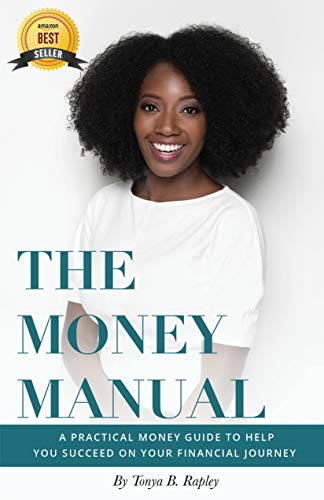
5. The Money Manual: A Practical Money Guide to Help You Succeed on Your Financial Journey By Tonya Rapley
This book is divided into three sections:
Building a Foundation: This section teaches the basics of financial literacy, including budgeting, saving, and planning.
Establishing Goals: This section focuses on creating and executing a plan to reach financial goals.
Taking Action: In the final section, you’ll learn how to make your financial goals a reality, including strategies for investing, debt management, and building wealth.
6. Financial Freedom for Black Women: A Girl’s Guide to Winning with Your Wealth, Career, Business, and Retiring Early —With Real Estate, Cryptocurrency, Side Hustles, Stock Market Investing, & More! by Brandie Brookes
This book addresses the unique challenges Black women face when trying to build wealth. It offers realistic advice on topics such as budgeting, investing, and building credit, as well as strategies for tackling debt and how to build generational wealth.
It also includes inspiring stories of successful Black women who have achieved financial freedom.
7. Clever Girl Finance: Ditch Debt, Save Money, and Build Wealth by Bola Sokunbi
This book is broken into three parts:
Money Mindset: Sokunbi discusses how to develop a positive relationship with money, including how to identify and change negative money thoughts and beliefs.
Get Control of Your Finances: This section focuses on money management, from budgeting and tracking expenses to setting financial goals and building an emergency fund.
Get Rich: This section covers strategies to grow wealth, such as investing, starting a side hustle, and building passive income streams.
Sokunbi also provides actionable advice, inspiring stories, and personal anecdotes to help her readers gain financial freedom.
8. Fearless Finances: A Timeless Guide to Building Wealth by Cassandra Cummings
This book covers budgeting, saving, investing, debt management, insurance, and retirement planning.
Cummings provides clear instructions and strategies to help you make smart financial decisions, overcome your fears around money, build a legacy of wealth, and achieve long-term financial security.
We hope these black female authors will inspire you to take your finances seriously this year.
Self-help books can be a great resource when it comes to self-improvement and boosting your career. From improving your communication skills and building relationships with colleagues to nurturing your confidence and self-esteem, books can give us the tools and strategies to find success at work.
From new releases to bestsellers, here are some of the best reads about cultivating a healthy, fulfilling career in the modern workplace.
1. Why Has Nobody Told Me This Before? by Dr Julie Smith (2022)
It’s no secret that our workplaces are unhealthy. Excessive workloads, stagnant pay, job insecurity, discrimination and toxic cultures and environments have had a serious impact on our mental health. According to a survey of 30,000 people by AXA UK and Centre of Economic and Business Research, more than a fifth (21%) of UK adults are in emotional distress, defined by the study as ‘struggling’.
Although self-help books are no replacement for professional support and treatment, having a practical guide can help – something clinical psychologist Dr Julie Smith provides in her latest book. It’s an easy-to-understand therapy toolkit designed to help readers understand and manage various mental health challenges from anxiety and depression to low motivation.
2. If You Could Live Anywhere by Melody Warnick (2022)
Until fairly recently, your job dictated where you lived. If you wanted to work in publishing, you lived in London. Launching an app meant living in San Francisco. But now, with more people choosing to work from home either full-time or part-time, where we live is less dependent on our jobs.
Almost half of working adults were working from home at times during the COVID-19 pandemic. According to ONS data, 24% of people worked from home part-time in May 2022 – and more than eight in 10 workers said they planned to do hybrid work in the future. However, the place you call home still matters and finding the right place is essential for your happiness. Melody Warnick looks at how to find the right location for you while doing the job you love.
3. How To Make Affirmations Work For You By Esther Ijewere (2023)
How To Make Affirmations Work For You helps you disrupt negative thinking habits and build a new route in your brain for positive thoughts. Eventually, positive thought patterns appear, and your good thoughts affect your actions. It could help you learn new skills, succeed at work, or improve relationships.
Esther’s book is available for order via book.estherijewere.com
This book will get you inspired by tapping into that awesome feeling of empowerment and self-belief that affirmations can create. And you start projecting the energy to the world, and the confidence to yourself, that you are ready to achieve these goals. It also helps your self-esteem to naturally boost. It helps to replace negative thoughts with positive ones. They harness the mind’s power by directing your intentions toward your best self and your happiest.
Esther’sbook helps you focus on affirming your self-worth by reflecting on your core values and helping give you a broader view of yourself. It is available in E-book and paperback.
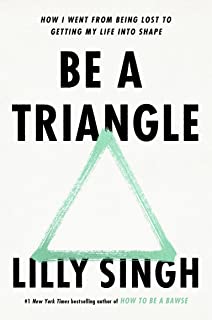
4. Be A Triangle by Lilly Singh (2022)
Research suggests self-esteem is linked to positive work outcomes, such as job satisfaction and higher income. However, a lack of self-esteem and confidence at work is something many of us struggle with. According to one 2019 study, 79% of women and 62% of men regularly feel a lack of confidence on the job. Imposter syndrome, doubting your abilities and feeling like a fraud, is common.
Comedian Lilly Singh, the New York Times bestselling author of How to Be a Bawse, suggests that triangles are the ideal model for building self-esteem in this short book. Triangles have got a strong foundation and they are difficult to knock over – an ethos we should apply to ourselves.1,
5. Presence by Amy Cuddy (2015)
Even the most confident of us get anxious from time to time, whether it’s in a job interview or before a big presentation. Frustratingly, these jitters can stop us showcasing our skills and abilities – and can set us back when it comes to career progression.
Harvard Business School professor and social psychologist Amy Cuddy examines how to overcome anxiety in stressful situations with some helpful, practical tips. She looks at how the mind and body are connected and how body language and posture can be used to overcome nerves.
I was a teacher, coach, and education administrator for 44 years – 10 years at the high school level and 34 at the collegiate level. I also organized and directed basketball camps and clinics throughout America and in four European countries.
I was privileged to work with a good number of people who excelled at work, which led them to successful careers.
Through the years, I observed 5 characteristics that I thought led all the successful people I encountered to excel in their work. Here are five mindsets to adopt to excel in work and your career.
1. Humility
The most successful people I worked with were humble from their first through their last day at work. I found that people who made it to the very top of their professions in business, education, law, or medicine were humble people. The willingness to admit that there is more to learn is the mark of an excellent leader.[1]
Incongruously, people who were trying to excel in their work but had not reached the top were the arrogant, egotistical ones. This seemed to be a recurrent occurrence.
For its 75th anniversary, Fortune Magazine dedicated the entire publication to one concept – decision-making. They interviewed leaders from the business, military, education, and political worlds.
I thought the most insightful interview was with Jim Collins, author of Good to Great. His comment was that the most important decisions made in the last 25 years in American boardrooms, regardless of the business, all began with the leaders saying the same 3 words, “I don’t know.”
I have worked with leaders who knew. In fact, to say I worked “with” them is a misnomer. Nobody could work “with” them because they already had all the answers.
I also worked with leaders who, when tough decisions had to be made, called in their principal people. They were not afraid to say, “I don’t know how we should handle this issue, but let’s put our heads together and find the best solution.”
I found these humble leaders to be the most secure and strongest leaders I ever worked with.
John Wooden, the iconic UCLA basketball coach, summed up humility when he wrote:[2]
Talent is God-given, be humble. Fame is man-given, be thankful. But conceit is self-given, be careful.
2. Caring
People who excel at work care about their fellow workers. Caring about people is one of the elements of Wellness-Centered Leadership, or leadership that is designed to empower and foster professional fulfillment.
3. Extra Mile
Successful people always do more than is expected of them.
When problems arise, people who excel at work do whatever it takes to resolve the issue. They do not have to be asked; they are always ready to go the extra mile.
My fellow coach and great friend, Jack Hermanski, worked with Special Education students. He was a “traveling” teacher who worked with students at ten schools in his district. Like many school districts, budgets were minimal in Jack’s district. Jack was committed to teaching his students and refused to let budgets impede his serving his kids.
Having to travel daily from school to school, Jack kept all his equipment in his truck. But there was something different about the equipment in Jack’s truck. He bought all of it!
Jack went the extra mile to provide his students with the best educational experience possible.
4. Listening
I am convinced the skill of listening can never be overemphasized. We have numerous classes in speaking in our college courses, but I believe a mandatory class in LISTENING within the general education requirements would be of more benefit to the students. Active listening imparts approachability, and it is a valued skill.[4]
Rather than giving you my perspectives on listening, let me share the wisdom of some thought leaders on listening:
“One of the most sincere forms of respect is actually listening to what another has to say.” – Bryant H. McGill
“Listening is one of the loudest forms of kindness.” – Anonymous
“Most of the successful people I’ve known are the ones who do more listening than talking.” – Bernard Beruch
“Courage is what it takes to stand up and speak; courage is also what it takes to sit down and listen.” – Winston Churchill
“God gave us a mouth that closes and ears that don’t. That must tell us something.” – Anonymous
“Most people don’t listen with the intent to understand; they listen with the intent to reply.” – Stephen Covey
“I remind myself every morning: Nothing I say this day will teach me anything. So, if I am going to learn, I must do it by listening.” – Larry King
“You cannot truly listen to anyone and do something else at the same time.” – Scott Peck
I never thought of this before. Have you? “The word listen has the same letters as silent.” – Alfred Brendel
People who excel at work have developed the skill of listening.
5. Consistency of Effort
I used to think that effort was the key to athletic success. I no longer believe this for athletics or any profession. I believe the difference between good and great in any endeavor is the consistency of effort.
No one has their “A” game every day, but the great ones develop the ability and the mindset to reach down and bring the best they have every day.
Good athletes can find their best effort periodically. Great athletes have mental toughness once they tie up their shoes for practice and walk onto the field or court to reach maximum effort immediately.
In his famous Pyramid of Success, John Wooden defines success in this way:
Success is peace of mind which is a direct result of self-satisfaction in knowing you made the effort to become the best of which you are capable.
Bottom Line
It is critically important to accept that there are no shortcuts to success. When you can consistently bring the best you have each day, you will know how to excel in your career and how to have a success future.
To excel at work: Be humble. Be caring. Go the extra mile. Be a listener. Be a life-long learner. Bring consistency of effort.
In recent years, the landscape of business and entrepreneurship has witnessed a remarkable rise in women-led organizations, with women breaking barriers and making their mark in various industries. Canada, known for its commitment to diversity and equality, is home to numerous women-led organizations that are driving innovation, making a difference, and inspiring future generations. In this article, we celebrate the achievements and highlight the stories of thirteen exceptional women-led organizations in Canada
1. Canadian Women’s Foundation
As one of the largest women’s foundations in Canada, the Canadian Women’s Foundation works to address gender inequality and support women’s economic empowerment, ending gender-based violence, and promoting girls’ rights. They invest in community programs and initiatives that create lasting change.
2. Women of Influence
Women of Influence is a platform that celebrates and supports the advancement of women in leadership positions. Through their events, media, and community initiatives, they amplify the stories and achievements of influential women across various sectors.
3. Women of Rubies Inc.
Women of Rubies is not only a women’s platform dedicated to highlighting female business owners worldwide but also a boutique communications firm providing comprehensive public relations solutions in events, marketing, reputation management, media relations, and strategy. Established by Esther Ijewere, a highly acclaimed media personality and public relations strategist, this platform has successfully showcased and celebrated the achievements of more than 5000 women globally.
4. CIBWE
CIBWE, which stands for Canada International Black Women Excellence, is a distinguished Canadian organization dedicated to celebrating, empowering, and advancing the achievements of Black women across the country and beyond. Founded on the principles of equality, inclusivity, and empowerment, CIBWE strives to create a platform that not only recognizes the remarkable contributions of Black women but also provides them with the tools and resources they need to thrive.
This dynamic organization serves as a beacon of hope and inspiration for Black women, offering support in various aspects of their lives, from education and entrepreneurship to leadership and community engagement. CIBWE believes in the power of unity and collaboration, bringing together diverse voices and talents to foster positive change and break down barriers.
With a commitment to excellence and a focus on creating opportunities for personal and professional growth, CIBWE continues to be a driving force in promoting the success and well-being of Black women in Canada and making their voices heard on the global stage. Through its initiatives, events, and advocacy, CIBWE shines a spotlight on the outstanding achievements of Black women while paving the way for a more inclusive and equitable future.
5. Total Mom Inc
Total Mom Inc. Canadais an organization that focuses on supporting and empowering mothers in Canada. It is a platform that provides resources, community, and opportunities for personal and professional growth for moms.
Total Mom Inc. offers a wide range of services and programs to cater to the diverse needs of mothers. They provide educational resources, workshops, and events that cover various topics such as parenting, career development, self-care, and entrepreneurship. Through these offerings, they aim to equip moms with the knowledge, skills, and support they need to thrive in all aspects of their lives.
Additionally, Total Mom Inc. provides networking opportunities and a sense of community for mothers. They facilitate connections among moms, creating a space where they can share their experiences, offer support, and build meaningful relationships. The organization understands the importance of a strong support system and strives to create a community that celebrates and uplifts moms.
Total Mom Inc. also collaborates with businesses and brands to create opportunities for moms to pursue their passions and interests. They connect moms with brands that align with their values and provide platforms for them to showcase their talents and expertise.
6. The Canadian Association of Women Executives & Entrepreneurs (CAWEE)
CAWEE is a prominent organization that supports and advocates for women executives and entrepreneurs in Canada. They offer networking opportunities, educational programs, and resources to enhance the professional growth and success of women in business.
7. Women’s Entrepreneurship Knowledge Hub (WEKH)
WEKH is a national organization that promotes research, knowledge-sharing, and collaboration to advance women’s entrepreneurship in Canada. They work towards creating a supportive ecosystem for women entrepreneurs through partnerships and initiatives across the country.
8. Women in Communications and Technology (WCT)
WCT is a national organization focused on advancing women’s leadership and inclusion in the communications and technology sectors. They provide mentorship, professional development programs, and networking opportunities to empower women and promote diversity in these industries.
The range of services offered by Women of Rubies encompasses various areas, including product launches, influencer programs, PR strategy development, media training, event management, experiential marketing, and corporate communications support.
9. Black Mom Connection
Founded by award-winning event planner and creative storyteller Tanya Hayles, Black Moms Connection started with a group of 12 women in Toronto looking to create a safe space to ask culturally relevant questions and get culturally relevant answers. Since its inception, this once local grassroots organization has evolved into an online global village of more than 16,000 people with chapters in a variety of North American cities and in Asia. As a registered non-profit organization, Black Moms Connection offers culturally relevant tools and resources to empower and educate Black women. Workshops and sessions range from special needs education to financial literacy, encouraging mothers to increase the social, emotional, financial, and well-being of the Black family.
10. Afro Women and Youth Foundation
Afro Women and Youth Foundation Canada is an organization dedicated to empowering and uplifting Afro women and youth in Canada. The foundation focuses on addressing the unique challenges and barriers faced by Afro women and youth, and works towards creating opportunities for their personal and professional growth.
Through various programs and initiatives, the foundation aims to promote education, entrepreneurship, leadership development, and community engagement among Afro women and youth. They provide resources, mentorship, and support networks to help individuals enhance their skills, explore career pathways, and achieve their full potential.
11. Women’s Executive Network (WXN)
WXNis Canada’s leading organization dedicated to advancing and celebrating the achievements of women in business. They provide networking opportunities, leadership development programs, and recognition through prestigious awards to inspire and empower women professionals.
12. TechGirls Canada
TechGirls Canada is a national organization that advocates for diversity and gender equality in the tech industry. They work to create inclusive environments and provide resources, mentorship, and support for women and girls pursuing careers in technology.
13. Black Women In Motion
Founded by Monica Samuel, Black Women in Motionis a Toronto-based, youth-led organization that empowers and supports the advancement of Black women, gender-non-confirming, and non-binary survivors of gender-based violence. As an educator, community builder, social entrepreneur and DEI consultant, Monica has spent the past decade focusing on anti-oppression, equity, mental health, sex positivity, and consent. She’s known for her creation of culturally centred spaces for learning, unlearning, and self-expression.
Programs include the Black Youth Employment Assistance Program, Black Peer Education Network, Love Offering Community Emergency Relief Fund, and other wellness initiatives, internships, and workshops. The organization offers a number of ways for interested parties to get involved from monetary donations, corporate partnerships, non-monetary gifts, and volunteer opportunities. While this organization is Toronto-based, they’re bringing education and community to a much broader audience.
14. Native’s Women Association of Canada
The Native Women’s Association of Canada (NWAC) is a National Indigenous Organization representing the political voice of Indigenous women, girls, and gender diverse people in Canada, inclusive of First Nations Peoples on and off reserve, status and non-status, disenfranchised, Métis, and Inuit.
NWAC was founded to enhance, promote, and foster the social, economic, cultural, and political well-being of Indigenous women. An aggregate of Indigenous women’s organizations from across the country, NWAC engages in national and international advocacy aimed at legislative and policy reforms that promote equality for Indigenous women, girls, Two-Spirit and gender diverse people, including LGBTQIA+ people.
NWAC works on a variety of issues such as employment, labour and business, health, violence prevention and safety, justice and human rights, environment, early learning childcare, and international affairs.
15. The Period Purse
As most good stories do, this one started with one woman and her desire to help. Wondering how those experiencing homelessness would gain access to period products, Jana Girdauskas, a teacher and mom, filled one purse with menstrual supplies and other hygiene items, ready for someone in need. She put a request out on Facebook and within a month she received 350 purses filled with donated products. That was 2017. Today, The Period Purse is Canada’s first and only registered charity dealing with menstrual equity and has chapters across the country.
They’ve donated more than 2.5 million period products since their inception. With a focus on reducing the stigma surrounding periods through education and advocacy, The Period Purse provides a number of opportunities for those interested in volunteering their time, items or financial support to the cause. With the announcement in Ontario around making period products available for free to students in schools, period equity has certainly been top-of-mind.
The rise of women-led organizations in Canada is a testament to the incredible talent, resilience, and determination of women entrepreneurs and leaders.
The thirteen organizations highlighted in this article are just a snapshot of the diverse and impactful initiatives being spearheaded by women across the country.
Through their visionary leadership, these organizations are breaking barriers, inspiring change, and creating a more inclusive and equitable society. As we celebrate their achievements, let us continue to support and uplift women-led organizations, amplifying their voices and ensuring their continued success.
Do you suffer from recurrent headaches, insomnia or inability to have a relaxing sleep, stomach upset, and lack of appetite, low energy, mental distress, emotional imbalance, and irritation?
You need some self-care ASAP.
If at any point in your life you are unable to create a balance, then you need self-care. For example, if you live with a bunch of crazies as roommates and are always unhappy or stressed, self-care is the answer.
Self-care is the act of deliberately indulging in activities that make us burst forth like a spring bloom. It means taking control of your emotional, physical, mental, financial, spiritual, and every other aspect of your life. Every step you take to cater to the well-being of yourself is self-care. After all, who would not want some minutes, hours, or days of self-love? There is the need to recharge, be refreshed, and be ready for the road ahead, and having a self-care routine will help you achieve these.
Before forging ahead, remember that self-care is different for everyone. It is not a one-size-fits-all thing. The best part about self-care is to do what is good for you.
Self-care refers to different things for different people. For some, a day in bed without disturbance or watching their favorite movies is self-care. However, it is crucial to note that everyone approaches this seemingly simple activity differently.
So, what are the benefits of self-care?
Self-Care Improves Your Physical Health – Self-care reminds you to critically look at yourself and improve on it. Simple activities like brushing, flossing, exercising, sleeping, or eating well are things we often forget to do as we pursue the good life, but they are beneficial to our personal well-being.
Self-Care Reduces Stress, Anxiety, and Depression – This idea is tied to the point above. Simple practices like running a bath, yoga, meditation, music, or indulging in a favorite hobby are self-care ideas. They also allow you to relax, calm your mood, and boost your mental health and consequently, your overall well-being.
Self-Care Prevents the Onset of Mental Health Issues – Simple changes to your routine like eating well, sleeping longer, taking a day off to relax are ways to help restore and maintain your sanity. While self-care is not a substitute for professional help, it is a reliable way to prevent and manage mental health issues, especially in women.
Self-Care Increases Self-Esteem and Self-Confidence – Self-care allows you to concentrate on the things that make you happy. For example, by taking a longer bath, you become more relaxed and sure that your skin is refreshed, which also boosts your self-worth and confidence.
You live in such a demanding and hectic world and sometimes, life can get so busy and overwhelming that you forget to care for yourself. These self-care ideas allow you to create a comfortable balance to the chaos around you.
Women all over the world are working themselves to death. Whether as a career women, a mom, a wife, a friend, a confidant, or whatever, they are always in a hurry to satisfy everyone but themselves.
An African proverb says, “no matter how much you solve people’s problems, it will never run out.”
However, you can run out if you do not slow down. So, go at your pace. Happiness starts with you.
Here are 12 self-care ideas and routines for women.
1. Go for a Medical Check
Go for a medical check—and I do not mean over-the-counter chatting with the friendly pharmacist, but in a real hospital. A medical check is not necessary because something is wrong but to ensure nothing is going wrong. Many women, especially those in their early 40s, 50s, or even late 30s, never get a medical routine until something goes wrong. Do not wait to be a victim of life’s unbalances—go for a medical check today.
2. Be Kind to Yourself
For some funny reason, women are never kind to themselves. They live in this mental bubble that everyone’s kindness is ours. Hold it and take a couple of steps back.
No, your happiness is just as important as the next person. Sacrifice is a woman’s thing, but self-neglect and denial are not a part of it. If you can be kind to others, be kind to yourself, too.
3. Take a Spa Day
You deserve it, and it is a relaxing way to knock aches and pains away with a deep massage, pedicure, manicure, and facial. You will come out of it looking sexier, more confident, and more relaxed.
4. Do Something You Love and Enjoy
This can be anything you love but have not done in a long time. It can be reading a book, having a lunch date with your girlfriends, or glancing through your favorite magazine. Remember, it must be something that you love doing.
5. Define a Morning Routine
How are your mornings like? If it is like the regular, change it. Add some warm lemon water as a detox start, plank for 30 seconds to boost your strength, and eat breakfast. The goal is to do something that triggers your happy hormones and makes your day as bright as the sun.
6. Start a Self-Care Journal
Journaling has become a viral habit since the pandemic. Not only does it remind you of where you are, but it is also a technique to unwind emotionally and mentally. If you haven’t started a journal, this is the time to do just that. Overall, journaling is a great way to reflect on each day and its impact on you.
7. Take Your Sleep Time Seriously
Women are the first to wake up and the last people to sleep every night. While it is a good habit to watch over those you love, you need to love yourself too, and sleep is a relaxing way to start. Create a sleep routine and stick to it.
For example, make it a priority to sleep by 9 pm and wake at 5 am. This gives you about eight hours of sleep, which is good. Never push your tiredness beyond the boundaries of your strength. Sleep.
8. Learn to Say No
Nobody ever died from saying or hearing the words “no,” so learn it. You cannot give what you do not possess and believe me, selfish love is never a good thing. If you cannot do a task, just say no.
9. Be Unapologetic About Your Actions
Aren’t you tired of explaining your life to everyone? Stop it! This is the time to quit being apologetic for begin you and just live life. If you know in your heart that your actions are healthy, beneficial, and productive, never apologize.
10. Forgive Your Past
If there is one thing that is holding you back from enjoying your present, it is your past. We all have pasts, some of them we overlook, and others we cannot move past it. The only reason is our inability to forgive. Settle down, go through it and forgive. You do not have to understand it, you just have to move on.
11. Bask in the Silence
The world is too noisy, and we are constantly in the middle of chaos. If you have never tried this as a self-care idea, include it in your next day off. There is the need for stillness to enable us to appreciate our surroundings. Acts of silence could be watching the sunset or drinking your morning coffee without any interruptions.
12. Practice Conscious Living
Conscious living is being aware of your every move, decision, and its effect on your life and others. Most times, we drift through life like a piece of log on an open ocean with no sense of direction. When you practice conscious living, you are aware of yourself and what your presence signifies in the world around you.
How to Create a Self-Care Routine
In addition, here are some tips and ideas on how to create a self-care routine:
Do the things you loved or love.
Go back to the simple things of life.
Be aware of your current situation (do not do more than what you can handle).
Remember that it is about yourself first.
Do not wait until the weekend. Use every free time you have.
Start small and be consistent.
Focus on activities that build you physically, emotionally, and mentally.
Repeat the ideas that work well and add something new.
Use sticky notes to remind yourself.
It is not about perfection.
Go at your own pace.
Final Thoughts
Now, these are self-care ideas that anyone can add to or take away from, but make sure you choose practices that work for you. Remember to include activities that boost your mental and emotional health, too.
Self-care is not just about physical health and outward appearances. It is a complete method of transforming yourself by caring about your needs.
For working mothers, the juggling act of managing a careerwhile nurturing a family is a demanding yet deeply rewarding journey. As they strive to strike a harmonious balance between professional aspirations and maternal duties, working moms can benefit from practical strategies to navigate this intricate dance. Here are some invaluable tips to empower and support these multitasking marvels in their pursuit of both career success and fulfilling motherhood.
1. Embrace Time Management Strategies
Efficient time management is the linchpin for working mothers. Adopting strategies like prioritizing tasks, setting realistic goals, and leveraging productivity tools can help streamline responsibilities both at work and home.
2. Cultivate a Support System
Building a robust support network is crucial for working moms. Whether it’s a reliable babysitter, supportive family members, or understanding colleagues, having a strong support system ensures a safety net during challenging times.
3. Establish Boundaries
Define clear boundaries between work and personal life. Setting specific work hours and designating personal time fosters a healthier balance, allowing working moms to be fully present in both professional and familial spheres.
4. Embrace Flexibility
Flexibility is key in the life of a working mom. Seek flexible work arrangements, explore remote work options, or negotiate adaptable schedules to accommodate unexpected family commitments while fulfilling professional responsibilities.
5. Prioritize Self-Care
Amidst the demands of motherhood and career, self-care often takes a back seat. However, prioritizing personal well-being is crucial. Whether it’s allocating time for exercise, relaxation, or pursuing personal interests, self-care enhances overall resilience.
6. Efficient Meal Planning
Simplify meal planning to save time and ensure a balanced diet for the family. Batch cooking, meal prepping, and involving family members in cooking activities can make the dining experience enjoyable and stress-free.
7. Delegate Responsibilities
Delegating tasks, both at home and work, is a powerful strategy. Assigning age-appropriate responsibilities to children and collaborating with partners on household chores can lighten the load, promoting a more equitable distribution of responsibilities.
8. Nurture Open Communication
Open communication is vital for a harmonious family life. Discussing expectations, challenges, and successes with both family members and colleagues fosters understanding and support from all fronts.
9. Set Realistic Goals
While ambition is commendable, setting realistic goals is key. Recognize the limitations of time and energy, and establish achievable milestones both in your career and personal life.
10. Celebrate Achievements, Big and Small
Acknowledge and celebrate achievements, no matter how small. Working moms often wear multiple hats, and taking a moment to recognize accomplishments contributes to a positive mindset and reinforces the value of their efforts.
In the intricate dance of motherhood and career, working moms are resilient, resourceful, and remarkable. By embracing these tips and recognizing the unique balance they bring to the table, working mothers can navigate this challenging yet fulfilling journey with grace, confidence, and success.
In the hustle and bustle of daily life, maintaining a healthy lifestyle often takes a back seat, especially for busy women juggling multiple roles. However, prioritizing well-being is paramount for sustained energy and vitality. Here are seven practical and achievable healthy living habits tailored to fit the hectic schedules of today’s dynamic women.
1. Efficient Fitness Routines
With time being a precious commodity, efficient fitness routines become key. Incorporate short, high-intensity workouts or interval training that can be seamlessly integrated into a busy day. Aim for at least 30 minutes of physical activity most days, whether it’s a brisk walk, a quick home workout, or a dance session.
2. Nutrient-Rich Recipes
Fuel your body with nutrient-rich meals by planning and preparing simple, yet nourishing recipes. Opt for balanced meals that include a variety of colorful fruits and vegetables, lean proteins, whole grains, and healthy fats. Batch cooking on weekends can save time during the week and ensure you have wholesome options readily available.
3. Hydration is Non-Negotiable
In the midst of hectic schedules, staying hydrated often takes a back seat. However, adequate water intake is crucial for overall well-being. Keep a water bottle with you throughout the day and set reminders to ensure you’re consistently meeting your hydration goals.
4. Mindful Eating Practices
Practice mindful eating to cultivate a healthier relationship with food. Take the time to savor each bite, listen to your body’s hunger and fullness cues, and avoid distractions like screens during meals. This approach not only contributes to better digestion but also encourages healthier food choices.
5. Prioritize Stress Management
Stress is an inevitable part of a busy life, but effective stress management is key. Incorporate stress-relief practices such as deep breathing exercises, short meditation sessions, or even a brisk walk during breaks. Prioritizing mental health contributes significantly to overall well-being.
6. Quality Sleep Matters
In the midst of packed schedules, sleep is often sacrificed. However, quality sleep is foundational for physical and mental health. Establish a consistent sleep routine, create a conducive sleep environment, and aim for 7-9 hours of sleep each night to support optimal well-being.
7. Schedule ‘Me Time’
Amidst the demands of work and family, scheduling ‘me time’ is crucial. Dedicate moments in your week to activities that bring joy and relaxation, whether it’s reading a book, enjoying a hobby, or simply unwinding with a warm bath. Prioritizing self-care contributes to a more balanced and fulfilling life.
In conclusion, weaving these healthy living habits into the fabric of a busy life can lead to a more energized, focused, and resilient you. Embrace these habits gradually, tailoring them to your unique schedule and preferences, and witness the positive impact on your overall well-being. Remember, a healthier you is better equipped to conquer the demands of a busy life with grace and vitality.
Amidst the dynamic landscape of personal finance, the commencement of a new year presents an opportune time to reassess and refine your financial objectives. Stepping into 2024, let’s delve into essential tactics for attaining financial well-being, and laying the groundwork for a stable and flourishing future. Here are 10 pathways to achieving financial prosperity in 2024.
1. Set Clear Financial Goals
Begin by defining your financial objectives for the year. Whether it’s saving for a home, investing in education, or building an emergency fund, setting clear and achievable goals provides a roadmap for your financial journey.
2. Create a Realistic Budget
Crafting a detailed budget is fundamental to financial success. Evaluate your income, track your expenses, and identify areas where you can save or cut back. A well-planned budget serves as a powerful tool to manage your money efficiently.
3. Diversify Your Investments
Explore diverse investment opportunities to maximize returns and minimize risks. Consider a mix of stocks, bonds, and real estate, aligning your investment portfolio with your risk tolerance and long-term financial objectives.
4. Leverage Technology for Financial Management
Embrace financial technology tools and apps that can streamline budgeting, expense tracking, and investment management. These tools provide real-time insights into your financial health and empower you to make informed decisions.
5. Prioritize Debt Repayment
Tackle high-interest debts strategically. Prioritize repayment of loans and credit card balances to reduce interest payments and free up resources for savings and investments.
6. Enhance Financial Literacy
Stay informed about financial trends, investment strategies, and economic indicators. Continuous learning empowers you to make informed financial decisions and adapt to evolving market conditions.
7. Emergency Fund Building
Aim to build a robust emergency fund to cover unexpected expenses. Having a financial safety net provides peace of mind and prevents the need to dip into long-term investments during unforeseen circumstances.
8. Explore Additional Income Streams
Diversify your income streams by exploring side hustles, freelance opportunities, or passive income sources. Supplementing your primary income enhances financial stability and accelerates wealth-building.
9. Review and Adjust
Regularly review your financial plan and make adjustments as needed. Life is dynamic, and so should be your financial strategy. Be flexible and ready to adapt to changes in your personal or economic circumstances.
10. Seek Professional Advice
Consider consulting with financial advisors or experts to receive personalized guidance based on your unique financial situation. Professional advice can provide valuable insights and strategies tailored to your goals.
Conclusion: A Prosperous Financial Future Awaits
As we step into 2024, implementing these financial strategies can pave the way for a year of financial prosperity. With careful planning, disciplined execution, and a commitment to financial well-being, you can unlock new opportunities and build a foundation for lasting success. Cheers to a financially thriving year ahead!
Being paid your worth in a career of your choice would make you realize that sometimes money can buy happiness. It can certainly make sad days a lot more comfortable!
Work is work, no matter who you are, so being influenced by salary when making a career decision is actually a pretty practical way to look at it. Some of the top careers out there are also the kind we dream of becoming when we’re little kids: who remembers wanting to be a vet when they were younger?
Here are some of the highest paying careers to pursue:
1. Anesthesiologists
The number one highest paying job in America is currently an anesthesiologist. The average annual wage of an anesthesiologist in 2018 was $267,020. This is an astounding amount for people who simply implement anesthetic procedures before surgery.
To become an anesthesiologist, you have to go to medical school for four years. Before this, you must pass the Medical College Admission Test (MCAT). This is the standard for being admitted to medical school. After this, you have to get a license, do a four-year residency, obtain a state license, and finally become board certified. Don’t worry: you do start earning a salary during these stages.
2. Airline pilots, co-pilots, and flight engineers
If you want to be a pilot,you don’t actually have to have a Bachelor’s degree, but it will certainly help your career path. You have to get a student pilot certificate and a medical certificate in order to fly a plane solo. After this, there are different kinds of licenses you need depending on the specific type of flying you wish to do. To fly for a major airline, for example, you need to earn your Airline Transport Pilot (ATP) certificate.
A pilot and co-pilot require the same qualifications. Most pilots will begin their careers as co-pilots and will work their way up. A flight engineer assists the pilot(s) and checks systems and instruments to ensure safety and effectiveness. All three earn an average salary of around $150,000 per year.
3. Petroleum Engineers
Petroleum engineers source materials for human energy consumption, and design and develop methods in order to make extraction as efficient and economical as possible. The average annual pay of a petroleum engineer is $129,990. As with most jobs, salaries depend on what state you live in and also depend heavily on experience.
In order to qualify as a petroleum engineer, you need to study for a Bachelor’s degree in either petroleum, mechanical, or chemical engineering. You may then need to gain experience as an apprentice or volunteer. You might also want to continue further study to make your CV more competitive, but this step isn’t actually necessary.
4. Oral and Maxillofacial Surgeons
Oral surgeons are pretty much-glorified dentists who focus on tasks like pulling out wisdom teeth, while maxillofacial surgeons do procedures that have something to do with the jaw. Anesthetic procedures are sometimes included in the work of maxillofacial surgeons. These surgeons earned an average of $242,370 in 2018.
To become an oral or maxillofacial surgeon, you can choose two routes. You can either go to dental school then apply for a surgical residency (four to six years). After this, you can take exams to be board certified. Alternatively, you can earn a dual degree as both a dentist and medical doctor. This degree usually takes about six years to complete, but at the end of it you come out with two degrees. Residency requirements are embedded into the course credits of this degree.
5. Financial Advisors
A financial advisor provides advice about how to spend, save and invest money. They will often provide tailored plans to their clients to achieve a long-term goal such as retirement or investment opportunities. To become a certified financial advisor, you have to earn a Bachelor’s degree, complete a course of study that is certified, and then pass a certification exam.
Your initial Bachelor’s degree can be in any subject, but you must complete certain topics at a college level to be fully qualified. These include insurance planning, income tax planning, and estate planning (to name a few). The median pay of a financial advisor is approximately $90,000.
6. Obstetricians and Gynecologists
Obstetricians and gynecologists both specialize in female reproductive health to some degree. Where gynecologists do things like cervical screening and general check-ups pertaining to reproductive health, obstetricians are more hands-on and are focused on the care of pregnant women. This will often include prenatal and postnatal care and also child delivery.
In 2018, obstetricians and gynecologists earned an average of $238,320 for the year. Many people in these careers are known as ‘ob/gyns’ because they can fulfill both roles. In order to become a qualified ob/gyn, you start by completing a Bachelor’s degree in any science subject. Biology is a good choice for this career. After this, you must attend medical school, complete a residency, and finally become certified.
7. Orthodontists
Orthodontists are a type of dentist who specialize in braces and other corrective measures. There are currently over 5,000 orthodontists in America, who earned an impressive $225,760 in 2018. The difference between oral surgeons and orthodontists is quite significant. This might be due to the fact that oral surgery generally involves complex surgical procedures.
It’s certainly interesting to see that specific roles within wider fields command different pay structures: one would think a dentist is a dentist, but these statistics show otherwise. The path to becoming an orthodontist is a long one: after completing a (generally) four year Bachelor’s degree, you have to go to dental school for four years and then do a residency of two to three years. After this, you have to complete certain tests in order to become board certified.
8. Psychiatrists
Psychiatry is an interesting addition to our list of highest-paying careers. Psychiatry is often considered one of the more artistic, or non-scientific, sciences. In other words, it’s often debated whether psychiatry is really a science or a humanities subject.as it involves the study of human behavior and psychosis.
However, in the United States, the training requirements to be a psychiatrist as the same as any medical doctor. So, in order to become a psychiatrist, you have to do a Bachelor’s degree, then attend medical school, and complete a residency to become board certified. In 2018, psychiatrists earned an average of $220,380 per annum.
9. Family and General Practitioners
A general practitioner is someone who went through medical school but only did the essential qualifications to become a doctor. A family practitioner, then, is really the same thing. They’re just called a family practitioner because they often have a lot of families who visit their clinic.
Doctors in fields like surgery and anesthesiology have to do more training in order to become qualified. A general practitioner is the doctor you go to at your local clinic when you have a mild illness such as flu, or afflictions such as a recurring headache or if you want to know why you feel tired all the time.
Family and general practitioners, despite their lack of specialty, still make a substantial salary. In 2018, the average salary for family and general practitioners was $211,780.
10. Computer and information systems managers/ IT Managers
An IT manager is a technical expert who oversees the installation, maintenance, and security protocols for IT systems. They also manage other team members to ensure a smooth operation. Software companies also hire IT managers to install the software they have designed into the systems of their clients.
To become an IT manager, you have to study a relevant Bachelor’s degree in a computer-related field. After this, you take on entry-level roles and gradually build up experience and expertise. The longer you work in the field, the more experienced you are. Eventually, you’ll be confident enough to apply for leadership and managerial roles. IT managers earn an average of $86,000 per year.
11. CEOs
Chief Executive Officers are at the very top of a business hierarchy. They often manage hundreds of staff, and the financial responsibilities fall largely at their feet. You can become the CEO of your own company by starting it yourself or work your way up to become someone else’s CEO. If you’re starting your own company, you don’t technically have to complete any college degree, but you will need a lot of industry experience. If you wish to work for someone else, they will be more likely to hire you if you have a university education.
Either way, there is no official step-by-step guide to becoming a CEO. It’s all about experience and networking. CEO salaries are potentially the highest of all, depending on who you work for. There are CEOs who earn millions every year, but the average salary of a CEO working for a small company is around $100,000.
12. Speech Language Pathologists
Also known as SLPs, speech language pathologists work with people of all ages to improve speech, communication, and sometimes swallowing problems. They are also known as speech therapists, and there is no difference between the two terms.
To become an SLP, you must complete a Bachelor’s in Communication Sciences and Disorders (CSD), then a board-accredited Masters. After this, you begin a post-graduate fellowship (which you need a temporary license for), take an additional exam, and then apply for your license. The salary of a SLP ranges from $60,200 on the lower end to $96,980 on the higher end.
13. Pharmacists
Pharmacists can work in a variety of places including grocery stores or hospitals. They dispense medication, ensure correct dosages and compliance with medical regulations, and often liaise with patients regarding their overall health. To become a qualified pharmacist, you should study a board-accredited Pharmacy program, which takes six years.
The program includes a mix of coursework and work experience. Most programs have two years of taking classes and passing coursework and general exams, and then up to four years in a work setting. Once you’ve completed these stages, you must pass the licensure exam at the end of this program in order to become fully certified. The average salary of a pharmacist is an impressive $121,500.
14. Lawyers
The final installment on our list is a highly competitive career. Lawyers represent clients in trials and advise them on the best options going forward. There are many different types of lawyers that specialize in different areas: family lawyers, divorce lawyers, and so on.
To become a lawyer, you first earn a Bachelor’s degree in law, then attend law school for three years. To get into law school you have to pass an admission test known as the LSAT. After these initial years of study, you gain experience wherever you can as a sort of apprentice lawyer while working towards passing your state bar examination.
The average lawyer’s salary is $115,820. The salary you make as a lawyer depends on many factors: your success rate, experience, the size and reputation of the firm, and your general demand. For example, a lawyer who gets their client a great deal in a high-profile case followed by media can potentially earn millions a year, whereas a new lawyer starting out in a non-profit organization will be at the low end of the earning scale. For example, personal injury lawyers in New York can earn around $80,000 in a year
Many of the highest paying careers involve many years of undergraduate and/or postgraduate study, while some require tons of experience. No matter what job you’re interested in, you will always have to climb the ladder to some degree. You can never start at the top, but you will get there eventually. Good luck in your search for your dream career!