
Getting featured in the media can feel like the final achievement after weeks, months or even years of building your work. You share the link once, thank the publication and move on to the next task. However, a media feature should not disappear after one social media post.
When used strategically, one interview, profile, podcast appearance or expert contribution can strengthen your credibility, introduce your work to new audiences and generate content for several weeks. The goal is not simply to be featured. It is to turn one media feature into multiple opportunities.
Why a Media Feature Matters
A strong media feature gives your work something that self-promotion cannot always provide: third-party credibility. Someone outside your organization has considered your story, experience or expertise worthy of attention. This can help potential clients, collaborators, event organizers and journalists feel more confident about engaging with you.
The feature may also contain valuable material that can be repurposed, including:
- Your professional story
- Expert insights
- Memorable quotes
- Personal lessons
- Business achievements
- Industry observations
- Photographs and visual assets
Instead of treating the article or interview as one piece of content, think of it as a library of material that can support your visibility.
1. Share the Feature With Context
Avoid posting only the headline and link. Tell your audience why the conversation matters, what you discussed and what you hope readers will take from it. This gives people a reason to click and helps them understand how the feature relates to your work.
For example, instead of writing, “I was featured in this publication,” you could say:
“I spoke about the challenge that led me to build my business, what I have learned from serving women entrepreneurs and why visibility must be supported by a clear strategy.” This approach makes the post more personal and meaningful.
2. Extract Your Strongest Quotes
Review the feature and identify three to five statements that communicate your values, expertise or experience.
Each quote can become:
- A branded quote graphic
- A LinkedIn post
- An Instagram caption
- A short video
- A newsletter introduction
- A discussion prompt for your community
Choose quotes that can stand on their own while still reflecting the original conversation accurately. Always link back to the complete feature when appropriate.
3. Create Several Content Angles
One media feature can support several different conversations.
A founder interview might contain material about resilience, leadership, business growth, community impact and personal branding. Each theme can become a separate post.
You could create:
- A post about the story behind your business
- A lesson from an early career setback
- Three principles guiding your leadership
- A reflection on a question from the interview
- A behind-the-scenes post about preparing for the feature
- A short video expanding on an answer
This allows you to extend the life of the feature without repeatedly sharing the same message.
4. Add the Feature to Your Professional Assets
Your media coverage should be easy for the right people to find.
Add the feature to relevant platforms and documents, such as:
- Your website press or media page
- Your LinkedIn Featured section
- Your speaker profile
- Your media kit
- Your professional biography
- Your partnership proposals
- Your email newsletter
- Your event introductions
You do not need to place every feature everywhere. Select the appearances that best support the opportunity you are pursuing.
5. Use It to Strengthen Your Pitches
A relevant media feature can support future outreach. When pitching yourself for a podcast, panel, speaking opportunity or collaboration, include the feature as evidence of your expertise and ability to communicate your story.
Your message could say:
“I recently shared my perspective on this subject in an interview with [publication]. I would be glad to contribute a related conversation to your audience.”
The feature should support your pitch, not replace a clear explanation of the value you can provide.
6. Share It With People Who Already Support Your Work
Send the feature to clients, community members, mentors, collaborators and professional contacts who may find it relevant. This should not be a mass message asking everyone to promote you. Instead, explain why you are sharing it and how it connects to your relationship or shared interests.
A thoughtful message can reopen conversations and lead to introductions, invitations or partnerships.
7. Develop a Follow-Up Topic
A media feature often reveals questions that deserve a deeper conversation. Review the comments, messages and responses you receive. What did people want to know more about? Which part of your story attracted the most attention?
Use those insights to create a follow-up article, workshop, newsletter, podcast episode or resource. This is how visibility becomes useful. The feature creates attention, and your follow-up content turns that attention into deeper engagement.
8. Track What Happens After Publication
Pay attention to more than likes and shares.
Track:
- Website visits
- Newsletter subscriptions
- New enquiries
- Speaking invitations
- Collaboration requests
- Profile views
- Messages mentioning the feature
- Content topics that generated the most interest
These signals will help you understand which media opportunities support your goals and which stories resonate most strongly with your audience.
Avoid Overusing the Feature
Repurposing does not mean sharing the same link every day. Vary the format, message and platform. Allow other content to appear between posts about the feature. The aim is to extend its value thoughtfully, not overwhelm your audience.
It is also important to respect the publication’s copyright. Share short excerpts, original reflections and links to the complete article rather than reproducing the entire work without permission.
Visibility Needs a System
Media coverage can open doors, but the feature alone cannot guarantee an opportunity. Your website, social profiles, biography and contact information should clearly explain what you do and how people can work with you. When someone discovers you through the media, they should know what step to take next.
That next step might be:
- Booking a consultation
- Joining your community
- Inviting you to speak
- Purchasing a service
- Subscribing to your newsletter
- Exploring your organization’s work
A clear visibility system helps attention move toward meaningful action.
Final Thoughts
A media feature should not become yesterday’s news the moment it is published. Share it with context, extract its strongest ideas, incorporate it into your professional assets and use it to support future conversations. One well-used feature can continue building trust long after its publication date.
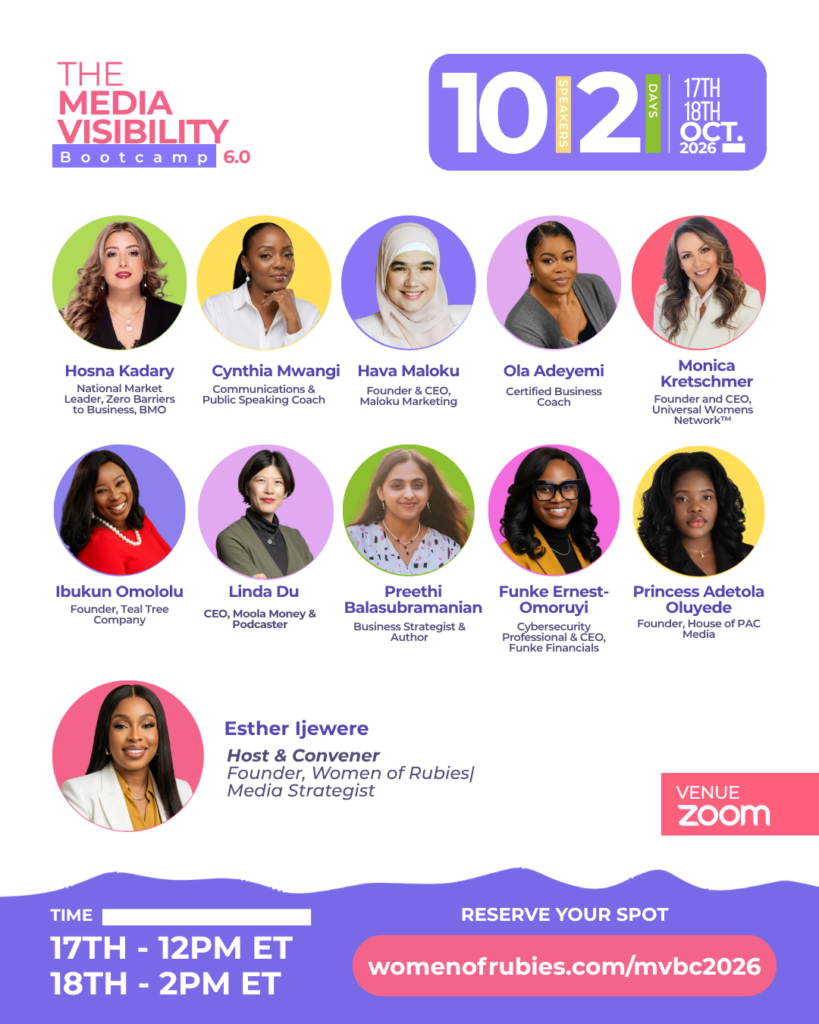
If you want to learn how to communicate your value, share your story and turn visibility into meaningful opportunities, join the Media Visibility Bootcamp 6.0. October 17–18, 2026 | Virtual
Learn more and reserve your access at womenofrubies.com/mvbc2026.