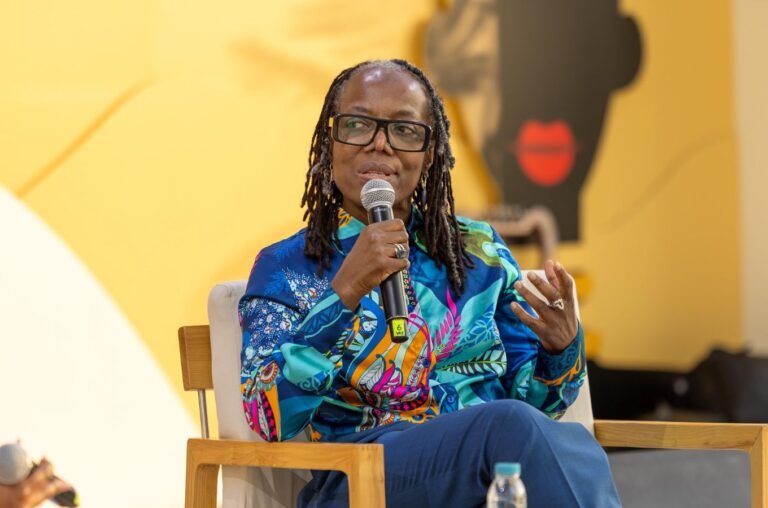
In the canon of African literature, certain voices do more than tell stories; they shift global consciousness. Tsitsi Dangarembga is one of those voices. As a Zimbabwean novelist, playwright, and filmmaker, Dangarembga carved a historic path when her debut novel Nervous Conditions became the first book published in English by a Black woman from Zimbabwe.
That milestone alone secured her place in literary history. But her impact extends far beyond a first.
The Groundbreaking Power of Nervous Conditions
Published in 1988, Nervous Conditions offered an unflinching exploration of colonialism, gender inequality, identity, and the psychological toll of societal expectations on African women. Through the story of Tambudzai, Dangarembga centered the lived experiences of young Black girls navigating patriarchy and postcolonial Zimbabwe.
The novel was later named by the BBC as one of the 100 books that shaped the world, recognition that underscores its global influence. For many readers, Nervous Conditions was a revelation. It challenged Western literary dominance while asserting African women’s narratives as complex, intellectual, and deserving of global readership.
In doing so, Dangarembga helped redefine African literature for international audiences.
International Recognition and Literary Excellence
Tsitsi Dangarembga’s body of work has earned her numerous honors, including the Commonwealth Writers’ Prize and the PEN Pinter Prize. Her novel This Mournable Body, the third installment in the Tambudzai trilogy, was shortlisted for the Booker Prize, one of the most prestigious awards in global literature.
Being shortlisted for the Booker Prize placed her among the world’s most celebrated contemporary writers, affirming her influence beyond Zimbabwe and the African continent.
Her storytelling blends political awareness with psychological depth. She examines power structures, economic instability, migration, and the intersection of gender and postcolonial identity. Her narratives are layered, intellectually rigorous, and emotionally resonant.
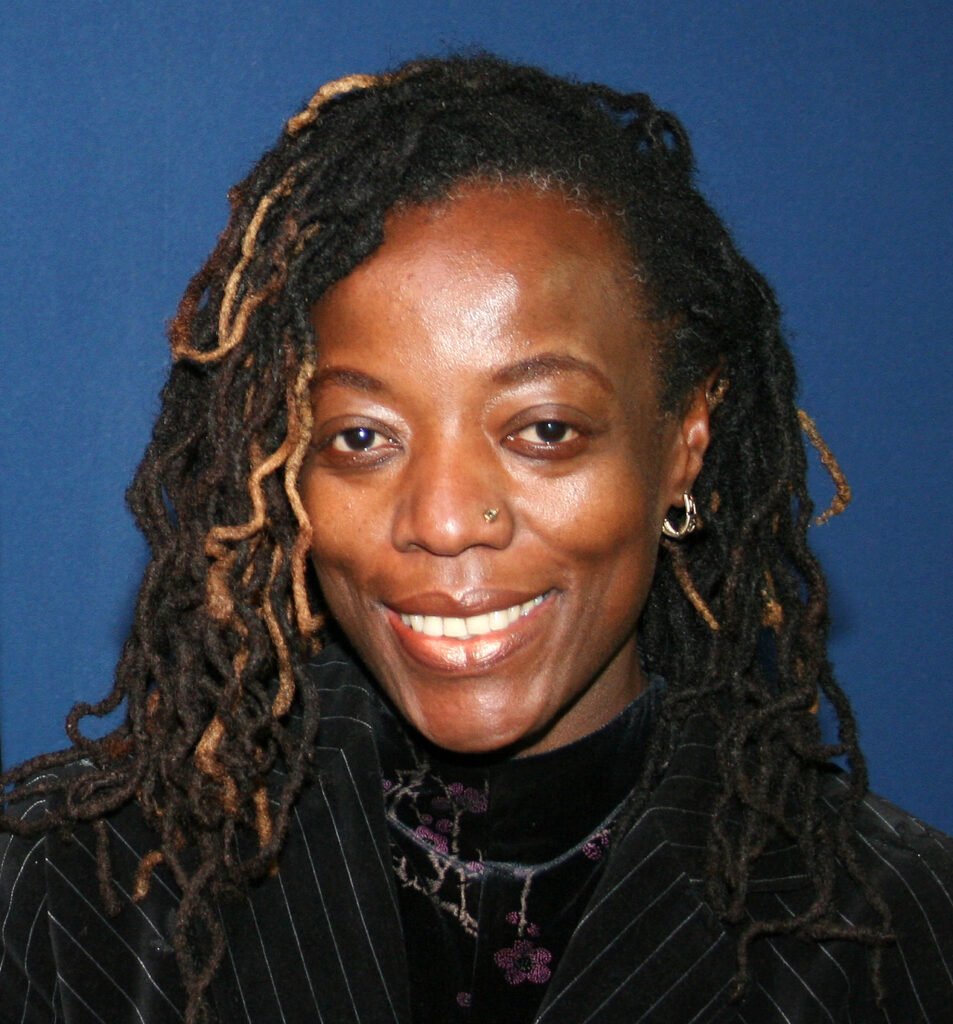
Literature as Resistance
Dangarembga’s influence is not confined to fiction. In 2020, she peacefully protested for political reform in Zimbabwe and was later convicted in a controversial ruling that was eventually overturned. This moment highlighted her commitment to justice beyond the written word.
Her activism reinforces a long-standing tradition of African writers who use literature as a tool of resistance. Through both her public stance and creative work, she embodies intellectual courage.
In an era where free expression remains contested in many regions, Dangarembga’s voice carries weight. She represents the power of art to question authority and imagine alternatives.
Expanding Space for Black Women Writers
As a Zimbabwean novelist writing in English, Tsitsi Dangarembga expanded access for African women within global publishing spaces. Historically, African literary narratives were filtered through colonial perspectives or male-dominated frameworks. Dangarembga disrupted that pattern.
Her success opened doors for future generations of Black women writers who now occupy international stages, literary festivals, and award shortlists. Representation in literature shapes cultural memory, and her work ensures that African women’s experiences are not erased or simplified.
A Legacy in Motion
Tsitsi Dangarembga’s legacy rests at the intersection of literature, activism, and intellectual leadership. She is not simply a Booker Prize finalist or award-winning Zimbabwean novelist. She is a cultural architect whose work reshaped African storytelling.
Her journey reminds us that storytelling is powerful. It documents history, challenges injustice, and preserves identity. Through her novels and advocacy, Dangarembga has ensured that African women’s voices remain central to global literary discourse.
In celebrating Tsitsi Dangarembga, we honor more than literary achievement. We recognize a pioneer who expanded the boundaries of African literature and continues to inspire readers around the world.