Category

self development

Category

Let’s start off by saying that not all emotional vampires are bad people. Sometimes, they don’t even realize what they are doing. After reading this, you could realize that you have been an emotional vampire to someone. That is not to say that they cannot be vindictive, mean, and cruel, but it is always important to note that they are also just human, and humans are flawed and make mistakes, and that is okay.

What Are Emotional Vampires?

If you have an emotional vampire in your life, it is easy to recognize when you know what to look for. If you interact with someone who routinely makes you feel anxious, stressed, overwhelmed, intimidated, and depressed, you have a vampire. They are called this because they suck up the happiness inside you, like orange juice out of a carton, and then discard you when you are empty.

It’s important to understand that you will never be enough for an energy vampire.

They are trying to fill an endless chasm inside themselves, and no matter how much they try and take from you, it is never enough, because the thing they need to feel better comes from within.

What Are the Signs of an Emotional Vampire?

There are several ways to recognize things you yourself do when you’re around an emotional vampire. For example, these are the 8 things emotional vampires do:

  1. They never take accountability for their actions, you are always the problem.
  2. They always have to be the best.
  3. They criticize everything.
  4. There is always drama.
  5. They use guilt trips.
  6. They act like a martyr.
  7. They play down your problems and talk about themselves and their issues.
  8. They spout mean comments that make you uncomfortable.

How to Deal With the 9 Types of Emotional Vampires

The first thing you have to know is that you can’t control their behavior. You need to understand that and know you aren’t responsible for their actions, only your own.

The second thing you need to do is, if possible, walk away, cut out, or distance yourself from your emotional vampire. You can’t change them, you can only protect yourself.

Despite your best efforts, some vampires are unavoidable[1], so here is a list of the types of vampires and how to protect yourself from each of them when they cross your path.

The Narcissist

This is the most dangerous of the vampires. These sorts of people don’t have empathy, and they simply don’t care about your feelings.

When dealing with a narcissist, you have to understand that they are what they are, and that is an emotionally limited person. They do not feel as much as you do. You can’t expect them to be something they are not; it will exhaust you.

Lower the boundary of what you expect from them and know your worth. Emotionally distance yourself from them, and focus on making sure your self-esteem and value come from yourself and not from pleasing them. Once you focus on pleasing yourself, the narcissist’s power over you will weaken.


The Victim

We all know the victim, someone who is constantly talking about all the bad things that has happened to them. The person that when you offer advice, they have no interest in solving their problems. Eventually, they may grow to blame you for their problems, even though they are of their own doing.

They key thing to note with this vampire is that you can’t actually help them fix their problems. Let go of the idea that you can actually help them, because you can’t, and it isn’t your responsibility or your job.

With the victim, protecting yourself is always about creating a healthy boundary. They will try and keep you in conversations, but you have to kindly but abruptly cut them off after a few minutes to avoid being sucked in to their constant negativity.

The Controller

This is the vampire that wants you to do your things its way. It wants to control how you do things, what you say, what you do, and eventually, who you are. They will comment with things that they think you should be doing and saying it’s in “your best interest.”

You may have met this one before; they will try and make subtle suggestions and encourage ways they want you to be and will leave you feeling fake. They will also invalidate all of your feelings when they aren’t suited to them.

When dealing with a controller, this is where assertiveness can come in. You can be assertive and kind at the same time. Just thank the person for their advice, but say you are doing things this way because it feels more authentic. Don’t be afraid to stand up to a controller and say “thank you but no.” They have no right to tell you how to live your life.

The Chatterbox

At some point in your life, you will have come across the chatterbox. This is a person who just constantly talks about themselves, their lives, their problems, and drama around them, and if you try and talk about yourself, the conversation swiftly comes back to them.

The chatterbox, in essence, isn’t interested in you or your feelings; you are just an audience to record and dictate their life so they feel heard, validated, and important. Unfortunately, that can leave you feeling like your relationship is one-sided, drained, unimportant, and ignored.

The best way to protect yourself from the chatterbox is direct communication. They do not respond to soft cues like attempts to change the conversation. You have to talk to them directly but politely to change the topic of conversation to something more positive.

The Drama Llama

There is no way you haven’t met the drama llama. This person will make everything into the biggest deal ever. Everything will be a problem or a thing, even something completely unnecessary, like the fact someone didn’t see them in the street and wave back.

With the drama llama, it really does depend on the context in which the llama is in your life and how the drama is affecting you. The most effective way is to not get involved or invested in their conversations. If you get caught in one, excuse yourself quickly and find a more positive person to chat with. Try to distance yourself from gossiping as well; it will help you not be drawn into the drama.

The Judge

The judge is a vampire that constantly judges other people, and no one is free from their scrutiny. They will judge everyone, and they leave you wondering what they say about you behind your back. The judger is one of the most toxic people to have around because, when they judge, they have nothing positive to say. They will leave you feeling insecure, pathetic, and even small.

With the judge, this is all on you. Just because someone is critical towards you doesn’t mean you have to care. The judge is critical for the sake of being critical; there is nothing constructive about it. So you can choose not to value what they have to say.

The judge tries to chip away at your self-worth because they are struggling with a lack of that themselves, but we know that true self-worth comes from within. Refuse to take what the judge says personally, and don’t get defensive with their comments. Keep a cool head, because if they know you feel hurt by what they said, they win.

The Critic

This person is the one who always has a critique about you or anything around them. Nothing is ever good enough, so they will always nitpick and make unnecessary, rude comments. You will start to notice that they have nothing nice to say about anyone, and their only dialogue is rude and critical. Nothing is ever good enough or even passable; it is always bad.

When dealing with the critic, you have to not take what they say personally and remember that they are just taking out their negative feelings and problems on you. Don’t get defensive. With the critic, remember you give power to what you give attention to. Don’t give their critiques attention, and always pivot the conversation to a positive alternative.


The “I Am Better Than You”

This is the person who is always trying to one up you. No matter what, they have done it bigger and better than you. This one is the most annoying to have around because their whole intention is to make you feel small. This vampire will leave you feeling insecure, small, exhausted, and anxious.

You have to understand that, with this vampire, it comes from a deep-rooted insecurity that they are not good enough. Encouraging and reassuring them doesn’t work with this vampire because they have an almost false big ego, so you will just be feeding that fake ego. They need to find validation from within.

But for you, you need to make sure that you are reassuring yourself that you are good enough. They will do their best to make you feel worthless and insecure. If you do want them to feel better, give them genuine, real compliments about their self-worth, reminding them that they are important and they matter. Just make sure you are reminding yourself of that first.

The Innocent

I always see this one as the second most dangerous vampire because you never see them coming. The innocent vampire is someone who is just a little helpless, and you just help out now and then, but it spirals out of control. Soon, they are dependent and expectant upon you to help them, and it drains you to a crisp.

The innocent is a vampire that feeds on your compassion and empathy, and they can often not see the line because you haven’t enforced it. You let them cross the line over and over again, and they had no idea they were asking too much, especially since you probably encouraged it by saying that it was no trouble.

It doesn’t make you a bad person to say no to helping people, especially people who have taken advantage of your hospitality. Defending against this type of vampire is drawing a line, a boundary, and enforcing it. This can be hard, but the reality is that they need to become self-sufficient, and you can encourage that all while drawing a thick line.


Source: Lifehack

Do you sometimes feel you are not good enough, or think your best isn’t enough? This article is for you.

Confidence — it’s a powerful word and an even more powerful feeling. Can you remember a time in your life when you felt confident? A time when you felt unstoppable… on top of the world? Now imagine you could feel that way more often. What impact would that have on your health and well-being, your career, your relationships?

Not only does being confident feel good, it helps you seize potential opportunities, take more chances and make that big change or take the next step in your life and career. Life is crazy, busy and beautiful. Figuring out how to be more confident is just part of the journey.

So how to be more confident?

Lack of confidence can stem from many places.

Perhaps, growing up, your parents said a certain career was outside your reach and you could ‘never do that’. Or maybe you have a belief system that says ‘I could never start my own business, I’m not entrepreneurial’.

Perhaps you had a bad experience which opened the door for self-doubt to creep in. Or maybe your inner self-critic is telling you ‘you can’t’ or ‘you’re not good enough’. Maybe (ok, likely) you’re comparing yourself to someone else – a friend, colleague or spouse.

Or perhaps you feel there is something missing in your life – a relationship, the dream job, kids, a degree or title.

Here are 9 powerful ways to be more confident

1. Uncover What Gives You Confidence

This is personal, so it will vary from person to person. There’s no one size fits all approach to confidence and what works for one, won’t always work for another.

How can you figure out what gives you confidence? Think about a couple times in your life when you felt most confident. Now, think about what was it about those times that made you feel so empowered.

Was it the environment you were in? Something you were doing? A feeling you had? The more you get clear about this for yourself, the easier it will be to tap into when you need it.

2. Be True to You

One of the surest ways to lose confidence is try to be someone else. One of the best ways to build your confidence? Be true to yourself

When you’re trying to be someone you’re not, every part of you resists it. You are not everyone else. You are you. And the more you can understand who you are and what you value the stronger you will be.

When you stray away from who you are, you lose confidence because it’s ‘just not you’.

How?

Think about what makes you, uniquely you. Write it down. Think about what you value and what’s important to you. Write that down, too.

3. Stop Comparing Yourself

Nothing zaps your confidence more than comparing yourself to others. Especially now, with social media and the wonderful opportunity to judge yourself against so many others! Lack of confidence comes from a gap in where you see yourself and where you think you should be.

Imagine you are preparing to give a big presentation or speech. So you do your research, which includes watching some of the best speakers in the world doing their Ted Talks. Of course you are going to feel inferior.

How?

Stop comparing yourself to others. Just stop. If you still feel a compelling need to compare – compare yourself to yourself. Measure how far you’ve come. See how much improvement you’ve made. Acknowledge your wins and successes.

4. Realize You Are Enough

This may sound a little bit corny, but try it. This positive affirmation will resonate at a deep level and have a powerful effect on your subconscious.

How?

Every day for the next 21 days repeat this mantra “I am enough.” Don’t just say it, but feel it, deeply, at the core of who you are.

Want to get more specific? Replace ‘enough’ with whatever word you’d like to ‘be’. What would give you the most confidence?

I am brave. I am strong. I am smart. I am beautiful. I am confident. I got this.

5. Acquire New Skills

Since confidence is often directly linked to abilities, one of the best ways to build your confidence is to get new skills or experience and step out of your comfort zone.

Growing your skills will in turn grow your confidence. And please, as you work on building your skills and expertise, don’t mistake a lack of perfection for a lack of ability. No one is perfect. But if you’ve got a perfectionist bone in your body (like I do), it can make you think that just because you’re not the best, that you’re not good at all.

Make sure to check yourself – am I really not good at this, or am I not good as I want to be just yet?

How?

Ask yourself: Is there a specific area where you are lacking confidence? How can you expand your expertise in this area?

6. Change Your State

Changing your physical and mental ‘state’ is one of the quickest ways to access a feeling of confidence. To do this, you need to know what the state of ‘confidence’ looks, feels and sounds like for you.

How?

Here are a few strategies you can use to access that:

  • Remember – Think of a specific time, associated with feeling confident. Sink into that feeling deeply and moment by moment relive every detail.
  • Imagine – Imagine how you would feel if you were confident. How would you act? Feel? Be?
  • Modelling – Think about someone you know who exudes confidence. Imagine what that person would do.

7. Find Yourself a Cheerleader

Yes, while I understand confidence is a state from within, you can also boost your confidence by the people you choose to spend your time with.

How?

Make a concerted effort to surround yourself with others who provide encouragement, positivity, and inspiration.

Spend more time with people who ‘get you’ and see all of your greatness – and less time with those that zap your confidence or cause you to feel self-doubt.

8. Just Do It

When Nike came up with this slogan in the late 80’s, they knew just how to get the general population off their butts and moving. Turns out, this is a great strategy for being more confident too.

Action builds confidence and each step you take builds it further.

How?

Think of one step you could take right now that would get you moving in the right direction. Then Just Do It and see what happens. An incredible thing about human brain is that once it realizes something is working, it will keep that momentum going!

Final Thoughts

Being more confident starts with one thing — YOU.

YOU making the decision to take action. And when all else fails, YOU can make a choice.

YOU can choose to be confident. YOU can choose confidence over fear and self-doubt.

Your mind believes what you tell it. If you continue to tell yourself the story that you are not confident, you will believe it and your self-doubt will continue. But if you tell yourself you can do it, that you got this, your mind will believe that too.

Remember, fostering a strong sense of confidence is critical to experiencing overall levels of health, happiness and success.

And once you get started you’ll be unstoppable. Be brave. Be confident. You got this.

Tayo is an accountant who manages the payable and receivable functions of her workplace. When she started her career, her main career goal was to become a renowned CFO and thought-leader in the financial sector. She’s been with the organization for over 7 years on the same role. She approached me and complained about how she hasn’t progressed toward her goal in 7 years. I probed some more, but didn’t find anything tangible.

Coincidentally, I happened to know her line manager, and decided to ask about his individual team members and opinions about them. One thing that stood out from what he said: “Tayo does her job well but sticks only to her job description. When you give her something else that may push her to higher task, she complains that it is not her job description and she would rather stick to only what she knows.”

He also went further to say, “How will I help her grow in the finance space if she’s so rigid? I’ll rather pack the challenging work to someone else and leave her in her comfort zone.” I thought about this deeply and realized I’ve actually met people like that in the past. Outwardly, they sound like people who want to grow, but when they’re at work, they’re the ones filled with unnecessary complaints. Line managers notice it and avoid getting into any trouble with these people. They’ll rather smile with them and leave them in their rigid place. People join, learn more than them and eventually move on.

There are a lot of Tayos in the workplace and they are wondering why their mates are soaring and earning way higher while they are on a poor salary scale despite going to the same school and even having a higher GPA. As a career professional willing to grow, don’t get stuck with the mentality that everyone just wants to ‘use’ you. Sometimes, the exposure you get from these experiences will catapult you towards something greater.

I once had a team lead who used to pass flimsy work to me. That was when I just started my career. Within me, I’d grumble about how unnecessary tasks were being added to mine. Yet, I would do them without complaining or giving attitude. One day, I jokingly asked him why he gives me such tasks. He told me he’s deliberately doing it so that I can learn the ‘basics’.

Always learn to ask for feedback from your supervisor, at least every quarter. This will help you know how you need to get better. Let your team members and team lead see the burning passion in you to learn.

Go the extra mile and even if you’re not sure you can do it, take it, use Google, and then ask for help during the process. You’re building yourself. Learning to go the extra mile will definitely pay off for you in the long run.

I hope you have learned from Tayo’s story. I wish you the best in your career.

***

Photo Credit: Dreamstime 

When you fall in love, you think that your partner – and your relationship – is perfect, right? The idea that one of you could be emotionally unstable is the farthest thing from your mind. After all, being in love causes your brain to release all sorts of feel-good chemicals that make you feel like you’re on Cloud 9. In fact, when scanned, a person’s brain who is in love looks a lot like a person’s brain who is on cocaine. So, you really are feeling “high” when you’re in love!

However, as most of us know, that feeling of being in Heaven with your new love wears off after a while. Your brain eventually stops creating as many feel-good chemicals, and you slowly start returning back to normal.

In reality, this phase of love doesn’t have to be a bad thing. It’s just a fact of life.

While some people do go on to live happily ever after, others begin to realize that their supposedly “perfect partner” is not so perfect anymore. In fact, some even come to the realization that their partner is downright emotionally unstable.

Uh-oh. What do you do when that happens? It’s almost unbelievable – literally. How did this person turn into someone you hardly even recognize?

The problem is that you probably still love the person. And if that’s true, how do you deal with your emotionally unstable partner?


Before we discuss how to deal with them, let’s first start by talking about how to recognize the symptoms of an emotionally unstable individual.

Symptoms of Being Emotionally Unstable

All of us have our bad days and our mood swings – it’s just the nature of being human. But how do you know when someone has crossed over the line from having just normal, everyday emotions to being downright emotionally unstable? Here are some of the signs.

Angry Outbursts

Everyone gets angry at times. It’s a normal and natural occurrence for every human being. However, how you express your anger is key to healthy relationships. So, if your partner seems to have outbursts of anger for no apparent reason (or over small things), then that is a sign.

Overly Dramatic

Again, we all have things happen in our lives that we don’t like. But a lot of people just deal with it, try to change things, and move on with their lives. An unstable person, however, will turn their life into unending drama when they don’t need to.

Gaslighting

Gaslighting[1] is psychologically manipulating another person into questioning their own sanity. For example, if they told you they would do something, they will deny ever saying it when you bring it up. Then, you wonder if they really said it or if you just imagined it. But that is just one example.

Mood Swings

It’s normal for people’s moods to change. No one can be happy 100% of the time, right? But for most, the change in mood is relatively minor. It’s usually dependent on something outside of themselves. But an unstable person could have extreme mood swings for no good reason.

Inappropriate Anger

When most people get angry, it’s usually at someone who is close to them. That makes sense, because those are the people with whom we spend the most time. But if your partner frequently yells at a server in a restaurant or other random people, then that is not healthy.

Lack of Empathy

Empathy is the ability to feel what another person feels and to see things from their perspective – not just your own. Emotionally unstable people are generally unable to do this. They only see their own side of a situation.

Tries to “One up” You

They always seem to be in a power struggle with you. For example, if you had a bad day, they will tell you how theirs was worse. Or, if you are having an argument, they will always try to gain the power to “win” and make you lose.

Inability to Admit When They Are Wrong

Emotionally unstable people can’t admit when they are wrong. In fact, admitting they are wrong is a threat to their psychological well-being. It shakes the core of themselves and their self-identity. So, they will never admit “defeat,” even if they secretly know they are wrong.

Sense of Entitlement

They think they deserve everything, and nothing needs to be earned. For example, they demand that you do things for them because they think it’s their right to do so.

Dealing With Problems Irrationally

The best way to deal with problems in relationships is to have both people on the same team, and for them to come up with a mutual solution. However, emotionally unstable people are unable to do this because they only look at things emotionally, not logically.


Too Intense

The intensity with which they express their emotions is extreme. They don’t tend to be moderate in any of their interactions. This may generate a feeling of walking on eggshells around them because you are afraid of their intense communication.

Blaming Others

Unstable people don’t ever look in the mirror and take personal responsibility for their actions. Instead, they always point fingers at other people and blame them for everything that is wrong in their lives.

How to Deal With an Emotionally Unstable Partner

Now that we know some of the signs and symptoms of an emotionally unstable person, here are some things you can do to deal with them.

1. Step Back and Observe

Ask yourself if you did anything wrong. Because they tend to gaslight other people (see above), emotionally unstable people have you question your actions and sanity. Be objective, and observe them and yourself. Did you really do anything wrong? Probably not.

2. Get Other People’s Perspectives

Tell your stories to trusted loved ones. Tell them what happens in your interactions, and get their opinion about whether or not your partner is overacting, or if you actually did something wrong. Someone on the outside will likely have a clearer view of what’s going on.

3. Don’t Play Into Their Drama

As the saying goes, “It takes two to tango.” In other words, someone can’t play a game by themselves. They need another person to participate. But don’t give into their drama. Refuse to engage in it and walk away.

4. Walk Away When They Attack You

If and when they verbally, mentally, or emotionally attack you, just leave the conversation. Don’t allow them to do that to you! Demand that they talk to you nicely, and don’t accept anything less than that. If they can’t give you respect, then end the conversation until they can.

5. Demand Respect

Remind them that how they are speaking to you is unacceptable. One very important thing to remember is this: you teach people how to treat you. Demand that they treat you with respect[2].

6. Stay Calm

Don’t get sucked into their emotional storms. It’s easy to do because you want to defend yourself, but this just plays into their drama. Try to stay calm and rational because that’s the only way people can talk in a healthy manner.

7. Don’t Fall for Gaslighting

When they try to gaslight you, refuse to accept it. Take notes on things that they tell you and what they do, so you have a record. When they try to deny things to make you look crazy, pull out your record and show them the truth.

8. Suggest Therapy

Many times, an emotionally unstable person cannot get better on their own. Going to a trained therapist or psychologist is something that they should probably do – both on their own, and perhaps as a couple as well.

9. If All Else Fails, End the Relationship

Unfortunately, not all relationships can survive – even under the best of circumstances. If you have tried all you can to fix your relationship and make it healthy with someone who is emotionally unstable, sometimes it’s just time to end the relationship and find someone else that you are more compatible with.

Final Thoughts

Being in a relationship with an emotionally unstable person is never easy. You feel like you never know how they are going to act or what they’ll say next. But that’s no way to live. Everyone deserves to be in a happy, healthy relationship. Don’t forget to love yourself enough to put yourself and your happiness first!

There are many kinds of books on relationships out there to help people lead long-lasting marriages, couples, and lives. But out of the vast selection of them, some of the most impactful books to pick up are the ones about love and how to love.

As you know, 50% of marriages end in divorce—which is terrible—and I think it comes down to love. People don’t quite know what it means to love someone else properly.

So, to help, I’ve picked out some of the best books to help with understanding love on a deeper level than you can imagine.

The best kind of books on relationships I find are ones that have the following specifications to them:

  • Backed by research – This is based on whether the author is a professional or someone who does a lot of research. A reliable book is one that has plenty of facts to back up claims.
  • Clarity – Clarity not only in readability but also in the actionable advice that it gives. You don’t want to deal with too much jargon.
  • Easy to read – You want a book to be engaging and entertaining to read. Information sticks better if the writing is amusing and can keep readers invested.
  • Solvability – The book provides clear advice that solves some of the common relationship problems and struggles.
  • Non-Cliche – It isn’t filled with typical cliches or theories that many people know about. The book should provide a new perspective on something familiar.

Now let’s dive in to the 10 essential books on relationships:

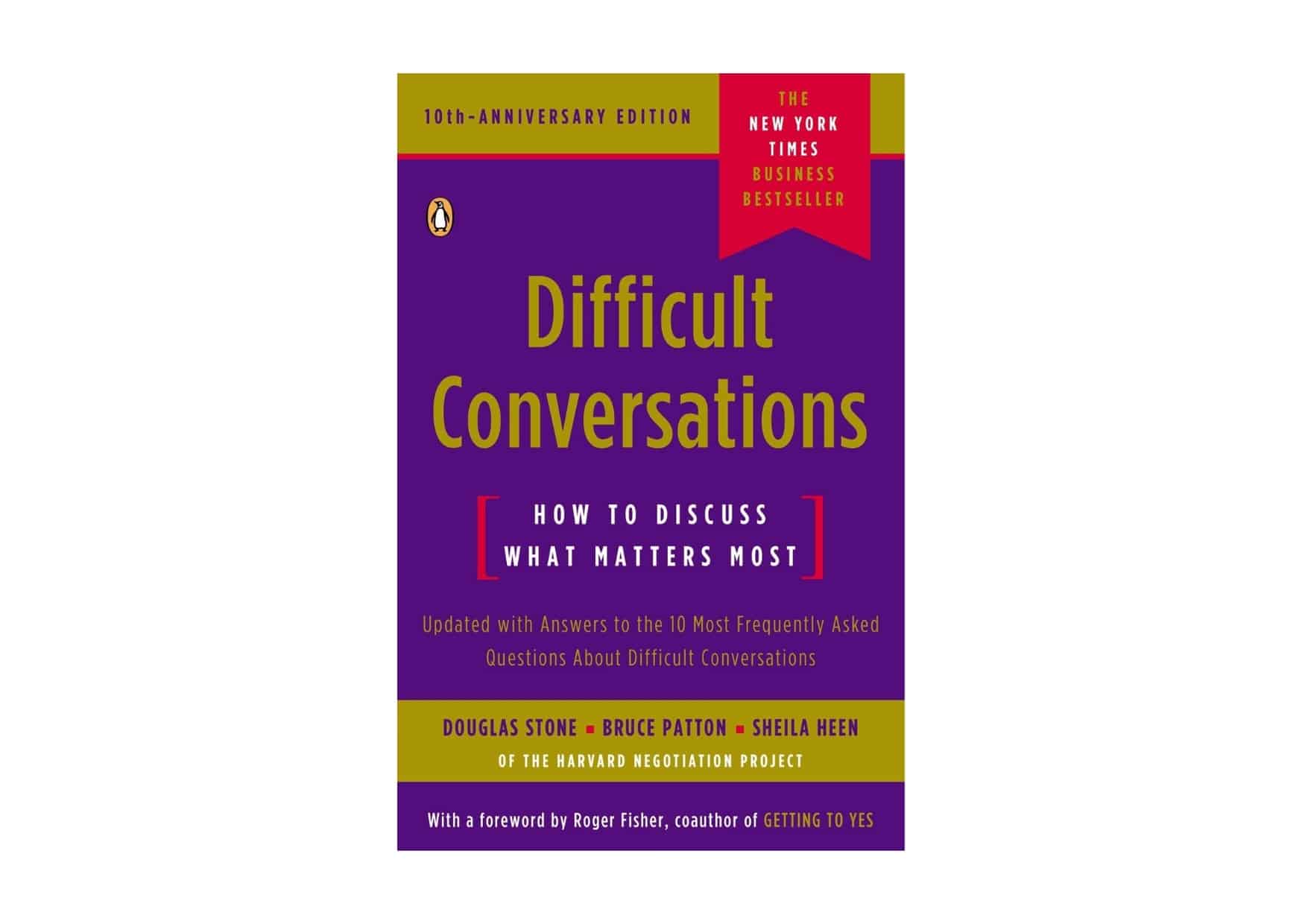
1. Difficult Conversations


One of the most frequent problems with couples is communication. To that extent, not having difficult conversations is also a problem. If couples want a relationship to last, they need to have those difficult conversations. But the reason most couples avoid those conversations is that they’re not sure what to do or are worried about these conversations hindering the relationship.

If you’re in that situation, I suggest you take a look at this book. While there are many books out there that teach you to be a great conversationalist, this book is a simplistic guide to help you navigate through every kind of difficult conversation or fight you may have—not just with couples, but with other people as well.

Buy “Difficult Conversations” here.

2. The 5 Love Languages


This is a top-tier relationship book that’s been on many lists before, and this won’t be the last. This book has a unique spin to what love is all about, and it helps you understand it in a profound manner.

According to the book, how we give and receive love can be divided into five parts. While we deliver love with these five “languages,” there are one or two of them that are more dominant than the other. This book helps you to identify your and your partner’s love languages to help communicate your love for one another better.

Buy “The 5 Love Languages” here.

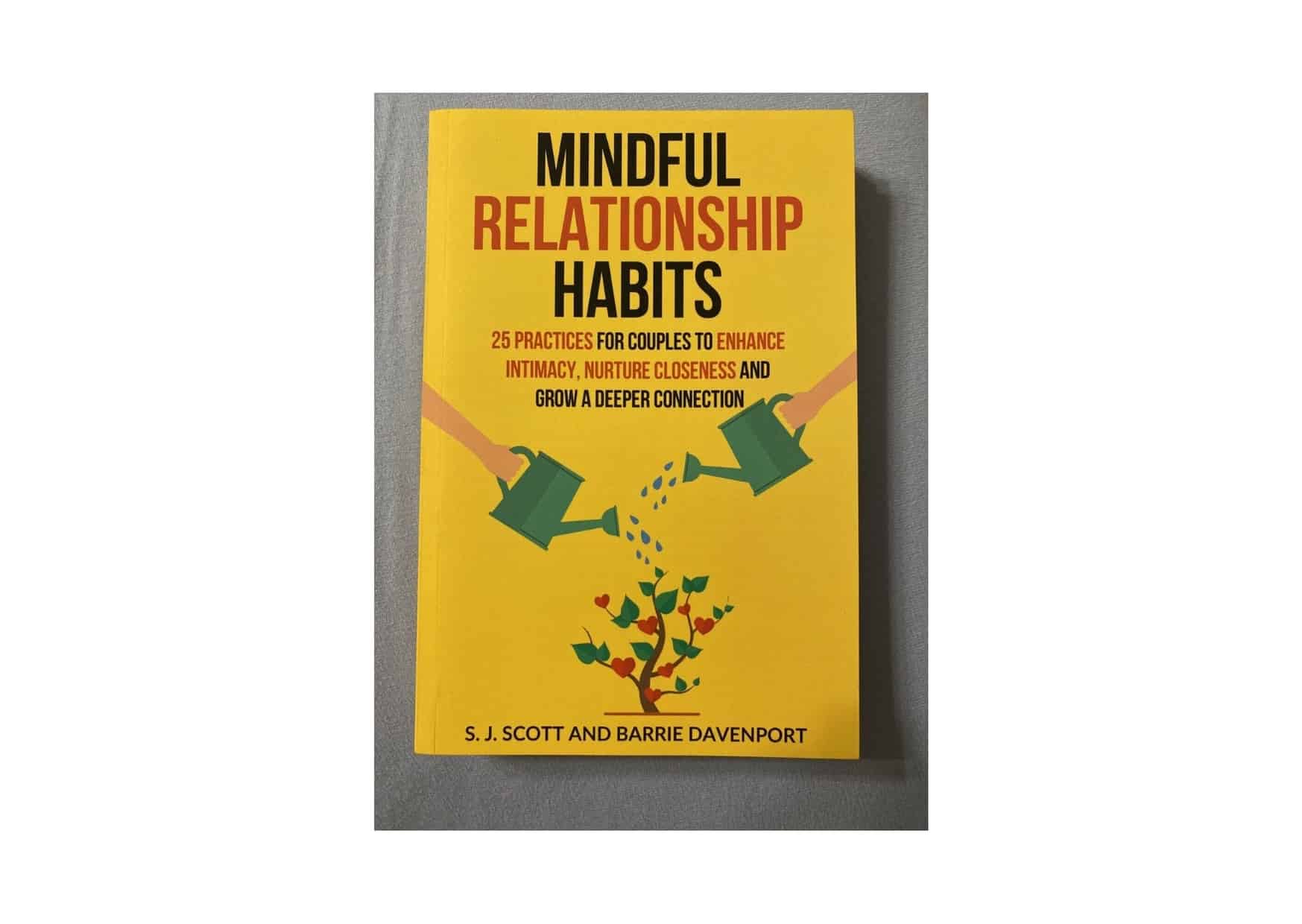
3. Mindful Relationship Habits


Relationships have ups and downs, of course, and there are several ways to handle them. Sometimes, it’s being able to have those conversations and smooth things over. Other times, you get unique solutions like developing mindful relationship habits with your partner.

The idea with the habits mentioned in these books is to help you communicate clearly, avoid arguments, and better understand each other in thoughtful ways. All in all, it addresses the small relationship issues that you and your partner have to deal with.

Buy “Mindful Relationship Habits” here.

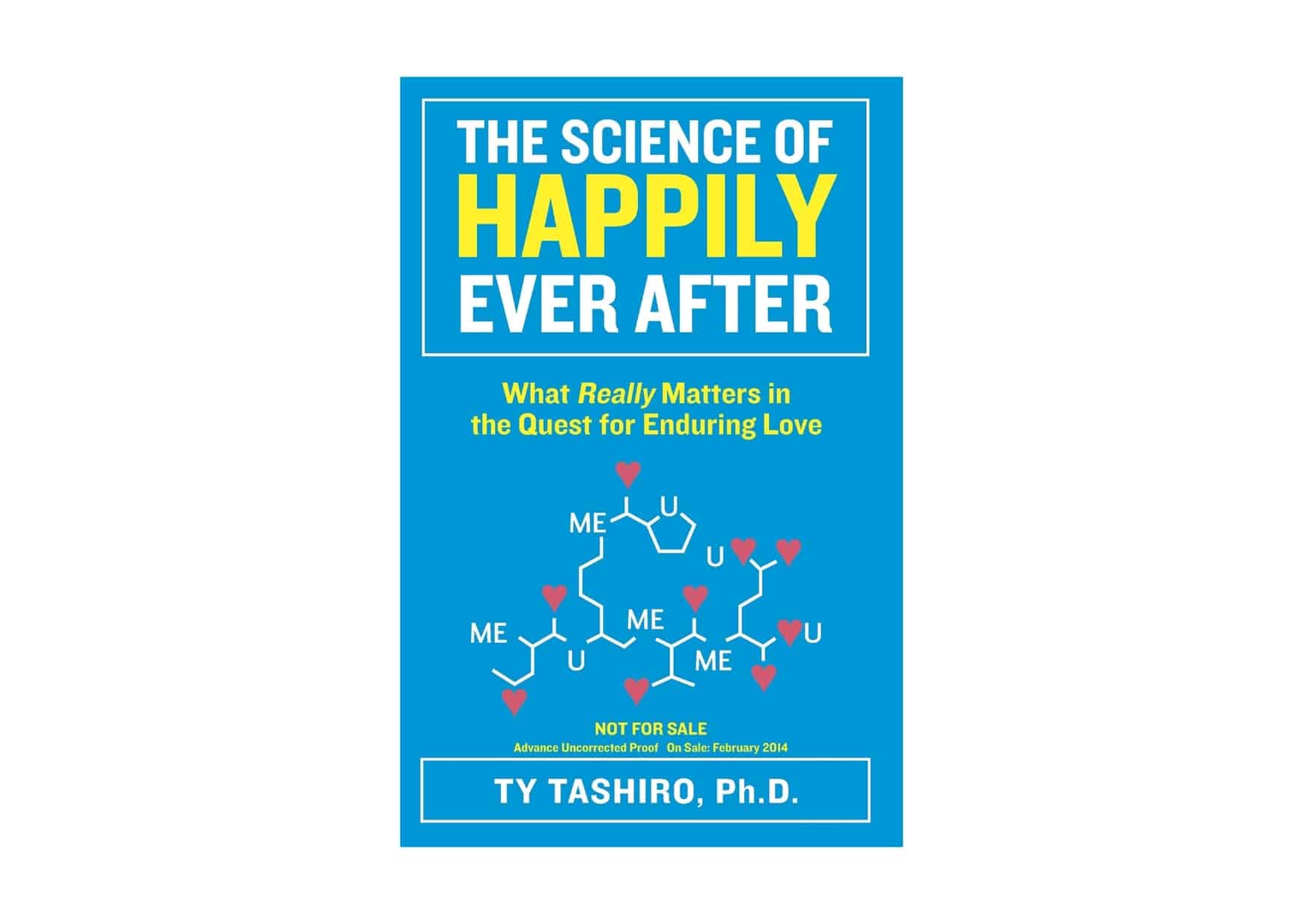
4. The Science of Happily Ever After


Growing up, the hope of relationships is to be able to live happily ever after—like what you’ve read in so many children’s books. This book is more of an adult expansion from that concept. But instead of filling you up with all kinds of hope with no rhyme or reason, the book is founded on science and hard facts.

⌄ Scroll down to continue reading article ⌄

The author, Dr. Ty Tashiro, translates years of research and analysis of how we look for a partner to live “happily ever after” with and simplifies it. Using real-life scenarios, this book paints a path to guide you to your other half.

This book still applies to couples as well since this provides unique perspectives on how one can find enduring love for one another.

Buy “The Science of Happily Ever After” here.

5. Attached


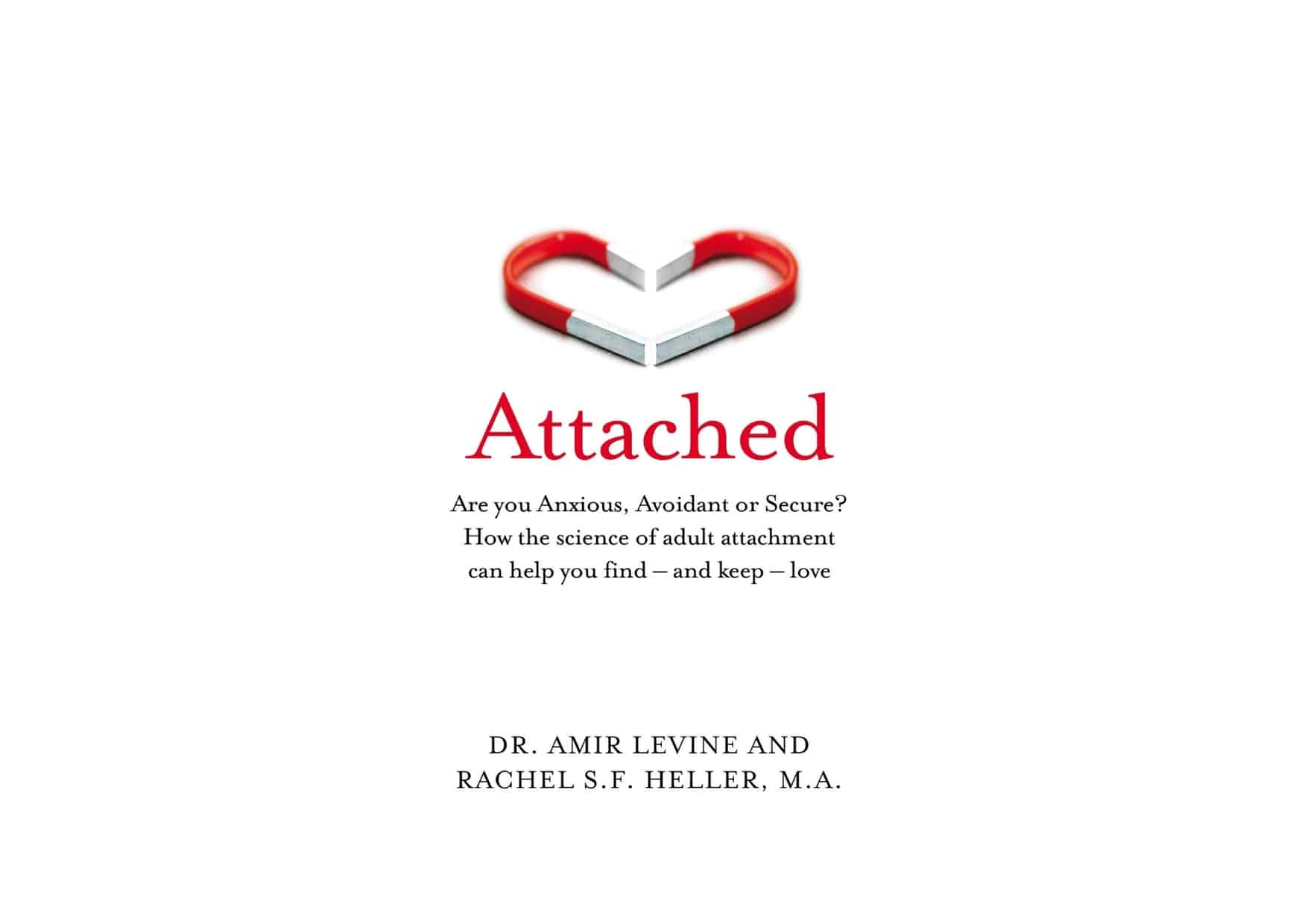
Another science-based book, this one takes a different approach to the search for love. Instead, the research from this book talks about the “attachment theory.” The premise of the theory states why we need to be a relationship at all times and how we behave in those relationships as well.

The theory outlines three categories: anxious, avoidant, and secure. Written by a neuroscientist and a psychologist, you get a unique perspective in those fields and how it involves love. Overall, you’ll learn which of the three categories you fall into and how you can build your relationship around that.

Buy “Attached” here.

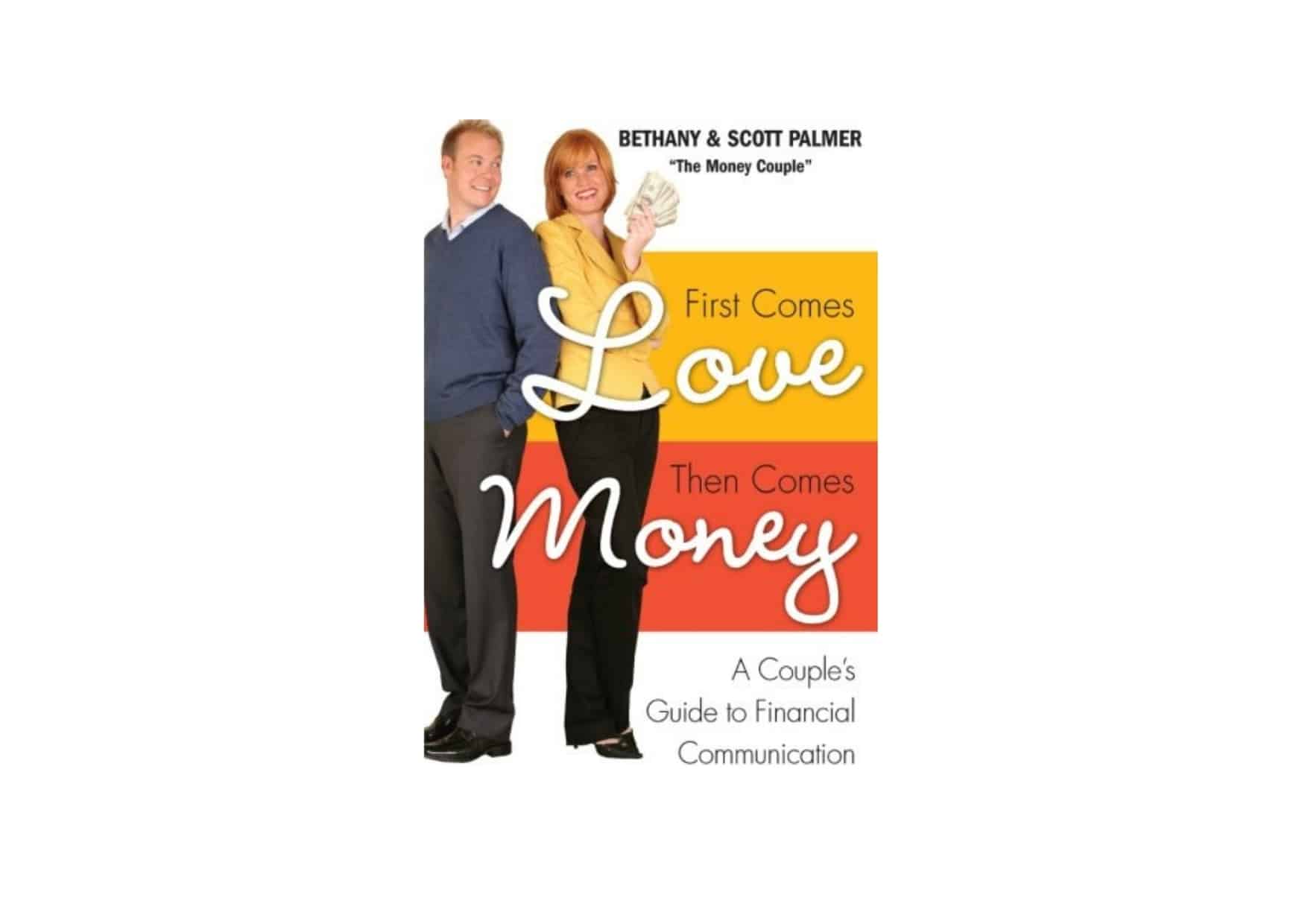
6. First Comes Love, Then Comes Money


One particular struggle I want to highlight in relationships is money. Finances alone cause a lot of disruption for couples. The reason for this is that couples don’t talk about money until it is a problem and by that point, you have two people arguing about money with no real way to steer the conversation or manage it.

Since many people don’t know how to talk about money—let alone to their partner—this book provides great insight into how people think about money. The book also explains the different kinds of money personalities and how you’re meant to interact with one another based on that information.

Buy “First Comes Love, Then Comes Money” here.


7. Men Are from Mars, Women Are from Venus


This is an older book on relationships, but it still holds up to this very day. The overall thesis of this book revolves around the idea that Martians (men) and Venusians (women) are at their happiest in relationships when they accept the differences as positives. Even though this is a familiar concept, it addresses some of the main struggles and complications in relationships—understanding one another and working through problems.

Buy “Men Are from Mars, Women Are from Venus” here.

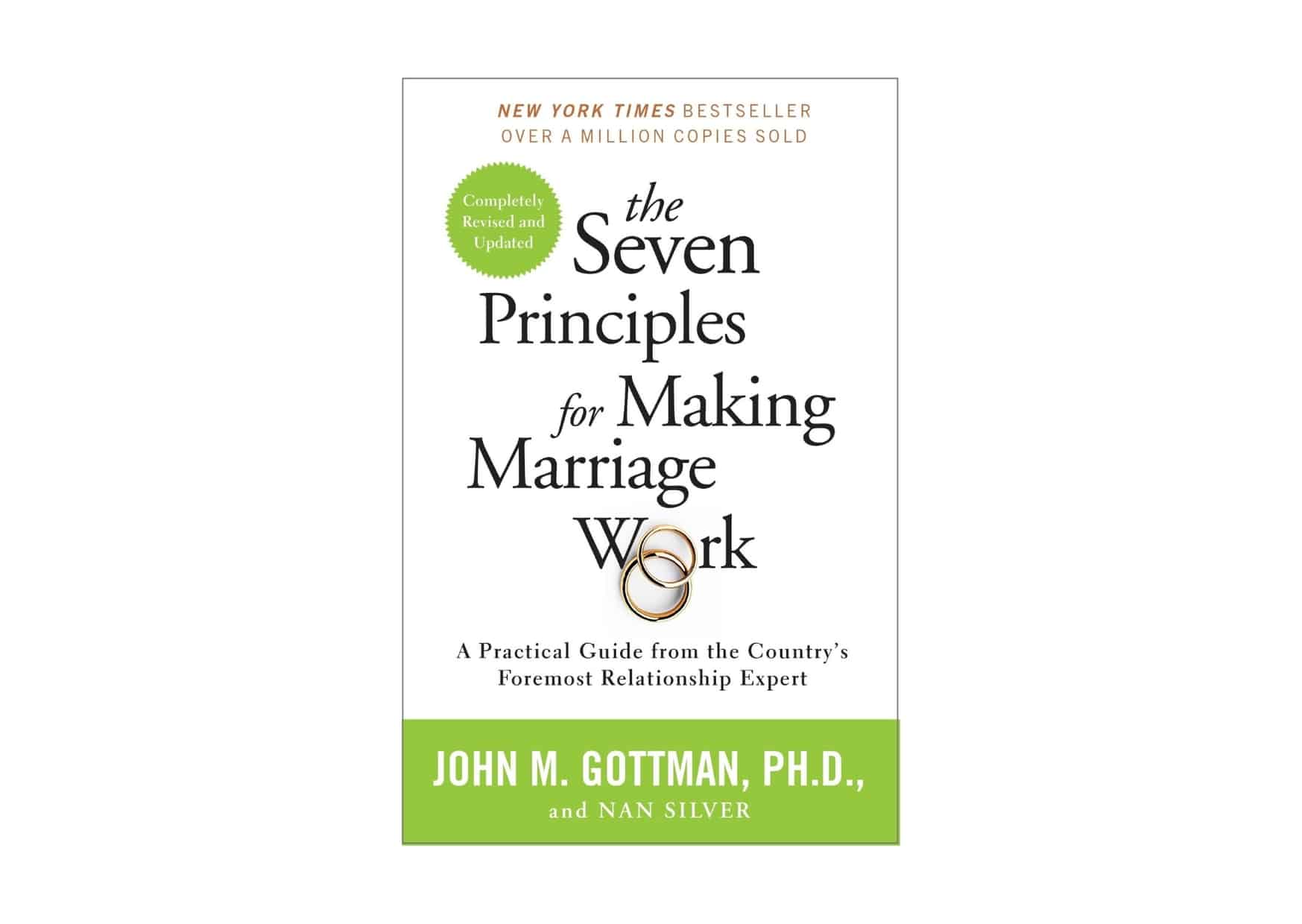
8. The Seven Principles for Making Marriage Work


With over a million copies sold, The Seven Principles for Making Marriage Work is a book that’s revolutionized the way we think and understand, repair, and improve marriages. John Gottman Ph.D. conducted an extensive study spanning a period of years and distilled the results into this book that author Nan Silver supported.

He narrowed his research down to habits that either build marriages up or tear them down. From those habits, he created the seven principles that help guide marriages down a path to long-lasting relationships.

Buy “The Seven Principles for Making Marriage Work” here.

Although we’d like to believe that our partner would never lie to us, occasionally we get hit with a gut feeling that something just isn’t right. Maybe your partner has been more secretive with their phone. Perhaps they aren’t as talkative as normal. Regardless of the reason, if you’re trying to alleviate your anxiety, here’s how to know if your partner is hiding something.

They’re Hiding Accounts or Transactions

If you used to pay your bills together and your partner now suddenly takes care of the bills before you can see them, they may be hiding something. To find out the truth, visit a website like https://checkpeople.com. For a small fee, you’ll be able to run a background check on your partner. The report gives users a comprehensive report, covering everything from the criminal background to a credit check.

Simply review the accounts posted to their credit report to verify any loans, bank accounts, and credit cards they have in their name. If something doesn’t match what they’ve disclosed to you, they’re hiding something.

They Become Super Defensive

One of the first ways to uncover whether your partner is hiding something is to ask them. Opening the conversation with a calm, rational tone is important. You don’t want to come across as confrontational or manipulative. Start the dialogue with how you’re feeling and build from there.

Make sure to gauge their reaction, particularly if they get triggered or offended. This reaction is either a subconscious defense or an intentional response to avoid how they’re feeling. In a normal, healthy relationship, both partners should feel comfortable discussing their concerns without the other person blowing up emotionally. When a simple conversation winds up causing defensive behavior or irrational anger, there’s a good chance they’ve got something to hide.

Their Schedule Becomes Unpredictable and Odd

If your partner has always been a creature of habit, sudden changes in routine can be an indicator that something is awry. Changes to exercise routines or personal schedules (like driving into work early) may not be conclusive evidence that your partner is hiding something, but it is worth noticing if it seems to fluctuate.

Often, if a partner is considering an affair, changes to personal appearance are ways of getting more attention from new partners or interests. Pay attention to whether your partner suddenly has an interest in working out, dressing up, or increases their grooming routine. They may be trying to improve their overall health or emotional well being, but it’s worth a conversation if it’s out of character.

They Seem to Overly Compensate

After being with a partner for longer periods, romance and sweet gestures seem to fall by the wayside. This is especially true for couples who have been together long after the honeymoon phase of their relationship. Everyone enjoys affection and sweet gifts but pay attention to when these gifts are given.

While your partner may want to improve the romance within your relationship, it may also be a sign of hiding shady behavior. Purchasing flowers or jewelry randomly makes you feel good. However, if the gift-giving seems to follow a late return home or long business trips, trust your gut if you feel like something is off.

Something Just Doesn’t Add Up

The one problem with lying is the inability to keep up with the stories as time goes on. Eventually, inconsistencies are going to show up as they forget what they told you. Although no one can remember their day in perfect detail, listen for major discrepancies in their story.

If your partner told you he went out for lunch with a few coworkers and the story suddenly changes to not getting lunch at all, there’s a good chance he’s trying to hide something. Feel free to ask him to clarify what he did during his lunch break if the stories don’t add up. If the relationship is going to last, communication and honesty need to be at the front of the relationship.

When you have suspicions that something in your relationship isn’t quite right, it’s always a good idea to try and uncover the truth. Although your suspicion may be entirely unfounded, knowing the truth about any discrepancies or changes in behavior is important when you want to build your future together.

Source: Baucemag.com

Orange is undeniably sweet. And its health benefits are priceless.

It is true that many people don’t know how beneficial orange can be to our health. The few who knows are limited to the knowledge of vitamin C. At least, that is why they consume it.

However, there are other reasons why it is advisable for us to eat an orange on a daily basis. Because they are not only rich in nutrients, they also promote a clear-healthy skin and help lower the risk for many diseases as well.

In addition, it is important to note that one orange provides 130 percent of your vitamin C needs for the day, 2 percent of vitamin A needs, 6 percent of calcium and 0 percent of iron.

They also contain thiamin, riboflavin, niacin, vitamin B-6, folate, pantothenic acid, phosphorus, magnesium, manganese, selenium, and copper.

And owing to their high vitamin C content, which is over twice the amount of daily need, oranges helps to boost the immune system.

Also included among the nutrients that are found in orange, is Choline. Choline, which is a very important nutrient, helps to maintain the structure of cellular membranes, aids in the transmission of nerve impulses, assists in the absorption of fat and reduces chronic inflammation.

Here are some of the health benefits of oranges

1. It lowers the risk of ischemic stroke

American Heart Association has made it known that eating a higher amount of citrus fruits like oranges and grapefruit lower the risk of ischemic stroke for women.

And this was as a result of a statistical report which shows that those who ate the highest amounts of citrus had a 19 percent lower risk of ischemic stroke than women who consumed the least.

2. It reduces the risk of Rheumatoid Arthritis

It has been medically proven that a glass of orange juice per day can keep the inflammation that usually arises from Arthritis at bay. In addition, the anti-inflammatory property of orange helps reduces the risk of Rheumatoid Arthritis.

3. It fights against cancer

Vitamin C, on the other hand, is a strong antioxidant. And being an excellent source of vitamin C, orange help fight the free radicals that cause cancer.

However, it is important to note that the amount necessary to consume for therapeutic purposes for cancer is beyond oral intake. High fiber intakes from fruits and vegetables are associated with a lowered risk of colorectal cancer.

4. It prevents stomach ulcer

Although this might sound unbelievable, it is true.

Owing to the high fiber content in oranges, orange helps to prevent ulcers. As a matter of fact, an orange a day can help keep stomach ulcers away.

5. It fights skin damage

When orange is eaten or applied topically, it helps fight skin damage caused by sun and other agents of skin damage.

It also helps to reduce wrinkles and improve the overall texture of the skin; because vitamin C plays an important role in the formation of collagen, which is the support system of the skin.

At this point, we all know the internet is a powerful tool. So powerful that a protest can be started online and then extended offline.

With the ongoing #EndSARS protest at its peak across Nigeria, many Nigerians have seen how potent the internet can be in stirring conversations around social issues, demanding for positive change from our leaders, coming up with new slang to buttress their points, and even crowdfunding to ensure that all protesters are well taken care of. But guess who has also ‘discovered’ the immense power of social media? The government. Those in political seats. Those in positions of power. Those who want the voices of the people to be silenced.

The power of the internet and social media is not new to Nigerian politicians, after all, in 2019, the Nigerian government tried to introduce the social media bill under the guise of curbing fake news. With the ongoing protest, the power of social media is, more than ever before, so glaring and there could arise an urgent need to block the internet or pass the bill.

So what do we do if we ever get to the stage where internet is blocked in Nigeria?

Use a VPN

virtual private network (VPN) gives you online privacy and anonymity by creating a private network from a public internet connection.

Surfing the web or transacting on an unsecured Wi-Fi network, or using  various social mediums means you could be exposing your private information and browsing habits. VPNs mask your internet protocol (IP) address so your online actions are virtually untraceable.

However, VPNs can differ from region to region, and it is important to know the safety and security of each specific network you choose to use.

In Nigeria, we have VPNs like ExpressVPN, NordVPN, CyberGhost, IPVanish and others. Please confirm their authenticity and security level before using any of them. Ensure it is also right for your device.

Use proxies or circumvention tools

People who are living under strict internet censorship by authoritarian governments have made good use of circumvention tools.

Circumvention tools will help you evade censorship and access the internet anonymously. Psiphon, an open source web proxy helps users skirt content-filtering systems. Psiphon has helped millions of people in freedom-restricted countries around the world safely access censored knowledge and ideas.

Tor defends you against tracking and surveillance. It prevents someone watching your connection from knowing what websites you visit. Tor tries to make all users look the same, making it difficult for you to be fingerprinted based on your browser and device information. It also isolates each website you visit so that third-party trackers and ads can’t follow you.

In short, Tor tries to prevent people from tracing your location or spying on your browsing habits. Tor is available for Windows, Mac, Linux, and Android.

Then there’s Orbot, a free proxy app that empowers other apps to use the internet more securely. Orbot uses Tor to encrypt your Internet traffic and then hides it by bouncing through a series of computers around the world.

Tails, a portable operating system, will protect you against surveillance and censorship. Tails includes a selection of applications to work on sensitive documents and communicate securely. Tails also uses the Tor network to protect your privacy online and help you avoid censorship.

Lantern uses peer-to-peer networks to get people in uncensored areas to share their Internet connection and servers with those without the same unfiltered level of access. It does more than that. If your favorite apps are blocked, you can download Lantern to easily access popular video, messaging and other apps while at school or work. It doesn’t end there,  Lantern encrypts all of your traffic to blocked sites and services to protect your data and privacy.

Before you use any of them, carry out enough research on the one that’s best suitable for you.  The government can sometimes use sophisticated technology to block these same sites or introduce jail terms for using them. We hope it wouldn’t get to this in Nigeria.

Protecting yourself digitally

Many of us do not pay attention to our cybersecurity. As you make use of the internet, you need to consider your safety and security, and protect your identity.

It starts with the easy things: ensure that all the sites you are using are delivered over HTTPS. This allows you to access the original site and not an altered version of it. You can install the HTTPS Everywhere extension in your browser.

Ensure you have an anti-virus software. This helps you remove malicious software from your laptop.

If you have not been clearing your browser’s cache, now is the time to put it into consideration. Never underestimate how much your browser’s cache knows about you. Your saved cookies, saved searches, and Web history could reveal your home address, family information, and other personal data.

Try to delete browser cookies and clear your browser history on a regular basis to protect that information that may be lurking in your web history.

Know where to seek help

What do they say about humans needing humans? If you engage in sharing sensitive information, especially the ones powers that be wouldn’t want you to share, it is important to know where to seek help when you are in trouble. For example, Access Now, is a site that runs a 24-hour digital security helpline. They advise users during emergencies, engage in global advocacies, bring the plight of arrested internet users to light and offer legal representation.

Although we hope that in Nigeria, we’ll never get to that stage where our online voices will be silenced, it is important to still ensure that as we carry out our day-to-day activities online, we protect ourselves in the process. Don’t get carried away. Ji ma sun.

Source: Bellanaija


Never before in history have we had people’s lives or “highlights” glaring before our eyes. It used to be that we would have to go to the neighbor’s house to catch up on the gossip and the whereabouts of Lola or Kyshira. We could go for days without knowing about anyone’s business and if the person happened to be a celebrity, we were lucky to get it on the news or magazines. But as for the everyday woman, her business was her business. If I didn’t want to know what was going on in her life, I didn’t have too. Nowadays, it seems as if the world with instant messaging and social media has done a 360. I have Kyshira’s baby shower pictures in my face and I know that Lola is on holiday in the Bahamas and not only that, that she’s looking good, she’s lost weight, paid off her debt, and is traveling the world making passive income. Suddenly, I know all about my friend’s business and I begin judging and comparing myself to her. Well, why can’t I lose weight like she did, or look at me, I’m swamped in debt whereas Lola has paid off her student loans and is turning up in Nassau, Bahamas? And the cycle of self-pity, sadness, depression begins.

As much as social media is a force for good and has brought amazing opportunities for the majority of us, it has also shown its “other side” and the negative effects that can occur if we don’t watch out, guard our hearts, and lay down those boundaries.

So, how do we deal with comparison in the online space?

1. Set Boundaries

The same way one is encouraged to lay down boundaries in our relationships is the same way we have to lay boundaries on social media. And guess what? I love it. My favorite buttons on these social media platforms, especially Instagram are the MUTE, BLOCK, UNFOLLOW, RESTRICT, REPORT buttons. LOOL. I had to include the Report button lool because some people are crazy out here with the hate, trolls and all the negative energy. Sis, I encourage you to make full use of these buttons. They are there for a reason. If you know a certain person’s “highlights” are making you feel a certain type of way when you scroll through their posts or watch their stories, UNFOLLOW them. If they happen to be someone close to you or those types of people who will direct message you after you unfollow them lol, the MUTE button comes to the rescue.

The MUTE button is my favorite button. If I feel like a particular “influencer” or even a close friend is blowing all her vacation highlights on my timeline, sis becomes MUTED. And I encourage you to do the same. I know this may seem harsh or callous but it will save you in the long run. Guard your heart sis. Protect your mental health. Some people on Instagram are obsessed with showing us they have what we don’t have and so we have to quietly MUTE them. This way you save yourself from going down the rabbit hole of self-pity, comparison, depression, low self-esteem etc. We already have enough to deal with in 2020. We don’t need Kyshira living our best life to keep us down on ourselves. Again, guard your heart. You know the things you see that get you all worked up and in a funk, so take “precaution.”

2. Remember Social Media Is A Highlight Reel

I know we hear this so often that it becomes so cliche but sometimes I feel we need to hear this reminder again. Social media is a collection of “highlights”. Not too many people post their “low lights” on Instagram. It is a highlight reel. And it doesn’t make sense comparing your “lowlights” or your reality to someone else’s highlights. The grass is always greener on the other side. Social media is far from one’s reality. The truth is that no one’s life is perfect. Life is a roller coaster consisting of good and not so good moments. And happiness is being able to find joy and peace during this rollercoaster. Not everyone smiling on Instagram or Facebook is happy in real life. Some people are comfortable with putting up facades; when you get to know them better, you find out that not all that glitters is gold. So whenever you see yourself going down this trail of comparison, remember, you don’t know the full picture. And even if that’s the full picture, they always have ‘ish they are dealing with. And going with this perspective, you learn to be happy for people. You learn to be happy for them in the good times knowing the bad times do pop along the way. Again, perspective is super important.

3. Remember Everyone Is On Their Own Unique Journey

how to deal with comparison online.jpg

This has been a huge lifesaver for me; realizing that my journey is not going to be like Kyshira’s or Lola’s. We all have our own unique paths and that’s where the beauty lies in; being able to appreciate the differences in everyone’s journey. Kyshira might be engaged at 21 and have three kids before 30. That’s Kyshira’s path and that’s awesome, celebrate with her knowing you have your own unique journey and it will not always look like Kyshira.

Life would be so boring if everyone had similar journeys. Imagine how the world will be if we all looked like models or we all finished college and got our dream jobs at 21, got married at 27,  quit our jobs at 30, and purchased our homes at 32. Life will be super boring. And God is a God of variety. Some people are naturally skinny, others are super curvy; some are happy with working a 9-5 for the majority of their lives while others are born to be entrepreneurs. We are all different. Let’s embrace our differences and appreciate our own unique journeys.

There is no one like you in this world. You have something that no one else has to offer. This is what makes you unique. Why don’t you celebrate and thrive being yourself? Why do you want to be like Kyshira or have her journey? You are beautiful just the way you are. Embrace and celebrate this.

With the instant accessibility to the “highlights” of people’s lives, it is important we guard our hearts, remember social media is a “highlight reel” and that everyone’s journey is different.

How do you deal with comparison in the online space? I would love to know your thoughts, feel free to drop them in the comments.

Source: Bauce Mag

You might come to a point in life where you feel you haven’t achieved anything and you’re ashamed, but there’s no need to worry! There’s never time for you to turn your life around for the best, and it’s something that everyone should strive to achieve. Sometimes the changes you want to make are simple, and sometimes they’re incredibly difficult but the key is to not think about the work ahead, and instead the benefits.

Lose the attitude

Most people struggle with improving themselves because everything requires a high amount of effort. First of all, just try to consider what your life could be if you just stuck to a great routine. Once you have your personal ideas in mind, why should you slack at achieving it? It’s your life that you’re slowing down, and potentially your life that you’re ruining. Think of why you want to make the change, and what you want to leave behind. Believing in yourself is what’s going to power you and bring you to make the changes you want, don’t let there be any doubt.

Expand on yourself

It can be quite easy to give up and change your mind mid-way through your school life, and there are many people out there who aren’t putting their qualifications to good use. If you’re looking to make changes in your life, now might be the time. Depending on what you’ve already done, might be looking to go to medical school, or maybe returning to education like a university to follow a career path that you regret not doing. It’s never too late to follow your goals, and if the opportunity is there for you, you’ll wish you never passed it up!

Drop the bad habits

There are many habits out there that can hold you back. Not so much when it comes to career, but your health especially. Anything from smoking to a terrible diet can affect how you feel on a day to day basis, and it’s something that everyone should try to get out of at some point in their lives. This is one of the harder challenges to overcome, but it’s something you should if you’re truly looking for a greater lifestyle. Becoming a more active person can also help you to become more motivated too, and it’s proven that physical exercise can help you mentally, meaning you’re likely to have a more positive outlook on life.

It’s your life to lead, which means it’s up to you to make the most of it. Just because you feel like your life won’t get better, or there’s no way for you to improve, doesn’t make it true. There are many opportunities out there for everyone, big and small, so take a good look at what you’re currently doing and think of how you can better yourself. Giving yourself at least some kind of goal and working towards it is a step closer to an improved lifestyle, and helps you feel satisfied once you achieve it.

Source: Baucemagaine.com