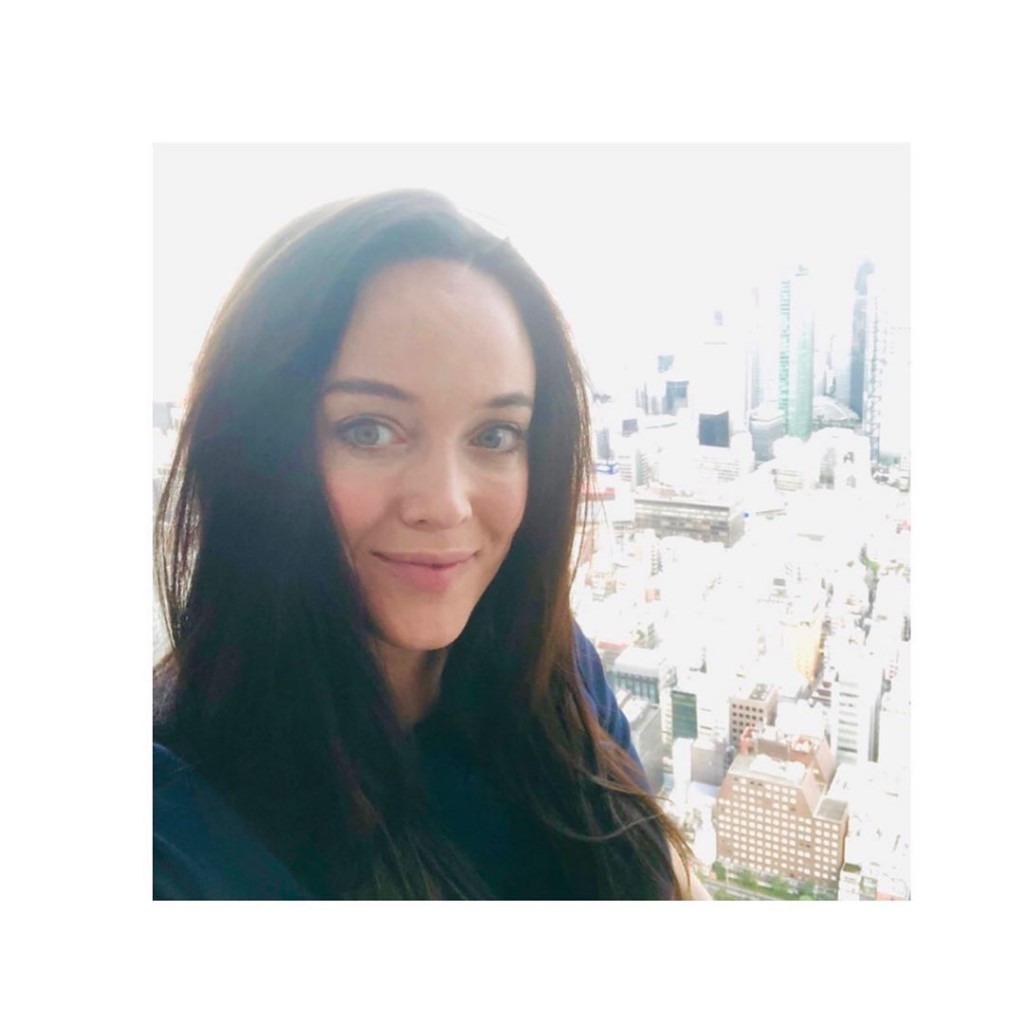
Michelle P. King is the director of Inclusion at Netflix and the author of The Fix: Overcome the Invisible Barriers That Are Holding Women Back at Work.
She is a leading global expert in gender and organizations. A keynote speaker, researcher, writer and advocate, she has significant international experience advancing women in innovation and technology, leading global diversity and inclusion programs and advocating for women at work.
She believes women are better leaders while expressing her opinion to CNN, she wrote “As the entire world works to contain the spread of the coronavirus, the role of effective leadership has been brought into razor sharp focus. What people need now are leaders with empathy, compassion and an ability to show support — skills that women leaders tend to exhibit more than men. While it may take a global pandemic to finally acknowledge the unique talents and capabilities women leaders offer, companies shouldn’t wait until there is a crisis to afford women an opportunity to lead.”
She continued, “While there is insufficient data to conclude that women world leaders are managing the Covid-19 pandemic more effectively, the emerging trends are hard to ignore. New Zealand’s Prime Minister, Jacinda Ardern, has been widely praised for her clear, bold and supportive approach to flattening the curve. The results of her clear communication — 20 deaths in a country of nearly 5 million people — speak for themselves. Or consider German Chancellor Angela Merkel, who has called for and established unity in the nation’s response to the virus. Taiwan and Norway’s national responses to this crisis have also proved to be effective to date, and they all have one thing in common — women leaders.
It’s a trend we’ve seen before.
Research examining risk-taking behavior finds that men are more prone to taking higher risks. Increased collective risk-taking behavior contributed to the crisis, which was an outcome of male-dominated workplaces that valued individual achievement and competition rather than collective well-being. Subsequent research found that women tend to adopt a more relational approach to leadership, which is more effective in a crisis compared to the more traditional command-and-control style of leadership typically adopted by men. Overall, women leaders adopt a relational style when leading through a crisis, which is highly effective as they focus on building trust, alleviating fears and managing the crisis at hand.”
Michelle currently leads UN Women’s Global Innovation Coalition for Change.
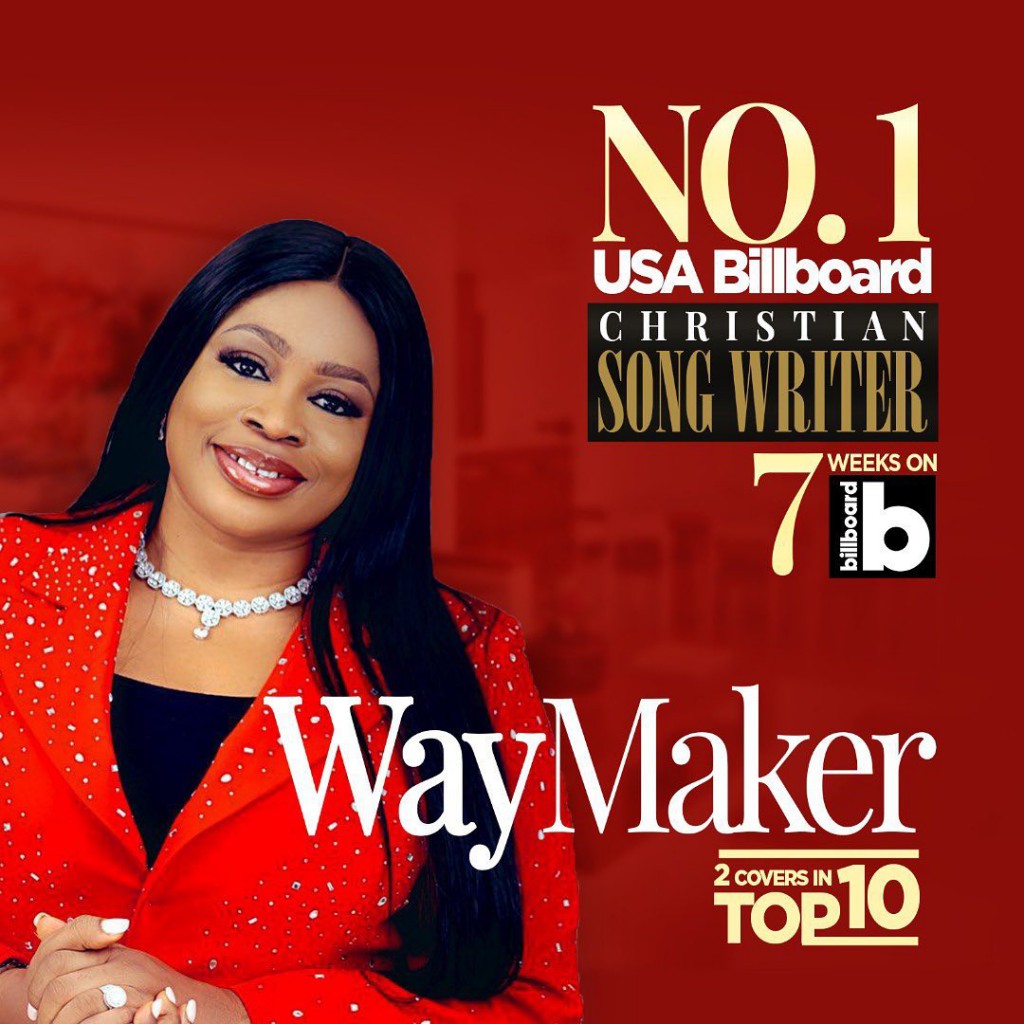
Award-winning gospel artist and songwriter, Sinach has become the first African and amazingly the first black person to rank at number one on the Christian Songwriters’ category of the USA Billboard, for her song ‘Way Maker’.
She has dominated the chart for the past seven weeks. At 148 million views, ‘Way Maker’ is currently the third most-streamed song in the world on YouTube.
Since the release of the song, ‘Way Maker’ on 30 December 2015, it has been covered by a number of globally acclaimed Christian music artists such as Michael W. Smith, Leeland; and others.
While speaking on the ranking, Osinachi Joseph also known as Sinach, said, “It’s truly exciting to know from Nigeria, we are reaching far and dominating in the West. It basically chronicles what God can do when you yield to Him. Just thinking of it is really humbling and to know it’s a song of hope, faith in God, and trusting in Him that has brought us thus far. I’m sure you’ve seen the videos of ‘Way Maker’ being sung in many hospitals, car parks, garages – everywhere this period! God has used it to strengthen many around the world, not to give up, but believe that He is the rewarder of those that diligently seek Him. So I’m truly happy, excited, and glad Jesus is glorified once more.”
Sinach who is a senior worship leader at Loveworld Incorporated,has an overflowing catalogue of 9 studio albums with a very special Worship EP in the works. Her unrecorded songs but written, are in thousands.
‘Way Maker’ is her first song to gain global critical acclaim and peak on the Billboard.
She also expressed gratitude to God, for being the first black person and first African to achieve this.
On her Instagram page the singer wrote “It’s not a competition however, this shows that we are making impact with what God has assigned us to. When you impact people with the gift of God influencing them for Jesus that’s something to celebrate!! I am so grateful to my team ( band, producers and publishers ) . My home team for cheering me! My family, My Mum and siblings, My Mentor Pastor Chris and local church #Loveworld. Thank you @billboard !! It’s our win AFRICA / NIGERIA ! #AFRICAisforJesus #waymaker #sinach.”
While halfway through their production, they unexpectedly finds themselves in the middle of a worldwide crisis, which prompts an indefinite work-from-home mandate.
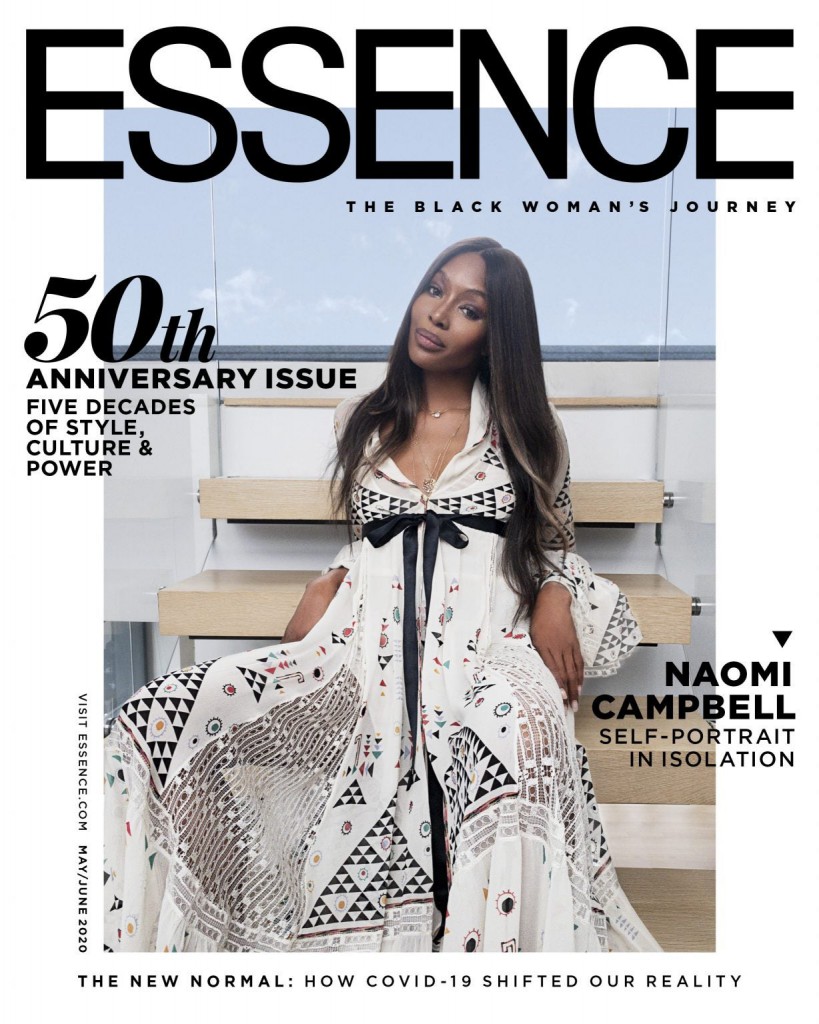
Well, like Naomi Campbell, you rise to the occasion like never before—and make history.
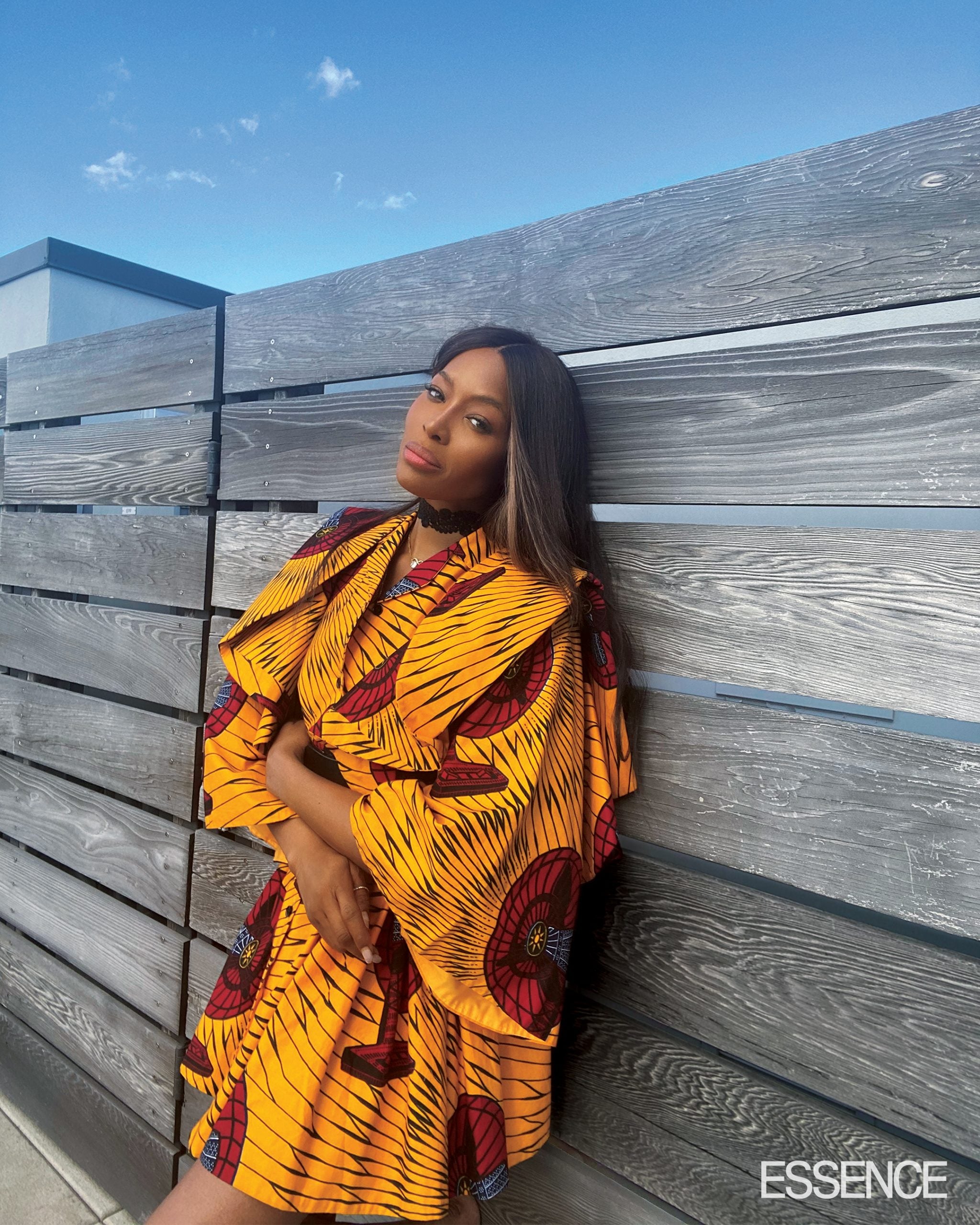
“It was a very special honor and unusual experience for me to be able to shoot and style my own cover for ESSENCE’s 50th anniversary issue,” Campbell says. “While it was a sad reminder for me of all the people in media and production who are not able to work due to the coronavirus, it also brought me hope and encouragement to know that our people and our infrastructures are resilient.”
Against all odds these women chose to improvise working as a team.
For ESSENCE Chief Content & Creative Officer MoAna Luu “Bringing this issue to life in the midst of a global pandemic represents everything that Black women are and illustrates how we will continue to show up for them in the best and worst of times, as we have done for the past five decades,” she said. “We are resilient and we wanted to show that resilience. The same resilience that motivated our team to make this cover happen. The same resilience that resulted in Naomi and I relying on FaceTime to talk through how this shoot would be brought to life because I couldn’t be there with her in person. The same resilience that allowed us to close this issue while working entirely remote for the first time in our brand’s history.”
Impressively, ESSENSE Deputy Editor Allison McGevna was home navigating new motherhood while simultaneously working.
PHOTO BY NAOMI CAMPBELL
“It was a challenge to have our major shoots canceled, all showrooms closed and not be able to physically produce such a historic issue in the traditional sense,” McGevna said. “We spent the weeks leading up in a sea of shoots and late nights editing copy for the biggest issue in our history. But just a few days before our shoot with Naomi, the world as we knew it, quite literally, stopped. Everything closed down and people in the office and our communities started getting sick as COVID-19 began to wreak havoc around the world. But we knew we had a responsibility to our audience, maybe more than ever, to inform her and bring her joy. So, we put our heads together.
Nigerian Lola Ogunnaike, an ESSENCE alum was also a part of the success.
Connecting her with TV host and writer, Lola, who’s presently in Nigeria, became a juggling act of time zones and WhatsApp chats. Lola, conducted the interview.
“This cover is the epitome of a full circle moment for me. My very first internship was at ESSENCE Magazine,” she said. “I was a junior in college with dreams of making it big as a writer in New York City and landing at ESSENCE felt as if I’d won the publishing world lottery. All these years later, I feel deeply honored to have penned this historical cover. Many models have come and gone. Many magazines too,” said Lola.
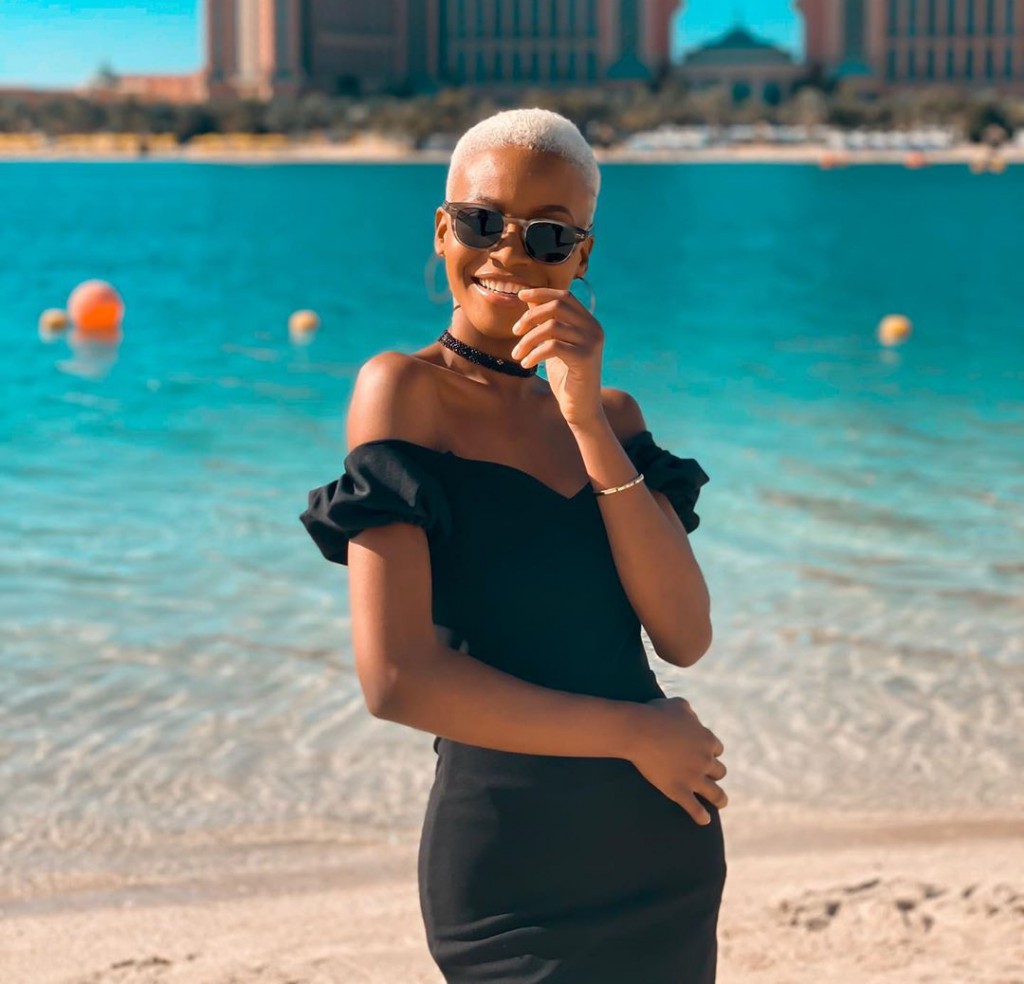
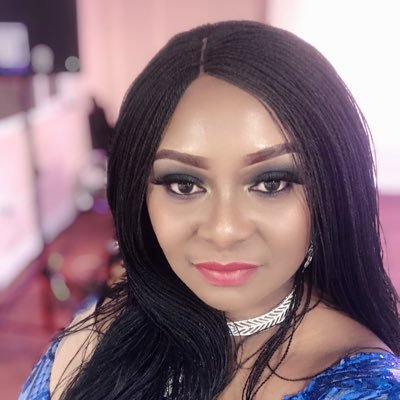
Oluchi Harrison is a multimedia
personality with a passion for
connecting industrious women from
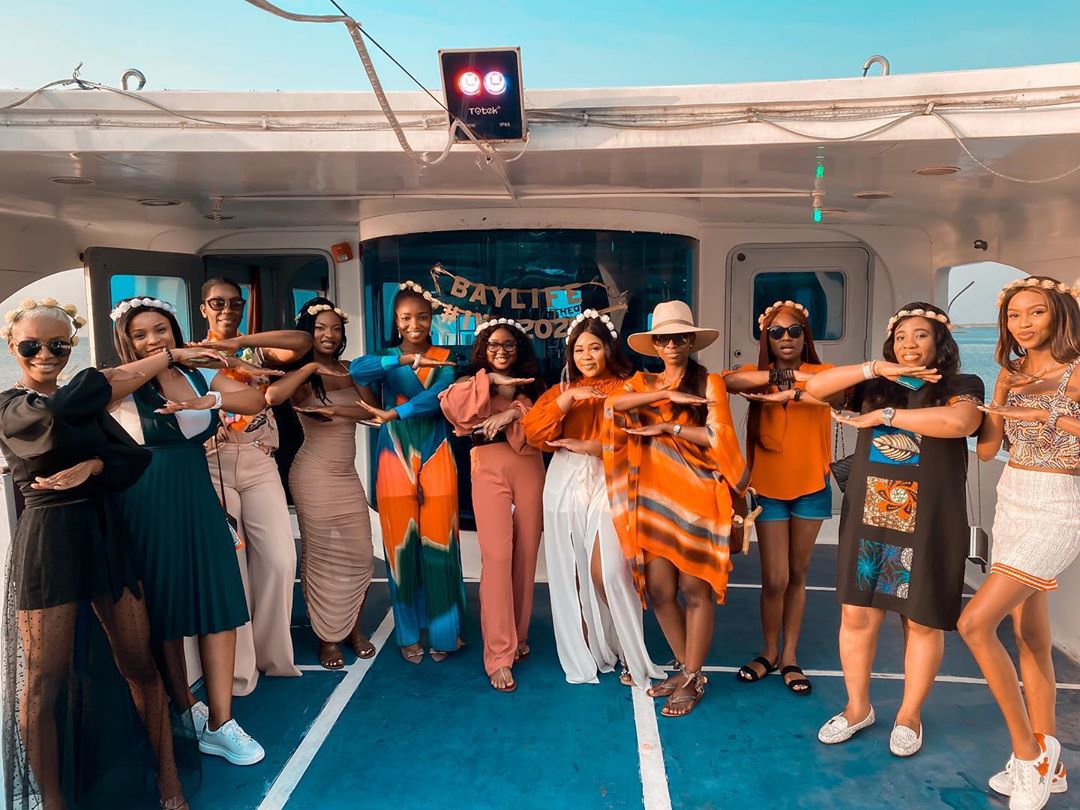
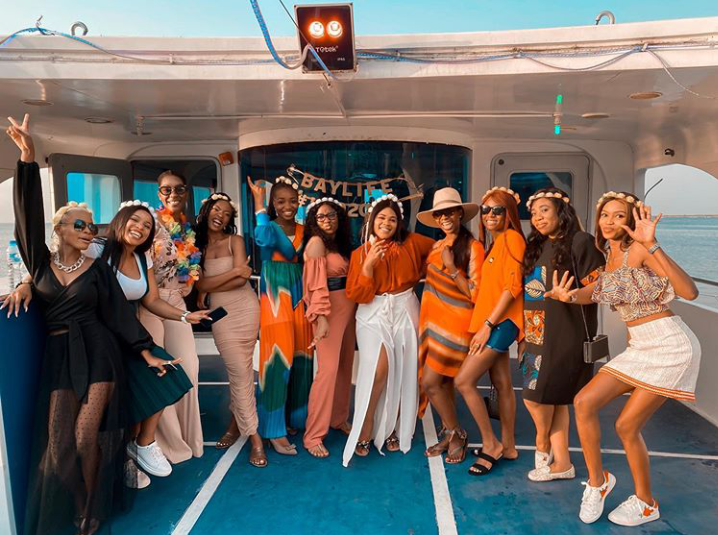
diverse industries. She founded the BayLife Travel & Tour company, the first Nigerian all female tour company, with the sole aim of uniting women of different spheres of life, empowering, growing ,mentoring while still having fun.
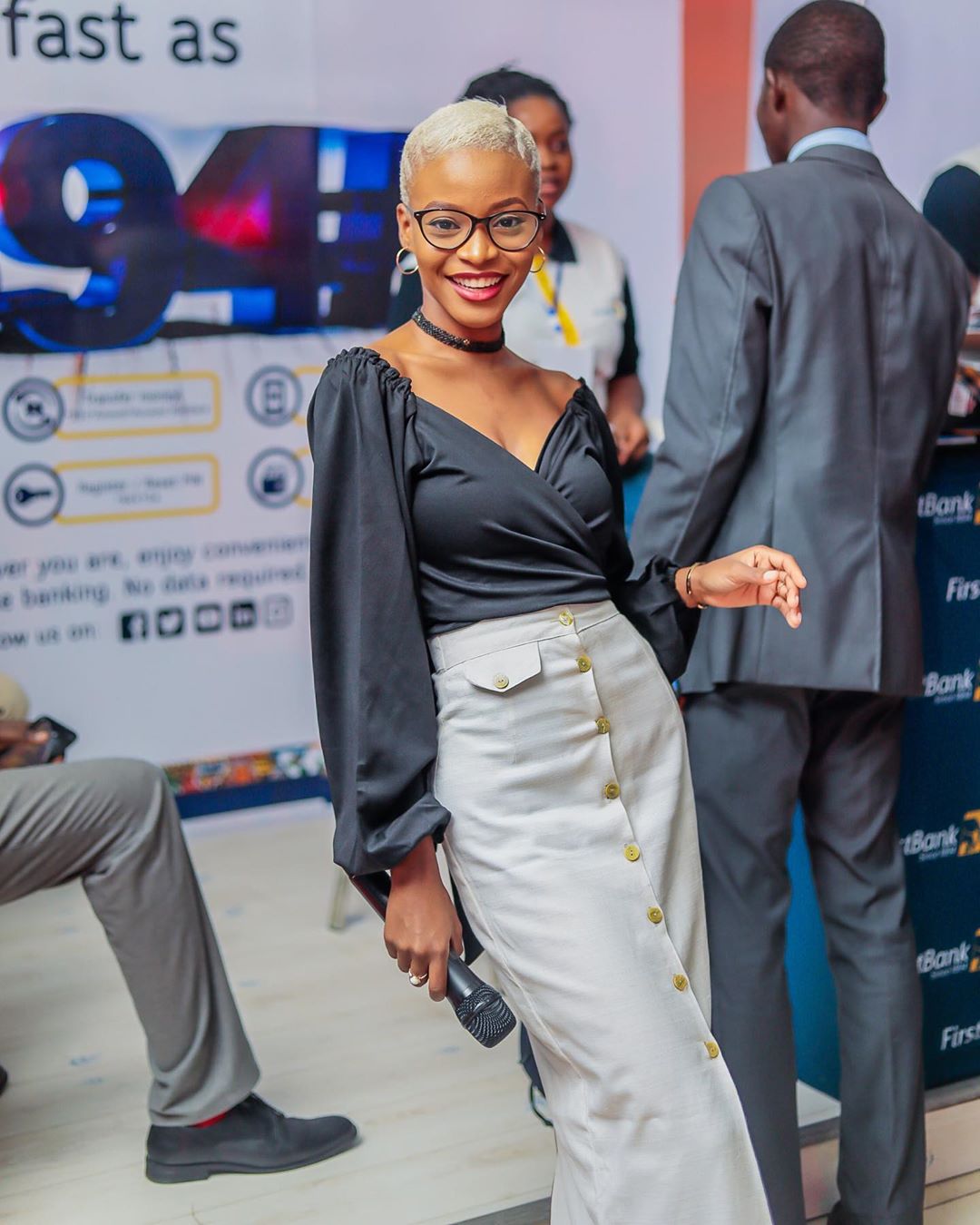
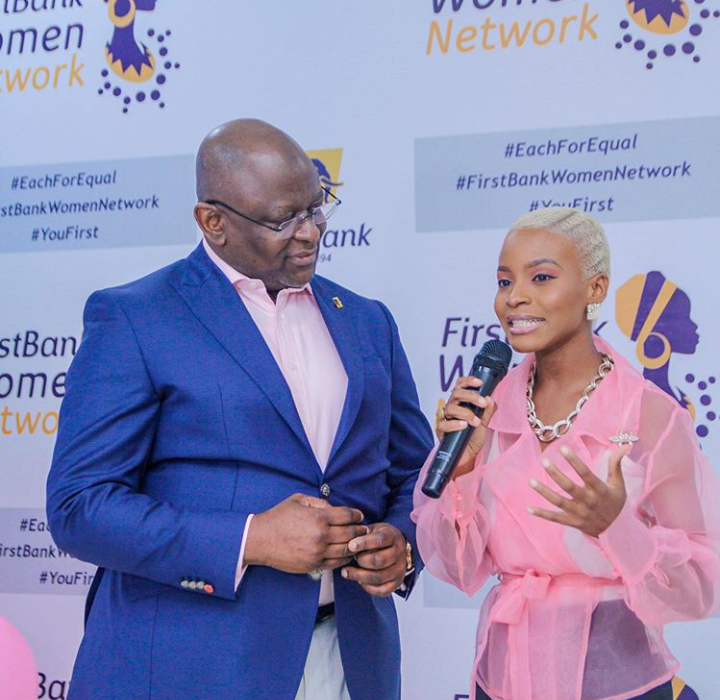
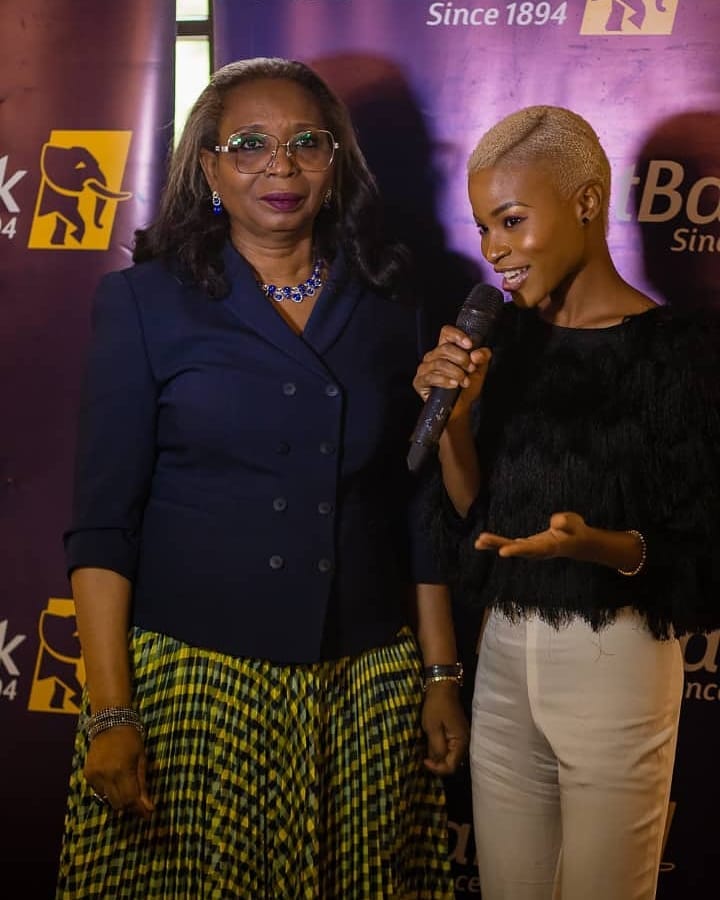
With a sassy and lively personality, her experience span through a variety of professional services which are, Radio presenting (OAP), TV Presenting, Red Carpet hosting, News Anchoring, Reaction videos, Interviewing, Writing, Scripting and Production Assistance for organizations like EbonyLife Television, Flytime Televsion, First Bank of Nigeria amongst others.
Speaking with Women of Rubies, she shared her journey.
Childhood Influence
My childhood didn’t exactly prepare me for what I do now. I like to think I prepared myself. Growing up, I used to say I wanted to be a chattered Accountant, because I loved seeing my mum dress up and get out to work daily. But I was much more creatively inclined. I was great at Art (This was a Business for me in my first/second year in the university. I’m still a pencil artist today at my leisure), I loved designing and creating things, I was also a face model, I danced and sang a lot as well, I learnt how to sew in home economics and my mum bought me a sewing machine as a gift, then I started knitting sweaters & making beads in my second year in high school – I’d make beaded jewelry, bags, flower vases and the likes. I’d make some for my mum and sell some ( I started making money for myself in high school even though I didn’t need it). I was that kid that was into almost everything, but there was one thing I did effortlessly, I talked. I didn’t just talk, I talked like I was on TV! I’d take some of my textbooks and read it like I was reading the news. I remember doing this with my cousin in different accents, practicing how fluent I was on each accent (both Nigerian accents – Igbo, Yoruba & Hausa – and international accents) – this was in my first year in high school. At my second year in high school, I knew I wanted to study Mass Communication – I used to say I wanted to be a ‘Mass Communicationist’ (lol) until I learnt it was ‘Mass Communicator’. At my second year in the university – studying Mass Communication, I auditioned for my first radio job and I got it, and that was the beginning of my media career.
Inspiration behind BayLife
Honestly, I just love to see successful industrious women hang out (lol). BayLife was born out of the idea to connect the industrious women in my life. If there’s one thing that drives me, it’s seeing another women thrive! The success of another confident woman – it gives me this rush and puts a smile on my face. And I realized in the course of my life and in my line of work that I have had the privilege of meeting some really industrious women who work so hard and hardly have any time for self care.
I was also one of those women and even when I wanted to hang out, I didn’t want to be surrounded by just anybody, I wanted to be surrounded by women who had the same drive as myself, women who would inspire me, women who could understand me, women who could reason on the same level or even higher levels.
And I found out that there were quite a number of women in this same category. I thought about the magic that could come out of these women from diverse industries and my mind could not contain it. At first, it was just going to be a Girls Time Out with the industrious women I knew, who really needed a break from all the hard work to focus on self care, then it became more than just that, it became a unification of the strong force that industrious women are together, it became Magic, it became The BayLife.
On choice of career
I actually didn’t choose it, the career chose me. I was good at a lot of things at the time, but that was what I could build a career of. I was actually an OAP at a radio station when I got invited for a photoshoot at Philip Trimnell’s photography studio. I believe I mainly stood out because of my blonde hair as Philip Trimnell, who is the owner of Music Africa TV, checked out my Instagram (@theiboblondie) and figured I was in radio and then called me to audition to be the presenter for Music Africa TV and that was how I landed my first TV job. I later went on to start my own YouTube channel (The Ibo Blondie) before contracting to FlytimeTV as a presenter. Of course, in between these were other jobs that came up.
Feedback so far on the recently held Baycation event in view of the International Women’s day, impact made.
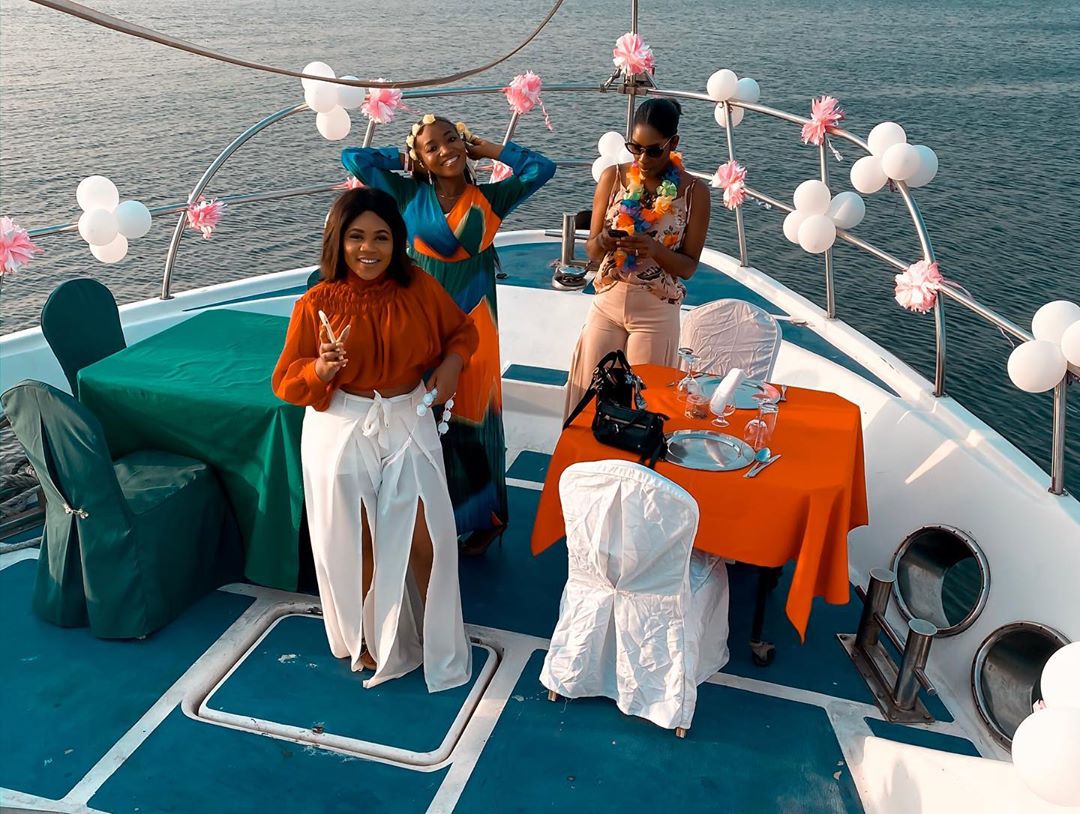
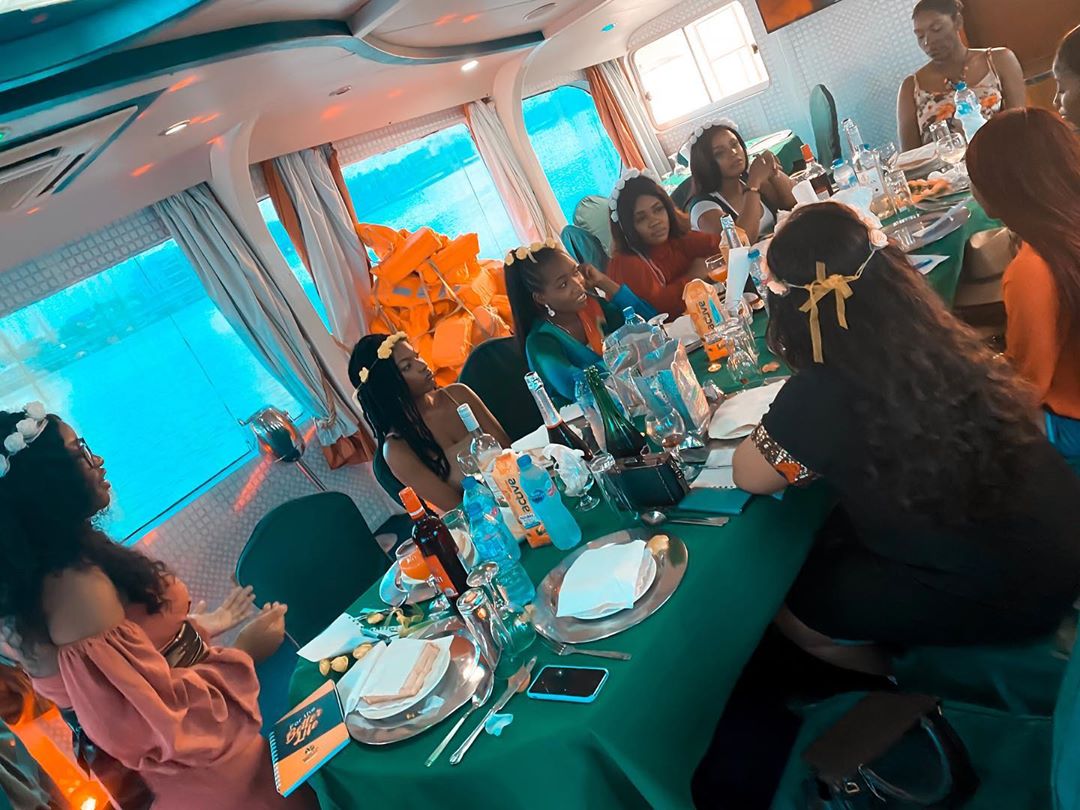
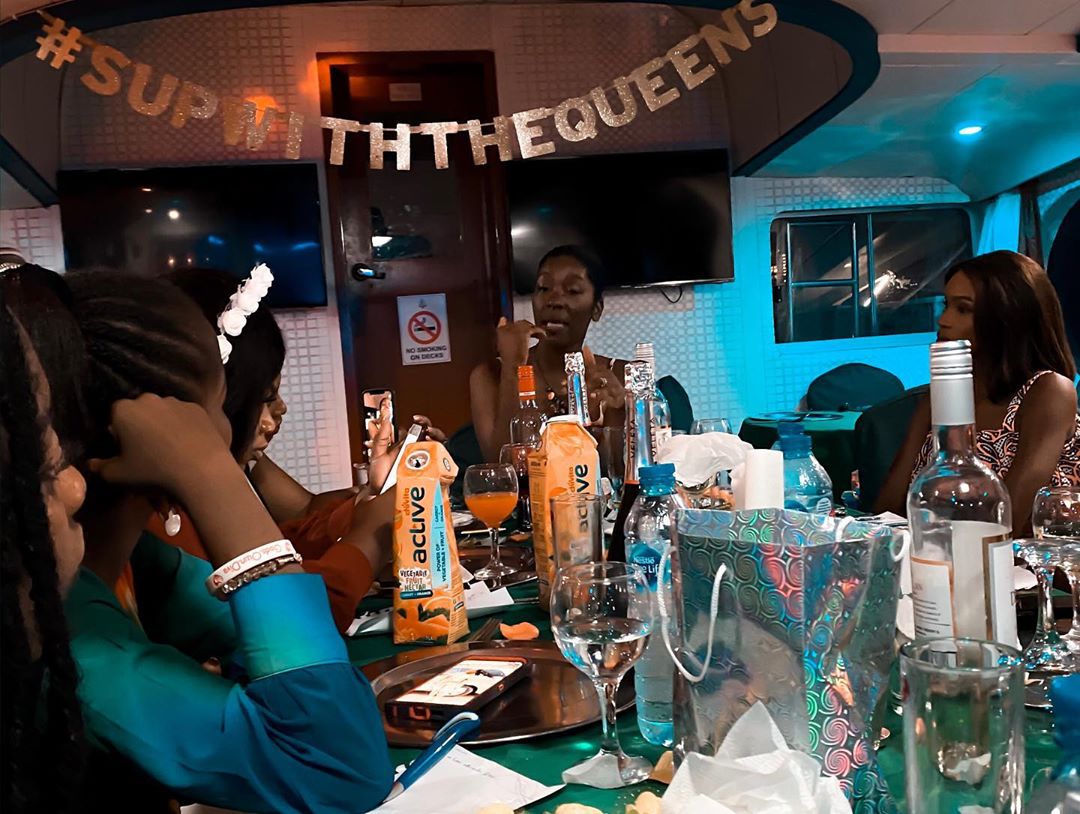
The Baylifeng on a cruise – Sup With the Queen
The ‘Sup With The Queens’ IWD 2020 Cruise was everything the BayLife is about and more! We had Lawyers who had other businesses, Filmmakers, Bankers, Copy/Creative writers, Business Executives, Civil Servants, Business owners / Serial Entrepreneurs, Stylists, Singers, Media Personalities, Women with NGOs supporting women, Talent managers and more!
The support from women led organizations as well as Nafisa Atiku and our speaker of the day, The Unstuck Mentor, Banke Sotomi, who is a Life & Executive Coach, was overwhelming. It was blissful to watch these industrious women come together to share ideas and opinions, support each other, learn from the amazing Life Coach and share their experiences, all while sipping on some wine having a good time.
Do you think female Media Personality are given enough room to soar?
I believe there are more females in the media as a matter of fact. What we need is more informed media personalities in general because a lot of people this days believe they do not need any training to be on air personalities – they believe it’s just about speaking and looking good.
Challenges
Professionalism is a major key and under that is a whole lot. Productions (studio & red carpet) sometimes do not come out right due to some unprofessional decisions, which may include not having a productions assistant or a runner and everything that makes for quality production.
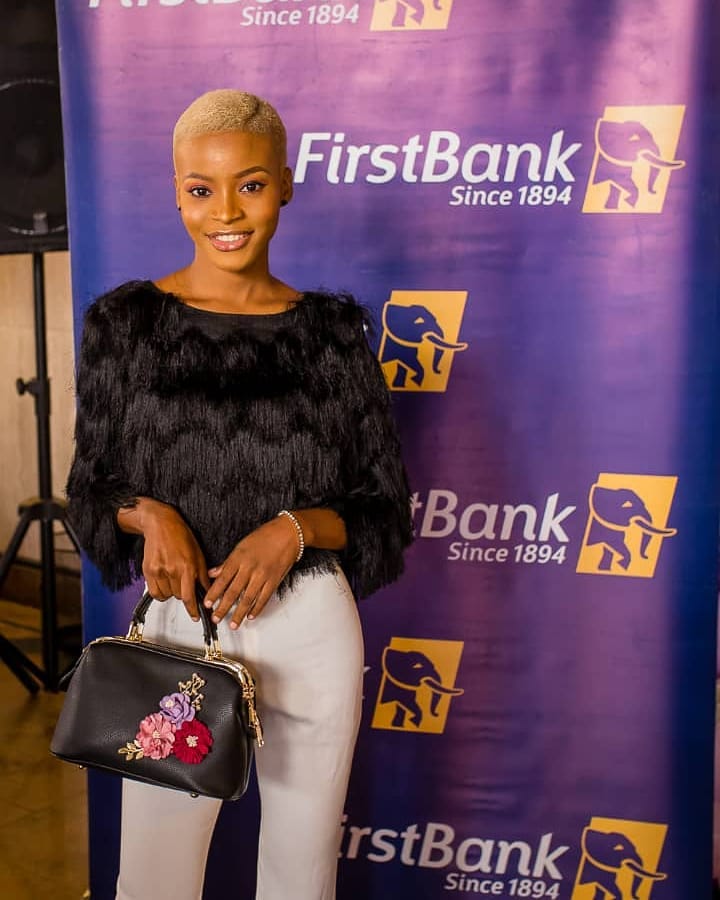
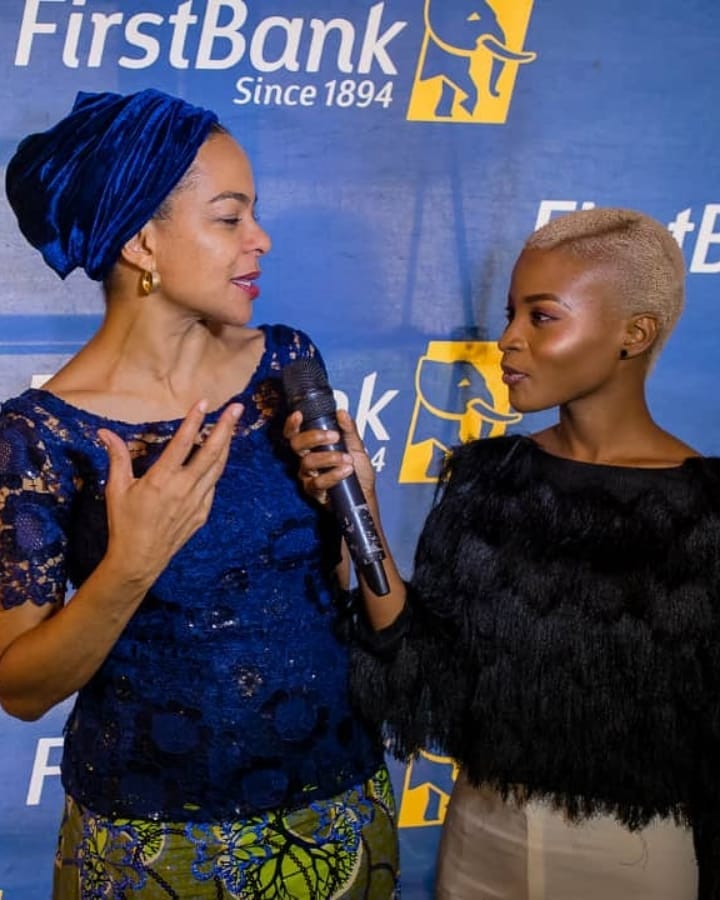
You are the official red carpet host for First Bank event, how do you feel being a voice in such a reputable organisation?
I feel privilege to represent such a reputable organization. The FirstBank of Nigeria prides itself in making room for young professionals to soar and being a part of this goal is an honor.
Projects and other activities?
I am majorly working on The BayLife, steadily working on ways to make us better. We have been working on a project, Girl Up! which creates an avenue for industrious women to let their hair down after a month long stress and network in a relaxed atmosphere. This project was supposed to be launched this Easter but we have now postponed it due to the pandemic at hand. We have some Baycations coming up which includes: Girl Up! Cape Verde which is the highlight of the Girl Up! project, Baycation Dubai (Expo 2020) which is an amazing mix of business & pleasure and much more. The new dates of these Baycations would be announced as soon as it is possible to travel again.
What makes you a woman of rubies
I believe my desire to see women prosper in their chosen profession, working alongside their male counterparts and not in competition – this is the passion that founded the BayLife.
Advice for young women out there who want to have a voice in the media, Kindly share some success nuggets to encourage them chase their dreams?
First things first, you must have it in you! It’s important to know that you are fit for the role role you want. It’s just like asking Michael Jackson to be an engineer – he might do it, but may have not been as successful as he turned out. Now when you find that you have it in you, the next step to take is to get properly trained. Don’t just be a TV girl, be an informed journalist/broadcaster, know the job, learn everyday, and the sky will be your starting point.
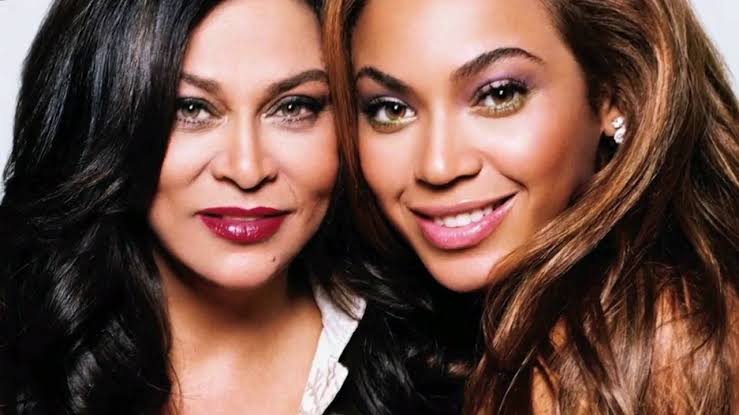
Beyonce is supporting her mom, Tina Knowles Lawson, with her initiative BeyGOOD.
The mom and daughter will be with the mobile testing sites for the upcoming weekend, with the #IDIDMYPART initiative, which encourages residents in Houston, Texas to get tested in wake of the COVID-19 pandemic.
Beyoncé supported her mother’s efforts when her philanthropic initiative agreed to take things a step further by including grocery card gift cards and hot meal vouchers for healthcare workers and staff, as well as providing up-to-date information on staying safe during the pandemic.
The campaign will launch on Friday, May 8 and continue over the weekend. It will provide 1,000 test kits, as well as face masks, gloves, vitamins, and household supplies to Houstonians.
They will ensure the testing facilities offer test kits, face masks, and other essentials to citizens.
The test is free and will be administered under safe conditions as participants will never have to exit their vehicles.
“We are all in this together. But we have to look at what is happening in our Black and Brown communities and how they are being decimated by COVID-19,” Knowles Lawson said in a statement
Ngozi Okonjo-Iweala, former finance minister of Nigeria, co-chair of the Global Commission on the Economy and Climate
The COVID-19 pandemic is a crisis, a tragedy that is all at once fast and slow-moving, personal and global. The virus has killed more than 150,000 people. Livelihoods have been hit hard as communities are cut off and businesses are forced to close. Country leaders are understandably looking for ways to stimulate their economies immediately.
During a crisis of this scale, it is understandable to the familiar. But, for their own sakes, governments must avoid defaulting to familiar investment habits – namely, ramping up production and use of high carbon emitting fuels.
The pandemic, together with the Saudi-Russia oil price tussle last month, have had a stark impact on oil markets. Oil futures recently went negative for the first time in history. This has highlighted how vulnerable countries with fossil fuel-dependent economies are to volatile fuel prices: in Sub-Saharan Africa, oil exporting nations could lose up to $65 billion in revenues in 2020 as crude oil prices continue to tumble. Even before COVID-19, the global transition to a low-carbon economy was sparking a decline in oil prices. The pandemic has only exacerbated this trend, underscoring the need for diversifying these countries’ economies.
This is the time to invest in diversifying the economy, to build resilience to future shocks, not lock-in further dependence on fossil fuels. Conversely, investing in renewables and better grids in many countries will enable wider access to energy and greater self-reliance, enabling countries to take control of their economic prospects and insulate themselves from whimsical oil and gas markets.
Efforts to boost economic growth out of this health crisis in a way that locks in more fossil fuel production and use will only exacerbate other health crises, including the ongoing climate crisis and air pollution crisis. This will have dire implications for communities through more frequent and severe natural disasters, and more rapid spread of infectious diseases due to climate change.
Climate-induced changes in the movement patterns of humans, animals and pathogens will make viral outbreaks more common. This is just one big reason why we must respond to COVID-19 by building back better in terms of economies that are resilient to future shocks and accelerating the transition to inclusive, low-carbon growth.
Moving away from fossil fuels is challenging, particularly in developing and emerging economies with pressing development needs. Before COVID-19 was a household name, Africa was already working to bring over 400 million people out of poverty and over 200 million out of hunger.
Some countries, including my own Nigeria, are reliant on oil and gas production to help finance these social gains. A careful and just management of the low-carbon economic transition is essential, to avoid stranded industries, communities and workers, exacerbating inequality.
A better future, where all jobs are green and decent, poverty is eradicated, workers are supported, and communities are thriving and resilient across all sectors of the economy, starts with a just transition today. That means working closely with affected workers and communities to ensure they benefit from the new economy that will emerge, while also directly investing in more diverse, clean energy alternatives and avoiding propping up failing oil and gas operations.
As the COVID-19 crisis has laid bare, robust social protection policies and programmes are essential to meet basic needs during periods of unemployment, re-training or education. A just transition means diversifying local economies, generating new industries, new services and building new essential skills across the workforce and adaptive capacity across communities to ensure they are resilient and benefit from a new climate economy. This will require new types of policies and accompanying investment.
Many wealthy regions are already supporting a just transition. Last year, Germany approved a $45 billion aid package for the nation’s coal regions and companies to support the transition to make the country coal-free by 2038. And the European Commission’s Green Deal, now a cornerstone of the EU’s COVID-19 response, includes a €100 billion ‘Just Transition Mechanism’ to help retrain workers who lose jobs in shuttered coal mines or steel factories. Other countries are approving similar funding packages, but none of them include aid for the transition in developing nations.
Now more than ever, rich countries must support the developing world in the pursuit of a healthy and prosperous future for all. This is the time when we can and must design a new social contract, and demonstrate solidarity with the communities that are the most vulnerable. We must apply every tool at our disposal to advance responses to the pandemic that secure incomes and jobs, address the immediate health needs, and promote a just transition forward toward an inclusive, low-carbon and resilient economy.
The COVID-19 crisis has laid bare the climate crossroads the world was already facing. This terrible moment in history demands us to build back better. The world’s larger economies have a responsibility to lead the charge. Fortunately, low-carbon solutions are cheaper and more available than ever before. The New Climate Economy finds that bold climate action could deliver $26 trillion in economic benefits between now and 2030, and these benefits would start immediately. It could also generate over 65 million jobs in 2030.
We are living in uncertain and frightening times. But we must be brave. We must aim to do more than survive, we must thrive. We must improve lives by shifting away from dirty, carbon-intensive industries. Low-income regions cannot do this alone. The world’s developed economies must invest in a better way, a more just way. This is the challenge of our lifetimes.
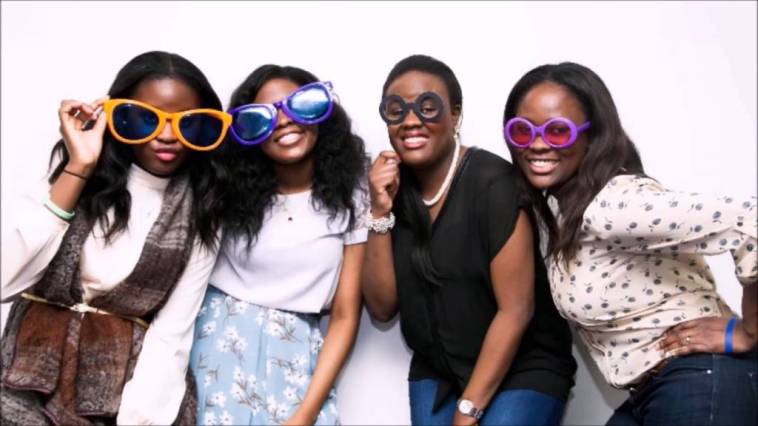
The amazing idea to birth Dvees came from growing up in a household with parents who found expression through food. Four amazing sisters Voke, Vona, Vese and Vome started experimenting with different recipes.
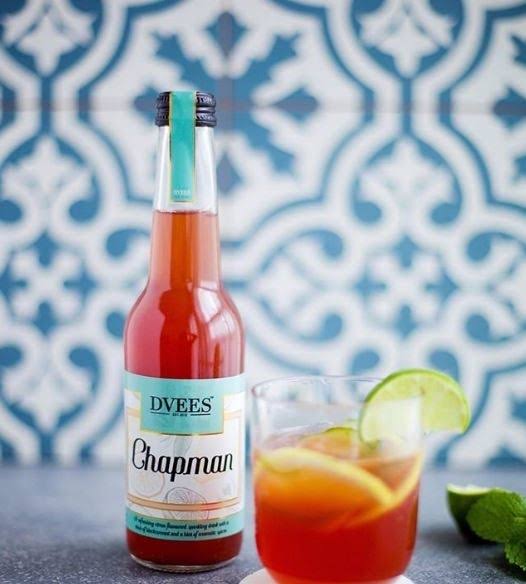
With this, a business which pioneers West African fine dining and flavours including a signature Chapman Drink was formed.
According to them; “Our love for food is our family heritage. We grew up with a dad who loves good food. We had numerous cooking and baking sessions with him, from making crab soup to homemade cakes. He always came home with food from the latest restaurant he discovered or the staples like suya from the family country club in Lagos; Ikoyi Club. While he encouraged the flare for the western twist, Mum made sure we knew how to throw it down in the kitchen African style. With her occasional and often spontaneously organised cooking lessons, we were well equipped to prepare authentic African dishes.”
They’ve been able to create drinks, condiments and tea so far, and Out of their products, the Chapman Drink stands out and here’s why;
“We spent countless hours trying to recreate drinks we grow up knowing and loving. It’s been a long journey but we are finally here and excited to share them with you. We still remember the day we tried the winning Chapman recipe, it felt like we had won an Olympic gold medal. With shouts of joy and teary eyes, we celebrated, hi-fived and hugged each other. The recipe was finally here and we all approved.”
In a recent IG Live session with a mental health expert in the UK, Victoria advised anyone in an abusive relationship to get out fast instead of dying in silence. She wrote:
I had a very therapeutic time yesterday on @missmalinsara Instagram live……So many things I hadn’t voiced out, so many I still haven’t said…No Shame! NO APPOLOGIES!!!! 💃💃💃💃💃💃💃💃 I am still on the final stages of being free from him….I always wonder why he still hasn’t DIVORCED me since I am such a BAD person, I thought men Divorce bad women 🤦🏽♀️🤦🏽♀️🤦🏽♀️
Anyways, I can tell you everything thing about a Narcissistic Person……
Plsssss I beg anyone in an Abusive relationship to pls leave….There’s help out there…..there are charities…. there’s also the police… I lived in Fear for Years… calling on Pastors & doing Religion all the while slowly dying 💔
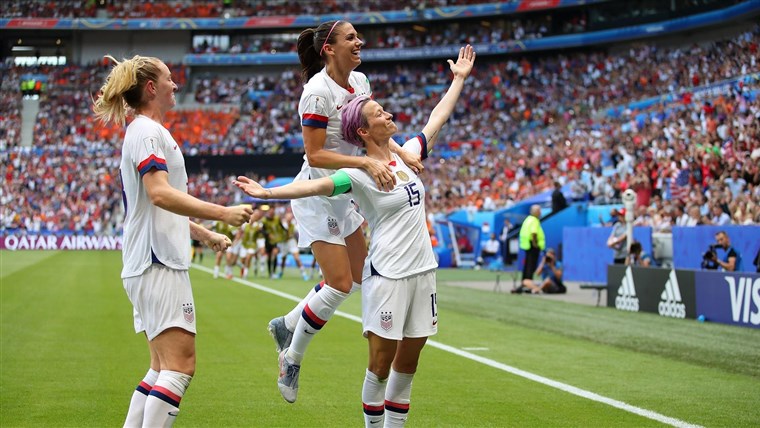
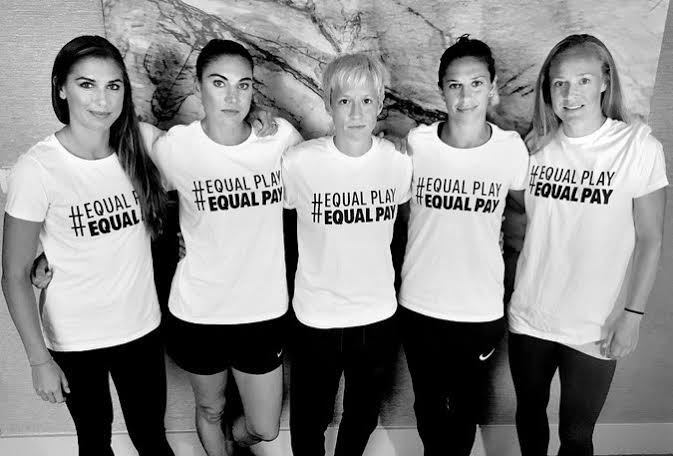
The United States women’s football team bid equal pay has been dismissed by a court. The ruling judge rejected the players’ claims they were underpaid compared to the men.
Last year, the lawsuit was filed by 28 women’s national team players against the US Soccer Federation (USSF).
They had been seeking $66m (£52.8m) in damages under the Equal Pay Act. Molly Levinson, spokeswoman for the players said that they planned to appeal against the decision.
“We are shocked and disappointed,” said Levinson. “We will not give up our hard work for equal pay.
“We are confident in our case and steadfast in our commitment to ensuring that girls and women who play this sport will not be valued as lesser just because of their gender.”
Others have on hearing the news have issued words of support and encouragement. Joe Biden, the presumptive Democratic nominee for US president in this year’s election, told the team to not “give up this fight”, adding: “This is not over yet.
“To US Soccer: equal pay, now. Or else when I’m president, you can go elsewhere for World Cup funding.”
Federal judge Gary Klausner allowed the players’ case for unfair treatment in travel, housing and medical support to go to trial, which is set for 16 June in Los Angeles.
Giving its ruling, the court said: “The women’s team has been paid more on both a cumulative and an average per-game basis than the men’s team over the class period.”
The US team won the Women’s World Cup last summer for their fourth title overall. They have also won five Olympic gold medals.
Megan Rapinoe, who won the Golden Ball and Golden Boot at last year’s World Cup, on hearing the ruling, tweeted:“We will never stop fighting for equality.”
Fellow US striker Alex Morgan said: “Although disappointing to hear this news, this will not discourage us in our fight for equality.”
The Soccer federation said it has support do the women to keep growing stronger.
Its statement added: “US Soccer has long been the world leader for the women’s game on and off the field and we are committed to continuing that work.”
Pleasantly, male players have publicly supported the women team and in February they issued a statement criticising the governing body, saying that “the federation continues to discriminate against the women in their wages and working conditions”.
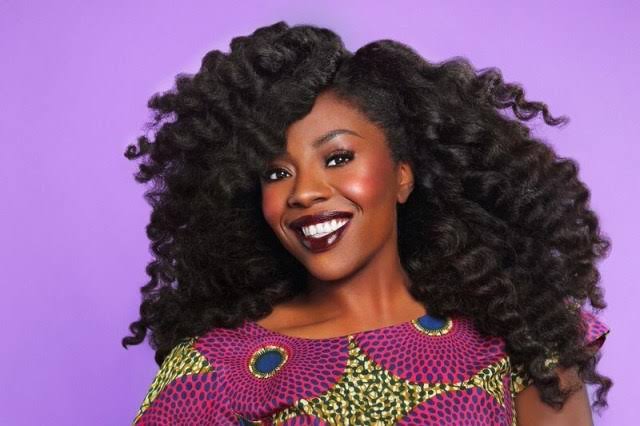
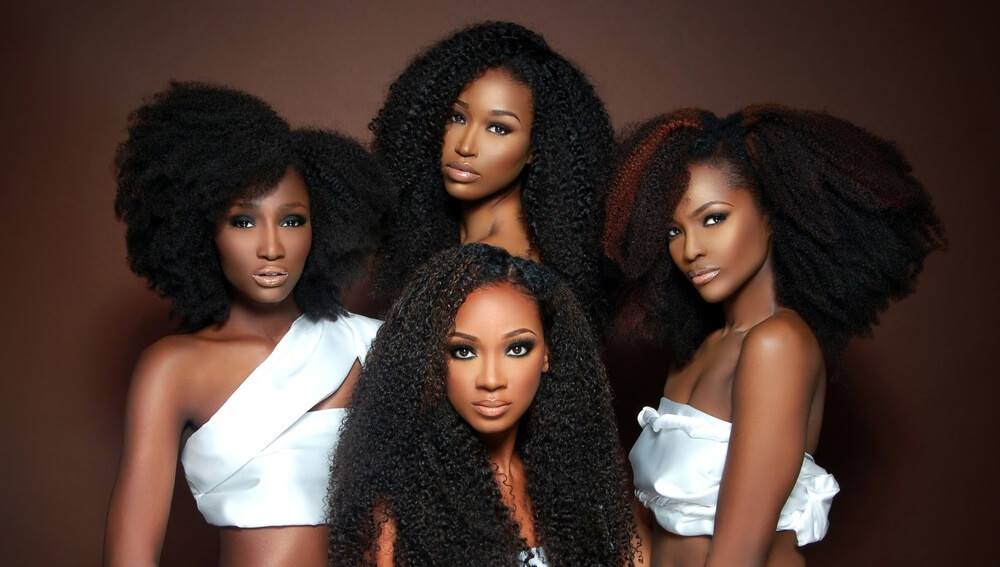
In 2012, Ngozi Opara made the bold decision to dive into the natural hair business. The former financial analyst and trained cosmetologist, saw that African women had no options of hair extensions made specifically to match their texture.
Therefore, she launched the Heat Free Hair, the first manufacturer of virgin hair exclusively created to blend with textured kinky, and curly hair. Ngozi clients include celebrities such as actress Uzo Aduba and singers Jill Scott and Tamar Braxton.
“Four years ago, I stood at the top of 2012 with an idea I had been sitting on for MONTHS. I felt sick to my stomach with the potential the idea had to be a huge success or what I feared even more– a huge failure.
After months of going back and forth between every reason why the idea could work and my fears of why it couldn’t, I finally just said to myself, “Screw It, Just Do It.” These 5 words were a game changer for me and now @heatfreehair is living proof that taking a leap faith is worth the risk. By no means was it easy for me to “just do it,” and this is something I work on every day, but following a few steps helps me when I’m stuck between the desire to see a goal I have come into fruition and the fear of it failing (or succeeding!).
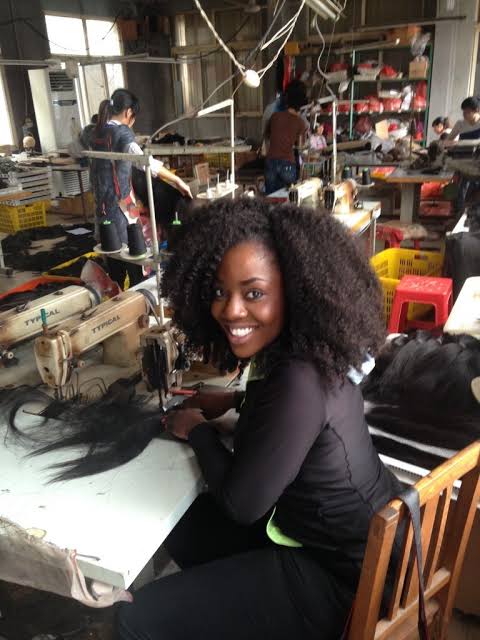
It wasn’t easy at the start, she faced the challenges of being a pioneer (starting from scratch, creating a new market). Travelling to China to learn the weave-manufacturing process (while living in less-than-ideal conditions) and much more she had to put in the hard work.
Recently, she shared the importance of “deep work”, which you can liken to the advanced version of hard work.
She recently shared on the impact focus has on whatever we do. “For the past few months I’ve taken a step away from all things social to truly learn the concept of “deep work”. Deep Work calls for you to put all your focus into achieving a milestone or to strategize without any distractions. It is a powerful tool that I encourage anyone who has something major that they want to accomplish to do. I’m one for balance but I also know that to make major moves you have to also make major sacrifices.
Other hair manufacturing companies have since joined the line, but Ngozi has stayed on top by controlling the entire value chain from manufacturing, distribution and retailing through her website.