Category

Career Gems

Category

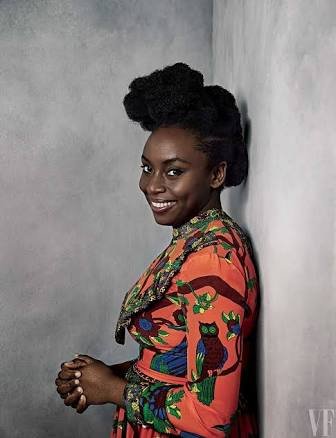
Nigerian author, Chimamanda Ngozi Adichie has been awarded the PEN Pinter Prize, a prize in honour of late Nobel laureate Harold Pinter.

The prize is awarded to a writer from Britain, the Republic of Ireland or the Commonwealth, who casts an “unflinching, unswerving” gaze upon the world, and shows a “fierce intellectual determination … to define the real truth of our lives and our societies.”

The judges of the prize described Adichie’s understanding of gender, race and global inequality as “sophisticated beyond measure.”

“In this age of the privatised, marketised self, Chimamanda Ngozi Adichie is the exception who defies the rule,” they said.

Adichie, speaking on the prize, said:

`I admired Harold Pinter’s talent, his courage, his lucid dedication to telling his truth, and I am honoured to be given an award in his name.’’

She will be presented with the prize on October 9.

She will also, on that date, announced her co-winner, the winner of the “International Writer of Courage,” a prize given to a writer “who is active in defence of freedom of expression, often at great risk to their own safety and liberty.”

The award is given by English PEN, and is supported by the Blavatnik Family Foundation, Ruth Maxted, and the Thompson Family Charitable Trust.

The award was named after the late Harold Pinter, the master playwright (1930-2008), who was a vice-president of English PEN and a tireless crusader for human rights and, particularly, for an end to torture.


Source: The Punch

The platform which is home to several reality shows, Nollywood and Kannywood movies, launched on Saturday, June 9, 2018.

There are seven categories on LITV: Continue Watching, Trending, Reality Shows, TV Series, TV Shows, Movies and Recently Added.

Just like video services like Netflix and IrokoTV, LITV subscribers are expected to pay a certain amount of money to have access to the wide array of content on the platform.

LITV will be available to subscribers at the cost of 1000 naira for a month, 3000 naira for three months, 5500 naira for six months and 10000 for a year.

Currently, there are episodes of reality series such as “King Tonto,” “Toyin Abraham: True & Bare,” “Ice Prince: Rise & Grind,” “Oyinbo Wives of Lagos,” “Gidi, Magodo Mums and their single friends”  “Annabel: My life as a former stripper,” “Highway Girls of Eko,” “Ajegunle With Love” and “Real Naija Ladies of Dallas ” are currently available.

There are also other TV shows such as“Verified,” “Double Trouble,” “Life Lessons with Betty Irabor,” “Crime Story,” “Black Room” and “I Survived.”

According to Ikeji, there are plans to add foreign movies and series from countries such as Ghana, Kenya, South Africa and USA, and Kannywood movies and series to the already existing content on the platform.

Also, there are plans to live stream some of the reality shows in the future.

Linda Ikeji announced her venture into the reality TV business on December 14, 2017, with the announcement of “Oyinbo Wives of Lagos,” a show which focuses on Nigerian women married to white men.

The LITV android app is currently available on Playstore, while the ios app is expected to be available later this week.

Credit: Pulse News

The Federal Government of Nigeria has increased maternity leave for women from three to four months and this was disclosed by Minister of Labour and Employment,Senator Chris Ngige at the ongoing International Labour Conference (ILC), in Geneva, Switzerland, on Tuesday, 5th of June.

Senator Ngige also told delegates that employers of labour in the public and private sectors in the country have been barred from sacking women from work either due to their marital or maternity status, Vanguard reports.


Employers of labour (in Nigeria) are, by regulation, requested to provide workplace crèches for nursing mothers for ease at work place.

In the public service, government recently increased the period for maternity leave from 12 to 16 weeks; to allow enough recuperation for both baby and mother, especially in the area of breast feeding.

In addition, all disciplinary proceedings against any female staff, which might have been taken during the period of her maternity leave shall be put in abeyance till the expiration of the leave.

Employers of labour are also barred from removal of women from work due to their marital or maternity status, illegal labour migration, contract staffing and labour casualisation which affects most women, are being reformed through policies and regulations at national, bilateral and multilateral levels.”

The ratification, domestication and implementation of the Maternity Protection Convention No. 186 are conscious efforts to ensure that more women enjoy maternity protection in the country.”

However, the minister informed that a lot needed to “be done in terms of putting in place appropriate legislation, policies and practices to deal with the gender gaps that inhibit the greater participation of women in the labour force.”

He added that the most effective method of eliminating gender inequality from the workplace lies in vigorous opposition to employers’ discriminatory conducts, policies and harassment in all forms wherever and whenever they occur.

“Women who fall victim to these abuses are encouraged to oppose such through legal actions and reporting to Labour Inspectors. The infusion into Labour Inspection Guides Laws and Code of Practice, with severe sanctions and serious punitive measures are prescribed as future deterrents.

In this respect, we will need the Technical Assistance of the ILO in the area of gender audits, considering the good news that the ILO has in her pool, over 80 certified Audit facilitators. We can adopt the Train the Trainers (TOT) approach in this regard.”


To address gender inequality and youth unemployment in Nigeria, Mr Ngige told delegates that the federal government drew up and has been implementing an Economic Recovery and Growth Plan (ERGP).


Source: fabwoman.ng

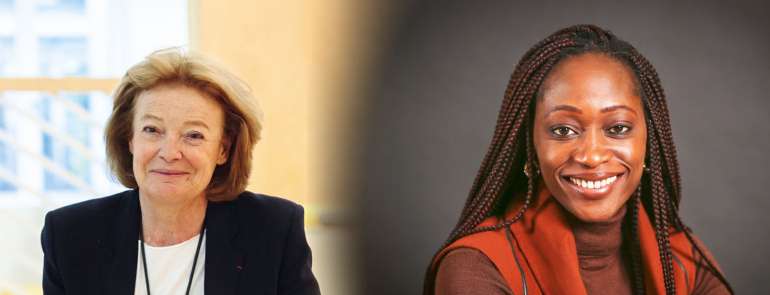
Hafsat Abiola, Nigerian activist for human rights, civil rights and democracy was appointed June 5, 2018 as the Executive President of Women in Africa (WIA) Initiative. This is a key step for the global platform dedicated to the economic development and support of leading and high potential African women. The founder, Aude de Thuin, and Hafsat Abiola share their thoughts on this significant step for the Initiative.

Aude, why has Hafsat been appointed at this time?
This is the stage of maturity. Since the beginning of WIA Initiative, I have always said that I would give my place to an African woman, because it is in the logic of WIA to have an African President. It is with women that Africa will develop in trust and in complementarity with men.

Hafsat Abiola, why did you accept?
I believe in the vision of Women in Africa Initiative . Women are the greatest untapped resource the continent has. So I want to help lead the organization that is working to harness their potential. It could very well be the game-changer that unleashes the long-anticipated rise of the continent.

Aude, why did you choose Hafsat?
First, because of her personality. She was one of our first WIA Ambassadors, and joined WIA Council a year ago. Secondly, because of her career as an activist for human rights, civil rights and democracy, and values so close to ours made her the ideal candidate. Finally, for her analysis and her vision of the role of women in the economy. All this combined made it obvious that she is the right person at the right place.

Hafsat, what are you main goals as president for 2018 and the two coming years?
My goals for 2018 are understandably modest. It is primarily to learn. To learn how the organisation currently operates, to meet our partners and listen to their vision and interests, to engage with our members across the continent and learn what they see as the biggest opportunities and the toughest challenges. In the coming year, my focus will be on building out the structure for the future and beginning to tie that structure to performance. I’ll be focusing on ensuring that we have ambassadors in all the countries of Africa, that we have active councils in at least a third of these, and that we expand the network of partners that we engage on behalf of our members.

Hafsat, how will your background contribute to the development of WIA Initiative?
In some ways, it seems that everything I have done in my life was preparing me for this role. A little over two decades ago, I got involved in advocating for democracy in Nigeria at a time of military rule. I was in my early twenties and due to the particular circumstances, I was one of the spokespeople for the movement. It entailed traveling around the world, working with a diverse community of organizations and associations to push for the global community to support the Nigerian people’s demand for democracy. Since then, I founded an organization that is dedicated to the empowerment of women and young people in Nigeria and then served for seven years as a member of cabinet in Nigeria’s industrial state, Ogun State, where I was responsible for the Millennium Development Goals and later the Trade & Investment portfolios. As a result of these experiences, I have built quite a broad network of relationships with global and local leaders, organizations, foundations, and governments from Washington DC to Ouagadougou that will be useful to WIA Initiative now as it seeks to expand its footprint and impact.

Aude, what are the challenges of this new presidency?
Hafsat becomes Executive President and CEO of Women in Africa. The main office will be based in Lagos, Nigeria from next October. Paris will keep a representative office, just like Casablanca. Hafsat will be in charge of the “vision” for Women in Africa and, as such, in charge of the programs and all the contents of the summits, whether global or regional, and the digital platform. She will be the spokesperson and interface with the pan-African and global partners who accompany us. She will chair the Council and expand the network of our ambassadors. She will be accompanied by the team in place, composed of seasoned professionals, and she will complete this team as WIA grows. In the short term, in addition to being the spokesperson for WIA Marrakech 2018, Hafsat will contribute to the program whose generic theme is “Watch Africa with confidence and Believe in its talents”. Hafsat will also put together the second regional summit to be held in Lagos at the end of the year with the WIA team.

Hafsat, what do you think the current assets of WIA Initiative are?
The organization has a great network of women across Africa and around the world as well as strong relationships with companies and organizations, especially in Europe. Internally, we have a dynamic team that is committed to delivering results for Women in Africa, which means that there is no limit to what we can achieve, so long as we remain focused on our goal, which is to ensure the rise of the women of Africa.

Aude, what role will you play now in WIA Initiative?
I am 67 and I will keep a promise made to my family to slow down my intense life of work: I will bring my vision, to help Hafsat and her team apprehend the specific job which was mine during years ; I will also nurture the relationship with major French and international partners that I have known for a long time. And suggest names of speakers because through my intense daily readings, I spot incredible talents that I will submit to the group “program” who will then decide, under the authority of Hafsat. I want to continue writing too, because I still have a lot to say about what I see in this ever-changing world, who is so unwilling to really welcome women as true economic partners, capable of having a vital role in the evolution of our societies.

Hafsat, how do you consider the sharing of experience with Aude?
I have profound respect for Aude. Well before she founded Women in Africa Initiative, I followed her work at the Women’s Forum for many years. I was always impressed and inspired by her achievements and have long wished to work with her, which was why I didn’t hesitate to accept the invitation to become an ambassador for Nigeria for Women in Africa and later to join the board and now to serve as the President/CEO of this laudable organization. I expect ours to be a strong partnership built on a shared belief in the promise of women in Africa, complementary strengths and the deepest commitment to realizing this promise.

Aude, what is your assessment of WIA Initiative nearly two years after its global launch?
I am proud of what we have achieved, because we organized a recognized world summit in Marrakech in September 2017, and a first regional summit in Dakar last April, which will be followed by a second in Lagos at the end of the year. We have also developed a leading African database and strengthened the network we had. But there is still so much to do. We are developing a digital platform connecting leaders, entrepreneurs and investors. We want to connect our members with young talents through a mentoring program. We are finalizing our website and have included a pure-player media to showcase the women we spot. And thanks to our partner Roland Berger and the sponsorship of Société Générale bank, our Foundation, WIA Philanthropy launched our second call for applications to receive in Marrakech next September 54 women entrepreneurs, one by continent and/or one from the diaspora. We will present them to investors, connect them with our community and the media so that the world will see how African women are creating new business models, all significant for the future of the continent. Whether in the fields of health, nutrition, education, energy, water, technology, finance, women are major players in this economy that Africa is in dire need of, and we want to make it known loud and clear.

Hafsat, what are the crucial needs according to you for African women in terms of career development, entrepreneurship, empowerment?
In Africa, women need know-how, finance, enabling policies and other forms of support. They need more than lip service. They need services and projects that are relevant and carefully designed to address the real challenges they face.

Aude, after these two years of experience, what advice as a woman leader do you want to give African women?
Whether in Africa, France or anywhere in the world, my advice to women is to have more self-confidence. They must know that the world would be different without them, and that they are the future of their countries. As far as Africa is concerned, the whole world knows that it is through women that things will move. The world is waiting for them and needs them.

Source:  Women in Africa

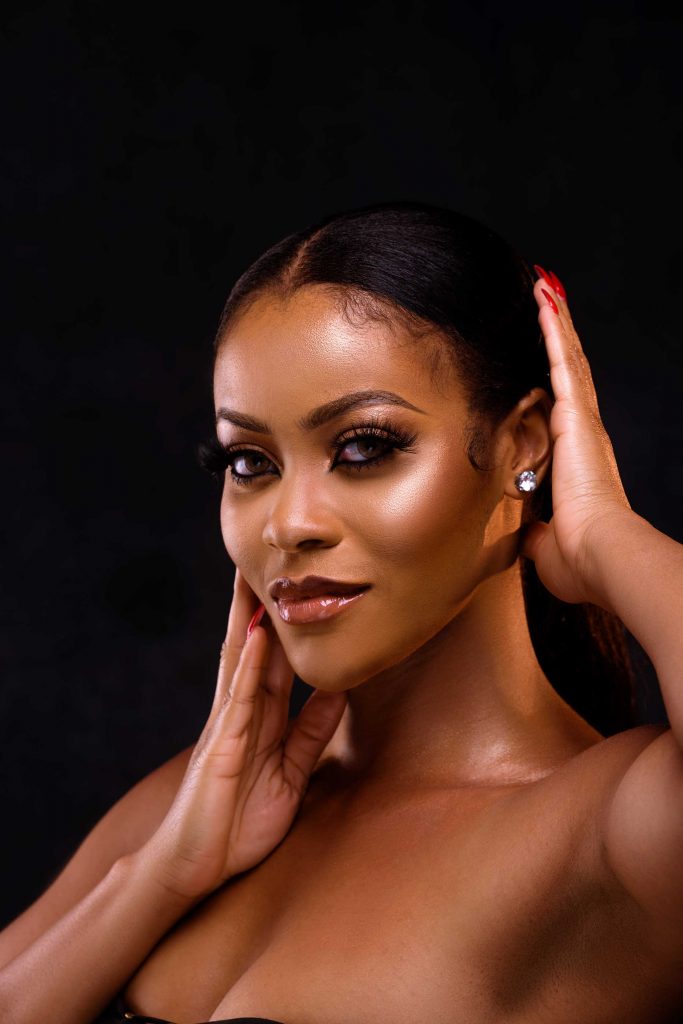
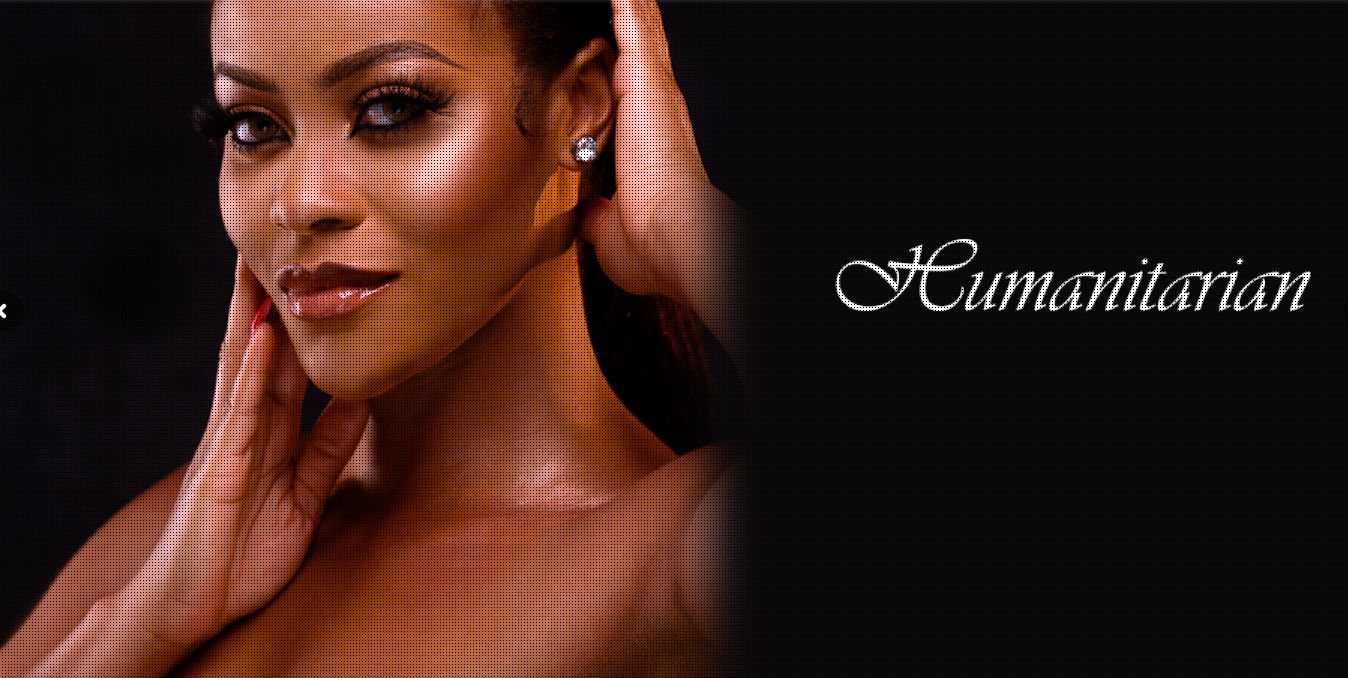
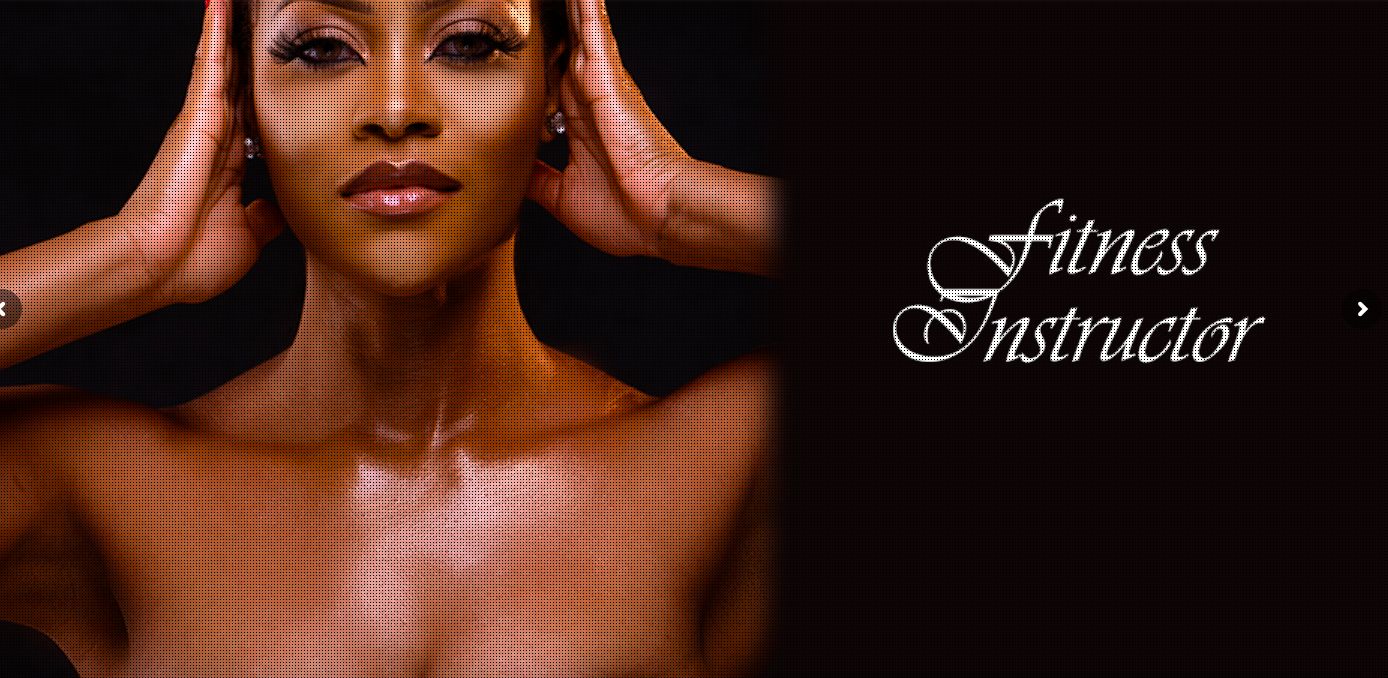
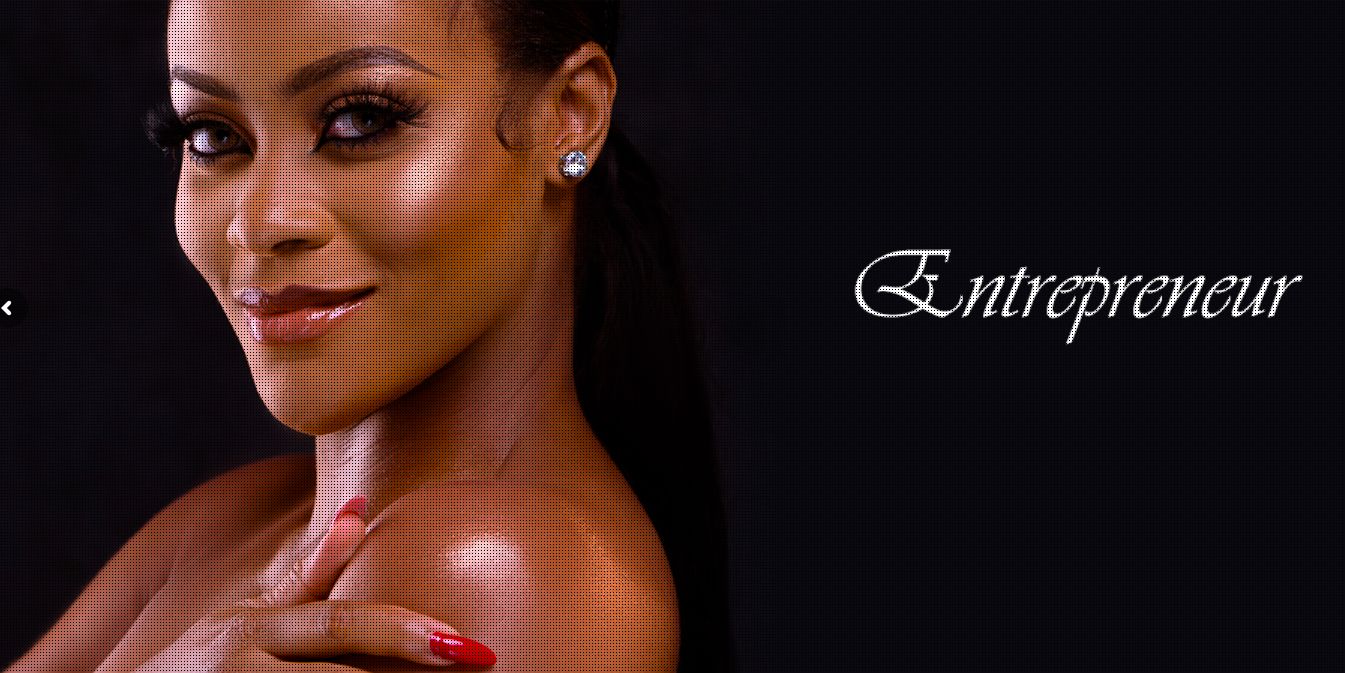
Actress and fitness enthusiast Damilola Adegbite has unveiled her official website and she’s got some lovely new photos too.
The mum of one is describing herself as an Actor, Mother, Entrepreneur, Humanitarian and Fitness Instructor.


She says:
”I am a proud mother, entrepreneur, actor and Exercise-to-music instructor. My love for the arts is innate. From an early age, I loved playing dress up and pretending I was a different person each time. Acting gives me the liberty to “live different lives” and I find that very exciting. My passion for health and fitness started during one of my most trying times. I began to look for better ways to take care of my body, and for healthy solutions to the distressing physical and mental symptoms I was experiencing. I am now on a continuous journey to strengthen my BODY and MIND while promoting FITNESS and WELLNESS particularly in women.
See the new photos below.

Saudat Salami, Founder & CEO of Easyshop Easycook is recognized as one of the pioneers of the online grocery business in Nigeria.

Her company, Easyshop Easycook delivers fresh groceries to your door. Saudat is a passionate and innovative entrepreneur who has worked hard to keep her business going over the past 10 years. To date, she has employed over 25 people.

“My company’s goal is to be at the forefront in the development of the agriculture value chain and food safety standards in Nigeria,” says Salami.

“At Easyshop Easycook, we believe that food waste could be reduced and food prices can be far cheaper than it is now if we have pack houses, cold chain storage and delivery infrastructure spread across the country.
She continues: Innovation should not be limited to web-enabled applications; we should encourage innovations in other areas as well.
Secondly, wealthy people from our continent need to do more to support young people. We should not keep waiting on international aid, Silicon Valley or Bill Gates.
Let Africans save Africa.

Whether in health, technology, agriculture, and business – we have enough rich men and women that can fund innovation hubs, accelerators and pitch competitions to help solve the problems of Africa. What are we waiting for?”
EchoVC Partners Olaide Olusoji-Oke, who recently joined the company’s board of directors, said: “We are excited to back Saudat and her team.

We have been tracking her progress over the last few years and have been consistently impressed by her ability to build trust across the entire supply chain.

Her understanding of the business is unrivalled (she has done this for over a decade) and her unique insights into behaviours in the offline market exhibited by farmers, traders and consumers are invaluable. We believe she represents the type of elite entrepreneur we love to support.”


Iconic fashion designer Kate Spade was found dead in what is said to be an apparent suicide Tuesday morning in her New York apartment.
According to CNN, the 55 year-old businesswoman whose body was found by her housekeeper, allegedly hung herself in her apartment leaving behind a suicide note.
The designer who was a senior fashion editor at the fashion magazine Mademoiselle, started Kate Spade New York in 1993, opening her first shop in the city three years later and has since then gone to be a household name.
Kate Spade New York issued an official statement on their Twitter confirming the death of their founder.f

According to a report by The Wall Street Journal, Instagram might just start letting users post videos that are up to an hour long.The move, described as tentative – which means they could back down on the move – would have users post videos longer than 30 seconds, like on YouTube or Facebook.

The feature, the report said, “will focus on vertical video” like is the type seen on stories.
It’s unclear if the feature will be allowed only in the stories section, or if the vertical video will be brought to the feed.

Dr Sigma Jagne, Commissioner for ECOWAS Social Affairs and Gender, told newsmen in Abuja that this would tackle gender inequality issues.

She said poor representation and participation of women in politics posed a serious challenge for sustenance of democratic growth in West Africa.

“The men have been there for a long time and they have not taken us where we want to go and we think that, as long as women are left out, we will not get where we want to go.

“We have to work hand in hand to the place where we all want to be which is where men and women work together and make decisions together.

“Senegal made it a law to have 50 per cent women in parliament and 50 per cent men and I think all the other countries can take (a) cue from Senegal.

“We urge Nigeria, which has the lowest representation of elected women, to also work on legislation for the 2019 elections.

“To ensure that women representation move up, if not 50 per cent but from its 8 per cent to 25 per cent; we (can) take (it) slowly to 50 per cent by another five years after 2019.’’

She identified the belief that men were designed to lead women as a culture that hinders gender growth.

Jagne urged political parties to create a level-playing-field that would encourage gender equality.

She said women would participate fully in electoral processes with adequate funds and motivation.

Source: Pulse News

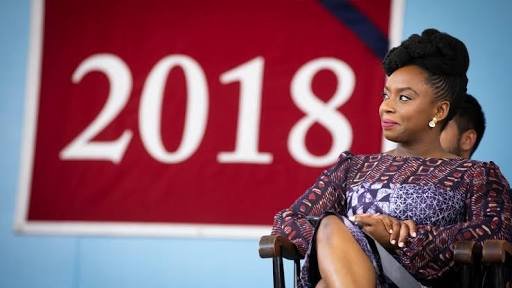
In a speech that was the culmination of the school’s annual pre-commencement festivities, Ngozi Adichie juxtaposed the idea of truth to the state of American politics. She drew from her experience growing up in Nigeria during a military dictatorship, and said , “America always felt aspirational — but today the political discourse in America is from the land of the absurd.”

The writer challenged graduates to be “citizen leaders,” seeking out what is right.

Even if there is no value in the other side, there is value in knowing what the position is,” she said.

She referenced the concept of fake news and fake facts perpetuated after the election of President Donald Trump.

“If you are reporting about the sun rising in the east, you don’t need to hear about the other side because there is no other side,” Ngozi Adichie said.

Her message rang true for graduating senior Priscilla Guo, who mentioned Harvard’s Latin motto of “Veritas,” or “truth.”

“Veritas is more than just a motto,” Guo said.

“It was her asking that we acknowledge our ignorances, which struck me. She noted that ignorance acknowledged is opportunity. I walked away from her speech thinking that acknowledging what I do not know can be both powerful and enlightening in my quest for truth and justice.”

Ngozi Adichie’s work has been translated into more than 30 languages. She is known for novels including “Half of a Yellow Sun” and “Americanah,” which explores how a young Nigerian encounters race in America.

“Few writers have captured the challenges of immigrants and others navigating those changes as Adichie,” the university said.

Credit: wtop.com