Category

Inspiration

Category

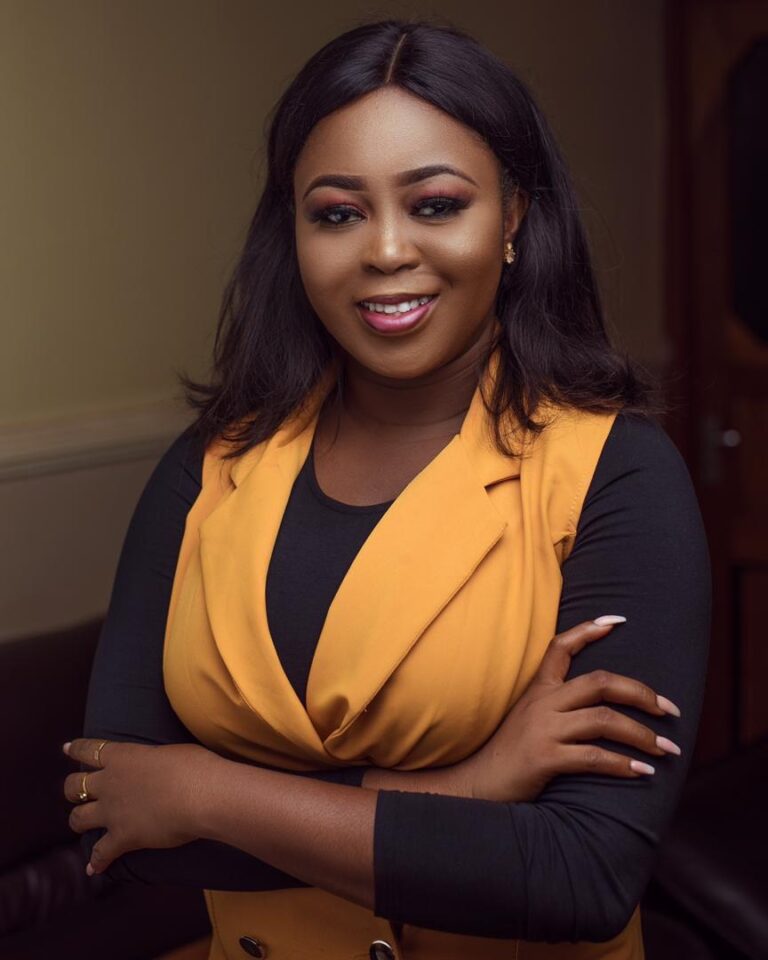
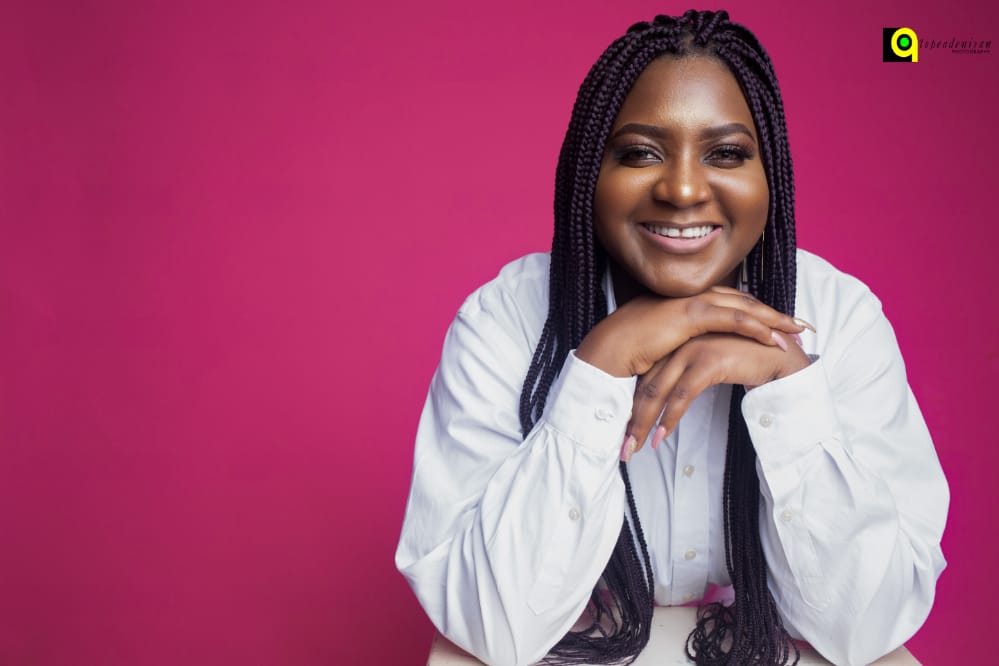
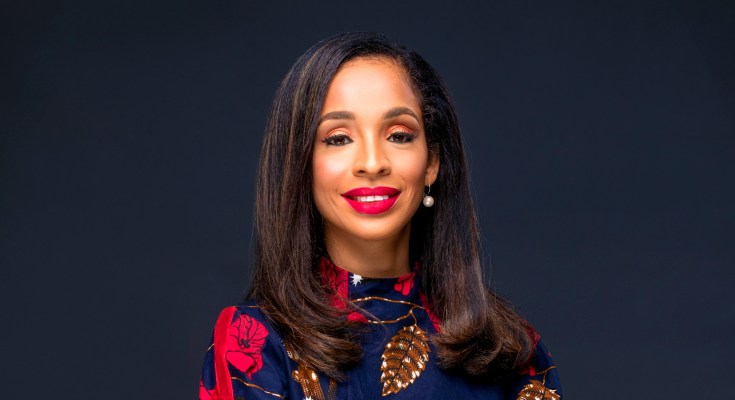
Omotoke Olowo   Olugbode is a passionate inclusive education advocate with over 5 years’ experience in education, community service, and advocating for children with disabilities. She is the Founder and CEO of The Autism Awareness Foundation, an organization that is focused on inclusive education for children living with disability especially children on the Autism spectrum disorders. She is also the CEO at Theraconnect an online mobile App that connects parents of children with special needs to the nearest and affordable therapist.

Omotoke holds a Bachelor Degree in Education (Educational Foundation and Counseling) from Obafemi Awolowo University and a certificate in Youth Mental Health First Aid in USA. She is a Mandela Washington fellow and a 2020 LEAP Africa SIP Fellow.
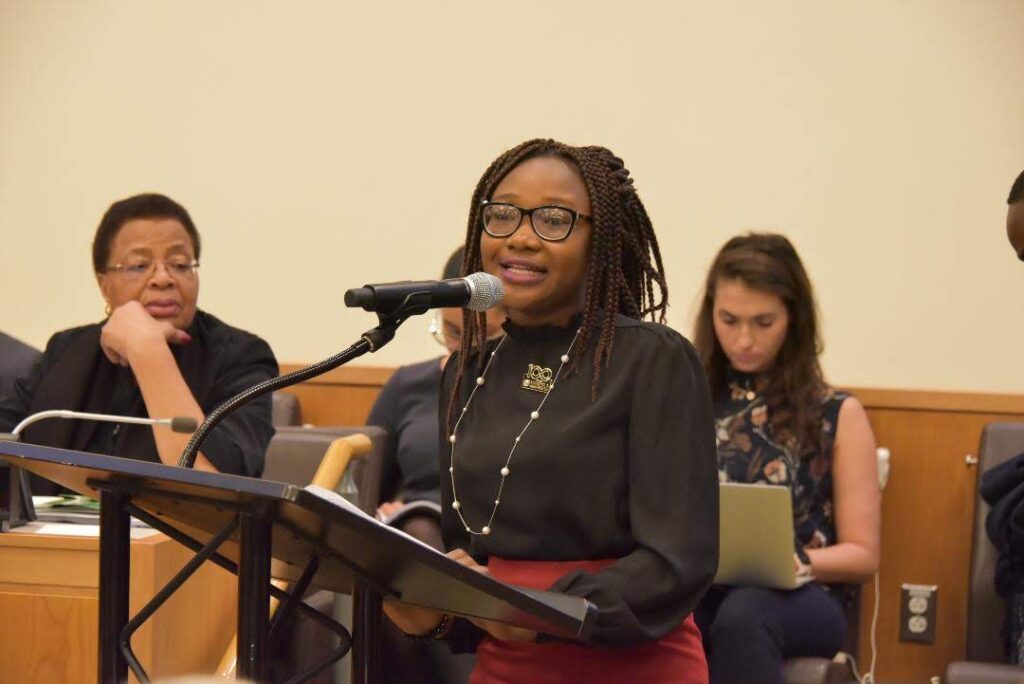
Omotoke has spoken at International conferences including, The Concordia Summit at the Grand Hyatt, Voice of women at Wagner College. She also had an internship opportunity with the Department of Behavioral Health and Intellectual Disability, Philadelphia, USA

Omotoke believes education is the bedrock of everything and without it she would not have been able to achieve all she has.

She shares her “Ruby Girl” story in this interview.
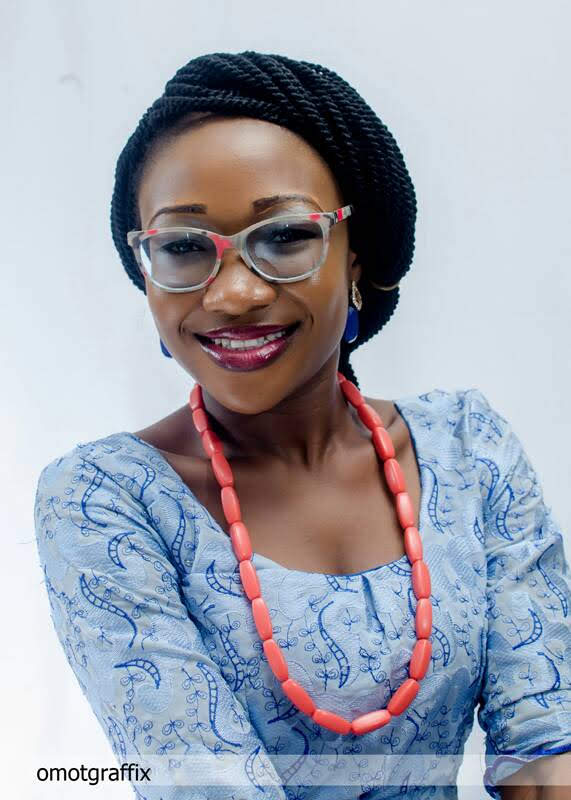
1. Who is Omotoke Olowo Olugbode?

Omotoke Olowo Olugbode is a passionate inclusive education advocate with over 5 years’ experience in education, community service, and advocating for children with disabilities. She is the Founder and CEO of The Autism Awareness Foundation, an organization that is focused on inclusive education for children living with disability especially children on the Autism spectrum disorder, while also raising awareness and advocacy in the community to change perspective and myths about Autism as she believes that each child counts and each child can learn irrespective of their disability, mental health or environment.

She is also the CEO at Theraconnect an online mobile App that connects parents of children with special needs to the nearest and affordable therapist.

Omotoke holds a Bachelor Degree in Education (Educational Foundation and Counseling) from Obafemi Awolowo University and a certificate in Youth Mental Health First Aid in USA. She is a Mandela Washington fellow, Outstanding Global Youth Ambassador for TheirWorld UK where numerous articles on her advocacy has been published, an Ashoka ChangemakerXchnage Fellow and a Robert Stiffing Alumni. She is also a 2020 LEAP Africa SIP Fellow.
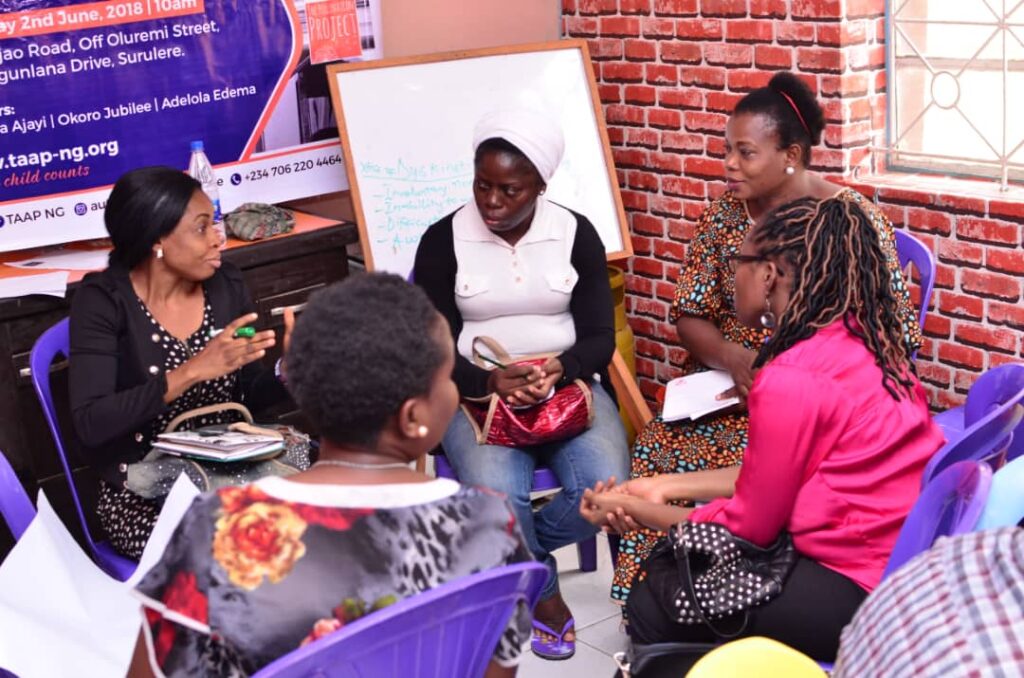
She was awarded The Essex County Board of Chosen Freeholders New Jersey, and also awarded as International Associates on civic Leadership at Wagner College, New York.

Omotoke has spoken at International conferences including the MakeImpossiblePossible Summit at United Nations General Assembly, The Concordia Summit at the Grand Hyatt, Voice of women at Wagner College. She also had an internship opportunity with the Department of Behavioral Health and Intellectual Disability, Philadelphia, USA

2. ‎ What is The Autism Awareness Foundation (TAAF)?

The Autism Awareness Foundation is a not for profit organization that raises awareness about disability and inclusion of children with disability in the classroom and society while eradicating stigmatization and marginalization. We ensure children with disability especially children on the autism spectrum disorder get access to good and quality therapy for early intervention to function and get included in the school system as most children with disability are always denied access to inclusive and quality education.

The Autism Awareness Foundation started in 2017 as a not for profit where we create awareness for children on the Autism spectrum disorder, we have been involved in active teachers training and parental support group, due to our work expansion and experience we set up the social enterprise of THERACONNECT as physical connecting platform before thinking of the App. Currently, since May 2018, we have been involved in outsourcing over 50 therapist and special needs educators to parents, teachers and school.
3. What prompted you to start an inclusive education?

I am a Teacher by profession and I got into the Teaching sector as a zeal I have for Teaching which was further influenced by my friend who had a disability during my secondary school days, and I watched how he couldn’t get the adequate and efficient education during our school days.

Teachers would rather not have her in their classroom and she most often does not come to school at all. So, from there I developed a passion to become a teacher and a deep commitment for children living with disability so that I could be able to teach them in the classroom. After going through my University Education, I discovered that my Teachers then could not teach my friend because they do not have the knowledge and skills to teach children with disability.

The spark and motivation to start my Social Initiative come after reading an online article about a mother with a child with Autism, about how people refer to her child as being possessed, this brought back memories of my experience in secondary school with my friend.

Autism as a disability was strange to me and foreign, and as such I wonder if children in my community has this disability and they don’t have access to education.

I decided I want to advocate for children living with Autism because its disability in which a lot of parents and teachers are not familiar with and a lot of stigmatization and marginalization.
4. ‎ Apart from running an inclusive education that other thing to you into?

Apart from my NGO, The Autism Awareness Foundation, I am also an Innovator, I am currently working on an online App where parents can connect with Therapist without leaving their home which saves them stress, money and time.

I am a social Entrepreneur, I currently run a social enterprise called “The Sensory Place” that focuses on sensory materials, Toys and Montessori schools equipment for parents and schools owner while also consulting for schools on issues pertaining to inclusion in their classroom and connecting with therapist to schools and parents.

“We ensure children with disability especially children on the autism spectrum disorder get access to good and quality therapy for early intervention.”

5.How do you relax despite your busy schedule?

Netflix and gist is my friend when I am less busy. As a person who provide support in issues relating to mental health of parents and disabilities, I take my mental health seriously too, I know when I need to close my laptop, turn off my phone data, decline a speaking engagement and just relax, either with talking long hours on the phone with friends, watching amazing series on Netflix or just sleeping. I am more of an indoor person than outdoor.

“I decided I want to advocate for children living with Autism because its a disability in which a lot of parents and teachers are not familiar with and a lot of stigmatization and marginalization”.
6. ‎ What has the pandemic taught you?

The pandemic has taught me how to prioritize, most time we waste our time on things that are not really important but the pandemic has really taught me to cherish each moment, love people around and check on my families more. It awakened my sense of commitment and knowing how to show love to others too, even during the pandemic, I was still on long calls with parents on how they can support their kids at home in terms of therapy and achieving their milestones


7. ‎As a global youth figure, what has been your achievements on inclusion?

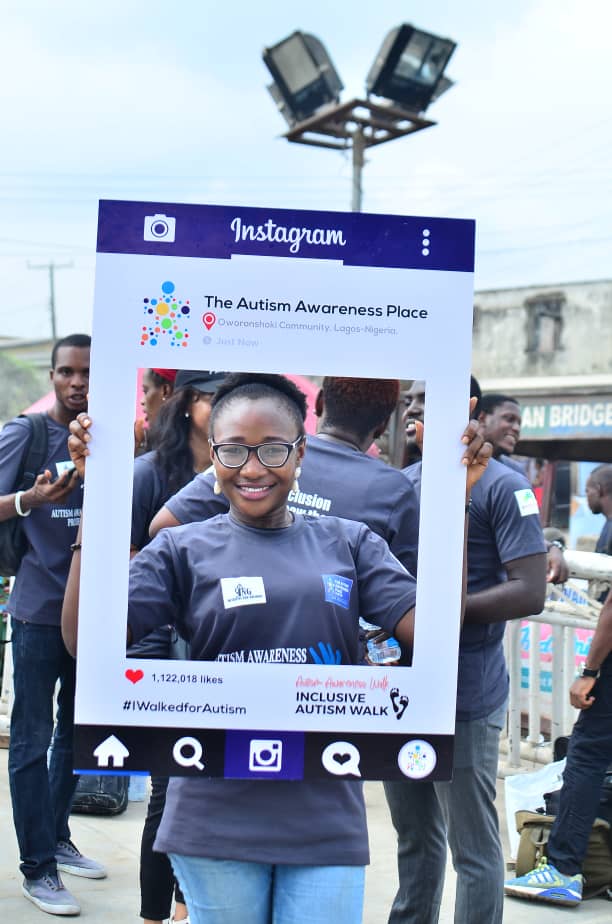
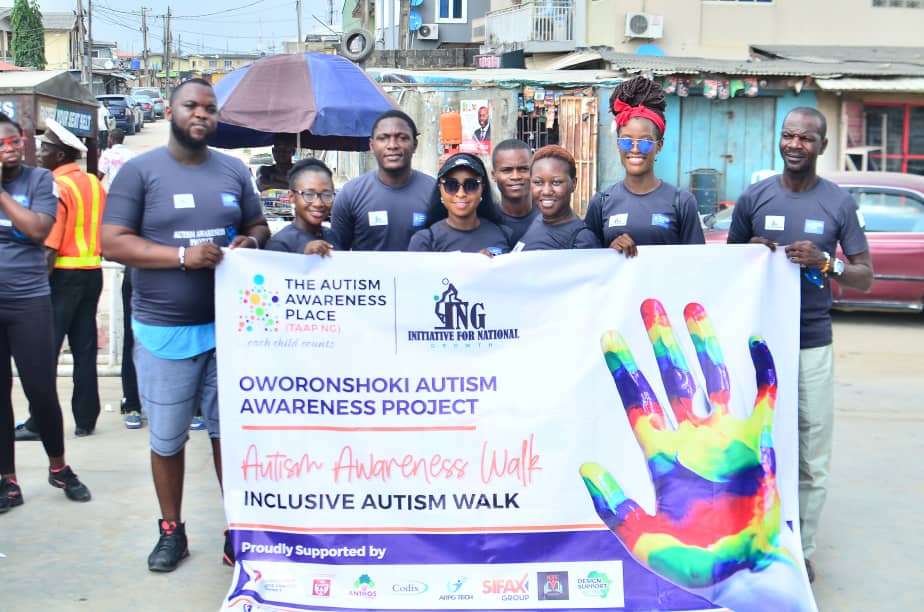
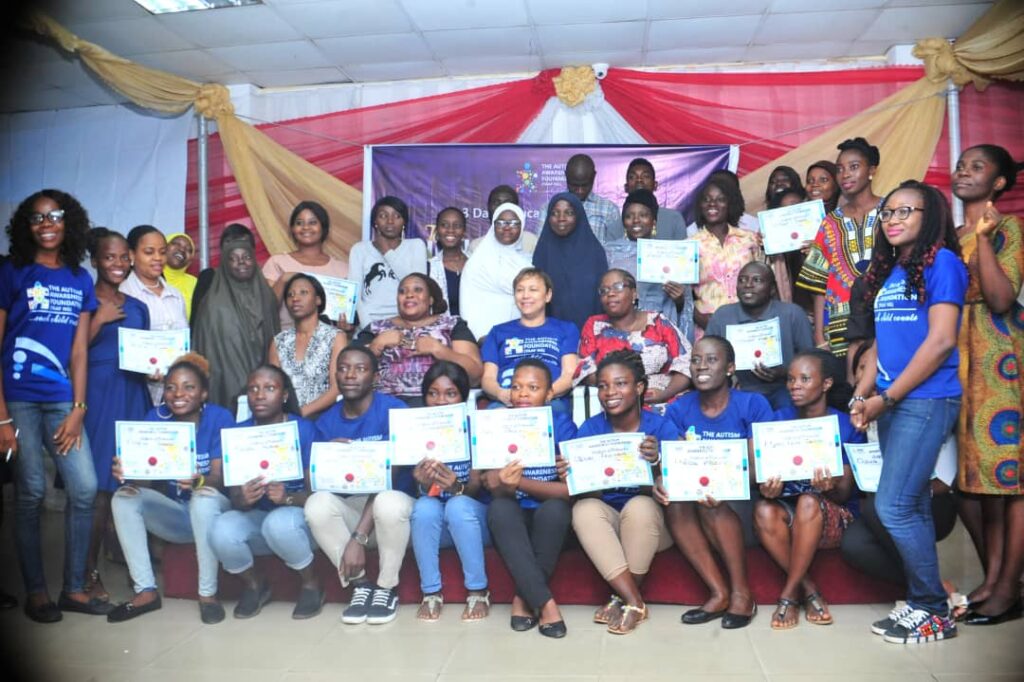
My achievement on inclusion has always come through my NGO, my impact has made over 100 parents accessed therapy for their children for early intervention, increase the awareness around autism spectrum disorder to over 5000 people in the community, through our annual Walk Aware Autism and trained over 1000 teachers on skills needed to include children on the spectrum in their classroom both online and physical training, with the advent of our online support for 30 parents as a form of continued training and counseling.

In all of this, my greatest achievement is when parents call me after their kids have been able to achieve a developmental milestone and when they get accepted in an inclusive school, the joy and smiles on parents at such moments always mean everything to me.

8. ‎What was growing up in a Nigerian home like for you? Did it in anyway contribute to everything you do now?

Growing up was a bit challenging but I grew up in a family full of love. Both my parents are quite loving and amazing people, my mum is the disciplinarian of the house while my dad condones me a lot, people will say it’s because we look alike.
I never had all I wanted while growing up but received love from sisters all the time, we shared everything and we could confide in each other.

Well, I will say my upbringing definitely contribute to what I do now, because I could feel what it means to be like one is unworthy or not enough. I understand the pain of women with children with disabilities in rural communities having being born and raised in one at Oworonshoki community, so yes my passion for setting up The Autism Awareness Foundation definitely stemed up from my own personal experience too.
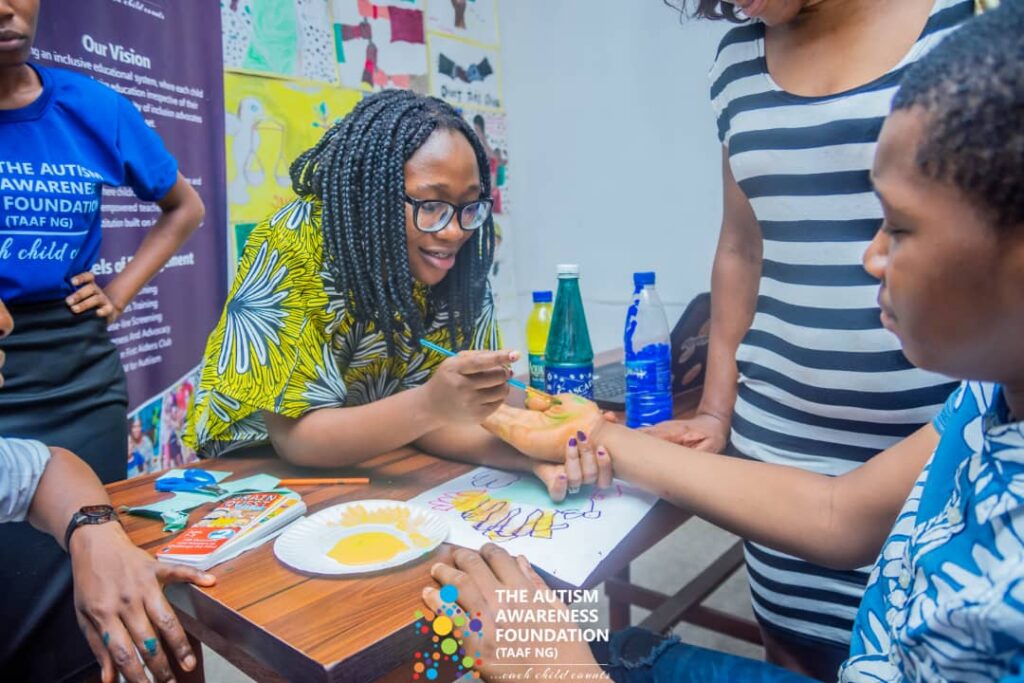
9. ‎What are the challenges you faced when you became an inclusive educator? Do you still experience them? And also how were you able to overcome them?

Challenges are bound to happen, will happen and they still happen, one of the challenges I faced is the stigmatization and marginalization that comes with working with children with disability which is a big problem of acceptance and inclusion, another challenge is the myth associated with children with disability as a punishment from God as such most parents in my community prefer to keep their children at home and lock them inside rather than bring them out for assessment and therapy, as most schools won’t accept them and when schools finally accept them, other parents in the school sometimes withdraw their children from the school, saying they don’t want their children to catch the disability. And finally I am faced with the challenge of lack of trained teachers to facilitate learning in the classroom. I have been able to overcome these challenges through trainings and holding meetings with school owners to explain that disabilities are not contagious and children benefit more when they learn in inclusive settings.


10. ‎If you were to be the President of Nigeria for a day, what would you change?

If I were to be the president of Nigeria for a day, I would change the Educational sector. The Educational sector has become a shadow of itself and what it is supposed to achieve, most public schools lack trained teachers, use outdated curriculum and old teaching methods that does not facilitate independent and collaborative thinking on the part of students. Our graduates can’t even compete globally and our state of inclusive education is nothing to write home about especially with no therapist and special educators to facilitate learning. After changing the Educational sector, I will definitely reform and change the health sector, too much death, misdiagnosis and sometimes lack of doctors to train patient has led to more death than anything in recent years.

11. ‎Mention 3 women who inspire you and why?

One of the women who inspire me is Clare Henshaw, she runs Girls Inspired Foundation, she has gone off to inspire many girls and yet with an humble and kind spirit, I am surely learning humility from her.

Another woman that inspires me is Jasmine, Jasmine is a mother to a child on the autism spectrum disorder who I met in Philadelphia, despite her position she has constantly been reaching out to me on how to provide support for more mothers in Africa and especially Nigeria.
Lastly is my Mother, being a mother to four ladies without a boy child, I know we all know how the narrative would have been, but she have kept it all together, fireful and always there for us her children, she constantly teaches faith and trust in the most difficult time.


12. ‎Where do you see yourself in the next five years?

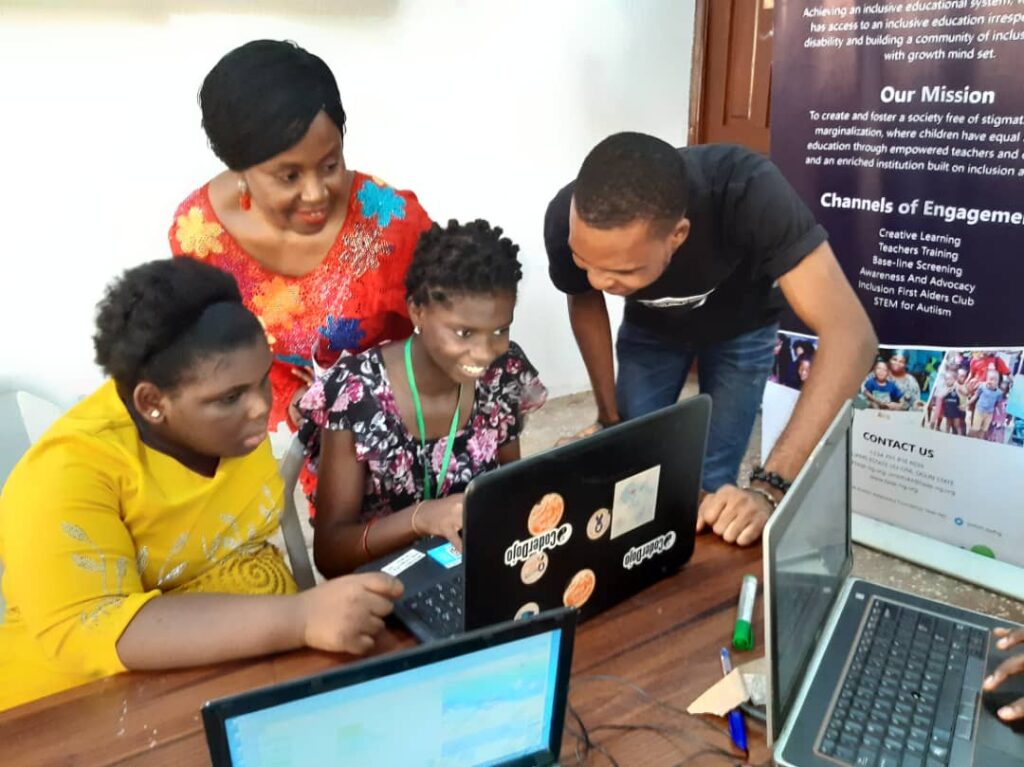
In the next five years, I see myself running The Sensory Place into a big social enterprise, settling up a safe center for therapy and play center for inclusion of children with special needs and disabilities while they also learn a skill through our coder dojo club. I see myself running different starts up into big businesses and ensuring that I am constantly giving back to the society. I also see myself in a place of policy advocacy and implementation at the government level to ensure policy reform on inclusive education and ensuring inclusion in the workplace where each child can truly count.


13. ‎If you were given the opportunity to address a group of young females five years younger than you, what will be your advice to them?

I will tell them to explore all the opportunity they have at their disposal, aim for the sky and land among the moon, dare the impossible and to keep showing up for themselves. I will tell them that impossible is nothing and they are born to do great and amazing things. They should never underestimate themselves and to keep shattering limits and breaking new grounds.
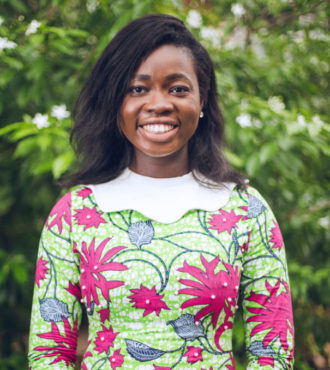
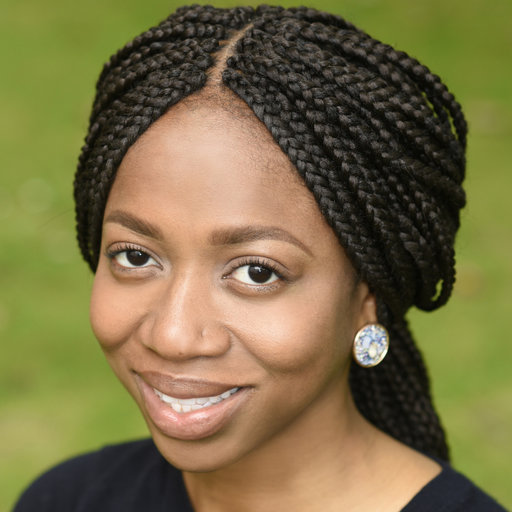
Commuting in Lagos, Nigeria is hard! It is stressful! And sometimes, not safe  Damilola Olokesusi decided to do something about it. She founded Shuttlers Logistics Company, a platform that allows professionals, companies, fun-seekers access comfortable, safe, efficient yet affordable transportation to and from work and around the city through bus-pooling.

Damilola decided to start the company after her sister was robbed by armed men disguised as public bus drivers, on her way to work. She and her cofounders Busola Majekodunmi, and Damilola Quadry put their savings together and launched the company, and as the business grew, they received grants from the World Bank, Airtel and Sahara Energy, and they were able to go from one to 22 routes.

Through the Shuttlers App, professionals book a seat in a route, pay a subscription, and track arrival and departure times of their rides: “comfortable air-conditioned buses and cars providing them with extra time to catch up on sleep, work or personal development time. Sharing with other professionals also give room for networking opportunities.”

Damilola’s Shuttlers has also launched SHE-MOVES, an initiative supported by the Ford Motor Company Fund and Ford Motor Company in partnership with Global Water Challenge (GWC). According to Ford, SHE-MOVES (Strengthen Her: Mobilizing Ventures for Social Innovation) is designed to provide “Whole-Person Leadership” development and promote access to mobility.

With Shuttlers, the initiative gives female professionals the opportunity to use their otherwise long commute time in traffic as a learning and development time .The project gives them access to online courses, mentors and peer-to-peer support for professional courses they might be interested in taking.

Damilola holds a bachelors degree in Chemical Engineering from the University of Lagos. She is a part of the Harambean Team for 2018 cohort; an Alliance for highly educated young African social, business and political entrepreneurs, attending leading universities in Asia, Europe and North America.

She won the Award for Digital and Tech award at the Women in Africa Contest in Morocco, Award for the Best Idea at the Aso Villa Demo Day and is also a Global Shaper of the World Economic Forum where she leads the Entrepreneurship and Innovation team and is also the Vice-Curator of the Lagos hub for 2019/2020.

In 2019, she was named in Forbes Africa’s 30 Under 30 list (Technology category).

We celebrate Damilola for providing a solution that will positively impact millions of people as well as making commuting to and from work a productive part of one’s day. We’re rooting for her and the team!

Source: Bellanaija

oNgozi Erondu, PhD MPH, is a global health and biosecurity advisor who has over a decade experience in epidemiology, public health and biosecurity.

Ngozi, a Google Scholar, holds a bachelors degree in Psychology, Biology from DePaul University and went on to bag a Masters in Public Health (MPH) degree University of Hawaii, John A. Burns School of Medicine.

After her masters degree Ngozi joined the Center for Disease Control and Prevention as a Public Health Prevention Service Fellow and then she joined a global consulting firm that provides expert services and support in strategic planning field epidemiology and surveillance, designing public health programs and developing monitoring and evaluation strategies and dashboard tools.

During her time at the consulting firm, Ngozi worked as a Research Fellow at the London School of Hygiene and Tropical Medicine while completing her doctoral training in public health policy and epidemiology. She them moved on to the World Health Organisation as a Consultant Technical Officer. She was also a field epidemiologist in the CDC ebola response in Guinea.

Between 2016 and 2018, she was an assistant professor at the London School of Hygiene and Tropical Medicine (LSHTM) where she had completed her doctoral training in public health policy and epidemiology prior.

Ngozi is a fellow of the John Hopkins Bloomberg School of Public Health Emerging Leaders in Biosecurity Initiative. In 2017, she was one of the people selected for The Aspen Institute’s New Voices Fellowship, a year-long media skills, communication and leadership program designed for standout development professionals.

In 2015, Ngozi and Betiel Hadgu Haile co-founded the Global Bridge Group — a global health and development consultancy company which provided services to inform and improve global health initiatives in resource-constrained countries, particularly in sub-Saharan Africa.

She’s currently a Senior Research Fellow at the Chatham House Centre for Global Health Security and was a Senior Public Health Advisor at Public Health England.

Ngozi is also the Chief Executive of Project Zambezi, a public-private-partnership improving drug distribution across Africa.

Ngozi is also an independent consultant, providing health systems research/training and monitoring and evaluation services. We celebrate her for being a force in global health and development and we’re rooting for her!

“Thursday is Thursday”

– Runtown

This was all we needed to reach our boiling point and take to the streets finally. This tweet woke up the youth in every state in Nigeria, and, subsequently, in countries across all habitable continents in the world.

This was the beginning of our journey to freedom, our journey to bring hope to the hundreds of families who had lost members to the Nigerian Police Force’s irrational brutality, especially the SARS unit. It was justice for the Iloanyas of the country.

The protest was the best thing I had experienced as a citizen of Nigeria. For the first time in my life, I was proud to be called a Nigerian, especially a Nigerian youth. We, the Soro Soke, Phone Pressing, Indomie, and Coconut Head Generation, were united. The religious and tribal and political lines that used to divide us were non-existent. The constant bickering on social media about gender was on hold; the Patriarchy FC and Feminist Coven sheath their swords as we all focused on a common goal: #EndSARS.

Young people in different states came out in numbers almost every day, sharing food, playing games, praying, and even practicing yoga while still demanding our rights. In all the days people protested across the country, nobody ever complained that a phone got stolen or a car vandalized; people returned lost phones and other items found. We cleaned up the streets each day, celebrity or not.

Our protest yielded the devil’s gift: the SARS unit got scrapped and was replaced with SWAT. Same people, different names. The protest continued, and we were met with more police brutality for protesting against police brutality. Jimoh Isiaq and many others died. Why would you use live ammunition on unarmed protesters? The aim is clear: sacrifice a few and let the rest cower in fear.

We ignored them and protested even harder. We demanded justice for the numbers added to their long list of atrocities. This was when the government decided to play the oldest hand in their playbook. They unleashed their greatest weapon – poverty.

Institutionalized poverty is the greatest asset of the average Nigerian politician. They use it to win elections, fight their enemies, and, in this case, win protests. The government deployed hoodlums to infiltrate the protest, to cause havoc, and blame it on us. These hoodlums attacked protesters, killing a few and injuring many others (RIP Anthony Unuode). They destroyed cars and other properties belonging to peaceful protesters. This carnage happened in the full glare of police officers and other security operatives.

Now, this is where it gets interesting. According to eyewitness videos, these hoodlums were transported with police vehicles, state-owned official buses and, the most shocking, a government-owned SUV complete with a well-dressed security officer. More videos have surfaced showing them being directed on what to destroy and what not to destroy because they belonged to ‘baba.’

One of the hoodlums graciously granted a peaceful protester an interview (celebrity things). He said they got paid N1500 to disrupt the protest by damaging government and individual properties. He also said he had been a victim of the SARS unit, and he had just been released from prison, but he needed the money.

Inmates in different state prisons were freed to discredit the #EndSARS protest and justify what later became the #LekkiMassacre. Military men attacked the most peaceful and fun protesters in the country who occupied the Lekki toll gate. They sat on the ground holding up the Nigerian flag, singing the national anthem while the military shot at them. The Nigerian flag was stained with the blood of the innocent. A courageous young woman, DJ Switch, got the events of that day on her Instagram Live. Many of us watched in horror as she and a few others tried to remove a bullet from the lap of one of our patriots, before he eventually died. Scores died, and the streets of Twitter are currently littered with pictures of missing persons.

Nigerian youths did not deserve what happened on 20-10-20. We were only asking that we stop getting extorted if we are lucky, or killed if we are not, by the police. Did it have to deteriorate to people dying like flies and people losing their homes and businesses?

When you release a beast to solve a problem, you create even greater problems, because you can’t tell the beast when to stop. These hoodlums have gone on a destruction spree, looting supermarkets and other businesses across the states. They have set fire to countless buildings and places. The country is in a state of chaos, and we don’t even know when it will end. I am sure these hoodlums were there peacefully during the protests, until they decided to use the weapon of poverty to pit them against their mates who were equally fighting for them.

Still, on this poverty thing, these people withheld palliatives meant for the citizens during the pandemic. Several warehouses have been discovered with thousands of food items stashed – I guess they were saving it to distribute during elections. They starve people to the point where they can buy their votes with a few packs of Indomie that were meant for them in the first place. One lawmaker justified keeping the palliatives intended for his constituents because he wanted to share it on his birthday, as per birthday giveaway abi souvenirs. They call us the Indomie generation, whereas they are the ones storing cartons of Indomie. Shame!

This country will not get better until we go to the grassroots and educate our brothers and sisters on the need to stop dancing to the tune of these wicked people in power. If not, they will continue to use them to sabotage our efforts for a better Nigeria.

The #EndSARS protest has played a significant role in unraveling the damage poverty and bad governance can cause in any society. It has shone more light on the fact that we are sitting on a keg of gun powder. The poorer the citizens are, the more dangerous it is for everyone. Some people in government have experienced this as some of their houses got raided and even burnt.

Dear Nigerian youth, we have started a movement that has gained international recognition. We cannot back down now. We must continue to demand justice for our brothers and sisters who have fallen due to police brutality. We must continue to fight for those who died protesting and the many whose lives were cut short on 20-10-20 and the days that followed. We must demand the punishment of the perpetrators of these heinous crimes against humanity. Most importantly, we have to take the campaign to the grassroots. We have to sensitize and ensure that our brothers and sisters who were paid  N1500, an amount that cannot buy a bucket of rice, begin to see the light. Let them know these people may have stolen their future but they can get it back, if not for themselves, then for their children unborn.

To all the people still protesting internationally, thank you. To the international press who covered what happened, thank you. To the Feminist Coalition, thank you. To all the celebrities and people across the world who lent their voices to our struggle, we love and appreciate you. Na who support us we go watch their film and stream their music.

To the Nigerian youth, thank you! May we continue to soro soke and demand for what is truly ours.

#EndSARS #EndSWAT #Endpolicebrutality #ENDbadgovernanceinNigeria.

Joshua Onyinyechi who hails from Ebonyi state is a final year student of University of Abuja
in the department of Biological Sciences.

Oyinye is an entrepreneur and CEO of Gift and Souvenir. She also runs a firm that connects prospective interns to their desired organizations. She shares her Ruby girl story with the team

1. Who is Joshua Onyinyechi Esther?

I’m an entrepreneur with extra sauce and grace, a strong and focused lady who believes I can succeed at anything I set my mind to do.

2. ‎ What is the inspiration behind Gift and Souvenir?

My passion for business. I’ve always wanted to have a business that has to do with problem solving.

3. ‎What is your greatest fear?

Not living purposefully.

4. ‎ How has the Covid-19 pandemic affected you as a student and entrepreneur. What have you been able to learn from it?

As a student it affected me because I’m supposed to be a graduate by now but with the whole pandemic graduating this year is not feasible.

As an entrepreneur the pandemic affected sales, But I’m glad everything is coming back to normal.

I learnt to trust God’s plan.

5. ‎What led to the birth of Internship opportunity?

Internship opportunity is a God given idea.
I noticed how graduates and undergraduates struggle to fit into the right place for interns, most graduate or undergraduate just apply for internship anywhere not minding if it’s in line with what they want to do, simply because they just want to get busy.

That was how interns was birthed, to help connect graduate and undergraduate with the right company that will allow them to grow, develop and advance their professional goals/career.

6. ‎ An accessory you can’t leave home without?

My phone please.

7. ‎How has internship opportunity been able to help people with placement?

It has been helpful to people especially in this pandemic, graduate and undergraduate have gotten paid interns opportunity in different states via our platform.

8. ‎What was growing up in a Nigerian home like for you? Did it in anyway contribute to everything you do now?

Growing up in a Nigerian home is one of the best though it wasn’t all rosy. Because I lost my dad at a very tender age, growing up was just with my mum and siblings..and yes it has contributed alot.

My dad taught me not to be dependent on anyone and it has helped me alot, I started having passion for business at age 9, when I return from school I joyfully hawk pure water and the likes in the market, which made me have a business mindset from early stage.

After secondary school it continued, but this time I applied for a job and I got it which also helped my marketing skills, people management etc today by God’s grace I have a business of my own and all I went through contributed to what I am and do today.

9. ‎What are the challenges you faced when you started the gift shop and internship opportunity? Do you still experience them? And also how were you able to overcome them?

Challenges I faced when I started gift and Souvenirs was sales, before I started the business I had people who were like “oh wow I’ll be the first to patronize you,” but when I started all of them were no where to be found (japa).

I didn’t really make sales when I started, I’ll advertise for one week nobody will even ask me how much by mistake (laughs) but I don’t experience such anymore by God’s grace.

I was able to overcome through consistency, despite not making sales then I kept advertising Because I know people are watching and when they think of gift I’ll come to their mind first because I’m always advertising.

Challenges I faced when I started interns was looking for organizations seeking to engage the services to Interns to register on our website( www.internsopportunity.com) Registration and Job listing is free (Internship Only)

I still experience this, I’ve not been able to get lots of organisations as expected to register on our website, I’m putting more efforts to get them register.

10. ‎If you were to be the President of Nigeria for a day, what would you change?

I’ll change the policy in hospital ( especially government hospitals) that says you have to pay first before doctors attend to you, all fingers aren’t equal and no one makes budget for sickness. Lots of people have been rushed to the hospital on emergency and probably don’t have money at hand to deposit first. Doctors will not touch you until you pay money, they won’t even attend to you to save your life first while your family members run around for money, at the end the person might end up dying.

As president l’ll make provisions too for that.

Secondly about NHIS card which is made available for only government workers will be accessible also to those who can’t fully pay their bills, the less privileged.

Provisions will be made for sickle cell warriors/people living with disabilities.

Good water and electricity will be fixed in some villages where people drink dirty water to survive.

11. ‎Mention 3 women who inspire you and why?

My Mum, Mrs Nike Adekunle, Ma Esther Ijewere.

My Mum is a strong woman, she has a large heart, despite what life throws at her, she never gives up. I’ve seen her fight so many battles and still standing tall.

She trained my siblings and I right from childhood when we lost our DAD. Not all mothers can do that, some will just share their kids to different family members. But my Mum stood her ground, held us close we are what we are today because of God and her.
I’m grateful for her.

Mrs Nike Adekunle is a goal getter, she is so humble despite all her achievement. She gives listening ears always, she inspires me alot. She made walking in purpose for me easy. And I see myself in her always.

Ma Esther Ijewere is a strong woman, I admire her alot.

With her story she is still making impacts and touching lives.

I love her passion for humanity.

12. Where do you see yourself in the next five years?

Next five years, I see myself at the top controlling businesses, and owning a shoe line.

13. ‎If you were given the opportunity to address a group of young females five years younger than you, what will be your advice to them? Not to let anyone pressure them, not even social media, they can succeed in anything they set their mind to do.

Be grateful for the small and big wins!

It’s okay to make mistakes, mistakes are part of success!
Never allow your background put your back on ground.
No matter what life throws at you please keep moving forward, lastly ever depend
on anyone financially.

Adeola Shasanya, is the co-founder of Afro-Tech Girls, an organisation with the aim of inspiring and encouraging more girls and young women to embrace STEM (Science, Technology, Engineering, and Mathematics).

Across the world, women remain underrepresented in STEM fields and this is especially true in Nigeria and so many African countries. In June 2014, Adeola and two of her friends came together with a vision: a world where the number of women in the STEM industries has risen and women feel welcomed and appreciated for their efforts and achievements. They realised that one way to do this was by encouraging more young girls to take up STEM subjects at secondary school and university and stick with it even after education. That was how Afro-Tech Girls was born.

Afro-Tech Girls holds STEM events across the country for secondary school students as well as supply “STEM at home” kits to women and girls.

Growing up, Adeola was always found tinkering with gadgets attempting to fix them. She also loved watching science/tech themed cartoons. In school, she particularly enjoyed science and math and did very well in them. Leaving secondary school, she got mentored by a senior family friend who had just completed her degree in Electrical and Electronics Engineering. After winning the student prize award in Applied electricity, she had the desire to further my knowledge by studying Electrical and Electronics Engineering which enabled her appreciate technology.

Adeola has gained work experience in project management and consulting in both engineering and technology. She’s currently the Project Manager, Digital Skills for Africa at Google.

Adeola’s engineering degree is from Covenant University, Nigeria, and she also has a masters degree in Renewable Energy and Clean Technology from the University of Manchester.

Adeola is one of the 50 women spotlighted in Tech Cabal’s Tech Women Lagos series profiling 50 women in the Lagos technology ecosystem from different backgrounds and at different stages of their technology careers.

In 2019, Adeola won an ELOY award for her contribution to ICT and Technology. In 2017, Afro-Tech Girls won the SME 100 Nigeria, 25 under 25 Young Entrepreneurs Award in the Technology and Cybersecurity category.

We celebrate Adeola for contributing her quota to making STEM education accessible to women and girls and we’re rooting for her.

Pamilerin Eniolorunda is a graduate  of the Mass Communication department, Joseph Ayo Babalola University. She is a Communication Officer, Vlogger, Writer, and Poet.

She has an interest in meeting new people, public speaking, writing and gaining more knowledge.

Pamilerin is deeply passionate and aspires to be a distinctive professional with an impact.


She shares her “Ruby Girl” story in this interview.

1. Let’s meet you. Who is Pamilerin Eniolorunda?  

I am Oluwapamilerinayo Eniolorunda, a communications officer, a poet, script writer and a vlogger.

2. What skills prepared you for practice in the Communications field?

The skills that prepared me for the communications field… Hmmm, I think it was my ability to think fast, build and manage relationships, my love for reading, speaking, and writing, and more.

3. Describe your channel in one word?

My  channel in one word, Informative.

4. To what extent did your degree as a graduate of Mass Communication contribute to the startup of your vlog?

My degree played a big role in my vlogging. I learnt how to edit videos, handle cameras, and act on the principles of a communicator. Thanks to my degree, I knew the requirements and had the skills needed of me to start my vlog.

5. How do you research for new contents?

I research for contents by watching and following the trends, conversing with my subscribers to know what they want and also watching lots of youtube videos. I spend most of my time watching videos and thinking of how to do them better.

6. What inspires your writings?

Everything around me inspires me. Stories, people, things, environment, everything! Over the years I have been able to create a bond with my environment and everything around me.

7. What are some challenges you face as a communications officer/vlogger?

One of the challenges I face as a communications officer/vlogger is trying to work out a schedule that is beneficial both my corporate field and vlog. The corporate field is quite demanding but it’s also very important to churn out contents for my viewers. Fortunately, I am doing an excellent job in creating a balance and fitting into both.

8. What was growing up in a Nigerian home like for you? Did it in any way contribute to everything you do now?

Growing up in a Nigerian home is a blessing. Having three sisters helped me to boost my confidence level and self-esteem. My mum as a teacher is a loving disciplinarian, she always corrected with love and is not the cane, broom, belt or wire kind of disciplinarian. My dad as an auditor made me financially conscious of how I spend and what I spend on, he equally corrected me with love when I was wrong or misbehaved. I would say I couldn’t have gotten the training and morals I have outside Nigeria.
Yes, my upbringing has contributed a lot to who I am character-wise and behavioural wise. I see beauty in everything everyone call mistakes, I see love as the way of life too.

9. How do you cope with viewers who dislike your content?

Experience in speaking and writing has made me realise that not everyone will like what I do, everyone has their opinions and that in the words I speak and write, I have the power of persuasion.

For every negative feedback, I acknowledge the receipt of the message and try to make the other party reason with me and also make them understand that there are different phases of life.

10. If you were to be the President of Nigeria for a day, what would you change?

President for a day?
This is a difficult question, but if I was one I’ll make new laws and policies that positively affect the masses, make a few changes in the Constitution, and also make a rule that the laws I made must not be changed till it’s practised for over 4 years. 24 hours seem short, but this is all I’ll work towards achieving.

11. Do you feel there is pressure in getting more subscribers and more views? How do you handle this?

Yes, I feel pressured sometimes. But I understand that its a gradual process and I try to do better as I produce new contents. I know that one day the number of subscribers will skyrocket beyond my expectations. I keep praying its soon too.

12. Mention 3 women who inspire you and why?

My mother, Mrs Eniolorunda, she inspires me to be a better version of myself. I admire the processes and approaches she uses in all she does. She has taught me to love all, live right, and trust God.

COO, Venture Garden Group – Mrs Eniolorunda and Media Mogul – Mo Abudu appear to me as models, a motivation that there is space for all genders at the top, that women can be who they want to be regardless of the society, and that what really matters is who we are and the position we want to acquire.

13. Where do you see yourself in the next 5 years?

In the next five years, I want to be a distinctive first-rate communication and leadership professional, respected media personnel, a motivator and an agent of positivity. I plan to be in a position where my counsel is/will be needed to run the country or the most important sectors. I plan to be a leader recognised in the most profitable and beneficial aspect of life (religion and career). I wish to apply extensive knowledge in the service of communities and countries I am privileged to associate with.

14. What are the challenges young Nigerians in your niche face and what do you think can be done to improve this?

Over saturation of the vlogging space is one challenge, in the sense that one has to work extra hard to get viewership for the content published. Also, having an increase in the numbers of subscribers is another challenge. But the goal is to never give up… Tiny drops of water makes an ocean.

15. If you were given the opportunity to address a group of young females five years younger than you, what will be your advice to them?

My advice to them is to take innovation very seriously. It is important to learn to think outside the box be bandwagon outside educational ins, situations want strategic thinkers. There are tons of problems waiting to be solved so following the bandwagon is not necessary.

Also, my advice to them is to embrace Tech as much as possible. It is important to know the basics of the tech ecosystem and career paths because the future is tech.

Simi Nwogugu, the executive director of Junior Achievement Nigeria (JAN), has been appointed as the new Chief Executive Officer of JA Africa, effective November 2020.

As a regional CEO, Simi will provide leadership and strategic execution for JA’s youth development agenda in Africa. She will drive JA’s regional initiatives and programs, including the organisation’s expansion into new markets while securing the partnerships and resources needed for JA’s education and digital skills development programs on the continent.

Simi will also join the JA Worldwide Senior Leadership Team and the Board of Governors.

Acknowledging her new appointment, Simi said in JA Worldwide’s official announcement:

This offers an exciting opportunity for me to work with my colleagues across the continent to expand JA’s mission to empower young Africans for a successful future. It is my goal to increase the impact of our work to significantly reduce youth unemployment and poverty across the continent.

I’m grateful to the board of JA Africa and JA Worldwide, for entrusting me with this responsibility and look forward to working with our stakeholders and partners to make it a reality.

“JA operates in Nigeria because of Simi’s vision”, the official announcement states. “Today, JA Nigeria has grown to become one of the strongest JA offices in Africa, reaching 1 million out-of-school youth across 36 states in Nigeria”.

Simi embodies the values of JA, showing the boundless potential of young people. When she founded JA Nigeria in 1999, dictator Sani Abacha had just died, leaving a damaged education system and an economy in recession. Simi believed JA was exactly what the country needed to inspire and educate young people to become change agents for Nigeria’s future. For three years, she set to work building JA operations in Nigeria, while also building a culture of philanthropy among organization partners and a culture of volunteering among individuals.

8 things to know about Simi Nwogugu:

  • She was born and raised in Nigeria.
  • A graduate of Mount Holyoke College in Massachusetts.
  • She’s a Goldman Sachs alum.
  • She also holds a professional certificate in Organizational and Executive Coaching from New York University.
  • Simi was first introduced to JA during her time working at Goldman Sachs in New York City.
  • She quit her lucrative private-sector job at age 24 to move home to start-up JA operations in 1999.
  • Simi went back to the U.S. in 2002 to attend Harvard Business School, but she continued to serve as a board member for JA Nigeria, bringing programs from Harvard to JA, including the Venture in Management Program.
  • In 2016, she returned to the role of Executive Director

Read more about Simi’s career and JAN’s impact at jaworldwide.org

Congratulations, Simi. We wish you all the best!

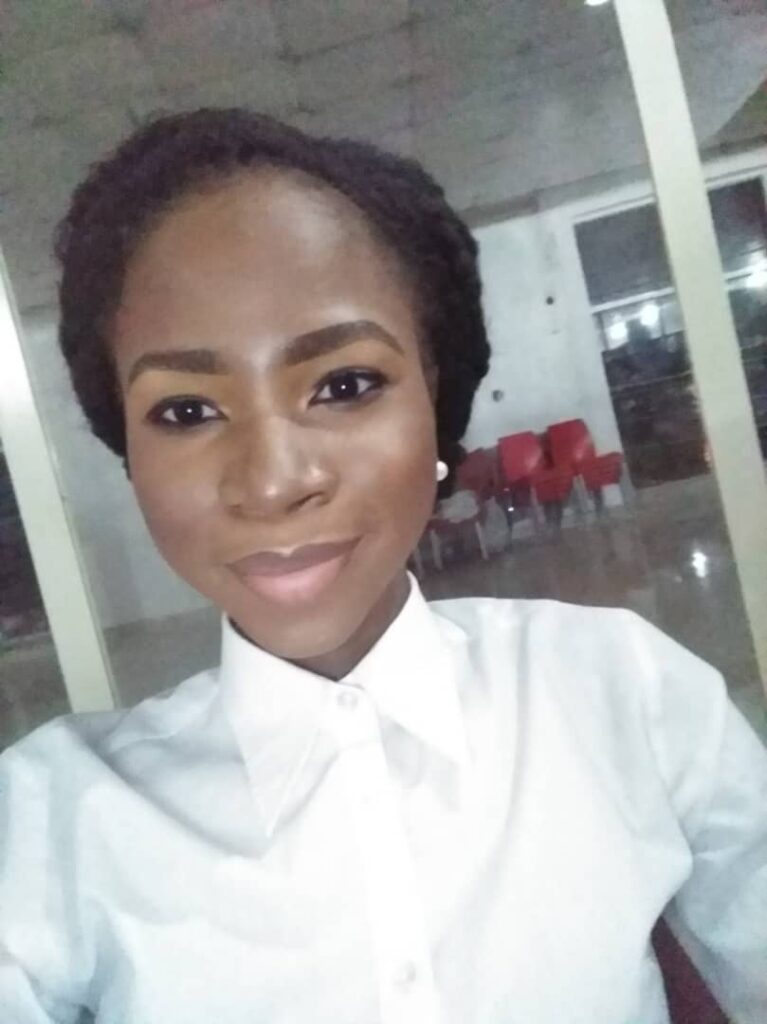
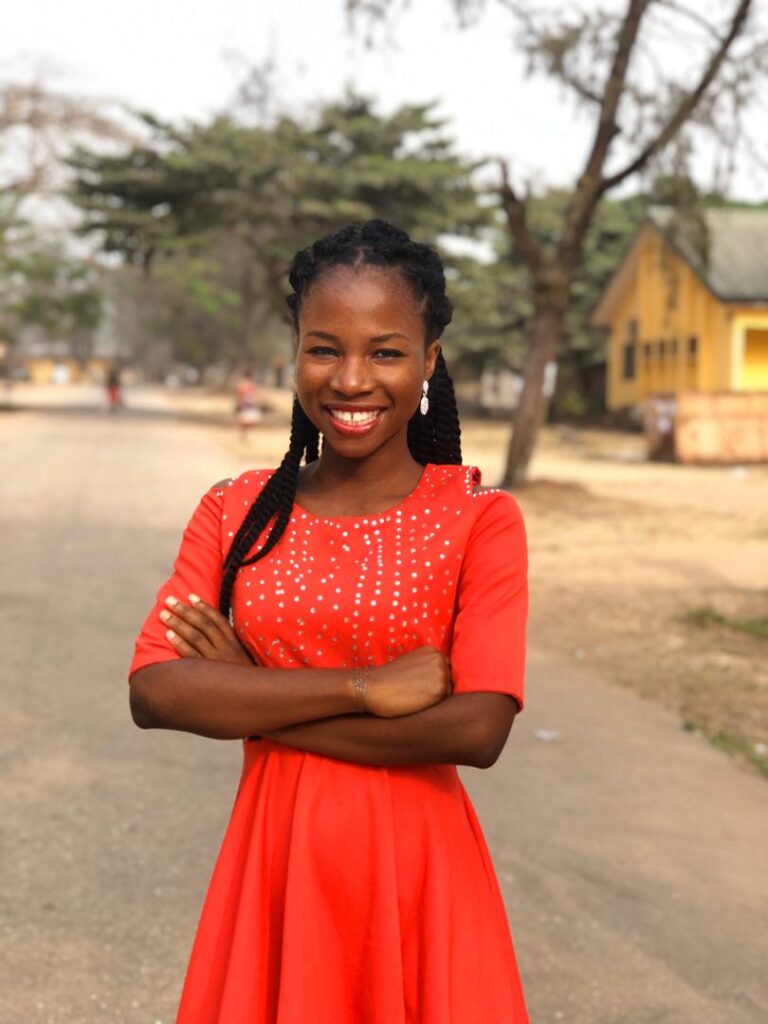
Ikanna Okim is a phenomenal young woman who believes that she is equipped with everything needed for a new Africa.Ikanna is the movement leader of the No-FGM campaign against female genital mutilation in communities in Akwa Ibom state where the practice is rampant. A student leader, she is currently the President of the LAWSAN Bar Association, University of Uyo Chapter.

Ikanna Okim is also the Teennation Country Lead for Nigeria and Head of Legals. Ikanna is a prolific writer and has authored five books which have reached over 1,400 young people in Nigeria.

As a result of her commitment to correcting social ills, she was conferred the honour of a Fellow of the African Young Leadership Fellowship in 2018 and in 2020 made it to the nominee list of Community servants in Akwa Ibom State.

Ikanna, the academic aficionado, has also acquired certifications from different institutions around the world including University of Sheffield, United Kingdom, Negotiation studies certificates from University of California, Irvine Extension; and Yale University.
She is a child of God and a preacher of the gospel of Jesus. Her life principles are integrity, responsibility and transparency.


She shares her RUBY GIRL story with the team .


1. Let’s meet you. Who is Ikanna?

Ikanna is a young woman eternally saved by Jesus Christ. I believe that because of Christ’s permanent residence in me, I have all it takes to change the world, Africa in particular.

I am a final year Law undergraduate. I work closely with teenagers, women and girls to ensure teen inclusion in global and national development as well as create a voice for women and girls in Africa.

2. What inspired your writing at such an early age?

My dad! My dad is an ace writer and veteran journalist. I grew up reading his works (although by force, initially). Some privileges were attached to reading what daddy says you should read. So we read a lot and were inspired to write too. My younger brother is even a better writer than me. So, we all write. Good writers should also be good readers. Reading influenced my writing.
Then I began to look around me, my society and I found ills. I started infusing a voice against those ills into my writing. I’m someone who doesn’t see wrong and let it pass. So I began to speak through my writing all at a very young age. I wrote my first story book at 10 and I was encouraged to keep writing then I published when I was 19.

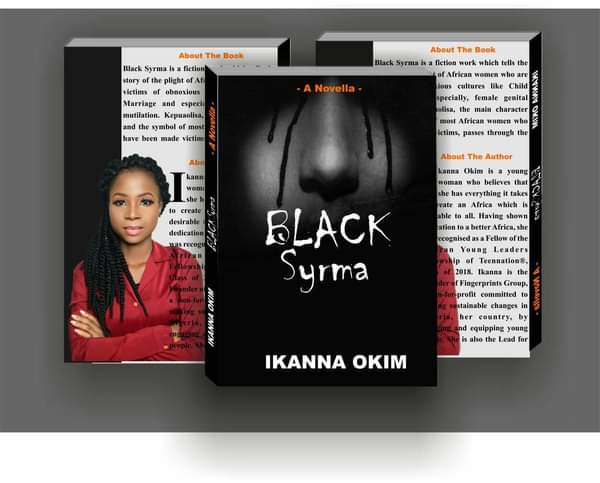
3. Your recently published a book (Black Syrma) what is the inspiration behind it and what does it entail?

Black Syrma is my voice against Female Genital Mutilation and Child Marriage. Black Syrma is a story of Kepuaolisa, a young African girl, tied in the complicated ropes of obnoxious African practices. I am an Africanist but I do not accept all practices just because I am an Africanist. As a matter of fact, I believe that we should do all we can to make the African tribe enjoyable so that we can have more people appreciate their heritage. Moving for the abrogation of ill practices is not the same as denying your heritage.
So, as African as I am, I consider ill customs unacceptable. Actually, there has been tremendous progress regarding eradicating Child marriage and female genital mutilation. They are now crimes where I come from but implementation is poor. Law enforcement agents will not go into the bedrooms of people to check whether girls have been mutilated or not. So I decided to take the approach of a mentality shift by publishing a book on that and leading a campaign in the local languages people understand. 

   “I began to look around me, my society and I found ills. I started infusingvoice against those ills into my writing”.


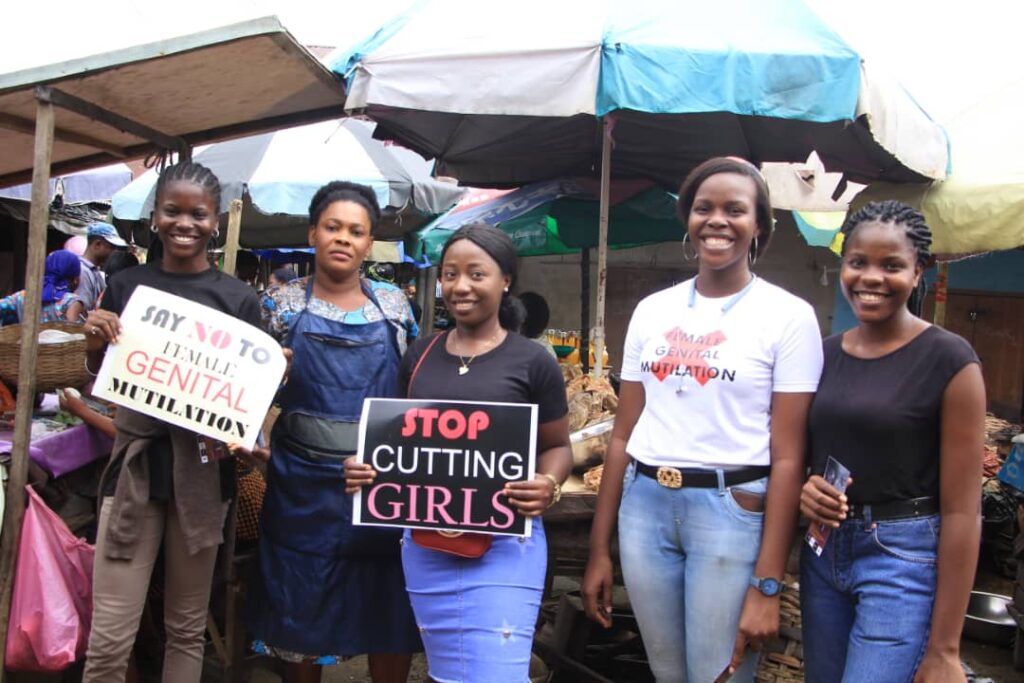
4. You led a Female Genital Mutilation (FGM) campaign, what was the response gotten from the outreach?

That campaign! We flooded the streets and a major market in Uyo, Akwa Ibom state, my Local Government Area. A lot of people said we were wasting our time because Uyo is a civilised town and nobody practices such culture but that’s a big lie! While we campaigned, people sent us out of their shops. They almost drenched us in water for preaching against what they have been practising. A woman told us that girls who are not mutilated end up becoming prostitutes. In Uyo town! I sent out message on social media for people to stop thinking FGM was not in Uyo town. It was and still is!
However, we had some positive reponses. Many people told us that they never knew that FGM had long term effects so they promised never to mutilate their children again. The high point for us was when a girl who was supposed to be mutilated the next day was saved from it because we spoke to her mother and she changed her mind about it.
Girls and women have a right to their sexual and reproductive health. Removing the clitoris or any form of mutilation deadens her organ, leads to complications and may ultimately lead to death. No woman deserves that.

5. As the LAWSAN President of UNIUYO, what has been your achievement so far in office?

Being a female President itself is one of my achievements because by that, I broke a jinx of women in my faculty always contesting for Vice-Presidential seats and reserving the 001 positions to the males.
Asides that, I have spent the majority of my tenure out of school because of the pandemic. Nevertheless, I have achieved all my manifestoes save for two of them which I will do by God’s grace when school resumes.
I carried out an internal restructuring by creating departments which never existed in LAWSAN Bar to make students feel closer to the government and carry out activities which they have interests in.
We also had a street campaign against Child Labour in Uyo before the lockdown. This campaign was informed by children selling purewater and drinks to us during school hours. It didn’t sit well with us when there are free/ low budget schools in Akwa Ibom state. So we carried out that campaign as our voice against it. We spoke to the guardians of these kids and they promised us to adjust.
During the lockdown, we have had 3 major virtual events including our Law and Social Change event which lasted all through the month of July, for 31 good days.
We also acquired slots for some of our members who have interest in Alternative Dispute Resolution to take a course on Commercial Mediation free of charge with Mediation Academy.
The pandemic lockdown didn’t deter us. We have done so much that I can’t tell all. Thank God.

“Being a female President itself is on of my achievements because by that, I broke a jinx of women in my faculty”

6. What has the Covid-19 pandemic affected the most and what did you learn from it?

My school! I should have bagged an LLB two months ago but it was halted. That’s painful but I was able to make good use of the lockdown by taking professional courses, doing virtual internships and making sure my life is moving forward and indeed it has been my busiest year. I do not have a wasted year.
I have learnt that there are so many things one has no control over but those things one can control, one must control them well.
I can’t make the government reopen schools but I can control what I do with my time this period. At least that is within my power.

7. Aside being an author, student and leader, how do you unwind and what else do you do?

(Laughs) My friends think I am a boring person. Well, that’s their business. I watch movies for fun. My favourite genres are comedy, crime & investigation, Christian and legal procedural movies.
I also like to go out with my friends. I know a lot of people but I have a very small circle. Hanging out with them helps me unwind. Some bars of chocolate have to be present though. I love chocolate.

8. What is your highest and lowest point as a student, author and leader and how did you overcome them?

I hate feeling overwhelmed. I could get so overwhelmed that I won’t be able to do anything. I just stare at the ceiling for hours, leaving overflowing heaps of items on my to-do list.
When it gets like that, I apportion time to each activity or work I have to do. That way, I have some control over my time and it eases off anxiety. Time management is key for me.

9. What would you like to change about yourself?

I am a limited edition. There is nobody in the world like me. I appreciate all my strengths and weakness as part of the package called Ikanna. However, I subject myself to the leadership of the Holy Spirit. He is in charge of my life. Whatever He doesn’t consider cool enough, He brings it to my notice and we work together to get better.

10. What are the challenges young writers and author face in Nigeria? Which improvement do suggest?

Money! Money is a serious challenge. Young writers, please don’t wait for funding before you manifest your gifts. Don’t wait for a competition with prize money attached. Don’t also wait for platforms! Create your platform. I private-published my first book when I was 19. I had already gathered an audience on Facebook. My cover design was sponsored by a fan. My editing was done for free by a professional editor who had seen my work and believed in me. I didn’t spend a dime.
Create your platform.

11. If you were the Chief Justice of Nigeria for a day, what would you do and change?

(Laughs) Rome was not built in a day so will the justice system in Nigeria not be built in a day. It’s a whole long process but we can take one step at a time. Our justice system requires a near revamp.
If I were to be given that position for a day however, I will communicate my vision to the stakeholders in that system. From there, work can begin.

12. Mention 3 women who inspire you and why?

Mmanti Umoh, An erudite management consultant, the woman with the highest Intelligence Quotient I know. Molested at an early age, Mmanti drove her way to becoming one of the most influential women in Africa. Her story and her life inspire me to never allow circumstances of life dictate what I become.

Indra Nooyi, former CEO of Pepsi Co. A friend of mine told me to look up one of her videos one day and I was wowed. That was the beginning of my admiration for her. She inspires me big time. She is a role model for real.

Dr. Utibe Alex- Okoro, my elder sister and a medic. This woman is an embodiment of the word ‘complete’. A complete woman. She inspires me daily to live my best life and supports me heavily. What’s more? I love her so much!

13. Where do you see yourself in the next 5 years?

This pandemic has halted many things but nevertheless I hope to be pursuing a PhD in Law, living out purpose and enjoying the grace of God.


14. If you were given the opportunity to address a group of girls five years younger than you, what will be your advice to them?

Hey girls, be intentional! Stop wasting time sleeping, chatting away or allowing boys exploit you. Girl, you’re more! There’s a lot in you than you can see right now. God is just at your door. Open the door for Him and let Him handle you.
Be more!.


The Schwab Foundation for Social Entrepreneurship has announced 23 awardees for social innovation in 2020.

From empowering Black-communities in Brazil to providing financial resources to last-mile communities in Ghana, and harnessing 4IR technology to promote equity in education in South Africa, the 2020 Social Innovators of the Year includes a list of outstanding founders and chief executive officers, multinational and regional business leaders, government leaders and recognized experts.

The awardees were selected by Schwab Foundation board members in recognition of their innovative approach and potential for global impact.

Some of these Board members include Helle Thorning-Schmidt, Prime Minister of Denmark (2011-2015), and social innovation expert Johanna Mair, Professor of Organization, Strategy and Leadership at the Hertie School of Governance in Germany, and H.M. Queen Mathilde of Belgium (Honorary Board Member).

The awardees were selected by Schwab Foundation board members in recognition of their innovative approach and potential for global impact.

And the 2020 awardees from Africa are Ndidi O. Nwuneli, Co-Founder Sahel Consulting Agriculture & Nutrition Ltd. & AACE Foods, and Founder of LEAP Africa and Nourishing Africa (Nigeria), Nicola Galombik, Executive Director, Inclusive and Sustainable Growth Catalyst Division, Yellowwoods Holding Sarl (South Africa), Anushka Ratnayake, Founder and CEO, myAgro (Senegal), Daniel Asare-Kyei, Co-Founder and CEO, Esoko (Ghana), and Lindiwe Matlali, Founder and CEO, Africa Teen Geeks (South Africa).

Hilde Schwab, Co-Founder and Chairperson of the Schwab Foundation for Social Entrepreneurship said in a statement:

The Schwab Foundation Social Innovators stand for trust, truth and service. They truly devote their lives through innovative actions to improve livelihoods. The Social Innovators of the Year 2020 represent a new ecosystem of leaders who are driving change and shifting organizations and systems towards a more just, inclusive, sustainable future.

François Bonnici, the Head of the Schwab Foundation for Social Entrepreneurship, added that;

The Schwab Foundation’s Social Innovators of the Year 2020 are pioneering agents of change, re-setting the way our institutions operate. Their work is incredibly pertinent as we respond, recover and reset from the effects of the COVID-19 pandemic, that has disproportionately affected excluded and vulnerable populations.

Congratulations to the 2020 awardees.